No products in the cart.
Why do my fingers and toes get so itchy and red when it’s cold outside?
Welcome to our Q&A series here at NuovaHealth, where we dive into the questions and concerns that matter most to you, our valued customers. In this installment, we address a common yet distressing issue that many of you might experience during the colder months: itchy, red fingers and toes. If you’re an outdoor enthusiast who finds your winter adventures disrupted by this uncomfortable sensation, you’re not alone. Could it be conditions like chilblains or Raynaud’s, or something else entirely? In this post, we’ll explore potential causes, how to differentiate between them, and most importantly, provide tips on prevention and alleviation. Let’s get you back to enjoying the great outdoors, worry-free!
Hi there! I’ve been dealing with something quite uncomfortable lately. Whenever it gets chilly outside, my fingers and toes start itching like crazy and turn red. It’s been happening for a few winters now, and I’m not sure what’s going on. I love being outdoors, especially during the cold months, but this issue is really putting a damper on my activities. I read a bit online about conditions like chilblains and Raynaud’s, but I’m not sure how to tell the difference or if either of those is what’s affecting me. Could it be something else entirely? I’m also wondering if there’s anything I can do to prevent or alleviate these symptoms. Should I be worried about any long-term effects? I’d really appreciate some expert advice on this, as it’s becoming quite the nuisance. Thanks!
Understanding Your Symptoms: Chilblains vs. Raynaud’s
First, let’s break down what’s happening with your fingers and toes. Your description points towards two common conditions: chilblains and Raynaud’s phenomenon. Both are responses to cold weather, but they manifest differently.
Chilblains
Causes and Physiology: Chilblains, also known as pernio, occur when the skin reacts abnormally to cold temperatures followed by rewarming. The sudden change in temperature can cause small blood vessels in the skin to expand more quickly than the surrounding larger vessels can handle, leading to a bottleneck effect. This results in blood leaking into surrounding tissues, causing swelling, redness, and itching.
Affected Areas and Symptoms: Chilblains primarily affect areas with less subcutaneous fat, such as the fingers, toes, ears, and nose. They typically present as small, itchy, red patches that may swell or blister. The discomfort can persist for several weeks, especially with repeated exposure to cold and damp conditions.
Risk Factors: Individuals with poor circulation, those who smoke, and people with autoimmune disorders are more susceptible to chilblains. It’s also more common in women and individuals with a lower body mass index (BMI), possibly due to having less insulation against the cold.
Raynaud’s Phenomenon
Causes and Physiology: Raynaud’s phenomenon is a condition characterized by episodes of reduced blood flow to the extremities, typically triggered by cold exposure or emotional stress. It occurs due to an exaggerated vasoconstriction of the small blood vessels, known as arterioles, in response to cold temperatures or stress, reducing blood supply to the affected areas.
Affected Areas and Symptoms: Raynaud’s primarily affects the fingers and toes, though it can also impact the ears, nose, and lips. During an episode, these areas may turn white or blue due to a lack of blood flow and feel cold and numb. As circulation returns, they may turn red, throb, or tingle, causing discomfort. These episodes are usually short-lived, lasting minutes to hours.
Risk Factors: Raynaud’s is more common in women and often begins before the age of 30. It can occur on its own (primary Raynaud’s) or be associated with other conditions such as scleroderma or lupus (secondary Raynaud’s). Risk factors include genetic predisposition, exposure to vibrating tools, and certain medications that narrow blood vessels.
Distinguishing Between the Two
To distinguish between chilblains and Raynaud’s phenomenon, consider the nature and timing of your symptoms:
- Chilblains: Typically appear after prolonged exposure to cold and damp environments. Symptoms include persistent red, itchy patches that can last for weeks.
- Raynaud’s Phenomenon: Triggered by brief exposure to cold or stress, characterized by rapid color changes (white, blue, then red) and sensations of numbness or tingling in the affected areas. Episodes are usually shorter in duration but can recur frequently.
Understanding these differences can help in managing symptoms and seeking appropriate care or lifestyle modifications. For persistent or severe cases, consulting a healthcare professional is advisable.
Prevention and Alleviation Strategies
Regardless of whether it’s chilblains or Raynaud’s, keeping warm is key. Dress in layers, wear warm socks, and consider using hand and foot warmers. Ensure your extremities are well-protected when you venture outdoors. Additionally, here are more strategies to help ease symptoms:
- Stay Active: Regular physical activity can improve circulation and help keep your body warm. Simple exercises like stretching or walking can be beneficial.
- Stress Management: Stress can exacerbate symptoms, especially in Raynaud’s. Practice relaxation techniques such as deep breathing, meditation, or yoga.
- Diet and Hydration: Maintain a balanced diet rich in vitamins and minerals to support overall health and circulation. Staying hydrated is also essential.
- Avoid Smoking: Smoking can constrict blood vessels, worsening symptoms. Seek support to quit if needed.
- Limit Caffeine and Alcohol: Both can affect blood flow and sensitivity to cold. Moderation can help manage symptoms.
- Moisturize Regularly: Dry skin can be more susceptible to damage in cold weather. Use a good moisturizer to keep skin healthy and supple.
- Warm Baths: Soaking your hands and feet in warm water can help improve circulation and provide relief.
How NuovaHealth Products Can Help
NuovaHealth offers a range of products designed to enhance comfort and support circulation, which can be beneficial for conditions like chilblains and Raynaud’s.
- Compression Wear:
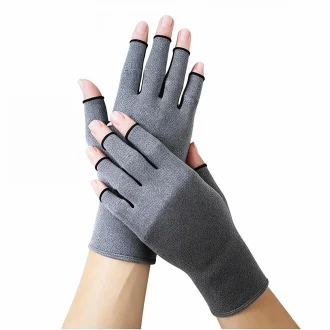
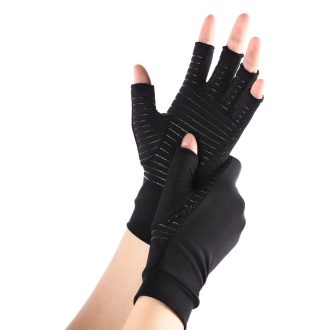
- Gloves and Socks: These products apply gentle pressure to the hands and feet, promoting increased blood flow and warmth. By enhancing circulation, they can alleviate symptoms, reducing discomfort and the likelihood of flare-ups in cold conditions.
- Thermal Wear:
- Gloves and Socks: Made from insulating materials, these products are designed to retain body heat, providing additional warmth for cold-prone areas like hands and feet. They offer extra protection against cold environments, helping manage symptoms and reduce the risk of developing chilblains or triggering a Raynaud’s attack.
Choosing NuovaHealth means opting for quality and effectiveness. Our products are designed with precision to offer maximum support and comfort, ensuring you can enjoy your outdoor activities without the nagging discomfort of cold-induced issues.
-
 Compression Gloves£9.99inc VAT
 -
Compression Grip Gloves£13.99inc VAT
-
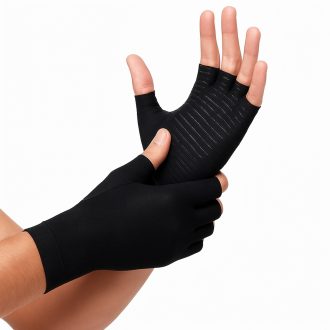
Copper compression gloves£10.99inc VAT
-
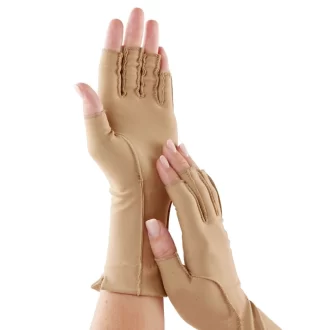
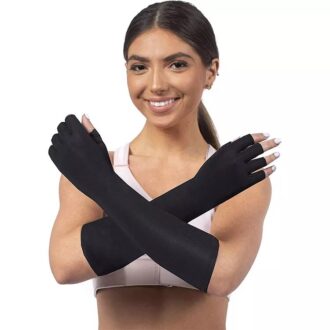
Fingerless Raynauds Disease Gloves£10.99inc VAT
-
Men’s Thermal Raynaud’s Disease Gloves£11.99inc VAT
-
Raynaud’s Syndrome Gloves By RevitaFit™£10.99inc VAT
-
Raynauds Disease Gloves Full Length£12.49inc VAT
-
RevitaFit™ Compression gloves for poor circulation£14.99inc VAT
-
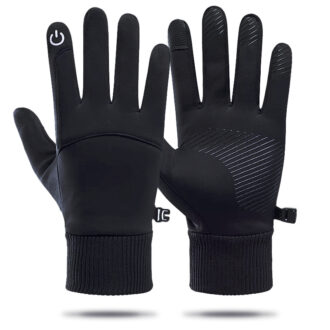
Winter thermal gloves for running & outdoor sports£11.99inc VAT



Should You Be Concerned About Long-Term Effects?
While chilblains and Raynaud’s are generally manageable, persistent or severe symptoms warrant medical advice. It’s essential to monitor your condition and consult with a healthcare professional if symptoms worsen or significantly impact your daily life.
Final Thoughts
You’re not alone in experiencing these chilly challenges. By taking proactive steps—like using NuovaHealth’s compression products and keeping warm—you can help manage your symptoms and enjoy the colder months more comfortably.
Disclaimer
This post is intended for informational purposes only and should not be construed as medical advice. If you suspect you have chilblains or Raynaud’s disease, it is crucial to consult with a healthcare professional promptly. Raynaud’s can sometimes indicate a more serious underlying health condition affecting your circulation, such as autoimmune disorders or cardiovascular diseases. Early diagnosis and treatment are vital to managing symptoms effectively and preventing potential complications. Delaying medical evaluation and intervention can lead to worsening symptoms and possible damage to affected tissues. Always seek guidance from a qualified healthcare provider to ensure a treatment plan tailored to your specific needs.