Shoulder braces
When your shoulder is painful, even ordinary tasks can start to feel awkward. Reaching into a cupboard, fastening a seatbelt, carrying bags, working at a desk, lifting at the gym, or simply trying to get comfortable at night can all become harder than they should be. In some cases the cause is obvious, such as a strain, sprain, or previous injury. In others, symptoms build gradually through overuse, repetitive movement, poor posture, instability, or age-related wear and tear.
A well-chosen shoulder brace or support can help by making movement feel more secure and less irritating. Depending on the design, it may provide compression, gentle stabilisation, posture cueing, or a greater sense of support during work, sport, or day-to-day activity. Some people want something light and comfortable for daily wear. Others need a more structured brace that offers firmer support during exercise or recovery. The best option depends on your symptoms, the level of support you need, and how much movement you still want to keep.
Our shoulder braces and supports have been selected to offer practical support you can actually wear. That means focusing not only on support, but also on comfort, fit, adjustability, and day-to-day usability. Whether you are managing a flare-up, looking for extra confidence during activity, or searching for a support that feels secure without being cumbersome, the right brace can make a real difference.
Understanding Shoulder Pain
The shoulder is one of the most mobile joints in the body. That is what allows you to lift your arm overhead, reach behind you, throw, carry, push, pull, and move freely in multiple directions. But the same mobility that makes the shoulder so useful also makes it more dependent on soft tissues and muscular control than many people realise.
Rather than relying on a deeply locked-in joint shape, the shoulder depends on coordinated support from muscles, tendons, ligaments, the joint capsule, and the shoulder blade. When these tissues are irritated, overloaded, stiff, weakened, or not working together well, the result may be pain, tension, reduced movement, a sense of weakness, or a feeling that the shoulder is not quite stable.
This is one reason shoulder symptoms vary so much. For some people the main problem is pain when lifting the arm. For others it is a dull ache after activity, stiffness in the morning, soreness at night, or a shoulder that feels unreliable in certain positions. Two people can both say they have shoulder pain and be dealing with quite different problems.
Common causes of shoulder discomfort include:
-
- strains and sprains
-
- repetitive lifting or overhead activity
-
- rotator cuff irritation and tendon overload
-
- sport-related overuse
-
- instability or previous dislocation
-
- posture-related muscular fatigue
-
- bursitis and other soft tissue irritation
-
- arthritis and age-related joint changes
-
- stiffness after reduced movement or injury
Because shoulder pain can be pain-dominant, stiffness-dominant, or instability-dominant, there is no single support that suits everyone. The most useful brace is usually the one that matches the problem you are trying to manage. For one person that may be light compression and warmth. For another it may be posture cueing or a more secure, stabilising feel during movement.
How Shoulder Braces and Supports Help
A shoulder brace is not there to do everything on its own. Its role is to support the shoulder in a practical, mechanical way that may make movement more comfortable and day-to-day activity easier to manage.
Compression and proprioceptive feedback
Many shoulder supports apply gentle compression around the joint and upper arm. This can improve awareness of shoulder position and movement. In practical terms, it may help you notice habits that keep irritating the area, such as shrugging, reaching awkwardly, or repeatedly loading the arm in an uncomfortable way. Better movement awareness can make a surprising difference when a shoulder is easily aggravated.
Gentle support and a more secure feeling
When a shoulder feels vulnerable, weak, or painful, even simple tasks can create hesitation. A support can give the joint a steadier, more protected feel. For some people this means less discomfort during everyday movement. For others it means more confidence when returning to exercise, work, or activity after a flare-up.
Managing aggravating movement
Some braces are designed to reduce how easily the shoulder moves into positions that repeatedly trigger symptoms. This is particularly useful where overhead movement, sudden reaching, or wider rotational positions tend to cause pain. The idea is not always to immobilise the shoulder, but to make movement feel better controlled and less provocative.
Posture cueing
Posture-focused supports can act as reminders during long periods of sitting or desk work. They do not permanently correct posture, but they can help bring awareness to rounded shoulders and upper-body fatigue. For some people this is enough to reduce strain across the shoulders and upper back during the day.
Warmth and comfort
Soft, close-fitting materials can make the shoulder feel warmer and more supported. This can be especially welcome when the joint feels stiff, achy, or uncomfortable during daily use. That added comfort can make it easier to keep moving rather than guarding the shoulder all the time.
Confidence during activity
After pain or injury, people often move more cautiously. A shoulder brace can reduce that sense of uncertainty and make the arm feel less exposed during use. While it is not a replacement for strength or recovery, it can help some people get back to activity more comfortably.
What a brace cannot do is diagnose the cause of pain, rebuild strength by itself, or replace rehabilitation where that is needed. It is a support tool, not a complete answer on its own. Used well, though, it can make a meaningful difference to comfort, movement, and confidence.
Types of Shoulder Braces and Supports
Not all shoulder supports are designed for the same purpose. Some are soft and flexible, intended mainly for compression and comfort. Others are more structured and suited to situations where a firmer, more stabilising feel is needed.
Compression shoulder supports
These are usually lightweight and flexible, offering gentle compression around the shoulder and upper arm. They are often a good choice for mild aches, overuse symptoms, sport, or general daily support. Because they usually allow quite normal movement, they suit people who want support without feeling restricted.
They are commonly chosen for:
-
- mild muscular soreness
-
- everyday shoulder fatigue
-
- light support during exercise
-
- general overuse discomfort
-
- wear under clothing
Their main strengths are comfort and wearability. Their limitation is that they do not offer strong movement control.
Adjustable wraparound supports
These provide a more secure fit than a simple sleeve. Because they can be tightened and positioned more precisely, they often suit people who want moderate support for strains, tendon irritation, recurring flare-ups, or physical activity. They are a useful middle ground between light compression and more restrictive bracing.
For many people, this is the most versatile category. It gives the shoulder a supported feel without making normal use overly awkward.
Posture-support designs
These are designed to encourage better shoulder and upper-back positioning. They are especially popular with people who spend long hours sitting, working at a desk, or driving. Their main value is as a reminder rather than a permanent solution. Used alongside regular movement and better working habits, they can be helpful for reducing upper-body fatigue and posture-related discomfort.
More restrictive supports
Some shoulder supports are designed to limit movement more clearly. These are generally more appropriate where the shoulder needs added protection or where a higher level of control is required during recovery. They are not usually the first choice for mild general aches, but they can be useful in more specific circumstances.
Clavicle and upper shoulder supports
Some designs focus more on the collarbone and upper shoulder region than on the shoulder joint itself. These may be useful where support for upper shoulder positioning is the priority.
Sports shoulder supports
Sports-focused designs aim to balance support with movement. They are suited to people who want extra reassurance during gym work, contact activity, racquet sports, throwing movements, or repeated overhead exercise. A good sports support should help the shoulder feel more secure without getting in the way.
Support levels at a glance
-
- Light support for mild aches, gentle compression, and reassurance
-
- Moderate support for recurring symptoms, strains, and day-to-day stability
-
- Firm support for a more controlled, secure feel
-
- Restricted support where movement reduction is specifically needed
The aim is not simply to choose the strongest option. It is to choose the one that provides the right kind of help without making your shoulder harder to use than necessary.
Common Shoulder Problems and How a Brace May Help
People buy shoulder supports for many different reasons. Although the exact cause of symptoms varies, certain patterns are especially common.
Strains and sprains
Shoulder strains and sprains can happen after lifting, pulling, awkward reaching, falls, sport, or sudden overload. The shoulder may feel sore, weak, or vulnerable, especially during ordinary daily tasks. A brace can help by giving the area a more supported feel and reducing the sense that every movement is exposing the injury again. In many cases, a moderate adjustable support is a practical choice because it offers security without fully shutting the shoulder down.
Rotator cuff and tendon-related pain
Tendon-related shoulder pain often builds over time. People notice discomfort when lifting the arm, reaching overhead, or using the shoulder repeatedly. A support can help by reducing the feeling of strain during activity and improving awareness of how the shoulder is moving. In these cases, lighter or moderate support is often more useful than heavy restriction, because the shoulder usually still needs comfortable movement.
Impingement-style symptoms
Where certain lifting or reaching positions produce a pinching or painful arc, a brace may help by guiding movement and giving the shoulder a more stable base during use. The benefit is usually in reducing repeated aggravation rather than in dramatically changing the joint itself.
Arthritic or stiff shoulders
Shoulders affected by age-related wear, stiffness, or ongoing ache often benefit more from comfort than from strong restriction. A soft support can add warmth, gentle compression, and a more secure feeling during everyday activity. For many people this makes ordinary tasks feel more manageable.
Instability and previous dislocation
If the shoulder feels loose, unreliable, or vulnerable in certain positions, a brace can play a more obvious role. A more structured support may help reduce movement into positions that feel risky and provide greater confidence during work, exercise, or return to activity.
Posture-related discomfort
Long hours sitting or working in a rounded position can lead to aching across the shoulders and upper back. In these cases, a posture-cueing support can act as a useful reminder during the day. It is most effective when paired with better movement habits and regular breaks.
Support during recovery
After injury, the type of support needed depends on how much protection or control is appropriate. Some shoulders benefit from gentle support during return to activity, while others require a more restricted approach for a time. The most suitable brace depends on the stage of recovery and the level of movement the shoulder can tolerate comfortably.
How to Choose the Right Shoulder Brace
When comparing shoulder supports, it helps to start with the main question: what do you want the brace to help you with?
For mild aches and everyday support
A light compression support is often enough if the goal is comfort, warmth, and general reassurance during the day.
For instability or a vulnerable shoulder
If you want the joint to feel more secure, look for a more structured brace that offers greater control and a firmer fit.
For posture-related discomfort
A posture-cueing support may be the better option if your main issue is upper-body fatigue or slumping during desk work.
For gym, sport, or physical activity
Choose a support that gives the shoulder confidence without becoming bulky or restrictive. Sports-focused designs are often the best compromise between movement and stability.
For stiffness and day-to-day aching
Comfort matters most here. A soft support that feels easy to wear is often more useful than a heavily structured brace.
For recovery from injury
If you are using a shoulder support during recovery, choose according to the level of protection actually needed. Firmer support is not always better unless the shoulder genuinely needs that degree of control.
Fit and adjustability
A good fit matters just as much as the support level. The brace should feel snug and secure, but not so tight that it pinches, irritates the skin, or causes numbness or tingling. Adjustable designs are often useful if you want more control over pressure and positioning.
How to Wear a Shoulder Brace Properly
A shoulder support should feel comfortable enough that you will actually use it when needed. It should stay in place, feel supportive, and not create new discomfort. If it slips, digs in, or feels too tight, it may not be fitted correctly or may not be the right style for you.
Many people wear a shoulder brace during the times that place the most demand on the joint. That may be while working, exercising, travelling, doing household tasks, or managing a flare-up. Others wear support more regularly for a period if the shoulder feels especially irritable.
If you wear the brace for longer periods, it is sensible to check the skin underneath and make sure the support is not causing rubbing or irritation. The brace should not cause tingling, numbness, excessive pressure, or worsening pain. If it does, remove it and reassess the fit or the type of support being used.
It is also worth remembering that support should usually complement movement, not replace it entirely unless there is a clear reason to restrict motion. In many situations, the brace works best as a way to make activity easier to tolerate rather than as something to depend on at all times.
What a Shoulder Brace Can and Cannot Do
What it may help with
-
- providing light to moderate support
-
- improving comfort during work, sport, or everyday activity
-
- adding warmth and compression
-
- improving awareness of shoulder movement
-
- reducing aggravating movement patterns
-
- making the shoulder feel more secure
-
- supporting confidence during recovery or flare-ups
What it cannot do on its own
-
- diagnose the cause of shoulder pain
-
- restore strength or control by itself
-
- repair more significant structural problems on its own
-
- replace rehabilitation where that is needed
-
- substitute for proper assessment after major injury or persistent symptoms
A brace is best seen as one part of sensible shoulder care. It can make movement more tolerable and reduce unnecessary strain, but it is not a cure-all.
Why Choose Our Shoulder Braces and Supports
We have selected our range with practicality in mind. That means looking beyond simple support claims and focusing on what actually matters in use: comfort, adjustability, wearability, and choosing the right level of support for the right kind of shoulder problem.
Different people need different things from a shoulder brace. Some want a discreet support they can wear during the day. Some want extra reassurance during exercise. Others need a more structured option that offers a firmer, more stable feel. By offering a range of support types and levels, it becomes easier to choose something that genuinely fits your needs.
We also know that a support is only useful if it is comfortable enough to wear. That is why good fit, practical design, and ease of use matter just as much as the amount of support a product provides. A shoulder brace should work with daily life, not make it harder.
If applicable, this is also the right place to mention your guarantee or returns policy in a simple, reassuring way.
Frequently Asked Questions
Can a shoulder brace help with rotator cuff pain?
It may help by reducing the feeling of strain during activity and providing a more supported feel around the shoulder. This can be especially useful where symptoms are linked to overuse or repeated lifting. It does not repair the tendon itself, but it can make day-to-day use more manageable.
Can I wear a shoulder brace every day?
Yes, in many cases, provided it is comfortable and not causing irritation. Some people wear shoulder support daily during a flare-up or physically demanding period, while others only use it during particular activities.
Should I wear a shoulder brace at night?
Some people find it helpful, especially if the shoulder feels vulnerable during sleep. However, not every brace is suitable for overnight wear. Comfort and fit matter, and it should never feel tight or restrictive.
Can a shoulder support help with instability?
Yes, especially if the design offers a more structured and secure fit. For people with previous dislocation or a shoulder that feels loose in certain positions, a brace can provide added confidence and support during movement.
Will a shoulder support fix my posture?
Not on its own. A posture-focused brace can act as a reminder and help reduce slumping, but long-term improvement also depends on movement habits, strength, and how much time you spend in one position.
What type of shoulder support is best for exercise?
That depends on how much support you need. For mild symptoms, a compression support may be enough. If you want more stability during training or sport, an adjustable or sports-focused brace may be more suitable.
How tight should a shoulder brace feel?
It should feel snug and supportive, but not tight enough to cause tingling, numbness, rubbing, or discomfort. If it is distracting to wear, the fit probably needs adjusting.
Can a shoulder brace help with arthritis?
It can help with comfort, warmth, and general support during daily activity. Many people with arthritic shoulders prefer softer supports that are easy to wear rather than more restrictive braces.
Do I need a compression support or a more restrictive brace?
If you mainly want comfort and light support, compression may be enough. If your shoulder feels unstable or you need more control during recovery or activity, a firmer brace may be more suitable.
What should I do if the brace makes things worse?
Stop using it and check the fit. If adjusting it does not help, the brace may not be the right type or support level for your symptoms. If pain is worsening or something feels clearly wrong, further assessment is sensible.
Important Medical Guidance
Shoulder braces and supports can play a useful role in managing symptoms, but they are not a substitute for medical advice where that is needed. Seek professional assessment if your shoulder pain follows significant trauma, is associated with obvious deformity, marked weakness, numbness, severe swelling, or symptoms that continue to worsen.
You should also seek advice if shoulder pain persists without a clear reason, keeps returning, or continues to limit movement and function despite rest and support. The right brace can improve comfort and make activity easier to manage, but the best results come when the support matches the problem and is used with sensible expectations.
-
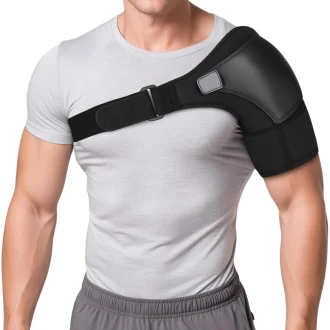
Shoulder Compression Sleeve Brace
- 1x High Quality Shoulder Compression Sleeve Brace designed to support, ease and bolster recovery of injured shoulders
- For both Men & Women
- One size fits all
- Can be worn on either the left hand or right-hand side
- Helps support your shoulder in the correct position and alleviate pressure and strain off your shoulder, upper back and neck
- Soothing compression eases pain and improves cultivation around your shoulder aiding the healing process of injured shoulders
- Ideal for people suffering from Frozen Shoulder, Tendonitis, Rotator cuff injuries, Bursitis & Arthritis pain
- Includes a full 30-day money back guarantee, no questions asked!
£13.99inc VAT -
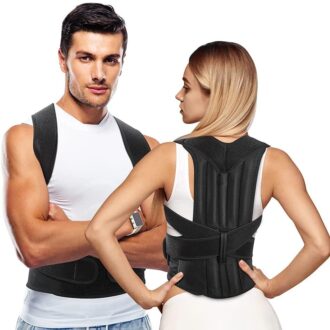
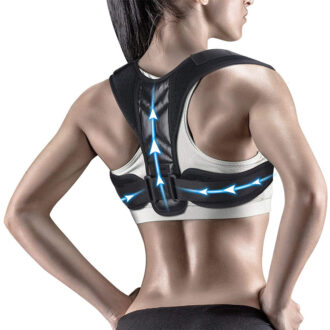
Back Stabilizer Support Brace for Back Pain
- 1x Back Stabilizer Support Brace designed to cover and support your entire back to help ease back pain and improve your posture
- For both Men and Women
- Designed to help support, stabilize and realign your spine making you stand straighter and improve your posture
- Can be worn to help ease and prevent a range of different back related injuries caused by bad posture including a Slipped disc, Sciatica, Facet syndrome, Lumbar spinal stenosis, Spine kyphosis and Arthritis pain
- Helps stop bad posture habits such as slouching, rounded shoulders and forward neck
- Pins your shoulders back and makes you stand correctly by supporting your neck, shoulders, ribcage and your upper and lower back in the correct position
- Provides soothing compression to your back that will boost the supply of fresh oxygenated blood to your back helping reduce inflammation and swelling promote healing of damaged tissue and ease back pain and aches
- 2 Inbuilt support rods hold your spine in the correct position and helps ease pressure and strain off your back
- Made from lightweight breathable fabric with moisture wicking properties that will help keep your back feeling cool, dry and comfortable
- Ideal for wearing whilst at the Gym, Running, playing sports or carrying out your daily activities
- Includes a full 30 day money back guarantee, if you are not 100% satisfied with your purchase!
- Available in sizes Small, Medium, Large, XL & XXL, 3XL and 4XL with two easy to use adjustable straps help you find the right support and fit for you.
- The maximum length of the belt are as follows measuring below the rib cage and around the stomach area (note this is adjustable downwards):
- M (Max length 100cm (39.37 inches)), L ( Max Length 102cm (40.15 inches)), XL (Max Length 104cm (40.9 inches)), 2XL (Max Length 106cm (41.7 inches)), 3XL (Max Length 108cm (42.5 inches)), 4XL (Max Length 110cm (43.3inches))
- Or if you don’t have your measurements generally the following weight guidelines can be used:
- M: up to 37.5kg
L:40-50kg
XL: 45-55kg
XXL:55-65kg
XXXL: 65-75kg
XXXXL: 75-80kg
£15.99inc VAT -
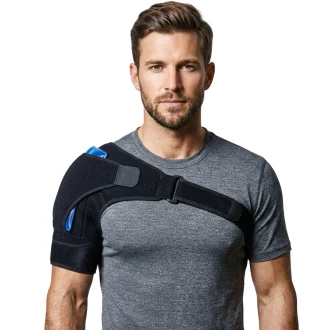
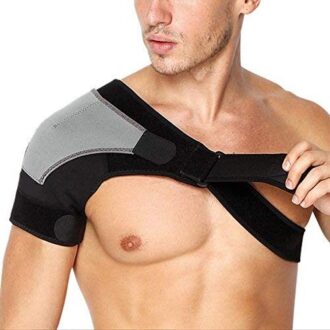
Shoulder Ice Wrap – Hot & Cold Therapy Support Brace
- Targeted support for sore or unstable shoulders
- NuovaHealth’s Shoulder Ice Wrap – Hot & Cold Therapy Support Brace for adults.
- Single‑sided wrap that can be worn on either the left or right shoulder.
- The wrap sits around the shoulder and upper arm and is held in place by an adjustable strap that runs across the chest and under the opposite arm.
- This helps the shoulder feel more secure and makes it harder to move quickly into the wide, rotated‑back positions that often set pain or a feeling of “giving way” off.
- Adjustable compression where it’s most needed
- One‑size design to fit most adult shoulders, with a snug but comfortable fit for both men and women.
- The wrap closes over the upper arm so that compression sits directly over the tendon and bursa region at the top of the shoulder.
- This steady pressure helps limit build‑up of fluid after activity and gives a more “held together” feeling around an irritated shoulder.
- Built‑in pocket for hot and cold therapy
- Comes with a reusable gel pack that slides into a pocket over the top of the joint.
- Use it cold after a flare‑up or heavier use to help calm soreness and swelling.
- Use it warm when stiffness and background ache are the main problems, for example before gentle movement or exercises.
- The pocket keeps the pack in place over the painful area so you don’t have to hold an ice or heat pack against your shoulder.
- Common situations where people use this wrap
- Ongoing shoulder pain when lifting the arm, often linked with rotator cuff‑type problems.
- Frozen‑shoulder‑style stiffness where movement is limited and painful.
- Bursitis or impingement‑type pain with sharp catching around shoulder height.
- Mild feelings of instability after a dislocation, once a clinician has assessed the joint.
- Osteoarthritis and longer‑term “wear and tear”‑type aching and stiffness.
- General soreness and swelling after days when the shoulder has worked harder than usual.
- How it fits with your overall care
- Designed to sit alongside exercises, activity changes and advice from a GP or physiotherapist, not to replace them.
- Intended for day‑time wear at times when your shoulder is under more strain, not for use while sleeping.
- NuovaHealth guarantee
- Supplied by NuovaHealth with a 30‑day money‑back guarantee if you are not satisfied.
£17.99inc VAT - Targeted support for sore or unstable shoulders
-
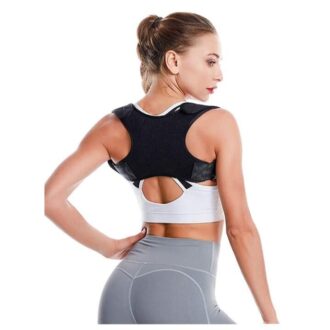
Posture brace
- Upper‑back posture brace by BackReviver for people with neck, shoulder or upper‑back ache linked to rounded shoulders or forward‑head posture (“tech neck”)
- Applies a gentle backward and downward pull on the shoulders when you begin to slump, prompting you to sit and stand more upright
- Acts as a postural cue rather than a rigid cast, so your own muscles still hold you up and build strength over time
- BackReviver Y‑shaped back panel and backpack‑style straps spread pressure across the upper back for broad, even support
- Light, steady contact across shoulders and upper back increases awareness of posture without feeling tight or restrictive
- Soft padded lining, flat seams and rounded edges designed to reduce rubbing and digging‑in during longer wear
- Breathable neoprene with ventilation holes to help reduce heat build‑up and clamminess under clothing
- One‑size‑fits‑most design with four adjustable buckles so you can set a secure, balanced fit on most average adult builds
- Allows natural arm and trunk movement for everyday tasks such as desk work, walking and light jobs at home
- Best introduced in short spells during times you know you tend to hunch, then built up gradually as your body adapts
- Do not wear over broken or irritated skin, if you react to the materials, or while sleeping; ease off if pain, numbness or new symptoms appear
- BackReviver focus on high‑quality back and joint supports; this design reflects the strap layout and padding many clinicians prefer for everyday posture work
- 30‑day money‑back guarantee so you can test comfort and fit in your normal routine
£9.99£14.99inc VAT -
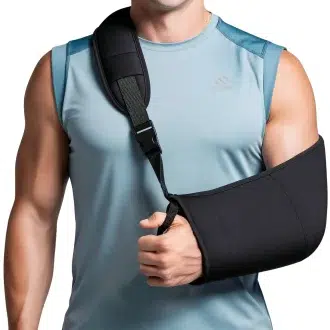
Rotator Cuff Sling
- Arm sling for adults recovering from shoulder, upper arm, and elbow injuries—suitable for both men and women
- Works for either left or right arm—the same sling fits both sides
- One size fits all with fully adjustable straps that let you modify position as healing progresses
- Supports rotator cuff tears, shoulder dislocations, labral tears, tendonitis, AC joint separations, collarbone fractures, upper arm fractures, tennis elbow, and post-surgical recovery
- Holds your arm in a protected position where torn tendons, ligaments, and capsule can form scar tissue without constant mechanical stress
- Padded shoulder strap spreads your arm’s 4-5kg weight over a broader area—prevents the sharp, digging-in pain that makes you want to take it off after a few hours
- Adjustable buckle lets you raise or lower your forearm to encourage fluid drainage early on, then modify position as you begin rehabilitation exercises
- Breathable fabric reduces heat build-up and moisture accumulation during 12-14 hour daily wear—keeps skin drier and reduces risk of irritation and breakdown
- Thumb loop anchors your hand and prevents your forearm from sliding forward when you lean or move—maintains correct elbow angle throughout the day
- Reinforced stitching at stress points prevents seams from separating under repeated use—critical where the cradle attaches to the strap and where the strap connects to the buckle
- Typically worn continuously for 4-6 weeks during initial healing, then progressively reduced as your GP or physiotherapist guides you through rehabilitation
- Check circulation and skin condition regularly—loosen or remove if you notice numbness, tingling, colour changes, or persistent pressure marks
- Use as part of a treatment plan guided by your GP, physiotherapist, or surgeon—not a substitute for professional medical advice
- 30-day money-back guarantee—if the sling doesn’t meet your needs, contact us for a full refund or replacement
£9.99inc VAT -
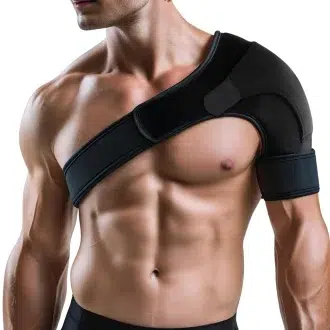
Rotator Cuff Brace
- 1x Shoulder Support Rotator cuff Brace
- For both Men & Women
- One size fits all with 2 adjustable straps that allow you to adjust the size and fit of the brace quickly and easily
- Designed for injury prevention and recovery of Arthritis, Strains, Sprains, Soreness, Tendonitis, Bursitis and Rotator Cuff Tears and injuries
- Provides soothing compression to help ease pain, swelling and stiffness as well as improve blood flow to your injured muscles and ligaments to speed up the natural healing process
- Helps to support and stabilize your shoulders, upper back and neck protecting you from movement which could cause further damage and injury
- Orthopaedic support realigns and corrects the way your shoulder functions helping to improve shoulder mobility and reduces the risk of future injury
- Shock absorbing inner padding helps to protect and provide long lasting comfort
- The non bulky, lightweight and breathable design allows your skin to breathe, keeping you feeling fresh and sweat free making this Rotator cuff Brace ideal for wearing whilst running, playing sports, exercising and weightlifting
- Includes a full 30 day money back guarantee if you are not 100% satisfied with your purchase!
£13.99inc VAT -
Shoulder posture brace
- A lightweight, adjustable shoulder posture brace designed to help adults whose shoulders drift forwards during desk work, driving and other everyday tasks.
- Best suited to mild to moderate posture-related strain, including rounded shoulders, upper-back tiredness after sitting, and neck or shoulder tightness that builds through the day.
- Designed to give a clear reminder you can feel when your shoulders start to roll forwards, rather than forcing you into a rigid position.
- May help you spend less time in the slouched shoulder position that often leaves the upper back and neck feeling overworked later on.
- Supports a less rounded shoulder position while still allowing normal movement during ordinary daily activity.
- Lightweight construction helps avoid adding extra load across shoulders that already feel tired by the end of the day.
- Adjustable straps allow you to set a gentler or firmer cue depending on how easily your shoulders drift forwards.
- Padded contact areas are designed to improve comfort where many braces tend to rub or dig in.
- Breathable, lower-bulk design makes regular wear more realistic than with heavier or stiffer braces.
- Usually best introduced gradually, starting with shorter periods during the time of day when your posture tends to slip most.
- Works best alongside regular movement, sensible posture breaks and general upper-back strength rather than as a complete answer on its own.
- Not intended for severe or unexplained symptoms, or as a replacement for individual advice where symptoms are more complex.
- If you have worsening pain, spreading numbness, marked weakness, recent injury, or symptoms that do not seem clearly linked to posture, it is sensible to speak to a GP or physiotherapist.
£12.99£14.99inc VAT -
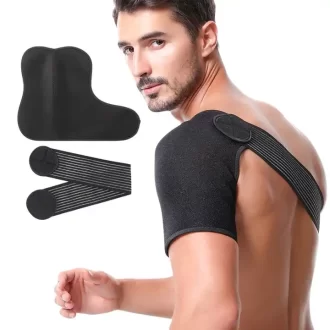
Shoulder Stabilizer Support Brace for Shoulder Pain, Labrum Tear, Tendonitis, Dislocated AC Joint, Arthritis, & Bursitis
- 1x Shoulder strap designed to support and ease shoulder aches and pain
- For both Men & Women
- One size fits all with easy to use adjustable strap that allows you to find the right fit and compression you require
- Ideal for easing and treating a range of different shoulder injuries including frozen shoulder, Tendonitis, Rotator cuff, Bursitis, Dislocation Injury & Arthritis
- Provides soothing compression that provide deep targeted pain relief to your shoulder joint
- Recommended for PRICE injury recovery protocol – Helps to boost blood flow to your shoulder aiding the natural healing process of injured shoulders
- Designed to help improve shoulder function by restricting movement which could cause damage to you shoulder
- Made from lightweight & durable Neoprene material with moisture wicking properties to help you stay dry and sweat free
- Includes a full 30 day money back guarantee if you are not 100% satisfied with your purchase!
£9.99inc VAT -
Shoulder Support Brace for Frozen shoulder, Tendonitis, Rotator cuff, Bursitis & Arthritis pain
- 1x Shoulder Support Brace ideal for easing shoulder pain and injuries
- One size fits all – Features secure adjustable Velcro strap to help you find the right fit and compression for you
- For both Men & Women
- Made from lightweight Neoprene material
- Absorbs shock, stabilizes & Supports your shoulder in the correct position and prevents movement that could damage the shoulder joint and ligaments
- A perfect choice for those wanting to avoid shoulder injuries whilst exercising at the Gym, Running, or playing sports such as football & rugby
- Ideal for treating and preventing a wide range of shoulder injures including Frozen shoulder, Tendonitis, Rotator cuff, Bursitis & Arthritis
- Includes a full 30 day money back guarantee, no questions asked!
£12.99inc VAT