Raynaud's disease gloves
NuovaHealth Raynaud’s Gloves: Warmth, Compression, and Everyday Hand Comfort
Have you ever noticed your fingers turning white or blue in the cold? Perhaps you’ve felt numbness, stiffness, or pain that makes simple tasks—buttoning a shirt, typing a message—more awkward than they should be. If that sounds familiar, you might be dealing with Raynaud’s disease. It’s more common than you’d think, and there are effective ways to manage the discomfort and get back to daily life.
The first step is understanding what’s happening in your hands. In this guide, we’ll explain the mechanics behind Raynaud’s, why the body overreacts to cold and stress, and how the right gloves can make a meaningful difference. We’ll also cover choosing, wearing, and caring for gloves, what to expect from them, and when it’s worth speaking to a healthcare professional.
Let’s begin with what you’re actually feeling.
What It Feels Like When Your Hands Won’t Stay Warm
For someone with Raynaud’s, cold hands aren’t just uncomfortable. They can become genuinely painful and frustrating. You might be indoors, in a mildly cool room, and notice your fingers starting to turn pale or ghostly. Or you step outside on a crisp autumn morning and within minutes your fingertips feel wooden, clumsy, and difficult to move.
This isn’t ordinary cold sensitivity. It’s an exaggerated response from the small blood vessels in your fingers and toes. Instead of responding to cold in a measured way, they clamp down hard, cutting off much of the blood supply to the skin. The result is a range of alarming sensations: numbness, tingling, a feeling of tightness or stiffness, and sometimes a sharp, throbbing ache as the blood flow returns.
Everyday actions become harder. Picking up a coin, doing up a zip, sending a text message, or holding a cup of tea can all feel awkward and frustrating. It’s not just about being cold. It’s about your hands not doing what you need them to do.
If this sounds familiar, you might be reassured to know that Raynaud’s is a recognised condition with a clear physiological explanation. It’s not something you’ve imagined, and it’s not something you just have to put up with.
What Is Raynaud’s Disease?
Raynaud’s disease, pronounced “ray-NOHZ,” is named after the French doctor Maurice Raynaud, who first described it in the nineteenth century. It’s a disorder of the small blood vessels, most commonly those in the fingers and toes, though it can occasionally affect other areas like the nose or ears.
The defining feature of Raynaud’s is a sudden, excessive narrowing of these small blood vessels—a process called vasospasm. Normally, your blood vessels tighten to conserve heat when you’re cold, and relax to release heat when you’re warm. This is a healthy, automatic response. In Raynaud’s, however, the vessels overreact. They constrict far more than they should, and they do so in response to relatively mild triggers, such as a slight drop in temperature or a moment of stress.
When the blood vessels narrow dramatically, the blood supply to the skin is severely reduced. This is why the affected skin changes colour. The change often happens in three stages:
- White (pallor): When blood flow first drops, the skin loses its normal colour and looks pale or white.
- Blue (cyanosis): As the oxygen in the remaining blood is used up, the skin can take on a bluish tinge.
- Red (rubor): When the spasm passes and blood flow returns, the skin may flush bright red as the vessels open back up.
This three-stage colour change is the classic pattern of a Raynaud’s episode. Not everyone experiences all three stages, and some people only see one or two colours. But the pattern is distinctive enough that doctors can usually recognise Raynaud’s from a clear description alone.
How Common Is It?
Raynaud’s is more common than many people assume. It’s thought to affect roughly five to ten percent of people, with higher rates in colder climates. Women are affected more often than men, and it tends to emerge in early adulthood. That means a large number of people are living with this condition every day, often in silence, simply thinking they have “bad circulation.”
You’re not unusual, and you’re certainly not on your own. Many find that putting a name to what’s happening is the first step to feeling more in control.
Primary Versus Secondary Raynaud’s: A Quick Overview
There are two distinct forms of Raynaud’s, and the difference matters for how you approach management. Let’s introduce both now; this distinction becomes important later when we talk about seeing a GP.
Primary Raynaud’s is the most common form. It occurs on its own, without any underlying medical condition. It’s uncomfortable and inconvenient, but it rarely causes lasting damage.
Secondary Raynaud’s is different. It develops as a result of another health condition, and it can be more frequent, more severe, and more likely to cause tissue damage. Conditions like scleroderma, lupus, and rheumatoid arthritis are among those that can lead to secondary Raynaud’s.
Why Does Raynaud’s Happen? The Body’s Overreaction Explained
To understand why gloves help, it helps to understand what’s happening inside your body when a Raynaud’s episode starts.
Think of your blood vessels as flexible tubes with muscular walls. In healthy situations, those muscles relax to allow more blood through when you’re warm, and tighten to reduce blood flow when you’re cold. This is how your body keeps its core temperature stable. It’s a clever, automatic system.
In Raynaud’s, that system is oversensitive. The muscle in the walls of your small blood vessels responds to cold or stress by contracting too powerfully. Instead of a gentle narrowing, you get an almost complete clamping down. The blood supply to your fingertips drops dramatically, which is why they turn white and feel numb.
This overreaction is thought to be driven by the autonomic nervous system, which controls involuntary actions like your heartbeat and digestion. In people with Raynaud’s, the signals that tell blood vessels to constrict are stronger or more easily triggered than they should be. There may also be differences in how the blood vessel wall itself responds, and how the inside lining of the vessel (the endothelium) releases chemicals that control vessel diameter.
The result is a temporary “shut off” of blood flow to the extremities. It’s not dangerous in a short episode, but it’s extremely uncomfortable, and repeated episodes can leave your hands feeling tired, aching, and sensitive.
Why Cold Makes It Worse
Cold is the number one trigger. When your body senses cold, it wants to protect your vital organs in the centre of your body. To do that, it narrows the blood vessels in your skin, hands, and feet to send more blood inward. For someone with Raynaud’s, that normal response is turned up much too high. Even a small drop in temperature can cause a dramatic response.
This also explains why wind, wet weather, and sudden temperature changes are so problematic. Wind strips heat from your skin quickly. Damp conditions pull heat away from your body far faster than dry air. And moving from a warm room to a cold outdoors, or reaching into a cold fridge, can shock your blood vessels into spasm.
What Other Triggers Matter?
Beyond cold, several other factors can set off a Raynaud’s episode. These aren’t imaginary or random—they each have a clear physiological explanation.
Stress and anxiety: Emotional stress activates your sympathetic nervous system—the body’s automatic stress response, sometimes called “fight or flight.” That activation causes blood vessels to constrict. For someone with Raynaud’s, that means stress can trigger an attack just as easily as cold. Even everyday pressure, like a tight deadline or an anxious moment, can be enough.
Smoking: Nicotine is a powerful vasoconstrictor. It directly tells your blood vessels to narrow, which is exactly what you don’t want when you already have a condition that over-constricts vessels. Smoking also damages the inner lining of blood vessels over time, making secondary Raynaud’s more likely to progress. Giving up smoking is one of the most effective lifestyle changes you can make for your circulation.
Occupational factors: Some jobs involve repeated vibration—for example, using a power tool or a lawnmower for long periods. That vibration can damage the small blood vessels in your hands over time, leading to a form of secondary Raynaud’s sometimes called “vibration white finger.” Similarly, repetitive hand movements without adequate rest can strain the circulation.
Genetics and hormones: Women are more likely to develop Raynaud’s than men, and there’s some evidence that hormonal factors play a role. A family history of the condition also increases your risk, suggesting that some people are simply born with a more reactive blood vessel system.
Understanding your triggers is a powerful step. Once you know what sets off an episode, you can take practical steps to avoid or reduce it. And that’s exactly where gloves become a very sensible part of your toolkit.
Primary Versus Secondary Raynaud’s: Why the Difference Matters
Now that we’ve established the underlying mechanism, it’s time to look more closely at the two forms of Raynaud’s. This is more than a technical detail; it has real implications for how you manage your hands and when you should seek medical advice.
Primary Raynaud’s
Primary Raynaud’s occurs on its own, without any underlying medical condition. The exact cause isn’t fully understood, but the pattern suggests an overactive sympathetic nervous system. In other words, the body’s automatic stress response is a little too quick to narrow blood vessels, so the hands and feet overreact to cold or stress.
Primary Raynaud’s is generally more of a nuisance than a serious health threat. Episodes can be uncomfortable, inconvenient, and at times painful, but they rarely cause lasting damage to the skin or tissue. For most people with primary Raynaud’s, lifestyle measures—keeping warm, avoiding sudden temperature changes, managing stress, and wearing appropriate gloves—are enough to keep symptoms under control.
Secondary Raynaud’s
Secondary Raynaud’s is a different story. It develops as a result of another health condition, and that underlying condition is often the more important problem.
Conditions like scleroderma, which causes the skin and connective tissues to harden, lupus, which can cause inflammation in many parts of the body, and rheumatoid arthritis, which mainly affects the joints, can all damage the blood vessels themselves, or the nerves that control them. These are autoimmune conditions, meaning the immune system mistakenly attacks healthy tissue. This makes the vessels more prone to spasm, and the episodes can be more frequent, more severe, and harder to prevent. In secondary Raynaud’s, the blood flow can be so restricted that it causes tissue damage, including sores or ulcers on the fingertips.
Why does this matter so much? Because secondary Raynaud’s isn’t only about cold hands. It can be an early clue that something else is happening in the body—something that may need its own diagnosis and treatment. The blood vessel changes in these conditions are not simply an overreaction to cold; they are part of a broader inflammatory process that affects the vessels themselves. That means the episodes can be more painful, more persistent, and more likely to leave lasting effects.
Getting a proper diagnosis matters because if your Raynaud’s symptoms are frequent, severe, or happening alongside other unexplained symptoms, you should not simply assume it’s “just the cold.” A conversation with a GP is a sensible and important step.
Why Gloves Are a Sensible First Step
If cold and reduced blood flow are the core problems, then keeping your hands warm and supporting healthy circulation naturally seems like a logical response. Gloves are about more than comfort—they work directly against the mechanism that triggers Raynaud’s episodes.
There are two main ways gloves can help. First, gloves can trap heat around your hands. When your hands stay warm, the blood vessels in your fingers are less likely to clamp down. The cold trigger is removed, and the normal balance of blood flow is preserved.
Second, some gloves apply gentle, even pressure to your hands. That pressure supports blood flow and helps the blood move through the small vessels in your fingers. It doesn’t squeeze tightly; it works with your body’s natural circulation rather than against it.
Both approaches matter, and you’ll see how they differ in our glove range below.
The NuovaHealth Glove Range
At NuovaHealth, our focus is on creating gloves that work well in everyday life. A glove is only useful if it keeps your hands warm and comfortable while still allowing you to do the things you need to do. That’s why the NuovaHealth range is designed with a few key principles in mind.
Compression Gloves for Everyday Dexterity
Our compression gloves are made from a soft, breathable fabric with a controlled level of elastic pressure. They are engineered to wrap around your hands without restricting movement. The material is thin enough that you can still type, button a shirt, handle small objects, and go about your daily routine comfortably.
The pressure is distributed evenly across your fingers, palms, and the back of your hands. This isn’t just an arbitrary feature. The superficial veins in your hands rely on surrounding tissue pressure to help move blood. By applying a consistent, gentle pressure, our compression gloves support that natural pumping action. They help prevent blood from pooling and encourage it to move along its normal route.
For many people, wearing compression gloves in cooler conditions—or during a stressful period when episodes are more frequent—can reduce the number of attacks and make the ones you do have less severe. The gloves don’t cure Raynaud’s, but they change the environment in which your blood vessels work, making a flare-up less likely.
Thermal Gloves for Steady Warmth
Our thermal gloves use a layered construction designed to trap heat efficiently without being bulky. The insulating layer sits between a soft inner liner and a durable outer shell. That inner layer creates a still pocket of air that holds your body heat next to your skin. The gloves are lightweight, so you don’t have to sacrifice dexterity for warmth.
The outer shell is important. Frosty air can quickly cool a glove from the outside, and wind can strip away the warm layer in seconds. For that reason, many of the gloves in the range include a windproof and waterproof outer layer. This helps keep the insulation dry and working properly, even in damp or gusty weather.
Staying Dry in Cold, Wet Conditions
A waterproof layer is about more than just comfort. If the insulating layer inside a glove gets wet, it stops trapping air as effectively, and warmth escapes much faster. Damp fabric also draws heat away from your skin, which is the last thing you want when your hands are prone to spasming in the cold.
The windproof and waterproof coating on many of our thermal gloves matters because it keeps rain and sleet from soaking through, and stops wind from cutting through the insulation. This protective barrier helps maintain a stable hand temperature, preventing the sudden drop in skin warmth that can set off an episode.
It also means the gloves are practical for genuinely cold, wet, or windy days, not just for chilly offices. Whether you’re walking to work, standing on a sideline, or spending time outdoors, this protection helps your hands stay dry and warm.
Design Features Across the Range
There’s more to a good glove than just the fabric. Across the NuovaHealth range, you’ll find a variety of practical design details. Not every glove has every feature—and that’s deliberate. Each glove is designed with a different balance of features, so you can choose the one that suits the way you live and work.
Snug cuffs: Many of our gloves have comfortably snug cuffs that help keep cold air from entering at the wrist. This may seem minor, but your wrists carry larger blood vessels close to the skin. If cold air gets in there, it can quickly chill the blood heading to your fingers. A well-fitted cuff helps prevent that.
Grip patterning: Some gloves in the range include a palm and finger grip pattern that helps you hold onto items securely, even when your hands are numb or clumsy. This reduces the frustration of dropping things during an episode, and it makes the gloves more practical for everyday use.
Touchscreen compatibility: You’ll also find gloves in the range that allow you to use your phone or tablet without taking them off. This is a practical benefit, because removing gloves in the cold is exactly the moment you’re most likely to trigger an episode. Being able to answer a call or send a message without exposing your hands is genuinely useful.
Comfort and fit: Across the range, we pay close attention to seams, fabric softness, and fit. Materials are chosen to be gentle on sensitive skin, and seams are placed to avoid rubbing or pressure points. The gloves are designed to feel like a natural extension of your hands, not a bulky barrier.
Which features are right for you? The best way to find out exactly which features a particular pair includes is to check the individual product listing. Each glove in the range is designed with a slightly different balance of features, so you can choose the one that fits your needs.
A Range That Works Together
The NuovaHealth range is not a single glove. It is a family of gloves designed to cover different situations, seasons, and needs. Some people prefer the light, all-day feel of compression gloves. Others need the heavier insulation of thermal gloves for outdoor exposure. Plenty of people choose to have both, and that’s perfectly sensible—because the gloves you need for a chilly office are not necessarily the gloves you need for a winter walk.
What unites the range is the same commitment to warmth, circulation, comfort, and real-world practicality. Whichever gloves you choose, you’re getting a product designed with Raynaud’s in mind.
How to Choose Between Compression and Thermal Gloves
With two types of gloves available, the question naturally arises: which one is right for you? There’s no single answer, but here’s a practical way to think about it.
If your main problem is cold: You’re likely to benefit most from thermal gloves. If your hands are fine indoors at a normal room temperature, and your episodes happen mostly when you go outside or into a cold environment, thermal insulation is your first priority. The windproof and waterproof coating will protect you in the weather that triggers you most.
If your episodes happen at work, during stress, or even when you’re not that cold: You may benefit more from compression gloves. These are lighter, more flexible, and designed for all-day comfort at a desk, in a workshop, or doing everyday tasks. The gentle pressure supports blood flow, which can help reduce the spasm response even when your trigger is stress rather than temperature.
If you want maximum protection in severe conditions: You might choose thermal gloves for outdoor exposure and compression gloves for indoor or low-level situations. Many people own both, and it’s a smart approach because your needs change with the season and the activity.
How to Wear Your Gloves Properly
Getting the most from your gloves involves more than just slipping them on. A little attention to fit and wearing habits can make a big difference.
Finding the Right Fit
- Compression gloves: They should feel snug and supportive, like a comfortable second skin. There should be no pinching, no deep marks in your skin, and no tingling or numbness after wearing them. If they feel too tight, choose a larger size. If they wrinkle and bunch, choose a smaller one.
- Thermal gloves: They can be slightly looser, because their job is to trap a layer of warm air. However, they shouldn’t be so loose that they slide around or that cold air can get in. The fit should feel secure, especially at the fingers and wrist.
When to Wear Them
- Compression gloves: You can wear them throughout the day, especially during activities that normally trigger your symptoms. Some people find it helpful to wear them for a few hours at a time and then take a break. Listen to your body—if they feel uncomfortable, take them off.
- Thermal gloves: Wear them when you’re likely to be exposed to cold, damp, or windy conditions. That might be while commuting, walking the dog, hanging out laundry, or simply sitting in a draughty room. If you’re wearing them indoors, take them off if you start to feel too warm, because overheating isn’t the goal.
Caring for Your Gloves
With proper care, your gloves will stay effective for a long time. Always check the individual care instructions, but as a general rule, most gloves in the range are best washed by hand in lukewarm water with a gentle detergent, then left to dry naturally away from direct heat. Avoid wringing them out, as this can damage the fabric and the fit. If your gloves have a waterproof coating, take care not to use fabric softeners, which can break down the coating over time.
Realistic Expectations
Gloves are a tool, not a miracle. They can significantly reduce the number and severity of Raynaud’s episodes, and they make being in cold weather far more bearable. But they won’t stop every attack, especially if you’re under stress or expose your hands to a sudden drop in temperature.
The key is to wear them consistently, pair them with other good habits, and see the difference over time. In the first winter with proper gloves, many people find they spend far less time rubbing their hands and trying to warm up. That alone can change how you feel about the cold.
Other Steps That Work Alongside Your Gloves
Gloves are an important part of the picture, but they work best as part of a broader approach. There are several other things you can do to reduce your Raynaud’s symptoms and protect your hands.
Keep Your Whole Body Warm
Since cold plays such a central role in this condition, protecting your whole body matters just as much as protecting your hands. If your core is cold, your body will continue to prioritise sending blood to your organs, away from your hands and feet. Wearing warm layers, a coat, a hat, and warm footwear helps keep your core temperature up. When your body doesn’t feel threatened by cold, it’s less likely to overreact in your fingertips.
Manage Stress
Stress activates the same blood vessel constriction as cold, so learning to calm your nervous system can genuinely help. Deep breathing, mindfulness, or simply taking a few minutes to pause before a stressful situation can reduce the chance of an episode. This isn’t a vague “calm down” suggestion; it’s a direct way to lower sympathetic nervous system activity.
Move Regularly
Light movement encourages your blood to circulate. Simple exercises like swinging your arms, making fists, or walking a few steps can help warm your hands and keep blood flowing. If you work at a computer, take regular breaks to move your hands and shake them out.
Protect Against Sudden Temperature Changes
Going from a warm house to a cold car is a classic trigger. Warm up the car or put your gloves on before you step outside. Reaching into a cold fridge or freezer can also trigger an attack, so consider using an oven mitt or keeping your compression gloves on. The more you can smooth out sudden temperature drops, the less likely your vessels are to spasm.
What About Medication?
If your Raynaud’s is frequent, painful, or interfering significantly with daily life, a conversation with a GP is worth having. They may prescribe medication such as calcium channel blockers, which help widen blood vessels and improve circulation. Medication is not a first step for everyone, but for some people it makes a real difference. Your doctor will help you decide whether it’s appropriate, and will monitor any side effects.
The important thing is that gloves are not a replacement for medical care. They are a complement—a practical, everyday measure that works alongside whatever other treatment plan you have.
Other Hand Conditions That Can Feel Similar or Overlap
Before we talk about when to seek help, let’s take a moment to discuss something that often complicates the picture. Raynaud’s doesn’t always happen in isolation. People who experience white, numb, or painful fingers often also live with other hand conditions that can make the symptoms feel worse, or that can be easily confused with Raynaud’s.
These are separate conditions, and they need to be treated separately. But understanding how they overlap is genuinely useful, because it helps explain why your hands might feel more sensitive, why episodes might hit harder, and why getting a clear diagnosis is so important.
Arthritis
Arthritis is a condition that affects your joints. In the hands, it commonly causes pain, stiffness, swelling, and a reduced range of movement. You might find it harder to bend your fingers fully, or you might feel a deep ache in your knuckles that is worse in the morning.
Arthritis and Raynaud’s can coexist. When they do, the combined effect can be significant. If your joints are already stiff and painful, a Raynaud’s episode adds numbness and cold to an already uncomfortable situation. Your hands feel more vulnerable, movements become even more difficult, and it can be hard to tell where one condition ends and the other begins.
The important distinction is that arthritis is about the joints and surrounding tissues, while Raynaud’s is about the blood vessels. A glove that provides warmth and gentle compression may help with comfort and circulation, but it won’t treat the underlying joint changes. That’s why arthritis—especially inflammatory types like rheumatoid arthritis—needs its own medical input.
Chilblains
Chilblains are a local cold-related skin reaction. They happen when the small blood vessels in the skin overreact to cold, then expand too quickly as they warm up. This can cause red, itchy, swollen patches, usually on the fingers or toes. They can be painful and frustrating, and they often appear in damp, cold weather.
Chilblains are not the same as Raynaud’s, but they can happen alongside it. If you are prone to both, your hands may be doubly sensitive to the cold. The same conditions that trigger a Raynaud’s episode—cold, damp, wind—can also set off chilblains. Protecting your hands from cold and moisture is therefore a sensible step for both problems.
Carpal Tunnel Syndrome
Carpal tunnel syndrome is a condition caused by pressure on the median nerve as it passes through the wrist. It commonly causes numbness, tingling, and a burning sensation in the thumb, index, and middle fingers. The symptoms often worsen at night or after repetitive hand use.
This can feel remarkably similar to a Raynaud’s episode. Both can cause numbness and tingling in the fingers, and both can make fine motor tasks feel clumsy. But they are very different conditions. Carpal tunnel syndrome is about nerve compression; Raynaud’s is about blood vessel spasm.
When the two overlap, it can be genuinely confusing. You might not know whether your numb fingers are due to poor circulation or nerve pressure. That is precisely why a proper assessment matters. A GP can help untangle the causes and point you toward the right treatment.
Previous Hand Injuries
If you have had a hand injury in the past—a fracture, a crush injury, a deep cut, or surgery—you may be more sensitive to cold in that area. Injured tissues recover with changes in how blood flows and how nerves respond. Some people develop cold sensitivity after an injury, even if they never had Raynaud’s before. In others, an old injury makes Raynaud’s symptoms feel stronger in that particular hand.
This happens fairly often, and it can be managed. It just means your gloves and your overall approach may need to be a little more attentive to the more sensitive hand.
Why This Matters
The key message here is simple: Raynaud’s does not always travel alone. It’s quite common to have more than one thing going on with your hands, and that is not unusual or something to panic about. But it is a good reason to talk to a healthcare professional if you are unsure what is causing your symptoms.
A pair of gloves can help with cold, warmth, support, and gentle compression. They are an excellent practical measure for Raynaud’s. They are not, however, a cure for arthritis, a treatment for carpal tunnel syndrome, or a remedy for chilblains. Understanding exactly what is causing your symptoms means you can put together the right plan—and the right gloves—for your specific needs.
When to Seek Help
While Raynaud’s is often a manageable condition, there are times when you should see a healthcare professional. Getting a proper diagnosis is important, because the symptoms of Raynaud’s can sometimes overlap with other circulatory, nerve, or autoimmune conditions.
Before You Assume It’s Just “Cold Hands”
If you haven’t been formally diagnosed, and you’re noticing frequent colour changes in your fingers, numbness, pain, or difficulty using your hands, booking an appointment is a good idea. Your GP can take a detailed history and examine you to confirm whether the pattern fits Raynaud’s. They can also check for any signs of an underlying condition.
The difference between primary and secondary Raynaud’s matters here too. If your symptoms are secondary to another condition—such as scleroderma, lupus, or rheumatoid arthritis—then gloves are still a useful part of your management, but they are not the whole answer. The underlying condition needs its own treatment and monitoring. Identifying it early can make a significant difference to your long-term health, which is why persistent or severe symptoms should never be explained away as “just bad circulation.”
A GP can also help you think through other causes of your symptoms, such as carpal tunnel syndrome or arthritis. These conditions require different treatment approaches, and getting the right diagnosis early means you can start the right plan sooner.
Compression Gloves Are Not for Everyone
It’s important to be aware that compression gloves are not suitable for everyone. If you have significant circulation problems, nerve pain, or certain conditions affecting the blood vessels or nerves in your hands, compression could actually make things worse. The gentle pressure that helps some people might aggravate a sensitive nerve or restrict blood flow further in someone with vascular damage.
This is why we always advise speaking to a doctor before using a compression product, particularly if you have a known health condition or you are unsure about the cause of your symptoms.
When to See a Doctor Urgently
Most Raynaud’s episodes are temporary and settle on their own. However, you should seek medical advice if you notice any of the following:
- Sores or ulcers developing on your fingers or toes
- Skin that stays black or blue for a prolonged period
- Fingers that become painful, swollen, or very stiff even after rewarming
- Episodes that are becoming more frequent, lasting longer, or spreading to new areas
- Any new or unexplained symptoms that concern you
These could be signs of tissue damage or an underlying condition that needs proper treatment. They’re not common, but it’s always better to be checked.
A Note on Self-Diagnosis
It can be tempting to search online and assume you have a particular condition. But Raynaud’s shares some features with other health problems, and it’s easy to misinterpret symptoms. A proper diagnosis gives you confidence that you’re managing the right thing. Your GP is there to help, not to judge, and a conversation can save you months of uncertainty.
Taking the Next Step
Living with Raynaud’s can be frustrating. It’s not always obvious to other people how much it affects you. A simple walk in the winter, a cold supermarket aisle, or a stressful day at work can suddenly turn your hands into painful, clumsy blocks. Over time, that can make you avoid activities you enjoy, or feel anxious about going outside in cold weather.
That’s why managing the condition properly is not a luxury—it’s a way of reclaiming your daily life. When you understand what triggers your episodes, and you have the right tools to deal with them, you stop feeling powerless. You can go back to doing the things you need and want to do, without constantly worrying about your hands.
The right gloves are a key part of that, but they work best alongside knowledge and good habits. If you’ve been diagnosed with Raynaud’s, or you strongly suspect you have it, investing in a quality pair of gloves is one of the most practical steps you can take. It’s an easy, non-invasive intervention that you can start using today.
At NuovaHealth, our range of compression and thermal gloves is designed with your needs in mind. Whether you’re dealing with the morning commute, an afternoon in the garden, or a long day at a desk, the gloves in our range are built to help keep your hands warm, supported, and working with you.
And if you have any doubts about whether compression is right for you, don’t hesitate to have a conversation with your GP first. They can give you the individual advice your body needs.
You deserve to feel comfortable in your own hands. With the right knowledge, the right gloves, and a little patience, Raynaud’s doesn’t have to control your life.
If you’re not sure which type of glove is right for you, or you have questions about sizing, comfort, or how to use them, just ask. Our team can talk you through the options so you find the pair that fits your daily life.
-
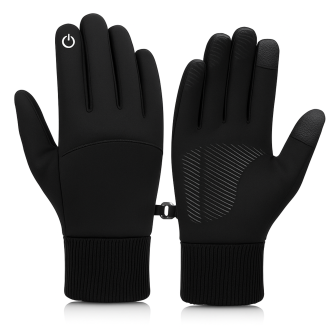
NuovaHealth Thermal Gloves for Chilblains
- NuovaHealth Thermal Gloves: are designed to be a key part of your strategy for managing chilblains and maintaining hand comfort in cold weather.
- Targeted Warmth: Provides consistent, gentle insulation to help protect hands from the cold and reduce the temperature swings that can trigger chilblains.
- Weather Protection: Features a water-resistant outer layer and windproof cuffs to shield against dampness and chilly gusts.
- Comfortable & Breathable: A soft, breathable lining and a comfortable fit for all hand sizes help prevent irritation and manage moisture during wear.
- Everyday Convenience: Touchscreen-compatible thumbs and index fingers allow you to use your devices without exposing your skin to the cold.
- Secure & Durable: Silicone grips on the palms and fingers enhance hold, while reinforced stitching in key areas ensures long-lasting use.
- Available in Multiple Sizes: Offered in Medium, Large, and XL for a precise, effective fit.
- Confidence in Your Purchase: Backed by a 30-day money-back guarantee.
£11.99inc VAT -
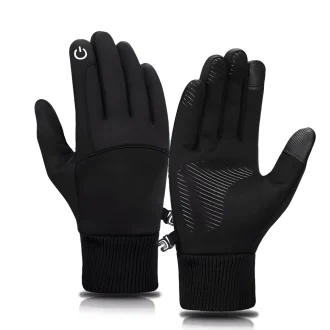
Touchscreen Warm Thermal Outdoor Gloves
- 1x Pair of Touchscreen Warm Thermal Outdoor Gloves designed to protect and insulate your hands from the cold winter weather but still allow you to use your favourite smart touchscreen device without having to take the gloves off
- For both Men & Women
- Available in sizes Medium, Large & XL (For women and those with smaller hands we suggest wearing a medium size)
- Stylish, lightweight and non bulky design and features silicone grips on the palms and fingers to help stop things slipping from your grasp
- Ideal for wearing whilst Hiking, Camping, Climbing, Cycling, Walking the dog, Running as well for playing sports such as football and rugby
- Made from a specially weaved material that provides a high degree of insulation to your hands to trap as much of your body heat as possible and keep your hands warm even under extreme cold temperatures
- Features touchscreen enabled thumbs and index fingers which allows you to easily and conveniently use ANY touchscreen device such as a smartphone or tablet without having to take off your gloves
- The Waterproof polyester outer layer has been designed to help keep your hands dry and protected from cold rain
- Windproof cuffs protect your hands from the cold winter winds and prevents your body heat from escaping from the gloves
- Made from premium materials using advanced stitching techniques to make these gloves highly durable and enable them to stand the test of time even after regular and prolonged wearing
- Features a warm inner layer to keep your hands comfortable and snug and helps trap your body heat to keep your hands at a constant warm temperature
- For people suffering from conditions such as Arthritis, Neuropathy and poor circulation then we also recommend wearing a pair of our compression gloves underneath these thermal gloves to help stimulate the blood flow in your hands and fingers to ease aches and pains and keep them warm and protected during the colder winter months
- Includes a full 30 day money back guarantee!
£11.99inc VAT -
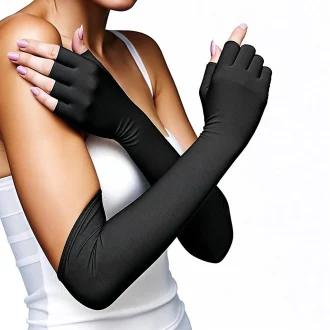
RevitaFit™ Raynaud’s Disease Gloves
- 1x Pair of RevitaFit™ Raynaud’s Disease Gloves designed to treat and prevent Raynaud’s disease episodes by improving the circulation in your hands and fingers
- For both Men & Women
- Helps treat and prevent symptoms caused by Raynaud’s disease episodes by providing compression to your forearm, hands and fingers that will help stimulate your arteries and blood vessels and keep them expanded to maintain and improve blood flow to your extremities
- The soothing compression that these gloves provide will also help ease aches and pains deep within your joints and reduce stiffness, numbness, inflammation and swelling
- Provides extra support to help ease pressure and strain off key ligaments and tendons, joints and bones to prevent repetitive strain injuries from occurring
- Made from premium crafted material skin friendly material with special antibacterial and moisture wicking properties that will keep your fingers, hands and forearms dry and comfortable
- Great for daily wearing or for running, sports and exercise
- Can be worn underneath your thermal gloves as glove liners for extra warmth and protection during the colder months of winter
- These Gloves include a full 30-day money back guarantee!
£14.99inc VAT -
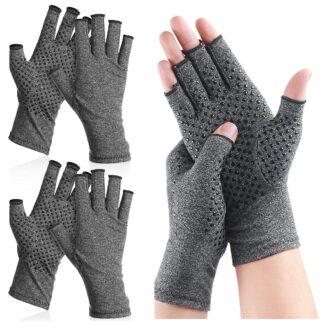
2 Pairs Of Raynauds Disease Gloves With Grips
- Designed for adults with Raynaud’s and cold‑sensitive hands – helps keep hands warmer, more comfortable and protected from everyday cold exposure.
- Supplied as a pack of two pairs, so you can rotate them for washing, keep one pair at home and one at work, and always have a clean, dry pair ready.
- Fingerless design covers the palm and most of each finger while leaving the fingertips free, so you can still type, use your phone, handle keys, cards and small objects without constantly taking the gloves off.
- Soft, lightly stretchy knit sits snugly around the hand and small finger joints, giving gentle, non‑restrictive support without squeezing or cutting off blood flow.
- Silicone grip dots across the palms increase friction on mugs, rails, steering wheels and tools, so you can usually hold things more securely with less effort when your hands feel numb or clumsy.
- Works well as a base layer under thicker gloves or mittens outdoors, and on its own indoors in cooler rooms or draughty places, helping to smooth out sudden temperature changes that can trigger attacks.
- Neutral grey colour and low‑profile style mean they look like ordinary fingerless gloves, suitable for wearing at home, at work, or out and about.
- Developed by NuovaHealth with input from clinicians, focusing on three key needs in Raynaud’s: warmth, grip and dexterity – backed by a 30‑day money‑back guarantee so you can see whether they help your hands.
£21.99£27.98inc VAT -
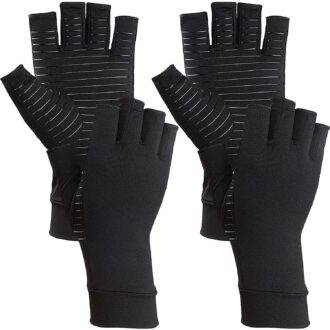
2x Pairs of Fingerless Raynauds Disease Gloves
- 2x Pairs of Raynauds Disease gloves (Fingerless) designed to help ease Raynauds disease episodes when they occur by providing soothing compression and improving blood flow to your hands
- For both Men & Women
- Available in sizes Small, Medium, Large & Extra Large
- Sizing measure the hand underneath the thumb: (Small) 13cm-17cm, (Medium) 17cm-20cm, (Large) 20-24cm
- Provides targeted compression that is clinically proven to help improve blood circulation and reduce Pain, Numbness, Pins and needles, Swelling caused by Raynauds Disease
- Recommended for people suffering from Raynauds Disease, Arthritis, Neuropathy, Oedema (swollen hands) and hand injuries such as Carpal tunnel syndrome
- Made from a high quality blend of copper and Nylon fabric that is lightweight, breathable and has antibacterial and moisture wicking properties to help keep your hands dry and prevents the build up of bacteria and sweat keeping your hands feeling fresher for longer whilst you are wearing the gloves
- Features specially designed silicone strips on the palms and fingers of the gloves help improve your grip and stop objects from slipping when you are carrying them
- Ideal for wearing underneath existing thermal gloves for the best protection against Raynaud’s disease during the colder and harsher winter months
- Includes a full 30 day money back guarantee!
£19.99£23.98inc VAT -
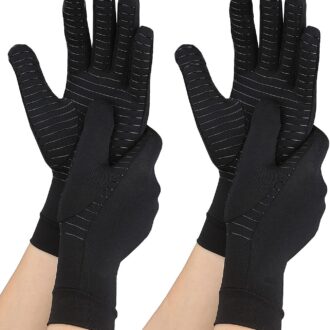
2x Pairs of Raynauds Disease Gloves
- 2x Pairs of Raynauds Disease gloves (Full length) that have been specially designed to provide soothing compression and support to your hands to help prevent and ease Raynauds disease episodes when they occur
- Sizing measure the hand underneath the thumb: (Small) 13cm-17cm, (Medium) 17cm-20cm, (Large) 20-24cm, (Extra Large 24-27cm)
- For both Men & Women
- Provides targeted compression that helps improve blood flow to your hands and lessen Raynauds disease episodes by treating vasospasms and stopping your blood vessels from narrowing
- Specially designed to reduce Pain, Numbness, Pins and needles, Swelling caused by Raynauds Disease and improve hand mobility and function in the cold
- Lightweight, breathable and made from a high quality blend of Copper nylon material with anti bacterial properties to help kill bacteria and keep your hands feeling fresher for longer whilst you wear the gloves
- Features anti slip grips on the palms making them perfect for daily wear and carrying out your usual day to day activities
- Makes the perfect glove liner for wearing underneath existing thermal gloves for the best and most effective remedy for stopping Raynauds disease in its tracks during the colder winter months
- Includes a full 30 day money back guarantee!
£19.99£23.98inc VAT -
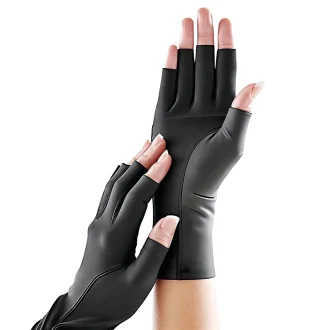
RevitaFit™ Compression Raynauds Gloves for Raynaud’s disease
- Slim, close-fitting fingerless gloves for adults whose hands go cold easily and ache with it
- Designed mainly for Raynaud’s, where keeping the hands warm is the main way to reduce episodes
- Worn next to the skin, the close fit holds a thin layer of still air against your hands, and still air slows heat loss
- Helps keep the hands at a steadier temperature, so they react less sharply to a sudden chill
- Fingerless, so your fingertips stay free for typing, touchscreens, cooking, writing and small fiddly jobs
- Breathable fabric moves moisture away from your skin, which keeps your hands dry — damp skin loses heat much faster than dry skin
- A seamless build, with no internal stitching to press into the skin
- Wear on their own indoors, or as a base layer under thermal gloves and mittens outdoors
- Gentle, even contact across the hand, as a supporting detail only — very light, not medical-grade compression, and not a replacement for any compression you’ve been prescribed
- Speak to a GP or physiotherapist first if sensation in your hands is reduced
- Not a cure for Raynaud’s, and not designed to treat or prevent blood clots
- If symptoms are new or getting worse, or you notice sores or severe pain, see a GP before relying on them
- Machine-washable on a gentle cycle; hand washing is the gentlest option
£10.99inc VAT -
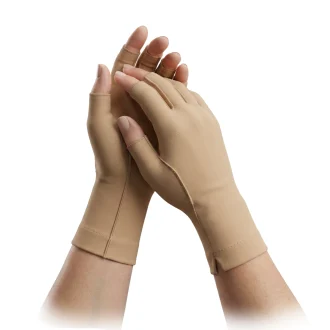
Raynaud’s Syndrome Gloves By RevitaFit™
- Fingerless compression gloves for adults with Raynaud’s syndrome in the UK
- Graduated pressure: firmer around your palm and the base of your fingers, easing around your wrist and lower forearm
- Support the palmar arch—the main vessel curving across your palm—and the digital arteries where they branch into your fingers, making it mechanically harder for these vessels to shut down during cold or stress triggers
- Fingerless from just below your first knuckle up, preserving full dexterity for typing, phone use, writing, and handling objects without removing the gloves
- Seamless construction throughout eliminates internal seams that can irritate hypersensitive skin during and after attacks
- Breathable, moisture-wicking fabric prevents clammy overheating during all-day wear
- Slim profile—about the thickness of a standard winter sock but more form-fitting—allows thermal gloves to be layered over the top when fingers need covering in cold environments
- Wear consistently throughout the day for preventative support; most people who respond well notice gradual benefit over two to four weeks
- Machine washable on gentle cycle at 30°C or cooler; air dry in three to four hours or tumble dry on low heat for about 30 minutes
- Available in multiple sizes based on palm and wrist circumference—measure around your knuckles at the widest part of your hand, keeping your hand flat and fingers together
- Not suitable if you have severe peripheral vascular disease, active skin infections, open wounds, or other serious circulatory conditions—check with your GP or physiotherapist first
- Does not treat or prevent blood clots; seek clinical advice if you have clot risk or worrying circulatory symptoms
- 30-day money-back guarantee allows you to assess benefit in your daily routine without financial risk
£10.99inc VAT -
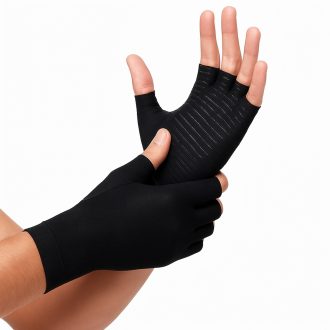
Fingerless Raynauds Disease Gloves
- RevitaFit Half Finger Compression Gloves are a base-layer glove for adults living with Raynaud’s in the hands.
- The gloves combine gentle, even compression with breathable warmth to help support circulation and keep hands comfortable.
- The half-finger design keeps your fingertips uncovered, so you can type, text, and handle fine objects without taking them off.
- Wear them on their own around the house, or layer them under mittens or winter gloves when you go outside.
- The seamless knit helps prevent rubbing and pressure marks, making them suitable for all-day wear.
- Silicone grip strips on the palms and fingers add traction when your grip feels less certain.
- Medical-grade elastic fibres provide consistent support to the small arteries and capillaries in your hands.
- The breathable fabric draws moisture away from the skin, so your hands stay dry and warm without overheating.
- Most useful for people who experience cold, white, blue, or numb fingers in response to cold or stress.
- Not recommended for anyone with severe circulatory problems, diabetes with reduced hand sensation, or neuropathy unless a clinician advises otherwise.
- These gloves do not treat or prevent blood clots. If you have circulation concerns, speak to a GP before using them.
- Backed by a 30-day money-back guarantee.
£10.99inc VAT -
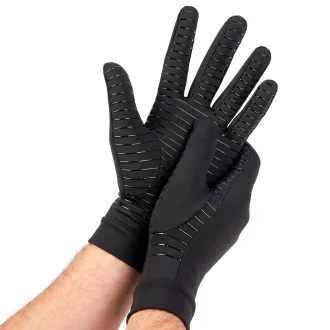
Raynauds Disease Gloves Full Length
- Tired of cold triggers turning simple tasks into a struggle? NuovaHealth Raynaud’s Gloves are designed to block the cycle of numbness and discomfort. They provide steady, breathable warmth from wrist to fingertips, helping to prevent the sudden temperature drops that trigger episodes and making the return of sensation feel calmer and gentler.
- Stay Comfortably Warm, Not Overheated: The breathable, lightweight fabric maintains a consistent temperature close to your skin. It allows excess heat to escape gradually, so you avoid the chill that comes from sweating then cooling down, making movement between indoors and outdoors feel smoother.
- Manage Moisture for Stable Warmth: Moisture-wicking fibres pull dampness away from your skin. This means rain, mist, or perspiration won’t lead to a rapid chill, so your warmth remains more reliable during commutes, errands, and daily activities.
- Grip with Confidence, Not Force: Thin silicone strips on the fingers and palm provide gentle traction on smooth surfaces. When your sensation is reduced, this helps you hold items securely without needing to grip tightly, which reduces hand strain and fatigue.
- Move Freely with All-Day Comfort: The thin, flexible knit moves naturally with your hands, so dexterity isn’t compromised. Flat seams avoid pressure on tender spots, smooth fingertips improve touch, and the non-constrictive cuffs ensure comfort without pinching. The sleek design slides easily under sleeves for discreet, all-day wear.
- Built for Lasting Performance: Reinforced in high-wear areas and made from a durable knit that retains its shape, these gloves are designed for everyday use and maintain their comfort and function wash after wash.
- Finding Your Size: Measure around the widest part of your knuckles (excluding the thumb) and use the larger measurement. Choose Small (13–17 cm), Medium (17–20 cm), Large (20–24 cm), or Extra Large (24–27 cm). The fit should be close and comfortable, not tight.
- Best Results: Put them on indoors before heading out, or use them as a warm base layer under loose outer gloves in very cold weather.
- 30-Day Comfort Guarantee: We’re confident these gloves will make a difference. Try them for 30 days. If you aren’t happier with the warmth, comfort, and control they provide, simply return them for a full refund.
£12.49inc VAT -
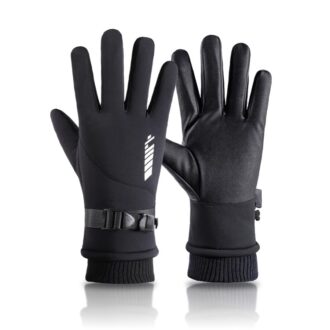
Men’s Thermal Raynaud’s Disease Gloves
- Introducing our Mens Thermal Raynauds Disease Gloves. These gloves are ideal for the colder winter months.
- Tackle Raynauds with a synergistic approach
- Raynauds is primarily an issue with circulation that causes symptoms of cold in the various parts of the body like the hands.
- The feeling of cold is much worse in the winter due to the combined effect of the cold weather and the Raynaud’s disease.
- Our Men’s Thermal Raynaud’s Disease pair well with our Full Length Glove Liners – the glove liners offering firm compression to improve circulation and the thermal gloves offering protection and heat retention.
- These Thermal Gloves are the equivalent of a Medium or Large Mens size (one size).
- For the correct sizing measure the hand underneath the thumb: 17cm-24cm
- Material: Spandex
- This product has good waterproof properties, the surface of the glove is scratch resistant and wear resistant, and the inside of the glove is warm with velvet.
- Features anti-slip layer on the palms and fingers of the gloves that grip objects and prevent them from slipping from your grasp
- Includes a full 30 day money back guarantee if you are not 100% satisfied with your purchase!
£11.99inc VAT - Introducing our Mens Thermal Raynauds Disease Gloves. These gloves are ideal for the colder winter months.