Posture correctors
Back and neck pain that builds with everyday movements
If you live with a nagging ache across your lower back after standing, a tight band between your shoulder blades, or a stiff neck when you turn your head, there is usually a clear, mechanical reason. Getting up from a chair, bending to reach something, staying in one position for work, or driving for a period of time can all start to feel far more demanding than you would expect, because of how your spine is repeatedly loaded throughout the day.
When discomfort keeps returning in the same areas and in similar situations, it often means the same parts of your spine, pelvis and shoulder region are being stressed in the same way again and again. Here, “load” simply means how much body weight and movement force passes through specific joints, discs, muscles and ligaments, and in which direction. The way you sit, stand, walk and work is not the only factor, but it strongly influences which tissues have to cope with that load, and for how long.
If these tissues are regularly taken close to the limits of what they find comfortable – for example, deep forward bending of the lower back, holding a very rounded slumped posture, or keeping the neck craned forwards – they can become more sensitive over time. Small, repeated irritations may not fully settle before the next day’s activity. Nerves in the area become easier to trigger, so shorter spells in those postures, or smaller movements, can bring on pain or stiffness. That is why what used to be a mild ache after a long day can gradually turn into discomfort that appears sooner and feels sharper.
Posture supports in this range are designed to sit alongside movement and exercise to help manage this type of long‑running back and neck pain. They do not change the underlying structure of the spine, and they are not a cure, but many people find they can sit, stand, walk and work for longer before symptoms build, and that flare‑ups feel less abrupt and easier to control.
Seen from the side, a healthy spine has gentle curves: an inward curve in the neck, an outward curve in the upper and mid‑back, and another inward curve in the lower back. Together these curves allow body weight and movement forces to be shared between the neck, upper back and lower back, rather than being focused in one place.
Most of the time, your spine is more comfortable when you spend much of the day near these natural curves, rather than at the extremes of movement. For the lower back, that means roughly between fully rounded forwards and strongly arched backwards. For the neck, it is roughly between the chin poked out in front and the chin pulled as far back as it will go. When you stay in this middle ground, no single joint, disc or ligament is taking most of the strain for long stretches, muscles can take turns working and resting, and pressure through the discs is spread more evenly from front to back. The small joints at the back of the spine are neither being forced tightly together nor pulled far apart, so tissues usually tolerate time in position better and are less likely to become painful or stiff.
Problems are more likely when you spend long periods away from this comfortable middle – for example, heavily rounded forwards, held in a deep arch, or twisted to one side for a long time – or when one part of the spine holds almost the same shape for most of the day. In those situations, ligaments can be held on stretch, small joints can be repeatedly compressed, or parts of a disc can be loaded more heavily than others. Over time, that makes these tissues easier to irritate, so familiar positions or tasks start to bring on pain more quickly than they used to.
If parts of this description feel uncomfortably familiar, you are in the same group as many people who later go on to use posture supports to steady things and regain some control.
How everyday postures affect your spine
Every position changes how weight and movement forces travel through your spine and the surrounding muscles, ligaments and discs. Most postures are well tolerated for short periods. Trouble usually starts when one posture or movement is repeated, or held, for long stretches over many days, so the same tissues are irritated again and again.
Slumped sitting and repeated bending in the lower back
When you sit with the lower back rounded or bend forwards repeatedly, more pressure is taken at the front of the lumbar discs and less at the back. The softer inner part of each disc is pushed backwards, and the tough outer fibres at the back of the disc are held on stretch. The ligaments running along the back of the spine are also stretched. If you stay in that shape for long periods, those ligaments can gradually lengthen and lose some of their usual spring for a while. Deep stabilising muscles that normally help support the gentle inward curve of the lower back have less to do in a fully rounded position and tend to switch off during low‑effort tasks.
At first you may not feel much. As the minutes and hours add up, this loading often causes a dull, central ache across the lower back after sitting or bending for a long spell. Straightening up from a fully bent position can provoke a sharp or catching pain as the discs and ligaments are brought back towards a more neutral position. Standing up after a long sit can feel stiff for the first few steps, then ease as you walk and the tissues start to move and share load again.
In some people, repeated forward bending and long periods in a rounded posture also irritate the nerves leaving the lower spine. If a disc bulges slightly backwards or to one side, or if the space where a nerve exits the spine becomes narrowed, you may feel pain, tingling or numbness travelling into the buttock, thigh or further down the leg. These symptoms often worsen after long periods of slumped sitting or frequent bending, sharpen briefly on straightening or standing, and then ease a little with gentle walking or standing with the lower back neither fully rounded nor forced into a strong arch.
If you recognise that story – fine at first, then a deep ache after sitting or bending, with a sharp “catch” when you straighten up – it is one of the most common lower‑back problems people describe.
Swayback standing and walking
At the other end of movement, many people stand or walk with the hips pushed forwards and the lower back held in a strong arch. In this swayback posture, the small facet joints at the back of the spine are pressed together more firmly. The back of the discs are relatively unloaded, but the joints and parts of the bony arches take more compression. If the abdominal muscles are not providing much support, some lower‑back and hip muscles have to work harder to hold this shape for long periods.
This often produces a small, focused ache or pinch in the lower back that builds the longer you stand or walk, especially on hard surfaces. Leaning forwards onto a surface, such as a counter or rail, or sitting down, usually eases the discomfort because it slightly opens the facet joints and reduces compression. People who stand like this often describe feeling “stuck” in an arched posture and noticing that flattening the back, or allowing a more relaxed, neutral curve, feels unfamiliar or difficult at first. Over time, the combination of extra joint compression and ongoing muscle effort can lead to fatigue and aching in the lower back and around the hips.
Forward‑head and rounded‑shoulder posture in the upper back and neck
In the upper back and neck, spending long periods with the head forward and the shoulders rounded – for example during prolonged desk work, detailed manual tasks in front of you, or driving – creates a different type of strain. When the head sits in front of the shoulders, the small joints and muscles at the base of the neck have to support the same weight with less mechanical advantage. It is like holding a weight with your arm outstretched rather than by your side: the further from the body the weight is, the harder the supporting muscles have to work.
In this posture, muscles across the tops of the shoulders and at the base of the skull often become tight and overactive. At the same time, the muscles that usually help keep the shoulder blades gently drawn back and the upper back more upright are lengthened and tend not to work as effectively. The joints at the base of the neck experience more compression in the segments that are held bent backwards to keep the eyes level, while upper‑back joints are held in a more rounded position.
You might notice a tight, burning or tired feeling between the shoulder blades, a dull ache across the tops of the shoulders, and stiffness or a “blocked” feeling when turning the head. Many people also notice low‑grade headaches at the base of the skull, especially towards the end of the day. This is the pattern behind the classic “end‑of‑day desk neck”: symptoms build gradually during sustained tasks with the head and arms forwards, ease with short movement breaks or lying flat, and then return with the next period of prolonged forward‑head posture.
Why your pain keeps returning in the same way
If discs, joints, ligaments and muscles are put under the same type of strain day after day, they become more sensitive to those loads. The small irritations from one day may not fully settle before the next. Nerves in the area are more easily triggered, so movements or positions that were once comfortable start to provoke pain or stiffness more quickly. This increased sensitivity does not always mean that damage is getting worse, but it does mean that the pain‑signalling system is more on alert.
Muscles also adapt to the shapes you spend most time in. Some become longer and weaker, while others become shorter and tighter. Over time, what feels “normal” may in fact be a posture that places ongoing strain on specific joints, discs or soft tissues.
This often shows up as aches and stiffness that appear more often and last longer, flare‑ups that come on with less activity than they used to, and everyday tasks such as working in one position, driving a usual journey or carrying out light daily activities feeling more demanding. Ignoring these patterns does not always lead to serious structural damage, but it does make it more likely that discomfort will keep recurring and that the nervous system will remain on higher alert.
Changing how your back and neck have to work during sitting, standing, lifting and other regular tasks makes it more likely that pain becomes manageable rather than something that dominates the day. That usually means moving more often so tissues are not held at one extreme for long periods, strengthening muscles that help you hold more neutral positions, making simple changes to your environment, and, where appropriate, using external supports to cut down time spent in your most provocative postures and to share some of the holding work with sore, easily irritated areas.
When posture‑linked back and neck pain is common
Back or neck pain that clearly changes with the way you sit, stand and move can affect almost anyone. It is particularly common when daily life combines long periods in one position with repeated strain on the same areas.
You are more likely to notice this if you sit for many hours, especially at a poorly arranged workstation or in an unsupportive chair, so it is easy to drift into a rounded lower‑back posture and a forward‑head position. It is also common when your work or regular activities involve frequent bending, lifting or twisting, asking the discs and small joints in the lower back to cope with repeated load and movement. Long spells standing on firm surfaces, where you tend to slide into a swayback stance with the hips forwards and the lower back held in a strong arch, can have a similar effect. If the deeper supporting muscles around your trunk and shoulders are less strong or become easily fatigued, it is harder to hold the spine near its natural curves. Previous episodes of back or neck pain can leave the local tissues and nervous system more sensitive to similar loads.
People who have spent years in desk‑based or static work without regular movement breaks, those who perform repeated manual handling, bending or twisting tasks, and those with longer‑standing changes in spinal joints or discs related to age, previous injuries or underlying conditions are all more likely to recognise these ways their pain behaves. If this has been your story for months or years, pain can become persistent, meaning it sticks around beyond usual healing times and tends to flare with relatively modest triggers. In that situation, changing how and where the spine is loaded through the day becomes more important, because simply “putting up with it” often leads to more frequent or longer‑lasting episodes.
Small changes, more movement and support – the usual approach
Improving posture is not about forcing yourself into a rigidly upright shape or trying to hold a single position all day. The aim is to help your spine spend more time near its natural curves and less time at the extremes that keep winding sensitive areas up.
Regular movement breaks are one of the simplest ways to do this. When you change position, ligaments that have been slowly stretching can recoil, pressure in the discs shifts from one area to another, and deep supporting muscles have a chance to switch back on and share more of the holding work. Standing and walking briefly after sitting, or gently arching and rounding the back within a comfortable middle – roughly between fully rounded and strongly arched – can reduce the gradual build‑up of strain.
Targeted strengthening also helps. Stronger muscles around the trunk, pelvis and shoulder girdle share load with passive structures such as discs and ligaments, so no single tissue is relied on for support. Deep abdominal muscles and the small stabilising muscles in the lower back help keep the lumbar spine near its gentle inward curve, rather than hanging on stretched ligaments in a slumped posture. Deep neck flexors at the front of the neck support the head closer to the middle of the body, reducing the need to poke the chin forwards and easing sustained strain on the joints and muscles at the back of the neck. Muscles across the mid‑back and around the shoulder blades help keep the shoulder region in a position that reduces constant pull on the muscles between the shoulder blades and lessens pressure at the base of the neck. As these muscles become better conditioned, holding a comfortable posture usually takes less conscious effort, and small slips into less helpful positions are easier to correct.
Simple changes to your set‑up reduce how hard your body has to work to stay near these neutral positions. A chair that supports the small of the back, with your hips slightly higher than your knees and your feet flat on the floor, helps your pelvis sit in a way that supports the lumbar curve and reduces the tendency to round fully into a slump. A screen or main work surface roughly at eye level reduces the need to poke your head forwards or look down for long periods, easing strain on the neck. Keeping frequently used items within easy reach, so your elbows rest by your sides rather than reaching forwards, reduces load across the shoulders and upper back. When standing, sharing weight between both feet with your ribcage broadly above your pelvis reduces the tendency to drift into a swayback posture with the hips pushed forwards.
Many people notice worthwhile improvement with these measures alone. However, relying purely on constant awareness is difficult. Muscles fatigue, pain can make you guarded and tense, and attention is quickly drawn into tasks. As the day goes on, it becomes harder to notice and correct posture before discomfort builds. Many people find they gradually fall back into the same positions that have previously caused trouble, even when they know those positions are unhelpful.
In these situations, a support is often added. A well‑chosen support can gently limit how far and how often you move into the positions that most aggravate your symptoms, share some of the holding work with tissues that are already sore or easily irritated, and provide a consistent, physical reminder when you begin to drift into postures that usually bring your pain on, so you can adjust earlier. Used alongside movement, strengthening and sensible changes to your environment, supports can help reduce day‑to‑day irritation of sensitive areas and make it easier to keep pain at a more manageable level.
Common ways posture‑linked back and neck pain shows up
The same posture habits can show up differently from one person to another. The groups below focus on how this sort of pain often feels, what is happening underneath, and how supports in this range can sit alongside other care.
Lower‑back ache and leg symptoms
A very common story is a deep ache across the lower back that gets worse the longer you stand, walk or sit in one position. You may notice a sharp catch when straightening up from bending. Some people also feel pain, tingling or numbness travelling into one or both buttocks or down a leg, which can fit with irritation of nerves leaving the lower spine.
The main structures usually involved are the discs between the lower‑back vertebrae, the small facet joints at the back of the spine, and the ligaments that limit forward bending. When the lower back is repeatedly rounded – especially in prolonged sitting or frequent bending – the front of the disc is more heavily loaded and the inner material can push backwards, straining the outer fibres. Ligaments that usually prevent excessive forward bending are held on stretch and can slowly lengthen through the day. If lifting and twisting are added to this, the small facet joints can also become irritated by combined compression and shearing forces.
When the outer wall of a disc is strained, or the spaces around nerve roots are narrowed, movements that further squash those areas – such as bending forwards again or sitting in a slumped position – can sharply increase pain. Standing or walking for a while may ease symptoms if it brings the spine back towards a more neutral position, with the lower back gently curved but not forced into a strong arch. If you then drift into a swayback posture, increased compression on the small facet joints can create a different, localised ache.
If you have lived with this “stiff and sore after sitting or standing, with sharp catches when straightening from a bend” story for a while, you are exactly the sort of person lumbar belts and full‑length supports in this range were designed for. They aim to support a modest inward curve in the lower back, cut down deep repeated bending or prolonged slumped sitting, and share some of the work with strained discs, ligaments and small joints during everyday standing, walking and lifting within a sensible range.
Neck and upper‑back tension with forward‑head posture
Persistent tightness across the tops of the shoulders, a band of tension between the shoulder blades, stiffness when turning the head, and headaches that seem to start at the base of the skull are typical of neck and upper‑back strain linked to forward‑head and rounded‑shoulder posture.
In this situation, the small joints in the lower neck are compressed in the segments that are held bent backwards to keep the eyes level. Muscles that attach between the neck, skull, shoulders and shoulder blades are under constant effort to hold the head forwards. Muscles across the tops of the shoulders and the base of the skull often become tight and overactive, while mid‑back muscles that would usually help hold the head and shoulder blades in a more neutral position are lengthened and under‑used.
If your work or daily routine involves long hours at a desk, driving, or tasks with the hands held in front of you, this posture can quietly become your default. The more time you spend with the head forward and the shoulders rounded, the more normal it feels, and the more those neck joints and muscles remain sensitive. Symptoms are often worse towards the end of the day after prolonged time in a forward‑head position, improve with short breaks, movement or lying flat, and then return with the next spell of the same posture.
If that sounds like your “desk neck” – burning between the shoulder blades, heavy shoulders and stiffness by evening – the upper‑back and shoulder supports in this range are intended to tackle exactly that. They gently draw the shoulder blades back towards the ribcage, encourage a more upright upper‑back position and nudge the head back towards sitting above, rather than in front of, the shoulders, so those overworked neck and shoulder muscles get a break.
Long‑standing joint changes in the spine and hips
With increasing age, it is common for joints in the spine and hips to develop gradual changes such as thinner cartilage, rougher joint surfaces, small bony spurs and thickening of the joint capsule and nearby soft tissue. These changes are very common, even in people without significant pain, but they can make joints easier to irritate by compression, sliding and twisting, especially near the ends of their movement.
Some people also live with inflammatory conditions affecting the back and pelvis. These can cause pain and stiffness in and around the joints where the spine meets the pelvis and along the spine itself, and usually need medical management as well as careful handling of physical strain and movement.
In both situations, joints often cope reasonably well with gentle movement in the middle of their available movement, but become more painful when held still for long spells or pushed repeatedly towards their limits. Stiffness after rest, deep or aching pain with longer walks or more demanding physical jobs at home or work, and reduced tolerance for prolonged standing, walking or sitting are common. Because the underlying joint changes are ongoing, the tissues can remain sensitive. If daily life keeps loading them in less comfortable ways – such as regular deep bending, prolonged slumped sitting or sustained swayback standing – symptoms are likely to come and go.
It is understandable to move less when joints are painful, but sitting still too much can lead to further muscle weakness and stiffness in and around those joints. Over time this can reduce balance and confidence and make everyday tasks like shopping or housework more tiring.
Supports will not reverse bony changes or underlying inflammatory processes, and they are not a substitute for medical treatment, but the designs in this range are often used to make it easier to stay within more comfortable postures while you move, sit or stand. By limiting time spent towards the ends of movement where altered joints are most easily irritated, and by sharing some of the holding work with external structure, they can help joints cope better with day‑to‑day activity for many people.
Changes in spinal curves over time
Over many years, or after previous injuries or certain conditions, the overall shape of the spine can change. Some people develop more pronounced rounding of the upper back, with the head and shoulders carried further forwards. Others develop side‑to‑side curves, so one side of the back appears more prominent than the other.
Increased rounding of the upper back shifts the body’s balance point forwards. Neck and lower‑back muscles then have to work harder to keep you balanced and to keep the eyes level. In more marked cases, breathing can feel a little more effortful as the ribcage shape changes and chest expansion is slightly restricted. People with this often describe general fatigue and ache across the upper and mid‑back after standing or walking for moderate periods, a sense of effort when trying to sit or stand more upright, and difficulty keeping a more upright posture without feeling they have to strain.
Side‑to‑side curvature means that some discs and joints are under greater compression and others under more tension. Muscles on one side may be shorter and tighter, while those on the opposite side are lengthened and have to work harder to keep you upright. This can lead to one‑sided ache in the lower back or around the ribs, more fatigue on one side when standing or walking, and brief, sharp pains if you move quickly into positions that further compress or stretch already strained tissues.
In adults, established curve changes are usually managed with a combination of exercise, symptom management, and attention to posture and physical strain, rather than attempts to reshape the spine. Supports will not alter bone shape, but full‑length designs in this range can often make it easier to sit or stand nearer to the most comfortable position that your current spinal mobility allows. For example, a full‑length support may help reduce excessive collapsing into a strongly rounded, C‑shaped posture when sitting, so that the demand on neck and lower‑back muscles is lessened.
How posture supports in this range are designed to help
Supports in this range are built around the real‑world strain stories above. Rather than trying to straighten or rigidly hold the spine, they are intended to influence the postures and movements that most often set your pain off, while still allowing natural movement in the middle of your comfortable range.
Broadly, they guide the spine and shoulders back towards their natural curves during everyday activities, reduce the amount of time you spend in very slumped, strongly arched or twisted positions that tend to provoke symptoms, and share some of the holding work with muscles and ligaments that are already under pressure. They also give clear, physical feedback when you move into postures your body currently finds most provocative, so you notice and correct them sooner.
For example, in someone with lower‑back pain linked mainly to deep forward bending and slumping, one of the lumbar supports in this range can make it harder to fully slump or bend right down repeatedly. This limits the repeated stretching of the ligaments at the back of the spine and the backward push on the outer part of the discs, keeping the lower back working more within a mid‑range curve. In someone whose pain comes from increased compression on the small facet joints when standing in a pronounced arch (swayback posture), a belt that makes a deep swayback posture more difficult can reduce joint compression and make longer periods on their feet more tolerable.
For a person with forward‑head posture and burning between the shoulder blades during desk work, an upper‑back support that gently draws the shoulder blades back and lifts the upper spine can reduce the prolonged stretch on mid‑back muscles and the sustained compression and muscle effort at the base of the neck.
Chair‑mounted lumbar supports act slightly differently. They do not brace the body, but change the shape of the sitting surface so the pelvis is less likely to roll backwards, and the lower‑back curve is easier to maintain. This reduces the tendency for the lower back to collapse into a rounded position that repeatedly loads the back of the discs and stretches the ligaments during long sitting.
These designs have been chosen and refined with clinical input so they are firm enough to influence posture in useful ways, but flexible enough to move with you as you go about your day.
Choosing between upper‑back, lumbar, full‑length and chair‑based supports
This range includes four main types of posture support: upper‑back and shoulder designs, lumbar belts and lower‑back supports, full‑length back supports, and lumbar chair supports. Each type focuses on a slightly different way your symptoms show up and the situations that provoke them.
Upper‑back and shoulder supports – for “desk‑neck” and rounded shoulders
Upper‑back and shoulder posture supports focus on the region from the base of the neck down to the middle of the back. They sit around the shoulder region, with straps or panels lying over or around the shoulder blades.
People who tend to do well with these often describe a tired or burning band between the shoulder blades after a few hours of work with the head and arms forwards, a heavy feeling across the tops of the shoulders, and stiffness turning the head after driving, reading or detailed tasks in front of them. Looking in the mirror, they may notice their shoulders gradually rounding forwards and the head drifting in front of the chest as the day goes on, even when they feel they are trying to sit up straight.
These supports gently draw the shoulder blades back and slightly down so they rest more firmly against the ribcage, encourage the upper part of the back into a more upright position, and nudge the head back towards sitting above, rather than in front of, the shoulders. When you start to round forwards again, the straps or back panel increase their tension and press more firmly, giving you a nudge that you have moved into the shape that usually sets your neck and upper back off.
Designs in this range are deliberately less rigid than many older braces. The aim is to guide and remind rather than clamp you in place, so you can still move and breathe comfortably while spending less time in the positions that usually wind your symptoms up.
Lumbar belts and lower‑back supports – for standing, walking and lifting pain
Lumbar belts and lower‑back supports wrap around the waist and upper pelvis, with a firmer section across the small of the back. They are often chosen when the main problem is a deep ache across the lower back when standing or walking, pain with repeated bending, and a feeling that the lower back is easily “put out” by relatively small triggers.
You might recognise this if, after standing in one place for a while, the small of your back begins to ache and feels better if you lean forwards onto a surface or sit down, if you get brief, sharp pains when straightening up from lifting something from the floor, or if once your back has “gone”, it remains sensitive for several days or weeks.
Lumbar belts in this range are shaped to support a modest inward curve in the lower back and reduce large swings into deep rounding or deep arching during everyday tasks. By hugging firmly around the abdomen and lower back, they work with your own abdominal muscles to create a corset‑like support that slightly increases pressure within the abdomen. This internal support reduces direct strain on the small facet joints and discs and helps control sliding forces between vertebrae when lifting or twisting.
In practical terms, many people find they can stand for longer before ache builds, that bending to a moderate level – such as to a low shelf rather than the floor – feels less risky, and that lifting or carrying moderate loads produces fewer sharp, catching pains. The materials and internal stays used in this range are chosen so the belts resist deep slumping or excessive arching, but still move with you as you walk, bend within a sensible range and breathe.
Full‑length back supports – when several areas flare together
Full‑length supports extend from the lower back up towards the upper spine and sometimes towards the base of the neck. They usually combine a lumbar section with upper‑back straps or panels in a single design.
These supports tend to suit people whose discomfort is not confined to one spot, but spread across several areas. They may report a combination of lower‑back ache, mid‑back tightness and neck stiffness that all worsen during the same tasks, a sense that when they sit or stand the whole spine tends to collapse into a strongly rounded posture, and several regions seeming to flare together rather than one isolated area.
A full‑length support helps the lower back maintain a gentle inward curve, reducing repeated strain on the back of the discs and ligaments, helps the upper back stay more upright, reducing excessive rounding, and encourages the shoulders into a less rounded position, lowering the demand on neck and shoulder muscles to hold the head forwards. Because the neck, upper back and lower back are linked in a chain, improving alignment in one area often affects the others. For example, reducing excessive rounding in the upper back means the neck does not need to extend as far backwards to keep the eyes level, which can lower load on the small joints and muscles in the neck. Supporting the lumbar region makes it easier for the upper back to avoid collapsing into a deep slump.
Full‑length designs in this range are built to offer this combined guidance without feeling like a rigid shell. Panels and stays are placed over the muscles rather than bony points, and materials are chosen to be breathable and reasonably discreet under everyday clothing, so they are realistic to wear for the key parts of your day.
Lumbar chair supports – for sitting‑triggered lower‑back ache
Lumbar chair supports are placed on the back of a chair and support the inward curve of the lower back when sitting. They are particularly useful when symptoms are triggered mainly by sitting, rather than by standing or lifting.
You might notice that your back feels reasonable when you first sit down, but after 20–30 minutes at a desk or in a vehicle, a dull ache starts in the small of the back and may spread across the belt‑line. Standing up after that period can feel stiff for the first few steps before easing. Many people also notice that they slide down the chair and lose contact with the backrest, even if they keep trying to sit upright.
In these cases, the pelvis usually tilts backwards and the lumbar curve flattens or even reverses, loading the back of the discs and stretching the ligaments. A chair support from this range fills the gap between the chair and the lower back, encouraging a small forward tilt of the pelvis and helping to maintain the natural curve. The effect is that the lower back is less likely to collapse fully into a rounded shape, the ligaments at the back of the spine are under less constant tension, and pressure through the discs is more evenly shared from front to back.
These supports are not a replacement for regular movement breaks, but they make it easier to stay in a spine‑friendly sitting position between those breaks. The designs in this range use shaped, breathable panels so they feel stable on the chair and comfortable against the back for typical working or driving periods.
Shared design features across this range
Although each product type focuses on a different situation, several design decisions run across this range. They reflect what musculoskeletal clinicians usually look for when choosing or recommending a support.
Supports are shaped to influence the regions that most often drive symptoms, instead of bracing the entire trunk in the same way. For someone with mainly burning between the shoulder blades and neck stiffness, that may mean a relatively light structure across the upper back and shoulders with minimal material around the waist, focusing on reducing prolonged stretch in the mid‑back muscles and sustained compression and effort at the base of the neck. For someone with ache across the small of the back that worsens with standing and bending, a firmer lumbar section is more relevant, aiming to limit deep forward and backward bending of the lower back and reduce strain on discs, ligaments and small facet joints. Full‑length supports combine these elements for those with symptoms in several regions, helping to keep the whole spine nearer to a neutral, tolerable position. Chair‑mounted supports act locally on the lower back when sitting, reducing the tendency for the pelvis to roll backwards and the lumbar curve to collapse.
Most supports in this range use adjustable straps, hook‑and‑loop closures or similar systems so that the fit can be tuned. A good fit means the main supporting parts sit over the intended areas – such as the small of the back rather than the lower ribs, or between the shoulder blades rather than high on the neck – and the tension is enough to guide and support without causing pain, cutting into the skin or restricting breathing. Being able to adjust tension lets you alter how the support feels on different days. On a day when you are on your feet less, a lumbar belt might be worn with gentler tension to provide light feedback and modest support. On a day with more standing, lifting or walking, the same belt might be tightened a little more to offer extra support while still allowing comfortable breathing and movement.
Materials across this range are chosen with regular wear in mind, because a support only helps if you can realistically wear it at the times when symptoms usually build. Breathable fabrics and coverings that move moisture away from the skin help reduce heat build‑up and sweat, especially under straps or wider panels. Smooth seams and soft edges at strap borders reduce rubbing, particularly under the arms and around the waist where movement can make harder edges uncomfortable. These details are based on real‑world feedback from people who have tried very stiff, rough supports and stopped wearing them after a short time simply because they were too uncomfortable.
Many designs use light internal stays or panels to prevent them from collapsing or rolling, particularly in lumbar belts and some full‑length supports. These elements are firm enough to resist deep slumping or excessive arching but flexible enough to move with everyday bending, walking and breathing. They are usually placed over the muscles either side of the spine, rather than directly on bony points, spreading pressure across a larger area. The goal is to allow normal movement in the middle of your bending and twisting range, while quietly limiting the extremes that tend to aggravate discs, joints or ligaments.
In everyday use, that usually means you can sit, stand, walk and carry out light daily tasks while wearing a support. As you move towards end‑range postures that have previously triggered symptoms – such as deep slumping, strong arching or marked twisting – the support provides a clearer physical sensation. This acts as a prompt to adjust your position, linking the product not only to mechanical support but also to earlier correction of positions that you already know tend to be trouble.
Who tends to get the most from these supports
These supports are most likely to help people who can clearly link their back or neck discomfort to posture and time in certain positions. Typical stories include a dull ache in the small of the back that builds after sitting or standing for a while then eases when you change position or walk, burning or tightness between the shoulder blades that grows during work with the head and arms forwards and settles with breaks or lying flat, and stiffness in the neck that is worse after time with the head forward and improves when you lie down or move gently.
They are particularly relevant when your pain tends to follow a familiar pattern and you can usually spot what brings it on – such as long sitting, long standing, repeated bending or static postures – when you have already made some simple changes like taking breaks and adjusting your workstation but still find that these problems limit how long you can comfortably sit, stand or walk, and when there is no recent major trauma or other serious cause identified that requires urgent or specialist treatment.
People who should be more cautious, and ideally seek personalised advice before using a support, include those who have had recent significant trauma to the spine or pelvis, those who notice new, widespread or rapidly changing symptoms that do not clearly relate to posture or time in position, and those living with complex spinal or medical conditions that affect several parts of the body. Extra care is also advisable if you are post‑surgery in the spine or pelvis and have not yet had guidance on supports, if you have very fragile skin or conditions affecting skin health, or if you have significant balance problems where any extra bulk might alter stability.
In these situations, a GP, physiotherapist or another appropriate clinician can help you decide whether a posture support is sensible for you, and if so, which type and level of use are most appropriate.
How much to wear your support, and when
Most people get the best results when they use a support more during tougher phases and ease off as pain and strength improve, rather than wearing it tightly from morning to night every day.
In the short term, during a flare‑up or when demands on your back or neck are temporarily increased, you may wear a support more regularly. At this stage, the tissues and local nerves are often more sensitive, so extra guidance away from the most provocative positions can reduce repeated aggravation and make it easier to keep moving within a comfortable range.
As symptoms settle, many people move to using a support mainly during key parts of the day – for example, the later part of a work shift, certain standing tasks, or longer journeys – while they gradually build strength, mobility and confidence. Here, the support is helping you stay active and work on recovery, rather than encouraging long spells of complete avoidance.
Longer term, once symptoms are generally calmer and your muscles are stronger, a lot of people use their support only for tasks they know are more demanding for them, such as longer periods of sitting, heavier jobs at home or work, or unusually long periods on their feet.
It is usually more comfortable and more effective to build up wear‑time gradually. In the first few days, it can help to choose one or two periods that usually trigger symptoms – for example, the later part of a work shift, a regular journey, or a particular standing task – and wear the support then, allowing your skin and muscles to adapt to the way the support influences your posture. As you become accustomed to it, you can increase the length of each use if it remains comfortable, or add an extra period later in the day during another activity that usually provokes symptoms.
How long and when you wear a support should match the way your own pain behaves and any other health conditions you live with. If you are unsure, a GP, physiotherapist or another appropriate clinician can help you plan how to build a support into your routine.
Using supports from this range alongside exercise and rehabilitation
Posture supports are not a replacement for movement, strengthening or a wider rehabilitation plan. They are usually most effective when they are used to make it easier and more comfortable to do those things.
Used thoughtfully, supports from this range can reduce the build‑up of local irritation during the day, so you have more comfort and energy for simple exercises. They can give you more confidence to move, bend and turn within a comfortable range, rather than avoiding movement because you expect pain. They can help you get through necessary daily tasks, such as work, travel or other regular activities, without as many abrupt spikes in pain.
They will not change the underlying shape of joints or bones or build muscle strength and stamina by themselves. What they can do is make it more realistic for you to keep moving and gradually increase your activity, which is often what drives longer‑term improvement.
Many clinicians use supports in this way: combining a support used at the right times, in the right way, with simple strengthening for the trunk, hips and shoulders, gentle mobility work and gradually increasing exposure to positions that have previously been painful within comfortable limits, and pacing of more demanding tasks by breaking them into shorter spells, building in brief changes of position, and avoiding both sudden very high loads and very long periods of complete rest where possible.
Over time, this combination can reduce how easily symptoms flare, even on days when you are not wearing a support. The support then becomes one part of a broader plan to keep pain at a manageable level rather than the only strategy.
Fitting and adjustment
Once you have chosen a type of support, careful fitting and adjustment can make a significant difference to both comfort and effect.
For a lumbar belt, the central, firmer section should sit over the small of the back, roughly between the bottom of the ribs and the top of the pelvis. It should not ride up onto the lower ribs or slip down over the tops of the hip bones. For an upper‑back support, the crossing point of straps or the main back panel should sit broadly between the shoulder blades, not high on the neck, and the straps over the shoulders should lie flat without cutting into the front of the shoulders or under the arms. Full‑length supports combine both ideas: the lower part positioned as a lumbar belt would be, with the upper part resting over the mid‑back and straps adjusted so the shoulders are gently guided rather than strongly pulled.
Fastenings should be firm enough that the support does not slip or fold when you move, and loose enough that breathing feels easy and no area feels numb, tingly or unusually cold. A practical approach is to start with a slightly looser fit, wear the support for a short period, and gradually increase the tension until you feel a clear yet comfortable level of support.
After wearing the support for a while, it is worth checking the skin underneath, particularly at strap edges and over bony areas. Light marks that fade quickly are common, similar to what you might see from sock or underwear elastic. Any deep red areas that do not settle within a short time, or any broken or blistered skin, suggest that tension or positioning needs to be adjusted.
Different body shapes can change how a support feels and behaves. People with a more pronounced waist or hips may find belts tend to ride up or down unless carefully positioned and tensioned. Those with a straighter body shape may need more attention to strap adjustment so the support feels secure without over‑tightening any one area. Shorter or taller torsos can affect where panels sit; some designs and sizes suit different torso lengths better than others. It is normal to need some trial and error with size choice, exact placement on the body or chair, and strap or fastening tension. If you find it difficult to achieve a comfortable and secure fit, it may be worth considering a different size or a slightly different style within the same general category, rather than assuming that posture supports are not suitable for you at all.
What you may feel – and when to be cautious
When you first start using a support, it is common to notice some new sensations. Many people become more aware of their posture, especially when the support gently presses as they round forwards, arch or twist towards the ends of their movement. Mild muscle fatigue or an exercise‑type tiredness in muscles that have not previously been supporting these positions is also common. These sensations are usually dull rather than sharp, manageable, and tend to settle as your muscles adapt over days to weeks.
Certain changes are a reason to step back. New sharp, stabbing or shooting pains in the back, neck, arms or legs that appear only when wearing the support, tingling, numbness or weakness in the arms or legs that starts or clearly worsens with the support on, skin that becomes very sore, blistered or broken underneath the support, or any area under the support feeling unusually cold, discoloured or markedly different from surrounding skin should prompt you to loosen, reposition or stop using the support and seek advice.
Most people tolerate these supports well when they are fitted correctly and wear‑time is built up gradually. If you are unsure whether what you are feeling is a typical early response or a sign of a problem, it is sensible to be cautious: reduce wear‑time or tension and discuss it with a clinician.
Some situations call for prompt medical review, whether or not you are using a support. These include severe back or neck pain that starts suddenly or after a significant fall or accident, new or unexplained weakness, numbness or tingling in one or both arms or legs, new difficulty starting, stopping or controlling bladder or bowel movements, pain that comes with unexplained weight loss, sweats at night or a persistent temperature, or other new or unexplained symptoms that do not settle over a short period. In these situations, a posture support should not be used as a substitute for, or a reason to delay, proper assessment.
Extra care is also advisable if you have a condition that affects bone strength, such as significantly reduced bone density, an inflammatory spinal condition or another systemic illness that affects several parts of the body, recent spinal surgery or injections in or around the spine, or recent significant changes in pelvic or back health. These supports are not designed for use during pregnancy, and starting to use them at that time without individual clinical advice is not recommended.
Looking after your support and how long it stays effective
Looking after your posture support helps it stay comfortable and effective over time. Every so often it is worth checking for signs of wear, such as loss of elastic tension so the support no longer feels secure even when fastened firmly, internal stays or panels that have bent out of shape or begun to poke through their coverings, or padding that has become permanently flattened in key areas.
Keeping the support clean and dry also helps it last. Allow it to air and dry fully between uses if it becomes damp with sweat, and follow any simple cleaning guidance supplied with the product, such as gentle hand washing and air‑drying, so fabrics and fastenings are not damaged. Avoid direct heat sources for drying, which can weaken elastic materials and shorten the period for which the support can provide effective help.
If a support has lost much of its tension, has distorted stays, or folds and digs into the skin instead of sitting smoothly, it may no longer hold the spine and surrounding tissues in the way it was designed to. In that situation, its ability to reduce time spent in provocative postures is likely to be reduced, and replacement may need to be considered.
The materials and construction used across this range have been chosen to cope with regular wear and simple cleaning, because in real life that is what most people need.
What to expect from this range – and what to do next
It is important to be realistic about what these supports can and cannot do. They will not correct or permanently change the underlying shape of your spine or pelvis, remove all stress from discs, joints or ligaments, or guarantee that pain will disappear completely or never return. They also do not replace the benefits of gradually increasing movement and activity levels or any medical treatment you may need for other conditions.
Within those limits, supports in this range can make a clear difference for many people whose symptoms are strongly linked to posture. They help you spend less time in the shapes that keep winding your pain up, make it easier to stay closer to more comfortable spinal curves during typical tasks such as prolonged sitting, standing or light to moderate lifting, and increase your awareness of when you are drifting into trouble‑making positions. When they are used alongside simple exercises and sensible pacing, many people notice they can sit, stand or walk for longer before symptoms build, that end‑of‑day discomfort is less intense, and that sharp flares happen less often.
If you recognise yourself in the stories above – such as a lower back that aches and then catches when you stand up after sitting, a band of burning between the shoulder blades by the end of the working day, or a neck that stiffens after time with the head forward – you are exactly the type of person these upper‑back, lumbar, full‑length and chair‑based supports were created for. This range has been chosen to line up with what physiotherapists and other musculoskeletal clinicians look for: enough structure to guide posture, enough flexibility to move naturally, and materials that most people can wear comfortably during real‑world tasks.
Products in this range come with a 30‑day money‑back guarantee so you can test them in your own life. If you decide to try a support, it can help over those weeks to notice whether you can sit, stand or walk for a little longer before symptoms start in your usual tasks, whether end‑of‑day discomfort feels less intense, and whether sharp flares happen less often during things like bending or longer periods of sitting. Those are the kinds of changes this range is designed to help you achieve.
If you are still unsure which style best matches your situation after matching your symptoms to the examples above, reflecting on where and when your symptoms tend to appear, and discussing options with a GP, physiotherapist or another appropriate clinician, can help you make a safe, confident choice.
Disclaimer
This information is general guidance for adult readers in the UK. It is not a personal diagnosis or a complete treatment plan, and it does not replace advice from a GP, physiotherapist or another appropriate clinician who knows your medical history and has examined you. Posture supports can help with back and neck symptoms for some people, but they sit alongside, rather than replace, movement, strengthening and professional care where that is needed. No specific outcomes or improvements can be guaranteed, as responses vary between individuals.
-
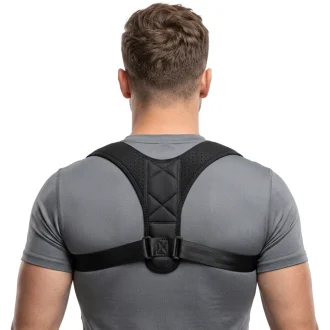
Posture Corrector Back Support
- Soft, adjustable upper‑back and shoulder brace for adults who notice their shoulders rounding, their head drifting forwards and a spreading ache between the shoulder blades or across the tops of the shoulders after long periods of sitting or standing.
- Helps support a more upright posture by gently guiding the upper back and shoulders when you start to slump, so you are not held rigid but nudged out of your most rounded positions.
- Y‑shaped panel between the shoulder blades and backpack‑style padded straps that run over the shoulders and under the arms, chosen to spread pressure comfortably instead of digging into the skin.
- Breathable, padded material that sits comfortably over a T‑shirt or shirt and is slim enough to fit under most everyday clothing, so it can be worn discreetly at work or while travelling.
- Unisex design with adjustable straps – one size fits most adults within the stated size range, allowing you to set a snug but comfortable fit and adjust the level of reminder as needed.
- Best used during longer, relatively static tasks such as desk work, driving and standing still for work, rather than for heavy lifting or sport.
- Can make it easier over time to hold your head more in line with your shoulders and reduce upper‑back collapse, so you often look a little taller and more upright and feel more confident in how you carry yourself.
- Part of the BackReviver range available at NuovaHealth, reflecting designs used and recommended by clinicians for posture‑related upper‑back and neck fatigue.
- 30‑day money‑back guarantee, so you can see how it suits your day‑to‑day routine with reassurance.
£9.99£14.99inc VAT -
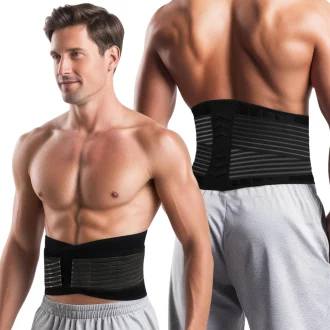
Lower Back Lumbar Waist Support Belt for Sciatica, Herniated Disc, Scoliosis & Lower Back Pain Relief
- Semi-rigid lumbar support belt designed by BackReviver for movement-related lower back pain during acute flare-ups and recovery
- Rigid contoured back panel with eight aluminium stays – limits forward bending and twisting to reduce pain triggers
- Two-stage adjustable fastening – inner velcro belt plus outer elastic side straps for precise compression control
- May help manage symptoms associated with muscle strain, ligament sprain, facet joint pain, disc problems, SI joint dysfunction, and postural pain
- Provides firm compression around your lower back and abdomen, which may help reduce swelling during acute flare-ups and allows tight muscles to relax slightly
- Encourages better posture by making it uncomfortable to slouch or maintain positions that load your back poorly
- Breathable ventilation layer and thick padding – comfortable for extended wear during work, standing, or active tasks
- Unisex design – suitable for men and women
- Slim enough to wear under clothing but still robust enough to provide structural support
- Available in three sizes:
- Medium: 25.2–28.8 inches (64–73 cm)
- Large: 28.8–32.4 inches (73–82 cm)
- Extra Large: 32.4–36 inches (82–91 cm)
- Not suitable if you are pregnant, have active blood clots, or severe circulation problems – see full safety information below
- 30-day money-back guarantee – if it doesn’t help, return it for a full refund
£16.99inc VAT -
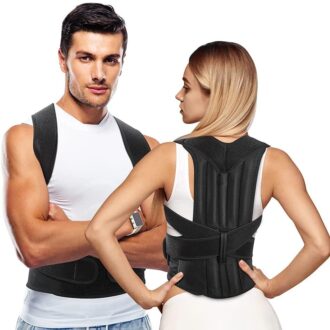
Back Stabilizer Support Brace for Back Pain
- 1x Back Stabilizer Support Brace designed to cover and support your entire back to help ease back pain and improve your posture
- For both Men and Women
- Designed to help support, stabilize and realign your spine making you stand straighter and improve your posture
- Can be worn to help ease and prevent a range of different back related injuries caused by bad posture including a Slipped disc, Sciatica, Facet syndrome, Lumbar spinal stenosis, Spine kyphosis and Arthritis pain
- Helps stop bad posture habits such as slouching, rounded shoulders and forward neck
- Pins your shoulders back and makes you stand correctly by supporting your neck, shoulders, ribcage and your upper and lower back in the correct position
- Provides soothing compression to your back that will boost the supply of fresh oxygenated blood to your back helping reduce inflammation and swelling promote healing of damaged tissue and ease back pain and aches
- 2 Inbuilt support rods hold your spine in the correct position and helps ease pressure and strain off your back
- Made from lightweight breathable fabric with moisture wicking properties that will help keep your back feeling cool, dry and comfortable
- Ideal for wearing whilst at the Gym, Running, playing sports or carrying out your daily activities
- Includes a full 30 day money back guarantee, if you are not 100% satisfied with your purchase!
- Available in sizes Small, Medium, Large, XL & XXL, 3XL and 4XL with two easy to use adjustable straps help you find the right support and fit for you.
- The maximum length of the belt are as follows measuring below the rib cage and around the stomach area (note this is adjustable downwards):
- M (Max length 100cm (39.37 inches)), L ( Max Length 102cm (40.15 inches)), XL (Max Length 104cm (40.9 inches)), 2XL (Max Length 106cm (41.7 inches)), 3XL (Max Length 108cm (42.5 inches)), 4XL (Max Length 110cm (43.3inches))
- Or if you don’t have your measurements generally the following weight guidelines can be used:
- M: up to 37.5kg
L:40-50kg
XL: 45-55kg
XXL:55-65kg
XXXL: 65-75kg
XXXXL: 75-80kg
£15.99inc VAT -
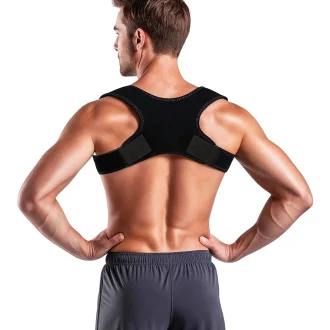
BackReviver™ Posture Corrector Support Brace for Standing taller & easing back pain
- 1x BackReviver™ Posture Corrector Support Brace for Standing taller & easing back pain
- For both Men & Women
- One sizes fits most
- Improves your posture and supports your back in the correct position by pulling your shoulders back and realigning your spine to help alleviate pressure and strain off your spine and prevent excessive movement that can cause pain and injury
- Provides a good level of compression to boost blood flow to your upper back helping to ease aches and pains, reduce inflammation, swelling and promote healing of damaged tissue to speed up your injury recovery
- Daily wearing of the posture corrector helps overtime train the muscle memory in your back to help get rid of bad posture habits such as slouching, hunching forward, rounded shoulders and forward neck allowing you to effortlessly and naturally stand with better posture making you look taller with more confidence
- Recommended by Physiotherapists to help treat and ease a wide range of Upper Back, Shoulder and Neck injuries and conditions including Fibromyalgia. Clavicle Fractures, Cervical Neck Pain, Cervical Stenosis, Frozen Shoulder, Spinal Stenosis, Slipped Discs, Facet Syndrome, Neck and Shoulders Strains and Sprains, Osteoporosis and Arthritis
- Can be worn whilst exercising and running to protect your neck, shoulders and back from injury, reduce muscle fatigue and improve performance
- Ergonomically designed to be lightweight and as non-bulky as possible making this posture corrector the ideal choice for wearing discreetly underneath your regular clothes
- Made from skin friendly, breathable 4 way stretch materials and features moisture wicking technology and antibacterial properties that will help keep your upper back dry, sweat free and feeling cool and comfortable
- Adjustable soft padded shoulder straps prevent the posture corrector from digging into your arms and body and allow you to quickly and easily adjust the fitting and the level of support and compression that the posture corrector provides
- Includes a full 30-day money back guarantee!
£12.99inc VAT -
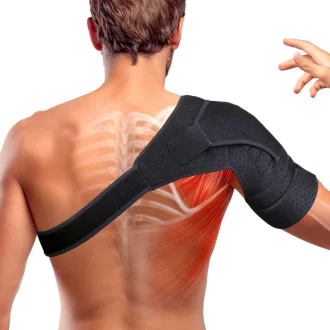
Shoulder Wrap Support Brace
- 1x Shoulder Wrap Support Brace designed to protect and support your shoulder whilst easing easing aches and pain
- For both Men & Women
- One size fits all
- Fits both Left & Right shoulders
- Features a number of fully adjustable straps including a secure buckled strap that stretches across your chest and a Velcro strap that wraps around your bicep to help keep the shoulder wrap securely in place and allows you to quickly and easily change the level of support and compression and the fit of the shoulder wrap accordingly
- Ideal for people suffering from Frozen Shoulder, Tendonitis, Rotator Cuff Tears, Dislocations, AC Joint pain and discomfort, Labrum Tear, Bursitis & Arthritis pain
- Stabilizes and supports your shoulder joint to help improve mobility and function to ease strain and pressure off your shoulder, neck and upper back and prevent injuries from occurring
- Provides soothing targeted compression that helps ease aches and pains, reduce stiffness, swelling and inflammation and increase the circulation of fresh oxygenated blood to your shoulder to help speed up the natural healing process
- Features a specially designed ice pack pocket that can be used to place an ice/heat pack inside the brace to provide soothing hot or cold therapy to your shoulder (Gel hot and cold therapy packs can be bought separately here)
- Includes a full 30 day money back guarantee, no questions asked!
£13.99inc VAT -
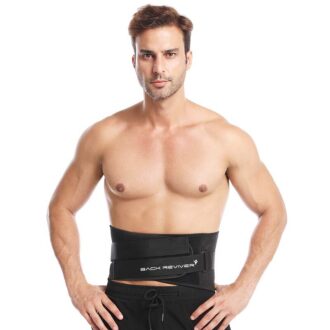
Lower Back Pain Brace for Sciatica, Slipped & Herniated Disc, Spinal Stenosis & Scoliosis
- 1x Lower Back Pain Brace designed by BackReviver™ to support and ease your lower back
- For both Men & Women
- Available in a range of different sizes
- Waist Measurements:
Medium – 2.1-2.4 feet or 25.2 Inches – 28.8 Inches
Large – 2.4-2.7 feet or 28.8 Inches – 32.4 Inches
Extra Large 2.7-3 feet or 32.4 Inches – 36 Inches
XXL 3-3.6 feet or 36 Inches – 43.2 inches
XXXL 3.6-4.2 feet or 43.2 Inches to 50.4 inches - Recommended for helping ease and treat Sciatica, Slipped & Herniated Disc, Spinal Stenosis, Scoliosis, Spondylolysis, Muscle or ligament strains, Muscle spasms, Arthritis, Osteoarthritis and more!
- Protects and supports your hips and lower back in the correct positioning helping to improve posture and ease strain and pressure off your spine protecting your back from further damage and whilst you recover
- Targeted compression relives aches and pains deep within your lower back and increases blood flow to your lower torso helping to reduce inflammation and swelling and speed up the healing process of injuries
- Features flexible inbuilt metal support rods that help prevent movement which could twist, sprain and cause damage to your lower back
- Fully adjustable dual straps wrap around your lower back allowing you to quickly change the level of support and compression as well as help keep the brace secure and stopping it from moving around and rubbing against your body whilst you wear it
- The perfect choice for wearing whilst exercising, playing sports or for general daily activities to help give your back extra support and protection against injury
- Made from premium quality materials that are lightweight, non-bulky breathable and have moisture wicking properties to help keep you dry and feeling fresher for longer
- Includes a full 30-day money back guarantee for total customer of peace of mind!
£21.99inc VAT -
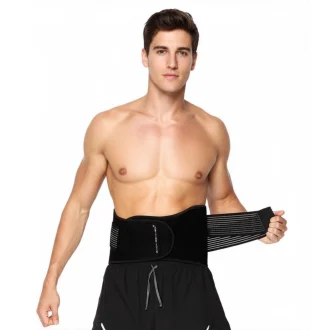
Posture Corrector Belt
- 1x Posture Corrector Belt designed by BackReviver™ to support and realign your hips and lower back helping to improve your overall posture and prevent back injuries
- For both Men & Women
- Available in a range of different sizes:
Medium – 2.1-2.4 feet or 25.2 Inches – 28.8 Inches
Large – 2.4-2.7 feet or 28.8 Inches – 32.4 Inches
Extra Large 2.7-3 feet or 32.4 Inches – 36 Inches - Recommended for treating and easing back injuries and conditions including Sciatica, Slipped discs, Herniated discs, Degenerative disc disease, Facet syndrome, Lumbar spinal stenosis, Scoliosis, spondylolisthesis, Muscle or ligament strain as well as Arthritis and Osteoarthritis
- Inbuilt support rods realign and hold your hips and lower back in the correct position easing strain and pressure off your spine and prevent movement which could cause damage to your back
- Provides soothing compression that boosts blood flow to your lower back helping soothes aches and pains and reduces inflammation, swelling and soreness after sustaining an injury
- Ideal for wearing whilst exercising, weightlifting and playing sports to improve your posture and form and provide extra support and protection to help prevent back injuries from occurring
- Adjustable straps wrap around your body allowing you to quickly change the level of support and compression and keep the posture corrector belt securely in place preventing it from moving around and rubbing and chaffing your body
- Made from lightweight, breathable and non bulky materials that wick moisture away and keep your back dry and sweat free all day long
- Includes 30 day money back guarantee!
£16.99inc VAT -
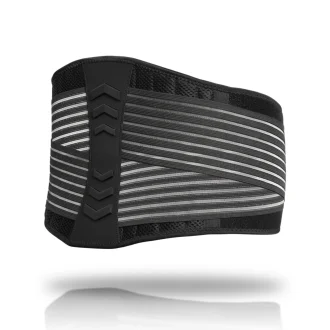
Lumbar support belt
- 1x Lumbar support belt designed to protect, stabilize, support and realign your lower back and correct your posture
- For both Men & Women
- Available in a range of different waist sizes
Medium – 2.1-2.4 feet or 25.2 Inches – 28.8 Inches
Large – 2.4-2.7 feet or 28.8 Inches – 32.4 Inches
Extra Large 2.7-3 feet or 32.4 Inches – 36 Inches - Recommended for those suffering from Herniated or Slipped discs, Sciatica, Facet syndrome, Lumbar spinal stenosis, Scoliosis and more!
- Adjustable straps allow you to quickly and easily adjust the level of support and compression that the belt provides to suit your specific needs and requirements
- Provides targeted lumbar support to correct and realign the position of your lower back and hips and help prevent excessive pressure and strain from building up and injuring your back
- Inbuilt stabilizing aluminium springs help to support and hold your back in the correct position and prevent movement which could otherwise damage and hurt your back
- Provides soothing compression to your lower back helping to reduce inflammation and swelling, ease aches and pains and promote and speed up healing of damaged and injured muscles, ligaments and tendons
- Made from lightweight non bulky materials with moisture wicking properties that will keep you feeling fresh, dry and sweat free
- Ideal for wearing whilst playing sports and working out at the gym to help improve your posture and form and protect you from injuring your back
- Includes a full 30 day money back guarantee!
£16.99inc VAT -
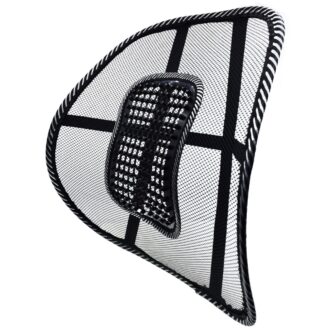
Lumbar Support Backrest
- 1x Lumbar Support Backrest designed to protect, cushion and support your back whilst sitting for long periods
- Ergonomically designed to provide all round lumbar support that helps to correct your sitting position, improve posture and straighten your spine helping to ease tension and pressure off your back and prevent injury and pain
- Can be easily fitted to many different types of chairs including Office Chairs, Car seats, Gaming chairs as well as Wheelchairs
- Our Lumbar Support Backrest is ideal for using whilst sitting for long periods of time thanks to its special design that helps cushion and supports your back and features therapeutic nodes that massages your back that improves circulation, reduces swelling and inflammation and helps soothe back aches and pain
- Recommended for people who are suffering from Sciatica, a Slipped disc, Degenerative disc disease, Lumbar spinal stenosis, Facet syndrome or Scoliosis
- Made from premium quality, lightweight, breathable and long lasting materials
- Includes a full 30 day money back guarantee!
£10.99inc VAT -
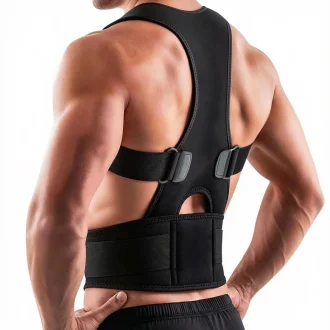
Posture Support Back Brace
- 1x BackReviver Posture Support back Brace— supports a more upright posture and helps reduce day‑to‑day strain across your upper and lower back; slim, comfortable, and easy to wear under everyday clothing
- Unisex adult fit: designed for men and women to wear comfortably under everyday clothing
- Sizes: Small (80 cm), Medium (90 cm), Large (100 cm), XL (110 cm), XXL (120 cm). Measure your waist at navel level; if you’re between sizes, choose smaller for a firmer hold or larger for a gentler fit
- Full‑length support system: a shaped back panel, an integrated lower‑back pad, and flexible stays guide a comfortable, fairly straight posture, spread pressure more evenly, and help limit deep bends and over‑arching—so everyday movements feel steadier
- Adjustable, even hold: dual‑pull straps tighten from both sides for a balanced fit you can change in seconds—go a touch firmer for standing, reaching, and light carrying; ease it for seated breaks
- Comfortable under clothing: low‑profile, ergonomic design moves with you and sits smoothly under workwear or casual clothes
- Comfort details that matter: padded shoulder straps help prevent digging; breathable, durable fabric with a quick‑dry lining manages warmth and moisture; smooth against the skin to reduce irritation
- Secure closures: strong hook‑and‑loop fasteners stay put during movement and release smoothly when you’re done
- Built‑in magnets (mid and lower back): add a calm, comforting feel for some users. Important: do not use if you have an implanted electronic or magnetic device, and do not use during pregnancy
- When to use for best results: wear it at the times your posture tends to slip—longer sitting or standing, desk work, light chores, short drives, and reach tasks—to help you keep your back fairly straight (not slumped, not over‑arched). Start with short sessions and add regular movement breaks to reinforce good habits
- What it can help with: can reduce slouching and rounded shoulders, support tired or weakened muscles, and may ease day‑to‑day strain linked to common back issues such as muscle strain, disc‑related low‑back ache, sciatica‑type leg symptoms, spondylolisthesis, and lower‑back osteoarthritis. Use as an add‑on to active care, not a stand‑alone cure; results vary
- Not a medical device: this brace supports posture and comfort but does not diagnose, treat, cure, or prevent disease
- Peace of mind: 30‑day money‑back guarantee—try it and return within 30 days if it isn’t right for you (fair‑use policy applies)
Warning! This item contains in‑built magnets and may interfere with pacemakers, defibrillators and other implants. Do not use if you have any implanted medical device or are pregnant. Adults only. Do not use over broken skin, after recent spinal surgery, with a suspected fracture, or with severe osteoporosis at high fracture risk. Use at your own risk; we cannot be liable for harm from use contrary to this warning.£12.99inc VAT -
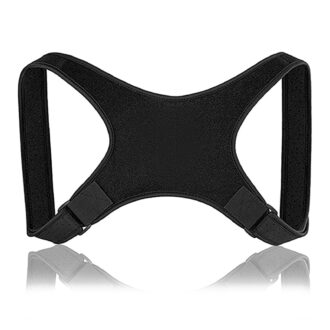
Upper Back Support
- Designed for adults with posture‑linked upper back, neck and shoulder pain that builds after long spells at a desk, driving, standing or using devices.
- Distinctive X‑shaped neoprene back panel sits over the upper thoracic spine and shoulder‑blade region, centring support where the shoulder blades almost meet – the spot many people describe as their deepest, late‑day ache.
- Backpack‑style padded straps run from each arm of the X over or under the shoulders and fasten at the front on the same side, gently guiding the shoulders back and down without crossing the body or locking you rigid.
- Holds your upper back and shoulders in a comfortable mid‑range position, limiting deep slouching and extreme twists while still allowing you to move, reach and get on with everyday tasks.
- Lightweight, breathable neoprene with wide, padded straps provides firm but comfortable support, gentle compression and soothing warmth to help reduce muscle fatigue across the upper back and neck.
- Highly adjustable one‑size design with hook‑and‑loop fastenings and side buckles so you can fine‑tune the fit and level of guidance to your own shape and daily activities.
- Slim, discreet profile that can be worn under most clothing during work, driving or around the home, making it practical to use at the times when your posture usually slips.
- Intended to complement, not replace, exercise and clinical care, and often used for posture‑related patterns such as kyphosis, rounded shoulders, forward head posture and tension‑type headaches, on the advice of a clinician.
- Includes a 30‑day money‑back guarantee, giving you time to see how the BackReviver Upper Back Support feels in your own routine and whether it makes a meaningful difference to your posture and symptoms.
£12.99inc VAT -
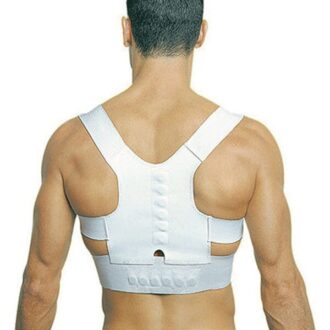
Magnetic Back Support And Posture Corrector
Nuova Health magnetic back supports help to realign your posture and ease back and shoulder pain through magnetic therapy; 5 magnets are aligned down the center spine and 6 across the lumbar region. Support straps around the front shoulders help to pull the shoulders back for correct posture.
– Helps you to appear taller and straighter.
– Easy to use, comfortable and light to wear underneath clothes. No discomfort or visibility.AttentionIf you have a spinal disorder or injury then please consult your physician before using this product. We accept no responsibility for any injury caused by this product.
£7.49inc VAT