Insoles for High Arches
Orthotic Insoles for High Arches
If you have high arches and your feet tend to feel sore, tired or unsupported by the end of the day, the right insole can make a noticeable difference. High-arched feet often take more force through the heel and the ball of the foot, especially on hard floors or during long periods of standing and walking. This range brings together insoles designed to give better underfoot support, improve comfort and help you choose a style that suits both your symptoms and your shoes.
-
- Orthotic insoles for high arches are shaped inserts designed to sit inside your shoes and support the foot more effectively than a flat insole.
-
- They are mainly suited to adults with high-arched feet who feel soreness, fatigue or repeated pressure under the heel, arch or ball of the foot.
-
- They can also be useful if your feet feel less steady in certain shoes or if standing on hard floors leaves them feeling worn out by the end of the day.
-
- The range includes options for everyday walking, work, running, sport and general day-to-day comfort.
-
- Some designs focus more on cushioning for impact, while others provide firmer support for a steadier feel under the heel and arch.
-
- Common features include contoured arch support, deeper heel cups, heel cushioning, forefoot cushioning and supportive base layers that hold their shape.
-
- For high-arched feet, the aim is not just to add softness. It is to give the foot a more supportive surface inside the shoe.
-
- That can help reduce repeated pressure in the same small areas and improve comfort over longer periods of standing or walking.
-
- Full-length insoles often suit trainers, walking shoes and work shoes with removable insoles.
-
- Slim or 3/4 length designs can be a better option when you need support in shoes with less internal depth.
-
- If you are new to orthotic insoles, it is usually best to build up wear time gradually over several days.
-
- The insole should feel supportive rather than sharply uncomfortable. If it creates obvious pressure points or makes the shoe too tight, it may not be the right fit.
-
- If you have severe foot pain, numbness, repeated ankle sprains or a sudden change in foot shape, it is sensible to seek advice from a GP, physiotherapist or podiatrist.
If you have high arches, the right insole can make a real difference to how your feet feel by the end of the day. A high-arched foot often takes more pressure through the heel and the ball of the foot, while the middle of the sole has less contact with the ground. In practical terms, your foot lands and pushes off through smaller contact points, so each step can feel harsher than it should, particularly on hard surfaces.
You might notice this as tired, sore feet by late afternoon or after a long shift. For some people, the main problem is poor shock absorption. Others notice that certain shoes never feel especially steady, or that pressure gradually builds under the heel or forefoot the longer they are on their feet. You may feel fine to begin with, then find your feet tire earlier than expected or become more sensitive once the day goes on. In that situation, a well-chosen orthotic insole can help by giving your foot a more supportive surface inside the shoe, so the same stressed areas are not doing all the work step after step.
This collection of orthotic insoles for high arches has been selected to improve underfoot support, make contact through the sole more balanced and increase comfort during everyday activities. Whether you need insoles for walking, work, running or general daily support, the range includes options designed to cushion impact, support the arch and improve stability in your footwear. Alongside specialist in-house options, the collection also includes carefully selected designs from trusted expert brands, giving you a wider choice of materials, support shapes and cushioning levels to suit different needs.
What high arches are
High arches, sometimes called pes cavus, describe a foot shape where the arch sits higher than average. Put simply, less of the middle of the foot may meet the ground when you stand or walk. Some people naturally have this foot shape and never have any trouble with it. Others find it contributes to pressure points, tiredness, soreness or a sense that their feet are not especially well supported, particularly on hard ground or after longer periods of standing and walking.
There is also more than one type of high-arched foot. Some high arches are fairly flexible and still adapt reasonably well as you walk. Others are more rigid and hold their shape more firmly when your weight goes through them. That difference matters. A stiffer foot usually absorbs impact less well, so the heel can take a sharper hit when it meets the ground and the front of the foot can take more stress as you push off. On uneven ground, the same stiffness can make the foot less able to adjust to the surface, which is why some people with high arches feel less steady than they expect.
For some people, high arches are simply part of their natural foot shape. For others, they may be linked to inherited structure, muscle imbalance or an underlying medical issue. Whatever the reason, the practical effect is often similar. The foot may cope with standing, walking and impact in a less forgiving way than a foot with a more neutral arch shape.
Having high arches does not automatically mean you will have pain. But it does mean your feet may transfer force differently. If your footwear is not dealing with that well, discomfort can build not only in the feet themselves, but sometimes in the ankles, lower legs, knees, hips or lower back too, especially if you spend long periods standing or walk a lot during the day.
Why high arches can lead to foot pain
Your arch shape affects how your foot meets the ground, how it absorbs force and how it moves your weight from heel strike through to push-off. In a more neutral foot, pressure is usually shared more evenly across the sole. In a high-arched foot, the middle part of the foot often contributes less, so the heel on landing and the forefoot during push-off can end up taking a greater share.
The problem is not only where force goes, but how your foot deals with it. A high-arched foot is often less flexible, so it may not cushion impact as well as it should. Instead of force being absorbed and spread gradually, it can arrive more abruptly in smaller areas. On pavements, concrete floors and other hard surfaces, that can leave the heel or ball of the foot feeling tender, overloaded or simply worn out by the end of the day.
Another pattern seen in some high-arched feet is a tendency to bear more weight towards the outer side of the foot. When that happens, the ankle can feel less settled, especially on uneven ground, slopes or during quicker changes of direction. If the foot does not adapt easily to the surface underneath it, the muscles and tendons around the ankle may have to work harder to steady each step.
Over time, this can lead to localised soreness, fatigue and repeated strain. You may notice that your feet ache after a long day, feel less secure in flatter or less supportive shoes, or develop the same pressure spots each time you wear certain pairs. Even routine tasks such as commuting, standing at work or spending hours walking around can become more tiring than they should be.
Once foot mechanics become less efficient, the effects are not always limited to the foot itself. Reduced shock absorption and altered force transfer can affect the way impact travels up through the body. That is one reason unsupported high arches can sometimes be linked with discomfort in the ankles, shins, knees, hips or lower back, especially during longer periods of standing, walking or running.
How insoles help high-arched feet
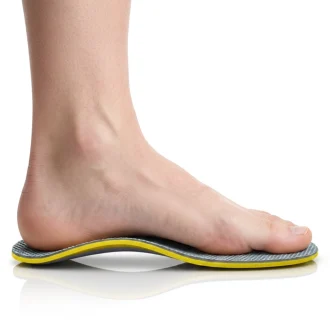
Orthotic insoles for high arches do more than add softness underfoot. A good insole creates a steadier, more supportive platform inside the shoe. This is especially useful if your foot makes limited contact through the middle of the sole or if you keep feeling overloaded through the heel and forefoot.
One of the main benefits is that the foot gets more useful contact along its length. Instead of leaving the middle of the foot relatively unsupported, a contoured insole fills that space more effectively. That often changes how the foot feels inside the shoe. Rather than dropping heavily onto the heel and then overworking the front of the foot, the whole sole can feel a little more supported and settled.
Many insoles for high arches also include cushioning where it matters most. Heel cushioning can help soften repeated impact when your heel hits the ground during walking and running. This is particularly useful when a rigid high-arched foot passes more force straight into the heel and up the leg. Forefoot cushioning can improve comfort where soreness builds under the metatarsal area, the part just behind the toes where many people with high arches feel tender after time on their feet.
At the same time, a structured heel cup or supportive shell can help the foot sit more securely inside the shoe. If you tend to feel unsteady in less supportive footwear or notice that you drift towards the outer edge of the foot, that more contained shape around the heel can help keep the back of the foot better centred. In day-to-day terms, that may make walking on uneven ground, standing for longer or moving more confidently in work shoes and trainers feel less effortful.
The aim is not to change the shape of your foot permanently. It is to help your foot work more comfortably and efficiently inside your footwear. For many people, that means less fatigue, better support through the day and more comfort in work shoes, trainers or everyday footwear.
Common problems linked to high arches
Not everyone with high arches has symptoms, but when problems do develop, they often affect the same parts of the foot and lower limb. Because impact may be less well cushioned and certain areas can end up working harder than they should, some patterns of discomfort show up more often than others.
Heel pain and strain under the arch
A common issue is discomfort under the heel or along the underside of the foot. When force repeatedly concentrates in these areas, the thick band of tissue under the foot that helps support the arch, called the plantar fascia, can be exposed to more tension than it can comfortably manage. This is one reason people with high arches may be more prone to heel pain and irritation around the plantar fascia.
Some people describe this as soreness under the heel, often more noticeable after longer periods on their feet. Others feel tightness, aching or fatigue through the arch itself, especially after standing for long periods, walking on hard ground or wearing shoes that do very little to support the middle of the foot. In a high-arched foot, the tissues under the sole may spend the day working between two more heavily stressed areas, the heel behind and the forefoot in front, so they can gradually become irritated.
Insoles that improve support through the middle of the foot and include shock-absorbing heel cushioning can often help by reducing some of that repeated strain. If the arch is better supported inside the shoe, the tissues under the foot do not have to work as hard with every step. At the same time, cushioning under the heel can take some of the force out of repeated contact with hard ground, which may help make longer walks or all-day standing more comfortable.
Forefoot pressure and pain under the ball of the foot
Soreness under the ball of the foot is another common complaint. This may feel bruised, burning, tender or unusually sensitive, particularly after a long day on your feet, during faster walking, or in shoes with very little cushioning at the front. It often becomes more obvious later in the day, when repeated push-off has irritated the same area over and over again.
In some cases, the smaller structures in the forefoot can become irritated as well. For example, the area beneath the big toe joint may feel overloaded, or there may be discomfort around the soft tissues at the front of the foot. This often becomes more obvious during push-off, when your body moves over the front of the foot and pressure rises beneath the heads of the long foot bones just behind the toes.
A well-contoured insole can help by improving support through the rest of the sole, so the forefoot is not left doing such a high share of the work on its own. If the design also includes extra cushioning at the front, that can soften pressure in this area during walking, commuting or standing for long periods. The aim is not to remove all force, but to spread and soften it enough that the front of the foot may feel less battered by the end of the day.
Instability and ankle strain
High arches are not only about pressure. They can also be linked with reduced adaptability. A more rigid foot may feel less stable on uneven surfaces and less forgiving during faster movement. Some people notice they are more prone to rolling outwards, repeated ankle sprains or simply feeling less secure in certain shoes.
When this happens, the muscles, tendons and ligaments around the foot and ankle may have to work harder to steady each step. That can contribute to repeated overuse problems in the lower leg, the back of the ankle around the Achilles tendon, or the outer side of the foot, particularly if you spend a lot of time walking on uneven surfaces or standing in shoes that do not hold the heel well.
Insoles with a deeper heel cup, a stable base and more structured support around the heel can be helpful where stability is a key concern. By helping the heel sit more securely and reducing some of the side-to-side movement inside the shoe, they can make the foot feel more planted. For some people, that means greater confidence on uneven ground. For others, it simply means their feet and ankles feel less tired after an ordinary day.
Knee, hip and lower back fatigue
Your foot is your base of support. If impact is not being managed well there, the effects can sometimes be felt further up. High arches do not automatically cause knee, hip or back pain, but they can contribute to less efficient force transfer through the lower limbs.
For some people, the change is gradual rather than dramatic. Their feet tire quickly, their calves feel tight, their knees ache after a long shift, or their lower back feels more fatigued after standing on hard floors all day. In that situation, the problem is often not one single painful structure but the cumulative effect of repeated impact and poorer load sharing from the ground upwards.
Better underfoot support can make a noticeable difference by improving how force is managed from the ground up. If the insole helps the foot accept contact more evenly and reduces some of the concentrated impact when the heel lands and when weight moves onto the front of the foot, the rest of the body may not have to compensate as much. That may help longer periods of standing or walking feel less draining overall.
Pressure-related irritation in sensitive feet
If certain parts of your foot are already sensitive, poor pressure distribution can make them feel worse. Repeated force in the wrong areas may aggravate bunions, stiff joints or other structural problems that become more noticeable in unsupportive shoes.
Insoles cannot change the shape of the foot permanently, but they can often improve how the foot functions inside the shoe and reduce mechanical overload in sensitive areas. By supporting the arch and redirecting force away from isolated pressure spots, they may help certain shoes feel more wearable and reduce how quickly irritation builds during everyday use.
What to look for in insoles for high arches
Not all insoles suit a high-arched foot. Flat foam inserts may feel soft at first, but they often do very little to improve support or meaningfully change how the foot meets the shoe. If you have high arches, it usually makes sense to look for a more structured design with features that match the way this foot type behaves.
Structured arch support
A contoured arch profile helps support the middle of the foot and improves contact between your foot and the insole. This can reduce local pressure build-up and make the foot feel more supported during standing and walking. In practical terms, it often means the insole feels shaped rather than flat, with more noticeable contact under the arch.
Deep heel cup
A deeper heel cup helps cradle the heel and keep the back of the foot more stable inside the shoe. This may be especially useful if you have heel pain, instability or a tendency to roll towards the outer edge of the foot. A better-contained heel often means less movement inside the shoe during everyday walking.
Shock-absorbing heel cushioning
Because high-arched feet often absorb impact less efficiently, heel cushioning can be particularly helpful. It helps soften repeated force when the heel lands and may improve comfort on hard surfaces. If your heel tends to feel sore after walking on pavements, commuting or standing all day, this feature is often worth prioritising.
Forefoot cushioning
If pressure under the ball of the foot is one of your main symptoms, cushioning at the front of the insole can make a noticeable difference. This is often useful for people who walk long distances, stand for hours or exercise regularly, because the front of the foot is repeatedly loaded as you move onto the toes.
Supportive base or shell
A firmer base layer helps the insole keep its shape and provide more consistent support through the day. This is often more effective than a very soft insert that compresses quickly and offers little structural benefit. In real use, this usually means the insole feels steadier and less collapsible underfoot rather than squashy for the first few minutes and flat later on.
Breathable top cover
Comfort is not only about support. A breathable top layer can help reduce heat build-up and make the insole more comfortable to wear for extended periods, especially during work or all-day use.
Full-length or 3/4 length design
Full-length insoles are often a good option for trainers, work shoes and footwear with removable insoles because they provide more complete underfoot coverage. A 3/4 length design can be useful when shoe space is limited or when you want extra support without taking up too much room in the toe area. That can be particularly helpful if you want firmer orthotic support in everyday shoes that do not have the depth for a bulkier full-length insert.
The right fit for your footwear
The best insole is one that matches both your foot type and the shoes you wear most often. Some people need a slim-profile design for closer-fitting footwear, while others want more cushioning for trainers, walking shoes or work footwear. Shape and internal space matter just as much as support level, because even a well-made insole will feel wrong if it makes the shoe too tight or changes the fit in an unhelpful way.
Who high arch insoles may help
High arch insoles can be useful for a wide range of adults, not just those with a formal diagnosis. They are often helpful for anyone with a high-arched foot type whose feet are exposed to repeated pressure, impact or long periods of time on hard surfaces.
That may include runners and active people, but also those who spend much of the day standing or walking at work. People in retail, healthcare, hospitality, teaching, warehouse work and other physically demanding roles often become very aware of their arch shape once long shifts start leaving their feet tired and sore.
They may also help if you regularly notice heel pain, arch fatigue, discomfort under the ball of the foot or a sense that your shoes never feel quite supportive enough. Some people only realise they have a high-arched foot shape after finding that standard flat insoles do not help, or that soft cushioned shoes alone do not solve the concentrated pressure they feel under certain parts of the foot.
Whether you want more comfort during everyday wear, extra support in work shoes or more controlled cushioning for sport, choosing an insole matched to a high-arched foot usually makes more sense than relying on a generic insert.
Choosing the right insole from the range
The best insole for high arches depends on how you plan to use it, what symptoms you are trying to manage and the type of footwear you wear most often. Some people mainly need better shock absorption. Others need more structure because their main problem is fatigue, poor support or instability. The range therefore includes softer cushioning options, firmer orthotic support options, slim-fit designs for tighter footwear and fuller-length styles for shoes with more internal room.
It also helps to think about what you want the insole to feel like. A softer design may feel comfortable straight away and suit people whose main issue is repeated impact on hard floors. A firmer design is often more noticeable under the arch at first, but may suit those who want a steadier, more held feeling inside the shoe. Neither is automatically better. The better choice is the one that matches your symptoms, your footwear and how long you spend on your feet.
For everyday walking
If you want general comfort and support for daily use, look for an insole with balanced arch support, reliable heel cushioning and a comfortable full-length design that works well in casual shoes or trainers. For many people, this sort of all-round support helps reduce the gradual build-up of heel or forefoot discomfort during ordinary walking, errands and commuting.
For running and sport
For more active use, many people prefer a design that combines shock absorption with stable arch support. Running and training place repeated force through the heel and forefoot, so a supportive structure with dependable cushioning is often especially helpful. The aim is to help the foot cope more comfortably with repeated impact rather than letting the same pressure points take the full force stride after stride.
If your feet feel sore mainly after exercise, it is often worth prioritising durable cushioning and a secure heel fit. If they feel unstable during faster movement or on uneven ground, a deeper heel cup and firmer base may matter more than extra softness alone.
For all-day standing
If you spend long hours on your feet at work, comfort over time becomes particularly important. Insoles for this purpose usually need a good balance of structural support, durable cushioning and a top layer that remains comfortable during long shifts. Designs that feel fine for a short walk are not always the ones that stay supportive after several hours on a hard floor.
For this group, long-term feel often matters more than first impression. An insert that feels very soft at the start of the day may compress too easily by mid-afternoon, while a slightly firmer design may hold up better once your feet have already done several hours of work.
For maximum cushioning
If hard floors or repeated impact leave your feet feeling sore, a more cushioned design may be the better choice. This can be especially useful if your main symptoms are heel pain or pressure under the ball of the foot. Extra cushioning helps soften force in the areas that tend to get overloaded in a high-arched foot.
For firmer support
If your feet feel unstable, fatigued or poorly supported in softer inserts, a firmer and more structured insole may suit you better. This type of design can help improve foot position and stability inside the shoe, especially if you notice that soft foam compresses too easily and still leaves you dropping onto the same sore areas.
For tighter-fitting shoes
If your footwear has limited internal depth, a slim-profile or 3/4 length insole may be the more practical option. This allows you to add support without making the fit uncomfortably tight. Getting the volume right matters, because a supportive insole only works well if the shoe still fits securely and comfortably around it.
When choosing from the range, it helps to think about both your symptoms and your shoes. Someone whose main problem is heel strike on hard floors may choose differently from someone who feels unsteady on the outer edge of the foot, even if both have high arches. The best insole is not always the softest or the firmest. It is the one that best matches your foot shape, your footwear and the demands you place on your feet each day.
The range of insoles for high arches
The collection includes a wide variety of orthotic insoles chosen to meet different support needs, activity levels and footwear types. It includes both specialist in-house insoles and carefully selected options from respected expert brands, giving you access to a broader mix of designs for high-arched feet.
Within the range, you will find options aimed at everyday comfort, sport and running support, work use, shock absorption and more structured foot support. Some are better suited to people who need enhanced cushioning under the heel and forefoot. Others are more appropriate for those looking for firmer control, slimmer profiles for tighter shoes, or fuller underfoot coverage in trainers and work footwear.
That variety matters because there is no single insole that suits everyone with high arches. One person may need an insert that mainly softens impact. Another may care more about feeling steadier on uneven ground. Someone else may need a design that fits neatly into everyday shoes without making them too tight. A carefully chosen range makes it easier to find a support option that genuinely fits your needs rather than relying on a one-style-fits-all insert.
Why buy from NuovaHealth?
NuovaHealth focuses on practical foot care products designed to help people move more comfortably in everyday life. The range of insoles for high arches has been selected with function in mind, with options suitable for walking, work, sport and day-to-day support.
That matters because high-arched feet do not all behave in the same way. Some people mainly need cushioning for repeated impact, while others need a steadier feel under the heel and arch or a slimmer shape that works in everyday footwear. A mixed range gives you a better chance of matching the insole not just to your foot shape, but to the shoes you actually wear and the way your symptoms show up during the day.
Alongside specialist in-house designs, the collection also includes products from respected expert brands so that you can choose from a wider mix of support profiles, cushioning levels and materials. That gives you more scope to find something that matches your feet and your footwear properly, whether you need a slim and discreet option, a firmer stabilising design, a softer insole for repeated impact or a practical balance between support and value.
Comfort is personal, and what works well for one person may not be right for another. That is why a varied and carefully chosen range matters. The aim is to make it easier to find insoles that feel supportive, fit your shoes well and deal with the demands of high-arched feet more effectively than generic flat inserts.
What to expect when you start wearing orthotic insoles
If you are new to orthotic insoles, it is usually best to allow a short adjustment period. Even when you have chosen the right style, your feet may need a little time to get used to a more supportive shape, especially if you have been wearing flat or unsupportive inserts.
A gradual approach is often sensible. Start by wearing the insoles for shorter periods and increase the time over several days. It is normal at first to be aware of the arch or heel support in a way you were not before. That does not necessarily mean anything is wrong. More often, it reflects the fact that your foot is getting used to better contact and structure, particularly if it has spent a long time working with very little support through the middle of the foot.
A firmer insole will often feel more noticeable at first than a soft foam insert, simply because it holds its shape and gives the foot a clearer outline to sit on. Many people adjust to that well over a few days. What should not be ignored is sharp pain, marked discomfort or obvious pressure points. If an insole feels clearly wrong rather than simply unfamiliar, it may not be the right shape, volume or level of support for your foot or your shoe.
It is also important to make sure your footwear has enough room to accommodate the insole properly. If the shoe becomes too tight, the benefit of the insole may be reduced and comfort may suffer. Over time, all insoles wear down, so replacing them once they lose their support or cushioning is part of maintaining good underfoot comfort.
Your shoes matter as well
Even a very good insole can only do so much if it is placed inside footwear that is worn out, unstable or too cramped. Shoes play an important part in how well an orthotic insole performs, especially if you have high arches and already tend to experience concentrated pressure and reduced shock absorption.
In general, supportive shoes with a stable heel area, enough internal depth and secure fastening tend to work best with orthotic insoles. If the shoe is too shallow, too soft or too loose around the heel, the foot may still feel unstable even with a supportive insole inside. If the toe area is too narrow, pressure at the front of the foot can remain a problem because the forefoot is still being compressed even though the insole is trying to improve support underneath it.
For the best results, it helps to pair your insoles with footwear that gives them the space and structure they need to work properly. Good shoes and good insoles usually work best together rather than as separate solutions.
When to seek professional advice
If you have severe foot pain, persistent symptoms, numbness, repeated ankle sprains or a sudden change in the shape of your foot, it is sensible to seek professional advice. The same applies if one foot is significantly more painful than the other or if you have an underlying condition affecting circulation, nerves or joints.
Orthotic insoles can be very helpful for many people with high arches, but they are only one part of the picture. If symptoms are ongoing or getting worse, a proper assessment from a GP, physiotherapist or podiatrist can help identify whether there is a more specific cause that needs attention.
Support your high arches with the right insoles
High-arched feet often need more structured support than standard flat inserts can provide. If your main problem is heel pain, pressure under the ball of the foot, instability or general fatigue, the right orthotic insole can help improve comfort, support and underfoot function throughout the day.
Choosing well comes down to three things: your foot shape, the shoes you wear most often and the sort of demands you place on your feet. A slim insole may be the better fit for tighter everyday footwear, while a fuller and more cushioned design may suit trainers, work shoes or longer periods of standing and walking. If your feet feel battered by impact, cushioning may be the priority. If they feel unsteady or poorly supported, a firmer and more structured option may make more sense.
This range brings together options for different support needs, cushioning preferences and shoe types, so it is easier to find something that fits properly and feels useful in real life. If you are unsure which style is most appropriate, or if your symptoms are persistent, one-sided or more complex, it is sensible to speak to a GP, physiotherapist or podiatrist. Otherwise, choosing an insole matched to high arches is a practical place to start if you want your shoes to feel more supportive and your feet to feel less hard-worked by the end of the day.
Disclaimer
This information is general guidance only and is not a substitute for individual medical advice, diagnosis or treatment. If you are unsure whether these insoles are suitable for you, or if you have new, persistent or more complex symptoms, speak to a GP, physiotherapist, podiatrist or another appropriate clinician for personalised advice. No insole can guarantee a specific outcome.
-
Plantar Fasciitis Arch Support 3/4 Length Heel Pain Relief Insoles
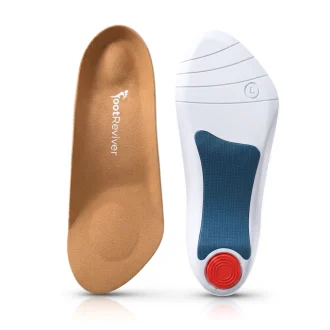
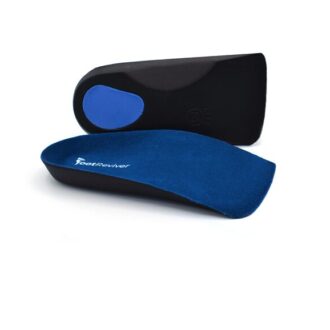
- 1x Pair of Arch Support Insoles — FootReviver Arch Support Insoles designed to steady your heel, support your arch, and help ease plantar‑fasciitis‑related heel discomfort during everyday wear
- For Men & Women
- Available in UK sizes 7–11 and 3–7; trim‑to‑fit forefoot for a closer match
- Slim 3/4‑length design fits most everyday shoes quickly and easily while leaving toes free
- Semi‑rigid plastic arch support, deep heel cup, and gentle medial posting (a small inner‑edge lift that guides alignment) help reduce excess inward roll and the strain it can place on the inner heel, arch, and plantar fascia
- Dual‑density foam cushioning with a built‑in heel pad absorbs impact while keeping midfoot support stable
- Soft, breathable fabric top cover with a moisture‑wicking surface helps keep feet drier and reduces rubbing; smooth against the skin to reduce irritation
- A practical choice for long shifts on your feet—retail, hospitality, healthcare—and for feet with low or high arches that benefit from steady support
- Designed to reduce strain on the plantar fascia and support comfortable daily movement; results vary and this is not a medical device
- Lightweight, durable, and easy to swap between shoes; trim the forefoot only, then seat the heel cup flush at the back
- Includes a full 30‑day money‑back guarantee
£9.99£10.99inc VAT -
Insoles for High Arches
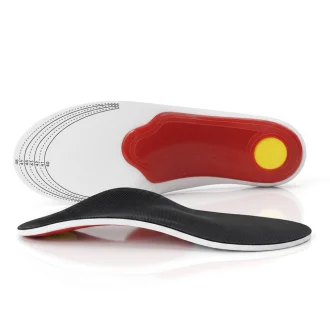
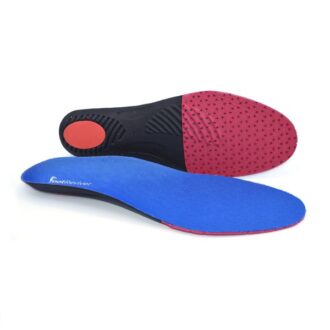
- Full-length orthotic insoles designed to support high-arched feet inside everyday and sports shoes.
- Made for adults whose feet feel sore, tired, or under-supported during standing, walking, or running.
- Especially relevant if pressure tends to build under the heel and the ball of the foot.
- Firm arch support helps the middle of the foot sit on a more supportive surface.
- A deep heel cup helps hold the heel more steadily inside the shoe.
- Heel cushioning helps soften repeated impact, especially on hard floors and pavements.
- Forefoot cushioning helps reduce pressure under the ball of the foot during push-off.
- Full-length coverage gives a more even underfoot feel from heel to toe.
- Best suited to shoes with removable insoles and enough depth to fit a supportive orthotic properly.
- Remove the original insole before fitting to avoid making the shoe too tight.
- If needed, trim the front carefully for a closer fit, making small adjustments at a time.
- Start by wearing them for one to two hours, then build up over several days.
- They are designed to improve support and comfort, but they are not a substitute for assessment if pain is severe, worsening, or unexplained.
£9.99£11.99inc VAT -
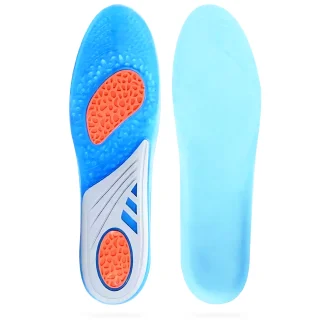
Shock absorbing insoles for Trainers & Running shoes
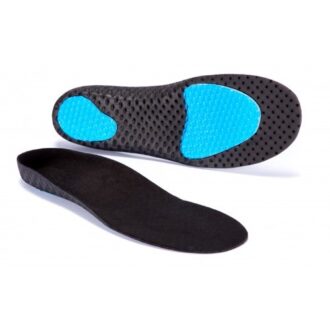
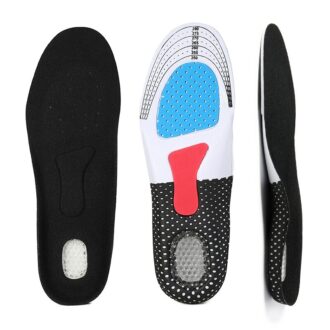
- FootReviver Shock Absorbing Insoles are designed for runners, athletes, and anyone who spends long hours on hard surfaces. They reduce the impact your body absorbs with every step—protecting your feet, ankles, knees, hips, and lower back from repetitive stress.
- Sizing: Available in two size ranges: UK 3–9 and UK 9–12 (USA 3–9 and USA 7–13). Sold as a pair. Trimmable to fit exact shoe size.
- Who they’re for: Runners managing plantar fasciitis, shin splints, runner’s knee, or general impact-related pain. People who work long shifts on concrete or hard floors. Anyone with tired, aching feet at the end of the day.
- How they work: Full-length gel cushioning absorbs shock from heel to toe. Targeted heel and metatarsal pads provide extra cushioning where impact is highest. Moderate arch support and a shaped heel cup improve stability and control overpronation. Breathable honeycomb design keeps feet cool and dry.
- What to expect: Softer landings, less heel and forefoot pain, reduced fatigue in your legs and lower back. Most people notice gradual improvement over 2–4 weeks of consistent wear.
- Fit: Designed for trainers and running shoes. Gradual break-in essential—start with 1–2 hours, build up over 1–2 weeks.
- Guarantee: 30-day money-back guarantee from NuovaHealth.
£10.99inc VAT -
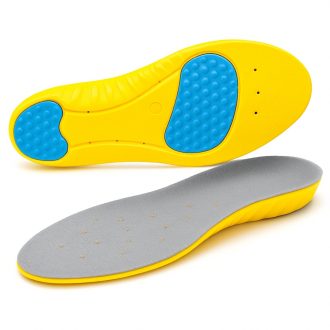
Work Boot Insoles
- 1x Pair of insoles for work boots designed to support, cushion, protect and ease your feet and lower limbs
- For both Men & Women
- Available in a 5-7 & 8-10 UK shoe sizes (trim to fit)
- Inbuilt heel and arch support will take strain and pressure off your feet and stop common foot injuries such as Plantar fasciitis from developing
- Made from lightweight breathable but durable materials that will absorb shock and protect your feet
- Includes a full 30 day money back guarantee!
£12.99inc VAT -
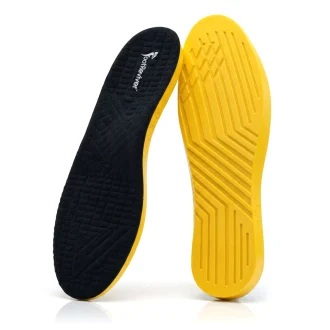
Pronation Insoles for Overpronation By FootReviver™
- Introducing the FootReviver Orthotic Pronation Insoles for Overpronation! These are more than just insoles, they are your first step towards alleviating foot pain and preventing debilitating conditions caused by overpronation. Here’s why you should consider them:
- For both Men & Women
- Available in a variety of shoe sizes
- Sizes are as follows: (XS: (EU 32-34) (UK: 1-2), Small (35-37) (2 – 3), Medium (38-40) (4-6), Large (41-43) (7-8.5), Extra Large (9-11)
- Innovatively Designed: These aren’t your average insoles. Their ergonomic design works to align your feet and ankles into an optimal position, preventing overpronation while walking. This simple yet effective strategy keeps your feet safe from overuse injuries like plantar fasciitis.
- Quality Material: Crafted from superior shock-absorbing EVA material, they shield your feet and lower limbs from impacts. This high-quality material helps provide a buffer between your feet and hard surfaces, reducing strain on your feet.
- Runner’s Best Friend: If you love to run but overpronation is holding you back, these insoles are just what you need. They offer the extra support runners require, allowing you to enjoy your passion without compromising on foot health.
- Perfect for Flat Feet: People with flat feet are more prone to overpronate. But fret not! These insoles are ideal for you, designed to offer the necessary support and comfort.
- Arch Support: They feature built-in arch support, relieving tension and pressure off your arches. This helps combat arch pain and strain, making each step more comfortable.
- Hassle-Free Guarantee: We’re so confident you’ll love the relief these insoles provide, we offer a full 30-day money-back guarantee. This means you can try them out risk-free and discover the difference they can make in your life.
- Take a step towards better foot health today with the FootReviver Orthotic Pronation Insoles for Overpronation. You’ll be amazed at the difference they can make! Don’t let overpronation hold you back any longer. Choose comfort, choose FootReviver.
£14.95inc VAT -
Insoles for trainers
- 1x pair of insoles for trainers and running shoes
- For both Men & Women
- Ergonomically designed to be as durable and as lightweight to wear as possible
- Perfect for keeping your feet protected and supported whilst running or playing sports
- Inbuilt arch supports helps fix common biomechanical imbalances such as overpronation and supination and helps prevent strain and pressure from damaging your feet
- An ideal choice for runners and athletes who have sustained a foot injury such as Plantar fasciitis and need relief
- Features gel metatarsal pads to help ease ball of foot pain (metatarsalgia)
- Deep heel cup supports your heel and ankle in the correct position helping prevent strains and sprains
- Made from shock absorbing EVA and gel material to provide cushioning protection against shock when your foot strikes the ground as you walk, run or jump
- Includes a full 30 day money back guarantee for full customer peace of mind.
£9.99inc VAT -
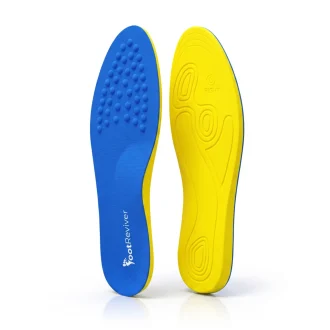
Supination Insoles for Underpronation By FootReviver™
- Precision-Engineered for Supination Correction: This pair of insoles is specifically designed to correct underpronation by featuring a strategically inclined outer edge that gently tilts your foot inward, promoting proper alignment and a stable gait.
- Durable & Versatile for Everyday Use: The low-profile, flexible-yet-supportive construction ensures a seamless fit in a wide range of footwear, making them perfect for both everyday wear and sports. Sizes available: XS (UK 1-2), S (UK 2-3), M (UK 4-6), L (UK 7-8.5), XL (UK 9-11).
- Reinforced Lateral Support & Targeted Arch Control: The dual-action design combines a firm, reinforced lateral barrier to block excessive outward roll with a contoured arch cup to cradle your foot’s natural curve, working in unison to alleviate strain on ankles, arches, and plantar fascia.
- Full-Length Advanced Shock Absorption: Crafted from lightweight, durable, and high-resilience EVA material that runs from heel to toe, providing superior cushioning to protect your feet, joints, and lower back from impact during walking, running, or prolonged standing.
- Anatomically Contoured for Natural Alignment: A heel cup and precision-moulded arch support work together to guide your entire foot into a healthier, neutral position, redistributing weight evenly to reduce fatigue and compensatory pain in your knees and hips.
- Secure, Breathable & Comfortable Fit: Features gripper nodes under the forefoot to prevent slipping and a moisture-wicking top cover that improves air circulation, keeping your feet dry, secure, and comfortable all day long.
- Universal Design & Professional Recommendation: For both men and women, these insoles are ideal for casual shoes, trainers, and boots. They are recommended by physiotherapists and podiatrists to help treat and prevent a wide range of conditions linked to supination, including Plantar Fasciitis, Heel Spurs, Metatarsalgia, Achilles Tendonitis, Ankle Instabilities, and knee or back pain.
- Your Satisfaction Guaranteed: Backed by a full 30-day money-back guarantee, so you can experience the FootReviver difference risk-free.
£16.95inc VAT -
Arch Support Insoles for Plantar Fasciitis and Flat Feet
- Support For Flat Feet, Low Arches, And Plantar Fasciitis: Shaped for feet that need more structure than a flat liner or factory insole provides. The contoured arch supports the middle of your foot, the deep heel cup holds your heel in place, and the cushioning layer absorbs impact. Together they give you a more stable base from the first step.
- Orthotic Arch Support And A Deep Heel Cup: Firm support under the arch encourages a more neutral alignment of your foot and lower leg, rather than correcting it. The heel cup keeps your heel centred inside the shoe and holds the fat pad in position so it can cushion as intended. Force spreads more evenly across your sole instead of concentrating in the same spot with every step.
- Support For Common Foot Patterns: Suits plantar fasciitis, flat feet, low arches, overpronation, high arches, metatarsalgia, Morton’s-type forefoot pain, bunions, Achilles pain, shin splints, and general foot fatigue. Several of these overlap in practice, which is why one shaped support can help more than one problem.
- Cushioning That Softens Repeated Impact: Absorbs the impact of concrete, tile, and pavement, and spreads weight more evenly across the sole. This matters most several hours into the day, when hard surfaces and long periods on your feet would otherwise leave your feet feeling worn down rather than freshly rested.
- A Breathable Top Cover: The top layer uses active carbon fibre that inhibits bacterial growth and neutralises odour, which keeps the insoles fresher through months of daily wear. Breathable material also reduces heat and moisture build-up inside the shoe.
- Structured Support For Running And Everyday Activity: The arch support and heel cup help with the alignment demands of a running stride, and the cushioning softens the impact of each footfall. They also suit walking, standing, and everyday wear, and are worth considering if you want a more supportive base in the shoes you use most. If you run high mileage or race frequently, a thinner running-specific insole may suit you better over time.
- Trim-To-Fit, In Sizes 3–7 And 7–11: The 3–7 range suits women’s sizing and the 7–11 range suits men’s sizing. Each insole can be trimmed to shape using the original insole from the shoe as a guide, so they fit most closed-toe footwear — trainers, work shoes, and boots.
- 30-Day Comfort Guarantee: Use them in your own shoes, in your normal routine, and decide whether they help. If they do not make a genuine difference, return them for a full refund.
£9.99£11.99inc VAT -
FootReviver™ Orthotic shoe Insoles for flat feet and high arches
Main features
- 1x genuine FootReviver insoles specially designed by foot experts for people with flat feet or high arches
- Inbuilt arch support to keep strain and pressure off your feet and lower limbs
- Built to be as lightweight as possible so your shoes do not feel bulky when you wear them
- Ideal for adding inside running or sports shoes to prevent common sports injuries such as plantar fasciitis or shin splints
- Uses orthotic support to correct the way that your feet pronate and helps get rid of other common biomechanical imbalances that can contribute to foot injuries
- Includes a full 30 day money back guarantee if you are not 100% satisfied with your purchase!
£10.99inc VAT -
FootReviver™ Orthotic heel cups for plantar fasciitis & heel pain
- 1x pair of orthotic heel cups designed to ease strain and pressure off your arches and heels
- Helps to prevent and ease common foot and lower limb injuries such as plantar fasciitis, Achilles tendinitis that can cause foot and heel pain.
- Improve stability and foot function helping to stop strains and sprains affecting the foot and ankle.
- Lightweight and non bulky design
- Ideal for runners and athletes
- Includes a full no questions asked 30 day money back guarantee for customer peace of mind!
£8.99inc VAT -
Nuova shock absorbing comfort shoe insoles
- 1x pair of shock absorbing insoles
- Made from lightweight durable shock absorbing EVA material
- These insoles are the perfect choice for wearing whilst running or playing sports
- Active carbon-fiber design for odor protection.
- Breathable holes keep your feet feeling fresh and stops the build up of bacteria.
- Inbuilt arch support helps to reduce strain and pressure on your arches.
- Corrects the way your feet function and prevent biomechanical imbalances that can damage and injure your feet.
- Full 30 day money back guarantee, no questions asked!
£10.99inc VAT -
Sports Insoles
You get:
- 2x High-Quality Sports Insoles (Left and Right foot).
Features
- Designed specially to protect your feet from damage whilst playing Sports.
- Made from highly durable and shock resistant materials for better protection against shock.
- Inbuilt arch support eases pressure off your arches and corrects the way your foot functions by supporting your feet in the right position when you walk or run.
- Features heel cup technology that will improve heel comfort and stability.
- Added metatarsal support pads help protect and support the balls of your feet.
- 30-day money back guarantee ensures you have nothing to lose if you find that the insoles aren’t right for you!
£9.74£12.99inc VAT