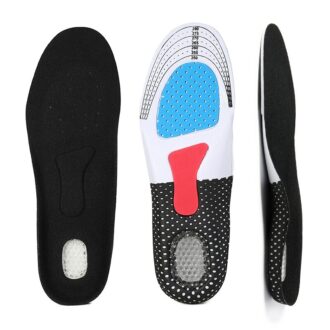
Running Insoles
Running places repeated stress on your body from the ground up
Running is one of the simplest ways to stay active, but it also puts repeated strain through your body. With every stride, force travels up from the ground through your feet and then into your ankles, shins, knees, hips, and lower back. On a short run, that may not seem especially important. Over time, though, those repeated impacts can start to add up. If your feet are not well supported inside your shoes, small areas where pressure builds unevenly can gradually turn into persistent soreness, irritation, or pain that keeps coming back.
That is part of what makes running injuries so frustrating. They do not always start with one clear moment. You may first notice tired arches after a few miles, soreness in the heel when you get out of bed, burning under the ball of the foot, aching around the kneecap, or simply a sense that one shoe never feels quite right. If that carries on, it can begin to affect the way you run. You may shorten your stride, land a little differently, or shift weight away from one part of the foot without realising it. One part of the foot then starts taking more force to spare another part, and that can increase strain under the foot or further up the leg.
A well-chosen running insole can help by helping your feet deal with those repeated forces more comfortably. It can add support where the foot is tiring, cushion impact where the ground feels harsh, reduce pressure building up in one spot, and help your feet sit more securely in your running shoes. For some runners, that simply means better comfort over longer distances. For others, it means extra support while dealing with a known problem such as plantar fasciitis, metatarsalgia, or overpronation. For many, it is about making regular training feel more stable, more comfortable, and less demanding on the feet.
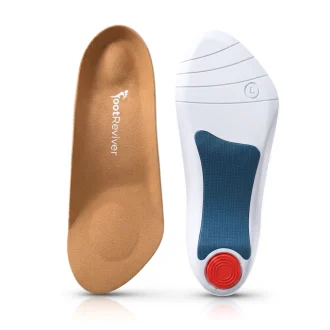
NuovaHealth’s range of running insoles has been chosen to cover those different needs. The collection includes insoles from the NuovaHealth range as well as carefully chosen options from health brands such as FootReviver, with different levels of support, cushioning, and stability under the foot depending on what you need from your shoes.
Choosing running insoles: key points at a glance
If you are short on time, these are the main things to know before choosing a running insole.
-
- Running insoles are removable inserts that add support, cushioning, and pressure relief inside running shoes.
-
- They may help if you get heel pain, tired arches, soreness under the ball of the foot, or a general sense that your shoes feel unstable on runs.
-
- Some insoles mainly support the arch, while others focus more on heel cushioning, forefoot pressure relief, or heel stability.
-
- The right design can help your foot sit more securely in the shoe and spread force more evenly as you land and push off.
-
- If your symptoms are mainly under the heel, heel cushioning and arch support are often the most useful features to look for.
-
- If your symptoms are mainly under the ball of the foot, forefoot cushioning and metatarsal support usually matter more.
-
- If your foot feels wobbly or moves around too much in the shoe, a firmer insole with a deeper heel cup is often more helpful than softness alone.
-
- When you first start using new insoles, it is sensible to ease into them with short walks or shorter runs before relying on them for longer sessions.
-
- The insole should sit flat inside the shoe and feel secure, not cramped. In some shoes, removing the original liner gives a better fit.
-
- Insoles can improve comfort and support, but they do not replace suitable shoes, sensible training progress, or clinical advice when symptoms persist.
Why running problems often begin at foot level
Your feet do far more than just meet the ground. They absorb impact, adapt to the ground under you, help control how the ankle moves, and then become stable enough to help you push into the next stride. All of that happens quickly, and it happens every time your foot lands.
When the foot is moving and loading well, pressure tends to spread more evenly and the rest of the leg usually has a more stable starting point. When the foot rolls too far inwards, stays too rigid, or struggles with repeated impact, some tissues can end up taking more strain than they are coping with well. You may feel that strain under the heel, through the arch, across the ball of the foot, around the Achilles tendon at the back of the ankle, along the shin, or further up at the knee, hip, or lower back.
Two terms runners often hear are overpronation and supination. Overpronation means the foot rolls inward more than it should after landing. In practical terms, that can leave the arch and inner side of the ankle doing more work than they can comfortably manage, especially on longer runs or harder ground. Supination, sometimes called underpronation, means the foot stays more on its outer edge and does not absorb impact as effectively. When that happens, the foot can feel less adaptable, and more of the shock may travel through the outer side of the foot and lower leg instead of being spread more evenly.
Not every runner needs to focus on these labels, and not every foot shape needs to be changed. What matters is whether your shoes and support are actually working well for you. If your feet often feel tired, unsupported, unsteady, or sore after running, better support under the foot may help the foot and leg work more comfortably together. A well-shaped insole does not need to force your foot into an artificial position to be useful. Often the aim is simpler than that: to give the foot better support, reduce pressure building up too much in one spot, and make each step feel more controlled from one stride to the next.
What running insoles actually do
A good running insole is not simply there to make the shoe feel softer. It changes how your foot sits inside the shoe and how force is spread under the foot as you keep landing and pushing off.
Depending on its design, a running insole can support the arch when it starts to tire, cushion heel strike and forefoot push-off, reduce pressure under sensitive areas, help the heel sit more securely in the shoe, and give the foot a more stable platform as you run. It can also reduce friction and unwanted movement inside the shoe, which often improves comfort over distance.
This is not just about making the shoe feel nicer. If your shoes feel unstable, harsh, or awkward underfoot, you often start changing the way you run to work around it. When the shoe and insole combination feels secure and well matched to your foot, you are more likely to run in a way that feels more natural and consistent.
There is a simple reason for that. If the heel slides slightly with each landing, or the forefoot takes too much pressure during push-off, the same tissues keep having to absorb the same stress. A deeper heel cup, firmer support around the heel, or better forefoot cushioning can change that while you are actually in the shoe. For many runners, that makes longer runs feel more manageable and reduces the sense that one small area is taking most of the pressure.
Key insole features and why they matter
Different running insoles are designed to do slightly different jobs. Some are softer and focus mainly on cushioning. Others are firmer and offer more support and control. The right choice depends on where you are sore and how your foot behaves inside your running shoes.
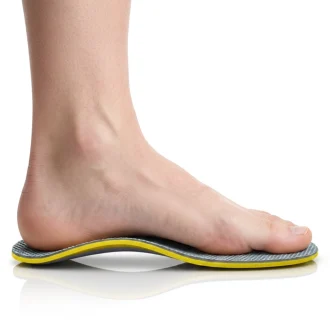
Arch support helps the middle of the foot cope with repeated impact. This can be useful if your arches tire easily, if your feet roll inwards more than you would like, or if you are dealing with problems linked to strain in the band under the foot, called the plantar fascia. A shaped arch support can reduce the feeling that the foot is flattening and stretching too much as the run goes on. For many runners, that matters most later in a run, when tired muscles are doing less to support the arch and the shoe starts to feel less steady than it did earlier in the run.
A stabilising heel cup helps hold the heel in place and gives the back of the foot a more secure platform. That may help if your heel feels unstable in your running shoes, if you tend to roll through the ankle, or if you need more control as the foot lands again and again. Better heel security can make the whole shoe feel more settled. When the heel sits more consistently, the foot can move forward with less wobble, which may ease the feeling of instability on corners, slopes, or uneven pavements.
Metatarsal support is designed to reduce pressure under the ball of the foot. This can be particularly helpful if you are dealing with forefoot pain, burning, tenderness, or the feeling of running on a hard ridge. By helping to spread pressure more evenly across the front of the foot, this feature can make push-off feel less harsh. That becomes especially relevant on longer runs, when repeated force through the front of the foot starts to feel more concentrated and harder for the foot to cope with comfortably.
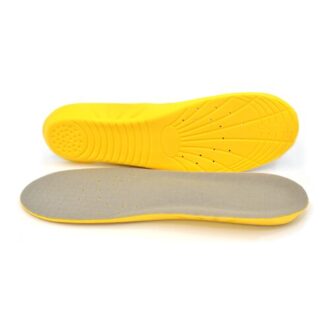
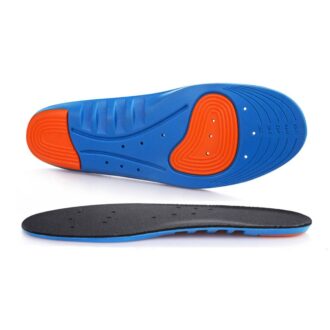
Cushioning materials help soften repeated impact, especially on harder surfaces. If your feet feel battered after runs, if your heels are sore, or if you simply want a more forgiving feel underfoot, extra cushioning can make a noticeable difference. Some runners do best with softer inserts. Others need cushioning combined with firmer structure so the foot does not feel as though it is dropping into the shoe. That balance matters because a shoe can feel soft at first and still leave the foot working too hard if there is not enough control underneath the cushioning.
The top layer matters as well. Running creates heat, moisture, and friction inside the shoe. Breathable materials and moisture-managing covers help keep the foot more comfortable on longer runs. Lightweight construction is also important, because a bulky or heavy insole can make the shoe feel clumsy rather than supportive. A good top layer will not change how the foot moves on its own, but it can reduce rubbing, slipping, and that hot, damp feeling that often makes the shoe less comfortable as the run goes on.
How to choose the right running insole
The right running insole is not always the softest one, and it is not always the firmest either. It depends on what your feet need the shoe to do better.
If you mainly want more comfort on hard surfaces or during longer runs, cushioning may be your main priority. If your issue is recurring arch fatigue, overpronation, or a sense that your foot feels unstable during running, you may need more structure and control. If you have pain under the front of the foot, it makes sense to look more closely at metatarsal support and the way the front of the insole is shaped. If your heel feels loose or unstable inside the shoe, heel cup depth and support around the heel become more important.
It is also worth thinking about shoe volume. A thicker insole can change how your running shoe fits. In some shoes you may need to remove the original liner to make enough room. The right insole should feel secure and supportive, not cramped. If your toes are being pushed into the top of the shoe or the shoe suddenly feels too tight across the forefoot, the setup may not be right.
A useful way to choose is to ask what your current shoes are not doing well enough. Are they too harsh under the heel? Too flat through the arch? Not supportive enough later in a run? Too unstable on corners or uneven ground? The answer usually points you towards the kind of insole that is most likely to help. If the main problem appears only after you have been running for a while, that often suggests the foot is coping at first but losing support or pressure control as fatigue builds. That is often the kind of problem a well-matched insole can help with.
Who running insoles may help
Running insoles may be worth considering if you keep getting the same symptoms. That might be recurring heel pain during or after running, tired or aching arches, pressure or burning under the ball of the foot, or discomfort linked to overpronation or underpronation. They may also help if you get recurring soreness through the Achilles tendon, shin, or knee where the way your foot moves and takes weight seems to be contributing, or if your shoes feel mostly fine at first but not supportive enough once you are running longer distances. Some runners simply want more cushioning and underfoot comfort during regular training, and that is a perfectly reasonable reason to use them too.
They can also be useful if you are returning to running and want a more stable or forgiving feel inside your shoes from the start.
At the same time, insoles are not the answer to every running problem. It is better to think of them as one helpful part of the overall setup. They can improve comfort, reduce strain on sensitive areas, and help your shoes work better for you, but they do not replace sensible training progress, suitable footwear, or professional advice when symptoms are persistent.
Matching symptoms to the features that may help
If you are unsure what type of running insole you need, it often helps to think about where the problem is and what support or cushioning seems to be missing.
If your main issue is heel pain, especially pain linked to plantar fascia strain or repeated heel impact, the most useful features are usually heel cushioning and arch support. The cushioning helps soften repeated contact with the ground, while the arch support helps reduce how much the band under the foot is being stretched and pulled with each step. If your symptoms are mainly under the ball of the foot, forefoot cushioning and metatarsal support are usually more relevant because they spread pressure during push-off rather than allowing it to build under one small area.
If your arches feel tired or flattened on longer runs, a firmer, more structured arch support may help the foot feel better supported and less fatigued. If the problem is ankle instability, or a sense that your foot moves around too much in the shoe, a deeper heel cup and a firmer, more stable base are usually more useful than softness alone. In that situation, impact is only part of the problem. Unwanted movement inside the shoe matters too, especially once you are tired or running on less even ground.
If your discomfort tends to show up at the knee, hip, or lower back and seems linked to the way your foot moves when it lands, a more supportive insole may help by giving you a steadier platform underfoot. In those cases, the aim is not to force the foot into a perfect position, but to reduce excessive movement, improve the way the foot sits and moves inside the shoe, and make each step feel more controlled. A small change at foot level can alter the way the leg moves above it, particularly over many repeated strides.
For most people, symptoms are a better guide than labels. Two runners may both say they have foot pain, but one may need more cushioning under the heel while the other needs more forefoot pressure relief or better arch support.
Common running problems insoles may help with
Running insoles are often used for a wide range of foot and lower-limb problems. They can help with different problems because many of them are worsened by the same basic issues: too much pressure in one place, poor shock absorption, too much unwanted movement, or not enough support during repeated impact.
Forefoot pain and pressure-related problems
The front of the foot takes a great deal of force during running, especially as you push off into the next stride. If that pressure is concentrated too narrowly, the tissues in this area can become irritated. That is often why forefoot symptoms build gradually during a run rather than appearing straight away. Early on, the foot may feel only slightly warm or heavy. Later, once the same structures have been compressed and loaded hundreds or thousands of times, you may notice sharper pain, burning, or the feeling that the shoe has become too hard under the front of the foot.
Metatarsalgia
Metatarsalgia causes pain in the ball of the foot, usually just behind the toes. It can feel sharp, burning, or bruised, and often becomes more noticeable as the run goes on. The tissues here are meant to take force and then help you push off again. If pressure keeps building under the ends of the long bones behind the toes, that area can become increasingly sensitive. This is often worse on harder surfaces or in shoes that feel flat and unforgiving at the front.
Running insoles can help by spreading force across a wider area, reducing concentrated pressure under the ball of the foot, and cushioning the front of the foot during push-off. In practical terms, that may make the front of the shoe feel less harsh on longer runs and reduce that bruised, overworked feeling afterwards.
Morton’s Neuroma
Morton’s neuroma tends to cause burning pain, tingling, numbness, or the feeling of a small object inside the shoe, usually between the toes and most often in the front of the foot. Running can aggravate it because the space between the metatarsal bones is repeatedly compressed during landing and push-off. If the front of the foot is being squeezed and loaded in the same way with every step, the irritated nerve tissue can become more sensitive as the run continues.
Insoles may help by easing pressure under the affected area and making the front of the foot feel less pinched during repeated impact. A design that spreads pressure more evenly across the ball of the foot can sometimes reduce how cramped or sharp that area feels, particularly in shoes that leave the front of the foot sitting on a base that feels too narrow and hard.
Atrophy of the Fat Pad
When the natural cushioning under the heel or ball of the foot thins, running can feel much harsher than it should. Many runners describe a sensation of landing on hard ground with very little protection. Here, the main problem is usually loss of natural cushioning rather than foot position, so hard surfaces and longer runs become less forgiving very quickly.
An insole with good shock absorption can help replace some of that lost cushioning and make each step feel less harsh. Under the heel, that may reduce the sting of foot strike. Under the front of the foot, it may make push-off feel less raw, particularly if discomfort lingers after a run.
Heel and arch problems
The heel and arch have to absorb force, guide movement, and then help create a stable base for push-off. When they are irritated or unsupported, even easy runs can become uncomfortable. Symptoms in this part of the foot often feel worst at similar times. You may feel stiff or sore on the first few steps after rest, then somewhat easier once you get moving, only for the ache to build again later if the area keeps being loaded without enough support.
Plantar Fasciitis
Plantar fasciitis is one of the most common causes of heel pain in runners. It affects the strong band under the foot that helps support the arch, called the plantar fascia. Symptoms are often felt under the heel, usually closer to the inner side, and may be particularly noticeable first thing in the morning or after sitting for a while. Once you start moving it may ease a little, but repeated loading can bring it back during a run or later in the day.
This happens because the band under the arch is being asked to take force and help release it again as you step forward. If it is already irritated, repeated stretching and pulling where it attaches near the heel can keep it sensitive. Insoles can help by supporting the arch, reducing strain through that band, and cushioning heel strike so the sore area is not dealing with the same sharp loading each time your foot lands. For some runners, that means the heel feels less aggravated during the run itself. For others, it means less soreness after they have been on their feet for longer periods.
Fallen Arches
Fallen arches, or flat feet, can make the foot feel fatigued, unsupported, or achy during running. In some runners this also contributes to discomfort further up the leg. The issue is not simply the shape of the foot on its own. It is what happens under repeated force if the middle of the foot drops and rolls inward more than the surrounding tissues can comfortably control. Over longer runs, that can leave the arch muscles and supporting ligaments working harder than they can sustain.
A structured insole can help by giving the arch more support inside the shoe and reducing the sense that the middle of the foot is dropping as mileage increases. That may make the shoe feel more stable through the middle rather than merely softer underneath, which is often the difference people notice when ordinary liners are too flat to give meaningful support.
Cuboid Syndrome
Cuboid syndrome is felt on the outer side of the foot and can be aggravated by repeated loading or instability. The discomfort often sits around the small cuboid bone on the outer side of the midfoot and may feel sharp, persistent, or awkward when you push off or run on uneven ground. If the foot is not being supported evenly, pressure can keep returning to that same outer border.
Insoles may help by improving overall foot support and making pressure through the outer side of the foot less harsh. A more balanced base under the middle of the foot can reduce the feeling that you are repeatedly jamming the same outside edge during each stride, which may make running feel smoother and less irritating in that area.
Heel Bursitis
Heel bursitis affects the fluid-filled cushioning sac around the back of the heel and can be aggravated by pressure, friction, and repeated impact. This area often becomes sore where the shoe and the back of the heel meet, particularly if the heel is moving too much inside the shoe or if impact is travelling sharply through the heel area. The discomfort may be more noticeable during a run and still be there afterwards when walking or standing.
Better heel cushioning and improved heel positioning inside the shoe may help reduce irritation and improve comfort when running. If the heel is held more securely and the back of the foot is not shifting as much, there may be less rubbing and less repeated aggravation around the back of the heel.
Achilles, ankle, and lower-leg strain
Problems in this area are common in runners, especially when the foot is not coping well with repeated impact or movement. What the foot is doing affects how the ankle and lower leg have to control the body above it. If the foot rolls excessively, feels unstable, or passes force up the leg with less shock absorption, the tissues at the front and back of the lower leg can end up working harder to steady each landing.
Achilles Tendonitis
Achilles tendonitis causes pain and stiffness in the tendon at the back of the ankle. It often feels worse at the start of movement, may ease a little once you warm up, and then become sore again if the tendon is repeatedly overloaded. In running, the strain through it rises quickly because the tendon helps control forward movement over the foot and then contributes to push-off.
Running insoles may help by improving how the foot takes weight under the tendon, reducing excessive inward roll in some runners, and providing a more cushioned, stable feel during foot strike. If the heel and arch are better supported, the tendon may not have to deal with the same repeated pull from a foot that feels unstable underneath it, which can make running feel less aggravating around the back of the ankle.
Ankle Sprains
If you are prone to ankle sprains or have a lingering sense of instability, a more supportive insole can help the foot feel more secure inside the shoe. This is especially relevant if the ankle feels unreliable on corners, slopes, or uneven pavements rather than only when running in a straight line. A stable heel cup and firmer base do not stop all ankle movement, but they can reduce the sense of wobble that comes from the back of the foot shifting too easily inside the shoe.
That extra support may make the foot feel more reliable under you when you run, particularly when fatigue sets in and foot placement becomes a little less precise.
Shin Splints
Shin splints often develop when repeated impact and running volume exceed what the lower leg can comfortably manage. The soreness is commonly felt along the shin and tends to build with more training, harder surfaces, or a return to running that outpaces what the tissues can tolerate. If the foot is rolling or dropping inward in a way that makes the lower leg work harder to control each landing, the muscles and their attachments around the shin can become increasingly irritated.
Insoles may help by supporting the arch, improving shock absorption, and making foot strike feel less demanding on the shin area over time. A better-supported foot can reduce how much the lower leg has to work to control every stride, which may help runs feel less jarring and reduce the build-up of soreness afterwards.
Knee, hip, and back symptoms linked to foot mechanics
Your feet are the first part of the body to meet the ground, so the way they load can influence what happens above them. Insoles do not treat every cause of knee, hip, or back pain, but they may be useful where poor support under the foot is part of the picture. This matters most when pain builds gradually with repeated running rather than following one clear injury event.
Runner’s Knee
Runner’s knee causes pain around the kneecap and often flares with repeated bending and loading. You may notice it during or after running, on stairs, or after sitting with the knee bent for a while. If the foot is rolling inward too much or landing in a way that feels unstable, the leg above may move less smoothly, and that may increase stress around the front of the knee over many repeated strides.
If foot movement is contributing, a supportive insole may help by reducing excessive inward roll, improving stability underfoot, and softening repeated impact. That can give the knee a steadier base to work from, which may make running and everyday activities feel less aggravating.
Arthritis
For runners with arthritic joints in the foot, ankle, or knee, impact can feel especially unforgiving. The main issue is often less tolerance to pressure and repeated impact rather than one single weak point. You may find that runs on hard ground, longer periods on your feet, or shoes with very little underfoot give all feel less comfortable than they used to.
Better cushioning and support can help spread load more comfortably and reduce the harshness of each foot strike. While an insole does not change the joint itself, it may make running feel less jarring and walking afterwards a little easier by taking some of the peak pressure out of each step.
Meniscus Tear
A meniscus tear affects the cartilage in the knee. Insoles do not treat the tear itself, but they may help reduce repeated loading through the joint by improving support and how weight is spread from the foot upward. This is most relevant where running feels worse because each landing feels slightly unstable or uneven rather than simply because the knee is being used.
A more stable support under the foot may help make loading through the leg feel more consistent, which some runners find more comfortable during shorter, controlled runs or during day-to-day walking between training sessions.
Hip Pain
Hip pain sometimes builds because the leg is compensating for poor control lower down. If the foot is not providing a stable base, the muscles around the hip may work harder to steady the leg as you land and move forward. You may not notice that extra effort at first, but over repeated miles it can contribute to aching or fatigue around the side or front of the hip.
A better-supported foot may help reduce that extra strain and make running feel more balanced. In practical terms, the benefit is usually not about trying to force a major correction. It is about giving the whole leg a more stable base as you keep landing and pushing off.
Back Pain
If repeated impact is not being absorbed well from the feet upward, the lower back can sometimes start to take more strain. This is more likely when your running shoes feel harsh, unstable, or uneven underfoot, so the forces coming up through the legs feel less well controlled. Over time, that can contribute to a general feeling of jarring or fatigue through the lower back during or after running.
Insoles may help by improving underfoot support, making weight distribution more even, and reducing some of the repeated force travelling up through the leg and back. For some runners, that simply means the whole run feels less harsh from the ground up.
How running insoles work with your shoes and training
Insoles work best when the rest of your setup also makes sense. If your running shoes are badly worn, compressed, or wrong for the shape of your foot, even a good insole can only do so much. The same applies if your training load rises suddenly. The body may still become irritated no matter how supportive the insole feels.
That does not mean insoles are not worth using. It just helps to see where they fit. They can improve comfort, support, and pressure management inside the shoe, which may help your body cope better with training. They tend to work best alongside shoes that still have life in them and a training routine that builds gradually.
This is especially relevant with overuse problems, meaning problems that build up gradually from repeated running rather than one single injury. Conditions such as plantar fasciitis, shin splints, Achilles tendon irritation, and runner’s knee are often linked to a mixture of repeated impact, recovery, footwear, and individual movement patterns. Insoles can support that overall approach, but they are not there to cancel it out entirely. They work by changing how force is going through the foot while you are in the shoe. That can be very helpful, especially if one specific area keeps becoming sore during training.
How to fit and use running insoles
When you first start using new running insoles, it is usually best to ease into using them gradually. You may want to begin with short periods of walking or shorter runs before using them on longer sessions. That gives your feet time to adjust to the new support and helps you tell whether the fit feels right.
Check that the insole sits flat inside the shoe and does not buckle or slide. If your running shoe already has a removable liner, taking that out may create a better fit. The shoe should still feel secure around the heel and comfortable across the forefoot. If the insole makes the shoe feel cramped, unstable, or awkward, that is usually a sign that the fit or style is not right for that shoe.
Over time, insoles will also wear down. If they look compressed, uneven, or no longer feel as supportive as they once did, it may be time to replace them. Running puts repeated strain through the materials, and even a good insole will not provide the same level of cushioning and support forever. Once the shape or shock absorption starts to flatten out, the support and cushioning you were getting often fade with it.
What to expect from running insoles
Most people do not notice a dramatic change straight away. The first benefit is usually something more practical. The foot feels more settled in the shoe. The heel feels less battered after a run. The arch does not tire as quickly. The front of the foot feels less pressured. The whole shoe simply feels more comfortable and supportive over distance.
It helps to be realistic about what insoles can and cannot do. They can improve the way your feet are supported while you run, reduce stress on irritated tissues, and help manage pressure more evenly. They do not remove every cause of pain. For many runners, though, that extra support is enough to make training feel more manageable and more consistent.
When insoles may not be enough
If your pain is persistent, getting worse, or stopping you from running normally, it is worth speaking to a GP, physiotherapist, podiatrist, or another suitable clinician. The same applies if symptoms keep coming back despite changing footwear, adjusting training, or trying insoles.
Some problems need a proper assessment. Insoles can still be part of the answer, but it is sensible to get expert advice when it is not clear what is causing the problem or when symptoms are not improving. The same is true if you develop new or unexplained symptoms, marked swelling, or a clear loss of function.
Why choose NuovaHealth running insoles
NuovaHealth offers a carefully chosen range of running insoles designed to help with support, comfort, cushioning, and pressure relief during running. The range includes NuovaHealth insoles as well as trusted options from health brands such as FootReviver, giving you a wider choice depending on whether you need more arch support, better forefoot pressure relief, improved heel stability, or a softer feel underfoot.
The focus is on support that works well in everyday running shoes. These insoles are made from high-quality materials chosen to last well, feel comfortable, and cope with regular running, helping you get more from your shoes without going straight to much more expensive custom-made insoles. For many runners, a well-made off-the-shelf insole offers the support they need in a simpler and more cost-effective form.
Fast delivery and peace of mind
Once you place your order, your insoles are dispatched promptly so you can start using them as soon as possible. All insoles also come with a full 30-day money-back guarantee, so you can try them and see whether they suit your shoes and your feet.
Support your running from the ground up
If your feet feel sore, unsupported, or unusually fatigued during running, it is worth paying attention. Repeated impact can turn a small problem into a more persistent one over time. The right running insole can help by giving your feet more support, more cushioning, and better pressure relief where it matters most.
Whether you are dealing with heel pain, arch strain, pressure under the front of the foot, overpronation, or simply looking for a more comfortable and stable feel inside your running shoes, NuovaHealth’s range of running insoles offers practical options to help make running feel more comfortable and stable. If you are unsure which type is likely to suit you best, start by thinking about where discomfort tends to build during your runs and what your current shoes seem to be missing. Check the fit carefully, build up gradually, and if symptoms are persistent, new, or harder to make sense of, speak to a GP, physiotherapist, podiatrist, or another appropriate clinician alongside reviewing your footwear and insole choice.
Important disclaimer
This information is general advice. It is not a substitute for individual medical advice, diagnosis, or treatment. If you are unsure whether a running insole is suitable for you, or if you have more complex, persistent, or new symptoms, it is sensible to speak to a GP, physiotherapist, podiatrist, or another appropriate clinician for personalised advice. Results can vary from person to person.
-
Plantar Fasciitis Arch Support 3/4 Length Heel Pain Relief Insoles
- 1x Pair of Arch Support Insoles — FootReviver Arch Support Insoles designed to steady your heel, support your arch, and help ease plantar‑fasciitis‑related heel discomfort during everyday wear
- For Men & Women
- Available in UK sizes 7–11 and 3–7; trim‑to‑fit forefoot for a closer match
- Slim 3/4‑length design fits most everyday shoes quickly and easily while leaving toes free
- Semi‑rigid plastic arch support, deep heel cup, and gentle medial posting (a small inner‑edge lift that guides alignment) help reduce excess inward roll and the strain it can place on the inner heel, arch, and plantar fascia
- Dual‑density foam cushioning with a built‑in heel pad absorbs impact while keeping midfoot support stable
- Soft, breathable fabric top cover with a moisture‑wicking surface helps keep feet drier and reduces rubbing; smooth against the skin to reduce irritation
- A practical choice for long shifts on your feet—retail, hospitality, healthcare—and for feet with low or high arches that benefit from steady support
- Designed to reduce strain on the plantar fascia and support comfortable daily movement; results vary and this is not a medical device
- Lightweight, durable, and easy to swap between shoes; trim the forefoot only, then seat the heel cup flush at the back
- Includes a full 30‑day money‑back guarantee
£9.99£10.99inc VAT -
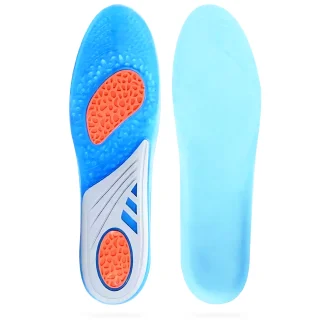
Shock absorbing insoles for Trainers & Running shoes
- FootReviver Shock Absorbing Insoles are designed for runners, athletes, and anyone who spends long hours on hard surfaces. They reduce the impact your body absorbs with every step—protecting your feet, ankles, knees, hips, and lower back from repetitive stress.
- Sizing: Available in two size ranges: UK 3–9 and UK 9–12 (USA 3–9 and USA 7–13). Sold as a pair. Trimmable to fit exact shoe size.
- Who they’re for: Runners managing plantar fasciitis, shin splints, runner’s knee, or general impact-related pain. People who work long shifts on concrete or hard floors. Anyone with tired, aching feet at the end of the day.
- How they work: Full-length gel cushioning absorbs shock from heel to toe. Targeted heel and metatarsal pads provide extra cushioning where impact is highest. Moderate arch support and a shaped heel cup improve stability and control overpronation. Breathable honeycomb design keeps feet cool and dry.
- What to expect: Softer landings, less heel and forefoot pain, reduced fatigue in your legs and lower back. Most people notice gradual improvement over 2–4 weeks of consistent wear.
- Fit: Designed for trainers and running shoes. Gradual break-in essential—start with 1–2 hours, build up over 1–2 weeks.
- Guarantee: 30-day money-back guarantee from NuovaHealth.
£10.99inc VAT -

Gel Footbed Insoles for trainers
- 1x Pair of Gel Footbed Insoles for trainers and running shoes to help protect your feet and lower limbs from shock when running, exercising or playing sports
- For both Men & Women
- Available in sizes 6-9 & 8-12 (trim to fit)
- Recommended for people suffering from Plantar fasciitis, Heel Spurs, Flat feet, High arches, Achilles tendonitis, Arthritis, Neuropathy, Diabetes, Raynaud’s disease, Poor circulation, Metatarsalgia, Morton’s neuroma, Bunions, Pes Cavus, Sesamoiditis, Cuboid Syndrome, Ankle sprains, Shin splints as well as Knee, Hip and lower back pain
- Made from medical grade silicone gel that massages your feet and helps prevent foot fatigue and improves muscle recovery by stimulating the blood vessels in your feet to boost the circulation in them
- Helps cushion your feet and absorbs shock and vibrations whenever your feet strike the ground when walking, running and jumping to deplete the impact felt on key ligaments, tendons and joints found in your feet, knees, hips and lower back
- The silicone gel moulds to the exact shape and contours of your feet to provide a custom level of support and protection
- Helps correct common gait problems and biomechanical imbalances known to cause injury such as Overpronation and supination
- Provides supports your arches in the correct position and helps take strain and pressure off your plantar fascia ligament to help prevent and treat Plantar fasciitis
- 3/4 length heel cup provides extra support and stability to your heels and ankles and prevents heel pain by spreading weight evenly underneath your heels to stop pressure points from developing when stood for long period of time
- Lightweight and breathable design featuring moisture wicking technology and antibacterial properties to keep your feet fresh and odour free
- Includes a full 30-day money back guarantee!
£11.99inc VAT -
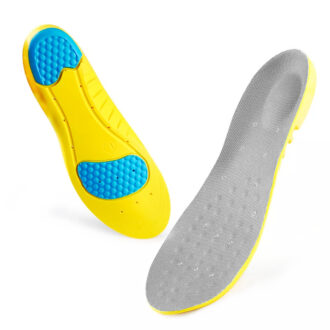
Memory foam insoles – Cushioning footbeds for sore aching feet
- Do you ever feel like your feet need a break? Are you constantly battling with foot pain, discomfort, or other related conditions? FootReviver Memory Foam Insoles are here to bring relief to your tired and aching feet. These Specially designed Footbeds will help cushion, support and protect your feet, knees, legs hips and back!
- For both Men & Women
- Available in a 5-7 & 8-10 UK shoe sizes (trim to fit)
- Ideal for people who are suffer from flat feet, High arches, Overpronation, Underpronation and Diabetes who are at greater risk of develop foot problems as a result
- Features a memory foam top layer that adapts to the shape of your feet to provide a custom level of support and cushioning
- Designed to redistribute weight pressure evenly underneath your feet preventing pressure points from causing pain and injury when you are stood for long amounts of time
- Shock absorbing EVA base soles protect your feet from shock, vibrations and impacts when walking, running and jumping
- Feature orthotic arch support technology that helps keep your arches properly supported and prevents excessive movement and gait problems such as Overpronation and supination from damaging your feet and causing overuse injuries such as Plantar fasciitis
- Recommended by podiatrists to help treat and ease Metatarsalgia, Bunions, Morton’s Neuroma, Metatarsal fractures, Atrophy of the fat pad, Plantar Fasciitis, Heel Spurs, Heel Bursitis, Achilles tendonitis, Cuboid Syndrome, Arthritis, Oedema, Neuropathy, and gout!
- The ventilation holes allow your feet to breathe and keep them comfortable, dry and feeling fresher for longer
- Deep heel cups help to support and stabilize your heels and ankles to prevent excessive movement which can twist, sprain and strain your feet and legs
- Includes a full 30-day money back guarantee!
£12.99inc VAT -
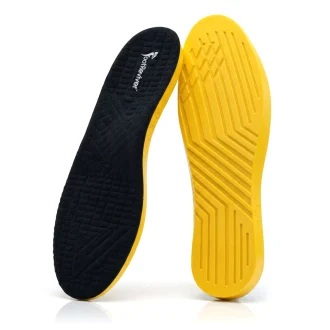
Pronation Insoles for Overpronation By FootReviver™
- Introducing the FootReviver Orthotic Pronation Insoles for Overpronation! These are more than just insoles, they are your first step towards alleviating foot pain and preventing debilitating conditions caused by overpronation. Here’s why you should consider them:
- For both Men & Women
- Available in a variety of shoe sizes
- Sizes are as follows: (XS: (EU 32-34) (UK: 1-2), Small (35-37) (2 – 3), Medium (38-40) (4-6), Large (41-43) (7-8.5), Extra Large (9-11)
- Innovatively Designed: These aren’t your average insoles. Their ergonomic design works to align your feet and ankles into an optimal position, preventing overpronation while walking. This simple yet effective strategy keeps your feet safe from overuse injuries like plantar fasciitis.
- Quality Material: Crafted from superior shock-absorbing EVA material, they shield your feet and lower limbs from impacts. This high-quality material helps provide a buffer between your feet and hard surfaces, reducing strain on your feet.
- Runner’s Best Friend: If you love to run but overpronation is holding you back, these insoles are just what you need. They offer the extra support runners require, allowing you to enjoy your passion without compromising on foot health.
- Perfect for Flat Feet: People with flat feet are more prone to overpronate. But fret not! These insoles are ideal for you, designed to offer the necessary support and comfort.
- Arch Support: They feature built-in arch support, relieving tension and pressure off your arches. This helps combat arch pain and strain, making each step more comfortable.
- Hassle-Free Guarantee: We’re so confident you’ll love the relief these insoles provide, we offer a full 30-day money-back guarantee. This means you can try them out risk-free and discover the difference they can make in your life.
- Take a step towards better foot health today with the FootReviver Orthotic Pronation Insoles for Overpronation. You’ll be amazed at the difference they can make! Don’t let overpronation hold you back any longer. Choose comfort, choose FootReviver.
£14.95inc VAT -
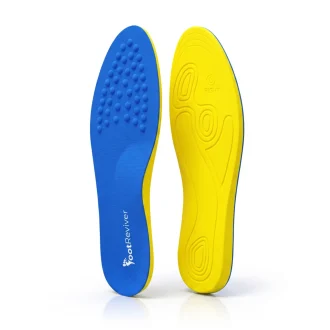
Supination Insoles for Underpronation By FootReviver™
- Precision-Engineered for Supination Correction: This pair of insoles is specifically designed to correct underpronation by featuring a strategically inclined outer edge that gently tilts your foot inward, promoting proper alignment and a stable gait.
- Durable & Versatile for Everyday Use: The low-profile, flexible-yet-supportive construction ensures a seamless fit in a wide range of footwear, making them perfect for both everyday wear and sports. Sizes available: XS (UK 1-2), S (UK 2-3), M (UK 4-6), L (UK 7-8.5), XL (UK 9-11).
- Reinforced Lateral Support & Targeted Arch Control: The dual-action design combines a firm, reinforced lateral barrier to block excessive outward roll with a contoured arch cup to cradle your foot’s natural curve, working in unison to alleviate strain on ankles, arches, and plantar fascia.
- Full-Length Advanced Shock Absorption: Crafted from lightweight, durable, and high-resilience EVA material that runs from heel to toe, providing superior cushioning to protect your feet, joints, and lower back from impact during walking, running, or prolonged standing.
- Anatomically Contoured for Natural Alignment: A heel cup and precision-moulded arch support work together to guide your entire foot into a healthier, neutral position, redistributing weight evenly to reduce fatigue and compensatory pain in your knees and hips.
- Secure, Breathable & Comfortable Fit: Features gripper nodes under the forefoot to prevent slipping and a moisture-wicking top cover that improves air circulation, keeping your feet dry, secure, and comfortable all day long.
- Universal Design & Professional Recommendation: For both men and women, these insoles are ideal for casual shoes, trainers, and boots. They are recommended by physiotherapists and podiatrists to help treat and prevent a wide range of conditions linked to supination, including Plantar Fasciitis, Heel Spurs, Metatarsalgia, Achilles Tendonitis, Ankle Instabilities, and knee or back pain.
- Your Satisfaction Guaranteed: Backed by a full 30-day money-back guarantee, so you can experience the FootReviver difference risk-free.
£16.95inc VAT -
Arch Support Insoles for Plantar Fasciitis and Flat Feet
- Support For Flat Feet, Low Arches, And Plantar Fasciitis: Shaped for feet that need more structure than a flat liner or factory insole provides. The contoured arch supports the middle of your foot, the deep heel cup holds your heel in place, and the cushioning layer absorbs impact. Together they give you a more stable base from the first step.
- Orthotic Arch Support And A Deep Heel Cup: Firm support under the arch encourages a more neutral alignment of your foot and lower leg, rather than correcting it. The heel cup keeps your heel centred inside the shoe and holds the fat pad in position so it can cushion as intended. Force spreads more evenly across your sole instead of concentrating in the same spot with every step.
- Support For Common Foot Patterns: Suits plantar fasciitis, flat feet, low arches, overpronation, high arches, metatarsalgia, Morton’s-type forefoot pain, bunions, Achilles pain, shin splints, and general foot fatigue. Several of these overlap in practice, which is why one shaped support can help more than one problem.
- Cushioning That Softens Repeated Impact: Absorbs the impact of concrete, tile, and pavement, and spreads weight more evenly across the sole. This matters most several hours into the day, when hard surfaces and long periods on your feet would otherwise leave your feet feeling worn down rather than freshly rested.
- A Breathable Top Cover: The top layer uses active carbon fibre that inhibits bacterial growth and neutralises odour, which keeps the insoles fresher through months of daily wear. Breathable material also reduces heat and moisture build-up inside the shoe.
- Structured Support For Running And Everyday Activity: The arch support and heel cup help with the alignment demands of a running stride, and the cushioning softens the impact of each footfall. They also suit walking, standing, and everyday wear, and are worth considering if you want a more supportive base in the shoes you use most. If you run high mileage or race frequently, a thinner running-specific insole may suit you better over time.
- Trim-To-Fit, In Sizes 3–7 And 7–11: The 3–7 range suits women’s sizing and the 7–11 range suits men’s sizing. Each insole can be trimmed to shape using the original insole from the shoe as a guide, so they fit most closed-toe footwear — trainers, work shoes, and boots.
- 30-Day Comfort Guarantee: Use them in your own shoes, in your normal routine, and decide whether they help. If they do not make a genuine difference, return them for a full refund.
£9.99£11.99inc VAT -
NuovaHealth shock absorbing arch support insoles
Why choose these shock absorbing insoles?
Designed to help treat and prevent the main causes of foot aches and pain including injuries such as plantar fasciitis, metatarsalgia, foot drop, Achilles tendonitis. All orders come complete with a full 30-day money back guarantee for customer peace of mind.Main features
- 1x pair of arch support insoles that help support your feet in a natural and comfortable position to keep strain and pressure off your lower limbs when you walk
- For both Men & Women
- Available in UK shoe sizes 6-8 and 9-12
- Inbuilt arch support helps to keep pressure off your arch as well as correct common functional problems such as overpronation which can lead to injuries such as plantar fasciitis to develop
- Designed to absorb as much shock as possible helping to protect you against foot aches, shin splints and knee pain
- Metatarsal pads help to protect the ball of your foot helping you to avoid metatarsalgia
- Memory foam top layer helps to keep your feet feeling more comfortable in your shoes
- Heel cup keeps your foot and heel in place giving you more stability and reducing your risk of injury
- Lightweight and breathable construction makes them ideal for wearing whilst running or playing sports to help you avoid injury and prevent foot pain
- We are so confident that you will just love these insoles and that they will help ease your foot pain that we provide a full 30 day money back guarantee, no questions asked!
£10.99inc VAT -
Running insoles by FootReviver™
Why buy these Running insoles!
Running can take its toll on your feet. The high impact forces and pressure placed upon your feet when you run can damage key ligaments, joints, and bones in your feet. This can cause injuries and problems to develop such as metatarsalgia, plantar fasciitis, heel spurs, Achilles tendinitis as well as other problems that can affect not just your feet but also your lower limbs and lower back.That is why it important to make sure that your feet are properly supported and protected when you run. Wearing a pair of these running insoles in your shoes is one way that you can stay injury free!
Main features
- 1X pair of genuine FootReviver running insoles, features the very best arch support and motion control technology to keep you running injury free!
- Ideal for treating and easing a number of different foot related injuries
- Perfect for people who are on their feet all day featuring a memory foam layer for better shoe comfort.
- Inbuilt arch support corrects your foot functions and stops things such as over-pronation which can cause excessive pressure on your feet and trigger injury
- Ergonomically designed to be shock resistant to prevent shock from causing damage to your feet
- With built-in metatarsal pads you can say no more to ball of foot pain once and for all!
- Heel cup holds your foot in place and prevents damaging movement of your foot and ankle when walking
£9.99inc VAT -
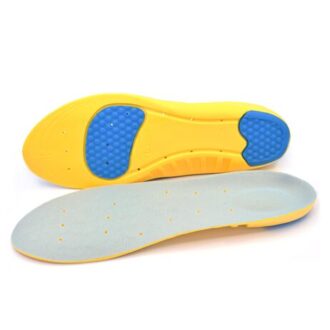
Orthotic Insoles for Sports & Running
- 2x High Premium Quality Orthotic Arch Support Insoles (Left and Right foot).
- Improves balance, stability and foot strength.
- The perfect choice for running and sports
- Enhances running ability through improved foot pronation.
- Excellent Shock absorption to help better protect your feet when you run
- Helps treat and prevent common foot injuries such as plantar fasciitis and Achilles tendonitis.
- Durable, lightweight and non-bulky design
- Includes a full 30 day money back guarantee
£12.99inc VAT -
Sports Insoles
You get:
- 2x High-Quality Sports Insoles (Left and Right foot).
Features
- Designed specially to protect your feet from damage whilst playing Sports.
- Made from highly durable and shock resistant materials for better protection against shock.
- Inbuilt arch support eases pressure off your arches and corrects the way your foot functions by supporting your feet in the right position when you walk or run.
- Features heel cup technology that will improve heel comfort and stability.
- Added metatarsal support pads help protect and support the balls of your feet.
- 30-day money back guarantee ensures you have nothing to lose if you find that the insoles aren’t right for you!
£9.74£12.99inc VAT