Insoles for Supination
Supination and Foot Pain: When Your Feet Roll Outwards
Foot and leg pain can wear you down, especially when it keeps coming back day after day. It can start to affect what you feel able to do and how confident you feel on your feet. It might be a sharp jab under the heel when you first stand, or a nagging ache along the outside of the foot after a walk. For some, it turns into a tired, sore feeling around the knees or lower back by the end of the day. When this keeps happening, it is understandable to start wondering what is actually causing it.
For some people, part of the answer is supination. It is not a word most people use every day, but it simply describes how your foot rolls as you move. In supination, the feet tend to roll outwards as you walk, so more of your body weight passes down the outer edge of the foot.
When that happens on every step, the outer heel and forefoot have more to absorb, and the line of the leg above can be pulled slightly out of line. As the months and years go by, that extra strain can build up and lead to a range of problems – from local foot pain to discomfort higher up in the ankles, knees, hips or back. That is a lot to carry from a small change at the foot. Living with pain that seems to move around like this can be very frustrating.
Because of that, many clinicians look for ways to change how the foot meets the ground. NuovaHealth orthotic insoles are designed to support the feet in a more centred position and help more of the sole share the load. Many people find this type of foot support makes everyday standing and walking feel more comfortable and less of a struggle.
What Supination Is and How It Affects Your Body
Normally, when your heel hits the ground, the foot rolls in slightly so the whole sole can contact the floor and help absorb shock. With supination, the foot does not roll in as much as it should, or may roll outwards instead, so more weight sits on the outside edge.
Supination is often seen in people with higher or stiffer arches, but it can occur with other foot shapes as well. Very few feet move in a perfectly neutral way all the time, but strong supination is one pattern that can cause trouble. When the foot tends to tip outwards:
- More of the impact is taken by the outer heel and outside of the foot.
- The long bones leading to the toes (metatarsals) can be loaded more heavily on one side.
- As the foot rolls out, the ankle and shin often follow that twist.
- Over time, the knee, hip and lower back may gradually adjust to that altered foot and leg position.
When this pattern is repeated on every step, tendons, joints and soft tissues in the feet and legs can become irritated, and in some people the knock‑on effect is felt higher up in the back.
Common Signs That Supination May Be Part of the Picture
Many people have some degree of outward roll without being aware of it. Supination on its own is simply a way of walking. It becomes a problem when the extra pressure it creates starts to irritate tissues.
It is more often seen in people with higher arches or stiffer feet. Clues that this foot position might be contributing to your pain include:
- Shoe soles wearing down more on the outer edge, especially at the heel.
- Aching or sharp pain along the outside of the foot, ankle or lower leg after walking or standing for a while.
- A history of going over on the ankle, or feeling that the ankle wants to roll outwards. Because the foot is already tipped towards the outside, it can be easier to roll all the way over on uneven ground.
These are useful clues, but they do not tell the whole story by themselves. If you are unsure about your foot position or the cause of your pain, a podiatrist, physiotherapist or GP can watch how you walk, check other possible causes and give clear advice.
Why Supportive Insoles Make Sense for Supination
Supination is not just about how the foot looks; it is about how the foot behaves when you are on your feet. If the heel and arch keep rolling outwards, the same small areas on the outer border end up taking more than their fair share of force day after day.
As this continues, that extra stress can irritate tissues at the heel, under the arch, in the ball of the foot and up through the shins and knees. You may notice:
- Pain that comes on after longer walks or periods of standing.
- Pain that eases slightly as you get moving, then returns when you tire.
- Discomfort that seems to move around – for example, starting under the heel and later showing up around the knee or hip.
Supportive insoles are one of the few things that can directly change where weight goes through the foot on every step. A well‑shaped insole can:
- Guide the heel so it lands in a steadier position instead of tipping outwards.
- Give the arch something firm to lean into, so the inner side of the foot takes more of the load.
- Add cushioning under key points such as the heel and forefoot so each step feels less harsh on hard ground and pavements.
The aim is not to lock the foot or completely change its shape. The goal is to reduce the excessive outward roll described earlier, so forces are shared more evenly along the sole. That way, the structures that have been overloaded have less to cope with each time you take a step.
Many people find that off‑the‑shelf insoles like this range are enough to make a noticeable difference, especially when they are used alongside suitable footwear and the exercises and activity changes a clinician recommends.
How These Insoles Are Designed to Help
NuovaHealth orthotic insoles are designed around the common problems seen with supination: too much weight on the outer edge of the foot, a heel that tends to tip outwards, and a forefoot that has to do too much on its own. The designs have been shaped with input from podiatrists and physiotherapists who regularly treat people with supination‑related pain, using feedback on what tends to work for the types of symptoms described above.
It helps to focus on what actually changes for your feet when these insoles are in your shoes:
- The heel sits in a deeper, shaped cup.
This helps keep the heel bone more centred when it meets the ground, instead of letting it roll outwards. That can ease strain around the outer heel and ankle and reduce the twist passed up into the shin and knee. - There is firm support along the arch.
This brings the inner side of the foot into better contact with the insole, so more of the sole shares the load. That can ease the pull on the plantar fascia under the arch and heel, and reduce the pressure that was building under the outer metatarsals, especially when you are on your feet for long spells. - Cushioning is placed under the heel and forefoot where impact is highest.
This softens the shock of each step, which in turn can reduce irritation in the heel, shins and knees – particularly if you spend much of the day on hard floors or pavements. - The front of the insole supports the ball of the foot across its width.
That means push‑off is spread over several toes rather than focusing mainly on the outer ones, which can make standing and walking on the balls of the feet, such as when you push off on each step, feel less sharp.
The materials are firm enough to hold their shape under your body weight, but with enough give to stay comfortable through a full day of wear. Within the NuovaHealth range there are options for closer‑fitting everyday shoes and for more cushioned, higher‑impact use, so you can choose what best matches your usual footwear. All are built around the same principle of controlling excessive outward roll and helping the whole foot share the load.
Problems Linked with Supination: Where You Might Feel It
Because supination increases load on the outer heel and forefoot and alters the line of the leg above, it can be linked with pain and stiffness in several areas. Not everyone with this way of walking will develop these problems, but the examples below show how an issue that starts at the foot can be felt in different parts of the body.
Heel and Achilles Pain
Achilles tendon pain – morning stiffness and start‑up ache
With supination, a common pattern is a tight, aching or sharp pain just above the heel when you first get up or stand after sitting. Stepping out of bed can feel like walking on a very tight or bruised tendon. After a few minutes of walking, it may ease, only to come back later with more prolonged activity. This kind of start‑up pain can be particularly wearing.
The Achilles tendon runs from the calf muscles to the heel bone and works hard every time you push off the ground. When the heel tends to roll outwards, the angle at the back of the heel changes slightly. Certain fibres of the tendon are then loaded more heavily with each step, especially with running, brisk walking or walking and running uphill.
Left unchanged, this often becomes a longer‑term problem. The tendon can become irritated and stiff. You may notice:
- Pain or thickening just above the heel.
- Stiffness first thing in the morning that eases as you get moving.
- A tired, dragging feeling in the calf after longer walks or runs.
Using a support that improves heel position can reduce the repeated strain on the sore part of the tendon. A shaped heel cup helps the heel land more centrally instead of tipping out, and arch support encourages the foot to sit under the leg rather than to the side. Combined with stretching, strengthening and activity changes suggested by a clinician, this can reduce the load on the irritated area and make everyday walking more manageable. With the right combination of support, exercises and pacing, many people see this gradually settle.
Plantar heel pain – first‑step pain under the heel
Another familiar pattern is a sharp, stabbing pain directly under the heel when you stand up, especially first thing in the morning or after a long sit. This often eases a little as you walk, then flares again after long periods on your feet. When every first step hurts, it can be hard to feel positive about getting moving. It often affects one heel more than the other, which can also change how you walk.
Here, the problem often lies in the plantar fascia – a strong band of tissue running from the heel bone to the base of the toes. It helps support the arch and acts like a firm strap along the sole. When the foot rolls outwards and the arch does not share load well, parts of this band can be pulled and compressed more than they can comfortably tolerate on each step.
Over time this can lead to:
- Localised tenderness under the heel bone.
- Pain with the first steps after rest.
- Discomfort that builds with long periods of standing or walking.
An insole with firm arch support and cushioning under the heel can take some of the constant pull off this band. Supporting the arch spreads the pull more evenly along the fascia, while cushioning softens the impact under the heel itself. Together, these changes can make those first few steps of the day, and longer spells on your feet, feel more manageable.
Pain Under the Ball of the Foot and Between the Toes
Metatarsalgia – soreness under the ball of the foot
Pain under the ball of the foot, beneath the joints at the base of the toes, is often called metatarsalgia. People often describe a burning, bruised or stabbing feeling in this area. It often flares after longer periods of standing or walking, and is commonly worse in shoes with thin soles or higher heels. Some notice it most when standing still; others feel it more when walking.
With supination, more of your body weight tends to pass through the outer metatarsals when you push off. The smaller joints under the ball of the foot and the soft tissues around them are then asked to take more pressure than they are designed to cope with, step after step.
This can lead to:
- Localised pain under one or more of the metatarsal heads.
- Discomfort that worsens with time on your feet and eases with rest.
- A feeling of walking on a small stone or bruise under the ball of the foot.
Insoles from the NuovaHealth supination range can help by changing how the front of the foot is loaded. Firm arch support brings more of the inner foot into contact with the insole, so the outer metatarsals are not doing all the work. At the same time, cushioning under the ball of the foot spreads pressure across a wider area. Together, these changes can make longer periods on your feet feel less punishing on the front of the foot, especially if your usual shoes are quite flat or thin‑soled.
Morton’s neuroma – nerve‑type pain between the toes
Morton’s neuroma happens when a small nerve between the long bones of the forefoot, most often between the third and fourth toes, becomes irritated. Tight or high‑heeled footwear, combined with extra pressure on the forefoot from supination, can squeeze this space and press on the nerve. These shoes tend to push more weight onto the front of the foot and narrow the space around the nerve.
Common signs include:
- A feeling of a lump or fold under the forefoot.
- Burning or electric‑type pain that can travel into the toes.
- Tingling or numbness in the toes after time on the feet.
Symptoms can come and go, often flaring with tight or high‑heeled shoes and easing in wider, flatter footwear. If this nerve is squeezed repeatedly, it can become more sensitive over time.
By supporting the arch and reducing the outward roll of the foot, an insole can lower pressure on the front of the foot. Some designs also include a slight lift just behind the sore area to open out the space between the bones. Together, these features help reduce the direct squeezing on the nerve and can make walking and standing more comfortable and reduce the nerve‑type symptoms.
Shin and Knee Discomfort with Walking or Running
Shin pain
Shin pain often shows up as an ache or sharp pain along the front or inner edge of the shinbone during or after running and brisk walking. It can feel as though the front of the lower leg is being asked to work too hard. People often notice it after they increase their walking or running distance.
The muscles that lift and control the front of the foot attach along the shinbone. When the foot keeps rolling outwards, these muscles may have to work harder to control its position, particularly on hard ground or when you suddenly increase how far or how often you walk or run. Less cushioned shoes on hard ground can make this more noticeable. This repeated pull where the muscles attach to the bone can irritate the area and make it sore.
Orthotic insoles can help by improving how the foot lands and rolls, so those muscles do not have to work as hard to hold the foot level. By sharing pressure more evenly across the sole and softening impact, they may reduce the strain passed up into the shin and make running and longer walks more manageable. Graded changes in training and suitable footwear are also important alongside insoles.
Knee pain
Knee pain linked with supination often feels like a dull ache around the front or sides of the knee, or sharper pain when walking, climbing stairs or getting up from a low chair. The knee may feel stiff or mildly swollen after activity.
When the foot rolls outwards, the shin bone can twist slightly, which changes how forces pass through the knee joint. Over time, this can place more pressure on certain parts of the knee and the soft tissues that support the joint. Knee pain often has more than one cause; foot position is just one piece of the picture.
By supporting the heel and arch and limiting excessive outward roll, orthotic insoles can help the shin and knee line up more comfortably over the foot. This can reduce uneven forces across the joint and ease strain on the surrounding tissues, especially when combined with appropriate strengthening and flexibility work for the leg muscles.
Posture, Hip and Back Ache
Poor posture and back pain
Sometimes the effects of supination are felt more in the back and hips than in the feet. A couple of hours of standing at work or walking around shops can trigger aching across the lower back or between the shoulder blades, even if foot pain is mild. This kind of background ache can be very draining.
The way the feet move can influence joints higher up. If the feet repeatedly roll outwards, the legs may angle differently and the pelvis and lower back may gradually adjust to this. Gradually, this altered alignment can contribute to muscle tightness and stiffness in the lower back and hips, especially when combined with other common factors such as long periods of sitting or low activity levels.
Insoles that improve foot alignment can help the legs sit more evenly under the pelvis. Reducing the tilt caused by supination may make it easier to stand and walk in a more comfortable posture. Foot support will not fix all back problems, but it can remove one source of extra strain. Specific back exercises and advice are usually needed alongside this, and a clinician can help tailor these to your situation.
Joint Wear and Arthritis‑Type Pain
Arthritis and joint irritation
Arthritis refers to wear and inflammation in a joint. Wear usually means thinning of the smooth cartilage that covers the bone ends, and inflammation means swelling, warmth and pain in the joint. Together, they can lead to pain, stiffness and sometimes swelling. Arthritis has many causes, including age, previous injury and underlying medical conditions. When the feet roll outwards, some joints may experience extra load on one side with each step, which can add to existing wear and tear.
People with arthritic joints often feel pain and stiffness, particularly after rest or towards the end of the day. Walking longer distances or climbing stairs can become more difficult. Many people notice their joints are worse after heavy use or in certain weather, even with the same foot pattern.
Supportive, cushioned insoles are commonly used to help with joint pain in the feet, ankles, knees or hips. By spreading pressure more evenly across the sole and absorbing some of the impact from walking, they may help sensitive joints feel more comfortable and make it easier to stay active within your limits. They will not change the underlying joint disease, but they can make daily movement more manageable for many people.
How to Use These Insoles and What to Expect
These insoles are intended for regular, day‑to‑day wear. They fit most closed shoes with a removable insole, such as trainers, walking shoes and many work shoes, and tend to work best in reasonably supportive footwear with a secure heel and enough depth.
A few practical tips:
- Remove any loose insoles that came with your shoes so the orthotic sits flat and does not make the heel slip.
- Check there is enough depth and length in the shoe so your toes are not pushed forwards and your heel does not lift out.
- Wear them with socks that fit well and do not bunch under the foot.
- Start by wearing the insoles for shorter periods, for example an hour or two a day, and build up use over a week or two as your feet and legs adapt to the new support.
- If you regularly use more than one pair of shoes, you may want a pair of insoles for each to avoid frequent swapping.
Some people feel an improvement in comfort quite quickly. For others, the change is more gradual and may take several days or weeks of steady use as irritated tissues have time to settle. It is normal to be aware of the extra support at first; this usually settles over several days. Problems that have been present for a long time, or are more severe, often take longer and usually benefit from extra guidance on exercises and activity from a clinician.
If the insoles feel clearly more uncomfortable after a few days of gradual use, or bring on new pain, it is sensible to stop wearing them and seek advice. People vary in how quickly they notice changes, and it is normal for it to take a little time rather than feeling instantly different. Insoles are one useful tool for managing pain related to supination and are often used alongside footwear changes, stretching and strengthening, and adjustments to training or work demands.
When to Seek Professional Advice
Orthotic insoles can be helpful for some people with discomfort linked to supination, but they do not replace a full assessment.
It is important to speak to a GP, physiotherapist, podiatrist or other healthcare professional if:
- You have sudden, severe pain in the foot, leg or back.
- A joint becomes very swollen, red or hot.
- Pain is present at rest or wakes you at night.
- Your walking pattern changes suddenly or you cannot put weight on the leg.
- You notice new or worsening numbness, tingling, weakness or loss of control in the leg or foot.
- You have a known condition such as diabetes with foot ulcers or severe circulation problems.
- You see a sudden change in the shape of the foot or ankle.
- Symptoms are getting worse despite using insoles and suitable footwear.
You should also seek prompt advice after a fall or injury if you have strong pain or cannot walk comfortably. Severe calf pain with swelling also needs urgent attention. A clinician can assess what is going on, give a diagnosis and advise on exercises, activity changes or other treatments to use alongside insoles. If you are unsure at any point, it is always better to ask a clinician than to guess.
Why Consider This Range for Supination‑Related Pain
If you have ongoing foot, leg, hip or back pain and you know, or suspect, that your feet roll outwards, it can be sensible to consider extra support for your feet.
NuovaHealth orthotic insoles are shaped to address the areas that tend to be overloaded with supination: the outer heel, the outside of the foot and the forefoot. With input from podiatrists and physiotherapists, using what they see in people whose feet tend to roll outwards, the range has been developed to:
- Limit how far the heel rolls out.
- Help the arch take more of the load.
- Soften impact on harder surfaces.
- Share pressure more evenly across the front of the foot.
The insoles are made from materials chosen to provide reliable support and comfortable cushioning over time, and are suitable for a range of footwear from everyday shoes to more active pairs. Some models are slightly firmer for more control, others combine more cushioning with support. Whether you spend long periods standing on hard floors, cover a lot of ground on foot during the day or take part in higher‑impact exercise, this type of support is designed to help ease some of the extra stress caused by supination.
Unlike very soft inserts that flatten quickly, these insoles aim to give both cushioning and consistent support. Many clinicians recommend this kind of insole for people whose symptoms fit the heel, forefoot, shin, knee or back patterns described above. The best option depends on your shoes and how you use them day to day, and if you are unsure which model to choose, a podiatrist or physiotherapist can help you match the level of support to your symptoms.
30‑Day Money Back Guarantee
NuovaHealth offers a 30‑day money back guarantee on these insoles. This gives you a chance to try them in your own shoes and usual activities and see whether the support feels helpful for you. If they do not begin to feel natural after a short settling‑in period, the guarantee allows you to return them within this time.
Bringing It Together
Supination is a common walking pattern where the foot rolls outwards and more weight is carried along the outer edge. All of the problems described here share a common theme: too much load on certain parts of the foot and leg, step after step. Over time, that extra load can irritate the heel, plantar fascia, forefoot, shins, knees, hips and back, particularly if you spend a lot of time on your feet or on hard surfaces. For many people this shows up as heel pain on the first few steps, aching along the outside of the foot after walking, or a tired, sore feeling around the knees or lower back by the end of the day.
The NuovaHealth orthotic range for supination uses a shaped heel cup, arch support and targeted cushioning to support the heel and arch, spread pressure across more of the sole and soften impact with each step. These are the same support principles described earlier, built into the different models in the range. Many people find this makes longer periods of standing or walking more comfortable and helps them stay active with less discomfort. The aim here is comfort and support, not a cure for every cause of pain.
If what you are feeling matches some of the patterns described here and you are on your feet for much of the day, trying an insole designed for supination can be a sensible next step, so that walking to the shops or getting through a working day feels more manageable. If you are unsure which option is right for you, or if your symptoms are severe or not improving, it is wise to discuss things with a GP, physiotherapist or podiatrist before making changes.
This content is intended as general information. It does not replace personal medical advice, diagnosis or treatment. No specific results can be guaranteed, as people respond differently to insoles and other treatments. If you have any concerns about your symptoms, please seek advice from an appropriate healthcare professional.
-
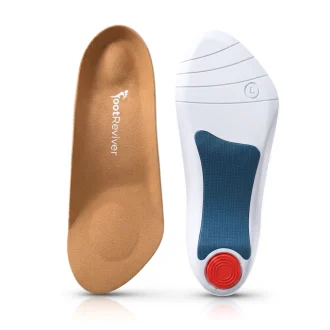
Plantar Fasciitis Arch Support 3/4 Length Heel Pain Relief Insoles
- 1x Pair of Arch Support Insoles — FootReviver Arch Support Insoles designed to steady your heel, support your arch, and help ease plantar‑fasciitis‑related heel discomfort during everyday wear
- For Men & Women
- Available in UK sizes 7–11 and 3–7; trim‑to‑fit forefoot for a closer match
- Slim 3/4‑length design fits most everyday shoes quickly and easily while leaving toes free
- Semi‑rigid plastic arch support, deep heel cup, and gentle medial posting (a small inner‑edge lift that guides alignment) help reduce excess inward roll and the strain it can place on the inner heel, arch, and plantar fascia
- Dual‑density foam cushioning with a built‑in heel pad absorbs impact while keeping midfoot support stable
- Soft, breathable fabric top cover with a moisture‑wicking surface helps keep feet drier and reduces rubbing; smooth against the skin to reduce irritation
- A practical choice for long shifts on your feet—retail, hospitality, healthcare—and for feet with low or high arches that benefit from steady support
- Designed to reduce strain on the plantar fascia and support comfortable daily movement; results vary and this is not a medical device
- Lightweight, durable, and easy to swap between shoes; trim the forefoot only, then seat the heel cup flush at the back
- Includes a full 30‑day money‑back guarantee
£9.99£10.99inc VAT -
Insoles for High Arches
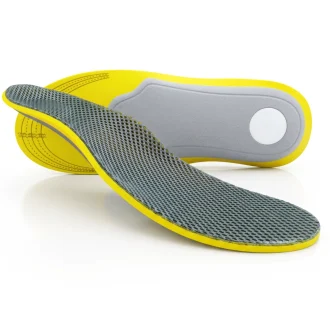
- Full-length orthotic insoles designed to support high-arched feet inside everyday and sports shoes.
- Made for adults whose feet feel sore, tired, or under-supported during standing, walking, or running.
- Especially relevant if pressure tends to build under the heel and the ball of the foot.
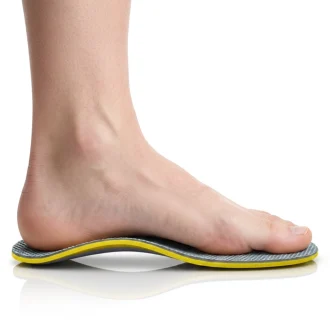
- Firm arch support helps the middle of the foot sit on a more supportive surface.
- A deep heel cup helps hold the heel more steadily inside the shoe.
- Heel cushioning helps soften repeated impact, especially on hard floors and pavements.
- Forefoot cushioning helps reduce pressure under the ball of the foot during push-off.
- Full-length coverage gives a more even underfoot feel from heel to toe.
- Best suited to shoes with removable insoles and enough depth to fit a supportive orthotic properly.
- Remove the original insole before fitting to avoid making the shoe too tight.
- If needed, trim the front carefully for a closer fit, making small adjustments at a time.
- Start by wearing them for one to two hours, then build up over several days.
- They are designed to improve support and comfort, but they are not a substitute for assessment if pain is severe, worsening, or unexplained.
£9.99£11.99inc VAT -
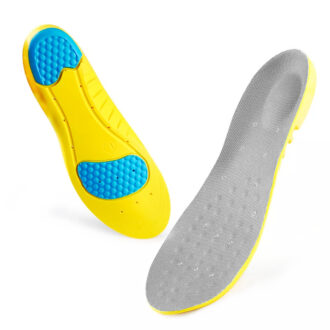
Memory foam insoles – Cushioning footbeds for sore aching feet
- Do you ever feel like your feet need a break? Are you constantly battling with foot pain, discomfort, or other related conditions? FootReviver Memory Foam Insoles are here to bring relief to your tired and aching feet. These Specially designed Footbeds will help cushion, support and protect your feet, knees, legs hips and back!
- For both Men & Women
- Available in a 5-7 & 8-10 UK shoe sizes (trim to fit)
- Ideal for people who are suffer from flat feet, High arches, Overpronation, Underpronation and Diabetes who are at greater risk of develop foot problems as a result
- Features a memory foam top layer that adapts to the shape of your feet to provide a custom level of support and cushioning
- Designed to redistribute weight pressure evenly underneath your feet preventing pressure points from causing pain and injury when you are stood for long amounts of time
- Shock absorbing EVA base soles protect your feet from shock, vibrations and impacts when walking, running and jumping
- Feature orthotic arch support technology that helps keep your arches properly supported and prevents excessive movement and gait problems such as Overpronation and supination from damaging your feet and causing overuse injuries such as Plantar fasciitis
- Recommended by podiatrists to help treat and ease Metatarsalgia, Bunions, Morton’s Neuroma, Metatarsal fractures, Atrophy of the fat pad, Plantar Fasciitis, Heel Spurs, Heel Bursitis, Achilles tendonitis, Cuboid Syndrome, Arthritis, Oedema, Neuropathy, and gout!
- The ventilation holes allow your feet to breathe and keep them comfortable, dry and feeling fresher for longer
- Deep heel cups help to support and stabilize your heels and ankles to prevent excessive movement which can twist, sprain and strain your feet and legs
- Includes a full 30-day money back guarantee!
£12.99inc VAT -
Running Orthotics – Shoe insoles for Support, Protection & Comfort
- FootReviver Orthotic Running Insoles are full-length running insoles with a 3/4 length heel-and-arch support shell.
- For both Men & Women
- Size: 7-11 and 3-7 (UK shoe size)
- They are designed for adults whose feet feel sore, tired, flat, unstable, or under-supported during or after running.
- They may be especially helpful if you deal with heel pain, arch strain, forefoot pressure, or feet that roll inward more as you tire.
- Inbuilt arch support helps the midfoot feel more supported over repeated miles.
- A stabilising heel cup helps the rearfoot feel more secure and settled inside the shoe.
- Medical-grade EVA helps soften repeated impact on hard running surfaces without making the insole feel overly soft.
- The memory foam top layer is there to improve comfort and reduce harsh pressure underfoot.
- The design aims to spread pressure more evenly rather than leaving the same sore areas to take repeated strain.
- They are intended to make a supportive shoe feel more stable and a less supportive shoe feel more capable.
- In most shoes, it is best to remove the existing liner before fitting the insoles.
- If you are new to structured support, start with shorter wear periods and build up gradually.
- The support should feel noticeable but sensible, not sharp, badly placed, or cramped.
- If you have new or unexplained symptoms, persistent nerve-like symptoms, or very local pain that worsens with impact, it is sensible to speak with a GP, physiotherapist, or podiatrist.
£9.99£11.99inc VAT -
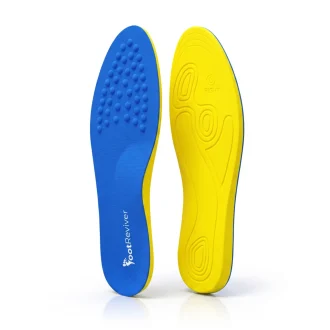
Supination Insoles for Underpronation By FootReviver™
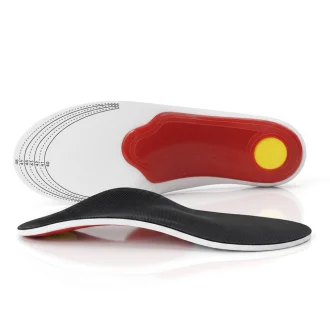
- Precision-Engineered for Supination Correction: This pair of insoles is specifically designed to correct underpronation by featuring a strategically inclined outer edge that gently tilts your foot inward, promoting proper alignment and a stable gait.
- Durable & Versatile for Everyday Use: The low-profile, flexible-yet-supportive construction ensures a seamless fit in a wide range of footwear, making them perfect for both everyday wear and sports. Sizes available: XS (UK 1-2), S (UK 2-3), M (UK 4-6), L (UK 7-8.5), XL (UK 9-11).
- Reinforced Lateral Support & Targeted Arch Control: The dual-action design combines a firm, reinforced lateral barrier to block excessive outward roll with a contoured arch cup to cradle your foot’s natural curve, working in unison to alleviate strain on ankles, arches, and plantar fascia.
- Full-Length Advanced Shock Absorption: Crafted from lightweight, durable, and high-resilience EVA material that runs from heel to toe, providing superior cushioning to protect your feet, joints, and lower back from impact during walking, running, or prolonged standing.
- Anatomically Contoured for Natural Alignment: A heel cup and precision-moulded arch support work together to guide your entire foot into a healthier, neutral position, redistributing weight evenly to reduce fatigue and compensatory pain in your knees and hips.
- Secure, Breathable & Comfortable Fit: Features gripper nodes under the forefoot to prevent slipping and a moisture-wicking top cover that improves air circulation, keeping your feet dry, secure, and comfortable all day long.
- Universal Design & Professional Recommendation: For both men and women, these insoles are ideal for casual shoes, trainers, and boots. They are recommended by physiotherapists and podiatrists to help treat and prevent a wide range of conditions linked to supination, including Plantar Fasciitis, Heel Spurs, Metatarsalgia, Achilles Tendonitis, Ankle Instabilities, and knee or back pain.
- Your Satisfaction Guaranteed: Backed by a full 30-day money-back guarantee, so you can experience the FootReviver difference risk-free.
£16.95inc VAT -
Arch Support Insoles for Plantar Fasciitis and Flat Feet
- Support For Flat Feet, Low Arches, And Plantar Fasciitis: Shaped for feet that need more structure than a flat liner or factory insole provides. The contoured arch supports the middle of your foot, the deep heel cup holds your heel in place, and the cushioning layer absorbs impact. Together they give you a more stable base from the first step.
- Orthotic Arch Support And A Deep Heel Cup: Firm support under the arch encourages a more neutral alignment of your foot and lower leg, rather than correcting it. The heel cup keeps your heel centred inside the shoe and holds the fat pad in position so it can cushion as intended. Force spreads more evenly across your sole instead of concentrating in the same spot with every step.
- Support For Common Foot Patterns: Suits plantar fasciitis, flat feet, low arches, overpronation, high arches, metatarsalgia, Morton’s-type forefoot pain, bunions, Achilles pain, shin splints, and general foot fatigue. Several of these overlap in practice, which is why one shaped support can help more than one problem.
- Cushioning That Softens Repeated Impact: Absorbs the impact of concrete, tile, and pavement, and spreads weight more evenly across the sole. This matters most several hours into the day, when hard surfaces and long periods on your feet would otherwise leave your feet feeling worn down rather than freshly rested.
- A Breathable Top Cover: The top layer uses active carbon fibre that inhibits bacterial growth and neutralises odour, which keeps the insoles fresher through months of daily wear. Breathable material also reduces heat and moisture build-up inside the shoe.
- Structured Support For Running And Everyday Activity: The arch support and heel cup help with the alignment demands of a running stride, and the cushioning softens the impact of each footfall. They also suit walking, standing, and everyday wear, and are worth considering if you want a more supportive base in the shoes you use most. If you run high mileage or race frequently, a thinner running-specific insole may suit you better over time.
- Trim-To-Fit, In Sizes 3–7 And 7–11: The 3–7 range suits women’s sizing and the 7–11 range suits men’s sizing. Each insole can be trimmed to shape using the original insole from the shoe as a guide, so they fit most closed-toe footwear — trainers, work shoes, and boots.
- 30-Day Comfort Guarantee: Use them in your own shoes, in your normal routine, and decide whether they help. If they do not make a genuine difference, return them for a full refund.
£9.99£11.99inc VAT