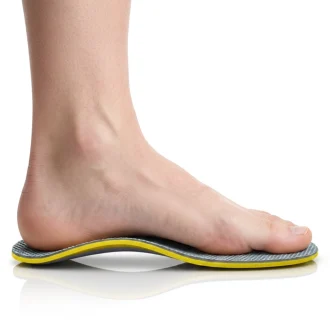
Orthotic Insoles
When Foot Pain Comes from the Arches
Most people don’t think about their arches at all — until something starts to hurt. You might notice:
- A sharp pain under the heel with your first steps in the morning
- A burning ache under the ball of the foot halfway through the day
- A familiar pull in the shins, knees, hips or lower back after long periods on hard surfaces
At first, it’s easy to put it down to a long day, a slightly awkward pair of shoes, or “just getting older”. But when the same pains keep coming back, they start to limit what you feel able to do. You may find yourself avoiding certain walks, choosing to sit rather than stand, or cutting activities short because your feet or legs simply don’t feel up to it.
Your arches are at the centre of it all. They help your feet absorb shock, share weight evenly between heel, midfoot and forefoot, and guide how your ankles, knees and hips move with each step. When they’re not supported properly, the added strain doesn’t stay in one place. That strain can show up as:
- Heel or arch pain that never quite settles
- Soreness in the ball of the foot after an ordinary day on your feet
- Tired, heavy legs by the end of a shift on hard surfaces
- Recurring ankle sprains or a feeling that your ankles aren’t as steady as they should be
- Aches in the shins, knees, hips or lower back that are clearly worse after standing or walking
This orthotic insole range is for people who know those feelings all too well and want a practical way to change what their feet are standing on, step by step. The insoles in this category have been developed with input from podiatrists and physiotherapists specialising in biomechanics to improve how your feet are supported inside your shoes. The aim is to reduce ongoing strain on sensitive tissues, rather than simply masking discomfort.
They’re not a quick fix, and they don’t replace medical assessment. However, when they’re well matched to your feet, worn consistently, and used in suitable footwear, many people find that the right insoles make it easier to stay comfortable through the day, to walk further in comfort, and to manage long‑standing problems more confidently.
How Your Arches Affect the Rest of Your Body
Each time you stand or take a step, your arches quietly decide how your body weight travels from heel to toes, and how much of that force is absorbed in the foot before it reaches the ankles, knees, hips and spine. When they’re doing their job well, you barely notice them. When they’re not, specific tissues start to work harder than they should.
In a well‑supported foot, the arch lowers slightly as you load it and springs back as you push off — a small but vital movement. This helps soften the impact when the heel meets the ground, share weight between heel, midfoot and forefoot, and guide the ankle, knee and hip so they bend and straighten in a smoother line.
When the arch flattens too much or stays too rigid, those same steps feel very different to the structures inside your feet and legs.
When Arches Flatten Too Much
If your arches sink down more than they should when you stand or walk, the inner side of the foot moves closer to the floor and the ankle often tips inwards. That change in position sets off a chain reaction through several key tissues:
- The plantar fascia (the strong band under the foot from heel to toes) is stretched more as the arch collapses, so the point where it attaches to the heel is tugged with each step. Over time, this repeated strain can irritate that attachment and the fibres along the arch.
- The tibialis posterior tendon (which runs behind the inside of the ankle and helps support the arch) has to work harder to hold the arch up. This extra workload can leave it sore and overworked, especially towards the end of the day.
- As the heel bone tilts inwards, the shin rotates slightly in as well. This changes the angle at which the knee joint surfaces meet and can increase stress on the structures on the inner side of the knee.
- When the leg turns in repeatedly, the hip and lower back have to follow. Muscles and joints higher up then work in a rotated position, which can contribute to aching in the hips or lower back after time on your feet.
In practice, people with very flat or collapsing arches often notice:
- Aching arches or inner ankles after walking or standing
- Heel pain, especially close to where the sole of the foot meets the heel bone
- Shin pain along the inner border of the lower leg
- A sense that the knees “fall in” when walking, running or going down stairs
- General tiredness in the legs and lower back after a day on firm surfaces
When Arches Stay High and Rigid
In contrast, some feet have arches that barely move. The midfoot stays lifted, so the foot makes firm contact with the ground mainly at the heel and the ball of the foot. This creates a different pattern of stress and loading:
- Because the midfoot contributes less to shock absorption, more of the initial impact is taken directly by the heel and the cushioning beneath it. Repeated firm heel strikes can stress the tissues there and contribute to heel pain.
- The metatarsal heads (the long bones just behind the toes) take more of the push‑off force with less help from the arch. The ball of the foot can become sore and overloaded, particularly under one or two metatarsals.
- Supporting tissues under the arch, including the plantar fascia, are held under more constant tension because the arch doesn’t lower and rise as freely. Any extra twist or jolt through the foot is then transmitted more directly.
- A stiffer foot has less ability to adapt to uneven ground, which can make balance and stability more difficult. The ankle is more prone to rolling outwards, stressing the ligaments on the outer side and increasing the risk of sprains. Extra impact that isn’t absorbed in the foot has to be dealt with further up by the knees, hips and spine.
People with high, rigid arches often report:
- Pain or burning under the ball of the foot after walking or running
- Heel discomfort from repeated, firm heel contact
- A tendency to go over on the outer edge of the ankle
- Sharp, localised pain from relatively small changes in surface or footing
How Orthotic Insoles from Our Range Change These Mechanics
Orthotic insoles from our range are designed to change the surface your feet rest on inside your shoes, so these unhelpful positions and movements are reduced.
Instead of resting on a flat, unshaped insole, a well‑chosen orthotic insole:
- Places a shaped support under the arch, so it doesn’t drop as far with each step. This limits excessive stretching of the plantar fascia and reduces the load on the tibialis posterior tendon.
- Cradles the heel in a defined heel cup, helping to hold the heel bone nearer to upright rather than letting it tip markedly inwards or outwards. That, in turn, reduces unwanted twisting through the shin and knee.
- Brings more of the midfoot into contact with the insole in higher‑arched feet, so the heel and the ball of the foot aren’t carrying the majority of the load alone. This spreads pressure over a larger area and reduces the build‑up of sore pressure points.
- Uses cushioning under the heel and forefoot that compresses and springs back in a controlled way. This softens the impact that travels up through the joints with each step, while still keeping the foot feeling stable inside the shoe.
In a foot that tends to flatten, these changes mean the arch is better supported and the heel is less free to roll inwards, so the tissues on the inner side of the foot and leg aren’t pulled and twisted to the same degree. In a high‑arched, rigid foot, they mean the arch has something to rest on and more of the step is absorbed in the midfoot, so the heel and ball of the foot aren’t hit as hard.
With this in mind, the next section explains how the right orthotic insoles ease everyday strain and how to match that support to your own feet and footwear.
How Our Orthotic Insoles Help with Everyday Strain
Once you understand how flat or rigid arches strain specific structures, it becomes easier to see why changing what your feet stand on makes such a difference. The orthotic insoles in this range aren’t just soft padding. They’re shaped and structured to change how load is shared through the foot and how each step feels to your joints.
Most of the insoles in this category help in four main ways.
Sharing Load More Evenly Across the Foot
Without any support, your body weight often concentrates at the heel and under the ball of the foot, with the arch either collapsing onto a flat insole or, in a high‑arched foot, barely making contact at all. In both situations, relatively small areas end up taking a lot of pressure.
Orthotic insoles from our range use shaped support under the arch and midfoot so more of the sole is involved in carrying your weight. Instead of the arch dropping fully onto an unshaped surface, it’s held in a more efficient position and becomes part of the weight‑bearing surface. This means the plantar fascia and related tissues don’t have to stretch and strain as much with each step, and pressure under the heel and the ball of the foot is reduced and spread over a wider area.
For many people, this single change explains why long days on hard surfaces feel noticeably easier once the right insoles are in place. It’s often the first moment people realise how much difference proper arch support makes.
Guiding Ankles, Knees and Hips into Better Alignment
When the arch collapses and the foot rolls inwards, the heel tilts, the shin turns in and the knee tends to follow. When the arch is very high and the foot is stiff, the ankle is more likely to roll outwards. In both cases, joints above the foot are working slightly off‑centre, step after step.
Many of the insoles in this range use a deeper heel cup and a firm, supportive base under the heel to help hold the heel bone nearer to neutral. Combined with support under the inner side of the arch where needed, this reduces how far the foot can roll in or out. As a result, the shin doesn’t twist as much with each stride, the knee is more likely to track over the middle of the foot rather than drifting inwards, and the hip and lower back don’t have to compensate as strongly for a rolling or unstable foundation.
In practice, this is often why people with shin, knee or hip pain that builds up over the day notice less discomfort once the foot is better controlled inside the shoe.
Softening the Shock of Hard Surfaces
Modern floors and work surfaces are often hard and unyielding. Thin, flat insoles offer very little between your heels and those surfaces. If the natural fat pads under your heel and forefoot have thinned with age or repetitive loading, every step can start to feel more jarring.
Orthotic insoles in this category use cushioning that’s chosen to compress and spring back in a controlled way. A shaped heel area lets padding sit directly under the point where your heel meets the ground. Extra material under the ball of the foot helps reduce the sting when you push off, especially if the front of your foot is already sensitive.
Because the cushioning sits on a supportive base, it softens the impact without feeling spongy or unstable. This combination is particularly helpful for people with plantar heel pain, forefoot soreness such as metatarsalgia, or general discomfort from long periods on concrete or other hard surfaces.
Giving Your Feet Consistent Support in the Shoes You Actually Wear
Most people move between several pairs of shoes during the week: trainers, work shoes, boots and more formal footwear. The level and shape of support built into those shoes can vary widely. One pair might have a reasonable arch shape; the next may be completely flat. Sore tissues then have to adapt repeatedly to a different way of being loaded every time you change shoes.
By fitting suitable orthotic insoles into the shoes you use most, you give your feet a more predictable, supportive surface inside your footwear. The shape under the arch, the way the heel is held, and the amount of cushioning under key pressure points stay similar, even as you move between pairs. That consistency reduces daily fluctuations in how your feet and legs are loaded and makes it easier for irritated tissues to settle, because they’re no longer being stressed in a completely different way every time you change footwear.
Orthotic insoles don’t replace other important measures such as appropriate footwear, pacing, and strengthening exercises advised by a healthcare professional. Appropriate footwear means shoes that fit well, provide enough depth and width for your insoles, and have a stable sole that supports your natural movement. Pacing means managing your activity levels so your body has time to recover and symptoms don’t flare up. Strengthening exercises help improve the endurance and control of the muscles that support your feet and ankles. Used together, these measures and orthotic insoles provide a straightforward, consistent way to support your feet with every step — often the key to easing recurring foot and lower limb discomfort. With the right support, your feet can stay more comfortable and dependable day to day.
Choosing the Right Orthotic Insoles from Our Range
Not every foot needs the same type of support, and not every shoe can take the same type of insole. It helps to think about three things together:
- How your arches behave
- Where you feel discomfort or pain
- Which shoes you need the insoles to work in
Once you’ve considered these, it becomes much simpler to choose a pair from this range that suits both your feet and your daily routine.
1. Start with How Your Arches Behave
Stand barefoot on a firm, level surface and look at your feet from the front and from the inside if possible. You don’t need to diagnose anything — just notice how your arches sit and how your ankles line up when you’re standing naturally.
You may recognise your own feet in one of these general descriptions:
Flatter, More Flexible Feet That Roll Inwards
The inner edge of the foot sits close to the floor, the arches are low, and the ankles may lean slightly inwards. Shoes often wear down faster on the inside edge. People with this foot shape often feel aching through the arches, discomfort around the inner ankle, heel pain near the inner side of the heel, or sometimes aching on the inside of the knee.
In this situation, orthotic insoles with a clearly shaped support under the inner arch and a deeper heel cup are usually most effective. The arch support should be firm enough to be felt but not uncomfortable. The heel cup should hold the heel securely to limit inward tilt.
Moderate Arches That Still Feel Tired or Sore
The arch is visible but neither very low nor very high. You might not notice anything unusual about your feet when standing still, yet still experience fatigue, mild heel or arch pain, or recurring soreness such as plantar fasciitis after long periods on firm ground.
Here, moderate support is often most effective — an insole that follows the natural curve of your arch so you can feel it’s there, but without pushing so firmly that it feels intrusive. A well‑shaped midfoot area and a comfortable heel cup help spread weight more evenly without forcing your foot into an unnatural position.
High, More Rigid Arches
The arch is pronounced, leaving a clear gap under the midfoot when you stand. You may feel most of your weight sits under the heel and the ball of the foot, and notice that the outer edge of your shoes wears more quickly. Some people with this foot type also find their ankles tend to roll outwards.
For these feet, the aim isn’t to lift the arch higher but to support it evenly. Orthotic insoles that fill in under the midfoot so more of the sole takes the load, combined with cushioning under the heel and forefoot and a secure heel cup, tend to work best. The arch support should feel like it’s meeting the arch and sharing the load, not like a hard ridge pressing into it.
If you’re unsure which description sounds most like you, pay attention to where your feet tend to hurt most and how they feel through a typical day. The next section links common areas of discomfort with the types of insole features that usually help.
2. Match the Support to Where You Feel Pain
Different types of pain often respond to different combinations of support and cushioning. While only a healthcare professional can confirm a diagnosis, recognising where you feel pain or strain can help you choose more effectively.
Heel or Inner Arch Pain, Especially First‑Step Pain
This often occurs with flatter, inward‑rolling feet and is common in conditions such as plantar heel pain. In these cases, you may benefit from:
- Firm, shaped support under the arch to limit how far it collapses
- A deeper heel cup to help keep the heel bone centred
- Cushioning under the heel that softens impact while keeping the foot stable
Full‑length insoles that support the whole foot are generally more stable than separate heel pads alone.
Pain Under the Ball of the Foot
A burning ache or sharp pain under one or two points, or a “stone in the shoe” feeling, suggests the forefoot is taking too much load. This can affect both high‑arched and flatter feet. In this situation, look for:
- A supportive midfoot contour so the arch and midfoot share load with the forefoot
- Extra cushioning across the ball of the foot
- Where needed, a gentle lift just behind the sore area (a metatarsal pad or dome) to spread pressure away from the most painful point
General Fatigue or Heaviness in the Feet and Legs
If your main concern is that your feet and lower legs feel tired or heavy after standing or walking for long periods, a gentler level of support may be enough. Often, what tends to help most is:
- Moderate arch support that prevents the foot from collapsing completely
- A secure heel area that limits unwanted tilt
- A slightly cushioned top layer that softens contact with hard surfaces
Recurrent Ankle Sprains or a Feeling of Instability
If your ankle tends to roll outwards or you feel unsteady, a secure heel and controlled foot position are key. You may benefit from:
- A well‑fitted heel cup that holds the heel securely
- A broader, supportive base under the heel to reduce sideways tilt
- For feet that roll outwards (supination), insoles that bring more of the arch into contact and add cushioning under the heel and forefoot
Shin, Knee, Hip or Lower Back Pain That Worsens After Time on Your Feet
When aches in these areas clearly build up after standing or walking, improving alignment from the foot upwards can help. Look for:
- Arch support that limits excessive rolling in or out
- A firm, stable base under the heel to reduce twisting through the shin
- Sufficient length and structure in the insole to guide how the whole foot moves, not just the heel
If your pain is severe, appears suddenly, is linked with swelling or visible changes, or isn’t improving despite suitable footwear and support, it’s important to speak to a GP, physiotherapist, podiatrist or another qualified professional. Orthotic insoles can then be chosen to complement their advice rather than replace it.
3. Fit Insoles to the Shoes You Rely on Most
You may need different insoles for different shoes, but it’s best to start with the footwear you use most. That’s where consistent support makes the greatest difference.
Everyday and Work Shoes
Shoes with removable insoles are usually easiest to adapt. Remove the original insole and replace it with a full‑length orthotic. The new insole should sit flat and stay secure, and the shoe should feel secure but comfortable.
Trainers for Walking or Running
Trainers usually have enough depth for a more supportive insole with firmer support and stronger cushioning. This helps during higher‑impact activities, where both shock absorption and control of foot motion matter more. The insole should match the shape of the trainer’s interior closely so it stays in place during use.
Closer‑Fitting or More Formal Footwear
In shoes with less space around the toes, a slimmer or three‑quarter‑length insole is usually more practical. These focus on supporting the arch and heel while leaving room for the toes. The level of correction may be slightly less than in a full‑volume insole, but a comfortable fit is always better than a bulkier option that doesn’t sit properly.
Boots and More Spacious Footwear
Boots and roomier shoes can usually accommodate thicker, more cushioned insoles. This is particularly useful if you spend long hours standing or walking on hard ground or work outdoors. The extra space allows for more cushioning under the heel and forefoot without squeezing the foot.
Whichever shoes you begin with, increase wear time gradually over a few days. This gives your feet and legs time to adjust to the new support. Once you know what works best in your main footwear, you can add similar support to other pairs if needed.
Keep these three points in mind as your checklist: how your arches behave, where you feel discomfort, and which shoes you rely on most. These are the details that make the biggest difference when choosing support that genuinely fits your feet and your day.
How Our Orthotic Insoles Relate to Common Conditions
If you’ve been dealing with recurring foot pain, you’re not alone. Many people come here with a diagnosis already in mind or with a familiar type of discomfort — sharp heel pain when taking those first steps in the morning, a burning ache under the ball of the foot, shin pain after running, or knees that ache after long hours on hard floors. The sections below explore some of the most common conditions related to how your feet move and explain how orthotic insoles from our range can help manage them.
Earlier, we explained how low arches, high arches, and reduced shock absorption can strain specific tissues. We’ll now apply that same understanding to each condition. The focus is on:
- What is happening in the affected tissues and joints
- Why certain positions or movements make symptoms worse
- Which features in our orthotic insoles help to reduce that strain
These summaries don’t replace a medical assessment. They’re designed to help you understand how the advice you’ve been given connects with practical choices about the support inside your shoes.
Why Choose Orthotic Insoles from Our Range
There are many types of insoles available, from thin foam liners to highly specialised devices. The orthotic insoles in the NuovaHealth range are designed to sit between those extremes — more supportive and clinically considered than basic cushioning, yet still practical and affordable for everyday use.
Developed with Foot and Biomechanics Specialists
Each NuovaHealth insole is created with input from UK podiatrists, physiotherapists and other clinicians who work daily with foot and lower‑limb conditions. Their experience shapes:
- The contours that support different arch types
- The depth and angle of heel cups that improve stability
- The placement of features such as metatarsal support and forefoot cushioning
Every design is based on how feet behave in real‑world use, not on generic templates. That’s why these insoles are trusted by clinicians and recommended to patients who need reliable, medical‑grade support.
Made for the Ways People Use Their Feet
No single insole suits everyone. Within the NuovaHealth range, you’ll find:
- Pairs with firmer arch support for flatter, more flexible feet that roll inwards
- Insoles that fill and cushion high, rigid arches that tend to feel unstable
- Slimmer, lower‑profile options for closer‑fitting or more formal footwear
- More robust, cushioned designs for long days on hard floors or higher‑impact activities
Each product description highlights the type of foot and the symptoms it’s designed for, so you can match the insole to how your feet behave and where you tend to feel pain.
Balancing Support with Comfort You Can Wear All Day
The goal isn’t to provide the hardest or most corrective support possible, but to find a level that’s sustainable for daily wear. Across the range, NuovaHealth insoles are built to:
- Provide enough structure to guide the foot and control excessive rolling
- Use cushioning that softens impact without feeling unstable
- Maintain their shape over time rather than flattening after short use
This balance matters if you spend long hours on your feet. Support that feels fine for a few minutes isn’t enough — it needs to remain comfortable through a full shift or a long walk. That’s why our insoles are made from durable, medical‑grade materials that hold their shape and support even under daily use.
Designed to Work with Everyday Footwear
The best support is the support you can actually use. Our range includes insoles that work with:
- Work shoes and everyday trainers with removable factory insoles
- Boots and more spacious footwear where extra cushioning is beneficial
- Closer‑fitting or more formal shoes that need slimmer or three‑quarter‑length profiles
By choosing options that match your usual footwear, you can keep support consistent instead of relying on a single pair of “special” shoes. Consistency helps your feet and legs adapt to the support and maintain comfort throughout the day.
Reassurance While You Decide
Choosing insoles can feel uncertain, especially if you’ve tried products before that didn’t suit you. To make that decision easier, NuovaHealth offers:
- A 30‑day money‑back guarantee, so you can try suitable insoles in your own shoes and return them if they’re not right for you
- A 6‑month manufacturing warranty on all insoles in this range, covering defects in materials or workmanship
These policies give you confidence to try support that matches your needs, while still encouraging you to seek professional advice when symptoms are severe, persistent or complex.
Orthotic insoles won’t solve every type of pain, and they’re not a replacement for medical care. But if your symptoms are linked to how your feet load and move, the right level of support and cushioning inside your everyday shoes can make walking, standing and daily activity more comfortable and sustainable.
Frequently Asked Questions
Do these insoles replace medical treatment?
No. Orthotic insoles can help manage many types of foot and lower‑limb discomfort, but they don’t replace diagnosis or treatment. If your pain is severe, sudden, associated with swelling, deformity, numbness, or changes in skin colour, or if it isn’t improving, speak to a GP, physiotherapist, podiatrist or other qualified professional.
Is it normal to feel different or slightly uncomfortable at first?
It can be. When you first start wearing supportive insoles, your feet and legs may feel new areas of contact or mild aching as they adjust to the new pattern of support. This short “break‑in” period usually settles over a few days as you build up wear time gradually. If discomfort is sharp, severe, or not improving, stop using the insoles and seek advice from a GP, physiotherapist or podiatrist.
Should I put these insoles on top of the ones already in my shoes?
In most cases, full‑length orthotic insoles are designed to replace the removable factory insoles in your shoes. Placing them on top can make the shoe too tight and alter how the support sits under your foot. Thinner, shorter inserts may sometimes be layered, but this should be done with guidance from a healthcare professional.
Can these insoles help with flat feet or high arches?
Yes. This range includes insoles for both. Pairs for flatter, more flexible feet tend to have firmer support along the inner arch and a deeper heel cup. Options for high arches focus on filling in under the midfoot, adding cushioning under the heel and forefoot, and improving stability. Product descriptions indicate which foot types each insole is intended for.
How do I know which insole is right for my symptoms?
Use the guidance earlier on this page as a starting point: think about how your arches behave, which areas hurt most, and which shoes you need the insoles to work in. Then read the product descriptions, looking for features that match your experience. If you’re unsure, or if you have a complex diagnosis, it’s sensible to ask a podiatrist, physiotherapist or GP for advice.
Can I use these insoles if I already have custom orthotics?
If you have custom orthotics prescribed by a healthcare professional, check with them before replacing or adding any over‑the‑counter insoles. Some people use over‑the‑counter options in specific shoes and keep custom devices for others, but this should be agreed with the person managing your care.
Are these insoles suitable for sports and exercise?
Many insoles in this range are suitable for walking, running and other activities, especially those designed with more robust support and cushioning. For sports use, fit the insoles into appropriate trainers or sport‑specific shoes and build up use gradually, particularly if you’re increasing your training at the same time.
Can I trim the insoles to fit my shoes?
Many full‑length orthotic insoles can be trimmed at the front to match the outline of your existing insoles. Always follow the trimming lines provided and avoid cutting into the arch or heel areas, as this can affect the support. Three‑quarter‑length insoles generally don’t require trimming.
How long will the insoles last?
Lifespan depends on your weight, activity level and how often you wear them. As a general guide, many people find their insoles provide good support for around 6–12 months of regular use. Very high‑impact use or long daily hours on hard surfaces may shorten this. If the insole has flattened, cracked, or no longer feels supportive, it’s usually time to replace it.
How should I clean and look after the insoles?
Most orthotic insoles can be cleaned by gently wiping with a damp cloth or hand‑washing with mild soap and lukewarm water, then leaving them to air‑dry away from direct heat. Avoid machine washing or tumble drying, as this can damage the materials. Regular cleaning helps maintain hygiene and prolongs the life of the insoles.
Will these insoles fit in all of my shoes?
Fit depends on the depth and shape of each shoe. Trainers and many work shoes with removable insoles are generally straightforward. Closer‑fitting shoes may need slimmer or three‑quarter‑length insoles. It’s often best to start with the shoes you wear most and, if you’re happy with the support, consider similar insoles for other footwear if space allows.
Disclaimer
At NuovaHealth, we take pride in the quality and clinical design of our orthotic insoles. However, persistent or severe foot pain, injuries, or symptoms such as swelling, numbness, or unexplained bruising may signal underlying health concerns that need professional assessment. Conditions such as stress fractures, arthritis, diabetes‑related neuropathy, circulatory disorders, or bone abnormalities can present as foot pain and require timely medical attention. If left unresolved, these issues may affect joint function, mobility, or overall wellbeing.
Although our insoles are designed to enhance alignment and comfort, they don’t replace medical diagnosis or treatment. If pain continues, worsens, or appears alongside other symptoms, always seek advice from a doctor or podiatrist. These healthcare professionals can determine whether arch supports meet your individual needs. While some may recommend custom orthotics, many people experience similar relief from well‑designed off‑the‑shelf solutions like ours.
All information provided here is for general guidance only and should not replace personalised medical advice. Your health and safety come first — ensure proper care to keep every step supported and comfortable.
-

Morton’s Neuroma Insoles with Forefoot cushioning & Metatarsal support
- Full-length insoles made for pain in the ball of the foot that gets worse when too much pressure goes through one small area, especially burning, tingling, stabbing, or pebble-like discomfort between the third and fourth toes.
- Best suited to adults whose forefoot pain builds with walking, standing, commuting, or long periods on hard floors.
- Built-in left and right metatarsal support helps take pressure off the sore nerve area by supporting the foot just behind it, rather than letting the front of the foot take the full force of push-off.
- Full-length gel cushioning helps make repeated ground contact feel less harsh across the whole foot, especially on firmer surfaces.
- Moderate arch support helps the middle of the foot take more of your weight, so the front of the foot does not have to do quite so much.
- A firmer heel base and heel cup help the foot feel steadier from first contact, so weight moves forward more smoothly instead of dropping quickly into the ball of the foot.
- Slim, lightweight full-length shape is easier to fit into many everyday shoes with enough depth.
- Available in adult USA sizes 3–9 and 7–13, with a trim-to-fit forefoot so you can adjust the fit using the printed guide underneath.
- Usually most comfortable in trainers, work shoes, casual shoes, safety shoes, and other shoes with a roomier forefoot.
- Usually not a good match for high heels or tightly tapered shoes that still squeeze the front of the foot from the sides.
- For the best fit, remove the original liner if possible and place the insole fully back in the shoe so it lies flat from heel to toe.
- Build wear up gradually, starting with 1 to 2 hours a day before increasing as comfortable.
- A good fit should feel like a gentle lift behind the sore area, not a lump pressing into it.
- If the pain is severe, follows an injury, or does not fit the usual Morton’s neuroma symptoms, it is sensible to speak to a podiatrist, physiotherapist, GP, or another appropriate clinician.
£10.99inc VAT -
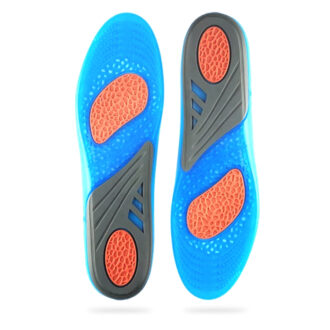
Soothing Gel Shoe Insoles for Diabetes
- Full-length gel insoles for adults who want everyday shoes to feel softer and more supportive.
- Useful for tired, sore, sensitive, or easily irritated feet, especially after standing or walking.
- May suit people managing diabetes or neuropathy who want a more forgiving feel inside ordinary footwear.
- Full-length gel cushioning helps reduce how hard the shoe feels from heel to toe.
- Moderate arch support helps the middle of the foot feel less flat and better supported.
- Firmer heel base and heel cup help the heel feel steadier from the first part of the step.
- A firmer, flatter, shock-absorbing forefoot support area helps when the front of the foot feels overworked.
- Designed to improve overall shoe comfort rather than padding just one small area.
- Often best suited to trainers, work shoes, walking shoes, safety shoes, and other footwear with enough depth.
- Usually less suitable for high heels, narrow dress shoes, or very shallow footwear.
- Available in adult USA sizes 3–9 and 7–13, with a trim-to-fit forefoot area to help match the shape of your shoes more closely.
- Start gradually and build up wear time over the first few days as comfortable.
- If you wish, separate metatarsal pads can also be worn with these insoles for more targeted forefoot support.
- If you have diabetes or neuropathy, check that the insoles and shoes feel comfortable and are not creating rubbing or pressure points.
£10.99inc VAT -
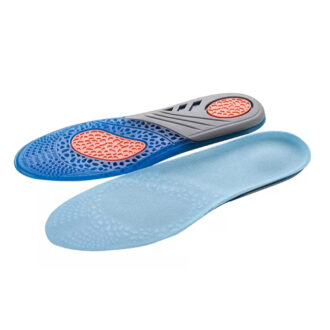
Gel Shoe Insoles for Atrophy of the fat pad, Cuboid Syndrome, Foot fatigue, Drop Foot & Heel bursitis
- 1x Pair of Gel Shoe Insoles for Atrophy of the fat pad, Cuboid Syndrome, Foot fatigue, Drop Foot, Heel bursitis and more!
- For both Men & Women
- Available in USA shoe sizes 3-9 & 7-13 (trim to fit)
- Helps keep your feet supported and comfortable when wearing shoes for long periods of time
- Features advanced inbuilt arch support that helps prevent common gait problems such as overpronation and supination and stops abnormal load and pressure from damaging and inflaming your plantar fascia ligaments and causing plantar fasciitis
- Specially designed heel cup and support technology helps to better support and stabilize your heels and ankle protecting them from shock, pressure and strain
- These gel insoles are often highly recommended by Podiatrists to help ease foot and heel pain and treat common foot injuries and problems including Flat feet, Plantar fasciitis, Heel Spurs, Metatarsalgia, Atrophy of the fat pad, Cuboid Syndrome, Foot fatigue, Drop Foot, Heel bursitis, Sesamoiditis, Morton’s Neuroma, Arthritis, Neuropathy, Ankle sprains and more!
- Designed to soothe and massage your feet as you walk and helps stimulates your blood vessels to improve circulation in them and speed up and improve injury recovery
- Lightweight, slim and breathable and breathable made from premium durable materials
- Great for running, exercising, playing sports or general everyday wear
- Includes a full 30-day money back guarantee!
£10.99inc VAT -
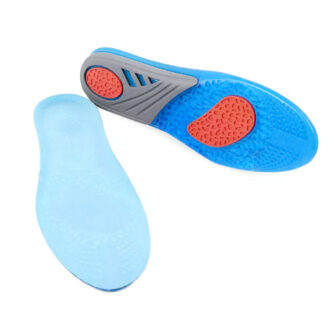
Orthotic Gel Shoe Insoles for Heel Spurs
- 1x Pair of Orthotic Gel Shoe Insoles designed to ease heel pain and for preventing and stopping Heel Spurs from getting worse
- For both Men & Women
- Available in 3-9 & 7-13 USA shoe sizes
- Specially designed to reduce pressure and stop abnormal load on your heel bones to prevent heel spurs from developing or worsening
- Great for people who have flat feet, high arches or suffer from gait problems such as Overpronation and Supination which puts more pressure on your feet when you walk
- Made from medical grade shock absorbing silicone gel that cushions and protects your feet and heel from shock, vibrations and impacts and helps spread weight and pressure evenly underneath your feet stopping pressure points from developing and causing damage and pain to them
- Can also be worn to help treat, ease and prevent Arthritis, Gout, Foot fatigue, Diabetic foot, Neuropathy, Raynaud’s disease, Plantar fasciitis, Heel Bursitis, Foot drop, Metatarsalgia, Morton’s Neuroma, Achilles tendonitis, Cuboid Syndrome, Ankle and Foot fractures, Shin splints as well as pain in your knees and lower back
- Advanced arch support technology properly supports the arches of your feet taking strain and pressure off key ligaments found in your feet such as your plantar fascia ligament to help prevent overuse injuries including Plantar fasciitis
- Inbuilt stabilizing heel cups built into the insoles helps to support and realign your heels and ankles in the correct position and prevent movement which can cause injury to them
- Ideal for people who suffer from tired aching feet or legs when standing for long periods of time
- Features anti-slip technology that stops your feet from moving around and rubbing against the sides of your shoes and causing blisters to develop
- Includes a full 30-day money back guarantee!
£10.99inc VAT -
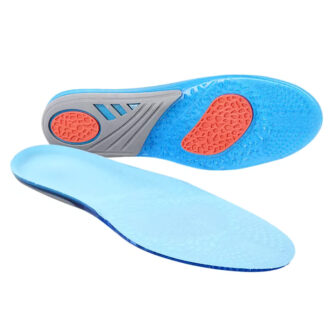
Massaging gel insoles for Blisters
- 1x Pair of FootReviver™ Orthotic Gel insoles for treating and easing blisters effectively by stopping your feet from rubbing against your shoes
- For both Men & Women
- Available in 3-9 & 7-13 USA shoe sizes (trim to right size using scissors)
- Features a soft velvet top layer and a shock absorbing silicone gel bottom layer that will help to protect your feet and keep them comfortable all day long
- Can be placed in the fridge to cool down for a few minutes to provide soothing cold therapy to your feet to help ease pain caused by blisters
- Helps alleviate pressure and stops rubbing and chaffing on your feet to treat and prevent blisters
- Soothing massaging gel eases aches and pains and stimulate blood flow to your flow to help promote the natural healing process of damaged tissue
- Ideal for people who find themselves stood for long amounts of time and suffer from tired aching feet and legs
- Realigns and supports your feet in the correct position and corrects your gait to help stop your feet from moving excessively in your shoes and rubbing against the sides which often can cause blisters to develop
- These insoles can also be worn to also help treat and ease a range of other foot and lower limb injuries and conditions and not just blisters including Bunions, Plantar Fasciitis, Metatarsalgia, Morton’s Neuroma, Arthritis and Achilles tendonitis
- Can be fitted inside a range of footwear and are great for running, sports and everyday use
- Please note: To avoid blisters you must make sure that your shoes are not too tight or too loose and that the insoles fit properly inside of them
- These insoles make an excellent combo with a pair of blister protection sleeves available here.
- Includes a full 30-day money back guarantee!
£10.99inc VAT -
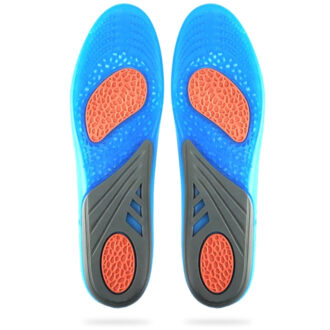
Everyday Comfort Gel Walking Insoles
- 1x Pair of Everyday Comfort Gel Walking Insoles specially created for people who love to walk or run long distances and don’t want painful aching feet or legs
- For both Men & Women
- Available in 3-9 & 9-13 USA shoe sizes (trim to fit using scissors)
- The soothing silicone gel that these insoles are made from will help to massage and relax your feet as you walk not only that, but this specially designed gel will also help to stop pressure points from developing underneath your feet by evenly spreading weight across your soles
- Designed to cushion and protect your feet from shock and impacts created when your feet strike the ground when you are walking, running or jumping
- Features inbuilt arch support technology that has been specially designed to support the arches of your feet in the optimum position and helps take strain and pressure off your arches to prevent overuse injuries such as Plantar fasciitis
- These walking insoles are lightweight, breathable and durable and can be slipped easily inside many different types of footwear including Walking shoes and Boots, Trainers, Work boots, High heels, Slippers, as well as Casual and Formal shoes
- Helps stop heel pain in its tracks by stabilizing and supporting your heels and ankles and prevents twisting and excessive movement of your feet which can cause injuries such as ankle sprain and Achilles tendonitis from occurring
- Highly recommended for people with Flat feet, High arches, Supination, Overpronation, Plantar Fasciitis, Heel Spurs, Bunions, Metatarsalgia, Sesamoiditis, Morton’s Neuroma, Diabetes, Cuboid Syndrome, Achilles tendonitis, Shin splints, Patella tendonitis, as well as Knee, hip and back pain
- Designed to help fix your gait when you walk preventing excessive pronation during the gait cycle in order to minimize the pressure being put on your feet and prevent injuries from developing
- Includes a full 30-day money back guarantee!
£10.99inc VAT -

Soothing gel insoles for Neuropathy
- 1 pair of soothing gel insoles designed to make everyday shoes feel more cushioned and supportive under sensitive feet.
- Suitable for men and women.
- For adults with neuropathy-related foot discomfort, including burning, tingling, numbness, soreness, or oversensitivity.
- Also commonly chosen by people with diabetes and other causes of reduced or altered feeling in the feet.
- Made from medical-grade silicone gel to soften repeated impact under the heel, middle of the foot, and forefoot.
- Helps spread pressure across more of the sole of the foot instead of letting one small area take too much load.
- A supportive heel cup helps keep the heel steadier inside the shoe and can reduce excess side-to-side movement.
- Intended to make walking and standing feel less harsh, especially on harder surfaces.
- Can help reduce rubbing inside the shoe by improving how the foot sits against the insole.
- Available in USA shoe sizes 3–9 and 7–13, and can be trimmed for a neater fit using the size guide printed on the insoles.
- Made for everyday use in a wide range of footwear, provided the shoe has enough depth and room.
- Best introduced gradually at first if your feet are especially sensitive or your feeling is reduced.
- Check your feet regularly for redness, rubbing, or pressure marks, especially when trying them in a new pair of shoes.
- These insoles do not cure neuropathy or repair nerve damage; they are designed to improve comfort and reduce everyday stress on the feet.
£10.99inc VAT -
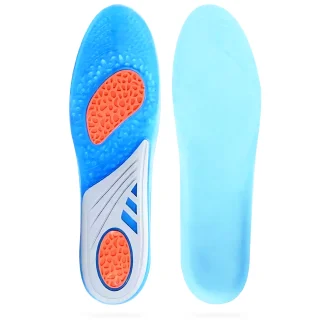
Shock absorbing insoles for Trainers & Running shoes
- FootReviver Shock Absorbing Insoles are designed for runners, athletes, and anyone who spends long hours on hard surfaces. They reduce the impact your body absorbs with every step—protecting your feet, ankles, knees, hips, and lower back from repetitive stress.
- Sizing: Available in two size ranges: UK 3–9 and UK 9–12 (USA 3–9 and USA 7–13). Sold as a pair. Trimmable to fit exact shoe size.
- Who they’re for: Runners managing plantar fasciitis, shin splints, runner’s knee, or general impact-related pain. People who work long shifts on concrete or hard floors. Anyone with tired, aching feet at the end of the day.
- How they work: Full-length gel cushioning absorbs shock from heel to toe. Targeted heel and metatarsal pads provide extra cushioning where impact is highest. Moderate arch support and a shaped heel cup improve stability and control overpronation. Breathable honeycomb design keeps feet cool and dry.
- What to expect: Softer landings, less heel and forefoot pain, reduced fatigue in your legs and lower back. Most people notice gradual improvement over 2–4 weeks of consistent wear.
- Fit: Designed for trainers and running shoes. Gradual break-in essential—start with 1–2 hours, build up over 1–2 weeks.
- Guarantee: 30-day money-back guarantee from NuovaHealth.
£10.99inc VAT -
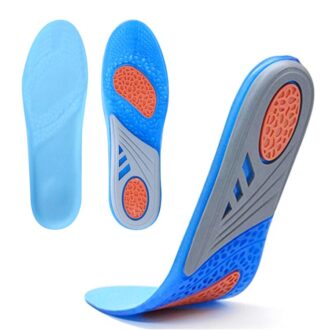
Shock Absorbing Insoles for Achilles tendonitis
- Shock-absorbing full-length insoles for everyday trainers, running shoes, and many roomier work or casual shoes.
- Mainly suited to adults with Achilles tendon pain that is worse with repeated impact, long periods on hard floors, running, or tired, unsupported feet.
- Made to soften the feel of each step, especially if the back of the heel feels sore when your foot first lands.
- Combine cushioning with heel and arch support, rather than relying on softness alone.
- Include extra support under the heel and ball of the foot to help spread force more evenly across the sole.
- A firmer section under the heel helps give the back of the foot a steadier base during walking and standing.
- A shaped heel cup helps keep the heel more centred inside the shoe.
- Moderate arch support is intended to support tired feet without feeling too hard or intrusive for everyday wear.
- May help if your Achilles pain is worse after running, long walks, stairs, or hours spent on hard surfaces.
- May also suit people whose feet feel tired, less supported, or less steady later in the day.
- Best introduced gradually, starting with shorter periods of wear before using them for longer walks, runs, or full work shifts.
- Usually work best in shoes with enough depth to fit a supportive insole comfortably.
- Not a cure and not a substitute for sensible activity adjustment if the tendon is already irritated.
- If symptoms are severe, unusual, or not settling, it is sensible to speak to a GP, physiotherapist, podiatrist, or another appropriate clinician.
£10.99inc VAT -
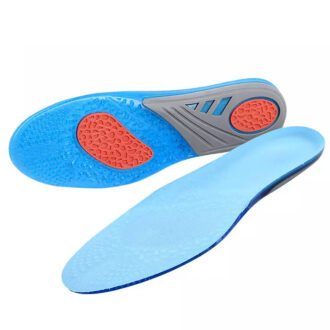
Full-length Gel insoles for Bunions (Hallux Valgus)
- 1x Pair of Orthotic Gel Insoles that mould to the exact shape and contours of your feet help to protect and stop bunions from getting worse
- For both Men & Women
- Available in 3-9 & 7-13 USA shoe sizes
- Designed to stop bunions from getting worse by shielding them from shock and pressure and helps ease pain caused by them
- Improves the way your feet function to correct biomechanical imbalances such as supination and overpronation which are known to cause bunions to develop
- Recommended by Podiatrists for treating and easing Bunions, Arthritis, Metatarsalgia, Sesamoiditis, Morton’s Neuroma, Oedema, Neuropathy, Diabetes, Poor circulation, Raynaud’s disease, Fallen arches, Flat feet, Plantar Fasciitis, High arches, Cuboid Syndrome, Heel Spurs, Achilles tendonitis, Shin Splints as well as knee, hip and lower back pain
- Features specially adapted orthotic technology that helps corrects the way that you walk to place less strain and pressure on your feet to help you stay injury and pain free
- Inbuilt arch support system helps prevent abnormal load being put on your plantar fascia ligament protecting it from overuse injuries such as Plantar fasciitis
- Provides excellent shock absorption to protect your feet and lower limbs from shock, impacts and vibrations to prevent further pain and injuries developing
- Made from medical grade Silicone gel that is designed to soothe and massage your feet as you walk stimulating blood flow in your feet to help reduce swelling and inflammation, and supply damaged tissue with fresh oxygenated blood to speed up healing
- Supports your forefoot and metatarsal bones in the correct position helping to reduce the appearance overtime of bunions
- 3/4 length hard shell heel cup protects your heels from shock and injury and helps give your feet extra stability
- Ideal for wearing when standing for long periods of time – These insoles will spread weight and pressure underneath the soles of your feet stopping pressure points from forming and causing tired aching legs and feet
- Includes a full 30-day money back guarantee!
£10.99inc VAT -
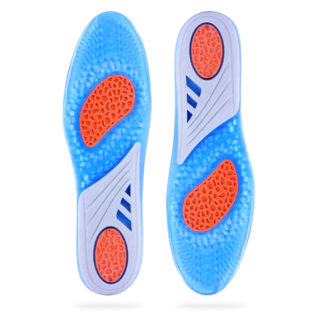
Gel Metatarsal Support Insoles for Metatarsalgia (Ball of foot pain)
- 1 pair of full-length orthotic gel metatarsal support insoles designed to cushion the ball of the foot and improve comfort during walking and standing.
- Mainly suited for those with pressure-related pain at the front of the foot, including discomfort often linked with metatarsalgia.
- Useful if the ball of the foot feels bruised, tender, burning, or more painful after time on hard floors or longer periods on your feet.
- Gel cushioning under the forefoot helps soften contact where pressure often peaks near the end of each step.
- The metatarsal support shape helps spread force across the front of the foot instead of letting it settle into one sore area.
- Full-length support under the arch and heel helps create a steadier base so the forefoot is not left to absorb as much strain on its own.
- Can be helpful in shoes that feel flat, thin underfoot, or harsh on hard surfaces, provided there is enough room in the shoe.
- Suitable for both men and women and easy to trim to size using the printed guide on the insoles.
- Available in US shoe sizes 3–9 and 7–13.
- Made from soft silicone gel that moulds more comfortably under the foot and helps reduce how sharp impact feels under sensitive areas.
- Start by wearing them for short periods, then build up as comfort allows so your feet can adjust.
- If the shoe feels tight across the toes or pushes the top of the foot upwards, the fit is unlikely to be right.
- These insoles may improve comfort and reduce aggravation, but they do not treat every cause of pain in the ball of the foot.
- If pain is severe, follows an injury, comes with marked swelling, or does not settle, speak with a GP, physiotherapist, podiatrist, or another appropriate clinician.
£10.99inc VAT -
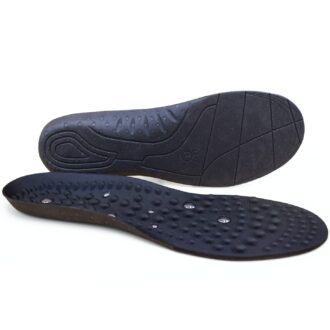
Diabetic Insoles By FootReviver™
- 1x Pair of Diabetic insoles developed by FootReviver™ to help support, protect and ease your feet if you are suffering from Diabetic Neuropathy
- Available in Size Medium or Large
- Medium (UK shoe size 7-10), Large (UK shoe size 10-13), cut along the guidelines for your best fit.
- Designed to help to prevent nerve damage and ease neuropathy caused by Diabetes
- Provides soothing magnetic therapy to ease aches and pains deep within your feet and lower limbs
- Reflexology nodes massage and stimulate blood flow helping to reduce numbness, aches and pains and improve circulation
- Built in arch and heel support helps ease pressure and strain off key tendons, ligaments and joints in your feet to help prevent injuries from developing
- Includes a full 30 day money back guarantee!
Warning! Please note this item contains Magnets and so it can potentially interfere with pacemakers, defibrillators, and other medical implants that could be affected by magnets. Do not buy this item if you have an implanted medical device, we cannot be held liable for any damage caused wearing this product.£12.99inc VAT -
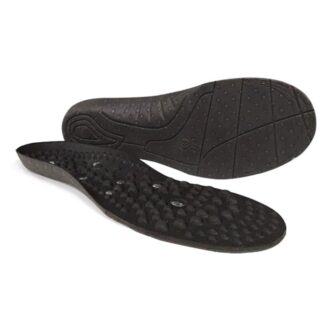
Magnetic Massaging Insoles
- 1x Magnetic massaging insoles designed by FootReviver™ to help ease foot and heel pain and massage your feet as you walk
- Available in size Large or Medium
- Medium (UK shoe size 7-10), Large (UK shoe size 10-13), cut to fit.
- Ideal for treating and easing a range of injuries and conditions affecting your feet including Plantar fasciitis, Heel Spurs, Metatarsalgia, Bunions, Hammer toes, Arthritis, Gout, Neuropathy and Diabetes
- Features strategically placed magnets that provide soothing magnetic therapy giving your feet deep targeted relief to help ease your aches and pains
- Massaging acupuncture nodes help massage your feet as you walk helping stimulate blood circulation to your feet aiding the natural heling process of injuries by supplying fresh oxygenated blood that will reduce inflammation, swelling and pain and improve your injury recovery
- Inbuilt orthotic arch support system supports your feet in the correct position helping to improve your gait and the biomechanical balance and function of your feet which will help to reduce pressure and strain on your lower limbs and prevent overuse injuries such as plantar fasciitis from occurring
- A deep heel cup helps to stabilize and protect your heels and prevent you from twisting and spraining your ankle
- Made from lightweight, flexible EVA material designed to protect your feet by absorbing shock and spreading pressure evenly underneath your feet to help prevent pressure points from forming and damaging your feet
- Helps keep your feet stay dry, sweat free and fresher for longer thanks to the insoles lightweight and breathable design
- Includes a full 30 day money back guarantee!
£12.99inc VAT -
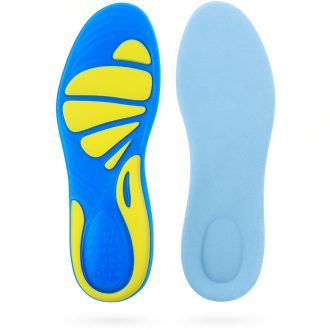
Gel Insoles for Heel Pain (Blue and Yellow)
- 1x pair of orthotic gel insoles for heel pain by FootReviver™
- For both Men & Women
- Available in a range of different sizes and can be easily slipped into virtually any type of shoes with total ease
- Ideal for people suffering from Plantar fasciitis, Metatarsalgia, Achilles tendonitis, Oedema (swollen feet), Gout, Neuropathy, Diabetes and Arthritis
- Made from shock absorbing silicone gel designed to provide better protection to your feet
- Inbuilt arch support helps correct the way your feet function and help ease pressure and strain off your feet
- Deep heel cup design provides extra support, stability and heel protection
- Designed to prevent the build up of pressure underneath your soles and heels making these insoles perfect for people who have to stand all day on hard surfaces
- Super lightweight to wear and constructed to be as durable as possible
- Includes a full 30 day money back guarantee if you are not 100% satisfied with your purchase!
£9.99inc VAT -
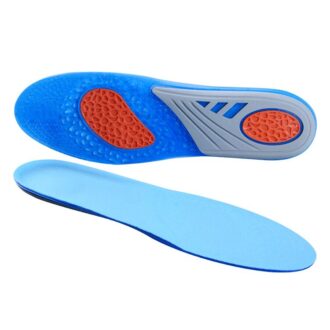
Orthotic Gel Insoles for Shin Splints By FootReviver™
- Full-length orthotic gel insoles that cushion the foot from heel to toe and add steadier support under the heel and arch.
- Made for adults dealing with recurring shin pain, tired arches, bruised-feeling heels, burning under the ball of the foot, or feet that feel worn out on hard surfaces.
- Available in 3-9 & 7-13 USA shoe sizes (Can be trimmed to match the shape of your existing insole if needed.)
- Designed for repeated walking, running, standing, and impact activity when thin factory insoles are not doing enough to soften each step.
- Useful when discomfort builds with longer walks, time on hard floors, repeated push-off through the foot, or higher-impact exercise.
- Full-length gel cushioning helps reduce how harsh foot strike feels through the whole sole, not just under one small area.
- Extra heel and forefoot padding helps protect the parts of the foot that often become sore first.
- A supportive three-quarter base helps steady the back and middle of the foot while still allowing the front of the shoe to bend naturally as you walk.
- Moderate arch support helps reduce underfoot fatigue without forcing the foot into a very rigid or strongly corrective position.
- A shaped heel cup helps keep the heel more settled inside the shoe during walking, running, and quick changes of direction.
- Best suited to trainers and roomier work shoes with enough depth to fit the insole comfortably.
- Build up wear time gradually rather than starting with a full day, long walk, or hard training session straight away.
- If you have been advised that you need very strong correction for your foot shape, a firmer orthotic may be more suitable than this moderate-support gel design.
- If you have diabetes with a history of foot ulcers, marked numbness, recent fractures or surgery, or a significant foot deformity, get individual advice before use.
£10.99inc VAT -
Arch Support Insoles for Plantar Fasciitis and Flat Feet
- Support For Flat Feet, Low Arches, And Plantar Fasciitis: Shaped for feet that need more structure than a flat liner or factory insole provides. The contoured arch supports the middle of your foot, the deep heel cup holds your heel in place, and the cushioning layer absorbs impact. Together they give you a more stable base from the first step.
- Orthotic Arch Support And A Deep Heel Cup: Firm support under the arch encourages a more neutral alignment of your foot and lower leg, rather than correcting it. The heel cup keeps your heel centred inside the shoe and holds the fat pad in position so it can cushion as intended. Force spreads more evenly across your sole instead of concentrating in the same spot with every step.
- Support For Common Foot Patterns: Suits plantar fasciitis, flat feet, low arches, overpronation, high arches, metatarsalgia, Morton’s-type forefoot pain, bunions, Achilles pain, shin splints, and general foot fatigue. Several of these overlap in practice, which is why one shaped support can help more than one problem.
- Cushioning That Softens Repeated Impact: Absorbs the impact of concrete, tile, and pavement, and spreads weight more evenly across the sole. This matters most several hours into the day, when hard surfaces and long periods on your feet would otherwise leave your feet feeling worn down rather than freshly rested.
- A Breathable Top Cover: The top layer uses active carbon fibre that inhibits bacterial growth and neutralises odour, which keeps the insoles fresher through months of daily wear. Breathable material also reduces heat and moisture build-up inside the shoe.
- Structured Support For Running And Everyday Activity: The arch support and heel cup help with the alignment demands of a running stride, and the cushioning softens the impact of each footfall. They also suit walking, standing, and everyday wear, and are worth considering if you want a more supportive base in the shoes you use most. If you run high mileage or race frequently, a thinner running-specific insole may suit you better over time.
- Trim-To-Fit, In Sizes 3–7 And 7–11: The 3–7 range suits women’s sizing and the 7–11 range suits men’s sizing. Each insole can be trimmed to shape using the original insole from the shoe as a guide, so they fit most closed-toe footwear — trainers, work shoes, and boots.
- 30-Day Comfort Guarantee: Use them in your own shoes, in your normal routine, and decide whether they help. If they do not make a genuine difference, return them for a full refund.
£9.99£11.99inc VAT