The Raynaud’s Experience
Raynaud’s usually shows up first in the fingertips: a sudden chill, a change you notice before you see anything. It is a condition in which blood flow to the fingers drops sharply in response to cold or stress. It is common, and it is well understood.
Your hands cool quickly, and they stay cold long enough to interrupt whatever you are doing. Everyday actions become awkward: typing, opening a jar, holding a pen. Your fingers stop doing what you ask of them, and you cannot rely on them again until the episode has passed.
What many people find hardest is not the cold itself but the unpredictability. You can be halfway through an ordinary morning when you touch a cold door handle, step into a draughty corridor, or pick up something that has been sitting in the cold. Within moments, the zip of your coat will not close, a button will not pass through its hole, and a key will not slide into the lock. Tasks you would normally do without thinking start to cost real effort.
What happens during an episode
An episode is the stretch of time in which your fingers change colour or lose feeling. Episodes tend to follow a similar sequence. Your hands cool, and the blood supply to your fingertips drops. Your fingers go numb and stiff, and curling them into your palm feels clumsy. The joints still bend, but the feedback from your fingertips has gone, so the movement lands awkwardly. The skin turns pale or white first, then bluish as oxygen levels in the tissue fall, then pink or red as warmth returns. You may not notice every stage: some people see white, then blue, then red, while others skip one entirely. Both hands are usually involved, and most fingers can be affected.
Timings vary. Many episodes begin within seconds to a few minutes of your hands getting cold, and they ease within several minutes once you start to warm them. Colder, windier or damper conditions stretch those timings out, and so does holding on to something cold. In secondary Raynaud’s, episodes tend to last longer and hurt more.
Numbness and stiffness cause the most trouble with anything that needs accuracy. With no reliable sense of how firmly you are pressing, you either hold on too loosely and drop what you are holding, or squeeze far harder than the task requires. A coin between your thumb and forefinger, a mug handle gripped in your palm, a pen held between your fingers: each one relies on feedback from your fingertips that is not there. Either way, the effort adds up. By the end of the day your hands ache, not from the cold but from compensating for what you can no longer feel.
As feeling comes back, anything with a hard edge — a key, a coin, a zip pull — can sting or ache against your fingertips. While the blood flow returns, the nerve endings in your fingers are briefly oversensitive, so ordinary touch and everyday temperatures register far more strongly than they should. That is the tingling. Rewarming often hurts more than the cold phase did. The tissue is taking in oxygen again after going without it, and the vessel is relaxing back to its usual width. In primary Raynaud’s — the form with no other cause — this is recovery, not damage. It still hurts.
Sensation does not always return in the same order. Some people notice temperature returning before light touch; others notice the opposite, or both together. Until your sense of light touch comes back, test the temperature of water with the inside of your wrist or your elbow rather than a fingertip. You might press a lift button with a knuckle, carry a mug in both palms, hook a bag handle over your wrist, or wrap your whole fist around a door key to turn it — anything that spreads the force over a larger area and keeps it off the tips.
Why it happens
Your fingers are packed with tiny arteries, the vessels that carry blood to your skin. Cold makes those vessels narrow, which reduces the blood flow to the skin and keeps heat in the core of your body. Everyone has this response, and it is a normal part of staying warm.
In Raynaud’s, the narrowing goes far beyond what that process requires. The medical name for it is vasospasm: a sudden, forceful tightening of a blood vessel.
The wall of each small artery is made of muscle. Cold makes that muscle contract, suddenly and forcefully. Ordinarily the muscle squeezes briefly, just enough to slow the blood flow and hold heat in, then relaxes as soon as the cold passes. In hands with Raynaud’s, the same signal makes it contract hard and stay tight, squeezing the artery almost shut until warmth returns. It is that response, amplified past the point of usefulness.
A second difference explains why cold sets off an episode in one person and not the next. A vessel narrows only after the skin temperature has fallen a long way, and it reopens readily. Where Raynaud’s is present, the vessels narrow after a much smaller drop, so cold that would barely register on someone else’s hands is enough to narrow yours.
Once narrowed, a vessel also takes longer to relax than it should. That is why an episode can outlast the cold that started it: the cold may be gone in seconds, while the artery stays narrowed for minutes afterwards, and the tissue it supplies goes without oxygen for as long as the narrowing lasts.
There is a physical reason your hands are often the first to react. Your hands contain a dense network of blood vessels close to the skin, which lets them shed heat quickly when you are warm and conserve it when you are cold. That arrangement means they cool faster than most other parts of the body.
Stress sets off the same mechanism by a different route. The immediate driver is the sympathetic nervous system — the network of nerves that controls your automatic responses, such as heart rate and blood flow. Those nerves act directly on the muscle in the artery wall and release noradrenaline, the messenger they use, which tightens the vessel. Adrenaline and cortisol are also released during stress and can contribute over a longer timescale, but the fast local nerve signal is the main reason stress can narrow your vessels quickly. That signal can be strong enough to cut the blood flow to your fingers until the stress passes.
For most people, that is the whole picture: cold or stress tightens vessels that should stay open. This can also happen in your toes or your ears, though your hands usually cause the most day-to-day trouble.
What triggers an episode
Cold and stress are the main triggers, and speed matters more than intensity. What starts an episode is often not how cold your hands get, but how quickly they cool. If the temperature drops quickly, your vessels narrow hard. If it drops gradually, your body adjusts as it goes and the vessels narrow less, or not at all.
Contact with cold objects pulls heat out of your fingertips quickly. Wind strips away the layer of warm air that normally sits against your skin, so your skin meets the cold directly. Damp hands lose heat even faster, because evaporation carries heat away with it.
Cold air and moving air:
- Moving from a warm room into cold air
- Wind chill — moving air over bare or damp hands speeds up heat loss
- Wet weather — rain, sleet or snow leaves your hands damp for long stretches
Cold surfaces:
- Metal — door handles, keys, taps, tools, railings, a cold steering wheel or bicycle handlebar
- Stone and worktops — marble counters, tiled floors, kitchen surfaces
- Chilled containers — freezer handles, cold drinks, food taken straight from the fridge
Metal is the worst of these, because it pulls heat out of your skin faster than almost anything else. So when you know you will be touching a cold steering wheel, a metal door handle, or a frozen package, put the gloves on before you leave the building, rather than after your hand is already on the metal.
Cold indoors:
- Air-conditioned interiors and refrigerated display cabinets — hands cool quickly indoors, with no outdoor cold involved
- Cool indoor draughts from open doors or windows, or sitting near an external wall
The change matters as much as the temperature. Leaving a heated building, walking into an air-conditioned shop, or moving from a warm room into a cooler corridor all ask your vessels to adjust quickly, and for some people that sudden drop is the whole trigger. Being ready for the move keeps the drop gradual rather than sharp.
Cold hands are not the whole story. A cold chest, back or neck can start an episode in hands that have not touched anything cold at all. Your body protects its organs first, so when your trunk cools it reduces the supply to your extremities, and your fingers are usually the first place it does so. Warm feet matter for the same reason: if you are losing heat through your feet, your body compensates by tightening the vessels at your hands as well.
Stress:
- Sudden shock — bad news, a fright, an unexpected call
- Anticipation — an appointment, a difficult conversation, a phone call you are putting off
- Sustained strain — a demanding week, money worries, a difficult stretch at work or at home
- Worry about the episodes themselves — watching for the first sign, dreading the next one
Anticipation can set off an episode before you get there: thinking ahead to what is coming is enough to tighten the vessels. With sustained strain, the vessels can stay narrowed long after the moment has passed, so a difficult week can bring a run of episodes rather than one. Worry can close a loop: the fear of an episode can bring one on, and each episode reinforces the fear. If you know a tense meeting or a tight deadline is coming, having the gloves on beforehand removes one trigger from the equation before you are in it.
Nicotine narrows blood vessels directly. If you smoke or vape, that is working against you all day, not just when you are cold. Some medicines narrow vessels in the same way, so if you take one, ask a pharmacist or your GP about it rather than stopping it yourself.
Primary and secondary Raynaud’s, and when to get checked
There are two main types, and knowing which one you have matters.
Primary Raynaud’s occurs on its own, with no underlying condition, and it is the form most people have. Symptoms usually stretch back years, and both hands are often affected fairly evenly. The skin usually stays intact, with no ulcers or scarring. Episodes come and go with the weather, and your fingers usually return to normal with no lasting damage. It is the milder of the two, though it can still make daily life difficult in winter or in air-conditioned spaces.
Secondary Raynaud’s is linked to another condition — most often a connective-tissue disorder, which affects the tissue that holds your joints and organs together, or an autoimmune condition, in which the immune system turns on your own tissue. These conditions change the way your blood vessels respond to cold and stress. Secondary Raynaud’s sometimes begins later, in your thirties, forties or beyond, and episodes tend to be more painful and to last longer.
The conditions behind it can include scleroderma, which thickens the skin; lupus, which can affect the skin, joints and organs; and rheumatoid arthritis, which inflames the joints.
Thumbs are often spared in primary Raynaud’s, but this is not a reliable rule. In secondary Raynaud’s, thumbs are more likely to be affected as well, and one hand may be affected more often, or more painfully, than the other.
Tissue damage is more common in secondary Raynaud’s, and it develops gradually, as repeated episodes leave the skin short of oxygen. When another condition keeps blood flow reduced, or when severe episodes keep returning or last long enough, the skin at your fingertips can break down into small sunken pits, scars or open sores. Those are not the result of a single cold morning. They are a sign that the tissue has gone without oxygen often enough to suffer lasting harm. Book an appointment with your GP, so they can find and treat the cause if there is one.
This condition goes by three names, which overlap in use. Raynaud’s disease usually means primary Raynaud’s. Raynaud’s phenomenon is the broader name for the symptoms themselves, which can also appear as part of another condition. Raynaud’s syndrome is used for either meaning, depending on who is using it. All three names describe the same process: blood vessels overreacting to cold or stress. If your GP has used one of these words and it did not match another you had read, that is why.
Three questions worth asking yourself
Three questions can raise suspicion about which type you may have, but they do not diagnose it on their own.
When did it first start? Symptoms that appeared when you were young, and have not changed much since, can point towards primary Raynaud’s. Symptoms that appear later need checking.
Are both hands affected evenly? In primary Raynaud’s they often are. If one hand or one finger is more affected than the others, mention it.
Have episodes become more frequent or longer over time? Occasional episodes that follow the same pattern year after year are typical of primary Raynaud’s. Episodes that grow longer, more painful, or harder to reverse suggest something else may be involved, and that is a reason to book an appointment.
An assessment starts with questions and a look at your hands. Your GP will ask when the symptoms started, which fingers are affected and what sets them off. They may arrange a blood test to check for an underlying condition, and they may examine the skin at the base of your fingernails under a magnifier, where the smallest blood vessels can be seen directly. If episodes are frequent or painful, there are medicines that help — one more reason not to put it off.
It also helps to arrive knowing what you want to ask. A short appointment is easy to waste, so it is worth writing down when the symptoms started, which fingers are affected, what sets them off, how long episodes last, and whether any skin on your fingertips has changed. Mention anything else you have noticed at the same time, such as joint pain or similar symptoms in your toes. If you are already taking something for your heart or a blocked nose, ask whether it could be making the episodes worse.
Who tends to get it
Raynaud’s can begin at any age, though most people first notice it when they are young, and the first episode is often mild enough to put down to cold hands. Women are affected more often than men, and symptoms can shift with hormonal changes over the course of a lifetime. If a close relative has it, you are more likely to develop it too, which suggests an inherited element.
Climate plays a part, too. A cooler region means more days that set an episode off, so the experience is harder to ignore.
Many people never seek a diagnosis, assuming that cold hands are simply how their hands have always been. That is understandable, and for mild cases it may not matter much. But if episodes are frequent, painful, or interfering with daily life, it is better to get checked, because knowing what is causing your symptoms changes what helps.
Managing Raynaud’s day to day
Looking after Raynaud’s covers more ground than cold hands alone. Because your hands are responding to what is happening across your whole body as well as to what they touch, the day-to-day work sits in two parts: what you do when an episode is under way, and the habits that make episodes less likely over time. Some of the help is medical rather than a matter of routine, so that sits separately at the end.
When an episode starts
Once an episode starts, a few things help.
Warm your hands steadily rather than quickly, and start at the first sign — a hint of numbness, a pale fingertip, stiffness in your knuckles. Acting at once can shorten the episode.
Do not rub your hands together. Friction on numb, oversensitive skin makes the discomfort worse, and it does nothing to restore blood flow.
Run warm water over your fingers, not hot water. Hot water on skin that cannot feel properly can burn you without your noticing.
Some people find that keeping their hands below the level of the heart helps blood reach the fingertips more easily. It is not a universal first-aid rule, and warming remains the priority.
Habits that reduce episodes
Over days and weeks, a handful of habits make a real difference to how often episodes arrive and how hard they hit.
Keep your core warm as well as your hands. A scarf and a hat do as much for your fingers as the gloves do, and the same applies to warm feet.
Stay active when you can. Movement generates body heat and keeps blood moving through your fingers. If you are sitting still for long stretches in a cool room (below 18°C / 65°F), take short breaks to move around. Swing your arms gently in circles to encourage blood flow to your hands, or clench and release your fists a few times.
Avoid tight bands at the wrist. Tight watch straps, bracelets, or clothing cuffs can restrict blood flow to your hands and make episodes more likely. If you are layering the gloves under thicker winter gloves, check that the outer gloves are not creating tight bands.
Manage stress where you can. The habits that steady your general health also steady your circulation: regular movement, breathing exercises, building in buffer time so you are not constantly rushing, and getting enough sleep. These will not eliminate episodes, but they reduce how easily your stress response tips into a vasospasm.
Do not smoke or use nicotine. Stopping is one of the more effective things you can do for your hands.
Plan for the season. A cooler region means more days that set an episode off, so it is worth moving the gloves into your coat in autumn, before you need them, rather than the morning you first want them. In summer the useful pair is the one you keep for air conditioning rather than the outdoors: indoor cold does not stop being a trigger when the weather warms up.
Carry the gloves with you. Keep a pair in your bag, at home, or wherever you spend your day. Temperature drops happen unexpectedly, and having the gloves to hand means you can respond immediately instead of enduring an episode.
Look after the skin on your hands. Episodes leave the skin short of oxygen, and skin that has been through that repeatedly tends to be drier and slower to heal. Wash your hands and dry them properly rather than letting them air dry, use an unperfumed moisturiser regularly, and let it absorb fully before putting the gloves on, because residue on the fibres reduces how well they move moisture. If you have secondary Raynaud’s, check your fingertips once a day for small pits, cracks, or colour changes that are not part of a normal episode, and show your GP any break in the skin. Tissue that is short of blood flow heals poorly and is more easily infected.
Working with your GP
Some of what helps is medical rather than a matter of habit, and it is worth keeping it separate from the routines above.
Review your medicines. Some heart medicines and some decongestants narrow blood vessels. If you take one of them, ask a pharmacist or your GP whether an alternative would suit you better. Do not stop anything on your own.
Treat any underlying condition if secondary Raynaud’s is found. Raynaud’s symptoms usually settle once the condition behind them is properly controlled. That is work for your GP or specialist, not something to manage with gloves alone.
Use any prescribed medication as recommended. If episodes are frequent or painful, there are medicines that relax small arteries. They tend to work best when taken steadily rather than only on the coldest mornings.
Get a medical review if episodes change. If episodes become more frequent, last longer, hurt more, or start to damage the skin, speak to your GP. That is not a sign that the gloves have stopped working; it is a sign that something about your condition may have shifted.
On top of all of that, gloves do most of the practical work for your hands, which is why they are worth choosing carefully.
Why gloves are the right first move
For anything that needs your fingertips — picking up a coin, doing up a zip, turning a key — the right pair of gloves is the difference between managing and struggling. Not every pair is up to the job.
The right pair has to do four things at once:
- Keep your hands continuously warm, without needing to come off
- Keep your hands dry, even when you are warm or active
- Stay thin enough for typing, writing and handling small objects
- Help you hold things securely when your fingertips cannot tell you how hard you are gripping
A glove does not warm your hands by itself. What it does is slow the rate at which your hands lose heat, and most of that comes from the layer of still air held between the fabric and your skin. Still air conducts heat poorly, so a glove that keeps that layer intact holds your hands close to their own temperature instead of letting them drop towards the temperature of the room. Compress the layer and you lose most of the benefit, so a glove that fits closely without squeezing can keep your hands warmer than a thicker glove worn too tight.
Moisture is its own problem. If it stays trapped against your skin, the fabric and your hand both become damp, and water conducts heat far better than the still air the glove relies on. The insulation stops working, and heat starts to drain away from your fingers — the opposite of what the glove is for. That is why a glove that lets moisture escape matters as much as one that holds warmth.
Folding a letter, sorting change or threading a needle all call for fine control, so a bulky glove will not do. You need to feel a button between your thumb and forefinger, and a pen resting against the side of your middle finger, and you need enough give in the fabric to bend the joints of your fingers.
Grip is the requirement people overlook. With your fingertips giving unreliable feedback, the glove has to keep the object steady for you. That is why a surface that holds well matters more than it would on a glove bought for warmth alone.
If you have secondary Raynaud’s, these gloves can help with day-to-day symptoms: keeping your hands warm and dry, and making things easier to manage. They do not treat the condition that is causing your symptoms. Use them alongside the treatment your GP or specialist recommends, not as a replacement for it.
How These Gloves Help
These gloves do not generate heat. They trap and hold the warmth your body produces, distribute it evenly across your hands, and prevent the sudden cooling that triggers episodes. They also manage moisture, provide grip support and, if you choose compression fit, offer gentle pressure that helps you sense where your hands are when numbness blocks normal feeling.
The design is thin enough to sit under a jacket or coat sleeve, so they can be worn through the day without drawing attention.
Insulation: Trapping and Holding Warmth
The fabric is a blend of polyester, nylon, and elastane, chosen because they hold a stable layer of air close to your skin. Your body generates heat continuously, and the fabric keeps that heat in place, stopping it from being stripped away by cold air, wind, or contact with cold surfaces. This keeps your skin temperature steady, which in turn reduces how often the blood vessels in your fingers narrow.
The insulation is effective but not bulky: thin enough for precise tasks, thick enough to hold warmth. That balance is what sets them apart from bulky winter gloves.
The core rule: put the gloves on before you go out into the cold, while your hands are still warm. They trap heat that is already there, and they cannot generate warmth from nothing. If you wait until your fingers are numb, they will still help your hands rewarm faster than they would if bare, but starting warm gives you the best protection.
If an episode does happen while you are wearing them, keep the gloves on. The insulation helps distribute returning blood flow more evenly, which can make the rewarming phase feel calmer and less intense, reducing the sharp sting that usually comes with sensation returning.
Moisture-Wicking: Keeping Your Hands Dry
The fabric handles moisture by wicking. Instead of soaking into the fibres, moisture is drawn away from your skin to the fabric’s outer surface, where it can evaporate into the air. The part of the fabric that touches your skin stays comparatively dry, which maintains insulation and prevents the clammy feeling that makes you want to take the gloves off.
Your hands sweat even in cool conditions. It is a normal response to activity, stress, or just wearing gloves. If that moisture stays trapped against your skin, your hands feel clammy and cold, and the fabric’s insulating ability drops.
If the gloves feel comfortable, you will keep them on. That is what prevents episodes.
Grip: Maintaining Control When Your Hands Are Numb
The palms and fingers have silicone grip strips — small, textured patterns that increase friction between your hand and whatever you are holding. When sensation is unreliable, friction fills the gap: the glove keeps the object steady rather than asking your fingertips to do it. Extra grip means you do not need to squeeze as hard, and lighter grip pressure means less hand fatigue and fewer dropped objects.
The silicone strips are on the inner fingers and across the palm, but not over the nails, so the pads of your fingertips stay smooth for touchscreen use and precise handling. The strips are thin and flexible. They do not add bulk or stiffness. You can still bend your fingers naturally and handle small objects with precision. The silicone is durable and does not wear away quickly, even with daily use.
Compression: Gentle Support for Proprioception
Proprioception is your body’s sense of where your hands and fingers are positioned. It is what lets you touch your nose with your eyes closed or type without looking at your fingers. This sense relies on feedback from receptors in your muscles, tendons, and joints.
When Raynaud’s numbs your fingers, your brain loses its normal stream of information about where your hands are and what they are touching. Your hands feel disconnected. You are not sure how much you are bending your fingers or where your fingertips are in relation to objects. This is why everyday tasks like typing, fastening buttons, or holding a pen become harder. Precise movements feel like hard work, and simple tasks take more mental energy.
You can order these gloves in compression fit by choosing one size smaller than your measured hand circumference. This creates gentle, even pressure across your entire hand and all fingers. The pressure stimulates the touch receptors in your skin, giving your brain continuous ‘where is my hand’ feedback even when numbness blocks normal sensation. That can make your hands feel more connected and reliable during an episode.
With compression fit, you should feel a slight, even pressure like a supportive glove lining. It is not a clinical squeeze — just enough to help you notice whether your fingers are straight or bent.
Built for Comfort
Flat seams sit smoothly against your skin, avoiding pressure points or rubbing on tender areas. This makes the gloves comfortable for extended wear, even if your hands are sensitive during or after episodes.
The cuffs are designed to be non-constrictive: they hold the gloves in place without pinching or creating tight bands that could restrict circulation. You should not see any indentation or redness on your wrists after wearing them.
The gloves are reinforced in high-wear areas (fingertips and palms), where friction is highest. This extends their durability and means they maintain their shape and function even with daily use.
This combination of warmth, moisture control, and grip support suits some other hand conditions too, covered briefly at the end of this page.
Wearing Them Through Your Day
The rule is the same wherever you are. What changes is only what surrounds you.
Indoors
Air conditioning can trigger episodes just as readily as winter. The temperature might only be 18°C (65°F), but if you have just come from a warmer space, that sudden drop is enough. Wear the gloves wherever the air conditioning runs cold — at a desk, in a meeting room, in a shop — and the thin fabric lets you carry on with what you are doing.
In cool rooms – anywhere below 18°C (65°F) – wearing the gloves continuously helps, especially if you are sitting still for long stretches. When you are stationary, your hands cool faster than they would if you were moving around. Older buildings, poorly insulated rooms, and spaces near external walls or large windows are common problem areas. The gloves keep your hands at an even temperature and prevent the gradual cooling that leads to episodes.
Draughty spots near doors, windows or vents are worth avoiding. Even if the room feels warm overall, moving air across your hands strips heat away quickly, and the gloves block it.
Outdoors
Cool weather (5 to 15°C / 40 to 60°F): enough insulation for short periods outside — walking a short distance, a quick errand, a brief wait. Beyond 15 to 20 minutes, or in wind or damp, you will want an outer layer over the top. Wind strips heat away faster than still air, and damp weather increases heat loss through evaporation.
Cold weather (below 5°C / 40°F): wear these as a base layer under thicker winter gloves or waterproof mittens. The outer layer blocks wind and adds bulk insulation, while these gloves keep your hands dry and hold an even temperature against your skin.
Brief cold exposure (under 5 minutes): a short wait outside, stepping out to put something in the bin, walking from a warm building to a cooler one. Even a few seconds of bare-handed cold can trigger an episode.
Layering order, and why mittens work the way they do
Layer order matters as much as the layers themselves.
These gloves go closest to your skin. They manage moisture, so anything damp needs to move away from your hands and outwards through the fabric, not sit against your skin. Wearing them over another layer reverses that flow and traps the damp exactly where it does the most harm.
The outer layer goes on top, and it needs to stay loose. Its job is to block wind and shed rain, not to squeeze. A tight outer glove or a snug mitten cuff compresses the layer of still air these gloves rely on, and at the same time it puts pressure on the hand itself. Both work against you.
Mittens are warmer than gloves of the same weight, and the reason is simple. In a mitten, your fingers sit together in one shared pocket of air. Each finger warms that same space, and your fingers pass heat to each other through direct contact, so the whole hand works as one unit. In a glove, every finger sits in its own separate compartment and has to keep itself warm. That is why a mitten makes the better outer layer when you are going to be outside for a while, and why these gloves underneath a mitten give you the advantages of both: the mitten handles shared warmth and wind, while these handle moisture and the steady layer of warmth right against your skin.
There is a practical benefit to wearing them together as well. Mittens come off when you need your hands — turning a key, fastening a strap, taking a card out of a wallet. If you slip a mitten off and your hand is bare underneath, it starts cooling straight away, and on a cold day that can be all it takes. With these gloves on underneath, your hands stay covered and warm, and the silicone grip still gives you something to hold on to while the mitten is off.
Once the outer layer is on, check two things. You should still be able to open and close your fingers, and there should be no mark or indentation at your wrist when you take it off. Then one caution worth remembering: do not layer so heavily that you start to sweat. Sweat that then cools is a trigger in its own right, and it undoes the point of the moisture-wicking layer. If you are warm enough to be perspiring under your layers, take the outer layer off rather than keeping it on for the sake of it.
When Not to Wear Them
Activities that make you sweat heavily – vigorous exercise, heavy physical work. The gloves are designed for everyday tasks: light activity, walking, shopping. If you are sweating heavily, the fabric cannot wick moisture away fast enough, and your hands will feel damp and uncomfortable. For exercise, you need gloves designed specifically for high-output activity.
Situations where your hands get fully wet – washing dishes, swimming, heavy rain without outer protection. The gloves move moisture away from your skin, but they are not waterproof. If they get saturated, they lose their insulating properties and take several hours to dry.
Genuinely warm weather – above 25°C (77°F). At that point there is no benefit from insulation, and your hands will feel uncomfortably warm rather than supported. In summer, the gloves are mainly useful in air-conditioned environments rather than outdoors. The breathable fabric prevents overheating in moderate temperatures – 15 to 20°C (60 to 70°F) – while still protecting against sudden cooling from air conditioning, cold shops, and supermarket aisles.
Sizing and Fit
Fit determines whether the gloves work. Too loose and they will not insulate properly: moving air between the fabric and your skin carries heat away, and the fabric will not wick moisture effectively. Too tight and they can restrict circulation, which makes symptoms worse instead of better.
You are looking for a fit that is snug and comfortable, not tight. You should still be able to move your fingers freely and comfortably.
How to Measure
Measure around the widest part of your knuckles, excluding the thumb. Use a flexible tape measure or a piece of string that you can measure afterwards. Keep your hand flat and relaxed, fingers together. Do not pull the tape tight — just let it sit snugly around your hand.
Measure both hands. Most people’s hands differ slightly in size, so use the larger measurement when choosing your size. A slightly looser fit is better than one that is too tight.
Size Guide
- Small: Hand circumference 13–17 cm (5.1–6.7 inches)
- Medium: Hand circumference 17–20 cm (6.7–7.9 inches)
- Large: Hand circumference 20–24 cm (7.9–9.4 inches)
- Extra Large: Hand circumference 24–27 cm (9.4–10.6 inches)
If you are between sizes, consider how you prefer gloves to fit. If you like a closer, more supportive feel, choose the smaller size. If you prefer a bit more room or plan to layer a thin liner underneath, choose the larger size.
Standard Fit or Compression Fit?
These gloves come in four sizes (S, M, L, XL). How you order determines the fit.
Standard fit: Order the size that matches your measurement for a close, comfortable, non-restrictive feel. This is right for most people, and it gives you the warmth, moisture control and grip support. If you measure 19 cm, order Medium.
Compression fit: Order one size smaller than your measurement. The fit stays close, with gentle, even pressure across your hand and fingers that can help you sense hand position when numbness blocks normal feeling.
Compression fit suits people who lose a lot of sensation during episodes and want to feel more connected to their hands, and people doing precision work who would benefit from extra feedback. It is not a circulation aid, and it is not a medical compression garment. It provides sensory feedback only, and it does not replace treatment for secondary Raynaud’s or any other condition.
Compression is also not right for everyone. If you have circulation problems beyond Raynaud’s, reduced sensation in your hands from nerve damage, swelling in your hands or fingers, or a skin condition that pressure could irritate, standard fit is the better choice.
The part worth getting right is knowing when one size smaller is still gentle, and when it stops being gentle and becomes a squeeze.
The four sizes overlap. Small runs to 17 cm, Medium starts at 17 cm, and so on up the range. That means one size down puts a different amount of stretch on the glove depending on where your measurement falls inside your own size band.
If your measurement sits near the bottom of your band — close to where the size below ends — then one size down is barely a change, and you get exactly the gentle pressure compression fit is meant to provide.
If your measurement sits near the top of your band, one size down asks the smaller glove to stretch well past the range it was made for. That is not gentle pressure. It is a tight glove, and a tight glove works against you: it compresses the layer of warm air the fabric relies on, and it puts pressure on the hand itself, which is the opposite of what you want.
So the rule is simple. Compression fit suits you when your measurement sits in the lower part of your band, where the size below is still a close fit. If your measurement sits in the upper part of your band, choose standard fit and order your measured size. You still get the warmth, moisture control and grip support, and you avoid a glove that is tighter than it should be. If the size below yours would be a squeeze to get on, that is your answer.
If you have measured and you are still not sure which side of the line you fall on, send us your measurements and we will tell you which to order. If you would rather not guess, start with standard fit. You can exchange for compression fit later.
Checking the Fit When They Arrive
When you first put the gloves on, check these points:
- The fabric sits close to your skin from wrist to fingertip, with no loose areas or bunching. Air gaps reduce insulation effectiveness.
- Fingertips reach the end of each glove finger without excess fabric beyond your fingertips. Too much extra length creates bulk that interferes with dexterity.
- The cuffs feel snug but not tight. They should stay in place without sliding down, but you should not see any indentation or redness on your skin after wearing them.
- You can bend your fingers fully and make a fist without the fabric feeling restrictive or pulling uncomfortably.
- There is no pinching between your fingers or across your knuckles when you move your hand.
- The palm and finger areas lie flat without wrinkles or bunched fabric when your hand is relaxed.
Wear them for 15 to 20 minutes while doing normal activities – typing, picking up objects, moving your hands naturally. If anything feels uncomfortable (too tight, too loose, pinching, or restricting), get in touch with us. The right fit makes the difference between gloves that help and gloves that do not.
Checking Compression Fit Specifically
For compression fit, how it feels is not a reliable test on its own, because the people most likely to choose it are the people least able to judge tightness from sensation. Use these checks as well.
- Take the gloves off and look at your skin. Colour should return to normal within a couple of minutes.
- There should be no indentations, marks or discolouration that last more than a few minutes.
- You should be able to straighten every finger fully against the fabric, and make a fist.
- Numbness should not be worse than your usual episodes, and it should not appear in fingers that were not previously affected.
- There should be no swelling, and no new tingling that persists after the gloves come off.
If any of these fail, the fit is too tight regardless of how it feels. Move to standard fit.
For compression fit, the pressure should also feel even across your entire hand and all fingers. If you notice more pressure in some areas than others, or if any area feels uncomfortably tight, the fit is not right. Get in touch with us.
Your First Week Wearing the Gloves
These gloves are designed to stop the sudden temperature drops that trigger episodes. You will notice the difference most clearly in the situations that would normally set your symptoms off — moving between warm and cool spaces, handling cold objects, sitting in air conditioning, or being outside on a cool day.
The Adjustment Period (First Few Days)
Wear the gloves for a few hours at a time while doing your normal activities. Pay attention to how they feel. The fit should be snug but not restrictive — no tight bands at your wrist, no pinching between your fingers. Just steady, even contact that feels supportive. It is worth working through the fit checks again on the first day, because a small problem you notice now is much easier to put right than one you notice after a week.
If you chose compression fit (one size smaller than your measurement), you will feel gentle pressure across your hand and fingers. This should feel supportive, not constricting. If it feels too tight, or if you notice any numbness, tingling, or discomfort that does not stop when you take the gloves off, stop wearing them and get in touch with us.
Try them indoors first, in the spaces where you spend most of your time. Notice how quickly your hands warm up in a normally heated room (around 20°C / 68°F); for most people this takes 2 to 5 minutes. Your hands should feel comfortably warm and dry, not overheated or clammy. Starting indoors makes a wrong fit easier to spot, because you are not distracted by wind and cold and you can concentrate on how the fabric feels. If the fit is off in either direction, it will be obvious well before the day is out.
The first day or two, fine tasks may feel slightly different, because there is now a thin layer of fabric between your fingertips and whatever you are holding. Most people adjust quickly, and after a few hours of wear the movement feels natural again. If precision tasks are still difficult after several days, the gloves may not be right for you, and it is worth getting in touch.
A short settling-in period is normal: your hands are getting used to the fabric, and you are learning where the gloves help most. Give it a full week before deciding whether the fit is right.
Signs They Are Working
Start wearing the gloves in situations that normally trigger episodes. Pay attention to whether episodes happen less often, or whether they are less severe when they do occur.
Some people notice the difference immediately — stepping outside in cool weather without their fingers going numb within seconds. Others notice it more gradually over the course of a week, getting through an entire morning without needing to stop and warm their hands.
You do not need all of the following, and even two or three means the gloves are helping:
- Fewer episodes — a full morning without one, where you would normally have two or three
- Faster recovery — back to normal in 5 minutes rather than 15
- Longer stretches of unbroken activity — 30 minutes without stopping to warm your hands
- A steadier grip — dropping things less often, because the glove is holding the object steady for you
- Less pain — the rewarming sting feels milder than usual
Making Them Work for You
Try wearing the gloves for longer periods — 4 to 6 hours at a time, or even throughout the day — not just when you expect cold exposure. Many people find that wearing them all day, keeping them on as they move between different environments, prevents the cooling and rewarming cycles that trigger episodes.
The fabric breathes, so you should not feel overheated indoors. If you do, it might mean the room is genuinely too warm for gloves, or that you are moving around more actively than the gloves are designed for. If you are doing something that makes you sweat heavily, take the gloves off first. These are everyday gloves, not sports gloves.
Notice whether you can rely on your hands more consistently — typing a message without a pause, fastening a button on the first attempt, or holding something without a sense that you are about to drop it. These small improvements in how reliably your hands work are what the gloves are designed to support.
You might find that some times of day are worse than others — early mornings, late evenings, or just after a meal. If a particular stretch of the day reliably brings episodes on, put the gloves on before it starts rather than after. The same applies to places: if there is somewhere you can count on your hands going cold, keep a spare pair within reach.
Keeping a short note for the first week can help: the time of day, what you were doing, whether your hands were already cold, and whether the gloves were on. The same circumstances tend to repeat, and knowing which ones bring an episode on tells you where to wear the gloves more consistently. The detail that matters most is whether your hands were already cold. If episodes start before your hands have cooled, something other than cold is setting them off, and that is usually stress.
Care, Safety, and When to Seek Help
Caring for Your Gloves
Proper care keeps the gloves working effectively and extends how long they last.
Washing: Wash the gloves after every 2 to 3 days of wear, or sooner if they feel damp or smell of sweat. Body oils, dead skin cells, and dried sweat build up in the fabric and reduce its ability to wick moisture away from your skin. Regular washing keeps the fabric working effectively.
Hand wash in lukewarm water (around 30°C / 86°F) using a small amount of mild detergent. Avoid fabric softener, bleach, or harsh detergents. These leave residues that coat the fibres and block moisture-wicking. Rinse thoroughly until the water runs clear and no soap remains.
Machine washing is possible but the gloves will not last as long. If you machine wash, use a delicate cycle at 30°C (86°F) maximum, place the gloves in a mesh laundry bag to protect them, and avoid washing with heavy items like jeans or towels that create excessive friction.
Drying: Gently squeeze out excess water — do not wring or twist the fabric, as this can damage the elastic fibres and pull the gloves out of shape. Lay the gloves flat on a clean towel, reshape them gently, and leave them to air dry away from direct heat sources.
Do not tumble dry, hang them on a radiator, or place them near a heater or in direct sunlight. High heat damages the elastic fibres, causes the fabric to shrink or lose its stretch, and can melt the silicone grip strips. Air drying at room temperature takes 4 to 6 hours depending on humidity.
If you need them dry faster, place them near (not on) a gentle heat source like a warm room or in front of a fan. Do not rush the drying process with high heat — it will damage the gloves.
Storage: Store the gloves flat or loosely folded in a cool, dry place. Do not leave them crumpled in a bag or pocket for extended periods; this can create permanent creases that affect fit and comfort. Keep them away from direct sunlight, which breaks down the elastic fibres over time.
When to replace: With regular use and proper care, the gloves typically last 6 to 12 months. If you are wearing them daily, the fabric will wear faster — especially at the fingertips and palms where friction is highest. Look for these signs:
- The fabric has lost its stretch and feels loose or baggy
- Holes or thin patches appear, especially at the fingertips or palms
- The silicone grip strips are wearing away or peeling
- The fabric no longer keeps your hands dry — if your hands feel damp after an hour of wear, the fabric has stopped working properly
- The gloves no longer provide the warmth they did when new
A note on hand creams: the fabric works best on clean, dry hands. Heavy hand creams or lotions can leave a residue on the fibres that reduces moisture-wicking. If you use hand cream regularly, apply it in the evening or let it absorb fully before putting the gloves on.
Safety and When to Seek Help
These gloves are designed to help manage Raynaud’s symptoms by keeping your hands warm, dry, and supported. They are not a medical device and are not intended to diagnose, treat, cure, or prevent any disease.
We are not here to give medical advice, but we do want you to know the signs that should make you stop wearing the gloves and check in with a GP.
Who should not wear compression fit: Do not order compression fit (one size smaller than your measurement) if you have:
- Circulation problems beyond Raynaud’s, such as peripheral arterial disease (narrowed arteries that reduce blood flow), or any condition where blood flow to your hands is significantly reduced
- Reduced sensation from nerve damage, such as diabetic neuropathy (nerve damage caused by diabetes) or nerve injury — you might not notice if the gloves are too tight
- Swelling in your hands or fingers from any cause, including lymphoedema (swelling caused by a build-up of fluid), injury, or inflammatory conditions
- Skin conditions affecting your hands where pressure could cause irritation or breakdown, such as active eczema, psoriasis, or open wounds
- Any condition where a healthcare professional has advised you to avoid compression
If you are unsure whether compression fit is safe for you, consult your GP or specialist before ordering. Standard fit provides all the warmth, moisture control, and grip support without added pressure.
When to stop wearing the gloves and seek medical advice: Stop wearing the gloves immediately and contact your GP if you notice:
- Increased pain, numbness, or tingling that does not go away when you remove the gloves
- Skin colour changes that persist after removing the gloves – prolonged paleness, blueness, or redness
- Swelling in your hands or fingers that worsens or does not improve after removing the gloves
- Skin breakdown, blisters, sores, or signs of infection such as redness, warmth, or discharge
- Any indentation, marking, or discolouration on your skin that lasts more than a few minutes after removing the gloves – this suggests the fit is too tight
- Worsening of your Raynaud’s symptoms or episodes becoming more frequent or severe while wearing the gloves
These signs suggest the gloves may be affecting your circulation, or that something else is wrong. Do not ignore them.
General safety guidance:
Check your hands regularly. When you take the gloves off, look at your skin. It should return to its normal colour within a few minutes. There should be no lasting marks, indentations, or areas of redness. If you notice anything unusual, stop wearing the gloves and get in touch with us or your GP.
Do not wear gloves that are too tight. If the gloves feel restrictive, cause discomfort, or leave marks on your skin, they are too small. Stop wearing them and get in touch with us for a larger size. Tight gloves can restrict blood flow and make Raynaud’s symptoms worse.
Do not wear damaged gloves. If the fabric is torn, the seams are coming apart, or the gloves have lost their shape, replace them. Damaged gloves will not provide proper insulation or support and could cause skin irritation.
Keep the gloves clean. Dirty gloves can harbour bacteria and cause skin irritation or infection. Wash them regularly following the care instructions.
These gloves are for external use only. Do not wear them during activities where they could get caught in machinery or equipment.
Not suitable for handling very hot objects. The gloves provide insulation against cold, not heat. Do not use them to handle hot cookware, heated tools, or anything above 50°C (122°F).
Materials: The gloves are made from polyester, nylon, and elastane, with silicone grip strips on the palms and fingers. They come in black, and in four sizes.
What these gloves will not do: They will not stop every episode, and nothing can promise that. A very cold snap, a stressful week, or a long stretch outdoors can still bring one on. What they do is reduce how often episodes happen, soften them when they do, and make the returning sensation calmer.
FAQ
Can I use a touchscreen while wearing these gloves?
Yes. The fabric is thin enough that most touchscreens respond through it, and the silicone strips are kept off the fingertips so the pads stay smooth. Some older or less sensitive screens might not respond as well — if you are having trouble, try pressing slightly more firmly.
Can I wear them to bed?
Yes, if cold hands at night are a problem for you. The fabric is soft and breathable enough for overnight wear. Make sure the fit is comfortable and not restrictive; you do not want anything that could affect circulation while you are asleep. Standard fit is better than compression fit for overnight wear.
Can I drive while wearing these gloves?
Yes. The thin fabric and silicone grip strips provide good control of the steering wheel without adding bulk. Many people find them helpful for preventing episodes triggered by cold steering wheels or car air conditioning.
Are they left and right specific, or can they be worn on either hand?
They can be worn on either hand. There is no left or right glove, so putting them on is quick and you never have to work out which is which. If one gets damp, you can set it aside to dry and still keep the other hand covered.
Will they work under gloves I already own?
Yes. They are designed as a base layer, so they sit closest to your skin with your existing winter gloves or mittens over the top. Order your measured size, the same size you would choose to wear on its own. The one thing to check is that the outer glove or mitten is loose enough not to compress them, and that the outer cuff does not leave a mark at your wrist.
How many pairs should I start with?
One pair is enough to begin with. If you wear them daily, a second pair is worth having so one is always dry while the other is being washed. They take 4 to 6 hours to air dry, so being without them for half a day is the only real gap a second pair closes.
Your Next Step + 30-Day Comfort Promise
These gloves hold warmth in rather than adding it, so timing carries more weight than anything else: put them on while your hands are still warm, before you go out into the cold.
Measure your hand, choose standard or compression fit, and keep them on from the moment you leave. The first week will tell you whether they are worth keeping.
If you are not sure which size to order, or whether compression fit is right for you, get in touch. We will help you find the right pair — and that means the right pair for your hands, not just the right size.
We want you to be confident these gloves will help, which is why we offer a 30-day comfort promise.
Wear the gloves for up to 30 days in your normal daily situations — at home, outdoors, wherever you would normally experience symptoms. If they do not reduce how often episodes happen, or if they do not make everyday tasks easier, return them for a full refund.
We only ask that the gloves are clean and in good condition. We cannot accept returns if the gloves are damaged, excessively worn, or unhygienic.
To return the gloves, get in touch with us within 30 days of receiving them. Once we receive the gloves and confirm they meet the return conditions, we will issue your refund within 5 working days.
No complicated forms. No questions about why they did not work for you. If they do not help, you should not pay for them.
Optional Reading
Here is the deeper science behind what is happening in your hands, and why Raynaud’s behaves the way it does. You do not need any of this to use the gloves, but if you like to understand the mechanics, this is where to look.
Deep Dive: The Science of Raynaud’s
Where the name comes from
Raynaud’s is named after Maurice Raynaud, a French physician who first described the condition in his 1862 medical thesis. He observed fingers turning white, then blue, then red in response to cold, and recognised it as a distinct condition — not just an exaggerated cold reaction. That pattern is still the clearest sign today.
Why Raynaud’s Overreacts
The alpha-2 receptors sit in the smooth muscle cells of your artery walls, and they are where the constriction signal arrives. In Raynaud’s, they are too sensitive. When cold or stress hormones activate them, they set off a chain of events inside the muscle cells. Calcium floods in, and the cells contract. In most people, that contraction is brief and mild. In Raynaud’s, the receptors respond to weaker signals and stay activated for longer, so more calcium enters the cells, the contraction is stronger, and it lasts longer. The artery stays narrowed when it should be relaxing.
Why Episodes Vary in Severity and Duration
Some episodes are short and mild; others drag on painfully. The situation matters — a more intense trigger, longer exposure, or starting out already cold all make the vessels tighten harder. But there is a build-up effect too. After repeated episodes, the smooth muscle cells in your artery walls are slower to relax fully and quicker to tighten again, so the next episode starts from a narrower baseline. That is why episodes often cluster during a cold snap or a stressful week: the vessels have not had time to recover between them.
What Happens During Rewarming
The rewarming phase often hurts more than the cold phase, and there is a specific physiological reason. When blood flow is cut off, your tissues are starved of oxygen. Cells switch to a less efficient energy production method that creates waste products. When blood suddenly returns, it delivers a rush of oxygen — and that sudden rush creates unstable molecules that irritate cell membranes and nerve endings. That is part of why rewarming stings.
At the same time, your blood vessels overcompensate. After being clamped shut, they dilate more than normal. This is called reactive hyperaemia, and it is why your fingers often flush bright red or even purple during rewarming. Blood rushes back into vessels that have been compressed and starved. That sudden stretch activates pain receptors. It is why the rewarming phase can hurt more than the cold itself.
Hormonal Influences
Oestrogen makes blood vessel walls more reactive to temperature changes and stress signals. It does this by affecting the smooth muscle cells in the artery walls, making them contract more easily in response to cold or stress. That is part of why Raynaud’s is more common in women, and why symptoms can shift with hormonal changes. During menstruation, when oestrogen drops, some women notice more frequent or severe episodes. During pregnancy, symptoms sometimes improve. At menopause, symptoms may worsen for some women, though others improve. The relationship is not simple, but the link between oestrogen and blood vessel reactivity is clear.
Family History
Researchers have identified several genes that affect how blood vessels respond to cold and stress, but no single gene causes Raynaud’s. It is more likely that a number of genetic variations combine to make your vessels more reactive. That is also why two people in the same family can have very different experiences of it: the genes set how sensitive your vessels are, and the triggers around you do the rest.
Nicotine
Nicotine restricts blood vessels throughout the body and reduces blood flow in the skin. It triggers the release of chemicals that cause blood vessels to constrict, and this effect lasts for hours after smoking or vaping. Over time, nicotine also damages the lining of blood vessels, making them less flexible and less able to widen when needed. This is why people who smoke often have more frequent and severe episodes — their fingers cool faster and episodes are triggered more easily. Blood vessel function begins to improve within weeks of stopping smoking. Most people notice fewer episodes within two to three months, though full recovery of vessel flexibility can take six to twelve months.
Certain Medicines
Some beta-blockers, used for blood pressure or heart conditions, can worsen Raynaud’s symptoms. Beta-blockers work by blocking adrenaline receptors, which slows the heart rate and lowers blood pressure. But they also affect the beta receptors in blood vessels that normally help keep them relaxed. When those are blocked, the alpha receptors — which cause constriction — dominate, making vessels more likely to clamp shut in response to cold. Non-selective beta-blockers like propranolol affect both heart and blood vessels and are more likely to worsen symptoms. Selective beta-blockers like atenolol or bisoprolol mainly affect the heart and cause fewer problems, though some people still notice worsening symptoms. Some decongestant sprays or tablets, and some migraine treatments (particularly those containing ergotamine), can also increase finger sensitivity to cold because they cause blood vessels to constrict. If you think a medication is making your symptoms worse, talk to your GP about alternatives. Do not stop taking it without their advice. In some cases, a GP can prescribe medication that helps relax small arteries to ease symptoms that are hard to manage with warmth alone.
Underlying Conditions
Certain conditions cause secondary Raynaud’s by changing how blood vessels respond to cold and stress. They do it through inflammation, which damages the lining of the blood vessels and makes them more reactive and less able to regulate blood flow properly.
For some people, the Raynaud’s symptoms come first. Fingers that overreact to cold can be the earliest sign of a connective-tissue condition, sometimes appearing months or years before anything else does. That is not a reason to worry about every cold hand — most people with cold hands never develop anything else. It is the reason a GP may want to look further when episodes begin later in life, when one hand is far more affected than the other, or when the skin on the fingertips changes. Finding the underlying condition early is what makes it manageable.
Long-term Exposure to Vibration
Using vibrating tools regularly over months or years makes episodes in cool conditions more likely. Repeated vibration damages the nerves that control blood vessel width and can cause scarring in the small blood vessels themselves, which makes them more reactive to cold and less able to regulate blood flow properly. This is sometimes called vibration white finger. The damage is cumulative — the longer and more frequently you use vibrating tools, the worse it becomes. People who work with pneumatic drills, chainsaws, sanders, or other power tools for several hours a day are most at risk. Using anti-vibration gloves and limiting continuous use can reduce the risk.
Why Secondary Raynaud’s Causes Tissue Damage
In primary Raynaud’s, episodes are brief enough that your fingertips have a built-in tolerance for short periods without oxygen — usually up to 15 to 20 minutes — before cells start to die. In secondary Raynaud’s, episodes last longer and blood flow is more severely restricted. When tissues are deprived of oxygen for extended periods, cells begin to die. This is called ischaemic injury. That is why knowing which type you have matters.
The fingertips are especially vulnerable because they are furthest from the heart and have the smallest blood vessels. When episodes are frequent and prolonged, the damage accumulates. Small areas of tissue die, leaving ulcers or pits. Scar tissue forms, which is less flexible than normal skin and has a poorer blood supply. This makes future episodes more likely to cause damage. Damaged tissue is also more prone to infection because immune cells need good blood flow to reach and fight bacteria.
Long-term Progression and Outlook
Primary Raynaud’s is stable for most people. Many find their symptoms stay about the same year to year, though they might notice more episodes during particularly cold winters or stressful periods. For some people — especially those whose symptoms started in early adulthood — episodes become less frequent or less severe as they get older. This improvement could be due to hormonal changes, lifestyle adjustments, or natural changes in blood vessel reactivity with age.
Primary Raynaud’s very rarely becomes secondary Raynaud’s. If you have had stable symptoms for several years with no skin damage or other concerning signs, it is extremely unlikely that an underlying condition will develop later. However, if your symptoms suddenly worsen, change pattern (for example, one hand becomes much more affected), or you develop new symptoms like joint pain or skin changes, see your GP. These changes could mean an underlying condition has developed.
How secondary Raynaud’s progresses depends entirely on the underlying condition. If the underlying condition is well controlled with treatment, Raynaud’s symptoms often improve or stabilise. If the underlying condition worsens or is not well controlled, Raynaud’s symptoms usually worsen too. This is why early diagnosis and treatment of the underlying condition is so important — it protects both your overall health and your hand function.
The key difference: primary Raynaud’s is inconvenient and uncomfortable, but it does not cause lasting damage. Secondary Raynaud’s can cause permanent tissue damage if not properly managed. That is why knowing which type you have matters so much.
Other Conditions These Gloves Can Help With
The same features that help manage Raynaud’s — warmth, moisture control, grip support, and optional compression — can also help with other conditions where keeping hands warm, dry, and supported matters.
For Carpal Tunnel Syndrome
What carpal tunnel syndrome is and what it affects
Carpal tunnel syndrome happens when the median nerve—which gives feeling to your thumb, index, and middle fingers—gets compressed as it passes through a tight space in your wrist. You might notice tingling, numbness, or a weak grip, making everyday tasks like typing, using a mouse, or holding a steering wheel uncomfortable. Over time, this can affect your confidence with fine movements like fastening buttons or picking up small objects.
Why symptoms happen
When you bend your wrist repeatedly or hold it in a bent position for long periods, the space inside the carpal tunnel shrinks, putting pressure on the nerve. This is why symptoms often flare up during activities like typing, driving, or even sleeping with your wrists curled. If your fingers feel numb, you might grip things harder to compensate, which only increases the pressure and leads to more tingling or aching in your hand and wrist.
How common and who’s at risk
Carpal tunnel syndrome is one of the most common nerve-related hand conditions. You might be more likely to develop it if:
- Your work involves repetitive hand movements, such as typing, assembly, or using vibrating tools.
- You’re pregnant or have conditions like diabetes or arthritis, which can cause swelling that narrows the carpal tunnel.
- You have a smaller wrist structure or a family history, as this can mean less space for the nerve from the start.
- You’ve had a wrist injury in the past, which might have changed the anatomy of the area.
Daily pattern and signs to notice
- Tingling or numbness that wakes you up at night, often relieved by shaking your hand.
- Symptoms that start sooner when you do tasks like typing, scrolling on a phone, or gripping a tool.
- A feeling of weakness in your thumb, making it harder to open jars or hold a cup securely.
- Aching or discomfort in your wrist or palm after periods of activity, which eases with rest.
How diagnosis is confirmed
A doctor or therapist will typically ask about your symptoms and check for tingling when they tap over your wrist or have you hold your wrists in a bent position. They may test your grip strength, sensation in your fingers, and how well your nerve conducts signals. This helps rule out other conditions and confirms if carpal tunnel syndrome is the cause.
Things to watch out for
- Numbness that doesn’t go away with shaking or rest—this could signal ongoing nerve irritation.
- Noticeable muscle wasting at the base of your thumb, which might mean the nerve is under pressure for too long.
- Weakness that causes you to drop objects frequently, affecting daily safety.
- Pain that spreads up your arm, suggesting the issue might be worsening.
If you experience these, it’s best to seek advice early to prevent long-term damage.
Why it matters to act
If left unaddressed, constant pressure on the median nerve can lead to permanent numbness or weakness in your hand. Simple changes, like keeping your wrists in a neutral position and reducing grip force, can help you stay comfortable while using your hands for daily tasks.
Cold and Raynaud’s: how each can worsen the other
Cold temperatures can reduce blood flow and make your hands stiffer, leading you to grip objects more tightly without realizing it. This increased grip force puts extra pressure on the median nerve, triggering tingling sooner. In turn, the numbness from carpal tunnel might make you hold your hand in a guarded, stiff way, which can further reduce circulation and potentially set off Raynaud’s symptoms like colour changes or cold fingers. Keeping your hands evenly warm helps break this cycle by promoting relaxation and better blood flow.
How the gloves work for this condition
These gloves are designed to ease pressure on your wrist and help you grip with less effort, which is key for carpal tunnel comfort. The soft, flexible fabric acts like a gentle buffer, spreading out pressure when you rest your wrists on a desk while typing or using a mouse. This means less direct strain on the carpal tunnel area.
The thin silicone strips on the palms and fingers give you a secure hold on smooth surfaces like pens or steering wheels, so you don’t need to squeeze tightly. This encourages a more relaxed grip, reducing the strain that compresses the nerve.
Because the gloves maintain a steady warmth from wrist to fingertips, your hands stay supple and responsive, making it easier to avoid stiff positions that worsen symptoms. The moisture-wicking material also keeps your skin dry during use, which helps prevent over-gripping from sweatiness.
Getting the fit right for your wrists
Choose a size that feels snug but never tight—you should be able to bend your wrist freely without any pulling or restriction. Pay attention to the cuff; it should sit comfortably on your forearm without digging in. Adjust the glove so the seams avoid the sensitive front part of your wrist, and make sure the fingertips don’t press on your nails. If a clinician has suggested a slightly closer fit for better awareness, ensure it’s gentle and doesn’t cause tingling or cold fingers, especially if you have Raynaud’s.
What you’ll feel + our promise
With these gloves, you should find that typing or driving feels more comfortable, with less tingling during and after use. Your grip may feel steadier with less effort, and if cold bothers you, the consistent warmth can help. If you don’t notice a difference in your day-to-day comfort within 30 days, you can return them for a full refund.
For Trigger Finger (Stenosing Tenosynovitis)
When your finger catches or locks in place
Trigger Finger is a condition where one of your fingers, often the ring finger or thumb, gets stuck in a bent position and then suddenly straightens with a snap, like a trigger being pulled and released. This happens because the flexor tendon that bends the finger becomes inflamed and develops a nodule, which catches on its protective pulley system in the palm. This mechanical catching can make simple acts like making a fist, grasping a doorknob, or releasing an object unexpectedly painful and jarring.
The physical reason for the snapping sensation
The flexor tendons glide smoothly through a series of pulleys, much like a rope through a ring. When a nodule forms on the tendon due to irritation or thickening, it has difficulty passing back through the tight A1 pulley at the base of the finger. As you straighten your finger, the nodule catches, and you must apply extra force to pop it through, resulting in the characteristic snap. This cycle of catching and releasing further irritates the tendon sheath, leading to more swelling and a worsening of the condition over time.
Factors that can increase the likelihood of this issue
Trigger Finger is a common hand concern, particularly in adults in their middle to later years, and it appears more frequently in women. Your risk is influenced by several factors, including: engaging in occupations or hobbies that require repetitive gripping or pinching, such as gardening, crafting, or playing musical instruments; having systemic conditions like diabetes or rheumatoid arthritis that affect connective tissue health; a personal history of other repetitive strain injuries in the hand; and a genetic predisposition, as it can sometimes run in families.
The common experiences and signs to identify
- A palpable popping or snapping sensation when you bend or straighten the affected finger.
- Stiffness, most pronounced in the morning or after a period of inactivity, which slowly eases.
- Tenderness or a small, pea-sized bump at the base of the finger on the palm side.
- Moments where the finger locks completely in a bent position, requiring gentle pressure from your other hand to release it.
- Discomfort that is specifically triggered by firm grasping activities, such as holding a hammer or a bicycle handlebar.
How a diagnosis is typically reached
A doctor or hand therapist can usually diagnose Trigger Finger through a physical examination of your hand. They will observe the catching motion, feel for a nodule in your palm, and assess your range of motion. While imaging like ultrasound can visually confirm the swollen tendon and nodule, it is often unnecessary for a clear clinical diagnosis.
Situations that indicate a need for professional guidance
- If the locking becomes so frequent or severe that it interferes with your work or daily routines.
- When you can no longer straighten the finger without using your other hand for assistance.
- If the condition begins to affect multiple fingers on the same or both hands.
- When the pain at the base of the finger becomes constant, even at rest.
The significance of addressing the condition early
Proactive management can help calm the inflammation, prevent the formation of a permanent contracture (where the finger stays bent), and maintain smooth, pain-free function. Ignoring the symptoms can lead to increased pain and stiffness, potentially requiring more invasive interventions later.
How cold weather influences tendon function
Cold temperatures have a direct impact on the fluid within the tendon sheath, making it thicker and less lubricating. This increased viscosity makes it harder for the nodule to glide through the pulley, resulting in more frequent and painful catching. The cold also causes the surrounding tissues to contract, further narrowing the passageway. For individuals with Raynaud’s, the reduced blood flow from cold exposure can deprive the tendon of oxygen and nutrients, slowing the healing process and making the tissues more prone to irritation.
The supportive role of these gloves in managing symptoms
These gloves assist by providing gentle, consistent warmth that helps reduce inflammation and maintain suppleness in the tendon and its sheath. This warmth can decrease morning stiffness and make the initial movements of the day less prone to catching. The flexible material supports natural finger movement without applying pressure to the sensitive palm area where the pulley is located. The silicone palm grips are key, as they allow you to hold objects securely with a significantly lighter grip, reducing the repetitive strain that aggravates the tendon nodule.
Ensuring a fit that promotes tendon glide
Select a size that allows your hand to rest naturally without any constriction across the palm, particularly at the base of the fingers. The glove must not bunch or create pressure points in the area where you feel the nodule. The fit should be seamless and smooth to minimize friction, and the cuff should be loose enough on your forearm to not alter the natural mechanics of your finger movements.
What you’ll feel + our promise
Using these gloves may lead to a noticeable reduction in the frequency of locking and a decrease in morning stiffness, allowing for smoother finger movement during daily tasks. They are designed as a supportive measure within a broader management plan. If you do not experience a meaningful improvement in your hand comfort and function within 30 days, you are covered by our full refund guarantee.
For Rheumatoid Arthritis
What rheumatoid arthritis is and what it affects
Rheumatoid arthritis is an autoimmune condition where your body’s immune system mistakenly attacks the lining of your joints, causing inflammation, swelling, and pain. In the hands, this often affects the knuckles and wrists symmetrically, leading to stiffness, reduced grip strength, and sometimes changes in joint shape. Everyday activities like turning taps, fastening buttons, or holding a book can become challenging due to discomfort and limited movement.
Why symptoms happen
The inflamed joint lining thickens and produces excess fluid, which stretches the capsule and irritates nerve endings, causing pain. This inflammation can damage cartilage and bone over time, leading to joint instability. Morning stiffness is common because fluid pools overnight, and symptoms often flare with overuse or after periods of inactivity. Cold weather can worsen stiffness, making joints feel stiffer and more painful.
How common and who’s at risk
Rheumatoid arthritis affects about 1% of the population and is more common in women than men. It can start at any age but often begins between 40 and 60. Your risk is higher if:
- You have a family history of rheumatoid arthritis or other autoimmune conditions.
- You smoke, as this is a known environmental trigger.
- You have certain genetic markers that predispose you to immune system issues.
- You’ve had viral infections that may act as a catalyst in susceptible individuals.
Daily pattern and signs to notice
- Stiffness in your hands and wrists that lasts for an hour or more after waking up.
- Swelling, warmth, or tenderness in multiple joints, often on both sides of the body.
- Pain that increases with activity, such as after writing, cooking, or typing.
- A feeling of weakness or fatigue in your hands, making it hard to maintain grip.
- Joints that may feel “boggy” or spongy due to swelling, and over time, fingers might drift outward.
How diagnosis is confirmed
A diagnosis typically involves a rheumatologist who will assess your symptoms, examine your joints for swelling and tenderness, and order blood tests to check for inflammatory markers and antibodies like rheumatoid factor. Imaging such as X-rays or ultrasound might be used to see joint damage or inflammation levels, helping to guide treatment.
Things to watch out for
- Increased swelling or pain that doesn’t respond to rest or medication, which could indicate a flare needing adjustment in care.
- Joint deformities developing over time, such as fingers bending away from the thumb.
- Numbness or tingling, which might suggest nerve compression from swollen tissues.
- Signs of infection like redness, warmth, or fever, as immunosuppressive treatments can increase risk.
If these occur, prompt medical advice is essential to manage the condition effectively.
Why it matters to act
Early and consistent management helps control inflammation, prevent joint damage, and maintain hand function. Without intervention, ongoing inflammation can lead to permanent deformities and loss of mobility, impacting your independence in daily tasks.
Cold and Raynaud’s: how each can worsen the other
Cold temperatures can exacerbate joint stiffness in rheumatoid arthritis, making movements more painful and guarded. This reduced activity can slow circulation, potentially triggering or worsening Raynaud’s symptoms like colour changes in the fingers. Conversely, Raynaud’s episodes cause blood vessel constriction, reducing blood flow to already inflamed joints and increasing discomfort. Maintaining even warmth helps keep joints more supple and supports better circulation, breaking this cycle.
How the gloves work for this condition
These gloves provide gentle support and warmth to help manage rheumatoid arthritis symptoms. The consistent, even heat from wrist to fingertips soothes stiff joints, making morning movements easier and reducing the ache that comes with activity. A flexible, lightweight knit allows your hands to move naturally without restriction, encouraging gentle use that doesn’t aggravate inflammation.
The silicone palm strips offer a non-slip grip on items like cutlery or pens, so you can hold them with less force, minimising strain on tender joints. By keeping your hands dry and comfortable, the moisture-wicking fabric helps prevent skin irritation, which is especially important if you’re on medications that make skin more sensitive.
Getting the fit right for your joints
Choose a size that feels supportive without compressing any swollen or tender areas. The glove should allow you to make a full fist and spread your fingers without tightness or pulling. Pay attention to the seam placement—adjust it to avoid pressure on knuckles or the wrist bones. The cuff should sit loosely on your forearm without digging in, as constriction can impede circulation. If a clinician suggests a closer fit for joint awareness, ensure it’s very gentle and doesn’t cause increased pain or coldness in your fingers.
What you’ll feel + our promise
With these gloves, you should notice less morning stiffness, improved comfort during tasks like preparing meals or writing, and a more secure grip with reduced effort. The warmth can help ease joint ache, especially in cooler environments. If you don’t experience a meaningful difference in your daily hand comfort within 30 days, you can return them for a full refund.
For Osteoarthritis of the Hand
What osteoarthritis of the hand is and what it affects
Osteoarthritis involves the gradual wear and tear of cartilage—the smooth cushioning at the ends of bones in your joints. In the hand, this most commonly affects the base of the thumb, the end joints of the fingers, or the middle joints. As cartilage thins, bones may rub together, leading to pain, stiffness, and sometimes the formation of bony nodules. This can make precise tasks like turning keys, knitting, or opening packages feel increasingly difficult and uncomfortable.
Why symptoms happen
Over time, repetitive use or previous injuries can cause cartilage to break down faster than your body can repair it. Without its cushioning effect, joints become less smooth, leading to friction and inflammation. Activities that involve pinching or gripping place stress on these vulnerable joints, often causing pain to flare up during or after use. Stiffness is common after rest because joint fluid becomes less mobile, and cold weather can make joints feel achier by reducing blood flow and increasing sensitivity.
How common and who’s at risk
Osteoarthritis is one of the most common joint conditions, especially in adults over 50. Your likelihood increases if:
- You have a family history of osteoarthritis, suggesting a genetic predisposition.
- You’ve had previous hand injuries, such as fractures or dislocations, that altered joint mechanics.
- Your work or hobbies involve repeated stress on the hands, like manual labour or detailed crafts.
- You are post-menopausal, as hormonal changes can affect cartilage health.
- You have conditions like obesity, which can contribute to joint wear over time.
Daily pattern and signs to notice
- Aching or deep pain in specific hand joints during or after activities like writing, cooking, or gardening.
- Stiffness that eases within a few minutes of moving, unlike the prolonged stiffness in inflammatory arthritis.
- Swelling or tenderness around affected joints, sometimes with visible bony enlargements.
- A grating or cracking sensation when moving the joint, known as crepitus.
- Reduced grip strength or difficulty with tasks that require fine coordination, such as buttoning clothes.
How diagnosis is confirmed
A healthcare professional will typically examine your hands for swelling, tenderness, and range of motion. They may ask you to perform specific movements to identify painful joints. X-rays are often used to visualize cartilage loss, bone spurs, or joint space narrowing, which help distinguish osteoarthritis from other types of arthritis. In some cases, blood tests might be done to rule out inflammatory conditions.
Things to watch out for
- Joint pain that becomes constant, even without activity, which could indicate advanced changes.
- Significant loss of hand function, making everyday tasks like holding a cup or writing consistently challenging.
- Joint instability or deformity, such as a thumb base that collapses or fingers that deviate.
- Increased swelling or redness that doesn’t settle, which might suggest inflammation or infection.
If these develop, seeking advice can help manage symptoms and preserve mobility.
Why it matters to act
While osteoarthritis doesn’t have a cure, early management can slow symptom progression and maintain joint function. Without attention, pain and stiffness may limit your independence in daily activities, and joint changes could become more pronounced over time.
Cold and Raynaud’s: how each can worsen the other
Cold temperatures can make arthritic joints feel stiffer and more painful by reducing circulation and increasing fluid viscosity in the joint. This discomfort might lead you to use your hands less, which can further reduce blood flow and potentially trigger Raynaud’s symptoms like finger colour changes. Conversely, Raynaud’s episodes cause blood vessel constriction, limiting warm blood flow to already sensitive joints and exacerbating ache and stiffness. Consistent warmth helps keep joints more flexible and supports better circulation.
How the gloves work for this condition
These gloves aim to ease joint stress and improve comfort by providing gentle warmth and support. The even heat from wrist to fingertips helps relax stiff tissues, reducing morning ache and making initial movements smoother. A flexible, non-constrictive knit allows your fingers and thumb to move naturally, encouraging use without forcing joints into painful positions.
The silicone strips on the palms enhance grip on objects like tools or utensils, so you can hold them with less force. This reduces the strain on arthritic joints, particularly at the thumb base, during pinching and gripping tasks. By maintaining a dry, comfortable environment, the moisture-wicking material helps prevent skin irritation and keeps joints responsive.
Getting the fit right for your hand joints
Select a size that contours to your hand without squeezing any tender or bony areas. The glove should allow full finger flexion and extension without pulling across the knuckles or thumb base. Adjust the seam so it avoids direct pressure on swollen joints or nodules. The cuff should rest lightly on your forearm without tightness, as compression can impair circulation. If a clinician recommends a slightly closer fit for joint stability, ensure it’s very gentle and doesn’t cause increased pain or coldness in the fingers.
What you’ll feel + our promise
With these gloves, you should notice less joint ache during daily tasks like carrying bags or typing, improved ease in starting movements after rest, and a more confident grip with reduced discomfort. The warmth can help soothe stiffness, especially in cooler settings. If you don’t experience a clear enhancement in your hand comfort and function within 30 days, you can return them for a full refund.
For Cubital Tunnel Syndrome
What cubital tunnel syndrome is and what it affects
Cubital tunnel syndrome involves compression or irritation of the ulnar nerve as it passes through a narrow passage on the inside of your elbow—often called the “funny bone” area. This nerve provides sensation to your ring and little fingers and controls some hand muscles. When compressed, it can cause tingling, numbness, or weakness, making tasks like typing, holding a phone, or gripping objects awkward and uncomfortable, especially in the fourth and fifth fingers.
Why symptoms happen
The ulnar nerve is relatively superficial at the elbow, making it vulnerable to pressure from leaning on your elbows, bending your arm for long periods, or repetitive flexion and extension. This pressure can reduce blood flow to the nerve, leading to inflammation and symptoms. Activities like driving with your arm resting on the window ledge or sleeping with your elbows bent can exacerbate the issue, as can direct trauma or swelling in the area.
How common and who’s at risk
Cubital tunnel syndrome is less common than carpal tunnel but still affects many people, particularly those in certain occupations or with specific habits. Your risk is higher if:
- Your work involves prolonged elbow bending or pressure, such as desk work, driving, or manual labour.
- You have a history of elbow injuries, arthritis, or cysts that narrow the tunnel.
- You sleep with your elbows tightly flexed, which stretches the nerve overnight.
- You have conditions like diabetes or thyroid issues that can predispose nerves to compression.
- You frequently use tools that vibrate or require sustained grip, increasing elbow strain.
Daily pattern and signs to notice
- Tingling or numbness in the ring and little fingers, often waking you at night if you sleep with bent elbows.
- Weakness in grip or difficulty with fine motor tasks like buttoning shirts or opening jars.
- Pain or aching on the inner side of the elbow that may travel down the forearm.
- Symptoms that flare after activities like talking on the phone, typing with elbows bent, or resting arms on hard surfaces.
- In advanced cases, muscle wasting in the hand, leading to a “claw-like” appearance of the fingers.
How diagnosis is confirmed
A healthcare provider will typically assess your symptoms, check for tenderness over the ulnar nerve at the elbow, and perform tests like tapping the nerve to see if it causes tingling. They may test grip strength, sensation, and nerve conduction studies to measure how well the ulnar nerve is functioning and rule out other conditions like cervical radiculopathy.
Things to watch out for
- Persistent numbness that doesn’t resolve with changing positions, which could indicate chronic nerve damage.
- Weakness causing frequent dropping of objects or difficulty with pinch gestures.
- Muscle atrophy in the hand, particularly the fleshy area between thumb and index finger.
- Pain that spreads up the arm or into the shoulder, suggesting possible other issues.
If these occur, seek medical advice to prevent permanent nerve impairment and loss of hand function.
Why it matters to act
Without intervention, ongoing compression can lead to permanent numbness, muscle weakness, and reduced dexterity, impacting daily activities and quality of life. Early management helps alleviate symptoms, protect nerve health, and maintain functional use of the hand.
Cold and Raynaud’s: how each can worsen the other
Cold temperatures can cause muscles and tissues around the elbow to stiffen, potentially increasing pressure on the ulnar nerve and exacerbating tingling or numbness. This discomfort might lead you to hold your arm in a guarded position, reducing overall circulation and potentially triggering Raynaud’s symptoms in the fingers. Conversely, Raynaud’s episodes reduce blood flow to the fingers, which can make already-numb hands feel colder and stiffer, compounding the nerve-related issues. Maintaining warmth helps keep tissues flexible and supports better blood flow, reducing nerve irritation.
How the gloves work for this condition
These gloves are designed to support hand function and reduce strain that can indirectly affect the ulnar nerve. The consistent warmth from wrist to fingertips helps maintain pliability in hand tissues, reducing stiffness that might contribute to compensatory elbow positions. A flexible knit allows natural finger movement, encouraging relaxed hand use without tight gripping that could increase elbow pressure.
The silicone palm strips provide a secure hold on objects like pens or tools, so you can grip with less force, minimising stress that travels up to the elbow. By keeping your hands dry and comfortable, the moisture-wicking fabric helps prevent over-gripping from sweat, which can lead to awkward arm postures. While the gloves focus on the hands, their support can help you avoid habits like leaning on elbows or bending wrists excessively, which aggravate cubital tunnel symptoms.
Getting the fit right for your hand and elbow awareness
Choose a size that allows full finger movement without constriction, as tightness in the hand can alter how you use your arm and elbow. The glove should feel supportive but not compressive, with seams positioned to avoid pressure on sensitive areas. The cuff should sit loosely on your forearm to prevent any restriction that might impede circulation or encourage elbow bending.
Since cubital tunnel involves nerve sensitivity, a closer fit is generally not recommended unless advised by a clinician for gentle proprioceptive feedback, and even then, it must not cause any tingling, numbness, or coldness in the fingers.
What you’ll feel + our promise
With these gloves, you should notice reduced tingling in your ring and little fingers during daily tasks, a more relaxed grip with less effort, and improved comfort in cooler environments. The warmth can help ease stiffness that contributes to nerve irritation. If you don’t experience a meaningful improvement in your hand comfort or a reduction in elbow-related symptoms within 30 days, you can return them for a full refund.
For Dupuytren's Contracture
What Dupuytren’s contracture is and what it affects
Dupuytren’s contracture is a progressive condition where the layer of tissue beneath the skin of your palm, called the fascia, thickens and forms tight cords. These cords can gradually pull one or more fingers—most commonly the ring and little fingers—toward the palm, preventing them from fully straightening. This can make everyday actions like washing your face, putting on gloves, or shaking hands feel restricted and awkward, as the fingers may not open fully.
Why symptoms happen
The fascia, which normally helps stabilize the skin of the palm, undergoes changes where collagen deposits build up, forming nodules and cords that contract over time. The exact cause isn’t fully understood, but it’s thought to involve genetic factors and cellular processes that lead to excessive tissue growth. Activities that involve gripping or pressure on the palm don’t cause the condition but may make you more aware of the tightness as it progresses.
How common and who’s at risk
Dupuytren’s contracture is more prevalent in people of Northern European descent and often runs in families. Your likelihood increases if:
- You have a family history of the condition, indicating a strong genetic link.
- You are male and over 50, as it’s more common and often more severe in men.
- You have conditions like diabetes, epilepsy, or liver disease, which are associated with higher incidence.
- You smoke or consume alcohol regularly, as these factors may influence progression.
- You’ve had previous hand trauma, though this is not a direct cause.
Daily pattern and signs to notice
- A small, firm lump or pit in the palm, often near the base of the ring or little finger, which may be tender initially.
- Gradually, a cord-like structure forms, leading to difficulty fully extending the finger, especially in the morning or after rest.
- The finger may start to bend involuntarily, making tasks like placing your hand flat on a table or into pockets challenging.
- Progression is usually slow, over months or years, with periods of stability followed by increased contracture.
- In advanced stages, the finger may become permanently flexed, affecting grip and fine motor skills.
How diagnosis is confirmed
A healthcare professional will typically examine your hand, feeling for nodules and cords in the palm and assessing the range of motion in your fingers. They may use the “tabletop test,” where you try to place your palm flat on a surface—if you can’t, it suggests contracture. Imaging like ultrasound is rarely needed but can help visualize the cords, and in some cases, genetic counseling might be discussed due to hereditary factors.
Things to watch out for
- Rapid progression of finger bending, which could indicate aggressive disease needing earlier intervention.
- Involvement of other fingers or the thumb, as the condition can spread within the hand.
- Skin changes like puckering or dimpling over the cords, which might signal advancing contracture.
- Difficulty with hygiene or skin integrity under the bent finger, increasing risk of irritation or infection.
If these occur, seeking advice can help manage symptoms and explore treatment options before function is significantly impaired.
Why it matters to act
While Dupuytren’s contracture isn’t painful for most, untreated progression can lead to permanent finger flexion, limiting hand function for tasks like grasping objects or maintaining personal care. Early awareness allows for monitoring and interventions that may slow progression or improve mobility.
Cold and Raynaud’s: how each can worsen the other
Cold temperatures can make the already thickened fascial cords feel stiffer, reducing flexibility and making it harder to passively stretch the fingers. This stiffness might cause you to use your hand less, which can decrease circulation and potentially trigger Raynaud’s symptoms in the fingertips. Conversely, Raynaud’s episodes reduce blood flow, which may make the skin and tissues in the palm more susceptible to discomfort or slow healing if the cords are manipulated. Consistent warmth helps maintain tissue pliability and supports better blood flow, reducing the sense of tightness.
How the gloves work for this condition
These gloves aim to support hand comfort and mobility by providing gentle warmth and reducing strain on the palm. The even heat from wrist to fingertips helps keep the fascial tissues more supple, which may ease the stiffness that accompanies contracture progression. A flexible, non-constrictive knit allows your fingers to move naturally, encouraging gentle stretching without forcing the bent fingers into painful positions.
The silicone palm strips enhance grip on objects like tools or utensils, so you can hold them with less force. This reduces the need for tight gripping that might exacerbate awareness of the cords. By maintaining a dry, comfortable environment, the moisture-wicking fabric helps prevent skin irritation, which is important if the bent finger causes friction or moisture buildup.
Getting the fit right for your palm and fingers
Select a size that allows full range of motion without tightness across the palm, where nodules or cords are often present. The glove should not compress any thickened areas, and the seam should be positioned to avoid pressure on sensitive spots. Ensure the fingertips have room to move, and the cuff sits loosely on your forearm to prevent any restriction that could alter hand use.
Since Dupuytren’s involves tissue changes, a closer fit is generally not recommended unless advised by a clinician for very gentle awareness, and it must not cause any pulling on the cords or coldness in the fingers.
What you’ll feel + our promise
With these gloves, you should notice reduced stiffness in the palm during daily activities like holding a steering wheel or using tools, improved comfort in cooler settings, and a more relaxed grip that doesn’t emphasize the contracture. The warmth can help make gentle stretching exercises feel easier. If you don’t experience a meaningful enhancement in hand comfort or mobility within 30 days, you can return them for a full refund.
For Tendonitis and RSI (Hands)
Understanding tendonitis and repetitive strain in the hands
Tendonitis involves inflammation or irritation of the tendons—the fibrous cords that connect muscle to bone—often due to overuse or repetitive motions. When this occurs in the hands, it can lead to pain, swelling, and reduced flexibility, particularly in areas like the wrists or fingers. Repetitive strain injury (RSI) is a broader term for discomfort caused by cumulative stress on muscles, tendons, and nerves from repeated activities. Together, these conditions can make tasks such as typing, writing, or using tools feel increasingly strenuous and uncomfortable.
Why discomfort develops
Repeated motions—like those involved in data entry, crafting, or assembly work—can cause micro-tears in tendon fibers, leading to inflammation. This is often worsened by poor ergonomics, where the hands are held in awkward positions for extended periods. Unlike sudden injuries, tendonitis and RSI build gradually, with pain flaring during or after activities that strain the affected areas. Cold environments can stiffen tissues, making movements more painful and slowing recovery.
Prevalence and risk factors
Tendonitis and RSI are common in both occupational and recreational settings, affecting people of all ages. You may be more susceptible if:
- Your daily routine involves frequent, repetitive hand movements, such as in office work, music, or sports.
- You have poor posture or use equipment that doesn’t support natural hand alignment.
- You’ve had previous hand injuries or conditions like arthritis that weaken tissues.
- You engage in activities with high-force gripping or vibration, such as using power tools.
- There are periods of sudden increase in activity levels without proper conditioning.
Recognizing daily symptoms and patterns
- Aching or sharp pain in the hands, wrists, or forearms that intensifies with use, such as after prolonged typing or sewing.
- Stiffness, especially in the morning or after periods of rest, that eases with gentle movement.
- Swelling or tenderness along tendon pathways, often felt when pressing on the affected area.
- Weakness or a feeling of fatigue in the hands, making it hard to maintain grip on objects like pens or cups.
- Symptoms that may start mildly but become more persistent if the triggering activities continue.
How healthcare providers identify these issues
A clinician will typically review your symptoms and activity history, then perform a physical exam to check for pain, swelling, and range of motion. They may ask you to demonstrate movements that provoke discomfort. In some cases, imaging like ultrasound or MRI might be used to rule out other conditions, but diagnosis often relies on clinical evaluation and symptom patterns.
Signs that warrant closer attention
- Pain that doesn’t improve with rest or changes in activity, suggesting chronic inflammation.
- Numbness or tingling that spreads beyond the hand, which could indicate nerve involvement.
- Significant swelling or redness that persists, potentially signaling infection or severe irritation.
- Loss of function, such as inability to perform basic tasks like holding a toothbrush.
If these arise, seeking advice can help prevent long-term issues and guide appropriate management.
The importance of addressing symptoms early
Left unmanaged, tendonitis and RSI can lead to chronic pain, reduced hand function, and even tendon degeneration. Proactive steps help maintain mobility, prevent disability, and support a return to daily activities with greater ease.
Cold and circulation considerations
Cold temperatures can exacerbate stiffness and pain by reducing blood flow to already inflamed tendons, making movements feel more forced and uncomfortable. This may lead to guarded hand use, which can indirectly affect circulation and potentially trigger issues like Raynaud’s in susceptible individuals. Conversely, poor circulation from Raynaud’s can slow healing in irritated tissues. Maintaining gentle warmth helps keep tendons supple and supports better blood flow.
How the gloves provide support
These gloves are designed to alleviate strain by promoting warmth and reducing the effort needed for grip-based tasks. The consistent heat from wrist to fingertips helps soothe inflamed tendons, easing morning stiffness and making repetitive motions less painful. A flexible, breathable fabric allows full finger movement without restriction, encouraging natural hand use instead of compensatory patterns that worsen strain.
The silicone palm strips enhance traction on items like keyboards or tools, allowing you to handle them with a lighter grip. This reduces the repetitive force that contributes to tendon irritation. By wicking moisture, the material keeps hands dry and comfortable, preventing sweat-related slippage that leads to over-gripping.
Ensuring the right fit for your hand needs
Select a size that feels supportive without compressing any tender areas, allowing free finger flexion and extension. The seam should lie away from zones where tendons are most sensitive, such as the wrist or finger bases. The cuff must sit loosely on your forearm to avoid impeding circulation.
If a clinician suggests a slightly closer fit for better movement awareness, ensure it’s very gentle and doesn’t cause numbness, coldness, or increased pain.
Expected benefits and our assurance
With these gloves, you should notice reduced pain during activities like typing or crafting, less stiffness after rest, and a more confident grip with minimal effort. The warmth can help make repetitive tasks feel more manageable. If you don’t experience a meaningful improvement in hand comfort within 30 days, you can return them for a full refund.
For Thumb‑base Osteoarthritis (CMC‑1)
What thumb‑base osteoarthritis involves and the joint it affects
Thumb‑base osteoarthritis, or carpometacarpal (CMC‑1) arthritis, is a wear‑and‑tear condition targeting the joint where your thumb meets your wrist. This saddle‑shaped joint allows the thumb’s wide range of motion, but as cartilage breaks down, bones may rub together, leading to pain, stiffness, and sometimes a bony prominence. This can make pinching, gripping, or twisting motions—like opening jars, turning keys, or writing—increasingly challenging and uncomfortable.
Why symptoms emerge
The cartilage cushioning the thumb base joint gradually erodes from aging, overuse, or previous injuries, reducing its ability to absorb shock. This leads to inflammation, bone spur formation, and joint instability. Activities that involve forceful pinching or leverage, such as using scissors or handling tools, place significant stress on this joint, often causing pain to flare during or after use. Cold weather can stiffen the joint further, making movements feel more rigid and painful.
How common it is and factors that increase susceptibility
Thumb‑base osteoarthritis is particularly prevalent in adults over 50, with women being more frequently affected, possibly due to hormonal influences or ligament laxity. Your risk rises if:
- You have a family history of osteoarthritis or joint conditions.
- Your work or hobbies involve repetitive thumb motions, such as crafting, sewing, or manual labor.
- You’ve experienced prior thumb injuries, like sprains or fractures, that altered joint alignment.
- You have conditions like obesity or inflammatory arthritis that accelerate joint wear.
- You regularly engage in tasks requiring strong pinch grips, such as playing musical instruments.
Daily patterns and key indicators to observe
- Aching or sharp pain at the base of the thumb, often worsening with activities like buttoning clothes, typing on a phone, or carrying bags.
- Stiffness that eases with gentle movement but returns after periods of rest or upon waking.
- Swelling or tenderness around the thumb base, sometimes with a visible bump or squared appearance.
- A grinding or clicking sensation during thumb movements, known as crepitus.
- Weakness in pinch strength, making it hard to hold small objects like needles or pens securely.
How diagnosis is typically established
A healthcare provider will examine your thumb for tenderness, swelling, and range of motion, often asking you to perform specific maneuvers like the “grind test” to reproduce pain. X‑rays are commonly used to visualize cartilage loss, joint space narrowing, or bone spurs, helping confirm osteoarthritis and rule out other issues like tendonitis or rheumatoid arthritis.
Aspects that merit closer attention
- Pain that becomes constant, even without activity, suggesting advanced joint changes.
- Significant loss of thumb mobility, preventing you from performing basic tasks like fastening zippers or using utensils.
- Joint instability or deformity, such as the thumb drifting outward or subluxating.
- Skin changes or sores from altered grip patterns, which could lead to secondary issues.
If these develop, seeking guidance can help manage symptoms and explore interventions to preserve function.
The importance of proactive management
Early attention helps slow symptom progression, maintain thumb dexterity, and prevent compensatory habits that strain other hand areas. Without intervention, pain and stiffness can limit independence in daily activities and reduce quality of life.
Cold and Raynaud’s: interconnected effects
Cold temperatures can exacerbate joint stiffness by reducing blood flow and increasing synovial fluid viscosity, making thumb movements more painful and guarded. This discomfort may lead to reduced hand use, potentially triggering Raynaud’s symptoms in fingers due to poor circulation. Conversely, Raynaud’s episodes constrict blood vessels, limiting warm blood flow to the thumb base and intensifying ache and rigidity. Consistent warmth helps maintain joint flexibility and supports healthier circulation.
How the gloves support this condition
These gloves aim to reduce strain on the thumb base by providing gentle warmth and stabilizing the joint during use. The even heat from wrist to thumb base soothes stiff tissues, easing morning ache and making initial movements smoother. A flexible, non‑restrictive knit allows natural thumb motion without forcing it into painful positions, encouraging functional use.
The silicone palm strips enhance grip on objects like tools or kitchenware, so you can handle them with less pinch force. This minimizes stress on the CMC‑1 joint during tasks that typically aggravate symptoms. By keeping hands dry and comfortable, the moisture‑wicking fabric helps prevent over‑gripping from sweat, which can lead to awkward thumb postures.
Achieving the optimal fit for thumb joint comfort
Select a size that contours to your hand without compressing the thumb base or any tender areas. The glove should allow full thumb opposition and flexion without pulling across the joint. Position seams away from the thumb base to avoid pressure, and ensure the cuff sits loosely on your forearm to prevent circulation issues.
If a clinician recommends a slightly closer fit for joint awareness, it must be very gentle and not cause increased pain, numbness, or coldness in the thumb or fingers.
What to expect and our commitment
With these gloves, you should notice reduced pain during pinching tasks, improved ease in starting movements after rest, and a more secure grip with minimal discomfort. The warmth can help alleviate stiffness, especially in cooler environments. If you don’t experience a meaningful enhancement in thumb comfort and function within 30 days, you can return them for a full refund.
For Psoriatic Arthritis (Hands)
What psoriatic arthritis is and how it involves the hands
Psoriatic arthritis is an autoimmune condition where the body’s immune system mistakenly attacks joints and connective tissues, often in people with psoriasis. In the hands, this can lead to inflammation in joints, tendons, and the entheses—where tendons attach to bone—causing pain, swelling, and stiffness. Unlike other arthritic conditions, it may affect fingers asymmetrically and cause “sausage-like” swelling in entire digits, making tasks like gripping objects, typing, or even making a fist feel hard and painful.
Why symptoms develop
The immune response triggers inflammation that targets joint linings and surrounding tissues, leading to swelling, warmth, and discomfort. This inflammation can erode bone and cartilage over time, while also causing tendon tightness or enthesitis. Flares often correlate with stress, illness, or changes in psoriasis skin symptoms. Cold environments can exacerbate stiffness by reducing blood flow, making joints feel more rigid and achy, especially in the morning or after inactivity.
Prevalence and risk profile
Psoriatic arthritis affects about 30% of people with psoriasis, with onset typically between ages 30 and 50. Your likelihood increases if:
- You have psoriasis, especially with nail changes like pitting or separation.
- There’s a family history of psoriasis or psoriatic arthritis, indicating genetic factors.
- You’ve had infections or physical trauma that may act as triggers in susceptible individuals.
- You have other autoimmune conditions, which can overlap in susceptibility.
- It occurs equally in men and women, but joint damage may progress differently.
Daily patterns and distinctive signs
- Swelling in entire fingers or toes (dactylitis), giving a “sausage” appearance, often with redness and warmth.
- Pain and stiffness that worsen after rest, such as upon waking, but may improve with gentle movement.
- Nail abnormalities, including pitting, ridges, or lifting from the nail bed.
- Joint tenderness, particularly in the knuckles or wrists, that flares with activity like writing or carrying items.
- Asymmetric involvement, where one hand may be affected differently than the other, unlike the symmetry in rheumatoid arthritis.
How diagnosis is typically confirmed
A rheumatologist will evaluate your symptoms, examine joints for swelling and nail or skin changes, and may order blood tests to rule out other conditions like rheumatoid arthritis. Imaging such as X-rays or ultrasound can show joint damage, erosions, or enthesitis. Diagnosis often relies on the presence of psoriasis and characteristic joint patterns, as there’s no single test for psoriatic arthritis.
Aspects that warrant prompt attention
- Sudden increases in joint swelling or pain that don’t respond to rest, indicating a flare needing treatment adjustment.
- Signs of joint deformity or reduced range of motion, which could suggest progressive damage.
- Skin or nail worsening alongside hand symptoms, as this may reflect systemic activity.
- Eye inflammation, fatigue, or other systemic symptoms, which can accompany psoriatic arthritis.
If these arise, seeking medical advice helps manage inflammation and prevent long-term joint impairment.
The importance of early and consistent management
Left unaddressed, psoriatic arthritis can lead to joint damage, reduced hand function, and disability in daily tasks. Proactive care helps control inflammation, preserve mobility, and improve quality of life by addressing both skin and joint aspects.
Cold and Raynaud’s: interconnected effects
Cold temperatures can intensify joint stiffness and pain by constricting blood vessels and reducing circulation to inflamed tissues, making movements feel more forced. This may lead to guarded hand use, potentially triggering Raynaud’s symptoms in fingers due to poor blood flow. Conversely, Raynaud’s episodes further limit circulation, exacerbating ache and rigidity in already-sensitive joints. Maintaining warmth helps support flexible tissues and better blood flow, reducing this cycle.
How the gloves provide support for this condition
These gloves aim to ease discomfort by providing gentle warmth and reducing strain on inflamed joints and tendons. The consistent heat from wrist to fingertips helps soothe stiffness, making morning movements easier and reducing the ache that comes with activity. A flexible, breathable knit allows natural finger motion without compression, encouraging use without aggravating inflammation.
The silicone palm strips enhance grip on items like utensils or tools, so you can hold them with less force, minimizing stress on tender joints. By wicking moisture, the fabric keeps hands dry and comfortable, preventing skin irritation—especially important if you have psoriasis-related sensitivity.
Achieving the right fit for joint and skin comfort
Select a size that feels supportive without tightness on swollen or tender areas, allowing full finger flexion and extension. The seam should be positioned away from joints or entheses to avoid pressure, and the cuff must sit loosely on your forearm to prevent circulation issues.
If a clinician suggests a closer fit for proprioceptive feedback, ensure it’s very gentle and doesn’t cause increased pain, numbness, or coldness in the fingers.
Expected benefits and our assurance
With these gloves, you should notice reduced stiffness during daily tasks like cooking or writing, improved comfort in cooler settings, and a more secure grip with minimal effort. The warmth can help make gentle activities feel more manageable. If you don’t experience a meaningful enhancement in hand comfort within 30 days, you can return them for a full refund.
For Scleroderma (Hands)
What scleroderma involves and its serious systemic impact
Scleroderma is a chronic and potentially life-threatening autoimmune disease where the immune system attacks the body’s tissues, causing excessive collagen production that hardens and tightens the skin and connective structures. In the hands, this leads to skin thickening, severe joint stiffness, and often secondary Raynaud’s phenomenon—a more aggressive form. Critically, scleroderma can progress to affect internal organs like the lungs, heart, or kidneys, leading to serious complications. Hand symptoms, such as difficulty making a fist or grasping objects, are often early signs of this systemic disease, requiring vigilant medical management to prevent irreversible damage.
Why symptoms develop and their systemic nature
The overproduction of collagen causes fibrosis, thickening the skin and narrowing blood vessels, which severely reduces blood flow to the fingers and can trigger digital ulcers or gangrene. This process isn’t confined to the hands; it can spread to organs, causing pulmonary fibrosis, hypertension, or digestive issues. Flares are often worsened by cold, stress, or physical strain, and secondary Raynaud’s in scleroderma is more debilitating than primary forms, with a higher risk of tissue loss. Unlike localized conditions, scleroderma demands comprehensive care due to its potential to affect multiple body systems.
Who is typically affected
Scleroderma is rare, with higher incidence in women aged 30-50. Risk increases with a family history of autoimmune diseases, certain environmental exposures, or African American or Native American heritage. Due to its systemic nature, early diagnosis and specialist care are critical to monitor for organ involvement.
Signs you might notice in your hands
- Skin tightening that restricts making a fist or grasping objects, often worsening over time.
- Frequent, painful Raynaud’s episodes where fingers blanch or blue, with slow rewarming and potential for sores.
- Joint stiffness and pain that flare with simple tasks like writing or dressing.
- Digital pitting, ulcers, or calcium deposits on fingertips, which can become infected.
- Symptoms extending beyond the hands, such as shortness of breath or difficulty swallowing, signaling organ issues.
How cold intensifies symptoms
Cold temperatures trigger severe Raynaud’s episodes, drastically cutting blood flow and increasing ulcer risks. This worsens hand stiffness and pain, creating a cycle where poor circulation fuels skin hardening. Keeping hands warm is crucial to support circulation and minimize tissue damage.
How diagnosis is approached and why it matters
A rheumatologist uses physical exams, blood tests for specific antibodies, and imaging to confirm scleroderma and assess organ health. Prompt evaluation is vital to detect internal involvement early and start treatments that can slow disease progression.
When to seek immediate medical help
- New or worsening finger ulcers, blackened areas, or signs of infection (redness, pus).
- Symptoms like persistent cough, chest pain, or swallowing difficulties, indicating possible organ damage.
- Rapid skin tightening or joint stiffness that hinders basic self-care.
Any of these require emergency attention to prevent irreversible harm or fatal complications.
The necessity of proactive health management
Managing scleroderma early helps slow fibrosis, reduce Raynaud’s severity, and preserve organ function. Without proper care, it can lead to contractures, chronic pain, or reduced life expectancy. Consistent follow-ups with a healthcare team are key to maintaining quality of life.
Supportive role of the gloves
These gloves aim to offer symptomatic relief by providing gentle, even warmth to help reduce Raynaud’s triggers and ease hand stiffness. The heat can make daily movements less painful and improve blood flow to the fingers. A soft, flexible knit allows motion without constriction, while silicone palm strips enhance grip to reduce strain on tender skin and joints. However, these gloves are a complementary aid and not a substitute for medical treatment—always follow your healthcare provider’s advice for managing scleroderma.
Fitting for safety and comfort
Choose a size that doesn’t compress tightened or ulcer-prone areas, with seams away from sensitive spots. The cuff should be loose to avoid circulation issues. If a closer fit is advised, ensure it doesn’t cause numbness or pain.
What to expect and our assurance
You may notice reduced stiffness and fewer Raynaud’s episodes in cool environments, improving daily comfort. As scleroderma requires medical management, these gloves are for supplemental support. If they don’t provide meaningful comfort within 30 days, you can return them for a full refund.
For Chilblains
What chilblains are and how they affect your skin
Chilblains are uncomfortable, itchy swellings that develop on the skin—often on fingers, toes, or ears—after exposure to cold, damp conditions. They occur when small blood vessels react abnormally to temperature changes, leading to inflammation, redness, and a burning or tingling sensation. Unlike frostbite, chilblains aren’t caused by freezing but by the skin warming up too quickly after being chilled, which can make everyday activities like handling cold objects or being outdoors in winter feel irritating and painful.
Why these skin reactions occur
When your skin gets cold, the blood vessels narrow to conserve heat. If you then warm up rapidly, these vessels may expand too quickly, causing blood to leak into the surrounding tissues. This triggers inflammation, resulting in the characteristic red, swollen patches. People with sensitive circulation or conditions like Raynaud’s are more prone to this, as their blood vessels are more reactive to temperature shifts. It’s not about extreme cold but the sudden change that causes the issue.
Who tends to experience chilblains more often
Chilblains are common in climates with cool, humid winters and can affect anyone, but some people are more susceptible. You might be at higher risk if:
- You have poor circulation or a history of Raynaud’s phenomenon.
- You’re female, as chilblains are more frequently reported in women.
- You’re underweight or have a low body mass index, which can reduce natural insulation.
- You live in a damp environment without adequate heating.
- You have connective tissue disorders or other conditions that affect blood vessel health.
Typical symptoms and when they appear
- Red or bluish patches on the fingers, toes, or other exposed areas that feel tender and itchy.
- A burning or stinging sensation that develops several hours after moving from cold to warmth.
- Swelling that may make it uncomfortable to wear rings or bend fingers fully.
- In severe cases, blisters or small ulcers that can be painful and slow to heal.
- Symptoms that flare up during seasonal changes, especially in autumn and winter, and improve with consistent warmth.
The connection with cold and Raynaud’s
Chilblains and Raynaud’s both involve abnormal blood vessel responses to cold, but they manifest differently. Cold exposure triggers Raynaud’s by constricting blood vessels, causing colour changes and numbness, while chilblains result from the rewarming phase. If you have Raynaud’s, you’re more likely to develop chilblains, as the already sensitive vessels are prone to inflammation during temperature shifts. Keeping hands consistently warm helps mitigate both issues by stabilizing blood flow.
How chilblains are typically identified
A healthcare provider can usually diagnose chilblains based on your description of symptoms and a visual examination of the affected skin. They might ask about your exposure to cold and how quickly you warmed up. In rare cases, if there’s uncertainty or complications, they may perform tests to rule out other conditions like vasculitis or infections, but most diagnoses are straightforward and don’t require complex procedures.
When to consult a doctor
- If the sores become very painful, show signs of infection (like pus, increasing redness, or warmth), or do not begin to heal after a couple of weeks.
- If you experience chilblains frequently, as this could indicate an underlying circulatory condition that should be managed.
- If blisters form, to get proper care and prevent skin damage.
The importance of careful management
While chilblains often resolve on their own, proactive care prevents complications like skin breakdown or infection. Managing them properly also reduces discomfort and helps identify if you have a tendency toward them, allowing you to take better preventive measures in the future.
How the gloves provide preventive support
These gloves are designed to maintain a stable, gentle warmth around your hands, reducing the risk of chilblains by minimizing exposure to cold and sudden temperature changes. The consistent heat from wrist to fingertips helps keep blood vessels relaxed, preventing the rapid expansion that leads to inflammation. A soft, breathable fabric allows your skin to breathe while wicking moisture away, which is important because dampness can worsen chilblains.
The silicone palm strips improve your grip on everyday items like keys or tools, so you can handle them without removing the gloves in chilly environments. By acting as a barrier against cold air, the gloves help your hands transition more gradually between temperatures, supporting skin health.
Choosing a fit that promotes comfort and circulation
Select a size that feels snug but not tight, allowing free finger movement without constricting blood flow. The seam should be placed to avoid rubbing on sensitive areas where chilblains commonly form, such as the fingertips or knuckles. The cuff should sit loosely on your forearm to ensure circulation isn’t restricted, which is key for preventing vessel reactivity.
Since chilblains involve skin sensitivity, a close fit is not advised unless recommended for very mild awareness, and it should never cause numbness, coldness, or increased itching.
What you can expect and our assurance
With these gloves, you should notice fewer episodes of itching and swelling during cold weather, improved comfort when outdoors or in drafty spaces, and a general sense of hand protection that makes winter activities more enjoyable. The warmth can help soothe existing chilblains and prevent new ones from forming. If you don’t experience a meaningful reduction in discomfort or recurrence within 30 days, you can return them for a full refund.
For Lupus (Hands and Wrists)
Understanding the serious nature of lupus
Systemic Lupus Erythematosus (SLE) is a severe, chronic autoimmune disease where the body’s immune system mistakenly attacks its own healthy tissues and organs. This can cause inflammation and damage to virtually any part of the body, including the skin, joints, kidneys, heart, lungs, blood vessels, and brain. It is a potentially life-threatening condition that requires rigorous, lifelong medical management by a specialist, such as a rheumatologist. The hand and wrist symptoms discussed here are often the most visible signs of this widespread internal disease process.
How lupus manifests in the hands and wrists
In lupus, the systemic inflammation frequently targets the joints and connective tissues. In the hands and wrists, this leads to pain, swelling, and stiffness that can be debilitating. This is not merely “aches and pains”; it is a direct result of the underlying autoimmune attack. These symptoms often occur alongside other serious systemic issues like extreme fatigue, fever, and skin lesions. The joint involvement in lupus can be erosive and lead to long-term damage if the systemic disease is not properly controlled with medication.
Recognizing the hand-specific signs of systemic disease
- Joint pain and swelling in the wrists, knuckles, and fingers, which may be symmetrical and migrate from one joint to another.
- Morning stiffness that can last for an hour or more, making simple tasks difficult.
- Skin manifestations on the hands, such as a rash over the knuckles or photosensitive redness that worsens with sun exposure.
- Raynaud’s phenomenon, where fingers turn white or blue in the cold due to reduced blood flow, is common and can be severe.
- Weakness and reduced grip strength, reflecting the systemic nature of the illness and fatigue.
The critical importance of specialist-led care
Due to its complexity and potential severity, lupus must be diagnosed and managed by a healthcare professional. Diagnosis involves a combination of clinical evaluation, blood tests for specific antibodies, and assessment of organ function. Treatment focuses on suppressing the overactive immune system to prevent flares and protect vital organs from irreversible damage. This is not a condition that can be self-managed.
Urgent signs that require immediate medical attention
It is crucial to contact your healthcare team immediately if you experience:
- A significant disease flare with increased joint pain, swelling, or rash that does not respond to your current treatment.
- Symptoms suggesting major organ involvement, such as chest pain, shortness of breath, persistent high fever, or severe headache.
- Signs of kidney problems, like swelling in the legs or around the eyes, or changes in urination.
- Any new, severe, or unexplained symptom, as this could indicate a serious complication.
Managing hand symptoms within a comprehensive treatment plan
While systemic medications are essential to control the disease, managing local hand symptoms can improve daily quality of life. The goal is to find comfort and maintain function while adhering strictly to your prescribed medical regimen.
How the gloves can provide supportive comfort for symptoms
These gloves are designed to offer soothing warmth and gentle support for the joint stiffness and circulatory issues in the hands. The consistent, mild heat may help ease morning stiffness and reduce the achiness associated with inflammation. The soft, flexible fabric allows for natural movement, while the moisture-wicking material helps keep skin comfortable. The silicone palm grips can make holding objects less strenuous when hand strength is affected.
Selecting a fit for sensitive and symptomatic hands
Choose a size that provides comfort without constricting swollen or tender joints. The glove should allow a full range of finger motion, and the cuff must be loose to avoid impeding circulation. The gloves are intended for symptomatic support only and should never replace medical treatment or cause any increase in pain or numbness.
Our commitment to your supportive care
When used as part of your overall management plan, these gloves may help alleviate the stiffness and discomfort in your hands. If they do not provide a meaningful level of supportive comfort for your symptoms, you are welcome to return them within 30 days.
For Hand-Arm Vibration Syndrome (HAVS)
What Hand-Arm Vibration Syndrome involves
Hand-Arm Vibration Syndrome is a condition caused by repeated and prolonged use of vibrating tools or machinery, leading to damage in the blood vessels, nerves, and joints of the hands and arms. It often results in episodes of finger blanching (turning white), known as vibration white finger, along with numbness, tingling, and reduced grip strength. Unlike temporary discomfort, HAVS is a progressive disorder that can worsen over time with continued exposure, making tasks that require fine motor skills or handling cold objects increasingly difficult.
Why these changes develop
Prolonged vibration from tools like grinders, drills, or chainsaws causes micro-trauma to the small blood vessels and nerves in the hands. This damage impairs blood flow and sensory function, leading to symptoms that are often triggered or worsened by cold environments. The condition builds gradually, with early signs possibly going unnoticed until they become persistent, affecting both work and daily activities. It’s the cumulative exposure, not single incidents, that drives the progression.
Who might be more affected
HAVS is most common in people who regularly use vibrating tools as part of their job or hobbies. You may be at higher risk if:
- Your work involves frequent use of equipment like jackhammers, sanders, or powered hand tools.
- You have spent years in industries such as construction, manufacturing, or forestry without adequate protection.
- You already have conditions like Raynaud’s, which can be aggravated by vibration.
- You use tools for long periods without taking breaks to rest your hands.
Recognizing daily symptoms and patterns
- Episodes where fingers turn pale, white, or blue in cold conditions, often accompanied by numbness or pain.
- A persistent “pins and needles” sensation or loss of feeling in the fingers, which may interfere with tasks like buttoning clothes.
- Reduced grip strength, making it hard to hold tools or objects securely without dropping them.
- Joint pain or stiffness in the hands and wrists, especially after using vibrating equipment.
- Symptoms that may initially appear only during work but can progress to occur during rest or in mild cold over time.
How healthcare providers identify this issue
A diagnosis typically involves a detailed discussion about your tool use history and symptoms, followed by a physical exam to check for sensory loss, circulation changes, and grip strength. Tests like cold provocation or sensory testing might be used to assess nerve and blood vessel function. In some cases, imaging or other assessments help rule out similar conditions, but the history of vibration exposure is key.
Signs that warrant closer attention
- Frequent or severe blanching episodes that don’t resolve quickly, indicating significant circulatory issues.
- Numbness that spreads or persists, potentially leading to permanent nerve damage.
- Difficulty performing routine tasks due to loss of sensation or strength, impacting safety and independence.
- Skin changes or sores on the fingers that heal slowly, suggesting poor blood flow.
If these arise, seeking advice can help manage symptoms and prevent further deterioration.
The importance of addressing symptoms proactively
Without changes in tool use and protective measures, HAVS can lead to permanent numbness, chronic pain, and disability, reducing your ability to work or enjoy hobbies. Early intervention focuses on preserving hand function and minimizing further damage.
Cold and vibration: how they interact
Cold temperatures can trigger or worsen HAVS symptoms by constricting blood vessels already damaged by vibration, leading to more intense blanching and numbness. This combination not only increases discomfort but also raises the risk of accidents due to reduced dexterity. Keeping hands warm helps maintain better circulation and can lessen the severity of episodes, supporting overall hand health.
How the gloves provide support
These gloves are designed to reduce HAVS-related discomfort by offering consistent warmth and improved grip. The gentle heat from wrist to fingertips helps promote blood flow, easing the blanching and numbness that often come with cold exposure. A flexible, breathable fabric allows for natural movement without restricting tool use, while moisture-wicking properties keep hands dry to prevent slippage.
The silicone palm strips enhance traction on tools or everyday items, enabling a lighter, more secure grip that reduces the transmission of vibration. By maintaining a stable temperature, the gloves help minimize the triggers that exacerbate symptoms, making prolonged tool use feel more manageable.
Ensuring the right fit for your hand needs
Select a size that feels supportive without compressing any tender areas, allowing full finger dexterity for tool operation. The seam should lie away from pressure points like the palm or fingers to avoid irritation. The cuff must sit loosely on your forearm to ensure circulation isn’t restricted, which is crucial for managing vascular symptoms.
If a slightly closer fit is suggested for better tool control, ensure it’s very gentle and doesn’t cause increased numbness, coldness, or pain.
Expected benefits and our assurance
With these gloves, you should notice fewer blanching episodes in cool conditions, reduced numbness during tool use, and a more confident grip that makes daily tasks safer and less strenuous. The warmth can help ease joint stiffness associated with vibration exposure. If you don’t experience a meaningful improvement in hand comfort or function within 30 days, you can return them for a full refund.
For Peripheral Neuropathy (Hands)
What peripheral neuropathy involves for your hands
Peripheral neuropathy is a condition resulting from damage to the nerves outside the brain and spinal cord, particularly those extending to the hands and feet. In the hands, this often leads to sensations like numbness, tingling, burning pain, or a loss of feeling that can make everyday tasks feel uncertain or uncomfortable. It’s a symptom of an underlying issue—such as diabetes, vitamin deficiencies, or infections—and while it may not be life-threatening on its own, it can significantly impact quality of life and indicate serious health concerns that need medical attention.
Why these nerve-related symptoms develop
Nerve damage disrupts the normal signaling between your hands and brain, causing misfired sensations or a lack of feedback. This can stem from various causes, including prolonged high blood sugar, autoimmune diseases, or exposure to toxins, which impair nerve function over time. The result is often a gradual onset of symptoms that may worsen without management, making it hard to sense temperature, texture, or pressure accurately.
Who might be more likely to experience this
Peripheral neuropathy is common in certain groups, and you may be at higher risk if:
- You have diabetes, as high blood sugar levels can damage nerves over years.
- You have a history of autoimmune disorders like rheumatoid arthritis or lupus.
- You’ve undergone chemotherapy or have nutritional deficiencies, such as in B vitamins.
- You’re older, as nerve function can naturally decline with age.
- You have a family history of neuropathy or engage in activities that put repetitive stress on the hands.
Everyday signs and how they typically appear
- A “pins and needles” sensation or numbness that starts in the fingertips and may spread.
- Burning or sharp pain that comes and goes, often worse at night or during rest.
- Difficulty with fine motor skills, like buttoning shirts or handling small objects, due to reduced dexterity.
- A feeling of weakness in the hands, making it hard to grip items securely.
- Sensitivity to touch, where even light pressure feels uncomfortable or painful.
- Symptoms that may be symmetrical, affecting both hands similarly.
How a diagnosis is typically reached
A healthcare provider will discuss your symptoms, medical history, and possible underlying causes. They may perform neurological exams to test sensation, strength, and reflexes in your hands. Blood tests can check for diabetes, vitamin levels, or other issues, and in some cases, nerve conduction studies or electromyography are used to assess nerve function directly. Identifying the root cause is crucial for effective management.
Aspects to monitor and when to seek guidance
- Increased numbness or pain that interferes with daily activities or sleep.
- Signs of injury you might not feel, such as cuts, burns, or blisters on the hands.
- Weakness that leads to frequent dropping of objects or difficulty with tasks.
- Symptoms that spread to other areas, like the feet or arms, suggesting progression.
If these occur, consulting a healthcare professional can help address underlying causes and prevent complications like infections or falls.
Why proactive management matters
Without attention, peripheral neuropathy can lead to reduced hand function, increased risk of injury from unnoticed damage, and a decline in independence. Early intervention focuses on symptom relief, protecting hands from harm, and managing any underlying conditions to slow progression.
Cold and circulation: their role in neuropathy
Cold temperatures can worsen neuropathy symptoms by reducing blood flow to already compromised nerves, intensifying numbness or pain. While not directly causing Raynaud’s, cold can mimic similar sensations by constricting vessels and exacerbating nerve discomfort. Keeping hands warm helps maintain circulation, which may soothe irritated nerves and improve sensory awareness.
How the gloves provide supportive comfort
These gloves aim to alleviate neuropathy-related discomfort by offering gentle warmth and protection. The consistent heat from wrist to fingertips can help reduce burning sensations and numbness, making movements like writing or cooking feel more manageable. A soft, non-irritating fabric minimizes friction on sensitive skin, while moisture-wicking properties keep hands dry to prevent irritation.
The silicone palm strips enhance grip on everyday items, reducing the effort needed to hold objects and lowering the risk of drops due to weakness or numbness. By stabilizing hand temperature, the gloves support better nerve comfort and functional use.
Finding the right fit for sensitive hands
Choose a size that feels secure without constricting, allowing full finger movement and avoiding pressure on areas with reduced sensation. The seam should be placed to avoid rubbing on sensitive spots like the palms or fingertips. The cuff must sit loosely on your forearm to ensure blood flow isn’t restricted.
Since neuropathy involves sensory changes, a close fit is not recommended unless advised for very mild awareness, and it should never cause increased pain, tingling, or coldness.
What you can expect and our assurance
With these gloves, you should notice a reduction in numbness and discomfort during daily activities, improved confidence in handling objects, and a soothing sense of warmth that makes hand use more comfortable. If you don’t experience a meaningful improvement in hand comfort or function within 30 days, you can return them for a full refund.
For Rheumatoid Arthritis (Hands and Wrists)
Understanding rheumatoid arthritis and its impact
Rheumatoid Arthritis (RA) is a chronic, progressive autoimmune disease where the immune system mistakenly attacks the lining of the joints (synovium), leading to inflammation, pain, and potential joint damage. In the hands and wrists, this often causes swelling, stiffness, and deformities that can severely impact daily function. RA is a systemic condition that can affect other organs and requires lifelong medical management to control inflammation and prevent disability.
How RA manifests in the hands and wrists
The inflammation in RA targets multiple joints symmetrically, such as both wrists or the same fingers on each hand. Over time, this can erode cartilage and bone, leading to joint instability, characteristic deformities like ulnar deviation (fingers bending outward), and reduced grip strength. Unlike wear-and-tear arthritis, RA involves flares where symptoms intensify, followed by periods of remission, making hand tasks unpredictable and often painful.
Recognizing the common symptoms
- Joint pain, swelling, and tenderness that is often worse in the morning or after inactivity.
- Morning stiffness lasting more than 30 minutes, making it hard to make a fist or perform fine motor tasks.
- Symmetrical involvement, meaning both hands are affected similarly.
- Redness and warmth over the joints due to active inflammation.
- Progressive weakness and fatigue that exacerbate hand discomfort during activities like writing or cooking.
The role of cold and Raynaud’s in RA
Cold temperatures can worsen RA symptoms by increasing joint stiffness and pain, as reduced blood flow to the joints amplifies inflammation-related discomfort. Additionally, Raynaud’s phenomenon—where fingers turn white or blue in response to cold or stress—is common in people with RA due to shared autoimmune mechanisms. This circulatory issue not only intensifies pain but also raises the risk of skin ulcers or numbness, further complicating hand use in chilly environments.
How a diagnosis is typically reached
A healthcare provider, usually a rheumatologist, will evaluate your symptoms, perform a physical exam to check for joint swelling and tenderness, and order blood tests to look for markers like rheumatoid factor or anti-CCP antibodies. Imaging such as X-rays or ultrasound may be used to assess joint damage. Early diagnosis is key to starting treatment that can slow disease progression.
Signs that warrant medical attention
- Increased joint pain, swelling, or redness that doesn’t improve with rest or medication.
- New deformities or a sudden loss of hand function affecting daily activities.
- Symptoms of a systemic flare, such as fever, fatigue, or involvement of other joints.
- Signs of infection around joints, especially if you’re on immunosuppressive therapies.
Prompt consultation helps adjust treatment and prevent long-term complications.
The importance of proactive management
Without effective control, RA can lead to permanent joint damage, loss of hand function, and reduced quality of life. Management focuses on reducing inflammation with medications, preserving joint mobility through therapy, and protecting hands from further strain.
How the gloves provide supportive comfort
These gloves are designed to alleviate RA-related stiffness and pain by offering gentle, consistent warmth that helps improve blood flow and reduce morning discomfort. The flexible, breathable fabric allows for natural movement without restricting joints, while moisture-wicking properties keep skin dry to prevent irritation.
The silicone palm strips enhance grip on items like utensils or phones, reducing the force needed to hold objects and minimizing stress on inflamed joints. By maintaining a stable temperature, the gloves help mitigate the impact of cold on stiffness and Raynaud’s episodes, supporting better hand function during daily tasks.
Choosing a fit that supports without constricting
Select a size that accommodates any joint swelling without applying pressure, allowing full finger movement and a comfortable range of motion. The seam should be positioned to avoid rubbing on tender areas like the knuckles or wrists, and the cuff must sit loosely on the forearm to ensure circulation isn’t restricted.
Since RA involves sensitivity and swelling, a close fit is not recommended unless advised for very gentle awareness, and it should never cause increased pain, numbness, or coldness.
What you can expect and our assurance
With these gloves, you should notice reduced morning stiffness, less discomfort during activities in cool environments, and improved confidence in handling everyday objects. The warmth can help soothe joint inflammation and ease the challenges of Raynaud’s. If you don’t experience a meaningful improvement in hand comfort or function within 30 days, you can return them for a full refund.
For Fibromyalgia (Hands)
The nature of fibromyalgia and its impact on hands
Fibromyalgia is a chronic condition where the central nervous system amplifies pain signals, leading to widespread discomfort, fatigue, and heightened sensitivity. Hands are often affected due to their constant use in daily tasks, resulting in pain, stiffness, and a reduced ability to perform simple actions like gripping or typing. This isn’t due to joint damage but rather an overactive pain response, making consistent comfort strategies vital for maintaining hand function and quality of life.
Why hand discomfort occurs in fibromyalgia
In fibromyalgia, the brain and nerves process sensations more intensely, so normal activities or light pressure can trigger disproportionate pain in the hands. This central sensitization means that repetitive motions, such as writing or using a phone, can lead to aching, burning, or tenderness. The hands’ high nerve density makes them particularly vulnerable, disrupting fine motor skills and causing fatigue that worsens with overuse.
Common hand-related signs and sensitivities
- Deep, aching pain or a burning sensation in the palms, fingers, or wrists, often fluctuating throughout the day.
- Morning stiffness and swelling that make it hard to form a fist or hold objects securely.
- Increased sensitivity to touch, where even gentle contact feels uncomfortable or irritating.
- Numbness or tingling that isn’t linked to nerve compression, often accompanying fatigue.
- Weakness or reduced grip strength that impacts tasks like opening jars or carrying items.
How cold acts as a key aggravator
Cold temperatures can significantly worsen fibromyalgia symptoms by increasing muscle tension and reducing blood flow, which heightens pain sensitivity and stiffness in the hands. For those who also experience Raynaud’s phenomenon—a common companion condition—cold triggers blood vessel spasms, leading to numbness, color changes, and throbbing pain. This dual effect amplifies discomfort, making warmth essential to soothe nerves and prevent flare-ups during daily activities.
How diagnosis is approached
Fibromyalgia is typically diagnosed based on a history of widespread pain for at least three months, along with tenderness at specific points on the body. A doctor may perform blood tests or physical exams to rule out other conditions like arthritis or neuropathy. Early recognition helps tailor a management plan that addresses pain, fatigue, and any coexisting issues.
When to seek medical guidance
- If hand pain becomes severe enough to consistently interfere with self-care, work, or sleep.
- When new symptoms like significant swelling, joint redness, or persistent weakness appear.
- If fatigue or “fibro fog” makes it hard to concentrate or manage daily responsibilities.
Consulting a healthcare provider ensures symptoms are properly assessed and managed.
The importance of consistent comfort management
Proactively managing fibromyalgia helps reduce pain flare-ups, improve sleep, and maintain hand mobility. Without a routine, symptoms can lead to decreased activity, social withdrawal, or increased anxiety. Integrating small, comfort-focused habits into your day supports long-term well-being and functional independence.
How the gloves address fibromyalgia-specific issues
These gloves are designed to counteract cold-related pain flares by providing gentle, consistent warmth that soothes muscles and dampens overactive pain signals in the hands and wrists. The soft, breathable fabric avoids irritating tender skin, while the flexible knit allows natural finger movement without pressure. Silicone palm strips enhance grip to reduce strain during tasks, and the non-constricting fit supports circulation, helping to break the cycle of stiffness and discomfort. By maintaining a stable thermal environment, they act as a practical tool to ease daily challenges.
Fitting considerations for sensitive hands
Choose a size that feels comfortable without any tightness, ensuring no compression on painful or swollen areas. The cuff should be loose to avoid wrist pressure, and the overall fit must allow full finger mobility to prevent aggravating sensitivity. If you have specific tender points, ensure the fabric doesn’t rub against them.
What to expect and our assurance
With regular use, these gloves may help reduce hand pain and stiffness, making daily activities more manageable. Since fibromyalgia requires a holistic approach, these are a supportive tool for comfort. If they don’t provide a meaningful improvement in your hand discomfort within 30 days, you can return them for a full refund.
For Complex Regional Pain Syndrome (CRPS) — Hands
Living with intense hand pain and sensitivity
Complex Regional Pain Syndrome (CRPS) is a chronic condition where the nervous system malfunctions, leading to severe, persistent pain in the hand that is often disproportionate to any initial injury. This isn’t just typical pain; it’s a heightened state where everyday sensations can feel unbearable, causing burning, throbbing, or shooting discomfort. The hand may become hypersensitive to touch, temperature changes, or even air movement, making simple tasks like holding a cup or wearing jewelry incredibly challenging.
Why your hand feels this way
CRPS typically starts after an injury, surgery, or trauma, but the pain persists due to dysregulation in the central and peripheral nervous systems. This malfunction amplifies pain signals and affects blood flow, sweat production, and skin health in the hand. Over time, it can lead to changes in skin color, temperature fluctuations, swelling, and stiffness, creating a cycle where pain limits movement and worsens symptoms.
Who is most likely to be affected
CRPS can occur in anyone but is more common in women and often appears after limb injuries like fractures or sprains. It frequently affects adults aged 40-60, though it can develop at any age. Individuals with a history of nerve damage, autoimmune conditions, or high stress levels may have a higher risk, and early diagnosis is key to managing its progression.
Signs and symptoms you might experience
- Intense burning or aching pain in the hand, fingers, or wrist that doesn’t subside.
- Extreme sensitivity where light touch, clothing, or breeze causes severe discomfort.
- Visible changes like swelling, skin redness or blotchiness, and temperature differences.
- Stiffness, joint tenderness, and reduced range of motion that hinder grasping or fine motor tasks.
- Trophic changes over time, such as shiny skin, brittle nails, or muscle weakness.
How cold acts as a key aggravator
Cool temperatures can significantly worsen CRPS symptoms by triggering vasoconstriction, which reduces blood flow and intensifies pain, stiffness, and color changes in the hand. This cold sensitivity can lead to increased hypersensitivity and muscle spasms, creating a feedback loop where discomfort discourages movement. For those with Raynaud’s phenomenon, the cold-induced vascular spasms can further impair circulation, deepening the pain and complicating management.
Getting a proper diagnosis
Diagnosing CRPS involves a clinical assessment based on criteria like persistent pain, sensory changes, and autonomic symptoms in the hand. A healthcare provider may perform physical exams, use imaging to rule out other causes, and conduct tests like thermography to detect temperature asymmetries. Early referral to a pain specialist is crucial for confirming CRPS and starting a multimodal treatment plan.
When to seek medical guidance
- If hand pain becomes severe, unrelenting, or spreads beyond the initial site.
- When symptoms like significant swelling, skin ulcers, or progressive stiffness emerge.
- If you notice increased sensitivity or temperature changes that interfere with daily life.
- When mobility decreases sharply, indicating potential joint contractures or atrophy.
Why proactive management matters
Consistent care helps break the pain cycle through physical therapy, medications, and nerve blocks to improve mobility and reduce sensitization. Without management, CRPS can lead to permanent stiffness, muscle wasting, or psychological distress, underscoring the need for a comprehensive plan to maintain hand function and quality of life.
How these gloves can support your hand comfort
These gloves are designed to provide gentle, consistent warmth that helps stabilize blood flow and soothe overactive nerves in the hand and fingers. The soft, seamless construction minimizes contact with hypersensitive skin, reducing triggers for allodynia, while the flexible material allows subtle movements without pressure. Silicone palm strips enhance grip security to decrease strain during tasks, and the breathable fabric maintains a stable thermal environment to support circulation. By dampening sensory overload, they can help ease daily challenges and promote a sense of calm.
Finding the right fit for sensitive hands
Choose a size that offers a loose, non-constricting fit to avoid pressure on tender areas around joints or swollen tissues. Ensure seams are flat and positioned away from hypersensitive zones, and the cuff is relaxed to prevent circulatory restrictions. A comfortable fit promotes warmth without exacerbating pain, aligning with CRPS’s sensitivity needs.
What to expect and our commitment to you
With these gloves, you may experience reduced pain intensity and improved tolerance to cool environments, aiding activities like handling objects or resting. Since CRPS requires specialized care, they are a supportive aid. If they don’t deliver meaningful comfort within 30 days, you’re covered by our full refund assurance.
For Hypermobility (Hands and Wrists — EDS/HSD)
Coping with joint instability and pain
Hypermobility syndromes, such as Ehlers-Danlos Syndrome (EDS) or Hypermobility Spectrum Disorder (HSD), involve excessive joint range of motion due to lax connective tissues, leading to instability, pain, and fatigue in the hands and wrists. This isn’t just flexibility; it’s a structural issue where ligaments and tendons provide inadequate support, causing joints to subluxate or strain easily during everyday tasks. The hands become prone to overuse injuries, decreased grip strength, and sensitivity to cold, requiring strategies to stabilize joints and reduce discomfort.
Why your hands and wrists feel unstable
In hypermobility, collagen defects in connective tissues result in weak ligaments that fail to hold joints in proper alignment, particularly in the wrists, fingers, and thumbs. This leads to microtrauma from repetitive movements, inflammation in surrounding soft tissues, and nerve irritation, causing achiness, swelling, and proprioceptive deficits. Cold weather can worsen symptoms by increasing muscle tension and reducing blood flow, further compromising joint stability and pain thresholds.
Who is typically affected
Hypermobility often runs in families and is more common in women, with symptoms frequently appearing in adolescence or early adulthood. It can coexist with conditions like postural orthostatic tachycardia syndrome (POTS) or gastrointestinal issues. Individuals with a history of joint injuries or those engaged in repetitive hand activities may experience heightened symptoms, emphasizing the need for tailored support.
Signs and symptoms you might notice
- Joint pain and achiness in wrists, knuckles, or thumbs, often after activities like writing or typing.
- Instability or a feeling of joints “slipping” during gripping or lifting, reducing control.
- Swelling or tenderness around joints from overuse, without inflammatory arthritis.
- Fatigue and muscle weakness that make sustained tasks, such as holding a phone, challenging.
- Sensitivity to cold, which intensifies stiffness and discomfort, limiting dexterity.
How cold acts as a key aggravator
Cool temperatures exacerbate hypermobility symptoms by causing muscle tightness and reducing joint lubrication, leading to increased stiffness and pain in the hands and wrists. Cold-induced vasoconstriction can impair circulation, heightening sensitivity and making joints more vulnerable to strains. For those with Raynaud’s phenomenon, the additional vascular response can further reduce blood flow, deepening discomfort and instability.
Getting a clear diagnosis
Diagnosis involves assessing joint hypermobility using criteria like the Beighton score, along with evaluating symptoms such as pain and instability. A healthcare provider may perform physical exams, review family history, and rule out other conditions through imaging or genetic testing for EDS. Early identification allows for targeted interventions to protect joint health.
When to seek medical guidance
- If joint pain or instability interferes with daily activities or causes frequent injuries.
- When new symptoms like significant swelling, numbness, or joint locking occur.
- If over-the-counter pain relief is ineffective, indicating a need for specialized care.
- When fatigue or coordination issues worsen, affecting overall hand function.
Why consistent management is essential
Proactive care focuses on strengthening muscles, improving joint stability, and avoiding overuse through physical therapy and adaptive tools. Without management, hypermobility can lead to chronic pain, joint damage, or reduced mobility, highlighting the importance of a holistic approach to maintain function and prevent deterioration.
How these gloves can support your joint health
These gloves provide gentle compression and warmth that support joint alignment in the wrists and fingers, reducing strain during movement. The flexible, elasticized material offers subtle stabilization without restricting range of motion, while silicone palm strips enhance grip to minimize effort in holding objects. Consistent warmth from the breathable fabric helps relax muscles, improve circulation, and ease stiffness, addressing the cold sensitivity that worsens instability. By promoting better proprioception and comfort, they can aid in daily tasks.
Choosing a fit for unstable joints
Select a size that fits snugly but not tightly, providing support without compressing joints or impeding blood flow. Ensure the wrist cuff offers mild stabilization without slipping, and seams are placed to avoid irritation over sensitive areas. A secure yet comfortable fit helps maintain joint position and reduces fatigue.
What to expect and our assurance to you
With these gloves, you may notice improved joint stability and reduced pain during activities like typing or carrying items, especially in cooler conditions. Since hypermobility requires individualized management, they are a supportive aid. If they don’t provide meaningful comfort within 30 days, you’re covered by our full refund assurance.
For Oedema (Hand and Finger Swelling)
Coping with persistent swelling in your hands
Oedema involves a buildup of excess fluid in the tissues of your hands and fingers, leading to visible puffiness, tightness, and a feeling of heaviness. This swelling can make your fingers feel stiff, reduce your dexterity for tasks like writing, and make rings or gloves feel uncomfortably tight. It often stems from underlying issues with circulation, inflammation, or systemic conditions, and managing it is key to maintaining comfort and hand function.
Why fluid accumulates in your hands
This swelling occurs when small blood vessels (capillaries) leak fluid into the surrounding tissues, often due to imbalances in pressure from venous insufficiency, lymphatic problems, or inflammatory responses. Gravity and inactivity can cause this fluid to pool in the hands. The swelling itself can then impede circulation and lymphatic drainage, creating a cycle that is often difficult to break without proactive management.
Who typically experiences hand oedema
This condition is common in individuals with underlying health issues such as heart or kidney conditions, lymphedema, or arthritis. It can also occur during pregnancy, after injuries, or as a side effect of certain medications. People who are older or have more sedentary lifestyles may also be more prone to fluid pooling in their hands.
Signs and symptoms you might be feeling
- Visible puffiness in your fingers, palms, or the backs of your hands that may leave an indentation when pressed.
- Skin that feels tight, stretched, or shiny, and can be tender to the touch.
- Stiffness in your knuckles and joints that makes making a fist or grasping objects difficult.
- A feeling of fullness or heaviness in the hands, especially after they’ve been hanging down.
- Discomfort that often feels worse in the mornings or after long periods of inactivity.
How cold acts as a key aggravator
Cool temperatures can significantly worsen oedema by causing blood vessels to constrict, which slows down circulation and makes it harder for your body to reabsorb the excess fluid. This vasoconstriction can make your hands feel colder, stiffer, and more swollen. For those who also have Raynaud’s phenomenon, this cold-induced reduction in blood flow is more pronounced, further complicating fluid management and deepening discomfort.
Getting a clear understanding of the cause
A diagnosis typically involves a physical examination where a doctor assesses the swelling, checks for pitting, and reviews your medical history. They may order blood tests, ultrasounds, or other imaging to determine if the oedema is linked to an underlying heart, kidney, or vascular condition. Identifying the root cause is the first step toward effective management.
When it’s important to speak with your doctor
- If the swelling appears suddenly, is severe, or is only in one hand.
- When it’s accompanied by pain, redness, or warmth, which could indicate an infection or blood clot.
- If you also experience shortness of breath or chest pain.
- When lifestyle changes like elevation and reduced salt intake don’t provide relief.
Why managing swelling proactively matters
Left unmanaged, chronic swelling can lead to skin changes, decreased joint flexibility, and an increased risk of skin infections. Consistent management helps reduce discomfort, preserve your range of motion, and prevent long-term complications.
How these gloves can support your comfort
These gloves provide gentle, consistent compression that can help promote fluid movement and reduce pooling in your hands and fingers. The soft, stretchable material offers support without constricting, while the breathable fabric maintains a warm environment to support healthy circulation. The silicone palm grips enhance security when holding objects, reducing the strain of trying to grip with swollen fingers.
Finding the right fit for swollen hands
It’s crucial to choose a size that provides light compression without feeling tight or restrictive. The glove should accommodate fluctuations in swelling throughout the day without digging into your skin. Look for a seamless design and a comfortable cuff that doesn’t leave a mark, ensuring the fit supports without impairing circulation.
What to expect and our assurance to you
With these gloves, you may find that your hands feel more supported and comfortable, with reduced stiffness, especially in cooler environments. They are designed as a supportive measure alongside your overall management plan. If they do not provide a meaningful improvement in your comfort within 30 days, you are protected by our full refund guarantee.
For De Quervain’s Tenosynovitis (Thumb-Side Wrist)
Understanding pain at the base of your thumb
De Quervain’s tenosynovitis involves painful inflammation of the tendons on the thumb side of your wrist. These tendons, which control your thumb’s movement, become irritated as they slide through their tight tunnel (sheath), making everyday tasks like wringing a cloth, lifting a child, or turning a key sharp and uncomfortable. The pain can range from a dull ache to a sharp, burning sensation that may travel up your forearm.
Why this specific wrist pain develops
This condition is typically an overuse injury. Repetitive grasping, pinching, or twisting motions of the wrist and thumb cause friction, leading to swelling and thickening of the tendon sheath. This narrowing makes it difficult for the tendons to glide smoothly, resulting in pain with movement. It’s not a form of arthritis, but rather a mechanical problem centered on these two specific tendons.
Who tends to experience this issue
De Quervain’s is most common in women, especially new mothers (often called “mommy’s thumb” due to the repetitive lifting of an infant), and in individuals between 30 and 50 years old. People with hobbies or jobs that involve repetitive hand and wrist motions—such as carpenters, gardeners, or musicians—are also at higher risk.
Signs and symptoms you might be feeling
- Pain and tenderness that is focused on the thumb side of your wrist, just above the thumb base.
- Swelling or a noticeable bump over the painful area.
- A “catching” or “snapping” sensation when moving your thumb.
- Pain that worsens when you make a fist with your fingers over your thumb (the Finkelstein test).
- Difficulty and pain with activities that involve pinching, grasping, or twisting your wrist.
How cold acts as a key aggravator
Cool temperatures can significantly worsen the pain and stiffness of De Quervain’s. Cold causes muscles and tendons to contract and become less flexible, increasing the friction and irritation within the already-inflamed tendon sheath. For those who also have Raynaud’s phenomenon, the cold-induced reduction in blood flow can further deprive the area of oxygen and healing nutrients, intensifying the ache and prolonging recovery.
Getting a proper diagnosis for your wrist pain
A doctor or therapist can usually diagnose De Quervain’s through a physical exam, checking for tenderness and performing the Finkelstein maneuver. Imaging like an ultrasound may sometimes be used to confirm the diagnosis and rule out other conditions like arthritis or a fracture at the base of the thumb.
When it’s time to consult a healthcare professional
- If the pain is severe, persists for more than a few weeks, or interferes with your sleep and daily tasks.
- When you notice significant swelling or are unable to move your thumb and wrist normally.
- If over-the-counter anti-inflammatories and rest do not provide adequate relief.
- When you experience numbness or tingling in your thumb or hand, which could indicate nerve involvement.
Why managing this condition proactively matters
Early and consistent management can help calm the inflammation, prevent the condition from becoming chronic, and avoid long-term stiffness or weakness in your thumb. Without care, the thickened tendon sheath can lead to persistent pain and a more limited range of motion.
How these gloves can support your wrist
These gloves provide gentle warmth that helps soothe the inflamed tendons and improve circulation around your thumb and wrist. The soft, flexible material supports the area without restricting movement, while the silicone palm grips enhance security when holding objects, reducing the strain on your thumb during pinching and grasping tasks. The consistent warmth can help ease morning stiffness and discomfort during light activities.
Finding a fit that supports without squeezing
Choose a size that fits comfortably around your wrist and the base of your thumb without applying direct pressure to the most tender spot. The glove should feel supportive but not constrictive, allowing you to move your thumb freely. A proper fit ensures the warmth is effective without exacerbating the inflammation.
What to expect and our assurance to you
With these gloves, you may find your wrist feels more comfortable and less stiff, especially in cooler environments. They are intended as a supportive measure alongside rest and other treatments your healthcare provider may recommend. If they do not provide a meaningful level of comfort within 30 days, you are protected by our full refund guarantee.
For Guyon’s Canal Syndrome (Ulnar Tunnel at the Wrist)
Coping with numbness in your ring and little fingers
Guyon’s canal syndrome involves compression of the ulnar nerve as it passes through a narrow tunnel (Guyon’s canal) on the pinky-finger side of your wrist. This compression leads to sensations of numbness, tingling, and weakness primarily in your ring and little fingers. Unlike carpal tunnel syndrome, which affects the thumb side, this condition can make your grip feel weak and your hand clumsy for fine motor tasks.
Why nerve compression happens at the wrist
The ulnar nerve can become pinched in this tunnel due to prolonged pressure on the base of the palm, such as from cycling, using tools, or leaning on your wrists. Other causes include a ganglion cyst, a fracture of the hamate bone, or repetitive flexion and extension of the wrist. The pressure disrupts the nerve’s signals, leading to the characteristic sensory and motor symptoms.
Who is typically affected by this condition
This syndrome is common in cyclists (where it’s called “handlebar palsy”), manual laborers, and people who use jackhammers or other vibrating tools. It can also affect office workers who rest their wrists heavily on a desk edge. It is more frequent in men and often occurs in the dominant hand.
Signs and symptoms you might notice
- Numbness and tingling that is concentrated in your ring and little fingers.
- A feeling of “falling asleep” or “pins and needles” in these fingers, often at night.
- Weakness in your hand, making it difficult to grip a pen, open a jar, or type.
- Muscle wasting in the fleshy part of the palm (hypothenar eminence) in chronic cases.
- Clumsiness and loss of coordination in fine movements, like buttoning a shirt.
How cold acts as a key aggravator
Cool temperatures can worsen the symptoms of Guyon’s canal syndrome. Cold causes tissues to contract, which can increase pressure within the already cramped canal, further irritating the ulnar nerve. It can also make the nerve itself more sensitive and irritable. For individuals with Raynaud’s, the compounded vascular response reduces blood flow, which can heighten nerve sensitivity and deepen the feeling of numbness and cold in the fingers.
Getting a clear diagnosis
A doctor will diagnose this condition through a physical exam, checking for sensation and strength in your hand, and tapping over the ulnar nerve (Tinel’s sign). They may order nerve conduction studies or an EMG to confirm the location and severity of the compression, and an MRI or ultrasound to look for a structural cause like a cyst.
When to seek guidance from your doctor
- If numbness or weakness in your ring and little fingers persists for more than a few days.
- When you notice visible muscle loss in your hand.
- If your grip strength is noticeably weaker or you’re dropping objects frequently.
- When conservative measures like changing your hand position don’t bring relief.
The importance of addressing nerve compression
Proactive management is crucial to prevent permanent nerve damage and muscle atrophy. Relieving pressure on the nerve can restore sensation and strength, but prolonged compression can lead to long-term weakness and functional limitations in the hand.
How these gloves can support your hand comfort
These gloves provide gentle warmth that can help improve circulation and reduce tissue tightness around the ulnar side of your wrist, potentially easing pressure on the nerve. The soft, padded material offers a protective layer against external pressure from surfaces, while the flexible fit ensures your wrist isn’t constricted. The silicone palm grips can also help you maintain a secure hold with less effort, which is beneficial if you’re experiencing weakness.
Choosing a fit that avoids nerve pressure
It is essential to select a size that is comfortable and does not compress the base of your palm or the pinky-side of your wrist where Guyon’s canal is located. The fit should be snug enough to provide warmth but loose enough to avoid adding any external pressure on the nerve. The cuff should be particularly comfortable and non-binding.
What to expect and our promise to you
Wearing these gloves may help reduce the cold-induced aggravation of your symptoms, making your hand feel more comfortable and potentially less numb during daily activities. They are a supportive part of a comprehensive management plan. If they do not provide meaningful comfort within 30 days, you are welcome to return them for a full refund.
For Diabetic Cheiroarthropathy (Limited Hand Mobility)
Understanding limited hand mobility in diabetes
Diabetic cheiroarthropathy, often called “diabetic hand syndrome,” is a condition where long-term high blood sugar levels cause collagen in the hand to thicken and stiffen. This leads to a progressive loss of mobility, making it difficult to fully straighten fingers or press the palms together flat. It’s a direct complication of diabetes that affects joint function and dexterity, turning simple tasks like buttoning a shirt or opening a jar into significant challenges.
Why stiffness and tightness develop
Prolonged high blood glucose leads to the formation of advanced glycation end-products (AGEs), which cause collagen fibers in the skin and tendons to cross-link and become rigid. This process slowly reduces the elasticity of the tissues in your fingers, palms, and wrists. The result is not inflammatory arthritis, but a mechanical limitation where the skin feels tight and the joints won’t extend fully.
Who typically experiences this
This condition is most common in individuals who have had type 1 or type 2 diabetes for many years, particularly if blood sugar levels have been difficult to control. It is also associated with other diabetic complications like neuropathy and retinopathy. The changes often develop gradually, so you might not notice the slow loss of motion until it begins to interfere with daily life.
Signs you might be experiencing
- The “prayer sign” – an inability to press your palms and fingers together completely without a gap.
- Stiffness in the fingers, especially in the mornings, that eases only slightly with movement.
- Thick, waxy skin on the back of the hands.
- A feeling of tightness when trying to make a fist or fully extend your fingers.
- Reduced grip strength and difficulty with fine motor tasks.
How cold acts as a key aggravator
Cool temperatures can significantly worsen the stiffness associated with cheiroarthropathy. Cold causes connective tissues to contract and become even less pliable, deepening the sensation of tightness and further restricting your already limited range of motion. For individuals who also have Raynaud’s phenomenon, the cold-induced reduction in blood flow can compound the stiffness, making the hands feel particularly rigid and uncomfortable.
Getting a clear diagnosis
Diagnosis is primarily clinical. A doctor will assess your hand mobility, often using the prayer sign and tabletop test (checking if you can lay your palm flat on a surface). They will review your diabetes history and may order tests to rule out other conditions like arthritis. An early diagnosis can help you manage the progression more effectively.
When it’s important to talk to your doctor
- If you notice a gradual loss of ability to straighten your fingers or perform routine tasks.
- When hand stiffness is accompanied by numbness or tingling, which could indicate neuropathy.
- If your diabetes management plan needs adjustment to better control blood sugar levels.
- When the stiffness causes pain or significantly impacts your quality of life.
Why proactive management matters
Managing cheiroarthropathy focuses on preserving the hand function you have and slowing further progression. This involves strict blood sugar control, along with gentle stretching and exercises to maintain mobility. Without active management, the stiffness can become permanent, leading to greater functional limitations.
How these gloves can support your hand comfort
These gloves are designed to provide gentle, consistent warmth that helps maintain pliability in the stiffened tissues of your hands and fingers. The soft, flexible material moves with you, encouraging gentle movement without resistance. The silicone palm grips enhance security when holding objects, reducing the strain on a weakened grip. By keeping your hands in a warm, supported state, they can help you maintain greater ease of movement throughout the day.
Finding the right fit for stiff hands
Choose a size that is comfortable and does not feel tight or restrictive across your palms or knuckles. The fit should be relaxed enough to allow for what movement you have without compressing the skin. Avoid tight cuffs that could impede circulation, and look for seamless designs to prevent rubbing on sensitive skin.
What to expect and our assurance to you
With consistent use, these gloves may help reduce morning stiffness and improve your comfort during daily activities in cooler environments. They are intended as a supportive measure alongside your diabetes management plan. If you do not find a meaningful improvement in your hand comfort within 30 days, you are protected by our full refund guarantee.
For Carpal Boss (Bony Bump at the Back of the Wrist)
Living with a bony bump on your wrist
A carpal boss is a fixed, bony lump that forms on the back of the wrist, where the long hand bones meet the small wrist bones. It is not a cyst but a small osteoarthritic spur that creates a visible and often palpable prominence. While sometimes painless, it can cause aching, especially with wrist extension, and may be irritated by pressure from bracelets, desk work, or gloves that fit too tightly.
What causes this bony prominence to form
The boss itself is an overgrowth of bone, essentially a form of degeneration or arthritis at the junction between two specific bones. It can develop due to repetitive stress, previous trauma, or genetic predisposition. The lump is immobile because it is part of the skeletal structure, and discomfort arises when the overlying tendons slide over it or when it is subjected to direct pressure.
Who tends to develop a carpal boss
This condition is most frequently seen in adults between the ages of 20 and 50, and it can occur in one or both wrists. Individuals whose activities involve repetitive wrist motions or those who have experienced a wrist sprain or fracture in the past may have a higher likelihood of developing one. It is equally common in men and women.
Signs and symptoms you might notice
- A firm, non-movable bump on the back of the wrist, just below the base of the index and middle fingers.
- Aching pain or discomfort, particularly when bending the wrist backwards or applying pressure to the area.
- Redness or callusing of the skin over the bump from friction.
- A feeling of stiffness or reduced range of motion in the wrist.
- Pain that worsens with activities like push-ups, cycling, or typing with wrists extended.
How cold acts as a key aggravator
Cold temperatures can intensify the discomfort of a carpal boss by causing the surrounding tissues and tendons to tighten. This increased tension can create more friction and pressure over the bony prominence, leading to a deeper, more persistent ache. Keeping the wrist warm helps maintain tissue flexibility and can reduce this source of irritation.
Confirming it’s a carpal boss
A doctor can usually diagnose a carpal boss through a physical examination, feeling the characteristic fixed, bony lump. An X-ray is often used to confirm the diagnosis and rule out other conditions like a ganglion cyst or arthritis in other wrist joints. This helps ensure that management strategies are appropriately targeted.
When to seek a professional opinion
- If you notice a new, painful lump on your wrist to get an accurate diagnosis.
- When the pain interferes with your daily activities, work, or exercise.
- If the lump grows rapidly, becomes red and warm, or causes numbness or weakness in your hand.
- When over-the-counter pain relievers and rest do not provide adequate relief.
The importance of managing discomfort
While a carpal boss itself is not dangerous, managing the symptoms is key to maintaining wrist function and comfort. Ignoring persistent pain can lead to avoiding certain activities or developing compensatory movements that strain other parts of the hand or arm.
How these gloves are designed to help
These gloves provide a protective layer that helps distribute pressure away from the bony bump on the back of your wrist. The soft, padded material cushions the prominence against knocks and pressure from surfaces. The flexible knit allows for a full range of motion without squeezing the boss, and the consistent warmth helps keep the surrounding tendons supple, reducing friction and ache.
Choosing a fit that avoids pressure
It is crucial to select a size that does not constrict or put direct pressure on the bony bump. The glove should feel smooth and seamless over the back of the wrist. A fit that is too tight will aggravate the condition, so ensure the cuff and body of the glove are comfortable and non-binding in that area.
What to expect and our commitment to you
When wearing these gloves, you may find that your wrist is more comfortable during activities that previously caused irritation. They can serve as a daily buffer against pressure and cold. As they are part of a conservative management approach, we stand by their supportive role. If they do not meet your comfort needs, you can return them within 30 days for a full refund.
For TFCC Irritation (Ulnar-Sided Wrist Pain)
Understanding pain on the pinky-side of your wrist
TFCC irritation involves pain and discomfort on the ulnar side (the pinky-finger side) of your wrist. The Triangular Fibrocartilage Complex is a small cartilage and ligament structure that acts as a cushion and stabilizer for the wrist and forearm bones. When this structure is torn or inflamed, it leads to a deep, aching pain that is often worsened by twisting motions, leaning on your hand, or gripping firmly.
Why this specific wrist pain develops
The TFCC can be injured from a single event, like a fall onto an outstretched hand, or from repetitive stress, such as using a power tool or playing certain sports like tennis. It can also degenerate naturally with age. The pain stems from the damaged cartilage struggling to absorb forces properly, leading to inflammation, instability, and sharp pain with specific movements like turning a doorknob.
Who tends to experience this issue
This condition is common among athletes, manual laborers, and people whose work involves repetitive rotation of the forearm. It can also affect individuals with a naturally prominent ulna bone (ulnar positive variance). While it can happen at any age, degenerative tears are more frequent in older adults.
Signs and symptoms you might be feeling
- A persistent, deep ache on the little-finger side of the wrist.
- Pain that sharply increases when twisting the forearm or wrist, such as wringing a cloth.
- A clicking or catching sensation with certain movements.
- Weakness in the grip, making it hard to lift a coffee mug or open a jar.
- Tenderness to the touch directly over the bony bump on the outside of the wrist.
How cold acts as a key aggravator
Cold temperatures can significantly worsen TFCC pain by causing the muscles and ligaments surrounding the joint to tighten and stiffen. This reduces the natural shock-absorbing capacity of the wrist and can increase friction on the already irritated cartilage. For those who also have Raynaud’s, the cold-induced reduction in blood flow can further deprive the area of oxygen and healing nutrients, intensifying the ache and stiffness.
Getting a proper diagnosis for your wrist pain
A doctor will typically diagnose TFCC irritation through a physical exam, checking for pain with specific movements and assessing joint stability. An MRI scan is often the best way to visualize a tear in the cartilage. Getting an accurate diagnosis is crucial to rule out other causes of ulnar-sided wrist pain, like a fractured hook of hamate or arthritis.
When it’s time to consult a healthcare professional
- If you have persistent pain on the pinky-side of your wrist that doesn’t improve with rest.
- When you experience a painful “pop” or “click” followed by weakness.
- If your grip strength is noticeably weaker or daily activities become difficult.
- When over-the-counter anti-inflammatories provide little to no relief.
Why managing this condition proactively matters
Left unmanaged, TFCC irritation can lead to chronic pain, progressive joint instability, and arthritis. Early intervention with rest, activity modification, and supportive care can help the tissue heal and prevent long-term damage, preserving your wrist function for the future.
How these gloves can support your wrist
These gloves are designed to provide gentle compression and warmth around the wrist, helping to stabilize the joint and soothe the irritated TFCC without restricting movement. The soft, flexible material supports the muscles without putting pressure on the specific painful spot. The consistent warmth helps maintain blood flow and tissue elasticity, which can reduce morning stiffness and discomfort during light activities.
Finding a fit that supports without squeezing
Choose a size that offers a snug but never tight fit around the wrist. The goal is to feel supported, not constricted. Ensure the glove does not bunch or create pressure directly over the painful ulnar bone. A proper fit should feel like a comforting wrap, not a brace.
What to expect and our assurance to you
With these gloves, you may find your wrist feels more supported and less achy during daily tasks, especially in cooler environments. They are intended as a supportive measure alongside your recommended treatment plan. If they do not provide a meaningful level of comfort within 30 days, you are protected by our full refund guarantee.
For Gout in the Hand (Between Flares Only)
Managing your hand between gout flares
Gout is a form of inflammatory arthritis caused by the buildup of uric acid crystals in a joint. While a full-blown flare is intensely painful, red, and swollen, the periods between flares can leave the hand feeling tender, stiff, and hypersensitive. This overview focuses on managing that residual sensitivity and maintaining comfort during these interim periods, not during an active attack.
Why sensitivity persists after a flare subsides
Even after the severe inflammation of a gout flare recedes, the joint lining (synovium) can remain irritated, and microscopic crystals may still be present. This leaves the joint—often in the finger, knuckle, or wrist—vulnerable to stiffness and a low-grade, lingering ache. The tissues are in a sensitive state where they react more strongly to pressure and temperature changes.
Who is affected by gout in the hands
Gout is more common in men, postmenopausal women, and individuals with conditions like obesity, hypertension, or kidney disease. A family history of gout, a diet high in purines, and certain medications can increase risk. While the big toe is the most classic site, gout can manifest in the hands, and these joints can feel particularly stiff and vulnerable between attacks.
Signs of the intercritical period in your hand
- A lingering tenderness or “bruised” feeling in a previously flared joint.
- General stiffness, especially in the mornings or after periods of inactivity.
- A feeling of warmth in the joint compared to the surrounding skin.
- Reduced range of motion and a subconscious reluctance to use the hand fully.
- Increased sensitivity to touch and pressure on the affected knuckle or wrist.
How cold acts as a key aggravator
Cold temperatures are a common trigger for discomfort between gout flares. The cold can cause the uric acid crystals to become more stable and promote their formation, while also reducing blood flow to the area. This can lead to increased stiffness and a deeper, more persistent ache in the sensitive joint. For individuals with Raynaud’s, the compounded vascular response can make the hand feel particularly cold and stiff, heightening the sense of discomfort.
The importance of a confirmed diagnosis
A diagnosis of gout is typically confirmed by a doctor through a blood test to measure uric acid levels and, in some cases, by withdrawing fluid from the joint during a flare to look for crystals under a microscope. Knowing you have gout is essential for managing both the acute flares and the interim sensitivity with the right strategies.
When to seek guidance from your doctor
- If you suspect you have gout but have not received a formal diagnosis.
- When the periods between flares become shorter or the pain doesn’t fully resolve.
- If you need to adjust your long-term uric acid management medication.
- Before using any new supportive products, to ensure they are appropriate for your situation.
Why caring for your hands between flares is crucial
Proactive management during these quiet periods can help maintain joint health, reduce the frequency of future flares, and improve your overall hand function. Ignoring the residual sensitivity can lead to joint damage over time and a decreased quality of life.
How these gloves can offer comfort between flares
These gloves provide gentle, consistent warmth that helps maintain circulation and soothe the lingering stiffness in your hands and fingers. The soft, seamless fabric minimizes friction and pressure on tender joints, while the flexible fit allows for comfortable movement. By creating a stable, warm microenvironment, they can help reduce the crystal-promoting effects of cold and make your hands feel more comfortable and usable.
Choosing a fit for tender joints
Select a size that is roomy enough to avoid any pressure on sensitive knuckles or wrists. The glove should feel like a soft, warm layer without constriction. A fit that is too tight could irritate the joints and trigger discomfort, so comfort and ease of movement are the top priorities.
What to expect and our promise to you
Wearing these gloves between gout flares may help reduce stiffness and make your hands feel more comfortable during daily activities in cool settings. They are a supportive part of a comprehensive management plan. If you do not experience a noticeable improvement in comfort within 30 days, you are welcome to return them for a full refund.
For Hand Eczema/Dermatitis (Palms, Finger Webs, Nailfolds)
Managing the cycle of dryness, cracking, and itching
Hand eczema and dermatitis involve inflamed, irritated skin on your palms, between your fingers, and around your nail folds. This condition disrupts your skin’s natural barrier, leading to a cycle of redness, intense itching, blisters, and painful cracks or fissures. These symptoms are not just superficial; they can make everyday tasks like washing dishes, typing, or simply bending your fingers a source of significant discomfort and frustration.
Why your hand skin struggles to stay healthy
This inflammation is often a reaction to external irritants like soaps, chemicals, or frequent wet work, which strip away protective oils. For some, it’s an allergic response to specific substances. This damages the skin’s outer layer, allowing moisture to escape and irritants to enter more easily. The resulting itch leads to scratching, which further damages the barrier and perpetuates the inflammatory cycle.
Who is often affected by this condition
Hand eczema is prevalent among people in professions like healthcare, cleaning, hairdressing, and food service—any job involving repeated hand washing or chemical exposure. Individuals with a personal or family history of eczema, asthma, or hay fever (atopic diathesis) are also more susceptible. It can flare at any age but is most common in working adults.
Signs and symptoms you might be experiencing
- Red, scaly, and intensely itchy patches on your palms and the webs between your fingers.
- Dryness so severe it leads to deep, painful cracks (fissures) that may bleed.
- Small, fluid-filled blisters (vesicles) on the sides of your fingers or palms.
- Swelling, oozing, and crusting during acute “flare-up” phases.
- Thickened, leathery skin (lichenification) from chronic scratching and rubbing.
How cold acts as a key aggravator
Cool, dry air is a major trigger for hand eczema. It robs your skin of essential moisture, causing it to become even drier, tighter, and more prone to cracking. This low humidity environment directly challenges your already compromised skin barrier. For those who also have Raynaud’s phenomenon, the cold-induced reduction in blood flow can further impair the skin’s ability to heal and regenerate, deepening the discomfort and prolonging recovery.
Getting a clear diagnosis and identifying triggers
A diagnosis is typically made through a physical examination of the skin’s pattern and a discussion of your symptoms and activities. A dermatologist may perform patch testing to identify specific contact allergens. Understanding whether your eczema is primarily irritant-based or allergic is key to developing an effective, long-term management strategy.
When it’s important to consult a dermatologist
- If your symptoms are severe, widespread, or not responding to over-the-counter creams.
- When you see signs of a skin infection, such as increased redness, pus, pain, or fever.
- If the condition is disrupting your sleep or your ability to work and perform daily tasks.
- When you need help identifying specific triggers to effectively avoid them.
Why a consistent skincare routine is crucial
Proactive, daily management is the cornerstone of controlling hand eczema. A consistent routine of gentle cleansing and intensive moisturizing helps repair the skin barrier, reduce flares, and prevent complications like chronic thickening or secondary infections. Without consistent care, the cycle of inflammation can be difficult to break.
How these gloves can support your skin’s health
These gloves act as a protective barrier, shielding your sensitive skin from direct contact with irritants and buffering it against the drying effects of cold air. The soft, breathable fabric helps maintain a stable, warm, and slightly humid microenvironment next to your skin, which is ideal for promoting hydration and healing. The seamless design minimizes friction against inflamed skin, and the silicone palm grips can reduce the need for a tight, straining grasp on objects.
Choosing a fit for comfort and protection
Select a size that is comfortable and does not rub or constrict, especially across cracked or swollen areas. The glove should feel like a soft, protective layer rather than a tight bandage. A proper fit ensures protection without creating additional friction or heat that could worsen irritation.
What to expect and our assurance to you
With these gloves, you may find your hands are better protected from triggers and experience less dryness and cracking, particularly in cooler, drier weather. They are designed as a supportive component of your overall skin management plan. If they do not provide a meaningful improvement in your skin comfort within 30 days, you are protected by our full refund guarantee.
For Scar Hypersensitivity (After Hand Surgery or Injury)
When your healed scar remains painfully sensitive
Scar hypersensitivity is a common experience after your hand has healed from surgery, a laceration, or a burn. Even though the wound is closed, the scar tissue and regenerated nerves can become overactive, causing feelings of pain, burning, or tingling with light touch or movement. This heightened sensitivity, which can include allodynia (pain from a non-painful stimulus) can make wearing jewelry, washing your hands, or even a breeze across your skin feel unexpectedly uncomfortable.
Why a healed scar can still cause so much discomfort
During healing, nerve endings regrow and can become disorganized or overly sensitive, misfiring pain signals in response to stimuli that shouldn’t be painful. The scar tissue itself may also adhere to underlying structures like tendons, creating tension and pulling with movement. This is a problem of the nervous system re-calibrating, not an sign of ongoing tissue damage.
Who typically experiences this issue
Anyone who has undergone hand surgery (e.g., carpal tunnel release, tendon repair) or sustained a significant injury (e.g., deep cuts, fractures) can develop scar hypersensitivity. It is more likely with scars over bony prominences or across joint lines. Individuals prone to keloid or hypertrophic scarring may also experience more pronounced symptoms.
Signs and symptoms you might be feeling
- Tenderness, burning, or sharp pain directly at the scar site, even after it has fully closed.
- Hypersensitivity to light touch, fabric, or temperature changes.
- Itching or a “pins and needles” sensation within or around the scar.
- Stiffness or a feeling of tightness in the skin, especially when stretching the hand.
- A subconscious tendency to protect the area and avoid using your hand fully.
How cold acts as a key aggravator
Cool temperatures can dramatically increase the pain and discomfort of a hypersensitive scar. Cold causes connective tissue to contract, which can pull on the adhered scar, and it also makes nerve endings more irritable. This “perfect storm” often leads to a significant increase in pain and a decrease in the scar’s pliability. For those with Raynaud’s, the reduced blood flow from cold exposure can further deprive the sensitive nerves of oxygen, intensifying the painful signals.
The path to a management plan
A healthcare professional, such as an occupational therapist, can diagnose scar hypersensitivity through a physical exam. They will assess your scar’s appearance, mobility, and your sensory responses to different stimuli. They can also rule out other issues like complex regional pain syndrome (CRPS) or neuroma formation.
When to seek guidance from a therapist or doctor
- If the sensitivity is severe, worsening, or significantly limiting your hand function.
- When the scar feels very thick, raised, or is contracting and limiting your joint movement.
- If you are avoiding use of your hand altogether due to fear of pain.
- When you need professional techniques for scar massage and desensitization.
Why proactive scar management is essential
Consistent desensitization and mobilization are key to “retraining” your nervous system and improving scar pliability. Without active management, hypersensitivity can lead to chronic pain, joint stiffness, and functional limitations that impact your daily life and recovery.
How these gloves can aid in your desensitization process
These gloves provide gentle, consistent contact and warmth that can help desensitize the hypersensitive nerve endings in your scar. The soft, smooth fabric creates a uniform pressure that can help modulate painful nerve signals. The gentle warmth helps improve tissue elasticity, reducing the tight, pulling sensation. By wearing them during light activities, they can help you gradually reintroduce normal sensory input to the area in a controlled and comfortable way.
Finding the right fit for sensitive scar tissue
Choose a size that fits smoothly without putting direct pressure on the raised or most tender parts of the scar. The glove should feel like a soft, comforting layer rather than a compressive garment. A proper fit is crucial to provide beneficial sensory input without causing additional pain.
What to expect and our commitment to you
With these gloves, you may find your scar becomes more tolerant to touch and movement over time, especially in cooler weather. They are a supportive tool in a comprehensive scar management program. If they do not provide a meaningful level of comfort and support within 30 days, you are protected by our full refund guarantee.
For Healed Distal Radius Fracture Stiffness (Post-Immobilisation)
Reclaiming movement after your cast comes off
A healed distal radius fracture (a broken wrist) often leaves behind significant stiffness and weakness after the cast or brace is removed. Periods of immobilization cause joints, tendons, and ligaments to tighten and lose their flexibility. The challenge now is to gently coax movement back into your wrist and hand without causing pain, working through the expected discomfort of reawakening tissues that have been still for weeks.
Why stiffness persists after the bone has healed
While the bone has structurally healed, the soft tissues around it have adapted to a limited range of motion. Joint capsules tighten, tendons adhere to their sheaths, and muscles weaken. This creates a mechanical restriction that feels like a tight band around the wrist, making bending and twisting difficult and often painful. This is a normal part of the recovery process, but it requires patience and consistent effort to overcome.
Who experiences this phase of recovery
Anyone who has sustained a “wrist fracture” and undergone a period of immobilization will experience this to some degree. It is most common in older adults, particularly post-menopausal women with osteoporosis, but can affect anyone after such an injury. The severity of stiffness often correlates with the length of time the wrist was immobilized.
Signs and symptoms you might be working through
- A global feeling of tightness and restricted movement in the wrist joint.
- Pain at the end ranges of motion when trying to bend your wrist forward, backward, or side-to-side.
- Weakness in your grip, making it hard to carry groceries or open jars.
- Swelling around the wrist that may come and go with increased activity.
- General achiness in the hand and forearm muscles as they are used again.
How cold acts as a key aggravator
Cool temperatures can significantly worsen post-immobilization stiffness. Cold causes connective tissues to contract and become less pliable, directly opposing your goal of increasing flexibility. It can also make the muscles around the wrist and forearm feel tighter and more prone to cramping. For those with Raynaud’s, the reduced blood flow can further slow the warm-up process and deepen the sensation of stiffness, making rehabilitation exercises feel more challenging.
The path to regaining your range of motion
Recovery is guided by a healthcare professional, such as a physiotherapist or occupational therapist. They will assess your range of motion and strength and provide you with a tailored exercise program. The focus is on gradual, progressive loading and movement to restore function without re-injuring the site.
When to stay in close contact with your therapist
- If your pain is severe or worsening with prescribed exercises.
- When you notice a sudden loss of movement you previously had.
- If swelling becomes significant and persistent.
- When you feel stuck in your progress and need your exercise program advanced.
Why consistent rehabilitation is essential
Dedicated, daily effort is the only way to overcome post-immobilization stiffness. Without it, you risk developing a permanent contracture or long-term weakness that can impact your ability to perform work and daily activities. The window for the most effective recovery is in the first few months after the cast is removed.
How these gloves can support your recovery journey
These gloves provide gentle warmth that helps increase blood flow and improve tissue elasticity in your wrist and hand, making your rehabilitation exercises and daily movements feel less stiff and more comfortable. The soft, flexible material supports your hand without restricting the very movements you are trying to regain. The silicone palm strips can also improve your grip security, which is helpful as you rebuild strength and confidence in using your hand.
Choosing a fit for a recovering wrist
Select a size that is comfortable and does not constrict or limit your current range of motion. The glove should feel supportive but must allow you to perform your prescribed stretches and exercises without bunching or digging in. A proper fit aids comfort without becoming a barrier to movement.
What to expect and our commitment to you
With these gloves, you may find that your wrist feels less stiff and more supple, particularly in cooler weather, which can support your daily therapy efforts. They are a supportive aid in your broader recovery plan. If they do not provide meaningful comfort and support within 30 days, you are protected by our full refund guarantee.
For Healed Finger Volar-Plate Sprain (Tender Joint Border)
Managing tenderness after a jammed finger injury
A volar plate sprain involves an injury to the thick ligament on the palm side of your finger joints, most commonly the middle knuckle (PIP joint). This often happens from a “jamming” force that hyperextends the finger backwards. Even after the initial severe pain and swelling subside, the healed ligament and joint can remain exquisitely tender to touch and pressure, especially along the joint’s front border, making it sensitive to knocking or gripping.
Why tenderness lingers at the joint
The volar plate is a critical stabilizer that prevents the finger from bending backwards too far. When it’s sprained, it heals with scar tissue that can be more sensitive than the original ligament. This area is also naturally pressure-sensitive, as nerves that were injured during the sprain can remain hyperactive. The joint may feel stiff, and full bending and straightening might still be uncomfortable.
Who typically experiences this issue
This is a very common injury among athletes in sports like basketball, volleyball, and football, where fingers are prone to being struck by a ball. It also frequently occurs from everyday accidents, such as catching a finger in a door or falling onto an outstretched hand. Anyone who has experienced a significant jamming force to a finger can be left with this lingering sensitivity.
Signs and symptoms you might be feeling
- Point tenderness directly on the palm-side crease of the middle finger joint.
- Pain when pressure is applied to this area, such as when pushing a button or leaning on your hand.
- Stiffness, particularly when trying to fully straighten the finger.
- A feeling of weakness or instability when pinching or gripping.
- Swelling that may persist around the joint long after the initial injury.
How cold acts as a key aggravator
Cool temperatures can significantly increase the pain and stiffness of a healed volar plate sprain. Cold causes tissues to contract, which can pull on the sensitive scar tissue and make the joint feel tighter. It also increases the sensitivity of the nerves in the area, making the tenderness feel more pronounced. For those with Raynaud’s, the reduced blood flow to the fingers can make the joint feel colder and stiffer, intensifying the overall discomfort.
Confirming the nature of your injury
A doctor or therapist can diagnose a volar plate injury through a physical exam, checking for stability and pinpoint tenderness at the joint. An X-ray is often taken to rule out a small avulsion fracture (where the ligament pulls a tiny piece of bone away). Understanding the severity of the initial sprain helps guide the expectations for recovery.
When to check in with a healthcare professional
- If the joint feels unstable, gives way, or hyperextends during use.
- When you are unable to fully straighten or bend the finger.
- If the pain and tenderness are not gradually improving over several weeks.
- Before returning to sports or heavy manual work to ensure the joint is ready.
Why protecting the joint matters in the long term
Even after healing, the volar plate can be slightly stretched, making the joint more susceptible to re-injury. Protecting it from forceful hyperextension and managing the tenderness helps ensure long-term joint health and function, preventing a chronic cycle of pain and instability.
How these gloves can support your finger joint
These gloves provide a protective layer that helps buffer the tender volar plate area from direct pressure and accidental knocks. The gentle compression and warmth can help soothe the hypersensitive tissues and improve circulation to the joint. The silicone palm grips enhance your hold on objects, allowing you to grip with less force and reducing the strain on the healing ligament during everyday tasks.
Choosing a fit for a sensitive finger joint
Select a size that fits comfortably without squeezing the injured finger. The material over the palm-side of your knuckles should be smooth and seamless to avoid rubbing the tender joint border. A proper fit ensures protection without adding any new sources of pressure or irritation.
What to expect and our assurance to you
With these gloves, you may find that your finger is less sensitive to pressure and cold, making daily activities more comfortable. They are a supportive measure for managing this specific type of tenderness. If they do not provide a meaningful improvement in your comfort within 30 days, you are protected by our full refund guarantee.


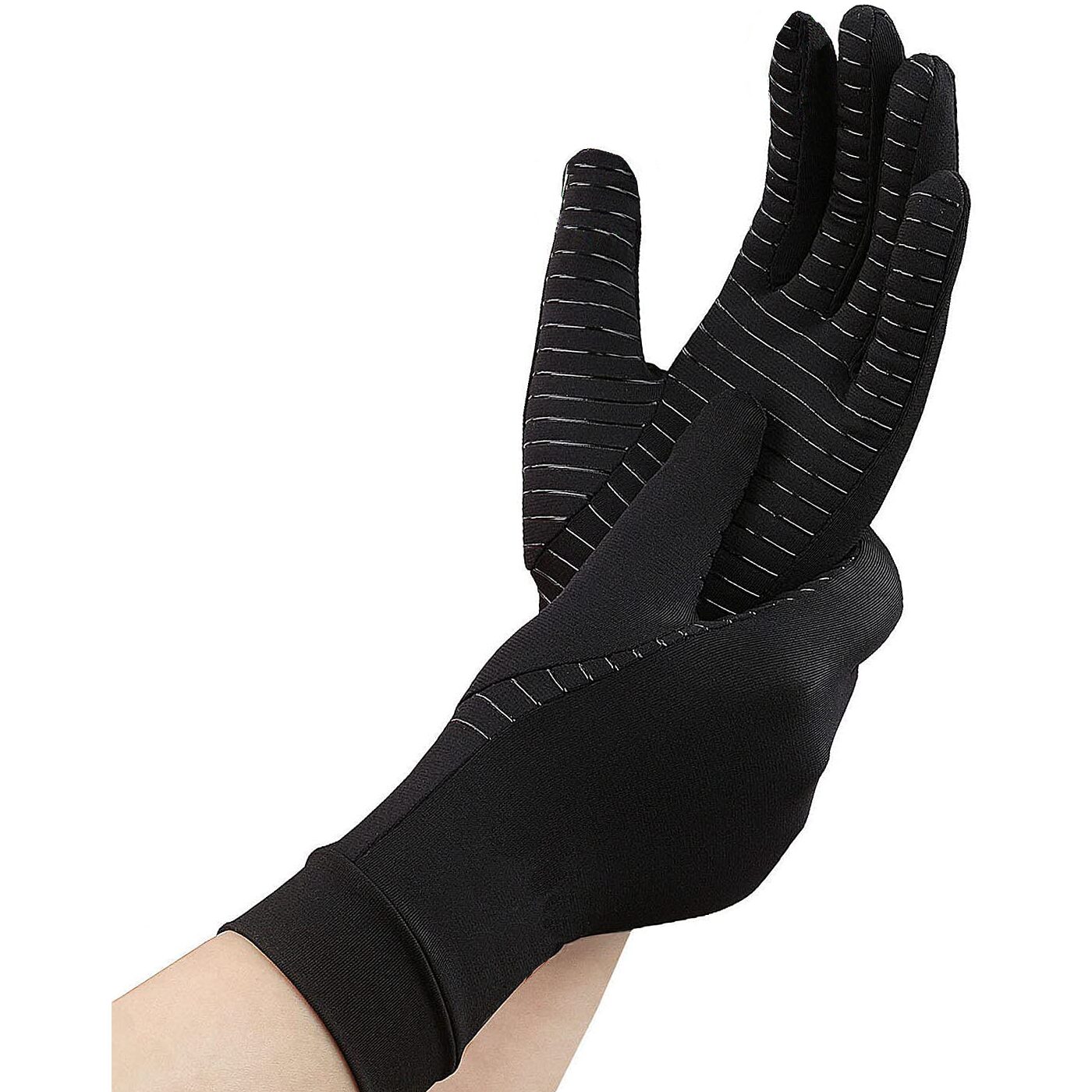
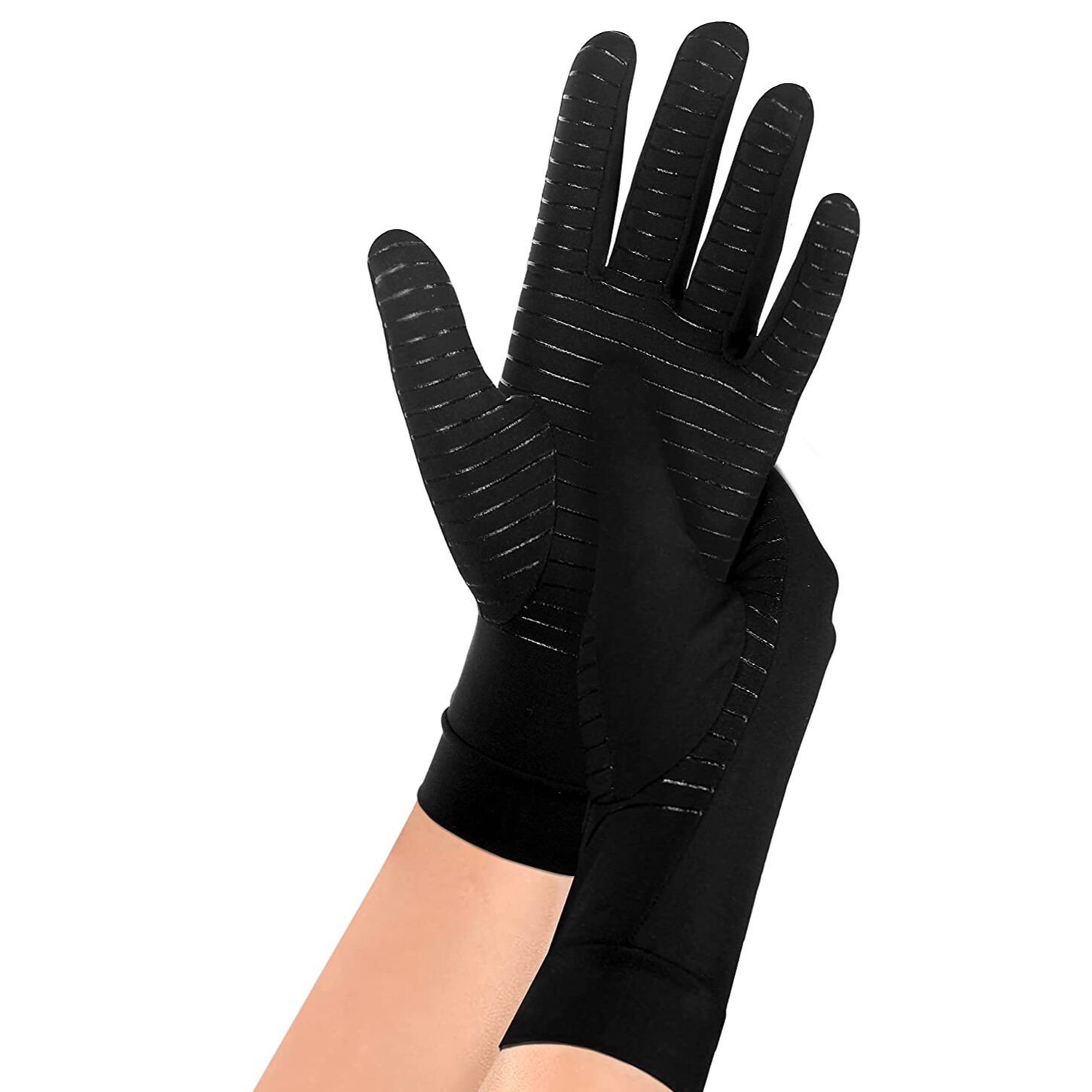
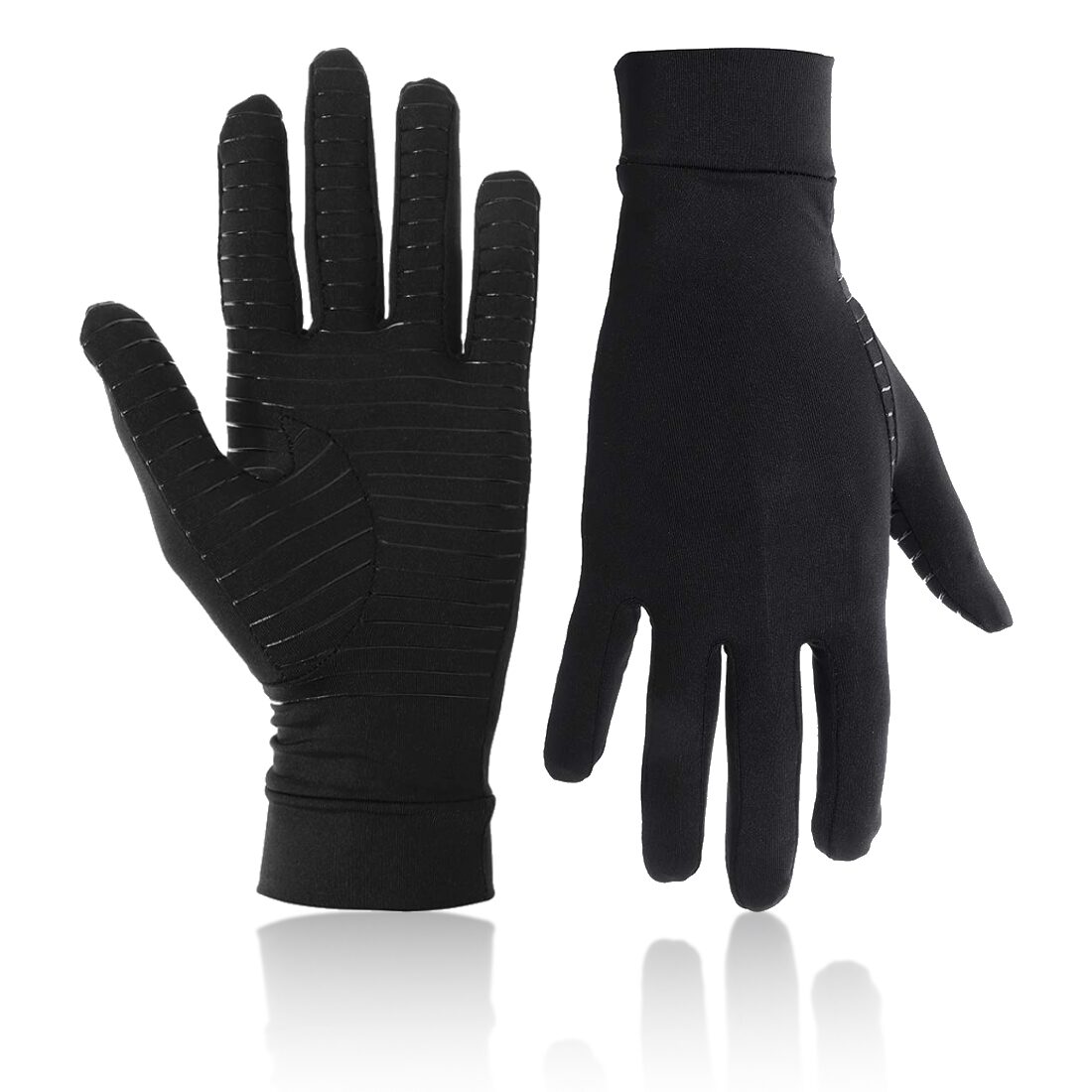
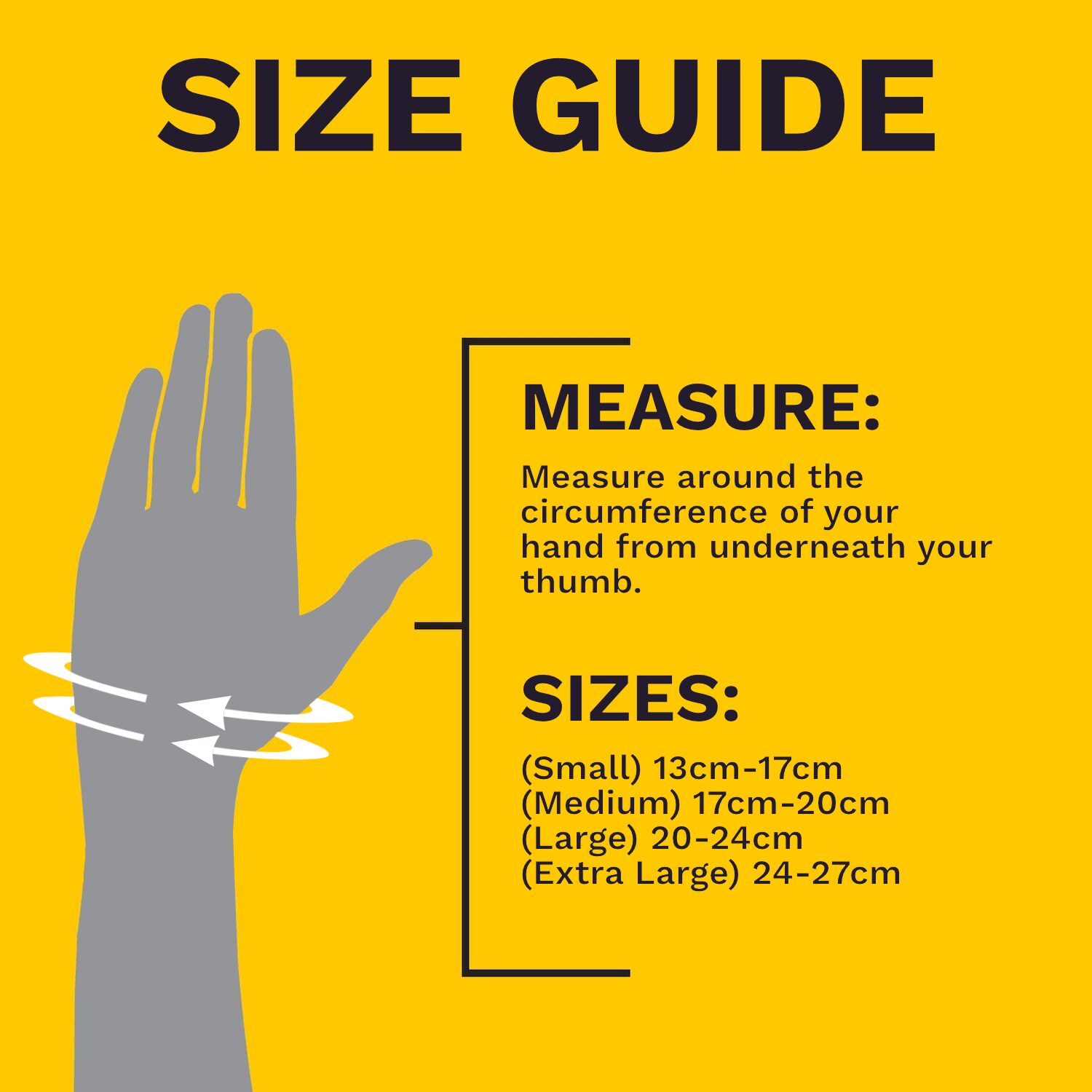
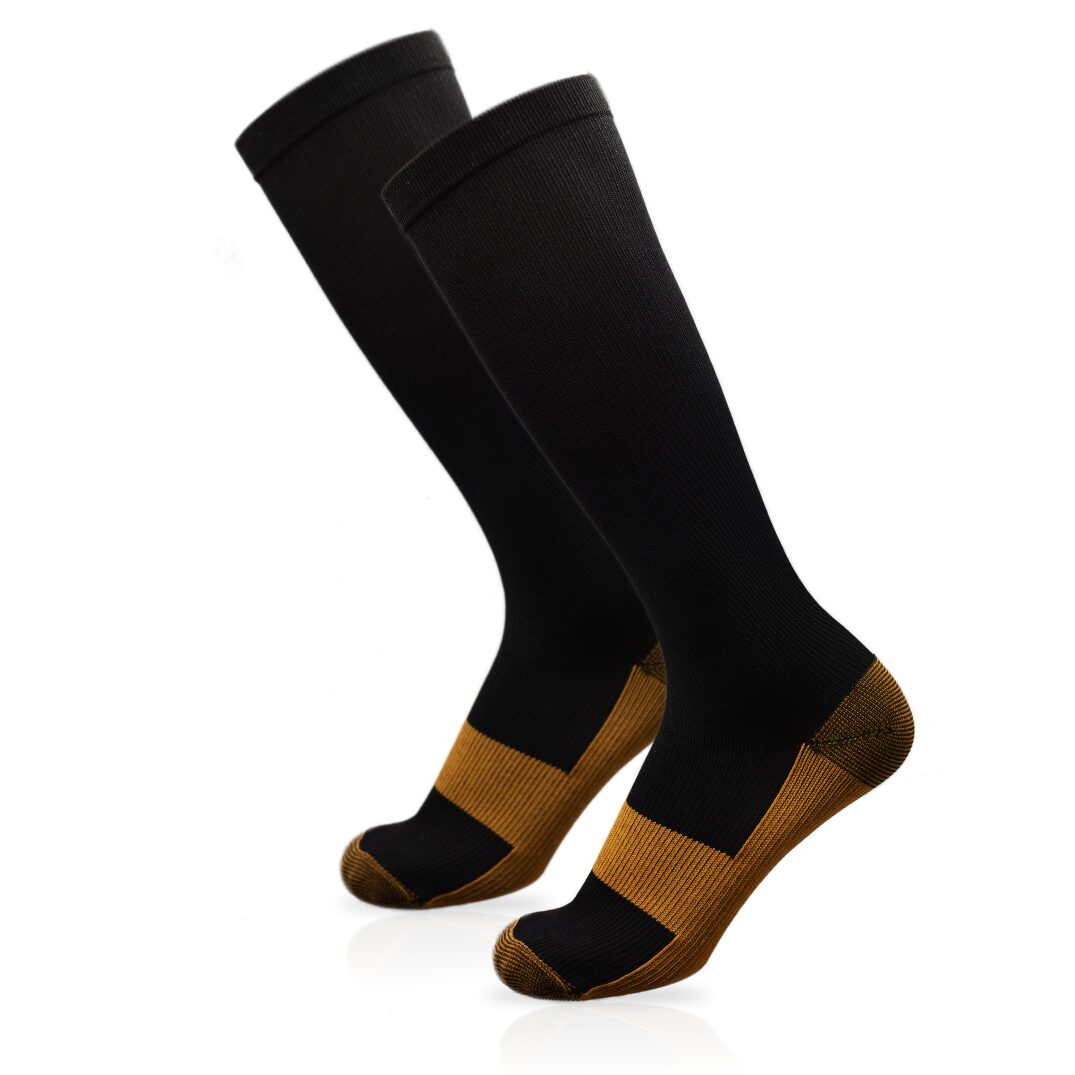
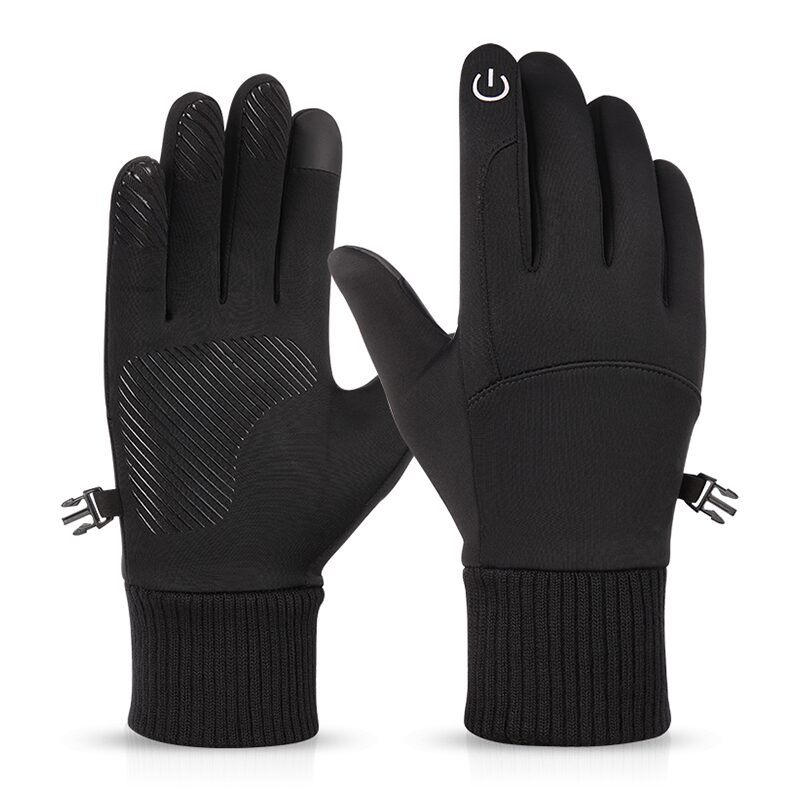
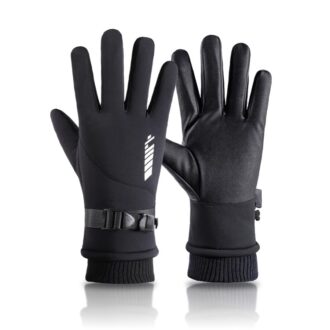
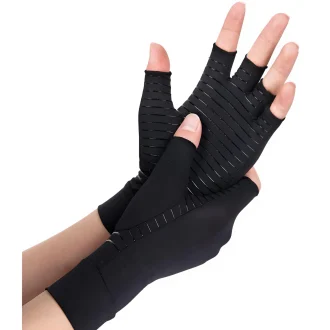
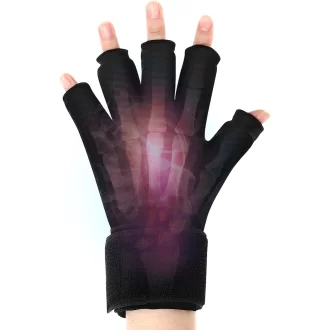
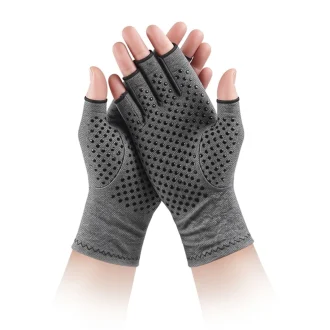

by Anne McCusker
I have this 4 stars because they are very good but small. I bought a pair for my husband, normally medium fits and I even measured his hand for fitting, looked like medium would be perfect but farctoo small, they are a perfect fit for me. I’m ordering a large for my husband a hoping they’ll fit
by Martin P
Bought 2 pairs for the upcoming winter months and they very warming and soothing to wear. I’m gonna buy an extra pair as we speak.
by Sue
They really do soothe and ease the Raynaud’s in my hands and in my opinion work much better than normal thermal gloves or “silver” gloves as they only trap heat but these boost your circulation and you can wear them underneath thermal gloves anyway for even more warmth anyway.
by Mariella
They are a good fit, light and nice to wear and since getting and wearing them I haven’t had an episode of numb white finger. They are light enough not to have to take them off everytime I want to do something like getting small change out to pay someone and I am sure they would work well as a liner glove on thicker gloves when it gets colder. Hurrah!
by Becky
I suffer with swollen hands from the cold and always struggle with gloves and working at the computer all day. These gloves have massively reduced the swelling. 100% recommend!
by Alice Smith
Very good
by Janet kinsella
The gloves are a nice fit and help my white painful fingers. I’m so happy with these gloves and buying another pair right now…
by simon leigh
Bought these and I can’t even begin to describe how happy I am with them. I can actually feel my fingers outside in winter after years of suffering from the worst kind of Raynuads.
by Esther CH
Bought these previously and they genuinely made a huge difference to my hands in the cold weather. I no longer feared cycling in the cold as having these under my cycling gloves meant my fingers didn’t go numb. Buying another pair because I lost one of the old pair.
by Nicola Burrough
Very good gloves. Over the years Iv purchased loads of different gloves that were meant to help with Raynauds disease but didn’t so I wasn’t expecting much when I purchased these but I am so glad I did. These are just marvellous and actually work!!!
by Robin Scott
Arrived a couple days ago, they look great and wearing them has helped a lot with all this cold weather that we have been having lately.
by Barry Fowler
My wife bought me these gloves and they made big difference and my hands no longer go numb when going on walks now 🙂
by Shane Sharples
The support and compression that these gloves give your hands is good and does help.
by PaulWoolley
These gloves are exactly what I was looking for to help my ease Raynauds! They give good amount of compression which unlike the other so called Raynauds gloves you can buy online these ones actually works and stimulate the circulation in your hands. Having these on now means I don’t get anywhere near the level of numbness and stiffness when I go out in cold with these on. Highly recommend!!!