Why does the bottom of my foot hurt when I wake up in the morning?
In this installment of our Q&A series, we’re diving into a common concern many of our customers share: plantar fasciitis. If you’ve been waking up with soreness in the heel area of your foot, particularly after increased activity, you’re not alone. This post will explore why this discomfort occurs and provide practical advice on alleviating the pain. Join us as we address this issue and offer insights that could help ease your mornings and get you back on your feet comfortably.
Hello NuovaHealth,
I’ve been experiencing some discomfort in my foot lately. Every morning when I wake up, the bottom of my foot feels quite sore, particularly around the heel area. Interestingly, it seems to feel a bit better after I’ve been up and walking for a while, but the initial pain is really bothersome. I’ve also noticed some swelling and tenderness near the heel.
I’ve been more active recently and made some changes to my exercise routine, so I’m wondering if that might be contributing to the pain. Could you shed some light on why this might be happening and suggest any home remedies that could help relieve the pain? I’d really appreciate your expert advice on this.
Thanks so much!
Experiencing heel pain, especially in the mornings, is quite common and can be attributed to several factors. Let’s delve into why this happens and how you can alleviate the discomfort.
Why Does the Bottom of My Foot Hurt When I Wake Up?
The soreness you’re experiencing, especially around the heel, might be linked to a condition called plantar fasciitis (pronounced plan-tar fash-ee-eye-tis or fash-ee-ai-tis). This condition is relatively common, with the National Health Service (NHS) in the UK reporting that it affects approximately 10% of the population at some point in their lives. The plantar fascia is a crucial ligament that supports the arch of your foot, acting as a shock absorber to help maintain the foot’s structure.
When the plantar fascia becomes inflamed or damaged, it can lead to discomfort and pain, particularly noticeable when you take your first steps in the morning. This is because the tissue tightens while you sleep, and upon waking, the sudden stretching causes pain.
Why Does My Foot Pain Feel Better After I’ve Walked Around?
Once you’re up and moving, the plantar fascia begins to stretch and warm up, easing the stiffness and reducing pain. This is why you notice an improvement after some activity. Movement increases blood flow to the area, promoting flexibility. Flexibility is crucial because it allows the plantar fascia to better absorb the stresses placed on the foot during movement, thereby reducing tension and discomfort.
Why Does My Foot Feel Swollen and Tender Near the Heel?
Swelling and tenderness can be signs of inflammation. This could stem from overuse or strain, especially if you’ve intensified your exercise routine. The heel is a complex structure, and any changes in activity levels can impact the surrounding tissues, leading to the symptoms you’re experiencing.
Can Changes in My Exercise Routine Cause Heel Pain?
Absolutely. Increasing your activity level or changing the type of exercise can put additional stress on your feet, particularly if they’re not accustomed to these changes. Activities that involve running or prolonged standing can exacerbate this, as they often lead to repetitive stress on the plantar fascia.
What Home Remedies Can Help Relieve Pain in My Heel?
There are several strategies you can employ to alleviate heel pain at home:
- Rest and Ice: Taking time to rest is crucial when dealing with heel pain. Your feet bear the weight of your entire body, and overuse can lead to inflammation. Resting your feet during the day can lead to decreased inflammation by bedtime, resulting in less intense heel pain when you wake up. To further alleviate swelling and discomfort, apply ice to the affected area for 15-20 minutes several times daily. Ice serves as a natural anti-inflammatory, numbing the area and limiting blood flow to decrease swelling and pain. For the best results, use an ice pack wrap designed for the foot, ensuring even distribution and secure placement to enhance ice therapy’s effectiveness while preventing direct skin contact that could cause ice burns.
- Stretching Exercises: Regular stretching of the calf muscles and plantar fascia can help relieve tension and prevent further pain. Focus on the calf muscles and the plantar fascia. Stretching these areas helps improve flexibility and relieve tension, which can, in turn, reduce pain. For example, a calf stretch against a wall or using a towel to gently pull the foot towards you while seated can be effective. These exercises should be done consistently to maintain muscle elasticity and prevent future pain.
- Proper Footwear: Wearing the right shoes is really imrptoant for preventing and alleviating heel pain. Supportive shoes provide the necessary cushioning for your heel and arch, absorbing shock and reducing strain on your foot. This is particularly important during exercise, where impact on the feet is higher. Look for shoes with good arch support, a cushioned sole, and a snug fit to ensure stability. Avoid high heels and flat shoes with minimal support, as they can exacerbate pain. Investing in orthotic inserts can also be beneficial for those with specific foot shape needs.
- Pain Relief and Anti-Inflammatory Drugs: Non-prescription pain relief and anti-inflammatory medications can be effective in managing the symptoms of plantar fasciitis. Examples include ibuprofen and naproxen, which help reduce inflammation and alleviate pain. However, it’s crucial to consult your GP before starting any new medication, especially if you have underlying health conditions or are taking other medications. These drugs can have negative side effects, such as stomach irritation, increased blood pressure, or kidney issues, and might interact with other medications you are taking.
- Disclaimer: Always check with your GP before taking any new medication, particularly if you have existing health conditions or are currently on other medications. Additionally, never buy medication online due to the risks of counterfeit and potentially dangerous drugs. It’s essential to purchase medications from your local pharmacy under the guidance of a health professional and always read the instructions before use.
Prodcuts to Help Ease Plantar Fasciitis
Dealing with plantar fasciitis can be a daily struggle, but fortunately, solutions are within reach that can provide relief and prevent future discomfort. At NuovaHealth, we understand how vital it is to support your feet properly, and that’s why we offer a range of expertly designed prodcuts tailored to address this specific condition.
Orthotic Insoles: Unparalleled Support and Balance
Orthotic insoles are more than just a cushion for your feet; they are meticulously crafted tools that provide essential support and correction. By evenly distributing pressure and aligning your feet properly, these insoles help correct common biomechanical imbalances such as overpronation — a frequent contributor to plantar fasciitis. Imagine a finely tuned orchestra where each instrument plays its part perfectly; similarly, our insoles ensure every step you take is harmonious and balanced.
By supporting the arches and stabilizing the heel, orthotic insoles not only relieve the immediate pain associated with plantar fasciitis but also help prevent further strain on the plantar fascia. This dual action not only aids in treating the current condition but also acts as a preventive measure against future occurrences. With consistent use, you’ll find that our insoles can transform your walking experience, turning discomfort into comfort.
Night Splints: Healing as You Rest
While daytime support is crucial, nighttime solutions are equally important. Our night splints are designed to keep your foot gently flexed, providing a stretch to the plantar fascia and Achilles tendon as you sleep. This sustained stretch helps reduce morning pain and stiffness, a common complaint among those with plantar fasciitis. By wearing a night splint, you extend the therapeutic benefits around the clock, accelerating recovery and ensuring you wake up with less discomfort.
Foot Ice Wraps: Embracing Contrast Therapy
Contrast therapy, which involves alternating between hot and cold treatments, is an effective method for managing pain and inflammation. Our foot ice wraps are perfect for this purpose, offering both hot and cold therapy with added compression. The cold therapy helps reduce inflammation and numb soreness, while the heat therapy promotes blood flow and relaxes tight muscles. This combination can significantly alleviate pain and promote healing, giving you the relief you need to stay active and engaged.
Why Choose NuovaHealth?
At NuovaHealth, we pride ourselves on creating products that are not only effective but also accessible and easy to use. Our orthotic insoles, night splints, and foot ice wraps for example are crafted with the highest standards of medical research and innovation. We understand the importance of quality and reliability, and our products are a testament to our commitment to your foot health.
If you’re ready to take control of your plantar fasciitis and step into a future free from pain, explore our range of products. With NuovaHealth by your side, you can trust that you’re walking towards a healthier, more comfortable life.
-
Product on sale
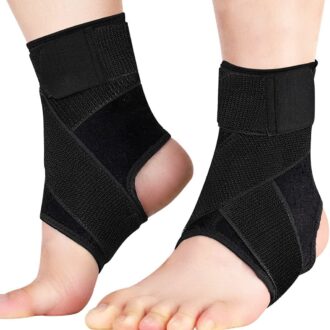 1x Pair of Plantar Fasciitis Sleeve Braces£16.99
£19.98inc VAT -
Product on sale
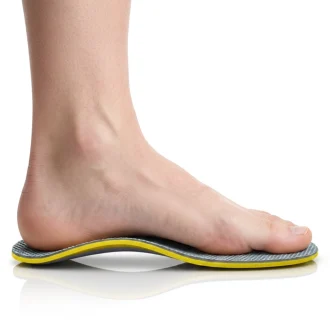 Arch Support Insoles for Plantar Fasciitis and Flat Feet£9.99
£11.99inc VAT -
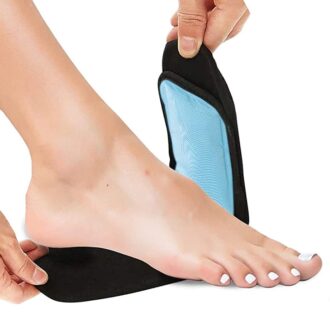 Foot Ice Pack Plantar Fasciitis Wrap£8.99inc VAT
 -
Product on sale
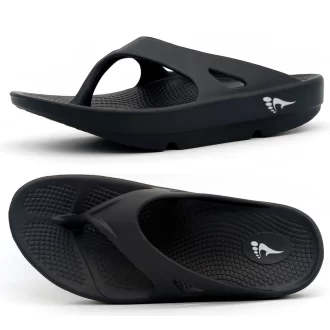 FootReviver™ Orthopaedic Sandals for Foot pain£28.99
£34.99inc VAT -
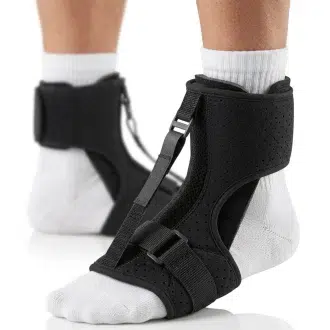 FootReviver™ Plantar Fasciitis Night Splint£11.99inc VAT
 -
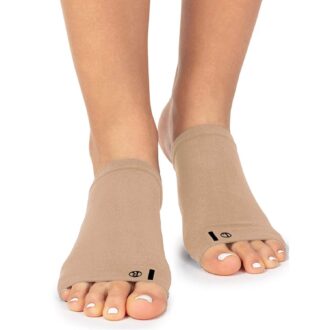 Gel Foot Sleeve Arch Supports for Plantar Fasciitis£7.99inc VAT
 -
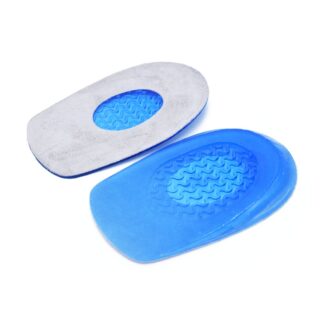 Gel Heel Pads for Plantar Fasciitis by FootReviver™£6.25inc VAT
 -
Product on sale
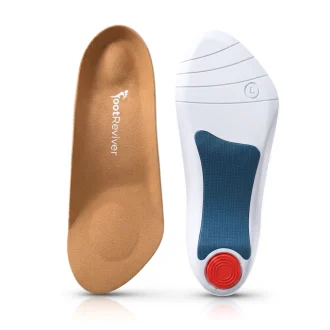 Plantar Fasciitis Arch Support 3/4 Length Heel Pain Relief Insoles£9.99
£10.99inc VAT -
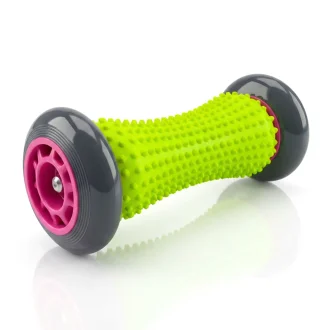 Plantar Fasciitis Foot Massage Roller£9.99inc VAT
Final Thoughts
In summary, managing heel pain requires identifying its root cause and applying effective remedies. By making informed decisions and following recommended practices, you can significantly alleviate discomfort. It’s crucial to pay attention to your body’s signals and provide it with the care it requires. With the right strategy, you can look forward to more comfortable mornings and return to the activities you enjoy without the hindrance of pain. Thank you for choosing NuovaHealth for your foot care needs; we’re here to support you at every step.