Why does the back of my heel hurt so much, especially when I wake up? Is It Achilles Tendinitis?
That stubborn pain at the back of your heel could be more than just a minor annoyance, and understanding what’s behind it is crucial. If you’re experiencing morning stiffness, soreness, or even weakness in your ankle, especially with flat feet, you’re not alone. These symptoms might indicate stress on your Achilles tendon and could be a sign of tendinitis. In this post, we’ll dive into why this pain occurs, how your foot structure might play a role, and what steps you can take to alleviate the discomfort and get back on your feet comfortably. Let’s explore the possible causes and solutions together.
Hey, I’ve been waking up with this really annoying pain at the back of my heel, and it’s been bothering me quite a bit. I’m wondering if my stiff and sore Achilles tendon is a sign of tendinitis. The pain seems to be worse in the morning, and my ankle feels kind of weak and unstable at times. I’ve always had flat feet, and I’m curious if that’s putting extra stress on my Achilles tendon. How long does this kind of pain usually stick around? I’m really hoping to get some advice on what might be going on and what I can do to feel better. Any thoughts or suggestions would be super helpful!
First things first, could your symptoms point to Achilles tendinitis? Absolutely. Achilles tendinitis is characterized by pain and stiffness, particularly noticeable in the morning, similar to what you’re experiencing. This occurs because the Achilles tendon often tightens up overnight. As you start moving around during the day, it can loosen, easing the pain, but that morning stiffness is a telltale sign.
Let’s dive a bit deeper into what exactly Achilles tendinitis is. The Achilles tendon is a strong, fibrous cord located at the back of your ankle. It connects your calf muscles to your heel bone and is crucial for everyday activities like walking, running, and standing on your toes. When this tendon becomes inflamed due to overuse or injury, that’s when tendinitis sets in.
Achilles tendinitis is a condition that can affect anyone, though it is more commonly seen in men. You’re particularly at risk if you’re middle-aged and engage in sports like basketball or tennis only on weekends, often known as being a “weekend warrior.” About 6-18% of recreational runners might experience this condition, underscoring its prevalence among active individuals.
So, what causes this inflammation? It usually happens due to repetitive stress or sudden increases in the intensity of physical activity. Runners, for instance, often develop it when they suddenly increase their pace or distance. However, it’s not just athletes who need to be cautious. Wearing high heels frequently or having tight calf muscles can also contribute to Achilles tendinitis.
Now let’s talk about the role of flat feet. Having flat feet can indeed put additional stress on your Achilles tendon. This is because flat feet can alter the natural alignment and biomechanics of your foot, increasing the strain on the tendon during activities. Over time, this added stress can contribute to the development or worsening of tendinitis.
It’s important to pay attention to any pain you experience and not just brush it off. Ignoring the symptoms of Achilles tendinitis can have serious consequences. If left untreated, tendinitis can progress to a rupture, where the tendon partially or completely tears. This not only causes intense pain but may also require surgical intervention and a lengthy recovery period. Imagine being sidelined from your favorite activities for months because you didn’t listen to your body.
Feelings of weakness and instability in your ankle are also important to address. These sensations often accompany tendinitis due to inflammation and possible micro-tears in the tendon. It’s vital to monitor this, as persistent instability might necessitate specific actions, like engaging in physical therapy, to strengthen the surrounding muscles and improve support.
As for the duration of the pain, recovery from tendinitis can vary. With proper care and rest, symptoms might start to improve within a few weeks to a couple of months. However, if underlying causes, such as flat feet, are not addressed, or if a suitable management plan is not followed, the discomfort might persist longer.
By understanding these contributing factors and symptoms, you can take proactive steps to prevent or manage Achilles tendinitis effectively.
Steps to Alleviate Pain
Rest, Ice, Protection, and Elevation:
Alright, let’s dive deeper into how you can start feeling better by focusing on rest, ice, protection, and elevation to support your Achilles tendon.
- Rest: Giving your foot the rest it needs is crucial. This means significantly reducing or temporarily stopping activities that exacerbate pain. Rest allows the microtears in the Achilles tendon to heal, reducing strain and preventing further damage. It’s important to listen to your body; if an activity causes discomfort, it’s a signal to ease up. Scientific studies show that rest is vital for tendon repair, as it helps decrease inflammation and promotes healing at a cellular level.
- Ice: Applying ice to the affected area is an effective way to reduce inflammation and numb sharp pain. The cold causes blood vessels to constrict, which helps decrease swelling and limits the inflammatory response. Aim to ice the tendon for about 15-20 minutes every few hours, especially after activities that might strain the tendon. Be sure to protect your skin by wrapping the ice pack in a cloth or towel.
- Protection: Protecting the Achilles tendon from further injury is important. This can involve using supportive footwear, braces, or orthotics to reduce stress on the tendon during movement. The goal is to minimize excessive stretching or pressure on the tendon, allowing it to heal properly. Scientifically, reducing mechanical load on the tendon aids in preventing additional microtrauma and facilitates recovery.
- Elevation: Elevating your foot helps reduce swelling by allowing fluids to drain away from the injured area. Keep your foot raised above heart level when possible, especially after periods of activity or if swelling is noticeable. This simple action enhances circulation and aids in reducing inflammation, promoting a more efficient healing process.
Incorporating these steps can significantly aid in the recovery of your Achilles tendon, providing a strong foundation for healing and preventing future injuries.
Medications for Achilles Tendonitis
When dealing with Achilles tendonitis, various medications can be considered to alleviate pain and reduce inflammation. It’s essential to understand the options available and weigh their pros and cons. Always consult a healthcare professional to ensure safe use, especially if you’re taking other medications or have underlying health conditions.
Over-the-Counter (OTC) Anti-Inflammatories
- What They Are: OTC anti-inflammatory medications, such as ibuprofen or naproxen, are commonly used to relieve pain and reduce inflammation in the tendon.
- How They Help: These medications work by inhibiting the production of certain chemicals in the body that cause inflammation and pain.
- Pros:
- Easily accessible without a prescription.
- Effective for mild to moderate pain relief.
- Cons:
- Can cause stomach upset or gastrointestinal issues if used long-term.
- Not suitable for individuals with certain health conditions like ulcers or kidney issues.
Prescription Non-Steroidal Anti-Inflammatory Drugs (NSAIDs)
- What They Are: These are stronger versions of OTC anti-inflammatories, available by prescription.
- How They Help: They provide more potent relief for inflammation and pain.
- Pros:
- More effective in severe cases of tendonitis.
- Reduce inflammation and provide significant pain relief.
- Cons:
- Higher risk of side effects such as cardiovascular issues and gastrointestinal bleeding.
- Requires medical supervision for safe use.
Corticosteroid Injections
- What They Are: These are injections administered directly into the affected area to reduce severe inflammation.
- How They Help: They quickly reduce inflammation and pain in the short term.
- Pros:
- Fast-acting relief for severe cases.
- Can be very effective in reducing acute pain.
- Cons:
- Potential for tendon weakening or rupture.
- Should be used sparingly due to side effects.
Topical Analgesics
- What They Are: Creams or gels applied directly to the skin over the affected tendon.
- How They Help: They provide localized pain relief without systemic side effects.
- Pros:
- Minimal systemic absorption, reducing the risk of adverse effects.
- Convenient and easy to apply.
- Cons:
- May not be as effective for deep tissue pain.
- Requires frequent application for sustained relief.
Disclaimer
Dangers of Medication: It’s crucial to consult with a doctor or pharmacist before taking any new medication. They can provide guidance based on your medical history, current medications, and any underlying health conditions you may have. This is essential to avoid potential drug interactions and side effects.
Buying Medication Online: Avoid purchasing medications online, as they may be counterfeit or unsafe. Always obtain medications from your local pharmacist, who can ensure you receive legitimate and safe products. Your pharmacist is also a valuable resource for advice and can answer any questions you may have about your medications.
Stretching and Exercises:
- Importance of Stretching: Targeting the calf and heel can significantly aid in recovery. Simple exercises can make a substantial difference over time.
Recommended Exercises and Stretches:
- Calf Stretch: Stand facing a wall with your hands on it. Place one foot behind the other. Keeping your back leg straight and heel on the ground, bend your front knee and lean towards the wall. Hold for 15-30 seconds, then switch legs. This stretches the calf muscles, which can help alleviate tension on the Achilles tendon.
- Heel Drop Exercise: Stand on the edge of a step on the balls of your feet, with your heels off the edge. Slowly lower your heels below the step, feeling a stretch in your calves. Hold for a few seconds, then return to the starting position. Repeat 10-15 times. This exercise strengthens the tendon and improves flexibility.
- Seated Heel Raises: Sit on a chair with your feet flat on the ground. Gradually raise your heels as high as you can, then lower them back down. Do this for 10-15 repetitions. This exercise helps build strength in the calf muscles and Achilles tendon.
- Toe-to-Wall Stretch: Stand facing a wall, a few inches away. Place your toes against the wall, with your heel on the floor. Gently lean in towards the wall, stretching your Achilles tendon and calf. Hold for 20-30 seconds, then switch feet.
Key Reminders:
- Consistency is crucial. Perform exercises within your comfort zone and stop if you feel any pain.
- Consult with a healthcare professional before starting any new exercise regimen.
Wear Orthotics and Ankle Braces:
Orthotics and ankle braces both play significant roles in reducing the strain flat feet can place on your Achilles tendon and overall foot and ankle health.
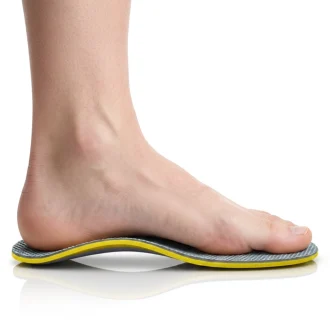
Orthotics, such as insoles or supportive footwear, provide crucial arch support that helps redistribute pressure evenly across your feet. This redistribution reduces abnormal tension and stress on the Achilles tendon by promoting proper alignment throughout your body’s kinetic chain. With improved alignment, you’ll experience more balanced and efficient movement patterns from your feet upward through your knees, hips, and spine.
For those with flat feet, the absence of natural arch support often leads to overpronation, where the foot rolls inward excessively. This misalignment increases the load on the Achilles tendon, potentially causing irritation or inflammation, known as Achilles tendonitis. Orthotic insoles help correct foot alignment, mitigating these effects and reducing the risk of tendonitis. Additionally, orthotics enhance shock absorption during activities like walking, running, or jumping, further protecting the tendon from excessive impact forces.
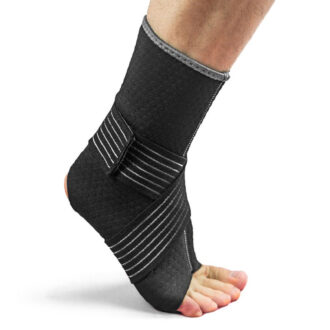
Ankle braces provide additional support and stability to the ankle joint, which can be particularly beneficial if you have flat feet. By offering extra reinforcement, ankle braces help prevent excessive inward rolling of the foot, reducing strain on the Achilles tendon and other structures. They can be especially useful during physical activities, providing added confidence and reducing the risk of injury or exacerbation of existing conditions.
Why Choose NuovaHealth
When it comes to managing and preventing Achilles tendonitis, choosing the right support products is crucial. That’s where NuovaHealth comes in. Our range of orthotic insoles and ankle braces is specifically designed to provide relief and prevent further injury. Here’s why you should consider NuovaHealth for your Achilles tendon care.
First off, the materials we use matter. All our products are crafted from high-quality, medical-grade materials, scientifically tested to ensure they are effective. This is important because when dealing with injuries or prevention, using products that are reliable and tested can make all the difference in your recovery journey.
NuovaHealth offers a range of products, including our own and those from trusted names like FootReviver. Known for their expertise in podiatry and biomechanics, FootReviver products are top-notch and designed with the user’s comfort and healing in mind. These high-quality products are often recommended by doctors and physiotherapists across the globe, which speaks volumes about their reliability and effectiveness. When professionals trust and recommend these products, you can feel confident that you’re making a wise choice for your health.
Another great reason to choose NuovaHealth is our 30-day money-back guarantee. We stand behind the quality and effectiveness of our products. Here’s how it works—if you’re not satisfied with your purchase, you can return it within 30 days for a full refund. This policy allows you to try our products risk-free. It means you have nothing to lose, and your satisfaction is our top priority.
So, if you’re dealing with Achilles tendonitis or looking to prevent it, check out the range of products we offer. From orthotic insoles that provide excellent arch support to ankle braces that offer superior stabilization, we have something to suit your needs. Take a step towards better foot health today and discover the difference NuovaHealth can make in your life.
-
Product on sale
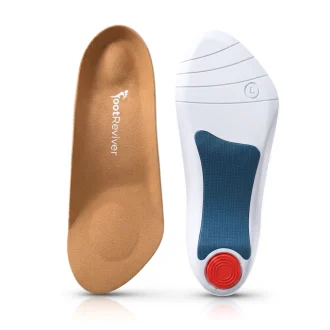 Plantar Fasciitis Arch Support 3/4 Length Heel Pain Relief Insoles£9.99
£10.99inc VAT -
Product on sale
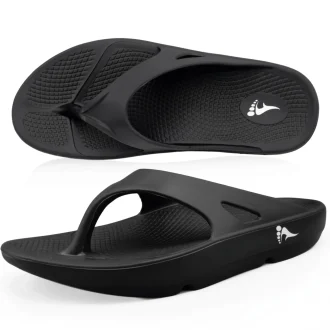 Arch Support Recovery Sandals£28.99
£34.99inc VAT -
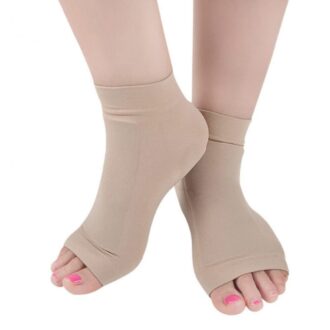 Gel heel Protector Ankle Sleeves For Lace Bite, Blisters, Plantar Fasciitis, Heel Spurs & Achilles Tendonitis£10.99inc VAT
 -
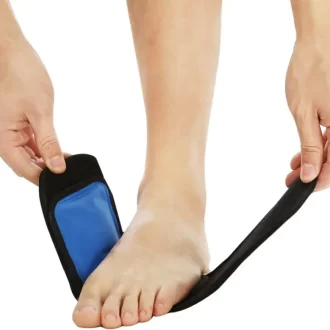 Foot & Ankle Ice Pack Wrap By FootReviver™£8.99inc VAT
 -
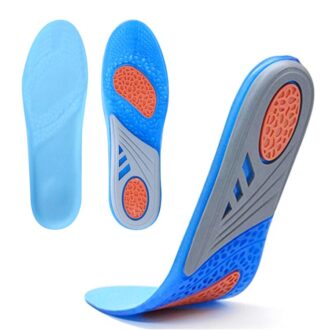 Shock Absorbing Insoles for Achilles tendonitis£10.99inc VAT
 -
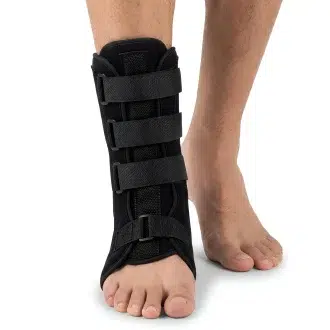 FootReviver™ Achilles Tendonitis Support Brace£14.99inc VAT
 -
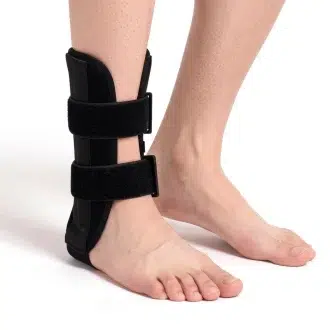 Ankle Brace for Sprains, Strains, Fractures, Achilles Tendonitis & Heel Pain£12.49inc VAT
 -
Product on sale
 Arch Support Insoles for Plantar Fasciitis and Flat Feet£9.99
£11.99inc VAT -
 2x Ankle Support Brace£9.99inc VAT
Professional Assistance:
Consulting with a healthcare professional can truly make a difference in the management of Achilles tendinitis. They provide a proper diagnosis, ensuring you’re on the right track from the outset. If your condition becomes unbearable, medical intervention might be necessary. Treatment options can range from physical therapy to more advanced medical procedures, depending on your specific needs.
Physical therapy is often the first line of treatment and can be incredibly beneficial. A skilled physical therapist can tailor exercises and techniques specifically for you to aid in recovery and help prevent future issues. However, if physical therapy does not provide sufficient relief, other medical procedures may be considered.
Injections, such as corticosteroids or platelet-rich plasma (PRP), can be used to reduce inflammation and speed up the healing process. These options should always be discussed thoroughly with your healthcare professional to understand the potential benefits and risks.
Surgery is generally considered a last resort for Achilles tendinitis. It may be recommended if non-surgical treatments have not been effective and the pain significantly impacts your daily life. However, it’s crucial to be aware of the risks and potential complications associated with surgery. Recovery from surgical intervention can be lengthy and may require extensive rehabilitation. Therefore, it’s important to weigh the benefits and risks carefully and explore all other options before opting for surgery.
To wrap things up, it sounds like your symptoms are pointing towards Achilles tendinitis, with your flat feet possibly playing a role. Taking a proactive approach is key—rest, strengthening exercises, and perhaps trying orthotics. But if the pain doesn’t seem to let up or gets worse, it’s definitely time to seek out medical advice for a thorough evaluation and a treatment plan that suits you. Remember, your health is the top priority here—take these steps to heal and get back to feeling comfortable again.