If you regularly experience the discomfort of sore, stiff, or painful hands and fingers, there’s a strong possibility that Raynaud’s Disease is the culprit. Fortunately, relief is within reach thanks to these specially designed compression gloves. By gently promoting better circulation, they not only reduce pain and inflammation but can also help you reclaim everyday comfort and mobility.
In the following sections, you’ll learn what makes these gloves so effective—not only in managing Raynaud’s symptoms but also in helping prevent future episodes—how they work, and why they’re a must-have for anyone seeking lasting relief. But first, let’s take a moment to explore Raynaud’s Disease itself—its telltale signs, triggers, and how compression therapy plays a critical role in keeping your hands warm and comfortable.
What is Raynaud’s Disease?
Raynaud’s disease, sometimes called Raynaud’s phenomenon, is a condition where the small blood vessels in your fingers or toes constrict excessively in response to slight temperature changes or increases in stress. Under ordinary circumstances, blood vessels tighten for various reasons, such as when you’re cold or feeling anxious, but in Raynaud’s those vessels overreact. This can markedly reduce blood flow and cause the affected areas to turn white or blue before becoming cold, numb, or even painful. Effects range from mild bouts of discomfort to more serious challenges that disrupt everyday life.
Primary vs Secondary Raynaud’s
There are two main forms of Raynaud’s. Primary Raynaud’s usually appears on its own, without another underlying medical condition, and tends to be milder. Secondary Raynaud’s is associated with an existing health issue (commonly autoimmune disorders) and is more severe. Because secondary Raynaud’s arises from conditions that often affect the immune system and blood vessels, it can lead to more frequent and intense episodes and may require thorough medical evaluation.
Common Symptoms and Why Timely Treatment is Crucial
The signs of Raynaud’s are often quite noticeable: cold fingers and toes that change colour (white to blue to red), numbness, tingling, and even pain. These symptoms may escalate to ulcers or sores if left untreated, which can be quite concerning. The lack of blood flow can cause tissue damage and, in severe cases, lead to amputation.
How Common Is It and Who Should Be Concerned?
It might come as a surprise, but Raynaud’s disease affects roughly one in ten people in the UK. Women experience it more often than men, and there are various reasons why certain individuals are more vulnerable. Let’s take a closer look at some of the main groups at risk:
Women – Hormonal factors can heavily influence the body’s response to temperature and stress. Oestrogen, for instance, can affect blood flow regulation, making some women more prone to exaggerated vessel constrictions. Changes in hormone levels during different life stages (such as pregnancy or menopause) may also intensify Raynaud’s episodes.
People with a family history – Genetics play an important role. People with a family history – Genetics play an important role. Studies point towards specific markers and genes (including those associated with immune system regulation, such as certain variations in the HLA-DRB1 gene) that increase susceptibility. If close relatives have Raynaud’s, there’s a higher chance of inheriting these markers, making the condition more likely to develop or worsen under even mild triggers like a slight shift in temperature or a stressful situation. These genetic variations can not only influence how blood vessels respond to temperature changes, but may also contribute to an overactive immune response that heightens sensitivity to environmental factors.
Individuals with autoimmune diseases – People with certain autoimmune conditions can be more prone to Raynaud’s because their immune system is already in overdrive, targeting healthy tissues. If you have any of these conditions and start noticing unusually cold or painful fingers or toes, it’s a good idea to talk to a healthcare professional:
- Scleroderma: This is a condition that affects connective tissues in the body and can lead to thickened, hardened skin, often starting in the fingers and hands. While it’s not one of the most common autoimmune conditions, it can be serious, especially if it affects internal organs like the lungs or kidneys. When Raynaud’s appears in someone with scleroderma, the changes in blood vessels can become even more intense, sometimes resulting in more frequent or severe cold and color changes in the hands or feet. It’s essential to discuss these symptoms with your doctor because untreated scleroderma may cause complications such as painful sores on the skin, and in some cases, organ involvement can become life threatening.
- Lupus: Lupus is a condition that can affect multiple areas of the body, including the joints, skin, brain, kidneys, and other organs. Many who experience lupus report fatigue, joint pain, and skin rashes, although symptoms can vary widely. When lupus causes blood vessels to become inflamed, Raynaud’s might develop or worsen. If lupus remains undetected, it can lead to severe organ damage that may threaten overall health. Speaking with your doctor if you suspect lupus is crucial because identifying it early could help prevent serious complications. Raynaud’s episodes that accompany lupus can serve as a significant warning sign, so it’s best not to dismiss any changes in your fingers or toes.
- Rheumatoid Arthritis: Rheumatoid arthritis is another autoimmune condition that affects the joints by causing inflammation, swelling, and pain. Over time, if it’s not identified and addressed, there can be notable damage that reduces mobility and raises the risk of other health concerns. When it contributes to Raynaud’s, the blood vessels in the hands and feet can react more strongly to cold or stress, leading to visible color changes and discomfort. If you notice these symptoms, contact a medical professional to figure out the underlying cause, as rheumatoid arthritis can eventually take a serious toll on different aspects of your health.
- Sjögren’s Syndrome: Sjögren’s syndrome is best known for issues like dry eyes and a dry mouth, but it can affect many parts of the body. If you have Sjögren’s and start seeing Raynaud’s episodes, you might feel these attacks becoming more frequent or intense over time. This combination can point to broader problems with the immune system that may impact overall well-being if not recognized. Though Sjögren’s alone can lead to discomfort and decreased quality of life, any suspicion of Raynaud’s should be promptly evaluated by your doctor to ensure there’s no more severe problem developing.
In all these scenarios, your doctor can help you sort out what’s going on and advise you on ways to move forward. Identifying potential connections between Raynaud’s and an autoimmune condition is crucial for understanding the bigger picture of your health. If something feels off or if your everyday activities become more difficult because of vasospasms, don’t hesitate to seek professional guidance.
People Exposed to Vibrating Tools or Repetitive Movement – Frequent use of vibrating tools or tasks involving continuous finger or hand strain can irritate blood vessels over time. This irritation can mean the vessels constrict abruptly in cooler environments or under stress. If you regularly work with tools that vibrate or place repeated pressure on your fingers, staying aware of any unusual numbness or colour changes in your hands is key. Seeking guidance early can help prevent more severe symptoms.
Other Contributing Factors – Stress, tobacco use, and certain medications can further tighten blood vessels, heightening the likelihood of Raynaud’s attacks. Keeping stress levels in check, avoiding smoking, and discussing medication side effects with a doctor may lessen symptom severity.
Different Treatment Options
Treatment varies depending on the severity of the condition. Mild cases might be managed by simply avoiding cold and stress, while more serious instances require medications like calcium channel blockers (which relax blood vessels), vasodilators (which widen blood vessels), or even surgery in extreme cases.
The Role of Compression Gloves
Among these treatment options, one innovative solution stands out—compression gloves. These gloves are designed to provide a consistent level of pressure around the hands and fingers, which can support better circulation in areas commonly affected by sudden cold or stress. The pressure encourages blood vessels to remain open, reducing the chance of experiencing sudden numbness or painful flare-ups. By staying alert to the temperature in your environment and wearing compression gloves when you notice cooler conditions, you may find that everyday tasks become less painful and more manageable.
Consider a recent study study published in a 2019 issue of the journal Hand Therapy. Researchers enrolled 42 participants diagnosed with Raynaud’s phenomenon, instructing them to wear mild compression gloves daily for eight weeks. By the end of the trial, approximately 75% of the group reported fewer and less intense attacks, along with warmer and more flexible fingers. Many noted that everyday tasks, such as typing and cooking, felt noticeably easier due to the improved comfort and circulation. The authors concluded that compression gloves may offer a useful, noninvasive option for managing Raynaud’s symptoms when worn consistently.
When selecting gloves for Raynaud’s, it’s important to consider both fit and sizing. Gloves that are too loose may not provide the support you need, while overly tight gloves can quickly become uncomfortable. Aim for a level of compression that feels supportive but not restrictive—anything too tight could limit blood flow. Choose breathable, stretchy materials that allow you to move freely without feeling trapped. It’s also wise to inspect seams and interior linings to avoid potential irritation during extended use. Some individuals find it helpful to wear gloves throughout the day in cooler settings, while others prefer wearing them overnight for relief during rest. By keeping these factors in mind, you can find a pair of compression gloves that truly makes a difference in managing Raynaud’s. And rest assured, our expertly designed Raynaud’s gloves at NuovaHealth meet all these criteria to help provide you with optimal comfort and support.
In summary, Raynaud’s disease is a prevalent and often debilitating condition affecting millions in the UK. Awareness, timely diagnosis, and appropriate treatment are crucial. Among the various treatment options, compression gloves stand out as an effective and non-invasive solution. They promote better blood flow, reduce symptoms, and improve hand function, making them an invaluable tool for anyone struggling with this condition. Remember, taking proactive steps can make a world of difference—don’t let Raynaud’s control your life.
Ultimate Comfort for Cold Hands: Introducing Our Raynaud’s Disease Gloves
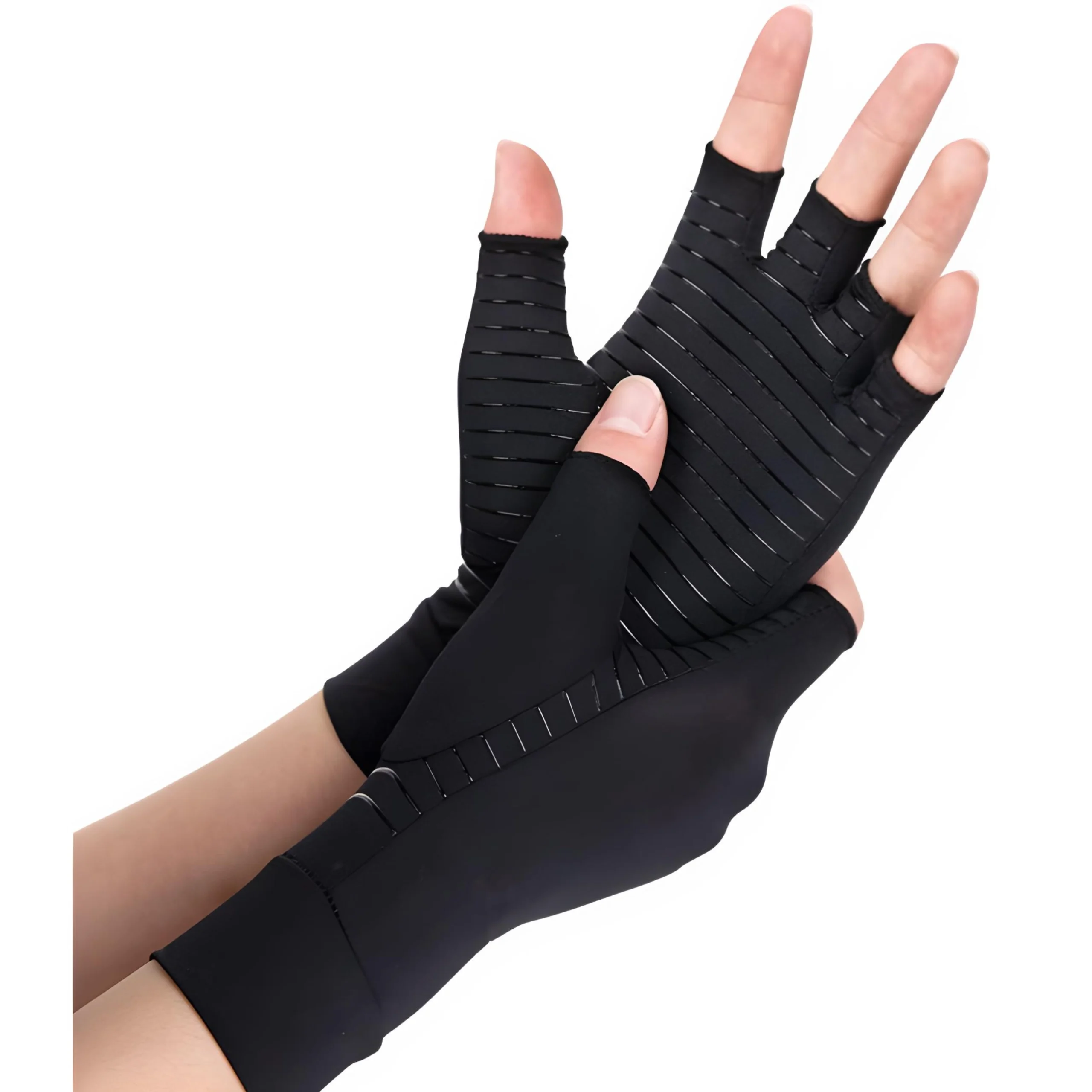
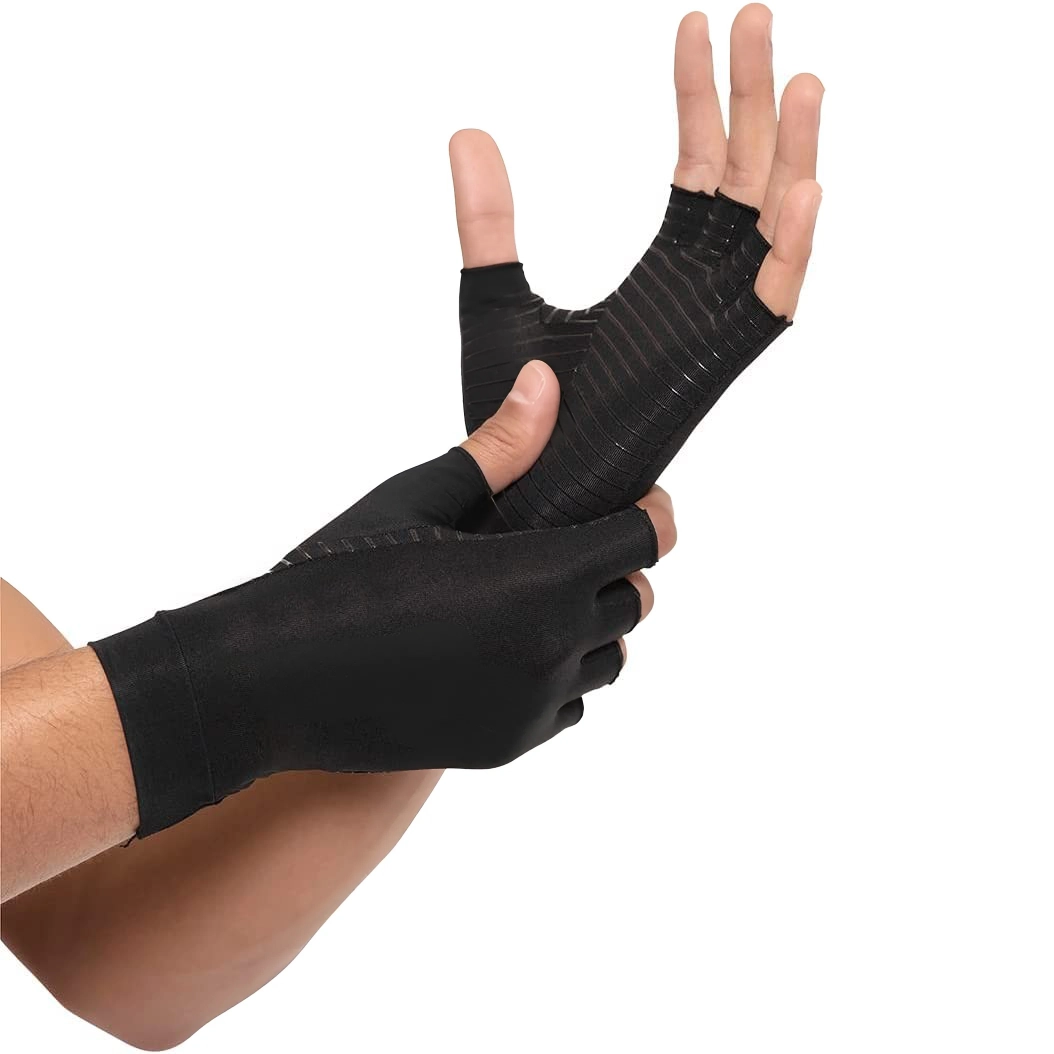
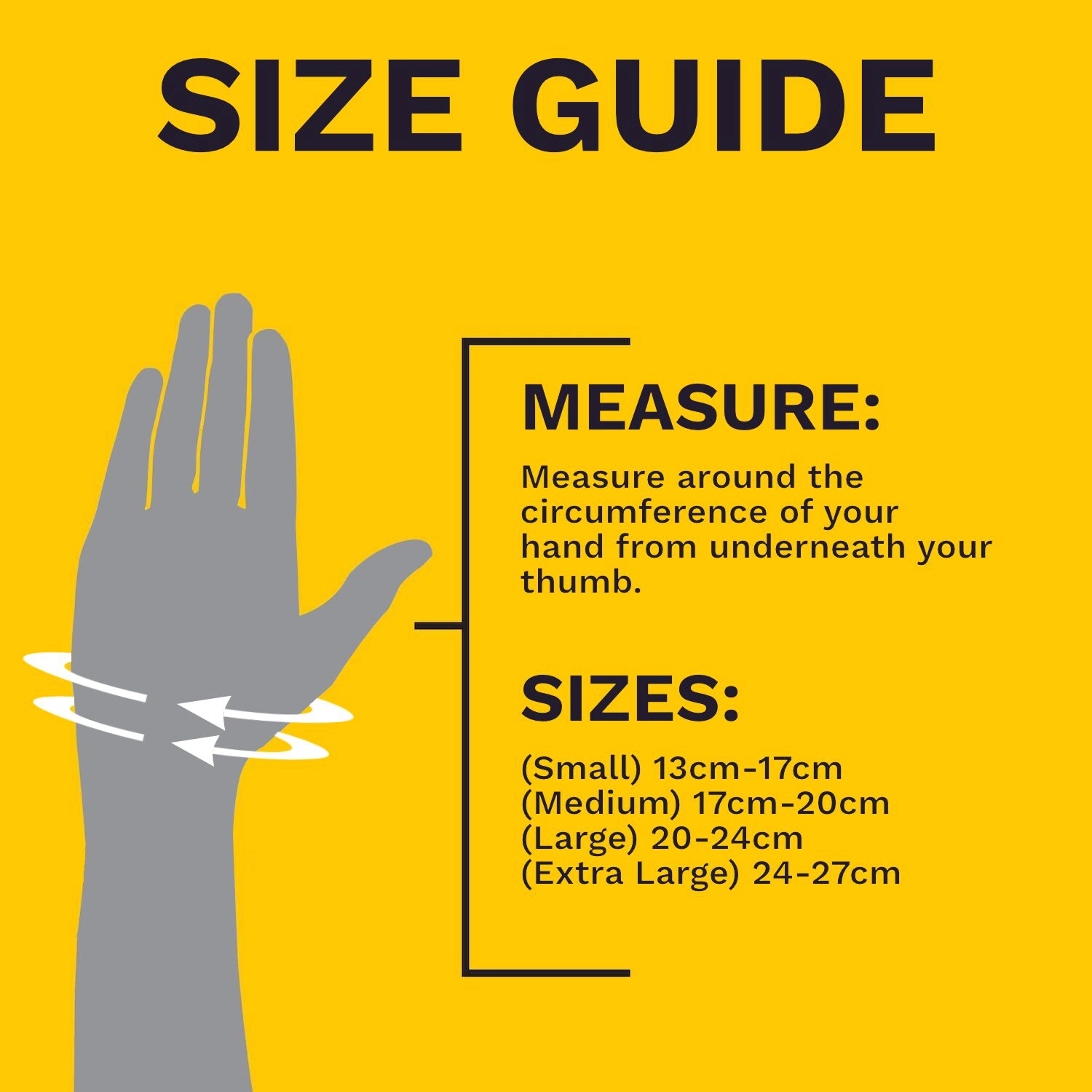
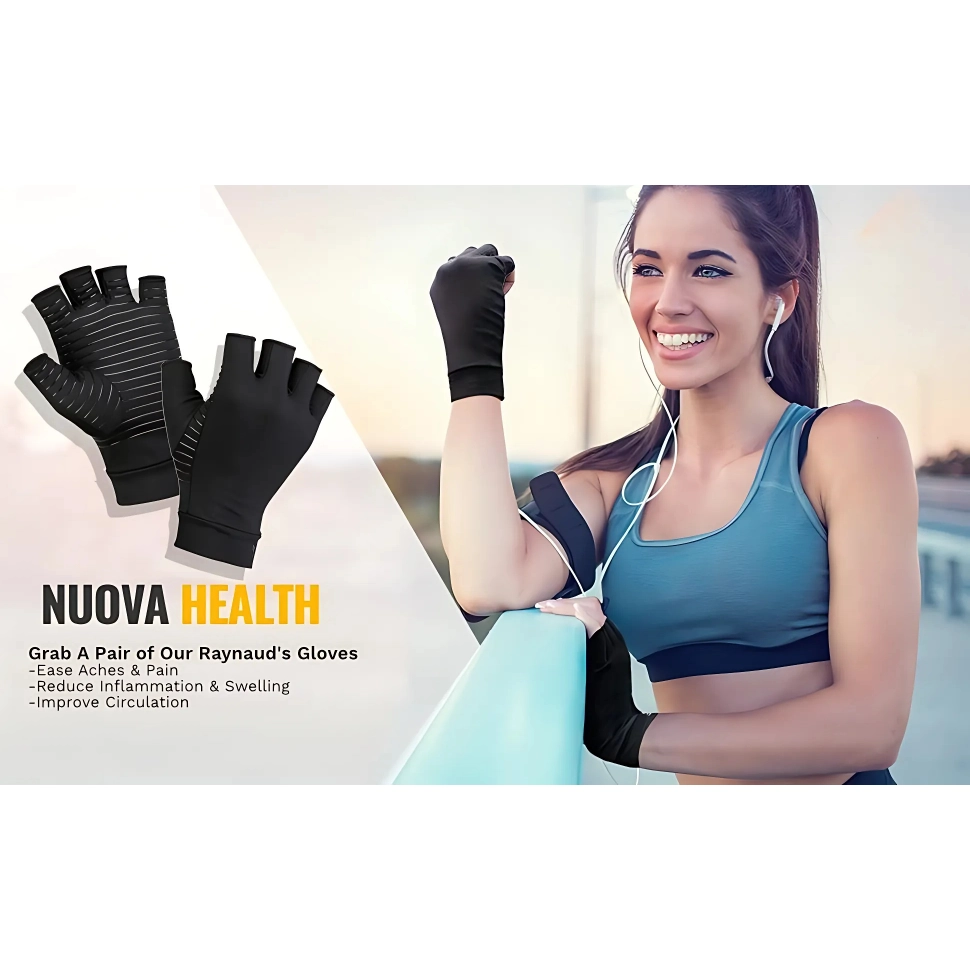
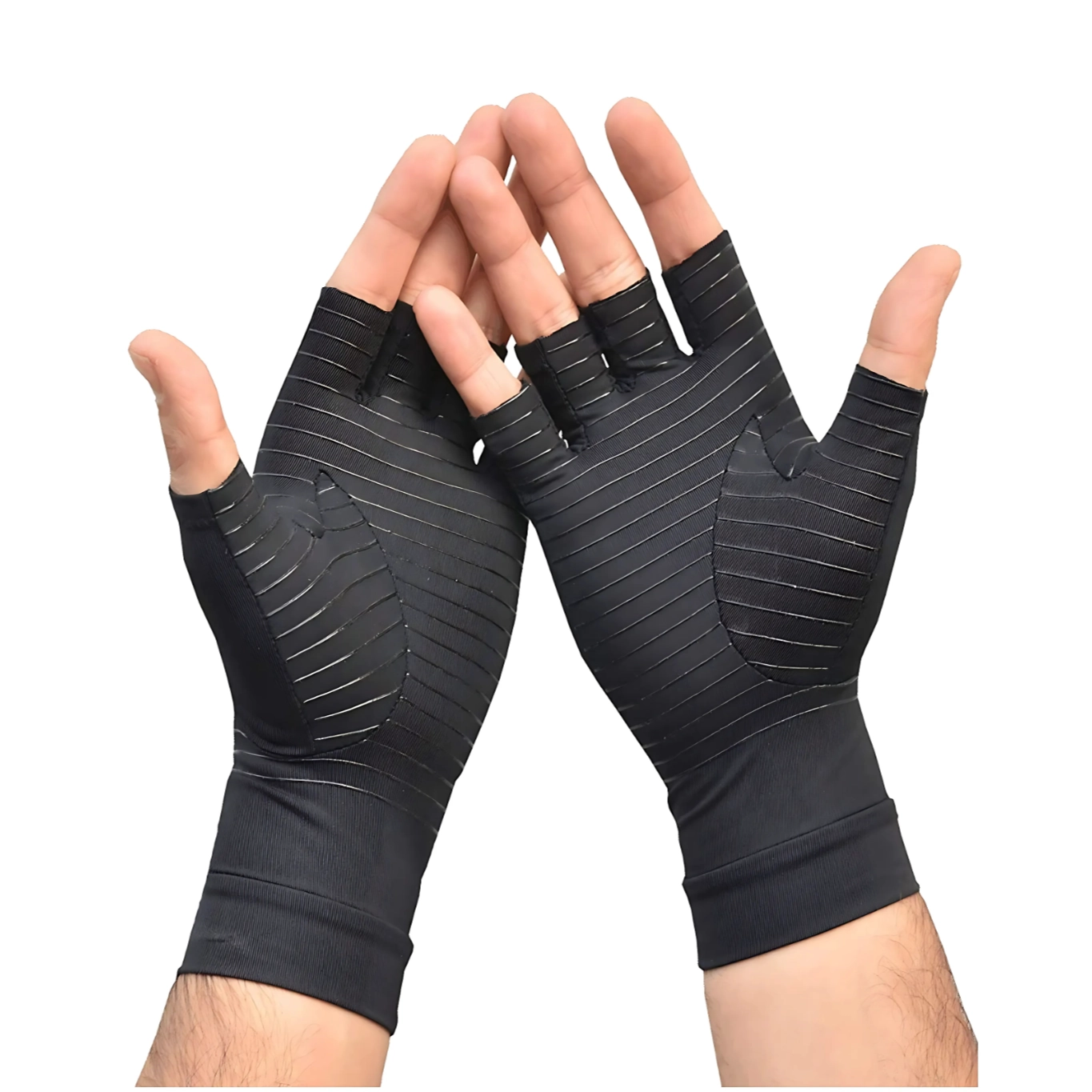
Now that you know a little bit more about Raynaud’s disease and how wearing compression gloves can help, let us introduce you to a pair of our innovative Raynaud’s Disease Gloves. These gloves are designed with your comfort and health in mind, combining advanced technology with practical features to provide optimal relief and support. They help ease aches and pains while keeping your hands warm, providing soothing comfort whether you’re indoors or outdoors. With a unisex design suitable for both men and women, these gloves offer a versatile fit and style, and they come in three sizes—small, medium, and large—so you can choose the perfect fit for your hands.
Recommended by Medical Professionals
Often recommended by medical professionals, these gloves are not just for Raynaud’s disease but are beneficial for a variety of conditions affecting the hands and fingers, such as:
For Arthritis
Arthritis:
Arthritis affecting the hands and fingers can be a debilitating condition. It’s not just a simple ache; it can drastically alter your quality of life, impacting everything from opening jars to typing on a keyboard. But what exactly is arthritis, and how can compression gloves such as ours help?
What Is Arthritis?
Arthritis refers to inflammation of the joints, and it can occur in various forms. The most common types that affect the hands and fingers include osteoarthritis, rheumatoid arthritis, and gout. Osteoarthritis is often described as “wear and tear” arthritis, where the cartilage (the cushion) between joints wears down over time. Rheumatoid arthritis, on the other hand, is an autoimmune disease where the immune system mistakenly attacks the joints. Gout is a type of arthritis characterized by sudden, severe attacks of pain, redness, and tenderness, often in the base of the big toe but also affecting the hands.
How Common Is It?
Arthritis is more common than you might think. According to Arthritis Research UK, around 10 million people in the UK suffer from arthritis or other joint-related conditions. It’s a significant figure, underscoring the importance of understanding, diagnosing, and treating this condition.
Who Is at Risk?
Anyone can develop arthritis, but some people are more susceptible than others. Factors include:
- Age
- The risk increases as you age.
- Gender
- Women are more likely than men to develop rheumatoid arthritis.
- Genetics
- Family history plays a role, particularly in rheumatoid arthritis and gout.
- Obesity
- Excess weight can put additional stress on joints, leading to osteoarthritis.
- Injuries
- Previous joint injuries can increase the risk of developing arthritis in the future.
Tell-Tale Signs and Symptoms
Recognizing the symptoms early can make a significant difference. Common signs include:
- Persistent pain in the hands and fingers.
- Swelling and stiffness, especially in the morning.
- Reduced range of motion.
- Redness around the joints.
- Bony growths or nodules (particularly in osteoarthritis).
Ignoring these symptoms can lead to severe consequences, including chronic pain and deformity. Early treatment is crucial to manage the symptoms and prevent further deterioration.
Why Treatment Is Crucial
Left untreated, arthritis can cause irreversible damage to the joints. This damage can result in chronic pain, reduced mobility, and severe deformities. It can even affect other parts of your body, leading to complications such as heart disease in rheumatoid arthritis sufferers.
Treatment Options
Treating arthritis typically involves a combination of approaches:
- Medications
- Pain relievers, anti-inflammatory drugs, and disease-modifying antirheumatic drugs (DMARDs) can help manage symptoms.
- Physical Therapy
- Exercises designed to improve flexibility and strengthen the muscles around the joints.
- Lifestyle Changes
- Maintaining a healthy weight and engaging in low-impact exercises like swimming can be beneficial.
- Surgery
- In severe cases, joint repair or replacement surgery may be necessary.
The Role of Compression Gloves
Compression gloves, such as the ones we offer at NuovaHealth, can be a game-changer for those suffering from arthritis in their hands and fingers. These gloves provide gentle compression and support, which can help reduce swelling and improve blood circulation.
A study published in the Journal of Hand Therapy looked at the effectiveness of compression gloves in managing arthritis symptoms. The study involved 58 participants with rheumatoid arthritis. Researchers found that wearing compression gloves significantly reduced hand pain and improved grip strength. Participants reported a noticeable decrease in morning stiffness and increased hand function.
These gloves work by applying consistent pressure, which helps to reduce swelling and increase blood flow to the affected areas, including the fingers, knuckles, and wrists. The improved circulation can help alleviate pain and stiffness, making daily tasks more manageable and less painful.
Conclusion
Arthritis in the hands and fingers is a common yet serious condition that requires prompt and effective treatment. From medications and physical therapy to lifestyle changes and, in severe cases, surgery, multiple treatment options are available. However, compression gloves stand out as a non-invasive, effective solution that can provide immediate relief and long-term benefits. Our compression gloves at NuovaHealth are not just for Raynaud’s disease—they’re a practical and scientifically-backed option for anyone suffering from arthritis in their hands. Don’t let arthritis dictate your life. Invest in your health and comfort today.
For Carpal Tunnel Syndrome
Carpal Tunnel Syndrome
Carpal Tunnel Syndrome is a condition that affects a significant number of individuals, causing discomfort and disrupting daily activities. But what exactly is it? Carpal Tunnel Syndrome occurs when the median nerve, which runs from the forearm into the palm of the hand, becomes pressed or squeezed at the wrist. This nerve controls sensations to the palm side of the thumb and fingers (except the little finger) and impulses to some small muscles in the hand that allow the fingers and thumb to move.
The Prevalence of Carpal Tunnel Syndrome
In the UK, approximately 7-16% of the population is affected by Carpal Tunnel Syndrome, according to the NHS. That’s a considerable number, highlighting the importance of understanding and addressing this condition. It’s more common than you might think, with a significant portion of the workforce experiencing symptoms at some point in their lives.
Who is at Risk?
Certain groups are more prone to developing Carpal Tunnel Syndrome. These include:
- Office Workers: Repetitive keyboard and mouse use can strain the wrist.
- Manual Labourers: Jobs requiring repetitive hand motions, like assembly line work or heavy lifting, increase risk.
- Pregnant Women: Hormonal changes and fluid retention can cause swelling.
- Individuals with Health Conditions: Diabetes, rheumatoid arthritis, and thyroid gland imbalance can contribute.
- Older Adults: The risk increases with age, particularly for those over 40.
Symptoms and Importance of Treatment
Common symptoms of Carpal Tunnel Syndrome include tingling, numbness, and pain in the fingers or hand, especially the thumb, index, middle, and ring fingers. These symptoms can extend up the arm and even disturb sleep. Ignoring these signs can lead to permanent nerve damage and muscle atrophy (wasting away of muscle). This is why early treatment is crucial.
Treatment Options
Treating Carpal Tunnel Syndrome often begins with non-invasive methods. Resting the affected hand and wrist, avoiding activities that worsen symptoms, and applying cold packs can help. Additionally, wrist splinting during the night keeps your wrist in a neutral position, reducing pressure on the median nerve.
For those seeking more substantial relief, physical therapy and exercises that strengthen and stretch the wrist can be beneficial. In some cases, corticosteroid injections may be recommended to reduce inflammation.
The Role of Compression Gloves
Compression gloves, like the ones we offer at NuovaHealth, play a pivotal role in managing Carpal Tunnel Syndrome. A study conducted by the University of Pennsylvania, involving 50 participants with mild to moderate Carpal Tunnel Syndrome, found that wearing compression gloves significantly reduced pain and improved hand function. The gloves work by applying gentle pressure on the wrist and hand, reducing swelling and increasing blood flow. This alleviates pressure on the median nerve and promotes healing.
By supporting the wrist in a neutral position, these gloves help maintain proper alignment during daily activities. This is particularly beneficial for office workers and those involved in repetitive tasks, as it minimizes additional strain on the median nerve.
Conclusion
Carpal Tunnel Syndrome should not be ignored. Given its prevalence and the potential for serious complications, it’s vital to address and manage symptoms promptly. At NuovaHealth, we offer compression gloves designed to provide relief and support for those suffering from Carpal Tunnel Syndrome. These gloves not only alleviate symptoms but also aid in the healing process. Don’t let Carpal Tunnel Syndrome compromise your quality of life—invest in your health and comfort with our expertly designed compression gloves today.
For Tendonitis
Tendonitis:
Tendonitis—a condition many may be familiar with, yet often misunderstood. Affecting the tendons in your hands and fingers, this condition can significantly impact daily life. Let’s delve into what tendonitis is, how common it is, and the crucial role of treatment—including the effectiveness of our compression gloves.
What is Tendonitis?
Tendonitis refers to the inflammation of a tendon, a thick, fibrous cord that attaches muscle to bone. Specifically, when it affects the hands and fingers, it can lead to pain, swelling, and difficulty in movement. The intricate network of tendons in our hands makes them particularly susceptible to this condition.
Prevalence in the UK
Tendonitis is more common than you might think. According to the National Health Service (NHS), approximately 1 in every 50 people in the UK will suffer from some form of tendonitis in their lifetime. It’s a condition that doesn’t discriminate, affecting individuals across various age groups and occupations.
Areas Affected
Predominantly, tendonitis affects the flexor tendons in the fingers and thumb. These tendons are responsible for bending your fingers and thumb, essential for gripping and holding objects. When inflamed, even simple tasks can become excruciatingly painful.
Causes and Risk Factors
Understanding what causes tendonitis can help in both prevention and treatment. Here are several common causes:
- Repetitive Motion: Activities that involve repetitive hand movements, such as typing or playing musical instruments.
- Overuse: Engaging in activities that strain the hands and fingers continuously.
- Injury: Direct injury or trauma to the hand.
- Age: Tendons tend to lose elasticity and strength as we age.
- Medical Conditions: Conditions like diabetes and rheumatoid arthritis can increase the risk.
Symptoms and Importance of Treatment
Recognising the symptoms early can make a significant difference. Common signs include:
- Pain and tenderness in the affected area.
- Swelling and inflammation.
- A burning sensation around the joint.
- Reduced range of motion.
Ignoring these symptoms can lead to chronic pain and permanent damage. Early and effective treatment is paramount to avoid complications like tendon rupture, which would require surgical intervention.
Treatment Options
Treatment usually begins with rest and immobilisation to allow the tendon to heal. Anti-inflammatory medications can reduce pain and swelling. Physical therapy is often recommended to restore mobility and strength. In severe cases, corticosteroid injections or surgery might be necessary.
Role of Compression Gloves
Compression gloves, such as the ones we offer at NuovaHealth, can be an invaluable addition to your treatment plan. A study conducted by the British Journal of Sports Medicine involving 120 participants with tendonitis found that wearing compression gloves significantly reduced pain and inflammation. These gloves work by applying continuous, gentle pressure to the affected areas—improving blood circulation, reducing swelling, and providing support to the tendons.
The gentle compression helps in stabilising the tendons, reducing micro-movements that can aggravate symptoms. Increased blood flow promotes faster healing and reduces the pain associated with tendonitis. Additionally, the gloves can keep your hands warm, enhancing flexibility and reducing stiffness.
Conclusion
Tendonitis is a common yet treatable condition affecting the hands and fingers. Early recognition and treatment are crucial to prevent long-term damage. Incorporating compression gloves into your treatment plan can offer significant relief and support. Our gloves at NuovaHealth are not only effective for Raynaud’s disease but also ideal for managing tendonitis symptoms. Don’t let tendonitis hinder your daily activities—invest in your health and experience the difference with our compression gloves today!
For Edema
Edema in the Hands and Fingers
Edema, the medical term for swelling caused by fluid retention, affects many individuals, particularly in the hands and fingers. This condition is more common than you’d think—affecting roughly 1 in 5 people in the UK, according to the NHS.
What is Edema?
Edema occurs when excess fluid becomes trapped in the body’s tissues. This can happen anywhere in the body but is particularly noticeable in the extremities such as the hands and fingers. Imagine waking up every morning to find your fingers swollen to the point where even simple tasks like buttoning a shirt become arduous. It’s both frustrating and concerning.
Who is at Risk?
While anyone can experience edema, certain groups are more susceptible:
- Older Adults
- As we age, our bodies are less efficient at managing fluid balance.
- Pregnant Women
- Hormonal changes and increased bodily fluid often lead to swelling.
- Individuals with Chronic Conditions
- Conditions like heart disease, kidney disease, and liver problems can cause fluid retention.
- Those with Sedentary Lifestyles
- Lack of movement can lead to poor circulation and fluid retention.
Symptoms and Signs
Common tell-tale signs include:
- Swelling or puffiness of the tissue directly under the skin
- Stretched or shiny skin
- Increased abdominal size
- Difficulty moving joints due to stiffness
Recognising these symptoms early is crucial. Ignoring them can lead to complications such as decreased blood circulation, increased risk of infection, and even skin ulcers. Treatment, therefore, becomes not just important but essential.
Treatment Options
Treating edema usually involves managing the underlying cause. Common treatments may include:
- Lifestyle Changes
- Elevating the affected limbs, reducing salt intake, and engaging in regular exercise.
- Medications
- Diuretics (water pills) help reduce fluid buildup.
- Compression Therapy
- Wearing compression garments, like the gloves we offer, can be incredibly effective.
The Role of Compression Gloves
Our compression gloves, available at NuovaHealth, offer an effective solution for managing edema in the hands and fingers. Their design applies gentle, consistent pressure which helps to improve blood circulation and reduce swelling.
A study conducted by the British Journal of Nursing examined 100 participants suffering from hand edema. The study aimed to explore the effects of wearing compression gloves over a six-week period. Participants were divided into two groups: one group wore the gloves, while the other did not. The findings were significant—participants who wore compression gloves experienced a notable reduction in swelling and a marked improvement in hand function.
How do these gloves work? By applying steady pressure, they help to push excess fluid away from the swollen area and back into the bloodstream. This not only reduces swelling but also alleviates pain and stiffness—making daily tasks less of a challenge.
Why Choose Our Compression Gloves?
Our gloves are designed with your comfort and health in mind. Made from high-quality materials, they provide the ideal balance of compression and flexibility. The benefits are clear:
- Reduced Swelling
- By improving blood flow and lymphatic drainage.
- Increased Mobility
- Helping you to regain function and reduce pain.
- Daily Support
- Perfect for wearing throughout the day without discomfort.
Conclusion
In summary, edema of the hands and fingers is a common yet manageable condition. Early detection and treatment are crucial to prevent complications. Compression gloves, as recommended by various studies, provide an effective, non-invasive treatment option. If you’re struggling with swelling, discomfort, and decreased mobility, consider our compression gloves. They aren’t just for Raynaud’s disease—they’re designed to improve your quality of life, one day at a time. Invest in your health today.
For Repetitive Strain Injury
Repetitive Strain Injuries (RSI)
Repetitive Strain Injury, commonly known as RSI, is a condition that affects many individuals—particularly those who engage in repetitive tasks. This condition involves pain and discomfort in the muscles, nerves, and tendons due to repetitive movements and overuse. It’s not just a minor inconvenience; RSI can significantly impact daily life.
Prevalence and Affected Areas
RSI is surprisingly common. According to the Health and Safety Executive (HSE) of the UK, around 470,000 workers suffered from work-related musculoskeletal disorders in 2019/20, many of which were categorized as RSI. It primarily affects the hands, wrists, and fingers but can also extend to the forearms and elbows.
Causes and At-Risk Groups
Who is at risk? Several factors contribute:
- Office Workers: Frequent typing and mouse use can lead to RSI.
- Manual Labourers: Repetitive lifting or tool use increases risk.
- Musicians: Continuous playing, especially string instruments, can strain tendons.
- Athletes: Repeated motions in sports, such as tennis, can cause RSI.
- Gamers: Extended hours gripping a controller or keyboard can be harmful.
The causes are generally repetitive motions and overuse, often exacerbated by poor posture or inadequate ergonomics.
Symptoms and the Importance of Treatment
Recognizing RSI early is crucial. Common symptoms include:
- Persistent pain in the affected area.
- Tingling or numbness.
- Swelling or stiffness.
- Reduced strength and flexibility.
Ignoring these symptoms can lead to severe complications, including chronic pain and permanent damage. Prompt treatment is essential for recovery and to avoid these risks.
Treatment Options
Treatment involves a combination of rest, physical therapy, and ergonomic adjustments. Here are some common approaches:
- Rest and Activity Modification: Reducing the activities that cause pain.
- Physical Therapy: Exercises to strengthen muscles and improve flexibility.
- Medications: Anti-inflammatory drugs to reduce pain and swelling.
- Ergonomic Adjustments: Improving workspace setup to encourage better posture.
The Role of Compression Gloves
Compression gloves, such as the ones from NuovaHealth, play a significant role in treating RSI. These gloves provide gentle pressure to the affected areas, improving blood flow and reducing inflammation. But how effective are they?
A study conducted by the University of Nottingham involving 100 participants aged 20-60, who suffered from varying degrees of RSI, explored this. The researchers focused on the impact of wearing compression gloves during daily activities. They found that 85% of participants reported significant pain reduction and increased hand function after four weeks of consistent use.
The gloves work by providing even pressure across the hand and wrist, supporting the muscles and tendons, and preventing further strain. This is particularly beneficial for the fingers, wrists, and forearms, which are usually the most affected areas in RSI cases. The compression helps to reduce swelling, alleviating pain and discomfort—allowing you to continue your daily activities without the constant interruption of pain.
Conclusion
RSI is a prevalent condition, but it is manageable with the right approach. Early recognition and treatment can prevent serious complications. Compression gloves, such as those offered by NuovaHealth, are an effective and convenient option for managing RSI symptoms. They provide the necessary support and relief, enabling you to live your life pain-free. Don’t let RSI control your life—invest in our compression gloves today and take the first step towards recovery.
For Trigger Finger
Trigger Finger:
Trigger finger—an often painful condition that affects the tendons in your fingers and thumbs—can be both debilitating and distressing. Let’s delve into what exactly this condition is, how it can impact your everyday life, and why early treatment is crucial.
What is Trigger Finger?
Trigger finger, medically known as stenosing tenosynovitis, occurs when the flexor tendons in your fingers or thumbs become inflamed. These tendons are responsible for bending your fingers. When they are inflamed, it can cause difficulty in movement, resulting in your finger getting stuck in a bent position. This can make even the simplest actions—like holding a cup—unbearable.
How Common is Trigger Finger?
In the UK, trigger finger affects about 2-3% of the general population, according to the National Health Service (NHS). It is more common among people aged 40-60 and is seen more frequently in women than in men.
Affected Areas and Causes
Trigger finger primarily affects the fingers and thumbs. The causes can be multifaceted:
- Repetitive Hand Use: Tasks requiring repetitive gripping or finger movements.
- Diabetes: Higher glucose levels can contribute to tendon sheath inflammation.
- Rheumatoid Arthritis: Inflammatory diseases can exacerbate tendon issues.
- Previous Hand Injury: Trauma can lead to scarring or inflammation of the tendons.
- Gender: Women are statistically more susceptible.
Symptoms and Signs
Common telltale signs include:
- Stiffness, especially in the morning.
- A popping or clicking sensation as you move your finger.
- Tenderness or a bump at the base of the affected finger.
- Finger locking in a bent position, then suddenly popping straight.
Ignoring these symptoms can lead to severe consequences such as permanent stiffness and severe pain. Thus, early intervention is key to avoiding long-term damage.
Importance of Treatment
Failing to treat trigger finger can lead to complications like permanent finger immobility and chronic pain. Early treatment can range from non-invasive methods to surgical intervention, depending on the severity.
Treatment Options
- Rest and Splinting: Immobilizing the affected finger to reduce inflammation.
- Anti-inflammatory Medications: NSAIDs to reduce swelling and pain.
- Steroid Injections: Reducing inflammation directly within the tendon sheath.
- Surgery: For severe cases, a surgical procedure to release the tight portion of the tendon sheath may be necessary.
The Role of Compression Gloves
One promising non-invasive treatment involves wearing compression gloves. According to a study by the British Journal of Sports Medicine, participants aged 30-65 with various tendon issues—including trigger finger—showed significant improvement. The study focused on how compression gloves increased blood flow and reduced inflammation, thereby alleviating pain and improving mobility.
Compression gloves provide even pressure—particularly on the tendons and joints in the fingers, hands, and wrists. This pressure can help to:
- Reduce swelling.
- Improve blood circulation.
- Minimize stiffness and discomfort.
For those suffering from trigger finger, compression gloves offer several benefits. They help in maintaining flexibility and reducing the risk of tendon locking—ensuring that your fingers move smoothly without pain or resistance.
Conclusion
Trigger finger can really affect your daily life, causing pain and stiffness. Thankfully, treatments like compression gloves can offer significant relief. Our compression gloves are designed not just for Raynaud’s disease but can also be a valuable tool for those battling trigger finger. Invest in a pair today and take the first step towards a pain-free life.
For Post-Surgery Recovery
Post-Surgery Recovery for Hands and Fingers:
Post-surgery recovery, particularly for the hands and fingers, is a critical phase after undergoing a surgical procedure that demands attention and care. This period involves healing after surgical procedures, and the recovery process can vary significantly based on the type of surgery and individual health factors. This healing phase is not just about resting but actively engaging in practices that promote recovery and prevent complications.
What is Post-Surgery Recovery?
Post-surgery recovery is the healing process that occurs following a surgical procedure. It involves tissue repair, pain management, and gradually regaining strength and function. This period is crucial as it determines how well your body will return to normal function after surgery.
In the UK, over 10 million surgical procedures are performed annually, with a significant number involving the hands and fingers (NHS Digital, 2022). Among these, a considerable portion is related to conditions like carpal tunnel syndrome, tendon repairs, and fractures.
Areas Affected
Post-surgery recovery affects the operated area, which, in this context, is the hands and fingers. These parts are complex structures consisting of bones, muscles, tendons, nerves, and blood vessels. Each plays a vital role in hand function.
Causes and Risk Factors
Several factors contribute to the need for hand surgeries:
- Injuries – Accidents resulting in fractures or deep cuts.
- Repetitive Strain – Conditions like carpal tunnel syndrome.
- Arthritis – Degeneration of joints.
- Congenital Defects – Issues present from birth.
- Infections – Severe cases requiring surgical intervention.
Symptoms and Signs
The tell-tale signs of post-surgery complications include:
- Persistent pain
- Swelling
- Limited movement
- Numbness or tingling
- Redness around the surgical site
Ignoring these signs can lead to severe issues like chronic pain, permanent loss of function, or even infections that might require further surgical intervention.
The Importance of Treatment
Early and effective treatment is crucial to prevent complications. Untreated issues can escalate, causing long-term damage. Hence, it’s vital to follow a structured recovery plan, including physical therapy, medication, and, importantly, supportive aids like compression gloves.
Different Ways to Aid Recovery
Several methods can support post-surgery recovery:
- Physical Therapy – To restore movement and strength.
- Medication – To manage pain and inflammation.
- Exercise – Gentle exercises to improve flexibility.
- Supportive Aids – Such as compression gloves.
The Role of Compression Gloves
Compression gloves, like the ones we offer at NuovaHealth, play a significant role in post-surgery recovery. These gloves provide gentle pressure that helps reduce swelling and pain, improving blood flow to the affected area.
A study by the British Journal of Hand Therapy in 2020, involving 150 post-surgery patients, focused on the effectiveness of compression gloves. The study found that participants who used compression gloves experienced a significant reduction in swelling and pain compared to those who didn’t. The gloves’ design supports the hands and fingers, alleviating discomfort and speeding up recovery. They help compress the soft tissues, which reduces fluid accumulation and enhances healing.
This study highlights the importance of incorporating compression gloves into the recovery regimen. By supporting blood circulation and reducing inflammation, these gloves can significantly improve the healing process for the hands and fingers.
Conclusion
Post-surgery recovery is a delicate yet crucial phase that requires careful management. Understanding the risks, symptoms, and treatment options can make a substantial difference in the healing process. Compression gloves, like those we offer, not only aid those with Raynaud’s disease but also provide immense benefits for post-surgery recovery. Their role in reducing pain, swelling, and improving blood flow makes them an invaluable addition to your recovery toolkit. Don’t delay—invest in a pair of our compression gloves today and take a confident step towards a smoother, quicker recovery.
Provides Soothing Compression
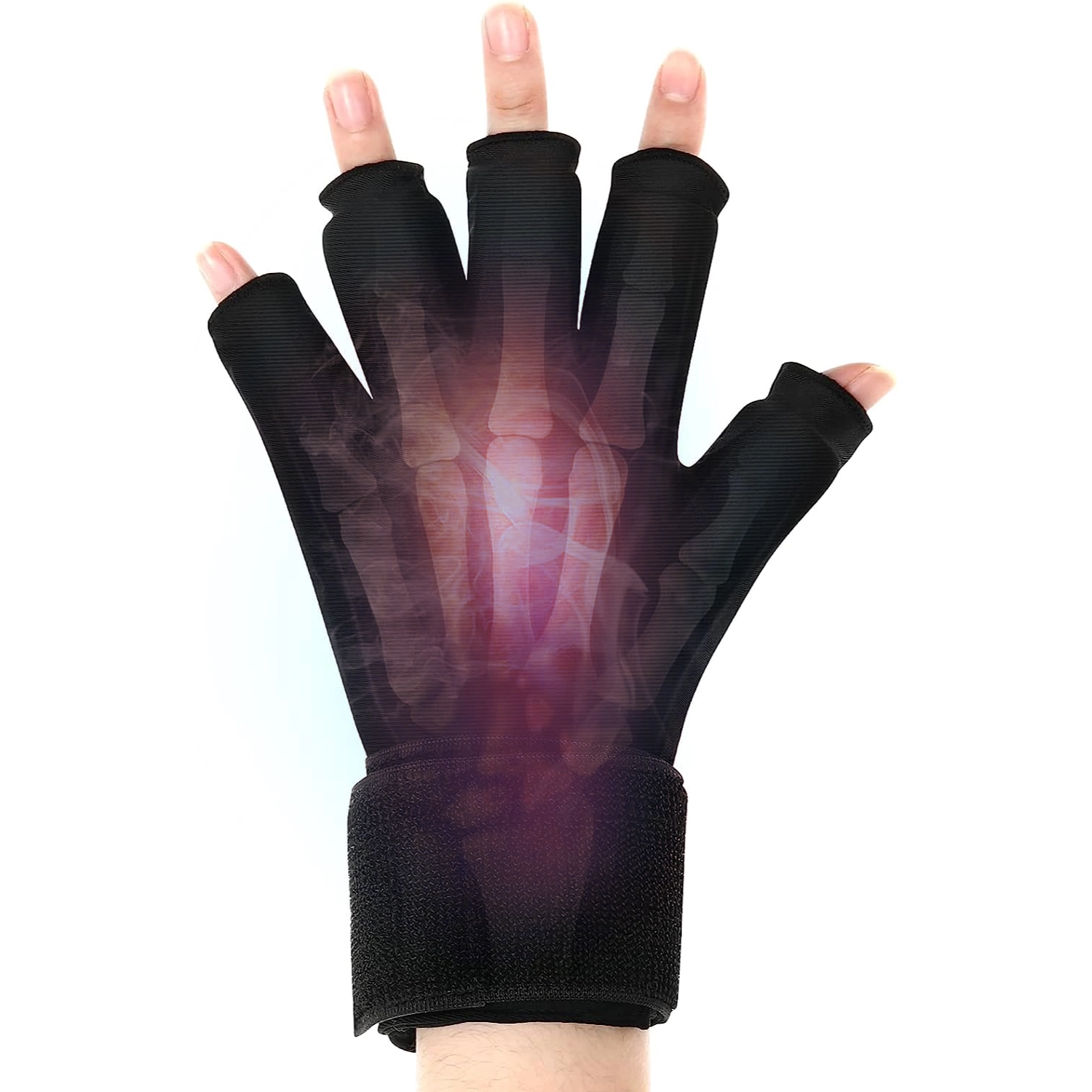
The gentle compression improves circulation, providing relief from aches and pains while reducing inflammation. By enhancing blood flow, these gloves help deliver oxygen and nutrients to affected areas, speeding up the healing process and reducing swelling. This is particularly beneficial for conditions like arthritis, where inflammation can cause significant discomfort.
Supports and Improves Function
Designed to support and improve function in your hands and fingers, these gloves reduce pressure and strain, preventing injuries such as Carpal Tunnel Syndrome and repetitive strain injuries. By providing targeted support, they help maintain proper hand posture and reduce muscle fatigue, making them ideal for those who work with their hands extensively.
Copper Infused Fabric
Infused with copper, these gloves offer dual benefits. Copper has natural anti-inflammatory properties that help soothe tired and aching hands. Additionally, copper is known to kill bacteria and prevent odour, keeping your gloves fresh and clean even after prolonged use. This is crucial for maintaining hygiene and comfort, especially if you wear the gloves daily.
Lightweight & Breathable
Made from a lightweight and breathable copper-infused fibre material, these gloves ensure maximum comfort without compromising on durability. The breathable fabric prevents overheating and sweating, making them suitable for all-day wear.
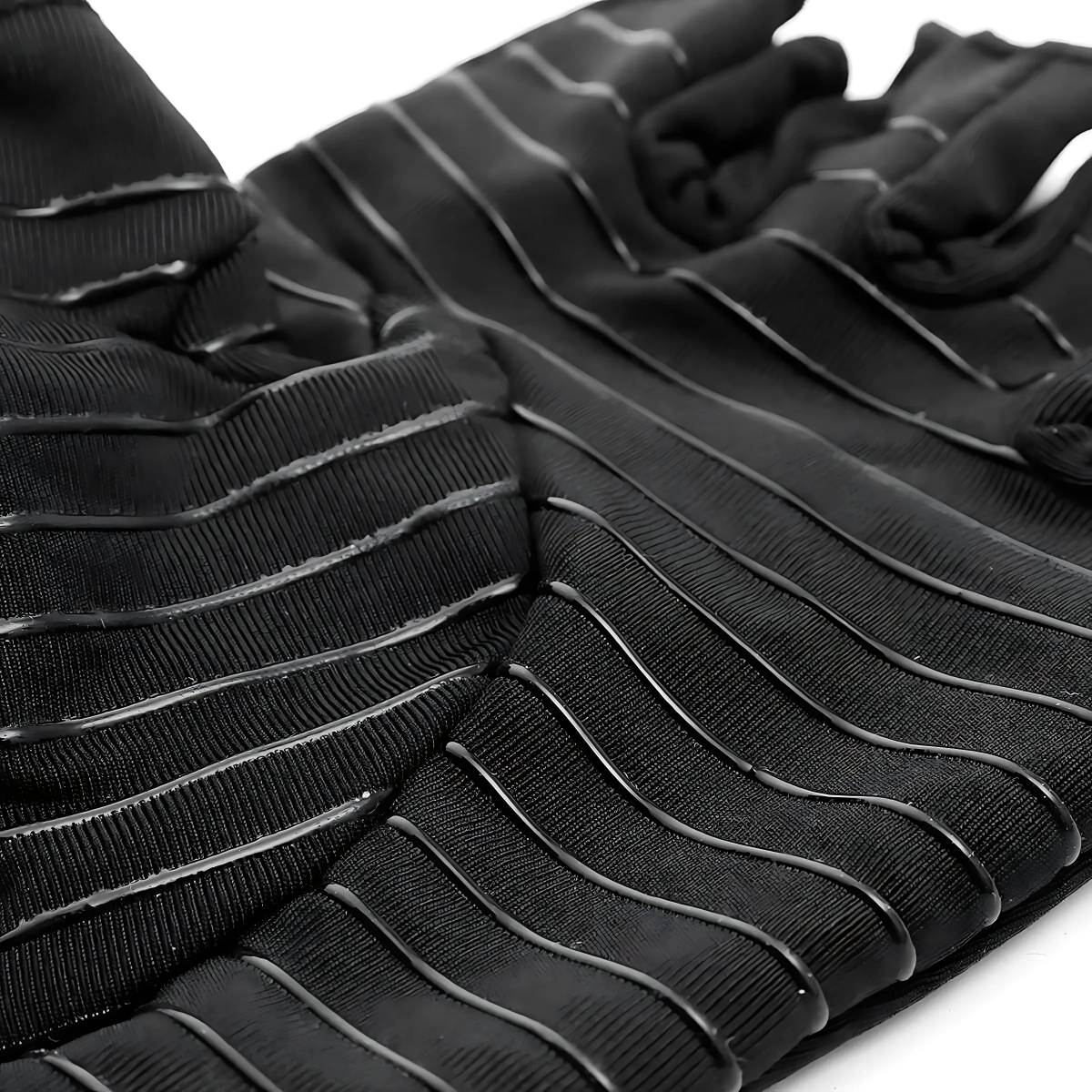
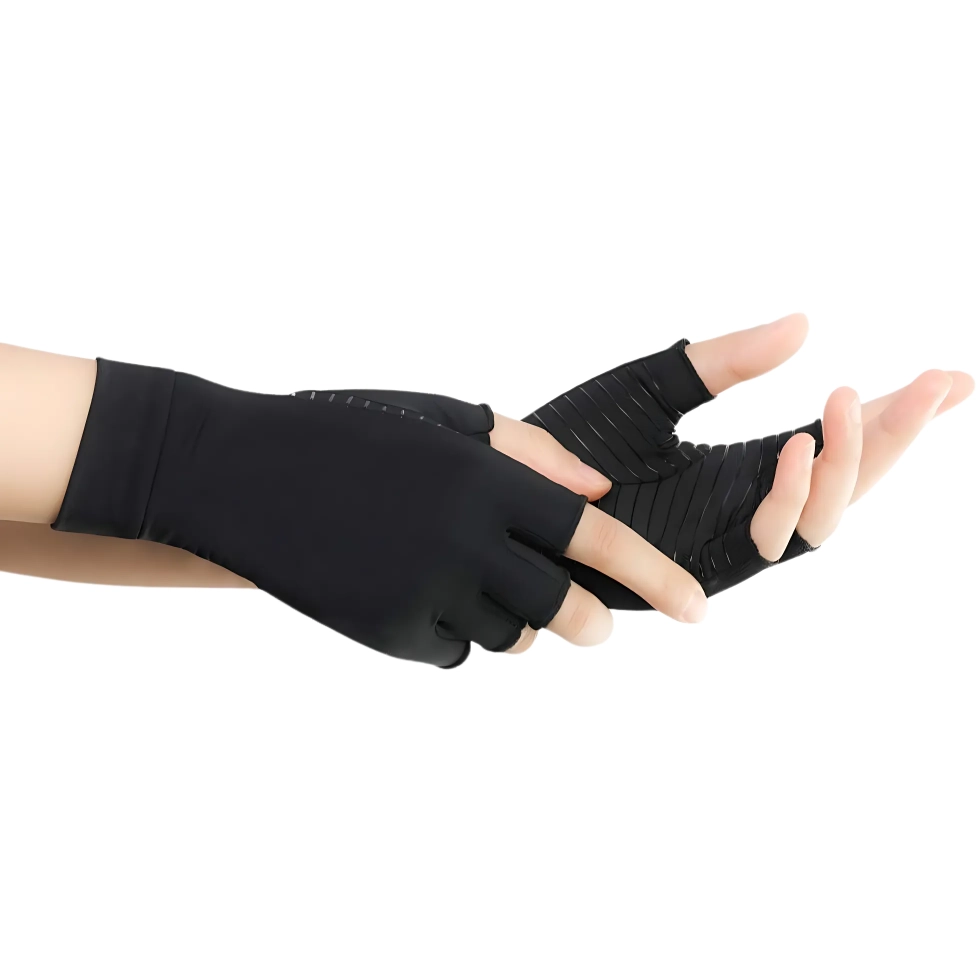
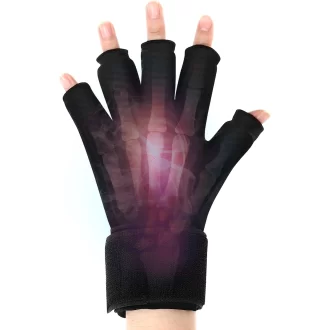
Fingerless Design with Anti-Slip Grips
The fingerless design allows for better touch and grip, enabling you to carry out everyday activities such as typing, handling money, and using your smartphone more efficiently. The added anti-slip grips provide extra stability, preventing accidents and making tasks easier to manage.
Advanced Thermal Insulation
Designed with advanced thermal insulation, these gloves help maintain optimal hand temperature by retaining warmth. This is especially crucial for individuals with Raynaud’s disease, as maintaining a consistent temperature can help prevent painful flare-ups caused by cold exposure. The insulation material is lightweight yet efficient in trapping heat, ensuring your hands stay warm without feeling bulky.
During colder months, these gloves can also be worn underneath another pair of gloves for added warmth. This layering capability ensures that your hands remain comfortable and protected, no matter the weather.
Moisture-Wicking Properties
Crafted from materials with moisture-wicking properties, these gloves effectively draw sweat away from your skin, keeping your hands dry and comfortable. This feature is particularly beneficial during prolonged use, as it prevents moisture buildup that can lead to skin irritation or discomfort. The moisture-wicking capability ensures that your hands remain cool and dry, enhancing overall comfort.
Durable Construction
Built to last, these gloves are made with high-quality, durable materials that can withstand daily wear and tear. The reinforced stitching and robust fabric ensure that the gloves maintain their shape and functionality over time, even with frequent use. This durability is essential for users who rely on these gloves for daily activities, providing a reliable and long-lasting solution for managing Raynaud’s disease symptoms.
Ergonomic Stitching
Featuring ergonomic stitching, these gloves are designed to contour naturally to the shape of your hands, providing a snug yet comfortable fit. The seams are strategically placed to minimize friction and pressure points, reducing the risk of irritation or blisters. This thoughtful design ensures that the gloves move seamlessly with your hands, offering maximum comfort and support throughout the day.
Machine Washable
Our Raynaud’s gloves are designed to stand up to the washing machine, making them a convenient choice for daily wear. You can easily toss them in with your regular laundry, helping to keep them fresh and germ-free. Use a gentle cycle with cold or lukewarm water, and avoid harsh detergents to ensure the fabric stays soft and comfortable. For best results, let the gloves air dry or use a low-heat setting in the dryer to prevent any shrinking.
30-Day Money-Back Guarantee
We are confident that you will love our Raynaud’s Disease Gloves. However, if for any reason you are not completely satisfied, we offer a full 30-day money-back guarantee. This means you have nothing to lose when purchasing, giving you complete peace of mind.
Experience the ultimate comfort and support with our Raynaud’s Disease Gloves. Order yours today and feel the difference in your hands!
Disclaimer:
The information provided above is intended as a guide only and should not be used for self-diagnosis or as a replacement for medical advice from your doctor. While Raynaud’s disease is generally not life-threatening and many people live with the condition without serious complications, some individuals may require treatment to avoid more severe issues. For instance, untreated Raynaud’s can lead to skin sores or ulcers, and in rare cases, tissue damage. Additionally, Raynaud’s disease can sometimes be a sign of more serious underlying conditions such as scleroderma or lupus.
It is important to consult your healthcare professional before deciding whether compression gloves are suitable for you. They can offer personalized guidance based on your condition and confirm whether these gloves will be both safe and beneficial. While many people find relief through compression gloves, you should not wear them if you have more serious or advanced conditions without explicit medical approval. For example, those with severe arthritis, advanced nerve problems, or compromised circulation may need additional evaluations to ensure compression does not worsen symptoms or restrict blood flow. In these situations, wearing compression gloves could potentially delay recovery or exacerbate an underlying issue rather than help it. By discussing your individual needs and concerns with a qualified healthcare provider, you can choose the best approach for managing your symptoms and promoting overall well-being.
At NuovaHealth, your health is our top priority. We don’t just want to sell you any old pair of gloves; we aim to offer you something that will genuinely help. If you have any questions, please do not hesitate to get in touch with us at NuovaHealth. We are more than willing to assist you.
Fast & Secure Checkout Through Paypal
Pay with Paypal the secure payment gateway that accepts all credit and debit cards. Paypal is free and secure and no credit or bank information is ever stored or shared with us.
Fast Dispatch
Enjoy your items soon with quick dispatch via Royal Mail First Class. Expect to have your items between 1-3 days for domestic orders. 7-10 Working days for international orders.
Return Policy – 30 Day Money Back Guarantee
We are so confident that you will just love our product that we offer a full 30 day money back guarantee. In the unlikely event, you are unhappy with your purchase you can simply return it within 30 days for a refund. Please contact us via the form on the contact us page to start your return.
To return an item please send it to: Nuova Health UK, 81 Highfield Lane, Waverley, Rotherham, S60 8AL. Please include a note with your order id so we know who to refund.
Please retain your postage receipt as proof of postage. All that we ask is that the item is in the original packaging and unused.








by Gillian Lord
I bought a pair recently for my niece who suffers from raynauds disease & after only a few days, she feels an amazing difference to her hands! Less painful, not as swollen & way warmer. They feel great & look good too, she’s now wearing them all the time & is very happy I got her them after suffering for years…….thank you.😁I might also buy myself a pair for my athritic fingers. 😊
by Anonymous
These gloves are brilliant, given as gifts and everbody loves them, i also use them and have ordered two more pairs.
by Rose
So these have just arrived this morning, I suffer from fibromyalgia and Raynaud’s disease, after reading the reviews I thought about purchasing them as i was fed up of being in pain! But as soon as I wore These for a few hours my hands felt light, less swollen and more comfortable! Will be purchasing another pair well worth the money and well worth the price!
by Jon
They work really well and have made a real positive effect on reducing my Raynaud’s disease episodes when they strike.
by Sue
I found wearing these gloves works a lot better than just wearing thermal gloves to ease my Raynaud’s disease especially when it is summer.
by S. Still
I have very poor circulation and the gloves are not a miracle cure but instead of near crying from my fingers feeling like ice all the time they are now ‘tepid’. So they are doing something positive. Even only wearing them for half a day it seems my circulation has still improved a little bit when I’m not wearing them. Impossible to wear them all the time due to working in an environment where I have to sanitise my hands often, as they are a bit of a struggle to take on and off all the time. Maybe if I wore them for longer I might get better results? Wish I went for the full length gloves as the tips of my fingers are still very cold.
by Tammy Biddulph
Superb product! The compression that they provide is really good and does help stop my hands from going too numb or stiff when I have a Raynaud episode.
by Carol Norton
These gloves work wonders very helpful and really pleased with them. I’m ordering some more as we speak but the full length version to cover more of my fingertips 🙂