
Gel Heat therapy Raynaud’s Disease Glove
£24.99inc VAT
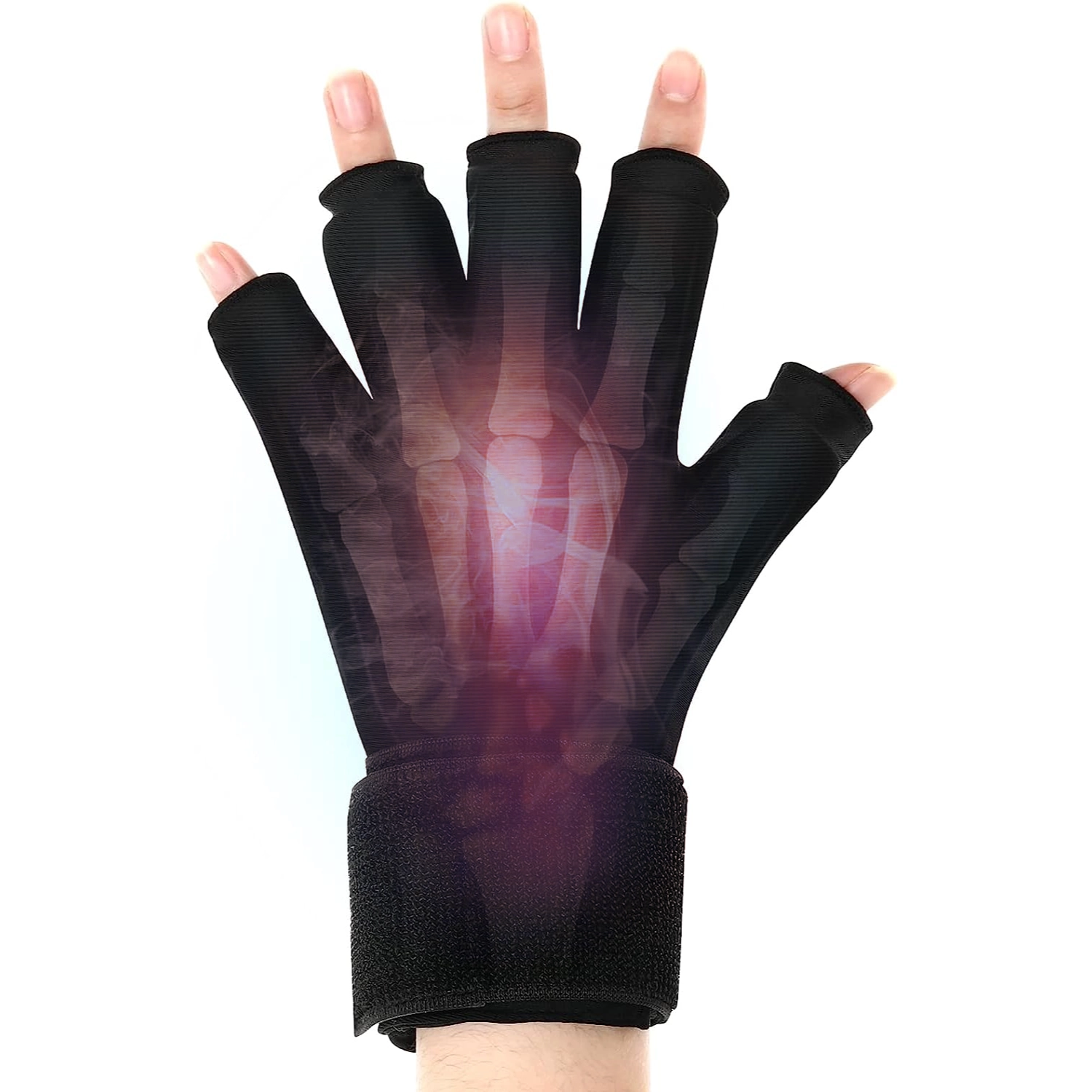
- The RevitaFit Gel Glove is made for the moments when Raynaud’s strikes and your hands turn white, numb and painfully stiff – it delivers gentle, steady heat exactly where you need it.
- No wires, no batteries: just heat the sealed gel in a microwave for around 90 seconds, and it’s ready to slip on.
- That warmth helps the small blood vessels in your fingers open up, so blood flow returns and the ache, stiffness and clumsiness start to ease.
- Built-in compression keeps the gel pressed close to your skin and supports natural fluid movement – a real help if your hands also feel swollen or heavy.
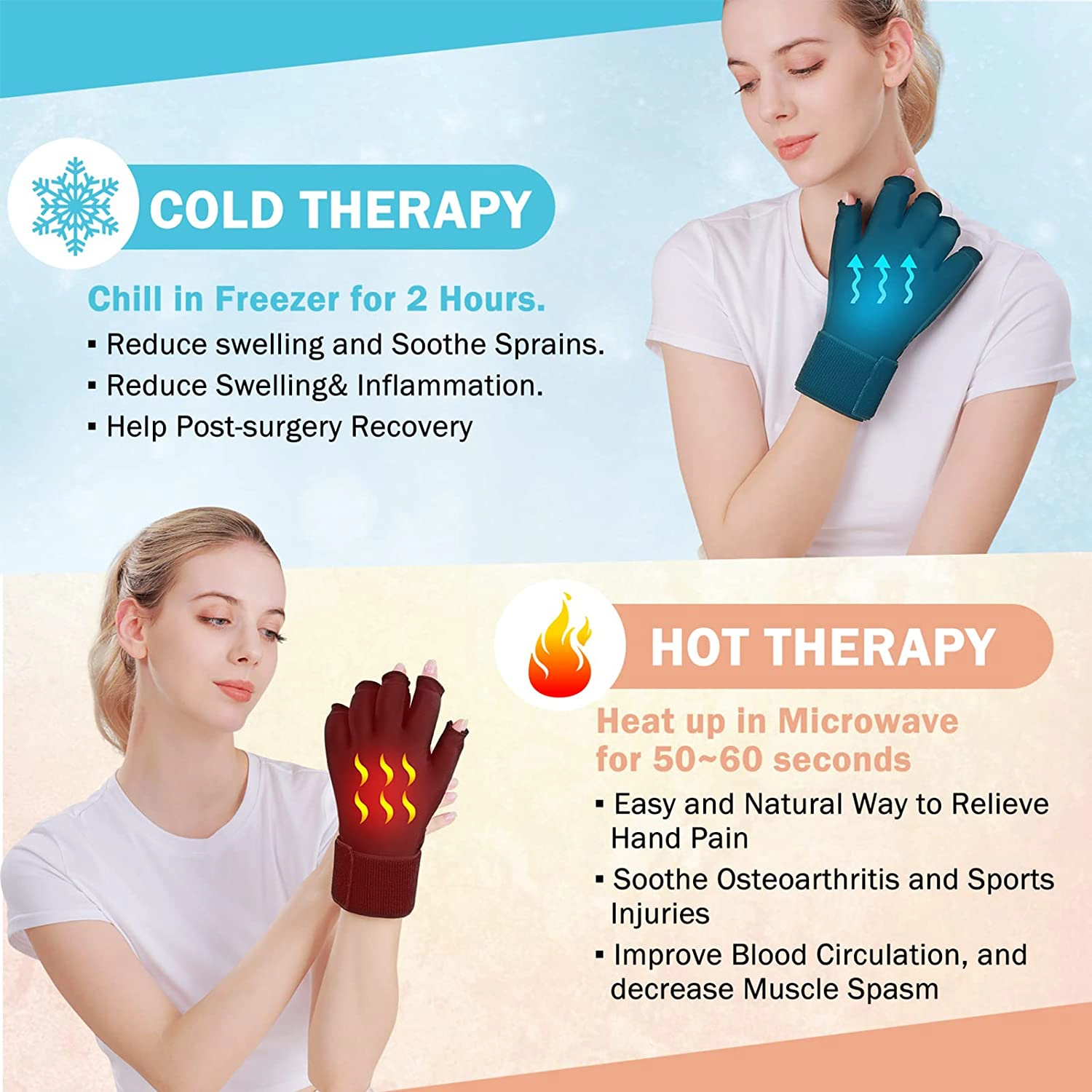
- One glove works three ways: warm it for cold, stiff hands; chill it for hot, overworked hands; or wear it at room temperature for gentle compression alone.
- Designed with Raynaud’s in mind, but also useful for chilblains, poor circulation, arthritis, oedema, carpal tunnel syndrome, RSI, tendonitis and other hand problems.
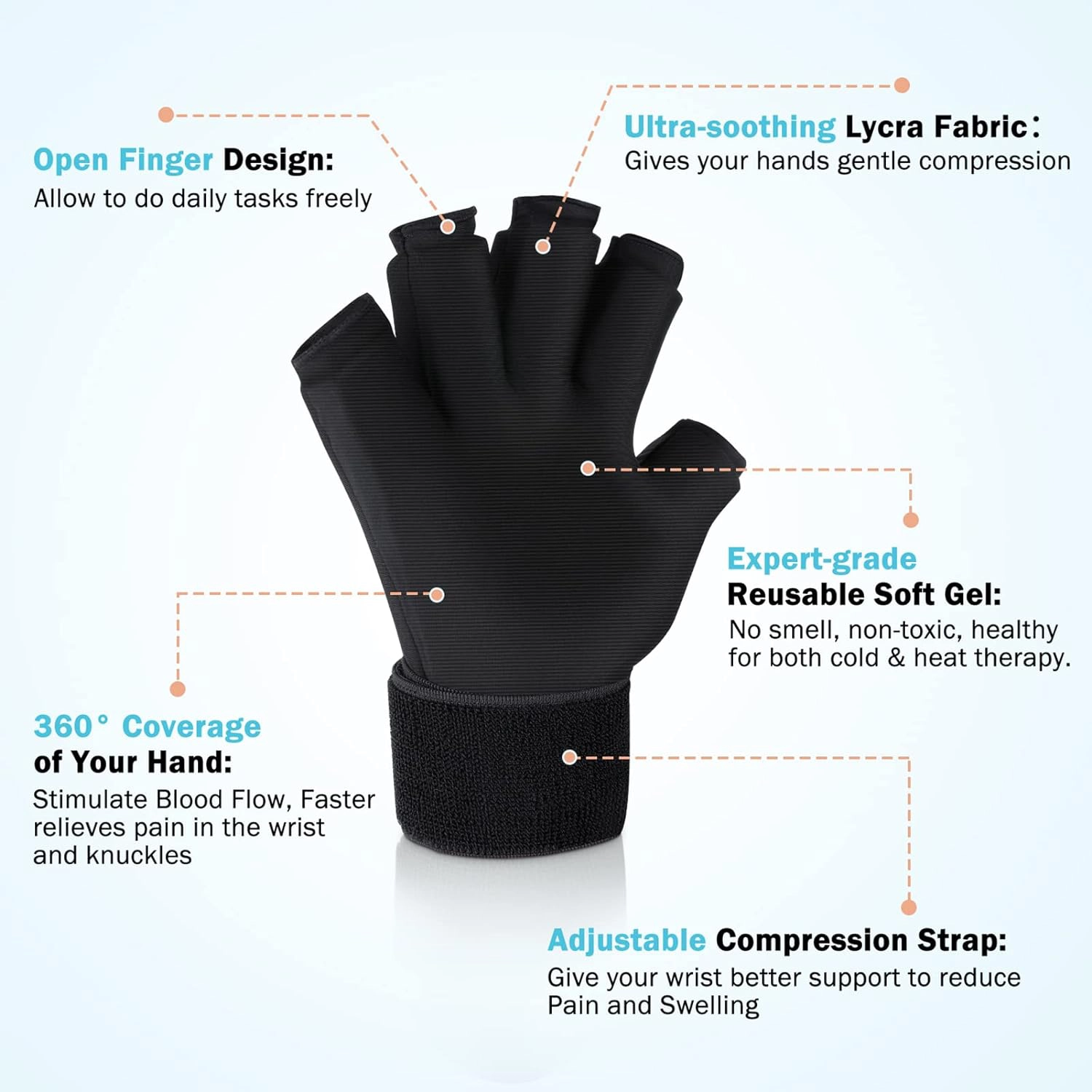
- The stretchy Lycra shell and adjustable wrist wrap give a secure, comfortable fit without restricting your fingers.
- Breathable, moisture-wicking fabric keeps your hand dry, so you can keep wearing it while you move around.
- It should never feel tight – if it leaves marks or makes your fingertips tingle, loosen the wrist wrap or take it off.
- Use warmth during an active Raynaud’s episode; avoid cold therapy on chilblains or when your hands are already cold.
- It’s a supportive aid, not a cure – it won’t stop the underlying spasm, and it’s not designed to treat or prevent blood clots.
- If your symptoms are severe, affect only one hand, or don’t improve with warmth, see your GP or physiotherapist.
- Sold as a single glove that fits either hand, so you can try it and feel the difference for yourself.
- And you can do that risk-free, thanks to the 30-day money-back guarantee.
RevitaFit Gel Raynaud’s Disease Glove
Have your hands ever turned white, waxy or painfully numb after reaching into the fridge? Or after stepping outside on a cold morning without gloves? If so, you will already know this is more than ordinary coldness. Your hands can change in under a minute – suddenly stiff, clumsy and not entirely your own.
These episodes often strike at inconvenient moments. Reaching for a chilled drink, holding a cold steering wheel or doing up a coat can quickly become a struggle. Even a warm coffee mug, something most people hold without thinking, can seem impossible when your fingers have seized up.
Understanding what happens inside your hands during an episode helps explain why ordinary winter gloves often fall short. It also explains why a glove that carries its own heat, with gentle compression, may make a real difference. Here is what that means in practice.
At a glance
-
- Made for adults with Raynaud’s, or other hand problems that cause coldness, pain, stiffness, swelling or poor circulation
-
- Has a sealed gel lining that heats in a microwave in around 90 seconds
-
- Can also be chilled in the fridge or freezer when your hands feel hot, swollen or overworked
-
- Stretchy Lycra shell and adjustable wrist wrap deliver gentle, even compression
-
- Heat held close to the skin helps the small blood vessels open up, easing the discomfort of an episode
-
- Compression keeps the gel in contact with your fingers and supports natural movement of fluid in swollen hands
-
- Can be worn warm, cold, or at room temperature for compression alone
-
- Breathable, moisture-wicking fabric helps keep your hands dry and comfortable
-
- Choose heat when your hands feel cold, stiff or painful during a flare-up
-
- Choose cold only when your hands feel hot or swollen – and only if you don’t have a Raynaud’s-type response to cold
-
- Avoid cold during an active Raynaud’s episode, and avoid it on chilblains
-
- This is a supportive aid, not a cure; it does not replace medical treatment
-
- If symptoms are severe, affect only one hand, or don’t ease with warmth, speak to a clinician
-
- Sold as a single glove (not a pair); each glove fits either hand
If you want the fuller picture – how Raynaud’s affects your hands, why insulation alone isn’t the answer, and what this glove is designed to do – read on.
The reality of cold, painful hands
Imagine waking on a winter morning. Your body is warm under the duvet, but your hands feel as though they have spent the night outside. They look pale, they move clumsily, and they ache when you try to use them. Something as simple as buttoning a shirt, picking up a key or lifting a mug can feel surprisingly difficult. That is the reality of a moderate to severe Raynaud’s episode.
The problem starts in the small arteries that supply your hands. Cold – and sometimes stress – can make the muscular walls of these arteries clamp down hard and suddenly. This spasm has a medical name: vasospasm. Instead of letting blood move steadily to your fingertips, the artery narrows sharply. Blood flow is restricted just when your hands need it most.
You can also see what is happening simply by looking at your fingers. When the vessels narrow, blood flow drops sharply and the skin may turn white or waxy. If the spasm continues, the small amount of blood left in the tissue loses oxygen and takes on a dusky blue tint. When the spasm finally releases, blood rushes back, and your fingers may flush red, throb or tingle. Not everyone sees all three colours, but the pattern is the same: blood flow is reduced, then restored.
But why do the hands suffer most? Your fingers and toes are at the far end of the body’s blood supply, so they are the first to lose heat. They are also packed with temperature-sensitive vessels that can redirect blood away from the skin to protect your core organs. That is a sensible survival response when you are truly cold. In Raynaud’s, that response is oversensitive. It can fire in a warm room, in the middle of the day, with no obvious trigger.
This matters when you choose gloves. The real problem is not a lack of insulation; it is a temporary dip in the amount of blood reaching your fingers. Heat has to come from somewhere – an ordinary glove cannot supply it.
Why a normal pair of gloves is not enough
The instinct is to reach for the thickest pair you own. Insulation helps when your body is producing heat; it holds that warmth in and slows heat loss. That is exactly what your hands need if they simply lose heat quickly.
A Raynaud’s episode is a different situation. The artery has narrowed, so very little warm blood reaches your fingers in the first place. An ordinary glove can only trap heat that is already there. If the radiator is off, a blanket cannot switch it back on. What you need is an external source of warmth, plus gentle compression to support blood flow as the vessels begin to open again.
Why warmth and compression together make sense
The RevitaFit Gel Glove does what an ordinary glove cannot: it holds warmth against your skin while keeping a light, even pressure around your whole hand.
It combines three approaches in one product. Heat warms your hands and helps take the edge off an episode. Cold can soothe hands that feel hot or swollen. Compression supports natural fluid movement and keeps the gel against your fingers.
Warmth works by helping the small vessels near the surface of your skin widen. When they widen, more blood can flow into the fingers. That is why warming your hands often helps an episode pass more quickly. Because the gel sits directly against the skin rather than under layers of fabric, the heat can begin working almost immediately.
Compression has two jobs. It holds the gel close to your hand so the warmth is transferred rather than wasted inside a loose glove. At the same time, it gently supports fluid movement around the hand. Think of it as a firm, comfortable hold – not a squeeze.
There is a balance to strike. The vessels in your fingers sit close to the surface, so compression needs to feel supporting rather than constricting. If the glove feels tight, leaves red marks, or makes your fingertips tingle or turn pale, it is too tight. Loosen the wrist wrap, try a larger size if one is available, or wear the glove for shorter periods.
How the RevitaFit Gel Glove works
Heat therapy in around 90 seconds
The gel lining is what sets this glove apart from an ordinary winter glove. No wires, no batteries, no charging – you simply warm it before putting it on.
Microwaving is the quickest method. Around 90 seconds is a sensible starting point. Because microwaves vary in power, adjust the time after your first use. The gel should feel pleasantly warm, not hot.
If you would rather not use a microwave, you can heat the glove in a pan of hot water. Follow the care instructions supplied with the product, and always test the temperature before sliding your hand in.
That steady release of heat matters more than you might expect. During an episode, your fingers are already cold and the vessels are clamped down. Sudden high heat – such as running your hands under a hot tap – can feel uncomfortable and may prompt a painful flush as blood rushes back. A glove that warms gradually is less jarring. It lets the heat ease in while the vessels relax at their own pace.
Gel also holds heat well, so one warming can keep your hand comfortable for longer than a standard fabric glove. That means you can carry on with light tasks, or simply rest, without needing to rewarm every few minutes.
Cold therapy when you need it
Heat is not always the answer. If your hands feel hot, swollen or sore after overuse, cold is often more helpful.
You can chill the glove in the fridge or freezer. The same gel that holds heat also holds cold, spreading an even, comfortable coolness across your hand.
But if you have Raynaud’s, do not reach for the cold version during an active episode. The vessels are already in spasm, and cold can make them narrow further. The chilled glove is for hot, overworked hands, not cold ones – and not for chilblains.
Some people consider using controlled cold to make their hands less reactive to temperature over time. That should always be approached cautiously and ideally under the guidance of a healthcare professional. The aim is not to make your hands endure cold; it is to experience a short, contained cooling sensation in a safe context.
A simple rule: choose heat when your hands feel cold, stiff or slow to move. Choose cold only when they feel hot or swollen, and only if you do not have a Raynaud’s-type reaction to cold.
Compression that supports rather than squeezes
The glove is made from Lycra, a stretchy material that follows the contours of your hand without feeling restrictive. It also holds its shape well, so the glove should not stretch out or go baggy over time.
The adjustable wrist wrap lets you set the pressure where you need it. You might prefer a looser fit while moving around and a firmer feel when resting or looking for extra support. Having that control makes the glove feel personal to you.
A well-fitted glove should feel secure, not tight. You should be able to bend and move your fingers easily while wearing it. If your fingertips tingle, turn pale or feel more uncomfortable, the glove is too tight. Loosen the wrist wrap, consider a different size, or reduce how long you wear it.
What the glove does not do
Let’s be clear about what a glove can and cannot do.
No glove can stop the spasm that narrows your blood vessels; the underlying tendency behind Raynaud’s remains. This glove cannot repair damaged nerves, treat arthritis in place of medical care, or provide a diagnosis either. What it can do is help once an episode has begun: warm your hands, ease stiffness and offer gentle support while your fingers recover.
Because Raynaud’s is a condition of the small blood vessels, you may wonder whether wearing a snug glove could reduce blood flow further. It should not – if it feels tight, painful or leaves marks, it is too tight. And it must not be relied on to treat or prevent blood clots. If you have had a blood clot, or you have any concerns about your circulation, speak to a clinician before using compression on your hands.
If your symptoms are severe, becoming more frequent, or simply not responding to warmth, the right next step is a conversation with a GP or physiotherapist.
Designed for everyday use
A glove is only useful if it fits into daily life rather than getting in the way.
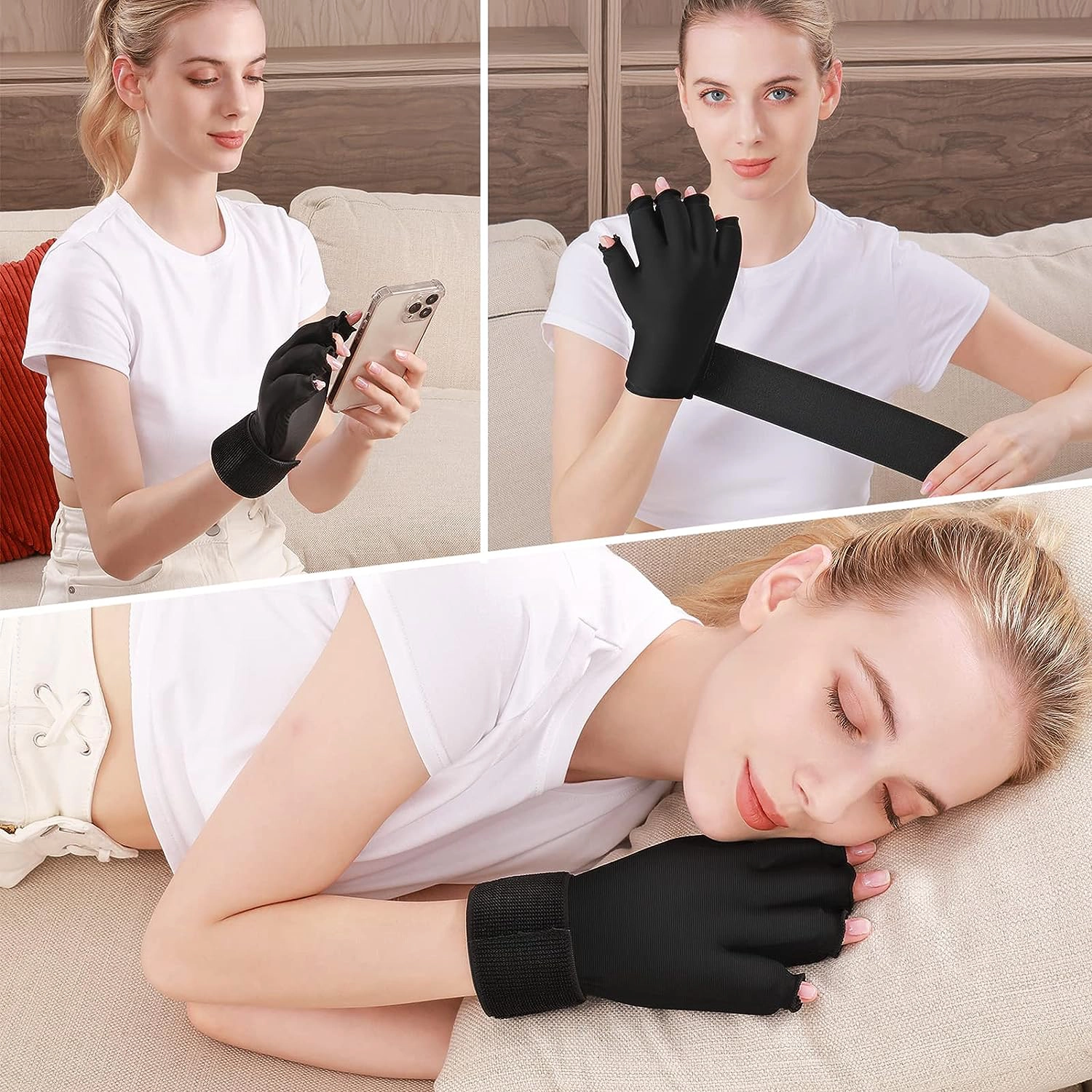
The Lycra outer layer is soft and flexible, so your fingers can move relatively freely. Some support gloves are so bulky that you cannot do anything while wearing them. This one is different. You can carry on with light tasks, send a text or move around the house while keeping your hand warm.
Moisture matters more than you might think. If dampness sits against the skin, it can speed up heat loss once the gel begins to cool – and a clammy glove quickly becomes unpleasant. The fabric is designed to draw moisture away from the skin, so your hand stays drier for longer.
The inner lining is smooth against the skin, which matters if you are wearing the glove for a while. And because the gel is sealed inside, there is no need to apply creams or dressings first. Just warm the glove, put it on and get on with your day.
Who might benefit from this type of glove?
The RevitaFit Glove was originally designed with Raynaud’s in mind, but it can also support other hand problems that cause coldness, pain, stiffness, swelling or reduced function.
Some of the conditions below are closely related to Raynaud’s. Others are different in nature but may still respond well to heat, cold or compression. If you already live with Raynaud’s, it is possible to have more than one of these problems at the same time. Because the glove can be used warm, cold or at room temperature, you do not have to choose between warmth and support.
To be clear, none of this means the glove treats or cures any of these conditions. It simply means certain symptoms may become easier to manage with this kind of support.
Chilblains: similar trigger, different problem
Chilblains are small, itchy red or purple patches that can appear on the fingers after cold exposure and rapid rewarming. They may burn, tingle or feel sore. Raynaud’s is essentially a spasm of the blood vessel wall; chilblains are more of an inflammatory reaction in the skin. Cold narrows the small vessels, but most of the discomfort happens during rewarming, when blood returns too quickly and fluid leaks into the surrounding tissue.
Both conditions can coexist. If you use the RevitaFit Glove for Raynaud’s and also get chilblains, you will probably find gentle warmth more comfortable than sudden high heat. The even, contained heat of the gel is kinder to irritated skin than crouching near a fire or running your hands under hot water – both of which can make chilblains worse.
If chilblains are active, keep the glove at a comfortable warmth rather than intense heat. Cold therapy is not appropriate here. If the patches become unusually painful, look infected, or have not settled within a couple of weeks, see your GP.
Poor circulation: when your hands feel cold even indoors
Some people simply have cold hands. It can come from naturally low blood pressure, or from a tendency for the hands and feet to lose heat quickly even when the rest of the body feels warm. That does not necessarily mean Raynaud’s; it just means your hands are prone to feeling chilly, especially in cool rooms or when you have been sitting still for a while.
For this pattern, a glove that actively warms is often more practical than a purely passive pair. The RevitaFit Glove surrounds your hand with gentle, lasting heat, while the Lycra and wrist wrap keep that warmth close.
One thing worth checking: if one hand is persistently colder than the other, or your fingers change colour even when you are warm, see your GP rather than assuming poor circulation is the whole story.
Arthritis: when morning stiffness makes simple tasks harder
Stiff, painful hands first thing in the morning are a common complaint. Many people with arthritis find that warmth eases that stiffness, because heat encourages blood flow through the soft tissues around the joints and helps tense muscles relax. If you also have Raynaud’s, cold weather can make both problems worse at the same time.
Wearing a heated glove early in the day can be a gentle way to loosen your hands before you need to grip, twist or carry things. The light compression can also offer support around aching joints, which feels reassuring when your hands seem fragile.
There is one caution. If a joint is hot and swollen, heat may not help – the joint is already inflamed, and adding heat can sometimes irritate it further. In that situation, check with a healthcare professional before using heat or cold.
Oedema: when your hands feel swollen and heavy
Oedema simply means fluid retention. In the hands, it can make them look puffy, feel stiff and heavy, and leave your rings feeling tight. Fluid tends to collect there because the soft tissues are loose enough to accommodate it. It also collects because the body’s natural drainage system relies on movement and gentle pressure to work properly. When your hands are cold, still or unused for long periods, that pumping action slows right down.
Even, gentle compression can make a real difference. It supports the movement of fluid out of the hand instead of letting it pool around the fingers. If your hands feel heavy later in the day, simply wearing the glove at room temperature may be enough – no need to heat or chill it.
Sudden swelling in one hand is different. If one hand becomes painful, hot or noticeably swollen without an obvious cause, do not try to manage it with a compression glove. It could be a sign of infection, a blood clot or another problem that needs prompt medical attention.
Carpal tunnel syndrome: for that numb, tingling feeling that disturbs your sleep
Carpal tunnel syndrome is a nerve problem, not a blood vessel problem. A nerve called the median nerve runs from your forearm into your hand through a narrow gap at the wrist, surrounded by bone and a band of tissue. If that space tightens, the nerve becomes compressed. The result is often tingling, numbness, or a feeling that your fingers are not doing what you ask them to do.
These symptoms can be easy to confuse with Raynaud’s because they affect similar fingers. Carpal tunnel, however, follows a distinct path: the thumb, index finger, middle finger and half of the ring finger. People often notice it at night or after prolonged gripping or typing, and many find themselves shaking their hands to bring the feeling back.
A glove that keeps the hand warm and gently supported overnight can still be useful. Warmth may ease stiffness, and the light compression can feel secure. Just keep the wrist wrap loose enough to avoid pressing on the underside of the wrist, where the nerve runs close to the surface. If your symptoms are more significant, a glove works alongside proper treatment – it does not replace a splint where one is needed.
Neuropathy: when you cannot always trust your temperature sense
Neuropathy is a broad term for altered nerve function. It can cause tingling, numbness, burning or unusual sensitivity in the hands, and it has many possible causes – diabetes, vitamin deficiencies and nerve compression among them. When neuropathy and Raynaud’s overlap, the symptoms can be difficult to separate because you may feel cold and strange sensations at the same time.
One important difference is that neuropathy can make it harder to tell how warm or hot something is. If your hands cannot reliably judge temperature, a heating product carries extra risk. You might not realise the glove is too warm until it is already uncomfortable.
That does not mean you cannot use the RevitaFit Glove. It means taking a little more care. Always test the heated glove on your inner wrist or cheek first. Aim for warm rather than hot. Check your skin regularly while wearing it. And if you notice any redness, soreness or burning, remove it immediately.
If you have significant loss of sensation in your hands, speak to a healthcare professional before using any heat or cold product – including this one.
Repetitive strain injuries: when your hands complain after repeated activity
Repetitive strain injury, commonly shortened to RSI, is an umbrella term for pain caused by repeated movements, sustained postures or heavy use of the hands and arms. It often flares after activities like typing, DIY, gardening or other tasks that involve gripping or fine finger work for long periods. If you also have Raynaud’s, cold hands can make that soreness much harder to shift.
Why does RSI persist? Usually because the same muscles and tendons are asked to perform the same movement over and over without enough time to recover. The tissues become irritated, and the pain continues even after the activity has stopped.
Wearing the glove during rest breaks keeps the hand warm while the tissues settle. Heat can help soothe tired muscles and tendons. The glove also acts as a physical reminder; if you tend to push through discomfort, having it on can encourage you to rest your hands before pain takes hold.
Tenosynovitis: when the lining around a tendon is inflamed
The tendons that bend and straighten your fingers run through slippery sleeves called tendon sheaths. These allow the tendons to glide smoothly as you move. In tenosynovitis, the lining of the sheath becomes inflamed. The tendon no longer glides freely; it moves through an irritated sleeve, and that can make movement painful or creaky.
You may feel this along the line of a finger or thumb, especially when gripping, twisting or holding something firmly. In the early, acute phase, the area may feel hot and swollen, and heat is not usually the right option then. Once that hot, tender phase passes, gentle warmth can help ease stiffness and improve comfort. Light compression across the hand can also give a feeling of support while the sheath settles down.
If the area stays hot, red or very swollen, ask a physiotherapist or GP whether heat or cold is appropriate before trying either.
Tendonitis: when the tendon itself is strained
Tendonitis means the tendon itself is inflamed, often after overuse or a sudden increase in activity. It is easy to confuse with tenosynovitis because both cause pain along a tendon, but the affected structure is slightly different. Tendonitis involves the tendon fibres themselves, while tenosynovitis involves the protective sleeve around the tendon.
A strained tendon is tender along its length, and the pain often builds as you use the muscle attached to it. In the hand and wrist, this frequently appears after a day of heavy gripping, using a new tool, or doing far more typing than usual. The tendon has been asked to do more than it is used to, and it has not had the recovery time it needs.
Once the initial hot, painful phase has settled, warmth can help by increasing blood flow to the area and easing stiffness. The glove’s gentle compression can also give the hand a supported feeling while the tendon repairs. If the area is intensely painful, or you are still in the first few days of a flare-up, get professional advice rather than relying on home treatment alone.
Trigger finger: when catching rather than pain is the main complaint
Stenosing tenosynovitis, commonly known as trigger finger, is a specific form of tenosynovitis. The sheath around the tendon thickens and tightens, forming a narrow spot. A small nodule may also develop on the tendon itself. When the finger bends, the nodule has to pass through that narrowed section, and it can catch or click. Sometimes you need to use your other hand to straighten the affected finger, and when it finally moves, it does so with a sudden snap.
The catching is often worse first thing in the morning, or after periods of gripping, when the tendon and sheath are stiff. Warmth can help the tissues feel more supple and may reduce the discomfort of catching. But it will not remove the nodule – that requires specific treatment.
If your finger is locking, painful or difficult to straighten, speak to a healthcare professional. This condition sometimes settles on its own, but persistent locking can need help that a glove is not designed to provide.
Wrist sprains: when the ligaments need support while they heal
A wrist sprain means the ligaments around the wrist joint have been stretched or partially torn. Along with pain, this often brings swelling and a feeling that the wrist is not quite dependable.
The right approach depends on the stage of healing. In the first few days, cold is usually more helpful than heat, because it can limit swelling and dull the immediate pain. The chilled RevitaFit Glove works well for short sessions during this phase, as long as it is not uncomfortably cold.
Once the area is no longer hot and swollen, gentle warmth can help ease stiffness and encourage blood flow to healing ligaments. The glove’s compression can also provide reassurance; a snug fit helps the wrist feel supported as you start using it again.
If a wrist injury is severe, very swollen, or has not improved within a reasonable timeframe, seek professional advice. A glove is not a substitute for a full assessment.
How to use the RevitaFit Gel Glove
There is no single “right” way to use this glove. The best approach depends on your symptoms. The steps below will help you start safely.
For Raynaud’s symptoms or cold, stiff hands
Begin by warming the glove. Microwaving is the quickest option – around 90 seconds is a good starting point. Because microwave power varies, adjust the time after your first use.
Always test the temperature before putting the glove on. Touch the inside against your inner wrist or cheek. It should feel pleasantly warm, not hot. This is especially important during or just after an episode, because numbness can affect how accurately you sense heat.
Slide your hand in gently. Make sure your fingers sit comfortably and the gel lining is spread evenly across your hand.
Adjust the wrist wrap so the glove feels secure without any sense of squeezing.
Wear the glove for as long as it feels comfortable. That may be around 20 minutes during an episode, or longer if you are resting and want your hand to stay warm.
If the glove feels too hot at any point, take it off and let it cool before trying again. Never try to ignore heat discomfort, especially if your temperature sensation is reduced.
For cold therapy
If your hands feel hot or swollen, and you are not currently having Raynaud’s symptoms, you can chill the glove in the fridge or freezer.
Wear the chilled glove for a short session – usually 10 to 15 minutes to begin with. Afterwards, let your hand return to its natural temperature.
Cold therapy suits hot, overworked hands. It is not for cold hands, and it is never right during an active Raynaud’s episode or when chilblains are present.
For compression alone
You do not always need to heat or chill the glove. Many people wear it at room temperature simply for gentle support, especially when their hands feel achy, swollen or a little unstable during the day.
Put the glove on, set the wrist wrap to your preferred pressure, and wear it for as long as feels comfortable. The Lycra is breathable, so your hand should not become hot and sweaty.
How often should you use the glove?
This depends on your symptoms. If you are managing Raynaud’s episodes, keep the glove somewhere easy to reach and use it as soon as your hands start to feel cold, tingly or uncomfortable. Catching an episode early makes a genuine difference.
If you are using the glove for warmth and comfort, you may develop your own routine. A few minutes of warmth in the morning, before your hands have fully loosened up, can help. You might also wear it in the evening when your hands feel tired.
There is no benefit to wearing the glove for hours if your hands are already comfortable. Use it when you need it, and take it off once your hands feel warm and move easily again.
What to expect over the first few weeks
It is sensible to keep expectations realistic, particularly if you have been living with cold, painful hands for a long time.
The first few uses
The first time you warm the glove, relief often comes quickly. If you are mid-episode, the heat spreading through your hand can be genuinely soothing. Your fingers may tingle as blood flow returns – that is entirely normal.
The first few uses are also a chance to learn how your hand responds. Notice how long the warmth lasts, how your fingers feel during and after use, and whether the wrist wrap pressure suits you. Adjust accordingly.
After a week or two
With regular use, you may feel more prepared for cold weather, or for the times of day when symptoms tend to appear. There is a certain reassurance in knowing you have a reliable way to warm your hand.
You may also become more aware of your early warning signs. If your fingers start to tingle before they become fully numb, you can act sooner – and intervening early tends to work better.
Longer term
Do not expect the glove to stop episodes from happening altogether. Raynaud’s is a condition that can keep recurring, especially in winter. The change is often in how manageable episodes feel: shorter, less painful and easier to respond to.
Because the glove can be used warm, cold or simply for compression, you can vary the approach according to what your hand needs on any given day. It adapts with you.
Caring for your glove
To get the most from your glove, look after it properly.
Allow it to return to room temperature before storing. Keep it clean and dry. Avoid folding or creasing the gel lining sharply, as this can damage the gel pockets. Follow the care instructions supplied with the product. If the glove becomes damp from sweat or moisture, air-dry it thoroughly before using it again. Keep the glove away from open flames and extreme temperatures.
With reasonable care, the gel can continue to provide effective heat and cold for many uses, and the Lycra shell should retain its shape and support.
When to speak to a healthcare professional
This glove is designed to support self-care, not replace professional advice. It is worth speaking to a GP, physiotherapist or another appropriate clinician if:
-
- You have not been diagnosed with Raynaud’s but are suddenly experiencing cold, painful or discoloured fingers
-
- Your Raynaud’s symptoms are becoming more frequent, more severe, or lasting longer than usual
-
- Your hand symptoms are interfering with everyday life
-
- You notice new or unexplained changes in sensation that do not settle
-
- A hand condition is not improving despite home care
-
- You have reduced temperature sensation due to neuropathy or another condition, and you are unsure whether heat or cold therapy is safe for you
-
- An existing condition such as arthritis or RSI is getting worse, or is no longer responding to the measures that usually help
-
- You have had a blood clot in the past, or have any concerns about your circulation, before using compression products
As a general guide, symptoms that affect only one hand, appear without an obvious trigger, or fail to improve with warmth all deserve to be checked. Trust your instincts. If something feels wrong, asking about it is always a reasonable step.
A final thought
Living with Raynaud’s often means planning around your hands. A glove that stores heat and holds it close to the skin offers a straightforward way to warm up when stiffness and discomfort begin to build. And because you can use it as a heat pack, a cold pack, or simply for gentle compression, it can adapt to different days and different hand problems.
If you have tried thicker gloves and still find yourself struggling with cold, painful hands, this design is worth trying. The 30-day money-back guarantee gives you a chance to test it at home and see whether it makes a meaningful difference for you. If you are unsure whether it is appropriate, especially if your symptoms are unusual, one-sided or getting worse, check with your GP or physiotherapist first.
Medical disclaimer
This article is designed to explain how Raynaud’s affects the hands and what the RevitaFit Gel Glove can – and cannot – do. It is general guidance, not a personal treatment plan, and it is not a substitute for individual medical advice, diagnosis or treatment. You should not rely on it as the sole basis for decisions about your health.
Because Raynaud’s is a circulatory condition, you may wonder whether wearing a snug glove could reduce blood flow or protect against blood clots. It should not reduce blood flow if it fits properly, and it must not be relied upon to prevent or treat blood clots. The glove works from the outside: it warms your hands and provides gentle compression, but it does not stop the underlying blood vessel spasm or alter the course of Raynaud’s.
It is also worth remembering that numbness during an episode can affect how you sense temperature. Always test the glove against your inner wrist or cheek before use, and check your skin regularly for any redness or irritation.
If you are unsure whether this product is right for you, or if you have new, unexplained or worsening symptoms – especially if they affect only one hand – speak to a GP, physiotherapist or another appropriate clinician. How much relief you feel will depend on what is causing your symptoms, how regularly you use the glove, and whether you combine it with sensible measures such as keeping your whole body warm. No specific outcome is guaranteed.
Fast & Secure Checkout Through Paypal
Pay with Paypal the secure payment gateway that accepts all credit and debit cards. Paypal is free and secure and no credit or bank information is ever stored or shared with us.
Fast Dispatch
Enjoy your items soon with quick dispatch via Royal Mail. Expect to have your items between 1-3 working days for domestic orders. 7-10 Working days for international orders.
Return Policy – 30 Day Money Back Guarantee
In the unlikely event, you are unhappy with your purchase you can return it within 30 days for a refund. Please contact us via the form on the contact us page to start your return.
To return an item please send it to: Nuova Health UK, 81 Highfield Lane, Waverley, Rotherham, S60 8AL. Please include a note with your order id so we know who to refund. Please retain your postage receipt as proof of postage. All that we ask is that the item is in the original packaging and unused.
Reviews
There are no reviews yet.