

Sports WaterProof & WindProof Thermal Gloves with Grips
£11.99inc VAT
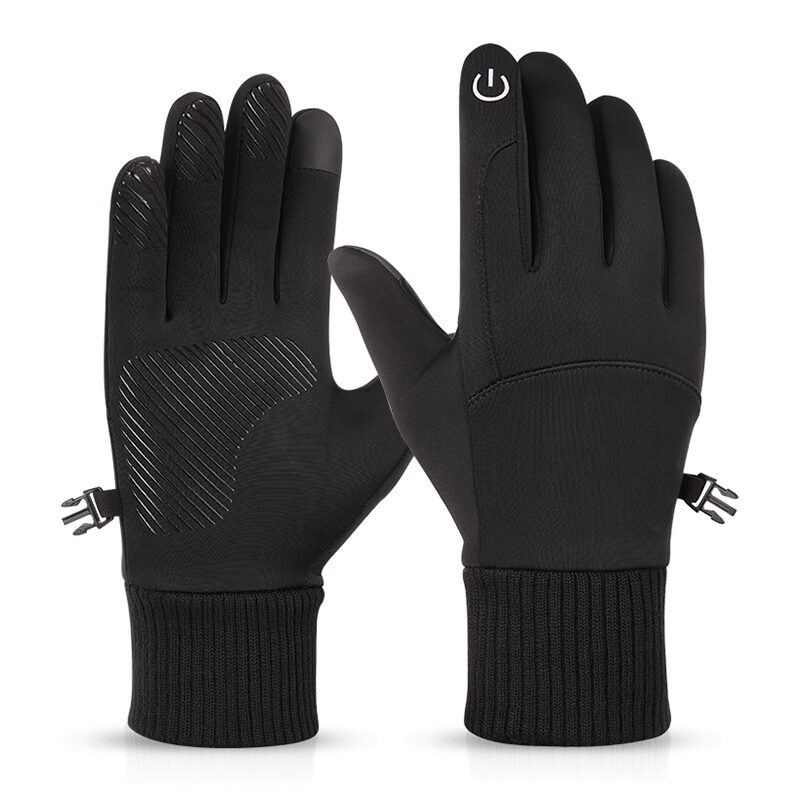
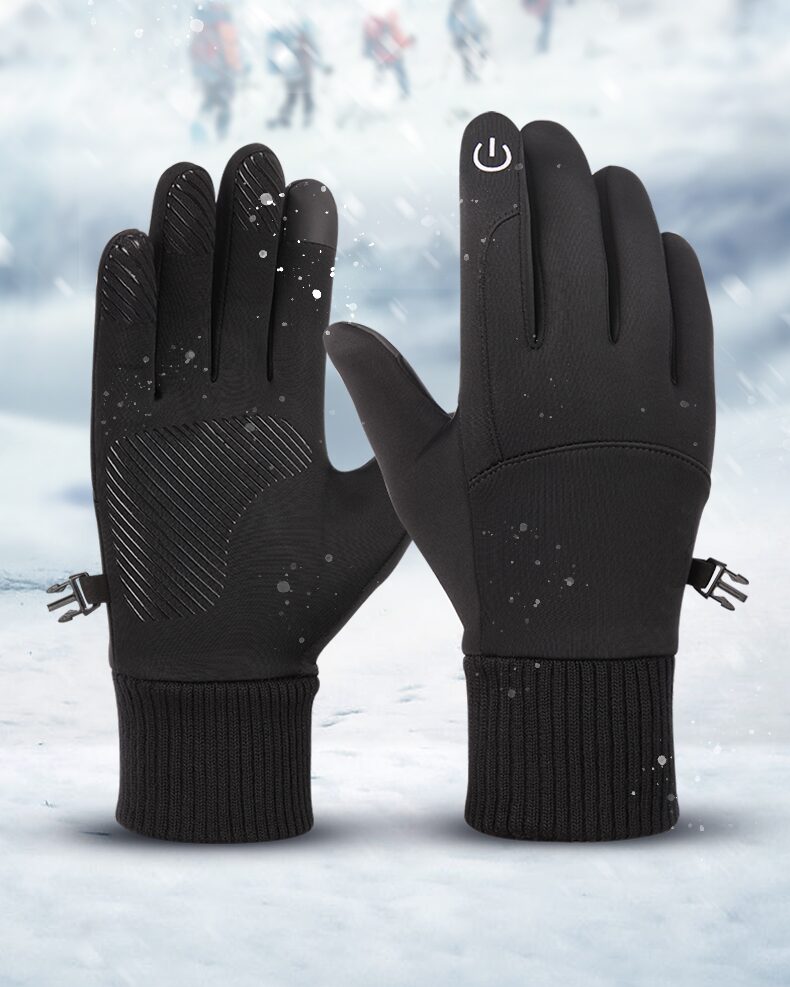
- Winter gloves for cold, wet and windy days, with a waterproof outer and insulating thermal layers.
- For anyone whose hands get cold, stiff or numb outdoors, including people whose hands are especially sensitive to the cold.
- A thermal knit that traps air between its fibres, so the warmth your hands produce stays close to the skin.
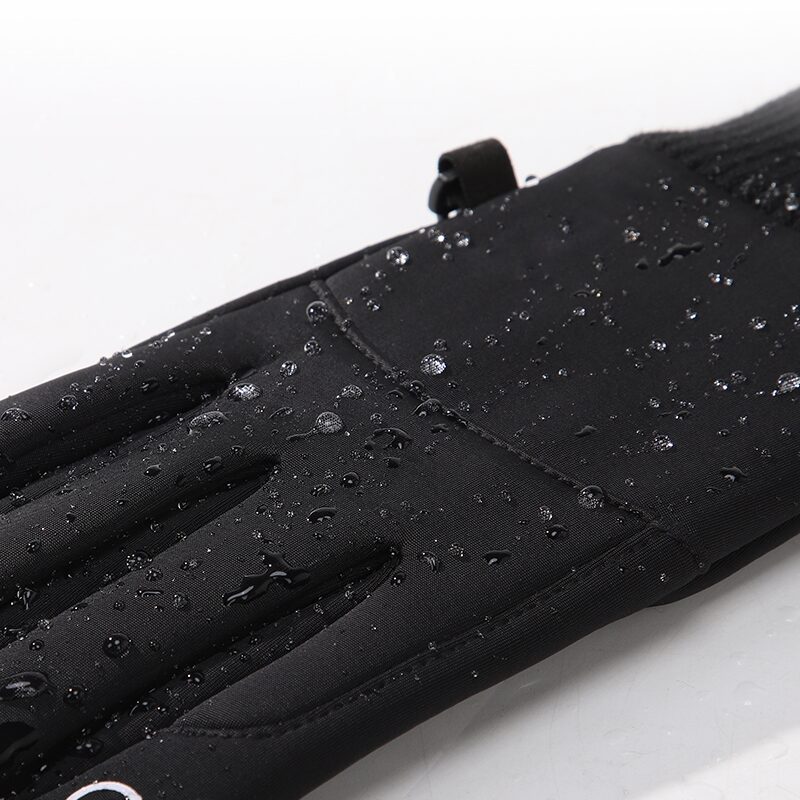
- A waterproof outer that keeps rain out, so the insulating layer underneath stays dry and keeps holding warmth.
- Windproof cuffs that seal over your sleeve, closing the gap where wind gets in at the wrist.
- Breathable construction that moves sweat away from the skin, so hands don’t get damp and then cold.
- A soft plush lining that holds a steady layer of warmth against the skin.
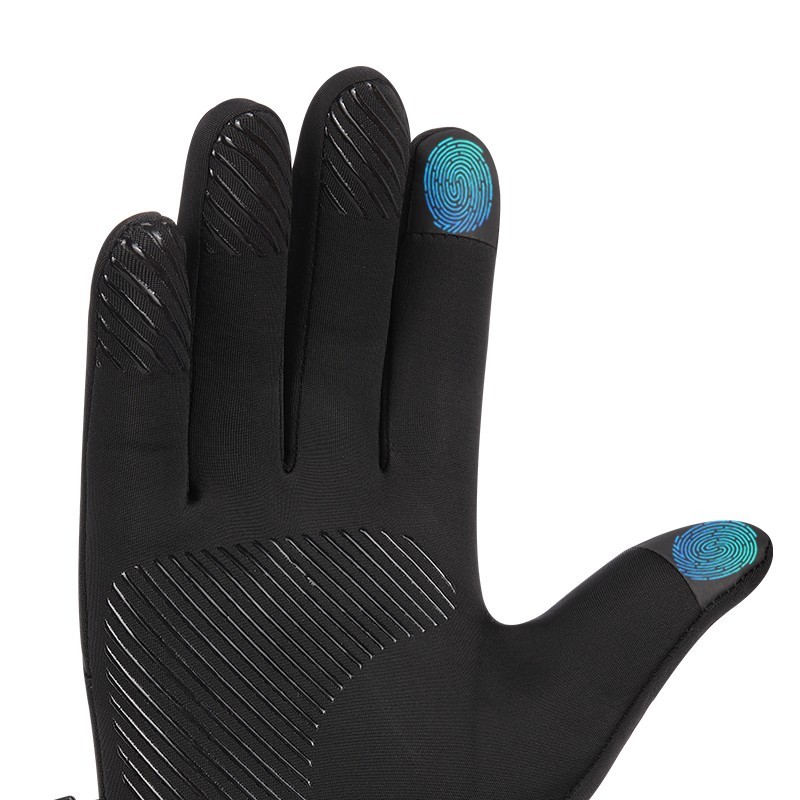
- Silicone grip panels on the palms and fingers for a firmer hold on handlebars, poles or a steering wheel.
- Shock-absorbing padding across the palms for long stretches of gripping.
- Touchscreen-enabled thumb and index finger, so you can check a route, read a message or change a track without taking a glove off.
- A lightweight build that stays comfortable over long wear.
- Available in Medium, Large and XL, for men and women. A close fit matters, since a loose cuff lets warm air escape and a tight one presses on the wrist.
- Machine washable; follow the care instructions on the label and let them dry fully between wears.
- These gloves keep hands warm and dry. They are not a treatment for any condition. If your hands are persistently painful, discoloured, or your symptoms are new or getting worse, it’s worth speaking to a GP or another appropriate clinician.
RevitaFit™ Warm Thermal Winter Gloves
Your hands feel the cold first. Your fingers stiffen, the tips start to tingle or burn, and the things you normally do without thinking — a zip, a buckle, a shopping bag handle — become harder than they should be. Cold hands are what cut a walk short, end a run early, or leave you waiting half the afternoon for the feeling to come back.
RevitaFit™ Warm Thermal Winter Gloves are built around one straightforward job: keeping your hands warm and dry when the weather is at its worst, so you can stay outdoors, keep moving and get on with your day.
Understanding why your hands react the way they do makes it much easier to choose a pair that works. It also helps you tell the difference between ordinary winter cold and something that deserves a closer look.
Cold hands change what you can do
Fine control goes first. As your fingers cool, the muscles in your hand produce less force, and the nerves carry signals more slowly. Your grip weakens and your dexterity drops, often before the cold itself feels severe. Dexterity is the fine control you need for small, precise tasks: doing up a zip, working a buckle, undoing a knot. It is the point at which zips and buttons start taking two attempts, and that point arrives sooner than most people expect.
For anyone outdoors in a British winter, losing that control has consequences. A cyclist who cannot feel the brake lever properly. A runner fumbling with a jacket zip. A walker adjusting a pack strap. A driver gripping a cold steering wheel. Each of them is dealing with two problems at once: the cold, and the loss of control that comes with it.
Rewarming brings its own difficulty. As your hands warm up again, the blood vessels in your fingers open and blood returns to tissue that has not had a proper supply for a while. The returning blood is what produces the ache or the burning throb. For plenty of people, the warm-up is more uncomfortable than the cold was, and it is one of the reasons a walk gets cut short rather than pushed on.
For some people, cold hands are a mild inconvenience. For others, they are severe enough to affect daily plans through the colder months. Whichever group you fall into, the practical starting point is the same: keep your hands warm, keep them dry, and keep the wind off them. Those three things between them deal with most of the problem. Miss one of them and a thicker glove will not compensate.
Why your hands lose heat first
Nothing is wrong with your hands. When your body gets cold, they respond exactly as they should.
Your body protects its core first — heart, lungs and vital organs — because those are the parts that cannot afford to lose heat. The blood vessels in your fingers and toes narrow as part of that process. That narrowing has a name: vasoconstriction. It is a normal protective reflex, one that diverts blood away from your hands and feet and towards your middle, where the heat is needed most.
As a result, your fingers cool quickly. They hold almost no muscle and very little fat to insulate them, and they sit a long way from the centre of your body, where the heat is. Fingertips also have a large surface area for the small amount of tissue inside them, and that surface is where heat escapes. So once blood flow drops, they lose heat fast, which is why your hands can feel icy while your chest feels perfectly comfortable.
You will notice the cold in stages: first in the fingertips, then across the middle of the fingers, then over the back of the hand as the whole hand cools. It follows the same pattern each time. General stiffness comes first. Then the tingling or burning that arrives as the skin gets properly cold. Then the numbness that settles once the fingers have been cold for a while.
None of this means anything is wrong. It is a normal response, though it is more noticeable — and more irritating — in some people than others. What it does tell you is that your body is not the only thing taking heat out of your hands. Three factors outside your body account for most of the rest, and they are what a good glove is designed around.
Wind
Wind takes more heat from your hands than the temperature alone would suggest. Still air sitting against your skin is the layer that keeps you comfortable in the first place. Moving air strips that layer away and replaces it with cold air, which is why a breezy day feels far harsher than a still one at the same temperature. It is also why a knitted glove that feels warm indoors can stop being enough the moment you step into the wind.
Water
Water speeds up heat loss. Because water conducts heat away from the body far more efficiently than air, a glove that lets rain or sleet soak through does not just feel wet. It draws warmth out of the hand several times faster than dry fabric of the same thickness.
Sweat
Sweat creates the same effect from the inside. Moisture held against the skin removes heat in exactly the way rainwater does, which is why a hard run or a long climb can leave your hands colder than the temperature alone would suggest. That dampness carries the heat away, whether it came from the weather or from your own sweat.
Put those together and the practical answer becomes clear. To keep your hands comfortable in winter, you need them warm, dry and sheltered from the wind. Warmth on its own is not enough. If any one of the three is missing, the other two stop working.
When cold hands mean something more
Feeling the cold is one thing. Having hands that react strongly to it, or that stay uncomfortable long after you have come back inside, is another. There are a few patterns here, and they vary quite a lot from one another, so it helps to work out which one fits.
Cold hands and slow circulation
Many people simply have cold hands, and a smaller number have a diagnosed circulation problem. The two overlap so much that the same practical advice applies to either. You might notice it more as you get older, if you are naturally slim, or if you smoke. Less warm blood reaches your hands than it does in other people, so your hands lose heat faster and take longer to warm up again.
For most people it is nothing more than hands that run cold. Your hands feel cold, they take a while to warm up, and they are uncomfortable in low temperatures. Keeping them insulated is the most sensible first step, and it is also the part most within your control.
Raynaud’s disease
Raynaud’s disease is a condition in which the blood vessels in the fingers and toes overreact to cold. Where most people’s vessels narrow a little in the cold, in Raynaud’s disease they constrict sharply, and sometimes in response to stress as well.
The sequence is distinctive. Your fingers change colour, often white first, then blue, then red as the blood returns. During the white and blue stages, sensation drops away and the fingers can feel numb or heavy. When the blood flow comes back, that is when the pain and throbbing usually arrive, and it can be intense.
An attack can be triggered by something as ordinary as reaching into a fridge, holding a cold drink, or stepping outside without gloves. Attacks are usually short, but they can repeat throughout the colder months, and they disrupt the day when gloves are not part of your routine.
Understanding what happens inside the vessels explains why the timing feels odd. The vessels narrow too aggressively in response to cold, and they also take longer than usual to open up again. That delay is why the pain tends to arrive a little after the fingers first go white, during the rewarming stage, rather than at the moment the cold hits.
Cold reaching the skin is what triggers the reflex, and that has a practical consequence. If your hands are already warm before you go outside, and they stay warm while you are out, the reflex has far less to react to. You are not treating the condition. You are removing the trigger that sets it off, which is often the difference between a manageable day outdoors and a painful one.
For anyone with Raynaud’s disease, how you use your gloves matters as much as the gloves themselves. Warm your hands indoors before you step out, because gloves hold warmth well, but they cannot create it from hands that are already cold. Keep one pair by the door and another in a coat pocket, so there is always a pair within reach. And if your fingers do go white, warm them gradually, rather than under hot water or against a radiator. Bringing them back too fast tends to make the throbbing worse, so a slow rewarm is easier on the hands.
Chilblains
Chilblains follow a different pattern again, and they are easy to mistake for something else. Rather than appearing while you are out in the cold, they often show up hours later, sometimes the following morning.
What you notice are small, itchy, swollen patches on the fingers, and sometimes the toes. They can look red or purple-blue and feel hot, and the burning or prickling is hard to ignore. They often get worse when you go from cold to warm, which is why people most often spot them after coming indoors.
They develop when the skin has been cold for a stretch and then warms up too quickly. The small blood vessels near the surface do not reopen in an orderly way. Pressure builds, fluid leaks into the tissue around them, and the swollen, itchy patch appears.
That timing is the main clue, and it is also why the usual advice is about keeping your hands warm throughout rather than warming them up quickly afterwards. Keeping your hands consistently warm through the cold part of the day gives those small vessels far less work to do when you get back inside. A glove does most of its work during the long stretch outdoors, not in the warm-up afterwards. Chilblains are more common in people whose circulation is sensitive to cold, and the warmer you keep your hands through the day, the less likely they are to form.
Arthritis and cold-weather stiffness
Cold weather also makes joints that are already stiff feel worse. Hands that are painful in the morning often feel worse on a cold morning, and your grip can weaken too. When the joints and the tissues around them cool, they stiffen, so the first movement of the day takes more effort than usual.
For anyone managing joint discomfort in the hands, warmth is one of the simplest things that helps. It eases the feeling of tightness and makes movement easier, particularly in those first few minutes before the hand has warmed up. The gentle, even pressure of a well-fitted glove adds to that, because it holds the whole hand at a steadier temperature instead of letting the fingers cool and rewarm repeatedly.
The four patterns differ in how they feel and when they appear, but they have one thing in common: all of them get worse in the cold, and all of them are easier to manage when your hands stay consistently warm. That is why keeping your hands warm is the single most useful thing you can do for all four.
What a winter glove needs to do
If you train or work outdoors through the winter, you will recognise a harder version of the same problem. It is not the temperature alone that causes trouble. It is being cold while you are sweating, gripping and moving, which is exactly when a glove has the most work to do.
Running makes this most obvious. Your core warms up quickly once you get going, but your fingers do not share that warmth, because blood flow to the hands stays relatively low, especially early in a run. So you set off with cold fingers, and if your gloves hold sweat against your skin, your hands stay damp and keep losing heat as you go. Running harder does not change this: your body keeps the extra warmth in your core rather than sending it to your hands, which is why a glove that moves sweat away from your skin stays effective as the run continues, instead of turning into a cold, wet layer against your hand.
Cycling is harder in a different way. Your hands are out in front, exposed to the wind, and they carry part of your body weight through the handlebars. The wind carries heat away from your hands, and you are gripping the bars the whole time, so cold fingers that are slow to move quickly become a real problem, one that affects how confidently you brake and steer. Being able to feel the brake lever and keep hold of the bars is the difference between riding confidently and riding cautiously.
Hiking, camping and long walks are about duration rather than intensity. You are out for hours, often in wet and windy conditions, and your hands have to keep working through it: pitching a tent, adjusting a pack strap, holding a hot drink. Climbing and snowboarding ask something different again: enough fine control to manage buckles, clips and ropes without taking your gloves off and losing the warmth you have built up.
And in every one of those activities, the same small problem appears: you want to use your phone to check a route, read a message or change a track without taking your gloves off. Fine movements take longer when your fingers are cold, and spending time adjusting a phone mid-run in January is slow, awkward work that nobody wants to do for long.
So the glove has to meet several demands at once. A glove for a British winter needs to hold heat in, keep water and wind out, deal with sweat, keep your grip and fine control working, and let you use a screen without exposing your hands. Cold hands come down to two things: heat lost from the skin, and less warm blood reaching the hands. That is why a glove built to hold heat is the practical place to start.
The glove is the part you control most directly. On a walk or a run, the warmth reaching your hands is largely out of your control, and you cannot always get indoors the moment they start to hurt. What you can do is build a warm, dry layer around your hands and keep it there.
How RevitaFit™ Warm Thermal Winter Gloves are put together
Each pair is built from layers, each with a specific job. One holds warmth in, one keeps the weather out, and the inner surface moves sweat away. Between them they cover what your hands need most in a British winter: warmth held close to the skin, wind and rain kept out, and damp kept away from the skin.
Thermal fabric that traps your body heat
The main inner fabric is a thermal knit. Thermal here does not mean the fabric generates heat on its own. It means the weave traps air between the fibres, and still air is a very good insulator. That trapped layer sits between your skin and the outside, so the warmth your hands produce stays near the skin instead of leaking away.
The fabric is also chosen for how well it holds that warmth over time. In testing, these gloves retained around 25% more heat than comparable gloves from other brands. Testers warmed the hands inside the glove, then measured how the temperature inside changed over time in cold conditions. That measures how long the glove holds its warmth, not how warm it feels in the first few seconds.
That difference decides whether a glove is any use an hour into a walk. A glove only keeps working for as long as it holds the warmth you have built up, so a fabric that holds heat for longer keeps doing that through the walk instead of fading after twenty minutes. That is what the 25% figure reflects. These figures come from the brand’s own testing, so treat them as a useful guide to how the fabric performs, not a promise about any particular day.
A windproof outer that keeps the warm layer in place
Over the thermal layer sits an outer shell that is windproof. Its job is to stop moving air reaching the skin, so the warmed layer underneath stays where it is. On a still day you would barely notice it. In a hard wind coming across open ground, it is the part you will feel most, and if your hands are especially sensitive to cold, it is usually the detail that makes the biggest difference.
The other place wind gets in is the wrist, where the glove meets your sleeve. That gap is the weak point on most gloves, and the cuffs are what close it. They overlap your sleeve to form a seal, so warm air stays inside and wind has no route in. The cuffs are a small part of the glove, but they do more for warmth than their size suggests, because they seal the one gap the rest of the glove cannot.
A waterproof outer that sends weather running off
The outer shell is waterproof, and its job is simple to state: rain, sleet and road spray run off the surface rather than soaking in. That keeps the insulation underneath dry, and the dry layer is what actually keeps you warm.
A glove that soaks through stops working even though nothing about it has torn or failed. The fabric is intact, but the warmth drains away with the water. In testing, the waterproofing on these gloves lasted roughly 40% longer than on comparable gloves during extended rain exposure and complete submersion. What that means in practice is an outer that keeps rain out for longer, so the layer underneath stays dry and keeps insulating right through a wet walk.
Breathable and moisture-wicking
Inside the glove, the fabric is moisture-wicking and breathable. Those two words describe two different jobs. Moisture-wicking means the inner layer draws sweat away from your skin rather than letting it sit there. Breathable means the outer layer lets that moisture pass through as vapour instead of trapping it inside.
Together, they stop damp building up against your hands while you are working. The three parts depend on each other: warmth held on the inside, sweat moved outward, and a shell that lets it escape. Because damp does not build up, your hands do not overheat and then chill. In testing during higher-intensity activity, these gloves kept hands around 30% drier than comparable gloves.
That dryness is what stops the warmth draining away with the sweat. It applies just as much to running in January as it does to a day spent moving in and out of buildings, where the temperature keeps changing around you.
Grip zones on the palms and fingers
The palms and fingers carry silicone grip panels. Silicone is a soft, rubbery material that holds onto smooth surfaces far better than fabric alone, so you get a firmer, more tactile hold on whatever you are handling. The grip zones reduce how hard you have to clench to hold a bottle, a gel, a phone, bike handlebars, ski poles, walking poles, a steering wheel or a cold metal handrail.
Cold fingers already grip less reliably, and without a grip surface you would be managing the cold and a slippery glove at the same time. The grip panels take one of those problems away.
There is shock-absorbing padding across the palms as well, which softens the impact during cycling or long stretches of gripping. The overall build is light enough that your hands do not feel weighed down after an hour or two of wear. That matters most in the activities where fine control is the whole point, such as working a buckle, adjusting a strap, or managing a clip or a rope without stopping.
Touchscreen on the thumb and index finger
The thumb and index finger of each glove are made with a material that lets a tap or a swipe register on a touchscreen. Those two fingers are the ones you actually use to tap, swipe and type, so they are the ones that need it. Extending the same material across the whole glove would not help you any further, and it would thin the fabric in places where insulation matters more.
This means you can use a phone or a watch without taking a glove off. Taking a glove off in the cold exposes a hand you had spent the last half hour keeping warm, and it takes a while to build that warmth back up. With the thumb and index finger working through the glove, you can check a route, read a message or change a track mid-walk or mid-run without ever reaching that point.
Comfort and durability
Inside, there is a soft plush lining that sits gently against your skin. Plush here means a short, dense, fleecy surface rather than a smooth synthetic one. It traps a thin layer of air next to the skin, which keeps the hand at a steadier temperature, and it stays comfortable through long stretches, which matters when you are out for several hours rather than a short trip outside.
The lining softens with wear and moulds gradually to your hand, so the glove tends to feel better in week two than it did on day one. The stitching is reinforced at the seams, so the gloves hold together through daily use and repeated washing. And they stay light enough that wearing them for an afternoon will not leave your hands tired.
Getting the fit right
Fit changes how well every feature works, which is why it is worth getting right. A poor fit causes problems in two ways. Too loose and warm air escapes through the gaps, the fabric bunches when you grip something, and the wind finds a route in. Too tight presses on your hands, including the wrist, where the blood vessels are already narrowing in the cold. That pressure works against the blood flow you are trying to protect, and it becomes uncomfortable within an hour.
These gloves come in Medium, Large and XL, for both men and women. Medium is the most common starting point for women, and the first size to try if your hands are on the smaller side. If you sit between two sizes, think about what you will be doing most. For cycling or driving, where grip and control matter most, a slightly closer fit is usually better. For long walks or standing around in the cold, a little extra room lets you wear a thin liner underneath on the very coldest days without it feeling tight.
The shaping follows the natural curve of your hand rather than being cut as a flat shape and stitched together. That means less bunching across the palm, better fine control, and a warm layer that stays in place instead of shifting as you move.
What you are aiming for is a glove that hugs your hand without pinching, sits smoothly across the palm, and forms a snug seal at the cuff. If your hands are naturally sensitive to the cold, the wrist seal is the part to check most carefully. A quick test: make a fist and open your hand again. The glove should not ride up, twist, or leave a visible gap at the wrist. Try them on with the sleeves you will actually be wearing, too, since a cuff that sits well over a thin running top may sit differently over a padded jacket.
Wearing them well
A couple of small habits make a real difference. Put the gloves on before you head out, while you are still indoors and your hands are at their warmest. Holding warmth you already have is far easier than building it back once your hands have chilled, especially if your circulation is slow to respond to cold.
Start with dry hands, too. If your hands are damp when you pull the gloves on, you have given the lining moisture to deal with before you have even set off, and that is moisture the wicking layer then has to shift. Drying your hands first is a small thing that lets the fabric do its job from the very start.
Where the cuff meets your sleeve, tuck it underneath so the two overlap and close the seal, with no gap for wind to get through. It takes two seconds, and it is the habit that matters most if your wrists feel the cold.
Looking after them
These gloves are machine washable, which makes them easy to keep in good condition through the winter. Follow the care instructions on the label, and keep them away from fabric softener and biological washing powder, which can break down the waterproof coating and the insulating layer over time.
Let them dry fully between wears, ideally at room temperature rather than on a radiator, since sustained high heat can affect how the fabric performs over time. Squeeze them gently instead of wringing them out, and do not leave them balled up wet in a bag or a coat pocket, where they will stay damp and start to smell.
If you wear them daily, a second pair means you are never caught out: you can wear one while the other dries, rather than going without on the day your only pair is wet. With that care, they should keep their shape and their performance across several seasons of regular use.
What to expect
The first time you wear them, expect a noticeable difference in comfort rather than a transformation. Your hands will stay warmer for longer than they would in an ordinary pair, and you will probably notice the sealed cuff most on a breezy day, when you would otherwise feel cold air getting in at the wrist.
Over the first few wears, the gloves soften and settle to the shape of your hands, and the plush lining compresses slightly, which generally improves the fit.
Across a full winter of regular use, the practical benefit is consistency: hands that stay warm enough to keep doing what you are doing, rather than having to come back inside sooner than you would like. On the wettest, coldest days they will still feel the cold eventually, since no glove keeps hands warm indefinitely once the temperature drops far enough, but they hold their warmth far longer than a light pair would. In practice, that is the difference between noticing the cold at the end of a two-hour walk and noticing it half an hour in.
If you have Raynaud’s disease or chilblains, it is worth being realistic here as well. Gloves make cold exposure less likely, and cold is the main trigger for both, but they do not change how your circulation responds on its own. Some people still get the occasional attack on the coldest days, even in excellent gloves. The difference usually lies in how often it happens, and how quickly things settle once you are back inside.
When to speak to someone
Cold hands are common, and most of the time warmth is all the management they need. But a glove only addresses the cold itself, and it is no substitute for getting something checked if it does not seem right.
Speak to your GP, a pharmacist, or another appropriate clinician if your hands are persistently painful or discoloured, if your symptoms are getting worse instead of settling with the seasons, if you notice new or unexplained symptoms, or if cold-related discomfort is starting to affect your sleep, work or daily life. That is especially true if colour changes in your fingers last a long time instead of easing within a reasonable period.
Cold hands are not always just cold hands, and a short conversation can give you a clearer picture of what is actually going on. If you have been managing it with warmth and it is working, that is often all you need. If it is not, that is the point to ask.
Trying them, and what happens if they’re not right
If you want to try them properly before committing, the 30-day money-back guarantee covers that. Wear them in real conditions: a cold morning commute, a run in the rain, a long walk. Give yourself time to judge how they feel once they have moulded to your hands.
If they do not give you the warmth and comfort you are looking for, get in touch within the 30 days to arrange a return. Once the gloves come back in their original packaging, unwashed and undamaged, the refund goes to your original payment method, usually within a few working days. If you need a different size, an exchange within the same window is straightforward too.
Cold hands in winter are common, they are uncomfortable, and for people dealing with Raynaud’s disease, chilblains or a strong sensitivity to cold, they can decide how much time you spend outdoors between October and March. Most of the difference is one thing you can control: whether your hands stay warm and dry while you are out there.
That is what these gloves are built to do: hold your body heat in, keep the wind and the wet out at the fabric and the cuffs, and move sweat away so it does not undermine the warmth you have built up. Not a perfect pair, and not a cure for anything — just hands that stay warm enough to keep moving, whatever the weather does. If you are weighing them up, the fit is the part to get right first, because a glove that hugs your hand without pinching, sits smoothly across the palm and seals at the wrist will do everything it is designed to do. Wear them in real conditions for a few days, and judge how they feel once they have moulded to your hands. If your hands react strongly to cold and you are unsure whether these suit your situation, it is worth a quick word with your GP, a pharmacist or another appropriate clinician before deciding.
General guidance, not personal medical advice
The information provided is general guidance. It is not a substitute for individual medical advice, diagnosis or treatment. If you are unsure about your symptoms, or if they are new, getting worse or not settling, speak to your GP or another appropriate clinician for advice tailored to you. No specific outcome is guaranteed.
4 Reviews For This Product
Fast & Secure Checkout Through Paypal
Pay with Paypal the secure payment gateway that accepts all credit and debit cards. Paypal is free and secure and no credit or bank information is ever stored or shared with us.
Fast Dispatch
Enjoy your items soon with quick dispatch via Royal Mail. Expect to have your items between 1-3 working days for domestic orders. 7-10 Working days for international orders.
Return Policy – 30 Day Money Back Guarantee
In the unlikely event, you are unhappy with your purchase you can return it within 30 days for a refund. Please contact us via the form on the contact us page to start your return.
To return an item please send it to: Nuova Health UK, 81 Highfield Lane, Waverley, Rotherham, S60 8AL. Please include a note with your order id so we know who to refund. Please retain your postage receipt as proof of postage. All that we ask is that the item is in the original packaging and unused.

by Jill grant.
Very good. Only gloves that keep my fingers warm.
by Adam Leher
I highly recommend these gloves as they keep my hands nice and toasty no matter how cold it is. They get 5 stars from me 👍
by James
These are a good pair of thermal gloves very warm and they don’t have tacky branding on them like other thermal gloves do keeping them stylish.
by Susan Dennie
Much needed especially in this cold weather we’ve been havin lately.