


Glove liners
£12.49inc VAT
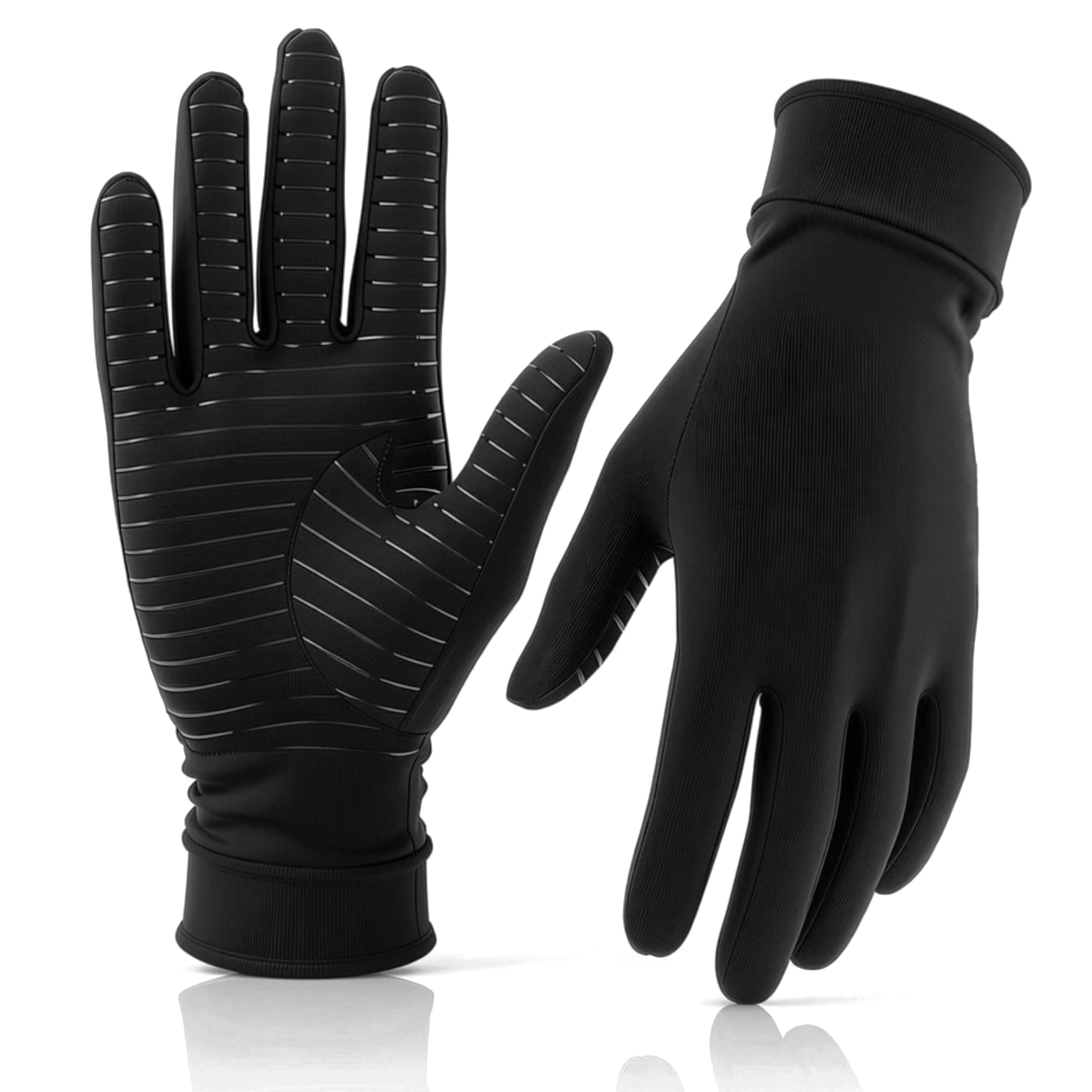
- Thin knit liner gloves that sit close to the skin, worn on their own indoors or as a base layer under your usual gloves outdoors.
- For hands that get cold easily: at a desk, in a cool room, in the car, or out in winter weather.
- Suited to hands that stiffen and lose their grip in the cold, and to fingers that take a long time to warm back up.
- A close, flexible knit that settles against the hand without pressing tight.
- A breathable knit that lets moisture escape, so hands don’t end up clammy.
- A smooth, seam-free inside, so nothing presses on one spot during long wear.
- Silicone strips on the palms and fingers for a more secure hold.
- They hold the warmth your hands already have and slow how fast it leaves, so hands don’t cool as far in the first place.
- They don’t treat anything, they don’t change how your circulation works, and they won’t change how sensitive your fingers are to cold.
- Wear them alone in rooms that are cool rather than cold, or underneath your usual winter gloves outside.
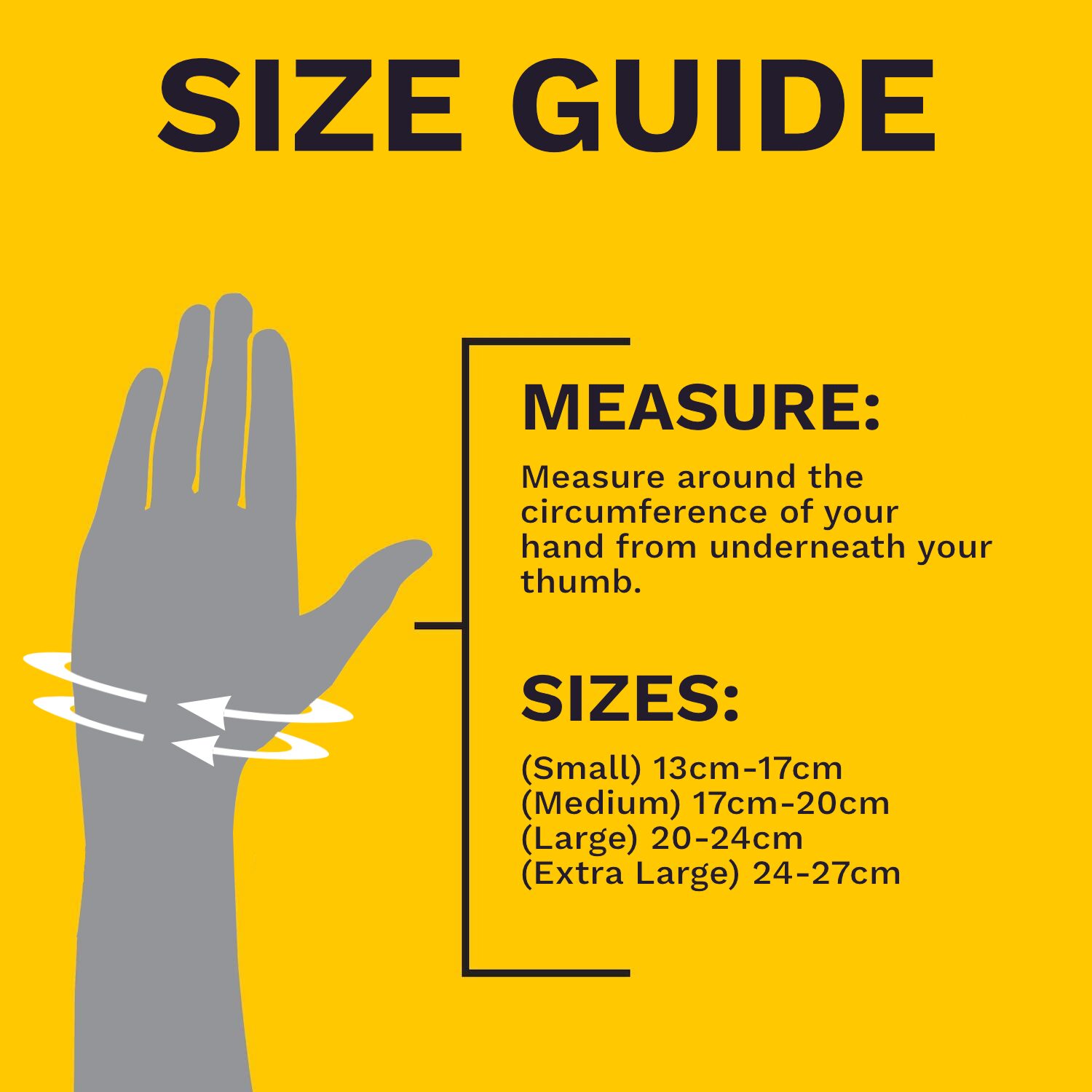
- Measure around the knuckles, choose a size that’s close rather than tight, and take the larger size if you fall between two.
- Take them off if your fingers tingle, go numb or change colour. That means they’re too tight.
- Not a medical device or a compression garment, and not to be worn over broken or open skin.
Cold hands are a common winter complaint, and for some people they’re the most disruptive part of the season. The feeling is familiar: a deep, aching chill that settles into the joints and leaves your fingers stiff, clumsy and slow to warm back up. Your grip is weaker than usual. Buttons take two attempts. Zips and keys need more effort.
It happens indoors too. A cool, draughty office in February. A car whose heater takes ten minutes to get going. In both places, the temperature isn’t low enough to bother anyone else, and yet your hands feel it. That isn’t oversensitivity. Your hands are losing heat faster than your body can replace it, and once that starts, everything they do becomes harder.
These liner gloves give you a warm layer next to the skin: a simple, low-effort way to keep your hands covered, comfortable and a little more useful. Indoors, that’s usually all you need on its own. Outdoors, they go underneath your usual winter gloves, where they work as a base layer rather than a replacement.
What Cold Actually Does to Your Hands
When your body senses a drop in temperature, it responds in a way that has nothing to do with your comfort and everything to do with survival. Its priority is your heart, lungs and brain, and the fastest way to protect them is to pull blood away from the skin and limbs, back towards the core.
What’s happening is your small blood vessels narrowing. It’s an automatic reflex, and even a slight chill is enough to trigger it, often before you’ve noticed you’re cold.
Your hands and feet are affected first, for two practical reasons. They sit further from your centre than anything else, so blood has a long way to travel, and a drop in blood flow reaches them first. Fingers also have a lot of surface area for their size and very little insulating fat compared with your thighs or torso. Together, those two things mean your hands lose heat quickly, and once it’s gone it takes a while to return, because the same response that’s protecting your core is holding warm blood away from your fingers.
Skin goes cold to the touch and looks pale, sometimes waxy. Fingers stiffen and fine movement gets harder: lacing a shoe takes longer, and you hold a pen differently because your fingers don’t bend the way they usually do.
Stiffness like this has two parts, and knowing which is which helps. One is in the tissue around the joints. Cold makes it less supple, so it loses some of its give. Nothing is damaged. Your fingers are just temporarily stiffer, which makes them feel uncooperative. The other is in the nerves. When blood flow slows, the nerves in your fingers behave differently, which shows up as tingling, pins and needles, or a dull ache that seems to come from nowhere. Some people describe their fingers as thick, or as though there’s a layer between them and whatever they’re touching.
Both ease as your hands warm up, but slowly. The slowness is the part people underestimate. Once your hands have cooled properly, they don’t return to normal the moment you step inside; it takes minutes, sometimes longer. And when the blood does come back, the sensation isn’t always comfortable. Fingers that have been cold a while can throb or burn as the flow returns, and that throbbing is often what stands out most as they come back inside. Warming up too quickly usually makes it worse, not better.
So the most effective approach is not to warm cold hands after the fact, but to stop them getting that cold in the first place.
Why Some Hands Get Colder Than Others
Everybody’s hands get cold. What differs is how quickly cold hands stop being a nuisance and start affecting what you can do. There are real reasons for that, and knowing what they are explains why something as thin as a liner can make more difference than you’d expect.
Start with how the hand is built. Hands with thinner skin and less natural padding cool faster, which is more common in women and in older adults. That’s not something you can change. Some hands simply have more insulation than others. People who’ve done years of physical work, or who’ve injured a hand at some point, often feel cold more keenly too.
Then there’s how much your hands are doing. Moving hands generate heat as they work, so they stay warm without help. Still hands lose heat and nothing replaces it. Sitting at a desk in a room other people find comfortable can leave your hands colder than walking around outside in the same weather.
Your blood vessels matter as well, and they vary a lot in how they respond to cold. Some narrow gently and open back up quickly. Others tighten sharply and are slow to open again. If that’s how yours behave, the cold will reach your hands well before anyone else in the room, and you’ll take longer to warm up again. Two people sitting in the same room, wearing the same things, can have hands that are completely different.
Recovery varies just as much. Some people are back to normal within a few minutes of stepping somewhere heated. Others stay cool for half an hour or more, long after the rest of them is comfortable. If you’re in that group, you’ll recognise being warm everywhere except your fingers, and having to wait for them to catch up. Slow recovery like that is where a thin layer next to the skin helps most, not by speeding up how quickly your hands warm, but because hands that never got as cold have less heat to replace.
Cold hands also change how you use them, without you deciding to. When your fingers feel stiff and unresponsive, you hold things harder to compensate: a tighter grip on a kettle, a firmer one on a door handle, more force on a pen. None of it is deliberate, but it happens all the same, and it tires the muscles in your hand and forearm. By the end of the day your hands are more tired than the work alone would explain, and that tiredness traces back to how cold they were earlier that morning.
For some people, the pattern goes further than a bit of tingling when it’s chilly. Fingers that go white, then blue, then red as they warm, and that hurt while they do. Numbness that lingers long after you’re back inside. Hands that ache more in damp weather than in dry cold, or that swell and stiffen instead of simply going cold. Sensitivity like that often runs alongside a longer-term condition, and the weather triggers it rather than causes it.
A conversation with your GP is worth more than a guess. Not because a pair of gloves will sort it out, but because there may be an underlying reason behind it, and because the right help is often specific. Depending on what’s going on, that might mean seeing a physiotherapist or a clinician who specialises in hand problems. Once you have a name for what’s happening, you can stop managing it by guesswork.
Catching the cold early, while your fingers are still warm and responsive, costs nothing and takes no planning. It’s often the difference between a day that runs normally and one that feels harder than it needed to.
Why a Thin Layer Works Better Than a Thick One
Think about stepping outside without a coat. Your whole body meets the cold air at once, and the response is quick and strong: blood shifts away from the skin, you tense up, and the chill registers straight away. With something thin already next to your skin, the drop isn’t as sharp, and there’s less for your body to work against.
A layer against your skin softens that first drop in temperature, and that’s what a liner is for. It sits snug against your hands and gives them a warmer starting point before the cold takes hold. Rather than blocking the cold out, it slows how fast warmth leaves. That shows up in three ways.
Your hands swing from warm to cold and back far less often. A consistent thin layer smooths out the temperature changes your hands go through as you move between a warm room and a cold one. Hands react most to quick shifts, so smoothing those out makes the day easier. You’ll spot it in the little shifts through the day: stepping outside, walking into a cold shop, or leaving a warm room for an unheated one. Your hands stay covered rather than exposed. A covered hand loses heat more slowly, and there’s a simple reassurance in that. Plenty of people find they stop fidgeting, or tucking their hands into sleeves, once they have something on. You keep your usual control. A liner often suits more situations than a thick glove, because of the control it leaves you with. It’s thin enough that you can feel what you’re holding and bend your fingers properly, so you don’t have to choose between warm hands and hands you can actually use. Heavy gloves keep you warm but make everything fiddly. A liner leaves your fingers free. For many people, that balance is the reason a liner ends up getting more use indoors than a full winter glove.
A liner holds the warmth your hands already have and slows how quickly it leaves. It’s a modest job, and these are made for it.
How These Liner Gloves Work
Not every warm glove is built with cold hands in mind. Four things matter most: the fit, the knit, the seams, and the grip.
A Close, Flexible Fit
The knit gives a light, even stretch from wrist to fingertip, so the glove settles against your hand and stays there. Close rather than tight is what you’re after, and the fabric has enough give to move with your hand, not against it.
The difference between close and tight matters for warmth as much as comfort, and it shows up over time. A glove that’s too tight presses the fabric flat against the skin, which stops it trapping the warm air that insulates, so it can leave your hands colder than a looser one. A close but flexible fit keeps that thin pocket of warmth in place without squeezing it away.
Too big has its own problem, though. A glove that shifts around as you use your hand lets warm air escape every time it slides, and cooler air takes its place. You’re left with a loose fit, not a snug one, and hands that stay cool even once the rest of you is warm.
There’s a subtler benefit too. The gentle, even contact of a well-fitting knit gives your hands a clear sense of where they are, which can help when your fingers are numb or clumsy in the cold.
A Breathable Knit
Trap sweat inside a glove and it stops keeping you warm. Two things happen at once when the inside gets wet. Water takes heat away from skin much faster than air does, so moisture against your skin keeps draining warmth. The damp also pushes out the thin pocket of air inside the knit that was doing the insulating. Your hands stay cold even though they’re covered.
These liners use a lightweight, breathable knit that lets air move through it, so moisture has somewhere to go instead of sitting against your skin. The result is warmth without clamminess, which is what lets them stay on for hours rather than minutes.
A Seam-Free Inside
A raised seam presses against the same patch of skin for as long as you wear the glove. Nothing about it registers in the first ten minutes. After an hour, it does, once one spot has been bearing the pressure the whole time.
A knit this flat doesn’t have that problem. The inside is smooth, with no bumpy seams pressing into your skin and no rough points to catch on anything. That smoothness is the main reason people can wear these for long stretches, whether that’s a full working day, an evening on the sofa, or overnight if their hands get cold in bed, without sore patches appearing. It also means they work well under a heavier glove, because there’s nothing inside to bunch or twist when you pull the outer one on.
Grip Where You Need It
Silicone strips on the palms and fingers stop things slipping out of your hands. They’re subtle, and easy to overlook until you pick something up. Once you do, holding everyday things takes less effort: a phone, a mug, a set of keys, a bag handle, the steering wheel.
In the cold, when your fingers are less responsive and your grip is unsteady, the strips help you hold things securely without clamping down.
Choosing the Right Size
These come in four sizes, from Small to Extra Large, and each one covers a band of hand circumferences rather than a single figure. Getting the size right starts with measuring properly, because fit isn’t only about comfort. It’s part of how the glove keeps you warm.
Measure around the widest part of your knuckles, excluding the thumb, without pulling the tape tight. Note the figure in centimetres, then check it against the size guide to find the band it falls into.
If the two hands measure differently, use the larger figure, because you want both gloves to fit, not one comfortably and one too tight. If your measurement sits near the edge of a band, take it again at a different time of day. Hands can run slightly bigger in the evening than in the morning, and a second reading tells you more than a single one.
A good fit is light and comfortable all day, with enough room to move. It sits snug around the hand and wrist without leaving deep marks, and you should be able to make a full fist without resistance. If your fingers tingle, go numb, or change colour while wearing them, take them off. That’s a sign they’re too tight, and a larger size is the answer. Snug is fine. Restrictive isn’t.
How to Wear Them, Indoors and Out
Pull them on, smooth the fabric across your palm, and you’re set. Nothing needs adjusting or fastening.
Indoors is where they help most, and often in the places you’d least expect. Central heating warms the air in a room. It doesn’t warm your hands. For most people, the difference shows first indoors.
Outdoors, they sit under your usual gloves instead of replacing them. The slim design doesn’t bunch at the fingers or make the outer glove tight, and it works under sleeves without a bulky cuff showing. Mittens over the top are the warmest combination, since your fingers share heat with each other when they’re together.
Keep a pair in the spot where your hands cool first: by the desk, on the sofa, in the car. The fingertips usually go cold before anywhere else in the hand, so that’s the moment to put them on. Waiting until your whole hand is cold means it takes far longer to recover.
Looking After Your Gloves
Hand wash in lukewarm water with a mild detergent. Reshape and dry flat, away from direct heat. Skip the dryer, bleach, and fabric softener—they break down the knit and shorten its life.
Lukewarm water matters more than you’d think. Heat relaxes the fibers, so the knit slowly loses the close fit that makes it feel right. A hot wash turns a snug glove into a loose one, and once the stretch is gone, it doesn’t come back.
If you wear them daily, wash them often. The fabric sits right against your skin, and keeping it clean helps it last longer. A spare pair makes the routine easier.
Day to day, fold them instead of balling them up. Don’t wring them when they’re wet. Dry them flat in the shape you want. A fine knit like this holds its fit much longer that way.
What to Expect, Day to Day
These keep your hands warm and covered and add a bit of grip. They don’t treat anything, they don’t change how your circulation works, and they won’t change how sensitive your fingers are to cold. What they do is remove one of the things that make cold hands worse, in a way you can wear for hours without thinking about it.
The first thing most people report is simply that their hands are warmer and less exposed. Once your hands stop tensing against the cold, routine tasks tend to come easily again.
Over the first few days, typing, driving and handling a phone tend to take a little less effort. You may find your hands no longer get cold first when you step outside, and that they warm back up sooner when you come inside, because they didn’t lose as much heat in the first place. After a week or two of regular wear, people often say that getting started on a cold morning is easier, and that they reach for a radiator less often.
The first proper cold snap each year is the real test. On a mild day, a liner on its own is often all you need indoors, and you’ll get the benefit immediately. On a sharp, windy morning, they’ll make a real difference under a pair of gloves but won’t work alone outside, and you’ll know that straight away. Getting the outer layer right on those days matters more than anything about the liner itself.
A liner also has a limit. If your core is cold, your body keeps that reflex going no matter what’s on your hands, which is why a warm jumper often does more for your fingers than another glove.
Over a whole season, the difference is easy to miss in any single moment. It shows up in the routine tasks that stop being a struggle, such as a firmer hold on a cold steering wheel, a mug carried without fumbling, a zip done up on the first try, and in hands that aren’t as tired by the evening as they used to be.
Experiences vary, and no pair of gloves will change how your body responds to cold. What they do is reduce how often that response is triggered, and how much it affects you when it happens. If you have a diagnosed condition affecting your hands, these sit alongside whatever you’ve been advised to do.
When to Be Cautious, and When to Ask for Help
There are a few situations where these aren’t the right choice, and a few things to check first.
Don’t wear them over broken or open skin. Don’t use them as protective equipment at work, because they’re not cut-resistant, heat-resistant or waterproof, and they hold no certification for that. And if you’ve been fitted with a splint, brace or support for your hands or wrists, check before wearing anything underneath or alongside it, since an extra layer can change how it sits and works.
It’s worth speaking to your GP before use if you have severe circulatory problems or if you live with a long-term pain condition. These aren’t intended for use during pregnancy, so if you’re pregnant, speak to your GP first. If your skin becomes irritated at any point, stop wearing them.
These gloves are for warmth and comfort. They won’t tell you what’s causing a problem, so don’t let wearing them put you off speaking to your GP. Speak to your GP if your hands are persistently cold, numb or tingling, if you notice colour changes in your fingers that don’t settle quickly, if your hands are getting weaker or you’re dropping things, or if you have swelling, pain or stiffness that’s getting worse instead of settling. Cold sensitivity that comes with these colour changes, or with joints that swell as well as stiffen, is worth raising with your GP.
Your GP can assess whether there’s an underlying cause and point you towards the right help.
The Short Version
Your hands get cold, that cold makes them stiff and awkward, and a thin warm layer next to the skin means less of that cold reaches them. There’s no complicated mechanism behind it.
Indoors, wear them on their own in a room that’s cool rather than cold. Outdoors, wear them under your usual gloves. Get the size right by measuring around the knuckles, going close rather than tight, and taking the larger of two sizes if you’re on the boundary. Everything else follows from there.
If your hands are persistently cold, numb or tingling, or you have a diagnosed condition that affects them, speak to your GP about whether a liner is a sensible part of what you’re already doing.
They’re covered by a 30-day money-back guarantee if you find they’re not right for you.
Important Information
Fit
Snug without deep marks; a full fist without resistance. If you notice numbness, tingling or colour changes in your fingers, remove them and go up a size.
Care
Hand wash lukewarm with mild detergent. Reshape and dry flat, away from direct heat. Do not tumble dry, bleach or use fabric softeners.
Suitability
General apparel for warmth and day-to-day comfort. Not a medical device, not personal protective equipment, and not a compression garment, meaning a garment designed to squeeze the part it’s worn on. Do not wear over open wounds or broken skin. If your skin becomes irritated, stop wearing them.
Returns
Unsatisfied? Return in original condition within 30 days of receipt for a full refund under our money-back guarantee. Contact our customer service team to start a return.
Disclaimer
This page is general guidance for adults in the UK, and it isn’t a substitute for individual medical advice, diagnosis or treatment. It describes how a product works and what to expect from it in everyday use, not what is happening in your own case. If you’re unsure whether a liner glove suits your situation, or you have new, unexplained or worsening symptoms, speak to your GP or another appropriate clinician, such as a physiotherapist or a clinician who specialises in hand problems, for personalised advice. No particular outcome is promised or guaranteed.
2 Reviews For This Product
Fast & Secure Checkout Through Paypal
Pay with Paypal the secure payment gateway that accepts all credit and debit cards. Paypal is free and secure and no credit or bank information is ever stored or shared with us.
Fast Dispatch
Enjoy your items soon with quick dispatch via Royal Mail. Expect to have your items between 1-3 working days for domestic orders. 7-10 Working days for international orders.
Return Policy – 30 Day Money Back Guarantee
In the unlikely event, you are unhappy with your purchase you can return it within 30 days for a refund. Please contact us via the form on the contact us page to start your return.
To return an item please send it to: Nuova Health UK, 81 Highfield Lane, Waverley, Rotherham, S60 8AL. Please include a note with your order id so we know who to refund. Please retain your postage receipt as proof of postage. All that we ask is that the item is in the original packaging and unused.
by Gary
I bought XL and they fit great and give just the right amount of compression to my hands which helps soothe my aches and pains. Would definitely buy again.
by Zoe Ellison
I have really struggled to find a pair of gloves that work, over the last year I have spent a fortune trying all different gloves, paying at least £30 for various pairs. These are by far the best ones I have came across, I don’t put any other gloves over as suggested and they still make a huge difference, I highly recommend these to anyone who suffers with raynards, thank you