It often begins quietly — a dull ache along the outer edge of the foot, a sense that balance feels slightly off, or shoes that wear unevenly without clear reason. At first, it’s easy to dismiss. But when it keeps returning, it usually means the way the foot moves has changed. Most quick fixes only ease the discomfort for a while — they don’t correct the movement that causes it. That small change in how the foot rolls shifts pressure through the sole, gradually affecting balance and posture.
FootReviver Supination Insoles are designed to do more than cushion the foot. They help restore a natural walking motion, guiding each step back into line and reducing strain through the legs and back. The aim is steady, supported movement that feels natural again.
Understanding Supination
Supination — sometimes called underpronation — happens when the foot doesn’t roll inward enough during walking or running. The weight stays on the outer edge, placing extra pressure on the heel and the side of the forefoot near the little toe. Step after step, that imbalance builds. Each step lands a little harder than it should, sending more force up through the leg. Over time, the outer edge of the foot can feel bruised or sore, especially after long walks or runs. That’s often the first sign something isn’t right.
In many people, a high, rigid arch limits flexibility and stops the foot from absorbing impact properly. The arch stays locked, and the foot loses its ability to adapt to the ground. You might notice that one side of your shoes wears down faster, or that your foot feels less stable on uneven surfaces. Sometimes there’s a pulling sensation along the outer ankle or lower leg. Once you notice these signs, the cause becomes clearer — the foot isn’t rolling as it should, and that can be corrected.
The foot is built to absorb shock and move the body forward. The arch acts like a spring, flexing to take impact and returning energy for the next step. When that spring stiffens, the rest of the body feels it. Each step follows a rhythm: heel, arch, toe. When that rhythm is smooth, movement feels effortless. When it’s disrupted, tension builds quietly with every stride.
- Heel Strike: As the heel touches the ground, it should roll slightly inward — a movement called pronation. This cushions impact and allows the arch to flex, spreading pressure evenly.
- Mid‑Stance: As weight moves forward, the arch stabilises and stores energy, ready for push‑off.
- Toe‑Off: The push‑off comes from the ball of the foot and big toe. At this point, the foot naturally rolls slightly outward (supinates) to form a firm lever for propulsion.
Supination Explained
When the foot stays rolled outward, it can’t absorb shock properly. The subtalar joint — the joint just below the ankle that controls side‑to‑side motion — doesn’t move inward as it should. This keeps the arch high and rigid, reducing the part of the foot that makes contact with the ground. Less contact means less cushioning and less stability. The result is a foot that feels firm but passes more force up through the leg with every step.
Muscles that control this motion, such as the peroneals along the outer leg and the tibialis posterior on the inner side, start working unevenly. The peroneals often tire first, leading to tightness or tenderness around the outer ankle. The small stabilising muscles under the arch also lose efficiency, which can make balance feel uncertain on uneven ground.
During walking, the effects are clear. At heel strike, the outer heel takes most of the load and the foot fails to roll inward. Through mid‑stance, the arch stays high and rigid, limiting shock absorption. At toe‑off, the push comes mainly from the smaller toes instead of the big toe, reducing power and control. Over time, this can change how the shin and knee rotate, pulling the knee slightly outward and altering hip and pelvic alignment. That’s how a local issue in the foot can affect the whole leg.
What Causes Supination
Supination usually develops from a mix of structure and muscle balance. People with high, rigid arches are more likely to experience it because their feet can’t roll inward naturally. The arch stays stiff, and the foot loses its built‑in shock absorption. Tight calf muscles can make things worse by limiting ankle movement, forcing the foot to roll outward to complete each step. Regular stretching and keeping the ankle flexible can help reduce this compensatory movement.
Weak peroneal muscles, limited subtalar joint mobility — the joint just below the ankle that allows side‑to‑side motion — or a forefoot varus alignment, where the front of the foot tilts slightly inward, can also contribute. Footwear plays a part too. Shoes with too much curve or too little support on the outer edge can tip the foot outward without you realising. Over time, that small tilt becomes habit. Previous ankle injuries can also leave stiffness or weakness that changes how the foot bears weight. In some cases, neurological conditions can subtly alter how the foot strikes the ground.
It’s rarely one single cause. Usually, it’s a combination of structure, muscle tension, and footwear — all working together to push the foot off its natural line. Once identified, it can be corrected with the right support and movement retraining.
Who Feels It Most and Why
Supination is more common in people who are active or spend long hours on their feet. Step after step, the outward roll builds up. With repetition, pressure increases until the outer edge of the foot starts to ache.
- Runners and athletes feel it with every stride. Each outward‑tilted step sends force up through the leg, increasing the risk of shin splints, stress fractures, and pain along the outer foot.
- People who stand for long periods experience constant pressure without enough movement to spread the load. That deep, bruised fatigue along the outer edge is a common sign.
- Those with high, rigid arches are mechanically predisposed to supination. Their feet can’t absorb shock effectively, so stress builds faster.
- People with reduced sensation, such as those with diabetic neuropathy, may not feel the pressure building on the outer foot. Early support helps prevent skin breakdown or ulcers.
Supination mainly affects the outer heel and the base of the little toe. It often feels like a deep, bruised ache or a sharp pull after long periods of standing or walking. Because the arch isn’t absorbing impact, the shock travels up through the ankle and lower leg.
The peroneal tendons, which run along the outside of the ankle, can become inflamed and sore — a condition known as peroneal tendonitis. The shin and calf muscles then work harder to stabilise the foot, leading to fatigue and tightness. The plantar fascia, the band of tissue under the foot, can also overstretch, causing heel pain or plantar fasciitis. In some cases, pressure builds along the outer edge of the foot — known as lateral column overload — or even a stress reaction in the fifth metatarsal if the imbalance continues.
How Supination Affects the Whole Body
When the foot can’t absorb shock properly, the strain doesn’t stop there — it travels upward. The outward roll twists the lower leg inward, pulling the knee slightly out of line. Many people with supination notice pain on the outer side of the knee, especially when walking downhill or on uneven ground.
The hips and pelvis then adjust to keep balance, which can tilt the pelvis and tighten the muscles around the outer hip. Over time, that imbalance can pull on the lower back, leading to stiffness and fatigue. Each joint passes the strain to the next — ankle to knee, knee to hip, hip to spine. This gradual chain of tension can make walking less efficient and more tiring, even during everyday activity. The discomfort in the foot is rarely isolated; it’s part of a wider mechanical issue.
Because the foot isn’t working efficiently, the leg muscles have to compensate. More energy is used just to stay upright, which is why ordinary activity can start to feel tiring. The longer it continues, the more the body adapts to that pattern — tight calves, rotated shins, tilted hips. Cushioning alone rarely helps. The walking pattern itself needs retraining to restore balanced movement and comfort.
Every joint and tendon in the foot sends constant feedback to the brain about position and movement — this is called proprioception, the body’s way of maintaining balance automatically. When the foot rolls outward too far, that feedback becomes less accurate. The body responds by tightening muscles higher up to stay steady, which can lead to fatigue and tension. Correct alignment restores that feedback loop, helping the body move naturally again.
The Importance of a Professional Diagnosis
Persistent pain along the outer foot, ankle, or leg, or recurring discomfort in the knee, hip, or lower back, should be professionally assessed. A podiatrist can observe how you walk, often using a treadmill or pressure scan, and assess flexibility, muscle strength, and joint alignment. These assessments highlight subtle differences in how each part of the foot bears weight, helping identify the exact source of imbalance. In some cases, imaging such as X‑rays or ultrasound helps rule out other causes like stress fractures or arthritis.
This assessment confirms whether supination is part of the problem and guides the best way to correct it. Early assessment helps prevent secondary strain in the knees, hips, or lower back. Treatment often combines mechanical support with gentle gait retraining or physiotherapy to restore natural movement. FootReviver Supination Insoles are designed to address the mechanical cause directly — supporting proper alignment and spreading pressure more evenly across the foot. Starting early with the right support can prevent long‑term joint stress and help restore lasting comfort.
Ultimately, understanding how the feet move, recognising the signs of imbalance, and addressing the cause early can improve comfort and stability from the ground up. That’s when movement feels steady, natural, and supported again.
Why Standard Insoles Aren’t Enough
It’s where most people start — a soft insole that feels good for a week. The problem is, that comfort doesn’t last. These insoles are designed mainly to pad the foot, not to guide how it moves. Without structure, your foot keeps rolling outward, and that’s where trouble begins. The muscles and ligaments have to work harder to keep you balanced, and by the end of the day, your feet can feel tired, sore, and unstable. They soothe, but they don’t solve.
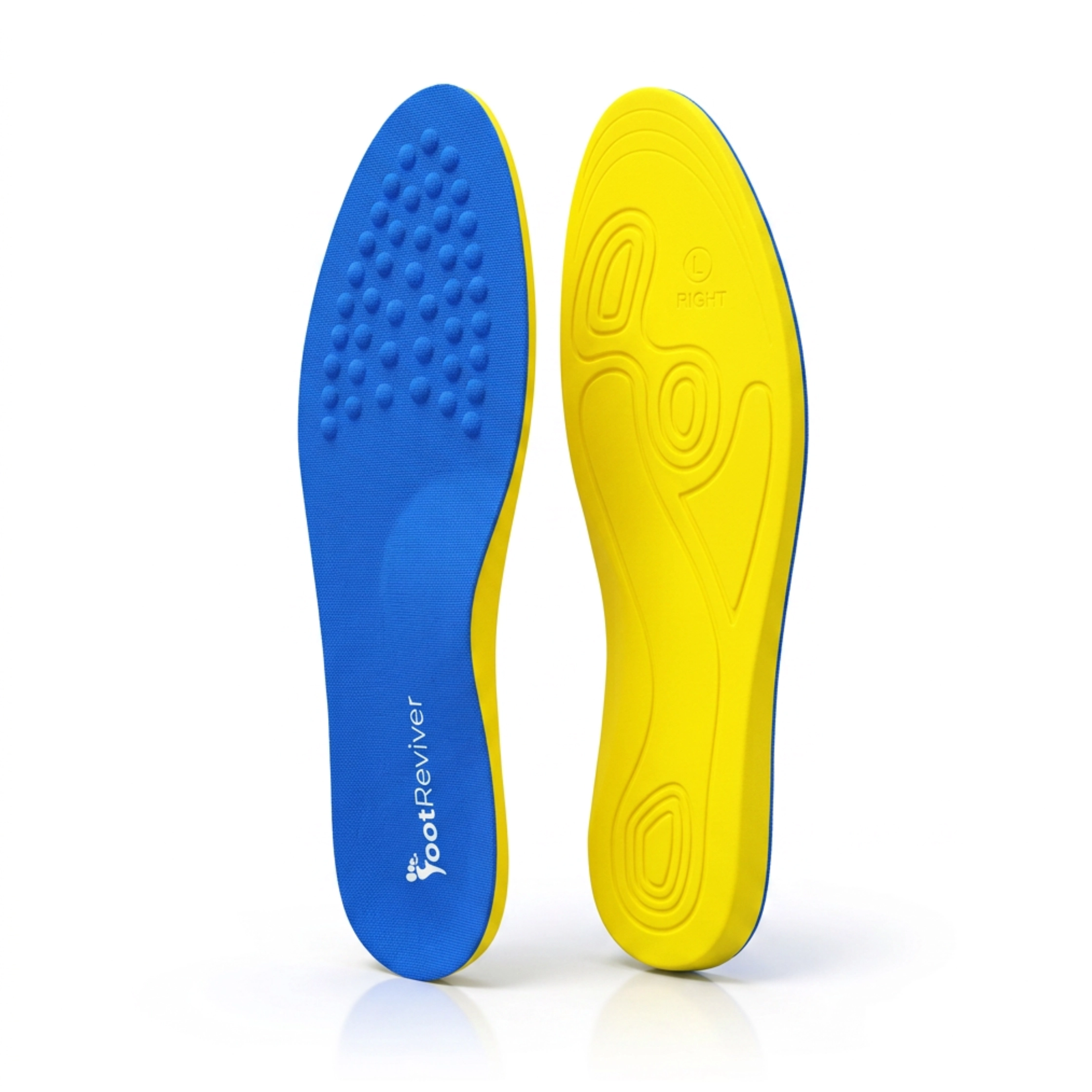
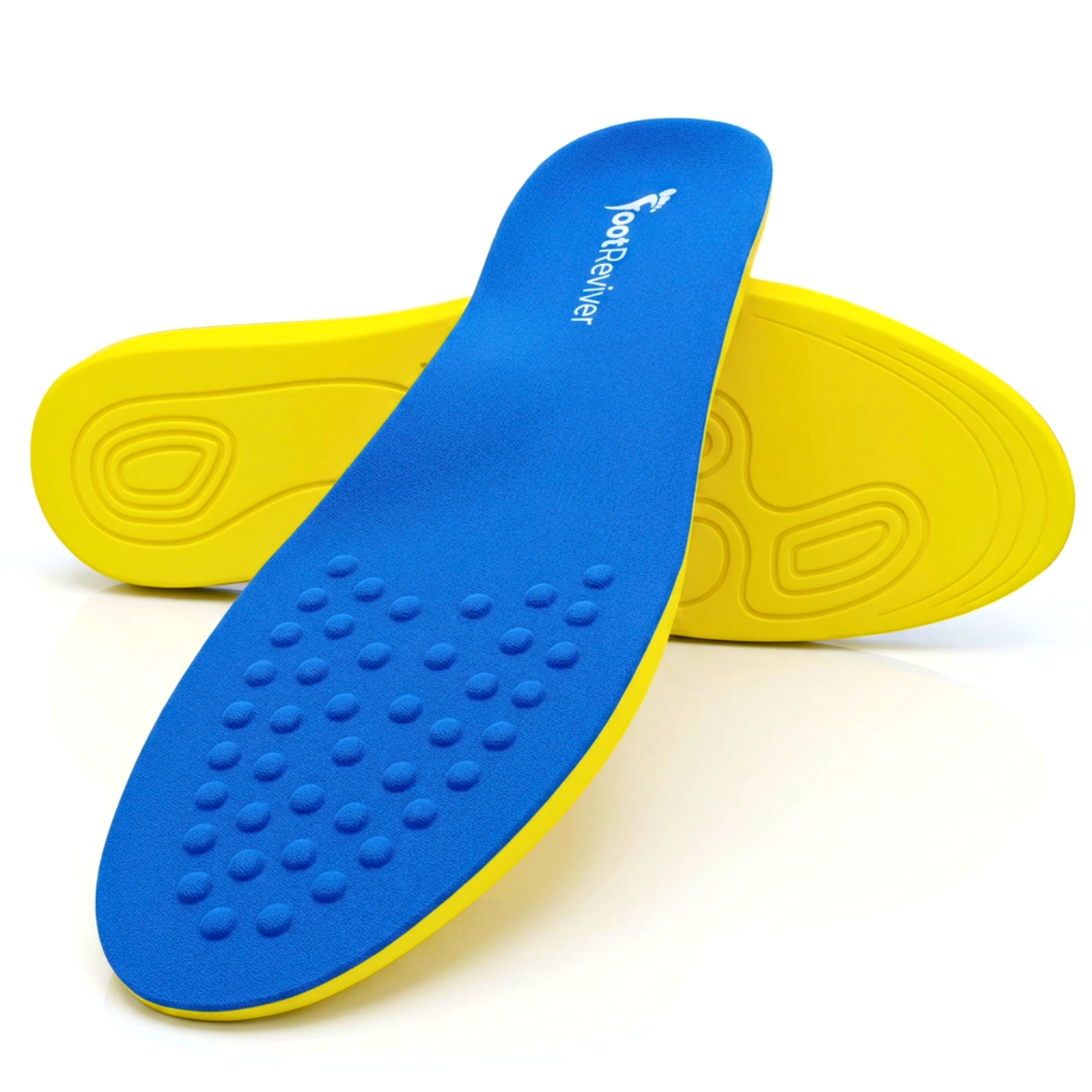
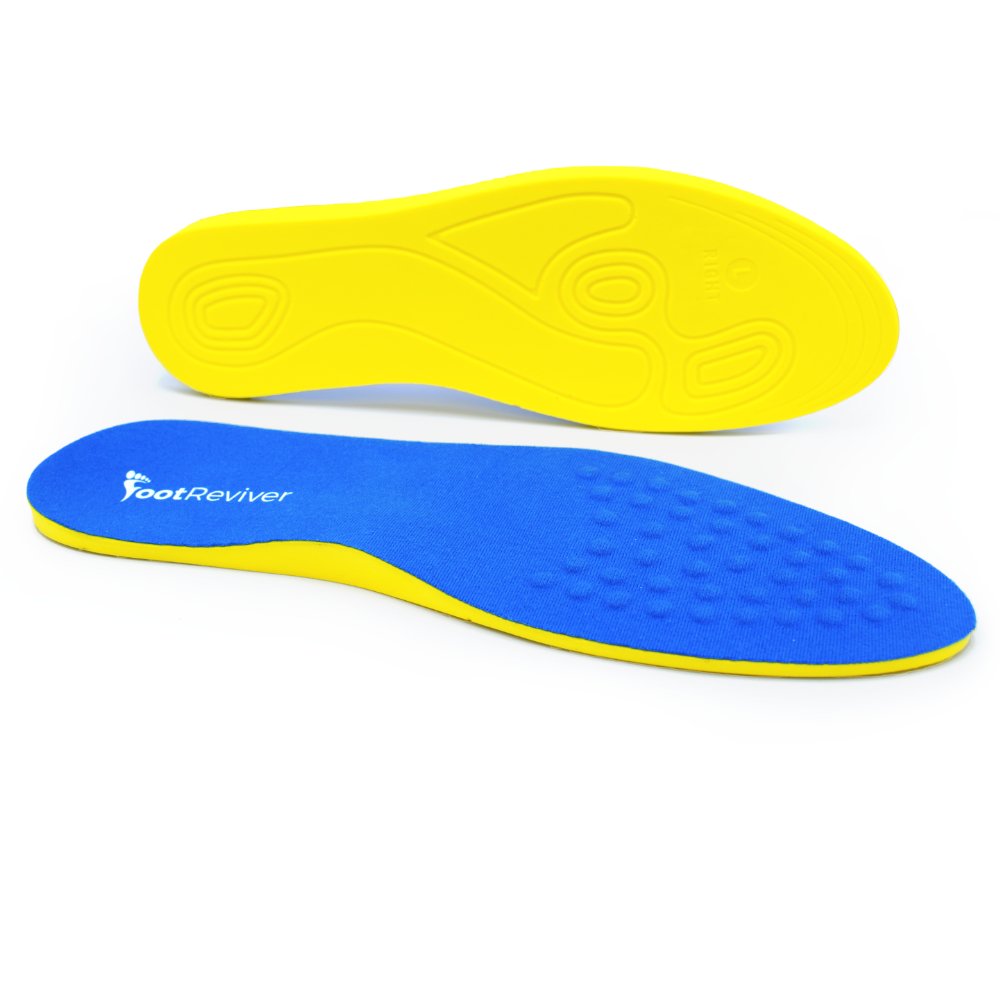
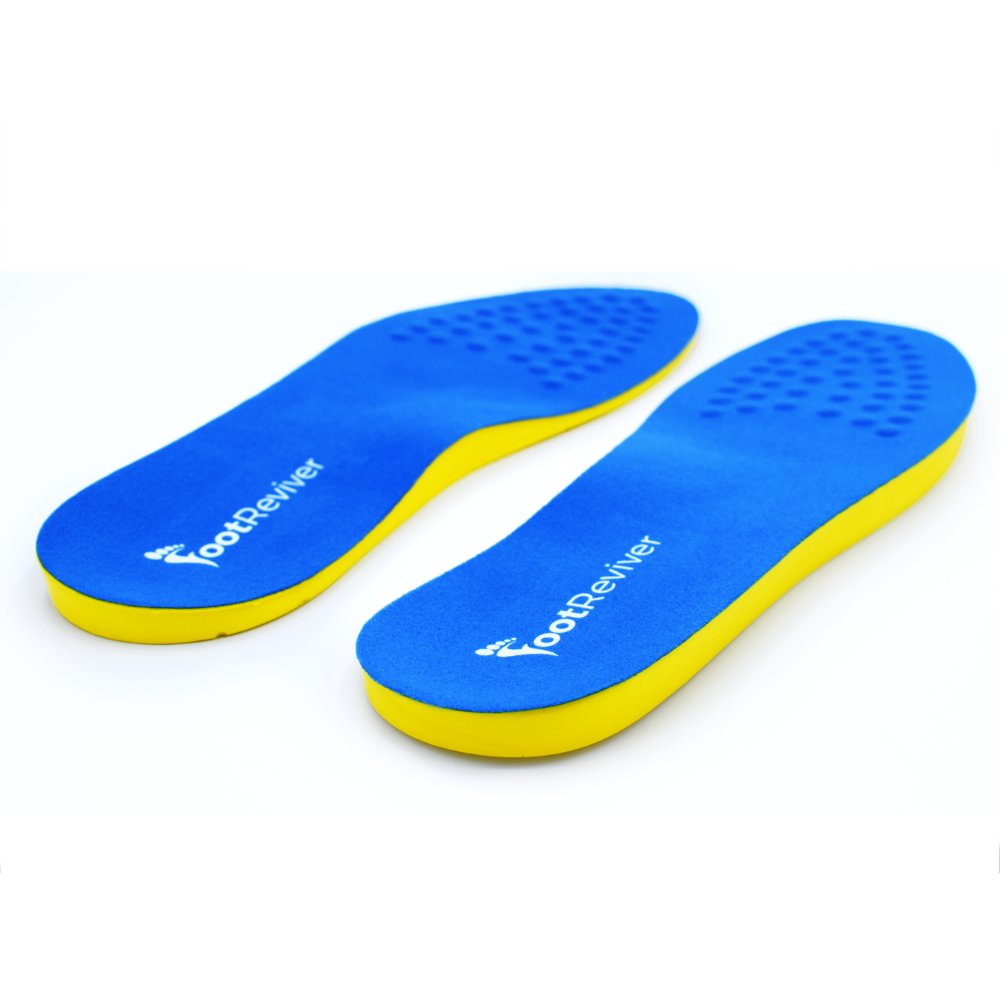
FootReviver Supination Insoles are built differently. They don’t just cushion the foot — they guide it. Every curve, every layer, every contour has a purpose. Together, they stabilise movement, absorb shock, and keep your foot aligned from heel strike to toe‑off. You can feel the difference the moment you step in — smoother, steadier, more balanced. That’s the turning point — when support becomes correction.
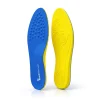
- Lateral Support for Stability — The outer edge of the insole is slightly raised, creating a gentle slope from the inner foot to the outer side. That subtle incline resists the outward roll that defines supination. From the moment your heel touches the ground, it helps steer the foot back towards a neutral position. You’ll feel steadier, with less strain on the outer ankle and a more even spread of pressure across the sole.
- Strategic Cushioning for High‑Impact Zones — A full‑length shock‑absorbing base softens every step, while denser pads in the outer heel and forefoot target the areas that take the brunt of supination. It’s firm where it needs to be, soft where it counts — dispersing impact before it travels up the leg and protecting your heels, ankles, and shins from jarring discomfort.
- Arch Support for Proper Alignment — The shaped arch support cradles the midfoot firmly but comfortably. For people with high, rigid arches, this contact is crucial — it stops the foot rolling outward and helps the knee stay aligned above the ankle. Combined with a contoured heel cup that holds the rearfoot steady, it corrects misalignment at its source and eases tension on the plantar fascia, which can help relieve heel pain.
- Secure Fit and Anti‑Slip Design — Support only works if it stays in place. The textured base grips the inside of your shoe so the insole doesn’t shift, and the top layer’s subtle grip pattern keeps your foot steady on top. That means the arch support and lateral slope stay exactly where they should, giving you consistent correction with every step.
- Breathable and Moisture‑Wicking Fabric — The top layer uses a breathable, moisture‑wicking fabric that draws dampness away from your skin. Keeping your feet dry reduces friction and the risk of blisters, especially during long days on your feet. It also helps prevent odour‑causing bacteria, so your shoes stay fresher for longer.
- Durable, Long‑Lasting Construction — The high‑density support core is built to hold its shape, so the structure you feel on day one stays reliable for months. Because it keeps its form, the lateral incline, arch contour, and cushioning layers continue to work exactly as intended without flattening or needing frequent replacement.
- Practical, Everyday Design — These insoles are slim and lightweight, so they fit easily into most everyday shoes without changing how they feel. The flexible forefoot allows a natural push‑off when you walk, and clear trim lines make them simple to customise. Whether you’re at work, walking the dog, or running errands, they provide steady biomechanical support that moves with you all day.
Used consistently, they also help retrain movement. As your foot learns to roll naturally again, the muscles and tendons begin to share the load evenly. Over time, that restored rhythm becomes second nature — a quiet correction that happens with every step.
When all these features work together, FootReviver Supination Insoles do more than ease discomfort — they help restore balance. You’ll notice steadier steps, less fatigue, and a sense that your feet are finally working with you, not against you.
Understanding the Impact of Supination
Supination doesn’t just change how your feet move — it affects everything above them. Every step sends a message up the body. If that message starts off wrong, the knees, hips, and back all have to adjust. Over time, this can lead to aches, fatigue, or stiffness that seem to appear out of nowhere. Recognising how these small changes start is the first step towards restoring balance and comfort.
Conditions Linked to Supination
The sections below look at some of the most common issues caused by supination and explain how FootReviver Supination Insoles help to correct them. Each condition is different, but they all share one thing in common — when your feet are properly supported and aligned, everything above them starts to feel better too.
Plantar Fasciitis: When Morning Steps Feel Like Walking on Glass
You know that sharp, stabbing pain in your heel when you first get out of bed — the one that makes those first few steps feel like walking on glass? That’s the hallmark of plantar fasciitis. It’s more than morning stiffness; it’s a deep, pulling pain that can make even short walks uncomfortable. Many people find it eases as the day goes on, only to return after sitting for a while or standing too long on hard floors. It’s frustrating, especially when it keeps coming back for no clear reason.
The plantar fascia is a thick band of tissue running from the medial calcaneal tubercle — the heel bone — to the base of your toes. It supports your arch and helps your foot absorb shock with every step. When your foot rolls outward too much — a movement called supination — that band is pulled unevenly at its heel attachment. Each step tugs at the tissue, creating tiny tears that trigger inflammation. Over time, the fascia stiffens and loses its natural flexibility, which is why the pain can feel sharper after rest and duller once you’ve been moving for a while.
Overnight, the fascia shortens as it rests. Then, when you take your first steps in the morning, it’s suddenly stretched again — that’s the moment the pain hits hardest. As the day goes on, the tissue warms and loosens, but the underlying irritation remains. Hard surfaces make it worse because they offer no give, so the heel takes the full impact. Without proper support, the inflammation can become chronic, spreading into the arch or even up the back of the heel. You might notice a bruised feeling underfoot or a tightness that creeps up your calf by evening.
FootReviver Supination Insoles make a difference by addressing the cause, not just the symptom. The contoured arch support lifts and steadies the midfoot, easing the constant pull on the fascia and restoring its natural windlass mechanism — the tightening that occurs as the toes lift during walking. A stabilising outer edge stops the foot rolling outward, while the contoured heel cradle holds the heel steady, reducing traction at the fascia’s attachment on the calcaneus. Under the heel, targeted cushioning softens impact and protects the inflamed tissue from further irritation. Together, these features help the fascia heal naturally by restoring proper alignment and reducing daily stress.
Most people notice the change gradually — mornings feel less punishing, and that sharp heel pain starts to fade. With steady use, the tissue has a chance to recover, and walking becomes easier again. It’s a small adjustment that can make a big difference to how your feet feel day to day.
Heel Spurs: Understanding the Bone’s Response to Chronic Strain
A deep, persistent ache in your heel that greets you first thing in the morning can be more than just tired feet — it may be a heel spur. This small bony growth forms where the plantar fascia attaches to the heel bone. The spur itself isn’t always the source of pain; it’s the surrounding inflammation from long‑term strain that makes every step feel tender. Supination — when the foot rolls outward — adds to that strain by pulling unevenly on the heel, forcing the body to reinforce the area with extra bone tissue. Over time, that’s how a spur develops.
It usually starts quietly. You might notice a dull ache after long walks or a sharp jab when you first stand up after sitting. As the strain continues, the body responds by laying down calcium at the point of tension. The result is a small, hook‑like projection on the heel bone. It’s the body’s way of protecting itself, but the extra bone irritates nearby tissue, creating a cycle of inflammation and pain. Hard floors and unsupportive shoes make it worse, as each step sends shock straight into the heel without any cushioning to soften the blow.
Because supination reduces the foot’s ability to absorb impact, the heel takes more of the load than it should. The outer edge of the foot bears most of the pressure, and the plantar fascia is pulled tight at its attachment point. That constant traction irritates the periosteum — the sensitive outer layer of the calcaneus — and the pain can spread into the arch or up the back of the heel. Some people describe it as a bruised, burning sensation that flares after rest and lingers through the day.
FootReviver Supination Insoles are designed to interrupt that cycle. The contoured arch support eases the pull on the plantar fascia, reducing the tension that encourages spur formation. A stabilising outer edge limits outward rolling, while the contoured heel cradle holds the heel bone steady, reducing torsional stress on the calcaneus and protecting the periosteum from micro‑trauma. Underneath, targeted cushioning disperses pressure evenly through the heel, protecting the inflamed tissue and allowing it to settle. The result is less irritation, steadier footing, and a noticeable drop in morning pain.
While no insole can remove an existing spur, the right support can stop it from worsening and help the surrounding tissue heal. Many people find that within a few weeks of consistent wear, the sharp heel pain softens into a manageable ache — and eventually fades. It’s a simple mechanical fix that gives the body the chance to calm the inflammation and move comfortably again.
High Arches: Supporting a Rigid, Supinated Foot Type
A noticeably high arch may not seem concerning at first — flat feet are usually seen as the more common issue — yet a rigid, elevated arch can be just as problematic. When the arch lacks flexibility, the foot can’t absorb impact effectively. Instead, it channels pressure through the heel and forefoot, encouraging the foot to roll outward into supination and placing extra strain on the ankles and legs.
The strain becomes most noticeable after long days on hard floors — a dull ache in the heel, a burning under the forefoot, or a sense that the feet tire faster than expected. Because the arch doesn’t flatten to cushion impact, every step sends more force up through the ankle and lower leg. Over time, that extra stress can lead to discomfort in the shins, knees, or hips as the body compensates for the imbalance. It’s not just localised pain; it’s a sign that the foot’s natural shock‑absorbing system isn’t doing its job.
High arches also reduce stability. With less surface area in contact with the ground, balance becomes harder to maintain, especially on uneven surfaces. The muscles and tendons in the lower legs must work constantly to keep the body steady, which can lead to fatigue or overuse injuries. Without proper support, the problem compounds — the more the foot rolls outward, the more strain builds along the outer edge and through the ankle.
FootReviver Supination Insoles are designed to give high‑arched feet the structure and cushioning they need. The contoured arch support fills the gap beneath the midfoot, spreading pressure more evenly across the sole and increasing contact beneath the lateral metatarsals and calcaneus. That contact improves proprioceptive feedback for better balance and helps the foot function more efficiently, reducing the harsh impact on the heel and forefoot. The stabilising outer edge gently limits outward rolling, while the contoured heel cradle centres the heel for improved alignment. Underfoot, full‑length cushioning softens each step, compensating for the foot’s limited natural shock absorption.
Together, these features create a more stable, comfortable platform for movement. The difference can be felt not just under the feet but up through the legs — less fatigue, fewer aches, and a smoother stride. For many people with high arches, it’s the first time their feet feel supported rather than simply cushioned. That small change in structure can make a lasting difference in comfort and confidence with every step.
Flat Feet: Finding Support When Your Arches Flatten
When your arches flatten and your whole foot presses against the ground, it can feel as though every step takes more effort than it should. That heavy, tired ache through the arch and heel is a common sign of flat feet. It’s not just about appearance — when the arch collapses, the foot loses its natural spring, and the muscles and ligaments have to work harder to keep you moving. By the end of the day, your feet can feel sore, swollen, and fatigued.
Flat feet can be inherited, or they can develop gradually as the tendons that support the arch weaken with age, injury, or overuse. The posterior tibial tendon, which helps lift and stabilise the arch, often becomes overstretched or fatigued. When the arch gives way, the heel tilts and the ankle follows, throwing the whole alignment of the leg slightly off. That tilt puts uneven pressure across the sole, especially along the inner edge, and can lead to pain in the arch, heel, or inner ankle. Over time, the strain can travel upward, affecting the knees or hips as your body compensates for the imbalance.
Hard, unyielding surfaces make things worse. Pavements, shop floors, and factory settings offer no natural cushioning, so the foot has to absorb every bit of impact itself. Without proper support, the arch continues to flatten, and the discomfort builds. You might notice your shoes wearing down unevenly or feel that your feet tire faster than they used to. It’s a slow, creeping fatigue that can make even short walks feel longer than they are.
FootReviver Supination Insoles provide the structure that flat feet need to stay comfortable and supported. The contoured arch support lifts the midfoot gently, reducing strain on the posterior tibial tendon and helping to restore a more natural shape. The contoured heel cradle steadies the heel and helps realign the subtalar joint, restoring the foot’s natural motion axis. A stabilising outer edge keeps the foot from rolling outward, while full‑length cushioning disperses pressure evenly across the sole. This balanced design supports both under‑ and over‑rolling, helping the foot find its natural centre.
Together, these features help the foot work more efficiently. The arch feels supported rather than forced, and the heel stays centred instead of collapsing inward or outward. Many people notice that end‑of‑day fatigue eases within a few weeks of consistent wear. Standing, walking, or working on hard floors becomes more manageable — and your feet start to feel like they’re carrying you, not holding you back.
Ankle Instability: When Every Step Feels Unsteady
If your ankle feels like it could give way without warning — especially on uneven ground — you’re not imagining it. That sense of wobble or weakness is often a sign of ankle instability. It can follow an old sprain that never fully healed, or it can develop gradually when the foot rolls outward too often, as it does with supination. Each time the ankle twists, the ligaments stretch a little more, and the joint loses some of its natural control. Over time, even small movements can feel uncertain.
People often describe it as a flicker of hesitation — a moment when the ankle doesn’t quite catch itself. You might notice it most when stepping off a kerb, walking on gravel, or turning quickly. The muscles around the ankle tighten to compensate, which can leave the lower leg feeling tense or tired by the end of the day. Without proper support, the cycle continues: the more the ankle rolls, the weaker it becomes, and the more likely another sprain becomes.
Supination makes this worse by shifting weight to the outer edge of the foot. That constant outward pressure keeps the ankle slightly tilted, forcing the stabilising muscles to work overtime. The strain can travel up through the shins and knees, creating a chain reaction of imbalance. The anterior talofibular ligament (ATFL), the structure most often strained in ankle sprains, becomes particularly vulnerable. It’s not just about comfort — it’s about control and confidence with every step.
FootReviver Supination Insoles are designed to restore that control. The stabilising outer edge acts as a gentle barrier, preventing the foot from rolling outward. The contoured heel cradle anchors the heel in place and limits inversion at the subtalar joint, protecting the ATFL from further strain. Meanwhile, the contoured arch support keeps the midfoot aligned, so the ankle sits directly above the heel rather than tipping to one side. Together, these features reduce the twisting forces that cause instability and help the ligaments recover their natural tension.
Underfoot cushioning softens impact, easing the shock that can trigger small slips or jolts. With consistent use, the insoles also help retrain proprioception — the body’s sense of balance — so the ankle learns to stabilise itself more effectively. The result is a smoother, more confident stride where your ankle feels supported, not uncertain. Over time, that steadiness helps rebuild strength and trust in your step, whether you’re walking to work or navigating uneven ground.
Achilles Tendonitis: Reducing Strain on the Body’s Strongest Tendon
A dull ache or stiffness at the back of the heel that flares after rest or activity is often the first sign of Achilles tendonitis. It can feel like a tight band pulling at the back of your ankle, sometimes with a burning sensation that worsens when climbing stairs or walking uphill. The discomfort may ease as you warm up, only to return later in the day. For many, it’s a cycle of tension and relief that never quite resolves.
Supination contributes directly to this strain. When the foot rolls outward, the heel tilts and twists slightly, placing uneven tension through the Achilles tendon. Each step pulls the tendon off‑centre, forcing it to work harder to stabilise the ankle. Over time, the fibres become irritated and inflamed, especially where the tendon attaches to the heel bone at the calcaneal insertion. Because supinated feet absorb less shock, the tendon also takes on more of the impact that should be dispersed through the arch and forefoot. The result is a tendon that’s constantly under load, even during rest.
This imbalance can travel up the leg, tightening the calves and reducing ankle flexibility. The tendon becomes less resilient, and even gentle activity can trigger discomfort. Without proper support, the cycle of irritation continues, and recovery slows.
FootReviver Supination Insoles help relieve this strain by improving alignment from the ground up. The contoured heel cradle steadies the calcaneus, reducing shearing at the tendon’s insertion and preventing the outward tilt that twists the tendon. The contoured arch support guides the foot into a more neutral position, reducing the rotational forces that aggravate the Achilles. The stabilising outer edge limits outward rolling, while full‑length cushioning disperses impact evenly through the sole, reducing the repetitive shock that fuels inflammation. Together, these features allow the tendon to move more efficiently and recover naturally. Gradually, stiffness eases, steps feel smoother, and the heel regains its strength and flexibility.
Peroneal Tendonitis: When the Outer Ankle Works Too Hard
A sharp or aching pain along the outer side of your ankle that worsens with movement often points to peroneal tendonitis. It can feel like a deep tenderness behind the ankle bone, sometimes accompanied by swelling or a sense of weakness when pushing off. The discomfort tends to build gradually, flaring after long walks or time spent on uneven ground. For some, it’s a dull ache that lingers even at rest, a sign that the tendons are struggling to recover.
Supination is a major contributor. When the foot rolls outward, the peroneal tendons — the peroneus longus and brevis — are forced to stabilise the foot with every step. They wrap behind the lateral malleolus, the bony bump on the outside of the ankle, and act like cables to prevent the foot from tipping further outward. With each step, friction builds where the tendons curve around this bone, and over time, that repetitive tension leads to inflammation and irritation. Because the outer edge of the foot bears more weight in supination, these tendons are under near‑constant load, even during gentle activity.
As the tendons fatigue, the ankle can start to feel unstable, and the muscles of the lower leg tighten to compensate. The imbalance can spread upward, affecting gait and posture if left uncorrected.
FootReviver Supination Insoles help ease this overuse by stabilising the foundation beneath the ankle. The stabilising outer edge acts as a gentle barrier against outward rolling, reducing the angle of pull where the peroneal tendons curve behind the lateral malleolus. The contoured heel cradle anchors the heel securely, while the contoured arch support aligns the midfoot to share the load more evenly. Full‑length cushioning disperses impact evenly through the sole, protecting the tendons from repetitive shock. With consistent use, the outer ankle feels steadier, the ache subsides, and movement becomes more controlled and comfortable.
Shin Splints: When Every Step Sends a Twinge Up the Leg
That dull, nagging ache along the front of your lower leg — the one that flares after a long walk or run — is often a sign of shin splints. It’s the body’s way of saying the muscles and tendons along the shin are working harder than they should. Supination plays a big part in this. When the foot rolls outward, the outer muscles of the lower leg take on more of the load, pulling unevenly on the shin bone. Step after step, that tension builds until the tissue becomes irritated and sore.
It usually starts as a mild tightness that eases once you warm up, but gradually it can turn into a sharp, persistent pain that lingers even at rest. Hard surfaces, worn shoes, or sudden increases in activity make it worse. The tibialis anterior and extensor digitorum longus — the muscles that lift the foot — pull repeatedly on the tibial periosteum, the thin layer covering the shin bone. The muscles along the outer shin tighten to stabilise the foot, while the inner muscles — the ones meant to share the work — stay underused. The imbalance keeps feeding the problem, and recovery can stall if the underlying cause isn’t addressed.
Supination also limits shock absorption. Each step sends more force up through the leg, and the shin bone takes the brunt of it. That’s why the pain often feels deep and bone‑tired rather than surface‑level. Without proper support, the cycle continues: strain, inflammation, fatigue, repeat.
FootReviver Supination Insoles help break that cycle by improving alignment and cushioning impact. The contoured arch support steadies the midfoot, reducing overuse of the tibialis anterior and extensor muscles that tug on the tibial periosteum. A stabilising outer edge prevents the foot from rolling outward, reducing the constant pull on the outer shin. The contoured heel cradle anchors the heel, keeping the ankle aligned above the foot and easing the twisting forces that aggravate the lower leg.
Shock‑absorbing layers disperse pressure evenly through the sole, softening each step before it travels up the shin. Over time, that means less tension, fewer flare‑ups, and a noticeable drop in post‑activity soreness. For many people, it’s the difference between powering through discomfort and moving comfortably again.
Knee Pain: When Misalignment Travels Up the Leg
Knee pain doesn’t always start at the knee. Often, it begins lower down — in the way the foot meets the ground. When the foot rolls outward in supination, the leg rotates slightly with it. That twist changes how the knee tracks, placing uneven pressure on the joint. Over time, that small misalignment can lead to aching around the kneecap, stiffness after sitting, or a dull throb that builds during long walks or climbs.
Many people describe it as a deep, dragging ache that flares when going downstairs or standing for long periods. The outer knee often feels tight, while the inner side can feel strained or tender. Because the knee is caught between the hip and the ankle, any imbalance below is magnified above. Supination shifts weight to the outer edge of the foot, pulling the leg outward and forcing the knee to work off‑centre. The result is irritation in the joint and fatigue in the muscles that try to stabilise it. The patellofemoral joint — where the kneecap glides over the thigh bone — is particularly affected, as misalignment alters how the patella tracks within its groove.
Hard surfaces and unsupportive shoes make things worse. Without proper cushioning or alignment, every step sends shock straight up the leg. The knee absorbs what the foot doesn’t, and the strain builds quietly until it becomes hard to ignore. It’s not just discomfort — it’s a mechanical chain reaction that starts at ground level.
FootReviver Supination Insoles help correct that chain from the ground up. The contoured arch support steadies the midfoot, guiding the leg into a more natural alignment. The stabilising outer edge limits outward rolling, while the contoured heel cradle centres the heel so the knee tracks straight above it. By aligning the heel and arch, the insole reduces lateral pull on the patella, helping it glide smoothly within the femoral groove. Underfoot cushioning disperses impact evenly through the sole, reducing the jolt that travels up through the joint with every step.
As alignment improves, the muscles around the knee can relax and work more efficiently. As the knee tracks correctly, the hips and spine follow suit, easing strain higher up the body. Many people notice that the dull ache eases first, followed by smoother movement and less stiffness after rest. It’s a subtle shift that makes a big difference — the kind of quiet correction that lets the knee move the way it was meant to.
Hip and Lower Back Pain: When Foot Alignment Affects the Whole Body
When your hips or lower back ache after long days on your feet, the cause isn’t always where you feel it. Often, it starts with how your feet strike the ground. Supination — when the foot rolls outward — shifts weight unevenly through the legs and pelvis. That small tilt at ground level travels upward, twisting the knees, hips, and spine out of their natural alignment. Over time, the muscles that stabilise your lower back and hips tighten on one side and overstretch on the other, creating the familiar dull ache or stiffness that builds through the day.
It can feel like a deep, dragging tension across the lower back or a sharp pinch around one hip. Some people notice it most when standing still, others when walking long distances. The imbalance forces the body to compensate with every step, and the strain accumulates quietly. Hard floors, unsupportive shoes, or long hours on your feet only amplify the problem, as the shock from each step travels straight up the kinetic chain.
Because supination reduces the foot’s ability to absorb impact, the spine ends up taking more of the load. The result is fatigue, tightness, and sometimes a sense that one leg feels shorter than the other. The sacroiliac joints — where the spine meets the pelvis — can become irritated by this uneven loading, and the muscles around them, including the gluteus medius and lumbar stabilisers, work overtime to keep the body upright. It’s not just discomfort — it’s a sign that your foundation isn’t working in harmony with the rest of your body.
FootReviver Supination Insoles help restore that harmony from the ground up. The contoured arch support steadies the midfoot, aligning the ankle and knee so the hips can sit level. The stabilising outer edge prevents the foot from rolling outward, while the contoured heel cradle anchors the heel in a neutral position. Together, these features reduce the twisting forces that travel up the legs and into the lower back. Full‑length cushioning absorbs impact before it reaches the spine, easing the repetitive shock that contributes to fatigue and stiffness.
As alignment improves, the pelvis levels and the sacroiliac joints move more freely. The gluteus medius and lumbar stabilisers no longer need to overwork to keep the body balanced, easing tension through the hips and lower back. Many people notice that their posture feels steadier, their stride smoother, and their steps lighter. It’s a quiet correction that helps the whole body move more comfortably, one step at a time.
Foot Fatigue: When Every Step Starts to Feel Heavy
That slow, burning ache that creeps in after a long day on your feet — the kind that makes every step feel heavier than the last — is a classic sign of foot fatigue. It’s not just tired muscles; it’s your body signalling that your feet are working harder than they should. Supination often plays a part. When the foot rolls outward, the outer edge takes most of the pressure, and the muscles that stabilise the arch and ankle have to stay switched on all day to keep you balanced. Over time, that constant effort leads to fatigue, tightness, and soreness that can linger well into the evening.
Hard floors, long hours, and unsupportive shoes make it worse. Without proper cushioning or alignment, the foot can’t distribute weight evenly, so certain areas — usually the heel and outer forefoot — take the brunt of the load. The result is a deep, dull ache that builds gradually, often accompanied by a sense of stiffness or burning under the arch. It’s a slow drain on comfort and energy that can make even simple tasks feel more demanding.
Supination also limits the foot’s ability to absorb shock. Each step sends more force up through the legs, and the muscles in the feet and calves have to work harder to compensate. The intrinsic foot muscles — the small stabilisers that support the arch — stay constantly engaged, leading to fatigue and reduced endurance. It’s not just about tired feet — it’s about inefficient movement that wears you down over time.
FootReviver Supination Insoles are designed to ease that strain and restore comfort. The contoured arch support helps the foot share the workload evenly, reducing pressure on the outer edge and allowing the intrinsic muscles to relax and function efficiently. The stabilising outer slope limits outward rolling, while the contoured heel cradle anchors the heel for better stability. Underfoot, full‑length cushioning disperses impact evenly through the sole, softening each step and giving the muscles a chance to recover.
With consistent use, the difference becomes clear — less end‑of‑day soreness, fewer aches through the calves, and a lighter, more effortless stride. It’s the kind of support that doesn’t just make walking easier; it helps your feet feel fresher, longer.
Metatarsalgia: When the Ball of the Foot Bears Too Much Load
A burning or bruised sensation under the ball of your foot — as if you’re walking on small stones — is a hallmark of metatarsalgia. It often starts as a mild ache during activity and builds into a sharper pain that makes standing or walking uncomfortable. The discomfort can spread across the forefoot or focus beneath the outer toes, especially after long days on hard floors or in unsupportive shoes.
Supination is a common cause. When the foot rolls outward, weight shifts to the outer metatarsals — the bones beneath the fourth and fifth toes. These smaller bones aren’t designed to carry the body’s full load, so the tissues around them become compressed and inflamed. The reduced shock absorption of a supinated foot adds to the problem, sending more force through the forefoot with every step. Over time, the protective fat pads thin, and the pain becomes more persistent.
This imbalance can also affect the way the toes function, leading to stiffness or clawing as they try to stabilise the foot. Without correction, the strain can spread up through the calves and knees as the body compensates for the uneven pressure.
FootReviver Supination Insoles help redistribute that pressure by guiding the foot back to a more neutral position. The contoured arch support steadies the midfoot, allowing weight to spread evenly across all the metatarsal heads. The stabilising outer edge limits outward rolling, while the contoured heel cradle anchors the heel for better balance. Targeted cushioning beneath the metatarsal heads relieves pressure on the plantar digital nerves, easing the burning, pebble‑like sensation underfoot. Full‑length cushioning softens impact and protects the forefoot from repetitive stress.
The result is a smoother, more comfortable stride and a noticeable reduction in forefoot pain. With proper support, the metatarsals can move naturally again, and the tissues beneath them have a chance to recover.
Morton’s Neuroma: When Nerve Compression Causes Sharp Forefoot Pain
A sharp, shooting pain or tingling between the toes — often between the third and fourth — is a classic sign of Morton’s neuroma. It can feel like stepping on a small pebble or as though your sock is bunched up underfoot. The discomfort may come and go at first, but over time it can become a persistent burning or numbness that makes walking or standing difficult. The cause lies in the compression of a small nerve that runs between the metatarsal bones in the forefoot.
Supination contributes to this by shifting weight to the outer edge of the foot, narrowing the intermetatarsal space and compressing the common digital nerve. Each step squeezes the nerve between the metatarsal heads, and the surrounding tissue thickens in response to the irritation. Tight shoes, hard floors, or prolonged standing can make the pain flare sharply, especially when pushing off the toes. The more the foot rolls outward, the more pressure builds in that narrow space, keeping the nerve trapped and inflamed.
Because the pain originates from nerve compression rather than muscle strain, it can feel electric or stabbing, sometimes radiating into the toes. Without proper support, the irritation persists, and the nerve becomes increasingly sensitive.
FootReviver Supination Insoles help relieve this pressure by improving alignment and redistributing weight across the forefoot. The contoured arch support lifts the midfoot, helping to maintain space between the metatarsal bones and reducing compression on the common digital nerve. The stabilising outer edge limits outward rolling, while the contoured heel cradle anchors the heel for balanced alignment. Targeted forefoot cushioning absorbs impact and softens pressure beneath the metatarsal heads, easing the burning, pebble‑like sensation that characterises Morton’s neuroma.
With consistent use, the nerve irritation settles, and the forefoot feels more comfortable and stable. The difference is subtle but significant — less tingling, fewer sharp jolts, and a smoother, more natural step.
Hip and Back Posture: When Foot Alignment Shapes the Way You Stand
Posture begins at the feet. When the foundation is uneven, the rest of the body adjusts to stay upright — often at a cost. Supination, where the foot rolls outward, tilts the legs and pelvis slightly, creating a chain reaction that affects the hips, spine, and shoulders. Over time, this subtle imbalance can lead to uneven weight distribution, muscle fatigue, and a sense that one side of the body works harder than the other. The result is often a dull ache in the lower back, tightness through one hip, or tension that creeps up into the shoulders and neck.
Because the pelvis sits at the centre of the body’s alignment, even a small tilt at the feet can cause noticeable changes higher up. The gluteus medius and lumbar erector spinae muscles — key stabilisers for posture — have to work harder to keep the body balanced. The sacroiliac joints, which connect the spine to the pelvis, can become irritated by uneven loading, leading to stiffness or discomfort after long periods of standing. It’s not just about how you walk; it’s about how your body holds itself all day.
Supination also reduces shock absorption, sending more force up through the spine with every step. Over time, this can contribute to fatigue and tension in the lower back and hips, especially when standing or walking on hard surfaces.
FootReviver Supination Insoles help correct this imbalance from the ground up. The contoured arch support steadies the midfoot, aligning the ankle and knee so the pelvis can sit level. The stabilising outer edge prevents the foot from rolling outward, while the contoured heel cradle anchors the heel in a neutral position. Together, these features reduce asymmetrical loading through the sacroiliac joints and allow the spine to stack naturally above the pelvis. Full‑length cushioning absorbs impact before it reaches the back, easing tension through the lumbar region.
As alignment improves, posture feels more natural and balanced. The gluteus medius and lumbar stabilisers no longer need to overwork to keep the body upright, reducing fatigue and stiffness. The result is a steadier stance, smoother movement, and a body that feels more aligned from the ground up.
Overuse and Recovery: Supporting the Foot Through Repetition
Repetitive strain is one of the most common causes of foot and leg discomfort. Whether from long hours on your feet, repetitive movements at work, or regular exercise, the same tissues are loaded again and again without enough time to recover. Supination adds to this by concentrating pressure along the outer edge of the foot, forcing certain muscles and tendons to work harder than others. Over time, this imbalance leads to fatigue, inflammation, and a gradual loss of efficiency in how the foot moves.
The peroneal tendons, plantar fascia, and Achilles tendon are often the first to feel the effects. Each step pulls on these structures in slightly the wrong direction, creating micro‑tears that the body struggles to repair before the next load cycle begins. The result is a slow build‑up of stiffness, soreness, and reduced flexibility. Hard floors and unsupportive footwear accelerate the process, as the foot has to absorb every bit of impact on its own.
Without correction, this overuse can spread up the kinetic chain, affecting the shins, knees, and hips. The body compensates by tightening certain muscles and overworking others, which can make recovery slower and discomfort more persistent.
FootReviver Supination Insoles support recovery by improving alignment and reducing repetitive stress. The contoured arch support steadies the midfoot, allowing the plantar fascia and Achilles tendon to move through their natural range without excessive strain. The stabilising outer edge limits outward rolling, easing tension on the peroneal tendons, while the contoured heel cradle anchors the heel for consistent alignment. Full‑length cushioning disperses impact evenly through the sole, reducing micro‑trauma and giving tissues time to heal between activities.
By restoring balance and reducing mechanical overload, the insoles help the foot recover more efficiently. The result is less fatigue, fewer flare‑ups, and a smoother return to comfortable, natural movement.
Frequently Asked Questions
Before you get started, here are some of the questions people most often ask about FootReviver insoles — especially if you’ve noticed tired feet, uneven wear on your shoes, or that familiar ache after a long day. These answers are designed to help you feel clear and confident about using them day to day.
How do I choose the right size?
Each pair is trimmable for a tailored fit. Use the size guide that matches your UK shoe size, then trim along the guide marks if needed. This helps the insoles sit securely in your shoes without slipping or bunching, so they feel like part of the shoe rather than an extra layer.
What should I expect when I first wear them?
You might feel a gentle lift through your arch or a firmer base under your heel — that’s the insole supporting areas that have been working overtime. It’s normal to notice a new sense of support under your feet, especially around the arches or calves. That’s your body adjusting to improved alignment. Start by wearing them for short periods and build up gradually. Within a few days, they’ll begin to feel natural as your muscles adapt to the new support.
Which shoes can I use them in?
They fit comfortably in most shoes with removable insoles — such as trainers, work shoes, or everyday footwear. They’re not suitable for very shallow shoes like ballet flats or high heels, as these don’t provide enough depth for the insole to sit correctly. When fitted properly, you’ll feel even support from heel to toe without any tightness or lift at the heel.
How long will they last?
With regular daily use, they typically maintain their shape and support for around six to twelve months. The high‑density foam is durable and resists flattening, but like any cushioning material, it will gradually compress over time. When you notice the support feeling less springy or the cushioning thinner underfoot, it’s time for a replacement.
How should I clean and care for them?
Wash them gently by hand using mild soap and lukewarm water. Leave them to air dry naturally, away from direct heat sources such as radiators. Avoid machine washing or tumble drying, as this can damage the structure. Keeping them clean and dry helps preserve their shape, comfort, and freshness.
Getting Started With Your Insoles
Allowing Your Body to Adapt
When you first start wearing your insoles, you’re asking your body to move in a slightly different way. Your muscles and ligaments have spent years adapting to your natural foot position, so it’s normal for them to need a little time to adjust. The structured support begins working straight away, guiding your feet into a more balanced position and helping your joints move more efficiently.
As your heel sits more evenly and your arch is lifted into alignment, the small joints in your foot begin to share the load more evenly. This reduces the twisting and tension that often cause fatigue by the end of the day. During the first few days, you might feel mild fatigue or a new awareness in your feet or calves. That’s a positive sign that your body is learning to move with better alignment. Begin by wearing the insoles for a few hours each day during light activity, then gradually increase the time over the first week. This steady approach allows your muscles to strengthen and adapt comfortably, setting the stage for lasting improvement.
Supporting Your Comfort With Simple Daily Habits
Consistency makes the biggest difference. The more regularly you wear your insoles and practise these small habits, the more naturally your body learns to move in balance — it’s a gradual reset for your feet and ankles. Alongside wearing your insoles, a few simple daily habits can help your body adjust and stay comfortable. Focus on flexibility, stability, and supportive footwear.
1. Improve Calf Flexibility to Ease Strain
Tight calf muscles can limit ankle movement and make supination more noticeable. When the calf muscles are tight, the heel lifts too early during walking, forcing the foot to roll outward. Stretching restores that lost movement and helps your heel stay grounded for longer.
- How to do it: Stand facing a wall with one foot behind the other. Keep your back knee straight and heel flat on the floor. Lean forward gently until you feel a stretch in the calf of your back leg. Hold for 20–30 seconds and repeat two or three times on each side. This simple stretch helps restore flexibility and ease tension through the lower leg.
2. Strengthen Your Ankle Stability
Supination can make the ankle feel less steady. You might notice small wobbles when turning or stepping off a kerb — signs that the stabilising muscles around your ankle are working harder than they should. Strengthening these small muscles helps improve balance and control.
- How to do it: Practise standing on one foot for 30 seconds at a time while doing a simple task, such as brushing your teeth. Keep a wall or counter nearby for support if needed. This small exercise helps train your ankle to stay centred and stable, improving your confidence on uneven ground.
3. Choose Supportive Footwear
Your shoes and insoles work best together. Supportive shoes provide a stable base that allows the insoles to do their job properly. When your shoes hold your heel firmly and your insoles support your arch, you’ll feel the difference — a steadier step and less pressure through the outer edge of your foot.
- What to look for: Choose shoes with a firm heel counter — the part that cups your heel — and good cushioning through the sole. Replace worn‑out shoes that have lost their shape or allow your heel to move around. A stable shoe helps your insoles maintain proper alignment and keeps your stride consistent.
If discomfort continues beyond the first week or two, it may help to speak with a physiotherapist or podiatrist. They can assess your movement and offer tailored advice to fine‑tune your support. Sometimes a small adjustment makes all the difference.
A Supportive Solution for Daily Comfort
Think of your FootReviver insoles as a daily support system rather than a quick fix. Supination is often part of how your feet are built, but the right support can make a noticeable difference to how you move and feel. Worn consistently, these insoles help your feet stay aligned, reduce strain, and make walking or standing more comfortable.
They don’t just cushion your steps — they guide your feet into a more natural position. By guiding your feet into alignment, they help your knees and hips follow a smoother path too, easing the chain of tension that often builds up through the legs and lower back. Over time, this helps your body move more efficiently and with less effort. It’s a subtle change that you’ll start to feel in your posture, balance, and overall comfort.
Experience the Difference in Your Daily Movement
Supination can make everyday movement tiring, but it doesn’t have to. FootReviver insoles help your feet find a more stable, comfortable position so you can move with confidence. You’ll notice steadier, more cushioned steps and less fatigue by the end of the day. Many people describe it as a quiet ease — the kind of comfort you only notice when it’s missing.
We’re confident you’ll feel the difference. If you’re not completely satisfied with the comfort and stability they provide, we offer a straightforward refund. Take that first step towards lasting comfort — from the ground up.
A Note on Your Safety and Wellbeing
Your comfort and safety come first. Most people find FootReviver insoles comfortable and easy to wear, but it’s always worth paying attention to how your feet respond. FootReviver insoles are designed for everyday use, but if you have a medical condition such as diabetes, circulatory problems, or persistent pain, check with your GP or podiatrist before using any new foot support. This ensures the product is suitable for your needs.
If you experience new numbness, colour changes, or increasing pain, stop using the insoles and seek medical advice. These signs are uncommon, but it’s always best to check early. A quick conversation with your GP or podiatrist can rule out anything more serious and keep you moving safely. Your feet will tell you when something isn’t right — listen to them. Comfort should feel natural, not forced, and the right support will help you move with ease and confidence.

by Jake
Very happy! Speedy delivery, well made but more importantly wearing these insoles has really helped stop my feet from hurting all the time.
by Luke
Very good quality. Thank you!
by Alec Davis
These have made a phenomenal difference to my life! I was told I needed ankle fusion by the doctors…a process with a 20% rate of total failure and a 10% chance of even more pain afterwards. I noticed that in the report I was given I was underpronating and found these online. They felt very strange at first, so bad had become my gait, but after a few days I discovered I could walk without constant pain, and now, after 2 months am walking without a stick and almost back to normal. I no longer fear standing up and am looking forward to long country walks once again.
I am ordering further pairs for all my shoes now.
by Iwona
This is very good quality product. helps me so much with my condition. Very fast delivery. Highly recommended! THANK YOU
by Graeme Smith
As a postman of 4 and a ½ years,I can’t recommend these enough, having suffered for over 2 years with plantar fasciitis.I’m still experiencing a little discomfort while getting used to these ,but that’s down to my feet and ankles adjusting to walking more or less as I should be,rather than the insoles being at fault.Obviously they aren’t custom made so won’t be a perfect fit for everyone but they’ve made such a difference to me,I walk around 10 miles a day in my job,and can honestly say these have possibly saved me from having to switch jobs.Good price too, highly recommend them.
by Louise Elmwood
Iv been suffering from supination for a long time now however I’m pretty dumb when it comes to knowing what insoles to buy to sort them out as iv bought loads of dud insoles in the past that were said to help fix my supination but didn’t. After finding these insoles I was a bit sceptical at first due to my past experiences but because they were quite inexpensive compared to the others I thought I would give them a shot. I am really glad that I did. Since I started wearing them they have totally changed the way that I walk. Now I don’t get anywhere near the level of niggling aches and pains in my feet as I used to get and I’m soooo happy. As we speak am buying more pairs for my others shoes!!! 😎
by Suzanne
I’m very impressed with these supination insoles. They tilt my feet inwards effectively but provide plenty of blissful cushioning under the foot. Considering that I roll outwards very badly, particularly on my right foot, due to a permanent tear in an ankle ligament, these insoles are very effective at preventing the rolling and preventing foot and ankle pain. I walk at least an hour a day with our three dogs, so support and comfort are essential. I had none of my usual ankle pain whilst using these insoles, compared with wearing just the standard insoles which came with the shoes.
I used the insoles in a pair of shoes where the standard insoles could be removed and replaced with an orthotic insoles. I will definitely buy more of these insoles for the pain-prevention, comfort and support they provide.
by Jennifer
Excellent. This insole provided immediate pain relief from the severe supination I suffer on account of spastic hemiplegia pushing the outside of my foot hard down into my rigid AFO. The real test will be when I go on Holiday at the end of the month, and am walking on hard surfaces for several hours daily, but even with just using around the house, the reduction in pain significant and more than worth the modest cost of the product. I’m wishing I had thought to investigate supination insoles years ago and spared myself all the pain. If you’re considering these, I would really recommend giving them a try.