
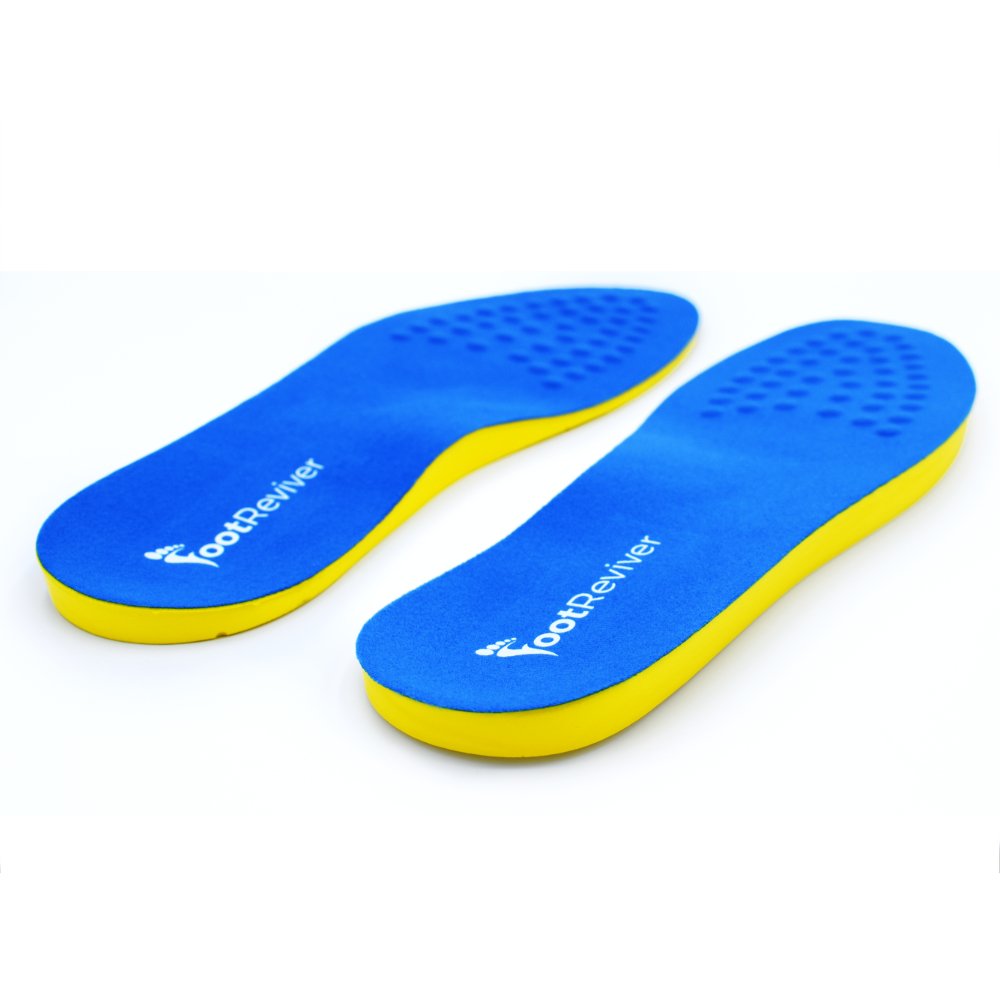
Supination Insoles for Underpronation By FootReviver™
£16.95inc VAT
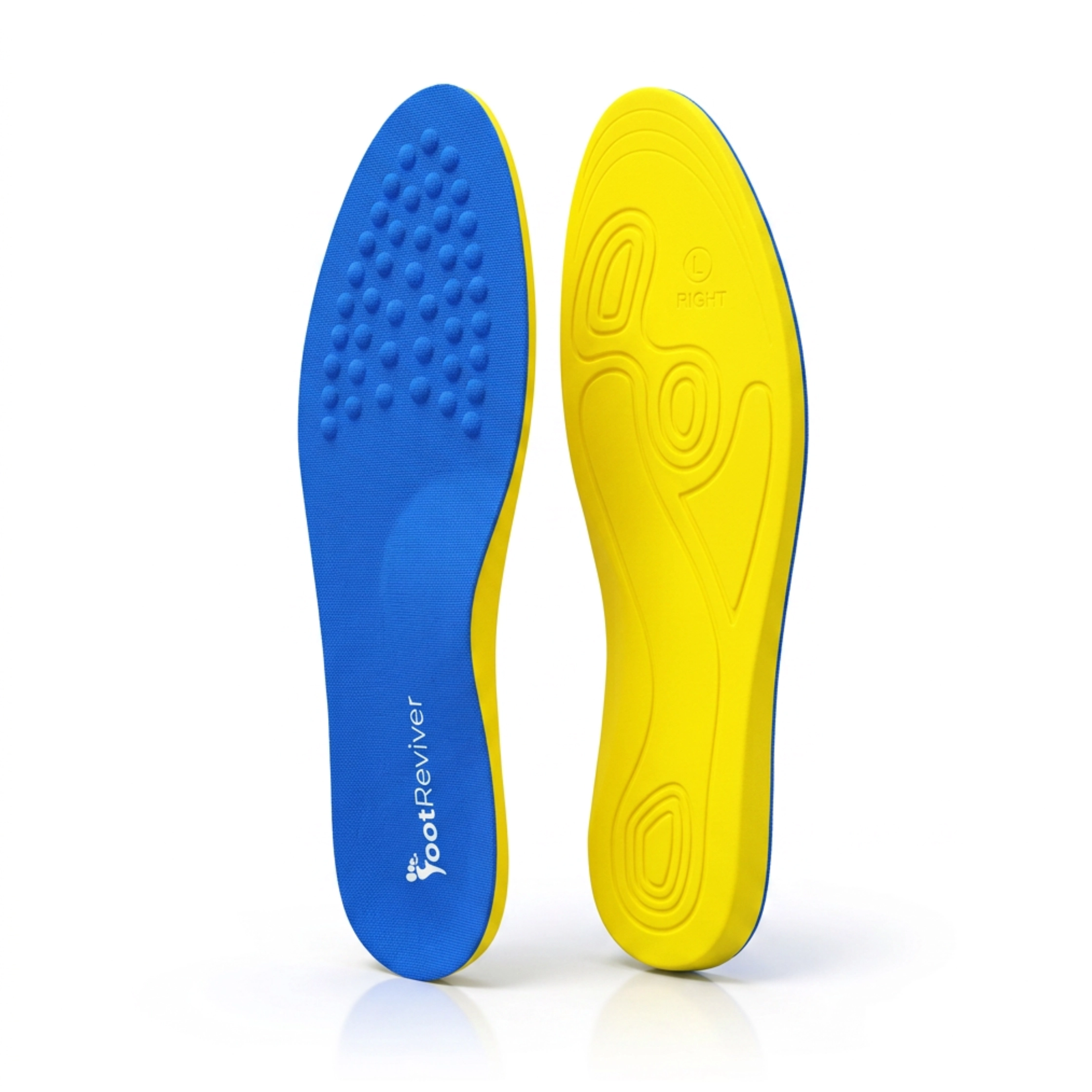
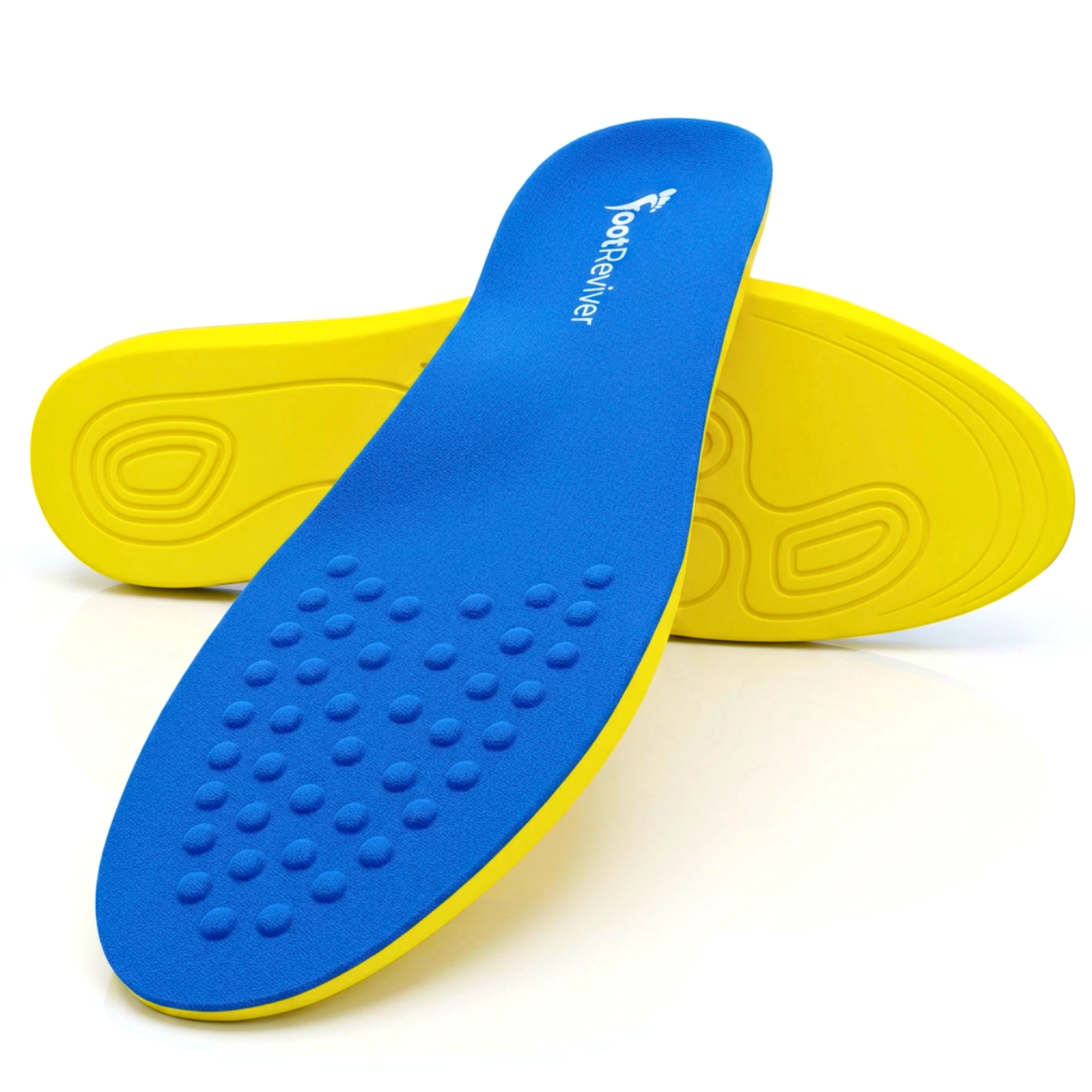
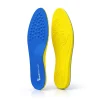
- Precision-Engineered for Supination Correction: This pair of insoles is specifically designed to correct underpronation by featuring a strategically inclined outer edge that gently tilts your foot inward, promoting proper alignment and a stable gait.
- Durable & Versatile for Everyday Use: The low-profile, flexible-yet-supportive construction ensures a seamless fit in a wide range of footwear, making them perfect for both everyday wear and sports. Sizes available: XS (UK 1-2), S (UK 2-3), M (UK 4-6), L (UK 7-8.5), XL (UK 9-11).
- Reinforced Lateral Support & Targeted Arch Control: The dual-action design combines a firm, reinforced lateral barrier to block excessive outward roll with a contoured arch cup to cradle your foot’s natural curve, working in unison to alleviate strain on ankles, arches, and plantar fascia.
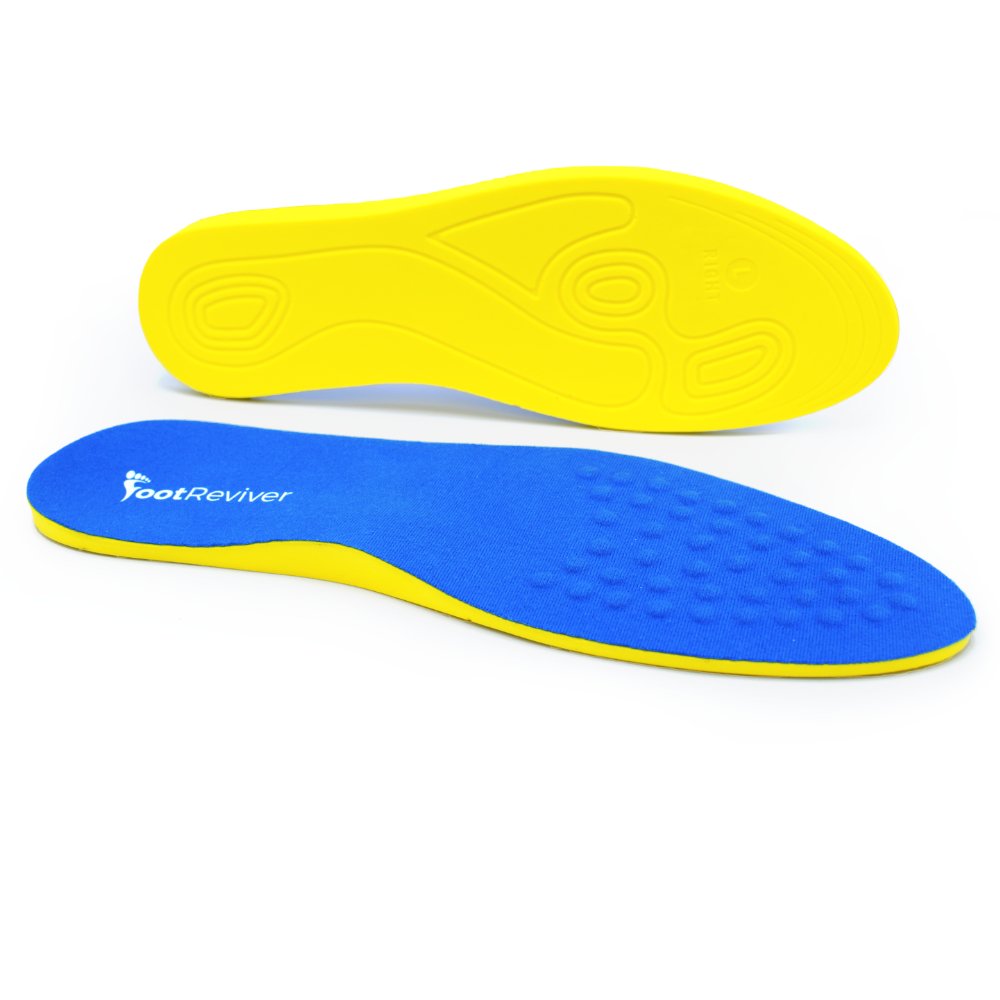
- Full-Length Advanced Shock Absorption: Crafted from lightweight, durable, and high-resilience EVA material that runs from heel to toe, providing superior cushioning to protect your feet, joints, and lower back from impact during walking, running, or prolonged standing.
- Anatomically Contoured for Natural Alignment: A heel cup and precision-moulded arch support work together to guide your entire foot into a healthier, neutral position, redistributing weight evenly to reduce fatigue and compensatory pain in your knees and hips.
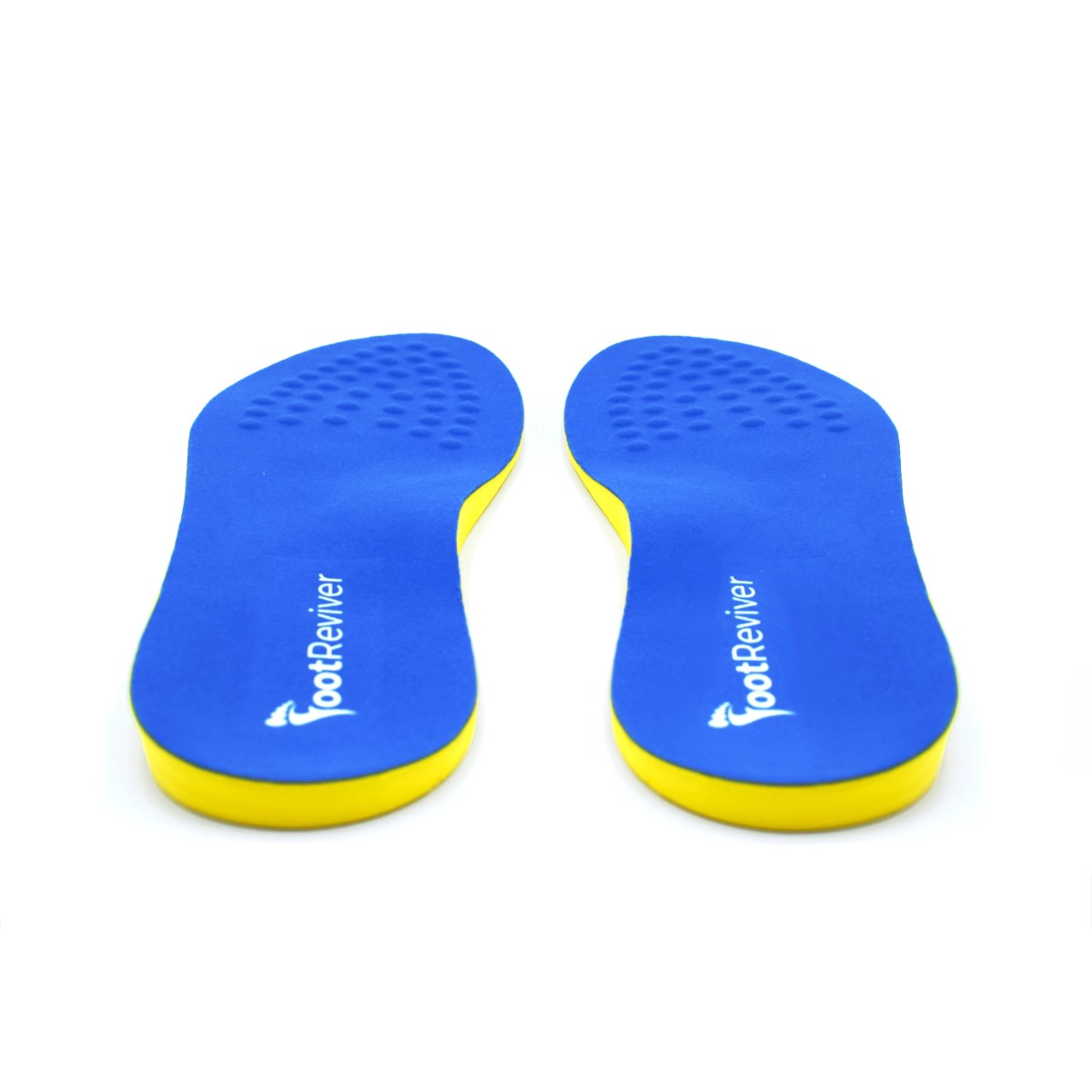
- Secure, Breathable & Comfortable Fit: Features gripper nodes under the forefoot to prevent slipping and a moisture-wicking top cover that improves air circulation, keeping your feet dry, secure, and comfortable all day long.
- Universal Design & Professional Recommendation: For both men and women, these insoles are ideal for casual shoes, trainers, and boots. They are recommended by physiotherapists and podiatrists to help treat and prevent a wide range of conditions linked to supination, including Plantar Fasciitis, Heel Spurs, Metatarsalgia, Achilles Tendonitis, Ankle Instabilities, and knee or back pain.
- Your Satisfaction Guaranteed: Backed by a full 30-day money-back guarantee, so you can experience the FootReviver difference risk-free.
Get 15% off - When bought together with:
- This item: Supination Insoles for Underpronation By FootReviver™(£16.95inc VAT)
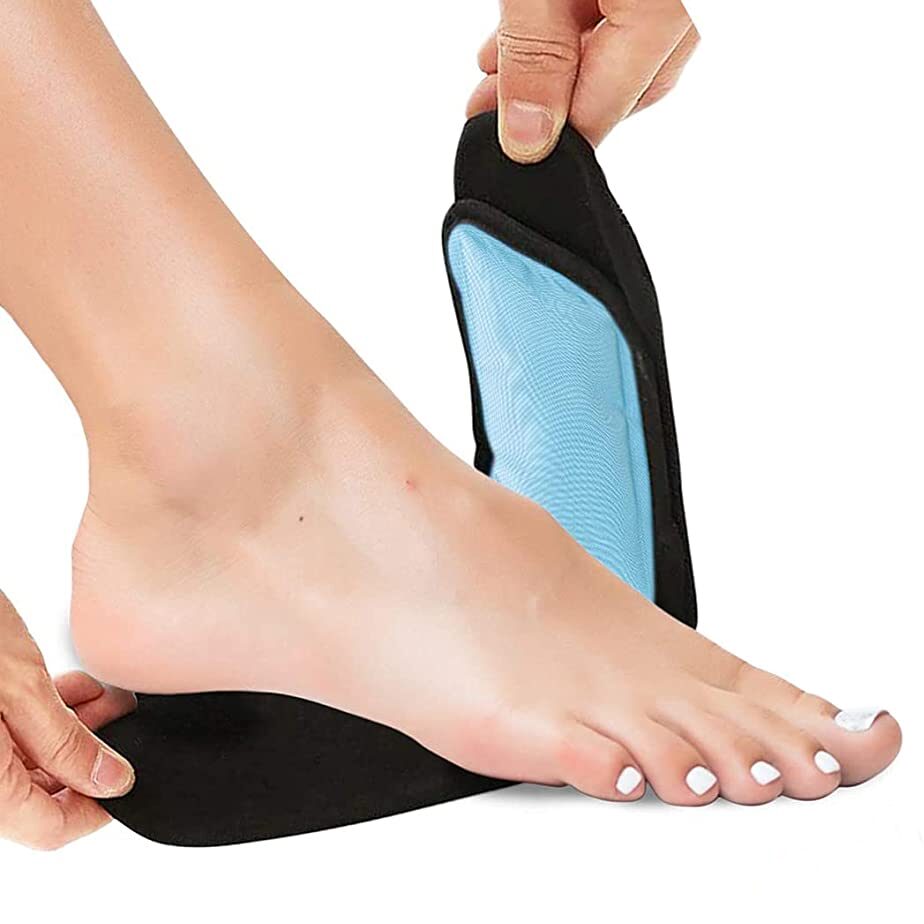
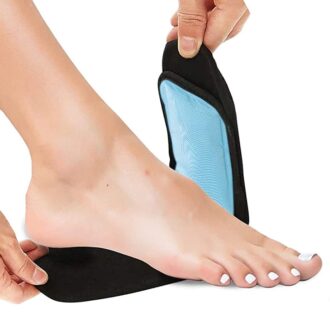
- Foot Ice Pack Plantar Fasciitis Wrap(£8.99inc VAT)
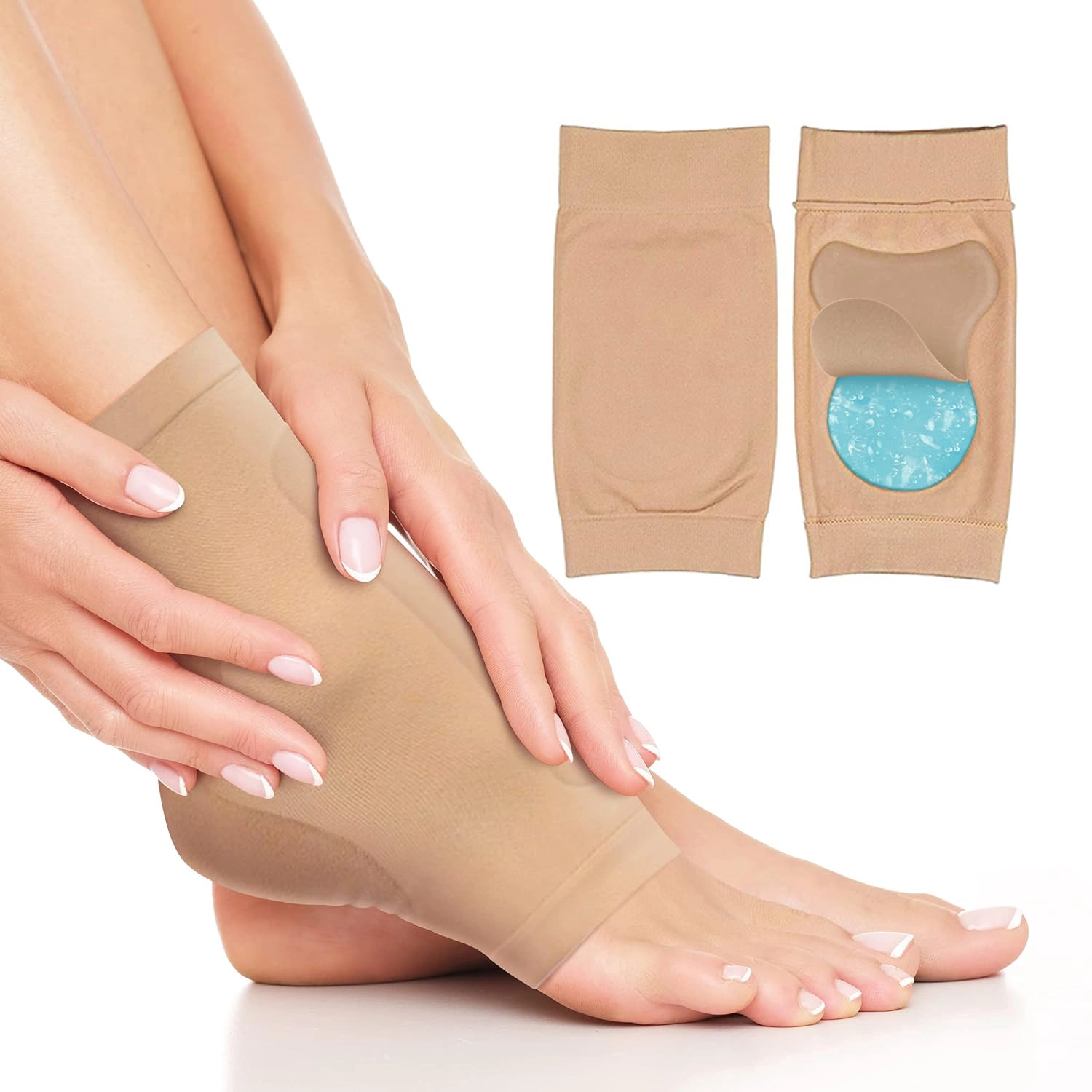
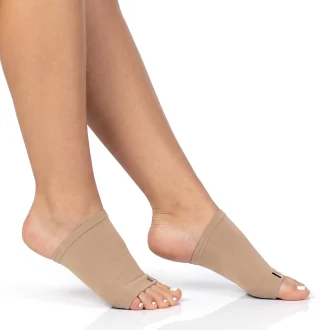
- Plantar Fasciitis Sleeve Foot Support & Compression Socks(£10.99inc VAT)
It often begins quietly — a dull ache along the outer edge of the foot, a sense that your balance is slightly off, or shoes that wear unevenly without a clear reason. At first, it’s easy to dismiss. But when it keeps coming back, it usually means the way your foot moves has changed. Most quick fixes only ease the discomfort for a while — they don’t address the movement pattern underneath it. That slight difference in how the foot rolls changes pressure through the sole, gradually affecting balance and posture.
FootReviver Supination Insoles are designed to do more than cushion your steps. They help support a more natural walking motion, guiding each step toward a more balanced position and helping reduce strain through the legs and back. The aim is steady, supported movement that feels natural again.
Here’s the pattern to look for:
- A bruised or tender feeling along the outer edge of the foot, especially after long walks, runs, or hard floors
- Shoes that wear down faster on the outer side of the sole than the inner
- A foot that feels unstable or unwilling to roll inward on uneven ground
- Aching on the outer side of the knee, the outer hip, or the lower back after walking
- Feet and legs that feel heavy or tired by the end of an ordinary day
Understanding Supination
Supination — sometimes called underpronation — happens when the foot doesn’t roll inward enough during walking or running. Weight stays on the outer edge, placing extra pressure on the heel and the side of the forefoot near the little toe. In plain terms, you’ll often feel this as a bruised, tender ache along the outer edge of the foot, or a pulling sensation that runs from the outer ankle down towards the little toe. It tends to build through the day rather than be there first thing in the morning, and it’s usually worse after time on your feet — a shift spent standing on a hard floor, a long walk on hard pavement, or a busy day of errands and household jobs. Each step lands a little harder than it should, and more of that force travels up through the leg.
In many people, it starts with the shape of the foot itself. A high, rigid arch limits flexibility and stops the foot from absorbing impact properly. That kind of arch isn’t a fault on its own — plenty of people have one and walk comfortably. The issue is how it behaves under load. A flexible arch flattens slightly under your weight, widening the area that touches the ground and spreading the load across more of the sole. A stiff arch stays locked instead, so more of your weight is carried on the outer edge, the heel, and the base of the little toe — the strip of foot known as the lateral column. That narrow strip isn’t built to carry the full force of every step, and thousands of them a day add up. You might notice one side of your shoes wearing down faster, or your foot feeling less secure than it should. Sometimes there’s a pulling sensation along the outer ankle or lower leg. Once those signs show up, the pattern is easier to name — your foot isn’t rolling the way it should, and that’s where support can help.
It’s worth saying that supination isn’t a yes-or-no thing. Some people have a mild tendency to roll outward, while others have a more fixed pattern that shows up in every step. The degree makes a real difference, and so does how long it’s been going on. The more fixed the pattern, the more likely it is to keep passing strain up through the leg.
How Your Foot Is Meant To Work
The foot is built to absorb shock and move the body forward. The arch acts like a spring, flexing to take impact and returning energy for the next step. When that spring stiffens, the rest of the body feels it. Each step follows a rhythm: heel, arch, toe. When that rhythm is smooth, movement feels effortless. When it’s disrupted, tension builds with every stride.
Here’s how a healthy step should unfold:
Heel strike: as the heel touches the ground, the foot rolls slightly inward — a movement called pronation. That inward roll isn’t a flaw; it’s how the foot softens the landing. The arch flexes, the foot widens a little, and pressure spreads across the sole instead of concentrating on one small area.
Mid-stance: as your weight moves forward over the arch, the foot steadies and stores energy for the push ahead. This is where the arch does its most important work — firm enough to support you, yielding enough to take the bounce out of each step.
Toe-off: the push-off comes from the ball of the foot and the big toe. The foot rolls briefly back toward the outer side to form a firm lever, then drives off the big toe with control.
Notice that some supination is normal. The problem isn’t that the foot rolls outward at all; it’s that it stays rolled outward and skips the inward roll that should spread the load.
Supination Explained
Same heel strike, same mid-stance, same toe-off — but this time, notice where the load lands.
When the foot stays rolled outward, it can’t absorb shock properly. The subtalar joint — the joint just below the ankle that steers side-to-side motion — doesn’t roll inward the way it should. Held stiff in that outer position, the arch can’t flex. Less of the sole makes contact with the ground, so the same body weight is carried on a smaller area. The tissue under the outer edge — particularly under the outer heel and the base of the little toe — takes strain the rest of the foot would normally share.
Those three moments are where the pattern really shows. At heel strike, the outer heel takes most of the load, and the foot fails to roll inward. Through mid-stance, the arch stays stiff, so instead of springing back, it passes the force straight up. At toe-off, the push comes mainly from the smaller toes instead of the big toe, so less of your forward drive comes from the strong lever the big toe usually provides. That combination reduces power and control, and it feeds the strain upward — which is where the wider effects begin.
The muscles around the ankle and lower leg start working unevenly. The peroneals — a group running down the outer side of the lower leg and around the outer ankle — often tire first, because they’re constantly working to steady a foot that isn’t rolling properly. That shows up as tightness or tenderness around the outer ankle. The tibialis posterior, which runs down the inner side of the lower leg and holds up the arch, has to work harder to compensate. The small stabilising muscles under the arch also lose efficiency, which is why balance can feel uncertain on uneven ground.
What Causes Supination
Supination usually develops from a mix of structure and muscle balance, and the shape of the arch is one part of that. But structure alone rarely tells the whole story. How the muscles around the ankle and lower leg work plays just as big a part, and so does the footwear you spend your day in.
Tight calf muscles can make things worse by limiting how far your ankle can move. When the ankle won’t flex properly, your heel lifts a fraction earlier in the step, and the foot swings outward to work around the joint that won’t give. Regular stretching and keeping the ankle flexible can reduce that knock-on effect. Limited mobility at the subtalar joint, or a forefoot varus alignment — where the front of the foot tilts slightly inward — can also contribute.
Footwear plays a part too. Shoes with too much curve or too little support on the outer edge can tip the foot outward without you realising. Over time, that small tilt becomes habit. A previous ankle injury can also leave stiffness or weakness that changes how the foot bears weight. In some cases, neurological conditions can subtly alter how the foot strikes the ground.
It’s rarely one single cause. Usually, it’s a combination of structure, muscle tension, and footwear, all working together to push the foot away from its natural line. Once identified, it can often be supported with the right footwear, insoles, and movement retraining.
The main factors worth knowing are:
- Tight calf muscles that reduce ankle movement
- Weak stabilising muscles around the ankle
- A previous ankle injury that left lingering stiffness
- Shoes that tilt the foot outward or offer little outer-edge support
Who Feels It Most and Why
Supination is more common in people who are active or spend long hours on their feet. Step after step, the outward roll builds up. With repetition, pressure increases until the outer edge of the foot starts to ache.
Runners and athletes feel it with every stride. Each outward-tilted step sends force up through the leg, and the repeated load on the outer edge of the foot and the outer shin can lead to shin splints, stress reactions, and pain along the outer foot.
People who stand for long periods experience constant pressure without enough movement to spread the load. A full shift on your feet leaves one narrow strip bearing your weight hour after hour. That deep, bruised fatigue along the outer edge is a common sign.
The same is true for people who feel less in their feet than they used to — a common effect of diabetes — and may not register the extra pressure on the outer foot the way others do. Across all three groups, the pattern underneath is the same: the longer the outer edge carries the load, the harder the foot works. Where they differ is how soon that shows up — and whether you feel it at all.
The Immediate Consequences
Supination mainly affects the outer heel and the base of the little toe. What you tend to notice first is a deep bruise-like soreness in that area, or a sharper pull once you’ve been standing or walking for a while. Because the arch isn’t doing its share of the work, the ankle and lower leg end up picking up the slack.
The same work that tires the peroneal muscles also runs through the tendons behind the outer ankle bone — the tough cords those muscles taper into. Where a tired muscle tends to feel like a dull tightness, a tendon tends to feel sharper and more localised, catching as you push off. The shin and calf muscles then take on more of the work, which is why both tend to feel tight and worn out by evening.
The plantar fascia, the band of tissue under the foot, can also overstretch. Because your arch stays high, the fascia is already under tension on the inside of the foot; when the foot rolls outward on landing, that band stretches unevenly where it attaches to the heel.
In some cases, pressure builds along the outer edge of the foot. This is sometimes called lateral column overload — too much weight landing along that outer strip. If the imbalance continues, it can even lead to a stress reaction in the fifth metatarsal, the long bone that runs along the outside of the foot, just below the little toe. That’s the kind of pain that builds gradually rather than arriving all at once.
It’s worth knowing the difference between ordinary soreness and something that needs a closer look. A dull ache that settles after rest is usually part of the pattern. Sharp pain, swelling, bruising, or pain that keeps getting worse rather than settling is worth getting checked.
How Supination Affects the Whole Body
That repeated strain doesn’t stay contained in the foot. Each outward roll rotates the lower leg inward slightly, and that rotation pulls the knee off line. Many people with supination notice pain on the outer side of the knee, especially walking downhill or after a longer walk. The chain is straightforward: the foot’s outward roll becomes a rotation in the shin, and the shin’s rotation ends up as a sideways pull at the knee.
The hips and pelvis then adjust to keep you upright, which can tilt the pelvis and tighten the muscles around the outer hip. Over time, that imbalance can pull on the lower back, leading to stiffness and fatigue, especially towards the end of the day. Each joint passes the strain to the next — ankle to knee, knee to hip, hip to spine. This gradual build-up of tension makes walking less efficient and more tiring, even during ordinary activity. The discomfort in the foot is rarely isolated; it’s part of a wider pattern.
Because the foot isn’t working efficiently, the leg muscles have to compensate. More energy is used just to stay upright, which is why ordinary activity can start to feel tiring — climbing a flight of stairs, walking to the shops, or getting up from a low chair. The longer it continues, the more the body adapts to that pattern — tight calves, rotated shins, tilted hips. Cushioning alone rarely helps, because the walking pattern itself needs retraining to restore balanced movement and comfort.
Every joint and tendon in the foot sends constant feedback to the brain about position and movement — this is called proprioception, the body’s way of tracking where the foot is without you having to think about it. When the foot rolls outward too far, that feedback becomes less accurate. The body responds by tightening muscles higher up to stay steady, and that extra effort adds up over a day. Improved alignment may support more accurate feedback, so the body can move without working as hard to stay balanced.
The Importance of a Professional Diagnosis
Persistent pain along the outer foot, ankle, or leg, or recurring discomfort in the knee, hip, or lower back, should be professionally assessed. A podiatrist can watch how you walk, often on a treadmill or using a pressure scan, and assess flexibility, muscle strength, and joint alignment. These assessments pick up subtle differences in how each part of the foot bears weight, which points to where the imbalance is coming from. In some cases, imaging such as X-rays or ultrasound helps rule out other causes like stress fractures or arthritis.
This assessment confirms whether supination is part of the problem and guides the best way to address it. Early assessment reduces the risk of secondary strain in the knees, hips, or lower back. Treatment often combines mechanical support with gentle gait retraining — in other words, fine-tuning the way you walk — or physiotherapy to restore natural movement. FootReviver Supination Insoles are designed to work with the mechanical factors that drive supination, supporting proper alignment and spreading pressure more evenly across the foot. Starting early with the right support can help ease the load on your joints and keep you comfortable long term.
Getting a professional opinion usually involves a few simple things. A podiatrist will often ask when the pain started, what surfaces make it worse, what shoes you wear most often, and whether you’ve had an ankle injury before. They’ll look at how you stand, walk, and balance. It’s not about finding something alarming. It’s about mapping the pattern clearly enough to know which support will actually help.
Why Standard Insoles Aren’t Enough
A soft insole is where most people start — something that feels good for a week. The problem is that the comfort doesn’t last. These insoles are designed mainly to pad the foot, not to guide how it moves. Without structure, your foot keeps rolling outward, and that’s where trouble begins. The extra foam softens the impact of each step, but it doesn’t change how your weight lands on the outer edge. The muscles and ligaments still have to work harder to keep you balanced, so by the end of the day your feet can feel tired, sore, and unstable. They soothe, but they don’t solve.
How FootReviver Insoles Help Address Supination
FootReviver Supination Insoles are built differently. They don’t just cushion the foot — they guide it. The lateral slope, arch support, and heel cup all work together to smooth each step, absorb shock, and keep your foot better aligned from heel strike to toe-off. You can feel the difference the moment you step in — smoother, steadier, more balanced. Rather than forcing the foot into a new position, the support works with the natural way your foot moves.
Lateral Support for Stability — The outer edge of the insole is slightly raised, creating a gentle slope from the inner foot to the outer side. That subtle incline resists the outward roll that defines supination. Think of it as a gentle rail that keeps your foot from drifting onto the outer edge with every step. Because that outer strip of the foot takes most of the strain, easing the roll is how load gets spread back across the middle of the sole. This is usually most noticeable when you’ve been standing for a while. You’ll likely feel steadier, with less strain on the outer ankle, and the pressure under your sole feels more even.
Strategic Cushioning for High-Impact Zones — A full-length shock-absorbing base softens every step, while denser pads in the outer heel and forefoot target the areas that take the brunt of supination. When your arch isn’t flexing, the shock of landing keeps travelling up through the heel and ankle rather than stopping where it hits. The denser pads give it somewhere to go. The firmer pads take the heavier landings, and the softer base handles the rest. Over a full day of walking and standing, that means a gentler landing through the heel, less shock reaching the shins, and pressure that spreads rather than builds.
Arch Support for Proper Alignment — The shaped arch support cradles the midfoot firmly but comfortably. For a foot that holds a high arch, that contact is what makes the difference — it lifts the midfoot enough to stop it rolling outward, and it helps keep the knee tracking above the ankle rather than being pulled off to one side. It also takes some of the stretch off the plantar fascia at the heel, which is one of the ways heel pain starts to build. That steadier midfoot often means your legs hold up better by the end of the day.
Contoured Heel Cup for Rearfoot Control — The heel cup wraps the back of the foot and holds it centred, limiting how far the heel can roll outward before the arch takes over. A rearfoot that stays put gives the rest of the step a steady starting point, and it eases the pull on the plantar fascia where it anchors to the heel bone.
Secure Fit and Anti-Slip Design — Every feature above depends on the insole staying put. The textured base grips the inside of your shoe, and the top layer’s subtle grip pattern keeps your foot steady on top. That means the arch support and lateral slope stay exactly where they should, giving you consistent support with every step. An insole that shifts under your foot can’t do its job — so the grip holds it where it was designed to sit, and the support underneath stays consistent.
Breathable and Moisture-Wicking Fabric — The top layer uses a breathable, moisture-wicking fabric that draws dampness away from your skin. Keeping your feet dry reduces friction and the risk of blisters, especially in warm weather or during busy days. It also keeps odour-causing bacteria in check, so your shoes stay fresher for longer.
Durable, Long-Lasting Construction — The high-density support core is built to hold its shape, so the structure you feel on day one stays reliable for months. Because it keeps its form, the lateral incline, arch contour, and cushioning layers continue to work exactly as intended. That consistency is what lets the support do its job day after day — no flattening, no drop-off, no need for frequent replacement.
Practical, Everyday Design — These insoles are slim and lightweight, so they fit easily into most shoes without changing how they feel. The flexible forefoot allows a natural push-off when you walk, and clear trim lines make them simple to customise. Whether you’re standing at work, walking to the shops, or out for a longer walk, they provide steady support that moves with you all day.
Used consistently, they also give your body a steadier base to relearn movement from. As your foot learns to roll naturally again, the muscles and tendons begin to take on their share of the work. Over time, that restored rhythm becomes second nature, and the support starts to feel less like an addition and more like part of the shoe.
When all these features work together, FootReviver Supination Insoles do more than ease discomfort — they help restore balance. You’ll notice steadier steps, less fatigue, and a sense that your feet are finally working with you, not against you.
Understanding the Impact of Supination
Over time, the general pattern often turns into one specific, named problem rather than a vague ache. You stop noticing “my foot feels sore” and start noticing a particular spot that hurts in a predictable way, at a predictable time, for a predictable reason. Plantar fasciitis is the clearest example — a small shift in how the foot rolls, turning into pain that’s felt in one precise place, at a moment you can almost set your watch by.
Getting Started With Your Insoles
Allowing Your Body to Adapt
When you first start wearing your insoles, you’re asking your body to move in a slightly different way. Your muscles and ligaments have spent years adapting to your natural foot position, so it’s normal for them to need a little time to adjust. The structured support begins working straight away, guiding your feet into a more balanced position and helping your joints move more efficiently.
As your heel sits more evenly and your arch is lifted into alignment, the joints in your foot begin to carry the load more evenly. This reduces the twisting and tension that often cause fatigue later in the day. During the first few days, you might feel mild fatigue or a new awareness in your feet or calves. That’s a positive sign that your body is learning to move with better alignment. Begin by wearing the insoles for a few hours each day during light activity, then gradually increase the time over the first week. This steady approach allows your muscles to strengthen and adapt comfortably, setting the stage for lasting improvement.
It’s helpful to keep expectations realistic. The first thing most people notice is comfort — softer impact under the heel and steadier support through the arch. Over time, the alignment changes begin to settle in, and the sense of fatigue after a long day starts to ease. The full benefit builds gradually, which is exactly how it should be. Consistent daily wear is what makes the difference, not a dramatic overnight shift. Give it time rather than judging it on the first day.
Supporting Your Comfort With Simple Daily Habits
Consistency makes the biggest difference. The more regularly you wear your insoles and practise these small habits, the more naturally your body learns to move in balance — it’s a gradual reset for your feet and ankles. Alongside wearing your insoles, a few simple daily habits support your body as it adjusts. Focus on flexibility, stability, and supportive footwear.
- Improve Calf Flexibility to Ease Strain
Keeping your calf flexible preserves how far your ankle can move, which in turn lets your foot step through each stride the way it should. A gentle daily stretch is an easy habit to build, and it pairs well with wearing the insoles.
How to do it: Stand facing a wall with one foot behind the other. Keep your back knee straight and heel flat on the floor. Lean forward gently until you feel a stretch in the calf of your back leg. Hold for 20–30 seconds and repeat two or three times on each side. This simple stretch restores flexibility and eases tension through the lower leg.
- Strengthen Your Ankle Stability
Supination can make the ankle feel less secure. You might notice small wobbles when turning or stepping off a kerb — signs that the small muscles around your ankle are working harder than they should. Strengthening them improves balance and control.
How to do it: Practise standing on one foot for 30 seconds at a time while doing a simple task, such as brushing your teeth. Keep a wall or counter nearby for support if needed. This exercise trains your ankle to stay centred and stable, improving your confidence on uneven ground.
- Choose Supportive Footwear
Your shoes and insoles work best together. Supportive shoes provide a firm base that allows the insoles to do their job properly. When your shoes hold your heel firmly and your insoles support your arch, you’ll feel the difference — a more even step and less pressure through the outer edge of your foot.
What to look for: Choose shoes with a firm heel counter — the part that cups your heel — and good cushioning through the sole. Replace worn-out shoes that have lost their shape or allow your heel to move around. A stable shoe lets your insoles hold proper alignment and keeps your stride consistent.
If discomfort continues beyond the first week or two, it may help to speak with a physiotherapist or podiatrist. They can assess your movement and offer tailored advice to fine-tune your support. Sometimes a small adjustment makes all the difference.
Frequently Asked Questions
Some come up before you buy; others once you’re wearing them. They’re the questions people ask most often.
How do I choose the right size?
Each pair is trimmable for a tailored fit. Use the size guide that matches your UK shoe size, then trim along the guide marks if needed. This lets the insoles sit securely in your shoes without slipping or bunching, so they feel like part of the shoe rather than an extra layer. If you’re between sizes, start with the larger size and trim down gradually, checking the fit before cutting further.
Which shoes can I use them in?
They fit comfortably in most shoes with removable insoles — trainers, walking shoes, sports shoes, work boots, and casual footwear. They’re not suitable for very shallow shoes like ballet flats or high heels, as these don’t provide enough depth for the insole to sit correctly. Sports shoes and walking boots tend to work best when there’s a firm heel and some room around the toes, so the insole can sit flat without crowding your foot. When fitted properly, you’ll feel even support from heel to toe without any tightness or lift at the heel.
Are they suitable for people with diabetes or reduced sensation?
FootReviver insoles are designed for daily use, but if you have diabetes, circulatory problems, or reduced sensation in your feet, it’s best to check with your GP or podiatrist before using any new foot support. That way you can be sure the product suits your needs and that your feet are checked regularly.
Do they replace medical treatment?
No. They’re a supportive aid, not a substitute for diagnosis or treatment. If you have persistent pain, a known foot or ankle condition, or new symptoms, see a qualified clinician. Insoles work best as part of a broader approach that may include footwear changes and movement retraining.
Once they arrive, a few more come up.
What should I expect when I first wear them?
You might feel a gentle lift through your arch or a firmer base under your heel — that’s the insole supporting areas that have been working overtime. A firm feel during the first few days is the structured support doing its job rather than just padding. If it feels uncomfortable rather than supportive, wear them for shorter periods and build up more slowly. If it stays uncomfortable beyond the first week, a podiatrist or physiotherapist can check the fit and how your foot is sitting in the shoe.
How long will they last?
With regular daily use, they typically maintain their shape and support for around six to twelve months. The high-density foam is durable and resists flattening, but like any cushioning material, it will gradually compress over time. When you notice the support feeling less springy or the cushioning thinner underfoot, it’s time for a replacement.
How should I clean and care for them?
Wash them gently by hand using mild soap and lukewarm water. Leave them to air dry naturally, away from direct heat sources such as radiators. Avoid machine washing or tumble drying, as this can damage the structure. Keeping them clean and dry preserves their shape, comfort, and freshness.
Can I move them between different pairs of shoes?
Yes, as long as the shoes are a similar size and depth. Moving them between a work pair and a walking pair is common. Just make sure the insole sits flat and doesn’t bunch when you swap over, and check the trim still matches the shoe you’re using.
A Note on Your Safety and Wellbeing
Your comfort and safety come first. Most people find FootReviver insoles comfortable and easy to wear, but it’s always worth paying attention to how your feet respond. If you have a medical condition such as diabetes, circulatory problems, reduced sensation in the feet, or persistent pain, check with your GP or podiatrist before using any new foot support. This is especially true when sensation is reduced, because you may not feel pressure building on the outer side of the foot the way you normally would. A quick check confirms the product is suitable for your needs.
If you experience new numbness, colour changes, increasing pain, or any new or unexplained symptoms, stop using the insoles and seek medical advice. These signs are uncommon, but it’s always best to check early. A quick conversation with your GP or podiatrist can rule out anything more serious and keep you moving safely. Comfort should feel natural, not forced.
It’s also sensible to check your insoles regularly for signs of wear. Once the surface has flattened, the edges have started to lift, or the support no longer feels firm underfoot, replace them. Worn insoles can create new pressure points instead of easing the strain they were meant to relieve.
A Supportive Solution for Daily Comfort
Think of your FootReviver insoles as a daily support system rather than a quick fix. Supination is often part of how your feet are built, but the right support can make a noticeable difference to how you move and feel. Worn consistently, these insoles help your feet stay aligned, reduce strain, and make walking or standing more comfortable. Rather than simply cushioning your steps, they guide your feet into a more natural position — and as your feet settle into better alignment, your knees and hips follow a smoother path too, easing the pressure that often builds up through the legs and lower back.
Supination can make day-to-day movement tiring, but it doesn’t have to. FootReviver insoles help your feet find a more stable, comfortable position so you can move with confidence. You’ll notice a softer landing under your heel and a lighter, less tired feeling as the day wears on. Many people describe it as a quiet ease — the kind of comfort you only notice when it’s missing.
If you’re not completely satisfied with the comfort and stability they provide, we offer a straightforward refund.
8 Reviews For This Product
Fast & Secure Checkout Through Paypal
Pay with Paypal the secure payment gateway that accepts all credit and debit cards. Paypal is free and secure and no credit or bank information is ever stored or shared with us.
Fast Dispatch
Enjoy your items soon with quick dispatch via Royal Mail. Expect to have your items between 1-3 working days for domestic orders. 7-10 Working days for international orders.
Return Policy – 30 Day Money Back Guarantee
In the unlikely event, you are unhappy with your purchase you can return it within 30 days for a refund. Please contact us via the form on the contact us page to start your return.
To return an item please send it to: Nuova Health UK, 81 Highfield Lane, Waverley, Rotherham, S60 8AL. Please include a note with your order id so we know who to refund. Please retain your postage receipt as proof of postage. All that we ask is that the item is in the original packaging and unused.
by Jake
Very happy! Speedy delivery, well made but more importantly wearing these insoles has really helped stop my feet from hurting all the time.
by Luke
Very good quality. Thank you!
by Alec Davis
These have made a phenomenal difference to my life! I was told I needed ankle fusion by the doctors…a process with a 20% rate of total failure and a 10% chance of even more pain afterwards. I noticed that in the report I was given I was underpronating and found these online. They felt very strange at first, so bad had become my gait, but after a few days I discovered I could walk without constant pain, and now, after 2 months am walking without a stick and almost back to normal. I no longer fear standing up and am looking forward to long country walks once again.
I am ordering further pairs for all my shoes now.
by Iwona
This is very good quality product. helps me so much with my condition. Very fast delivery. Highly recommended! THANK YOU
by Graeme Smith
As a postman of 4 and a ½ years,I can’t recommend these enough, having suffered for over 2 years with plantar fasciitis.I’m still experiencing a little discomfort while getting used to these ,but that’s down to my feet and ankles adjusting to walking more or less as I should be,rather than the insoles being at fault.Obviously they aren’t custom made so won’t be a perfect fit for everyone but they’ve made such a difference to me,I walk around 10 miles a day in my job,and can honestly say these have possibly saved me from having to switch jobs.Good price too, highly recommend them.
by Louise Elmwood
Iv been suffering from supination for a long time now however I’m pretty dumb when it comes to knowing what insoles to buy to sort them out as iv bought loads of dud insoles in the past that were said to help fix my supination but didn’t. After finding these insoles I was a bit sceptical at first due to my past experiences but because they were quite inexpensive compared to the others I thought I would give them a shot. I am really glad that I did. Since I started wearing them they have totally changed the way that I walk. Now I don’t get anywhere near the level of niggling aches and pains in my feet as I used to get and I’m soooo happy. As we speak am buying more pairs for my others shoes!!! 😎
by Suzanne
I’m very impressed with these supination insoles. They tilt my feet inwards effectively but provide plenty of blissful cushioning under the foot. Considering that I roll outwards very badly, particularly on my right foot, due to a permanent tear in an ankle ligament, these insoles are very effective at preventing the rolling and preventing foot and ankle pain. I walk at least an hour a day with our three dogs, so support and comfort are essential. I had none of my usual ankle pain whilst using these insoles, compared with wearing just the standard insoles which came with the shoes.
I used the insoles in a pair of shoes where the standard insoles could be removed and replaced with an orthotic insoles. I will definitely buy more of these insoles for the pain-prevention, comfort and support they provide.
by Jennifer
Excellent. This insole provided immediate pain relief from the severe supination I suffer on account of spastic hemiplegia pushing the outside of my foot hard down into my rigid AFO. The real test will be when I go on Holiday at the end of the month, and am walking on hard surfaces for several hours daily, but even with just using around the house, the reduction in pain significant and more than worth the modest cost of the product. I’m wishing I had thought to investigate supination insoles years ago and spared myself all the pain. If you’re considering these, I would really recommend giving them a try.