


Roll over image to zoom in
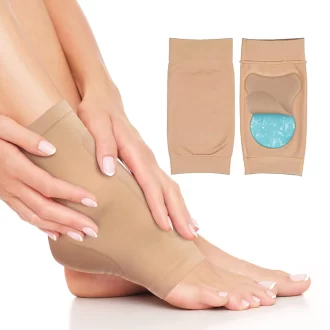
Plantar fasciitis compression socks
£8.99inc VAT
- Compression foot sleeves designed to support plantar fasciitis recovery and ease heel pain
- Who they help: Plantar fasciitis sufferers with sharp morning heel pain or aching after standing/walking; also helpful for Achilles strain, foot fatigue from prolonged standing, poor circulation, mild ankle instability, and Raynaud’s phenomenon affecting the feet
- Graduated compression improves circulation and reduces swelling throughout the day
- Reinforced arch zone lifts and supports your arch, reducing load on the plantar fascia
- Cushioned heel cup distributes pressure evenly and eases pain at the heel attachment point
- Open-toe design allows natural toe movement and fits under regular socks and shoes
- Slim, breathable fabric comfortable enough for all-day wear without overheating or adding bulk
- Non-slip ankle cuff keeps the sleeve positioned correctly throughout the day
- Evidence-informed design grounded in biomechanics and sports medicine principles
- Affordable at £8.99 per pair with a 30-day money-back guarantee
- Available in two sizes: S/M (Women’s UK 2.5–5 | Men’s UK 4–8) and L/XL (Women’s UK 6–10 | Men’s UK 8.5–13.5)
Get 15% off - When bought together with:

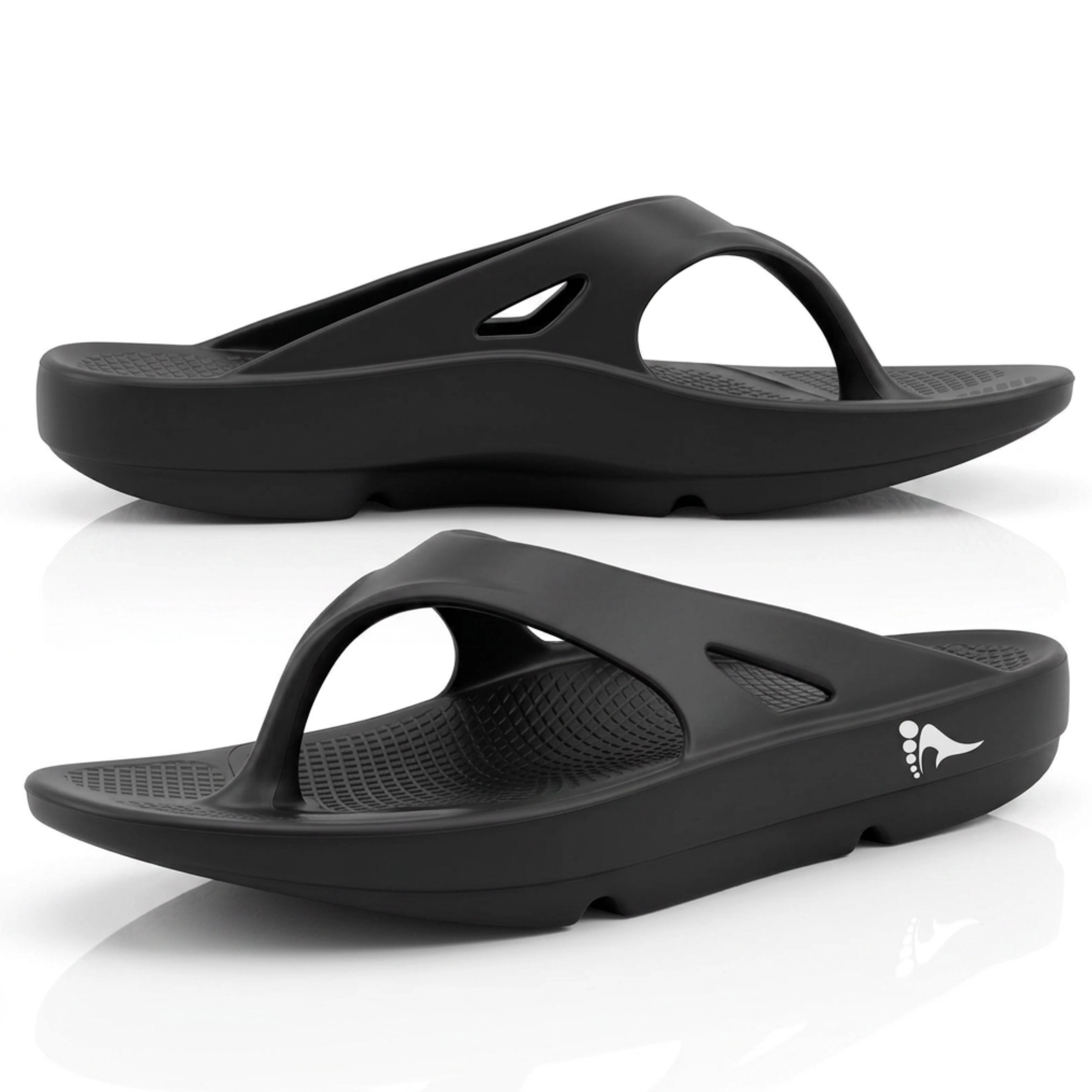
- This item: Plantar fasciitis compression socks(£8.99inc VAT)
- 1x Pair of Plantar Fasciitis Sleeve Braces(£16.99
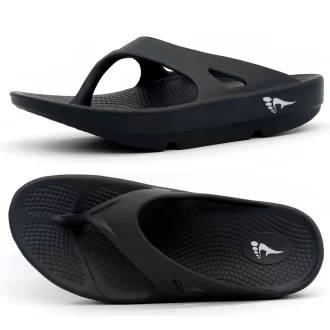
£19.98inc VAT) - FootReviver™ Orthotic Plantar Fasciitis Recovery Flip-flops(£28.99
£34.99inc VAT)
Sharp pain stabbing through your heel the moment you stand up in the morning. That ache that builds through the afternoon until you’re limping by evening. The frustration of resting for days, feeling better, then having the pain return the moment you’re active again.
If this sounds familiar, plantar fasciitis is likely the cause. It’s one of the most common foot complaints in the UK—affecting around 10% of us at some point—and one of the most frustrating, because it doesn’t respond well to simple rest alone.
Plantar fasciitis happens when the plantar fascia—a thick band of tissue running along the sole of your foot from heel to toes—becomes damaged and inflamed through repetitive strain. It’s particularly common in runners, people whose work involves prolonged standing (retail staff, healthcare workers, hospitality teams), and anyone with biomechanical factors like flat feet, high arches, or poor foot mechanics. Being overweight or between 40 and 60 also increases risk.
The FootReviver Plantar Fasciitis Compression Foot Sleeves are designed to address this condition in a way that makes biomechanical sense: targeted compression and structural support where your foot needs it most, in a slim, breathable design you can wear all day under regular socks and shoes.
These sleeves are also helpful for Achilles tendon strain (the compression and heel support reduce load where the tendon attaches to your heel), general foot fatigue from prolonged standing (the arch support and circulation boost ease end-of-day aching), poor circulation in the feet (the graduated compression improves blood flow—helpful for cold feet or mild swelling, though check with a GP first if you have diabetes or peripheral artery disease), Raynaud’s phenomenon affecting the feet (better circulation can help, though the open-toe design means your toes aren’t covered), mild ankle instability (the compression provides sensory input and stability around the ankle joint), and inflammatory arthritis affecting the feet or ankles (the gentle compression may ease discomfort and swelling, though these aren’t a substitute for medical management).
At £8.99 per pair, they offer an accessible, evidence-informed option to support your recovery. But before we get into how these sleeves work and what makes them effective, it helps to understand what’s actually happening inside your foot when plantar fasciitis develops.
What Plantar Fasciitis Is and Why It Hurts
Plantar fasciitis is an overuse injury. The plantar fascia is a thick band of tissue that has two critical jobs: supporting your arch and absorbing shock with every step you take.
Here’s what happens during normal walking. When your heel hits the ground, your arch flattens slightly and the plantar fascia lengthens, absorbing the impact. As you roll forward and push off through your toes, the fascia recoils like a spring, helping push you forward. This stretch-and-spring action happens thousands of times a day.
The plantar fascia is strong—it needs to be, because it absorbs forces of 1.5 to 2 times your body weight with every step. But when it’s overloaded through repetitive strain, sudden increases in activity, poor foot mechanics, or inadequate footwear, the tissue develops tiny tears. Your body responds with inflammation, trying to heal the damage.
The problem: you can’t stop walking. Every step pulls at those micro-tears again before they’ve healed. The inflammation becomes chronic. Chronic inflammation doesn’t just cause pain—it weakens the tissue further, making it more vulnerable to additional tearing. You end up in a cycle: damage, inflammation, weakness, more damage.
Why Morning Pain Is Worst
That characteristic sharp pain when you first stand up in the morning happens because of how tissue behaves overnight. While you sleep, your body tries to repair the torn fibres, but they heal in a shortened, tight position. When you suddenly put your full weight on that stiff, shortened tissue with your first step, you forcibly stretch it before it’s ready. The result: sharp, stabbing pain at the heel where the fascia attaches to the bone.
After you’ve been moving for 10 or 15 minutes, the tissue warms up and loosens, so the pain often eases. But it tends to return after long periods of standing or when you stand up after sitting for a while—because the fascia has tightened up again.
Who’s Most at Risk
Runners and athletes who put a lot of repetitive strain on their feet are particularly susceptible, especially after increasing training too quickly. But you don’t need to be an athlete—anyone whose work involves prolonged standing faces similar risk. If your foot mechanics aren’t optimal—overpronation (where your foot rolls inward excessively), supination (where your foot rolls outward too much), flat feet, or high arches—the plantar fascia is under extra strain with every step. Extra body weight means extra load with every step, and the plantar fascia naturally loses some of its elasticity and ability to absorb shock as we age, which makes it more vulnerable to injury between 40 and 60.
What Happens If You Ignore It
Untreated plantar fasciitis can become chronic, turning occasional heel pain into a constant limitation. When your heel hurts, you unconsciously adjust how you walk to protect it—shifting weight to the outside of your foot, shortening your stride, favouring the other leg. These altered movement patterns take pressure off the painful heel in the short term, but put abnormal strain elsewhere, often leading to knee pain, hip discomfort, or lower back problems over weeks and months. Chronic tension where the plantar fascia attaches to your heel bone can also lead to heel spurs—a bony growth that forms from repeated stress.
Treatment Principles
To treat plantar fasciitis effectively, you need to break the inflammation-weakness-reinjury cycle. This means:
- Reducing repetitive strain on the damaged tissue (so it has a chance to heal)
- Controlling inflammation (so healing can progress rather than stalling)
- Maintaining or improving tissue flexibility and strength (so the fascia can tolerate normal loads once healed)
- Addressing any underlying foot mechanics issues (so you’re not just treating symptoms)
Practical steps: activity modification (reducing aggravating activities temporarily, not complete immobilisation), ice after activity (to control acute inflammation), stretching exercises for the plantar fascia, Achilles tendon, and calf muscles (to maintain flexibility), strengthening exercises for the small muscles of the foot and the larger muscles of the lower leg (to improve load tolerance), supportive footwear (to reduce strain), and orthotic devices like heel cups or insoles (to address foot mechanics issues).
Compression is another proven approach, and there’s good evidence for it. That’s where these foot sleeves come in. But to understand why compression helps, we need to look at what’s happening at a tissue and circulatory level.
Why Compression Works for Plantar Fasciitis
Sports medicine and physiotherapy have used compression therapy for decades to manage soft tissue injuries, control inflammation, and support healing. It’s not a miracle cure—tissue repair takes time—but when applied correctly, compression creates conditions that help your body heal.
Supporting the Damaged Tissue
When the plantar fascia is injured, it’s mechanically unstable. The micro-tears mean the tissue can’t hold its normal structure. Every step causes movement at the injury site—the torn fibres are pulled apart slightly, then released, then pulled apart again. This constant tiny movement disrupts the healing process. Scar tissue that’s trying to form gets damaged again before it can properly heal and strengthen.
External compression acts like extra support. It doesn’t immobilise your foot—you need movement and loading for the tissue to heal properly—but it reduces how much the fascia stretches and moves with each step. The fascia still engages and works, but it’s not being pulled to its maximum length with every stride.
Physios call this optimal loading—enough movement to stimulate healing, not so much that you’re constantly re-injuring. Too little load—complete rest—and the tissue heals weak and stiff. Too much load—continuing to run through pain, for example—and you keep re-injuring it. Compression helps you find the right balance.
Better Circulation, Better Healing
Healing is hard work for your body. Damaged tissue needs oxygen to fuel cellular repair, nutrients to build new collagen fibres, and efficient removal of the chemical signals and waste products that accumulate during inflammation.
Graduated compression—where pressure is slightly firmer at the extremity and gradually lighter as you move up the limb—creates a pressure gradient that helps push blood back up from your foot toward your heart. Veins rely partly on muscle contraction and one-way valves to move blood upward against gravity. When you’re standing or walking, blood can pool in your feet if this return flow is sluggish. Compression provides external pressure that assists the process.
For plantar fasciitis, better circulation means more oxygenated blood reaches the damaged fascia, the chemical signals that cause swelling and pain are cleared more efficiently, and metabolic waste products don’t accumulate. It’s like keeping the delivery system running smoothly—oxygen and nutrients in, waste out.
Controlling Swelling
Inflammation brings fluid accumulation (oedema or swelling). When tissue is inflamed, the tiny blood vessels that connect arteries to veins start to leak, allowing fluid to seep into the surrounding tissue spaces. This is a normal part of the inflammatory response, but excessive or prolonged swelling creates problems.
Swelling increases tissue pressure, which compresses pain-sensitive nerve endings. This is why inflamed tissue throbs and aches. Swollen tissue also becomes mechanically inefficient—it’s stiffer, less responsive, and doesn’t move as it should. Excessive fluid accumulation can impede circulation, creating a vicious cycle where poor drainage leads to more swelling.
Compression physically opposes fluid leakage from blood vessels. The external pressure counteracts the internal pressure that’s pushing fluid out, keeping swelling in check. Less swelling means less pressure on nerves (so less pain), better tissue mechanics, and more efficient circulation.
This is why many people notice their heel pain eases noticeably within the first week of wearing compression—even before the fascia has healed. You’re not fixing the underlying tear yet, but you’re reducing the swelling and pressure that’s amplifying the pain. The tissue is still damaged, but it’s not being constantly irritated by fluid buildup.
Better Movement Awareness
Proprioception is your body’s sense of where it is in space and how it’s moving. Specialised nerve endings in your skin, muscles, tendons, and joint capsules constantly send information to your brain about position, movement, and force.
Compression provides continuous tactile input to these nerve endings. Your brain uses this sensory feedback to fine-tune muscle activation patterns in your foot, ankle, and lower leg. The upshot: subtly improved motor control and gait mechanics.
When you have plantar fasciitis, you often unconsciously alter how you walk to protect the painful heel—shifting weight to the outside of your foot, shortening your stride, tensing muscles in anticipation of pain. These patterns can become habitual even after pain starts to improve, and they often create abnormal loading that perpetuates the problem or causes new issues elsewhere.
The sensory input from compression helps your nervous system maintain better, more symmetrical movement patterns. You’re less likely to develop these faulty compensations, and if you already have them, the enhanced feedback can help your brain recalibrate toward more normal mechanics.
Why All-Day Wear Matters
These mechanisms—mechanical support, improved circulation, swelling control, sensory input—only work if compression is applied consistently throughout the day.
Intermittent compression (wearing a sleeve for an hour, then taking it off for several hours, then putting it back on) doesn’t maintain the pressure gradient that drives blood flow back toward your heart. It doesn’t provide continuous mechanical support to limit tissue movement. It doesn’t give your nervous system the steady sensory input needed to improve motor control.
For compression to be effective, you need to wear it during the activities that load your plantar fascia: standing, walking, running, working. That means the compression garment has to be comfortable enough, breathable enough, and practical enough to wear all day without causing new problems—skin irritation, overheating, restricted movement, or simply being so uncomfortable you can’t tolerate it.
That’s the design challenge these foot sleeves are engineered to solve.
How the FootReviver Sleeves Deliver That Compression
Now that you understand why compression helps at a physiological level, let’s look at how these particular sleeves translate that science into a wearable product you can actually use throughout your day.
How the Graduated Compression Works
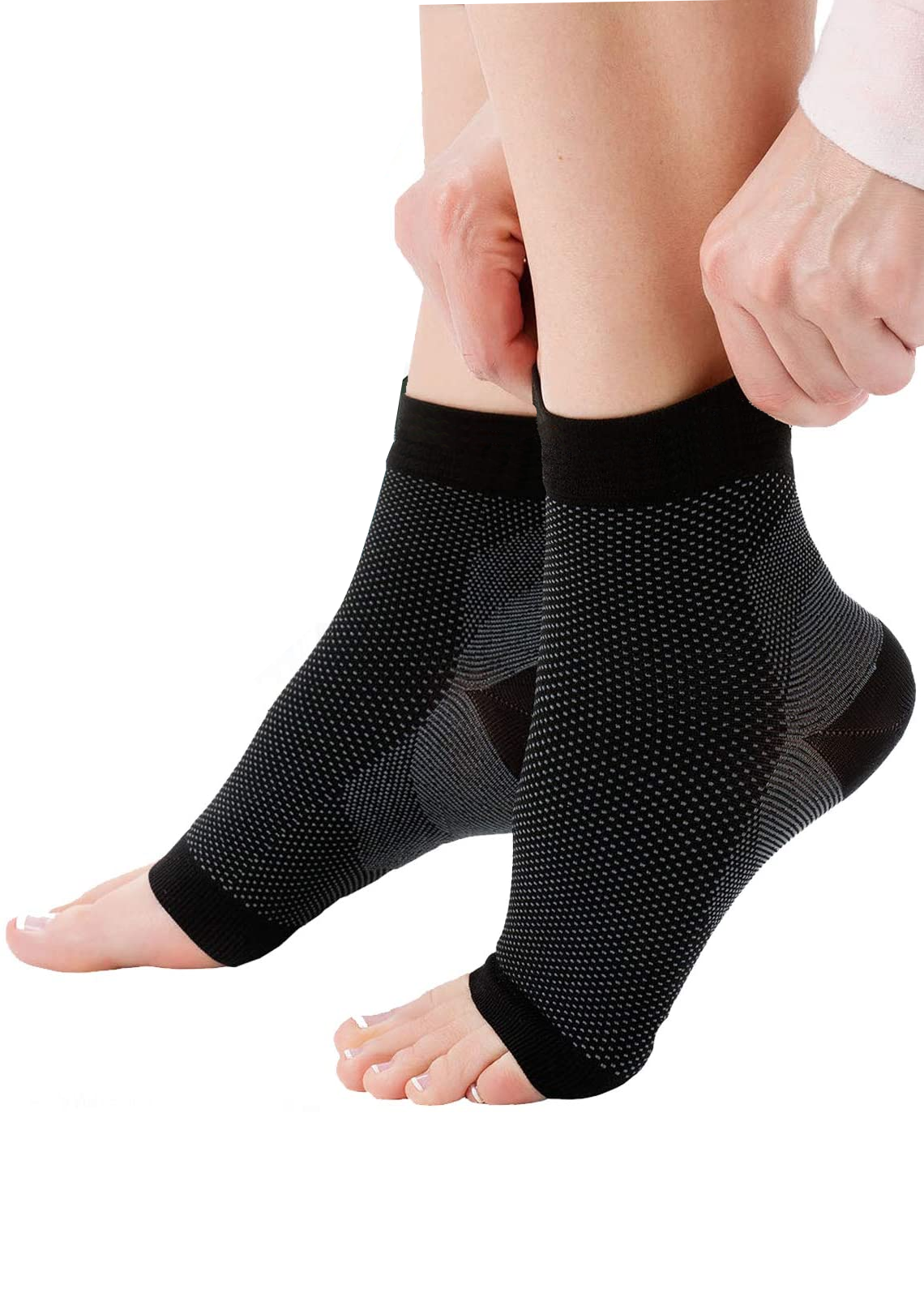
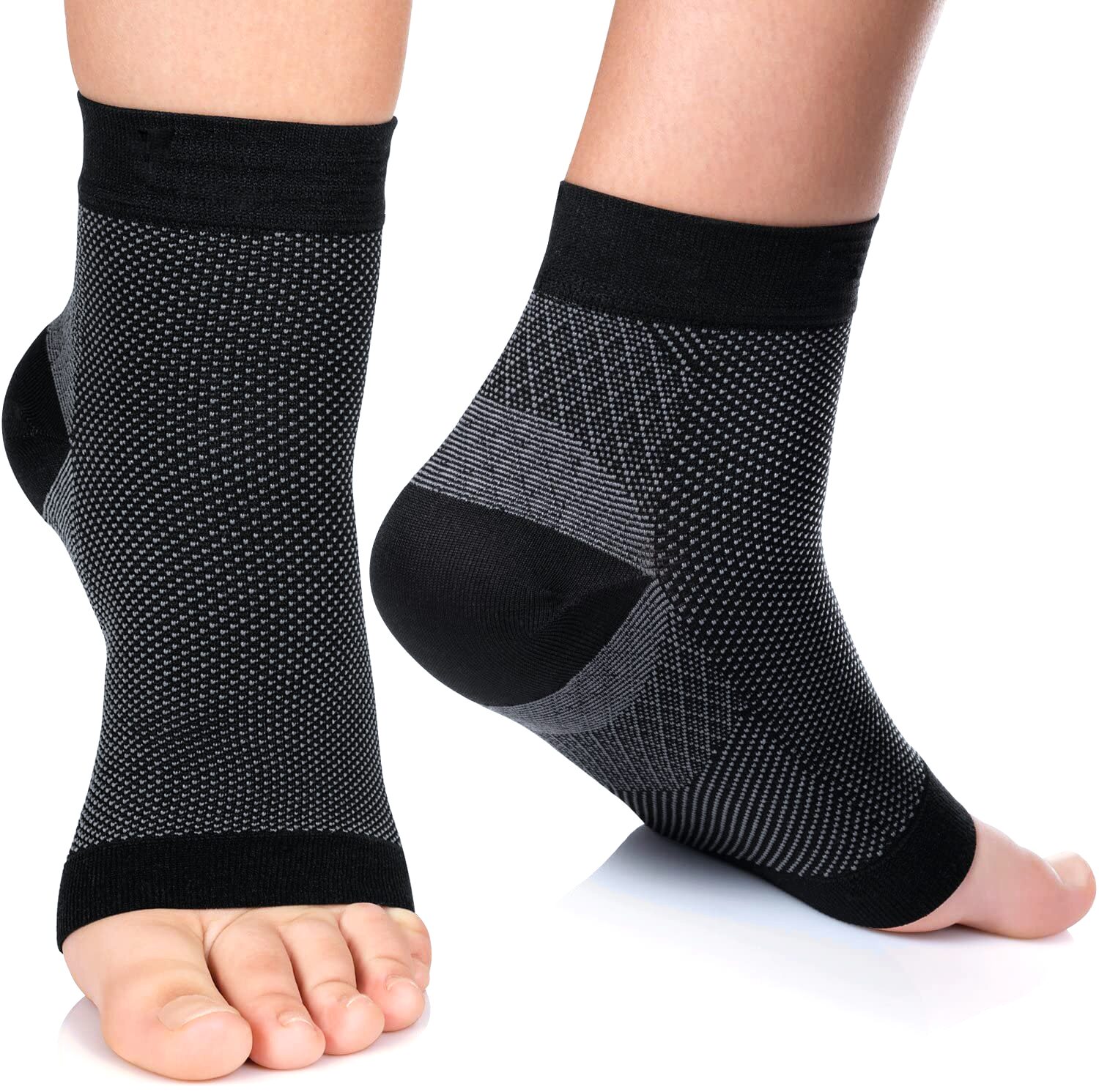
The sleeve uses a knit structure that creates graduated compression—firmer around the ankle and midfoot, slightly lighter at the forefoot. This isn’t arbitrary: it mirrors the pressure gradient your veins need for optimal blood flow back toward your heart. The compression level is moderate—firm enough to provide mechanical support and improve circulation, but not so tight that it restricts movement or becomes uncomfortable during extended wear.
You should feel the compression when you put the sleeve on, but it shouldn’t feel painfully tight or leave deep marks in your skin. The goal is supportive, not restrictive.
Targeted Support Zones
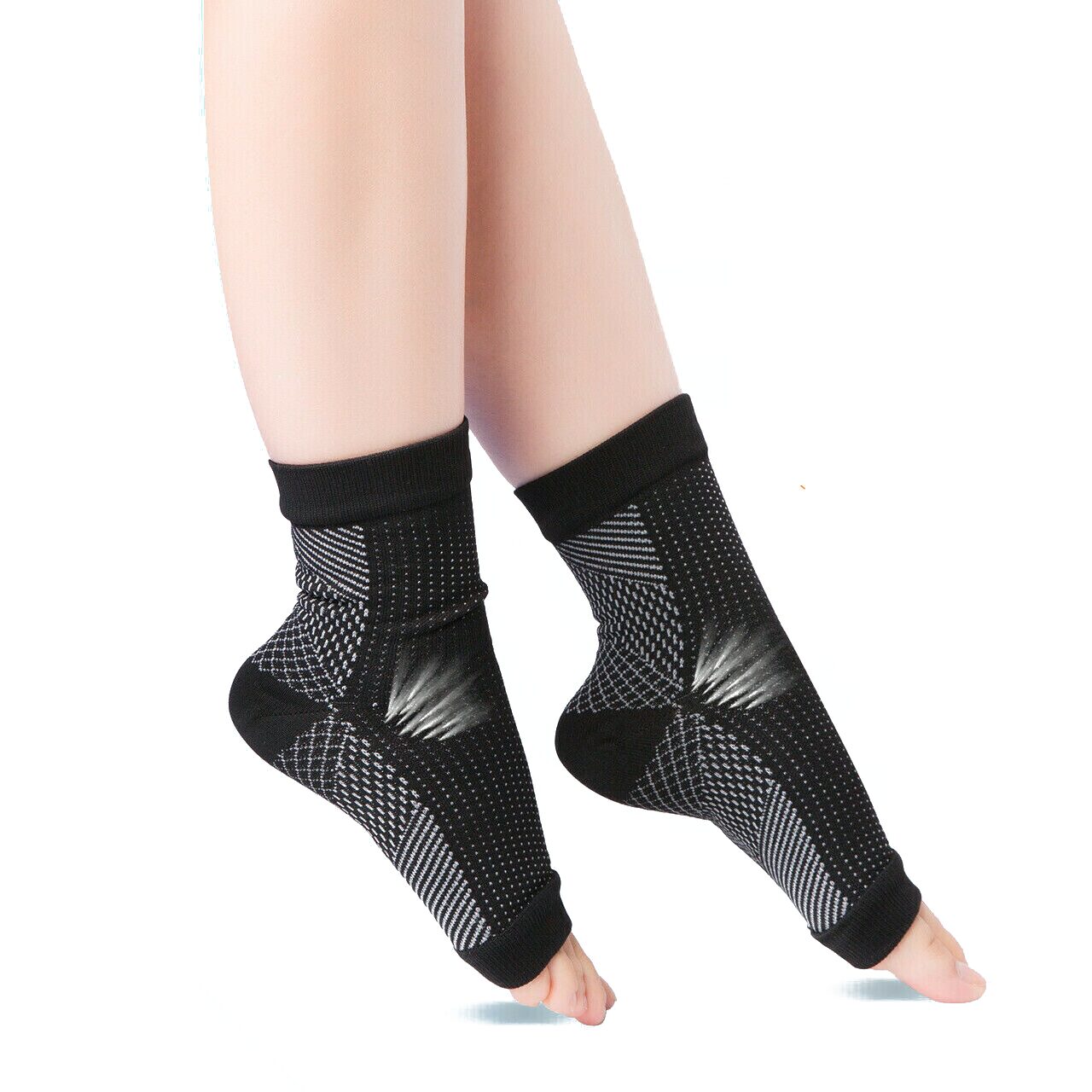
Two areas get additional structural reinforcement through a denser knit pattern:
Arch zone: This band wraps under and around your arch, providing upward lift. Biomechanically, this reduces the load on the plantar fascia by sharing the work of maintaining arch height. It’s a secondary arch support that works with your plantar fascia, not instead of it. The fascia still engages—which is important for maintaining tissue strength—but it’s not bearing the full load alone.
When your arch is properly supported, the plantar fascia doesn’t have to work as hard during weight-bearing. Each step places less strain on the damaged tissue, giving it a better chance to heal.
Heel zone: The heel cup uses a different knit density to cushion and stabilise your heel bone. This distributes pressure more evenly across the heel pad, reducing peak stress at the point where the plantar fascia attaches to the bone—a common site of pain and micro-tearing.
Over time, this may help reduce the chronic tension that contributes to heel spur formation. Heel spurs are bony growths that can develop in response to repeated stress at the fascia’s attachment point. Not everyone with plantar fasciitis develops them, but reducing mechanical stress at this site is sensible prevention.
Open-Toe Design
The open-toe design isn’t just about comfort—it’s biomechanically deliberate. Your toes play a crucial role in balance, proprioception, and something called the windlass mechanism—the way your arch stiffens during toe-off to create a rigid lever for push-off.
Leaving the toes free allows:
- Natural toe splay during weight-bearing. When your toes can spread naturally, you have better balance and more even load distribution across your foot.
- Unrestricted windlass mechanism. As you push off through your toes, the plantar fascia tightens and your arch lifts, creating a stable platform for propulsion. Restricting your toes interferes with this natural mechanism and can make your gait less efficient.
- Better sensory feedback from the ground. Your toes are rich in nerve endings that help your brain understand what surface you’re walking on and how to adjust your movement accordingly.
The open-toe design also means the sleeve doesn’t add bulk at the front of your foot, so it fits easily under regular socks and shoes without crowding your toes or making your footwear feel tight.
Ankle Cuff Stability
The non-slip cuff around the ankle serves two purposes. First, it anchors the sleeve so the compression zones stay positioned correctly over your arch and heel. If the sleeve slides down during wear, you lose the targeted support—the arch zone ends up in the wrong place, and the whole design becomes less effective.
Second, the cuff provides circumferential compression around the ankle joint, which can help if you have mild Achilles tendon involvement or ankle instability alongside your plantar fasciitis. The Achilles tendon connects your calf muscles to your heel bone, and tension or inflammation here often goes hand-in-hand with plantar fasciitis because the two structures work together during gait.
The cuff should sit comfortably around your ankle without digging in or feeling restrictive.
Why the Fabric Matters
The synthetic blend is engineered specifically for compression wear. It needs to provide consistent elastic recoil—so the compression doesn’t fade as you move throughout the day—while wicking moisture away from your skin. Damp conditions reduce your skin’s tolerance for friction, increasing blister risk, and can lead to irritation or fungal issues.
The fabric is breathable enough to wear all day without overheating, and thin enough to layer under regular socks without adding noticeable bulk. The antimicrobial treatment is woven into the fibres, not applied as a surface coating, so it doesn’t wash out over time. This helps keep the sleeves fresh between washes and reduces odour.
Compression garments face a design challenge: they need to be stretchy enough to get on and comfortable to wear, but firm enough to maintain compression under the mechanical stress of walking, running, and daily movement. The reinforced knit at the arch and heel is designed to resist deformation in these high-stress areas, so the sleeve maintains its supportive function over weeks and months of use, not just days.
With proper care (which we’ll cover shortly), these sleeves should maintain their compression properties through regular wear and washing.
Slim and Discreet
One of the biggest practical advantages: these sleeves are slim enough to wear invisibly under your usual socks and shoes. You’re not limited to wearing them only at home or only with trainers. You can wear them to work, during exercise, throughout your normal day—which means you’re getting consistent support when you need it most.
They stay in place better than typical foot sleeves, thanks to the non-slip ankle cuff and the way the compression zones grip your foot. No constant slipping or bunching as you move.
Using the Sleeves Effectively
Compression sleeves provide support and may help reduce pain, but they’re not an instant fix. Plantar fasciitis takes time to heal—typically several weeks to a few months, depending on severity and how well you manage the contributing factors. Here’s how to get the most out of these sleeves.
Wearing Strategy & What to Expect
These sleeves are designed for all-day wear, but if you’re not used to compression, your feet may need a few days to adapt. Start with a few hours, then gradually increase. Once comfortable, wear them throughout your day—particularly during and after activities that typically aggravate your heel pain.
Many people find them especially helpful first thing in the morning. Putting them on before you take those painful first steps provides support right when you need it most. You can wear them during exercise (running, walking, gym work), throughout your workday, and during daily activities. You can wear them under regular socks and shoes, or on their own at home if you prefer. The key is consistency—these work best when worn during the activities that load your plantar fascia.
Week 1–2: You’ll notice the supportive feeling around your arch and heel. Some people notice reduced pain during wear; others notice it more after removing the sleeves, as the support is withdrawn. Both responses are normal.
Week 3–4: If the sleeves are helping, you’ll likely notice less morning pain and improved tolerance for standing and walking. Pain may still be present, but it should be less intense or less frequent.
Week 6–8 and beyond: Continued gradual improvement. Pain becomes less frequent, less intense, and resolves more quickly after activity. You may find you can return to activities that were previously too painful.
If you’re not seeing any improvement by week 3–4, or if pain is worsening despite consistent use, that’s a signal to see a physiotherapist or GP. The sleeves might not be addressing the primary driver of your plantar fasciitis—for example, if you have significant biomechanical issues that need orthotics, or if there’s another diagnosis causing your heel pain.
What Else You Need to Do
Compression sleeves work best as part of a broader approach. They provide continuous support throughout your day, but they don’t address all the factors that contribute to plantar fasciitis:
Stretching: Daily stretching of your calf muscles, Achilles tendon, and plantar fascia maintains tissue flexibility and reduces morning stiffness. Your physiotherapist can show you the most effective techniques.
Strengthening: Exercises that strengthen the small muscles in your foot and the larger muscles of your lower leg improve your foot’s ability to tolerate load. Stronger muscles mean less strain on the plantar fascia.
Footwear: Supportive shoes with good arch support and cushioning reduce strain on the plantar fascia. Avoid walking barefoot on hard surfaces, and replace worn-out shoes—once the midsole compresses and loses its cushioning, your foot takes more impact with every step.
Activity modification: If certain activities consistently aggravate your heel pain, modify or temporarily reduce them while your foot heals. This doesn’t mean complete rest—some loading is necessary for healing—but it does mean being strategic.
Ice: Applying ice to your heel for 15–20 minutes after activity helps control acute inflammation. A frozen water bottle rolled under your foot works well—you get the cold therapy plus a gentle massage effect.
Orthotics: If you have flat feet, high arches, or significant overpronation, custom or over-the-counter orthotics may be necessary to address the underlying biomechanics. The compression sleeves can be worn alongside insoles—put the insole in your shoe, then wear the sleeve over your foot as usual.
The sleeves provide the always-on support throughout your day; the other interventions address flexibility, strength, and biomechanics. Together, they give your plantar fascia the best chance to heal.
When to Seek Clinical Advice
Compression sleeves are a supportive tool, not a diagnostic or curative one. See a GP or physiotherapist if:
- Pain is severe or getting worse despite conservative measures
- You’re not seeing any improvement after 3–4 weeks of consistent use
- You have diabetes, peripheral neuropathy, or circulatory issues (you need clearance before using compression)
- You’re unsure whether your heel pain is actually plantar fasciitis (other conditions like stress fractures, nerve entrapment, or fat pad syndrome can cause similar symptoms)
- You develop new symptoms—numbness, tingling, colour changes in your foot, or pain that spreads beyond the heel
A clinician can confirm the diagnosis, assess your biomechanics, and guide you through a comprehensive treatment plan tailored to your specific situation.
Sizing & Fit
The FootReviver compression foot sleeves come in two sizes:
S/M: Women’s UK 2.5–5 | Men’s UK 4–8
L/XL: Women’s UK 6–10 | Men’s UK 8.5–13.5
Choosing Your Size
Use your regular shoe size as a guide. If you’re between sizes or at the top end of one size range, consider sizing up for comfort. The sleeves are designed to be snug—that’s how compression works—but they shouldn’t feel painfully tight or restrict circulation.
The stretchy knit fabric accommodates some variation in foot shape and width, but if you have particularly wide feet or high insteps, you may find the larger size more comfortable.
What Proper Fit Feels Like
When you first put the sleeves on, you should feel firm, even compression around your arch, heel, and ankle. It should feel supportive and snug, but not painful or restrictive. You should be able to move your foot and ankle freely through their full range of motion.
If the sleeves feel uncomfortably tight, cause numbness or tingling, or leave deep indentations in your skin that don’t fade quickly after removal, they’re too small. If they slide down or bunch up during wear, or if the compression feels barely noticeable, they’re too large.
The non-slip cuff should sit comfortably around your ankle without digging in or rolling down.
Putting Them On
Compression sleeves can take a bit of effort to get on, especially at first. Here’s the easiest method:
- Turn the sleeve partially inside-out, leaving just the toe opening right-side-out.
- Slide your toes through the opening, then gradually roll the sleeve up over your heel and ankle, working it into place bit by bit.
- Once it’s on, smooth out any wrinkles or bunched fabric. Make sure the heel cup sits properly under your heel and the arch support zone is positioned over your arch—you should feel the reinforced band wrapping around the arch area.
It gets easier with practice. If you have swollen feet or limited hand mobility, putting them on first thing in the morning can help, as swelling is typically lowest then.
Care & Maintenance
Proper care keeps the sleeves working effectively and extends their lifespan.
Washing
Machine wash: Yes, these can go in the washing machine. Use a cold water cycle (30°C maximum) on a gentle or delicate setting.
Protect the fabric: Wash the sleeves inside a mesh laundry bag. This prevents the compression knit from snagging on zips, hooks, or other items, and protects it from being stretched out by the machine’s agitation.
Detergent: Use a mild detergent. Avoid bleach and fabric softener—both break down the elastic fibres and reduce compression effectiveness over time.
Frequency: Wash after every few wears, or more often if you’re wearing them during exercise or in hot weather. The antimicrobial properties help keep them fresh between washes, but regular washing maintains hygiene and prevents buildup of oils, sweat, and dead skin cells.
Drying
Air dry flat: Lay the sleeves flat on a clean towel or drying rack. Don’t hang them up while wet—gravity can stretch out the fabric and distort the compression zones.
No tumble dryer: Heat degrades elastic fibres. Air drying at room temperature preserves the compression properties and extends the life of the sleeves.
Avoid direct heat: Don’t dry them on a radiator, in direct sunlight, or near any heat source. Room temperature air drying is best.
Storage
Store the sleeves flat or loosely folded in a drawer. Don’t leave them stretched out (draped over something) or tightly balled up for long periods—both can distort the knit structure.
When to Replace Them
Even with good care, compression garments eventually lose their elasticity. If the sleeves start feeling looser, no longer stay in place as well, or show visible signs of wear—thinning fabric, holes, stretched-out zones, or the compression feels noticeably weaker—it’s time for a new pair.
For daily wear, expect to replace them every 3–6 months, depending on how often you wear them and how well you care for them. If you’re only wearing them occasionally, they’ll last longer.
Why Choose These Sleeves
These sleeves deliver targeted support where your foot needs it most—arch lift, heel cushioning, improved circulation—in a design that’s practical enough to wear all day, every day. The design is grounded in biomechanical principles that make sense: graduated compression to assist blood flow, reinforced zones to reduce load on the plantar fascia, and a slim build that works with your regular footwear.
At £8.99 per pair, they’re an accessible option that doesn’t compromise on quality. You’re getting durable construction, targeted support, and a design that’s practical enough to wear consistently—which is what matters when you’re managing plantar fasciitis.
They’re not a miracle cure. Plantar fasciitis takes time and a multi-pronged approach to resolve. But as part of that approach, the FootReviver sleeves provide evidence-informed support that can help reduce pain and support your recovery.
30-Day Money-Back Guarantee
FootReviver backs these sleeves with a full 30-day money-back guarantee. If you’re not satisfied with your purchase for any reason, you can return them hassle-free. That gives you a full month to try them and see if they help your heel pain—no risk.
Ready to Take the Next Step?
If plantar fasciitis is limiting your daily activities, affecting your work, or just making every morning start with pain, it’s worth trying an approach that addresses the underlying mechanics.
The FootReviver Plantar Fasciitis Compression Foot Sleeves provide targeted support where your foot needs it, in a design that fits into your real life. At £8.99, they’re an accessible option to add to your plantar fasciitis management plan.
Got questions about whether these sleeves are right for your situation? Get Expert Advice – we’re here to help.
3 Reviews For This Product
Fast & Secure Checkout Through Paypal
Pay with Paypal the secure payment gateway that accepts all credit and debit cards. Paypal is free and secure and no credit or bank information is ever stored or shared with us.
Fast Dispatch
Enjoy your items soon with quick dispatch via Royal Mail. Expect to have your items between 1-3 working days for domestic orders. 7-10 Working days for international orders.
Return Policy – 30 Day Money Back Guarantee
In the unlikely event, you are unhappy with your purchase you can return it within 30 days for a refund. Please contact us via the form on the contact us page to start your return.
To return an item please send it to: Nuova Health UK, 81 Highfield Lane, Waverley, Rotherham, S60 8AL. Please include a note with your order id so we know who to refund. Please retain your postage receipt as proof of postage. All that we ask is that the item is in the original packaging and unused.
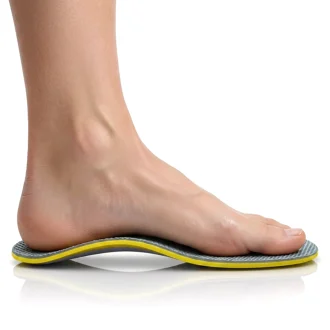

by Heather Temple
Very helpful & comfortable
by William Donaldson
Seems to do the job
by Hamza
I was suffering from plantar fasciitis for 6 long months and was desperate for a solution. A friend suggested these socks and I must say, I’m impressed. The quality is top-notch, they’re amazingly comfortable, and they provide the perfect amount of compression. My feet feel so much better, and the pain has significantly reduced.