


Roll over image to zoom in
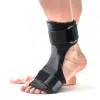
Plantar Fasciitis Night Splint
£11.99inc VAT
- Helps ease sharp morning heel pain
Designed for people with plantar fasciitis and similar “first‑step” heel and arch pain. By holding your foot in a better position while you sleep, it helps reduce that sudden shock when you first stand up, so getting across the room in the morning starts to feel more manageable. - Gentle overnight stretch for the plantar fascia and calf
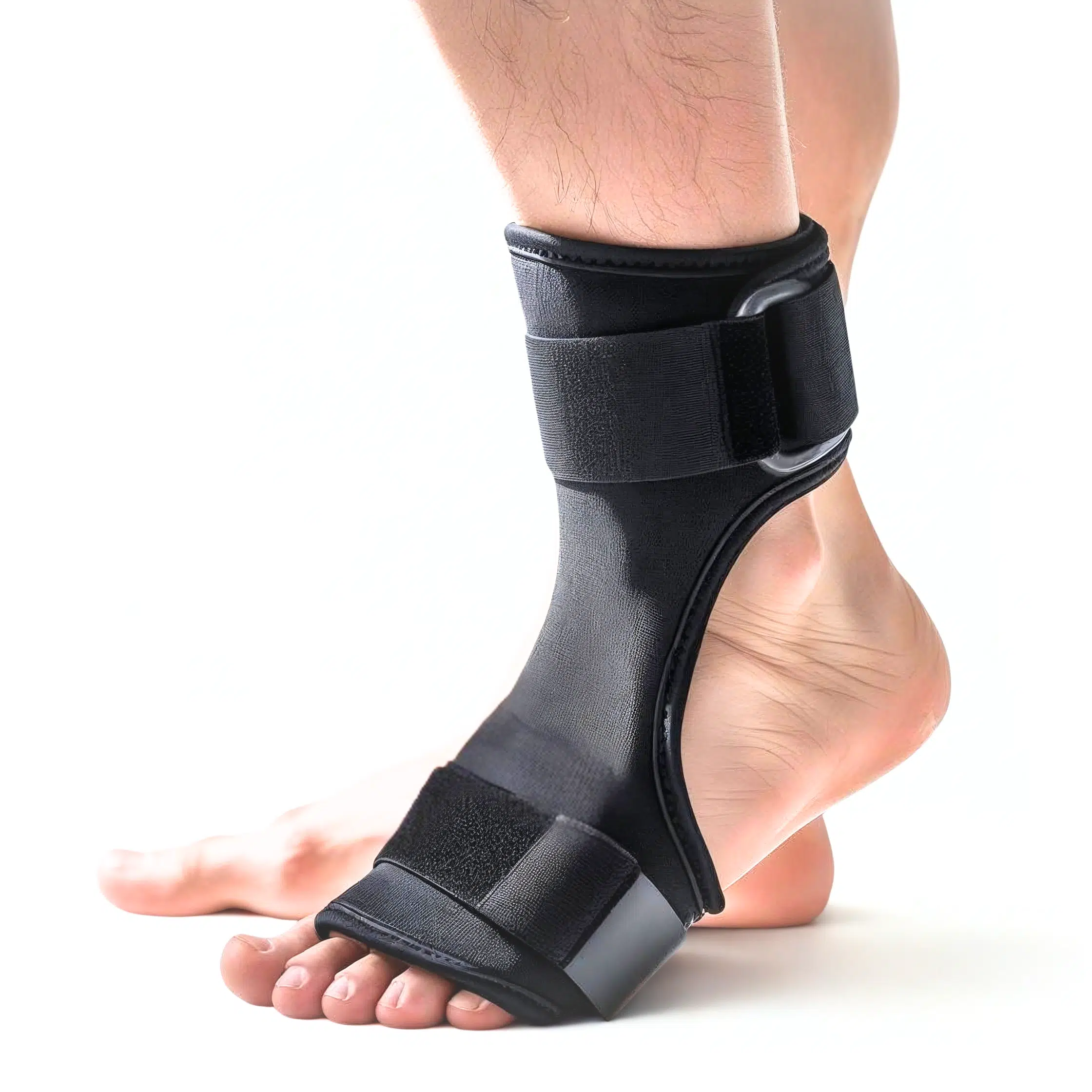
A firm, slightly flexible bar built into the front of the splint runs over the top of your foot and ankle, holding the ankle close to a right angle. This keeps the band under the foot and the calf in a steady, gentle stretch instead of letting them tighten fully. Used regularly, this can lessen the intensity of those first few painful steps after rest. - Adjustable fit that stays in place
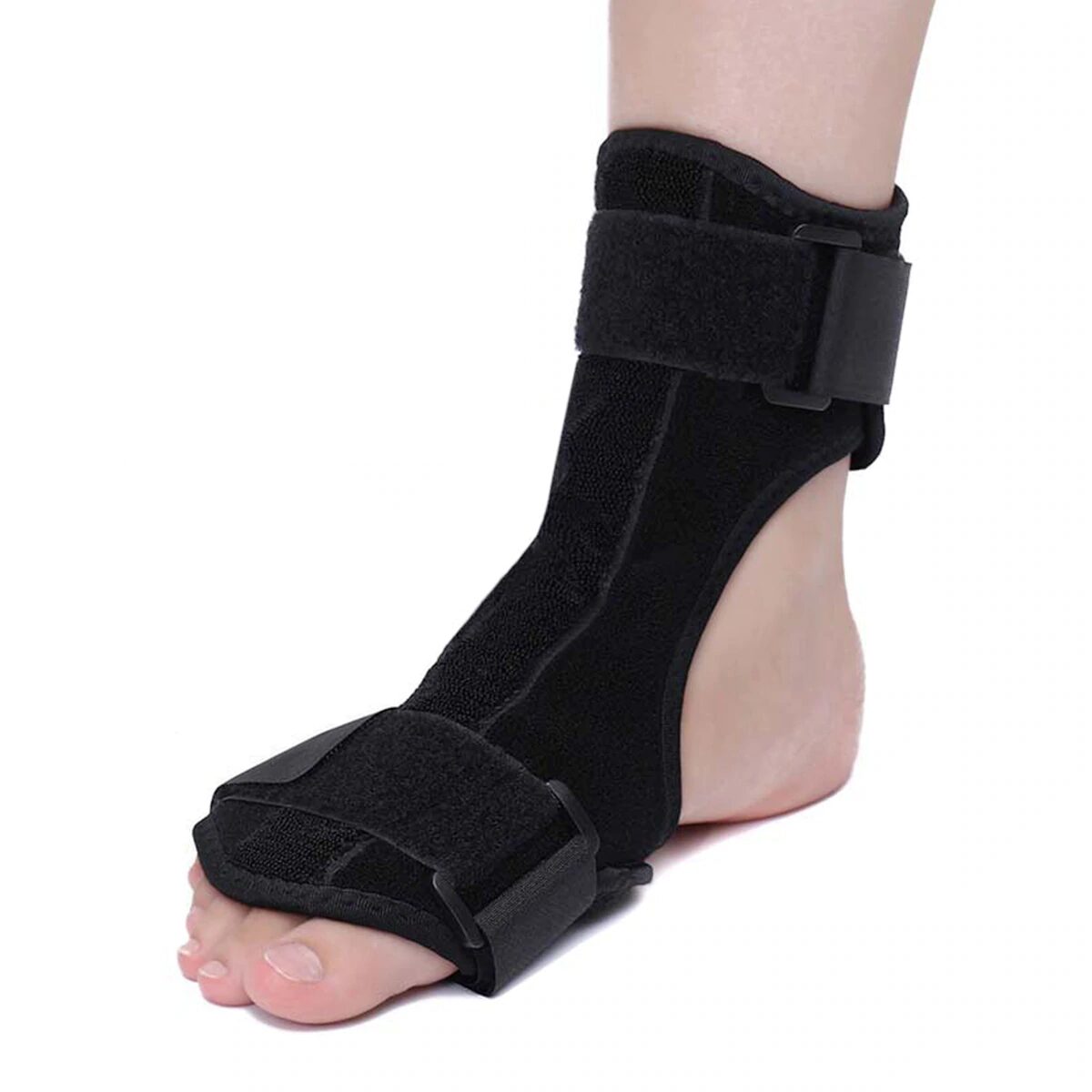
Multiple adjustable straps wrap over the front of the foot, around the ankle and lower leg so you can set a snug, secure fit without pinching. This helps keep your foot at the right angle through the night, reducing slipping, twisting or the splint working loose while you sleep. - Shaped support with soft cushioning where it matters
A lightweight frame with the built‑in bar runs along the front of the leg and over the top of the foot, contoured to follow the natural shape of your shin, ankle and instep. Soft padding over key contact areas, including the front of the ankle and top of the foot, helps spread pressure and avoid the hard edges that can make some splints uncomfortable to wear for hours. - Breathable, open design that feels cooler and drier
Breathable fabric and an open heel allow air to circulate around the foot and ankle. Inside, a moisture‑wicking lining draws sweat away from the skin so your foot feels cooler and drier. This makes it less tempting to take the splint off in the night, which is important if you want to build up consistent use. - Built for regular use and easy care
Made from robust, easy‑to‑clean materials that stand up to frequent fitting, removal and gentle cleaning. The frame and padding are designed to hold their shape and level of support over time when wiped or hand‑washed and left to air dry between uses. - 30‑day money‑back guarantee
Supplied with a 30‑day money‑back guarantee, so you can fit and use the splint at home and see how it affects your morning pain, knowing you can return it if it is not right for you.
FootReviver Night Splint for Plantar Fasciitis
Ease morning heel pain by supporting your foot while you sleep
Waking up to a sharp, stabbing pain under your heel can make even a short walk across the room feel like a challenge. When it happens day after day, it changes how you move, how you work, and how you feel about the start of your day. That pattern is often linked to plantar fasciitis and to the way your foot rests while you sleep. The FootReviver night splint is designed to hold your foot in a better position through the night so those first steps in the morning can start to feel more manageable over time.
Who it can help
This FootReviver night splint is designed for people with pain under the heel or along the arch of the foot that is worst with the first few steps after rest. That “first‑step” pain pattern is typical of plantar fasciitis and is one of the main reasons people look for a night splint. You might also notice a dull ache through the sole that builds if you stand or walk for longer periods.
It can be especially relevant if you spend a lot of time on your feet at work, do regular walking or running, stand on hard floors, or have foot shapes such as flat feet or very high arches that can place extra strain on the band of tissue under the foot. The splint may also help some people with discomfort around the back of the heel, for example where the Achilles tendon meets the heel bone, as it supports the ankle position during rest.
If you are unsure what is causing your foot pain, or if your symptoms are severe, changing, or linked with other health conditions, it is important to speak to a GP or physiotherapist before relying on any single product. They can help you confirm whether plantar fasciitis is likely and advise how best to use a night splint as part of your overall care.
Understanding plantar fasciitis (plan-tur fash-ee-eye-tis)
Plantar fasciitis (plan‑tur fash‑ee‑eye‑tis) is one of the most common causes of heel pain in adults. The plantar fascia is a thick band of tissue that runs from the heel bone to the base of the toes along the bottom of the foot. It helps to support the arch and plays a key part in how your foot works with each step, storing and releasing energy as you walk.
Over time, this band can be pushed beyond what it can comfortably cope with. Long periods of standing or walking on hard surfaces, sudden increases in activity, regular running without enough recovery, or working long shifts on your feet all add up. Flat feet or very high arches can change how force is spread through the sole, placing extra load on certain areas. Footwear without much cushioning or arch support, especially on hard floors, can add to the strain. Carrying more weight means the plantar fascia has more to deal with every time you put your foot down.
Each step on its own is not a problem. The issue is the repeated load, day after day. Small areas within the fascia can start to become irritated and sore. At first, this might be a mild ache that comes and goes. If the same pattern continues and the tissue never really gets a break, the irritation can build. The fascia becomes more sensitive and less able to tolerate the same amount of walking or standing. If nothing changes, plantar fasciitis can become long‑standing, and some people live with heel pain for many months or longer.
The pain is often described as sharp or stabbing under the heel, sometimes spreading into the arch. Many people notice it most when they take their first few steps after getting out of bed or after sitting for a while. After a bit of gentle movement, the pain may ease into a more tolerable ache. Later in the day, especially after being on their feet for a long time, the ache can build again, and even short walks can start to feel uncomfortable.
A key part of the pattern is what happens when you rest. As you sit or lie down, your foot typically relaxes and points slightly downwards. That position shortens the calf muscles, the Achilles tendon, and the plantar fascia. By the end of the day, the fascia may already be irritated from all the small strains it has taken. Then it sits in this shortened position during rest or sleep. When you stand up again, that already‑sore band is suddenly stretched from a tight state and asked to take your full body weight straight away. That sudden pull is a major reason why those first steps can feel like a knife under the heel.
Over time, this cycle – repeated strain through the day, tightening during rest, sharp pain on standing – can affect more than just the foot. It can make you plan your day around your pain: thinking twice about walking to the bus stop, standing through a shift, going for a longer walk, or keeping up with children or grandchildren. Breaking into this cycle means looking at both sides of the problem: how much strain the plantar fascia takes during the day, and what position it spends the night in.
How a night splint works and how it helps
Most people sleep with their feet relaxed and pointing down. In that position, the calf and the band under the foot are shortened. If the plantar fascia is already irritated from the day’s load, spending hours in this shortened state makes it more sensitive to being stretched. When you then stand up and put weight through the foot, that band is suddenly pulled from a tight position and asked to support you straight away. That combination of sudden stretch and full body weight is a major reason why the first steps can feel so sharp.
A night splint is designed to change that position while you rest. The FootReviver night splint has a firm, slightly flexible bar built into the front of the splint, running over the top of the foot and ankle. Together with the front straps, this bar holds the ankle close to a right angle, so the toes sit a little closer to the shin instead of dropping down. This keeps the plantar fascia and the calf slightly lengthened through the night rather than allowing them to tighten fully. It is not meant to feel like a strong stretch you would do in exercise. Instead, it is a steady, slight angle that your foot can settle into over several hours.
By stopping the plantar fascia from shortening as much while you sleep, the splint reduces how far and how suddenly it has to stretch when you first stand up. For many people, this means the first few steps in the morning are less of a shock. The pain may still be there, but it is often less intense and easier to walk through. The same effect can apply after other periods of rest, such as sitting in the evening.
Because the ankle is also held from dropping into a fully pointed position, the splint can limit strain on the Achilles tendon and structures around the back of the heel at night. Supporting those tissues in a slightly lengthened position may help some people who have a combination of pain under the heel and soreness at the back of the ankle.
A night splint is still a support you wear on your foot and lower leg. You will be aware of it, particularly at first. The key question is not whether you forget it is there, but whether you can sleep in it comfortably enough to keep using it most nights. The benefit comes from holding the foot in that improved position for hours at a time, over many nights, so the plantar fascia is under less irritation and has a better chance to calm down.
How a night splint fits into your overall treatment
Plantar fasciitis is usually managed with several simple measures working together rather than a single fix. A typical conservative approach often includes:
- Gentle stretching of the calf muscles and the plantar fascia to reduce tightness.
- Supportive footwear with some cushioning and arch support, and sometimes insoles to spread load more evenly under the foot.
- Short‑term changes to activity, such as breaking up long periods of standing, avoiding sudden jumps in walking or running distance, and giving your feet some quieter days between heavier ones.
- In some cases, once pain has settled a little, strengthening exercises for the calf and small foot muscles to improve support.
All of these steps aim to reduce the strain on the plantar fascia and give it time and space to heal. A night splint focuses on one specific part of that picture: the overnight tightening and morning shock. By holding the foot in a better position while you sleep, it helps to control the spike in strain that happens when you take those first steps after rest.
On its own, a night splint can still help change how your mornings feel. However, it usually works best when it is part of a wider plan that includes stretching, supportive footwear, and sensible changes to activity during the day. Together, these measures reduce the overall load on the plantar fascia across the whole 24‑hour cycle, not just at one moment. If you are already under the care of a GP, podiatrist or physiotherapist, a night splint like this can often be added alongside what they have recommended. If you are unsure, ask them how best to combine it with your current treatment.
Why choose this FootReviver night splint
If you have looked for help with plantar fasciitis before, you will know that there are many types of night splints and supports available. Some hold the foot in the right position but are so bulky, hot, or awkward that people take them off in the night. Others are lighter but do not hold the foot securely enough to make a noticeable difference. FootReviver have focused on two simple needs that come up regularly when people talk to health professionals about night splints: the foot has to be held in a position that actually helps the plantar fascia, and the splint has to be comfortable and practical enough to sleep in most nights.
This night splint has been developed using FootReviver’s experience with foot support designs and biomechanics, along with feedback from podiatrists and physiotherapists who manage plantar fasciitis and related heel problems every day. That experience has shaped the way the frame sits along the leg, the angle it holds the foot at, the way the straps adjust, and how the padding and fabric feel against the skin.
Many basic splints rely on a single strap or flat front panel that can twist or dig into the front of the ankle, or they enclose the whole foot in heavy material that becomes uncomfortably hot. This FootReviver design uses a contoured front, multiple adjustment points, soft padding in key areas, and a more open structure to deal with those common issues. All of that is there so the splint can provide steady, useful support for the plantar fascia and calf while still being realistic to wear through the night, giving you a better chance to build the consistency that plantar fasciitis often needs.
Adjustable fit for a secure, personalised hold
A night splint only works properly if it holds your foot and ankle in the right position without slipping or pinching. The FootReviver night splint uses adjustable straps around the foot and lower leg so you can set a fit that feels firm and secure without being painful. When you first put the splint on, you can loosen all the straps fully so it is easy to slide your foot into place. Once your heel is seated and your foot is resting along the support, you gradually tighten each strap until the splint holds your foot where it needs to be.
Having several straps means the fit can be adjusted at different points: across the foot, around the ankle and around the lower leg. This allows the splint to accommodate a wide range of leg and foot shapes. If your calf is more muscular, your ankle is slimmer, or your foot tends to swell slightly by the end of the day, you can fine‑tune each strap to match. The aim is a snug, even hold, not something that cuts into your skin. When the straps are set well, the splint stays in place through the night, your foot remains close to a right angle at the ankle, and there is less chance of the foot dropping down or twisting out of position while you sleep.
Supportive frame that follows the shape of your leg
At the core of the FootReviver night splint is a supportive frame that runs along the front of the lower leg and over the top of the foot. This frame, which contains the firm bar, is strong enough to keep your ankle and foot in the chosen position, but it is shaped to follow the natural curves of the shin, ankle and instep. Instead of sitting as a flat, hard strip against the leg, it is gently curved to match your shape.
This contoured design helps spread pressure over a wider area rather than concentrating it on one point, such as the front of the ankle or a narrow part of the shin. It also allows the splint to provide stable support without needing to be overly bulky or heavy. When you shift position slightly in bed, the frame moves with your leg instead of feeling like a rigid bar pressing into one edge. Compared to simpler designs that use straight, unpadded fronts, this reduces the risk of the frame digging into sensitive areas and makes it more comfortable to keep the splint on for several hours at a time.
Gentle stretch at the foot and arch
The main job of a night splint for plantar fasciitis is to keep the band under the foot and the calf slightly stretched rather than allowing them to shorten fully. In the FootReviver night splint, the firm, slightly flexible bar built into the front of the splint runs over the top of the foot and ankle and works with the straps to hold the ankle near a right angle. In this position, the toes sit a little closer to the shin, and the sole, calf and Achilles tendon are kept from relaxing into a fully pointed posture.
The stretch created by this angle is meant to be modest and sustainable, not forceful. Over the course of the night, that steady position stops the plantar fascia from crumpling up and tightening as much as it would without support. When you stand in the morning, the band under the foot is not being pulled from such a shortened state, so the stretch that happens with those first steps is smaller and less sudden.
Over time, many people with plantar fasciitis find this leads to a clear change in how their mornings feel. The intense, knife‑like stab with the first few steps is often replaced by a more manageable ache that eases as they walk. By reducing that morning shock, this gentle, sustained stretch can help you move more naturally and with more confidence from the moment you get up.
Soft, padded contact for night‑long comfort
Because a night splint is worn while you are lying still for long periods, the way it feels against your skin is crucial. The FootReviver night splint is lined with soft padding wherever it meets the leg and foot, including the front of the shin, the top of the foot, the sides of the ankle and under the straps. Beneath this soft layer there is a slightly firmer layer that helps the splint keep its shape and support.
This combination means you feel the steadiness of the frame but not the hard edges of the underlying structure. The padding helps spread pressure from the straps and frame over a wider area, reducing the risk of sore spots, rubbing or indentation marks. When you adjust your leg slightly in bed or change position, the padded lining moves smoothly against your skin instead of catching or digging in. This is particularly important around the front of the ankle, where the skin is thinner and tendons are close to the surface; poorly padded splints often cause discomfort there. By placing padding where problems often occur, this design makes it more realistic to keep the splint on for the length of time that is needed.
Stays cooler and drier through the night
One of the most common complaints about night splints is that they feel hot and clammy. Closed‑in designs that wrap fully around the foot and leg can trap heat and sweat, making it tempting to remove the splint in the middle of the night. The FootReviver night splint is built to reduce this problem. It uses breathable fabric and an open heel area to let air circulate around the foot and ankle.
The lining that sits against your skin is made from moisture‑wicking fabric that draws perspiration away from the surface and towards the outer layers, where it can evaporate more easily. This helps to keep your foot feeling drier and more comfortable, even on warmer nights or if your feet naturally become warm in bed. The open heel also allows a small area of skin to be in direct contact with the bed, so you do not feel as though your foot is completely enclosed.
By combining breathable materials, an open design and moisture‑wicking lining, the splint is less likely to cause the hot, sweaty feeling that often leads people to give up on night supports. That, in turn, makes it easier to wear the splint for longer stretches, night after night, which gives the plantar fascia a better chance to calm down without being constantly irritated.
Fresh‑feeling, hygienic materials
A night splint for plantar fasciitis is not a single‑use item; it is something you may use most nights for many weeks or months. Keeping it clean and fresh is therefore important. The FootReviver night splint is made with fabric and padding that can be wiped with a damp cloth and mild soap, or gently hand‑washed when needed. When left to air dry in a well‑ventilated place, the materials dry in time to be used again the next night.
The lining and outer fabric are chosen to resist odour build‑up when looked after properly. Regular wiping or occasional hand‑washing helps remove sweat and skin oils that can otherwise build up and cause smells or leave the splint feeling less pleasant against the skin. Knowing that the splint is easy to keep clean and fresh makes it easier to put on every evening and stay consistent with using it, which is essential when you are trying to build a regular habit of using it to help manage your plantar fasciitis.
Simple straps for quick on and off
At the end of a long day, you are unlikely to want to struggle with a complicated device before you can get into bed. The FootReviver night splint is designed to be straightforward to put on and take off. The adjustable straps open wide so you can slide your foot easily into the splint without twisting or squeezing. Once your heel is settled into the heel area and your leg is resting against the padded front, you pull each strap to your usual position and secure it.
After a few nights of use, most people find their preferred strap settings, so only small adjustments are needed each time. Fitting the splint then becomes a simple part of your bedtime routine that takes a couple of minutes, rather than a chore that you are tempted to skip. In the morning, you simply loosen the straps and lift your foot out before you start walking normally. Making the splint easy to handle in this way increases the chances that you will use it regularly enough for the plantar fascia to benefit.
Built for regular, long‑term use
A night splint for plantar fasciitis has to cope with frequent use. It will be put on and taken off repeatedly, adjusted and readjusted, and used for many nights in a row. The FootReviver night splint is built with a robust frame and reinforced stitching at key points to stand up to this kind of regular handling.
The supporting structure is designed to hold its shape rather than bending out of position or becoming so soft that it no longer maintains the angle of your foot. The fabric and padding are selected to cope with regular gentle cleaning and everyday wear without fraying or becoming lumpy. This means you can rely on the splint to offer the same level of support and fit over time, instead of feeling that it is gradually sagging or twisting out of place. Knowing that it will not quickly lose its shape or effectiveness matters when you are committing to using it as part of a longer‑term plan to help your plantar fascia settle.
What you can expect day to day
Plantar fasciitis is a stubborn condition. It usually improves slowly over weeks or months rather than changing in a night or two. It is important to have realistic expectations of what a night splint can and cannot do. The FootReviver night splint is not a cure on its own, but it is designed to make a real difference to the morning pain pattern when it is used regularly, especially alongside other sensible measures such as stretching and supportive footwear.
In the first few nights, the main change you are likely to notice is simply the feel of the splint itself. Holding the foot in a slightly more flexed position may feel unusual, and it can take a little time to find the strap tension that feels right for you. Some people start by wearing the splint for part of the night and then build up to longer periods as they get used to it. It is normal to take a few nights to adapt.
After a couple of weeks of steady use, the first change people often notice is in their morning pain. The sharp, stabbing sensation with the first few steps may start to reduce. The pain may still be present, but more as a manageable ache that eases as you walk, rather than something that makes you want to avoid putting your foot down at all. You may find you can get across the room more easily or that you are not limping for as long first thing.
As you continue to use the splint over several more weeks, particularly if you are also following simple daytime advice, that pattern can continue to shift. The time it takes for your feet to “warm up” in the morning may become shorter, and you may be able to walk more naturally sooner after getting out of bed. You may also feel more confident about taking on day‑to‑day tasks, knowing that the start of the day is less punishing than it was.
A small but important moment for many people is when they realise they are no longer bracing themselves as much before they stand. You get out of bed, put your feet onto the floor, and notice that the moment you used to dread is no longer the hardest part of the day. Everyone’s experience is different, and if your pain is severe, worsening, or not changing at all despite using the splint and other sensible measures, you should speak to a GP or physiotherapist for further assessment.
30‑day money‑back guarantee
Choosing a night splint is a commitment, especially when it needs to be used regularly to have the best effect. To make that decision easier, the FootReviver night splint is covered by a 30‑day money‑back guarantee from the day you receive it.
This lets you use the splint properly at home: to fit it, adjust it, and wear it consistently over several nights to see how it feels and whether it fits with your routine. If, within those 30 days, you find that it does not suit your needs or is not comfortable enough for you to use as intended, you can return it for a refund. This way, you can try a carefully designed night splint without feeling that you are stuck with it if it is not right for you.
Your next step
Morning heel pain does not have to set the tone for your whole day. By supporting your foot in a better position through the night and giving the plantar fascia a steady, gentle stretch, the FootReviver night splint is designed to make those first steps more manageable over time. It is covered by our 30‑day money‑back guarantee, so you can place your order knowing you have time to see how it works for you.
Important information
Fit and adjustments
The splint is designed to sit along the front of the lower leg and over the top of the foot. To fit it, sit on a chair or the edge of the bed and loosen all the straps. Place your heel into the heel area so your foot rests comfortably, then bring the front of the frame gently against your shin and the top of your foot. Fasten the straps around the foot and lower leg. Tighten them until the splint feels secure and your foot is held close to a right angle at the ankle, but not so tight that it causes numbness, tingling, colour change or marked discomfort. Check your skin after the first few uses to ensure there are no areas of rubbing or excessive pressure.
Usage and care
This night splint is designed for people with heel or arch pain and is worn during rest and sleep. It is not intended for walking around; you should remove it before standing and moving normally. Some people begin with shorter periods and gradually build up to wearing it for most of the night as comfort allows. To clean, wipe the fabric and padding with a damp cloth and mild soap, or hand‑wash gently if required. Allow the splint to air dry completely before wearing it again. Store it in a cool, dry place away from direct heat.
Safety and suitability
Do not use the splint over broken skin, open wounds, areas of significant swelling, or signs of infection. If you have diabetes, poor circulation, nerve problems in your feet, or other conditions that affect sensation or healing, speak to a GP or physiotherapist before using this product. Stop using the splint and seek medical advice if your pain suddenly worsens, if you develop new symptoms such as marked swelling, severe night pain or numbness, or if you are unsure whether it is suitable for your specific situation. This product is not designed for children.
Returns and our guarantee
The FootReviver night splint is covered by our money‑back guarantee for 30 days from the day it is received, provided it is returned in its original condition. If you wish to start a return within that period, please contact the retailer’s customer service team, who will guide you through the process.
Fast & Secure Checkout Through Paypal
Pay with Paypal the secure payment gateway that accepts all credit and debit cards. Paypal is free and secure and no credit or bank information is ever stored or shared with us.
Fast Dispatch
Enjoy your items soon with quick dispatch via Royal Mail. Expect to have your items between 1-3 working days for domestic orders. 7-10 Working days for international orders.
Return Policy – 30 Day Money Back Guarantee
In the unlikely event, you are unhappy with your purchase you can return it within 30 days for a refund. Please contact us via the form on the contact us page to start your return.
To return an item please send it to: Nuova Health UK, 81 Highfield Lane, Waverley, Rotherham, S60 8AL. Please include a note with your order id so we know who to refund. Please retain your postage receipt as proof of postage. All that we ask is that the item is in the original packaging and unused.
Reviews
There are no reviews yet.