


Roll over image to zoom in
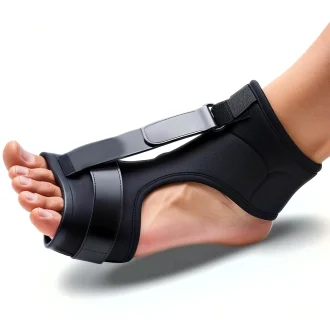
FootReviver™ Plantar Fasciitis Night Splint
£11.99inc VAT
1x FootReviver™ Plantar Fasciitis Night Splint Brace designed to support the foot and reduce heel and arch pain, especially that sharp “first‑step” pain in the morning.
Suitable for both men and women.
- One size, fully adjustable
Adjustable straps allow you to set the level of support, stretch, and compression to suit your foot and your comfort. - Holds the foot in a therapeutic position overnight
A built‑in support keeps the ankle close to a right angle and the toes gently lifted, so the plantar fascia and calf stay lightly stretched instead of tightening overnight. - Helps reduce morning pain and protect healing tissues
By limiting twisting, rolling, and toes‑down postures in bed, the splint helps prevent movements that can strain, sprain, or twist the foot and aggravate plantar fasciitis and related problems. - Provides soothing, targeted compression
Gentle pressure around the foot and ankle helps ease pain, reduce mild swelling, and support blood flow to the area as it recovers. - Supports recovery from a range of foot and ankle conditions
Often used to help manage not only plantar fasciitis but also issues such as Achilles tendonitis/tendinopathy, foot drop, posterior tibial tendon problems, and certain arthritic or soft‑tissue conditions, as advised by a clinician. - Designed for comfort during longer wear
Made from soft padded, lightweight, breathable materials with moisture‑wicking properties to help keep the foot dry, cool, and comfortable through the night. - Versatile day or night use (when resting)
Can be worn while sleeping or during short periods of rest in the day to support, protect, and gently compress the foot and ankle. It should always be removed before standing or walking. - 30‑day money‑back guarantee
Includes a full 30‑day money‑back guarantee so you can try the splint and see how it helps.
If the first steps out of bed send a sharp stab of pain through your heel, you are not alone. This pattern is very common in plantar fasciitis (often called plantar heel pain) and related heel problems.
The pain often feels as if the heel is being jabbed or bruised from the inside with those first few steps, then eases enough to get on with things, only to flare again when standing after sitting or driving. It is not simply “getting older”, and in many cases it can be improved.
A key part of the problem is what the foot and calf are doing when you are off your feet, especially overnight, not just how they behave when walking or standing. When the plantar fascia and calf shorten during rest, the first steps after that rest pull on them more sharply than they can comfortably tolerate.
The FootReviver™ Plantar Fasciitis Night Splint is designed with this in mind. It holds the foot and ankle in a gently stretched, supported position while asleep or resting. That means the tissues under the foot and at the back of the ankle are not allowed to fully tighten and then be yanked back to working length with the first steps. The aim is simple: to take the sharp edge off those first few steps after sleep and sitting.
Used regularly, alongside sensible daytime measures such as suitable footwear, simple stretches and strengthening, this splint offers a practical way to ease first‑step heel pain and make mornings easier to face.
This page looks at:
- The pattern of pain many people recognise
- What is happening inside the foot and calf
- How the FootReviver™ night splint and other simple steps can change that
- Who this type of splint is and is not suitable for
If this sounds like your pattern of pain, reading from top to bottom gives the full picture. If you mainly want to check suitability, you can also look at the section “Who This Night Splint Is and Is Not Suitable For” further down.
The Problem: Morning Heel Pain and “First‑Step” Stiffness
For many people with plantar fasciitis, the worst pain is not in the middle of the day when busy. It is when trying to get going again after a spell of rest. Typical situations include:
- Getting out of bed in the morning
- Standing up from a chair after sitting for a while
- Stepping out of the car after a drive
The pain is usually under the heel, often slightly towards the inner side, and may run into the arch. It can feel sharp, stabbing, or like stepping on a stone. Many people find themselves holding on to furniture or moving very cautiously for the first few steps, then hobbling to the bathroom until things “warm up” a little. After walking for a few minutes, the pain often settles to a duller ache. Later, after another period of sitting or lying down, the same thing happens again.
Even in the short term this affects how the day feels. Those first few minutes can colour the whole start of the morning and make simple things like getting to the bathroom or downstairs feel like a chore.
If the pattern carries on, people often begin to:
- Change the way they walk to avoid loading the sore area
- Cut back on walking, sport, or family activities
These changes are natural short‑term coping strategies, but if they go on for long, they can quietly start to affect how the whole leg loads. That is one reason it is better to tackle the problem than just work around it.
This “first‑step” pattern is very common in plantar fasciitis, although other conditions can sometimes cause similar symptoms. To change it, it helps to know what the plantar fascia actually does and what happens to it when you are off your feet.
Why Plantar Fasciitis Hurts Most After Rest
This section looks at what the plantar fascia does, how it becomes sore, and why those first steps after rest hurt so much.
What the Plantar Fascia Does
Across the bottom of each foot is a thick band of tissue called the plantar fascia. It runs from the heel bone to the base of the toes. Its main jobs are to:
- Help support the arch of the foot
- Share some of the force every time weight goes through the foot
- Store and release elastic energy with each step, helping the foot work like a spring
Because it is involved in almost every step, the plantar fascia deals with repeated strain throughout the day.
How It Becomes Irritated and Sensitive
Plantar fasciitis develops when this tissue is repeatedly overloaded. By overload, this simply means asking it to cope with more strain, more often, or with less recovery than it can handle. It is not always a single injury; more often it is many small strains building up faster than the tissue can recover.
Small areas, usually close to where the fascia joins the heel bone, start to show tiny amounts of damage and irritation. When the problem has been present for a long time, the tissue in this area can become more worn and less able to cope, not just inflamed. Ordinary loads that were once fine can then become painful.
Common contributors include:
- Repetitive impact, such as running, jumping, or brisk walking on hard ground
- Long spells standing or walking at work, especially on concrete or tiles, which give very little natural cushioning
- Foot mechanics that increase strain on the fascia, such as the foot rolling inwards a lot (overpronation) or having high, rigid arches
- Tight calf muscles and a stiff Achilles tendon, giving less “give” in the back of the lower leg
- Changes in bodyweight or activity level that add more load before the tissues have adapted
- Age‑related changes that make soft tissues a little less tolerant of repeated strain
In these situations, more force keeps going through the same small area near the heel, or the tissue has less time to recover between spells on your feet. Over time, a sore, sensitive patch develops that is easily stirred up.
Why Mornings and First Steps Feel So Brutal
The familiar “first‑step” pain usually follows a clear sequence:
- During the day, every step loads the plantar fascia, especially near the heel. When this area is already irritated, that repeated loading keeps it sore.
- When lying down or sitting for longer periods, the foot is not carrying weight. The plantar fascia and the muscles and tendon at the back of the lower leg (the calf and Achilles tendon) naturally shorten a little in this relaxed position.
- Most people sleep with their feet relaxed and the toes pointing slightly down. For someone with plantar fasciitis, this lets the fascia and calf shorten further and stiffen in that shortened state overnight.
- When standing up after sleep or a long sit, full bodyweight suddenly passes through this shortened, sensitised tissue. The fascia is pulled quickly back towards its working length, and that sudden pull through a sore area causes the sharp heel pain felt with the first steps.
As walking continues for a few minutes, the fascia and calf warm and lengthen and the pain often eases. The problem is that this cycle repeats after every longer rest. That sore patch is being pulled and re‑pulled. It can feel like the heel is being “re‑injured” with each first step, even though nothing new has happened overnight.
That is why, even after a full night’s rest, the first few steps can feel like the worst part of the day. This sudden pull on shortened, sore tissue is exactly the part a night splint is designed to change.
Why Foot Position During Sleep Matters
The plantar fascia and calf shorten when relaxed, especially overnight, and this drives much of the first‑step pain. This section looks at the positions the feet tend to fall into during sleep and how a night splint can counter them.
Common Foot Positions in Bed
Most people do not think about what their feet are doing in bed. A few patterns crop up again and again:
- Feet lying flat but relaxed so the toes point down a little when on the back
- Feet hanging over the end of the mattress so the toes drop further down
- One leg hooked over the other, twisting the ankle inwards or outwards
- Ankles rolling inwards towards each other or outwards away from each other, especially when lying on the side
Most of these positions either increase the toes‑down posture that tightens the fascia and calf, or twist the ankle so tissues around the ankle are pulled unevenly for long periods.
How These Positions Affect a Sore Heel
When the plantar fascia is already sore near the heel:
- Toes‑down positions allow it to shorten fully and stiffen in that shortened state
- The calf muscles and Achilles tendon do the same, so there is less slack when first moving
- Twisted or rolled ankle positions put extra stretch on one side of the foot and ankle, pulling on already sensitive tissues
All of this makes the natural shortening described above worse. By the time the alarm goes off, the fascia and calf are often shorter and stiffer than they were at the start of the night, particularly in people who already have heel or Achilles problems.
So if you wake up every morning feeling as if your heel or Achilles has stiffened up again, the way your foot has been sitting overnight is likely to be a big part of the reason.
What a Night Splint Is Designed to Change
A night splint is worn while sleeping or resting and is designed to:
- Hold the ankle close to a right angle
- Keep the front of the foot slightly lifted towards the shin, so the toes do not drop down
- Limit how far the ankle can roll inwards or outwards
In this position, the plantar fascia and calf–Achilles unit are kept in a gentle, steady stretch instead of being allowed to shorten right down. When standing up again, the tissues start from a better length, so the first stretch is less of a jolt. Over time, this can reduce how strong morning and “after rest” pain feels and give the sore area more chance to settle.
That is why what your feet do at night matters just as much as what they do in the day.
The same mechanical issue shows up in slightly different ways depending on how someone spends their day. The next section looks at a few common situations where this is particularly obvious.
Who Tends to Struggle Most with This Pattern
The same basic problem — an irritated plantar fascia and tight calf that shorten at rest, then are pulled sharply when standing — shows up in slightly different ways depending on how someone spends their day. The examples below are not the only situations, but they are common ones.
Active People Who Run or Exercise Regularly
People who run, go to fitness classes, or play sports such as football or tennis ask a lot of the tissues around the heel. Typical features include:
- Tight calf muscles from frequent training
- Sudden increases in how far, how fast, or how often they exercise
- Introducing hilly routes or tougher sessions without enough build‑up
- Training on hard pavements or pitch surfaces that have little give
In this setting, the plantar fascia and Achilles tendon are loaded heavily, day after day. There is often limited recovery time between sessions, especially if training is frequent.
The result is often:
- A sore heel and stiff calf, particularly the morning after a harder session
- Pain when first getting up or going downstairs
- A pattern of rest, slight improvement, and flare‑up when trying to return to activity
Heavy use in the day and extra tightening overnight mean the fascia and calf get pulled sharply every time movement starts again. In this group, the same basic problem is there: sore tissue that tightens when you rest and is then shocked when you stand.
People on Their Feet for Long Hours at Work
Those working in retail, hospitality, healthcare, teaching, manufacturing, or warehouses often spend many hours on their feet, often on hard floors. Concrete, tiles and similar surfaces do not absorb much impact, so more force passes straight through the heel with each step.
Common features include:
- Minimal chance to sit down during a shift
- Footwear chosen for uniform or safety rules rather than comfort or support
- Several long days in a row with little time for full recovery
By the end of a shift, the plantar fascia and calf are often sore and tired. Overnight, these tissues then shorten. The pattern can become:
- Hobbling out of bed on painful heels
- Struggling through the first part of early or long shifts
- Pain when standing from short breaks, such as lunch or a quick sit‑down
Here too, the same pattern is present: heavily used tissue that tightens at rest and is then pulled abruptly when standing.
Mid‑Life Changes in Weight or Activity
Around mid‑life, small changes in weight, activity pattern, and old injuries can add up. Common examples are:
- A few extra kilograms increasing load through the feet
- Less regular movement, so muscles and tendons are less conditioned
- Long‑standing issues with ankles, knees, or hips that change how the feet are loaded
In this group, plantar fasciitis often develops slowly:
- Occasional soreness after busier days
- Mild heel pain in the morning that used to fade quickly
- Gradually more frequent and more intense morning pain
Here, the fascia is dealing with more work on tissues that recover more slowly. Each time rest allows the fascia and calf to shorten fully, the next “restart” pulls on them again. The same basic issue is there: sore tissue that tightens when you are off your feet, then is jolted when you stand.
Long‑Standing Heel Pain Put Down to “Wear and Tear”
Many people have lived with heel pain for months or years without a clear label. Often they have:
- Sharp pain under the heel when first standing that eases but never fully disappears
- Aches after driving, desk work, or evenings on the sofa
- A tendency to avoid longer walks or certain activities
Without a name for it, this pain is often blamed on “wear and tear” or age. People may gradually change the way they stand and walk to avoid loading the sore area, which can increase strain on other parts of the foot and leg.
In many of these cases, the same pattern is there: a sore patch in the fascia near the heel that shortens when resting and is then pulled sharply when standing. Recognising this makes it easier to see how changing what happens when off the feet — for example, with a night splint — may help, alongside addressing daytime loads.
In all of these situations, the same problem is there: sore tissue that tightens when you rest and is then shocked when you stand. The FootReviver™ night splint is built to change that part of the pattern while you sleep.
How the FootReviver™ Plantar Fasciitis Night Splint Works
The FootReviver™ night splint is built around one aim: to reduce how sharply sore tissues are pulled after rest. It is designed specifically around the classic plantar fasciitis and first‑step pattern described above.
Holding the Ankle and Foot in a Helpful Position
When fitted, the FootReviver™ splint:
- Sits along the front of the lower leg and the top of the foot
- Holds the ankle close to a right angle
- Gently lifts the toes towards the shin
This puts a light, steady stretch through both:
- The plantar fascia under the foot
- The calf muscles and the Achilles tendon at the back of the ankle
The aim is a gentle, steady pull — enough to lengthen a little, not enough to cause strong pain or cramp.
Because the fascia and calf are held nearer to their daytime length:
- They do not have the chance to fully shorten and stiffen overnight
- The change in length needed when standing is smaller
- Less sudden tension is placed through the sore area near the heel
In other words, the splint reduces how sharply those tissues are pulled when weight is first put through the foot after sleep or a longer sit. This is the bit the night splint is designed to change.
Preventing Unhelpful Twists and Droops in Bed
Without any support, feet often end up:
- Hanging off the end of the mattress with toes pointing down
- Crossing over one another, twisting the ankle inwards or outwards
- Rolling inwards or outwards when lying on the side
For someone with plantar fasciitis, Achilles problems, or ankle weakness, these positions can keep tugging on already irritated tissues.
The structure and straps of the FootReviver™ splint are set up to:
- Stop the foot dropping heavily into a toes‑down position
- Limit how far the ankle can roll inwards or outwards
- Keep the heel, arch, and lower leg in a more neutral line
Fewer extreme positions in the night mean fewer repeated pulls and twists on sore tissues. That gives them a calmer period in which to settle, rather than being irritated each time sleep posture changes.
What This Means for Your First Steps
If the fascia and calf are not allowed to shorten completely overnight, they are closer to their working length by morning. That usually means:
- The first steps after getting up pull on them less abruptly
- The jolt of pain with those first few steps is less severe
- Walking becomes more comfortable more quickly
- Standing after sitting or driving is not such a shock to the heel
With regular use, many people notice that they do not have to hobble for as long first thing, and that standing after rest later in the day is easier. These changes come from the same basic effect explained earlier: the tissues are being held at a better length between bouts of activity, so each restart is less stressful on the sore area. In practical terms, this is what takes the sharp edge off those first few steps after sleep and sitting.
Rather than just taking the edge off pain in the short term, the splint targets one of the main mechanical triggers — how sharply sore tissues are pulled after rest — so it works with, not against, longer‑term recovery.
Unlike some very rigid night splints with a fixed angle, FootReviver™ is designed to let you start gently and build towards the stretch and support your tissues can tolerate.
Design Features and Why They Matter
The previous section focused on what the splint does to the foot and ankle. This section explains how specific design choices help it do that in a way that real people can tolerate and stick with.
Adjustable Fit and Stretch Level
Feet and lower legs are all different, and so are people’s pain levels and flexibility. The FootReviver™ splint uses several adjustable straps so that most people can:
- Secure the foot so it does not slip around inside
- Decide how much the ankle is held up and how far the toes are lifted
- Set the level of stretch to something that is effective but still comfortable
Someone with very sensitive, long‑standing pain may need only a slight lift to start with, and then increase the angle a little as things improve. Someone with a stiffer calf may need a different angle than someone whose ankle moves more easily.
Being able to adjust these settings helps avoid a common problem seen in clinics with rigid splints that only hold one angle: that fixed position might be fine for one person and too much or too little for another. Fixed‑angle splints can feel fine for some and unbearable for others. FootReviver™ avoids that “all or nothing” problem by letting you make small, progressive changes until you find a stretch your tissues can tolerate.
Structured Front Support That Holds Position All Night
Along the front of the splint is a firm panel that runs from the shin to the top of the foot. Straps around the calf, ankle and foot attach to this panel. Together, they:
- Keep the ankle and toes in the chosen position
- Reduce the chance of the ankle sagging down as you relax in sleep
- Help stop the foot twisting into the positions that make pain worse
This is what allows the splint to hold the foot in the helpful posture described above, even when you move position in the night. The strap layout and front support have been adjusted based on where clinicians regularly see people develop rubbing, pressure and discomfort — across the front of the ankle, the shin, and the top of the foot — particularly in those who sleep with their feet hanging off the bed or ankles rolling inwards.
Even, Gentle Pressure and a Sense of Stability
The splint wraps around the foot and lower leg. When the straps are adjusted properly, the pressure:
- Feels snug and supportive rather than tight or cutting in
- Helps the splint feel secure and part of the leg, not something loose or wobbly
- Spreads contact over a wider area, reducing local pressure points
The pressure should never be so strong that it causes numbness, pins and needles, burning, or sharp pain. Those signs mean the straps are too tight or the angle is too strong and needs easing. Worn as intended, the splint should feel like a firm but comfortable support.
Soft Padding and Breathable Materials for Night‑Long Wear
Consistency matters. A splint only helps if it is worn for long enough, often enough. Comfort plays a large part in whether that happens in real life.
The FootReviver™ splint includes:
- Soft padding where it touches the shin, ankle and top of the foot
- Lightweight materials so the leg does not feel weighed down
- Fabrics that allow air to circulate, reducing overheating and sweating
These features are there to:
- Reduce rubbing over bony areas
- Avoid hot, stuffy discomfort that might make someone take it off
- Make it realistic to wear the splint for several hours at a time on most nights
Being able to keep the splint on through much of the night increases the time that the plantar fascia and calf are held at a helpful length. This is important for changing a pattern that develops over many nights and months. If you cannot realistically sleep in a splint, it will not help, however well it is designed on paper. FootReviver™ is built so that most people can wear it for several hours without it becoming the main reason they wake up.
Very soft, sock‑type splints can be comfortable but often struggle to hold the ankle and toes in a clear, consistent position. FootReviver™ combines padding with a firmer front panel, so it can maintain the angles described above while still being tolerable to sleep in.
Intended Use While Sleeping and During Short Rests
The splint is mainly designed to be worn while sleeping. It can also be used during shorter rests, for example:
- Sitting in the evening watching television
- Having a short nap in the afternoon
In these situations, it works in the same way: the ankle is held near a right angle and the toes are kept from dropping down, so the fascia and calf do not fully shorten between bouts of activity.
It is not designed for walking or standing. The shape and lack of a sole make walking awkward and increase the risk of tripping or twisting the ankle. The splint should always be taken off before standing and only worn while sitting or lying down. The next section goes through fitting and building up use in more detail.
How to Use the FootReviver™ Night Splint
Once it has been decided that a night splint is appropriate, using it properly makes a real difference. The basic aim is to fit it so the foot feels secure, the ankle sits close to a right angle, and there is a gentle, comfortable stretch rather than a strong pull.
Quick fitting overview
At a simple level, fitting the splint involves:
- Placing the heel fully back in the splint so the foot sits flat against the base
- Fastening the foot and ankle straps so the splint feels snug but not tight
- Adjusting the front strap or straps so the ankle sits near a right angle and the toes are just lifted enough to feel a mild stretch, not pain
- Checking that the toes look a normal colour and feel warm, and that there is no numbness or burning
Fitting the Splint for the First Time
To fit the splint:
- Sit with the leg supported and the knee slightly bent, so you can reach the straps easily.
- Place the foot into the splint so the heel is firmly against the back and the sole is against the base.
- Fasten the straps over the foot so the splint feels secure but not pinching. The toes should lie flat inside, not forced up or bent down hard.
- Fasten the ankle and calf straps so the splint does not wobble or slide, but also does not dig into the skin.
- Adjust the strap or straps that control ankle and toe position until a gentle pull is felt in the calf or under the foot. The pull should be noticeable, but not strong enough to cause sharp pain or cramp, and it should ease slightly after a few minutes.
- After a short time, check the toes and foot for normal warmth and colour, and make sure there is no numbness or burning. If any of these appear, loosen the straps and reduce the angle.
Taking the time at the start to get a good fit helps the splint stay in the right position overnight and reduces the risk of rubbing or pressure areas.
Building Up Wear Time Gradually
The body usually needs time to get used to any new support or sustained stretch. A staged approach often works best:
- Begin by wearing the splint for around 1–2 hours in the evening while sitting.
- Once that feels comfortable, try wearing it for the first part of the night, then removing it before the final part of sleep if needed.
- Gradually work up, as tolerated, to wearing the splint through most or all of the night.
In the early days, many people are more aware of the splint, especially when turning over. A mild pulling sensation in the calf or under the foot, and slight stiffness on removing the splint in the morning, are common and usually settle as the tissues adapt. Mild stiffness on first taking the splint off usually reflects tissues getting used to the new position rather than harm.
Finding the right angle is often a matter of small adjustments over several nights rather than getting it perfect first time.
If the stretch feels too strong, causes sharp pain, or disrupts sleep a lot, the angle or total wearing time is likely too much at that stage. Reducing the stretch a little and increasing use more slowly is usually a better approach than pushing through.
Normal Sensations Versus Warning Signs
Typical, acceptable sensations include:
- A gentle pull in the calf or under the foot, especially when first putting the splint on
- Awareness of the splint when changing position in bed
- A mild “just stretched” feeling on removing the splint in the morning
Warning signs that need attention include:
- Strong, sharp pain during or after wearing the splint
- Numbness, ongoing pins and needles, or a “dead” feeling in the foot that does not settle quickly when the splint is taken off
- Marked red marks or pressure areas that do not fade within a short time
- Any blisters, open areas, or broken skin under the splint
If any of these occur, stop using the splint. Either refit it very carefully with looser straps and a gentler angle or seek advice from a healthcare professional before continuing. More detailed safety information is included in the final section.
Using the Splint Alongside Other Simple Measures
The FootReviver™ night splint usually works best when used with other simple steps that reduce strain on the plantar fascia and help it recover. This section explains how those steps link to the same pattern discussed earlier.
None of these simple steps become less important because you use a night splint; if anything, they work best together.
Adjusting Activities That Clearly Aggravate Symptoms
Activities that clearly make pain worse, such as:
- Long spells of standing on very hard floors without a break
- Sudden jumps in walking or running distance
- High‑impact exercise on already painful heels
add to the total stress the plantar fascia has to handle. When this keeps happening, the sore patch near the heel can stay irritated.
Adjusting activities might mean:
- Breaking up long periods of standing with short spells of sitting if possible
- Building up walking or running distance gradually rather than in leaps
- Temporarily reducing or altering impact exercise while pain is severe
These changes reduce how often and how strongly the fascia is stressed during the day. Together with the splint’s effect on what happens between bouts of activity, this helps reduce both day‑time and first‑step strain.
Stretching and Keeping the Calf and Plantar Fascia Mobile
Gentle stretches can help ease general tightness around the heel. Examples include:
- Calf stretches against a wall or off a step
- Plantar fascia stretches, such as sitting and gently drawing the toes up towards the shin
These work on the same tissues that the night splint holds in a longer position overnight. Stretching helps those tissues move more freely during the day. The splint then helps stop them shortening fully again when off the feet. Both aim to reduce the size of the jump in length when standing and walking.
Building Strength in the Foot and Calf
Stronger muscles in the foot and calf help:
- Share forces more evenly
- Support the arch and ankle better
- Make the whole system more tolerant of daily demands
Progressive strengthening means starting with easier exercises and gradually increasing the effort. For example:
- Begin with simple heel raises on flat ground, gently lifting and lowering
- Later, progress to lifting up and slowly lowering down from a step
- Increase repetitions as comfort allows, guided by symptoms and, ideally, by a physiotherapist
Improving strength and control means less strain ends up going through the sore spot near the heel with each step. Combined with a night splint that reduces sudden strain after rests, this can help shift the plantar fascia towards a more robust, less easily provoked state.
Supportive Footwear and, Where Needed, Insoles
Shoes make a big difference to how much force travels through the heel and arch. Helpful features include:
- Decent cushioning under the heel to soften impact on hard surfaces
- A supportive heel cup to help hold the heel steady
- A sole that is reasonably firm and not overly floppy or twisting
Thin, very flat, or very worn‑out shoes often have little cushioning or support, so more shock and strain go straight through the plantar fascia.
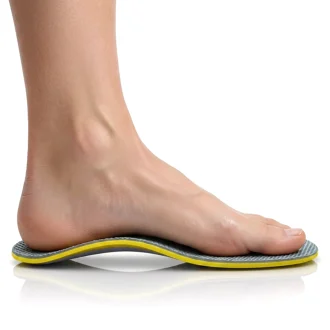
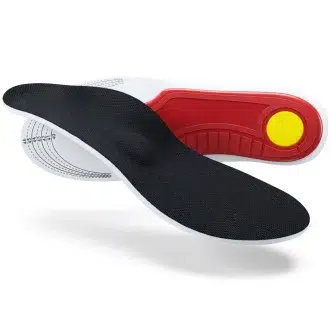
In some cases, arch support insoles can help, especially where the foot rolls in a lot or the arches are high and rigid. By helping to hold the arch at a more supported height, these can reduce how much the fascia is stretched and strained during the day.
Supportive shoes and insoles help control how much the plantar fascia is stressed with each step during the day, while the night splint helps stop the fascia and calf shortening back fully between those periods on your feet. Used together, they help smooth out the peaks of load on the plantar fascia.
When Physiotherapy or Podiatry Input Helps
Seeing a physiotherapist or podiatrist is particularly helpful when:
- Pain has been present for many months
- There is uncertainty about the diagnosis
- There are other joint or tendon problems as well
- Basic self‑care has not made enough difference
A clinician can:
- Assess how the foot, ankle, and leg move
- Identify particular weaknesses or stiff areas
- Prescribe tailored exercises
- Advise on footwear, insoles, and activity levels
In that setting, a night splint is one part of the plan. It deals with what happens when the foot is off the ground and resting, while exercises and footwear changes deal with what happens when standing and walking.
Left to grind on, this pattern often leads people to quietly change how they walk, which can start to upset other parts of the foot, ankle, knee or hip. Addressing it properly, with day and night measures working together, makes this less likely.
What to Expect Over Time
If the splint suits your pattern of pain and is used regularly alongside the daytime steps described above, this is how symptoms often change over time. Responses vary, but there are common patterns. It helps to separate getting used to the splint from changes in pain, and to have realistic expectations about timing.
Getting Used to Wearing the Splint
In the first week or two, the main changes are about comfort and awareness, such as:
- Noticing the splint more when settling to sleep or turning over
- Feeling a mild pull in the calf or under the foot when first putting it on
- A slight “just stretched” feeling when taking it off in the morning
These usually settle as you find a comfortable angle and strap tension and as the tissues adapt to being held in a slightly different position. This stage is more about adjustment than about big changes in pain.
Early Changes You May Notice
Over the next 2–4 weeks, once you are used to wearing the splint for longer periods, many people notice:
- The first steps in the morning are still noticeable but less sharply painful
- The time spent hobbling at the start of the day reduces
- Standing after sitting or driving produces less of a jolt through the heel
These changes reflect the pattern described earlier: because the fascia and calf are no longer allowed to shorten fully when resting, each restart involves a smaller, slower stretch through the sore area. That tends to be easier for irritated tissue to cope with. This is often when the benefit of taking the sharp edge off those first few steps becomes most obvious.
Longer‑Term Changes and Clear Limits
With steady night‑time use and good daytime choices, clearer improvements in morning and “after rest” pain are often reported over 4–6 weeks and beyond. For some people, this may mean:
- Waking up without dreading the first few steps
- Being able to walk more freely first thing
- Having more confidence to be on their feet at work or in daily life
It is important to stay realistic:
- A night splint helps many people, but not everyone responds in the same way.
- In some, pain is driven by other structures or conditions that need different treatment.
- If pain does not change, or becomes worse, despite a fair trial of regular use and sensible daytime measures, a further assessment is needed to confirm what is going on and plan next steps.
If you notice a clear, consistent improvement in how your first steps feel, it usually makes sense to keep using the splint and the other measures for long enough to make that improvement more stable, rather than stopping as soon as things ease. For many people, improvements follow this kind of pattern, but it is not the same for everyone. Some may notice changes sooner, others later, and some may need different or additional treatments.
Factors That Influence How Well It Helps
How quickly and how much things improve depends on several factors, including:
- How long the problem has been present and how severe it is
- Bodyweight and general health
- Job and daily activity levels, especially standing on hard floors
- How the foot is shaped and how it moves
- How consistently the splint is used and how well the angle is adjusted
- Whether supportive shoes, insoles, and exercises are also in place
These help explain why two people with seemingly similar pain can respond quite differently to the same support.
If, after a fair trial using it as directed, you notice no meaningful change in how your first steps feel, it is reasonable to stop and seek further assessment rather than persisting out of hope alone.
Who This Night Splint Is and Is Not Suitable For
This section is a quick guide to who is likely to benefit from a night splint of this type and when it is important to speak to a clinician before using one.
People Likely to Benefit
The FootReviver™ night splint is particularly aimed at the pattern described earlier, where:
- Heel or arch pain is most noticeable with the first steps after sleep
- Similar “start‑up” pain appears when standing after sitting or driving
- There is a diagnosis or strong suspicion of plantar fasciitis or plantar heel pain
- Persistent morning pain remains despite trying simple measures such as stretching and supportive footwear
It may also have a role, under professional advice, in some Achilles tendon problems and certain ankle stability issues where overnight posture and tissue length clearly affect symptoms.
When to Speak to a Clinician Before Using It
Speak to a GP, physiotherapist or podiatrist before using this splint if any of the following apply:
- Diabetes, especially with:
- A history of foot ulcers
- Reduced feeling in the feet (neuropathy)
- Known poor circulation to the legs or feet
- Known circulation problems in the legs or feet, such as peripheral arterial disease or previous vascular surgery
- Nerve‑related problems in the legs or feet that cause major weakness, loss of feeling, or altered position sense
- Skin issues in the area the splint would cover, including:
- Ulcers
- Open wounds
- Very fragile or easily damaged skin
- Recent surgery or major injury to the foot, ankle, or lower leg, unless a surgeon or clinician has specifically recommended a night splint
- Very stiff ankles or fixed deformity, where the foot cannot be comfortably brought near a right angle
In these situations, strap pressure and changes in joint position need careful consideration, as changes in feeling, blood flow, or skin strength can make pressure‑related damage more likely.
When a Splint Is Not the Right First Step
Do not rely on a night splint as the first or only response when there are signs that something more serious or different may be present. Instead, seek medical advice if:
- Pain starts suddenly and severely, particularly after a fall, twist, or impact
- The heel or ankle is very red, hot, or swollen
- Pain is present at night and does not ease with rest
- There are general symptoms such as fever, unexplained weight loss, or feeling generally unwell
- There is unexplained numbness, burning, or tingling in the foot or toes
- Pain is spreading, or affecting both feet in an unusual or worrying way
- There is a known history of inflammatory arthritis, autoimmune disease, or other systemic illness
These features can point to conditions such as stress fractures, inflammatory joint problems, or nerve issues that need proper assessment and treatment.
More detailed safety information and advice are included in the final section.
Other Conditions This Night Splint Can Help Support
The FootReviver™ night splint is designed first and foremost for plantar fasciitis and related heel pain. However, because it positions the ankle and foot in a set way, it can also play a part in managing some other problems where overnight posture and tissue length matter.
In these situations, it is usually one element in the overall plan, not the only measure. It is often best to use it on the advice of a clinician who understands your specific condition.
If your main issue is classic plantar fasciitis with morning and after‑rest heel pain, you may wish to move on to the next section. If you have been told you have one of the conditions below, the detailed overviews may help explain where a night splint could fit.
Why Choose the FootReviver™ Night Splint from Nuovahealth
The FootReviver™ Plantar Fasciitis Night Splint has been put together around the patterns commonly seen in people with heel and Achilles pain:
- Pain that is especially bad with the first steps after rest
- Calf muscles and plantar fascia that tighten when the foot is off the ground
- A need for something that can realistically be worn at night, not just in theory
Key points about this particular splint include:
- It holds the ankle and toes in a controlled, gently stretched position that targets both the plantar fascia under the heel and the calf–Achilles at the back of the ankle, without forcing the foot into an extreme or rigid angle.
- It is built for night‑time use, with padding, breathable fabrics, and adjustable straps, so most people can wear it for several hours without excessive discomfort.
- The adjustable design allows people to start with a milder stretch and then increase it over time, which is often important in long‑standing or very sensitive pain.
- The way it sets the foot and ankle can also help support some related tendon and ankle alignment problems, when used under professional guidance.
The strap positions, padding and angle range have been adjusted based on where clinicians regularly see people develop rubbing, pressure and discomfort — across the front of the ankle, the shin and the top of the foot — so the splint reflects how these conditions behave in day‑to‑day life, not just in theory.
There is a 30‑day money‑back guarantee, so it can be tried as directed for a reasonable period. The guarantee is there so you can give it a fair trial, wearing it as directed. If, after that period, it has not helped in the way hoped, it can be returned.
Because the position it holds is central to several common problems — plantar fasciitis, Achilles pain, and some inner‑ankle issues — it was designed from the outset to support not only classic plantar fasciitis, but also the Achilles and inner‑ankle patterns clinicians see again and again, when used under appropriate guidance. Many basic night splints hold the ankle in one fixed position. FootReviver™ is built to be more forgiving and adjustable, recognising that sore, long‑standing tissue rarely tolerates a “one‑size‑fits‑all” angle from day one.
Making Mornings Easier Again
By this point, the picture should be clearer: much of that first‑step pain comes from the way sore tissues behave when you are off your feet, not just from what you do when you are on them. Getting out of bed, walking to the bathroom, or standing up after sitting for a while can turn into something to brace for instead of something hardly noticed.
In simple terms, the pattern involves:
- A sore patch in the plantar fascia near the heel, often from repeated overload
- Calf and Achilles tissues that naturally shorten when the foot is off the ground
- Common sleeping and resting positions that let these tissues shorten fully
- First steps after rest that pull on them sharply with bodyweight
The FootReviver™ Plantar Fasciitis Night Splint is designed to change what happens during those resting periods. By holding the ankle near a right angle and gently lifting the toes, it keeps the plantar fascia and calf closer to their working length overnight and during rests. That reduces the sudden pull on sore tissue when standing and helps those first steps feel less like a shock.
For many people whose pain follows this pattern, using a night splint steadily, alongside sensible daytime measures, can mean:
- Less dread about getting out of bed
- Fewer painful, shuffling steps first thing
- Greater confidence about walking and standing at work and at home
If your heel or arch pain is at its worst with the first steps after sleep or sitting, and none of the safety cautions apply, the FootReviver™ night splint is a sensible, mechanism‑based option to consider trying for a few weeks. Wearing it most nights and combining it with the daytime steps outlined above gives it a fair chance to take the sharp edge off those first few steps after sleep and sitting.
It is not a guaranteed cure, but it is a realistic way to tackle one of the key mechanical drivers of plantar fasciitis‑type pain while you rest, rather than simply masking symptoms. The details here are general; a GP, physiotherapist or podiatrist can advise how this fits with your own situation.
Important Information and Health Disclaimer
The information on this page is general and is not a substitute for an assessment or advice from a GP, physiotherapist, podiatrist, or other qualified clinician. It is written for adult readers in the UK. No specific outcome can be guaranteed and responses vary from person to person.
When to Get Advice Before Using This Product
The FootReviver™ Plantar Fasciitis Night Splint is designed as a support for common soft‑tissue problems around the heel and ankle, especially plantar fasciitis and some tendon issues. It does not replace a proper medical assessment, diagnosis, or full treatment plan.
Speak to a GP, physiotherapist, podiatrist or other suitable clinician before using this product if you have:
- Diabetes, particularly if there is a history of:
- Foot ulcers
- Reduced feeling in the feet (neuropathy)
- Poor circulation in the legs or feet
- Circulation problems, such as:
- Known peripheral arterial disease
- Previous vascular surgery or known poor blood flow to the legs
- Nerve‑related conditions affecting the legs or feet that cause major weakness or loss of feeling
- Skin problems in the area the splint would cover, including:
- Ulcers
- Open wounds
- Very fragile or thin skin that breaks easily
- Recent surgery or major injury to the foot, ankle, or lower leg, unless a surgeon or clinician has specifically advised that this kind of splint is appropriate
- Marked swelling, redness, warmth, or obvious deformity of the heel, ankle, or foot
- A history of blood clots in the legs (deep vein thrombosis) or known clotting disorders
- Very stiff ankles or fixed deformity, where the foot cannot be comfortably brought close to a right angle
Because the splint uses straps and gentle pressure to hold the foot in position, people with circulation, nerve, or skin problems may be at greater risk of pressure‑related damage if it is used inappropriately. Professional advice helps balance these risks against any potential benefit.
Serious Symptoms That Need Prompt Medical Assessment
A night splint can reduce pain, especially the sharp pain on first standing. Less pain does not always mean the underlying cause has been fully dealt with. Do not rely on a splint alone if:
- Pain starts suddenly and severely, particularly after an injury, fall, or impact
- The heel or ankle is very red, hot, or swollen
- Pain is present at night and does not ease with rest
- There are general symptoms such as fever, unexplained weight loss, or feeling generally unwell
- There is unexplained numbness, burning, or tingling in the foot or toes
- Pain is spreading, or affecting both feet in an unusual or worrying way
- There is a history of inflammatory arthritis, autoimmune disease, or other systemic illness
These signs can point to problems such as stress fractures, inflammatory joint disease, or nerve conditions that need proper medical assessment and treatment.
Not a Stand‑Alone Cure for Plantar Fasciitis
The FootReviver™ night splint is intended to be part of sensible care for plantar fasciitis and related problems, not the only step taken.
Using a splint without also:
- Adjusting clearly aggravating activities where possible
- Reviewing footwear and using insoles if needed
- Working on stretching and strengthening
- Seeking help if pain is not improving
can leave the underlying problem unaddressed. If plantar fasciitis is left to rumble on or only partly treated, pain can become long‑term. Many people then change the way they stand and walk to avoid loading the sore area. Over time, this can put extra strain on:
- Other parts of the foot
- The ankle and Achilles tendon
- The knees, hips, and lower back
These knock‑on effects are another reason to deal with plantar fasciitis properly, rather than just taking the edge off the pain.
When to Stop Using the Splint and Seek Further Advice
Stop using the splint and get advice promptly if:
- The foot becomes very cold, very pale, or develops unusual colour changes while the splint is on
- Numbness, ongoing pins and needles, or a “dead” feeling develops in the foot and does not settle quickly after taking the splint off
- There are blisters, open areas, or broken skin under any part of the splint
- Pain under or around the splint is severe or clearly worsening
These signs suggest that the splint may be too tight, poorly fitted, or not right for your situation.
If in Doubt, Get It Checked
The FootReviver™ Plantar Fasciitis Night Splint is a carefully thought‑through support for common patterns of heel and tendon pain, but it will not suit everyone or every cause of heel pain. If there is any doubt about whether it is appropriate, or if symptoms are not improving as hoped, it is always sensible to arrange to speak to a GP, physiotherapist or podiatrist for assessment and tailored advice, rather than trying to manage the problem alone.
1 Review For This Product
Fast & Secure Checkout Through Paypal
Pay with Paypal the secure payment gateway that accepts all credit and debit cards. Paypal is free and secure and no credit or bank information is ever stored or shared with us.
Fast Dispatch
Enjoy your items soon with quick dispatch via Royal Mail. Expect to have your items between 1-3 working days for domestic orders. 7-10 Working days for international orders.
Return Policy – 30 Day Money Back Guarantee
In the unlikely event, you are unhappy with your purchase you can return it within 30 days for a refund. Please contact us via the form on the contact us page to start your return.
To return an item please send it to: Nuova Health UK, 81 Highfield Lane, Waverley, Rotherham, S60 8AL. Please include a note with your order id so we know who to refund. Please retain your postage receipt as proof of postage. All that we ask is that the item is in the original packaging and unused.
by Noor Ahmad
Extremely comfortable. A bit of a surprise that it’s only 1 that comes, should’ve read it 😅 I just assumed it would have two splints
Last time I bought splints, they just came as a pair. I don’t have a problem paying again for the 2nd, it’s just that I have to pay for postage twice
so guys, BUY TWO if you have issues in both feet you’ll save on postage 🙂