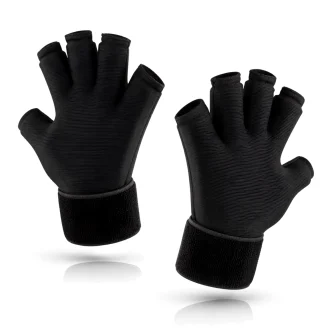
Raynauds Gloves
Raynaud’s Disease Gloves – Which Type Should You Choose?
Living with Raynaud’s means you already know how an episode can take hold. You’re sitting indoors, not particularly cold, and then it starts. The creeping chill in your fingers. The colour draining away. The numbness and clumsiness that make simple things like picking up a cup or turning a key feel hard.
If you’ve looked for Raynaud’s gloves before, you’ll have seen there’s no shortage of options. Some promise warmth, others promise compression, and plenty don’t give you a clear answer about which one you actually need. So let’s cut through that. The real difference between gloves comes down to what your hands are doing, where you are, and what triggers an episode for you.
You don’t have to settle on one pair, either. Some gloves are there to protect you before cold becomes a problem. Others support circulation through an ordinary day. And some are designed to actively warm your hands when they simply can’t warm themselves.
Let’s start with what an episode actually feels like.
What a Raynaud’s flare actually feels like
Think about holding a metal spoon that’s just come out of the freezer. The kind of cold that seems to reach deep into your fingers and stay there. That’s the sensation many people describe with Raynaud’s. It’s not a surface chill. It feels as though the cold is coming from inside your hands.
For most people, the first clue is colour. Your fingertips fade from normal to pale white, sometimes slipping into a bluish or purple tone. It can be subtle. Then you glance down and realise your hands don’t look like yours at all.
Numbness usually follows. Your fingers feel thick and detached. Tasks that should be automatic — picking up a mug, turning a key, buttoning a coat — suddenly need real concentration. Your fingers lose the precision they normally have without thinking.
When the episode passes, often because you’ve warmed your hands in some way, a different kind of discomfort arrives. That pins-and-needles sensation as blood rushes back. The throbbing. The ache. Sometimes a hot, prickly feeling, even though moments earlier your hands were freezing.
This cycle is disruptive, not just uncomfortable. Over time, Raynaud’s changes how you plan your day. You check the weather before leaving the house. You avoid the chiller aisle. You keep gloves within reach even in summer, just in case an air-conditioned room or a cold draught catches you off guard.
If that sounds familiar, what you’re experiencing is real. There’s a physical reason your hands react this way, and there are practical ways to manage it. But the right gloves are easier to choose once you understand what’s happening underneath the skin.
What is Raynaud’s disease?
Raynaud’s affects more people than many realise. It’s a condition in which the small blood vessels in your hands, and sometimes your feet, overreact to certain triggers. You might also see it called Raynaud’s phenomenon or Raynaud’s syndrome. They all describe the same underlying issue.
The most common trigger is cold. That could mean a drop in outdoor temperature, moving from a warm room into a cooler one, or even opening a freezer door. Stress and anxiety can also bring on an episode. When you feel stressed, your body’s natural threat response narrows the blood vessels in your hands and feet as part of a protective reflex.
With Raynaud’s, that response goes further than it should. The blood vessels narrow sharply, restricting the supply of warm, oxygen-rich blood reaching your fingers. With less blood in the tissues, your fingers lose colour and cool down quickly. They’re not getting the oxygen and nutrients they need, which is why you feel numb, stiff, and sometimes genuinely sore.
Symptoms can range from occasional mild stiffness to frequent, painful episodes that make daily life difficult. For some, Raynaud’s is a passing nuisance. For others, it affects work, hobbies, and confidence in ways that are hard to ignore.
Certain groups are more prone to Raynaud’s than others. It becomes more common with age, as circulation naturally becomes less efficient and blood vessels don’t respond as readily as they once did. Long-term health conditions that affect blood flow also raise the likelihood. Diabetes can damage small blood vessels over time. High blood pressure and high cholesterol put added strain on the vascular system. Oedema, when fluid builds up and hands feel swollen, often points to sluggish circulation. Neuropathy can interfere with the nerves that help regulate blood flow. And fibromyalgia frequently brings both widespread pain and cold sensitivity.
If you live with one of these conditions, Raynaud’s can feel like another layer to manage. That’s a good reason to find tools that genuinely help. But before we get to gloves, it’s worth understanding why they work — and why some work better than others for certain situations.
Why your hands react the way they do
Your body carries warm, oxygen-rich blood through a network of vessels to every tissue. Your hands sit at the very end of that network, furthest from your heart and core. Normally, blood flows steadily into them, keeping them warm and comfortable.
In Raynaud’s, those blood vessels are oversensitive. The moment they sense cold, or when stress triggers your body’s “fight or flight” response, they clamp down. This sudden, excessive narrowing is called a vasospasm.
Picture a hose squeezed near the tap. The far end gets almost no water. That’s effectively what happens in your fingers during a vasospasm. The vessel narrows, and the flow of warm blood to your fingertips drops sharply, sometimes almost stopping.
This explains the colour change. As the vessels narrow, blood is pushed out of the small vessels near the surface of your fingers. Your skin loses its natural pink tone and turns white. If the restriction continues, the lack of oxygen in the remaining blood can give your fingers a blue or purple tint. That in itself isn’t dangerous, but it’s a clear sign your hands aren’t getting the blood supply they rely on.
Numbness and stiffness follow for the same reason. Your nerves and soft tissues need a steady delivery of oxygen and nutrients. When that supply falls, your fingers start to tingle, feel heavy, and respond more slowly.
When the episode ends, usually because you’ve warmed your hands or your stress has eased, the blood vessels relax. Blood rushes back. This sudden return of flow brings that throbbing, aching, or prickling feeling that can be just as uncomfortable as the cold itself.
Here’s why this matters when choosing gloves. If Raynaud’s were simply about cold hands, any thick winter pair would do the job. But Raynaud’s is a circulation problem. Ordinary gloves trap heat and block cold air, which helps, but they don’t do much to keep blood moving. Specialist gloves are designed with both sides of the problem in mind.
Why a glove made specifically for Raynaud’s makes sense
There are two parts to a Raynaud’s episode: the trigger and the response.
The trigger is cold. When your hands encounter a sudden temperature drop, the blood vessels receive the signal to narrow. One of the best ways to prevent an episode is to stop that signal from reaching them. Keep your hands warm enough, and cold may not register as a threat at all.
The response is the vasospasm. Even with good insulation, episodes can still break through. Stress, an unexpected cold spot, or a day when the chill simply gets the better of you can all play a part. At that stage, the blood vessels have already narrowed. Your hands need help maintaining blood flow until they can settle again.
A glove designed for Raynaud’s addresses both needs. Some work through insulation. Some use gentle compression. Some add active warmth. Because these are different jobs, it’s unlikely that one glove will suit every situation. That’s why the NuovaHealth range includes three distinct styles: a base-layer glove for everyday support, a thermal glove for cold-weather defence, and a gel heat glove for moments when your hands need more help.
Each has its own strengths, limits, and ideal circumstances.
The NuovaHealth range: three gloves, three different jobs
Base-layer gloves: the pair you’ll reach for most days
It’s mid-morning on an ordinary Tuesday. The heating is on. You’re not cold. Yet your hands still carry that familiar pale, achy feeling. For many people, this is the most frustrating part of Raynaud’s — episodes that show up when you’re not even outdoors.
This is where a base-layer glove comes into its own. These are close-fitting, flexible gloves made to sit against your skin. Some feature light compression and structured support. Others focus simply on soft warmth in a slim fit.
The logic follows how circulation works. Gentle, even pressure around the hand and fingers helps keep blood moving through the small vessels close to the surface. That can ease the cold, stiff, uncomfortable sensation, especially when your hands are otherwise still. Whether you’re resting at a desk, holding a book, or watching television, the glove is doing quiet work in the background.
Because the fit is slim, you’ll barely notice you’re wearing them. Typing, writing, cooking, lifting — all of it stays manageable without the bulk of a heavy winter glove.
They suit indoor wear, daytime tasks, and those odd moments when your hands feel cold despite a warm room. Many people put them on first thing in the morning, when hands are often stiffest after a night of slower circulation, and keep them on through the day. They also sit comfortably under a thermal glove for extra protection outside. If you’re choosing a base-layer glove mainly for compression, getting the right size matters. More on that shortly.
Thermal gloves: your barrier against the cold
Cold has a habit of finding you at the worst moments. A bus stop on a grey morning. A train platform in a biting wind. A walk that starts mild and turns sharp within minutes. It doesn’t take long for that familiar warning to arrive — a chill that seems to settle deep in your hands — and you know an episode is on its way.
Thermal gloves are built to stand between your skin and the cold air. Their job is to keep your body’s own warmth close to your hands, so the temperature drop that triggers a vasospasm never reaches them. They work on the same principle as any good insulation: trapping a layer of still, warm air against the skin. Since air conducts heat poorly, that layer acts as a buffer.
There are two things to look for in a quality thermal glove. The first is the material. Insulation relies on trapping pockets of air, so the fabric tends to be thicker and softer than a base layer. The second is the cut. A glove that covers the wrist makes a meaningful difference, because a surprising amount of heat escapes there. The blood vessels in your wrist run close to the surface. When cold air hits them, they can narrow and send a chilled sensation down into your hand. A longer cuff helps hold warmth in and shields those vulnerable vessels.
Thermal gloves aren’t the best choice for fine, detailed work. That thickness which keeps you warm can get in the way of small objects or precise typing. But they’re the right choice when your hands are about to meet genuinely cold air. Put them on before you step outside, not after your hands have already stiffened. A thermal glove that does its job can stop an episode before it starts — which is far more comfortable than trying to warm up afterwards.
Gel heat gloves: active warmth when your hands need rescuing
There are times when insulation alone won’t cut it. You’ve been outside longer than planned. You misjudged the temperature. An episode has taken hold, and your fingers have turned white and numb. In that situation, your hands can’t easily warm themselves because the blood vessels have narrowed and very little warm blood is getting through. Waiting for your circulation to resolve things can be slow and deeply uncomfortable.
Gel heat gloves approach the problem differently. Instead of relying on your body to generate heat, they contain a gel lining that you warm before wearing — in a microwave or in hot water, depending on the product instructions. The gel then releases that stored warmth gradually, directly into your hands.
This matters because the heat comes from an external source. It isn’t dependent on your blood vessels doing the right thing. During a vasospasm, even the best thermal glove can only trap whatever warmth your body is producing — and if blood flow is restricted, that isn’t much. Gel heat gloves bring warmth from the outside in, bypassing the circulation problem. That heat penetrates the skin, encouraging the blood vessels near the surface to relax and helping circulation settle back into a normal rhythm.
These gloves are particularly useful in two scenarios. The first is pre-warming: heating your hands before going out into the cold, so your fingers start from a comfortable place rather than a chilly baseline. If your hands are already warm, it takes longer for cold air to bring them down to the trigger point. The second is rewarming: when an episode has already started and your hands need active help to recover.
Gel heat gloves aren’t meant for full-day wear. They’re for shorter, focused sessions — fifteen or twenty minutes before heading out, or after returning home in need of relief. Because they deliver heat directly to your skin, it’s essential to follow the heating instructions for your specific pair. Test the temperature before putting them on. It should feel pleasant, not uncomfortably hot.
If you have diabetes, neuropathy, or reduced sensation, extra care is needed with any heated glove. Heat that feels gentle at first can build without you noticing, and burns are possible when temperature awareness is dulled. Check your hands visually while wearing heated gloves, and if you have any doubt at all, speak to a healthcare professional before using them.
Wearing them together
There’s no rule that says you need to choose one type. In fact, combining them is often the most effective strategy during winter.
A base-layer glove under a thermal glove gives you two layers of benefit. The base layer sits against your skin, providing gentle compression and support to encourage circulation through the small vessels of your hands. The thermal glove on top adds insulation, protecting you from cold air and holding in the warmth your body generates. Together, they offer a stronger defence than either glove on its own. One works on circulation, the other on cold protection.
Gel heat gloves cover the moments that slip through. Use them to pre-warm before extreme cold, or to rewarm once you’re back inside. Some people wear them over a thin base-layer glove for extra comfort and to keep the gel from pressing directly against sensitive skin — though it’s always worth checking the product guidance first.
Think about what your day involves, then choose accordingly. That’s the practical approach.
Other hand conditions where these gloves may also help
Although Raynaud’s is a circulation problem, these gloves offer warmth, support, and in some cases gentle compression. That means they can be useful for other hand conditions with similar symptoms — cold sensitivity, joint stiffness, poor circulation, or soft tissue discomfort. Each condition below responds to a different aspect of what these gloves do. The information is guidance, not a diagnosis. If you’re unsure whether warmth or compression is right for you, a healthcare professional will be able to advise.
Arthritis: when morning hands feel like they belong to someone else
You know the feeling. You wake up and your hands are stiff, swollen, and reluctant to move. It can take several minutes of gentle coaxing before you can properly close your fingers. Overnight, your joints have been still. The lubricating fluid within them becomes sluggish, and the cooler temperature reduces blood flow to the tissues near the surface. That combination makes your hands feel tight and tender before the day has even begun.
Heat is one of the most reliable ways to ease that morning stiffness. It encourages blood flow to the joint area and helps the muscles around painful joints relax. Many people with arthritis instinctively reach for a warm mug or run their hands under warm water first thing. A pair of soft gloves can do that job more consistently, holding your body’s warmth against your hands through the slow, stiff start of the day. A base-layer glove is a popular choice here because it’s slim enough to wear while making breakfast or moving around the house, yet supportive enough to keep the joint tissues warm and supple.
If your arthritis involves swelling, light compression may help by limiting the build-up of fluid around tender joints and giving your fingers a sense of stability when you grip or pinch. The key word is light. If a joint is hot, red, and acutely inflamed, firm compression is the last thing it needs. Active inflammation responds better to rest than to pressure. So if you try a glove and it feels uncomfortable, switch to a looser thermal style. Your hands will tell you what works.
Gout: not just a big-toe problem
Most people associate gout with sudden, excruciating pain in the big toe. When it strikes the hands, it takes people completely by surprise. Gout is a form of inflammatory arthritis caused by uric acid crystals forming inside a joint. Those crystals trigger a fierce immune response. The joint becomes red, swollen, shiny, and so exquisitely tender that even a light brush of fabric hurts. In the hands, gout most often targets the joints at the base of the fingers or around the middle knuckles.
If you’re having an acute gout attack, a glove is not the answer. The joint is already hot and swollen. Adding heat or compression will only make it angrier. Your own body heat is more than enough — the priority is rest, elevation, and letting the flare subside under medical advice.
The real opportunity for gloves comes between attacks. People with recurrent gout in their hands often live with a dull, lingering ache in those same joints. Cold makes that ache more noticeable, because reduced blood flow concentrates the discomfort in already sensitive tissue. A soft thermal glove worn during daily activities can keep the hands comfortably warm, reduce the cold-related aggravation, and make that background ache easier to ignore. Just be careful to avoid wearing any glove over a joint that feels inflamed — if it starts to throb, take the glove off.
Carpal tunnel syndrome: when night-time numbness breaks your sleep
Carpal tunnel syndrome often announces itself in the small hours. You wake with a hand that feels completely dead. You shake it. You hang it over the side of the bed. Then the pins and needles flood back, and the hand slowly wakes up. It may happen once, then again, and soon it becomes a regular pattern that robs you of sleep.
The source of the problem is a narrow passageway at the wrist. The median nerve, which supplies sensation to most of your hand, runs through this tunnel alongside the tendons that curl your fingers. There isn’t much spare room in there. When the tissues inside become swollen — through repetitive hand use, pregnancy, diabetes, or arthritis — the nerve gets squeezed. That pressure produces tingling, numbness, and weakness, especially in your thumb, index, and middle fingers.
Where do gloves come in? Cold plays an aggravating role. When your hands get cold, the blood vessels narrow and the tissues around the nerve become less well nourished, which amplifies the tingling and numbness. A supportive glove worn at night can help in two ways. It keeps the hand warm, reducing cold-related aggravation, and the gentle compression provides a sense of stability that some people find comforting. But this is one condition where the right glove matters enormously. The carpal tunnel is at the base of the palm. If your glove presses there, it will add pressure to an already compressed nerve and make your symptoms worse — the exact opposite of what you want. Choose a glove that fits comfortably around the wrist and palm without any tight band across the middle. If you notice any increase in tingling or numbness, stop wearing it immediately.
Repetitive strain injuries: when your hands never seem to get a break
Repetitive strain injury, or RSI, isn’t one single diagnosis. It’s an umbrella term for several related problems that develop when you repeat the same hand movements over and over, day after day. It creeps up slowly. You might spend your workday typing, clicking, gripping a tool on a production line, or lifting and carrying boxes. The first sign is often a mild ache at the end of the day — easy to dismiss. Then the ache starts appearing earlier. Eventually, it’s there from the moment you start work, and it begins to interfere with the tasks that caused it.
The underlying problem is mechanical. Every repetition causes a tiny amount of strain in the muscles, tendons, and soft tissues of the hand and forearm. Normally the body repairs that strain overnight. But when the same motions happen day in, day out without adequate recovery, the tissues become progressively more irritated. Hands feel tight, tired, and sometimes go into protective spasm, which limits movement even further.
This is where light compression can make a meaningful difference. A base-layer glove keeps the soft tissues warm throughout the day. Warmth encourages blood flow to overworked muscles, which helps them relax instead of staying tense. The glove also serves as a physical reminder to check your grip. Most people hold keyboards, mice, and tools with far more force than they need. A glove can make you conscious of that excessive tension, prompting you to ease off.
RSI is notoriously stubborn, so gloves are only one part of a good strategy. Proper workstation setup, regular breaks, and specific stretches are often just as important. If the pain has been persistent for more than a few weeks, it’s worth seeing a physiotherapist. They can assess your posture, your movement patterns, and your equipment, then tailor a recovery plan to your specific situation.
Tendonitis: the painful catch when you straighten your finger
Tendonitis is inflammation of a tendon — the strong cord that connects muscle to bone. In the hand, it commonly affects the tendons on the back of the hand or around the base of the thumb. The signature sign is a sharp pain when you grip, or an odd catching sensation when you try to straighten a finger. That catch is the tendon struggling to slide through the thin sleeve that surrounds it. When the tendon is inflamed, it becomes slightly swollen and rough, so it snags instead of gliding smoothly.
Hand tendonitis usually develops from overuse. Repeated gripping, twisting, pinching, or awkward hand positions can irritate the tendon along its sheath. Gardening, DIY, carrying heavy shopping bags, and repetitive manual tasks are all common culprits. The pain might be a dull ache at rest, but it turns sharp with certain movements.
The acute phase — when the area is hot, swollen, and genuinely painful — is not the time for compression or heat. Rest comes first. Putting pressure on an actively inflamed tendon can make the injury worse. Once the inflammation has settled and you’re starting to move the hand normally again, a supportive glove can help ease the transition back to activity. It keeps the tendon warm, which helps it stay supple and glide more smoothly, and it gives the hand a degree of support while the tendon continues to heal. If a glove makes the pain worse instead of better, that’s a sign your tendon isn’t ready for it yet. Stop wearing it and give it more time.
Sprains and strains: protecting the healing hand
Hand sprains and strains are far more common than people expect. A fall onto an outstretched hand, an awkward catch, or a finger twisted during sport can stretch or partially tear the ligaments that connect bones at a joint — that’s a sprain — or the muscles and tendons that move the hand — that’s a strain. The immediate aftermath is familiar: swelling, bruising, and pain, as the injured tissue bleeds into the surrounding area and the body mounts its repair response.
In those first few days, a compression glove is not what you want. The tissue is already swollen and vulnerable. Standard first aid is rest, ice, and elevation. You should also avoid anything that pulls or stresses the injured structures.
Once the swelling goes down and you’re beginning to use the hand normally again, a supportive glove can step in. Healing relies on a good blood supply, and warmth encourages blood flow to the area. The glove also provides a sense of security — a gentle reminder not to push the healing tissue too hard, especially when you return to sport, heavy lifting, or a busy daily routine. Healing takes weeks, not days, and it’s easy to accidentally re-injure a hand simply by forgetting it’s still vulnerable. A supportive glove helps bridge that fragile gap between “feels almost better” and “actually healed.”
Oedema: when your hands feel tight and puffy
Oedema has a distinctive feeling. Your hands feel too full. Your rings seem to have shrunk overnight. When you make a fist, your fingers feel thick and resistive. What’s happening is that the tiny blood and lymph vessels that normally drain fluid from the tissues aren’t keeping up. Fluid builds up in the spaces between your cells, leaving your hands heavy, stiff, and uncomfortable.
Several things can bring this on. Warm weather widens blood vessels, allowing more fluid to seep into the tissues. Prolonged inactivity — especially with your hands hanging at your sides — lets gravity pull fluid downward. Some medical conditions, particularly those affecting the heart, kidneys, or lymphatic system, cause oedema as part of a broader pattern of fluid retention. Pregnancy can also bring it on.
Compression gloves are one of the most effective non-medical ways to address oedema. The gentle, even pressure they apply around the hand and fingers physically encourages the trapped fluid back into the circulatory system, where it can be carried away and processed normally. That’s why people with oedema often notice an almost immediate reduction in that tight, puffy feeling when they put one on.
However, oedema is not something to self-manage without knowing its cause. If your swelling is related to a heart, kidney, or lymphatic condition, compression gloves need to be part of a properly planned approach agreed with your GP or specialist. And because a glove that’s too tight can worsen the problem by acting as a tourniquet, accurate sizing is non-negotiable. When in doubt, have your hands measured.
Chilblains: when cold leaves its mark on your skin
If you’ve ever come in from the cold and noticed small, red, intensely itchy swellings on your fingers, you’ve met chilblains. They tend to appear a few hours after cold exposure, often on the sides of the fingers or on the tops of the toes. The skin feels tight, burns, and itches in a way that makes you want to scratch — though scratching only makes them worse.
Chilblains happen because the small blood vessels in the skin overreact to cold. They constrict sharply, then on rewarming they dilate too quickly. That sudden expansion lets fluid leak into the surrounding tissue, triggering inflammation. The same cold trigger that sets off Raynaud’s can also provoke chilblains, and some people experience both.
The best way to deal with chilblains is to prevent them from starting. Keeping your hands warm before you step outside — with thermal or base-layer gloves — stops the cold from reaching the skin and initiating the reaction. Gel heat gloves can be useful for pre-warming on very cold days, as they raise the skin temperature before exposure.
One word of caution: if chilblains are already present, treat the skin gently. Intense direct heat can make the itching and swelling worse by driving blood rapidly back into inflamed tissue. A warm glove that holds your body’s steady heat is far better than a hot pack pressed against the skin. And skip compression gloves over an active chilblain — the pressure will irritate the inflamed area. Let the skin settle first.
If chilblains are frequent, persistent, or break open, that’s worth a conversation with your GP, as it can sometimes point to an underlying circulation issue.
Neuropathy: when sensation lets you down
Neuropathy can make your hands feel as though they’re not quite yours. They might tingle. They might burn. They might go numb without any obvious reason. Or you might experience strange crawling sensations, as though something is moving under your skin. These symptoms arise from damage or dysfunction in the peripheral nerves — the ones that carry messages between your hands and your brain.
One of the more dangerous consequences of neuropathy is losing the ability to judge temperature accurately. The body’s temperature regulation works as a feedback loop: your skin detects cold, signals the brain, and the brain adjusts blood flow to keep your hands warm. When neuropathy interferes with that loop, your hands can grow cold without you noticing — and worse, you might not feel when they’re becoming too hot.
Warmth can be genuinely soothing for many people with neuropathic discomfort. A soft, warm pair of gloves can calm some of the burning or tingling and bring a sense of comfort to hands that feel restless or uncomfortable. That’s one reason why thermal gloves are often helpful here — they provide steady, gentle warmth with no external heat source to worry about.
The caution with any actively heated glove, however, is serious. If you can’t fully feel heat, a glove that’s too warm can cause a burn without you realising it until it’s too late. If you do use heated gloves, use the lowest effective temperature, check your hands visually at regular intervals, and take them off well before you think you might need to. And please speak to your doctor before using any heated glove product if you have known neuropathy.
Diabetes: why extra care is needed
Diabetes can affect your hands in several ways at once. High blood sugar damages small blood vessels over time, reducing circulation and making your hands feel cold more easily. The vessels also become less flexible, meaning they can’t widen and narrow in response to temperature as well as they should. On top of that, diabetes often causes neuropathy, which — as we just discussed — can leave your hands numb to both cold and heat.
Keeping your hands warm is generally a good idea, and thermal gloves are a safe place to start. They work by trapping the warmth your body naturally produces. There’s no external heat source, nothing that could get too hot, and no risk of burning if you fall asleep while wearing them. That makes them the low-risk option for anyone with diabetes who wants comfortable hand warmth.
Compression is a different matter. Because diabetes can affect the small blood vessels, adding external pressure from a tight glove could reduce blood flow further, which is the opposite of what you want. That’s why compression gloves should only be used after a conversation with your GP or diabetes care team. If you do use them, check your hands carefully for red marks after each wear. Similarly, if you’re considering heated gel gloves, the caution about sensation applies to you even more strongly. Please read the heated glove safety advice in this guide and discuss it with your healthcare team first.
Fibromyalgia: when cold makes everything ache
Fibromyalgia is a condition that alters how your body interprets pain. The tissues in your hands aren’t necessarily damaged, as they might be in arthritis or tendonitis. Instead, the nervous system processes pain signals differently, amplifying sensations that other people would barely register. Cold is a classic amplifier. When your hands get cold, the blood vessels narrow and your muscles tense up — and in a nervous system that’s already firing too loudly, those normal responses become genuinely painful.
There’s another layer to this. Many people with fibromyalgia experience skin sensitivity — a condition called allodynia, where light touch that shouldn’t hurt is experienced as painful. That means a glove that feels like comfortable support to someone else can feel intolerably tight, even agonising, when you have fibromyalgia. It’s not a matter of “getting used to it.” The nervous system is treating that pressure as a threat.
This makes soft thermal gloves a much better choice than compression gloves. They provide warmth without applying firm pressure to sensitive skin. Choose a style with flexible fabric that moves with your hand, rather than gripping it. Try wearing one glove for a few minutes at first to see how your skin responds. If it feels tolerable, great. If not, a looser option might work — or you may find that no glove suits your skin sensitivity, and other warming strategies work better for you.
How to wear your gloves and what to expect
Gloves only help if they’re worn correctly and at the right times. How you put them on, how long you wear them, and what you expect them to do all influence how useful they’ll be.
Getting the fit right
Fit is the most important factor. Too tight and a glove can restrict blood flow, making Raynaud’s worse. Too loose, and it won’t provide the warmth, support, or compression you need.
When putting on a glove, slide it over your hand palm-first, then ease each finger in separately. Smooth the fabric over your wrist and make sure there are no twisted areas or bunched folds across your palm. Your fingertips should sit snuggly without excess fabric at the ends. Run your other hand along the seams to check nothing is digging in or catching between your fingers.
The glove should feel close-fitting. It shouldn’t leave deep marks on your skin, cause numbness, or make your fingers feel restricted. You should still be able to move naturally. If you wear gloves at night, pay particular attention to wrist fit. Many people bend their wrists while sleeping, and a glove that bunches or presses there can create new problems.
Always measure before ordering. Most product pages provide sizing guidance based on the widest part of your hand, just below the fingers, along with hand length and wrist measurement. If you find yourself between sizes, think about the purpose. A base-layer glove worn for long periods might be better in a slightly larger size. A thermal glove used outdoors can be firmer, since a closer fit traps a thinner, more effective layer of warm air.
Wearing base-layer gloves through your day
Base-layer gloves are suited to long periods of wear. Put them on first thing in the morning, when your hands are often stiffest after a night of slow circulation, and leave them on as you make breakfast, move around the house, or settle into your day. If your hands cool down during activities that keep them still — typing, reading, holding a book — wearing them throughout is a good idea. Compression also works best when your hands are otherwise inactive, because it provides the gentle external stimulation that circulation needs when your own movement isn’t helping pump blood along.
There’s no strict maximum wear time, but give your hands a break now and then. Taking the gloves off after a few hours, checking your skin, and letting your hands rest briefly can prevent irritation. This is especially relevant with compression gloves, since prolonged pressure without a break can cause discomfort if the fit isn’t perfect.
Wearing thermal gloves outdoors
Thermal gloves are most effective when put on before going outside — not once your hands have already started to stiffen. Indoors, give them a minute to settle against your skin and build up warmth. That layer of warm air is what protects you when you step into the cold. Think of it as pre-warming the glove.
Keep them on while outdoors. If you pop into a shop or a warm building, it’s often better to remove them. Going from warm to cold and back again can make your hands sweat, and damp fabric conducts heat away much faster than dry fabric. A sweaty glove can leave you colder when you step back outside.
If you’re wearing a base layer underneath, don’t be tempted to skip the thermal layer on milder days. Wind can be deceptive. A breeze that doesn’t feel harsh can still trigger a vasospasm. It’s better to have the extra insulation and not need it than to be caught without it.
Using gel heat gloves safely
Gel heat gloves require more thought than the other styles, because they introduce heat from an external source.
Read the manufacturer’s instructions carefully. Heating times vary between products. If the gloves are designed for a microwave, warm them in short bursts, often around twenty to thirty seconds, and check the temperature between bursts by pressing the outside of the glove or testing the inside against your wrist. You want pleasant warmth, not intense heat. If they feel too hot, let them cool. The gel holds heat for a long time.
If warming the gloves in hot or boiling water, allow them to cool enough before wearing. The gel retains heat longer than the surface suggests. Give them a few moments to settle and test the lining before putting them on.
Wear gel heat gloves for focused periods. Fifteen to twenty minutes of pre-warming before going out, or rewarming once you’re back inside, is usually enough. Don’t sleep in them and don’t keep them on for extended stretches. The aim is to return your hands to a comfortable temperature, not to rely on external heat indefinitely. If you’re reaching for heated gloves frequently every day, it may be worth checking whether your base-layer and thermal gloves are working well enough for your circumstances.
What you should notice over time
Gloves don’t cure Raynaud’s. They protect and support your hands, and that’s the right way to view them.
In the short term, you should notice a clear improvement in comfort. Cold hands will feel warmer. Stiff fingers may ease. The frequency or severity of episodes can reduce if cold isn’t reaching your skin in the first place.
What gloves won’t do is change how your blood vessels respond. But they can reduce the number of triggers reaching your hands, support circulation when vessels do narrow, and help your hands recover more quickly when an episode happens.
There’s a less obvious benefit too. Worrying about cold hands can make the problem worse, because stress narrows blood vessels. Knowing you have a workable plan for cold days tends to ease that underlying anxiety — and by doing so, it removes one more trigger.
Over time, many people find their hands feel more stable through winter. Episodes become less intrusive, and ordinary days feel easier to manage.
Looking after your gloves
How you wash and dry your gloves makes a direct difference to how long they last. Both insulation and compression depend on the fabric structure staying intact.
Most base-layer and thermal gloves are best hand-washed in lukewarm water with a mild detergent. Machine washing can damage the fabric, influence the fit, and shorten working life. The agitation of a cycle can stretch elastic fibres and distort shape — even a gentle cycle is harder on delicate knit than hand washing. Always check the label.
Squeeze excess water out gently. Don’t wring, as that can stretch the material. Rolling the gloves in a clean towel and pressing lightly removes water without stressing the fabric. Dry them flat, away from heat sources and direct sunlight. Radiators can damage fibres and stiffen or shrink the material.
Check your gloves periodically. Compression gloves lose elasticity with time. Once they feel loose, they’re no longer giving effective support. Gently stretch the fabric as a test — it should return to shape quickly. Thermal gloves can develop thin patches from friction, reducing their insulating ability. Run your fingers over the surface to check for piling or wear. Gel heat gloves should be inspected for cracks or leaks in the gel lining. If a compartment leaks, the glove is done.
With proper care, a decent pair should last several winters. But no glove lasts forever. When they stop performing, replace them rather than falling back on an item that no longer protects you properly.
When to speak to a healthcare professional
Gloves are a useful self-management tool for Raynaud’s, but they’re only part of the picture. There are times when seeking medical advice is the responsible step.
If you’re experiencing Raynaud’s-like symptoms for the first time and haven’t had a formal assessment, see your GP. What looks like Raynaud’s can sometimes be a symptom of another underlying condition. That’s especially relevant if the symptoms appeared recently or if you’re in an age group where Raynaud’s is less typical. When Raynaud’s begins suddenly later in life, or appears alongside joint pain, skin changes, or unexplained fatigue, it can sometimes be secondary to an autoimmune or connective tissue disorder. A proper assessment can determine whether you’re dealing with primary Raynaud’s or something broader.
If your episodes are changing — becoming more frequent, lasting longer, or becoming noticeably more painful — that’s worth discussing too. A shift in your usual pattern deserves proper attention, as it can point to an underlying change in circulation or health.
If symptoms consistently affect only one hand, or only certain fingers, mention that as well. This pattern can point to a local issue with blood vessels rather than the generalised response usually seen in Raynaud’s.
You should also get prompt medical help if you notice:
- Fingers that remain white, blue, or painful long after warming.
- Sores, ulcers, or breaks in the skin on your fingers or hands.
- Persistent burning, tingling, or severe pain after an episode.
- Signs of infection around the fingertips.
- New or unexplained symptoms that feel different from your usual pattern.
If you have diabetes, reduced sensation, or a condition affecting your circulation, talk to a healthcare professional before using compression gloves. Compression changes blood flow and needs careful fitting. The same applies during pregnancy or if you have known problems with the veins or blood vessels in your arms.
It’s also worth remembering that Raynaud’s can sometimes be secondary to an autoimmune condition. If you’ve been managing symptoms for a while but haven’t checked in with a doctor recently, a review is a sensible idea. Your GP can ensure nothing has changed and can let you know whether any prescribed options might support what you’re already doing.
A glove is a tool. It isn’t a treatment plan. Used wisely, and combined with professional advice when appropriate, it’s a practical way to protect your hands through winter.
Conclusion: choosing the right gloves for your hands
There’s no single “best” glove for Raynaud’s. The right one depends on what your days look like, what triggers your symptoms, and how much protection you need.
If your hands feel cold, stiff, or achy through ordinary daily life — indoors, at work, doing everyday tasks — start with a base-layer glove. It’s slim, supportive, and easy to wear for long stretches. For many people, this becomes the pair they reach for most.
If cold air is your main trigger — walking, commuting, spending time outdoors — add a thermal glove. Put it on before going out. It stops the cold from reaching your skin and starting an episode in the first place.
If episodes still find you, keep gel heat gloves as backup. They don’t rely on your circulation to provide warmth. They deliver it directly, which makes them particularly valuable during a vasospasm.
There’s no need to limit yourself to one style. A base layer under a thermal glove gives you both circulatory support and strong insulation. A gel heat pair then covers the moments that sneak through.
If you’re still unsure which type fits your experience best, our customer care team is happy to help you think it through. All gloves in this range come with a 30-day money-back guarantee, so you can try one in your own daily routine and judge the difference for yourself. If it’s not right, you can send it back.
Choose the glove that matches the situation you face most often. It’s a simple decision, but it can make a real difference to how much cold disrupts your day.
-
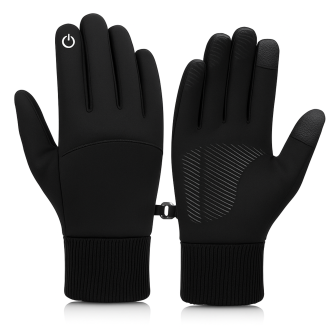
NuovaHealth Thermal Gloves for Chilblains
- NuovaHealth Thermal Gloves: are designed to be a key part of your strategy for managing chilblains and maintaining hand comfort in cold weather.
- Targeted Warmth: Provides consistent, gentle insulation to help protect hands from the cold and reduce the temperature swings that can trigger chilblains.
- Weather Protection: Features a water-resistant outer layer and windproof cuffs to shield against dampness and chilly gusts.
- Comfortable & Breathable: A soft, breathable lining and a comfortable fit for all hand sizes help prevent irritation and manage moisture during wear.
- Everyday Convenience: Touchscreen-compatible thumbs and index fingers allow you to use your devices without exposing your skin to the cold.
- Secure & Durable: Silicone grips on the palms and fingers enhance hold, while reinforced stitching in key areas ensures long-lasting use.
- Available in Multiple Sizes: Offered in Medium, Large, and XL for a precise, effective fit.
- Confidence in Your Purchase: Backed by a 30-day money-back guarantee.
£11.99inc VAT -
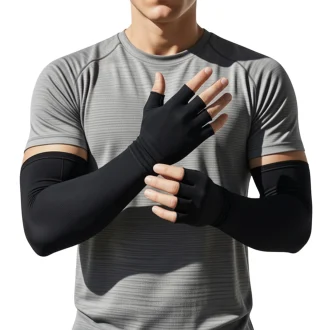
RevitaFit CRPS Gloves — Full‑Length Compression for the Forearms, Hands and Fingers
- Full‑length compression gloves designed for CRPS affecting the forearms, hands, and fingers
- Soft, low‑friction inner surface that helps reduce sting from light contact and makes first movements after a rest feel easier
- Close‑fit knit that keeps warmth next to the skin to steady fingertip temperature in a cool room
- Light, even compression that supports venous and lymphatic flow, helping to reduce puffiness through the day
- Forearm‑to‑fingertip coverage that supports steadier hand and finger control and can lower perceived fatigue
- Slim, layer‑friendly profile for discreet wear or pairing under a thermal glove
- Breathable fabric that reduces chill and stickiness when skin is damp
- Odour‑control copper‑infused yarn that helps the garment stay fresher between washes; comfort‑focused, not a treatment for infection
- Anatomical shaping, edge‑stable cuff, and tagless labelling for smoother contact with fewer pressure points
- Low‑profile grip and easy on/off aids for steadier handling and a gentler start‑up
- Reinforced high‑wear zones for a consistent feel over time
- Covered by a money‑back guarantee for 30 days from receipt, in original condition
£14.99inc VAT -
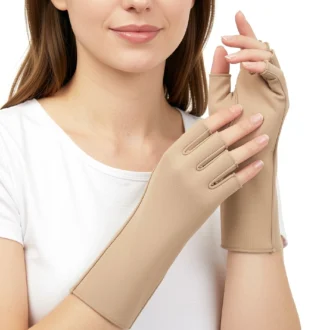
Arthritic Gloves By RevitaFit™
- RevitaFit compression gloves steady support for sore, stiff hands: RevitaFit arthritis compression gloves combine gentle warmth with light–mid compression in a slim, fingerless build—so you can type, cook, craft or garden with less stiffness and strain.
- Experience relief and steady support: Light–mid compression (set by the size you choose) can reduce puffiness, ease stiffness and steady your grip, while gentle warmth around key joints makes everyday tasks feel easier.
- Choose your fit: Unisex S/M/L sizes. Measure around your knuckles (MCP line). If you’re between sizes, pick smaller for a firmer feel or larger for comfort. Snug, not painful—no tingling or colour change.
- Fingerless comfort with a smooth interior: Fingerless design keeps your touch precise, and outside seams leave the inside smooth to minimise rubbing over tender knuckles and finger edges.
- Ergonomic movement and steadier pinch: An ergonomic shape supports natural movement, while a reinforced thumb web spreads pinch load at the thumb base for more controlled grip.
- Extended wrist cuff that stays put: Gentle wrist coverage helps the glove stay in place as you grip, carry and reach—without restricting your range of motion.
- Breathable warmth, quick‑dry comfort: A soft, four‑way stretch knit holds soothing warmth without feeling clammy and rebounds to keep its fit. Slim enough to wear under thermal gloves or mittens on colder days for extra comfort and support.
- Built for daily use: Double‑stitched stress points improve day‑to‑day durability at the cuff and between fingers. Easy care to maintain support.
- Recommended uses: Hand osteoarthritis (fingers and thumb base), inflammatory‑arthritis symptoms under medical care, everyday hand swelling, cold‑sensitive hands/Raynaud’s in the hand, mild tendinopathy around the wrist or thumb base, overuse/repetitive‑strain discomfort, and mild hand hypermobility.
- 30‑day reassurance: Try them for 30 days. If they’re not right for you, return them in original condition for a refund under our fair‑use money‑back guarantee.
- Take care of your hands today: Choose your size, pick your preferred feel, and wear them during the tasks you do most to see the difference.
£10.99inc VAT -
Gel Raynaud’s Disease Recovery Gloves
- Meet the Gel Raynaud’s Disease Recovery Gloves — the fast, drug-free way to warm hands that get painfully cold, stiff, numb or white in response to cold or stress.
- Pop them in the microwave for around 90 seconds, and the gel lining delivers steady, penetrating heat right into your fingers and palms.
- Unlike ordinary gloves that just trap your body heat, these supply external warmth that helps blood vessels relax and lets blood flow back into your fingertips.
- The adjustable wrist wrap gives gentle, controllable compression to support circulation and ease swelling, heaviness and aching.
- They can also be cooled in the fridge or freezer to calm hot, throbbing or puffy hands — ideal for arthritis flare-ups or after a Raynaud’s episode.
- Made for real life: soft, breathable and flexible enough to type, drive, do chores, or even sleep in.
- Useful for Raynaud’s, poor circulation, chilblains, neuropathy, carpal tunnel syndrome, overuse injuries, tendonitis, oedema and arthritis.
- Choose a single glove or a pair, depending on whether one hand or both need help.
- No complicated routine — warm, put on, adjust, and feel your hands come back to life.
- Backed by a 30-day money-back guarantee, so you can try them with total confidence.
Price range: £24.99 through £44.99inc VAT -
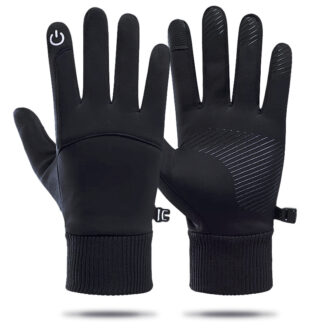
Winter thermal gloves for running & outdoor sports
- 1x Pair of Winter thermal gloves for running & outdoor sports
- For both Men & Women
- Available in sizes Medium, Large & XL (We suggest a size Medium for Women and those with a smaller hand size)
- Made from highly insulating fabric that traps your body heat keeping your hands warm and comfortable even under extreme cold outdoor temperatures
- Features touchscreen thumbs and index fingers that allow you to easily and conveniently use a touchscreen device such as your smartphone or tablet without having to take the gloves off and expose your hands to the cold
- Ideal for wearing for a multitude of outdoor activities such as Running, Camping, Hiking, Cycling, playing sports such as Football and Rugby or even snowball fights!
- Features silicone grips located on the palms and fingertips to help give you more grip and stop objects from slipping from your hands
- The windproof cuffs and the waterproof outer layer material will keep your hands protected against the harsh winter elements such as the wind and rain
- Sleek, lightweight, discreet and non-bulky means wearing these gloves wont cramp your style
- For people who suffer from poor circulation and arthritis we recommend combining wearing these gloves with a pair of our compression gloves underneath during the colder winter months to help boost circulation in your hands and ease aches and pains
- Includes a full 30 day money back guarantee!
£11.99inc VAT -
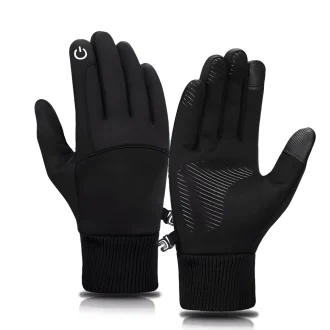
Touchscreen Warm Thermal Outdoor Gloves
- 1x Pair of Touchscreen Warm Thermal Outdoor Gloves designed to protect and insulate your hands from the cold winter weather but still allow you to use your favourite smart touchscreen device without having to take the gloves off
- For both Men & Women
- Available in sizes Medium, Large & XL (For women and those with smaller hands we suggest wearing a medium size)
- Stylish, lightweight and non bulky design and features silicone grips on the palms and fingers to help stop things slipping from your grasp
- Ideal for wearing whilst Hiking, Camping, Climbing, Cycling, Walking the dog, Running as well for playing sports such as football and rugby
- Made from a specially weaved material that provides a high degree of insulation to your hands to trap as much of your body heat as possible and keep your hands warm even under extreme cold temperatures
- Features touchscreen enabled thumbs and index fingers which allows you to easily and conveniently use ANY touchscreen device such as a smartphone or tablet without having to take off your gloves
- The Waterproof polyester outer layer has been designed to help keep your hands dry and protected from cold rain
- Windproof cuffs protect your hands from the cold winter winds and prevents your body heat from escaping from the gloves
- Made from premium materials using advanced stitching techniques to make these gloves highly durable and enable them to stand the test of time even after regular and prolonged wearing
- Features a warm inner layer to keep your hands comfortable and snug and helps trap your body heat to keep your hands at a constant warm temperature
- For people suffering from conditions such as Arthritis, Neuropathy and poor circulation then we also recommend wearing a pair of our compression gloves underneath these thermal gloves to help stimulate the blood flow in your hands and fingers to ease aches and pains and keep them warm and protected during the colder winter months
- Includes a full 30 day money back guarantee!
£11.99inc VAT -
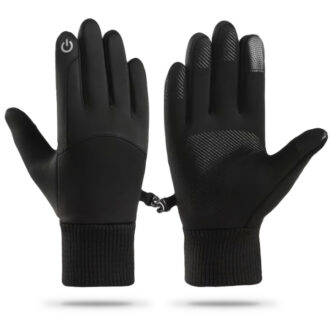
Warm Thermal Winter gloves for cold weather
- 1x pair of Warm Thermal Winter Gloves for cold weather, designed by RevitaFit™ using premium quality insulating materials to help keep your hands warm and protected from the harsh winter elements
- For both men and women
- Available in Medium, Large and XL — we recommend women and those with a smaller hand size wear a Medium
- Sleek, stylish and lightweight, and warm where it counts
- Great for running, cycling, hiking, skiing, climbing and snowboarding, as well as other outdoor activities in cold, wet weather
- Made from high-quality waterproof polyester with excellent insulation to keep your hands warm and dry through winter
- Skilfully crafted using high-quality materials and careful stitching, so your gloves hold up season after season
- Windproof cuffs, ergonomically designed to keep the cold winter wind off your hands and stop your body heat escaping
- Silicone grip on the palms and fingers gives you more hold and stops things slipping from your grasp
- Touchscreen-activated thumbs and index fingers let you use your smartphone and tablet without taking the gloves off
- A thoughtful choice for anyone whose hands feel the cold badly, including people living with Raynaud’s, chilblains or poor circulation
- If you have poor circulation or arthritis, a pair of compression gloves from the same range can be worn underneath for extra support and compression, helping to keep your hands warmer through the colder months
- If you have Raynaud’s, check with your GP before wearing compression gloves underneath
- Includes a full 30 day money back guarantee
£11.99inc VAT -
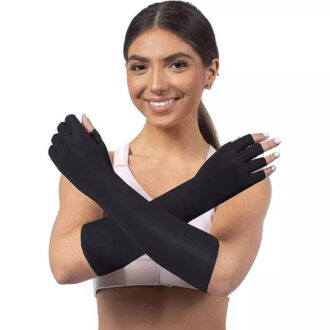
RevitaFit™ Compression gloves for poor circulation
- What you get: 1 pair of RevitaFit elbow-length compression gloves, suitable for both men and women, available in multiple sizes (see sizing chart above), with a 30-day money-back guarantee
- Graduated compression from hand to elbow: Firmest at the hand and wrist, gradually reducing toward the elbow to support circulation and reduce fluid pooling
- Extended elbow-length coverage: Warms the forearm muscles that control your fingers and wrist, providing support where it’s needed most
- Fingerless design: Keeps fingertips free for typing, phone use, and tasks requiring fine touch and dexterity
- Breathable, lightweight fabric: Soft against the skin with moisture-wicking properties, suitable for all-day wear or overnight use
- Machine washable: Easy care with cool water and gentle cycle, air dry flat—remains effective for several months with daily wear
- Helps manage symptoms in osteoarthritis and rheumatoid arthritis: Reduces swelling, eases morning stiffness, provides warmth and gentle support to stiff joints
- Helps manage Raynaud’s disease and cold-sensitive hands: Keeps hands and forearms warm to reduce the frequency of cold-triggered episodes
- May help with mild carpal tunnel syndrome: Reduces swelling in the soft tissues around the median nerve—moderate to severe symptoms may need a wrist splint and other treatments
- Supports hands during repetitive strain and hand-intensive tasks: Reduces the heavy, achy sensation during and after typing, gripping, and other hand-intensive activities
- Helps manage post-injury swelling: Can be worn once the acute phase has passed to help manage residual swelling
- Eases morning stiffness and hand fatigue: Reduces the tight, swollen sensation when you wake up or after periods of rest
- How they work: Graduated pressure encourages pooled blood and fluid to move back up the arm, extended coverage provides warmth to the muscles that control your fingers and wrist, and gentle sustained pressure offers support during hand-intensive tasks—they help manage day-to-day symptoms but are not a cure and won’t reverse joint damage or prevent disease progression
- Check with a clinician first if you have: Peripheral arterial disease (PAD) or poor circulation, diabetes with loss of sensation, history of blood clots (DVT), significant swelling from heart/kidney/liver disease, open wounds or active infection, skin conditions such as eczema or psoriasis affecting your hands or forearms, or new/unexplained/worsening symptoms
- What to expect: Many people notice reduced swelling and less morning stiffness within the first week—warmth benefit for cold-sensitivity is often immediate, but reduction in episode frequency may take longer to assess—benefit for chronic conditions may build gradually over a few weeks of consistent use
- No benefit after 3–4 weeks? Return them within 30 days for a full refund—not satisfied for any reason? Full refund, no questions asked
- Care instructions: Wash in cool water (30°C or lower) on a gentle cycle with mild detergent, no bleach or fabric softeners, air dry flat and avoid heat sources—replace once the fabric feels loose or shows visible wear
£14.99inc VAT -
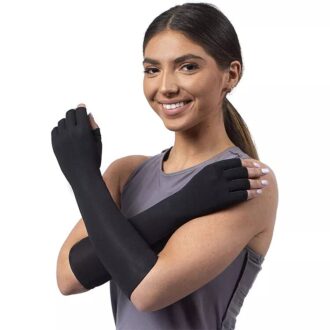
RevitaFit™ Long Compression Computer Typing Gloves
- Long-style compression gloves for adults whose hands, wrists, fingers, or lower forearms become uncomfortable during desk work.
- Suitable for typing, mouse use, writing, scrolling, gaming, and other repetitive hand tasks.
- Provide light compression rather than rigid restriction, so they are intended to support comfort while you carry on using your hands.
- Extended coverage reaches across the forearms, wrists, hands, and fingers for a broader supported feel than a short glove.
- May be useful if your hands feel tired, stiff, cold, puffy, achy, or less easy to use as the day goes on.
- Can be especially relevant if one hand, often the mouse hand, becomes more uncomfortable than the other.
- Warmth is one of the main practical benefits, particularly in cool rooms or if your hands tend to feel cold.
- The fit should feel snug and supportive, not harsh, painfully tight, or restrictive.
- Usually best worn during the parts of the day when symptoms tend to build, such as longer desk sessions or evening computer work.
- They are not intended to replace rigid splints, braces, or proper assessment if symptoms are severe or getting worse.
- If you notice increasing numbness, marked weakness, significant loss of hand function, or other new or unexplained symptoms, seek clinical advice.
- Machine-washable construction makes them practical for regular wear and repeat use.
- They are designed to improve comfort and support during everyday tasks, not to promise a cure for every hand problem.
£14.99inc VAT -
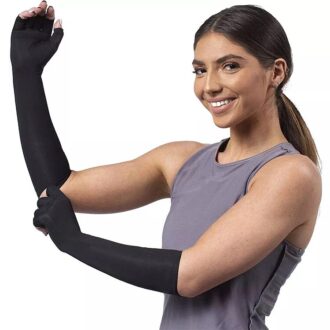
RevitaFit™ Long Compression Oedema Gloves for Swollen hands
- 1x Pair of RevitaFit™ Long Compression Oedema Gloves designed specially for reducing the appearance of Swollen hands and forearms
- For both Men & Women
- Available in a range of sizes
- Provides stimulation to your hands and fingers through graduated compression that helps keep your blood vessels expanded to improve and maintain a constant flow of blood to your hands
- Specially designed to drain and prevent the build up of fluid to help decrease swelling in your hands and forearms caused by Oedema and Lymphoedema
- Helps to support your forearms, wrists, hands and fingers to help improve their function reduce strain and pressure off key ligaments to prevent injuries from occurring, ease stiffness and increase your the overall mobility and coordination of your hands
- Recommended for people who suffer from conditions such as Oedema, Lymphoedema, Blood pooling, DVT, Arthritis, Gout, Poor circulation, Raynaud’s Disease, Neuropathy, Chilblains
- Can also be worn to help prevent, ease and improve recovery of injuries including Carpal tunnel syndrome, Repetitive Strain injuries as well as stopping the everyday wear and tear of the joints and bones found in your hands, fingers and wrists
- Helps stop muscle fatigue, aches and pains by supplying fresh oxygenated blood to your cells to stop the build up of lactic acid when exercising
- Made from ultra-comfortable Nylon fabric that has copper infused fibres woven into the material to help neutralize bacteria and odour and keep your hands and forearms as fresh and comfortable as possible
- Allows for full range of movement and are a great choice for wearing for exercising, playing sports, running or for carrying out your daily activities with more support and protection
- The high quality fabric and excellent stitching and craftsmanship ensures the best possible durability making these gloves ideal for everyday wearing
- These Gloves include a full 30-day money back guarantee!
£14.99inc VAT -
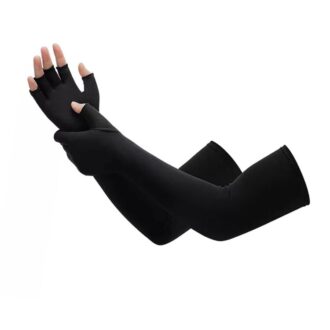
RevitaFit™ Lymphedema Arm Compression Sleeves
- Experience Gentle Support & Effective Relief: If you experience swelling and discomfort in your arms or hands due to lymphedema, RevitaFit™ Lymphedema Arm Compression Sleeves can help ease your symptoms. These sleeves use gentle compression therapy to encourage healthy circulation and reduce localized swelling in the hands, wrists, and forearms.
- Designed for Both Men & Women: RevitaFit™ Sleeves cater to anyone seeking effective relief, regardless of gender. The unisex design is made to fit well and look great on any arm shape or size, making it simple for anyone to enjoy comfortable support.
- Multiple Size Options: Choose from Small (13cm–17cm), Medium (17cm–20cm), or Large (20cm–24cm) to find your perfect fit. For the most accurate measurement, simply wrap a measuring tape around the hand, just beneath the thumb.
- Gentle Graduated Compression: The sleeves provide targeted pressure to help encourage fluid drainage in the arms and hands, reducing problems like swelling or heaviness. This gentle compression is especially useful for individuals managing lymphedema or those who regularly experience swelling after activities.
- Targeted Support for Hands & Forearms: By stabilizing muscles and tendons, RevitaFit™ Sleeves help reduce fatigue and lower the risk of further strain. Whether you’re typing, gardening, or going for a light workout, you can maintain healthy circulation and ward off aches and pains.
- Durable, Breathable & Odor-Resistant Fabric: These compression sleeves are crafted from a lightweight, soft material with infused copper fibers. Not only does this help combat bacteria and odor, but it also ensures that your skin stays cool and less prone to irritation—even after hours of wear.
- Risk-Free Purchase with a 30-Day Money-Back Guarantee: Try them out and see how they work for you. If you’re not completely satisfied, you have the peace of mind that comes with a no-hassle return.
- Experience a new level of comfort and relief with every wear: RevitaFit™ Lymphedema Arm Compression Sleeves offer a supportive, soothing solution for anyone hoping to reduce swelling and regain confidence in daily activities.
£14.99inc VAT -
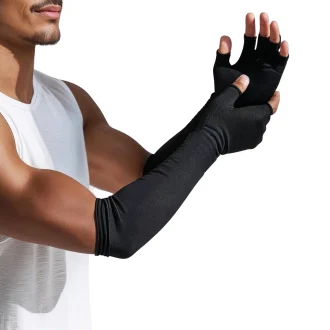
RevitaFit™ Arm Compression Sleeve Running Gloves
- 1x Pair of Arm Compression Sleeve Running Gloves by RevitaFit™ to help support your arms, prevent muscle fatigue and protect them from harmful UV rays when you are out running
- For both Men & Women
- Available in sizes Small, Medium, Large & XL
- Provides targeted support to help minimize the strain and pressure put on your arm muscles, joints and tendons when you are running or exercising to prevent overuse and repetitive strain injuries form developing
- Graduated compression helps to keep warm oxygenated blood flowing into the your arms, hands and fingers by stimulating your blood vessels and keeping them expanded helping prevent muscle fatigue, aches and soreness by stopping the build up of lactic acid and improving muscle recovery enabling you to train harder and faster for longer
- Ideal for people suffering from Arthritis, Oedema, Blood Pooling, Poor circulation, Raynaud’s disease, Carpal Tunnel Syndrome, as well as for easing general aches and pains in their forearms, wrists, hands and fingers
- Helps protect your arms and hands from harmful UV sunlight that can damage your skin when you are out running
- Made from breathable and skin friendly Nylon material with moisture wicking capabilities and infused copper fibres that eliminates bacteria and prevents odour helping your hands and arms stay fresh and comfortable throughout the day
- These Gloves include a full 30-day money back guarantee!
£14.99inc VAT -
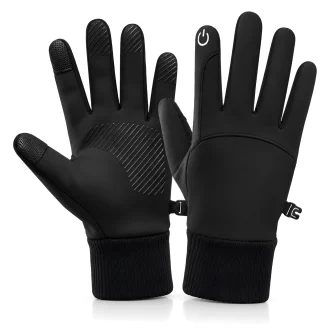
Thermal Running Gloves for Men & Women
- A pair of lightweight thermal running gloves for winter running and other cold-weather exercise.
- Made for men and women in sizes Medium, Large and XL. Medium is recommended for women or anyone with smaller hands.
- Thermal fabric traps air between its fibres so the warmth your hands produce stays near the skin.
- A windproof outer layer stops moving air reaching your skin, so the warmed layer next to it stays in place.
- Waterproof outer sends rain, sleet and road spray running off rather than soaking in.
- Breathable and moisture-wicking, so sweat moves away from your skin instead of sitting against it.
- Grip zones on the palms and fingers reduce how hard you have to clench to hold a bottle, gel or phone.
- Touch-screen enabled thumb and index finger, so you can use a phone or watch without taking a glove off.
- Ergonomic, streamlined cut follows the shape of your hand, with less fabric bunching across the palm and less drag.
- Light enough to fold into a jacket pocket or a running belt when you get too warm.
- Fit does more for warmth than most people expect: too tight presses on the blood vessels in your hand; too loose lets cold air circulate inside.
- Best suited to running and other active cold-weather exercise, rather than long spells standing still in the cold.
- Comes with a full 30-day money back guarantee.
- If you have ongoing problems with your hands, or new or unexplained symptoms, it is sensible to speak to your GP.
£11.99inc VAT -
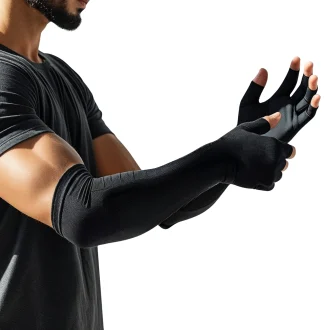
RevitaFit™ Compression gloves for Repetitive strain injuries (RSI) & hand pain
- 1x Pair of Compression gloves for Repetitive strain injuries (RSI) to provide your hands and fingers with more support and protection to help with your injury recovery
- For both Men & Women
- Available in a range of different sizes:
- Recommended for wearing by physiotherapist to help with hand rehabilitation after sustaining a repetitive strain injury
- These gloves can also be used to help treat and prevent other conditions and injuries affecting your forearms, hands and fingers including Carpal Tunnel syndrome, Rheumatoid Arthritis, Osteoarthritis, Poor circulation, Raynaud’s disease, Neuropathy, Pin and needles, Numbness, Stiffness, Gout, Wrist sprains and more!
- Comfortably supports your forearms, hands and fingers giving you more strength and mobility in them whilst also protecting you from excessive shock, vibrations and movement which can cause further damage to your already weakened and damaged hands
- Provides an effective level of compression that helps boost the circulation in your arms and hands helping to supply fresh oxygenated blood to them to aid with the natural healing process, ease aches and pains and reduce inflammation and swelling caused by RSI
- Made from a high quality blend of Nylon and copper fibbers which is soft, skin friendly and has moisture wicking and antibacterial properties that neutralizes odour and bacteria making these gloves ideal for wearing for long durations without them rubbing and chaffing and causing discomfort
- Ideal for wearing whilst exercising, running and playing sports to help your to help give your hands more strength and protection against injury and improve blood flow to prevent muscle fatigue so you can train harder for longer
- These Gloves include a full 30-day money back guarantee!
£14.99inc VAT -
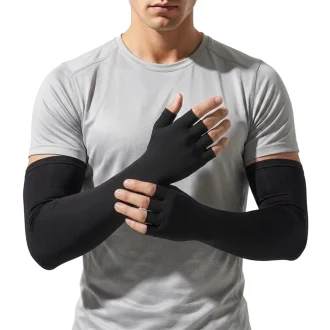
RevitaFit™ Hand Support Sleeve Compression Gloves
- Extended support from hand to upper arm: unlike standard gloves that stop at the wrist, RevitaFit™ sleeves run up past the elbow and slightly over the bicep for a broader, more balanced fit across the hand, wrist, forearm and arm.
- Moderate compression that stays comfortable: the close-fitting design helps the gloves feel secure and supportive without feeling too heavy or too intense for regular wear.
- Half-finger design for everyday use: fingertips stay free, so you can still type, write, grip, hold, adjust clothing, carry items and get on with daily tasks without needing to keep taking them off.
- Made for long hours of wear: breathable copper-infused nylon fabric is lightweight, flexible and moisture-wicking, helping the gloves stay comfortable through work, rest, movement and general day-to-day use.
- Useful for work, home and active routines: ideal for typing, desk work, hobbies, walking, light exercise, running errands, travel, stretching, sports preparation and cooler-weather wear.
- Broader coverage, steadier feel: by extending beyond the wrist and up the arm, the gloves offer a more complete support layer that feels more settled during repetitive movement and longer wear.
- Easy to layer in colder weather: the slim, non-bulky fit makes them comfortable to wear on their own indoors or under winter gloves when extra warmth and coverage are needed outside.
- Designed for men and women: available in Small, Medium and Large with a universal fit design and a classic black finish that keeps the look simple and versatile.
- Sold as one pair: one pair of RevitaFit™ Hand Support Sleeve Compression Gloves in black, in your selected size.
- Simple to care for: hand wash in cool or lukewarm water with mild detergent, then air dry naturally to help preserve the fit and fabric.
- Buy with confidence: includes a 30-day money-back guarantee for extra peace of mind.
£14.99inc VAT -
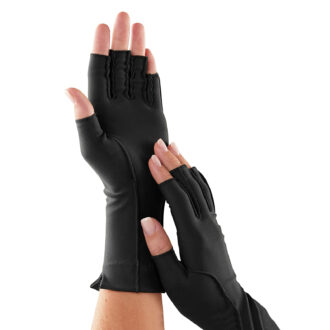
RevitaFit™ Compression Gloves for typing
- 1x Pair of RevitaFit™ Compression Typing Gloves specially designed to support, compress the joints, ligaments, muscles and bone in your hands whilst you are typing on a computer to prevent stiffness, aches, pain and injuries such as Capral tunnel syndrome and Repetitive strain injury
- For both Men & Women
- Available in a range of different sizes:
- Helps support your hands and fingers in a comfortable position whilst actively improving the way they function to ease strain and pressure off them and prevent pain and injury
- Ideal for stopping your hands and fingers from cramping and seizing up when typing or using a mouse on a computer for long periods of time
- Made from premium fabric with high quality stitching and craftsmanship going into the gloves to ensure an excellent level of durability and support
- Applies soothing compression to your hands and gingers to help stimulate the blood flow in them, drain excess fluid and reduce swelling and inflammation
- The boost in circulation that these gloves will give you will also help to speed up injury recovery and stop fatigue in your hands and fingers by supplying fresh oxygenated blood to them
- Recommended for people suffering from Carpal tunnel syndrome, Repetitive Strain Injury, Rheumatoid Arthritis, Osteoarthritis, Raynaud’s disease, Oedema, Fibromyalgia, Tendonitis, Muscle fatigue, Hand spasms and cramps and Gout!
- The breathable soft and skin friendly fabric helps prevent the gloves from rubbing, chaffing and irritating your skin whilst you are wearing them and the antibacterial and moisture wicking properties of the gloves will also keep your hands and fingers dry, sweat and odour free and feeling fresh and comfortable through out the day
- These Gloves include a full 30-day money back guarantee!
£10.99inc VAT