
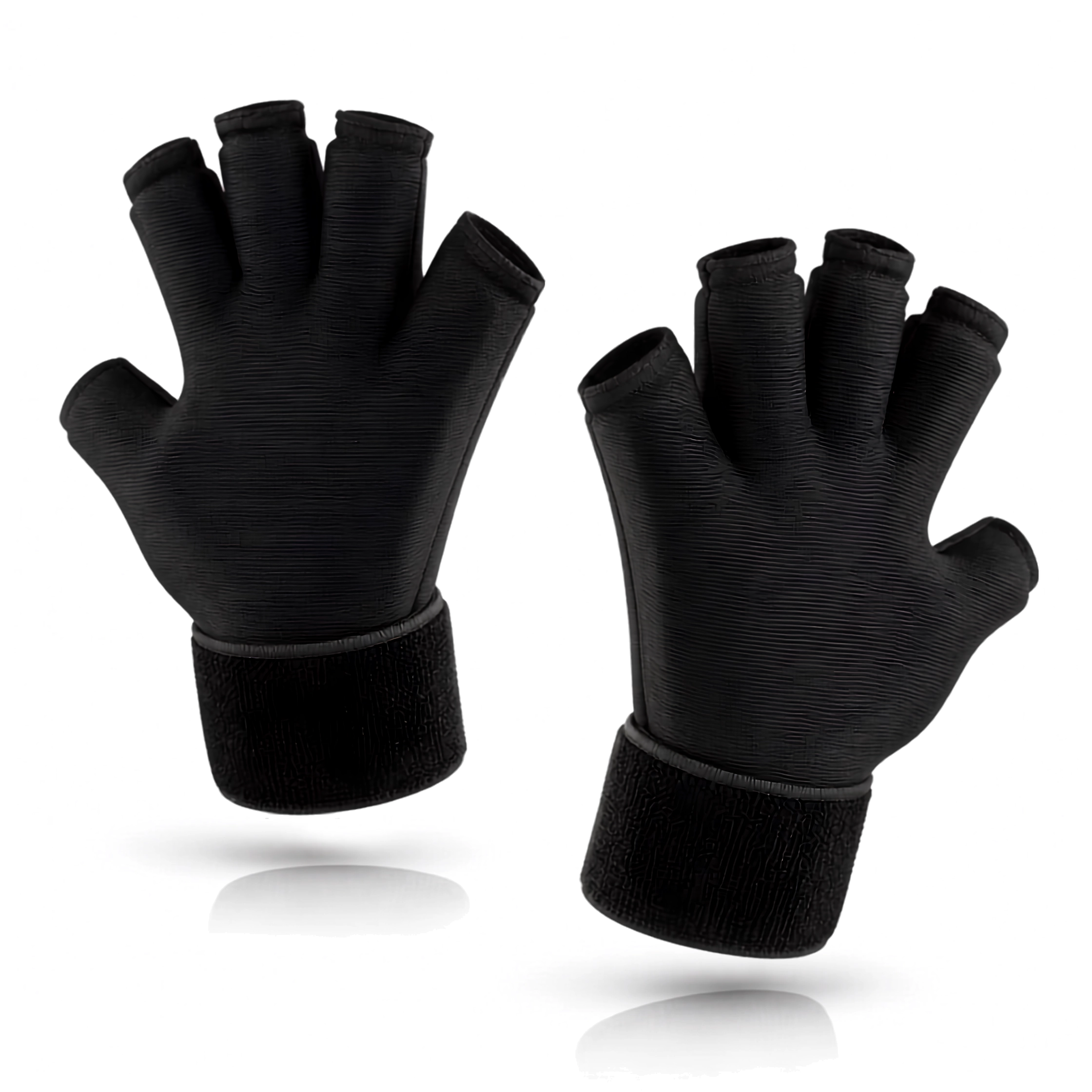
Gel Raynaud’s Disease Recovery Gloves
Price range: £24.99 through £44.99 (-10%)inc VAT
- Meet the Gel Raynaud’s Disease Recovery Gloves — the fast, drug-free way to warm hands that get painfully cold, stiff, numb or white in response to cold or stress.
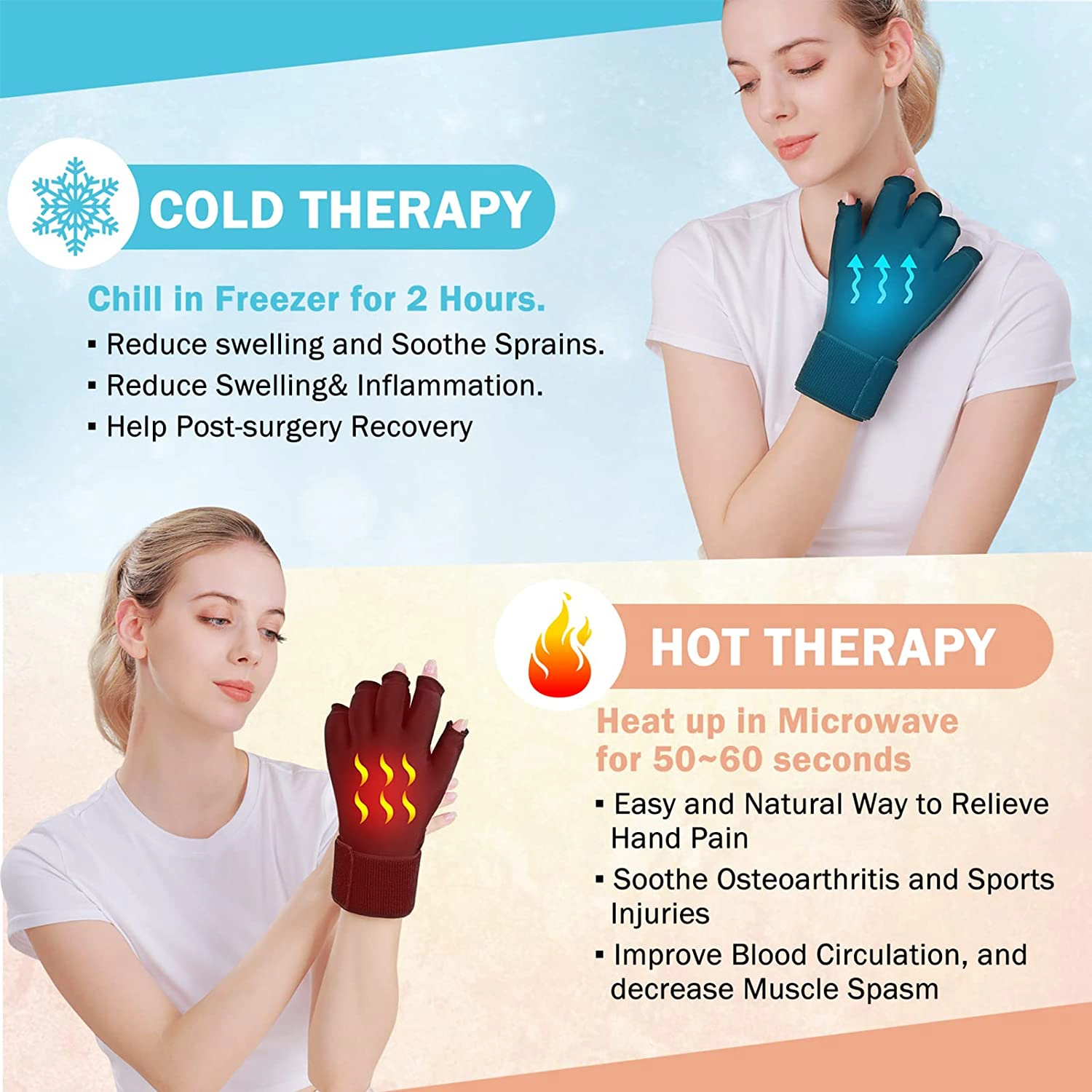
- Pop them in the microwave for around 90 seconds, and the gel lining delivers steady, penetrating heat right into your fingers and palms.
- Unlike ordinary gloves that just trap your body heat, these supply external warmth that helps blood vessels relax and lets blood flow back into your fingertips.
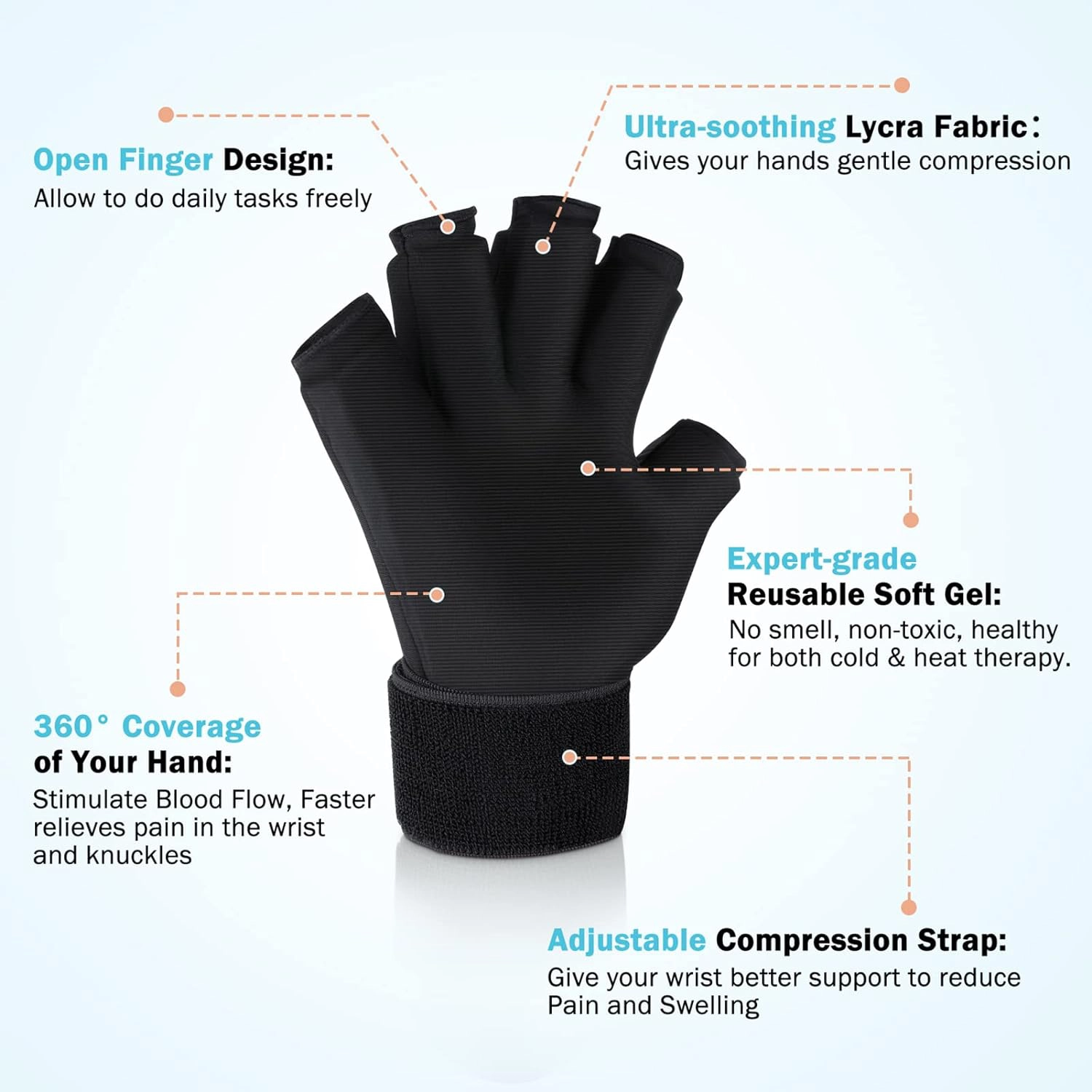
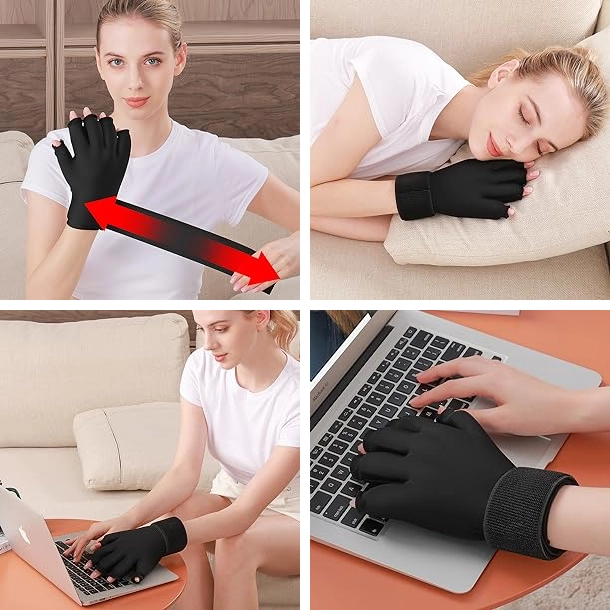
- The adjustable wrist wrap gives gentle, controllable compression to support circulation and ease swelling, heaviness and aching.
- They can also be cooled in the fridge or freezer to calm hot, throbbing or puffy hands — ideal for arthritis flare-ups or after a Raynaud’s episode.
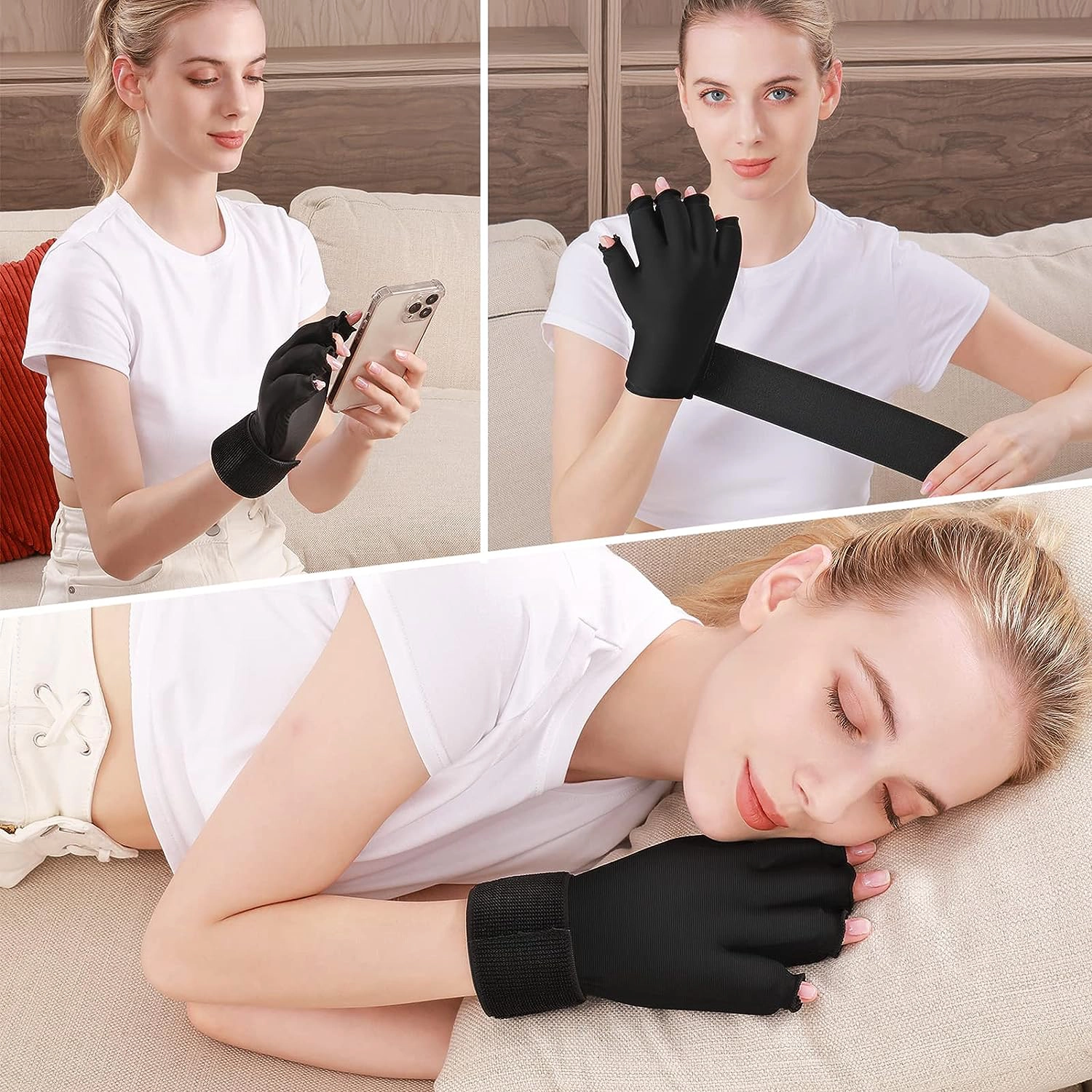
- Made for real life: soft, breathable and flexible enough to type, drive, do chores, or even sleep in.
- Useful for Raynaud’s, poor circulation, chilblains, neuropathy, carpal tunnel syndrome, overuse injuries, tendonitis, oedema and arthritis.
- Choose a single glove or a pair, depending on whether one hand or both need help.
- No complicated routine — warm, put on, adjust, and feel your hands come back to life.
- Backed by a 30-day money-back guarantee, so you can try them with total confidence.
Why Do Your Hands Get So Painfully Cold?
Do your hands feel cold even when you’re indoors? Perhaps they turn white or blue at the slightest chill, then throb or tingle as they warm up again. This is more than just feeling chilly — it can be embarrassing, frustrating and sometimes genuinely painful.
Many adults live with hands that react far too strongly to everyday temperatures. You might avoid cold drinks, keep your hands tucked into your sleeves, or dread winter when simple tasks — picking up keys, buttoning a coat, typing with stiff fingers — become a struggle.
The medical term for this exaggerated reaction to cold is Raynaud’s disease. It’s more common than many people realise, and it affects women more often than men. It also tends to be more noticeable in colder climates, because there are simply more triggers around. But even in milder weather, a cold shop aisle, an air-conditioned room, or a stressful moment can set off an episode.
The Gel Raynaud’s Disease Recovery Gloves at a glance
- Gel-lined gloves that warm in a microwave in around 90 seconds.
- Designed for adults whose hands become painfully cold, numb, stiff or discoloured in response to cold or stress.
- Provide external warmth, not just another insulating layer.
- Deliver even heat across the whole hand, including all fingers and the palm.
- Adjustable wrist wrap gives gentle, controllable compression to support circulation.
- Soft, breathable materials draw dampness off the skin so hands do not feel clammy.
- Can also be cooled in the fridge or freezer when hands feel hot, puffy or throbbing — but only if cooling does not make your symptoms worse.
- Available as a single glove or as a pair, depending on which hands are affected.
- May help with Raynaud’s, arthritis, chilblains, poor circulation, neuropathy, carpal tunnel syndrome, overuse injuries and swelling.
- Heat is the main mode for Raynaud’s; the cooling option is there for times when hands feel hot and swollen, not as a standard recommendation for cold sensitivity.
- Always check the heated gloves on the back of your hand before wearing, especially if you have reduced sensation.
- These gloves do not treat or prevent blood clots and must not be relied upon for that purpose.
- They are supportive self-care, not a substitute for a medical diagnosis or professional treatment.
What Is Raynaud’s Disease?
Raynaud’s is a problem with the small blood vessels in the hands, and sometimes the toes, ears or nose. In most people, cooling down is a normal response — the body narrows these vessels to protect the heart, lungs and brain. That’s why everyone’s hands feel cooler in winter.
In Raynaud’s, that same reaction goes too far. The blood vessels clamp down so firmly that blood flow to the fingertips drops dramatically. Deprived of oxygen-rich blood, the skin turns white or blue. Your hands feel icy, numb and sometimes stiff. This is known as a Raynaud’s episode or attack.
Episodes can last anywhere from a few minutes to several hours. They are often triggered by cold temperatures, but can also be set off by emotional stress. When the blood vessels finally relax and blood flow returns, your hands may flush red, throb, tingle or ache. For some people, the recovery phase is almost worse than the coldness itself.
It is not simply a matter of poor circulation. The vessels are not damaged or blocked. They overreact to signals such as cold or stress. That’s why the problem can feel so unpredictable — a mild breeze, a cold can of drink, or a stressful moment can all be enough.
The stiffness you feel during an episode can be alarming, especially if you already worry about your hands. But it comes from the soft tissues themselves, not from inflamed joints. When blood flow drops, the tissues cool and become temporarily starved of oxygen. They tighten up, making your fingers feel clumsy or difficult to straighten. Once blood flow returns and your hands rewarm, the stiffness resolves.
If you have not been diagnosed and you regularly notice these colour changes, speak to a GP. But for most people, Raynaud’s can be managed well once you understand how to protect and warm your hands effectively.
Raynaud’s or Arthritis? Why the Distinction Matters
If your hands feel stiff, painful and difficult to move, it is natural to wonder whether you have arthritis. Arthritis is one of the most common causes of hand pain, and the symptoms can look similar at first.
But the two conditions are very different problems.
Arthritis affects the joints. It involves inflammation, wear and tear of the cartilage, and changes in the bone around the joint. This leads to pain, swelling and stiffness — often first thing in the morning. The stiffness usually eases as you move your hands and the joints warm up.
Raynaud’s affects the blood vessels, not the joints. The pain and stiffness come from reduced blood flow. Your fingers may feel cold, pale and clumsy because the tissues are under-oxygenated. Once blood flow returns and your hands rewarm, the stiffness normally goes away.
Why does this matter?
Because the management is different. With arthritis, you might focus on joint protection and anti-inflammatory measures. With Raynaud’s, you focus on warmth, blood flow and avoiding sudden temperature changes. Using the wrong approach can leave your symptoms poorly managed — and that’s a missed opportunity.
It is also possible to have both conditions. Some forms of arthritis are associated with secondary Raynaud’s-type symptoms — meaning the circulation pattern is driven by the underlying arthritis rather than happening on its own. In that case, you may need to manage joint inflammation and blood vessel sensitivity at the same time. This is why a proper assessment is worthwhile.
If your stiffness and pain are linked to cold exposure, and you notice your fingers changing colour, Raynaud’s should be on your radar. If you already know you have arthritis, this does not mean that heat and compression cannot help you — they often do. It simply means the reason they help is different, and that distinction is important.
Why Heat and Compression Make Sense
The most reliable way to manage Raynaud’s is to prevent episodes from developing in the first place. That goes beyond just wearing gloves on a cold day. It means avoiding sudden temperature changes that cause your blood vessels to clamp down.
Even a small drop in temperature can set off an episode. For some people, the threshold is only a few degrees. Winter is challenging for this reason, and so are air-conditioned rooms, cold supermarket aisles and the chill of reaching into the fridge.
Temperature regulation is the foundation. Keeping your hands consistently warm helps the small blood vessels stay relaxed. When the hands are warm, the muscle layer in the vessel walls stays loose, and blood can flow freely through the fingertips.
Heat therapy does more than feel comforting. When an episode has already started, warmth is the most reliable way to encourage the vessels to reopen. The heat relaxes the vessel walls, allowing blood to surge back into the tissues. That helps shorten the episode, ease the sensation of cold, and reduce the aches and throbbing that often follow. Heat also relaxes the small muscles in the hand and improves the feeling of stiffness.
Compression works through a different route. Gentle, even pressure on the hand helps move blood out of the surface tissues and back toward the heart. The veins in the hands rely on one-way valves to return blood upward, and external pressure supports this process. Compression also helps reduce any swelling or heaviness in the hands by encouraging fluid to move away from the fingers. In Raynaud’s, where the vessels have already clamped down too hard, helping blood leave the hand more efficiently can reduce the pressure that builds up when they reopen — making the recovery rush feel less painful.
Heat and compression work well together. Heat opens the vessels and encourages fresh blood into the hands. Compression helps that blood keep moving and supports tissue comfort. This combination is particularly valuable for Raynaud’s, where the underlying problem is poor vessel control rather than a blocked artery or diseased joint.
That is the principle behind the Gel Raynaud’s Disease Recovery Gloves.
Meet the Gel Raynaud’s Disease Recovery Gloves
This product combines heat therapy, gentle compression and an optional cooling effect in a single item. It is made for hands that are cold, stiff and uncomfortable, and it can be worn indoors, outdoors, or whenever your hands need support.
The gloves fit snugly but comfortably, and they allow your fingers to move naturally. They are made for adults, and the aim is straightforward: to help you manage a Raynaud’s episode when it happens, and to reduce the likelihood of episodes when you use them regularly.
Heat Therapy in About 90 Seconds
At the core of these gloves is a specially formulated gel lining that delivers the heat therapy.
When your hands are freezing and an episode is building, you do not want to wait for relief. The gloves are designed to be warmed in a microwave in roughly 90 seconds. Once heated, the gel holds that warmth and delivers it evenly across your hands and fingers. You will feel the heat spreading around your fingers and through your palms almost immediately.
Warmth widens the small blood vessels in the hands, which lets blood flow more freely into the fingertips. It also eases stiffness in the soft tissues, reduces the sensation of cold, and helps soothe the aching discomfort that often follows a Raynaud’s episode.
The gel supplies warmth from outside, which matters in Raynaud’s because your body is already reducing blood flow to your hands. Ordinary gloves simply trap whatever heat your body produces — and in Raynaud’s, there is little heat to trap. The gel lining provides an external source of warmth that can help reduce the vessel narrowing responsible for your symptoms. That makes these gloves a recovery tool, not just an insulating layer.
If a 90-second heating time feels too warm or not warm enough, adjust it. Microwaves differ in power, and personal preference matters. Start with a shorter time and increase gradually until the temperature feels soothing without being uncomfortable. Always check the gloves on the back of your hand before putting them on, especially if you have reduced sensation.
Cooling Therapy for Hot, Swollen Hands
Why would a product for a cold-sensitive condition have a cooling option?
It is not the main purpose, but it can help in specific situations. For some people, particularly those who also have arthritis or other inflammatory conditions, there are times when hands feel hot, puffy or throbbing. This can happen after a Raynaud’s episode, when blood rushes back and the hands feel full. It can also happen with joint inflammation, where heat builds up in the tissues.
If your hands feel hot and full after a flare-up, placing the gloves in the fridge or freezer for a short time can transform them into cooling gloves. That can reduce swelling and calm inflamed tissues.
If cold makes your Raynaud’s symptoms worse, do not use this cooling option. Heat should always be your first choice for cold-related symptoms. The cooling option is meant for people who find it genuinely helps, not as a suggestion that cold exposure is good for Raynaud’s. If cold does not help, leave it out of your routine.
Compression You Can Control
The third feature is compression. The gloves create gentle, even pressure on the hands and wrists. This helps the veins push blood back toward the heart, supporting circulation without restricting it.
The compression level is not fixed. An adjustable wrist wrap lets you control how tightly the gloves fit. If you want light, comfortable support, keep the wrap looser. If you are in the middle of an episode and want firmer pressure to encourage blood flow, tighten it slightly.
The adjustable wrap also keeps the gloves securely in place as you move. A loose glove that slides around will not give you the support you need, and it will soon annoy you. A snug fit ensures the gel lining stays in contact with your skin and that the pressure remains consistent.
Compression should feel supportive, never so tight it pinches, restricts movement or leaves marks on the skin. Because Raynaud’s affects blood flow, you do not want compression so firm that it further limits circulation. The adjustable design lets you find the balance that feels right for you.
Designed for Daily Use
You can wear these gloves while you type, cook, drive, hold a book or carry shopping. The materials are soft and breathable, comfortable against the skin, and flexible enough for natural hand movement. The fabric draws dampness away from the skin, so your hands do not feel clammy inside the gloves, even after extended wear.
The gel lining holds heat well. When you warm the gloves, the heat does not fade after a few minutes. It radiates steadily, helping you maintain a comfortable hand temperature for longer. That makes them useful for a cold commute, a long stretch of desk work, or a winter walk.
The materials are built to withstand regular heating and cooling, as well as the movement and flexing that come with wearing them through daily tasks. These are made to be reused, not for single use.
Single Glove or Pair
Everyone’s experience of Raynaud’s is different. Some people have symptoms in both hands equally. Others find that one hand is more affected — perhaps because the blood vessels in that hand overreact more than the other, or because of an old injury that made the area more sensitive. It can simply be the pattern of the condition.
The gloves are available as a single glove or as a pair, so you can choose what matches your situation. If you mainly need support for one hand, a single glove lets you buy exactly what you need without paying for an extra glove you will rarely use. If your symptoms affect both hands, or if you prefer having both hands covered on cold days, the pair is the more sensible choice.
Other Hand Conditions These Gloves Can Help With
Raynaud’s is the main condition these gloves were designed for. But cold, stiff and painful hands happen for many reasons. Because this product offers adjustable warmth, gentle compression and the option of cooling relief, it can also bring benefits across several overlapping symptom patterns.
These conditions are not the same as Raynaud’s, and the reason the gloves help differs from condition to condition. Here is how warmth, compression or cold can support each problem.
Arthritis in the Hands
Waking up with fingers that feel swollen, stiff and painful can make simple morning tasks feel like a struggle. This is typical of arthritis in the hands — inflammation settles into the joints overnight, leaving the surrounding tissues tight and uncomfortable.
Heat is widely recommended for arthritic hands. Warming your hands first thing in the morning makes it easier to bend your fingers and get through your routine. Many people find that heat relaxes the muscles and soft tissues around the joints, easing that feeling of stiffness.
The gloves can provide that morning warmth. Instead of holding a hot water bottle or running your hands under warm water, you can heat them and wear them while you move around. The gel lining delivers even heat to all the fingers, including the small joints that are hardest to reach with a standard heat pack.
The gentle compression may also support swollen joints. Arthritis can cause fluid to build up around the joint, making the hands feel puffy and tight. Even, gentle compression can ease that heavy feeling and give a subtle sense of support as you use your hands.
If a joint feels especially hot and swollen during a flare-up, cold may be more appropriate. Cold can reduce inflammation and take the edge off intense pain. Having both heat and cold available in one product means you can match the therapy to the state of your joints on any given day.
Chilblains
Chilblains are small, itchy and sometimes painful swellings that appear on the skin in response to cold. They most often affect the fingers and toes. If you have ever had them, you will know how uncomfortable they can be. The affected skin becomes red or bluish, feels tender, and can itch or burn, especially as it warms up.
Chilblains happen when the small blood vessels in the skin overreact to cold. They narrow suddenly, then expand too quickly as the skin warms. This abrupt change causes fluid to leak from the vessels into the surrounding tissues, creating the swollen, itchy patches.
Prevention is the most effective approach. Keeping your hands evenly warm and avoiding sudden temperature changes can reduce the risk of chilblains developing in the first place. If you are prone to chilblains in winter, wearing these gloves during cold weather helps maintain a steady hand temperature. The gentle warmth prevents the dramatic vessel narrowing that triggers the problem.
If chilblains have already developed, heat can feel soothing, but it needs to be gradual. Rapid rewarming can make chilblains worse. The steady, even warmth from the gel lining is gentler than putting your hands directly on a radiator or plunging them into hot water. The compression may also help reduce swelling associated with chilblains by encouraging fluid to move away from the affected area.
Poor Circulation
Some people have persistently cold hands — a pattern often described as poor circulation. This is not the same as Raynaud’s, although the two sometimes overlap. It may be linked to being sedentary, to certain health conditions or to smoking. Sometimes it is simply caused by blood vessels reacting strongly to cold.
When circulation is sluggish, the hands do not receive the steady supply of warm blood they need. They feel cold to the touch, and the skin may look pale or mottled. Fingers can feel clumsy, and tasks that require fine movement become more difficult.
Wearing warm compression gloves on a regular basis can help in two ways. The heat encourages blood vessels in the hands to relax, allowing more blood to flow through. The adjustable compression adds support by helping move blood from the hands back toward the heart, giving the circulation a helping hand.
Used consistently, this approach can help break the cycle of cold hands leading to increased vessel narrowing. It will not change an underlying medical cause of poor circulation, but it can make everyday life more comfortable — whether you are in a cold office, outdoors, or sitting quietly at home in the evening.
If you have a diagnosed condition that affects circulation, check with a GP whether heat therapy and compression are suitable for you. For many people with persistently cold hands, however, this kind of product is a safe and sensible option.
Peripheral Neuropathy
Peripheral neuropathy (nerve damage causing numbness, tingling or burning) can make your hands unusually sensitive to temperatures, so that normal cool conditions feel painfully cold. There are many potential causes. Diabetes is one of the most common, but it can also result from vitamin deficiencies, certain medications or other health conditions. For some people, the cause is never identified.
Warmth is comforting for most neuropathic hands. It eases the discomfort of cold sensitivity, and many people find that gentle heat reduces the intensity of tingling or burning. The soft, breathable material of the gloves is another benefit, as it will not rub or irritate sensitive skin.
If your neuropathy affects your ability to feel temperature, be extra careful with heat. When you cannot feel heat normally, you might not realise if the gloves are too warm. Start with a shorter heating time and test the gloves carefully on yourself before wearing them. The same applies to compression — introduce it gradually and make sure it never feels tight or uncomfortable.
Carpal Tunnel Syndrome
Many people with carpal tunnel syndrome notice their symptoms most at night. Fingers feel numb or as if they have gone to sleep, and the tingling can disturb your rest. The cause is pressure on the median nerve as it passes through a narrow channel in the wrist known as the carpal tunnel. When you sleep, you may hold your wrists in a bent position, and fluid shifts can increase pressure within the tunnel. This compresses the nerve and interrupts its normal function.
Warmth and light compression can both help here.
Heat helps relax the muscles and soft tissues around the wrist and hand. This can ease the general discomfort and help you sleep more comfortably. Warm hands are also less likely to feel stiff and achy in the morning.
Gentle compression can support the wrist and hand. Some people find that wearing a compression glove at night reduces their symptoms because the even pressure seems to calm the nerve and prevent fluid pooling. Keep the compression gentle — too much pressure can make carpal tunnel symptoms worse. That is why the adjustable wrap is valuable: you can control the fit and keep the pressure comfortable.
If carpal tunnel symptoms are severe, persistent, or affecting your grip strength, medical advice is important. But as a supportive measure, particularly at night, wearing these gloves is well worth trying.
Overuse Injuries, Tenosynovitis and Trigger Finger
Repeating the same hand movements over and over — typing, using a mouse, gripping tools, operating machinery, playing an instrument, or doing craft work — places repeated stress on the tendons and muscles of the hand and wrist. Over time, this can lead to tenosynovitis, which is inflammation of the sheath that surrounds a tendon. The pain often builds gradually during an activity and settles slowly with rest.
Stenosing tenosynovitis — often known as trigger finger — is a specific form of this problem. A finger gets stuck in a bent position and then suddenly pops straight, sometimes with a catching or clicking sensation. This happens when the tendon sheath becomes thickened and the tendon can no longer glide smoothly through it.
When tissues are irritated from repeated friction, warmth brings fresh blood to the area to support healing and helps the muscles and tendons move more freely. Because the gloves deliver heat to the whole hand evenly, they are practical when several fingers or the whole palm are affected.
Compression also has a role. It provides a gentle sense of containment that can feel supportive when tendons are aggravated, and it may help limit subtle movements that continue to irritate an inflamed sheath. For tenosynovitis, resting the hand in a warm glove between activities can give the tissues a better chance to settle.
For trigger finger, warmth will not release the tendon where it is catching. The mechanical “sticking” needs specific treatment, and a GP or physiotherapist can advise on the right approach. However, warmth and compression can make the hand more comfortable and reduce the stiffness often associated with the condition.
Tendonitis and Wrist Sprains
Tendonitis in the hand or wrist is inflammation of a tendon, often caused by overuse, sudden injury or repetitive strain. A wrist sprain, on the other hand, is an injury to the ligaments around the wrist joint, usually from a fall, a twist or a sudden impact.
Both cause pain, swelling and a feeling of instability in the wrist and hand. Recovery can be slow, and you may be tempted to keep using the hand while it is still healing.
During this healing phase, warm compression can help. Heat promotes blood flow to damaged soft tissues, which supports the body’s natural healing response. It also eases stiffness and reduces the uncomfortable feeling of tightness in the hand and wrist.
The compression provides a subtle sense of support. When a wrist feels unstable, even light support can make everyday movements feel safer. The adjustable wrap is particularly useful here, because you can increase support around the wrist without making the whole glove feel restrictive.
The cold option also matters in the early days after a sprain or flare-up. In the first day or two after an acute injury, cooling can help reduce swelling and ease pain. Having the option to use the gloves cold means you can support the acute phase and then switch to warmth as the tissues settle. This makes the gloves useful through more than one stage of recovery.
Your wrist sprain or tendonitis may need a period of proper rest, splinting or rehabilitation exercises. These gloves can make the daily discomfort more manageable, but they are not a replacement for that treatment.
Oedema and Fluid Retention
Oedema (fluid retention) happens when fluid builds up in the body’s tissues. When fluid accumulates in the hands, they feel puffy, heavy, stiff and uncomfortable. Rings may feel tight, and bending the fingers can be awkward.
The hands rely on a network of lymph vessels — tiny drainage channels under the skin — to remove excess fluid. When this system is slow, or when fluid is being produced faster than the lymph vessels can drain, the hands swell.
Compression is one of the most effective ways to manage mild oedema in the hands. Even, gentle pressure helps push fluid out of the tissues and into the lymph vessels, where it can be carried away. The adjustable compression on the gloves lets you control the pressure so it feels firm enough to be effective but comfortable enough to wear.
Heat can help in some cases by improving blood flow and encouraging the tissues to relax. Cold therapy may be more helpful for others, particularly when the swelling is accompanied by heat or inflammation. Because the gloves can be used warm, cold, or simply as a compression glove without any temperature adjustment, you can tailor the therapy to what your hands find most helpful.
If your hands swell suddenly or for no clear reason, see a GP. The gloves can provide comfort and support, but they do not treat the underlying cause of fluid retention.
How to Use Them, and What to Expect
Getting the most from these gloves is about more than putting them on and waiting for the warmth. How you prepare them, when you wear them, and how you adjust the fit all affect how useful they are.
Warming the Gloves
Start by warming the gloves in the microwave. The recommended time is around 90 seconds. Because microwaves differ in power, begin with a shorter time and increase gradually until you find the temperature that suits you. The aim is a warm, soothing heat — never gloves that feel uncomfortably hot against your skin.
Once warmed, shake the gloves gently to distribute the gel evenly. Check the temperature on the back of your hand before sliding them on. This is especially important if you have reduced sensation in your hands, which can happen with neuropathy or poor circulation.
If your hands are prone to chilblains, let the gloves sit for a minute after heating before wearing them. This allows the heat to settle into a steady, even warmth rather than an intense initial burst that could shock sensitive skin.
Cooling the Gloves
If you decide to use the cooling feature, place the gloves in the fridge or freezer for a short time. You do not need them to feel uncomfortably cold — just pleasantly cool enough to reduce swelling or soothe overheated tissues.
If cold makes your symptoms worse, skip this option and stick with heat. Cooling is meant for people who find it genuinely helps, such as those dealing with arthritis flare-ups or swollen hands.
Fitting and Adjusting
The gloves come in a regular adult size with an adjustable wrist wrap. Slip them on, then secure the wrap around your wrist. Tighten it until you feel even, gentle pressure. It should feel supportive, never so tight that it pinches, leaves marks or cuts off circulation. If your hands are swollen and the gloves feel tight, loosen the wrap. If you want more support during a painful episode, tighten it slightly.
You should be able to move your fingers naturally. The gloves are designed for everyday use, not to immobilise your hands. If the fit prevents you from doing everyday tasks, it is too tight.
When to Wear Them
If you catch an episode starting — your hands feeling cold, tingly or looking pale — warm the gloves and put them on. The heat can help stop the episode developing fully, or reduce how severe it becomes.
After an episode has passed, your hands may feel tender, achy or throbbing. Wearing warm gloves during this stage can soothe these symptoms and help your hands return to normal more comfortably.
Before you go out into the cold, or if you have a long day ahead that will place strain on your hands, wearing the gloves beforehand can keep your hands warm and reduce the chance of an episode being triggered.
There is also a place for them at night. Many people with Raynaud’s, arthritis or carpal tunnel syndrome sleep in warm compression gloves to reduce the morning stiffness that comes from several hours without movement. If you try this, make sure the compression is light enough not to feel restrictive while you sleep.
What to Expect Over Time
It is important to be realistic. These gloves will not cure Raynaud’s disease. You may still have episodes from time to time, especially in winter or in very cold settings.
What they can do is give you a reliable, immediate tool for managing symptoms. The heat helps blood vessels relax and open. The compression supports circulation. Together, they can shorten episodes, reduce the intensity of pain and discomfort, and make the recovery phase feel easier.
Having a dependable source of heat and compression gives many people more control. When your hands start to feel cold and you know you can warm them quickly, the anxiety around Raynaud’s can ease. Since stress itself can trigger episodes, this sense of control can make a real difference.
Consistent use matters. This is not a product you use once and feel permanently different. It is a tool for repeated use — on cold days, after stressful periods, during recovery, and as part of a daily routine if your hands are prone to stiffness. Over time, regular warmth and compression can help keep your hands more comfortable and reduce the impact of Raynaud’s on your everyday life.
If the gloves do not help as much as you hoped after a few uses, consider whether the temperature is right. Some people prefer a warmer setting, while others prefer less heat. Likewise, adjust the compression every time you put them on. A glove that is too loose will not give you the support you need. A glove that is too tight may feel unpleasant and could discourage you from wearing it.
Caring for the Gloves
To keep the gloves in good condition, follow the care instructions provided with the product. Avoid overheating them in the microwave, as this can damage the gel lining. Handle them gently when they are stiff from the freezer, and allow them to return to room temperature before reheating or cooling them again.
Keep the gloves clean and dry between uses. If the gel lining ever shows signs of leaking, splitting or damage, stop using the gloves — a damaged gel pack could heat unevenly or leak.
When to Speak to a Professional
The gloves work best alongside professional advice, not instead of it. It is worth taking a moment to think about whether you could also benefit from medical input.
If you have never been diagnosed with Raynaud’s but you regularly notice your fingers turning white or blue in the cold, speak to a GP. A doctor can confirm whether your symptoms are Raynaud’s or something else, and check whether there is an underlying cause that needs attention.
If your Raynaud’s symptoms have changed recently — episodes lasting longer, becoming more frequent, or starting to affect new areas — that is worth discussing too. Changes in your normal pattern can be a sign that something else is happening.
If you have a condition such as diabetes, peripheral neuropathy or another health issue affecting your hands, and you are not sure whether heat therapy and compression are appropriate, ask a GP or another appropriate clinician. Warmth and gentle compression are generally safe, but every person’s health situation is different.
One safety point deserves emphasis: these gloves do not prevent or treat blood clots and must not be relied upon for that purpose. If you notice sudden swelling, pain, heat or an unexplained colour change in one hand or arm, stop wearing the gloves and speak to a GP promptly.
And if new hand symptoms concern you — sudden weakness, severe pain, skin changes that do not heal, or persistent numbness — seek medical advice rather than relying on self-management alone.
Using a supportive product to help with cold, stiff or painful hands is a reasonable step. But the best results usually come from combining a thoughtful product with good advice, an accurate diagnosis and a sensible plan for looking after your hands in the long term.
A Calm, Clear Next Step
Living with hand pain, stiffness and episodes of freezing, numb fingers can be exhausting. It makes everyday moments harder than they should be. You may avoid picking up a cold drink, hesitate before heading out on a winter day, or feel anxious about tasks that require steady, comfortable hands.
You do not have to simply put up with it. The Gel Raynaud’s Disease Recovery Gloves are a considered answer to a very real problem: they combine heat therapy, optional cold therapy and adjustable compression in one product. That means you can respond to what your hands need in the moment, with a tool that fits into your actual life.
Warm the gloves in around 90 seconds when the cold strikes. Cool them when swelling or heat is the problem. Adjust the compression to find a comfortable yet supportive fit. And choose between a single glove or a pair, depending on whether your symptoms affect one hand or both.
If you have arthritis, chilblains, neuropathy, carpal tunnel syndrome, overuse injuries, swelling or simply poor circulation, the same warmth and support may help ease your daily discomfort. You will still need to manage your underlying condition with the right professional help, but the gloves give you a way to respond when symptoms appear, rather than just waiting for the episode to pass.
They are backed by a 30-day money-back guarantee, so you can try them properly, adjust the heating and compression to your preference, and decide whether they make a real difference to your hands.
You use your hands constantly, so when they feel cold or painful, it affects nearly everything you do. There is no complicated routine with these gloves — warm them, put them on, adjust the fit, and let the warmth and compression take effect.
Health Information and Disclaimer
The information here is general and relates to using heated gloves with gentle compression for cold or painful hands. It does not provide a diagnosis for Raynaud’s or any other condition, and it is not a substitute for individual medical advice. If you are not sure what is causing your symptoms, a GP can help you decide whether heat and compression are right for your situation.
How much these gloves help depends on your symptoms, how often you use them, and how reactive your hands are. Warmth and compression can help manage symptoms, but they cannot guarantee symptom-free hands, especially in cold weather. If cooling worsens your symptoms, warmth is the safer choice.
If your symptoms have recently got worse, if you notice new numbness or weakness, or if your hands look different even when warm, check with a GP before you continue using self-care alone. It is also worth remembering that these gloves do not prevent or treat blood clots, and they should not be used for that purpose.
This product is intended as supportive self-management for the symptoms described, not as a treatment or cure for any underlying condition.
Fast & Secure Checkout Through Paypal
Pay with Paypal the secure payment gateway that accepts all credit and debit cards. Paypal is free and secure and no credit or bank information is ever stored or shared with us.
Fast Dispatch
Enjoy your items soon with quick dispatch via Royal Mail. Expect to have your items between 1-3 working days for domestic orders. 7-10 Working days for international orders.
Return Policy – 30 Day Money Back Guarantee
In the unlikely event, you are unhappy with your purchase you can return it within 30 days for a refund. Please contact us via the form on the contact us page to start your return.
To return an item please send it to: Nuova Health UK, 81 Highfield Lane, Waverley, Rotherham, S60 8AL. Please include a note with your order id so we know who to refund. Please retain your postage receipt as proof of postage. All that we ask is that the item is in the original packaging and unused.
Reviews
There are no reviews yet.