
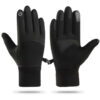
Warm Thermal Winter gloves for cold weather
£11.99inc VAT
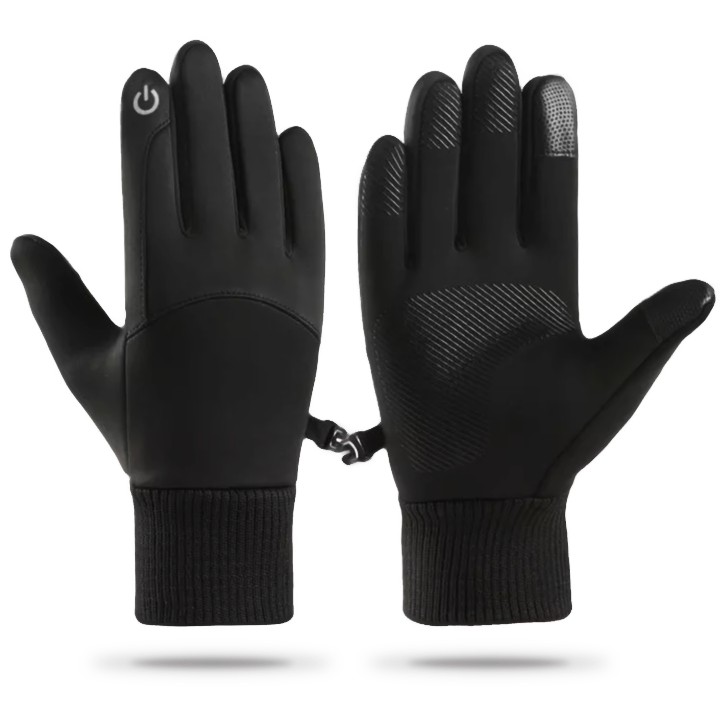
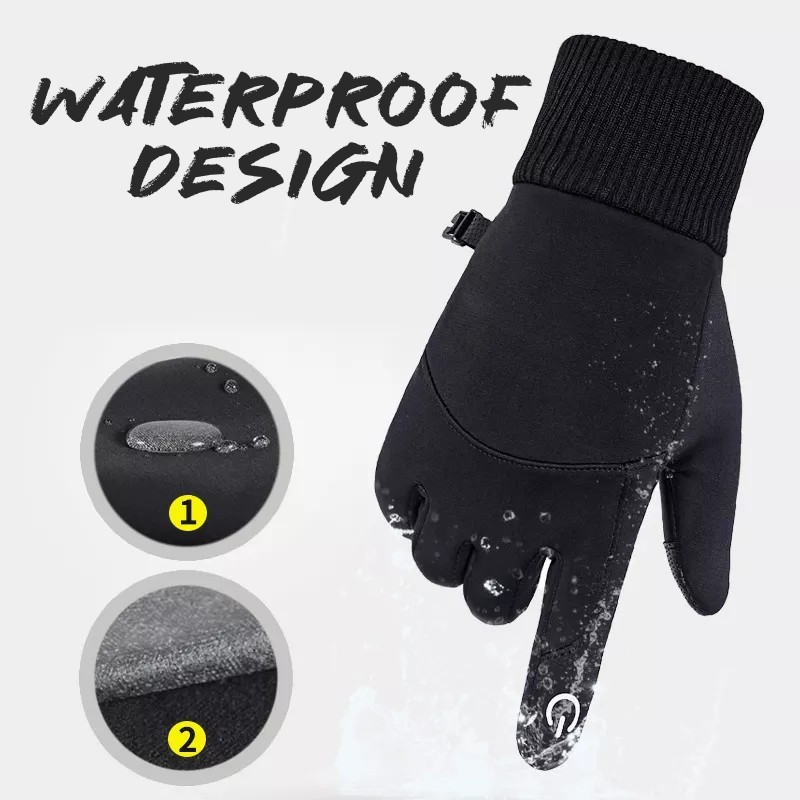
- 1x pair of Warm Thermal Winter Gloves for cold weather, designed by RevitaFit™ using premium quality insulating materials to help keep your hands warm and protected from the harsh winter elements
- For both men and women
- Available in Medium, Large and XL — we recommend women and those with a smaller hand size wear a Medium
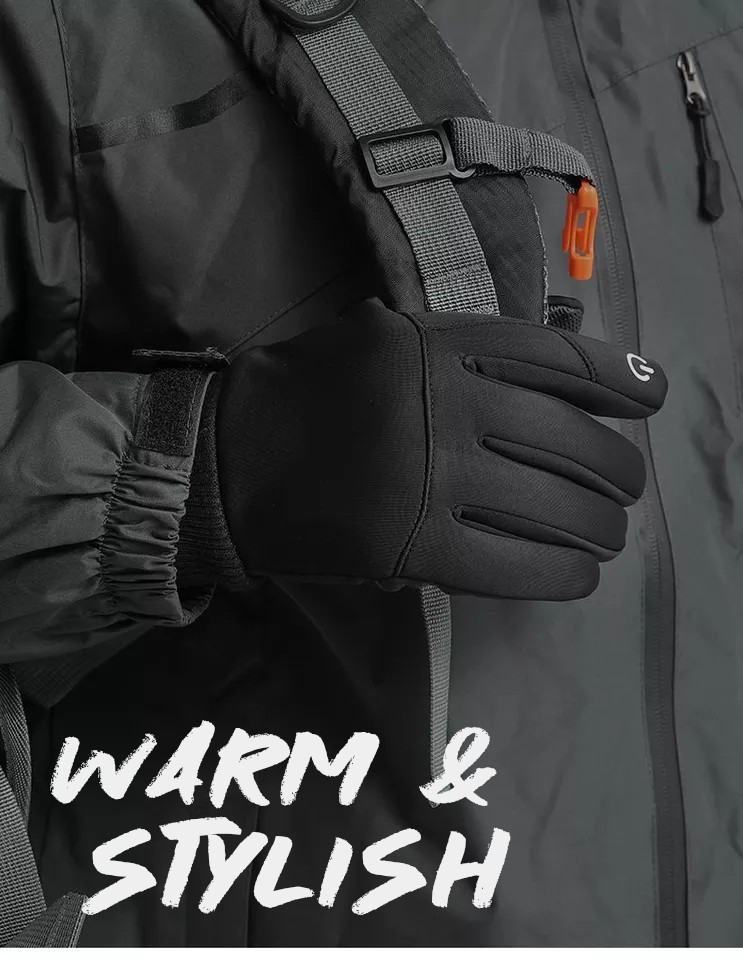
- Sleek, stylish and lightweight, and warm where it counts
- Great for running, cycling, hiking, skiing, climbing and snowboarding, as well as other outdoor activities in cold, wet weather
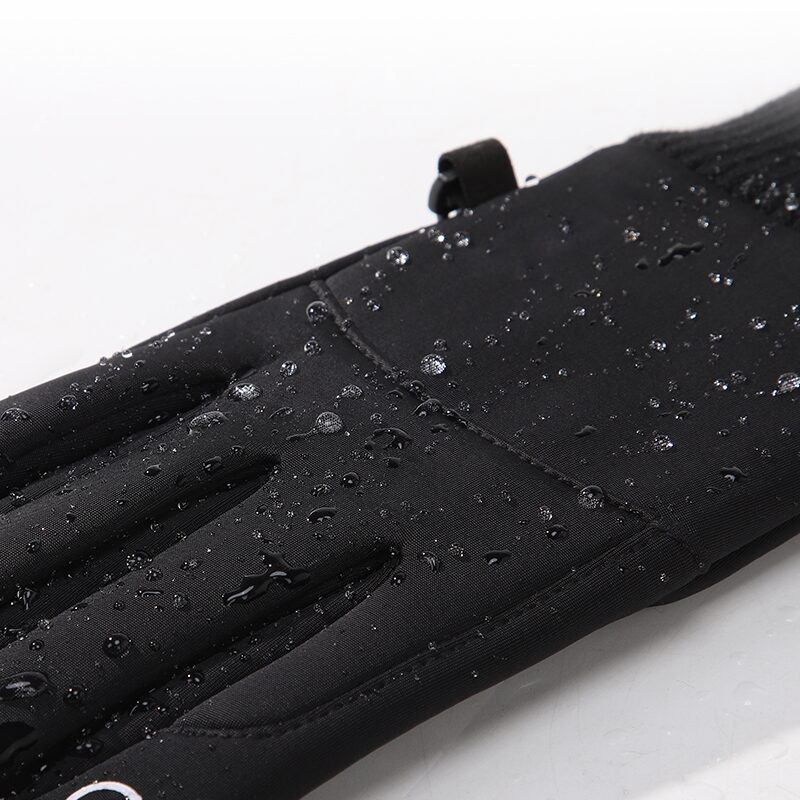
- Made from high-quality waterproof polyester with excellent insulation to keep your hands warm and dry through winter
- Skilfully crafted using high-quality materials and careful stitching, so your gloves hold up season after season
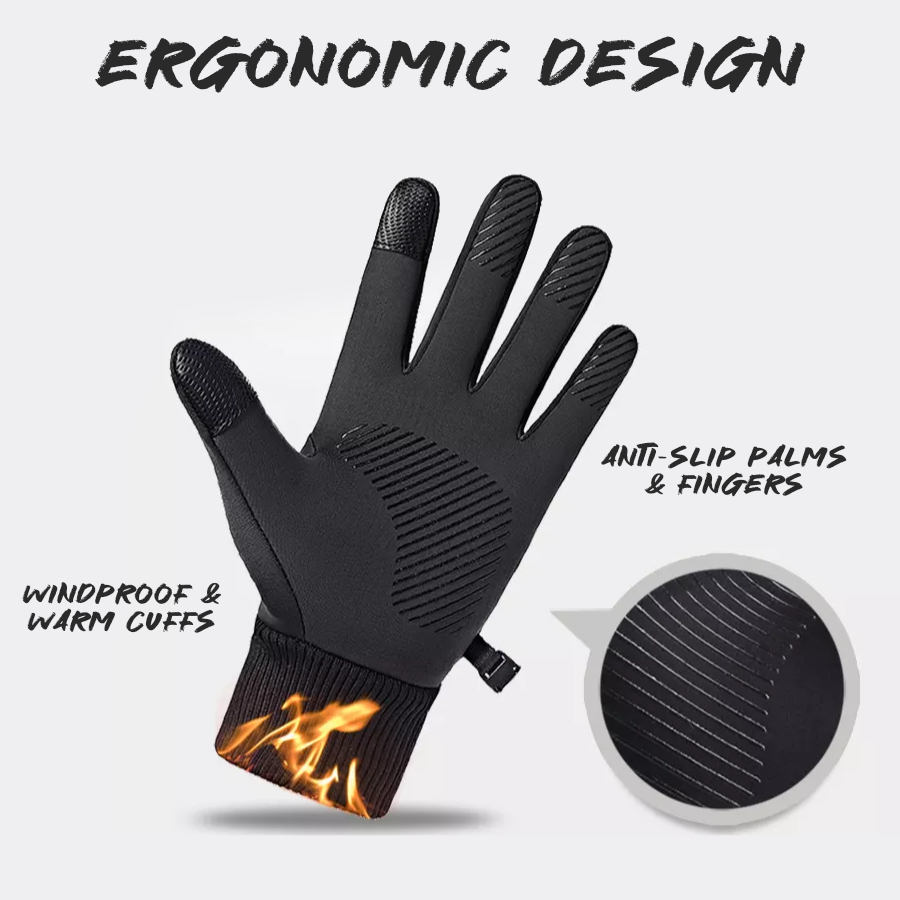
- Windproof cuffs, ergonomically designed to keep the cold winter wind off your hands and stop your body heat escaping
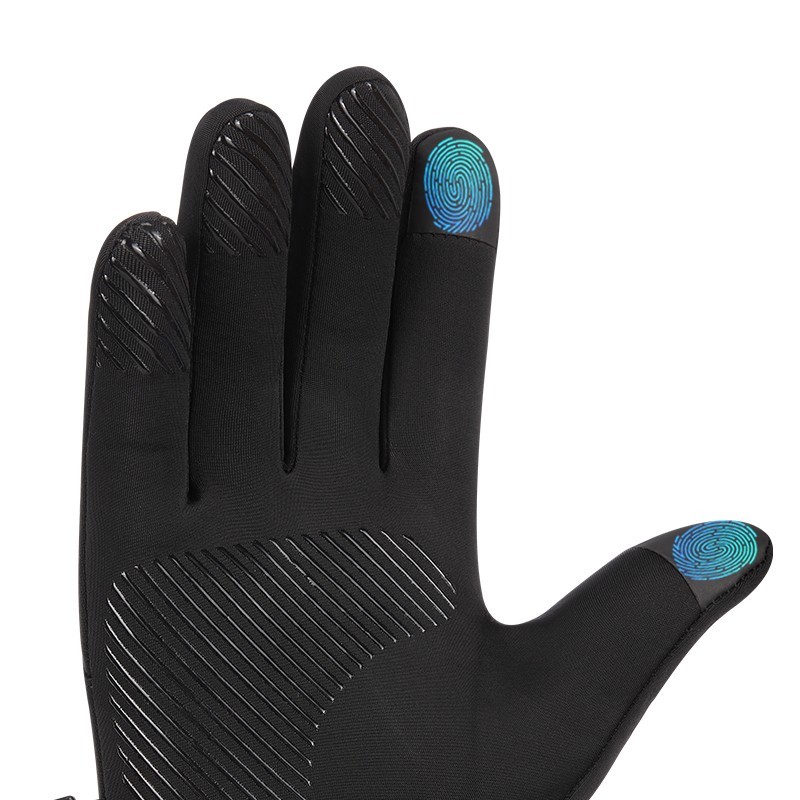
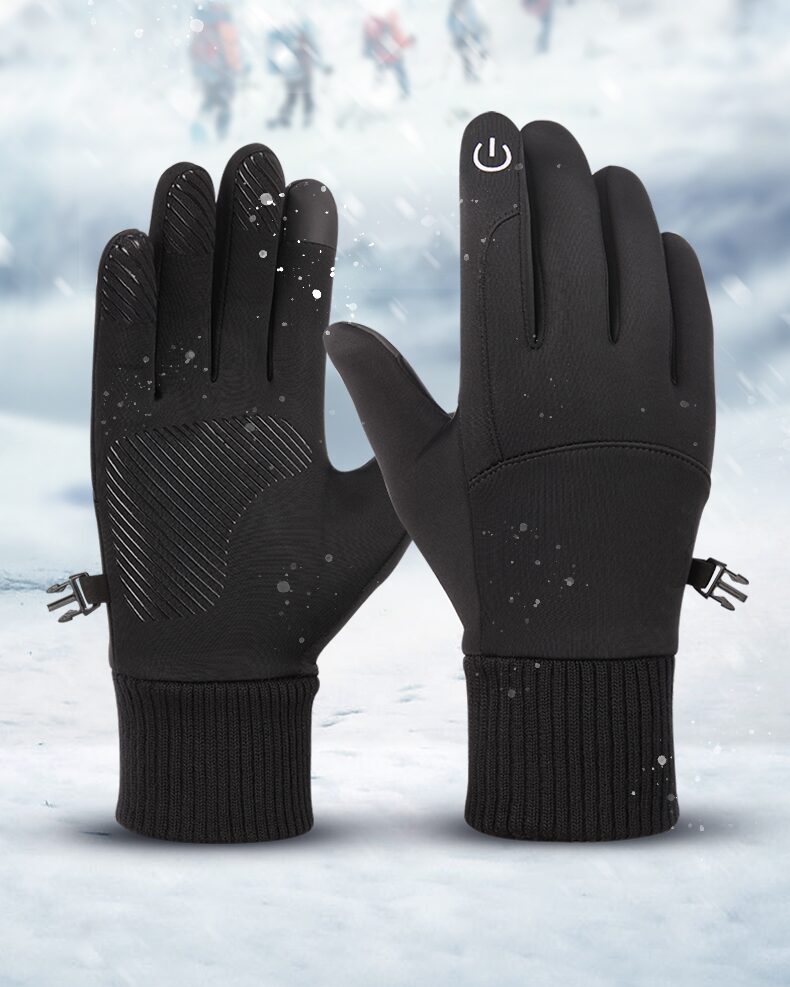
- Silicone grip on the palms and fingers gives you more hold and stops things slipping from your grasp
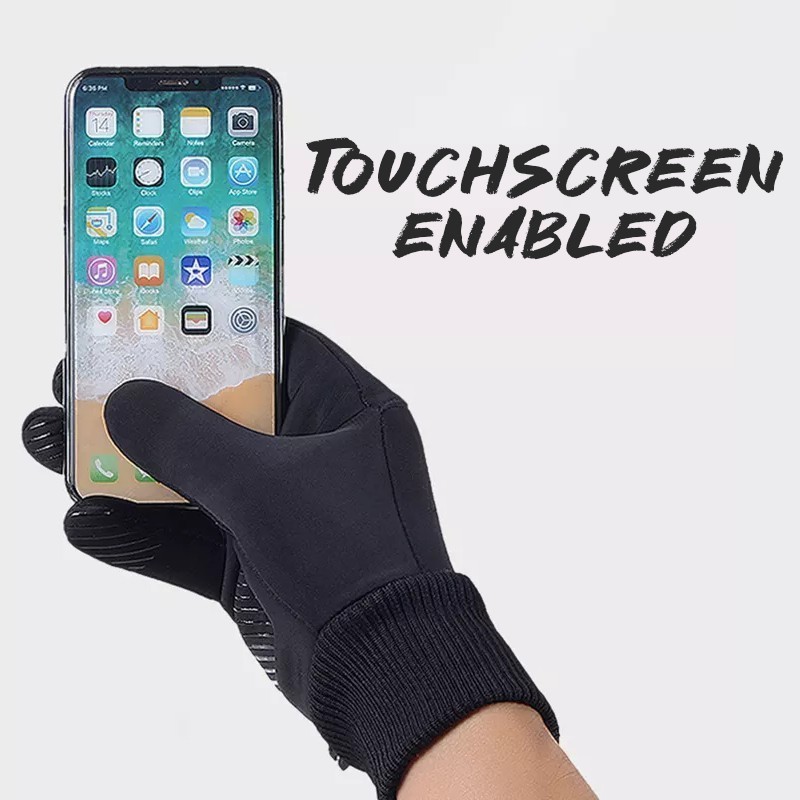
- Touchscreen-activated thumbs and index fingers let you use your smartphone and tablet without taking the gloves off
- A thoughtful choice for anyone whose hands feel the cold badly, including people living with Raynaud’s, chilblains or poor circulation
- If you have poor circulation or arthritis, a pair of compression gloves from the same range can be worn underneath for extra support and compression, helping to keep your hands warmer through the colder months
- If you have Raynaud’s, check with your GP before wearing compression gloves underneath
- Includes a full 30 day money back guarantee
Why your hands feel the cold so quickly
Stand outside on a cold morning and your fingers are usually the first part of you to complain, and the last part to warm back up once you’re back inside. There’s a good reason for that, and it’s worth understanding before you spend money on any pair of winter gloves. Once you know what your hands are up against, it becomes much easier to see which features help and which make little difference.
Start with the shape of things. Your fingers are long, thin and mostly on the outside of your body, so they have a lot of skin surface compared with the amount of tissue tucked inside them. Heat leaves your body through skin, which means a body part with a large surface area and a small volume loses warmth quickly. Your thigh, by contrast, is thick and well insulated. That’s why your legs can feel perfectly comfortable while your fingers are aching.
Then think about what’s inside a finger. It’s built mostly from bone, tendon and skin. There’s very little muscle, and muscle is one of the things that generates heat. Fingers also carry very little of the fat that insulates other parts of the body. The fingertips and nail beds cool first, because they’re furthest from your core and have the least between them and the cold.
In response, your body treats staying warm at its centre as the priority. Your chest, heart, lungs and brain are where the essential systems are, so when cold receptors in your skin register a drop in temperature, the blood vessels near your surface narrow. This narrowing is called vasoconstriction, and it’s a sensible, protective response: warm blood is pulled back towards your centre, where it’s needed most. The trade-off is that your hands and feet, being furthest from your core, receive less of that warm blood. Your fingers cool as a result, and for the body that trade-off is worth it.
Cold changes how your hands work, not only how they feel. As your fingers cool, signals travelling along the nerves slow down, and the muscles that close your grip lose some speed and power. A cold hand fumbles over buttons, zips, a car key or the clasp on a bag. It isn’t imagination: a cold hand really is a slower hand, and it slows further the longer it stays cold.
Wind makes all of this worse. Moving air constantly strips away the thin layer of warmed air resting against your skin and replaces it with cold air. That helps explain why a still, frosty morning can feel manageable while a breezy day at the same temperature feels biting. Damp makes things harder still. Water draws heat away from skin far more effectively than air does, so once your gloves get wet — from rain, sleet, snow, or sweat building up inside — the fabric stops holding warmth the way it did when it was dry.
This is why so many winter gloves disappoint. A pair that only insulates works well until the wind picks up. A pair that only blocks wind gets soaked through in sleet. A pair that doesn’t fit properly lets cold air creep in around the wrist, or bunches up so badly that your fingers can’t bend freely. A glove that ends up wet or gaping at the cuff undoes much of what the insulation was doing.
Holding a warm, dry, still layer of air next to your skin while you move around outdoors is the underlying aim. That single idea explains almost every design decision in a good winter glove.
What a genuinely useful winter glove needs to do
By now you know what your hands are up against. Here’s a short checklist for judging any pair of winter gloves.
Insulation that traps a still layer of air against your skin and holds it there. A windproof outer, because wind removes your warmth faster than your body can replace it. A waterproof shell, because insulation only works while it’s dry — and a shell that keeps the rain out but traps sweat in creates the same problem from the inside. A cuff that closes the space between glove and sleeve, because that gap is the shortest route for cold air in and warm air out. And a fit that’s close without squeezing: close enough that your fingers stay in contact with the insulating layer, loose enough that your hand still moves freely and nothing presses on the circulation underneath.
Grip and touchscreen access come after those five. They don’t keep you warm, but they’re what make a glove easy to live with — and these gloves are built to meet all five.
How RevitaFit™ Warm Thermal Winter Gloves are designed to help
Insulation that keeps warmth close to your skin
These gloves are made from high-quality waterproof polyester, chosen for how well it insulates. The fabric is designed to hold that warm layer of air close to your hand rather than letting it drift away, which is the priority when the temperature drops.
What you’ll notice in practice is warmth without weight. The gloves are lightweight, so your fingers can still bend, grip and feel what they’re doing. That isn’t only a comfort point. Bulky gloves force you to grip harder to hold the same object, and a hard grip tires your hand and forearm quickly. Being able to close your hand normally means holding something takes less effort than it would in a bulky glove.
The windproof cuff and the seal at your wrist
A cuff is easy to overlook, and it’s one of the most important parts of a winter glove. These cuffs are shaped ergonomically so they sit naturally around the wrist, rather than gaping or folding back on themselves. The result is a seal that holds through movement — running into a headwind, cycling along an exposed road, or walking on open ground.
The wrist is where much of the cold gets into a winter glove, because it’s the point where glove meets sleeve. Because this cuff is close and smooth, it overlaps cleanly with a jacket sleeve, and that overlap is where the seal is completed. With a good overlap, glove and sleeve hold warmth together as one layer. With a gap, warm air escapes and cold air moves in through the same opening.
Silicone grip on the palms and fingers
Slippery conditions are a genuine problem in winter, and not just underfoot. Cold fingers lose some of their natural feel, and smooth synthetic fabrics give very little purchase on their own. The silicone grip on the palms and fingers adds that purchase back.
It comes into its own in ordinary moments: carrying shopping in from the car, gripping a trolley handle, holding a bicycle handlebar, or steadying yourself on a frosty path. With cold hands, the moment something starts to slip you feel it later than you would with warm ones, so you have less warning to react. A surface with some grip gives you more margin before something slips out of your hand.
Touchscreen thumbs and index fingers
Few things are more irritating in winter than pulling a glove off to check a message, then waiting for your hand to warm up again. The touchscreen-activated thumbs and index fingers let you use your smartphone and tablet with the gloves still on.
The real saving isn’t the few seconds of use. It’s that you don’t undo everything the glove has built up. Taking a glove off releases the warm air you’ve spent the last twenty minutes collecting, and your hand has to start again from cold. Answering a call or checking a map with the glove on keeps that from happening. Your hands stay covered and warm throughout.
Materials and stitching that stand up to winter
Winter puts a lot of wear on a pair of gloves. They get pulled on and off with cold hands, stuffed into pockets, soaked and dried out repeatedly, and used in conditions that quickly expose poor construction. These gloves are crafted using high-quality materials and careful stitching techniques, with durability built in rather than hoped for.
The practical benefit is that they should last you more than a single season. Good stitching means seams that hold, and a seam that splits lets cold air in and warmth straight out. Careful construction means cuffs that keep their shape and grip that stays where it’s supposed to be. You’re buying a pair to rely on year after year, not one to replace every November.
Getting the fit right — and what to expect
Choosing your size
The gloves come in Medium, Large and XL. For women and for anyone with a smaller hand size, we recommend the Medium.
If you’d like to be more precise, a quick measure helps. Wrap a soft tape around the widest part of your hand — across the knuckles and the flat of your palm, not including the thumb. That measurement is the one most sizing is built on, so it’s a good way to check which letter you sit closest to. If you land between two sizes, go up: a little extra room is easier to live with than fabric that presses.
How they should feel
When you first put them on, the gloves should feel snug around your hand without pinching anywhere. Your fingers should reach close to the ends without a spare flap of fabric beyond the tips, and the material across your palm should lie flat rather than bunching up when you close your fist.
The cuff should lie smoothly against your wrist, ideally overlapping the sleeve of your jacket or coat so there’s no gap between the two. That overlap completes the seal.
It’s worth paying attention to how tight they feel, too. A glove that presses firmly on your fingers or wrist can leave your hands feeling colder rather than warmer. The narrowing of the blood vessels that cold triggers can also be triggered by pressure. You want close, not compressive. If they feel restrictive, going up a size usually solves it.
What to expect from them
Give them a few minutes. Insulation works by holding the warmth your own hands produce, so the gloves build up heat as you wear them rather than feeling instantly toasty the moment you put them on. On a very cold day, they’ll feel noticeably warmer after you’ve been moving for a short while.
How warm you feel will depend on a few things: how cold it is, how windy it is, how active you are, and whether the gloves stay dry. On a gentle walk in mild winter weather, you may barely think about them. On a long ride into a cold wind, or a day on the slopes, the windproofing and waterproofing are doing more of the work.
One small habit is worth building. If your hands get sweaty inside the gloves, that dampness reduces the insulation — water pulls heat away from skin faster than air does, so a damp glove is a colder glove. Taking them off and letting them air out when you get back indoors helps them dry properly and keeps them performing well on the next outing. Store them dry and they’ll be ready when you need them.
When cold hands hit you harder than most
Most people get through winter with a decent pair of gloves and a bit of common sense. For some, it takes more planning. If your hands go numb, change colour, ache, or stay cold long after you’re back inside, warmth stops being a comfort and starts being what lets you get on with your day.
These four all mean cold weather hits your hands harder than it should, but they aren’t the same thing. Telling them apart helps you work out what’s worth doing about it.
Poor circulation
“Poor circulation” is a description rather than a diagnosis. It means blood isn’t reaching your hands as freely as it might, so they cool down quickly in the cold and take longer to warm back up again.
The narrowing of blood vessels in the cold is a normal, protective response. For some people it’s stronger than usual, or their circulation is already reduced. Either way, once those vessels have tightened, they can be slow to open up again. A few minutes standing at a bus stop on a cold morning can therefore leave your fingertips cold for a good while after you’re back indoors. There’s more lost heat to make up than the reduced flow can replace quickly.
The tips and the sides of the fingers tend to be where it starts, and the sensation is distinctive: not sharp, not burning, just a steady cold. Hands feel heavy and slow, and fine movements — doing up a coat, sorting coins, unclipping a seatbelt — take more concentration than they would with warm hands.
What helps most is straightforward. You can’t change how your circulation behaves, but you can keep the cold off your hands in the first place. Keeping them warm, dry and shielded from the wind means there’s less heat for your circulation to replace, so your hands recover sooner once you’re back inside.
Raynaud’s
The classic sequence is fingers that turn white, then blue, then burn red as they warm back up. It’s uncomfortable, sometimes painful, and startling the first few times it happens.
In Raynaud’s, the small blood vessels in your fingers overreact to cold. They narrow harder, and stay narrowed for longer, than they would in someone without it. That’s what causes the colour changes. Blood drains away from the surface first, which is the white stage. As the vessels stay closed, the blood left behind gives the skin a bluish tint. Then, when the vessels open again, blood returns, the fingers turn red, and they burn. That burning stage is often the worst part.
An episode usually starts at the tips and spreads back down the finger. Cold weather isn’t the only trigger. A sudden change of temperature can bring one on too, such as stepping from a cold street into a warm shop. For some people, stress does the same thing.
Warmth helps because of how this response works. Your body judges how cold you are mainly by your core temperature, not by your hands. If your chest and back are cold, the signal telling the vessels in your fingers to stay narrowed continues. Warming your hands helps. Warming your whole body helps more. Insulated gloves play a part, and they work best alongside layers on your torso rather than instead of them.
Warmth is the main thing you can control. You’re not treating the condition with a pair of gloves — you’re reducing how often the cold triggers an episode, and how long it lasts when it does. For many people with Raynaud’s, that’s the difference between a manageable winter and a miserable one, which is why a windproof, well-insulated glove does more here than almost anywhere else.
If you haven’t had your symptoms properly assessed, it’s worth a conversation with your GP. Managing Raynaud’s is about more than gloves, and there’s more they can offer you.
Chilblains
Chilblains follow a different course from Raynaud’s, and the timing is the giveaway. They don’t happen while you’re out in the cold — they appear afterwards, often several hours later or the following day.
They usually show up as small patches on the fingers that turn red or purple, swell slightly, and itch or sting. Sometimes they’re sore to touch. The cause is the skin reacting to cold, and then to the blood returning as you warm up. It’s the change in temperature the skin is responding to, not the cold on its own.
That difference in timing and mechanism is what separates chilblains from Raynaud’s. Raynaud’s is a blood vessel response that happens in the cold. Chilblains is a skin reaction that appears afterwards.
Because the return of blood during rewarming is part of what brings them on, how you bring your hands back up to temperature is worth thinking about. Coming in from a cold walk and putting your hands straight against a radiator or under hot water gives the skin the biggest temperature swing it can get. Letting them come back up gradually, keeping the gloves on for the first few minutes indoors, is gentler.
Keeping your hands warm and dry through the cold weather is the sensible way to reduce the chances of them returning, since cold is what triggers them. Cold and damp together make them more likely to appear, which is where a waterproof outer helps.
Chilblains can come back each winter. If they do, it’s worth having them looked at by your GP — repeated bouts can leave the skin sore and slow to settle, and there can be an underlying reason worth checking.
Arthritis
Cold weather tends to make arthritic hands stiffer and sorer, often most noticeably first thing in the morning. Joints that are already tender feel worse when the temperature drops, and it becomes harder to keep your fingers moving comfortably.
In the hand, it’s most often the small joints of the fingers and the base of the thumb that cause trouble. These are the joints you bend through every time you grip something, and there are a lot of them packed into a small space. When the tissues around them are cold, the whole hand feels tight and stiff, and closing it properly is harder than usual. Everyday things — opening a jar, holding a pan, turning a key — need more grip and take longer.
There’s a cycle worth knowing about. A stiff hand is harder to move, so it tends to get moved less, and joints that stay still get stiffer still. Warmth interrupts that cycle, because a hand that’s comfortable enough to keep using stays more flexible. It isn’t a cure and it isn’t a treatment, but keeping your hands warm through the cold months makes it easier to keep them moving.
Two things help here. The first is warmth — keeping your hands insulated so your joints aren’t dealing with the cold as well. The second is grip, since cold, stiff fingers are more likely to let things slip, and the silicone on the palms and fingers gives you something to hold onto.
Compression gloves and how the two work together
If you live with poor circulation or arthritis, a pair of compression gloves from the same range can be worn underneath these thermal gloves. They provide extra support and compression to your hands, and they add another layer between your skin and the cold.
Worn together, the two do different things, and the order they go on makes a difference. Compression gloves go on first, directly against your hands, where they give gentle, even pressure across the hand — the kind of support many people find makes a stiff hand feel steadier through the day. The thermal gloves go over the top, which keeps the layer of warm air next to the compression fabric rather than next to bare skin. One supports; the other insulates and blocks the wind. If your hands already struggle to stay warm, that extra layer gives them a better chance of holding their temperature through the coldest months. Many people find the combination makes outdoor time more comfortable than thermal gloves alone.
That pairing is aimed at poor circulation and arthritis. If you have Raynaud’s, check with your GP before adding compression, since you don’t want anything pressing on hands that already struggle to keep their circulation moving.
It’s also worth being clear about what compression doesn’t do. Compression garments aren’t a treatment for blood clots, and they shouldn’t be relied on to prevent one. If you have a history of blood clots, or you notice new unexplained swelling, pain, or a colour or temperature change in one hand or arm, speak to a clinician before wearing compression.
When it’s worth speaking to a professional
Winter gloves are a comfort product, not a treatment. They’ll keep your hands warm outdoors, and that’s genuinely worth having — but they can’t stand in for proper advice if something is going on with your hands.
If you’re noticing new or unexplained symptoms in your hands — a change that has stayed changed, rather than something that settles once you’re warm — or cold hands are becoming a persistent problem rather than a seasonal inconvenience, it’s worth speaking to your GP. They can look at your situation as a whole and give you guidance that fits it, rather than general advice.
The 30-day money-back guarantee
A pair of winter gloves has to do three things: keep your hands warm, fit the way you need it to, and cope with whatever winter throws at it. There’s no way to know for certain until you’ve worn them in real conditions, so these gloves come with a full 30 day money back guarantee.
Here’s how it works:
No questions asked. If the gloves don’t meet your expectations for any reason, you have 30 days from the date of purchase to start a return. You don’t need to justify the decision — your satisfaction is what counts.
A straightforward return process. Contact the customer support team within 30 days of your purchase and they’ll guide you through the steps, making it as hassle-free as possible.
A full refund. Once the returned gloves arrive back in their original condition, the refund is processed promptly. You can expect the full purchase amount credited back to your original payment method within 5–7 business days.
An exchange if you’d prefer. If you need a different size, or you’d rather try something else from the range, an exchange can be arranged within the same 30-day period.
A few conditions. To qualify for a refund or exchange, the gloves need to be returned in their original packaging, unwashed and undamaged. This helps keep the standard high for everyone.
The support team is contactable throughout if you have questions about the product, the return process, or anything else. The aim is to make the whole experience straightforward from start to finish.
Bringing it together
Cold hands are one of the small frustrations of winter that come up again and again. Your body is doing exactly what it should — protecting your core by sending less warm blood to your extremities — but that leaves your fingers short of warmth, and they need help.
RevitaFit™ Warm Thermal Winter Gloves work to five principles. Trap warmth. Keep the wind out. Stay dry. Seal at the wrist. Fit properly. On top of those five, the silicone grip helps with everyday handling, and the touchscreen thumbs and index fingers mean you’re not pulling a glove off every time your phone goes.
Available in Medium, Large and XL, for men and women, and backed by a full 30 day money back guarantee, they’re a practical answer to a problem you feel every time you step outside. If you’re weighing them up, check the size guide above before you commit, and see the fitting notes to make sure the pair you order sits close without pressing. If you’re still unsure whether they suit your hands, your GP can help you decide. Get those five principles right and the cold is far less likely to be what sends you back indoors.
Prepared hands make for a much better winter.
Disclaimer
The information on this page is general guidance, written to help you understand how cold affects your hands and how thermal gloves work. It isn’t a substitute for individual medical advice, diagnosis or treatment.
If you’re unsure whether these gloves suit your situation, or if your symptoms are new, have changed, or are more complex than a simple case of cold hands, speak to your GP, a physiotherapist, or another appropriate clinician. Nothing here promises a specific outcome, and no product can replace personalised clinical advice.
Fast & Secure Checkout Through Paypal
Pay with Paypal the secure payment gateway that accepts all credit and debit cards. Paypal is free and secure and no credit or bank information is ever stored or shared with us.
Fast Dispatch
Enjoy your items soon with quick dispatch via Royal Mail. Expect to have your items between 1-3 working days for domestic orders. 7-10 Working days for international orders.
Return Policy – 30 Day Money Back Guarantee
In the unlikely event, you are unhappy with your purchase you can return it within 30 days for a refund. Please contact us via the form on the contact us page to start your return.
To return an item please send it to: Nuova Health UK, 81 Highfield Lane, Waverley, Rotherham, S60 8AL. Please include a note with your order id so we know who to refund. Please retain your postage receipt as proof of postage. All that we ask is that the item is in the original packaging and unused.
Reviews
There are no reviews yet.