Raynaud’s in the hands – what people often notice
You may have noticed some odd things happening with your hands. They can feel much colder than the rest of your body, even in fairly mild weather. The tips of your fingers might turn very pale or slightly blue when you are cold, then become red and sore as they warm up again. During these times your fingers can feel numb, clumsy, or as if they “don’t belong to you” for several minutes.
These episodes usually affect several fingers on each hand. Sometimes the thumbs are involved as well. Attacks may last from a few minutes up to an hour or more, and can happen several times a day during colder months. Between attacks, especially in primary Raynaud’s, your hands often look and feel fairly normal, although you may still feel nervous about going out in the cold or handling cold items.
You may notice that these problems start when you move from a warm room into cooler air, spend time outside, or touch cold things such as metal railings, shopping baskets, or a steering wheel. During an episode it can be harder to grip, type, fasten clothing, or manage small objects. Over time, many people start to change their habits – for example avoiding walks in cold weather or cutting short tasks in cool rooms because of how their hands feel.
This sort of picture is typical of Raynaud’s. Other conditions can cause similar symptoms, so only a clinician can give you a diagnosis. The important point is that your hands are very sensitive to cold and this is beginning to interfere with daily life. Protecting them from common triggers and helping them stay at a steadier temperature is an important part of dealing with that.
Raynaud’s can also affect the toes, nose, ears and sometimes the lips. Here the focus is on the hands and fingers, as that is where these gloves are designed to help.
What Raynaud’s does to the hands – from blood flow to daily attacks
Raynaud’s is a condition where the small arteries and capillaries that supply the fingers over‑react to cold or stress. In someone without Raynaud’s, exposure to cold makes these vessels narrow slightly to conserve heat, and then open up again once the person warms up. In Raynaud’s, this reaction is much stronger and can last longer.
When the vessels tighten suddenly (a vasospasm), blood flow to the skin and underlying tissues drops. In the fingers this usually leads to:
- Pale or white skin: less oxygenated blood is reaching the area.
- Blue or dusky colour: if low flow continues, the blood in the small veins loses more oxygen.
- Red flush on rewarming: when the vessels open again and blood returns, the fingers can look red and feel hot, with throbbing or tingling.
While blood flow is reduced, the tissues in the fingers cool quickly. They are small, exposed and contain many surface vessels involved in heat exchange. The sensory nerves in the skin and just underneath slow down when cold, which explains the numbness and “dead” feeling during an attack. As the fingers warm again, these nerves start to fire more strongly, producing tingling, pins and needles, or burning discomfort.
The hands are particularly vulnerable because:
- They have a relatively large surface area compared with their volume, so they lose heat quickly.
- They have many small vessels and heat‑exchange channels close to the skin.
- They are often uncovered or only lightly covered indoors.
- They are in constant use, regularly touching cold objects or air.
Any time bare hands meet cold air or cold surfaces, an attack can be brought on. Moving from a warm room into a cool hallway, holding a cold steering wheel, taking items from a chilled cabinet, or standing in a draught all cause rapid heat loss from the fingers. That rapid cooling pushes the already sensitive vessels into spasm and starts an attack.
Stress is another factor. When you are stressed, the body’s “fight or flight” system becomes more active. This can cause small vessels in areas like the fingers to tighten, even if the temperature has not changed very much. In Raynaud’s, this normal response is exaggerated, so strong emotion can sometimes bring on or worsen attacks.
With frequent or severe attacks, especially in secondary Raynaud’s, repeated poor blood flow can start to affect the skin and underlying tissues. The skin may become dry or fragile and slower to heal. In more serious cases, small sores or ulcers can form at the fingertips. This is why severe, changing, or late‑onset Raynaud’s is best assessed rather than simply lived with.
Types, causes and who is more likely to have Raynaud’s
Raynaud’s is seen in many people, particularly younger women and those living in cooler parts of the world. There are two main forms.
Primary Raynaud’s
Primary Raynaud’s occurs on its own, without another identified underlying disease. It often starts in teenage years or early adulthood. The blood vessels in the fingers are unusually sensitive, but they are otherwise structurally normal. Between attacks the hands usually look and feel normal, and there are no other general symptoms such as unexplained weight loss, fevers, or persistent joint swelling.
Primary Raynaud’s can still be painful and affect your lifestyle, but it is less likely to lead to serious tissue problems than secondary Raynaud’s, as long as attacks are managed sensibly.
Secondary Raynaud’s
Secondary Raynaud’s occurs alongside another condition, often one that affects the immune system or the blood vessels, such as some connective tissue or autoimmune illnesses. In these situations, the vessel walls and surrounding tissues may be inflamed or thickened, so Raynaud’s attacks:
- Tend to be more severe,
- May be more frequent,
- Often come with other features such as joint pain, rashes, muscle pain, or marked tiredness.
Because blood supply to the fingers may already be compromised, secondary Raynaud’s carries a higher risk of slow healing or fingertip ulcers.
Your doctor will usually want to check whether your Raynaud’s is primary or secondary, especially if:
- It starts later in life,
- Only one hand or a small number of fingers are involved,
- Attacks are very painful or last a long time,
- You notice sores, ulcers, or skin changes that are slow to heal,
- You have other worrying symptoms, such as weight loss, rashes, or widespread joint pain.
Things that can make Raynaud’s more likely or more troublesome include:
- A family history of Raynaud’s,
- Regular work or leisure time in cold conditions,
- Long‑term use of vibrating tools,
- Smoking,
- Some medicines that influence blood vessel tone.
Persistent, severe, or changing Raynaud’s symptoms are best discussed with a clinician, because there may be investigations and treatments that can help. In secondary Raynaud’s, repeated poor blood flow can damage the skin and deeper tissues. Early assessment allows underlying problems to be identified, followed up, and treated if needed.
Managing Raynaud’s in the hands – where gloves fit in
Raynaud’s is usually managed with a mix of self‑care, practical changes, and, in some cases, medication. Common advice includes:
- Keeping the whole body warm: If your core temperature drops, your body naturally diverts blood away from the hands and feet to protect vital organs. Wearing layers on your trunk, legs and head helps your core stay warm, which makes the small vessels in your fingers less likely to clamp down.
- Avoiding sudden cold exposure: Fast changes, such as stepping straight from a very warm room into cold air, or placing very cold hands under hot water or directly on a heater, can make the surface vessels swing rapidly between tight and wide. That can worsen Raynaud’s attacks and contribute to skin problems like chilblains. Slower, gentler warming is usually better tolerated.
- Warming your hands at the first sign of an attack: If your fingers start to change colour or feel numb, gently warming them with lukewarm water, warm (not hot) objects, or by tucking them into pockets can help the vessels relax more quickly and shorten the attack.
- Managing stress: Because stress makes the small vessels more likely to tighten, steps that help you handle stress – such as simple breathing exercises or spreading cold‑exposed tasks through the day rather than doing them all at once – can sometimes help reduce the number of attacks.
- Following medical advice: In more severe or secondary Raynaud’s, your doctor may suggest medicines to help widen blood vessels or further tests to understand any underlying conditions.
Alongside these steps, gloves are a straightforward way to protect the hands. A close‑fitting glove layer:
- Shields the skin from cold air and wind, so heat is lost more slowly,
- Reduces direct contact with very cold surfaces,
- Helps keep a more even temperature around the small arteries and capillaries in the fingers.
By slowing how quickly the hands cool and softening some of the smaller “cold shocks”, gloves make it less likely that the sensitive vessels in the fingers will be pushed into a strong spasm.
The difficulty with many ordinary gloves is that they interfere with day‑to‑day tasks. Bulky, full‑finger gloves can make it hard to type, handle small items, or use touchscreens. When gloves get in the way, people tend to take them off and put them back on repeatedly. Each time bare hands are exposed to a cold surface or draught, there is another opportunity for an attack to start.
The NuovaHealth team developed these gloves with input from clinicians who regularly see people with Raynaud’s and other hand problems. The aim has been to offer extra warmth and light support, while still letting you carry out normal tasks, so that gloves are worn more often, not left in a pocket.
How this Raynaud’s glove design is intended to help
These are NuovaHealth Raynaud’s disease gloves. They are intended for adults with cold‑sensitive, painful, or stiff hands, and each pack contains two pairs.
The design focuses on three main aims:
- Helping your hands stay warmer and protected,
- Improving grip when your fingers feel numb or clumsy,
- Preserving as much dexterity as possible so you can keep using your hands.
The gloves are a neutral grey, so they look like a simple, everyday accessory rather than obvious medical wear. They are fingerless: the palms and most of each finger are covered, while the very tips are left free. This allows you to keep most of your hand warmer and gently supported, but still feel and control small items such as keys, bank cards and devices with your fingertips.
Small silicone dots run across the palms in the main gripping areas underneath the fingers and at the base of the thumb. When Raynaud’s attacks or cold exposure reduce your finger sensation, these dots increase friction between your hands and the objects you are holding. That allows you to keep a safer grip with less squeezing effort, which is useful when your hands feel numb or clumsy.
The fabric is soft and lightly stretchy, so it sits close to your hand without feeling harsh or rigid. This snug fit gives light support around the small joints and soft tissues, and helps the glove work as a steady base layer around the hand. Clinician feedback has guided the choice of fabric weight so that the gloves are warm enough to matter for Raynaud’s, but thin and flexible enough to be worn under outer gloves and during detailed work.
With two pairs in each pack, you can switch between them easily. One pair can be worn while the other is being washed and dried, or you can keep one pair at home and one pair at work or in a bag. The decision to offer two pairs, rather than one, came from listening to people with Raynaud’s who told us they often struggled when their only pair of gloves was damp or misplaced.
Gentle support that does not restrict blood flow
These gloves are sometimes described as compression gloves, but here the support is light. They are not medical‑grade compression garments. The aim is a snug, even contact with the hand, not strong squeezing.
The fabric includes a small amount of elastic fibre so it can mould around the contours of your hand and fingers. When the size is right:
- The gloves feel close‑fitting but not tight,
- The edges at the wrist and finger openings do not cut into the skin,
- Your fingers and thumb can move freely through their normal range,
- You do not notice new tingling, pins and needles, or colour changes caused by the gloves themselves.
A snug fit can help in a few ways:
- Soft‑tissue comfort: Because the knit is already holding the skin and tissues lightly in place, gripping a mug or turning a tap may feel a little less sudden or jarring. A small amount of movement is taken up by the stretch in the material rather than all of it being borne by the joints and ligaments.
- Awareness of hand position: The gentle contact from the glove gives extra feedback about where your hand is and how much effort you are using. This can be helpful when parts of your hand feel numb or clumsy during or after Raynaud’s attacks.
- Steady coverage: Gloves that sit well and do not slide or bunch are easier to forget about, so you are less likely to keep taking them off simply because they feel annoying. That means less time with bare hands exposed to cold.
At the same time, the gloves are not meant to restrict blood flow. In Raynaud’s, the underlying problem is that small vessels already tighten and limit blood supply to the fingers. A very tight glove could make this worse. If you notice that while wearing the gloves your fingers become more pale, blue or red than usual, or if deep marks remain on your skin for a long time after you take them off, the fit is likely too tight and should be reconsidered.
Fingerless design for dexterity and control
The fingerless style is chosen to help you balance warmth with everyday function. For many people with Raynaud’s, the fingertips are where attacks feel most intense, so leaving them uncovered may sound odd at first. The difficulty in practice is that fully covered fingertips make it much harder to do many everyday tasks you still have to do.
Covering the palm and most of each finger helps:
- Reduce heat loss from the bulk of the hand and fingers,
- Keep the small finger joints and surrounding soft tissues warmer and less stiff,
- Make it more comfortable to rest or move your hands on cool surfaces such as desks or steering wheels.
Leaving the very tips of the fingers free allows:
- Direct touch and control when handling keys, coins, cards, or paperwork,
- Accurate typing and use of touchscreens,
- Precise pinch and grip when fastening, writing, or doing fine work.
Because you can still carry out these tasks, you are less likely to keep taking the gloves off through the day. The main part of the hand can therefore stay covered for longer, which helps keep its temperature steadier and reduces the build‑up of small cold exposures.
When you go out in the cold, you can wear these fingerless gloves as an inner layer under a full‑finger glove or mitten. The inner gloves continue to provide warmth and light support to most of the hand, while the outer gloves cover the fingertips fully. That way, in the coldest situations you still have complete coverage, but if you briefly remove the outer glove (for example to handle a small object), your hands are not completely bare.
If your Raynaud’s is severe and involves the fingertips strongly, especially outdoors, you are still likely to need full‑finger gloves or mittens as well. In that case, these fingerless gloves act as a base layer to encourage longer wear and more stable warmth, rather than being your only layer.
Improved grip with silicone dots on the palms
When your fingers are cold, numb, or stiff, it becomes much harder to judge how firmly you are holding something. Reduced sensation from Raynaud’s can lead you to grip in a way that doesn’t really work well:
- Squeezing too lightly and letting cups or other items slip,
- Clenching very hard “just in case”, which can be tiring and uncomfortable for painful joints and soft tissues.
To help with this, the gloves have small silicone dots across the palm. These are placed under the main gripping pads below the fingers and at the base of the thumb, where you naturally apply most pressure when holding objects.
These dots increase friction between the glove and the surface you are holding. In everyday terms, this means:
- Cups and glasses feel less likely to slide out of your hand,
- Handles, rails, and steering wheels feel more secure,
- You can usually keep hold of objects with less squeezing force.
For someone whose hands feel clumsy during or after a Raynaud’s attack, this extra grip can make daily tasks feel steadier and less effortful. Needing less squeezing force can also mean less strain and tiredness in your hands by the end of the day.
Fabric and all‑day comfort
The gloves are made from a soft, breathable, lightly stretchy knit chosen to be comfortable against the skin and suitable for long wear.
- The material is designed to feel more like normal clothing than rigid supports. If your skin is already sensitive from repeated cold exposure or other conditions, this kind of softness makes it easier to tolerate the gloves for long stretches.
- The knit allows air and moisture to move through the fabric. Hands naturally perspire a little, and if that moisture is trapped it can chill the skin as it evaporates. Damp, chilled skin can quickly set off or worsen Raynaud’s symptoms. By letting some moisture escape, the gloves help reduce that chilled, clammy feeling.
- A small amount of stretch lets the glove follow the shape of your hand and fingers. This reduces folds and creases that could dig into the skin, especially over knuckles, the base of the thumb, and along the sides of the fingers.
- Seams and edges are placed and finished to avoid obvious pressure over bony points and joint lines. This helps reduce rubbing or sore spots in areas that may already be sensitive.
The neutral grey colour means the gloves look similar to standard fingerless gloves. This can make it easier to wear them in a range of places – at home, at work, or out and about – without feeling self‑conscious.
Because Raynaud’s often means your hands need protection for long portions of the day, comfort matters. If gloves feel scratchy, overly hot, or awkward, they are likely to spend more time in a pocket than on your hands. Gloves that are easy to forget you are wearing are more likely to be used consistently, which is where many of the benefits arise.
Layering and temperature consistency
For Raynaud’s, it is not just how cold your hands get that matters, but how quickly they cool and how often their temperature swings up and down. The aim is to keep the hands within a more comfortable temperature band and to avoid the sudden drops that set off vessel spasm.
These gloves help with that in two main ways:
- As a light layer indoors or in mild cold: Worn on their own in cooler rooms, on buses or trains, or near draughty windows, the gloves trap a thin layer of air next to your skin. Your body warms this air, and the gloves slow how quickly that warmth is lost to the surrounding air. This makes smaller drafts and brief contacts with cool surfaces less likely to trigger attacks.
- As a base layer under thicker gloves or mittens: In colder or windy conditions, wearing these gloves underneath a thicker outer glove or mitten creates a simple layering system. The inner glove keeps a steady, warmed layer of air around your hands. The outer glove blocks wind and direct contact with cold air and surfaces. Together, they reduce heat loss to moving air and to cold objects.
This kind of layering is particularly useful when you move between places at different temperatures – for example, leaving a warm house to walk outside, then going into a cooler shop, then back out again. Without protection, the skin of your hands cools and warms quickly each time. With a steady base layer, those changes are softer and slower, putting less strain on the small blood vessels that over‑react in Raynaud’s, as described earlier.
The gloves also reduce direct contact between your skin and very cold items such as metal railings, steering wheels, or tools. That helps prevent very cold spots at the points of contact, which can otherwise trigger localised symptoms even if the rest of your hand is protected.
Two pairs for rotation, hygiene and flexibility
Each pack contains two pairs of gloves. This offers practical advantages for daily life:
- Rotation for washing and drying: You can wear one pair while the other is being washed and dried. Clean, dry gloves feel better, maintain warmth more reliably, and are kinder to the skin than damp, soiled ones. For people with Raynaud’s, particularly secondary Raynaud’s where the skin may be more fragile, keeping the hands clean and dry helps reduce irritation and the risk of skin problems.
- Gloves in different places: Keeping one pair at home and another at work, in a bag, or in a coat means you are less likely to be without gloves when you unexpectedly find yourself in a cooler place. This supports more regular hand protection throughout the day.
- Flexibility in daily routines: Some people prefer to keep one pair as their “out and about” pair and one as their “at home” pair, or to have one pair for daytime and one for evenings. This can make it easier to manage washing and drying without being forced to go without gloves, especially in winter when drying times are longer.
For Raynaud’s, it is often the regular, smaller cold exposures that build up and cause trouble, not just the occasional very cold day. Having two pairs makes it easier to use gloves whenever they are helpful, not only when conditions are obviously freezing.
Who may find this design helpful (beyond Raynaud’s)
These gloves have been developed with Raynaud’s in mind, but the same features – warmth, gentle support, and improved grip – can also be relevant for other hand problems. People with cold‑sensitive hand osteoarthritis, inflammatory hand conditions, mild hand swelling, nerve‑related hand discomfort, fibromyalgia‑related hand pain, or generally cold, achy hands sometimes use similar gloves alongside other measures.
The way the gloves help is slightly different for each of these problems, because the underlying causes and the parts of the hand involved are different. The sections below outline what tends to happen in each case, how it may interact with Raynaud’s, and how this type of glove could play a part. They are intended as general information only and do not replace medical assessment.
Chilblains on the hands and fingers (perniosis)
Chilblains on the hands are a common problem in cold, damp weather, especially if the fingers are exposed to the cold and then rewarmed quickly. If you have chilblains, you may notice small, sore, red or purple patches on your fingers or the backs of your hands. These areas can burn, itch, or feel tender to touch, and they often appear hours after you have been in the cold, rather than at the exact moment of exposure.
These patches usually sit on the skin over the small joints or on the sides of the fingers. Sometimes they can swell slightly and feel tight or puffy. Everyday tasks such as gripping, writing, or even putting your hands in your pockets can become uncomfortable when these areas are very sore.
What is a chilblain on the hand?
A chilblain (also called perniosis) is a local reaction in the small blood vessels of the skin. When part of the hand is exposed to cold, the tiny vessels close down to conserve heat. If the area is then rewarmed too quickly – for example by placing cold hands near a heater or very hot water – the vessels can open in an uncoordinated way. This abnormal opening and closing, together with leakage from the small vessels, can lead to inflammation in the surrounding skin and tissues.
On the fingers and hands, this shows as those red‑purple patches that feel hot, itchy, or painful, even though the rest of the hand might feel relatively normal. Unlike a simple Raynaud’s attack, which tends to come and go with clear colour changes and then settle, chilblains tend to stay in one spot for days or even weeks until the skin has healed.
Why chilblains tend to form on fingers and hands
The fingers and the backs of the hands are particularly exposed to cold air and wind. The skin here is quite thin, with a rich network of small blood vessels close to the surface. The hands are also frequently used to touch cold surfaces such as car doors, metal rails, shopping trolleys and steering wheels.
In cold, damp weather, these small vessels are under constant pressure to help conserve heat. When hands are then rewarmed quickly – for instance by holding them close to a fire, using very hot water, or placing them on a radiator – the rapid temperature change can provoke the vessel reaction that leads to chilblains.
Repeated exposure to this cold–rewarm cycle can increase the chance of chilblains forming, especially if the skin is not well protected. People who already have circulation problems, lower body weight, or underlying conditions affecting the blood vessels may be more prone to developing them.
Typical symptoms and who is more at risk
Chilblains usually appear:
- In colder months or in damp, chilly conditions,
- A few hours after cold exposure, rather than immediately,
- On the fingers, knuckles, or backs of the hands, often in small clusters.
They often feel:
- Burning, stinging, or itching,
- Tender when pressed,
- Worse when you first come back into the warm or when you touch something warm.
People more at risk include those who:
- Spend a lot of time in unheated or draughty homes or workplaces,
- Have poor or variable circulation in their hands,
- Warm their hands quickly after being out in the cold,
- Have underlying conditions affecting blood vessels or connective tissue.
If chilblains keep recurring winter after winter, or fail to heal properly, the skin can become more fragile. In some cases, cracks or small ulcers may form, which can be vulnerable to infection and slow to heal.
Chilblains and Raynaud’s – how they differ and how they can overlap
Raynaud’s and chilblains both involve small blood vessels reacting to cold, but they behave differently. In a Raynaud’s attack, the main picture is:
- Fingers turning white, then blue, then red,
- Numbness and loss of feeling,
- Tingling or throbbing as blood flow returns,
- Episodes that usually come and go over minutes to hours, with skin returning to its usual appearance between attacks.
In chilblains, the focus is on:
- Fixed, red‑purple patches or bumps on the skin,
- Burning, itching, or soreness in those spots,
- Changes that can last days or weeks in the same place.
Some people with Raynaud’s also develop chilblains, particularly if their hands are repeatedly exposed to cold and then warmed very quickly. In that situation, the underlying sensitivity of the vessels in Raynaud’s can make the skin more vulnerable to the kind of vessel leakage and inflammation that produces chilblains.
This overlap means that good hand protection is important. It is not only about reducing Raynaud’s attacks but also about lowering the chance of the skin reacting in this more prolonged and painful way.
Why a gentle glove layer can help with chilblains
Because chilblains are driven by rapid swings in skin temperature and abnormal responses of the small surface vessels, one of the main management aims is to keep the hands:
- Gradually warmed rather than suddenly heated,
- Protected from cold air, wind and damp,
- At a more stable, comfortable temperature throughout the day.
A light, close‑fitting glove can help by providing a consistent insulating layer over the skin of the hands. By trapping a thin layer of air next to the skin and shielding the hands from direct cold air and surfaces, a glove can slow down the rate at which the skin cools and warms. This can reduce the likelihood of the sudden cold–hot cycle that tends to trigger chilblains.
A fingerless glove design, such as this one, covers the backs of the hands and the main length of the fingers while leaving the very tips free for fine tasks. For chilblains that sit over the knuckles or mid‑finger joints, this can still give useful coverage and warmth. When combined with an outer glove or mitten in very cold weather, the inner glove adds an extra layer that can soften the impact of moving between cold outdoors and warm indoors.
The soft fabric and gentle fit are also important. Areas of skin affected by chilblains can be very tender and do not tolerate tight or scratchy material well. A smooth, lightly stretchy glove that does not dig into the skin reduces friction and pressure on these sore patches, making it easier to continue using your hands while the skin heals.
How these NuovaHealth gloves relate to chilblain management
Several aspects of these NuovaHealth gloves are particularly relevant if you are prone to chilblains:
- Gentle, non‑restrictive fit: helps maintain comfort and coverage without squeezing already inflamed areas. A glove that is too tight could interfere with skin circulation and make chilblains feel worse.
- Soft, breathable knit: provides warmth without excessive sweating, which could chill the skin if moisture is trapped.
- Fingerless style: allows you to keep the gloves on for longer stretches because you can still handle keys, cards and devices, reducing the temptation to bare your hands in cold places.
- Two pairs per pack: make it easier to ensure that you always have a dry pair available. Wearing damp gloves can cool the skin and may aggravate problems for someone with Raynaud’s and chilblains.
Used alongside gentle warming (avoiding very hot water or heaters on cold skin), dressing warmly overall, and following any medical advice, these NuovaHealth gloves can help to keep the skin of the hands in a more stable, protected state through cold weather.
When to seek medical advice about chilblains
Chilblains are often self‑limiting, but they should not be ignored if:
- The skin breaks down, forming cracks, blisters, or open sores,
- Patches become very painful, swollen, or show signs of infection such as increasing redness, warmth, or discharge,
- You notice chilblain‑like lesions in unusual places or at times of year when it is not particularly cold,
- You have other symptoms such as joint pain, fatigue, rashes, or weight loss.
In these situations, it is important to speak to a doctor. Persistent or unusual chilblains, especially when combined with Raynaud’s or other symptoms, can sometimes be a sign of an underlying condition that needs further assessment.
A glove like this can support comfort and help protect the skin, but it does not replace medical evaluation. If you are unsure whether the patches on your hands are simple chilblains, Raynaud’s‑related changes, or something else, a clinician can help you work that out and advise on the safest way to manage them.
Cold‑sensitive hand osteoarthritis
Hand osteoarthritis is a common cause of aching, stiffness and reduced grip strength, particularly in the small joints of the fingers and at the base of the thumb. Many people with this form of joint wear‑and‑tear notice that their hands feel significantly worse in cold or damp weather. Even simple tasks such as opening jars, turning keys or using tools can feel more difficult when the hands are cold and the joints feel stiff and sore.
For some adults, hand osteoarthritis and Raynaud’s can exist side by side. In these cases, the same cold conditions that trigger Raynaud’s attacks can also increase joint discomfort and stiffness, making it doubly important to protect and support the hands.
What happens in hand osteoarthritis?
Osteoarthritis is a condition where the smooth cartilage that normally covers the ends of bones in a joint becomes thinner and rougher over time. In the hands, this often affects:
- The small finger joints near the fingertips and middle of the fingers,
- The joints at the base of the fingers,
- The base of the thumb, where the thumb meets the wrist.
As the cartilage changes, the bones can rub more directly against each other. The joint lining can become irritated, and the body may lay down extra bone around the joint edges, leading to small bony enlargements. This combination can cause pain, stiffness, swelling, and a feeling that the joint is “thicker” or less flexible than it once was.
The muscles and tendons around the joint often have to work harder to move and stabilise the joint. Over time, this can lead to fatigue and a sense of weakness in the hands, especially during tasks that involve forceful or repeated gripping.
Why cold weather can make arthritic hands feel worse
Many people with hand osteoarthritis report that their hands feel significantly stiffer and more uncomfortable in the cold. Several factors can contribute to this:
- Muscle and tendon stiffness: Cold temperatures can make muscles and tendons around the joints feel less supple, which can increase the effort needed to move the fingers.
- Joint lubrication: Joints move more easily when the structures inside them are warm. When the hands are cold, movement may feel more restricted and “grating”.
- Pain sensitivity: Cold can heighten the brain’s perception of pain signals from already‑irritated joints.
When the fingers are cold and stiff, even moderate forces – such as twisting a jar lid or gripping a handle – can feel sharper and more uncomfortable. People often adjust how they use their hands to avoid pain, which can lead to clumsy movements or dropping items.
Typical symptoms and who is more at risk
Common features include:
- Aching or sharp pain in finger joints or the base of the thumb, especially with gripping or pinching,
- Stiffness first thing in the morning or after rest, often easing slightly with gentle movement,
- Swelling or visible bony enlargements around affected joints,
- Reduced grip strength and difficulty with tasks that require fine control or sustained pressure.
In cold conditions, these symptoms may:
- Take longer to ease in the morning,
- Flare more quickly with simple tasks,
- Combine with a general sense that the hands are “creaky”.
If these changes are ignored and the hands are repeatedly pushed into painful ranges without support or adaptation, the discomfort can start to limit what you can comfortably do with your hands. People may avoid using their hands for certain tasks, which can in turn lead to further stiffness and weakness.
Cold‑sensitive osteoarthritis and Raynaud’s – how they interact
Raynaud’s and hand osteoarthritis involve different structures and mechanisms:
- Raynaud’s: small blood vessels in the fingers reacting strongly to cold or stress, causing colour changes and numbness.
- Osteoarthritis: changes in the joint cartilage, bone and lining, leading to pain and stiffness.
However, the same cold can aggravate both at once. A cold, damp walk or an unheated workspace can:
- Trigger Raynaud’s attacks with numb, colour‑changing fingers,
- Make arthritic joints feel stiffer and more painful.
If you live with both conditions, you may notice that when your hands are cold you not only lose feeling due to Raynaud’s but also feel more pain and resistance in the joints themselves. This combination can make gripping, twisting and fine tasks particularly challenging.
In this situation, managing temperature and protecting the hands becomes especially important. Measures that reduce cold exposure can reduce both vascular attacks and joint discomfort.
Why a light, warm glove can help osteoarthritic hands
For hand osteoarthritis, warmth and gentle support are commonly used strategies. A light glove can help by:
- Maintaining warmth around the joints: This can help the soft tissues move more freely and reduce the sense of stiffness when you begin to use your hands.
- Providing a gentle sense of support: Even a soft, stretchy layer can make some people feel that their joints are more “held together” during gripping tasks, which may reduce sharp discomfort from sudden movements.
- Encouraging regular, controlled use: When the hands feel more comfortable, it is easier to keep them moving within a tolerable range, which is often better than complete rest for stiffness.
Unlike rigid supports or splints, a light glove does not fix the joint position, but it can make it easier and more comfortable to use the hands through smaller ranges of movement, which may help people complete daily tasks with less strain.
How these NuovaHealth gloves relate to cold‑sensitive osteoarthritis
Several aspects of these NuovaHealth gloves are particularly relevant if you have hand osteoarthritis that flares in the cold:
- Gentle, even support: The snug but non‑restrictive fit provides a light, continuous contact around the finger joints and the base of the thumb. This can help some people feel that their joints are better supported during everyday gripping tasks without pressing so hard that it causes further pain.
- Fingerless design: By leaving the fingertips free, the gloves allow you to handle small objects, press buttons, and use touchscreens, while the main parts of the fingers and the back of the hand remain covered and warm.
- Improved grip from silicone dots: The silicone dots across the palms increase friction between your hands and objects like mugs, utensils, steering wheels, and tools. If your grip strength is reduced by joint pain, this extra friction can make it easier to hold objects securely without needing to squeeze as hard.
- Soft, low‑irritation knit: Arthritic joints can be tender and sensitive to pressure. A smooth, stretchy knit that conforms to the hand helps reduce rubbing on bony prominences and swollen joints.
- Layering for temperature control: Worn alone indoors, the gloves can help maintain a comfortable hand temperature during daily tasks. Worn under thicker outdoor gloves, they can form part of a layering system that keeps the joints warm even in colder conditions.
If you also experience Raynaud’s, these same features help manage both problems at once: the base layer helps smooth out temperature changes for Raynaud’s, while the warmth and gentle support help the arthritic joints themselves.
When to seek further advice about hand osteoarthritis
A glove like this can support comfort, warmth and function, but it is not a treatment for the underlying joint changes. It is important to speak to a doctor or other qualified professional if:
- You notice sudden or severe swelling, heat, or redness in a joint,
- Your hand pain changes quickly or becomes much more intense,
- You develop marked deformity, loss of movement, or significant loss of grip strength,
- Pain and stiffness in your hands start to have a major impact on your daily life, mood, or sleep.
These signs may indicate that you need a fuller assessment to confirm the diagnosis, rule out other conditions, and discuss a wider management plan. Hand exercises, activity modification, pain management strategies and, in some cases, other supports or splints may all play a role alongside any benefit you gain from wearing gloves.
These NuovaHealth gloves are intended to be a practical aid to comfort and day‑to‑day function. If you are unsure whether they are suitable for your particular pattern of joint problems, discussing them with a healthcare professional can help you make an informed choice.
Mild hand swelling (oedema) and light support
Some adults who are interested in Raynaud’s gloves also notice that their hands feel puffy, tight, or “full” at times. Rings may feel tighter than usual, the back of the hand may look slightly swollen, and bending the fingers fully can feel more difficult. This type of mild swelling, often referred to as oedema, can arise for many reasons and can make everyday hand tasks more tiring and uncomfortable.
When swelling and Raynaud’s occur together, things can be more complicated. Cold exposure and frequent attacks can make swollen hands feel clumsier, while any tight or poorly fitted garment can risk aggravating circulation. Understanding what mild hand oedema is – and where gentle support might help or need caution – is important.
What is mild hand oedema?
Oedema means extra fluid in the tissues of the body. In the hands, this fluid can collect in the soft tissues under the skin on the back of the hand, around the knuckles, and sometimes between the fingers. It may be more noticeable:
- At certain times of day (for example, first thing in the morning),
- After your hands have been hanging down by your sides for long periods,
- In warm weather, or in association with hormonal changes or certain medical conditions.
Mild oedema can make the skin feel stretched or tight, and the fingers may not bend or straighten as easily as usual. The hand can feel heavy or slightly stiff, even though the joints themselves may not be significantly damaged.
Why hands can become mildly swollen
There are many possible reasons why fluid might accumulate in the hands. Some common contributors include:
- After injury or overuse: A sprain, strain or impact can cause local inflammation and fluid build‑up in the hand.
- General fluid balance problems: Conditions that affect how the body manages fluid, such as some heart, kidney, or hormonal problems, can cause puffiness in the hands and feet.
- Inflammatory or rheumatological conditions: Some autoimmune diseases cause joint and soft tissue swelling in the hands.
- Prolonged dependency: Keeping the hands down at your sides for long periods, especially if you are not moving much, can encourage fluid to pool in the lower parts of the limbs.
In many cases, mild hand swelling fluctuates over the day and may settle with elevation, gentle movement, or changes in activity. However, persistent or unexplained swelling should always prompt medical review, as it can be a sign of underlying disease that needs attention.
How swelling affects hand movement and function
When extra fluid is present in the hand tissues:
- The skin can feel tight, as though it is being stretched from the inside,
- Bending the fingers into a fist may feel restricted or uncomfortable,
- Small tasks that require full finger flexion and extension can be more awkward,
- The hand may feel heavier or more tired during use.
This can lead to changes in how you use your hands. You might grip objects differently, avoid making a full fist, or feel less confident lifting or carrying items. Over time, if you consistently avoid certain movements, stiffness and weakness in the hands can build up alongside the swelling.
Hand oedema and Raynaud’s – how they can overlap
Raynaud’s on its own does not usually cause persistent swelling of the hands; its hallmark is vasospasm with colour changes and numbness that come and go. However, there are several ways in which swelling and Raynaud’s can occur together:
- An underlying condition (for example, an inflammatory or autoimmune disease) may cause both fluid build‑up in the hands and secondary Raynaud’s.
- Repeated attacks and efforts to warm the hands may lead to changes in how the tissues hold fluid, particularly if there is also inflammation.
- People may unconsciously hold their hands in certain positions to protect them from cold or pain, which can alter fluid circulation and drainage.
When both are present, it becomes especially important to manage warmth and fit carefully. A glove that is too tight on a swollen hand can hinder both blood flowing in and blood draining out, which is not desirable in someone whose small vessels are already prone to spasm.
When light support can be helpful – and when to be cautious
In some situations, gentle, evenly distributed contact around the hand can help people feel more comfortable with mild swelling. Reasons include:
- Awareness of position: A soft, snug layer can increase awareness of the hand’s position and movement, which can be useful when swelling makes the hand feel “foggy” or less defined.
- Comfort and protection: Covering the hand can make the skin feel less exposed and reduce minor knocks that may be more uncomfortable when the tissues are puffy.
- Warmth: Warmer tissues may feel less stiff and more comfortable, and can be particularly important when Raynaud’s is also present.
However, there are important boundaries:
- Strong or uneven compression is not appropriate for undiagnosed or significant swelling, as it can worsen problems in some contexts.
- Any garment that leaves deep marks, causes discomfort, or worsens colour change should be removed and the fit reconsidered.
- People with more than mild oedema, or with known circulatory, heart, or kidney problems, should speak to their clinician before using any snug‑fitting glove.
How these NuovaHealth gloves relate to mild hand swelling
These gloves are designed to provide a light, snug fit, not firm medical compression. For someone with mild, medically‑assessed hand swelling, they may be helpful in several ways:
- Gentle, non‑restrictive contact: The knit is intended to sit close to the skin without digging in. This can provide a feeling of light support without sharply squeezing the hand.
- Stretch: The small amount of stretch allows the glove to accommodate minor changes in hand size over the course of a day. If swelling is mild and fluctuating, this can help maintain comfort as the hand shape changes.
- Soft surface: If the skin feels tight and sensitive due to swelling, a smooth, soft knit can be more comfortable than bare skin brushing against clothing or objects.
- Warmth and protection: By maintaining a layer of warmth and shielding the skin from direct cold and minor bumps, the gloves can make the hand feel more comfortable during everyday hand use.
If Raynaud’s is also present, the same base layer can help maintain a more stable temperature around the hand, which may reduce attacks, while the gentle fit avoids additional constriction around already vulnerable tissues.
Important fit considerations when swelling is present
If you have any degree of hand swelling, fit becomes particularly important:
- The glove should go on without excessive effort and should not feel like it is “cutting in” at the wrist or finger openings.
- You should not see pronounced ridges or deep marks on the skin after taking the gloves off; mild impressions that fade quickly are usually acceptable, but anything more should be viewed with caution.
- The gloves should not increase numbness, tingling, or colour changes in your fingers.
It is often sensible to try them at a time of day when your swelling is at its worst, to ensure that even then the glove feels comfortable and non‑restrictive. If in doubt, choosing a slightly looser fit, or discussing sizing with a clinician, can be wise.
When to seek medical assessment for hand swelling
While a glove like this can help with comfort, it is not a treatment for the underlying causes of oedema. You should seek medical advice promptly if:
- Hand swelling comes on suddenly and is severe,
- One hand is much more swollen than the other without a clear injury,
- The skin over the swollen area is red, hot, or very painful,
- Swelling is accompanied by breathlessness, chest pain, or swelling in other parts of the body,
- Swelling persists or worsens over days and weeks without explanation.
These signs may indicate problems that need urgent or careful evaluation, such as infection, blood clots, heart or kidney conditions, or active inflammatory disease.
If a clinician has already assessed your swelling and has said that light, non‑restrictive gloves are suitable for comfort and warmth, these NuovaHealth gloves may be an option to consider. Always prioritise their advice about when and how to use such products alongside other treatments or strategies.
Nerve‑related hand discomfort (neuropathy‑type symptoms)
Some adults looking at Raynaud’s gloves are not only dealing with cold‑triggered colour changes, but also with ongoing burning, tingling, or altered sensation in the hands that does not fully settle when they warm up. These symptoms can be consistent with neuropathy‑type problems – in other words, changes in how the nerves carry signals to and from the hands.
Nerve‑related discomfort can sit alongside Raynaud’s or be confused with it. Understanding how these symptoms behave and where a soft, gentle glove might fit in can help you make more informed decisions.
What are neuropathy‑type symptoms in the hands?
Neuropathy is a term used when nerves are not working in their usual way. In the hands, this can involve:
- Burning, stabbing, or electric‑shock‑like pain in the hands or fingers,
- Tingling or “pins and needles” in the fingers,
- Numbness or a “cotton wool” feeling when you touch objects,
- Hypersensitivity (where even light touch feels uncomfortable),
- Reduced sensation (where you do not feel things as clearly as before).
These changes can affect one hand or both, a few fingers or the whole hand, depending on which nerves are involved and where along their course they are affected.
Neuropathy‑type symptoms can arise from a wide variety of causes, including long‑term conditions, vitamin deficiencies, pressure on nerves at specific points, infections, or less common neurological problems. Because of this, they are always worth discussing with a clinician.
How neuropathic hand symptoms behave
Patterns can vary, but some common features include:
- Persistent or frequent symptoms: Unlike a typical Raynaud’s attack, which tends to come and go with clear triggers, neuropathic sensations can be more constant or flare without obvious links to temperature changes.
- Night‑time worsening: Many people notice more burning or tingling at night, possibly because there are fewer distractions and certain resting positions put additional pressure on nerves.
- Altered response to touch: For some, even light contact from clothing or bedding can feel unpleasant, while for others, firmer pressures go unnoticed.
- Impact on coordination: If sensation is reduced, fine tasks like handling coins, doing up fastenings, or typing accurately can become harder.
Over time, if neuropathic problems progress, they can lead to further weakness, muscle wasting, and functional difficulty in the hands. This is why it is important not to ignore these symptoms, especially if they are new, spreading, or worsening.
How neuropathy‑type symptoms differ from Raynaud’s
Neuropathy‑type discomfort and Raynaud’s attacks can both involve abnormal sensations, but they have distinct drivers:
- Raynaud’s:
- Caused by small blood vessels narrowing in response to cold or stress,
- Leads to obvious colour changes (white, blue, red) in the fingers,
- Typically linked to specific triggers (cold air, cold objects, emotional shock),
- Attacks usually settle with gentle rewarming and removal of the trigger, and between attacks the hands may feel relatively normal.
- Neuropathy‑type symptoms:
- Caused by changes in nerve function or structure somewhere along the nerve pathway,
- Do not always involve colour changes,
- May persist regardless of temperature, or be aggravated by other factors (for example blood sugar changes, pressure on nerves or certain positions),
- May not fully settle with simple warming.
It is also possible to have both: for example, someone with a systemic condition that affects nerves and blood vessels might experience neuropathic pain in the hands and Raynaud’s attacks when exposed to the cold. In such cases, managing both nerve health and circulation is important.
Why cold can still aggravate nerve‑related hand discomfort
Even when the main issue is nerve‑related, cold can still influence how symptoms feel:
- Increased pain sensitivity: Cold tends to heighten the nervous system’s perception of pain, which may make burning or shooting pains in the hands feel stronger.
- Tissue stiffness: Cold muscles and tendons around the nerves may move less freely, which can increase local pressure on nerves during certain hand movements.
- Behavioural changes: People often tense up in the cold, which can alter posture and how the arms and hands are positioned, sometimes increasing pressure on vulnerable nerve areas.
For someone with underlying neuropathy, avoiding excessive cold exposure and keeping the hands at a more stable, comfortable temperature can reduce one of the aggravating factors for their symptoms.
How a light glove may help – and where it may not
A soft, gentle glove does not treat neuropathy itself, but it can play a supporting role in some cases:
- Comfort through warmth: Keeping the hands warm can make some neuropathic symptoms feel less intrusive and may help with general comfort, especially when cold used to trigger or worsen pain.
- Consistent, gentle contact: Some people find that a smooth layer of fabric over the skin reduces the intensity of unpleasant sensations from light touch, for example from bedding or clothing.
- Improved grip: If altered sensation makes it harder to judge grip, silicone dots on the palm can help reduce the effort needed to hold onto items securely.
However, it is important to note that:
- Not everyone with neuropathy tolerates light touch well. In some cases, even a soft glove can be uncomfortable or aggravate hypersensitivity.
- Gloves should not be used to mask rapidly worsening symptoms. If symptoms are spreading quickly, significantly changing, or associated with weakness, medical assessment is urgent.
How these NuovaHealth gloves relate to neuropathy‑type discomfort
The design features of these NuovaHealth gloves have several potential benefits for nerve‑related hand symptoms, while staying within safe limits:
- Soft, smooth knit: The material aims to minimise scratchiness or rough seams that might irritate sensitive skin. For some people with milder touch sensitivity, this can feel more tolerable than direct contact with certain fabrics or surfaces.
- Gentle, non‑constricting fit: The gloves are intended to sit close to the skin without pressing hard. This is important because excessive pressure, especially around the wrist or forearm, could aggravate nerve compression in some conditions.
- Fingerless style: Leaving the fingertips open may help if the very tips of the fingers are particularly sensitive. It also allows you to maintain direct contact when fine sensation is needed, which can be valuable if you already have reduced feeling in parts of the hand.
- Silicone grip dots: By increasing friction between the palm and objects, these dots may help compensate for reduced tactile feedback. You may not need to grip as forcefully to feel secure, which can reduce strain on the hand and wrist.
- Warmth and layering: If cold exposure clearly worsens your neuropathy‑type symptoms as well as any Raynaud’s‑like features, using these gloves as a base layer under thicker outdoor gloves can help reduce sudden temperature swings.
The impact of these features varies from person to person. Some may find that gentle warmth and coverage ease their awareness of neuropathic pain; others may find that any additional contact is too much. It is often a case of cautious trial, monitoring how your symptoms respond.
Neuropathy, Raynaud’s and overlapping problems
When neuropathy‑type symptoms and Raynaud’s occur together, the hand can feel both cold‑sensitive and nerve‑sensitive. In these cases:
- A cold setting may trigger a Raynaud’s attack with colour change and numbness,
- Underlying neuropathy can cause ongoing burning, tingling, or altered feeling even between attacks.
Protecting the hands from cold and avoiding sudden temperature shifts, as described in the main Raynaud’s section, remains important. At the same time, attention to nerve health – through medical assessment, managing underlying conditions, and following any specific advice given – is essential.
A glove like this can support the circulation‑related aspects by helping to maintain warmth and reduce cold exposure. It may also assist with comfort and grip where nerve‑related symptoms are present. But it does not replace targeted treatment for neuropathy itself.
When to seek medical advice for nerve‑related hand symptoms
You should seek prompt medical assessment if you notice:
- New or rapidly worsening burning, tingling, or numbness in your hands,
- Symptoms that spread up the arm, or affect both hands in a new pattern,
- Marked weakness, dropping objects frequently, or difficulty performing hand tasks you could previously manage,
- Visible muscle wasting in the hands,
- Neuropathy‑type symptoms alongside other concerning signs such as weight loss, changes in walking, or bladder/bowel problems.
These features may indicate that the nerves are under significant stress or damage and require proper investigation. Depending on the cause, tests and specific treatments may be recommended.
If a clinician has already assessed your condition and has said that light, non‑restrictive gloves are suitable for warmth and comfort, these NuovaHealth gloves may be worth discussing. The key is to use them as part of a broader, medically guided plan rather than as a standalone solution.
Hand pain and fatigue in fibromyalgia
Many adults with fibromyalgia describe their hands as feeling tired, sore, or “worn out” even after relatively light hand tasks. You might notice that writing, using a phone, cooking, or doing household jobs leaves your hands aching more than you would expect. Some people also find that their hands feel more uncomfortable in cold or draughty places, and that this can overlap with Raynaud’s‑type symptoms.
Although fibromyalgia does not directly damage the joints or tissues in the same way as arthritis, it affects how the nervous system processes pain and fatigue. This can make the hands feel disproportionately uncomfortable and easily fatigued with day‑to‑day use.
How fibromyalgia can affect the hands
Fibromyalgia is characterised by widespread pain, fatigue, and increased sensitivity to touch and pressure. In the hands, this can show up as:
- Aching across the fingers, palm, and back of the hand,
- A sense of weakness or early fatigue when gripping or pinching,
- Discomfort when holding objects for more than a short time,
- Sensitivity to pressure on certain tender points around the wrists or hands.
The tissues in the hand – muscles, tendons, ligaments, and joints – are not necessarily structurally damaged, but the way the brain and spinal cord handle incoming signals from these tissues is altered. This can mean that quite small hand tasks, such as holding a pan or writing a short note, feel much more painful or tiring than you would expect.
Typical patterns of hand pain and fatigue in fibromyalgia
Some common experiences include:
- Disproportionate tiredness in the hands: Tasks such as chopping food, stirring, or writing can bring on a sense of fatigue much more quickly than expected.
- Diffuse ache rather than one clear spot: Pain is often spread across the whole hand or several areas, rather than being sharply focused on a single joint.
- Sensitivity to grip and pressure: Holding onto bags, tools, or steering wheels for extended periods can feel uncomfortable or draining.
- Fluctuations with overall fibromyalgia flares: On days when your general symptoms are worse, your hands may also feel more painful and easily fatigued.
This combination can gradually lead to avoiding certain tasks, which, over time, may contribute to reduced strength, stiffness, and further fatigue.
Why cold and Raynaud’s‑type features matter in fibromyalgia
Many people with fibromyalgia also report sensitivity to cold. For some, this includes Raynaud’s‑type changes in the hands, with fingers turning white or blue and becoming numb or painful in the cold. Even without full Raynaud’s, cold exposure can:
- Increase the perception of pain in already sensitive tissues,
- Make muscles and tendons feel stiffer,
- Lead to more guarding and tension in the shoulders and arms, changing how the hands are used.
When fibromyalgia‑related hand pain and cold sensitivity coexist, tasks that involve using the hands in cooler places – for example in unheated rooms or outdoors – can quickly become uncomfortable. If Raynaud’s is also present, attacks add another layer of difficulty: numb hands that hurt when they rewarm, on top of general fibromyalgia pain and fatigue.
How a light, warm glove can support fibromyalgia‑affected hands
While a glove cannot change the central pain processing features of fibromyalgia, it can still offer practical support in several ways:
- Warmth and comfort: Keeping the hands warm can help reduce stiffness and dampen the sharpness of pain from contact with cold objects or surfaces. For some people, warm hands feel less reactive.
- Gentle, consistent contact: A soft, snug layer can provide a sense of containment around the hand, which some people find reassuring when their hands feel achey and tired.
- Reduced effort for gripping: By improving friction between the palm and objects, a glove can make it easier to hold items with less muscular effort, potentially slowing the onset of hand fatigue.
These effects are not curative, but they may make day‑to‑day hand use a little more manageable and less draining, especially when combined with spreading tasks out and taking short breaks, as often advised for fibromyalgia.
How these NuovaHealth gloves relate to fibromyalgia‑type hand pain
For someone with fibromyalgia‑related hand symptoms, several aspects of this design may be particularly useful:
- Soft, low‑irritation knit: Sensitive hands may react poorly to rough or scratchy materials. A smooth, stretchy knit can feel more acceptable against skin that is already prone to discomfort from touch.
- Gentle, non‑tight fit: The gloves are intended to be snug without feeling constricting. This allows them to provide a sense of support without creating new pressure points that could aggravate tenderness.
- Fingerless design for function: Leaving the fingertips free means you can still manage fine tasks such as typing, using devices, or handling small objects, while the main part of your hand remains covered and warm. This reduces the need to keep taking gloves on and off, which can itself be tiring.
- Silicone grip for reduced effort: The dots on the palms increase the grip between your hands and objects, so you may not need to squeeze as hard. For fibromyalgia‑affected hands that tire quickly, this can help conserve some energy during everyday activities.
- Layering and temperature management: If cold clearly makes your fibromyalgia symptoms worse, using these gloves as a base layer under thicker gloves when outdoors can help keep hand temperature more stable, which may reduce pain flare‑ups triggered by chill.
If Raynaud’s is also present, these same features serve a dual role: helping to manage both cold‑triggered vascular attacks and the general ache and fatigue that come with fibromyalgia.
Balancing glove use with other strategies
Fibromyalgia management often relies on a combination of approaches, such as spreading activities through the day, gentle movement, sleep strategies, and pain management plans set up with healthcare professionals. A glove like this is best seen as one small part of that wider approach.
It can be particularly helpful:
- During tasks you know usually make your hands ache or tire quickly,
- In cooler places where cold seems to make your pain and fatigue worse,
- When you want to protect your hands from repeated contact with cold or hard surfaces.
At the same time, it remains important to:
- Spread hand‑intensive activities, taking regular short breaks,
- Keep the rest of your body comfortably warm and supported,
- Continue with any exercises or strategies that have been recommended to you for fibromyalgia more generally.
When to seek advice about hand symptoms in fibromyalgia
Because fibromyalgia symptoms can overlap with other conditions, it is important not to assume that all hand pain or fatigue is due solely to fibromyalgia. You should seek medical advice if:
- You notice new swelling, redness, or obvious heat in hand joints,
- You see clear changes in joint shape or alignment,
- Numbness, tingling, or weakness develops or worsens,
- Hand pain becomes sharply localised to one joint or area,
- Your ability to use your hands for basic tasks declines significantly.
These features may point to additional problems such as inflammatory arthritis, carpal tunnel‑type compression, or other conditions that need their own management. A glove can help make symptoms more manageable, but it does not replace proper assessment and treatment of any underlying processes.
If a clinician has confirmed that fibromyalgia is a major contributor to your hand discomfort and has said that light gloves are suitable for warmth and support, these NuovaHealth gloves may be a practical option to explore as part of your wider plan.
Cold, achy hands without a clear diagnosis
Some adults have hands that always seem colder and achier than the rest of their body, even if they have never been given a formal diagnosis like Raynaud’s or arthritis. You might find that your hands feel cold and uncomfortable in rooms where others seem fine, that holding cold objects quickly brings on an ache, or that your fingers feel clumsy and tired in cooler rooms or outdoors.
In this situation, it is common to wonder whether you have Raynaud’s, another condition, or simply “poor circulation”. Understanding how cold‑sensitive, achy hands tend to behave – and how a glove like this might help while you seek further advice if needed – can be reassuring.
What do “cold, achy hands” often feel like?
People with this problem frequently describe:
- Hands that feel noticeably colder than their arms or the rest of their body,
- A dull ache or throbbing discomfort in the fingers or across the back of the hands when exposed to cool air or when touching cold items,
- Stiffness and clumsiness when trying to do fine tasks in cooler rooms,
- Relief when hands are warmed gently, for example around a warm mug or in pockets.
In some cases, there may be mild colour change (for example, fingers looking pale or slightly blotchy in the cold), but not the striking white‑blue‑red pattern classically associated with Raynaud’s. Symptoms may also be more about a steady tendency to feel cold and achy than sharp, clear‑cut attacks.
Possible contributors to cold, achy hands
There are many reasons why someone’s hands might feel colder and more uncomfortable than average, including:
- Natural variation in circulation: Some people simply have hands and feet that run cooler than the rest of their body, especially if they are slender or spend a lot of time sitting.
- Environmental and occupational factors: Working or spending leisure time in cool or draughty places, or frequently handling cold objects, can keep the hands at a lower temperature for much of the day.
- Low general activity levels: If your overall circulation is less stimulated by movement, the hands may feel colder and stiff more easily.
- Early or mild Raynaud’s‑type sensitivity: Some people may have small‑vessel reactions that are not yet clearly labelled as Raynaud’s but still cause cold‑sensitive symptoms.
- Other underlying conditions: Hormonal changes, mild joint changes, or systemic conditions can contribute to discomfort and cold sensitivity.
Because of this range, persistent or troublesome symptoms should not simply be put down to “just poor circulation” without at least one medical discussion, especially if they are new, worsening, or associated with other signs.
How this differs from clear‑cut Raynaud’s attacks
In Raynaud’s, the classic picture in the hands is:
- Sudden, often well‑defined colour changes (white, then blue, then red),
- Marked numbness or loss of feeling during the attack,
- Tingling and throbbing as the hands rewarm,
- Attacks triggered strongly by cold or stress, with more normal feeling between episodes.
In people with “cold, achy hands” but no clear diagnosis, the pattern may be:
- Less dramatic or predictable colour change,
- More of a continuous tendency to feel cold and achy in cooler environments,
- Discomfort that is more about dull ache and stiffness than sharp attacks,
- Symptoms that fluctuate but may not fit neatly into classic Raynaud’s criteria.
Even so, the basic principle is similar: the small vessels and tissues in the hands cope poorly with repeated chilling and reheating. Keeping them as warm and stable as is practical can help.
Why cold hands should not be ignored indefinitely
Occasional cold hands in obvious situations (such as being outdoors in winter without gloves) are a normal part of life. However, if:
- Your hands feel unusually cold and achy compared with others in similar conditions,
- Symptoms have developed or worsened over time,
- You notice any colour changes, sores, or other worrying signs,
it is important not to ignore them altogether. Persistently cold and uncomfortable hands can be:
- A sign of Raynaud’s that has not yet been recognised,
- An early feature of another circulatory or rheumatological condition,
- A contributor to reduced hand function, as you may avoid using your hands fully when they feel uncomfortable.
Early assessment allows underlying problems to be identified, monitored, or ruled out, and sensible management strategies to be put in place.
How a light glove can help with undiagnosed cold, achy hands
Even when there is no firm label yet, the mechanical issues are similar: the hands lose heat quickly to the air and to cold surfaces, and repeated chilling can make joints, muscles and small vessels more uncomfortable. A light glove can help by:
- Reducing heat loss: A thin insulating layer slows the rate at which warmth escapes from the hands into the surrounding air. This can make it easier to keep your hands at a more comfortable temperature in cool rooms or outdoors.
- Shielding from cold surfaces and drafts: Gloves reduce direct contact with cold items (such as metal railings, steering wheels, or tools) and provide some protection from cold air moving over the skin.
- Supporting comfortable movement: When hands are warmer and protected, it is usually easier to move them through their normal range, which can help reduce stiffness associated with being cold and guarded.
For some people, simply avoiding repeated episodes of the hands becoming very cold can reduce the frequency and intensity of ache and stiffness, even if a clear diagnosis has not yet been made.
How these NuovaHealth gloves specifically support cold, achy hands
In the context of undiagnosed cold‑sensitive hands, features of these NuovaHealth gloves can be helpful in several practical ways:
- Fingerless construction: Keeps the main body of the fingers and the back of the hand covered while allowing the fingertips to remain free. This means you can still perform fine tasks such as typing, using devices, and handling small objects, making it more realistic to keep the gloves on consistently in cooler rooms.
- Soft, lightly stretchy knit: Provides a comfortable, close fit without feeling harsh on the skin. This is particularly useful if you find that cold, rough surfaces or sharp drafts make your hands feel more uncomfortable.
- Silicone grip dots on the palm: Increase friction with everyday items so you do not need to grip as tightly to feel secure. If cold and stiffness make your hands feel clumsy, this added grip can boost confidence in handling objects.
- Layering role: The gloves can be worn alone in mildly cool places, or under thicker outdoor gloves when it is colder. This layering helps to keep the hand temperature more consistent even when moving between different indoor and outdoor areas.
- Two pairs for continuity: With two pairs in each pack, it is easier to keep one pair at home and one at work, or to rotate them so you always have a dry, clean pair available. This encourages more regular use, which is often key for managing cold sensitivity.
These features are designed to help with the practical challenges described earlier – feeling cold, achy, and clumsy in everyday situations.
When to seek medical advice for cold, achy hands
Even if gloves help your hands feel more comfortable, it is still important to consider assessment if:
- Your hands are consistently colder than those of people around you in the same place,
- You notice clear colour changes (especially white, blue, or very dark areas) when your hands are cold,
- Pain is severe, persistent, or wakes you at night,
- You see sores, cracks, or ulcers on your fingers,
- Hand symptoms are accompanied by other changes such as unexplained weight loss, fatigue, breathlessness, or joint swelling.
These signs may indicate Raynaud’s or another condition that benefits from early recognition and proper management. A glove like this can make your hands feel more comfortable and functional in the meantime, but it does not replace an accurate diagnosis or targeted treatment where that is needed.
If you are unsure whether your symptoms are simply due to cold sensitivity or part of a broader pattern, discussing them with a GP or other appropriate clinician is a sensible next step. They can help decide what, if any, tests or referrals are appropriate, and how gloves and other measures can best fit into your overall plan.
How to choose size, put them on and wear them
Choosing the right size is important so that the gloves feel comfortable and do not restrict your circulation. They should feel snug, not loose, but without any sense of being squeezed.
Sizing information is usually supplied with the product. This often involves measuring around the hand at its widest point – typically across the knuckles, excluding the thumb – and comparing that measurement to a size chart. If your measurement falls between two sizes and you have Raynaud’s or other circulation problems, it is often safer to choose the slightly larger size rather than risk a glove that is too tight.
When putting the gloves on:
- Ease them over your hand gently, rather than forcing them,
- Smooth the fabric so it lies flat without folds at the fingers or around the wrist,
- Check that the openings sit comfortably at the base of your fingers and do not dig into the skin.
Once they are on, pay attention to how your hands feel over the next few minutes. The gloves should:
- Not cause any new tingling, pins and needles, or loss of feeling,
- Not make your fingers turn more pale, blue, or red than usual,
- Leave only light marks, if any, on the skin that fade quickly after you remove them.
If you are new to this kind of glove, it can be wise to start by wearing them for shorter periods – for example while doing desk work, reading, or watching television – and slowly increase the time as you confirm that the fit is right for you. Starting with shorter spells also gives you a chance to check that your Raynaud’s or other symptoms are not worsened by wearing them.
Many people find it helpful to use the gloves:
- Indoors in cooler rooms or near draughts,
- When they expect to handle cold objects,
- As a base layer under thicker gloves when outside in cold weather.
The gloves can be washed according to the care instructions provided. Regular washing supports skin health and comfort. Having two pairs makes it easier to keep one pair clean and dry while still having another available to wear.
What to expect from using these gloves
These gloves are designed to:
- Help your hands stay warmer and better protected from everyday cold exposure,
- Give gentle contact and light support to the hand and finger structures,
- Improve grip on objects when your hands feel numb, stiff, or weak.
By covering the main part of the hand and slowing how quickly it cools, they aim to reduce some of the smaller temperature drops that can set off Raynaud’s attacks. The snug fit and soft knit can make gripping and holding feel more controlled. The silicone grip dots on the palms mean you can usually maintain a secure hold with less squeezing force, which may help your hands feel less strained over the course of the day.
Many people with Raynaud’s and similar hand problems report that wearing this kind of glove:
- Slows how quickly their hands become cold and uncomfortable in cool places,
- Makes attacks feel a little less intense or easier to recover from,
- Helps them feel more confident carrying out everyday tasks, such as holding cups, driving, or using tools, especially in cooler conditions.
However, the extent of benefit varies. What you notice will depend on:
- Whether your Raynaud’s is primary or secondary,
- How severe and frequent your attacks are,
- How regularly you wear the gloves as part of your daily routine,
- The temperatures and places you are dealing with,
- Any other measures you are using, such as medications or lifestyle changes.
These gloves do not cure Raynaud’s or any of the other conditions discussed in the overviews. They are one practical tool among several. Used alongside dressing in layers, avoiding sudden cold exposure, managing stress, and following medical advice, they can help make living with Raynaud’s and other cold‑sensitive hand problems more manageable.
Safety information and disclaimer
These gloves are intended to support comfort and hand protection. They do not replace medical care.
The information on this page is general guidance about Raynaud’s and related hand problems. It is not a diagnosis and it is not a personal treatment plan. If you have symptoms suggestive of Raynaud’s or another circulation or joint problem in your hands, it is worth discussing them with a doctor or another appropriate clinician. This helps to:
- Check whether your symptoms match Raynaud’s or another condition,
- Rule out underlying diseases that may need specific treatment,
- Make sure that a snug‑fitting glove is appropriate for you.
Light, non‑restrictive gloves are suitable for many people, but they are not right for everyone. Extra caution is needed if you have:
- Known serious circulation problems affecting the hands or arms,
- Major heart or vascular disease where blood supply to the hands is already very limited,
- Marked, unexplained hand swelling,
- Very fragile or damaged skin, severe eczema, or open wounds on the hands.
You should seek medical advice promptly if you notice:
- Fingers that become extremely painful, or skin that turns very dark, or develops open sores or ulcers,
- New or quickly worsening numbness or weakness in the hands,
- Marked swelling, redness, or heat in the hand that could suggest infection or another sudden problem.
If you find that wearing the gloves seems to make your symptoms worse – for example by increasing colour change, pain, or numbness – remove them and review the fit. If in doubt, seek advice before continuing to use them.
These gloves are intended for adult use.
No specific outcomes can be guaranteed. Everybody’s Raynaud’s behaves differently. Some people find that gloves like these help their hands feel warmer and more comfortable and make certain tasks easier. Others may need additional supports, splints, or medical treatments. Your GP, physiotherapist, or other healthcare professional can advise on how these gloves might fit into your own care.
Returns and reassurance
There is a 30‑day money‑back guarantee on this product. This means you can try the gloves in your usual daily settings and see whether they help your hands. If they do not suit you, you can return them within this period in line with the returns policy.
Is this NuovaHealth glove right for you?
Raynaud’s changes how the small blood vessels in the hands and fingers react to cold and stress. Instead of narrowing briefly and then relaxing, the digital arteries and capillaries can clamp down strongly and stay narrowed. This reduces blood flow, leading to colour change, numbness, and pain – often just when you need to use your hands. Over time, frequent attacks and the need to guard against the cold can affect comfort, confidence, and the way you plan your day.
A well‑chosen glove does not treat Raynaud’s itself, but it can reduce some of the day‑to‑day stresses on those sensitive vessels. By helping to keep the main part of the hand warmer, shielding the skin from direct cold air and surfaces, and offering gentle contact and improved grip, these NuovaHealth Raynaud’s disease gloves are designed to support the way you already manage your condition.
The fingerless design is there so you can keep them on while doing fine tasks. The silicone grip helps you hold onto things more securely when sensation is reduced. The soft, stretchy knit is chosen for comfort over longer wear, and the two‑pair pack is there to make it easier to keep clean, dry gloves ready at home, at work, or when you are out.
If the hand problems described on this page feel familiar, and a clinician has confirmed that this style of glove is suitable for you, these NuovaHealth gloves are a sensible option to try alongside your other measures and see whether they make your hands feel more manageable. If you are unsure about your diagnosis, or about whether this product suits your particular situation, speaking to your GP or another appropriate health professional is the best next step before relying on it regularly.

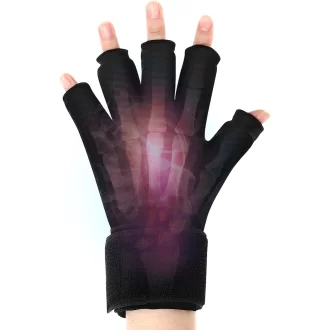
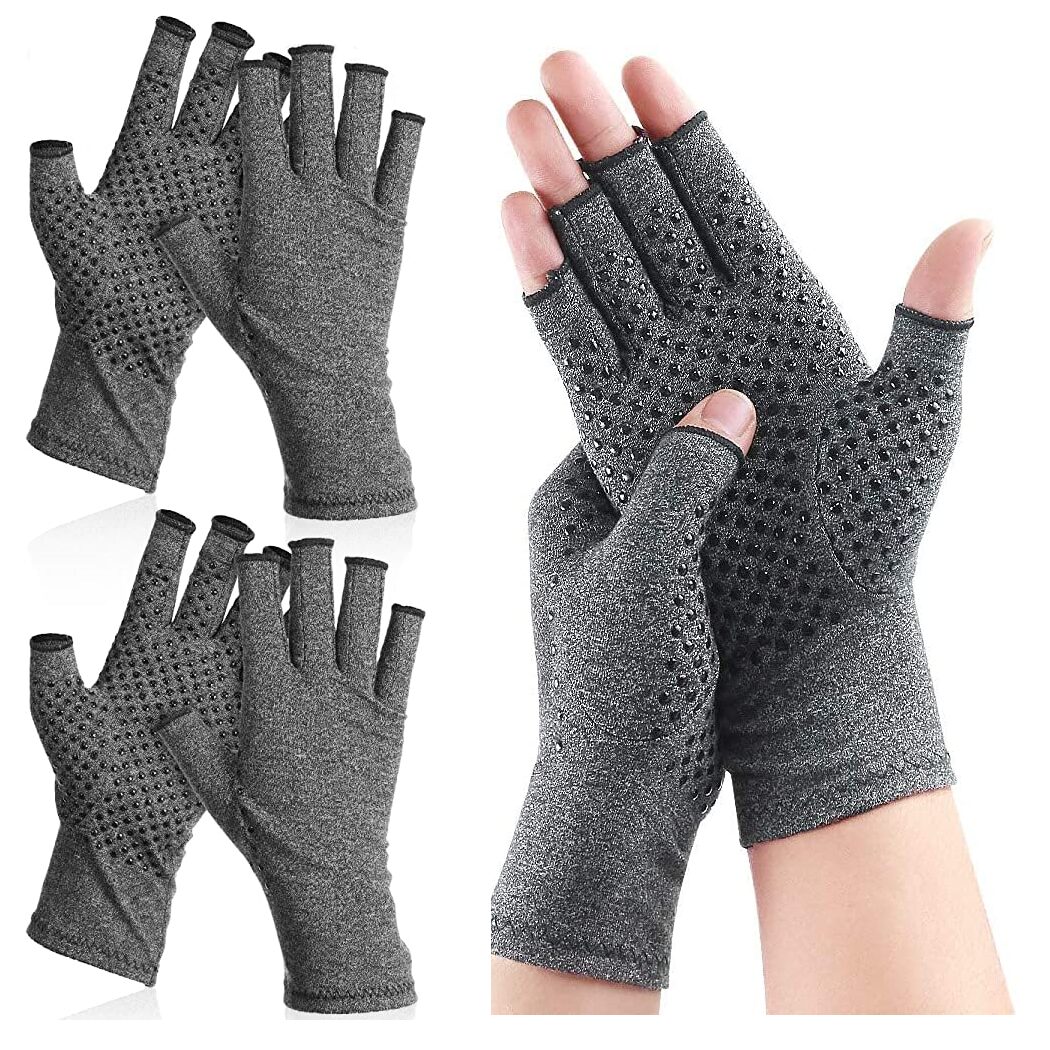
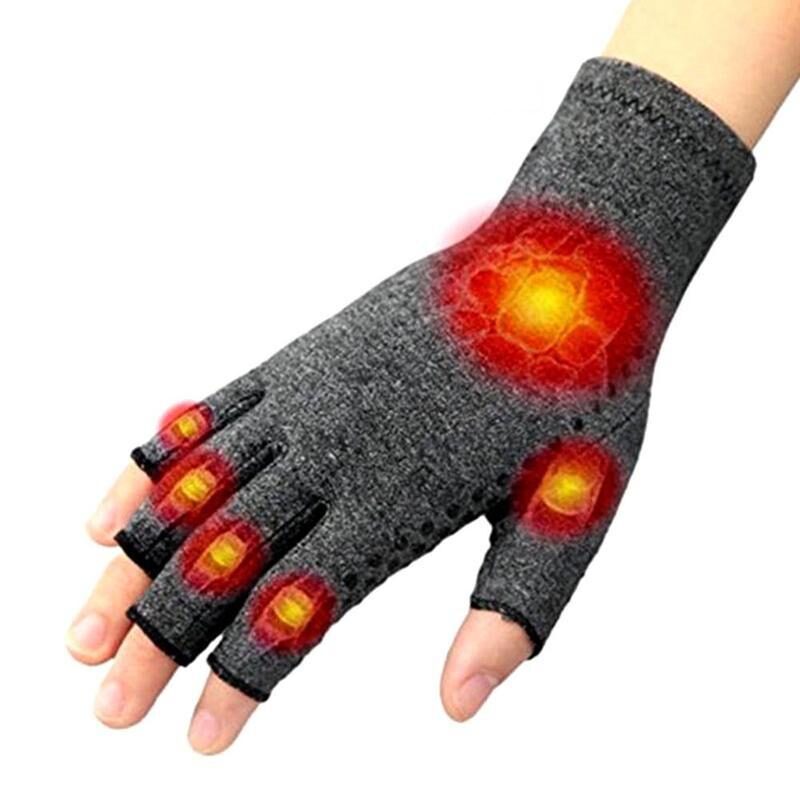
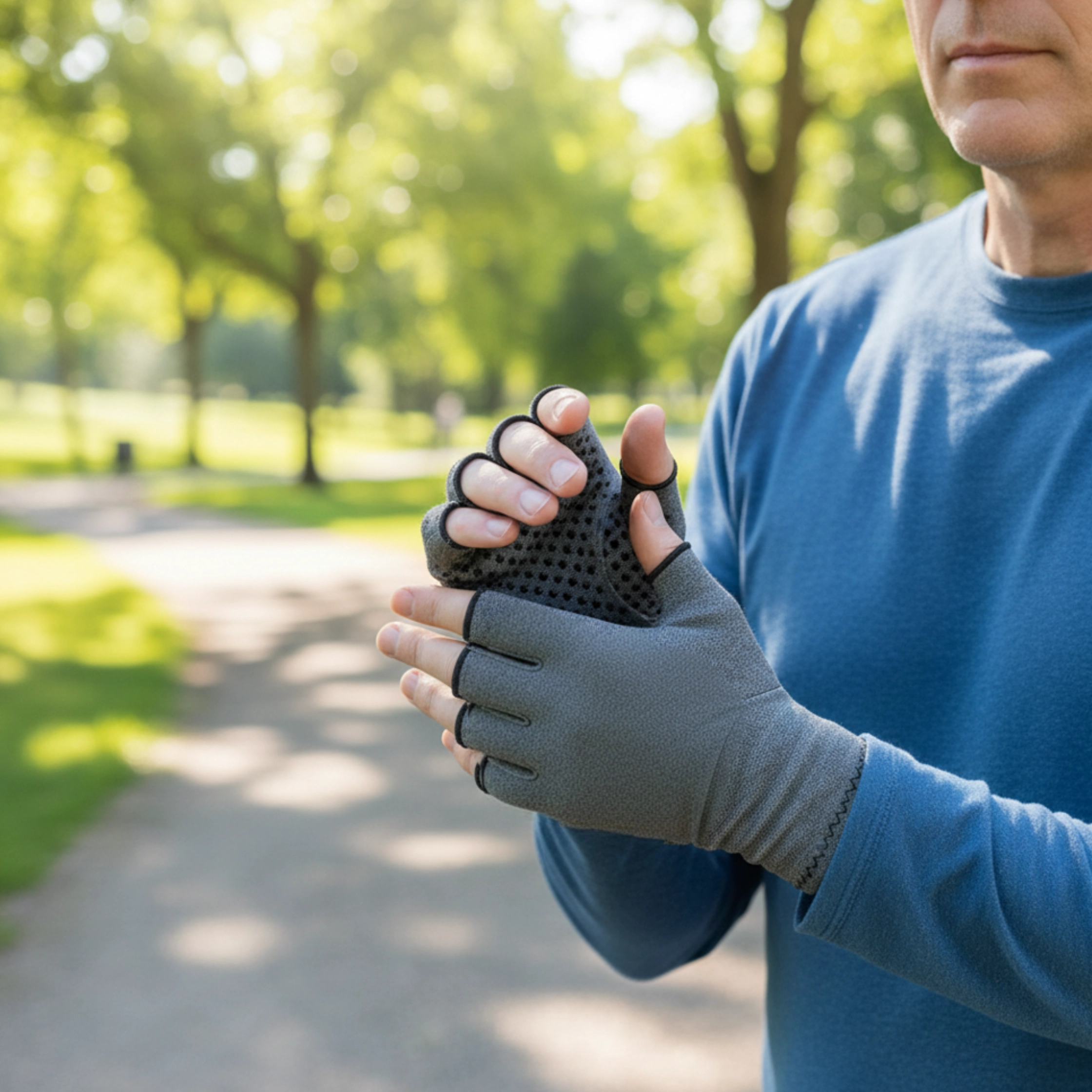
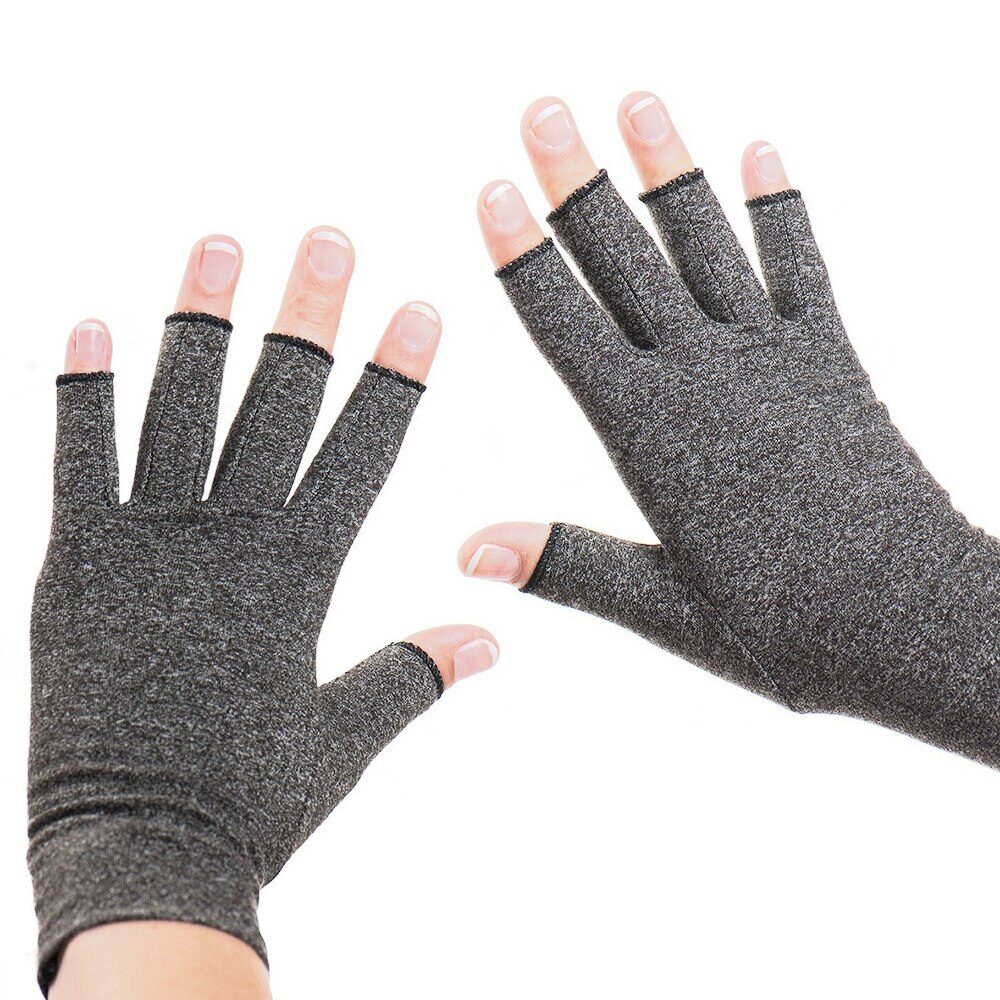
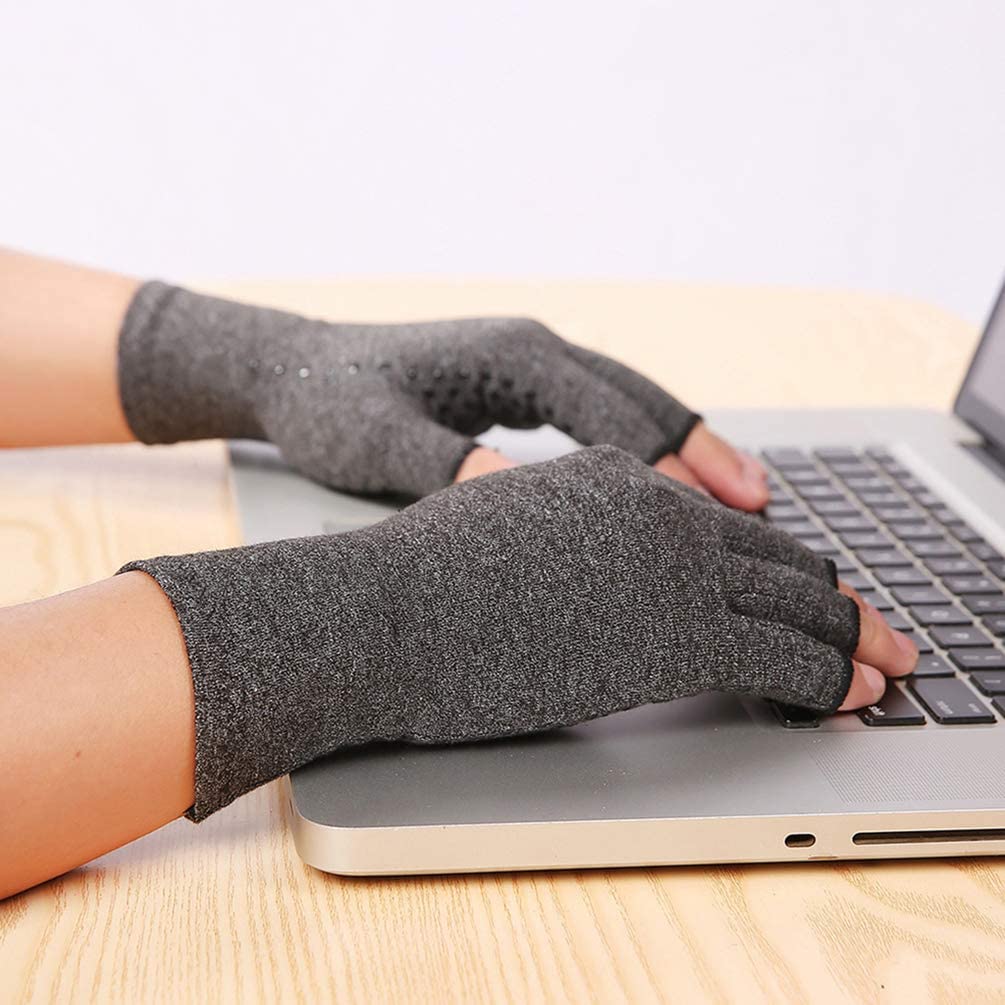
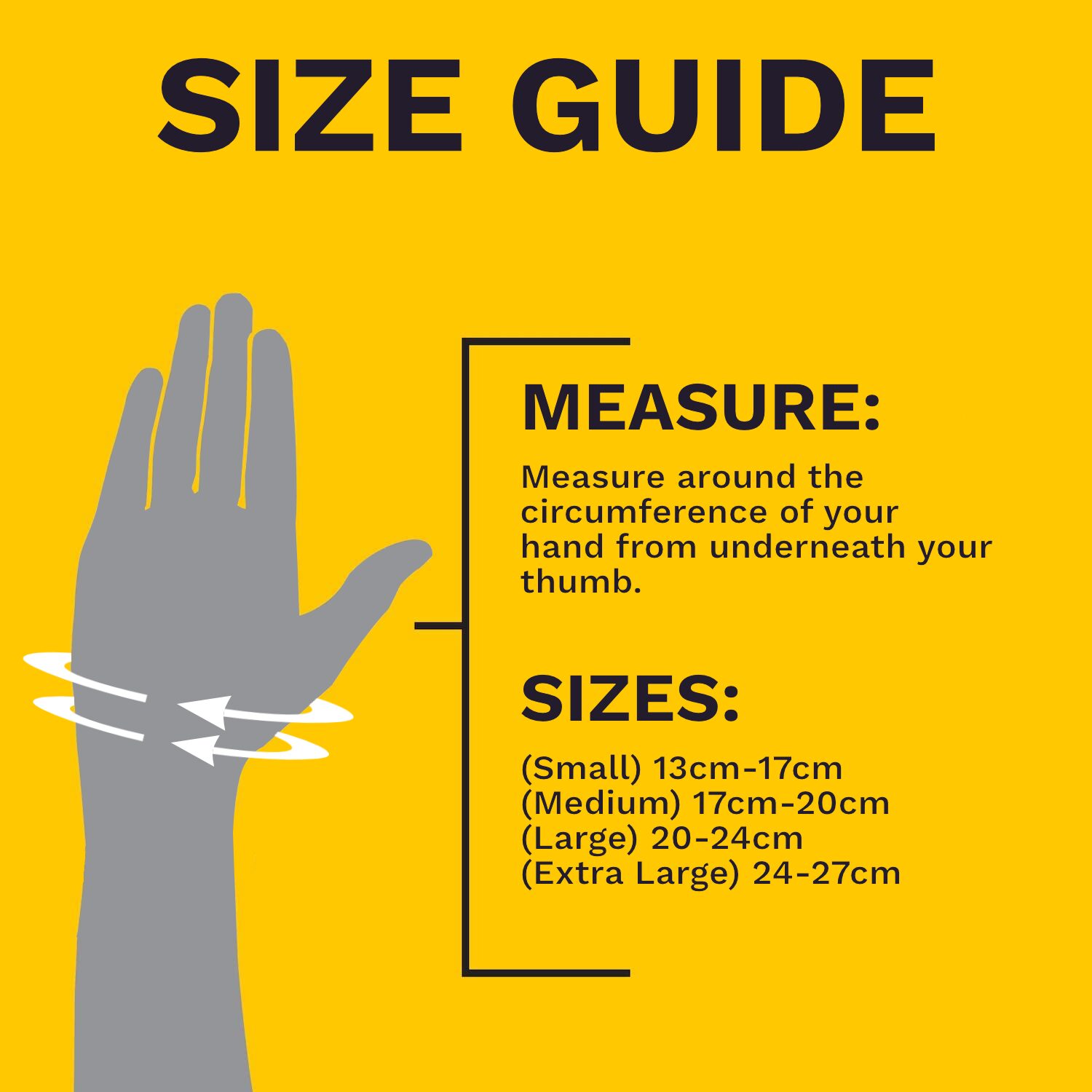
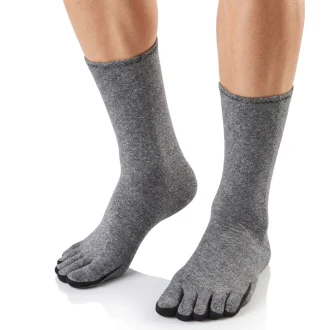
Reviews
There are no reviews yet.