No products in the cart.
Insoles for Underpronation
Underpronation and foot pain: what’s going on?
Pain in the feet, shins, knees, hips or lower back that keeps coming back can wear you down, especially when there is no clear reason for it. For many people, the way the foot moves when it hits the ground is a major part of what is going on. Underpronation is one of the patterns that can contribute to these aches and sharper pains.
With underpronation, the foot tends to roll outwards. Instead of the foot and arch helping to soften each step, more of the impact travels straight up through the legs and spine. Over time, that extra strain can show up as discomfort in several parts of the body.
What underpronation is and how it changes your gait
Underpronation (also called supination) describes the way the foot moves when you walk or run, where it rolls outwards more than is ideal.
In a more typical walking pattern:
- the heel touches the ground first,
- the foot then rolls inwards a little, and the arch lowers slightly,
- weight moves forward through the middle of the foot,
- and you push off through the ball of the foot and toes.
That small inward roll lets the arch work a bit like a spring. As the arch lowers, it spreads your body weight across more of the foot and takes some of the jolt that would otherwise go straight into the ankle, knee and hip.
With underpronation, the inward roll is reduced. Instead:
- the heel often lands more on its outer edge,
- the arch tends to stay higher and feels stiffer,
- and more weight is carried along the outer side of the foot.
Because the arch is not taking as much of the strain, smaller areas of the foot take more force. The outer corner of the heel and the outer forefoot often take the brunt of this, step after step. Less of the impact is absorbed in the foot, so more of it travels up into the ankles, shins, knees, hips and lower back.
Underpronation is more likely in people with higher arches, as these are often less flexible. Stiffness after previous ankle injuries and very rigid footwear can also make it harder for the foot to roll inwards. It can help to notice how your feet move when you walk or run.
How underpronation tends to feel day to day
Everyone’s pain pattern is slightly different, but there are some common signs that your feet may be rolling outwards more than they need to. These are not diagnoses, but they are useful to tell a clinician about.
Foot and heel patterns
- The outer side of the heel and the outer forefoot wear down more quickly on your shoes than the inside. This usually means your heel is striking on its outer corner with every step.
- There is recurring pain or aching along the outer edge of the foot, where more of your body weight is travelling.
- You get pain under the heel or in the arch, often sharp with the first few steps after getting out of bed or standing up, then turning into a deeper ache if you are on your feet for a long time. This often relates to strain on the band of tissue under the arch (the plantar fascia) and where it joins the heel bone.
Forefoot and toe patterns
- There is sharp, aching, or burning pain under the ball of the foot, just behind the toes. This is where the heads of the long bones in the forefoot take your weight as you push off.
- You notice tingling, numbness, or “electric” pain in one or more toes when walking or in certain shoes. This can happen if a nerve between the forefoot bones is pinched repeatedly.
- A bony lump develops at the base of the big toe (a bunion). The joint around it may look red, feel sore to touch and become stiff, especially in narrower shoes.
Leg, hip and back patterns
- Your shins ache during or after running or walking, often along the front or inner edge of the shinbone. The muscles and bone in this area may be taking more impact than usual.
- You notice knee pain linked with walking, standing or using stairs. This may feel like a deep ache around the front of the knee or soreness on the outside.
- Your hips or lower back feel tired and sore by the end of the day, as the muscles higher up have to work harder to keep you upright over feet that are rolling outwards. It is understandable if this sort of ongoing discomfort has started to wear you down.
Only a clinician can assess your gait and make a diagnosis, but if you recognise several of these patterns it is reasonable to suspect that foot mechanics may be part of the problem and that extra support might be helpful.
Why orthotic insoles are often used for underpronation
Underpronation does not always cause pain by itself, but it can make other problems more likely or more stubborn. Orthotic insoles are often used to ease some of the extra stress that this pattern creates on vulnerable areas.
Orthotic insoles are shaped supports that sit inside your shoes. They usually have:
- a raised, contoured area under the arch,
- a deeper, cup‑shaped section to hold the heel,
- and cushioning under key contact points, such as the heel and ball of the foot.
Together, this kind of insole aims to:
- support the arch so that more of your body weight is shared along the inner side of the foot instead of staying on the outer edge,
- hold the heel more snugly so it does not tip as far onto its outer corner when it lands,
- and spread pressure more evenly under the sole, rather than leaving it concentrated on one small patch.
In everyday life, many people describe changes such as:
- the outer heel feeling less “jabbed” with each step because the heel pad and insole cushioning are both taking some of the impact,
- less pulling or stabbing under the heel and arch because the band of tissue there is not being stretched quite as hard,
- a more balanced feel through the ball of the foot when pushing off, so one or two joints under the toes are not taking all the pressure,
- and a steadier feel through the ankle and leg, which can make knees, hips and the lower back feel less overworked.
These supports do not reshape the bones, but they can guide the foot into a better position and change where pressure goes up the leg. That is often enough to ease pain and make movement more manageable.
How underpronation can affect different parts of the body
Underpronation tends to stress certain structures again and again. Grouping problems by area can make it easier to see how they are linked and how insoles may help.
Heel and arch problems
Pain under the heel and along the arch is one of the most common issues seen with underpronation. The plantar fascia—a strong band running from the heel bone to the toes, which helps support the arch and heel—plays a key role.
When the heel keeps landing on its outer corner and the arch does not lower smoothly:
- the plantar fascia is pulled more sharply where it anchors into the heel bone,
- the outer side of the heel bone takes a harder hit,
- and the natural fat pad under the heel can be pushed out to the sides, so less of it sits directly under the bone.
Over time, this can lead to:
- plantar‑fasciitis‑type heel pain, often sharp with first steps after rest and then aching if you stay on your feet,
- bony outgrowths under the heel (often called heel spurs), which form where soft tissues have been pulling on the bone for a long time; these are not always painful themselves, but can sit in an already irritated area,
- and a bruised, “walking on pebbles” sensation if the fat pad has thinned and the heel bone is closer to the ground.
Orthotic insoles can help by:
- lifting and supporting the arch, which changes the angle and distance the plantar fascia has to span and can lessen the tug at the heel,
- using a deep heel cup to hold the heel bone in the centre of the fat pad, so the natural cushioning sits directly underneath it,
- adding extra cushioning under the heel, so impact is spread between the heel pad and the insole material rather than being taken by the bone alone.
These changes can make walking on hard surfaces feel less harsh and, over time, give irritated tissues under the heel and arch a better chance to settle.
Pain in the ball of the foot and toes
The front of the foot can also be affected by underpronation. As more weight travels along the outer side, the area used to push off becomes smaller and more focused.
This often shows up as:
- aching, burning or sharp pain under the ball of the foot (metatarsalgia), especially under one or two of the long bones behind the toes where your weight rolls forwards,
- pain and swelling under the big toe from repeated pressure on the small bones beneath it (sesamoiditis), making it sore to bend or push off through that toe,
- nerve‑type pain, such as tingling, numbness or shooting sensations between the toes, which can happen if a nerve running between the long bones in the forefoot is squeezed again and again,
- more irritation around the big toe joint in people prone to bunions, as load is focused on the side of that joint and the soft tissues there.
Underpronation contributes by:
- narrowing the area of the forefoot that takes your weight when you push off, so a few joints carry more pressure,
- and altering how the toes press into the ground, which can pinch the nerve between the bones and strain the joints.
Orthotic insoles can ease these problems by:
- offering support not just under the arch, but also under the inner part of the forefoot, so some weight is shared away from the most overloaded outer metatarsals,
- giving a broader, more even platform under the ball of the foot so the pressure is spread across more of the forefoot,
- and reducing the amount the foot rolls out, so the same small patch under the ball of the foot is not hit as hard on every step.
Many people with forefoot pain notice that walking, especially on firm ground such as pavements, becomes more tolerable when pressure is shared more fairly.
Tendons, outer foot and lower leg
Tendons and the outer side of the foot and lower leg often have to work harder in underpronation.
The Achilles tendon, which links the calf muscles to the heel bone, is a good example. When the heel tips outwards:
- the tendon can be pulled slightly off centre,
- some fibres are loaded more heavily than others,
- and the repeated pulling can make the tendon sore and stiff just above the heel, especially after a spell of rest or when going uphill.
The muscles and bone in the shin can also be affected. If the arch is not absorbing much impact:
- the muscles along the front and inner side of the shinbone have to work harder to control the foot as it comes down,
- and the shinbone itself can be exposed to higher forces with each step.
This can lead to aching or sharp pain along the front or inner border of the shin during or after activity and, if the stress is high and long‑lasting, small stress‑type changes or cracks in the bone.
Further down, the outer mid‑foot and tissues around the heel can become sore. Repeated tipping onto the outer side of the foot can:
- squash the small cuboid bone on the outer middle of the foot and the joints around it,
- and irritate the small fluid‑filled sacs (bursae) near the heel bone, causing deep aching and swelling at the back or underside of the heel.
Orthotic insoles can support these areas by:
- holding the heel more securely in a deeper cup so it does not tip as far outwards, helping the Achilles tendon pull in a straighter line,
- softening the impact under the heel and along the foot so the muscles and bones of the lower leg do not have to absorb such a sharp jolt,
- and giving more consistent support under the outer mid‑foot, which can ease the squeezing of the small joints and surrounding soft tissue.
Insoles do not replace exercises or other treatment you may be given, but they often make those exercise plans more comfortable to carry out.
Knock‑on effects at the knee, hip and back
The way the foot sits on the ground affects the whole leg. When the heel tilts and the foot rolls along its outer edge:
- the lower leg may angle outwards slightly,
- the knee can twist a little to keep your foot pointing ahead,
- and the hip and pelvis have to adapt to keep you upright.
Over time, this pattern may contribute to:
- knee pain, such as aching around the front of the knee or soreness down the outer side, as the way the kneecap tracks and the pull of the outer thigh tissues change,
- hip discomfort, often a dull ache on the outer side of the hip or deeper in the joint after longer walks, because some hip muscles are working harder to keep the leg in line,
- and lower back ache, as the pelvis and lower spine are asked to correct small twists and tilts with each step, especially if you already struggle with stiffness there.
Underpronation is usually one factor among several. Age, previous injuries, muscle strength and joint health all play their part too.
Orthotic insoles that support the arch and guide the heel into a more neutral position can:
- bring the lower leg back over the foot more evenly,
- reduce the small twist that the knee has to deal with on each step,
- and help the hip and pelvis sit a little more level, which may mean the lower back does not have to work quite as hard.
Many people find that, alongside suitable strengthening and stretching exercises and sensible changes to how long they are on their feet at a time, this makes walking to the shops, using stairs and standing for longer spells more manageable.
Higher‑risk feet, including diabetes
In some people, underpronation does not just cause pain; it can add to the risk of more serious problems.
If you have diabetes, for example, you may have reduced feeling or poorer blood flow in your feet. When a lot of weight is carried through a small area because of underpronation:
- that area is more likely to develop rubbing, callus or small breaks in the skin,
- you may not feel these early changes as clearly,
- and healing can be slower, so small problems are more likely to turn into ulcers.
If you already have arthritis in your feet, ankles, knees or hips, repeated extra stress on one side of a joint can also make that joint more irritable. Arthritis has many causes, but how forces are spread through the joint is one piece of the puzzle.
Some insoles are designed specifically with high‑risk feet in mind, using materials and shapes that spread pressure as evenly as possible. In these situations, insoles to spread pressure and support the foot may still be very useful, but they should be chosen with professional input. People with diabetes, poor circulation or significant joint changes should have regular foot checks and advice from a GP, podiatrist or other specialist about the safest type of insole for them, rather than selecting insoles alone.
Why this orthotic insole range is designed for underpronation
This range of orthotic insoles is chosen specifically to suit outward‑rolling feet. The focus is on supporting the way your foot moves, rather than simply adding a layer of softness.
Clinicians regularly report the same pattern in people who underpronate: higher, stiffer arches, heels that land on their outer edge, and forefeet that are overloaded on a small area. The insoles in this range are selected and developed with that in mind, by:
- giving firmer support along the arch to help stop the foot drifting further outwards and to share weight away from the outer edge,
- cradling the heel in a deeper cup so the heel bone sits in the middle of the natural heel pad instead of tipping onto its outer corner,
- combining that structure with cushioning under the heel and ball of the foot so impact is softened without the insole quickly flattening.
Designs in this range have been shaped and refined in line with feedback from clinicians who manage underpronation‑related problems, such as heel pain, forefoot overload and tendon irritation.
There are options from several manufacturers, including the NuovaHealth line, so you can choose:
- slimmer profiles for everyday shoes, where space is limited but some support is still needed,
- designs with more cushioning for very sensitive feet or thinner fat pads,
- and more supportive styles for higher‑impact use such as running or long shifts on your feet.
Materials are made to hold their shape in regular use, so the arch support and heel cradle continue to feel present, rather than sinking or compressing after a short period.
Off‑the‑shelf or custom: what’s sensible to try first?
Many people wonder whether they need custom‑made insoles or whether ready‑made ones are enough.
Ready‑made orthotic insoles are shaped to suit common patterns, such as higher arches and feet that roll outwards. If your feet broadly match this pattern and your shoes can accommodate the insole, they can offer a straightforward way to improve comfort and support.
Custom orthotics are made after a detailed assessment and are tailored to your individual foot shape and needs. They may be more appropriate if:
- your foot structure is very unusual or significantly altered by conditions such as severe arthritis,
- your pain is severe, complex or has not responded to simpler options such as off‑the‑shelf insoles and basic footwear changes,
- you have other health issues that make your feet higher risk, such as significant diabetes‑related changes.
It can be difficult to judge your own foot type from online descriptions alone. For many adults with underpronation‑type mechanics and mild to moderate pain, trying a well‑chosen off‑the‑shelf orthotic is a reasonable first step. If pain does not improve, gets worse, or if you have other medical concerns, a GP, physiotherapist or podiatrist can advise whether a custom device or different approach is needed.
How to choose and use these insoles
There are a few practical points that can help orthotic insoles work better for you:
- Check that your shoes have enough depth and, ideally, a removable insole or liner. Taking this out lets the orthotic sit flat in the shoe and stops your foot being pushed up too high.
- If the orthotic can be trimmed, use the shoe’s original insole as a template. Trim small amounts from the toe end only, checking the fit as you go. Do not cut into the arch or heel area.
- Start by wearing the insoles for a short time each day, such as one to two hours, and build up gradually over about a week. This gives your feet, ankles, knees and hips time to adjust.
- Wear them for activities that usually bring on your pain, such as long walks, running, or periods of prolonged standing. Some people find it useful to have more than one pair so they do not need to keep swapping between shoes.
It is common to notice mild changes in how your feet and legs feel in the first few days. You might feel a different type of muscle ache in the arches or calves as your body gets used to the new support. That should ease as you adjust. If you feel sharp pain, clear worsening of your symptoms, new pain in areas that were comfortable before, or any numbness or tingling, it is sensible to reduce wear time or stop and seek advice.
What to realistically expect
Orthotic insoles do not cure every cause of pain, and they do not change joint shape. What they can do is alter how your foot sits and how forces are shared, which often reduces the strain on irritated tissues.
When the insole is a good match for your foot and shoes, many people notice over the following weeks that:
- pain that used to flare quickly with standing or walking takes longer to build or feels less intense,
- they can manage daily tasks or exercise with less payback afterwards,
- everyday movements such as walking on hard surfaces, going up and down stairs, or standing at work feel more manageable.
Everyone is a bit different in how quickly this happens. Some feel a change within days; for others it is more gradual as tendons, joints and muscles have time to calm down and adapt to the new way of loading.
Insoles usually work best as part of a wider plan. That might include exercises to strengthen foot, ankle and leg muscles, stretches to reduce tightness, and sensible changes to how long you stand or what type of activities you do in one go. A physiotherapist or other clinician can advise on this.
Safety and when to seek advice
Underpronation and the problems linked with it are straightforward in some people and more complex in others. It is important to know when to get things checked rather than adjusting things on your own.
Speak to a GP, physiotherapist, podiatrist or other appropriate clinician before relying on orthotic insoles if:
- you have sudden, severe or unexplained pain in your foot, leg, hip or back,
- you cannot put weight on the limb, or walking is very difficult,
- there is marked swelling, redness or warmth that does not settle,
- you have diabetes and notice any numbness, colour changes, ulcers or infections in your feet,
- you have been told you have poor circulation to your feet,
- you have had recent surgery to your feet, ankles or legs, or have been told you have major structural changes there.
If you start using orthotic insoles and notice:
- worsening pain,
- new areas of numbness or tingling,
- changes in colour or temperature in your toes or foot,
- or persistent rubbing, blistering or broken skin that does not improve,
stop using the product and seek advice before continuing. In these situations, it is safer to have your feet and footwear assessed properly rather than trying to adjust things alone.
Summary and next steps
Underpronation keeps more weight along the outer edge of the foot and reduces the natural shock‑absorbing role of the arch. Over time, that can contribute to pain under the heel and arch, in the ball of the foot, and higher up in the shins, knees, hips and lower back.
The orthotic insoles in this range are selected to address those mechanics. They support the arch, hold the heel in a more balanced position and spread pressure more evenly under the foot. For many people, that means walking and standing on hard surfaces feel more comfortable and longer spells on their feet are easier to manage.
If you suspect underpronation is playing a part in your pain, it may be worth trying a suitable orthotic insole in shoes that can accommodate it. If you are unsure, or if your pain is severe, persistent, or linked with conditions such as diabetes, poor circulation or recent surgery, it is wise to discuss your symptoms and options with a GP, physiotherapist or podiatrist before making changes.
Disclaimer
The information on this page is intended for general informational and guidance. It is not a substitute for personal medical advice, diagnosis or treatment. If you have concerns about your feet, legs, hips or back, or are unsure whether orthotic insoles are suitable for you, speak to a doctor, physiotherapist, podiatrist or other appropriate health professional. While many people find orthotic insoles helpful, individual responses vary and no particular result can be guaranteed.
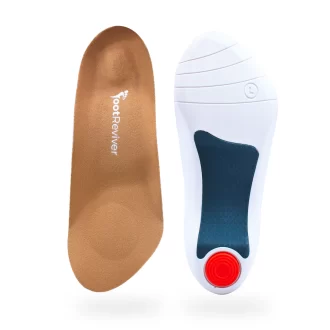
Plantar Fasciitis Arch Support 3/4 Length Heel Pain Relief Insoles
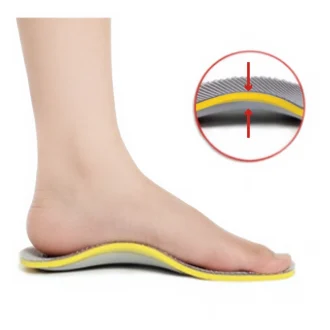
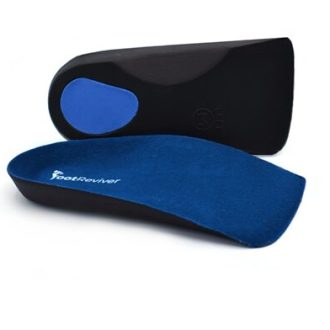
- 1x Pair of Arch Support Insoles — FootReviver Arch Support Insoles designed to steady your heel, support your arch, and help ease plantar‑fasciitis‑related heel discomfort during everyday wear
- For Men & Women
- Available in UK sizes 7–11 and 3–7; trim‑to‑fit forefoot for a closer match
- Slim 3/4‑length design fits most everyday shoes quickly and easily while leaving toes free
- Semi‑rigid plastic arch support, deep heel cup, and gentle medial posting (a small inner‑edge lift that guides alignment) help reduce excess inward roll and the strain it can place on the inner heel, arch, and plantar fascia
- Dual‑density foam cushioning with a built‑in heel pad absorbs impact while keeping midfoot support stable
- Soft, breathable fabric top cover with a moisture‑wicking surface helps keep feet drier and reduces rubbing; smooth against the skin to reduce irritation
- A practical choice for long shifts on your feet—retail, hospitality, healthcare—and for feet with low or high arches that benefit from steady support
- Designed to reduce strain on the plantar fascia and support comfortable daily movement; results vary and this is not a medical device
- Lightweight, durable, and easy to swap between shoes; trim the forefoot only, then seat the heel cup flush at the back
- Includes a full 30‑day money‑back guarantee
£9.99£10.99inc VAT
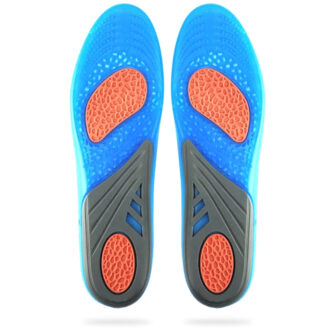
Everyday Comfort Gel Walking Insoles
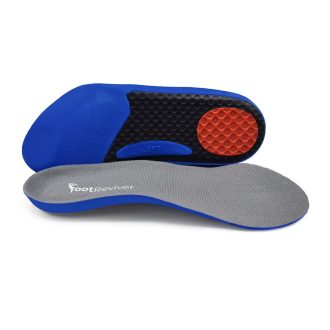
- 1x Pair of Everyday Comfort Gel Walking Insoles specially created for people who love to walk or run long distances and don’t want painful aching feet or legs
- For both Men & Women
- Available in 3-9 & 9-13 USA shoe sizes (trim to fit using scissors)
- The soothing silicone gel that these insoles are made from will help to massage and relax your feet as you walk not only that, but this specially designed gel will also help to stop pressure points from developing underneath your feet by evenly spreading weight across your soles
- Designed to cushion and protect your feet from shock and impacts created when your feet strike the ground when you are walking, running or jumping
- Features inbuilt arch support technology that has been specially designed to support the arches of your feet in the optimum position and helps take strain and pressure off your arches to prevent overuse injuries such as Plantar fasciitis
- These walking insoles are lightweight, breathable and durable and can be slipped easily inside many different types of footwear including Walking shoes and Boots, Trainers, Work boots, High heels, Slippers, as well as Casual and Formal shoes
- Helps stop heel pain in its tracks by stabilizing and supporting your heels and ankles and prevents twisting and excessive movement of your feet which can cause injuries such as ankle sprain and Achilles tendonitis from occurring
- Highly recommended for people with Flat feet, High arches, Supination, Overpronation, Plantar Fasciitis, Heel Spurs, Bunions, Metatarsalgia, Sesamoiditis, Morton’s Neuroma, Diabetes, Cuboid Syndrome, Achilles tendonitis, Shin splints, Patella tendonitis, as well as Knee, hip and back pain
- Designed to help fix your gait when you walk preventing excessive pronation during the gait cycle in order to minimize the pressure being put on your feet and prevent injuries from developing
- Includes a full 30-day money back guarantee!
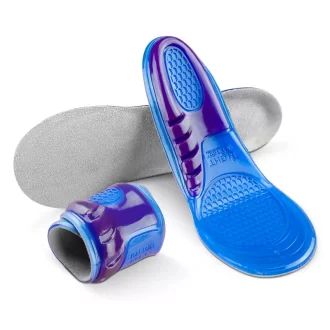
£10.99inc VATGel Footbed Insoles for trainers
- 1x Pair of Gel Footbed Insoles for trainers and running shoes to help protect your feet and lower limbs from shock when running, exercising or playing sports
- For both Men & Women
- Available in sizes 6-9 & 8-12 (trim to fit)
- Recommended for people suffering from Plantar fasciitis, Heel Spurs, Flat feet, High arches, Achilles tendonitis, Arthritis, Neuropathy, Diabetes, Raynaud’s disease, Poor circulation, Metatarsalgia, Morton’s neuroma, Bunions, Pes Cavus, Sesamoiditis, Cuboid Syndrome, Ankle sprains, Shin splints as well as Knee, Hip and lower back pain
- Made from medical grade silicone gel that massages your feet and helps prevent foot fatigue and improves muscle recovery by stimulating the blood vessels in your feet to boost the circulation in them
- Helps cushion your feet and absorbs shock and vibrations whenever your feet strike the ground when walking, running and jumping to deplete the impact felt on key ligaments, tendons and joints found in your feet, knees, hips and lower back
- The silicone gel moulds to the exact shape and contours of your feet to provide a custom level of support and protection
- Helps correct common gait problems and biomechanical imbalances known to cause injury such as Overpronation and supination
- Provides supports your arches in the correct position and helps take strain and pressure off your plantar fascia ligament to help prevent and treat Plantar fasciitis
- 3/4 length heel cup provides extra support and stability to your heels and ankles and prevents heel pain by spreading weight evenly underneath your heels to stop pressure points from developing when stood for long period of time
- Lightweight and breathable design featuring moisture wicking technology and antibacterial properties to keep your feet fresh and odour free
- Includes a full 30-day money back guarantee!
£11.99inc VATMemory foam insoles – Cushioning footbeds for sore aching feet
- Do you ever feel like your feet need a break? Are you constantly battling with foot pain, discomfort, or other related conditions? FootReviver Memory Foam Insoles are here to bring relief to your tired and aching feet. These Specially designed Footbeds will help cushion, support and protect your feet, knees, legs hips and back!
- For both Men & Women
- Available in a 5-7 & 8-10 UK shoe sizes (trim to fit)
- Ideal for people who are suffer from flat feet, High arches, Overpronation, Underpronation and Diabetes who are at greater risk of develop foot problems as a result
- Features a memory foam top layer that adapts to the shape of your feet to provide a custom level of support and cushioning
- Designed to redistribute weight pressure evenly underneath your feet preventing pressure points from causing pain and injury when you are stood for long amounts of time
- Shock absorbing EVA base soles protect your feet from shock, vibrations and impacts when walking, running and jumping
- Feature orthotic arch support technology that helps keep your arches properly supported and prevents excessive movement and gait problems such as Overpronation and supination from damaging your feet and causing overuse injuries such as Plantar fasciitis
- Recommended by podiatrists to help treat and ease Metatarsalgia, Bunions, Morton’s Neuroma, Metatarsal fractures, Atrophy of the fat pad, Plantar Fasciitis, Heel Spurs, Heel Bursitis, Achilles tendonitis, Cuboid Syndrome, Arthritis, Oedema, Neuropathy, and gout!
- The ventilation holes allow your feet to breathe and keep them comfortable, dry and feeling fresher for longer
- Deep heel cups help to support and stabilize your heels and ankles to prevent excessive movement which can twist, sprain and strain your feet and legs
- Includes a full 30-day money back guarantee!
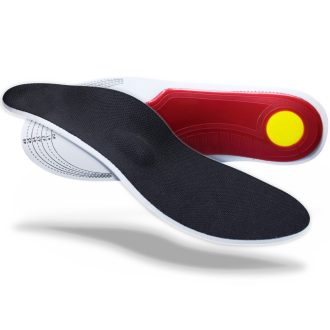
£12.99inc VATPlantar Fasciitis Orthotics – Shoe insoles for Arch, Heel & Foot pain
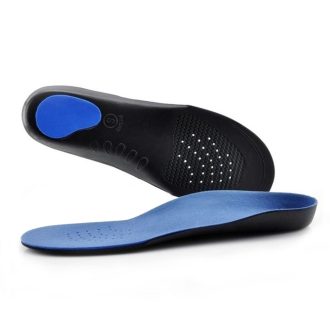
- Relieve & Protect: If you’re struggling with foot pain caused by Plantar Fasciitis or other issues, FootReviver Orthotics offer a targeted approach to help alleviate discomfort. By reducing strain on your lower limbs, these insoles encourage a proper recovery and keep you moving with greater ease.
- Biomechanical Support: Crafted to correct common biomechanical causes of Plantar Fasciitis, FootReviver Orthotics guide your feet to function more efficiently. Excessive pronation is controlled, helping to minimize stress on sensitive areas and preventing further injury.
- Stable Cushioning: With a 3/4 length solid heel cup, FootReviver Orthotics absorb shock and enhance balance during activities. This added stability not only protects your heels but also supports your arches, making them ideal for those with flat feet or high arches.
- Customizable Fit: Thanks to the trim-to-fit design, FootReviver Orthotics slip effortlessly into most shoe types. Adjust them for a personalized fit that targets the source of foot pain, offering relief for long days on your feet.
- Perfect for Active Lifestyles: Anyone dealing with tired, aching feet—especially those on their feet all day—can benefit from the comfort and support provided by FootReviver Orthotics. Enjoy improved comfort whether you’re walking, running, or simply going about daily tasks.
- Key Specifications:
• 3/4 semi-rigid plastic shell for durability and effective arch support
• Active carbon fiber layer that helps eliminate odor and maintains a fresh feel - Size Options:
• Available in UK shoe sizes 7-11 & 3-7
• Suitable for both men and women - What You Get:
• 1x Pair of FootReviver Orthotics (one insole for each foot)
£9.99£11.99inc VATDiabetic Insoles By FootReviver™
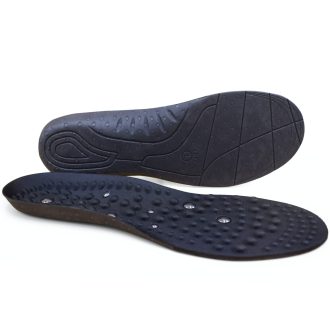
- 1x Pair of Diabetic insoles developed by FootReviver™ to help support, protect and ease your feet if you are suffering from Diabetic Neuropathy
- Available in Size Medium or Large
- Medium (UK shoe size 7-10), Large (UK shoe size 10-13), cut along the guidelines for your best fit.
- Designed to help to prevent nerve damage and ease neuropathy caused by Diabetes
- Provides soothing magnetic therapy to ease aches and pains deep within your feet and lower limbs
- Reflexology nodes massage and stimulate blood flow helping to reduce numbness, aches and pains and improve circulation
- Built in arch and heel support helps ease pressure and strain off key tendons, ligaments and joints in your feet to help prevent injuries from developing
- Includes a full 30 day money back guarantee!
Warning! Please note this item contains Magnets and so it can potentially interfere with pacemakers, defibrillators, and other medical implants that could be affected by magnets. Do not buy this item if you have an implanted medical device, we cannot be held liable for any damage caused wearing this product.£12.99inc VATGel Insoles for Heel Pain (Blue and Yellow)
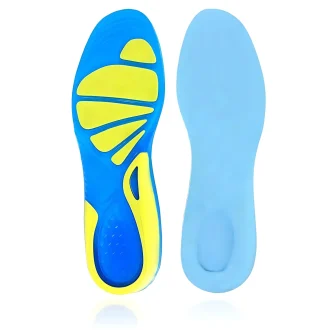
- 1x pair of orthotic gel insoles for heel pain by FootReviver™
- For both Men & Women
- Available in a range of different sizes and can be easily slipped into virtually any type of shoes with total ease
- Ideal for people suffering from Plantar fasciitis, Metatarsalgia, Achilles tendonitis, Oedema (swollen feet), Gout, Neuropathy, Diabetes and Arthritis
- Made from shock absorbing silicone gel designed to provide better protection to your feet
- Inbuilt arch support helps correct the way your feet function and help ease pressure and strain off your feet
- Deep heel cup design provides extra support, stability and heel protection
- Designed to prevent the build up of pressure underneath your soles and heels making these insoles perfect for people who have to stand all day on hard surfaces
- Super lightweight to wear and constructed to be as durable as possible
- Includes a full 30 day money back guarantee if you are not 100% satisfied with your purchase!
£9.99inc VATSupination Insoles for Underpronation By FootReviver™
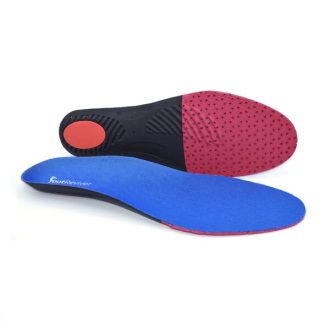
- Precision-Engineered for Supination Correction: This pair of insoles is specifically designed to correct underpronation by featuring a strategically inclined outer edge that gently tilts your foot inward, promoting proper alignment and a stable gait.
- Durable & Versatile for Everyday Use: The low-profile, flexible-yet-supportive construction ensures a seamless fit in a wide range of footwear, making them perfect for both everyday wear and sports. Sizes available: XS (UK 1-2), S (UK 2-3), M (UK 4-6), L (UK 7-8.5), XL (UK 9-11).
- Reinforced Lateral Support & Targeted Arch Control: The dual-action design combines a firm, reinforced lateral barrier to block excessive outward roll with a contoured arch cup to cradle your foot’s natural curve, working in unison to alleviate strain on ankles, arches, and plantar fascia.
- Full-Length Advanced Shock Absorption: Crafted from lightweight, durable, and high-resilience EVA material that runs from heel to toe, providing superior cushioning to protect your feet, joints, and lower back from impact during walking, running, or prolonged standing.
- Anatomically Contoured for Natural Alignment: A heel cup and precision-moulded arch support work together to guide your entire foot into a healthier, neutral position, redistributing weight evenly to reduce fatigue and compensatory pain in your knees and hips.
- Secure, Breathable & Comfortable Fit: Features gripper nodes under the forefoot to prevent slipping and a moisture-wicking top cover that improves air circulation, keeping your feet dry, secure, and comfortable all day long.
- Universal Design & Professional Recommendation: For both men and women, these insoles are ideal for casual shoes, trainers, and boots. They are recommended by physiotherapists and podiatrists to help treat and prevent a wide range of conditions linked to supination, including Plantar Fasciitis, Heel Spurs, Metatarsalgia, Achilles Tendonitis, Ankle Instabilities, and knee or back pain.
- Your Satisfaction Guaranteed: Backed by a full 30-day money-back guarantee, so you can experience the FootReviver difference risk-free.
£16.95inc VATFootReviver Walking Insoles
- 1x pair of orthotic support insoles for walking
- For both Men & Women
- Fit inside walking boots and everyday shoes with total ease
- Inbuilt arch support ergonomically designed to help ease pressure and strain off your feet
- Great for easing foot and heel pain as well as treating common walking injuries such as Plantar fasciitis, Achilles tendinitis, Shin splints and knee tendinitis.
- Helps improve the way your feet function by preventing biomechanical imbalances such as overpronation and supination from occurring
- Ideal for those who suffer from tired aching feet
- Deep heel cup supports your heels in the correct position and prevents the buildup of pressure underneath your heels
- Lightweight yet durable EVA shock absorbing material helps prevent shock from damaging your feet
- Includes a full 30 day money back guarantee, no questions asked!
£9.99inc VATArch Support Insoles for Plantar Fasciitis and Flat Feet
Key Features & Benefits at a Glance
- Expertly Engineered for Targeted Pain Relief: Specifically crafted for individuals with flat feet and plantar fasciitis, these arch support insoles deliver focused relief by addressing the underlying causes of foot and heel pain. They provide a structured foundation that helps reduce discomfort from the first step, supporting your path to improved daily comfort.
- Orthotic Alignment for Improved Biomechanics: Experience comprehensive orthotic arch and deep heel cup support that encourages proper alignment of your feet and lower limbs. This design helps correct imbalances like overpronation and supination, distributing pressure more evenly with each step. By fostering optimal alignment, you can minimize strain on vulnerable areas and enhance natural foot function throughout your activities.
- Holistic Support for Common Foot Conditions: Rely on these insoles to assist in managing, alleviating, and preventing a variety of foot and lower limb issues. They offer consistent, therapeutic support for conditions such as plantar fasciitis, heel spurs, arthritis, metatarsalgia, Morton’s neuroma, bunions, blisters, sesamoiditis, Achilles tendonitis, ankle sprains, and shin splints, contributing to overall foot health.
- Advanced Shock Absorption for Lasting Comfort: Protect your feet from the repetitive impacts of daily life with insoles designed to absorb shock and distribute weight uniformly across the sole. This reduces high-pressure points and discomfort, making them an essential choice for those who stand for long periods on hard surfaces or experience tired, aching legs and feet. The result is a stable, cushioned foundation that helps combat fatigue and maintain comfort.
- Antibacterial Material for Enhanced Freshness: Crafted from Active Carbon Fibre, these insoles naturally inhibit bacterial growth, effectively neutralise odours, and promote a drier, fresher feeling throughout the day. This material choice ensures that comfort extends beyond support to include a more pleasant in-shoe environment.
- Reinforced Stability for Active Pursuits: Benefit from added support and stability that makes these insoles ideal for runners and athletes. They provide extra protection during high-impact activities like running or jumping, helping to safeguard your feet and ankles while promoting confident movement.
- Customisable Fit for Versatile Use: Designed to suit both men and women, the insoles are available in sizes 7-11 and 3-7. With a simple trim-to-fit feature, you can easily adapt them to any enclosed footwear—from trainers and boots to casual shoes—ensuring the support elements are perfectly positioned for maximum effect.
- Risk-Free Trial with a Satisfaction Guarantee: Purchase with assurance thanks to a 30-day money-back guarantee. This allows you to experience the transformative comfort and support of these insoles firsthand, providing peace of mind as you invest in your foot health.
£9.99£11.99inc VATNuovaHealth shock absorbing arch support insoles
Why choose these shock absorbing insoles?
Designed to help treat and prevent the main causes of foot aches and pain including injuries such as plantar fasciitis, metatarsalgia, foot drop, Achilles tendonitis. All orders come complete with a full 30-day money back guarantee for customer peace of mind.Main features
- 1x pair of arch support insoles that help support your feet in a natural and comfortable position to keep strain and pressure off your lower limbs when you walk
- For both Men & Women
- Available in UK shoe sizes 6-8 and 9-12
- Inbuilt arch support helps to keep pressure off your arch as well as correct common functional problems such as overpronation which can lead to injuries such as plantar fasciitis to develop
- Designed to absorb as much shock as possible helping to protect you against foot aches, shin splints and knee pain
- Metatarsal pads help to protect the ball of your foot helping you to avoid metatarsalgia
- Memory foam top layer helps to keep your feet feeling more comfortable in your shoes
- Heel cup keeps your foot and heel in place giving you more stability and reducing your risk of injury
- Lightweight and breathable construction makes them ideal for wearing whilst running or playing sports to help you avoid injury and prevent foot pain
- We are so confident that you will just love these insoles and that they will help ease your foot pain that we provide a full 30 day money back guarantee, no questions asked!
£10.99inc VATRunning insoles by FootReviver™
Why buy these Running insoles!
Running can take its toll on your feet. The high impact forces and pressure placed upon your feet when you run can damage key ligaments, joints, and bones in your feet. This can cause injuries and problems to develop such as metatarsalgia, plantar fasciitis, heel spurs, Achilles tendinitis as well as other problems that can affect not just your feet but also your lower limbs and lower back.That is why it important to make sure that your feet are properly supported and protected when you run. Wearing a pair of these running insoles in your shoes is one way that you can stay injury free!
Main features
- 1X pair of genuine FootReviver running insoles, features the very best arch support and motion control technology to keep you running injury free!
- Ideal for treating and easing a number of different foot related injuries
- Perfect for people who are on their feet all day featuring a memory foam layer for better shoe comfort.
- Inbuilt arch support corrects your foot functions and stops things such as over-pronation which can cause excessive pressure on your feet and trigger injury
- Ergonomically designed to be shock resistant to prevent shock from causing damage to your feet
- With built-in metatarsal pads you can say no more to ball of foot pain once and for all!
- Heel cup holds your foot in place and prevents damaging movement of your foot and ankle when walking
£9.99inc VATFootReviver™ Orthotic shoe Insoles for flat feet and high arches
Main features
- 1x genuine FootReviver insoles specially designed by foot experts for people with flat feet or high arches
- Inbuilt arch support to keep strain and pressure off your feet and lower limbs
- Built to be as lightweight as possible so your shoes do not feel bulky when you wear them
- Ideal for adding inside running or sports shoes to prevent common sports injuries such as plantar fasciitis or shin splints
- Uses orthotic support to correct the way that your feet pronate and helps get rid of other common biomechanical imbalances that can contribute to foot injuries
- Includes a full 30 day money back guarantee if you are not 100% satisfied with your purchase!
£10.99inc VAT3/4 Length Shoe Insoles With Arch & Heel Support
- Our amazing new 3/4 length Arch supports help by stabilizing and balancing the foot. It absorbs any shock on the foot, reduces friction and will make your favorite pair of shoes comfortable to wear.
- Specially designed orthotic corrects posture and provides relief from lower back pain, knee pain or painful arches.
- Designed to treat and prevent a number of different foot related injuires including Metatarsalgia (ball of foot pain), Plantar fasciitis, Flat feet, Achilles tendinitis, Ankle sprains and strains, Shins splints, Runners Knee and more!
- Extremely comfortable and affordable.
- Includes a 30 day money back guarantee for total customer peace of mind!
£10.99inc VATHeel pain arch support heel cups by FootReviver™
These heel cups are the ideal choice for anyone suffering from heel or ankle pain. Featuring the very best orthotic technology these insoles will keep you supported and protected against injury and pain.
Main features
- 1x pair of heel cups made by FootReviver
- Features FootReviver’s own arch support technology that supports your feet in the correct position and helps to restore functional balance to your feet when you walk.
- Heel cup designed to support and hold your heel in place preventing strain and pressure from damaging your heel and ankle.
- Compact and lightweight design means these heel cups will inside a number of shoes easily without making them feel tight or bulky.
- Ideal for shock related injuries such as shin splints, and knee tendinitis. These heel cups have been made from shock absorbing EVA to help better protect your lower limbs from shock.
- Comes with no questions asked full 30 day money back guarantee for customer peace of mind
£7.99inc VATSports Insoles
You get:
- 2x High-Quality Sports Insoles (Left and Right foot).
Features
- Designed specially to protect your feet from damage whilst playing Sports.
- Made from highly durable and shock resistant materials for better protection against shock.
- Inbuilt arch support eases pressure off your arches and corrects the way your foot functions by supporting your feet in the right position when you walk or run.
- Features heel cup technology that will improve heel comfort and stability.
- Added metatarsal support pads help protect and support the balls of your feet.
- 30-day money back guarantee ensures you have nothing to lose if you find that the insoles aren’t right for you!
£9.74£12.99inc VAT