No products in the cart.
Shoe insoles
Supportive Insoles for Sore Feet, Legs, and Back
Why sore, tired feet are so common
Sore feet can turn simple things into hard work. Sharp pain under the heel when you first stand up, arches that feel tired by mid‑afternoon, burning under the ball of the foot, or an ache that builds in the knees, hips, or lower back after a day on hard floors are all very common.
For many people, this does not start with one dramatic injury. It creeps in over time, especially on days where you are on your feet more than usual – long shifts on concrete or tiles, or days where you are in and out of the house constantly in less supportive shoes. By the evening, the same areas may be grumbling again and again, day after day.
Each step asks your heel, arch, and forefoot to share the load. When that sharing is fairly even and well‑timed, most people barely notice their feet. When one part takes more than its share, or takes it too quickly, the tissues there are repeatedly stressed and can become irritated and sensitive.
This is more likely when:
- You spend long periods on hard, flat floors with little change in position.
- Your shoes no longer support the arch or hold the heel securely, so the foot rolls or drops more than it should.
- Your arches are very low and flexible or very high and stiff.
- You have a history of ankle sprains, tendon problems, or arthritis in the feet or legs, which leaves joints and soft tissues more easily irritated.
So this is not just “tired feet” in a vague sense – there are clear mechanical reasons why it happens. A long day on firm ground can leave one person with heel pain, another with burning under the ball of the foot, and someone else with aching shins or knees, depending on which part of the foot has been taking the strain.
Because every step starts at your feet, long‑term issues there often set the tone for the rest of the leg. If your heel rolls in, your shin and knee are pulled with it. If the arch collapses quickly, the muscles and ligaments on the inner side of the leg have to work harder. Over thousands of steps on hard ground, that extra work can begin to show up as aches in the shins, knees, hips, or lower back, not just under the feet.
Common patterns behind sore feet and legs
Most of the problems that bring people to insoles fall into a few broad patterns:
- Sore spots in the heel or forefoot
where tissues such as the plantar fascia, the fat pad, or the joints under the toes are carrying more pressure than they can comfortably share. - Tendons doing too much of the work
such as the Achilles tendon, the posterior tibial tendon at the inner ankle, or the peroneal tendons on the outer side, which are working hard to steady and control the foot. - Knock‑on effects in the shins, knees, hips, or back
where repeated inward or outward drift of the leg over the foot makes certain areas higher up take extra load. - Joint conditions
such as osteoarthritis, rheumatoid arthritis, or gout, where the joint surfaces and surrounding tissues are more sensitive to repeated loading. - Foot shapes that change how you spread your weight
such as very flat or very high arches, or bunions, that alter which parts of the foot meet the ground first and hardest.
The detailed condition overviews further down this page take each of these patterns in turn, show how they usually behave, and explain how particular features in this range can help to change the way that load is passed through the foot.
If you mainly want to understand what is going on in your feet and legs, the next sections on how your step works and what these insoles change will walk through the mechanics. If you already know roughly where you hurt, you can also go straight to “Choosing an insole from this range” and the condition‑specific guidance further down the page to match what you feel with the descriptions there.
How your step works
Every step has three main phases:
- Your heel meets the ground.
- Your weight passes through the arch while the foot is flat.
- You push away through the ball of the foot and toes.
When these three phases are balanced, pressure spreads across the sole and movement feels predictable. When one area or edge of the foot takes more load, or gets that load too quickly, it often becomes sore. For example:
- If the heel tips in too far, the inside of the foot works harder and the tissues there brace with every step.
- If the heel tips out, the outer edge takes more of the load and the ankle can feel less secure.
- If the arch drops quickly, the inside of the foot and ankle tire and the shin and knee are pulled slightly inwards.
- If the arch stays very high and stiff, less of the midfoot shares the load and more pressure goes straight to the heel and forefoot.
- If you push off from one small patch under the ball of the foot instead of from the whole front of the foot, hot spots and “stone bruise” pains often develop.
The expandable section below looks in more detail at what happens at the heel, arch, and forefoot, and how that movement links further up the leg.
What NuovaHealth insoles actually change in your step
NuovaHealth insoles do not change how your foot is built, but they do change how each step is handled. They change how your heel meets the ground, how your arch shares the load, and how your forefoot pushes off.
Heel landing
Deeper, shaped heel cups cradle the heel bone and help it land more centrally and more upright. This reduces how far the heel can tip strongly in or out at contact, so less pressure falls onto one edge and the ankle has a more secure base on firm ground.
Load through the arch
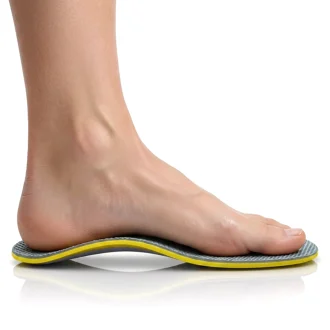
Contoured support under the midfoot brings the arch into earlier, broader contact with the insole as you bear weight. The arch is still allowed to lower, but it does so more gradually instead of dropping quickly. This reduces the extra work the tissues along the inside of the foot and shin have to do with every step.
Push‑off through the forefoot
An evenly cushioned surface under the ball of the foot, sometimes with a gentle metatarsal support placed just behind the metatarsal heads, helps spread pressure across the front of the foot. This makes it less likely that one small sore patch under the ball of the foot will carry most of the effort when you push away.
In day‑to‑day use, this usually feels like less sharpness under the heel, less inner‑arch fatigue, and fewer burning areas under the ball of the foot by the end of the day. Put simply, these insoles change the same three parts of the step that were overloading your heel, arch, and forefoot in the first place.
What makes the NuovaHealth range different
There are many insoles on the market. Some of the cheapest are thin, flat liners that simply cover the inside of the shoe. Others are made from very soft foams that feel pleasant when they are new but do little to change how your foot is actually loaded and can pack down quickly.
The insoles included in this range are chosen to do more than just change how a shoe feels underfoot. The focus is on giving your heel and arch a stable base, helping pressure under the forefoot spread more evenly, and doing it in a way that holds up over time.
NuovaHealth insoles, and the partner designs chosen to sit alongside them, are shaped with clinical input and built around three priorities:
- Reliable heel control where it is needed
In many insoles in this collection, the heel area is not simply padded; it is shaped. Heel cups are made deep enough, with a clear rim, so the heel bone sits down inside the cup rather than resting on a flat pad. This gives your heel a more definite “home” in the shoe and makes it less likely to roll strongly in or out as you land.
That steadier heel position at the start of the step gives the ankle a more secure base. In slimmer inserts, where space is tight, the heel shaping is more modest but still aims to centre the heel rather than letting it sit wherever the shoe allows.
- Support that guides, not jabs
Where arch support is included, it follows the natural curve of the midfoot rather than forcing it into an artificial position. The height and shape of these arch areas have been developed with podiatrists and physiotherapists to avoid tall, pointy ridges that feel like a lump under the foot.
The aim is for the arch to come into contact earlier and across a broader area so it can help share the work, while still being free to move. The support is there to guide and steady the movement, not to hold the foot rigid. In practice, this means the arch should feel “held” rather than propped up on a hard bar. In models that are meant to be very slim, this support is gentler but still present.
- Cushioning that keeps its shape
Very soft insoles can feel pleasant when they are new, but if the material packs down quickly and stays flat, they soon stop making much difference. In this range, the support bases and cushioning layers are chosen so they give a bit under load for comfort but do not simply squash and stay there.
The materials are selected so that, after many days on hard floors, you still have a recognisable shape under the heel and arch rather than a thin, flattened layer. The aim is that the support you notice when you first put the insoles in is broadly similar after they have been used in everyday life, not just on day one.
Alongside these core priorities, there are smaller details chosen with everyday wear in mind:
Smooth, comfortable top layers
The upper surfaces are selected so they feel comfortable against socks, help manage moisture, and reduce rubbing at the edges of the insole, particularly when you are on your feet for longer periods.
A secure fit inside the shoe
Many insoles in the range use tapered, bevelled edges so the insole sits flush against the shoe base without a noticeable “step” where it finishes. A light texture on the underside helps the insole stay where it is placed rather than sliding or bunching up, even in smooth‑lined footwear.
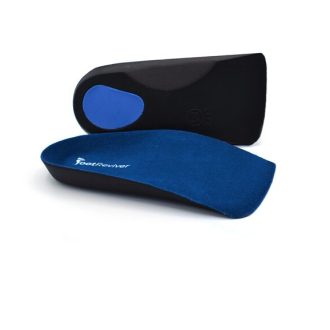
Taken together, these design choices mean that, whether you choose a NuovaHealth insole or one of the carefully selected partner brands such as FootReviver, you can expect a similar approach: meaningful heel control where space allows, arch support that is broad and gradual rather than sharp, and cushioning that is chosen to last, not just to feel soft on the first day.
Within this collection you will find different types – full‑length insoles, three‑quarter‑length designs, heel cups, heel lifts, and height‑adding options – and different profiles, from slimmer to more cushioned. The underlying principles stay the same; what changes is how each insole sits in different shoes and how much cushioning and guidance it is designed to provide. The next sections explain how these features come together and how to match them to your feet, footwear, and day‑to‑day demands.
Types in this range and when they tend to work best
A useful way to choose an insole is to start with the space inside your shoes and how much of the foot you want to support.
Full‑length insoles (heel to toe)
Full‑length insoles run the whole length of the shoe and replace the original liner where one is present. They are usually the best choice when your shoes have removable liners, there is reasonable depth inside the shoe, and you want guidance and cushioning under the entire foot.
Full‑length designs are a good starting point for many people with heel pain, arch strain, overpronation, or forefoot soreness, because they can support the heel, arch, and forefoot together and keep transitions between insole and shoe smooth.
Three‑quarter‑length insoles
Three‑quarter‑length insoles sit under the heel and midfoot and stop before the ball of the foot. They are useful when shoes are closer‑fitting or do not have removable liners, when you want to support and steady the heel and arch without changing the space around the toes, or when you use formal or closer‑cut shoes where a full‑length insole would be too bulky.
They still help steady the heel and support the arch, but leave the original forefoot area of the shoe unchanged.
Heel cups and heel pads
Heel cups and pads focus on the back of the foot. They often suit people who have pain mainly under or around the heel, want extra cushioning and control at the heel without altering the rest of the shoe, or use shoes that already fit snugly in the forefoot.
Heel cups cradle and centre the heel, while heel pads add extra cushioning directly under the heel area. They work well in many trainers, work shoes, and casual styles that do not have much spare depth under the forefoot.
Heel lifts
Heel lifts are small inserts that raise the heel slightly. They can be helpful when easing strain on the Achilles tendon or calf has been advised, when a small difference in leg length has been identified by a health professional, or in some cases where reducing how much the ankle bends at each step makes movement more comfortable.
Heel lifts should stay within sensible heights for your shoes and should not make footwear feel unstable. If a lift is being used to address a known medical issue, it is best to follow guidance from a GP, podiatrist, or physiotherapist.
Height‑adding insoles
Height‑adding insoles provide a discreet increase in height while still aiming to keep the heel secure and the foot cushioned. In this range, they focus on firm heel support and cushioning rather than simply stacking soft material. They are shaped so that the extra height does not make the foot feel loose or unstable inside the shoe.
Activity‑focused insoles (running and active use)
Some insoles in the collection are built for repeated impacts and longer distances. These usually include secure, shaped heel support to cope with higher loads at landing, a balance of cushioning and “spring” under the heel and forefoot, and flexibility at the front so the insole moves with the toes during push‑off.
They suit brisk walking, running, and more active days where the feet and legs take higher, more frequent impacts on firm surfaces.
Across all types, the build quality and overall level of support are consistent. What changes is how each one fits into different shoes and how it behaves when you stand, walk, or run.
Key features in this range and what they change
Across this range you will see a set of core features used in different combinations. In some models they are kept deliberately slim and subtle for closer‑cut shoes. In others they are more built‑up for long days on hard ground. The mix depends on foot type, shoe space, and how much support and cushioning each insole is intended to give.
Not every insole has every feature; that is intentional, so you can choose the balance that suits you and your footwear.
Heel cup and rearfoot support
In many NuovaHealth and partner‑brand insoles, the heel sits in a shaped cup with a defined rim and supportive sidewalls. The job of this cup is to give your heel a clear position to sit in, so it starts the step close to upright instead of being left to tip strongly in or out.
On firm ground this usually feels like a more secure, centred heel strike. Your heel is less likely to land hard on one edge or slide about inside the shoe, and your ankle has a more predictable base to work from.
In some models, the heel area also includes:
- A small recess at the very centre to take some of the pressure off a particularly sore point.
- Targeted cushioning under the heel to soften contacts without letting the back of the foot feel loose or wobbly.
Other designs keep the heel area slimmer for shoes with less depth. In those, the focus is on maintaining some cupping and central heel position without adding bulk. Wherever extra cushioning is used, it is paired with a properly shaped base so you are not left with a soft but unstable heel.
Arch and midfoot contact
Where arch support is present, it is there to increase contact under the midfoot rather than to lock it in place. That extra contact helps your foot share the work over more of its length, instead of letting the whole load move quickly from heel to a narrow band under the forefoot.
People often notice this as the inner side of the foot and ankle feeling less tired by the end of the day. The arch support is designed to feel like a broad, steady surface, not a single hard ridge.
Subtle shaping along the inner and outer edges of the insole blends from the heel into the midfoot. This helps limit how far the foot can roll strongly inwards or outwards without making you feel as if you are standing on a rail. It encourages the foot to sit more centrally on the insole and can make walking on side‑sloped pavements or cambered paths feel less awkward.
In models aimed at slimmer shoes, this shaping is gentler and lower in profile, so you still gain some guidance without crowding the foot in the available space.
Cushioning where it is most useful
In more cushioned insoles in the range, softer zones are placed under the heel and just behind the ball of the foot. These are the areas that take the brunt of contact on firm ground. The aim is to soften the feel of those repeated contacts without making the whole insole so soft that your foot sinks or feels vague.
The cushioning works together with the supportive base. You still have clear guidance at the heel and under the arch, but the sharpness is taken out of heel‑strikes and toe‑offs on firm surfaces. This combination often suits people who spend long spells on hard floors or who notice impact most at the start and end of each step.
Slimmer designs use thinner, slightly firmer layers so they can fit into closer‑cut footwear while still offering some shock absorption. In all cases, the underlying shape is designed to hold up rather than flatten, so the way the insole supports you does not vanish quickly with use.
Forefoot shaping and metatarsal support
Under the ball of the foot, most full‑length insoles in the collection provide an evenly cushioned platform with enough flexibility at the front to move with your toes. This helps pressure spread more naturally across the front of the foot as you push away, instead of concentrating on one or two small spots.
Some models add a low metatarsal support placed just behind the ball of the foot. This small, gentle lift is used when the forefoot needs more help. It encourages the long bones behind the toes to sit and move in a slightly more open position and helps share load across them.
For people who recognise burning or “pebble” sensations between the toes, or very localised soreness under one part of the forefoot, this kind of subtle forefoot shaping can make a noticeable difference without feeling as though there is a lump under the toes.
Design details that matter over a long day
Several smaller choices are included because they affect how the insoles feel from morning to evening:
- Tapered, bevelled edges so the insole blends into the base of the shoe, avoiding a clear “step” where it ends.
- Thin, low‑bulk toe sections in insoles intended for closer‑fitting footwear, to preserve space around the toes and reduce pressure from above.
- Lightly textured undersides to help the insole grip the shoe base and stay put, rather than sliding forwards or wrinkling.
These details are easy to overlook at first glance, but they often make the difference between something that feels fine for half an hour and something that remains comfortable and unobtrusive throughout a long shift or a busy day.
Taken together, these features mean that, whichever insole you choose from this range – whether it carries the NuovaHealth name or comes from a partner brand such as FootReviver – you can expect a consistent approach: a secure heel position where space allows, steady support under the midfoot, considered cushioning under the most stressed areas, and practical design details that help the insole work with your shoes instead of fighting them.
Materials and how they feel underfoot
Different insoles in this range combine different materials to suit their job. Some focus on being slim and supportive; others add more cushioning for longer days on firm ground. What matters most is how the materials behave when you are standing and moving – how much they give, how much they support, and how well they keep that feel over time.
Supportive bases
Most insoles use a supportive base made from EVA or similar long‑lasting support foams. Some add firmer inserts in the heel and arch areas. When these are present, you are likely to notice:
- Light, springy support rather than a dead, flat feel.
- A shape that holds up over time instead of flattening quickly.
- Clear guidance for the heel and arch, especially when extra control is needed.
Insoles intended to be very slim may use thinner bases with less pronounced shaping, to fit into shoes with limited volume while still giving some structure under the foot.
Cushioning layers
Cushioning comes from different combinations:
- Firmer foams that compress and rebound, giving a slightly springy feel under load.
- Softer foams in zones needing a gentler feel, such as directly under the heel or just behind the ball of the foot.
- Silicone‑based gels in selected areas in some insoles, mainly where impacts are highest.
- A few insoles use a thin memory‑foam top layer. This tends to mould slightly to the shape of the sole, spread pressure across bony areas, and feel noticeably plush underfoot, especially when combined with a firmer base that keeps the overall guidance consistent.
Not every insole includes gels or memory foam; many rely on carefully chosen foam densities and shapes to balance comfort and control.
Top layers and undersides
Top layers are generally chosen so they:
- Feel smooth and comfortable against socks.
- Help manage moisture so feet are less likely to feel clammy.
- Reduce friction over the surface and along the edges to minimise rubbing.
The underside of many insoles has a light pattern or texture to help the insole grip the shoe base and stay in place, particularly inside smooth‑lined footwear.
This means each insole in the range has its own blend of feel – some more plush, some more springy, some more firmly supportive – within the space most everyday shoes allow.
Choosing an insole from this range
Choosing well usually comes down to three things:
- Where you feel the problem most.
- The shape of your foot.
- The space and style of the shoes you want to use them in.
None of these is a diagnosis on its own, but together they give you a good starting point.
- Where do you feel the problem?
Use this as a starting guide. If something sounds familiar, you can open the matching condition overview later for more detail and examples.
Sharp or bruised pain under the heel
Start with insoles that have a deeper heel cup and reliable cushioning under the heel. If the pain is very localised, a design with a small recess under the sore spot can help ease peak pressure on that area.
The plantar fasciitis, fat pad, and heel spur sections in the condition guidance explain the differences between these problems and how particular heel features can help in each case.
Tired arches or ache along the inside of the ankle
Look for a combination of a secure heel cup and firm, well‑shaped support under the arch, so more of the midfoot shares the load and the inside of the foot does not have to work as hard. Designs that mention support for flat feet or overpronation are often a good starting point here.
The flat‑feet and posterior tibial tendon sections give extra guidance on what to prioritise.
Burning or pinpoint soreness under the ball of the foot
Look for an evenly cushioned forefoot and, where relevant, a gentle metatarsal support just behind the sore area to help spread pressure. This is particularly useful if you recognise “stone bruise” sensations, burning between the toes, or very sharp pain under one or two toe joints.
The metatarsalgia, Morton’s neuroma, plantar plate, and sesamoiditis sections explain how forefoot shaping can help in those situations.
Outer‑edge soreness or a less secure feeling on sloped pavements
Look for insoles that add contact under the arch, offer good cushioning under the heel and forefoot, and help keep the heel from tipping strongly outwards. This brings more of the sole into play and often feels more stable on side‑sloped pavements or uneven paths.
The peroneal tendon and ankle sprain sections are relevant here.
Knee, hip, or lower‑back aches that seem to build on firm ground
Look for a combination of secure heel control, steady arch support, and even cushioning under the heel and forefoot. This can help calm some of the repeated twists and jolts travelling up the leg from each step on hard surfaces.
The shin, knee, hip, and back sections link these features to higher‑up discomfort and suggest when insoles are likely to make a noticeable difference.
- Match the insole to your shoes
Even the best‑matched insole will only feel right if it suits the shoes you put it in. Think about the pairs you use most for the activities that bother you most – for example, work shoes on hard floors, trainers for walking, or smarter shoes for social occasions.
As a guide:
Roomier trainers, walking shoes, and work boots with removable liners
These usually take full‑length insoles well. Remove the original liner and place the new insole directly on the shoe base. Check that:
- Your toes still have room to move and are not being pushed upwards.
- The heel sits fully in the cup without lifting the back of the foot out of the shoe.
Full‑length designs are often the best way to support the heel, arch, and forefoot together in these roomier styles.
Closer‑fitting shoes without removable liners
Office, school, and many casual shoes do not have removable liners and may not have much spare depth. These often suit three‑quarter‑length insoles or slimmer full‑length designs.
If the shoe already feels tight across the forefoot, start with:
- Three‑quarter‑length insoles that support the heel and arch while leaving the original forefoot area unchanged, or
- Heel cups or pads if your main problem is under or around the heel.
This helps avoid crowding the toes or making the top of the shoe feel too close.
Shoes where you do not want to change the fit at the front
If you want to leave the toe area of the shoe exactly as it is – for example in a smarter shoe where space is limited – heel cups, heel pads, or modest heel lifts can add comfort and support under the heel without affecting the fit around the toes.
Using more than one pair of insoles
If your everyday shoes are very different – for example, supportive trainers for walking and slimmer work shoes for the office – you may decide to use one style of insole in the trainers and a slimmer or shorter option in the work shoes. The key is that, in each shoe, the insole sits flat, your heel is well seated, and your toes still have room.
Most full‑length insoles can be trimmed at the front if needed. Trim along the marked lines in small steps, checking the fit frequently, so you do not remove more material than is necessary.
- Consider your foot shape
A full assessment from a podiatrist or physiotherapist is best for detailed advice, but some broad patterns can help guide your choice:
Lower or more flexible arches
Often do well with a more structured contour under the arch and a deep heel cup to reduce the quick inward roll that tires the inner side of the foot and ankle. Look for insoles described as supporting flat feet or overpronation, and for designs that mention firmer arch support rather than just extra softness.
The flat‑feet and overpronation section explains this further.
Higher or stiffer arches
Often benefit from added contact under the midfoot, good cushioning under the heel and forefoot, and guidance that helps stop the foot tipping outwards. Insoles described as suitable for high arches, or for people who feel impact strongly through the heel and outer forefoot, are a useful starting point.
The high‑arches and supination section covers this in more detail.
Neutral‑looking arches
Often feel best with moderate support that increases contact under the arch without feeling intrusive, combined with a well‑shaped heel cup and steady cushioning. You are usually looking for balanced, all‑round support rather than very firm or very soft extremes.
Most people do not fit neatly into a single type, and different shoes may bring out different tendencies in the same foot. Use these patterns as a guide rather than a label. If you are unsure, start by thinking about where you are sore most often and which shoes you spend the most time in, then choose an insole that suits both as closely as possible.
What to expect when you start using insoles
Even a well‑matched insole changes how your foot and leg share load. It is normal to need a short period of adjustment.
Fitting and first use
- Place the insole flat on the shoe base. If your shoe has a removable liner, take that out first unless you know there is enough space for both.
- Make sure your heel sits fully down into the heel cup, not perched on the edge.
- Check that the arch support meets your foot comfortably and is not pressing hard into one point.
- Make sure there is still clear room for your toes to move.
A few millimetres forwards or backwards inside the shoe can change how the insole feels under the arch and forefoot. It is worth making small position adjustments until both feet feel as comfortable and even as possible.
Building up wear time
When you first start:
- Begin by wearing the insoles during the parts of the day that usually bring on discomfort – for example, your regular walk or the hours you stand most.
- If all feels reasonable, gradually increase the amount of time you use them over several days.
- Mild, settling aches in the arches or calves can be normal in the first week as muscles and tissues adjust to a more even load.
Warning signs that mean you should reduce use and seek advice include:
- Sharp, increasing pain anywhere in the foot or leg.
- New numbness, tingling, or changes in skin colour.
- Rubbing or blisters that do not settle with minor adjustments.
If these occur, reduce wear time, check fit and positioning, and speak to a GP, podiatrist, or physiotherapist if symptoms persist.
How long before you notice a difference?
Timelines vary, but many adults who are a reasonable match for insoles and build up use steadily notice:
- A change in how sharp certain pains feel (particularly under the heel or forefoot) within two to four weeks of regular use.
- Improved tolerance for firm‑surface walking, standing, or stairs across six to twelve weeks as tissues adapt to the new loading pattern.
Occasional flare‑ups can still happen, especially after unusually long or intense days. A consistent pattern of steadier, more comfortable movement over several weeks is more important than any single day.
What insoles can and cannot do
Supportive insoles:
- Can reduce strain on irritated tissues in the foot and lower limb.
- Can help you stand and walk more comfortably on firm ground.
- Can support other measures such as strengthening, stretching, and sensible changes in activity.
They cannot:
- Cure arthritis or change the underlying joint surfaces.
- Alter uric acid levels, so they do not treat the cause of gout.
- Replace a structured strengthening or rehabilitation programme for tendons and muscles.
- Take the place of an assessment or personalised advice from a healthcare professional.
If pain is severe, has come on suddenly after an injury, is associated with night pain, or is not improving despite appropriate insoles and sensible activity changes, speaking to a GP, podiatrist, or physiotherapist is always advised.
Care and when to replace your insoles
A little care helps insoles work well for longer:
- Allow insoles to air out after use by removing them from shoes overnight where possible.
- Wipe with a damp cloth if they become dirty; avoid soaking or high heat.
- Do not leave them on radiators, in strong direct sunlight for long periods, or near other high‑heat sources, as this can warp materials.
How long a pair lasts depends on how far you walk or stand in them, your body weight, the firmness of the surfaces you use most, and how closely they fit your shoes.
Signs it may be time to replace them include:
- Cushioning under the heel or forefoot no longer feels present.
- The shape under the heel or arch feels flattened compared with when they were new.
- The top layer is worn through or peeling in contact areas.
Insoles do wear out with regular use. Replacing them when they are clearly flattened or damaged helps keep the support and comfort you noticed at the start.
Important information
A few points are especially important to keep you safe and comfortable:
- Build up use gradually and pay attention to how your feet and legs feel.
- Check for any rubbing or pressure points in the first days.
- Stop using an insole if you experience increasing pain, numbness, tingling, or persistent colour changes around the foot or toes, and seek advice.
- Do not use insoles over open wounds, active infections, or areas of broken skin.
If you have known circulation problems, diabetes, or significant loss of sensation in your feet, it is especially important to speak to a GP, podiatrist, or other appropriate professional before making major changes to your footwear or insoles.
NuovaHealth insoles are designed to support comfort and everyday movement. They do not replace an assessment or personalised care plan from a healthcare professional. If pain is severe, has started after an injury, is associated with night pain, or is not improving over time, please seek professional advice.
Condition‑specific guidance
If you would like guidance linked to specific conditions or patterns of pain – such as plantar fasciitis, Achilles tendon pain, heel spurs, metatarsalgia, Morton’s neuroma, overpronation, supination, front‑of‑knee pain, or lower‑back ache linked to foot mechanics – use the detailed overviews below.
Each overview:
- Describes typical symptoms.
- Explains what is happening in the foot or leg at tissue and joint level.
- Shows how supportive insoles can change the loading pattern for that problem.
- Highlights which features in this range are worth prioritising.
- Outlines other simple steps that often help and when to seek further advice.
Your next steps
Sore feet, and the aches that follow up the leg, usually come down to how each step loads your heel, arch, and forefoot. NuovaHealth insoles are designed to steady your heel, bring your arch into useful contact, and spread pressure under the ball of your foot, so each step feels more predictable and less punishing on firm ground.
Use the “Choosing an insole from this range” section and, if relevant, the condition‑specific overviews in the accordion to pick a pair that matches where you feel the problem, the shape of your foot, and the shoes you wear most often.
Introduce the insoles gradually, give your feet and legs a few weeks to adjust, and pay attention to how your symptoms change over time rather than from one day to the next. If pain is severe, sudden, waking you at night, or not improving despite sensible changes and regular insole use, it is always worth speaking to a GP, podiatrist, or physiotherapist.
Used alongside suitable footwear and, where needed, simple strengthening and stretching exercises, NuovaHealth insoles are designed to make everyday standing and walking on firm ground more comfortable and more manageable over time.
FootReviver Athletic Insoles
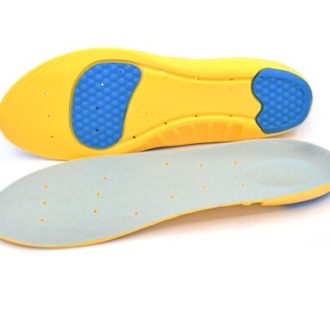
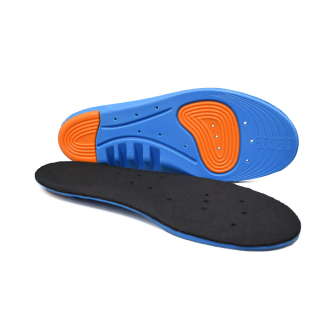
These athletic insoles are specially designed for people who do a lot of running or sports. Built with the finest shock absorbing materials and orthotic support technology these insoles will help to prevent the most common athletic injuries.
Main features
- 1x pair of athletic insoles specially designed for runners and athetles wanting to avoid injury.
- Utilizes advanced FootReviver orthotic support and motion control technologly to help to correct foot function and ease foot pain.
- Inbuilt arch support to relieve pressure and tension off your arches and stops your feet from over pronating, making these insoles ideal for treating and preventing a whole host of foot injuries including plantar fasciitis.
- Heel support helps to give your heels a break and provides you with more stability balance and comfort when playing sports.
- Shock absorption properties help prevents common lower limb injuries that affect athletes such shins splints and knee tendinitis
- Highly recommend for athletes and runners with flat feet
- Made to be compact and non bulky so you feet don’t feel tight or weighed down by your shoes when you wear them
- Features memory foam layer for more comfortable feet
- 30 day money back guarantee
You get:
2x High Premium Quality Orthotic Arch Support Athletic Insoles (Left and Right foot).
Available in 2 Sizes: Large Size UK 8-10 and Medium Size UK 5-7 (Cut down to meet your individual requirements).
Brand new and unused.
Material: EVA.£0.00inc VAT
Gel Heel Pads for Plantar Fasciitis by FootReviver™
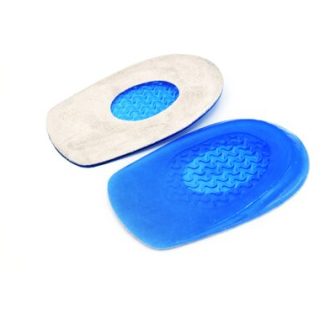
- 1x Pair of Shock Absorbing Gel Heel Pads for Plantar Fasciitis
- For both Men & Women
- One size fits all
- Can be slipped into virtually any type of footwear for fast effective heel pain relief
- Made from lightweight medical grade silicone gel that absorbs shock and stops pressure points from developing underneath your heels
- Protects and cushions your heels and prevents common foot and heel problems and injuries
- Includes a full 30 day money back guarantee for complete customer peace of mind!
£6.25inc VATProtective Gel Heel cushions for foot and heel pain
- Step into relief with our FootReviver Gel Massaging Heel Cushion Pads – an ideal solution for those aching heels after a long day. These cushions are expertly designed to alleviate heel pain and discomfort, perfect to aid those who spend extended periods on their feet or walking on hard surfaces.
- This pair of heel cushions is your first line of defense against heel pain and potential injury. These cushions not only care for your feet but also actively work to prevent any further damage.
- Made from medical-grade silicone gel, the cushions provide high shock absorption. This means your heels are shielded from the daily impacts they endure, reducing overall pain and discomfort.
- These heel pads are engineered to mould to your heels’ unique shape, offering bespoke support and protection. By redistributing weight and pressure evenly across your heels, these pads help prevent pressure points from developing when standing or walking for extended periods. This feature not only enhances comfort but also contributes to injury prevention.
- The Heel Grip Technology ensures your feet remain firmly in place, minimizing friction within your shoes. By doing so, these cushions can help prevent common foot issues such as blisters and bunions.
- By improving your gait and foot alignment, the pads enable optimal heel and ankle positioning. This correction not only prevents foot pain but also reduces the risk of discomfort or injury in your legs, hips, and back, considering these parts of your body are interconnected.
- Lightweight, discreet, and sleek, these cushions are perfect for high heels. They provide all the necessary support without compromising your style, ensuring you can strut in comfort and confidence.
- We offer a full 30-day money-back guarantee, showing our confidence in the product. If you’re not entirely satisfied, you can return the product within 30 days for a full refund, ensuring you make a risk-free purchase.
- Disclaimer: Always consult with your doctor before using our heel cups, especially if heel pain persists. Customer health is our top priority, and we aim for the most effective solution for your heel discomfort. Please don’t hesitate to contact us at Nuovahealth for any queries or further assistance.
£6.25inc VATMassaging Gel Heel Cups – Support cushion shoe inserts for heel pain
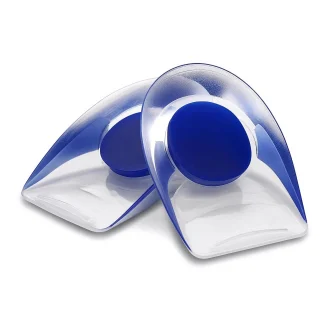
- 1 x Pair of FootReviver™ Massaging Gel Heel Cups designed by FootReviver and available from NuovaHealth to cushion, support, and protect your heels from pain and injury
- One size fits all – suitable for both men and women
- Gently massages and soothes the heels as you move, helping you walk, run, and stand comfortably for longer
- Recommended for easing and supporting recovery from Plantar Fasciitis, Achilles Tendonitis, Heel Spurs, Arthritis, Gout, Foot Fatigue, Cramps, Shin Splints, and general heel pain
- Made from soft silicone gel that moulds to your heel’s contours, giving targeted support where it’s needed most
- Distributes pressure evenly to prevent sore spots and protect the heel during long periods of standing or walking
- Absorbs shock and eases strain on key ligaments and joints to help reduce the risk of overuse injuries such as Plantar Fasciitis and Achilles Tendonitis
- Lightweight and discreet, fitting easily into most footwear — from everyday shoes and trainers to boots and heels
- Helps improve ankle stability and balance by keeping the heel centred and aligned
- Backed by a 30‑day return policy for reassurance and confidence in your comfort
- Designed by FootReviver – available from NuovaHealth
£7.99inc VATHeel pain arch support heel cups by FootReviver™
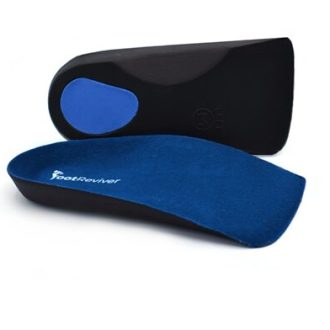
These heel cups are the ideal choice for anyone suffering from heel or ankle pain. Featuring the very best orthotic technology these insoles will keep you supported and protected against injury and pain.
Main features
- 1x pair of heel cups made by FootReviver
- Features FootReviver’s own arch support technology that supports your feet in the correct position and helps to restore functional balance to your feet when you walk.
- Heel cup designed to support and hold your heel in place preventing strain and pressure from damaging your heel and ankle.
- Compact and lightweight design means these heel cups will inside a number of shoes easily without making them feel tight or bulky.
- Ideal for shock related injuries such as shin splints, and knee tendinitis. These heel cups have been made from shock absorbing EVA to help better protect your lower limbs from shock.
- Comes with no questions asked full 30 day money back guarantee for customer peace of mind
£7.99inc VATGel Plantar Fasciitis Sleeves
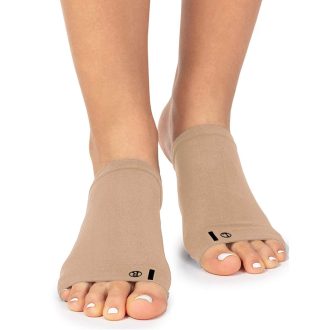
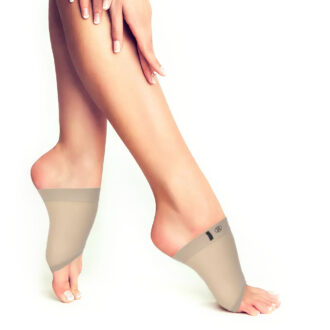
- 1x Pair of Gel Arch Support Plantar Fasciitis sleeves
- One size fits all (Stretch Fit)
- For both Men & Women
- Helps ease pain and speed up plantar fasciitis recovery
- Designed to help support your arches and reduce strain and pressure off your plantar fascia ligaments
- Ideal for people who suffer from flat feet, fallen arches and high arches
- Includes a full 30 day money back guarantee!
£7.99inc VATGel Heel Inserts By FootReviver™
- 1x Pair of Gel Heel Inserts By FootReviver™ designed to support, protect and cushion your heels
- One size fits all
- For both Men & Women
- Gel helps to soothe and massage your heels as you walk
- Recommended for people suffering from Plantar fasciitis, Heel Spurs, Achilles tendinitis, Shin splints, Arthritis, Gout, Foot fatigue and general foot and heel pain
- Designed to cup around your heels giving you more stability, balance and control to your heels, feet and ankles
- Easy to clean, lightweight, non bulky and discreet to wear
- Can be slipped quickly and easily into virtually any type of shoes including regular shoes, running trainers, boots and high heels
- Made from medical grade silicone gel that moulds to the exact shape of your heels giving your heels a custom level of support
- Ideal for people who stand for long periods of time on hard surfaces and suffer from tired, aching and sore heels
- Absorbs shock and eases pressure off your heels to stopping pressure point from developing and helping you avoid injury and heel pain
- Helps to Raise your heel stretching out the ligaments in your feet and lower limbs to help prevent overuse injuries such as plantar fasciitis from occurring
- Includes a 30 day money back guarantee!
£7.99inc VATGel Arch Support Sleeve Socks for Plantar Fasciitis
- 1x Pair of Gel Arch Support Sleeve Socks designed specially to help protect, support and ease foot and arch pain caused by Plantar Fasciitis
- One size fits all (Stretch Fit)
- For both Men & Women
- Recommended for those with flat feet, fallen arches and high arches and those suffering from Plantar Fasciitis
- Features silicone gel arch support pads provides the arches of your feet with a custom level of arch support and protection against shock, pressure and strain
- Helps better support your arches and prevents biomechanical imbalances such as excessive pronation during the gait cycle stopping you from straining and damaging your feet
- Medical grade silicone gel helps to absorb shock and evenly distributes pressure to prevent the build up of pressure points underneath your feet
- Provides soothing compression to help boost circulation to your feet to speed up the natural healing process of damaged tissue, reduce fatigue, inflammation and swelling and help ease aches and pains in your arches
- Ideal for people who must stand for long periods on hard surfaces such as concrete flooring
- They can be slipped easily around your feet and can be worn with or without socks or shoes
- Includes a full 30 day money back guarantee!
£7.99inc VATGel Foot Sleeve Arch Supports for Plantar Fasciitis
- Soft, stretchy FootReviver sleeves with a built‑in full‑arch gel pad that sits under the whole midfoot
- Ideal for adults with plantar fasciitis, flat feet, high arches and general heel or arch pain
- Gel pad fills the space under the arch to reduce pulling on the plantar fascia and ease sharp first‑step heel pain
- Helps spread pressure away from sore spots under the heel and arch so standing and walking feel less bruising
- Snug sleeve gently hugs the midfoot to steady the foot and reduce excess rolling in (overpronation) or out (supination)
- Low‑profile design fits in most everyday shoes and trainers, and can also be worn barefoot or with socks at home
- Stretch‑fit design suits both men and women and fits most adult foot shapes and shoe sizes
- Adjustable position: slide the sleeve slightly forwards or backwards so the thickest gel sits under your most painful area
- Best introduced gradually – start with a few hours a day and build up as your feet get used to the new support
- Not a medical compression device and not designed to treat or prevent blood clots
- Includes a 30‑day money‑back guarantee so you can see how your feet respond over time
- Check with a GP, physiotherapist or podiatrist before use if you have diabetes, circulation problems, open wounds or marked foot deformity
£7.99inc VATGel Arch Support Compression Sleeves for Plantar Fasciitis relief & Flat Feet
- 1x Pair of Gel Arch Support Foot Compression Sleeves for Plantar Fasciitis & Flat Feet
- For both Men & Women
- One size fits most
- Recommended for people who have flat feet or high arches and are more predisposed to foot pain and injuries
- Treats and prevents Plantar fasciitis, Metatarsalgia, Morton’s Neuroma, Arthritis, Sesamoiditis, Bunions, Calluses, Blisters, Foot fatigue, Sprains and Strains, Poor circulation, Neuropathy, Achilles tendonitis, Shin Splints and more!
- Features Inbuilt gel arch support that has been designed specially to mould to the exact shape and contours of your feet and provides a custom level of support to help ease strain and pressure off your arches (plantar fascia ligament) allowing your feet to recover faster from overuse injuries such as Plantar fasciitis
- Medical grade silicone gel absorbs shock and vibrations and spreads pressure evenly underneath your foot preventing pressure points from forming and protecting your damaged plantar fascia from further damage
- Provides mild compression to your feet that can help improve blood flow to them, reduce inflammation and swelling and ease aches and pains deep within your feet
- They slip-on easily around your feet and can be worn with or without socks or shoes
- Can be worn for day-day wearing or for running, sports and exercises to better support, compress and protect your feet
- Prevents imbalances such as Overpronation and Supination during gait that can cause abnormal load on your feet and cause overuse injuries including plantar fasciitis which is one of the leading causes of foot and heel pain in adults
- An ideal solution for people who are required to stand for long periods of time on hard surfaces such as concrete and wooden flooring and suffer from tired aching feet and legs
- Includes a full 30-day money back guarantee!
£7.99inc VATFootReviver™ Orthotic heel cups for plantar fasciitis & heel pain
- 1x pair of orthotic heel cups designed to ease strain and pressure off your arches and heels
- Helps to prevent and ease common foot and lower limb injuries such as plantar fasciitis, Achilles tendinitis that can cause foot and heel pain.
- Improve stability and foot function helping to stop strains and sprains affecting the foot and ankle.
- Lightweight and non bulky design
- Ideal for runners and athletes
- Includes a full no questions asked 30 day money back guarantee for customer peace of mind!
£8.99inc VATSports Insoles
You get:
- 2x High-Quality Sports Insoles (Left and Right foot).
Features
- Designed specially to protect your feet from damage whilst playing Sports.
- Made from highly durable and shock resistant materials for better protection against shock.
- Inbuilt arch support eases pressure off your arches and corrects the way your foot functions by supporting your feet in the right position when you walk or run.
- Features heel cup technology that will improve heel comfort and stability.
- Added metatarsal support pads help protect and support the balls of your feet.
- 30-day money back guarantee ensures you have nothing to lose if you find that the insoles aren’t right for you!
£9.74£12.99inc VATIn-Sock Height Increasing Arch Support Insole
Now presenting a new innovation in our height increasing range of products. Are you annoyed that you can only be tall when wearing shoes? Want to be tall – ALL the time? Simple to use and highly effective, slip these inserts into your sock and walk taller. Secretive design means that nobody will ever know you are wearing them.
Get all the usual benefits of height increase ranging from increased confidence to increased attention.
Designed to increase height by an extra inch.You get:
- 2x High-Quality In-Sock Height Increase Inserts
- 30-day money back guarantee which means if you are not happy with your new pair of insoles you can simply send them back within 30 days of receiving them to get a full refund!
£9.99inc VATPremium Running Insoles
You get:
- 1x Pair of Running Insoles (Left and Right Insole)
- Added arch support to weight and pressure off your arches and keep you injury free
- Heel cup technology keeps your heels supported and free from pain
- Ideal for people with flat feet and high arches
- Super durable and shock resistant construction
- Metatarsal pads to help combat against ball of foot pain
- Machine washable
- Memory foam for more comfort
- Cut down to the size you require
- 30 day money back guarantee
£9.99inc VATArch Support Insoles for Plantar Fasciitis and Flat Feet
Key Features & Benefits at a Glance
- Expertly Engineered for Targeted Pain Relief: Specifically crafted for individuals with flat feet and plantar fasciitis, these arch support insoles deliver focused relief by addressing the underlying causes of foot and heel pain. They provide a structured foundation that helps reduce discomfort from the first step, supporting your path to improved daily comfort.
- Orthotic Alignment for Improved Biomechanics: Experience comprehensive orthotic arch and deep heel cup support that encourages proper alignment of your feet and lower limbs. This design helps correct imbalances like overpronation and supination, distributing pressure more evenly with each step. By fostering optimal alignment, you can minimize strain on vulnerable areas and enhance natural foot function throughout your activities.
- Holistic Support for Common Foot Conditions: Rely on these insoles to assist in managing, alleviating, and preventing a variety of foot and lower limb issues. They offer consistent, therapeutic support for conditions such as plantar fasciitis, heel spurs, arthritis, metatarsalgia, Morton’s neuroma, bunions, blisters, sesamoiditis, Achilles tendonitis, ankle sprains, and shin splints, contributing to overall foot health.
- Advanced Shock Absorption for Lasting Comfort: Protect your feet from the repetitive impacts of daily life with insoles designed to absorb shock and distribute weight uniformly across the sole. This reduces high-pressure points and discomfort, making them an essential choice for those who stand for long periods on hard surfaces or experience tired, aching legs and feet. The result is a stable, cushioned foundation that helps combat fatigue and maintain comfort.
- Antibacterial Material for Enhanced Freshness: Crafted from Active Carbon Fibre, these insoles naturally inhibit bacterial growth, effectively neutralise odours, and promote a drier, fresher feeling throughout the day. This material choice ensures that comfort extends beyond support to include a more pleasant in-shoe environment.
- Reinforced Stability for Active Pursuits: Benefit from added support and stability that makes these insoles ideal for runners and athletes. They provide extra protection during high-impact activities like running or jumping, helping to safeguard your feet and ankles while promoting confident movement.
- Customisable Fit for Versatile Use: Designed to suit both men and women, the insoles are available in sizes 7-11 and 3-7. With a simple trim-to-fit feature, you can easily adapt them to any enclosed footwear—from trainers and boots to casual shoes—ensuring the support elements are perfectly positioned for maximum effect.
- Risk-Free Trial with a Satisfaction Guarantee: Purchase with assurance thanks to a 30-day money-back guarantee. This allows you to experience the transformative comfort and support of these insoles firsthand, providing peace of mind as you invest in your foot health.
£9.99£11.99inc VATOrthotic Arch Support Insoles
PRODUCT Summary
The number one cause of foot and heel pain in adults is due to plantar fasciitis. It is estimated that one in ten people will this injury at least once in their lifetime. Plantar fasciitis is caused by unnatural load inflaming and damaging a ligament that supports your arch called the plantar fascia. Unnatrual load on your plantar fascia is often triggered by bio-mechanical imbalance such as overpronation and excessive supination.Wearing a pair of these orthotic arch support insoles inside your shoes can help to improve the bio-mechanics of your feet and prevent overproantion and supination. Our insoles have been specially engineered to help to realign and support your feet in the correct position that causes the least amount of strain and pressure on your feet.
Main features
- Ideal for those with flat feet and high arches who are more at risk of developing foot injuries
- Solid heel cups heel protects your heels from shock and helps to improve stability and balance
- Motion control orthotic technology helps to improve your gait and prevent movement which may damage your feet or lower limbs
- Helps to improve the way that your foot functions using inbuilt arch support to stop common bio-mechanical imbalances that can cause plantar fasciitis to develop.
- Orthotic support helps to support and improve positioning of your feet This can have a great impact on your overall posture and ease and treat not just foot injuries but also leg, hip and lower back problems as well.
- Can be quickly an easily trimmed to the right size to fit into just about any type of shoes
- Ideal for runners and athletes wanting to avoid injury
You get:
2x Arch Support Insoles (One for each foot).Specification:
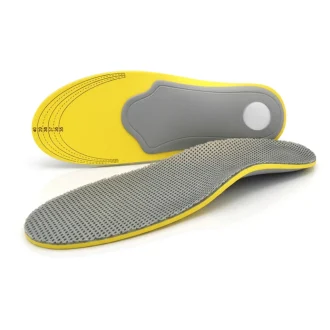
3/4 Semi rigid plastic shell for improved support and comfort.
Active carbon fiber that helps remove odour.SizeSize: 7-11 and 3-7.For both men and women. £9.99inc VAT