No products in the cart.
Why do my fingers turn white or blue when I’m cold or stressed?
In this blog series, we aim to address real questions from our customers to provide valuable insights and information. Today, we’re diving into a topic that might be familiar to many of you – the mysterious changes in finger color, often triggered by cold or stress. This can be concerning, and for some, it might be linked to a condition known as Raynaud’s Disease. In this post, we’ll explore what Raynaud’s is, why it happens, and how you can manage it effectively. Whether you’re experiencing similar symptoms or simply want to learn more, we’re here to provide clarity and guidance. Let’s get started!
Hi NuovaHealth,
I’m hoping you can help me understand a puzzling issue I’ve been experiencing. My fingers sometimes turn white or blue, especially when I’m cold or feeling stressed, and it’s starting to concern me. I’m generally healthy, but this symptom has been happening more frequently. Could it be related to circulation, or is there something else I should be worried about? I’m eager to know if there are ways to manage this or if I need to see a specialist. Any insights or advice you can offer would be greatly appreciated!
Thank you,
Mel
Understanding Raynaud’s Disease: A Guide for Mel and Others
Hello Mel, and welcome to everyone seeking insights into a curious condition affecting the hands and fingers. Let’s delve into this together… Shall we?
What is Raynaud’s Disease?
Raynaud’s Disease (pronounced “ray-NOHZ”) is named after the French doctor Maurice Raynaud, who first described the condition in the 19th century. It is a condition that affects blood circulation (vascular function) in response to cold or stress. Normally, when your body encounters cold temperatures, it constricts blood vessels to conserve heat and maintain core body temperature. In response to stress, the body may redirect blood flow to essential organs as part of the “fight or flight” response, prioritizing areas like the brain and muscles to prepare for a quick reaction. However, in Raynaud’s disease, this natural process becomes excessive. The small blood vessels in your fingers constrict more than usual and can be triggered by even the slightest temperature drop or rise in stress levels. This results in a noticeable color change—often white or blue—as blood flow is reduced. It’s intriguing how the body reacts to seemingly minor triggers, isn’t it?
Why Does This Happen?
The exact cause of Raynaud’s isn’t always clear. However, it can be linked to other underlying health conditions (secondary Raynaud’s) or exist on its own (primary Raynaud’s). Stress and cold weather are common triggers. When these episodes occur, the fingers may also feel numb or tingly. It’s crucial to understand that while this can be unsettling, it’s often manageable.
Should You Be Concerned?
Great question! Raynaud’s Disease is more common than many might think, affecting about 5% of the population worldwide, with many not even realizing they have it. However, for some, it can be quite severe and debilitating, and it can sometimes be a sign of other health issues. If episodes increase in frequency or severity, it might be wise to consult a healthcare professional. They can help determine if there’s an underlying condition causing these symptoms.
Who is Most at Risk?
Raynaud’s Disease can affect anyone, but certain groups are more prone to it:
- Women: Women are more likely than men to develop Raynaud’s, particularly in the hands and fingers. Hormonal differences may play a role, although the exact reasons are not fully understood.
- Cold Climates: Living in chilly environments increases vulnerability to Raynaud’s episodes. Frequent exposure to low temperatures acts as a catalyst, triggering this condition more often.
- Family History: A genetic predisposition significantly elevates the risk. If your close relatives suffer from Raynaud’s, the unfortunate reality is that you might be more susceptible to it as well.
- Autoimmune Disorders: Individuals suffering from conditions such as lupus, scleroderma, and rheumatoid arthritis often find themselves at the mercy of secondary Raynaud’s. These autoimmune disorders can compromise the blood vessels, particularly in the hands, making Raynaud’s more probable.
- Smokers: Smoking constricts blood vessels, notably in the hands and fingers, which can intensify Raynaud’s symptoms. The pernicious effects of nicotine on circulation place smokers at a heightened risk.
- Occupational Hazards: Workers who must use vibrating tools or machinery for extended periods face an increased risk. Such equipment can inflict damage on blood vessels and nerves in the hands, paving the way for Raynaud’s.
- Young Adults: Primary Raynaud’s typically manifests before the age of 30. Young adults are thus more susceptible to this primary form, which, unlike its secondary counterpart, is not associated with other medical conditions, yet it impacts their hands and fingers profoundly.
Understanding these risk factors of Raynaud’s Disease in the hands and fingers can guide individuals like you, Mel, in taking preventive measures and seeking appropriate treatment if needed.
Management and Relief
Now, let’s talk solutions! Managing Raynaud’s involves lifestyle adjustments and protective measures. Keeping your hands warm is key. Compression gloves and thermal gloves can be incredibly effective.
Compression gloves work by applying gentle, consistent pressure to the hands and fingers. This pressure helps support circulation by narrowing the blood vessels slightly, which can enhance blood flow. For those with Raynaud’s, improved circulation is crucial as it helps in maintaining a steady supply of warm blood to the extremities, thereby reducing the likelihood of an episode. If an episode does occur, compression gloves can help alleviate symptoms by promoting faster recovery through improved blood flow.
On the other hand, thermal gloves provide essential insulation. They are designed to trap body heat, keeping your hands comfortably warm even in cold conditions. By maintaining a consistent temperature, thermal gloves help reduce the frequency of Raynaud’s episodes. If an episode does occur, the warmth provided by these gloves can help soothe the discomfort and expedite the return to normal sensation and color in the fingers.
Why Choose NuovaHealth Gloves?
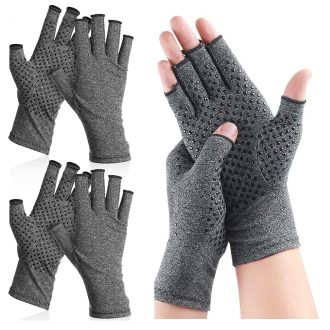
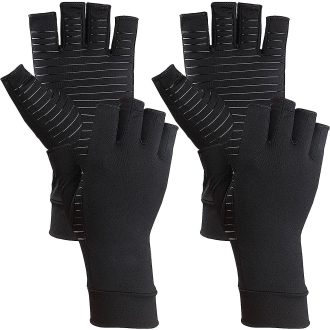
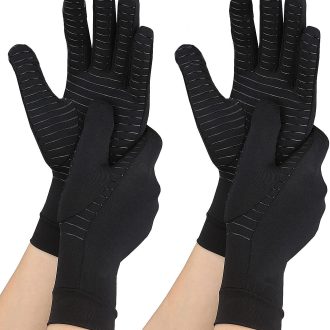
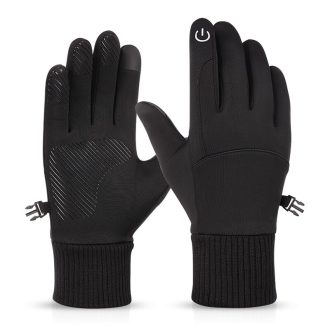
At NuovaHealth, we’ve designed gloves specifically tailored for Raynaud’s sufferers. Our gloves are a result of meticulous research and development, combining cutting-edge materials with ergonomic design. They’re not just functional—they’re comfortable and stylish. We prioritize quality, ensuring our gloves offer optimal compression and warmth. Plus, they come in various sizes and designs, catering to diverse needs and preferences. Choosing our gloves means choosing relief and comfort, backed by expert craftsmanship. Here is a selection of some of our gloves that we stock which may help you:
-
Product on sale
 2 Pairs Of Raynauds Disease Gloves With Grips£21.99
£27.98inc VAT -
Product on sale2x Pairs of Fingerless Raynauds Disease Gloves£19.99
£23.98inc VAT -
Product on sale2x Pairs of Raynauds Disease Gloves£19.99
£23.98inc VAT -
Sports WaterProof & WindProof Thermal Gloves with Grips£11.99inc VAT
-
Men’s Thermal Raynaud’s Disease Gloves£11.99inc VAT

Other Things That Can Help
Beyond just compression and thermal gloves, there are other ways to effectively manage Raynaud’s disease. Let’s explore some additional strategies that can be beneficial.
Firstly, maintaining a regular exercise routine can make a significant difference. Exercise enhances overall blood flow and helps improve circulation, which can reduce the frequency and severity of Raynaud’s episodes. Activities like brisk walking, swimming, or yoga can be particularly effective in promoting cardiovascular health and keeping the blood vessels in good condition.
Another approach is stress management. Stress is a known trigger for Raynaud’s, so incorporating relaxation techniques into your daily routine can be beneficial. Practices such as deep breathing, meditation, and mindfulness can help alleviate stress levels and minimize the occurrence of episodes. Regular relaxation not only aids in managing Raynaud’s but also contributes to overall well-being.
Diet also plays a role in managing Raynaud’s. Ensuring a balanced diet rich in fruits, vegetables, and omega-3 fatty acids can support healthy circulation. Foods like salmon, walnuts, and flaxseeds are excellent choices for promoting vascular health. Staying well-hydrated is equally important, as dehydration can exacerbate symptoms.
Quitting smoking can significantly benefit individuals with Raynaud’s disease by enhancing circulation and reducing the frequency of Raynaud’s episodes. Improved circulation not only helps in managing Raynaud’s symptoms but also lowers the risk of other circulatory issues. Additionally, quitting smoking contributes to enhanced lung function and reduces the risk of cardiovascular diseases, further supporting overall health and well-being.
Reducing caffeine intake can also be beneficial. For some, caffeine can constrict blood vessels by stimulating the release of adrenaline, which activates the body’s “fight or flight” response. This response can tighten blood vessels and temporarily elevate heart rate and blood pressure, potentially leading to increased stress and anxiety levels. These effects may trigger Raynaud’s episodes by further restricting blood flow to extremities. By opting for decaffeinated options, you may experience reduced stress and anxiety, contributing to fewer Raynaud’s episodes and promoting a calmer state of mind. Disclaimer: It’s important to note that certain drinks, such as coffee, are considered healthy, and caffeine has been linked to reducing the risk of dementia. Therefore, before quitting caffeine altogether, it’s advisable to take these factors into consideration and consult a healthcare professional for personalized advice.
For some individuals, medications may be necessary. Calcium channel blockers are often prescribed to help dilate blood vessels and improve blood flow. In certain cases, a healthcare provider might recommend other medications such as vasodilators or topical treatments to manage symptoms more effectively. Disclaimer: Please note that the use of medication for Raynaud’s disease should always be approached with caution and under the guidance of a qualified healthcare provider. Medications that affect circulation can have significant side effects and adverse interactions with other drugs. Taking such medications without proper medical supervision can lead to serious health risks, including worsening symptoms or unexpected cardiovascular effects. It is important to only use medications that have been prescribed and recommended by a healthcare professional familiar with your individual health needs. Obtaining medications from a reputable pharmacy ensures that you receive the correct formulations and dosages. Purchasing medication from unreliable online sources can be dangerous, as the products may be counterfeit, incorrectly dosed, or contaminated, potentially leading to harmful or even fatal outcomes. Always consult with your doctor or pharmacist before starting or changing any medication regimen.
Lastly, biofeedback therapy can be a useful tool. This technique involves learning to control physiological functions, such as blood flow and skin temperature, through real-time feedback. By gaining awareness of the body’s responses, individuals can develop strategies to prevent or mitigate Raynaud’s episodes.
By combining these strategies, you can create a personalized management plan that addresses the various aspects of Raynaud’s, providing relief and enhancing your quality of life.
Final Thoughts
Mel, I hope this gives you a clearer understanding of what’s happening with your fingers. Raynaud’s Disease might be perplexing, but with the right strategies and protective gear, you can manage it effectively. If you ever have more questions or need further guidance, we’re here for you. For those ready to explore solutions, check out our expertly designed gloves—your hands will thank you!
Stay warm and informed, and don’t hesitate to reach out for more support!