Understanding Plantar Fasciitis: Your Comprehensive Guide to Causes, Diagnosis, and Treatment
If you’re here, chances are you or someone you care about is dealing with the discomfort of plantar fasciitis. This common foot condition can be quite painful and disruptive, but with the right information and tools, it can be managed effectively. Our aim with this guide is to help you better understand plantar fasciitis, its causes, and how it is diagnosed. Armed with this knowledge, you’ll be better equipped to manage and treat the condition effectively.
We’ll also explore the most widely recommended treatments for plantar fasciitis to assist in your recovery. This includes high-quality products available from Nuovahealth that are specifically designed to help manage and alleviate the symptoms of plantar fasciitis. Whether you’re looking for immediate relief or long-term management strategies, we’ve got you covered. So, let’s start on the path to understanding and managing plantar fasciitis by getting into the essentials. This guide will help you get back to your normal routine with less pain.
Understanding Plantar Fasciitis
What is Plantar Fasciitis?
Plantar fasciitis is a common foot condition where the plantar fascia — a thick band of tissue running across the bottom of your foot — becomes inflamed. This band connects your heel bone to your toes and plays a crucial role in supporting the arch of your foot.
What Are the Common Symptoms of Plantar Fasciitis?
The most noticeable symptom is a sharp, stabbing pain in the bottom of your foot, near the heel. This pain is usually worse in the morning or after periods of inactivity. As you move around, the pain may decrease but often returns after long periods of standing or after exercise.
What Causes Plantar Fasciitis?
The condition is typically caused by repetitive strain or overuse of the plantar fascia. Activities that put a lot of stress on your heel and the attached tissue, such as running, dancing, or standing for long periods, can trigger the inflammation. Additionally, wearing shoes with poor support can make the problem worse.
Who is at Risk of Developing Plantar Fasciitis?
Several factors can increase your risk. Middle-aged adults and older individuals are more susceptible. Those who are overweight or have jobs that require long hours of standing or walking are also at higher risk. Athletes, particularly runners, are frequently affected. Pre-existing foot conditions like flat feet or high arches can also make you more prone to developing plantar fasciitis.
How is Plantar Fasciitis Diagnosed?
A healthcare provider typically diagnoses plantar fasciitis through a clinical examination. They will ask about your symptoms and medical history while performing a physical exam of your foot. Imaging tests like X-rays or MRIs are not usually necessary but may be ordered to rule out other conditions.
Can Plantar Fasciitis Heal on Its Own?
Yes, plantar fasciitis can often heal on its own with appropriate care. Rest, stretching exercises, and wearing supportive footwear are commonly recommended. In more severe cases, medical treatments such as physical therapy, orthotics, or even injections may be necessary to help things heal.
Immediate Relief and Early Care
First Steps to Take
When you first notice pain in your heel or the bottom of your foot — especially that sharp sensation when you get out of bed — it’s time to act. The sooner you respond, the quicker you can keep the inflammation from getting worse.
Cut back on activities that put pressure on the foot, such as prolonged standing, walking on hard surfaces, or running. If you’re used to high-impact exercise, switch to swimming or cycling for a while. This gives the irritated tissue a chance to settle down. A few days of taking weight off your feet can stop things from getting worse.
Apply an ice pack to the painful area (see the dedicated section below for the right technique). Over-the-counter pain relievers can offer temporary relief, but check with your doctor or pharmacist for the right type and dosage for you. Rest is also part of this early stage.
Using Ice Packs Effectively
Ice is one of the simplest and most effective tools for easing plantar fasciitis pain. Cold reduces swelling, numbs the area, and eases pain – so the foot feels less sore. For best results, apply the ice pack for 15–20 minutes at a time, three to four times a day, particularly after activity or when the pain flares up. Always wrap it in a thin cloth to protect your skin. If it feels painfully cold, stop.
Alternating cold and warmth often helps even more. After an ice session, apply a warm compress or heating pad for 15–20 minutes. Cold reduces inflammation; heat relaxes the muscles and improves blood flow, which supports healing. This back-and-forth approach helps flush the area by repeatedly opening and closing the small blood vessels, bringing fresh oxygen and nutrients to the damaged tissues.
At Nuovahealth, our ice packs are made from durable, medical-grade materials that stay cold for longer, so you get consistent relief during each session. They’re a handy addition to your home care routine, whatever stage of recovery you’re in.
Stretching and Strengthening
How Stretching Helps
Stretching is central to recovering from plantar fasciitis, and here’s why. When the calf muscles are tight, the ankle cannot bend upward as far as it should. That means the arch of the foot has to flatten more during walking, which places extra strain on the plantar fascia. Regular stretching of the calf and the bottom of the foot reduces that tension and allows the fascia to return to a healthier, more flexible state.
Key Exercises and Stretches
Calf Stretch
This stretch targets the calf muscles and the Achilles tendon, both of which influence how much strain reaches the plantar fascia.
- Stand facing a wall and place your hands on it for support.
- Step one foot back so your leg is straight and your heel is on the floor.
- Bend the front knee and lean your body weight toward the wall. You should feel a gentle pull in the calf of the back leg.
- Hold for 15–30 seconds, then switch legs. Repeat twice on each side.
Toe Stretch
This simple move loosens the muscles and connective tissue underneath the foot.
- Sit down and cross one leg over the other.
- Hold the toes on that foot and gently pull them back toward your shin until you feel a stretch along the arch.
- Hold for 15–30 seconds, then repeat with the other foot.
Frozen Water Bottle Roll
This exercise combines massage with cold therapy to relieve pain and stiffness.
- Fill a water bottle and freeze it.
- Sit down and place the frozen bottle under your foot.
- Roll your foot back and forth over it for 5–10 minutes, applying gentle pressure.
- Do this once or twice a day, especially after being on your feet.
Towel Stretch
This stretch is especially helpful for releasing tension in the plantar fascia and the back of the leg.
- Sit on the floor with your legs extended straight in front of you.
- Loop a towel around the ball of one foot, holding the ends in your hands.
- Gently pull the towel toward you, keeping your knee straight, until you feel a stretch in your calf and the bottom of your foot.
- Hold for 15–30 seconds, then relax. Repeat with the other foot.
Try to do these stretches daily. Consistency matters more than intensity — even a few minutes each day can help you see gradual improvement.
Footwear and Support Tools
The right footwear and support can take a lot of pressure off the plantar fascia. Different tools work in slightly different ways, so it’s worth understanding what each one actually does.
How Orthotic Insoles Help
Orthotic insoles support the arch of your foot, which does more than feel comfortable. When the arch is well supported, the plantar fascia doesn’t have to stretch as far with every step. This reduces the pulling at the heel where the tissue attaches. Insoles also increase the contact area between your foot and the shoe, so the pressure of each step is spread over a wider surface rather than concentrated in one spot.
The cushioning in a good insole absorbs some of the shock when your foot hits the ground. That means less of that force travels through the plantar fascia, giving it a break during everyday walking. Some insoles also help correct subtle alignment issues in the way you step, which can take further pressure off the heel.
What to Look for in an Insole
When choosing insoles, start with arch support. The insole should feel supportive but not so firm that it’s uncomfortable. Look for cushioning that absorbs impact, especially under the heel. Materials matter too — medical-grade silicone or EVA foam tend to hold their shape longer and provide better support than cheaper foams. Make sure the insole fits properly inside your shoes without slipping or crowding your toes. If possible, bring your everyday shoes with you when you’re comparing options.
It’s also worth considering brands that specialise in foot health. At Nuovahealth, our selection includes insoles from FootReviver, a brand known for combining biomechanical expertise with quality materials. They’re designed to offer the kind of support that makes a real difference for plantar fasciitis.
Over-the-Counter vs Custom Insoles
Many people wonder whether they need to spend money on custom-made orthotics, or whether a good over-the-counter insole is enough. For a large number of people, a well-designed over-the-counter insole is perfectly adequate. The mechanics are the same: the insole supports the arch, spreads pressure, and cushions the heel. Custom orthotics may be helpful in more complex cases, but they’re not always necessary as a first step.
Over-the-counter insoles are also a far more affordable starting point. You can try a pair and see how your feet respond before considering anything more involved. At Nuovahealth, we offer a range of over-the-counter insoles specifically for plantar fasciitis, so you can find an option that suits your foot shape and your budget.
How Braces and Supports Help
Braces and supports work by holding the foot in a stable position and providing gentle compression to the irritated area. This takes direct pressure off the plantar fascia, helping to reduce inflammation and pain during daily activities.
Night splints are a common option. They keep the foot with the toes pointed upward while you sleep, which gently stretches the plantar fascia and the Achilles tendon throughout the night. This reduces the stiffness and sharp pain many people feel when they first step out of bed in the morning.
Daytime braces fit inside your shoe and provide arch support and compression as you walk. There are also compression sleeves that offer lighter, more flexible support, which can be helpful for less severe cases or for wearing during the day.
How to Choose the Right Brace or Support
Think about your main source of discomfort. If your worst pain hits in the morning, a night splint might be the most helpful option. If you’re dealing with pain throughout the day, look for an arch support or a compression sleeve designed for daily wear. Make sure whatever you choose fits well inside your shoes — it should feel snug but not tight. Breathable, high-quality materials make it easier to wear for longer periods. When in doubt, talk to a podiatrist or healthcare professional who can give you personalised advice based on your symptoms.
Compression Therapy
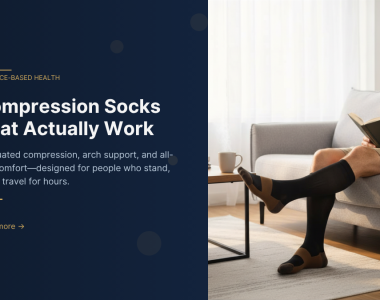
Compression therapy uses lightweight, tight-fitting garments — usually socks or sleeves — to apply gentle pressure to the foot and lower leg. The pressure helps move fluid away from the area, reducing swelling. It also offers mild structural support to the arch, which can reduce the amount of strain on the plantar fascia during walking. For many people with plantar fasciitis, this combination of reduced swelling and added support brings relief quickly.
Wear compression socks during the day, especially when you’re active. Some people find them helpful after exercise as well. The right frequency depends on your routine and how your foot responds, but regular wear is generally more effective than occasional use. If you’re unsure, ask a healthcare professional for guidance on how many hours a day to wear them.
Spikey Balls and Rollers
Spikey balls and rollers are excellent for self-massage at home. The firm nodes press into the bottom of the foot, helping to ease tight spots and improve blood flow to the area. This can reduce tension in the plantar fascia and make the tissue more pliable as you recover.
To use one, place the ball under your foot and roll it slowly from the heel toward the toes, focusing on any areas that feel especially tight or tender. Spend 5–10 minutes on each foot, once a day or more if it feels comfortable. Press firmly but not to the point of sharp pain. Regular use, even for a few minutes a day, can help keep the tissue loose and improve circulation.
At Nuovahealth, we carry a spikey ball designed by FootReviver specifically for plantar fasciitis. Its nodes are shaped to reach the tissue along the arch and heel, making it a useful addition to your daily routine. It’s available in our foot care range, along with other massage tools to support your recovery.
Long-Term Management and Professional Care
Once the immediate pain is under control, the goal is to keep it from returning and to make sure you’re on the right track.
Lifestyle Changes That Help
Beyond treatments, some everyday habits can make a big difference. Wearing supportive shoes — even around the house — gives your feet reliable support. Try not to walk barefoot on hard floors, as that puts added strain on the arch. If you’re active, choose low-impact activities like swimming or cycling while your foot recovers, and gradually ease back into higher-impact exercise.
Maintaining a healthy weight helps lower the amount of pressure on your feet with every step. This doesn’t mean crash dieting; even a gradual weight loss takes pressure off the plantar fascia. Continuing with your stretching routine as part of daily life is also important — not just until symptoms improve, but to help prevent them from returning.
Diet and Recovery
What you eat can support your body’s healing. Foods rich in omega-3 fatty acids — such as salmon, walnuts, and flaxseeds — help reduce inflammation throughout the body, including in the plantar fascia. Colourful fruits and vegetables, packed with antioxidants, do the same. Staying well-hydrated and getting enough vitamin C, vitamin D, and calcium are also important for tissue repair and bone health.
Try to limit processed foods and sugary drinks, which can promote inflammation. A balanced, whole-food diet won’t cure plantar fasciitis on its own, but it supplies the nutrients your body needs to repair tissue.
How Long Does Recovery Take?
Most people notice significant improvement within two to three months of consistent treatment. However, recovery isn’t always linear — you might have good weeks and then a flare-up. Be patient and try not to get discouraged if progress feels slow. For some, it can take six months to a year to fully resolve, especially if the condition has been present for a long time. Healing takes time – that’s normal and expected.
Keep doing what helps – stretching, insoles, ice, or rest. Consistency is more important than intensity.
When to See a Specialist
If you’ve been consistent with self-care for several weeks and the pain hasn’t improved — or if it’s getting worse — it’s a good idea to see a doctor or podiatrist. You should also seek advice if the pain is interfering with your normal daily activities, or if you have any signs of infection, such as redness, warmth, or fever, although these are less common with plantar fasciitis alone.
A specialist can assess your foot thoroughly and recommend options beyond home care. These might include custom orthotics, physical therapy, or corticosteroid injections to reduce severe inflammation. More advanced treatments, such as extracorporeal shockwave therapy, use targeted sound waves to encourage healing in stubborn cases. Surgery is only considered as a very last resort when all other treatments have failed.
A professional can also tell you which products – insoles, braces, ice packs – are worth trying for your particular symptoms. Professional advice combined with the right tools gives you the best chance of getting back to your normal activities comfortably.
Conclusion
Plantar fasciitis can be frustrating and painful, but it’s also one of the most treatable foot conditions. Understanding what’s happening in your foot, taking early action, and using the right support can help you recover more quickly and prevent the problem from lingering. The tools and techniques covered here — from stretching and ice to insoles and braces — are all designed to take pressure off the plantar fascia and support your body’s natural healing process.
If your symptoms aren’t improving with home care, don’t put off seeing a professional. A doctor or podiatrist can help you pinpoint what’s going on and guide you toward the next step. And when you’re looking for reliable foot care products, Nuovahealth has a range of options designed with this condition in mind – including insoles, ice packs, braces, and massage tools.
Start with the basics: reduce activities that hurt, ice the area, and stretch twice a day. If things don’t improve within a few weeks, book an appointment with a podiatrist. And if you need reliable support tools, our range at Nuovahealth covers the essentials – insoles, ice packs, braces, and massage tools. Take the first step toward comfortable, pain-free movement today.