
-
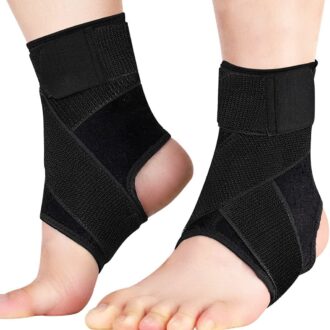 1 × £16.99
 -
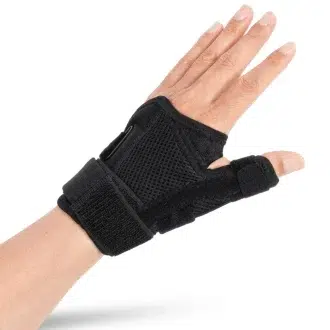 1 × £12.99
 -
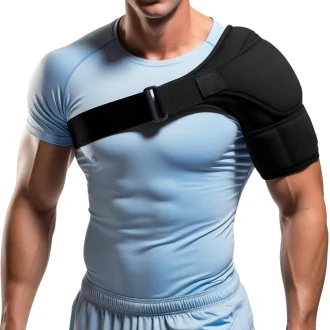 Shoulder Support Brace For Frozen Shoulder, Tendonitis, Rotator Cuff Tear, Bursitis & Arthritis Pain1 × £13.99
 -
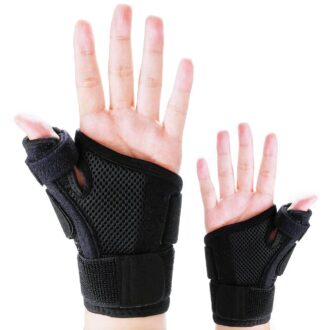 1 × £12.99
 -
Roll over image to zoom in
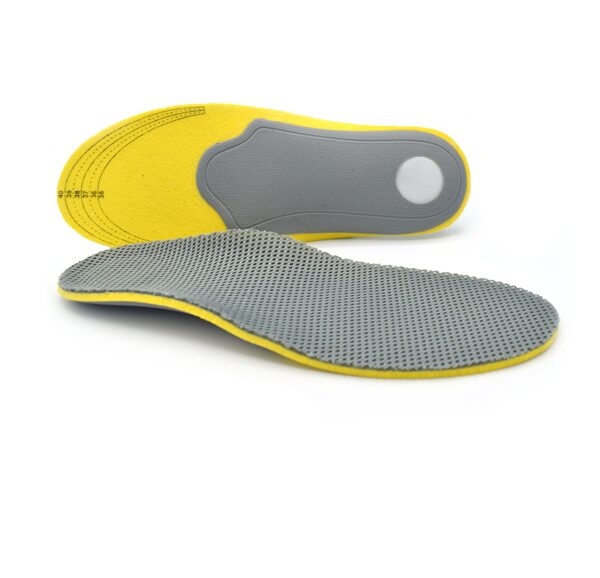
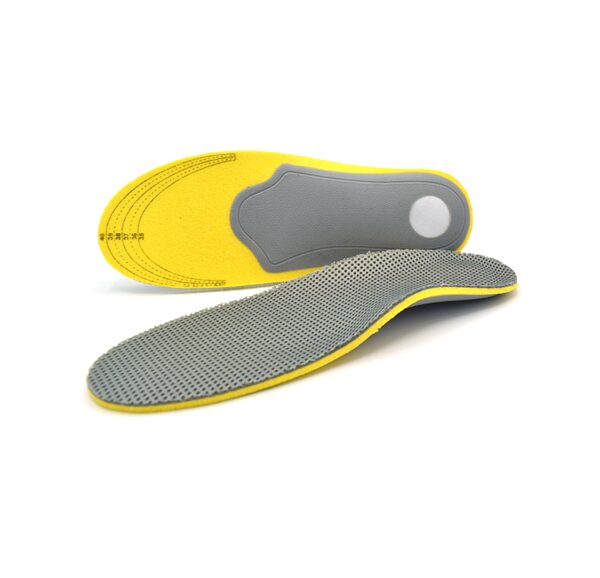
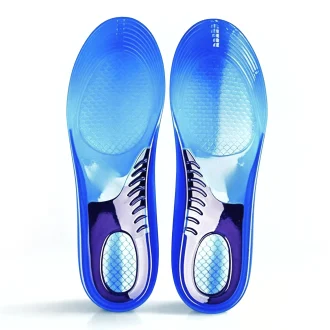
Orthotic Shoe Insoles for Flat Feet
£9.99£11.99 (-17%)inc VAT
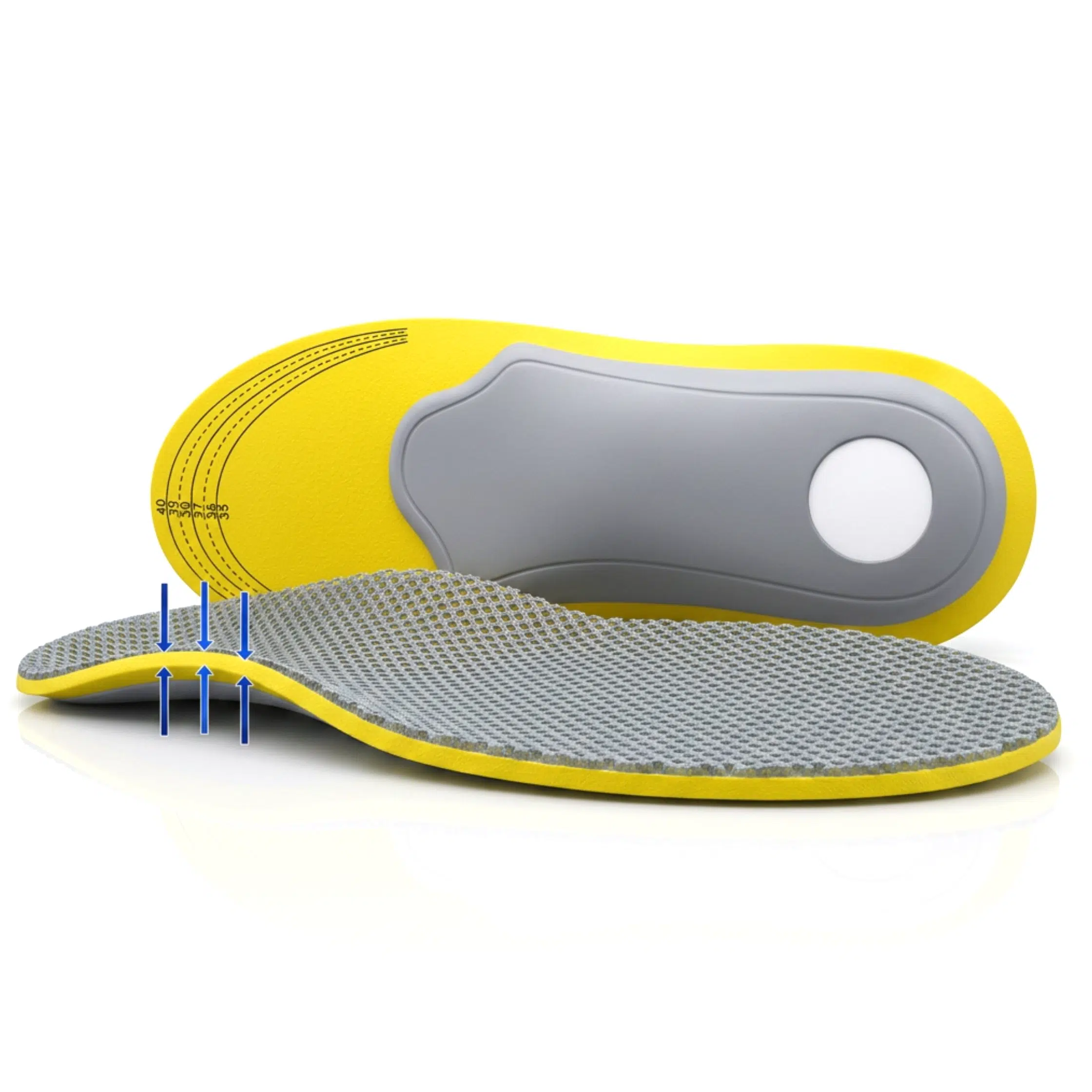
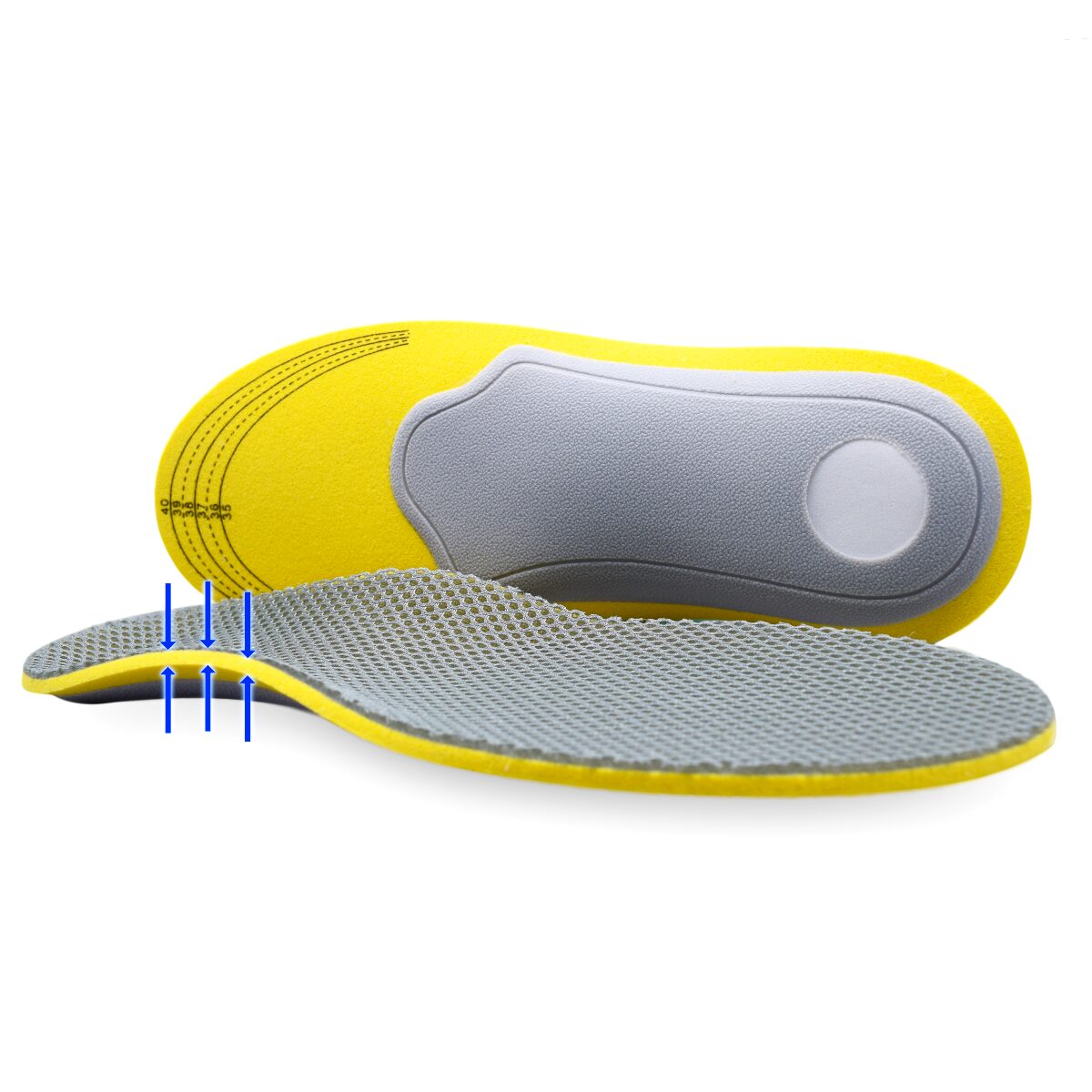
- 1x Pair of Orthotic Shoe Insoles for Flat Feet that features specially designed heel and arch support technology to help reduce strain and pressure off your feet and ease foot and heel pain
- For both Men & Women
- Available in sizes: 7-11 & 3-7 (Can be cut to size and can be fitted inside virtually any type of shoes quickly and easily)
- Made from breathable, moisture wicking Active Carbon Fibre material that helps remove odour and keeps your feet fresh and dry
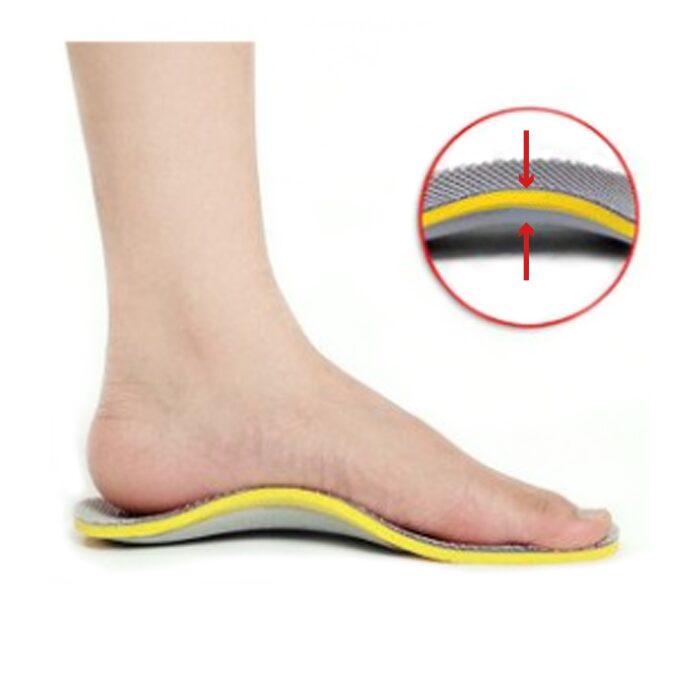
- Inbuilt arch support helps reduce strain and pressure off your feet and tilts your feet into the correct position as you walk
- Helps prevent common gait problems and biomechanical imbalances such as Overpronation and Supination which are leading causes of foot and lower limb injuries and pain
- Recommended for people with Flat Feet, High Arches, Plantar Fasciitis, Foot and Ankle Sprains and Strains, Achilles Tendonitis, Metatarsalgia, Bunions, Morton’s Neuroma, Heel Spurs, Foot Drop, Shin Splints Arthritis, Gout and more!
- Features a deep heel cup that stabilizes and supports your heels in the correct position preventing movement which could twist, sprain and damage your heels and ankles
- 3/4 Semi rigid plastic shell helps absorbs shock and spreads pressure evenly across the heel and foot stopping pressure points developing for better protection and comfort when standing for long periods of time
- Includes 30 day money back guarantee!
FootReviver Arch Support Insoles for Flat Feet
Comfort starts where your feet meet the ground. When the arches begin to flatten, the body’s natural alignment shifts. Over time, that small change can affect not only the feet but also the knees, hips, and lower back. FootReviver arch support insoles are designed to restore alignment, ease strain, and help you move comfortably again.
Flat feet are common, but the discomfort they cause doesn’t have to be. Understanding what’s happening inside your feet — and how the right structure can help — is the first step to lasting comfort.
When your arches start to drop
Do your feet ache by the end of the day? That slow pull under the arches or the sharp jab in the heel when you first stand up can be an early sign that your feet are under strain. It often feels like simple tiredness at first, but it’s usually the arches working harder than they should.
Standing or walking on hard surfaces for long periods places constant pressure on the arch. As days go by, that pressure builds into a steady ache that doesn’t fade with rest. Many people notice it most when they take off their shoes at night — a clear sign the arches have been under load all day.
When the natural arch begins to lower, the way the body carries itself starts to shift. Even a small change can alter how the whole leg moves. The heel tilts slightly inward through the subtalar joint, the ankle follows, and the knees rotate inward. The hips tilt and the lower back compensates. This gradual shift can lead to discomfort not only in the feet but also in the knees, hips, and back.
The arch normally stores and releases energy with every step. It’s supported by the plantar fascia — a strong band of tissue running from the heel bone to the toes — along with the spring ligament and small muscles in the foot. When these structures overstretch, they lose their ability to recoil, and the arch can no longer support weight efficiently.
People who spend long hours standing, have flexible joints, carry extra weight, or wear shoes without proper structure are most at risk. The discomfort often begins as fatigue or stiffness but can progress to persistent pain if ignored. You may notice your shoes wearing unevenly or feel your feet rolling inwards on hard surfaces.
If these early signs are left unchecked, the ligaments and fascia that support the arch can overstretch permanently. The body quietly adjusts to stay balanced, leading to ongoing strain and reduced comfort. It’s often when simple things like standing at work or walking short distances start to feel tiring that the impact of foot alignment becomes clear.
Early signs to look for
- Aching arches or heels after standing
- Uneven shoe wear on the inside edge
- Feet that feel tired or heavy by evening
- Recurring knee or lower back discomfort
- Visible flattening of the arch when standing
To understand why this happens, it helps to look at what’s going on inside the foot itself.
What’s going on inside the foot
When the arch loses its natural height and flexibility, the change doesn’t stay in the foot — it affects the way the whole leg and body move. As the heel rolls inward, called overpronation, the plantar fascia and Achilles tendon are pulled tight. The shin bone rotates inward, forcing the knee and hip to follow. This shift changes how weight passes through the joints and muscles, increasing strain from the feet up to the lower back.
These changes often show up as tired legs, aching heels, or stiffness after standing. Over time, the body adapts by tightening some muscles and overworking others, which can lead to discomfort in areas far from the feet themselves.
As the fascia stretches and the heel tilts, tissues in the arch and heel that should share load evenly are forced to absorb forces they’re not built to handle. This creates repeated strain in the fascia, twisting in the Achilles tendon, and compression in the joints of the midfoot. Pain develops where the strain is greatest — often under the heel, along the shin, or in the lower back.
These forces explain why certain conditions develop when the arch no longer supports the body as it should.
How flat feet change the way you move
Plantar fasciitis and heel spurs
If your first steps in the morning feel like walking on glass, it’s often the fascia showing signs of strain. The plantar fascia is a fibrous band connecting the heel bone to the toes, forming the base of the arch. It tightens during push‑off to stabilise the foot — a process called the windlass mechanism. When the arch collapses, this mechanism fails, and the fascia is forced to take on more tension than it should.
Over time, tiny tears form where the fascia attaches to the heel. The area becomes inflamed, causing sharp heel pain, especially during the first steps after rest. That’s why mornings can feel especially sore. Standing for long hours, running, or tight calf muscles can all increase the risk. If ignored, scar tissue can build up, reducing elasticity and prolonging pain.
When strain continues for a long time, the body tries to reinforce the heel — that’s how spurs form. A heel spur develops at the underside of the heel bone where the plantar fascia attaches. Constant pulling can trigger small bone growths as the body attempts to protect the area. The spur itself may not cause pain, but the surrounding tissue often becomes irritated, creating tenderness under the heel when standing or walking.
How FootReviver helps: The contoured heel cup and raised arch support reduce traction on the fascia, allowing it to rest and recover while maintaining natural foot movement. Cushioning under the heel softens impact and reduces the pulling force that contributes to spur formation.
Posterior tibial tendon strain
A deep ache along the inside of the ankle or arch often points to the posterior tibial tendon working beyond its limit. This tendon supports the arch and helps lift the foot during walking. When it weakens or overstretches, the arch collapses further, and the foot rolls inward. This is one of the main causes of adult‑acquired flatfoot. It often starts with mild swelling or tenderness along the inside of the ankle and can progress to visible flattening of the arch.
How FootReviver helps: The medial arch lift supports the tendon’s natural line of pull, reducing strain and helping it recover strength while maintaining proper alignment.
Achilles tendon irritation
A tight pull at the back of the heel after walking uphill or climbing stairs often points to the Achilles working overtime. The tendon connects the calf muscles to the heel bone and transmits power during walking and running. When the heel tilts inward due to overpronation, the tendon twists slightly with each step. This uneven loading irritates the tendon fibres, leading to stiffness and pain at the back of the heel.
How FootReviver helps: The deep heel cup steadies the heel, reducing twisting forces on the tendon and allowing it to move in a straight line again — that’s often when the stiffness begins to ease.
Shin splints
That dull ache along the front of the shin after walking or running is the muscle trying to stabilise a collapsing arch. Shin splints involve irritation of the muscles and tendons along the shin bone, particularly the tibialis posterior and anterior. These muscles help control the arch and stabilise the foot. When the arch collapses, they overwork to control pronation, pulling repeatedly on their attachment points along the shin.
How FootReviver helps: By supporting the arch and controlling pronation, it reduces the traction on these muscles, easing the pull along the shin and allowing them to recover.
Knee strain
When the knees start to turn inward, the feet are usually the first place to look. Inward rotation of the leg misaligns the kneecap, straining the patellofemoral joint. Over time, this can cause cartilage irritation and ongoing knee discomfort. Continued overuse without correcting foot mechanics can lead to persistent inflammation and even stress reactions in the bone.
How FootReviver helps: By restoring alignment from the ground up, it helps the knees track more naturally, reducing pressure on the joint and easing discomfort.
Forefoot pressure and metatarsalgia
When the arch collapses, weight shifts forward, pressing more heavily on the ball of the foot. This can cause burning or aching under the forefoot, especially after long periods of standing or walking. The small joints and nerves in the forefoot become compressed, leading to soreness or tingling.
How FootReviver helps: The cushioning layer beneath the forefoot spreads pressure evenly and supports the transverse arch, easing soreness and improving comfort during push‑off.
Lower back discomfort
If your back aches after standing still, the cause may be much lower than expected. The feet form the base of the body’s movement chain. When they collapse inward, the knees and hips rotate, tilting the pelvis and altering the curve of the lower spine. Flat feet often cause the pelvis to tilt forward, increasing the curve of the lower back and straining the surrounding muscles.
How FootReviver helps: By restoring neutral foot alignment, it corrects the chain reaction upward, allowing the pelvis and spine to return to a more balanced position.
Each of these problems begins with the same mechanical fault — the arch losing its height and the heel rolling inward. Correcting that alignment is the first step to easing strain throughout the body.
Why the right support makes all the difference
Once the ligaments and fascia that support the arch become overstretched, they can’t tighten again on their own. Strengthening exercises help, but they take time and can’t provide constant support during daily activity.
A structured insole serves as a steady base. It restores the natural shape of the arch, spreads pressure evenly, and keeps the heel aligned beneath the leg. Unlike soft cushioning alone, which only masks discomfort, a supportive insole addresses the underlying mechanics.
Support restores natural movement — not just comfort.
Expert perspective: how support works in practice
Insoles work best as part of a complete approach to foot health. Physiotherapists often combine them with stretching for the calf and plantar fascia, footwear advice, and gradual strengthening of the small muscles within the foot. The goal is to restore balance and reduce strain, not to immobilise the foot. FootReviver insoles are designed to complement this approach — providing structure while allowing natural movement.
The design behind the support
Support where it’s needed most
Every feature is shaped around how the foot moves in real life. The design focuses on guiding movement, not restricting it.
- Contoured heel cup: Cradles the heel bone to control inward rolling, steadying the subtalar joint and easing strain on the Achilles tendon and plantar fascia.
- Medial arch lift: Supports the navicular bone and restores the natural curve of the foot, reducing overpronation and spreading weight evenly.
- Midfoot reinforcement: Strengthens the centre of the insole to prevent collapse when bearing weight and maintain proper alignment.
Cushioning that moves with you
Comfort comes from controlled flexibility, not softness alone. The materials respond to movement, cushioning impact while keeping the foot stable.
- Shock‑absorbing core: Dual‑density material compresses slightly on impact, then rebounds to keep each step smooth and reduce joint stress.
- Forefoot cushion zone: Softens pressure under the ball of the foot and supports the transverse arch for comfort during push‑off.
- Heel shock pad: Adds extra protection at heel strike to reduce impact through the legs and spine.
- Adaptive cushioning layer: Adjusts to pressure points for consistent comfort in daily wear.
Keeping movement steady and natural
Support should guide movement naturally. These features help the foot move efficiently while keeping alignment steady.
- Arch stability frame: Reinforces the midfoot to limit overpronation and keep the foot aligned through each step.
- Flexible design: Moves naturally with the foot without losing structure, supporting smooth, efficient motion.
- Even weight distribution: Balances pressure across the foot to reduce hotspots and fatigue.
- Energy return core: A spring‑like layer that returns energy with each step, making walking feel easier.
Keeping feet comfortable all day
- Breathable, quick‑dry design: Promotes airflow and reduces moisture build‑up to help keep feet comfortable.
- Moisture‑wicking surface: Draws sweat away to maintain dryness.
- Trim‑to‑fit lines: Allow easy adjustment for a precise fit in most footwear.
Built for real‑world use
- Lightweight construction: Reduces fatigue without compromising support.
- Durable materials: Keep their shape and rebound even after months of wear.
- Low‑profile shape: Fits easily into trainers, work shoes, and casual footwear.
- Anti‑slip underside: Keeps the insole securely in place inside the shoe.
- Edge stability design: Prevents rolling or folding at the sides for consistent support.
- Biomechanically informed design: Based on principles recognised by UK physiotherapists for effective arch support.
- Suitable for daily and occupational use: Designed for comfort through long hours on your feet.
- Made for long‑term use: Built to last and maintain structure over time.
Together, these features create a stable foundation that supports natural movement and lasting comfort.
How they work in everyday use
In everyday use, FootReviver insoles adapt to a wide range of activity. During long shifts, they help reduce fatigue by keeping the heel centred and the arch supported. During activity, the responsive core keeps your step smooth and reduces impact through the knees and hips. When recovering from foot or ankle strain, the structured base supports alignment while allowing natural movement, helping tissues settle under balanced load.
What you’ll feel as you wear them
Whether standing through long shifts, walking on hard floors, or staying active, the insoles stabilise the feet and reduce fatigue. Balance feels steadier, legs less tired, and movement more comfortable — that’s often when you realise how much easier walking feels.
Once you’ve chosen the right support, how you fit and wear it makes all the difference.
Getting the best fit
Fitting them properly helps you feel the full benefit. Remove existing insoles before inserting FootReviver insoles. Trim along the guideline if needed, cutting gradually from the toe end only. Make sure the heel sits snugly in the heel cup and the insole lies flat inside the shoe.
Settling in
During the first few days, your feet may feel slightly different as muscles adjust to improved alignment. A gentle pressure under the arch is normal. Start with a few hours of wear each day and increase steadily. Most people notice improvement after several days of consistent use as muscles adapt and pressure spreads more evenly.
Keeping them performing well
To keep them clean and comfortable, wipe the insoles with a damp cloth and mild soap when needed. Let them air dry completely away from direct heat. Replace every six to twelve months, depending on use, as materials gradually lose rebound over time.
Once fitted, they become part of how you move — quietly supporting every step.
When it’s time to get professional advice
If discomfort persists, it’s always worth checking — early advice can prevent long‑term strain. If pain lasts more than a couple of weeks, worsens, or involves swelling, numbness, or sudden sharp pain, speak to a GP, physiotherapist, or podiatrist. Support can relieve mechanical strain, but persistent pain should always be checked.
How FootReviver compares
| Feature | FootReviver Insoles | Generic Insoles |
|---|---|---|
| Arch support | Contoured, biomechanically shaped | Flat or minimal shaping |
| Heel control | Deep stabilising heel cup | Basic cushioning only |
| Material durability | Dual‑density, long‑lasting | Soft foam that compresses quickly |
| Motion guidance | Supports natural gait and alignment | No motion control |
| Developed with physiotherapist input | Based on recognised biomechanical principles | None |
A simple tip that makes a difference
Consistency matters. Wearing your insoles daily — not just during activity — helps your body adapt to improved alignment. Over time, this reduces fatigue and supports better posture throughout the day.
Steadier steps, every day you move
FootReviver arch support insoles are made for those who want more than temporary cushioning. They provide a stable foundation that restores alignment, reduces strain, and helps the body move naturally again.
From the first wear, most people notice steadier steps and less fatigue. Over time, that support helps prevent strain from returning, keeping you comfortable through work, exercise, and regular activity.
When your feet are supported, everything above moves more easily — balanced, steady, and pain‑free.
7 Reviews For This Product
Fast & Secure Checkout Through Paypal
Pay with Paypal the secure payment gateway that accepts all credit and debit cards. Paypal is free and secure and no credit or bank information is ever stored or shared with us.
Fast Dispatch
Enjoy your items soon with quick dispatch via Royal Mail. Expect to have your items between 1-3 working days for domestic orders. 7-10 Working days for international orders.
Return Policy – 30 Day Money Back Guarantee
In the unlikely event, you are unhappy with your purchase you can return it within 30 days for a refund. Please contact us via the form on the contact us page to start your return.
To return an item please send it to: Nuova Health UK, 81 Highfield Lane, Waverley, Rotherham, S60 8AL. Please include a note with your order id so we know who to refund. Please retain your postage receipt as proof of postage. All that we ask is that the item is in the original packaging and unused.

by Christopher
Good quality and cushions and supports my feet just how I wanted 😎
by George Wilson
These insoles are brilliant for flat feet. They’ve reduced the strain on my arches and have made a noticeable difference to my foot pain. It did take a little while to break into them, but it was worth it. They’re well designed, lightweight and fit into my running shoes with ease. A solid purchase.
by Callum Brush
I’ve recently been struggling with arthritis in my feet, and these arch-support insoles have really made a difference. It took a few days to adjust, but now, they’re extremely comfortable. The slim design fits perfectly into my running shoes, and they provide the stability I needed. They’ve helped relieve the constant pain and allowed me to get back to my daily walks. Highly recommended.
by Alan Brown
Decided to try these FootReviver insoles after developing overpronation. They’ve been a big help in giving my arches the right kind of support. I’ve noted a reduction in my knee pain too. They’re comfortable, durable but I did find them a tad bit difficult to fit in my shoes initially. Once in though, they’re grand!
by Elly Rodriguez
I’ve been struggling with plantar fasciitis and my friend suggested these FootReviver insoles. They’re a snug fit and have a nice cushiony feel. They’ve certainly helped ease my foot pain but I still have some discomfort on longer walks. Overall, a solid purchase and I would recommend them for anyone with similar issues.
by JIMMY DONOVAN
WHO KNEW THAT SUCH A SIMPLE THING COULD MAKE SUCH A BIG DIFFERENCE? THESE INSOLES ARE AWESOME! HELPED SO MUCH WITH MY PLANTAR FASCIITIS. REALLY GOOD STUFF, RECOMMEND BIG TIME!
by Amina Al-Mansouri
I had been struggling with plantar fasciitis for months, and every step felt like walking on nails. A friend recommended these arch support insoles, and I decided to give them a try. After just a few days, I noticed a significant reduction in pain. Walking to work is no longer something I dread. The insoles are super comfortable and fit perfectly in my shoes. They also offer great support during my evening jogs, making running enjoyable again. Highly recommend to anyone dealing with foot pain!