That deep, biting chill in your toes—it’s more than just feeling cold, isn’t it? It’s the numbness that makes every step feel uncertain, those noticeable colour changes in your skin, and the painful throbbing as warmth slowly returns. If this sounds familiar, you’re likely dealing with Raynaud’s phenomenon.
Here’s the good news: understanding what’s happening in your body gives you practical ways to manage it. I’ll walk you through what causes Raynaud’s, what typically triggers episodes, and daily strategies that can help. Then we’ll look at FootReviver Socks—a product we’ve carefully evaluated at NuovaHealth because their design addresses these challenges in a way that makes sense for daily comfort and mobility.
What Exactly Is Raynaud’s Phenomenon?
Raynaud’s is essentially your body’s response to cold or stress becoming exaggerated. Let me break it down for you.
For everyone, a temperature drop causes blood vessels in hands and feet to narrow slightly to conserve heat—it’s a normal, protective reflex. With Raynaud’s, this system overreacts. The small arteries in your toes suddenly clamp down in what we call vasospasms, drastically reducing blood flow. Research suggests this happens because the nerves controlling blood flow become overactive, and the blood vessel linings turn hypersensitive, making them constrict too aggressively. This overreaction is what you feel as that intense, “dead” cold and numbness—it’s your body’s signal that circulation has dropped significantly.
Who Typically Experiences Raynaud’s?
Raynaud’s is more common than many people realise. Here in the UK, research estimates it affects up to one in six people. It’s significantly more prevalent in women and often first appears between ages 20 and 40. Knowing this might help you see that you’re not alone—many others share this experience. There are two main types:
- Primary Raynaud’s: This is the most common form, occurring on its own without underlying conditions. It’s often milder and generally more manageable.
- Secondary Raynaud’s: This type links to an underlying health condition, usually autoimmune diseases like scleroderma or lupus. It tends to be more severe, starts later in life, and needs closer medical management to address the root cause.
Why Your Feet Are Often Affected
Your feet frequently bear the brunt of Raynaud’s episodes due to anatomy and their role in temperature regulation. They’re the part of your body farthest from your heart, meaning blood flow has to work against gravity to reach them. The arteries also become smaller as they travel down into your toes. Combined with their large surface area, this makes your feet efficient at losing heat—which unfortunately primes them for that exaggerated Raynaud’s response. Essentially, they’re more exposed and less protected, making them the first line of defence in your body’s attempt to conserve warmth.
The Raynaud’s Cycle: What an Episode Actually Feels Like
An episode typically follows a recognisable pattern, though you might not notice every stage each time. A typical episode can last from minutes to hours, but the after-effects—like lingering tingling or sensitivity—can persist much longer, affecting your comfort.
- White Phase (Pallor): The initial vasospasm drastically reduces blood flow. Skin on your toes turns white or pale as oxygenated blood gets pushed out. This is when the intense coldness and that “dead” numbness set in, often making it hard to move or feel your toes properly.
- Blue Phase (Cyanosis): The blood trapped in tissues loses oxygen, causing blue or purplish discolouration. The numbness often peaks here, and skin can feel cold and clammy to the touch.
- Red Phase (Rubor): As vessels relax, blood rushes back in. This causes intense redness and usually brings painful throbbing, burning, or pins and needles as circulation returns.
Here’s an important warning: if an episode lasts over 20 minutes without relief, or if numbness becomes so complete that you lose all sensation, seek warmth immediately and consider speaking with your doctor. Prolonged lack of blood flow can, in rare cases, lead to tissue damage that needs medical attention.
What Typically Triggers an Episode?
Knowing your personal triggers is the first step toward preventing episodes. The most common ones include:
- Cold Air and Surfaces: Ambient cold from winter weather is obvious. But cold from direct contact with tiles or floors can draw heat from your feet instantly—so wearing socks indoors really helps.
- Dampness and Moisture: This is a trigger many overlook. Moisture from sweat or wet socks causes rapid heat loss through evaporation. It can provoke an episode even on a cool, damp day that doesn’t feel particularly cold.
- Stress and Emotion: Anxiety and stress activate your ‘fight or flight’ system, releasing hormones like adrenaline that constrict blood vessels. A sudden shock can trigger an episode even in a warm room.
- Dietary and Lifestyle Factors: Caffeine and nicotine actively narrow blood vessels and can worsen symptoms. A diet high in processed foods may contribute to inflammation over time, affecting vascular health.
The Domino Effect on Your Movement
The impact of numbness goes beyond discomfort. Without proper sensory feedback from your feet, your natural walking pattern gets disrupted. You might adopt a stiffer, more cautious gait without realising it, which can throw off your balance and coordination.
This altered walking pattern places extra strain on muscles and ligaments in your feet, ankles, and knees. This is why many people with Raynaud’s experience secondary aches and fatigue—it’s a direct result of your body protecting itself from numb feet. Over time, this can lead to overuse injuries in otherwise healthy joints.
Taking Control of Your Daily Routine
Managing Raynaud’s effectively comes down to consistent, proactive strategies focused on preventing triggers. Here are practical steps you can integrate into your day:
- Prioritise Proactive Warmth: The goal is to prevent temperature drops before they happen. Put socks on before your feet get cold. Layering—using a thin, moisture-wicking sock under a looser thermal sock—traps insulating air without relying on a single thick sock that might impede blood flow. It creates a cozy environment for your feet that helps maintain stable temperature.
- Eliminate Dampness: Moisture management is crucial. Wear waterproof footwear in damp weather and change out of damp socks right away. Always dry your feet thoroughly after washing, and consider using foot powders if you tend to perspire.
- Plan for Temperature Shifts: Get into the habit of managing sudden changes. Keep socks by your bed to put on first thing in the morning. Before going outside, spend a minute in a cooler spot to let your body adjust gradually rather than shocking your system.
- Manage Diet and Lifestyle: Since your nervous system is involved, practices like deep breathing can help modulate its response. Reducing caffeine and quitting smoking are among the most impactful steps you can take. Staying well-hydrated also helps maintain good blood consistency for better circulation throughout the day.
When to Seek Professional Advice
If your symptoms are severe, only affect one foot, started after age 40, or come with skin ulcers or sores, it’s essential to see your GP. They can provide a formal diagnosis and, crucially, rule out serious underlying autoimmune conditions like lupus or scleroderma that can cause Secondary Raynaud’s.
Your doctor can also help with treatment options if lifestyle changes aren’t enough. They might prescribe calcium channel blockers (like Nifedipine), which work by relaxing and widening blood vessels to improve blood flow. Other medications called vasodilators can have similar effects. It’s important to understand that these medications don’t cure Raynaud’s; they help manage episode frequency and severity by reducing vessel constriction. They can be very effective but may bring side effects like headaches or dizziness, and their long-term use needs monitoring by a healthcare professional. The goal is always to use the minimum effective dose alongside your lifestyle strategies for the best quality of life.
So, with those challenges in mind, let’s look at how FootReviver’s sock design addresses them. At NuovaHealth, we’ve chosen this product because it aligns with practical strategies that can make a real difference in daily life with Raynaud’s. Each feature is designed to support your comfort and mobility in specific ways that matter.
Warmth and Circulation Support
Since Raynaud’s episodes start when cold triggers blood vessel constriction, FootReviver’s design focuses on keeping blood flowing smoothly and warmth consistent throughout the day.
- Thin, Breathable Construction for Consistent Warmth: These socks are made from a thin, breathable material that can be worn comfortably on its own or under your regular or thermal socks. This design traps a layer of insulating air close to your skin, providing steady warmth that helps prevent the initial cold sensation from spiralling into an episode. The slim design avoids bulk that can restrict circulation—a particular concern with thick socks that might use tight fabric. By maintaining gentle warmth, they can reduce episode frequency and help you feel more secure moving between different environments, making daily activities more comfortable and predictable.
- Graduated Support for Circulatory Assistance: FootReviver includes mild, graduated support with gentle pressure that’s highest at your ankle and decreases up the calf. This gives light help to your body’s natural way of moving blood back toward your heart. This subtle support may help reduce blood pooling in your feet, which can worsen coldness and discomfort. The effect remains gentle though—these aren’t medical compression socks and shouldn’t restrict blood flow. It’s all about supporting your circulation without adding pressure, which can be especially helpful if you spend long periods sitting or standing throughout your day.
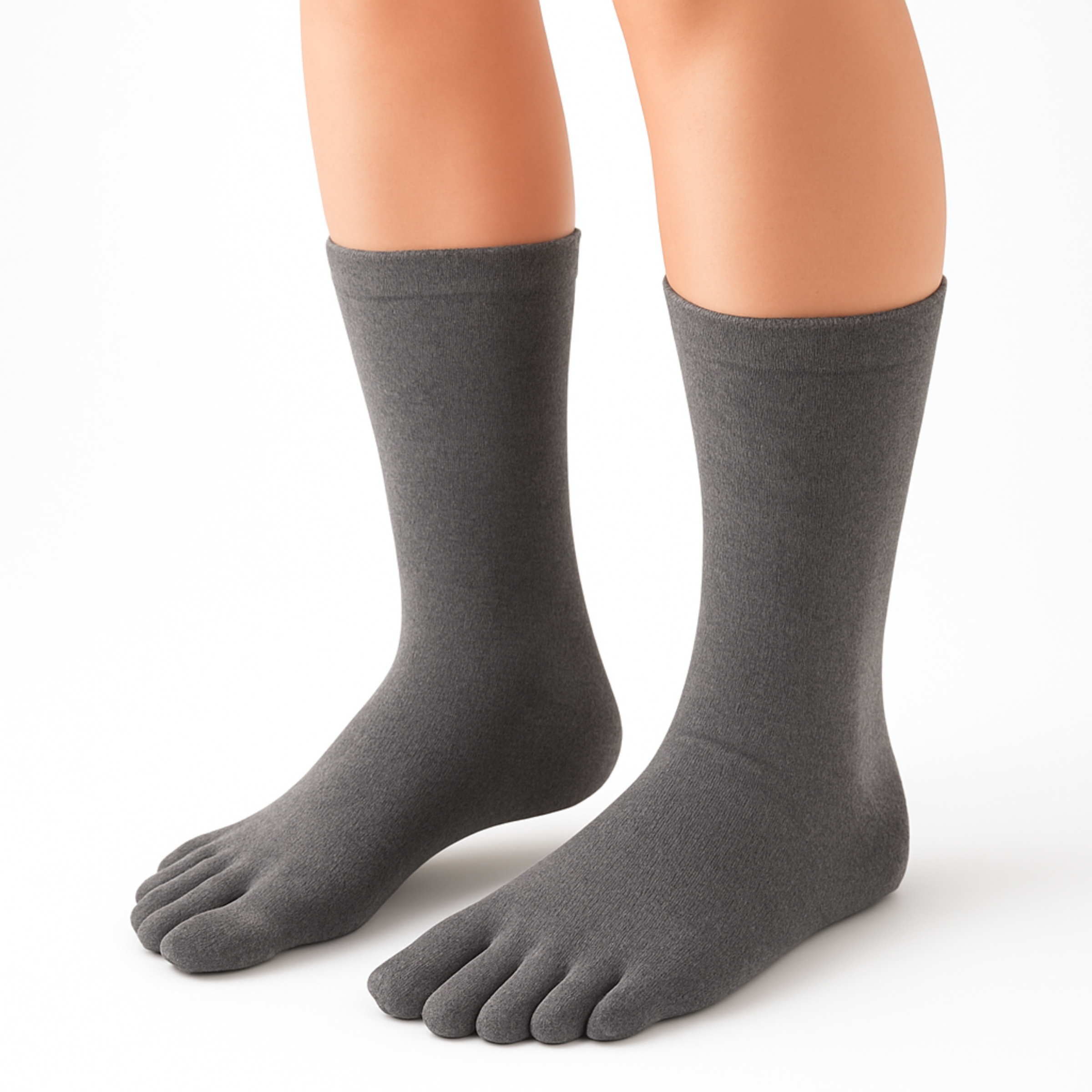
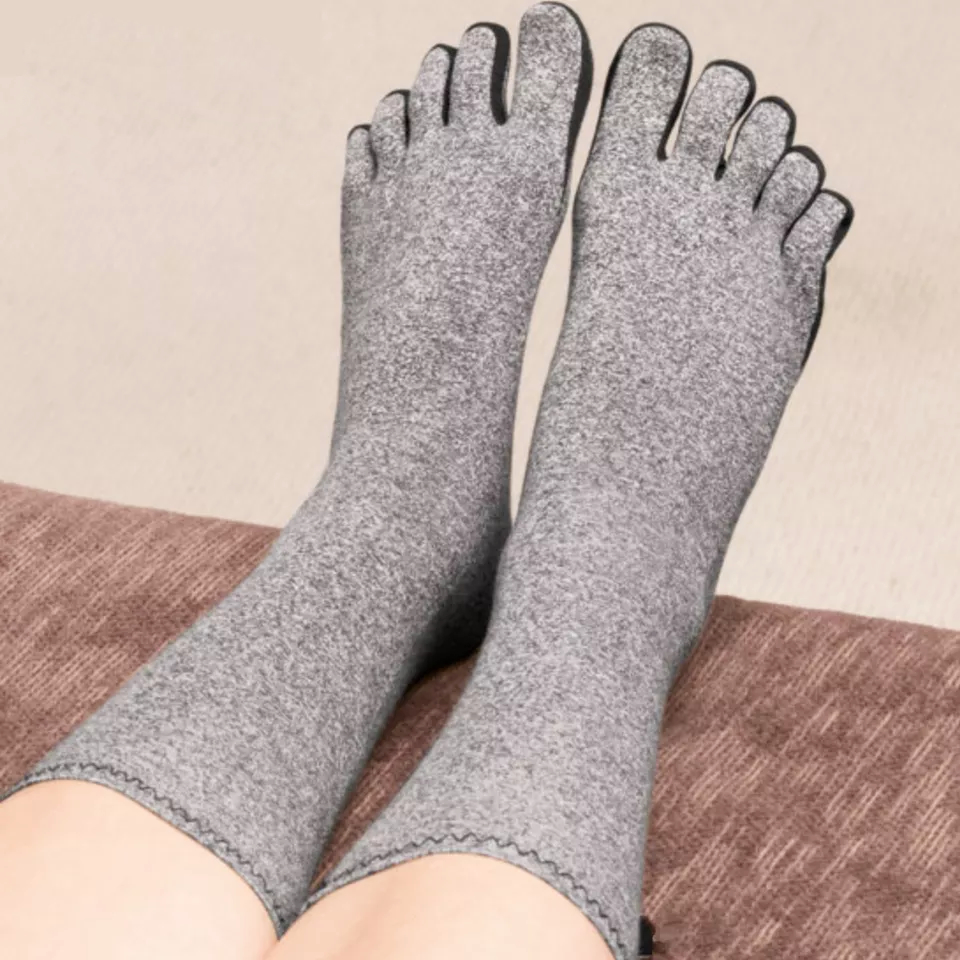
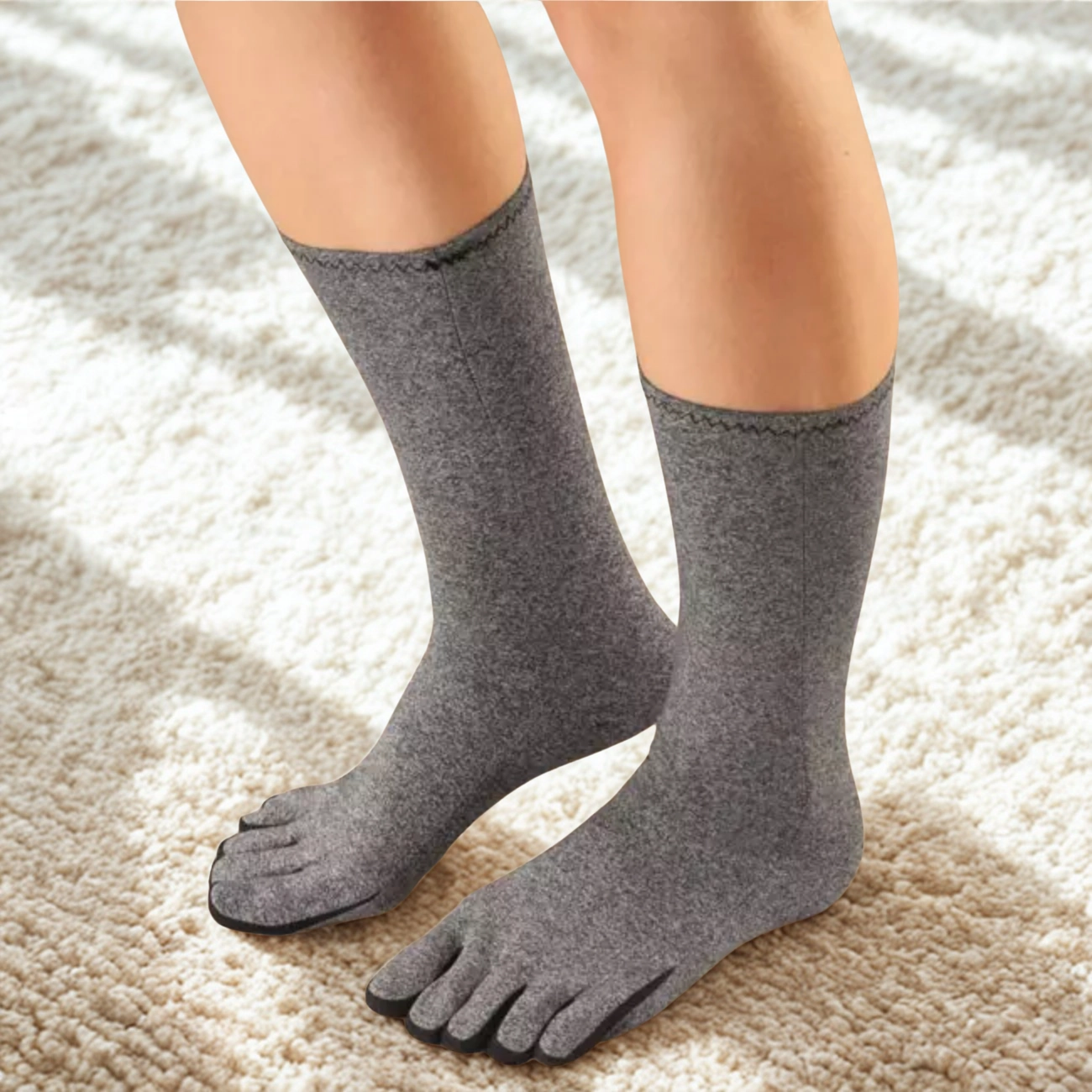
- Individual Toe Design for Targeted Warmth: Because Raynaud’s episodes often start in individual toes, FootReviver’s five-toe design surrounds each toe separately. This creates individual warmth pockets that reduce the cold spots common with traditional socks where toes are bunched together. The separated fit also minimises skin-on-skin contact and friction between toes, which can worsen sensitivity during episodes. If your episodes tend to begin in one or two toes, this design helps contain the chill to specific areas without creating pressure points, providing more targeted protection and comfort where you need it most.
- Breathable Material for Temperature Regulation: Sudden temperature changes between environments can definitely provoke episodes. FootReviver uses breathable, adaptive material that helps regulate temperature by retaining warmth in cool conditions while allowing excess heat to escape when it’s warmer. This helps prevent that cycle of overheating, sweating and subsequent cooling that can be just as problematic for Raynaud’s management. The fabric’s breathable construction promotes air circulation, keeping your feet comfortable without overheating, which supports your body’s natural temperature control throughout various daily activities.
Moisture Management for Stable Temperature
Dampness pulls heat away from your skin rapidly through evaporation—a significant Raynaud’s trigger that’s particularly relevant in our UK climate. FootReviver addresses this with features focused on keeping your feet dry and comfortable, which is essential for maintaining stable body temperature.
- Moisture-Wicking Fabric: The socks’ moisture-wicking fibres actively pull sweat away from your skin to the fabric’s outer surface, where it disperses and evaporates. By managing dampness right at the source, they reduce that sharp, evaporative coolness that can initiate vessel constriction. This helps keep your feet dry and comfortable whether you’re active or resting, reducing the risk of episodes triggered by internal moisture. Plus, it minimises the chance of skin irritation, which is important if your feet tend to stay damp during daily activities.
- Quick-Drying Construction: A damp sock can actually feel colder than no sock at all, since water conducts heat away from your body so efficiently. These socks dry quite quickly after moisture exposure thanks to their lightweight knit and fibre structure. If they do get damp from rain or perspiration, a brief airing usually restores their protective qualities, making them quite practical for our changeable British weather. This reliability means you can wear them throughout the day without worrying about prolonged dampness compromising your warmth or comfort.
Support for Natural Movement
Numbness or stiffness from Raynaud’s can alter how you walk, leading to secondary strain on your feet, ankles and knees. FootReviver incorporates elements to encourage more stable, natural movement throughout your day.
- Arch Cushioning for Even Pressure Distribution: When sensation is reduced, people often unintentionally shift their weight to avoid discomfort, concentrating pressure on specific areas. The built-in arch cushioning helps spread weight more evenly across your entire foot, reducing focal pressure points that could worsen sensitivity. This makes each step feel softer and more supported, minimising fatigue and those compensatory movements that lead to joint strain—especially helpful if you’re on your feet for long periods during work or daily activities.
- Ergonomic Shape Following Natural Contours: An ill-fitting sock can bunch or constrict, impeding circulation and altering your gait. FootReviver’s ergonomic design follows the natural curves of your foot with thoughtful zoning around the arch, ankle and calf. This ensures the sock moves with you, providing support where needed without excess material that could cause friction or pressure. By promoting a more natural foot position, it helps maintain a stable, efficient walking pattern even when numbness occurs, which is key to preventing strain on other joints.
- Strategic Stretch Zones: Stiffness in your feet or a cautious gait can restrict natural motion, further impeding circulation. These socks have specific areas with enhanced elasticity—particularly around the ankle and ball of your foot—allowing the material to stretch and recover with your movement. This ensures the sock doesn’t constrict or bunch during activities like walking or stretching, supporting your circulation with every step and reducing post-episode stiffness that can affect mobility.
- Anti-Slip Grip for Confidence: Reduced sensation can affect your balance, leading to a tentative gait that increases muscle tension. The socks include subtle silicone grip patterns on the sole, providing traction on smooth surfaces like tiles or hardwood floors. This helps prevent slips and falls, encouraging more relaxed, natural walking patterns around your home. By reducing the worry about slipping, the socks help you move with greater confidence, which supports better circulation and reduces compensatory movements throughout your daily routine.
Durability and Practical Design
Socks that are difficult to wear or maintain quickly become frustrating rather than helpful. FootReviver focuses on long-term usability with features that ensure comfort and reliability day after day.
- Seamless Toe Construction: Rough seams can cause friction and pressure points that worsen sensitivity. FootReviver’s seamless toe closure lies completely flat against your skin, eliminating chafing and reducing irritation risk during extended wear. This is particularly valuable if you have heightened skin sensitivity, as it ensures consistent comfort whether you’re wearing shoes or moving around at home throughout the day.
- Secure Cuff Design: The top cuff uses a soft, elasticated band that grips your calf gently without tight bands that could dig into your skin or impede circulation. This ensures the sock stays in place comfortably while keeping blood flow uncompromised—essential for managing Raynaud’s effectively without creating new concerns about restriction or discomfort during wear.
- Reinforced Construction: Reinforced stitching in high-stress areas like the toe and heel enhances durability while maintaining a smooth interior. The robust yet soft knit retains its shape and supportive properties through repeated washing, ensuring consistent performance over time. This durability makes them a practical choice for integrating into your daily Raynaud’s management long-term, as they won’t wear out quickly or lose their beneficial features with regular use.
- Slim Layering Profile: The thin, sleek design allows comfortable wearing under thermal or wool socks in colder weather without adding restrictive bulk. This layered approach lets you adjust your insulation based on conditions, ensuring consistent warmth without circulation compromise. It’s a flexible solution that adapts to both indoor and outdoor environments, so you can use the socks year-round without feeling too hot or too cold in different settings.
These socks work best as part of your overall Raynaud’s approach. Here’s how to use them effectively in your daily life:
- Consistent Indoor Wear: Put them on first thing in the morning before your feet feel cold. Worn regularly indoors, they help establish a baseline of warmth that reduces vulnerability to cool floors or air conditioning. This proactive approach can help prevent episodes from starting, which means you can focus on your day without that constant temperature awareness affecting your comfort or activities.
- Layering for Outdoor Activities: When facing extended time outside during colder months, wear FootReviver as a base layer under looser thermal socks. Their thin profile adds warmth without bulk, while the combination traps heat effectively for better cold weather protection. This isn’t just about adding layers—it’s about creating a system that adapts to your needs, with the socks managing moisture and the outer layer providing insulation for various outdoor conditions.
- Episode Management: If you feel tingling or numbness beginning, move to a warmer area promptly while keeping the socks on. Their consistent warmth supports your body’s natural rewarming process and may help ease the often uncomfortable return to normal sensation. Having a clear plan like this reduces anxiety about episodes and helps you handle discomfort more effectively when it does occur.
While FootReviver designed these socks with Raynaud’s in mind, their combination of gentle warmth, smart moisture management, and seamless support can also ease discomfort from several other common foot conditions. Let’s explore how they might help in your situation.
For Chilblains (Pernio)
Understanding Chilblains
Chilblains are those itchy, red, and swollen patches you can get on your toes and feet after being in cold—but not freezing—weather. They happen when the tiny blood vessels in your skin tighten up from the cold and then expand too quickly as you warm up. This sudden expansion causes inflammation and leaks fluid into the surrounding tissue, leaving those tender, discoloured areas that might blister or feel quite painful. They’re common in damp, chilly climates and share a key trait with Raynaud’s—your blood vessels tend to overreact to temperature changes.
Link to Raynaud’s
If you have Raynaud’s, you’re more likely to get chilblains. Both conditions mean the blood vessels in your extremities are extra sensitive. Those repeated cycles of vessels clamping down and suddenly reopening with Raynaud’s can make the tiny capillaries more fragile and prone to leaking, which is exactly what causes chilblains. So, strategies that help one often help the other.
How FootReviver Socks Can Help
For chilblains, the socks help by keeping your feet at a much more stable, consistent temperature. That thin, breathable base layer prevents the sharp temperature drops that make your blood vessels constrict in the first place, while the adaptive material helps you avoid warming up too rapidly, which leads to the inflammation. By trapping a layer of insulating air and pulling away moisture that causes heat loss, the socks create a protective buffer. This steadier environment reduces the violent expansion and contraction cycles in your blood vessels, directly lowering the risk of the inflammation that causes chilblains. The seamless, non-irritating construction is also crucial because it prevents chafing on the sensitive, inflamed skin chilblains can cause.
For Complex Regional Pain Syndrome (CRPS)
Understanding Complex Regional Pain Syndrome
CRPS is a chronic pain condition that usually affects one limb, like a foot, after an injury or surgery. We think it’s caused by a misfire in your central or peripheral nervous systems, which become overactive and send constant pain signals to your brain. The affected foot can feel intensely painful—often described as a burning or “pins and needles” sensation—along with visible changes in skin colour, temperature (swinging from cold to warm), and swelling. Even a light touch or a slight breeze can feel intensely painful.
Link to Raynaud’s
While CRPS and Raynaud’s are different conditions, they can occur together and affect each other. Both involve a nervous system that’s not properly regulating blood flow and sensation. The cold, discoloured foot you often see in CRPS can mimic or even set off a Raynaud’s episode, as the faulty nerve signals tell blood vessels to constrict at the wrong time. Keeping a stable temperature is a key goal for managing both.
How FootReviver Socks Can Help
With CRPS, we aim to provide consistent, non-irritating comfort and temperature control. FootReviver Raynaud’s disease socks help by giving gentle, even pressure and warmth without any rough seams or tight bands that could trigger a pain flare-up. The soft, breathable fabric helps moderate your skin temperature, stopping those sharp cold sensations that can make nerve pain worse. The light, graduated support may also help reduce swelling by gently assisting your circulation without any harsh compression. By creating a stable, protective barrier against external temperature shifts and physical irritation, the socks can help calm an oversensitive nervous system, making your foot feel more secure and less reactive to everything around it.
For Lupus Affecting the Feet
Understanding Lupus in the Feet
Lupus is a systemic autoimmune disease where your body’s immune system mistakenly attacks its own tissues, causing widespread inflammation. In your feet, this often shows up as joint pain and swelling (arthritis), especially in your toes and ankles. Many people with lupus also get Raynaud’s phenomenon because the inflammation targets the blood vessels directly. The condition can also cause rashes, lesions, and make you more sensitive to temperature, so keeping your feet comfortable becomes a real daily focus.
Link to Raynaud’s
Raynaud’s is actually a very common part of lupus, affecting a large number of patients. The autoimmune inflammation damages the lining of the small blood vessels, making them much more likely to spasm severely. So, managing foot symptoms in lupus often means managing Raynaud’s episodes and joint discomfort at the same time.
How FootReviver Socks Can Help
FootReviver Raynaud’s disease socks offer a helpful approach for lupus-related foot issues. For arthritic joints, the seamless construction and soft, cushioned arch take pressure off and reduce friction on swollen, tender spots. The individual toe design lets inflamed toes sit separately without rubbing, which can be a real relief. For the Raynaud’s part, the consistent warmth and moisture-wicking properties work to prevent the blood vessel spasms that cut off circulation. By supporting better blood flow and providing a protective, non-constricting layer, the socks can help reduce how often and how severely you experience both arthritic flare-ups and Raynaud’s episodes, contributing to better overall foot comfort.
For Scleroderma Affecting the Feet and Toes
Understanding Scleroderma in the Feet
Scleroderma is a chronic autoimmune disease that leads to hardening and tightening of the skin and connective tissues. In the feet, this skin tightening can be very pronounced, reducing flexibility and making the skin fragile and easily damaged. It almost always causes severe Raynaud’s phenomenon and can lead to poor circulation, digital ulcers (sores on the toes), and calcium deposits under the skin. The combination of tight, inflexible skin and extreme vascular sensitivity makes the feet particularly vulnerable.
Link to Raynaud’s
Raynaud’s is a primary and often the first sign of scleroderma. The disease process causes scarring and thickening in the walls of your small arteries, narrowing them drastically and making Raynaud’s episodes more frequent, longer, and more severe. Managing Raynaud’s well isn’t just about comfort here—it’s a critical part of preventing tissue damage and ulcers.
How FootReviver Socks Can Help
FootReviver Raynaud’s disease socks are designed with the precise needs of scleroderma in mind. The seamless, non-binding construction is vital because it avoids putting pressure on the tight, fragile skin or those prominent toe joints where ulcers can form. The main benefit comes from the socks’ ability to maintain a consistent, gentle warmth without using tight, thick material that could impede your circulation further. By preventing the dramatic temperature drops that trigger severe vasospasms, the socks help protect the delicate tissues in your toes from oxygen deprivation. The moisture-wicking fabric is also crucial, as it keeps your skin dry, reducing the risk of maceration and infection, which is a serious concern with digital ulcers.
For Fibromyalgia
Understanding Fibromyalgia and Foot Pain
Fibromyalgia is a chronic condition known for widespread pain, fatigue, and a heightened pain sensitivity throughout your body, which we call central sensitisation. It’s common to experience significant pain in your feet, which can feel like a deep ache, burning, or just an overall tenderness. This can be made worse by poor sleep and temperature sensitivity, where cold feet can intensify your overall perception of pain and discomfort, making it hard to rest or stay active.
Link to Raynaud’s
There’s a notable overlap between fibromyalgia and Raynaud’s. While we don’t fully understand the link, both conditions involve a nervous system that’s a bit out of sync. The heightened sensitivity in fibromyalgia can make the cold, painful sensations of a Raynaud’s episode feel even more intense, and the episodes themselves can add to your overall pain and stress, which then worsens fibromyalgia symptoms.
How FootReviver Socks Can Help
If you have fibromyalgia, FootReviver Raynaud’s disease socks can act as a source of constant, soothing comfort. The soft, seamless fabric provides comfort without any irritating tags or seams that can feel like sharp stimuli on sensitive skin. The gentle warmth helps counteract the cold intolerance many people experience, and by preventing Raynaud’s episodes, the socks remove a significant source of acute pain. The light cushioning and support can also help reduce the impact-related discomfort that can feel exaggerated due to central sensitisation. By creating a calm, warm, and comfortable environment for your feet, the socks can help lower your overall level of sensory distress, which may contribute to a greater sense of well-being and make daily activities easier to manage.
For Gout
Understanding Gout
Gout is a form of inflammatory arthritis caused by a buildup of uric acid crystals in a joint, most famously the base of your big toe. This leads to sudden, severe attacks of pain, redness, swelling, and extreme tenderness—often so intense that even the weight of a bedsheet can feel unbearable. The joint becomes hot, swollen, and exquisitely painful to move or touch during an acute flare.
Link to Raynaud’s
There’s no direct causal link between gout and Raynaud’s; they’re different processes. However, during a gout attack, the intense inflammation and swelling can potentially squeeze blood vessels, affecting circulation in your foot. Also, if you have both conditions, the pain of a gout attack could potentially trigger a stress-related Raynaud’s episode.
How FootReviver Socks Can Help
During the recovery phase after a gout attack, when the severe pain and swelling have gone down but the joint may still feel tender and stiff, FootReviver Raynaud’s disease socks can be beneficial. The seamless toe construction is key here, as it ensures no rough material rubs against the still-sensitive base of your big toe. The soft, stretchy fabric accommodates any residual swelling without constriction, and the breathable material keeps your skin dry and comfortable. It’s important to note that during an acute gout attack, your foot is too swollen, hot, and painful for any sock to be comfortable or advisable. The socks are best used as a comfort measure between flares to protect the joint and maintain a stable foot temperature without pressure.
For Plantar Fasciitis & Heel Spurs
Understanding Plantar Fasciitis
Plantar fasciitis involves inflammation of the plantar fascia, that thick band of tissue running along the bottom of your foot from your heel to your toes. It causes a sharp, stabbing pain in your heel, often worst with your first steps in the morning or after sitting for a while. The pain usually eases as you move but can return after long periods of standing or at the end of the day. A heel spur—a bony growth on the heel bone—can sometimes form from this persistent tension, but the spur itself often isn’t the primary pain source.
How FootReviver Socks Can Help
FootReviver Raynaud’s disease socks help by giving you built-in arch cushioning that supports the plantar fascia ligament. This cushioning works to spread pressure more evenly across the entire bottom of your foot, reducing the focal strain right at the heel. This can make those first steps in the morning feel less sharp and give you a softer, more supported feel when you’re on your feet for a long time. The gentle support may also improve circulation, which can aid the healing process in this notoriously slow-to-heal tissue. While they’re not a replacement for dedicated orthotics in severe cases, the arch support and overall foot comfort can offer you meaningful relief as part of your broader management plan.
For Arthritis (Rheumatoid & Osteoarthritis)
Understanding Arthritis in the Feet
Arthritis is inflammation of your joints. Osteoarthritis, the “wear-and-tear” type, breaks down the cartilage that cushions your bones, leading to pain, stiffness, and swelling. Rheumatoid arthritis is an autoimmune disease where your body attacks the joint lining, causing pain, significant swelling, and potential joint deformity. In your feet, arthritis commonly affects the base of the big toe, the midfoot, and the ankles, making every step painful and stiff.
How FootReviver Socks Can Help
FootReviver Raynaud’s disease socks are designed to bring comfort to arthritic joints through a non-constrictive, supportive fit. The soft, seamless interior gets rid of friction and pressure points that can irritate swollen, tender, or misshapen joints. The ergonomic shape and strategic stretch zones let the sock move with your foot without bunching or squeezing, which is vital for keeping mobile without pain. The light cushioning under your arch and sole helps absorb shock with each step, reducing the impact that travels through painful joints. For those with rheumatoid arthritis who may also have Raynaud’s, the added benefit of consistent warmth and better circulation tackles two challenges with one comfortable product.
For Morton's Neuroma & Metatarsalgia
Understanding Morton’s Neuroma and Metatarsalgia
Morton’s neuroma involves a thickening of the tissue around a nerve leading to your toes, typically between the third and fourth toes. This creates a sharp, burning pain, tingling, or numbness in the ball of your foot, often feeling like you’re standing on a pebble. Metatarsalgia is a broader term for pain and inflammation in the ball of the foot, usually from excessive pressure. Both conditions make standing and walking uncomfortable.
How FootReviver Socks Can Help
The individual toe design of FootReviver Raynaud’s disease socks is particularly helpful for these conditions. By separating your toes, the sock reduces compression and friction on the nerves and bones in the forefoot. This creates more space between the metatarsal heads, which can decrease the pressure and irritation on the inflamed nerve or tissues. The roomy forefoot area and seamless construction prevent the bunching and tightness that can aggravate pain in the ball of your foot. The arch cushioning also helps by improving your overall foot alignment and shifting pressure away from the forefoot, giving you relief during walking and standing.
For Bunions & Hammertoes
Understanding Bunions and Hammertoes
A bunion is a bony bump that forms on the joint at the base of your big toe, often pushing the toe to angle in towards the others. A hammertoe is an abnormal bend in the middle joint of a toe, causing it to curl downward instead of pointing forward. Both are often caused by pressure from ill-fitting shoes and can lead to pain, redness, corns, and calluses from constant rubbing.
How FootReviver Socks Can Help
FootReviver Raynaud’s disease socks help by minimising friction and pressure on these sensitive bony areas. The seamless construction means there are no internal seams to rub against the side of a bunion or the top of a hammertoe. The soft, stretchy materials gently accommodate your foot’s shape without squeezing or forcing your toes into an unnatural position. The individual toe design can be especially helpful for hammertoes, as it gives each toe its own space, reducing skin-on-skin irritation and the friction that leads to corns. While the socks won’t correct the deformities, they provide a protective, comfortable layer that can significantly cut down on your daily irritation and pain.
For General Foot Fatigue, Swelling, and Cramps
Understanding General Foot Fatigue
This covers the common aches, swelling, and muscle cramps that come after long hours on your feet, prolonged standing, or intense activity. It results from muscle overuse, fluid pooling in your feet from gravity, and general impact fatigue. Your feet can feel heavy, tender, and just plain tired.
How FootReviver Socks Can Help
FootReviver Raynaud’s disease socks offer relief through a combination of light graduated support and all-day comfort features. The gentle compression from the ankle up gives subtle assistance to your circulatory system, helping to move blood and fluid back up your leg, which can reduce swelling and that heavy, tired feeling. The cushioning in the arch and sole acts as a shock absorber, softening the impact of each step and reducing muscle fatigue. The breathable, moisture-wicking fabric keeps your feet dry and comfortable, preventing the clamminess that adds to discomfort after a long day. Together, these features make the socks an excellent choice for anyone who spends a lot of time on their feet.
Note: If you have diabetic neuropathy, it’s always best to check with your podiatrist or doctor before using any sock with compressive elements to make sure it’s safe for your specific situation and won’t interfere with your circulation or sensation.
Getting the Right Fit and Long-Term Care
Proper fit ensures the socks work as intended, while good care maintains their effectiveness over time. Here’s what you need to know to get the most out of your FootReviver socks.
Choosing Your Size
- Measure around the widest part of your foot (usually the ball) and check FootReviver’s size chart for accurate guidance based on your measurements.
- Aim for a snug but comfortable fit without tightness across your instep, toes or ankle to ensure optimal circulation and comfort throughout wear.
- If you’re between sizes, choose the larger one if you experience swelling or prefer more movement room, or the smaller size for a closer fit that maximises warmth and support.
Checking the Fit
- Slide a finger under the cuff at your ankle—it should glide in easily without resistance, indicating the sock isn’t too tight and won’t impede blood flow during wear.
- Your toes should have space to wiggle freely without feeling compressed, which helps prevent pressure points and allows natural movement throughout daily activities.
- After wearing them briefly, check that no deep red marks or impressions remain on your skin, as this could signal the fit is too restrictive for comfortable all-day use.
- Make sure the sock doesn’t slide down or bunch up during movement, as this could cause friction and disrupt circulation, leading to discomfort over time.
Care Instructions
- Hand-wash in cool water with mild detergent to preserve the fibres and maintain the socks’ moisture-wicking and supportive properties through multiple uses.
- Avoid bleach or fabric softeners, as they can degrade fibres and reduce moisture-wicking ability, shortening the lifespan of the socks and their effectiveness.
- Air dry flat away from direct heat—don’t tumble dry, as high heat can damage elasticity and shape, affecting the fit and performance you rely on for comfort.
- Store them clean and dry, folded neatly rather than tightly rolled to maintain their shape and prevent stretching or misshaping over time with regular use.
Important Safety Considerations
Your wellbeing always comes first. These socks should complement, not replace, professional medical advice for your specific situation.
When to See Your Doctor
- Always consult your GP for a formal Raynaud’s diagnosis, particularly if symptoms began after age 40, you have foot sores, severe episodes, or symptoms that only affect one foot, as these could indicate underlying issues.
- This helps exclude underlying conditions like autoimmune diseases or peripheral artery disease that need specific treatment, ensuring you receive appropriate care for your overall health.
Listening to Your Body
- Remove the socks immediately if your feet feel colder, you experience new or worsening numbness, or your skin shows increased colour changes, as these could indicate the socks aren’t suitable for your specific needs.
- Avoid wearing them if you have open wounds, skin infections or significant swelling without medical guidance, to prevent exacerbating existing issues and ensure proper healing.
Emergency Situations
- Seek immediate medical care if you experience sudden, complete coldness in one foot with intense pain or numbness, as this could indicate a serious condition like a blood clot needing urgent attention and proper medical evaluation.
Our Assurance to You
We understand how Raynaud’s affects daily life—from constant temperature awareness to disrupted routines and the frustration that comes with it. At NuovaHealth, we’ve chosen FootReviver socks because their thoughtful design matches approaches we trust for practical management. We offer a 30-day evaluation period; if you don’t find them helpful in your daily routine, please contact us for a straightforward refund. Your comfort and satisfaction matter most to us, and we’re committed to supporting you in finding solutions that work for your specific situation.
Moving Forward with Confidence
Managing Raynaud’s involves steady, practical strategies rather than quick fixes. FootReviver socks are one tool that can help maintain comfort and mobility as part of your overall approach. When used alongside medical guidance and the lifestyle strategies we’ve discussed, they can contribute to better daily management of your Raynaud’s symptoms, helping you regain a sense of control and normalcy in your activities. Remember, small, consistent steps often lead to meaningful improvements in living well with Raynaud’s, and we’re here to support you on that journey with products and advice you can rely on for your comfort needs.
Fast & Secure Checkout Through Paypal
Pay with Paypal the secure payment gateway that accepts all credit and debit cards. Paypal is free and secure and no credit or bank information is ever stored or shared with us.
Fast Dispatch
Enjoy your items soon with quick dispatch via Royal Mail First Class. Expect to have your items between 1-3 days for domestic orders. 7-10 Working days for international orders.
Return Policy – 30 Day Money Back Guarantee
We are so confident that you will just love our product that we offer a full 30 day money back guarantee. In the unlikely event, you are unhappy with your purchase you can simply return it within 30 days for a refund. Please contact us via the form on the contact us page to start your return.
To return an item please send it to: Nuova Health UK, 81 Highfield Lane, Waverley, Rotherham, S60 8AL. Please include a note with your order id so we know who to refund.
Please retain your postage receipt as proof of postage. All that we ask is that the item is in the original packaging and unused.



Reviews
There are no reviews yet.