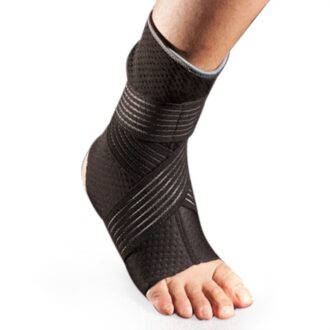
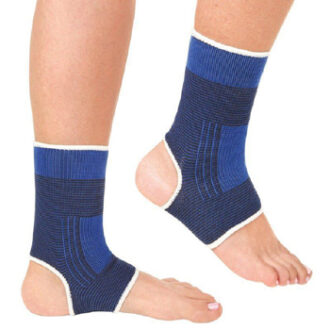
Ankle Supports
Step into Comfort with NuovaHealth Ankle Supports & Braces
Ankle discomfort rarely stays limited to the ankle itself. It can change the way you walk, affect how steady you feel, reduce how long you can stand, and make it harder to get back to exercise, work, or your usual routine. If you are dealing with a recent sprain, repeated ankle rolling, tendon irritation, heel pain, stiffness, or a general sense of ankle fatigue, the right support can make day-to-day movement feel more manageable.
At NuovaHealth, the range includes carefully chosen ankle supports, braces, and night splints designed to provide compression, stability, and practical day-to-day support for a wide range of needs. The collection includes NuovaHealth ankle support designs as well as specialist options from trusted brands such as FootReviver, so you have a broader choice of support level, fit, structure, and intended use. Some people need a lightweight sleeve for mild everyday support. Others need a more structured brace for instability, recovery, or more demanding activity. The range is designed to help you find a support that better matches how your ankle feels and what you need it to do.
If you want guidance rather than just a list of products, you are in the right place. Below, you will find clear, practical information on how ankle supports work, how to choose the right type, which features matter most, and which kinds of support may suit common ankle and foot-related problems.
Choose by Support Level, Symptom, or Activity
Most people do not start by thinking about product categories. They think about what the ankle feels like, what they need to get through, and how much support they want. Starting there usually makes choosing much easier, especially if you are deciding between a light sleeve, an adjustable support, or a more structured brace.
For Mild Everyday Support
If your ankle mainly feels mildly achy, tired, or lightly swollen after walking, standing, or ordinary daily activity, a compression sleeve or softer support may be enough. In this situation, the aim is usually not to restrict movement heavily, but to make the ankle feel more comfortable and better supported through the day.
This sort of support often suits people who are on their feet for long periods or who notice that the ankle feels less settled by evening. Softer options are usually preferred when comfort, low bulk, and ease of wear matter most.
For Recurring Instability or a History of Sprains
If the ankle rolls easily, feels unreliable, or has a history of repeated sprains, more structured support is often the better option. The issue here is usually that the ankle moves too far or too quickly into positions the joint does not control well, particularly when stepping awkwardly, turning, or walking on uneven ground.
Lace-up braces, reinforced supports, or designs with stronger stabilising features may provide a more secure feel during daily movement or sport. Supports with figure-8 style straps or firmer side structure are often chosen because they help limit the rolling movement that commonly brings on that sudden, vulnerable feeling.
For Exercise, Return to Activity, or More Demanding Use
If you need support during gym sessions, walking workouts, sport, or a gradual return to exercise after injury, structure and fit become especially important. During more demanding activity, the ankle has to cope with faster loading, stronger push-off, and quicker changes in direction, so a support that feels fine for daily walking may not feel secure enough in those conditions.
Many people in this position prefer something firmer than a simple sleeve, but still practical enough to wear with footwear and movement. A brace that combines compression with more directed strapping can help the joint feel more controlled without becoming awkwardly bulky.
For Mild Swelling, Flare-Ups, or Recovery Periods
Symptoms that vary through the day often suit adjustable supports. Wraparound styles can be especially helpful when swelling changes, or when you want the option of a firmer fit during activity and a gentler fit at rest. This can be useful during recovery from a flare-up, after a busy day on your feet, or when the ankle feels different from one day to the next.
The main advantage here is flexibility. Rather than being locked into one level of compression, you can adjust the support to match how the ankle feels and what you are doing.
For Heel Pain or Overnight Stretching Needs
If the main problem is heel pain, especially pain with your first few steps in the morning, then a night splint or a support that works across the ankle and foot may be more relevant than a standard daytime ankle brace. In this situation, the tissues under the heel or through the calf often stiffen during rest, so the problem is most obvious when you first put weight through the foot after sleeping or sitting.
The most suitable design depends on when your symptoms show up and what seems to aggravate them. A daytime support may help with comfort and control when you are walking or standing, while a night splint is aimed at what happens during rest and the painful transition back into weight-bearing first thing in the morning.
This symptom-led way of choosing gives you a starting point. From there, it helps to understand what different ankle supports are actually designed to change and why one style can feel much more useful than another.
What Ankle Supports & Braces Are Designed to Do
Not all ankle supports do the same job. Some mainly provide gentle compression and help the ankle feel more secure during everyday movement. Others are designed to give firmer support, improve control of side-to-side movement, or offer more reassurance during recovery, walking, work, or sport. Understanding that difference makes it easier to match the support to the problem you are actually trying to manage.
Support Stability Around the Joint
One of the main jobs of an ankle brace is to support the joint when it feels weak, vulnerable, or prone to moving too far in the wrong direction. Your ankle carries body weight while also adjusting to uneven ground, turning, stepping, and pushing off as you walk. When the ligaments have been overstretched, the muscles around the ankle are not controlling movement well, or the joint simply feels unreliable, the main problem is often the quick inward or outward rolling movement rather than straight-line walking itself.
A more structured brace can help by limiting the rolling movement that often aggravates the inner or outer side of the ankle, especially when you step off a kerb, walk on uneven ground, or change direction quickly. Supports with firmer side panels, lace systems, or targeted straps tend to matter most here because they do more than simply compress the area. They help keep the ankle joint in a more controlled range of movement, which can make everyday walking feel steadier and less exposed to awkward twists.
Provide Compression for a More Supported Feel
Many ankle supports are built around compression. A well-fitted support can apply gentle, even pressure around the ankle, which many people find reassuring when walking and going about daily activity. Compression does not correct the underlying cause, but it can make the area feel less loose and less irritable, particularly if the ankle feels puffy, heavy, or mildly swollen after standing or walking for longer periods.
That steady pressure can be especially helpful later in the day, after a busy shift, or after time spent on hard floors when the ankle feels tired rather than sharply painful. In that situation, a soft sleeve is often enough. It can give the joint and surrounding soft tissue a more supported, held-together feel without adding too much bulk inside footwear.
Help Reduce Strain on Irritated Tissues
When ligaments, tendons, or other soft tissues around the ankle are irritated, the issue is often not simple movement itself but repeated strain in certain directions or at certain points in each step. For example, the tendons at the back or along the sides of the ankle help control push-off, balance, and side-to-side foot movement every time you walk, climb stairs, or move over uneven ground. If those tissues are already irritated, too much uncontrolled motion can keep aggravating them.
External support may help by reducing unnecessary movement and giving the ankle a more controlled feel during activity. In practical terms, that can mean less twisting through vulnerable tissue when you turn, less sudden rolling when you land awkwardly, or less sense of strain when you have been on your feet for a while. Adjustable strapping and more supportive brace designs are often useful here because they do not just add pressure around the joint. They can also reduce the repeated side movement or pulling force that may stop irritated tissue from settling.
Improve Confidence During Walking, Exercise, or Recovery
Sometimes the benefit of a support is not only mechanical. It is also about how confidently you can move. Many people feel more secure when the ankle feels held, supported, and less exposed to sudden awkward movement. That matters because once you stop trusting the ankle, you often start moving differently. You may hesitate on stairs, shorten your stride, or avoid uneven ground. Over time, that can make walking feel less natural and more tiring.
A brace cannot replace proper rehabilitation or assessment where needed, but it can still be a useful part of the wider picture. For many people, the right support helps movement feel more predictable again, whether that means getting through a working day more comfortably, walking longer before the ankle starts to complain, or feeling more secure when easing back into exercise.
Find the Right Type of Ankle Support
Once you have a clearer sense of what you need the support to do, the next step is choosing the style that best matches that job. No single ankle support suits every symptom, activity level, or stage of recovery. That is why the range includes several different styles, each with its own balance of flexibility, compression, structure, and control.
Compression Sleeves
Compression sleeves are usually the lightest and least bulky option. They are often chosen for mild support needs, light swelling, everyday reassurance, or a more streamlined fit inside shoes. Because they are soft and close-fitting, they tend to work best when the main aim is to give the ankle a more supported feel rather than strongly restrict movement.
This type of support can suit you if your ankle feels mildly achy, tired, or a little puffy after standing, walking, or normal daily activity. The even compression may help the joint feel more settled through the day, especially if you want something simple and easy to wear for work or general everyday use.
Wraparound Supports
Wraparound ankle supports offer a more adjustable fit and can be useful when you want to vary the amount of compression or support. They are often a good middle ground between a basic sleeve and a firmer brace, especially if your symptoms change through the day or if you prefer a more tailored fit around the ankle bones and lower leg.
That adjustability can matter if the ankle is more swollen by evening, if some days are more active than others, or if you want firmer support for walking and lighter pressure when resting. A wraparound design can also make it easier to place support more precisely around the part of the ankle that feels least secure, without moving straight to a more rigid brace.
Strap and Lace-Up Braces
Strap-based and lace-up braces usually provide more secure support than soft sleeves alone. These designs are often chosen for recurring sprains, mild-to-moderate instability, return to exercise, or situations where the ankle needs more than compression. They tend to create a firmer, more contained feel around the joint, particularly during turning, pivoting, or faster walking.
Braces with laces or crossing straps usually work by pulling the support snugly around the ankle and reducing the side-to-side movement that commonly causes trouble after sprains. That can be especially useful if the ankle feels reliable in a straight line but less trustworthy when you change direction, use stairs, or move on uneven ground. For many people, this added control makes the ankle feel less vulnerable during activity rather than simply tighter.
Reinforced or Semi-Rigid Braces
When greater stability and tighter control of movement are needed, reinforced braces may be more suitable. These are often preferred by people with more significant instability, those returning to demanding activity, or those who want a stronger sense of support around the ankle joint. Depending on the design, they may include side stabilisers, firmer shells, stronger straps, or more structured construction.
These features matter most when the main issue is excessive movement rather than general soreness. If the ankle tends to roll, give way, or feel weak on uneven ground, a semi-rigid design may help keep it from drifting into the positions that usually trigger discomfort or insecurity. That can make walking, training, or longer periods on your feet feel more controlled, even if the ankle still needs time and rehabilitation to recover fully.
Night Splints
Night splints are a more specialised option and are most commonly linked with plantar fascia-related heel pain and tightness through the calf. Rather than supporting the ankle while you walk, they are designed to hold the foot and ankle in a position that keeps a gentle stretch in the tissues overnight. This is mainly relevant when the tissues under the heel and along the back of the lower leg tighten during rest and feel especially painful on the first few steps in the morning.
By stopping the ankle and foot from dropping fully into a pointed position overnight, a night splint may reduce how much the irritated tissue tightens while you sleep. For some people, that can make those first steps out of bed feel less sharp and less abrupt, particularly when morning heel pain is a regular problem.
Key Features to Look For
When you compare ankle supports and braces, it helps to look beyond the main label. Once you know the sort of support you are considering, the design details often decide how useful it feels in everyday life.
Adjustable Straps
Adjustable straps can help you fine-tune both the fit and the level of support. This is especially useful if your symptoms change through the day or if you want a firmer feel during activity and lighter support at other times. A strap can also help pull the brace more closely around the ankle so the support feels targeted rather than loose and general.
That matters because a brace only works well if it helps control the movement you are struggling with. If the support shifts, gaps, or feels too loose around the joint, it may not give the ankle the more contained feel many people are looking for.
Figure-8 or Targeted Strapping
Some supports use strap patterns intended to mimic the direction of sports taping. These can help create a more secure feel, particularly for ankles that feel prone to rolling or side-to-side movement. By crossing around the joint in a more directed way, this style of strapping can add support during the turning and stepping movements that often trigger instability.
This tends to matter most if you feel fine when standing still but less confident when you pivot, walk quickly, or step onto uneven ground. In that situation, directional strapping may help the ankle feel more guided and less likely to slip into an awkward position.
Breathable Materials
Breathability matters more than many people expect, especially if the brace will be worn for long periods. Softer, moisture-aware fabrics can improve comfort and make regular wear more realistic, particularly during workdays, longer walks, or warmer conditions.
If a brace feels hot, damp, or irritating against the skin, people are less likely to keep using it consistently. Breathable construction does not change the way the joint moves on its own, but it can make the difference between a support that is practical and one that is uncomfortable to wear for long enough to help.
Low-Profile Construction
If you plan to wear the support inside shoes, bulk matters. Low-profile designs tend to work better with everyday footwear and can be easier to wear consistently. This can be especially important if you need support for commuting, work, shopping, or regular walking rather than occasional use at home.
A slimmer support may not offer the same degree of control as a more reinforced brace, but if it fits properly inside your footwear and you can actually wear it when you need it, it may prove far more useful in daily life than something more protective but impractical.
Side Stabilisers or Reinforced Panels
These features are often found in more structured braces and may be useful when stronger control of movement is needed. They can help create a firmer sense of support around the sides of the ankle, which is particularly relevant when the joint feels prone to rolling or giving way.
The inner and outer sides of the ankle are often where uncontrolled side movement is felt most clearly after sprains or with ongoing instability. Reinforced panels can help resist those movements and make the joint feel more secure during tasks such as walking on uneven ground, using stairs, or returning to more demanding activity.
Open Heel or Anatomical Shaping
Some people find certain shapes more comfortable than others. Open-heel or contoured designs may improve fit, reduce bulk in key areas, or suit people who dislike pressure in particular spots. Anatomical shaping can also help the brace sit more closely against the joint, which often improves both comfort and the feeling of support.
This can matter if the ankle is tender around the back, if the shape of the support affects how it sits in your shoe, or if you need something you can wear for longer periods without it bunching or rubbing.
Why Different Designs Matter
By this point, the broad differences between sleeves, wraps, braces, and night splints are clearer. What matters in practice is how those differences affect day-to-day use. Two ankle supports can look broadly similar while feeling completely different once you put them on. Small design details affect how supportive a brace feels, how easy it is to put on, how well it fits inside shoes, and whether it suits everyday wear, sport, recovery, or overnight use.
Some people want low-profile compression they can put on and forget about. Others want a firmer structure that makes the ankle feel more controlled when walking on uneven ground, using stairs, or spending longer on their feet. Some need adjustable support because swelling changes during the day. Others want something soft and breathable for longer wear.
This is one reason the range includes different designs rather than treating all ankle problems as if they need the same type of brace. The right design is not only about comfort. It is also about matching the support to the kind of stress your ankle struggles with most, whether that is light day-to-day fatigue, repeated rolling, tendon irritation, or morning heel pain.
Common Conditions Ankle Supports & Braces May Help With
Ankle pain, weakness, stiffness, and instability can come from several different causes, and the right type of support often depends on which tissues are involved and how the problem affects movement. Some people are looking for help after a recent sprain. Others need ongoing support for instability, tendon irritation, arthritis, heel pain, or recovery after injury.
The guide below explains common ankle and ankle-related problems, what they often feel like, and the kinds of support that may be most relevant in each case. It is intended to help you understand why support needs can differ from one person to another. While braces and supports can be useful for managing symptoms, persistent, severe, or unexplained symptoms should always be properly assessed.
How to Get the Right Fit
Even the best support can feel unhelpful if the fit is wrong. In general, an ankle support should feel snug and secure without causing pinching, numbness, rubbing, or marked discomfort. You should feel supported, not squeezed. If the brace is meant to guide movement or help control instability, it needs to sit closely enough to the joint to do that job without digging into the ankle bones or bunching inside your shoe.
If the support is intended for use inside footwear, that should influence your choice as well. A bulky brace that only works with one pair of shoes may be less useful than a slightly lighter design you can wear consistently for work, walking, or day-to-day tasks.
-
- Check sizing guidance carefully before choosing.
-
- Think about whether swelling changes across the day.
-
- Consider whether you will wear the support with socks or inside shoes.
-
- If you want a firmer feel, choose a design built for that rather than simply sizing down.
-
- Stop use if the support causes numbness, unusual irritation, or significant discomfort.
How and When to Wear an Ankle Support
How you use an ankle support matters almost as much as which one you choose. Once you have narrowed down the likely style, it helps to think about when you need support most and what you need it to cope with.
During Walking and Daily Activity
For daily wear, most people want a balance between support and comfort. A lower-profile brace or sleeve may be more practical if you are wearing it for work, driving, or general walking. In this setting, the aim is usually to make the ankle feel more settled and less tiring over the course of the day, rather than to heavily restrict movement.
For Exercise or Return to Sport
If the ankle feels vulnerable during exercise, a more supportive brace may be preferable, especially for turning, side-to-side movement, or higher-demand activity. A firmer design with straps or reinforced structure can help the joint feel more controlled when loads rise and changes in direction become more demanding. The aim is controlled support without making movement feel overly awkward or bulky.
During Recovery or Flare-Ups
Some people use ankle supports more selectively, wearing them during symptom flare-ups, longer periods on their feet, or times when the joint feels more tired or less reliable than usual. This can be a practical approach if symptoms are not constant but tend to build with activity, standing, or busier days.
Overnight Use
Only wear a support overnight if it is specifically designed for that purpose, such as a night splint. Standard daytime braces are not automatically suitable for sleeping. Night splints are made for a different job: keeping the foot and ankle in a gentle stretched position while you rest rather than supporting walking movement.
Our Range: NuovaHealth Designs and Selected Specialist Brands
At NuovaHealth, we know that not everyone wants the same kind of ankle support. Some people prioritise softness, simplicity, and everyday comfort. Others want stronger stability, more adjustability, or a more specialised design for heel pain, recovery, or walking support needs. That is why the collection includes a broad choice of designs rather than a one-style-fits-all approach.
The range includes NuovaHealth ankle supports and braces alongside selected specialist options from trusted brands such as FootReviver, giving a broader spread of compression sleeves, wraparound supports, structured braces, and night splints. That wider choice makes it easier to find something that matches how your symptoms feel and how you want to wear your support.
When to Seek Medical Advice
Ankle supports can be useful for many common problems, but there are times when symptoms need proper assessment rather than self-selection alone.
-
- Seek medical advice if you cannot bear weight through the foot.
-
- Seek assessment if there is deformity, severe swelling, or major bruising after injury.
-
- Persistent or worsening pain should not be ignored.
-
- Numbness, tingling, burning, or marked weakness need proper review.
-
- Repeated giving way or recurring injury should be assessed.
-
- Foot drop or sudden loss of normal foot lift should always be professionally evaluated.
If you are unsure what is driving your symptoms, or if they are new, unexplained, or becoming harder to manage, it is sensible to speak to a GP, physiotherapist, podiatrist, or another appropriate clinician.
Frequently Asked Questions
What type of ankle support is best for a sprain?
That depends on how severe it is. Mild sprains may suit a compression sleeve or wrap, while more unstable sprains often need a more structured brace.
What is the difference between a sleeve and a brace?
A sleeve is usually softer and lighter, with more emphasis on compression. A brace generally offers more structure and more stability.
Can I wear an ankle support inside shoes?
Many supports are designed to work inside shoes, but low-profile designs tend to be the easiest option if this is important to you.
Should an ankle support feel tight?
It should feel snug and supportive, not painfully tight or restrictive. If it causes numbness or significant discomfort, the fit may not be right.
Which support is better for instability?
People with instability often prefer more structured supports, such as lace-up or reinforced braces, especially during activity.
Are night splints only for heel pain?
They are most commonly linked with plantar fascia-related heel pain and overnight stretching needs, rather than general daytime ankle support.
Find the Support That Fits Your Needs
Whether you are looking for light everyday compression, firmer support for instability, or a more specialised option for recovery, heel pain, or walking comfort, the right design can make movement feel more supported and more manageable. Different ankle problems tend to respond to different kinds of support, so it helps to think about what your ankle struggles with most: swelling, side-to-side instability, tendon strain, stiffness, or morning heel pain.
Looking at support in that way makes choosing simpler. Instead of treating every ankle problem as the same, you can focus on the level of structure, fit, and wearability that best matches your symptoms and daily routine. Explore the NuovaHealth range of ankle supports, braces, and specialist options to find the level of support, fit, and structure that best matches your needs. If you are unsure which style is most suitable, check the fit guidance carefully and consider speaking to a clinician for more personalised advice.
Disclaimer
This information is general guidance only. It is not a substitute for individual medical advice, diagnosis, or treatment. If you are unsure which type of support is right for you, or if you have more complex, new, or worsening symptoms, speak to a GP, physiotherapist, podiatrist, or another appropriate clinician. No specific outcome can be guaranteed.
-
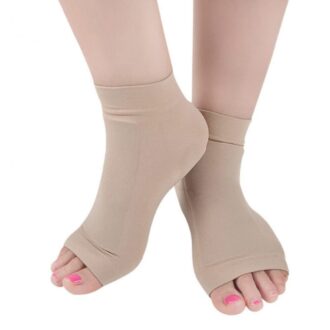
Gel heel Protector Ankle Sleeves For Lace Bite, Blisters, Plantar Fasciitis, Heel Spurs & Achilles Tendonitis
- 1x Pair of Heel Protector Socks designed to help protect and support your heels and ankles
- One size fits all
- For both Men & Women
- Recommended for helping ease, treat and prevent Lace Bite, Blisters, Skin Ulcers, Calluses, Plantar Fasciitis, Heel Spurs, Haglunds bump, Bursitis and Achilles Tendonitis
- Features 2 silicone gel pads on both the front and back on the socks to help protect your heels from excessive pressure, shock and impacts
- Ideal for people with damaged and injured heels and ankles to prevent further damage and to help ease pain
- Stops lace bite whilst wearing Walking boots, Ice Skates and Riding Boots by stopping your shoes from digging into the front and back of your heels
- Soft padded gel minimises friction on your heels and ankles stopping Abrasions, Blisters, Skin Ulcers and Calluses from developing
- Provides soothing compression that boosts blood flow to your heels helping speed up the natural healing process of damaged tissue whilst reducing swelling and inflammation and eases aches and pains
- Helps support and stabilize your feet in the correct position and restrict movement which could damage your feet and ankles
- Includes a full 30 day money back guarantee!
£10.99inc VAT -
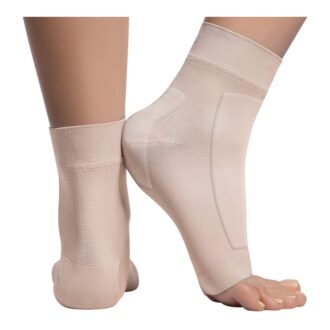
Gel Padded Heel protector Sleeve Socks for Lace Bite Protection, Skating, Hockey, and Tall Boots
- 1x Pair of Gel Padded Heel protector Sleeve Socks for Lace Bite Protection, Skating, Hockey, and Tall Boots
- One size fits all (Stretch fit)
- Slip easily and securely around your feet stopping the socks moving around and irritating your feet whilst wearing
- The double sided gel pads located on the front and back of the heels of the socks help protect your heels from excessive pressure, shock, abrasions and friction
- Ideal for stopping Lace bite, Plantar Fasciitis, Achilles tendonitis, Blisters, Ulcers, Calluses and Heel spurs from developing
- Can be worn with or without shoes or additional socks and can be worn with regular shoes, Trainers, as well as Skating, Hockey, and Tall Boots
- Gives your feet and heels targeted support to take strain and pressure off your feet and help you to avoid common overuse injuries such as Plantar Fasciitis and Achilles tendonitis
- Provides soothing compression to your heels boosting blood flow to your feet to help ease aches and pains, reducing inflammation and swelling and speeding up the natural healing process of damaged tissue after sustaining a foot injury
- Made from lightweight breathable fabric with moisture wicking properties to keep your feet sweat and odour free and feeling fresher for longer
- Ideal for wearing whilst running, exercising and playing sports to help keep your feet and heels supported and protected
- Includes a full 30 day money back guarantee!
£10.99inc VAT -
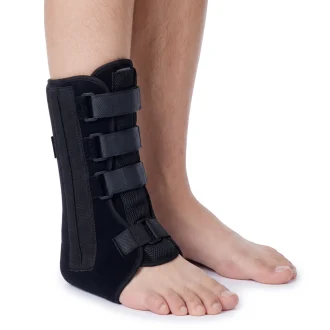
Ankle Splint Foot Brace & Post-Op Cast Support for Ankle Sprains, Fractures, Achilles Tendonitis & Drop Foot
- A supportive ankle and foot brace with a firm outer frame and flexible aluminium splints.
- Suited to adults recovering from an ankle sprain or strain, and to the weeks after a fracture, cast or ankle operation once a rigid boot is no longer needed.
- Also for ankles that keep giving way, tendons that flare with activity, and a foot that doesn’t lift properly at the front.
- Side splints resist the inward and outward roll that strains ankle ligaments.
- Front and back splints limit how far the ankle bends forwards and backwards, while still allowing a normal walking stride.
- A rear splint runs up over the Achilles tendon and helps hold the foot closer to a right angle with the lower leg.
- Reaches to roughly mid‑calf, which spreads pressure over a larger area of the leg.
- Several adjustable straps, each with its own buckle, so support and compression can be set through the day.
- Padding around the ankle bones and heel helps reduce rubbing over bony points.
- Universal design that fits either foot, available in three UK sizes from UK 3 to UK 11.
- Lightweight and slim enough to wear inside a walking shoe or a trainer with a looser fit.
- Usually worn when you’re on your feet or bearing weight, and taken off for rest and overnight.
- It doesn’t replace the weight‑bearing or activity limits your clinician has given you, and it isn’t intended for sleeping unless a clinician advises it.
- Check the skin regularly. Redness that doesn’t fade, blisters, broken skin, or new numbness or tingling mean the fit needs reviewing.
- Not intended for use in pregnancy. If you have reduced sensation, fragile skin, an open wound, circulation problems, or a history of blood clots, check with a clinician before using it.
£14.99inc VAT -
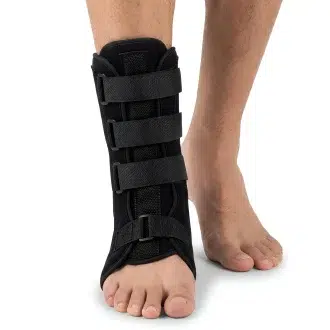
FootReviver™ Achilles Tendonitis Support Brace
- 1× FootReviver Achilles tendonitis brace designed to support the Achilles region and steady ankle movement in daily use
- For both men and women
- Available sizes (approx. UK shoe sizes): Small 3–5; Medium 5–8; Large 8–11
- Adjustable fit: multiple secure buckled straps let you set an even, comfortable hold and compression to suit your needs
- Stability around the ankle: built‑in side supports guide the heel in a straighter line; an optional front support panel can add extra guidance when needed
- Targeted compression: gentle, even pressure around the back of the ankle helps calm the area and manage mild swelling
- Stays in place: shaped wrap and subtle hold points help reduce slipping and twisting during wear
- Breathable, low‑profile build: open heel for airflow; slim profile fits inside everyday footwear; smooth edges sit flat under socks
- Ergonomic movement: flexible zones allow natural forward‑and‑back ankle motion while side‑to‑side control is maintained
- Padded interior comfort: soft cushioning at key contact points helps reduce rubbing over bony areas
- Durable for daily wear: reinforced stitching and strengthened attachment areas help the fit stay consistent through regular use
- Straightforward to put on: settle the heel fully back, then fasten the lower strap before the upper straps; set straps so they lie flat without twisting
- Suitable for everyday wear and light activity when advised; often used during recovery from Achilles tendon irritation where steadying and gentle compression help
- Covered by our money‑back guarantee (30 days)
£14.99inc VAT -
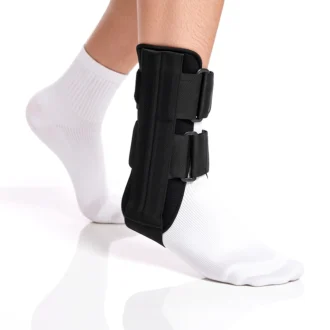
Ankle Stabilizer Splint
- FootReviver™ Rigid Ankle Brace – A rigid ankle splint with adjustable compression and side-to-side stability for recovery from sprains, fractures, chronic instability, and Achilles problems—designed to protect healing tissues while you rebuild strength
- Three sizes (UK shoe size): Small 3–5, Medium 5–8, Large 8–11; fits either left or right ankle
- Two rigid metal splints built into fabric side panels sit on the inner and outer sides of your ankle and stop it rolling inward or outward—the movement that causes most injuries and instability
- Two adjustable elastic straps wrap around your lower leg and ankle area (the “ankle tube” above your heel), crossing over the back (Achilles region) and fastening at the front with buckles and hook-and-loop closures for quick, secure fit and easy compression adjustment
- Cushioned heel pad absorbs impact with every step and provides a stable base with slight lift that supports and guides your heel position without significantly raising your foot inside your shoe
- Adjustable compression helps manage swelling throughout the day and across your recovery timeline—tighter in early stages for acute swelling, lighter as you heal—while improving proprioceptive feedback (your brain’s sense of where your ankle is and how it’s moving)
- Padded interior around ankle bones with moisture-wicking, breathable fabric reduces friction and keeps skin comfortable during extended wear
- Low-profile, shoe-friendly design fits inside roomier lace-up shoes, trainers, or boots without excessive bulk; won’t fit in very tight shoes, slip-ons, or shoes with rigid ankle collars
- Quick on/off with wide openings and adjustable straps—easy to remove during rest periods and rehabilitation exercises, then reapply for activity
- Supports recovery and symptom management for:
- Acute injuries: ankle sprains (Grade 1–2), once cleared to bear weight with flexible support
- Chronic conditions: chronic ankle instability (recurrent giving-way episodes), Achilles tendinopathy, posterior tibial tendon dysfunction (PTTD)
- Post-immobilisation: recovery from ankle fractures or surgery, once transitioned out of cast or boot and cleared for flexible support
- Other conditions: ankle arthritis, peroneal tendinopathy, sinus tarsi syndrome, high ankle sprains (discuss with your physio first)
- Not suitable for: unstable fractures, severe ligament ruptures requiring rigid immobilisation, active infection, open wounds, or severe circulation problems—check with your medical team if unsure
- Works best alongside exercises that rebuild your ankle’s natural strength and control—the splint protects healing tissues and manages symptoms during activity, while exercises address the underlying problem
- Selective use recommended: wear during higher-risk activities (walking on uneven ground, stairs, sport) and remove during rest periods and rehabilitation exercises to maintain your ankle’s natural function
- Important safety warnings: Blood clot risk after ankle injuries—seek urgent medical attention if you develop calf pain, warmth, swelling, and redness, or sudden shortness of breath and chest pain. If toes go numb, tingly, pale, blue, or purple, loosen the splint immediately. Only use once cleared to bear weight with flexible support—not suitable if you’ve been told your ankle needs rigid immobilisation
- Simple care: hand-wash in warm water with mild detergent, air-dry completely; no tumble dry or direct heat
- 30-day money-back guarantee—return for full refund if not suitable, provided it’s in clean, original condition
£12.49inc VAT -
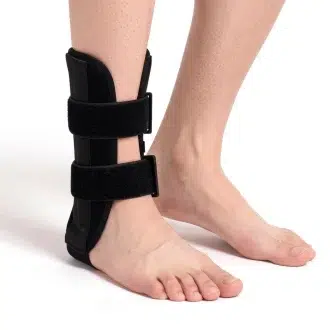
Ankle Brace for Sprains, Strains, Fractures, Achilles Tendonitis & Heel Pain
- Rigid ankle brace with twin aluminium side splints and cushioned heel pad, designed by FootReviver and supplied by Nuvoahealth
- For adults whose ankle still rolls, aches or feels unreliable after sprains, fractures, immobilisation or longer‑term instability
- Often chosen by clinicians for the stage after a cast or boot, or when a simple elastic sleeve is not enough to stop giving‑way
- Side splints extend above the ankle joint to give strong, early resistance against inward and outward rolling
- Built‑in cushioned heel pad gently lifts and supports your heel to soften impact and reduce strain on the Achilles tendon and heel area
- Open front around the ankle and no rigid shell over the foot, so your ankle can bend forwards and backwards and your foot can roll from heel to toe more naturally
- Padded, breathable interior with seams set away from the ankle bones and heel to reduce rubbing where people most often report problems
- Two independent elastic straps and buckles so you can set firmer support close to the ankle joint and slightly lighter support higher up if that suits you
- Available sizes (approx. UK shoe size): Small 3–5, Medium 5–8, Large 8–11; unisex and can be worn on either ankle, usually over a thin sock
- Intended for everyday walking, standing and controlled exercise, not for high‑impact or collision‑type sports or for use in water
- Best used at the times of day when your ankle does the most work, building up wear gradually and checking skin and comfort regularly
- Does not replace medical assessment, does not act as a cast or boot, and does not treat or prevent blood clots – speak to a clinician if you have more complex or worrying symptoms
£12.49inc VAT -
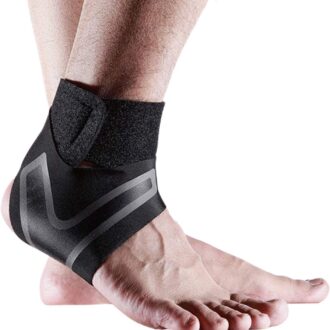
Heel Support Braces
- 1x Pair of Heel Support Brace that have been specially designed to provide extra support, stability, protection and comfort to your heels
- For Both Men & Women
- Available in a range of different sizes with fully adjustable straps which wrap simply around your heel providing targeted heel support and protection where you need it the most
- Perfect for people who are always on their feet and suffer from tired, aching heels – The padded design helps to absorbs shock and prevents pressure points from building up underneath your heels for long lasting protection and comfort
- Recommended for treating and easing Heel Spurs, Plantar Fasciitis, Achilles Tendonitis, Foot and Ankle Instabilities, Sprains, Strains and Arthritic Joint Pain
- Provides soothing compression that boosts blood flow to your feet that improves injury recovery by easing heel pain, reducing inflammation and swelling as well as helping to speed up the healing process of injured ligaments, tendons and muscles
- Made form lightweight, breathable materials that keep your feet feeling fresh
- Ideal for wearing when running, exercising and playing sports to help give your feet added support and protection against foot and ankle injuries
- Includes a full 30 day money back guarantee if you are not 100% satisfied with your purchase!
£10.99inc VAT -
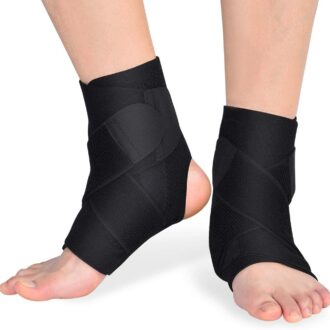
Ankle Wraps
- 1x Ankle Wrap support brace for protection support and stabilizing your foot and ankle
- For both Men & Women
- Available in a range of different sizes with laces and adjustable straps for the perfect fit
- The Secure fastenings keep the brace firmly in place and the adjustable straps wrap around your ankle and foot to provide a custom level of support
- Helps strengthen injured foot and ankles by supporting and stabilizing your ankle joint in the correct position and promoting better ankle function
- Provides targeted support that helps improve foot and ankle function and prevent movement which could cause injury
- The soothing Compression helps boost blood flow to your foot and ankle helping reduce muscles fatigue and aid injury recovery by reducing swelling, and inflammation easing pain and speeding up the natural healing process of injured ligaments, tendons and muscles
- Comfortable to wear all day long – With a soft padded inside, breathable ventilation holes and moisture wicking technology this ankle brace is ideal for prolonged use and will keep your foot and ankle feeling comfortable, sweat free and feeling fresh
- Ergonomically designed to be lightweight and non bulky – Ideal for wearing whilst exercising, running and playing sports
- Includes a full 30 day money back guarantee if you are not 100% satisfied with your purchase!
£9.99inc VAT -
Ankle Compression Sleeve
- 1x Ankle Compression Sleeve designed to protect, support and ease pressure off your ankles
- For both Men & Women
- Available in sizes Small, Medium & large – Features fully adjustable straps that wrap around your feet and ankles giving you the best possible fit and a custom level of support
- Ideal for treating a range of foot and ankle injuries including Arthritis, Achilles Tendonitis, Plantar fasciitis, Ankle Sprains and Strains
- Designed to improve the biomechanics and function of your feet to help you avoid injury
- Recommended for PRICE injury recovery protocol (Protect, Rest, Ice, Compression, Elevation)
- Provides compression that helps soothe pain and increase blood flow to your ankles helping reduce swelling and speed up the natural healing process
- Helps protect your injured ankles by supporting them in the correct position to prevent further damage and injury
- Made from lightweight & breathable Neoprene material with moisture wicking technology that will help keep your ankles feeling fresher for longer
- The perfect choice for wearing whilst Running, Exercising or playing sports such as Football, Rugby & Basketball
- Includes a full 30 day money back guarantee if you are not 100% satisfied with your purchase!
£9.99inc VAT -
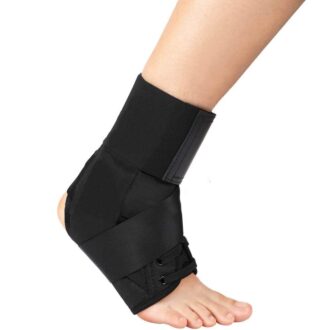
Ankle Splint
- 1x Ankle Splint ideal for treating and easing a number of foot and ankle injuries
- For both Men & Women
- Available in many different sizes to suit every foot type
- Fully adjustable, featuring tie up laces and secure straps that keep the ankle splint secure and allow you to adjust the support and compression quickly and easily according to your specific needs
- Recommended for treating ankle and foot injuries including Ankle sprains, Strains, Fractures, foot and ankle instabilities, Achilles tendinitis, Plantar Fasciitis, Heel spurs, Foot drop and Arthritis
- Ideal for injury recovery – Designed to straighten and immobilize your foot and ankle helping to prevent movement which could cause further damage and injury
- Holds and supports your foot and ankle in the correct position helping to improve biomechanical function and ease strain and pressure off your foot
- Provides soothing compression that makes this ankle splint ideal for use during the PRICE injury recovery protocol, The compression will help to ease pain, reduce swelling and inflammation and boost blood flow you flow helping to speed up healing
- Designed to be lightweight and non bulky and can be worn with or without shoes
- Ideal for wearing whilst running, exercising or playing sports
- Made from breathable moisture wicking materials that prevent the build up of sweat and odour
- Includes a full 30 day money back guarantee if you are not 100% satisfied with your purchase!
£13.99inc VAT -
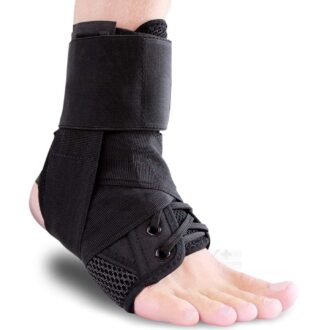
Ankle Support Brace
- 1x Ankle Brace Support designed to treat ankle injuries and ease aches and pains
- For Both Men & Women
- Available in a range of different sizes with secure adjustable straps and laces that allow you to adjust the ankle brace to the most suitable fit, support and compression that you need
- Ideal for easing and treating Ankle Sprains and Strains, Achilles Tendonitis, Plantar Fasciitis, Fractures, Foot drop, Arthritis, as well as general aches and pains in the foot and ankle
- Designed to stabilize and support your ankle and foot in the correct position and improve the way that they function to help prevent injury
- Speeds up injury recovery and ideal for PRICE injury protocol – Provides soothing compression that helps to boost blood flow to your ankle and foot aiding the natural healing process and reducing inflammation, swelling, aches and pain
- Made from lightweight materials with a non bulky design means you can wear this ankle brace with or without shoes
- The moisture wicking technology and breathable ventilation holes added to this ankle brace allows your skin to breathe as you wear the ankle brace reducing the build up of sweat and odour and keeping your feet fresher for longer
- Ideal for wearing whilst Running, Exercising or playing sports such as Football and Rugby to protect you from injury
- Includes a full 30 day money back guarantee if you are not 100% satisfied with your purchase!
£13.99inc VAT -
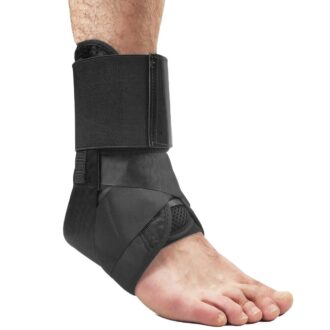
Ankle Sprain Brace Support
- 1x Ankle sprain Brace Support for easing and treating ankle sprains
- For both Men & Women
- Available in a range of different sizes with adjustable straps and laces to help you find the perfect fit
- Can be worn for helping treat and ease a range of different injuries and conditions including Ankle sprains, Strains, Fractures, foot and ankle instabilities, Achilles tendinitis, Plantar Fasciitis, Heel spurs, Foot drop and Arthritis
- Provides targeted support that improves ankle function and efficiency preventing excessive strain and pressure on your ankle and foot
- Holds and immobilizes your foot and ankle helping prevent movement which could twist, sprain or strain your ankle joint
- Provides soothing compression that helps ease ankle sprain pain, inflammation and swelling as well as increase blood circulation to your injured ankle helping to speed up the natural healing process
- The lightweight and non bulky design makes this ankle brace the perfect choice for wearing whilst running, exercising and playing sports
- Ideal for wearing for prolonged periods thanks to the soft padded inside which ensures maximum comfort and shock absorbing protection
- The breathable design and moisture wicking technology helps to draw moisture away from your skin and keep your foot sweat free and dry
£13.99inc VAT -
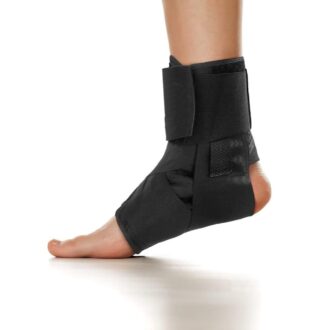
Achilles Tendonitis Brace
- 1x Achilles Tendonitis Brace designed to support, stabilize and protect your Achilles tendon
- For both Men & Women
- Available in a range of different sizes to fit any foot type
- Can be worn with or with out shoes thanks to its lightweight and non bulky design
- Ideal for treating a range of ankle and foot injuries including Achilles Tendonitis, Ankle instability, Sprains, Strains, Minor Fractures, Plantar Fasciitis, Foot Drop and Arthritis
- Features fully adjustable straps that wrap securely around your ankle keeping it stabilized and protected with a custom level of support and compression
- Improves and supports proper ankle function and prevents movement which could twist, sprain or strain your ankle and cause further damage and injury
- Provides soothing compression that boost blood flow to your ankle and foot helping to improve injury recovery by easing pain, reduce soreness, swelling and inflammation and speeding up the natural healing process of damaged ligaments, tendons and muscles
- The breathable ventilation holes and moisture wicking fabric keeps your foot and ankle dry and sweat free
£13.99inc VAT -
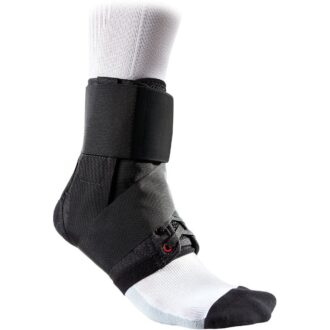
Ankle Stabilizer Brace
- 1x Ankle Stabilizer Brace designed to supports and protects your ankle from pain and injury
- For both Men & Women
- Available in a range of different sizes – Featuring tie up laces and ankle wraps that allow you to quickly and easily adjust to the correct the fit, support and compression accordingly
- Designed to immobilize and stabilize and support your ankle and foot in the correct position helping to ease pressure and strain off your foot and prevent common ankle injuries
- Ideal for injury recovery and rehabilitation – This ankle brace is ideal for use during the PRICE injury recovery protocol as it provides soothing compression that helps stimulate blood flow to your foot helping to reduce inflammation and swelling, ease pain and speed up the healing process of injured muscles, tendons and ligaments
- Great for treating and easing a plethora of ankle and foot injuries including Ankle sprains, Strains, Fractures, foot and ankle instabilities, Achilles tendinitis, Plantar Fasciitis, Heel spurs, Foot drop and Arthritis
- The lightweight and non bulky ergonomic design means this ankle brace can be worn with or without shoes and is ideal for wearing whilst exercising, running and playing sports such as football and rugby
- Made from breathable moisture wicking materials that keep your foot sweat free and feeling fresher for longer
- Includes a full 30 day money back guarantee if you are not 100% satisfied with your purchase!
£13.99inc VAT -
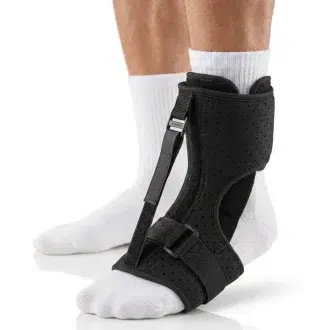
Foot Drop Brace Support
Foot drop is a muscular weakness or paralysis in your foot that makes it more difficult to lift the front part of your foot and toes and causes the forefoot to drop unexpectedly during the gait cycle. Foot drop is most commonly caused by nerve damage in the leg, or the result of a brain or spinal injury effecting the nerves found in the foot causing paralysis or weakness in the muscles controlling the forefoot.
Foot drop can make you more susceptible to falls and foot and lower limb injuries such as plantar fasciitis, and Achilles tendinitis, and knee tendinitis due to irregular gait placing abnormal pressure on your lower limbs. Wearing this specially designed foot drop brace that you can wear night or day can help correct the way that your foot and ankle function reducing the effects of foot drop.
- 1x foot & ankle support splint brace for Foot drop.
- Helps improve walking by controlling the way your foot and ankle moves by Straightening and holding your foot and ankle in the correct position as you walk.
- Designed to ease pressure and strain off the ankle and foot ligaments helping you to avoid common foot injuries such as plantar fasciitis and Achilles tendinitis.
- For everyday use & and can be worn at night to ease pain and discomfort.
- Can be worn with or without shoes.
- One size fits all.
- Made from durable shock resistant EVA material.
- Includes a full 30 day money back Guarantee.
£11.99inc VAT -
Ankle Support Compression Sleeve
- 1x pair of Ankle supports designed to support and protect your ankles.
- Specially designed to prevent movement of the ankle that could cause further damage to weakened and injured ankles.
- The perfect choice for runners and athletes wanting to protect their ankles from injury.
- Provides support, stability and shock absorption where you need it the most
- Ideal for ankle sprains, strains, fracture’s and achilles tendinitis.
- Compression designed to boost blood flow to your injured ankle helping to speed up the healing process.
- One size fits all for both men and women
- Machine washable
- Made from lightweight, breathable medical grade elastic material for the best comfort and support.
- Includes a full 30 day money back guarantee
£6.99inc VAT