CRPS in the hands: softening touch and steadying comfort with RevitaFit compression gloves
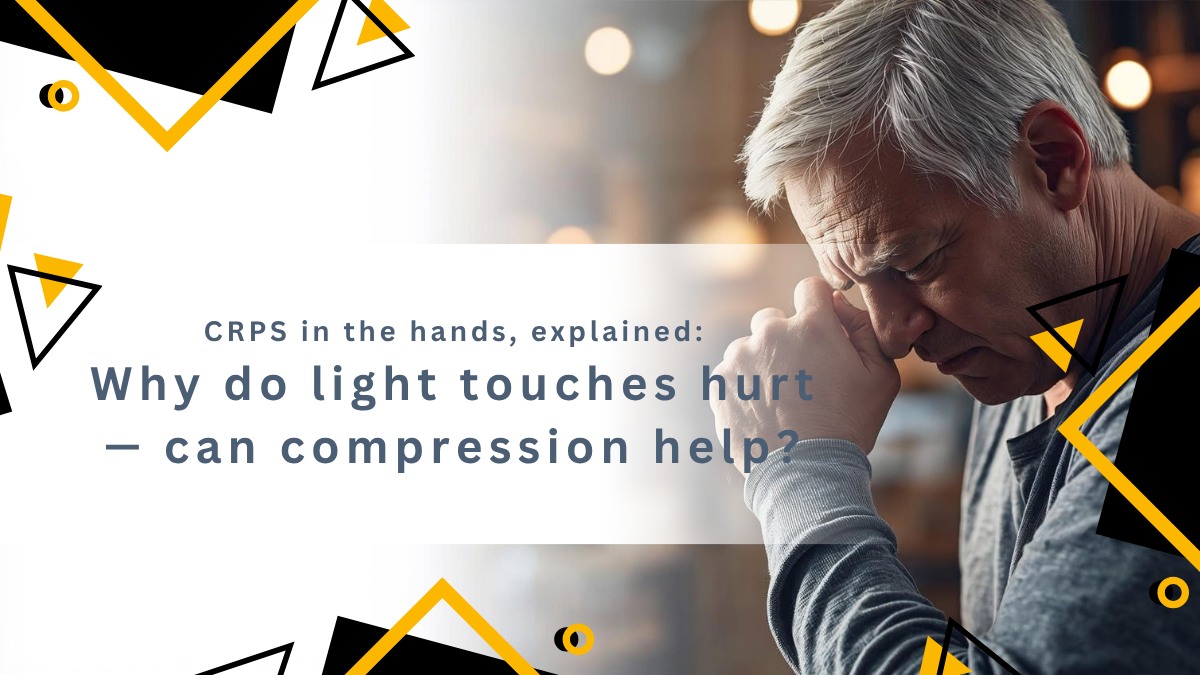
If your hand feels painfully sensitive after an injury, this is a common reaction — and you’re not alone. Many people notice that even light contact or a change in temperature can cause unexpected pain or discomfort. At NuovaHealth, we draw on UK clinical guidance to explain what complex regional pain syndrome (CRPS) is and how light, even compression can support comfort and recovery.
We work with established brands such as RevitaFit, whose full‑length compression gloves are commonly recommended by clinicians to help manage sensitivity and swelling.
Understanding How CRPS Affects Your Hand
CRPS can make the hand feel unpredictable — sometimes burning, sometimes cold, sometimes painfully sensitive to the lightest contact. You might notice sudden colour changes, swelling, or stiffness that seem to appear without warning. Fine or precise hand movements can become more difficult. Understanding why these changes happen can make them easier to manage and help you keep your hand moving.
CRPS is thought to involve changes in how the brain and spinal cord process pain and temperature signals, so the body reacts more strongly than it needs to. This over‑response can continue even after the original injury has healed.
What It Feels Like
- Allodynia – pain from light touch such as clothing, washing, or a cool draught.
- Hyperalgesia – a heightened pain response to pressure or movement.
- Changes in blood flow and sweating that happen on their own – colour and temperature shifts that occur without warning.
- Oedema – swelling and stiffness from fluid collecting in soft tissues.
- Reduced control of movement – less precise finger control when the skin is cool or sensitive.
Why It Happens
CRPS begins when the body’s normal healing response after injury doesn’t switch off when it should. Nerves, blood vessels, and immune cells remain active for longer than needed, sending stronger signals than the tissues require. This heightened sensitivity explains the pain, colour changes, and stiffness that follow.
Over time, these signals can also affect how the brain interprets touch and movement, which is why the affected hand may feel different or behave unpredictably.
After an injury, the small nerves that carry pain and temperature messages can become overly sensitive. They send stronger signals than they should, so light touch or gentle movement can feel sharp or burning. The nerves act as if the injury is still there — which is why even a sleeve brushing the skin or a light breeze can sting.
Normally, small blood vessels in the fingers open and close smoothly to control warmth. In CRPS, the nerves that manage this process misfire. Fingers can cool quickly when exposed to air and change colour as vessels narrow and widen unpredictably. When the skin cools, it becomes more sensitive — so even gentle contact can feel sharper until warmth returns. Touching cooler surfaces or being in a draught can make the pain flare briefly. That’s why warmth and movement matter — they help calm the nerves’ overreaction.
When movement is limited, fluid collects in the soft tissues around joints and tendons. This increases pressure and stiffness, especially later in the day. The swelling can make rings feel tight and reduce dexterity. Gentle movement and light, even compression help reduce swelling and relieve tightness, making the hand feel more comfortable and flexible.
Muscles around the wrist and fingers often tighten automatically to protect the area. This makes the first movements after rest feel tight or jerky. The brain’s awareness of hand position can also become less precise when pain and swelling persist, so movements may feel clumsy or disconnected. Light, even compression and warmth help retrain sensation and calm the nervous system over time.
These changes can affect anyone, but some people are more likely to experience them than others.
Who It Affects
Symptoms can range from mild and short‑lived to more persistent forms that need longer management. Early recognition and gentle, consistent movement usually improve outcomes.
CRPS can affect anyone, but it is reported more often in women between 40 and 60 years of age. It most commonly follows wrist or ankle fractures, hand surgery, or sprains that require casting or splinting. People who have had previous nerve irritation, migraine, or heightened sensitivity to cold may be more prone. Emotional stress or reluctance to move the hand can also keep protective reflexes active. Usually, only one limb is affected, and early recognition improves recovery.
Understanding what’s happening is one part of recovery — the next is finding steady, practical ways to support recovery.
How RevitaFit Gloves Help
CRPS affects nerves, circulation, and swelling — and this is where light, even compression can help. A consistent layer of support provides steady sensory feedback, helps circulation, and keeps warmth steady. The gentle, even pressure gives the brain a steady signal from the skin, which can reduce unnecessary pain messages. It also helps reduce swelling and keeps blood moving normally, so the hand moves more freely and feels less heavy.
Informed by Clinical Guidance
RevitaFit gloves are informed by UK clinical guidance to provide reliable, even compression and warmth without restricting movement. Each pair is knitted to provide an even, supportive fit that keeps warmth steady while allowing free movement. This reflects NuovaHealth’s focus on clinically informed product selection. They are commonly recommended by physiotherapists and hand specialists for patients managing sensitivity and swelling. These gloves work best alongside gentle movement and desensitisation exercises recommended by clinicians.
How They Feel in Daily Use
Even compression across the fingers, hand, wrist, and forearm provides consistent sensory feedback that calms over‑sensitive touch nerves. The close‑fit knit holds a thin layer of warmth next to the skin, slowing heat loss and reducing cold‑triggered narrowing of small vessels. As fingertip temperature stays steadier, skin tone fluctuations reduce and contact feels less harsh. Consistent pressure helps circulation and keeps fluid moving through the tissues. The design extends from fingertips to elbow to gently support the muscles that control wrist and finger movement, which helps coordination and reduces fatigue. Smooth inner seams reduce friction to keep the hand comfortable, even on sensitive skin.
When You Might Notice the Difference
- First movement after rest: The glove provides consistent sensory feedback that helps muscles relax and nerves settle, so the first few movements feel more controlled.
- Cool air or breeze: The thin layer of warmth helps prevent sudden cooling that can trigger pain and colour change.
- End of the day: Compression limits fluid build‑up, so the hand feels less puffy and stiff.
- Unexpected contact: The fabric cushions light contact, reducing the sharp sting from sudden touch.
Fabric and Comfort Features
The breathable, moisture‑wicking knit draws moisture away from the skin, reducing both the quick chill that follows evaporation and the friction that can make touch feel harsher. This helps maintain comfort and warmth, even during longer use, which is important for sensitive nerves.
RevitaFit gloves are part of NuovaHealth’s clinically informed range, selected to support comfort and movement.
Using Your RevitaFit Gloves
Getting the Fit Right
- Measure the palm at its widest point and the forearm about two‑thirds of the way towards the elbow. Choose the size that provides a gentle, even hold without squeezing.
- Aim for a snug but not tight feel. You should be able to slide a fingertip under the cuff and fully open and close your hand without tingling.
- Check after two and again after fifteen minutes. Fingers should remain warm and normally coloured. If tingling or numbness appears and does not ease within a few minutes, re‑position the glove or size up.
- Rotate seams away from sensitive areas so the smoothest fabric lies over the backs and sides of the fingers.
- Start with short sessions — about 30 minutes — and increase wear time gradually. If sensitivity rises, pause, gently warm the hand, and resume once settled.
- Remove rings before first fitting and re‑check ring fit after wear to avoid pressure points.
Correct sizing matters because gloves that are too tight can restrict circulation, while loose ones reduce the compression benefit. The right fit should feel supportive, not restrictive. Comfort improves as the hand adjusts to the gentle, even support.
Helping the Hand Adjust to Touch
When light touch is uncomfortable, gentle, steady contact is usually easier to tolerate. Compression provides a consistent, predictable sensation that helps calm the nerves’ response to touch. Clinicians often suggest short, gentle touch exercises — for example, using a soft fabric over the glove for 30–60 seconds, then repeating briefly on bare skin. This helps the nerves adjust so touch feels less sharp over time. Regular, gentle use encourages gradual adjustment and steadier comfort.
Tracking Your Progress and What to Expect
As the hand adjusts, light contact may start to feel softer and fingertip warmth steadier in cool indoor air. Swelling by evening often reduces, which can make daily activities smoother. RevitaFit gloves are designed for comfort and sensory support and work best alongside a current care plan. Regular, gentle use helps gradual adjustment to touch and movement. Most people notice small, gradual changes within a few weeks, though progress varies. Small, steady changes tend to build over time — what matters most is staying consistent.
Keeping a short record can help you notice how comfort and movement change over time. Try recording:
- Discomfort from light touch on a 0–10 scale at similar times morning and evening, using the same kinds of tasks with and without the gloves.
- Ease of daily activities such as writing, opening jars, or using a phone.
- Fingertip comfort in a cool room.
- Ring tightness or finger circumference at the same time each day.
After two to three weeks, look back to see how comfort and movement have changed. Improvement usually means less fluctuation in comfort and steadier warmth. Because CRPS can shift between active and calmer phases, noting small changes helps you and your clinician see patterns and adjust support as needed. Progress is usually gradual — what matters most is staying consistent.
Safety and When to Seek Advice
Most people tolerate compression gloves well, but it’s important to know when to seek advice. Compression gloves are a supportive aid, not a treatment. They help manage symptoms while other therapies address movement and strength. Stop using the gloves and speak to a clinician if pain suddenly worsens or swelling increases; if marked swelling and heat are not improving; if new weakness or spreading numbness appears; if the hand becomes very cold or blue and does not warm with gentle measures; or if symptoms are not settling after a few weeks despite these steps.
Important safety information: RevitaFit compression gloves are designed for comfort and light support. They are not medical‑grade compression garments and do not prevent or treat blood clots, deep vein thrombosis (DVT), or circulation disorders. If there is a history of vascular problems, diabetes, or reduced sensation in the hands, seek medical advice before using any compression product. Do not wear the gloves over broken skin, suspected infection, or a new unexplained rash. Mild tingling or changes in warmth are normal while your hand adjusts, but persistent discomfort should be checked.
Moving Forward with RevitaFit and NuovaHealth
CRPS can make everyday touch feel more sensitive than it should, but consistent support can help the hand feel more stable and comfortable. The full‑length RevitaFit compression gloves, available from NuovaHealth, are designed to soften contact, buffer temperature shifts, and support more controlled movement from fingertips to elbow. They are made from durable materials and designed with clinical insight to provide reliable comfort for daily use.
Each pair is knitted to provide an even, supportive fit that keeps warmth steady while allowing free movement. Suitable for extended wear, they are commonly recommended by physiotherapists and hand specialists for patients managing sensitivity and swelling. The breathable, copper‑infused fabric reduces odour build‑up during wear; this does not treat infection and does not replace washing. The slim profile allows layering beneath an outer glove in cold weather, and a 30‑day comfort guarantee lets users assess comfort and fit in their own routine.
Small, gradual improvements in warmth and movement can make daily activities smoother and more comfortable. Over time, consistent support promotes more natural movement and touch. RevitaFit gloves are part of NuovaHealth’s specialist range developed with input from rehabilitation professionals, reflecting our commitment to guidance‑led product selection and everyday practicality.
At NuovaHealth, our goal is to offer comfort that’s guided by clinical insight — helping people move with greater ease and confidence each day.
Disclaimer: This information is for general guidance only and does not provide a diagnosis or personal medical advice. RevitaFit compression gloves are designed for comfort and light support; they are not medical‑grade compression garments and do not prevent or treat blood clots, deep vein thrombosis (DVT), or circulation disorders. If you have diabetes, vascular disease, or reduced sensation in your hands, seek advice from a qualified healthcare professional before use. Individual comfort and response may vary.