Best Knee Brace for Knee Arthritis: A Clear, Practical Guide
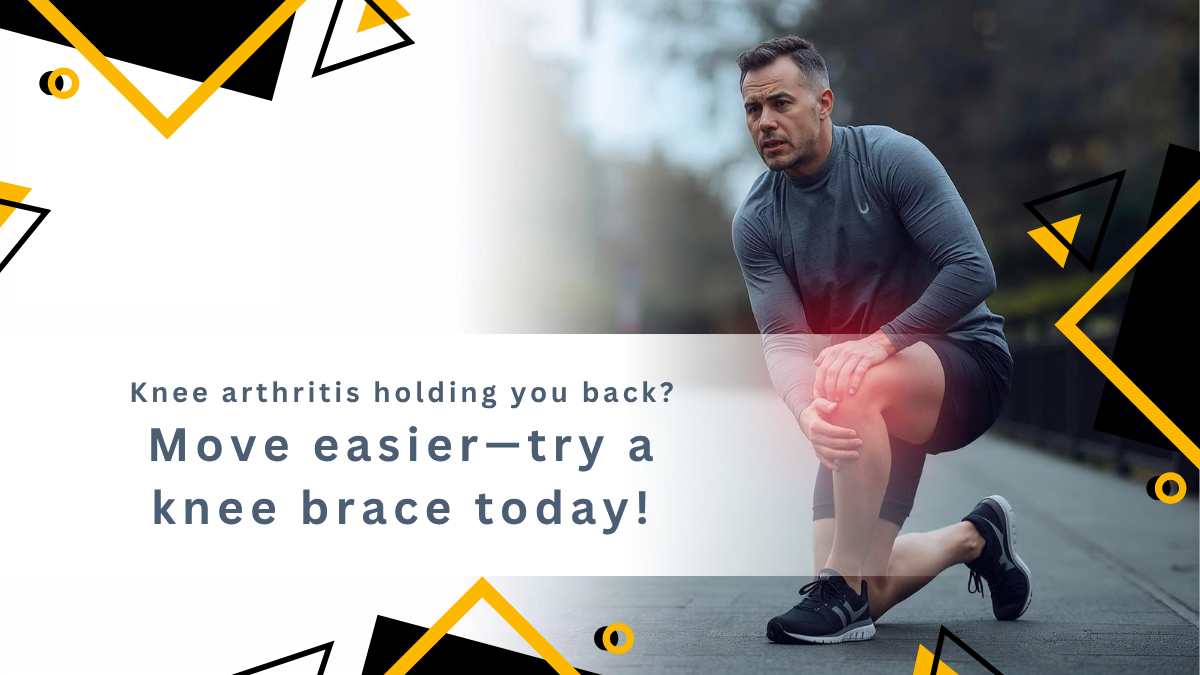
If knee pain and stiffness make stairs, longer walks, or getting up from a chair harder, there are steady, practical steps that help. This guide explains what knee arthritis is, why it flares with everyday moves like deep bends and slopes, simple self‑checks, when to seek care, practical ways to calm symptoms, and how a hinged knee brace can support you while things settle. Throughout, we’ll show where NuovaHealth fits in to help you choose confidently.
What is knee arthritis?
Knee arthritis (osteoarthritis) is age‑related “wear and repair” change in the joint that can make movement sore and stiff. The smooth joint surfaces thin and the joint lining (synovium) can become irritated, so pressure, twisting, or deep bending may hurt—especially after rest. When day‑to‑day demand exceeds what the joint tolerates, symptoms rise; when you spread effort out, they usually ease. Many people notice stiffness when standing after sitting, discomfort on stairs or slopes, and a fuller feeling after a busy day.
Key mechanics—why it hurts
The knee acts like a hinge with some rotation. Thinner surfaces and an irritable lining mean certain tasks raise symptoms: long standing or walking without breaks, deep knee bends (low seats, squats), quick turns, and downhill or stair descents. These load the inner knee (medial compartment) and the kneecap joint (patellofemoral joint), so the area feels sore or unsteady. Easing often follows shorter efforts with pauses, shallower bends, steadier walking, and a brief warm‑up before heavier tasks. Day to day, several smaller bouts usually feel easier than one long stint.
Who is more at risk and why
-
- Previous ligament or meniscus injury can alter how load is shared, so the joint sees more stress during the same tasks.
-
- Repetitive kneeling, squatting, or heavy manual work keeps the knee at deep angles that compress sensitive surfaces.
-
- Rapid jumps in steps, hills, or sport can outpace how the joint adapts.
-
- Lower thigh and hip strength means muscles share less load, so the joint does more.
-
- Higher body weight increases force through the joint with each step.
In everyday life, soreness often builds with long, unbroken activity and settles when you spread effort across the day.
Symptoms and tell‑tale signs
-
- Stiffness after rest that eases over the first few minutes of movement
-
- Aching around the joint (often inner knee or behind the kneecap) with stairs or slopes
-
- A grinding or creaking feeling on deeper bends without sharp catching
-
- A sense of fullness or puffiness after a busy day that eases overnight
-
- Lower confidence on uneven ground or during quick turns
-
- Tenderness along the inner or outer joint line when pressed
-
- Less common: night pain after an unusually demanding day
Simple checks (not a diagnosis)
Stand after sitting and take a few steps; if stiffness and ache ease within minutes, that sequence fits. Compare both knees by gently pressing along the inner and outer joint lines; the sore side is usually more tender in familiar spots. Look for swelling: a fuller, slightly squishy feel at the sides compared with the other knee. Use these signs to guide recognition only. A clinician can confirm; tests or imaging are not usually first‑line unless symptoms persist or red flags appear.
When to seek care
-
- A hot, very swollen knee with fever or feeling unwell
-
- Sudden large swelling after a significant injury, with inability to bear weight
-
- Locking (stuck and cannot fully straighten) or new severe instability
-
- Numbness, weakness, or rapidly worsening calf swelling
Arrange medical review promptly if any of these occur.
Conditions that can look similar
-
- Meniscus tear: often follows a twist, with sharp joint‑line pain and catching or giving way.
-
- Patellofemoral pain: ache around the kneecap that worsens with stairs, slopes, or prolonged sitting; swelling is uncommon.
-
- Inflammatory arthritis: morning stiffness lasts longer (about an hour or more), several joints are involved, and flares can bring warmth and fatigue.
These can coexist with knee arthritis. Location of soreness, what brings it on, and response to movement or impact help tell them apart.
Treatment and prevention (practical steps)
Acting early lowers irritation in the joint lining and helps muscles support the knee better. Spreading effort across the day—take short breaks, rotate tasks, and increase what you do in small steps—reduces spikes that stir soreness. NuovaHealth focuses on these practical, low‑risk steps alongside supportive bracing.
-
- Pace your activities by taking short breaks, rotating tasks, and increasing in small steps; this smooths loads that raise soreness.
-
- Adjust knee angles: use higher seats and avoid long holds in deep bends to reduce compression on sensitive surfaces.
-
- Build thigh and hip strength with simple, tolerable exercises so muscles share more load.
-
- Warm up before heavier tasks and cool down after; warmed tissues move more easily and feel less stiff.
-
- Choose supportive footwear and steady surfaces when possible to reduce jolts through the knee.
-
- If symptoms rise, ease the main trigger, keep gentle movement, and rebuild gradually once your usual baseline returns.
How a hinged knee brace helps (and when to use it)
A hinged knee brace is best used as an adjunct to reduce painful strain and improve control while you stay active. NuovaHealth offers hinged designs that balance steady support with everyday comfort.
-
- Side hinges limit side‑to‑side wobble at the inner knee (medial compartment), so stair descents and uneven ground feel more stable and less sore.
-
- A shaped wrap and straps guide the kneecap joint (patellofemoral joint), spreading pressure so deep bends and getting up from low seats feel easier.
-
- Light compression and warmth at the joint lining (synovium) can reduce stiffness after rest, making first steps smoother.
-
- Firm anchoring at the thigh and calf dampens twist at the joint, so quick turns are more controlled.
When to use it: during longer walks, extended standing, stairs or slopes, busier days, and on uneven ground. Remove it for short rests and gentle mobility. Start with shorter wear times and build up as comfortable. Check skin daily; avoid use over open or irritated areas. Be cautious with numbness or colour changes in the lower leg, and seek advice after a recent significant injury. If discomfort rises and stays above baseline for 24–48 hours, loosen or shorten wear time and rebuild gradually.
What to expect
You may first notice that comfort improves before stamina—stairs feel more manageable, walking feels steadier, and standing is easier for a little longer. These changes are often noticed within 1–2 weeks and become steadier over 2–4 weeks with regular brace use and small, step‑by‑step increases in what you do. A short period of mild awareness or low‑level fatigue can occur at first and usually settles. If symptoms rise and stay above baseline for 24–48 hours, ease back slightly, keep gentle movement, and rebuild. Responses vary; consistent, sensible use helps. NuovaHealth includes simple guidance with each brace to support a smooth start.
Next up: measure for size, check that the fit is right, and follow a simple first‑week plan. NuovaHealth makes this easy with clear size guides and setup tips.
Measure and choose your size
A good fit matters: it helps the brace sit securely, reduces slipping and rubbing, and supports the knee where you need it. Take three quick measurements with a flexible tape and note them in centimetres. Here at NuovaHealth, all of our product pages include clear size charts and notes to help you choose with confidence.
-
- 1) Measure three points: mid‑thigh (about 15 cm above knee centre), knee centre, and upper calf (about 15 cm below knee centre).
-
- 2) Match to the size chart: compare your measurements with the chart for the specific brace. If you’re between sizes, the larger option often suits fuller knees with swelling.
-
- 3) Allow for daily changes: if your knee tends to swell later in the day, re‑check measurements in the afternoon before choosing.
-
- 4) Make sure it moves with you: if you need deeper knee bends for work or driving, choose a brace that allows comfortable flexion without pinching or digging in.
-
- 5) Measure on bare skin, standing relaxed: don’t flex the thigh or calf while measuring, and avoid measuring over clothing.
-
- 6) Prioritise the knee measurement: if your three measurements point to different sizes, start with the knee‑centre size, then confirm the thigh and calf sit within that size’s range.
-
- 7) Size to the symptomatic leg: left and right legs can differ—use measurements from the knee you’ll brace.
-
- 8) Wearing a thin sleeve underneath? this rarely changes sizing; if you’re between sizes, the larger option usually allows for this comfortably.
-
- 9) Check brace length: ensure the length will clear the crease behind the knee when you sit and won’t press on the top of your calf or lower thigh.
-
- 10) Consider leg shape: if your thigh is much fuller than your calf, choose the size that best fits the knee and upper area; more adjustable designs tend to sit more securely.
Quick tips: measure twice (morning and late afternoon) and use the larger set; keep the tape snug, not tight; write your measurements down so you can compare easily; keep packaging and tags until you confirm the fit at home. If you’re unsure between two sizes, NuovaHealth can help you decide.
Next: with a size chosen, set up the fit so the brace sits comfortably and does its job.
Checking your fit is right
Good positioning helps the support do its job and cuts down on slipping and rubbing. Use this simple setup that works for most designs.
-
- Position: if your brace has side hinges, align the hinge centre with the middle of the knee. For slip‑on or sleeve styles, line up the centre mark or opening with the kneecap as directed. The main support should sit smoothly along the thigh and calf without bunching at the front of the knee.
-
- Straps and fastenings: if your brace uses straps or fasteners, secure the top one first, then the bottom, and finish by adjusting any others for comfort and alignment. For slip‑on designs, smooth the fabric from the middle outward to remove wrinkles.
-
- Skin check: check the skin after 30–60 minutes the first few uses. If you’re sensitive, a thin, breathable sleeve can help. Avoid placing the brace over slippery fabrics.
-
- Re‑check after moving: take a short walk and a set of stairs. If the brace has adjustable settings, retighten gently if it settles.
If anything pinches, rubs, or slips, make one small change at a time (position or a single fastening), then re‑test. Still unsure? NuovaHealth can help you fine‑tune fit and support level.
Next: follow a simple first‑week plan to build comfort and confidence.
Your first‑week plan
-
- Days 1–2: wear the brace for the tasks that usually set symptoms off (for example, stairs, longer walks, uneven ground). Remove it for short rests and gentle mobility.
-
- Days 3–4: if the knee feels settled later that day and the next morning, add another short period during a busier task.
-
- Days 5–7: build towards the longest tasks you want support for. Keep gentle strength work in your routine. If discomfort rises and stays up for 24–48 hours, step back and rebuild.
-
- Review: at the end of the week, note changes in comfort and function, and adjust wear time or settings as needed. NuovaHealth support materials can help you fine‑tune.
Next: start checking for everyday improvements so you can pace your increases sensibly.
Track your progress
Pain can vary day to day, so look for practical improvements once or twice a week. These checks show whether your brace and activity plan are helping.
-
- Stairs: fewer pauses, less reliance on the rail, or smoother descents
-
- Walking: steadier turns and fewer “twinges” on uneven ground
-
- Standing: more comfortable time on your feet before soreness builds
-
- Getting moving after sitting: the first few steps after sitting or on getting out of bed feel easier
-
- Confidence: feeling more secure during busy periods or on slopes
How to check
-
- Pick 2 or 3 items that matter most to you.
-
- Check them at the same time each week (for example, every Sunday morning).
-
- Rate each one as “better / same / worse” and add a one‑line note (for example, “stairs: smoother, used rail once”).
How to adjust
-
- If at least two items are better for two weeks in a row: increase very slightly—add a few more minutes of walking, one extra flight of stairs, or a little longer standing.
-
- If two or more are worse for 24–48 hours: step back to the last comfortable level, re‑check brace position and any adjustable settings, and rebuild gradually.
-
- If results are mixed: hold steady for another week before changing anything.
If progress stalls or you’re unsure about fit, NuovaHealth can help you fine‑tune sizing, setup, and support level so your brace works comfortably and consistently for your goals.
Frequently asked questions — NuovaHealth
How do I know if a hinged knee brace is suitable for my arthritis?
A hinged design helps when side‑to‑side wobble, stairs, slopes, quick turns, or uneven ground stir symptoms. If these are your triggers and gentle support around the joint lines feels reassuring, a brief trial is reasonable. A clinician can confirm fit and advise on wear time. NuovaHealth offers hinged options tailored to these everyday challenges.
What should I look for in a brace if I have arthritis?
Choose adjustable hinges to steady side‑to‑side movement, a shaped wrap and straps that sit comfortably around the kneecap, breathable materials, and firm anchors at the thigh and calf that don’t pinch. Aim for a close, secure fit that stays in place during walking and stairs. NuovaHealth braces are designed with these priorities in mind.
Is a hinged brace better than a simple sleeve for arthritis?
They do different jobs. A sleeve offers light warmth and compression for mild stiffness. A hinged brace adds side‑to‑side control and alignment guidance for stairs, slopes, turning, or uneven ground. Some people use both at different times. NuovaHealth provides options across both styles so you can match support to the task.
How long should I wear it each day?
Start with shorter wear times during the tasks that usually set symptoms off. If your knee feels settled later that day and the next morning, build up gradually. If discomfort rises and stays above baseline for 24–48 hours, reduce wear time and re‑check fit. NuovaHealth includes practical wear tips with every brace.
Will a brace weaken my muscles?
Used sensibly, a brace supports movement rather than replacing muscle work. Keep simple strength and mobility exercises in your routine and reserve the brace for higher‑demand tasks. This balance helps comfort and function without de‑conditioning. NuovaHealth also shares easy exercise suggestions to pair with bracing.
How do I pick the right size and fit?
Measure mid‑thigh, knee centre, and upper calf and compare with the size chart. If you’re between sizes, the larger option can suit fuller knees with swelling. A clinician or trained fitter can help you fine‑tune the fit. NuovaHealth sizing guidance and product notes make selection straightforward.
What if my knee swells during the day—should I change how I wear the brace?
If swelling varies, adjustable straps help. Loosen slightly when the knee feels fuller and re‑check comfort after a few minutes of walking. If swelling increases rapidly, becomes hot, or is associated with fever or a new injury, seek medical review. Many NuovaHealth braces include quick‑adjust features to adapt on the go.
How do I keep the brace from slipping or rubbing?
Match the size carefully and position anchors on firm areas of the thigh and calf. Smooth out wrinkles, tighten straps evenly, and avoid placing the brace over slippery fabrics. A thin, breathable sleeve can reduce rubbing if your skin is sensitive. NuovaHealth designs emphasise stable anchoring and skin‑friendly materials.
Can I wear a hinged knee brace during walking, exercise, or work?
Yes. Many people use a brace for longer walks, stairs, slopes, busier shifts, or uneven ground. Keep gentle strength work in your routine and remove the brace for short rests and easy mobility to maintain comfort and skin health. NuovaHealth offers activity‑ready designs that balance support and flexibility.
Can I drive while wearing a hinged knee brace?
If the brace does not restrict knee bend or ankle control and you can brake and accelerate safely, many people can drive short distances. Test this in a safe, stationary setting first. If the brace limits control or causes distracting discomfort, remove it for driving.
Can I wear a brace on both knees?
If both knees are symptomatic, you can use braces on each side if they do not restrict safe movement. Check comfort and skin regularly, build wear time gradually, and confirm with a clinician if you have balance concerns or other health conditions. NuovaHealth carries left/right and bilateral‑friendly options.
Can I use heat or cold therapy with a brace?
Yes, but not at the same time as wearing the brace. Apply heat or cold as advised, allow the area to return to normal temperature, then fit the brace. Avoid heat or cold over broken skin or areas of reduced sensation.
Can I wear the brace under clothing?
Often yes. Choose breathable fabrics and avoid thick seams under the brace. Make sure clothing does not cause the brace to slip. If friction increases, consider a thin, moisture‑wicking sleeve between skin and brace. NuovaHealth offers low‑bulk profiles that layer neatly under everyday wear.
Do I need to see a clinician before buying or using a brace?
A clinician can confirm the cause of your symptoms, advise whether a hinged brace is appropriate, and help you set a sensible wear plan. This is especially important if you have circulation, nerve, or skin conditions or a recent significant injury. NuovaHealth supports your clinician’s advice with sizing and setup tips.
Where can I buy a knee brace for arthritis?
You can buy directly from NuovaHealth. Browse our specialist range of hinged knee braces for arthritis, compare features and sizes, and choose the support that fits your goals. If you’re unsure which model suits you, NuovaHealth can help you narrow options and get the fit right first time.
Do you really offer a full 30‑day money‑back guarantee?
Yes. Every NuovaHealth brace is covered by a 30‑day money‑back guarantee. Try your brace at home and, if it isn’t right for you, return it in its original condition within 30 days for a refund. Keep packaging and tags, avoid alterations, and test fit during short, clean trials. Need a different size or support level? NuovaHealth can guide an exchange.
Next step
If your goals are steadier walking, easier stairs, and more comfortable standing, a hinged knee brace can be a practical, low‑risk aid alongside simple activity changes and strength work. Explore the NuovaHealth range designed for arthritis—featuring both in‑house designs and carefully selected partner lines—and if you’re unsure which option suits you, ask a clinician to help you choose and fit it. NuovaHealth can then help you compare options, size accurately, and get started with confidence.
Important information and disclaimer
This article is for general informational and guidance purposes and does not replace personalised medical advice. Knee pain has many causes. Seek prompt medical care if you notice any red flags listed above, if pain is severe, if swelling is sudden or worsening, or if symptoms persist beyond a few weeks despite sensible steps. Serious conditions can present as knee pain; while uncommon, tumours can involve bone or nearby tissues. Do not be alarmed, but do get assessed if symptoms are unusual for you, worsening, or unexplained. A healthcare professional can confirm the cause of your symptoms, advise whether a hinged knee brace is appropriate, and guide safe use alongside other supports such as exercise, medicines, or procedures when indicated. Always follow professional advice on brace wear time, fit, and skin checks—especially if you have circulation, nerve, diabetes, or skin concerns.