
Roll over image to zoom in
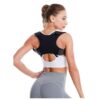
Shoulder posture brace
£12.99£14.99 (-13%)inc VAT
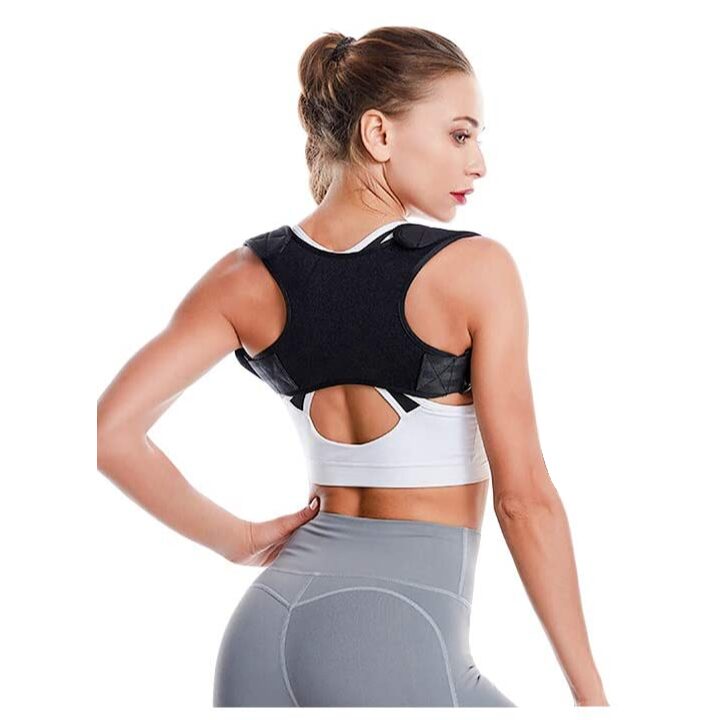
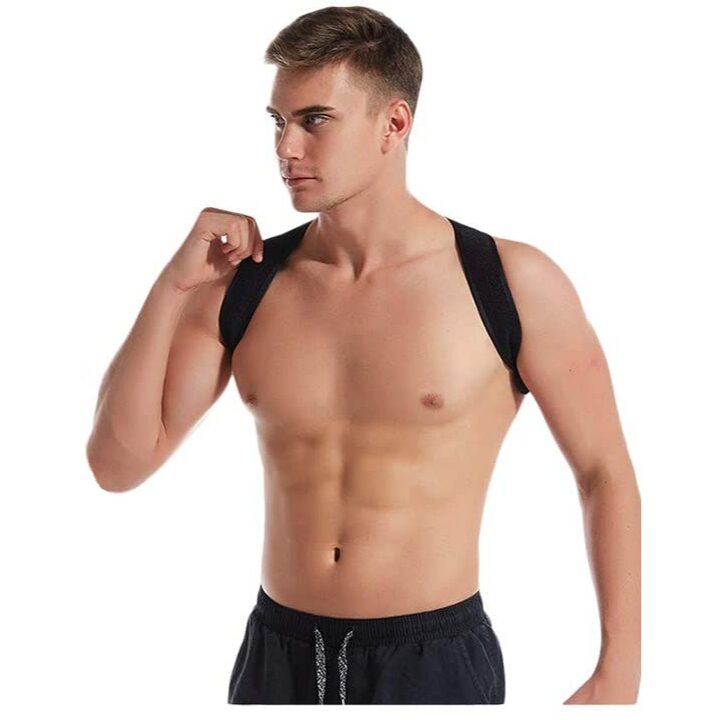
- A lightweight, adjustable shoulder posture brace designed to help adults whose shoulders drift forwards during desk work, driving and other everyday tasks.
- Best suited to mild to moderate posture-related strain, including rounded shoulders, upper-back tiredness after sitting, and neck or shoulder tightness that builds through the day.
- Designed to give a clear reminder you can feel when your shoulders start to roll forwards, rather than forcing you into a rigid position.
- May help you spend less time in the slouched shoulder position that often leaves the upper back and neck feeling overworked later on.
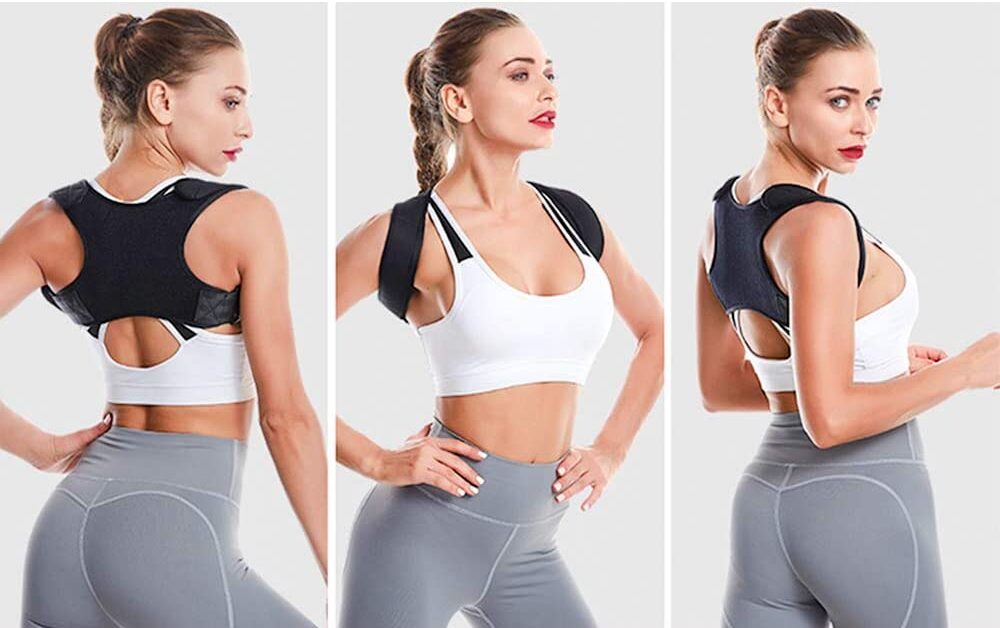
- Supports a less rounded shoulder position while still allowing normal movement during ordinary daily activity.
- Lightweight construction helps avoid adding extra load across shoulders that already feel tired by the end of the day.
- Adjustable straps allow you to set a gentler or firmer cue depending on how easily your shoulders drift forwards.
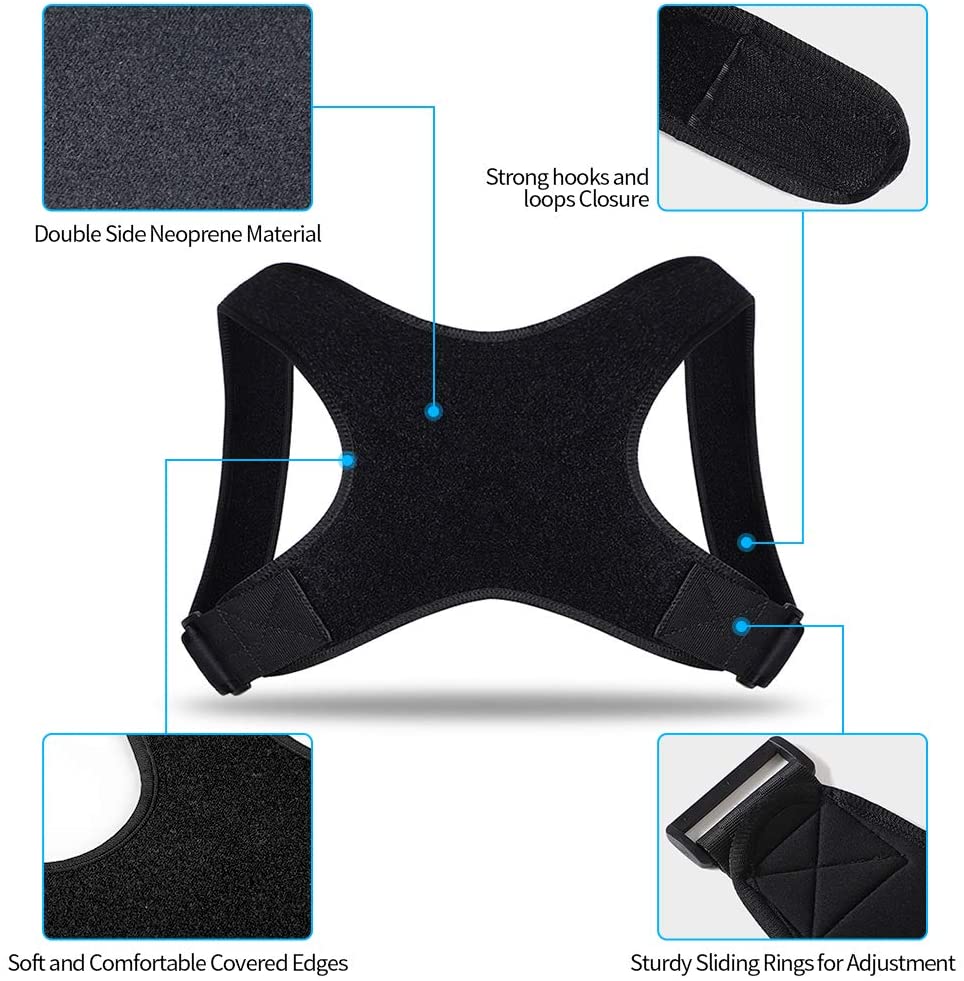
- Padded contact areas are designed to improve comfort where many braces tend to rub or dig in.
- Breathable, lower-bulk design makes regular wear more realistic than with heavier or stiffer braces.
- Usually best introduced gradually, starting with shorter periods during the time of day when your posture tends to slip most.
- Works best alongside regular movement, sensible posture breaks and general upper-back strength rather than as a complete answer on its own.
- Not intended for severe or unexplained symptoms, or as a replacement for individual advice where symptoms are more complex.
- If you have worsening pain, spreading numbness, marked weakness, recent injury, or symptoms that do not seem clearly linked to posture, it is sensible to speak to a GP or physiotherapist.
BackReviver Shoulder Posture Brace
Support better posture, ease everyday strain through the upper back, neck and shoulders, and build healthier habits with a lightweight, adjustable shoulder brace designed for regular daily wear.
Posture support without a bulky, rigid brace
You may know the feeling already. You start the day sitting or standing reasonably well, then later realise your shoulders have crept forwards again. Your upper back rounds a little more. By the end of the day, your neck may feel tight, your shoulders may feel heavy, or the area between your shoulder blades may feel as though it has been working longer than it should.
The BackReviver Shoulder Posture Brace is designed for exactly that sort of problem. It is made for people who want posture support they can actually wear regularly, without the stiffness and bulk that often make heavier braces awkward to use. Instead of trying to hold you rigidly in one position, it gives you a clear reminder you can feel when your shoulders and upper back start to slip into the position that usually leaves them feeling strained later on.
When your shoulders drift forwards, the muscles between the shoulder blades and around the back of the shoulders often stay lightly active for longer than they should. You may not notice that at the time, especially if you are concentrating, but later it often shows up as tiredness, stiffness or a dull ache across the upper back. A shoulder brace can help by changing what you feel at the point your posture starts to slip. Instead of only noticing after half an hour at a desk or during a long drive, you get an earlier prompt and more chance to correct the position before the strain has time to build.
Key benefits include:
-
- helps encourage a less rounded shoulder position
-
- supports posture awareness during desk work and other everyday routines
-
- may help ease strain linked to slouching through the upper back, neck and shoulders
-
- lightweight and discreet enough for regular wear
-
- adjustable for a more personal fit
-
- designed for comfort, movement and consistent daily use
You may be considering this brace because your upper back feels tired after sitting, your shoulders keep rounding forwards, your neck tightens up after work, or you are simply frustrated that your posture feels fine for a while and then gradually slips again. If that sounds familiar, this brace is designed to help you notice those changes sooner and correct them more easily.
For most people, better posture does not come from one big correction. It usually comes from smaller corrections made often enough that they start to feel more natural and easier to keep.
Is This the Kind of Problem You’re Dealing With?
This brace may be a good fit if any of the following sound familiar:
-
- your shoulders drift forwards while you work
-
- your upper back feels tired, heavy or achy after sitting for long periods
-
- your neck feels tight by the end of the day
-
- you keep trying to sit or stand upright, but gradually slump again
-
- you often feel tension building between your shoulder blades
-
- your posture worsens when you are tired or concentrating
-
- your shoulders feel as if they need to be rolled back repeatedly
-
- you want support that feels wearable rather than stiff or awkward
-
- you are looking for a posture aid that helps with awareness as well as comfort
Posture-related discomfort often starts with small things rather than one obvious problem. Your shoulders may feel heavy after work. Your neck may need stretching more often than it used to. The upper part of your back may feel tired rather than sharply painful. You may sit up, feel better briefly, and then realise you have slumped again without noticing.
Some people first notice it when they stand up after sitting and feel stiffness through the upper back. Others notice that their shoulders seem to sit further forwards than they used to. Others simply find themselves readjusting over and over again — pulling the shoulders back, straightening the upper back, lifting the chest — only for the same position to return shortly afterwards.
This is often the point where posture support becomes useful. Not because your body needs to be forced into a rigid position, but because it helps to have a clear physical reminder when your shoulders and upper back start to move into the position that usually makes them feel worse.
If you already recognise that your posture tends to slip during desk work, driving, periods of concentration, or later in the day when tiredness sets in, this type of support may be particularly relevant.
Why This Problem Builds So Easily
Posture problems rarely begin all at once. For most people, they build gradually. You do not usually wake up one morning and suddenly find that your shoulders are permanently rounded or that your upper back feels strained for no clear reason. More often, the change happens quietly. You spend days, months or years doing the same kinds of tasks in similar positions, and your body gradually becomes used to them.
Because it builds gradually, it is easy to brush off at first. Your upper back feels a bit tired after sitting. Your neck feels tighter than usual after work. The tops of your shoulders feel slightly loaded by the end of the day. None of that necessarily feels dramatic. But if the same positions keep returning and nothing interrupts the pattern, those signs can become more frequent.
A lot of this comes from how most people spend their day:
-
- working at a computer
-
- using a phone
-
- driving
-
- reading
-
- writing
-
- detailed work using your hands
-
- sitting at a desk or table
-
- working at a surface with the hands held in front of the body
All of these bring the eyes, hands and attention in front of the chest. In that position, the shoulders often start to move forwards and the upper back begins to round. Most people do not notice the exact moment this starts. They notice it later, when the neck feels tight, the shoulders feel heavy, or the area between the shoulder blades starts to ache.
This is not limited to one type of job. It can affect anyone whose day involves long periods of sitting, long periods of driving, repeated detailed work, or tasks that keep the shoulders and arms forwards for extended stretches.
For a lot of people, it goes like this:
-
- you begin the day sitting or standing reasonably well
-
- you settle into your work or routine
-
- your shoulders gradually move forwards
-
- your upper back rounds
-
- the muscles around your shoulder blades and neck stay active for longer
-
- later on, your upper back feels tired, your shoulders feel tense, or your neck feels tight
This helps explain why “just sit up straight” is rarely enough on its own. Most people are not slouching because they do not know posture matters. They are slouching because posture changes from moment to moment, and once your attention is on something else, your body often returns to the position it knows best.
The neck gets drawn in for a simple reason. When the upper back rounds, the head often drifts a little further forwards with it. The muscles at the back of the neck then have to work harder to hold the head over the trunk, especially during desk work, reading or driving. That is why a posture problem often feels as if it affects more than one area at once.
This is often where frustration starts. You may know the position you are trying to maintain. You may even correct yourself many times through the day. But each correction may last only briefly before your shoulders and upper back drift back to the same place. That does not mean you are lacking effort. In most cases, it means the habit is stronger than the reminder you are giving yourself in the moment.
Over time, repeated time in that position can leave the upper back, shoulders and neck feeling the effects. Not necessarily as sharp pain. More often as a dull ache, muscle tightness, heaviness, stiffness or tension between the shoulder blades.
A lot of people also notice that their posture is not the same throughout the day. It may be fairly manageable in the morning, then noticeably harder to maintain later on. By late afternoon, the shoulders may move forwards more easily, the upper back may round with less effort, and the neck may tighten sooner. That usually reflects accumulated time in one general position and the effect of tiredness on how the body holds itself.
That is where a posture aid can help. Not as a replacement for movement or strengthening, and not as a rigid fix, but as something that helps you notice the shift earlier and interrupt it more consistently.
How This Usually Feels Day to Day
One reason this kind of strain can be confusing is that it does not always feel dramatic. Many people expect a clear pain, a clear injury, or one exact area that hurts. In reality, it is often more subtle than that. It can feel more like your upper back, shoulders and neck are gradually becoming tired, loaded or restricted as the day goes on.
A common sign is a tired ache through the upper back after sitting for a while. The discomfort may sit across the area between the shoulder blades or slightly higher, near the tops of the shoulders. It may not feel severe, but it can feel persistent. You may catch yourself shifting in your seat, rolling your shoulders back, or stretching your neck to try to ease it.
Another common sign is tightness through the back of the neck after desk work or driving. This often develops when the shoulders move forwards and the upper back rounds, which can leave the muscles at the back of the neck working for longer to keep the head steady. What you feel may be stiffness when you get up, a pulling feeling at the base of the neck, or the sense that your neck wants stretching repeatedly.
Some people mainly notice the shoulders themselves. The tops of the shoulders can feel heavy or tense, especially later in the day. You may feel as though your shoulders are creeping upwards while you work, or that they never quite settle. You may also feel as though the front of the shoulders is being pulled forwards while the muscles between the shoulder blades feel overworked.
The area between the shoulder blades is another very common place to notice posture-related strain. This often feels like a dull, held tension rather than a sharp pain. Some people describe it as a pulling feeling. Others feel a tired tightness that returns every day. In many cases, this reflects the muscles in that part of the upper back working continuously for too long while the shoulders sit forwards.
You may also notice that your posture feels harder to hold later in the day. In the morning, sitting upright may feel manageable. By late afternoon, the same position can feel harder to maintain. Your chest may feel more closed, your shoulders may move in more easily, and your upper back may round with less effort. That is not unusual. Tiredness makes it easier for the body to fall back into its familiar resting position.
For some people, the clearest sign is not pain at all. It is the repeated feeling that they need to reset themselves. They sit up. They pull the shoulders back. They feel better briefly. Then, a short while later, they are back in the same position again. That repeated cycle is often a clear sign that extra posture awareness may help.
You may also notice changes when moving from one position to another. After sitting for a while, the upper back can feel stiff when you stand. The neck can feel as though it needs to loosen up. The shoulders may feel as though they have been held inwards and need opening out. These are often not signs of one sudden problem. More often, they reflect time spent in the same shoulder and upper-back position without enough variation.
The important point is that posture-related strain usually shows itself through things you can notice directly: an upper back that tires too quickly, shoulders that keep moving forwards, neck tightness after sitting, tension between the shoulder blades, shoulders that feel heavy or slightly raised, and the need to keep straightening up. Those everyday signs often tell you more than a label would.
Why Posture Matters for Comfort, Not Just Appearance
Posture is often talked about as though it only matters for appearance. Stand taller. Look more confident. Look less slouched. Those things may matter to some people, but they are not usually the reason posture becomes a daily issue.
What matters more is what that position asks your shoulders, upper back and neck to do for hours at a time.
When your shoulders sit in a less rounded position and your upper back is not collapsed for long periods, the muscles around the shoulder blades and the back of the neck are less likely to stay switched on continuously. When the shoulders move forwards and the upper back rounds, those same muscles often have to stay active for longer just to support the position.
If your shoulders move forwards, your upper back often rounds with them. If your upper back rounds, your head may sit further forwards as well. When that happens, the muscles at the back of the neck and across the tops of the shoulders may stay tense for longer to support the head and upper body. Over time, that can feel like tightness through the neck, heaviness through the shoulders, a pulling feeling between the shoulder blades, or a tired upper back after sitting.
This is one reason posture-related discomfort often begins as fatigue. The tissues are coping with the position, but they are doing more work than they need to, and they are doing it for too long.
Time matters here. A mildly slumped position held briefly may not feel like much. The same position held for long stretches every day can feel very different. The issue is not only the shape of the posture. It is how long the neck, shoulders and upper back are left dealing with it.
Posture also affects how comfortable ordinary movement feels. If your shoulders already sit forwards and your upper back is rounded before you begin a task, simple actions such as typing, reaching, standing or walking may start from a less balanced position. That does not mean every movement becomes a problem. It means your body may carry more unnecessary tension than it would from a better starting point.
Many people do not notice the change early enough. They notice the discomfort, but not the build-up. If you only realise your shoulders have moved forwards after your upper back already feels tired, you are correcting after the strain has already had time to build. Improvement often starts when you notice the change sooner.
This is one reason posture support can help. It is not simply about trying to hold yourself straighter. It is about helping you feel earlier when your shoulders and upper back are moving into the position that tends to leave those areas feeling overworked.
How a Shoulder Posture Brace Works
A lot of people look at posture braces and are not quite sure what they actually do. If you have not worn one before, it is easy to imagine either that it does very little or that it drags your body into a rigid, uncomfortable position. A useful shoulder posture brace should do neither.
The BackReviver Shoulder Posture Brace is designed to work mainly through gentle support and a reminder you can feel, rather than rigid force.
A posture brace does not need to lock your body into one exact position to be useful. In fact, that would usually be unhelpful. You still need to move normally through the day. You still need to sit, stand, walk, reach and carry out ordinary tasks. If the brace feels too restrictive, most people stop wearing it.
Its main job is simple. It helps you notice sooner when your shoulders and upper back are starting to slip into a slouched position.
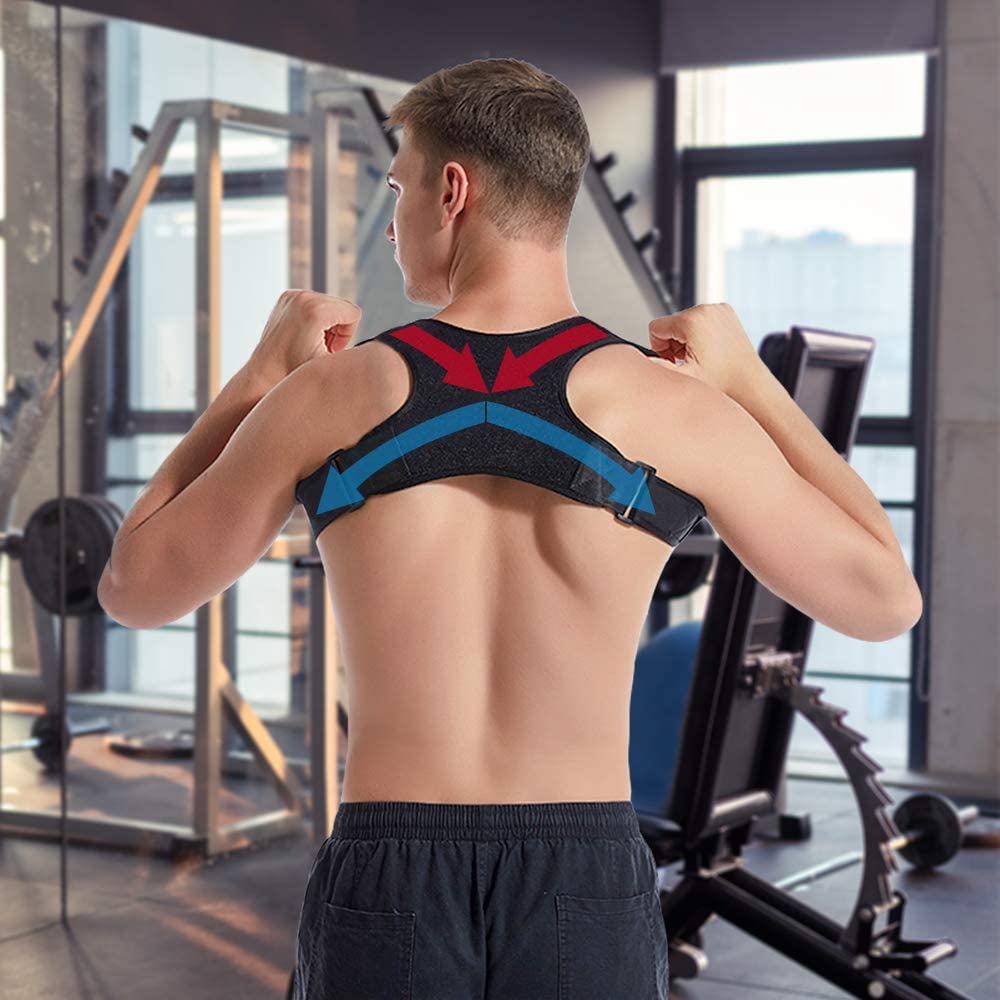
When your shoulders begin to roll forwards, the straps create a gentle change in tension around the front and top of the shoulders. You feel that change. That is the important part. It tells you earlier that your shoulder position has shifted. Instead of only realising much later that your shoulders have been forwards and your upper back rounded for the last half hour, you may notice the change as it starts.
That earlier timing matters because posture-related strain often builds quietly. You do not always feel the problem the moment your shoulders move forwards. More often, the muscles around the neck, the shoulder blades and the tops of the shoulders stay lightly active for longer than they need to. The longer that goes on, the more likely you are to feel stiffness, heaviness or a dull ache later on.
The brace may also help by guiding the shoulders towards a less rounded resting position. When the shoulders stay less forward and the upper back stays less collapsed, some people find there is less repeated strain through the muscles around the shoulder blades, tops of the shoulders and back of the neck during long periods of sitting.
There is an important difference between support and force. A rigid brace tries to hold you in place whether your body likes it or not. A lighter, adjustable shoulder brace works more like a prompt. During desk work, when your arms stay forwards and the front of the shoulders begin to close in, the straps give a clearer signal that the shoulders are rolling in. That earlier cue may help you reset before the pull between the shoulder blades turns into a familiar end-of-day ache.
The brace does not remove all effort from those areas, and it does not switch discomfort off. What it may do is reduce how often your shoulders and upper back settle into the same position that keeps leaving those areas feeling overworked.
The basic mechanics are simple. If your shoulders move forwards and remain there, the muscles around your upper back and neck may need to stay active for longer to support that position. If the brace helps reduce how far or how often the shoulders move forwards, those muscles may spend less time working in that way. That is why some people find posture support most helpful during tasks where they would otherwise sit or stand in one slouched position for a long time.
The brace also helps through repetition. Each time your shoulders begin to move forwards and you feel the change in strap tension, you have a chance to correct. One correction on its own may not change much. Repeated corrections through the day are where posture support becomes more useful. The aim is to make the better position easier to find often enough that it starts to feel less effortful over time.
There is also a habit element to it. Slouching is often a repeated behaviour before it feels like a fixed posture problem. Your body returns to the same position because it has become familiar. The more often that happens, the more automatic it becomes. A posture brace can help interrupt that pattern by giving you the same physical reminder again and again.
Consistency matters more than force. Wearing the brace sensibly and regularly is usually more useful than wearing it too tightly or too aggressively. The goal is not to overpower your body. The goal is to help you recognise and interrupt the same slouching movement often enough that a better position starts to feel easier to return to.
It also helps to be clear about what a posture brace can and cannot do.
What it can do
-
- support posture awareness
-
- help cue a less rounded shoulder position
-
- reduce unnoticed slouching in some people
-
- provide a sense of support through the shoulders and upper back during daily routines
-
- help interrupt posture habits that keep returning
What it cannot do
-
- instantly change years of posture habit
-
- replace movement, exercise or strengthening work
-
- explain the cause of severe pain or unusual symptoms
-
- act as the answer for every kind of neck, shoulder or back problem
-
- replace individual advice where symptoms are more serious
The most useful posture brace is not the one that claims to do everything. It is the one that does its actual job well: gives a clear cue, feels comfortable enough to wear, and supports consistency.
Used in that way, the BackReviver Shoulder Posture Brace works best as a support tool you can use repeatedly — something that helps you spend less time in the shoulder and upper-back position that tends to leave your neck, shoulders and upper back feeling strained.
Why This Brace Is Built for Regular Wear
One of the main reasons posture products fail is not that the idea is wrong. It is that the brace ends up being too uncomfortable, too bulky, too warm, too awkward or too impractical to use in ordinary life.
A brace can sound convincing when you read about it, but if it digs into your shoulders, rubs under your arms, feels heavy under your clothes, traps heat, or makes normal movement awkward, most people stop using it. Once that happens, consistency disappears. Without consistency, even a well-designed support cannot help very much.
The BackReviver Shoulder Posture Brace is designed to be comfortable enough to wear regularly, not just supportive in theory.
The adjustable build matters because posture support should not feel like one fixed setting for every person. People have different shoulder widths, body shapes, comfort preferences and support needs. A brace that cannot be adjusted properly is much more likely to feel either ineffective or uncomfortable. Adjustable straps let you change how the brace sits and how noticeable the posture cue feels.
Padding matters for the same reason. The shoulder area and the skin under the arms are often the first places to become uncomfortable in a poorly designed brace. If those contact points rub or press too much, people naturally shorten the time they wear it. Padding in the main contact areas helps reduce that pressure, which makes regular use more realistic.
Breathability is also a real day-to-day issue, not just a minor product detail. If a brace traps heat too easily, it becomes harder to wear through a workday, during ordinary movement, or in warmer conditions. People often give up on supports that feel too hot or too stuffy, even if the basic idea is sound. A more breathable design helps reduce that problem.
A slim design also makes day-to-day use easier. Many people want posture support they can wear under ordinary clothing without the brace feeling obvious or cumbersome. If a product feels too visible or too bulky, people often become self-conscious about it or decide it is too much trouble. A lower-bulk design makes it easier to fit the brace into everyday use.
Weight matters too. A heavier brace may sound more substantial, but in everyday wear it can feel like another source of load across the shoulders and upper back. A lighter design is often easier to tolerate over time because it gives support without making the same areas feel burdened.
The design also needs to allow ordinary movement. Better posture does not mean holding yourself completely still. It means moving from a better starting position more often. A useful shoulder posture brace should let you sit, stand, walk and get on with daily tasks while still giving you enough feedback to reduce repeated slouching through the shoulders and upper back.
That combination — adjustability, padding, breathability, low bulk, light weight and a shape that still lets you move normally — is what makes a posture brace realistically wearable day to day.
Features That Matter Once You Are Wearing It
Adjustable Straps for a More Personal Fit
Fit is one of the main reasons a posture brace feels either helpful or frustrating. If the brace sits too loosely around the shoulders and upper back, the reminder may be so mild that you barely notice it. If it sits too tightly, it can feel restrictive, awkward and tiring to wear. That is why adjustability is not just a convenience. It directly affects how well the brace can do its job.
An adjustable brace lets you fine-tune the level of support and cueing. Some people want a gentler reminder while sitting at a desk. Others want firmer feedback because their shoulders move forwards very easily. Being able to alter the fit also makes the brace more adaptable to different clothing layers, body shapes and comfort preferences.
A fit that feels right when you are standing may need a small adjustment once you have been sitting for a while. That matters because posture support is only useful if you can adjust it so that it remains wearable in the situations where you actually need it.
Padded Contact Points for Better Comfort
The shoulder area and the skin under the arms are often the first places to become uncomfortable in a poorly designed brace. Without enough cushioning, pressure and rubbing can become the main thing you notice. Once that happens, the brace stops feeling like support and starts feeling like something you want to take off.
Padding helps soften those contact points. It makes the brace feel less harsh against the body, especially during longer periods of wear. Comfort is not a secondary issue here. If the brace is not comfortable enough to keep on, it cannot help much, no matter how good the basic idea is.
A brace that sits more comfortably is also less likely to dominate your attention. That makes it easier to use as part of a normal day rather than something you tolerate for short bursts.
Breathable Construction for Everyday Wear
Anything worn close to the body for repeated use needs to handle warmth reasonably well. If the material feels stuffy, warm or airless, many people remove it sooner than planned or avoid it altogether.
A more breathable structure helps reduce that problem. It allows air to move more easily through the material, which can make the brace feel more manageable over time. This matters most during longer periods of wear, during movement, or when the weather is warmer.
Breathability often affects whether a posture brace becomes part of your routine or ends up set aside. Support has to feel manageable in ordinary conditions, not just good on paper.
Slim Profile for More Discreet Use
Many people want posture support without feeling as though they are wearing a large, obvious brace under their clothes. A bulkier design can feel impractical for work, commuting or ordinary daily use. It can also change the way clothing sits, which makes some people less likely to wear it regularly.
A slimmer profile makes the brace easier to wear beneath ordinary clothing and easier to fit into day-to-day life without extra fuss. That may sound like a small point, but it often decides whether a brace is worn often enough to be useful.
Lightweight Feel for Better Comfort Over Time
Your shoulders and upper back notice extra weight. Even a small amount can change how wearable a brace feels over several hours. A lighter brace is often easier to tolerate and less likely to feel as though it is adding to the load through the same areas you are trying to support.
This matters most if you want to wear the brace during work or through the part of the day when your shoulders and upper back already feel tired. A support designed for regular use should not feel like another strain.
Ergonomic Design That Supports Rather Than Restricts
A brace should sit in a way that supports your shoulders and upper back without making ordinary movement feel awkward. That is where the shape of the product matters. It needs to follow the body closely enough to give support, but not so rigidly that it interferes with simple tasks such as typing, walking or light reaching.
If a brace only feels tolerable when you are standing still and doing very little, it is unlikely to fit into normal daily life. Support needs to work while you are moving through ordinary routines.
Durable Materials for Repeated Use
A posture brace is not something most people buy for one or two uses. If it is going to become part of your routine, it needs to cope with repeated wear, repeated adjustment and repeated cleaning. Durable materials matter because they help the brace keep its shape, feel and function over time.
That is not only about longevity. It is also about reliability. If a brace stops feeling right quickly, people are less likely to continue using it.
Easy to Maintain Between Uses
Any product worn close to the body needs to be practical to keep fresh. If cleaning feels awkward or inconvenient, people often put it off. If care feels straightforward, the brace is more likely to stay in regular use.
Taken together, these features do more than look good on a product list. They affect how easy the brace is to wear, how comfortable it feels, how naturally it fits into daily life, and how likely you are to keep using it often enough for it to help.
Who This Brace Is Best Suited To
If You Sit for Long Periods at Work
If you spend long stretches sitting at a desk, in meetings, or doing tasks that keep your hands and attention in front of you, this brace is likely to feel particularly relevant. Sitting for long periods often encourages the shoulders to move forwards and the upper back to round gradually. A posture brace can help you notice that change sooner and correct it more often.
That matters because long static sitting does not just affect how you look in the chair. It changes what the muscles around the shoulder blades and neck have to do over the next hour or two. A well-fitted brace gives a gentle cue as the shoulders begin to roll in, which may help you spend less of the working day in the position that usually leaves your upper back feeling tired by afternoon.
If You Drive or Commute for Long Stretches
Driving keeps the arms in front of the body and often leaves the upper back in a fixed position for longer than you realise. Over time, the shoulders may move inwards, the upper back may round, and tension can build through the neck and shoulders. A brace can be a useful part of your routine if you notice that sort of strain around longer journeys or seated travel.
If Your Neck, Shoulders or Upper Back Feel Worse Later in the Day
Some people feel reasonably comfortable in the morning but noticeably worse by evening. Their posture may not feel poor all day, but it often deteriorates as tiredness sets in. If your upper body tends to feel more slumped, heavy or tight later in the day, a brace may help you notice that change earlier.
If You Keep Correcting Your Posture but It Never Lasts
For many people, the problem is not knowing what better posture looks like. The problem is staying aware of it long enough to make it stick. If you find yourself sitting upright briefly and then gradually collapsing back into the same slouched position, this kind of brace may be helpful as a training aid.
If You Want Better Shoulder Awareness During Light Daily Activity
Some people use posture support not only while sitting, but while walking, standing or moving through ordinary tasks. In those situations, the brace is useful less as strong corrective support and more as a reminder of where the shoulders are sitting and when they are starting to move too far forwards.
If you tend to stand at work or spend time doing tasks with your arms held in front of you, the value is usually in that repeated cue. The brace is not there to stop you moving. It is there to reduce how long you stay in the slightly collapsed shoulder position that can leave the neck and upper back feeling loaded afterwards.
Who Should Use It Carefully or Seek More Personal Advice First
A shoulder posture brace is generally best suited to mild to moderate posture-related issues such as slouching, rounded shoulders, upper-back fatigue from sitting, or neck and shoulder tightness that builds through everyday routines. It is not meant to replace individual advice where symptoms are more severe, less predictable, or not clearly linked to posture.
It makes sense to be more cautious if:
-
- you have severe or worsening pain
-
- you have marked numbness, tingling or weakness
-
- you have had a recent injury or surgery
-
- the skin where the brace sits becomes easily irritated
-
- your symptoms do not seem clearly linked to posture or time spent sitting
In those situations, a posture brace may still have a role in some cases, but it should not be treated as the main answer without more individual advice from a GP, physiotherapist or another appropriate clinician.
When Better Shoulder and Upper-Back Support Is Most Useful
While Working at a Desk
Desk work is one of the most common times for posture-related strain because it combines several things at once: sustained sitting, the hands reaching forwards, visual focus, and long periods without much movement. As the task goes on, the shoulders often move forwards and the upper back rounds slightly. If that position is held for long enough, the upper back may begin to feel tired and the neck may feel more loaded.
A brace can help here by making it easier to feel when that shift has started. Instead of noticing only once the upper back already feels achy or the neck already feels tight, you may notice earlier that your shoulders have moved forwards and your upper back is no longer sitting well.
This is particularly useful if you keep trying to sit up properly but only realise you have slumped again once discomfort has already built.
During Long Periods of Concentration
The body often folds towards the task you are focused on. This can happen during computer work, paperwork, reading or any detailed job that keeps your eyes and hands fixed in front of you. The shoulders can move in, the chest can narrow, and the upper back can round without you realising it.
Support can help here because concentration often reduces awareness of what your shoulders and upper back are doing. A brace gives you a physical cue, so the task is not the only thing directing your body position.
While Walking or Doing Everyday Tasks
Some people like to use a brace during lighter daily activity because it helps them stay more aware of their shoulder position without having to think about it constantly. This can be useful if your shoulders tend to round forwards during routine movement or if you find yourself carrying tension through the tops of the shoulders while standing and moving.
In this setting, the benefit is usually not that the brace is holding you rigidly. It is that it helps you notice when your shoulders are no longer sitting comfortably and helps you bring them back into a better position.
During Commuting or Driving
Long seated journeys often create a familiar kind of upper-body fatigue. The arms stay in front of the body, the shoulders may creep forwards, the upper back remains relatively still, and tension can gradually build through the neck and shoulders.
A brace may help if those are the times your posture tends to slip, or if seated travel is one of the points in the day when your shoulders and upper back start to feel more loaded.
During Light Exercise or Posture Practice
Some people use posture support during gentle movement sessions or posture work to reinforce what a better shoulder position feels like. The aim is not to brace through all forms of exercise, but to support awareness in lower-intensity settings where body position is a main focus.
This can be especially useful if you are trying to build a clearer sense of where your shoulders and upper back feel best when they are not drifting forwards.
During the Part of the Day When Posture Usually Deteriorates
Not everyone needs posture support from morning until night. Many people know roughly when their posture begins to give way — often later in the working day, after long periods of sitting, or when tiredness starts to build. In that case, targeted wear can be more useful than trying to wear the brace continuously.
If you notice that your shoulders move forwards more easily and your upper back feels more tired by late afternoon, wearing the brace during that part of the day may give you the support and reminder you need most.
Common Questions About Posture, Slouching and Shoulder Support
Below are some of the most common questions people ask when they are dealing with a tired upper back, rounded shoulders, desk-related neck tightness, or the feeling that their posture keeps slipping no matter how often they try to correct it.
What You Can Realistically Expect
One of the best ways to get value from a posture brace is to start with realistic expectations. Not because the brace is limited, but because posture change usually happens in stages.
The first thing many people notice is greater awareness.
It may sound modest, but it is often where real progress starts. You become more aware of when your shoulders are moving forwards. You notice slouching sooner. You recognise when your upper back is starting to round instead of only noticing once discomfort has already built. For many people, that earlier awareness is the first clear benefit.
You may also notice more practical changes in day-to-day life. You may catch yourself sooner while sitting at your desk. You may not feel the same urge to keep rolling your shoulders back every few minutes. Your upper back may feel less heavy by late afternoon. Your neck may feel less tight after a long seated task because you have spent less time fully collapsed into the same position.
Some people notice that their shoulders feel more open or that it feels easier to return to a better upper-body position while wearing the brace. That does not mean every ache or tension disappears straight away. It means a better position may feel easier to find and easier to keep for longer.
Over the first few weeks, what often improves most is consistency. Your body receives the same cue more often. You interrupt the same slouching habit more often. You may spend less time sitting or standing in the position that usually leaves your neck, shoulders or upper back feeling strained. For some people, that can mean less end-of-day fatigue through the upper back or less tightness through the neck and shoulders.
Some people also notice that the brace helps most at specific times. It may be most helpful in the afternoon, during desk work, during long seated tasks, or on days when the shoulders and upper back feel tired more quickly. That kind of targeted benefit is still worthwhile. It does not need to help every minute of the day to make a meaningful difference.
What usually takes longer is longer-term habit change. Posture is not just one position. It reflects strength, mobility, awareness, time spent sitting, tiredness, and what your body has become used to over time. A brace can support that process, but it does not replace it.
It is also worth remembering that more is not always better. Wearing the brace too tightly, too aggressively or for too long too soon is not usually the aim. A gradual and sensible approach often works better because it gives your body time to adapt and makes the brace easier to keep using comfortably.
The best results usually come from using the brace as a tool: to build awareness, to reduce repeated slouching, to support a better shoulder and upper-back position during the parts of the day when you need it most, and to reinforce better habits alongside movement and strengthening.
How to Wear the Brace Well
How to Put It On
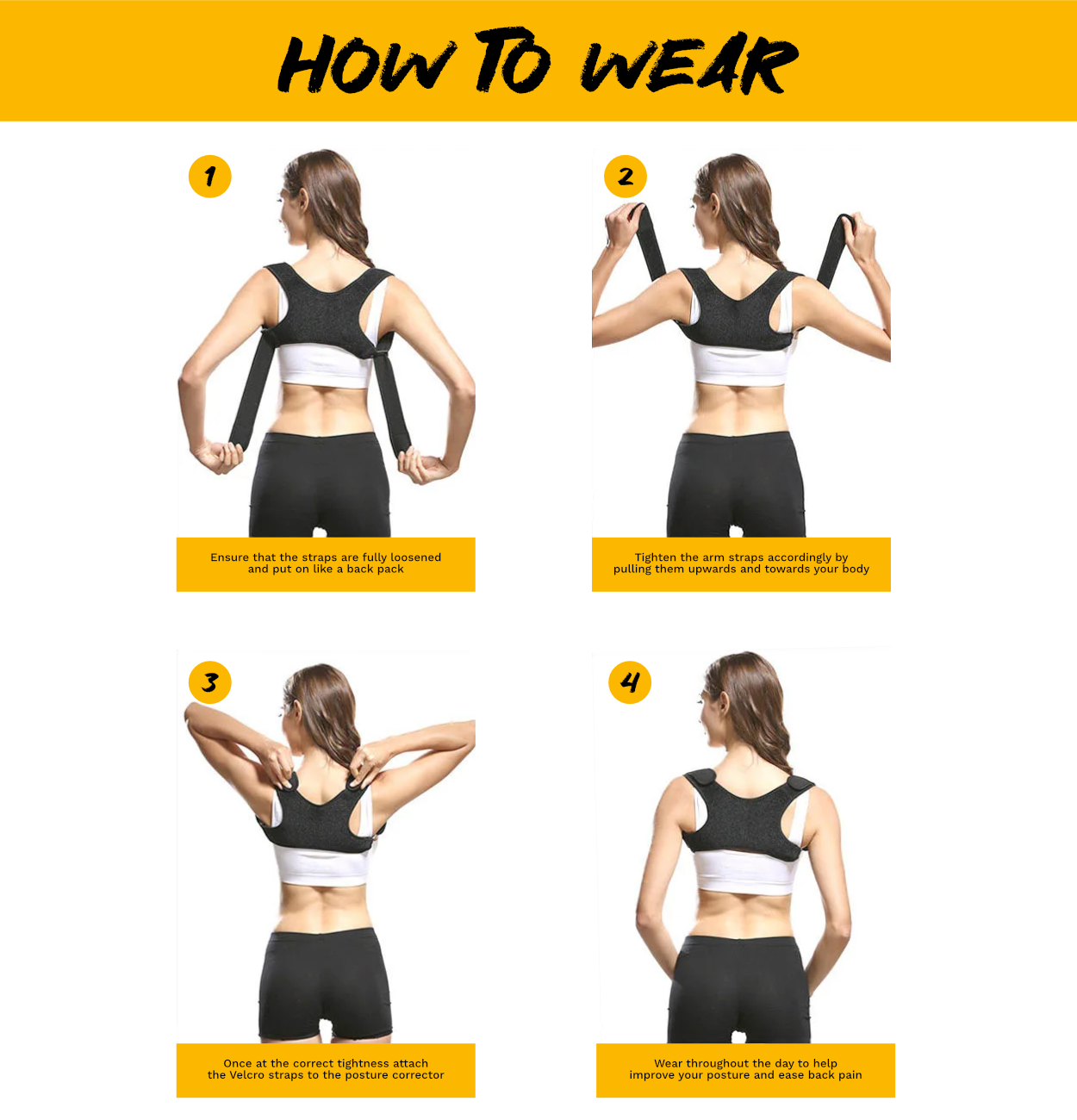
The brace should sit comfortably around your shoulders and upper back so that it gently encourages your shoulders into a less rounded position. It should feel supportive, not forceful. Once it is on, you should still be able to move normally during ordinary daily tasks.
When you first put it on, it helps to stand naturally rather than trying to force yourself into an exaggeratedly upright position. The brace should support a better posture, not a strained one. If you set it while over-correcting, it is more likely to feel uncomfortable later.
It is also worth checking how the brace feels once you settle into the activity you actually plan to do. A fit that feels acceptable while standing still may need a small adjustment once you are sitting, typing or driving.
How Tight It Should Feel
A common mistake is to fasten it too tightly. If the brace is too loose, you may not feel enough feedback for it to be useful. If it is too tight, it can feel restrictive, irritating or unnatural.
A simple guide is this: you should feel a clear reminder when your shoulders begin to move forwards, but you should not feel as though the brace is digging in, pulling sharply, or making ordinary breathing and movement awkward. If you are mainly aware of pressure rather than posture, it is probably too tight.
If you feel tempted to take the brace off mainly because it feels harsh or tiring, that usually means the fit needs revisiting rather than the brace being unsuitable.
Where the Straps Should Sit
The straps should sit in a stable, balanced position without digging into your skin. If the brace rubs too much under your arms, presses too firmly at the shoulders, or shifts around a lot as you move, it will probably need adjusting.
It can also help to check the fit in the position where you plan to use it most. A brace that feels fine while standing may sit slightly differently once you are seated at a desk. Small adjustments at that stage can make a noticeable difference.
How Long to Wear It at First
It is usually best to start gradually. For many people, a shorter period each day is enough to begin with, especially during the time when posture tends to slip most. This gives your body time to get used to the support and gives you time to fine-tune the fit.
Starting gradually also helps you separate useful support from discomfort that comes from the fit rather than the brace itself. If you wear it too long too soon, you may end up reacting to the new feeling of support rather than to the brace itself.
How to Increase Wear Time
As comfort and familiarity improve, you can increase wear time gradually. The aim is not to jump straight into wearing it for as long as possible. The aim is to build a routine you can keep up and that feels genuinely useful.
Some people find it works best to wear the brace only during desk work. Others prefer it later in the day, when tiredness makes their posture more likely to give way. The right approach is usually the one that matches when your shoulders and upper back need the most help.
Signs It May Need Adjusting
-
- it feels too tight or too restrictive
-
- it digs into the skin under your arms or across your shoulders
-
- it shifts too much while you move
-
- it feels as though it is doing very little
-
- you keep avoiding it because it is uncomfortable
-
- it feels fine while standing but noticeably less comfortable when sitting
Small changes in fit can make a noticeable difference to how wearable and how effective the brace feels.
Common Mistakes to Avoid
-
- wearing it too tightly
-
- wearing it too long too soon
-
- expecting it to hold you in perfect posture without your involvement
-
- ignoring discomfort instead of adjusting the fit
-
- wearing it only occasionally and expecting fast change
-
- using it without trying to reduce how long you stay in one position
The brace works best when it supports your awareness rather than replacing it. It should help you notice, correct and build better habits, not do all the work in your place.
How to Get Better Results Alongside the Brace
Change Position More Often
One of the biggest contributors to posture-related discomfort is not simply poor positioning, but staying in one position for too long. Even a fairly good sitting posture can become uncomfortable if you hold it for hours. Standing up, walking briefly and changing position more often can reduce how much strain builds through your upper back and neck.
If your upper back tends to feel tired rather than sharply painful, this can be especially helpful. That sort of tired, heavy feeling often reflects accumulated time in one position more than anything else.
Include Simple Upper-Body Mobility Work
If the front of your chest feels tight or your upper back feels stiff after sitting, gentle mobility work can make a better position easier to find. This does not need to be complicated. The point is simply to make it easier for your shoulders and upper back to move out of the position they spend much of the day in.
That can be particularly useful if your shoulders feel as though they are being pulled forwards or if you find it difficult to sit upright comfortably for more than a short time.
Build Upper-Back Support Strength
Awareness helps, but so does physical capacity. If the muscles around your upper back tire quickly, your posture may give way more easily as the day goes on. Strengthening the areas that help support a less rounded shoulder position can make that position easier to maintain.
This matters most if your upper back feels tired by late afternoon or if you notice that your shoulders gradually round as soon as you stop actively thinking about them.
Improve Your Daily Setup
If your working position keeps your arms too far forwards, or your routine encourages long periods of sitting without breaks, the brace can only do so much. A better setup gives the brace a better chance of helping.
If your neck tends to feel tight after desk work, it is particularly worth looking at the setup you spend the most time in. A brace can support better posture, but your working position still shapes what your shoulders, upper back and neck are being asked to do.
Use Consistency Rather Than Intensity
This may be the most important point. Better posture habits usually come from small changes you repeat often enough for them to stick. Wearing the brace regularly, taking movement breaks, and making smaller changes consistently will usually do more than trying to fix everything at once.
That approach is also easier to sustain, which is what ultimately matters.
Comfort, Fabric and Day-to-Day Practicality
If you are going to wear a brace regularly, it needs to feel manageable as part of a normal day.
In use, comfort should feel supportive rather than forceful. The brace should be noticeable enough to guide your shoulder and upper-back position, but not so intrusive that it dominates your attention. When the fit is right, it should feel like a helpful reminder rather than a rigid restraint.
The breathable, lightweight design makes it easier to wear under ordinary clothing and through everyday activity. That helps make it more practical for work, commuting and general day-to-day use.
If the brace starts to feel less comfortable than it did at first, it is worth checking the fit before assuming the problem is the support itself. A small shift in strap position, tension or the clothing underneath can change how it feels against the skin.
Some people find it more comfortable to wear the brace over a light layer rather than directly against the skin, especially during longer periods of wear. Others prefer less between the brace and the body so the reminder feels more direct. In either case, the important point is that the brace should remain comfortable enough to use consistently.
It also helps that the brace is straightforward to keep fresh between uses. A posture support is more likely to stay part of your routine when it feels easy to wear again the next day.
Frequently Asked Questions
Can I wear it under everyday clothes?
Yes, the slim and lightweight design is intended to make wearing it under clothing more practical than with bulkier braces. Exactly how visible it is will depend on the fit of your clothing, but the design aims to keep it suitable for everyday use.
Is it suitable for men and women?
Yes, the adjustable design is intended to suit a wide range of adults. Fit matters, which is why adjustability is an important part of the design.
Can I wear it while working at a desk?
Yes, that is one of the most common ways people use a shoulder posture brace. It can be especially helpful during long periods of sitting or concentration when posture tends to slip.
Can I wear it while walking or doing light activity?
Yes, many people use posture support during light daily activity. The brace is designed to support awareness while still allowing normal movement.
Can I wear it while standing at work?
Yes, if your shoulders tend to move forwards or your upper back starts to feel tired while standing, the brace may still be useful. The main point is whether it helps you notice and correct the same posture changes that tend to leave you feeling strained.
Is it meant for all-day wear?
It is usually better to build up gradually rather than start with continuous all-day wear. Many people get the most benefit from using it during the times of day when their posture tends to worsen most.
Can I use it only during work rather than every day?
Yes. Many people use a posture brace mainly during the part of their routine that brings on the most strain, such as desk work or long seated periods. It does not have to be worn in every situation to be useful.
How quickly might I notice a difference?
Many people first notice greater posture awareness rather than a dramatic change straight away. That can happen fairly quickly. Broader changes in comfort and habit usually depend on steady use over time.
Is it adjustable?
Yes, adjustability is one of the key features of the brace. It helps you find a fit that feels supportive without feeling overly restrictive.
What if it feels uncomfortable at first?
A new brace can feel unfamiliar at first, but it should not feel harsh or overly uncomfortable. If it does, try adjusting the fit, loosening the tension, or reducing wear time while your body gets used to it.
Does it need to feel tight to work?
No. It needs to feel noticeable, but not harsh. A brace that feels too tight often becomes less wearable and can distract you from the posture feedback it is meant to provide.
What if my shoulders feel tired when I first start using it?
If your shoulders or upper back feel slightly tired at first, that may simply reflect the fact that you are spending more time in a better position than usual. That should not feel excessive. If the brace feels too forceful or uncomfortable, adjust it and reduce wear time rather than pushing through.
Can this help if I keep hunching over at work?
It may help by making that hunching position easier to notice and interrupt. The main benefit is usually posture awareness and support rather than forced correction.
What if I only slouch when I’m tired?
That is still a common reason to use a posture brace. Many people mainly need support during the time of day when tiredness makes their shoulders move forwards more easily and their upper back round more quickly.
Should I wear it every day?
Daily use can be helpful, especially if your posture difficulties are linked to your daily routine. The main thing is to use it consistently and sensibly rather than excessively.
Should I still move around while wearing it?
Yes. A posture brace works best alongside normal movement, not instead of it. Changing position, standing up and walking briefly still matter.
Can I wear it over a T-shirt or under a shirt?
That will depend on your preference and the type of clothing you are wearing. Many people prefer a layer between the brace and the skin for comfort, especially during longer wear periods.
What if I only want to wear it in the afternoon?
That can still be useful. If your posture is usually worse later in the day, wearing the brace during that period may be the most practical option.
Can I wear it during everyday tasks at home?
Yes, if those tasks tend to bring on the same shoulder, neck or upper-back strain. The brace is designed to fit into normal daily activity, not just desk work.
What if the brace feels fine while standing but less comfortable when sitting?
That usually means it needs adjusting rather than that it is unsuitable. Sitting changes the angle of your shoulders and upper back slightly, so a small adjustment in strap tension or position may improve the fit.
What if one shoulder feels more forward than the other?
Many people notice that one side feels tighter, heavier or more forward than the other. A brace may still be useful for general posture support, but comfort and fit matter even more in that situation. If the asymmetry feels marked or is associated with stronger symptoms on one side, it makes sense to be more cautious and seek more personal advice from a physiotherapist, GP or another appropriate clinician.
Is it normal to notice my posture more at first?
Yes. In many cases, that is one of the first things people notice. The brace draws more attention to when the shoulders are moving forwards and when the upper back is rounding, which is part of how it helps.
How do I know if I have adjusted it properly?
The brace should feel like a clear but gentle reminder. You should notice when your shoulders move forwards, but you should still be able to move comfortably and breathe normally. If it digs in, feels too restrictive, or feels as though it is doing almost nothing, it probably needs adjusting.
How do I clean it?
Regular cleaning according to the product care instructions helps keep the brace fresh and comfortable for repeated use.
Is there a guarantee?
Yes. The BackReviver Shoulder Posture Brace comes with a 30-day money-back guarantee for added confidence.
30-Day Money-Back Guarantee
Choosing a posture product can feel uncertain when you have not tried it before. Comfort, fit and day-to-day wearability all matter, and those are things you understand best through actual use.
That is why the BackReviver Shoulder Posture Brace comes with a 30-day money-back guarantee.
This gives you time to try the brace as part of your normal routine, get used to the fit and feel of the support, and decide whether it suits you. A posture brace is not something most people can judge properly in a couple of minutes. It makes more sense to use it consistently enough to see how it fits into your day.
That guarantee helps make the decision easier because it reduces the risk. If the brace suits you, you keep a product that supports better posture awareness and everyday upper-body comfort. If it does not, you have that reassurance in place.
Safety and When to Seek Advice
This brace is intended for everyday posture support and posture awareness. It is best suited to mild to moderate posture-related strain, such as slouching, rounded shoulders, upper-back tiredness after sitting, or neck and shoulder tightness that builds through routine tasks.
If you develop new or unexplained symptoms, if pain is severe or worsening, or if you notice spreading numbness, marked weakness, or symptoms after a recent injury, it is sensible to speak to a GP or physiotherapist before relying on a posture brace. The same applies if the skin under the brace becomes persistently irritated or if your symptoms do not seem clearly linked to posture or time spent sitting.
The brace should feel supportive, not harsh. If it feels too tight, restrictive or uncomfortable, adjust the fit and reduce wear time rather than pushing through discomfort.
If This Sounds Like Your Day
If your shoulders keep drifting forwards, your upper back feels tired after sitting, or your neck and shoulders often carry more tension than they should, better posture support may make a meaningful difference.
The BackReviver Shoulder Posture Brace is designed to help with exactly that problem. It gives you a wearable, adjustable reminder when your shoulders start to roll forwards, so you can correct the position earlier rather than only noticing once the strain has already built.
Because it is lightweight, adjustable and designed for regular wear, it suits the kind of day-to-day posture problems that build during desk work, driving, prolonged sitting and other routines that keep the arms and attention in front of the body.
If you want posture support that feels realistic to wear, and your symptoms fit the kind of shoulder and upper-back strain described on this page, this brace is a sensible option to consider. Check the fit guidance, start gradually, and if you are unsure whether it suits your symptoms, speak to a GP or physiotherapist for individual advice.
Disclaimer
This information is general guidance only and is not a substitute for individual medical advice, diagnosis or treatment. If you are unsure whether this brace is suitable for you, or if you have more complex, new or worsening symptoms, speak to a GP, physiotherapist or another appropriate clinician for personalised advice. No product can guarantee specific results.
1 Review For This Product
Fast & Secure Checkout Through Paypal
Pay with Paypal the secure payment gateway that accepts all credit and debit cards. Paypal is free and secure and no credit or bank information is ever stored or shared with us.
Fast Dispatch
Enjoy your items soon with quick dispatch via Royal Mail. Expect to have your items between 1-3 working days for domestic orders. 7-10 Working days for international orders.
Return Policy – 30 Day Money Back Guarantee
In the unlikely event, you are unhappy with your purchase you can return it within 30 days for a refund. Please contact us via the form on the contact us page to start your return.
To return an item please send it to: Nuova Health UK, 81 Highfield Lane, Waverley, Rotherham, S60 8AL. Please include a note with your order id so we know who to refund. Please retain your postage receipt as proof of postage. All that we ask is that the item is in the original packaging and unused.
by Vaila McLean
Easy to figure out how to put it on, especially with the help of the included pictures. It certainly promotes good posture by gently pulling the shoulders back, and fits snugly under the armpits.