
No products in the cart.


Roll over image to zoom in
Raynaud’s Syndrome Gloves By RevitaFit™
£10.99inc VAT
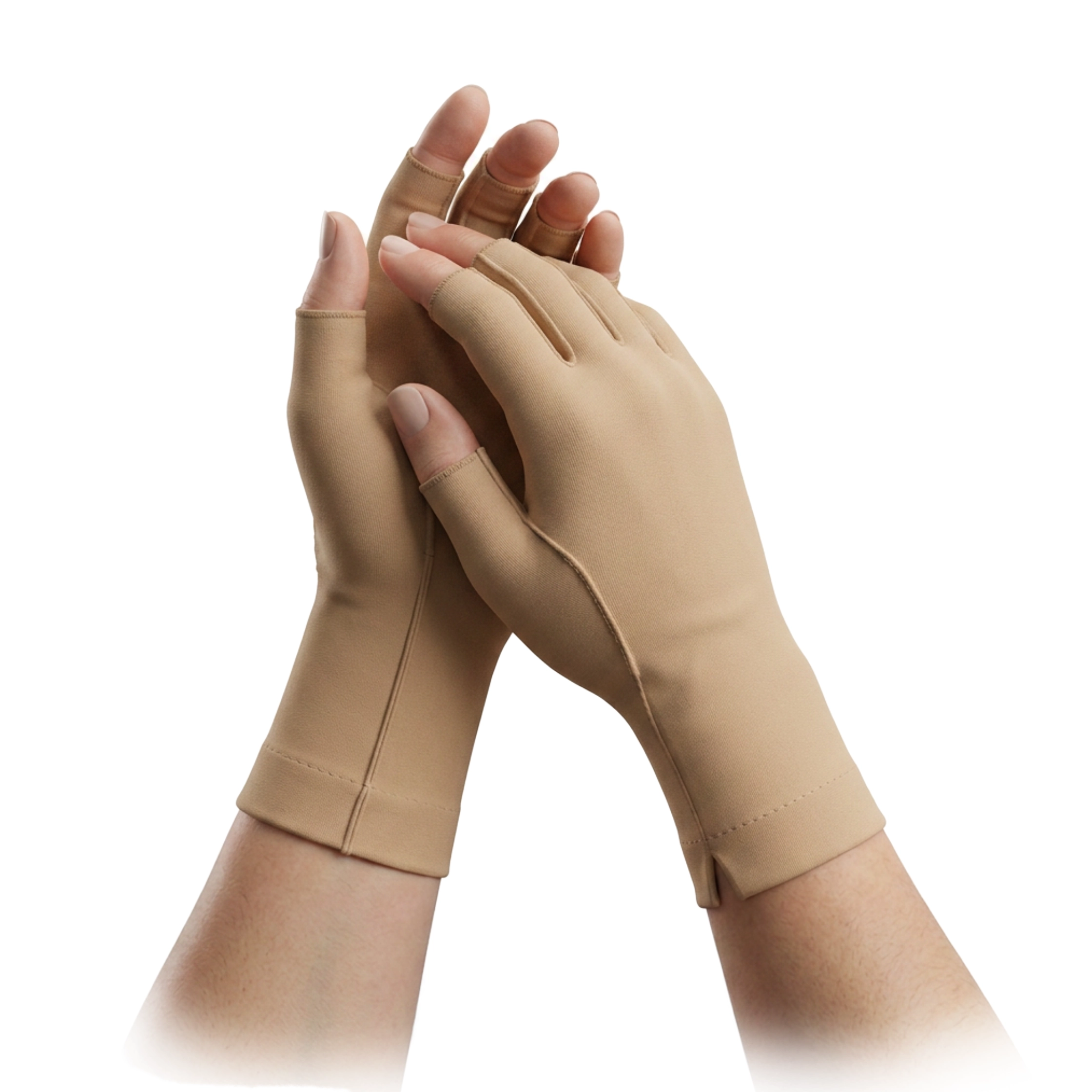
- Fingerless compression gloves for adults with Raynaud’s syndrome in the UK
- Graduated pressure: firmer around your palm and the base of your fingers, easing around your wrist and lower forearm
- Support the palmar arch—the main vessel curving across your palm—and the digital arteries where they branch into your fingers, making it mechanically harder for these vessels to shut down during cold or stress triggers
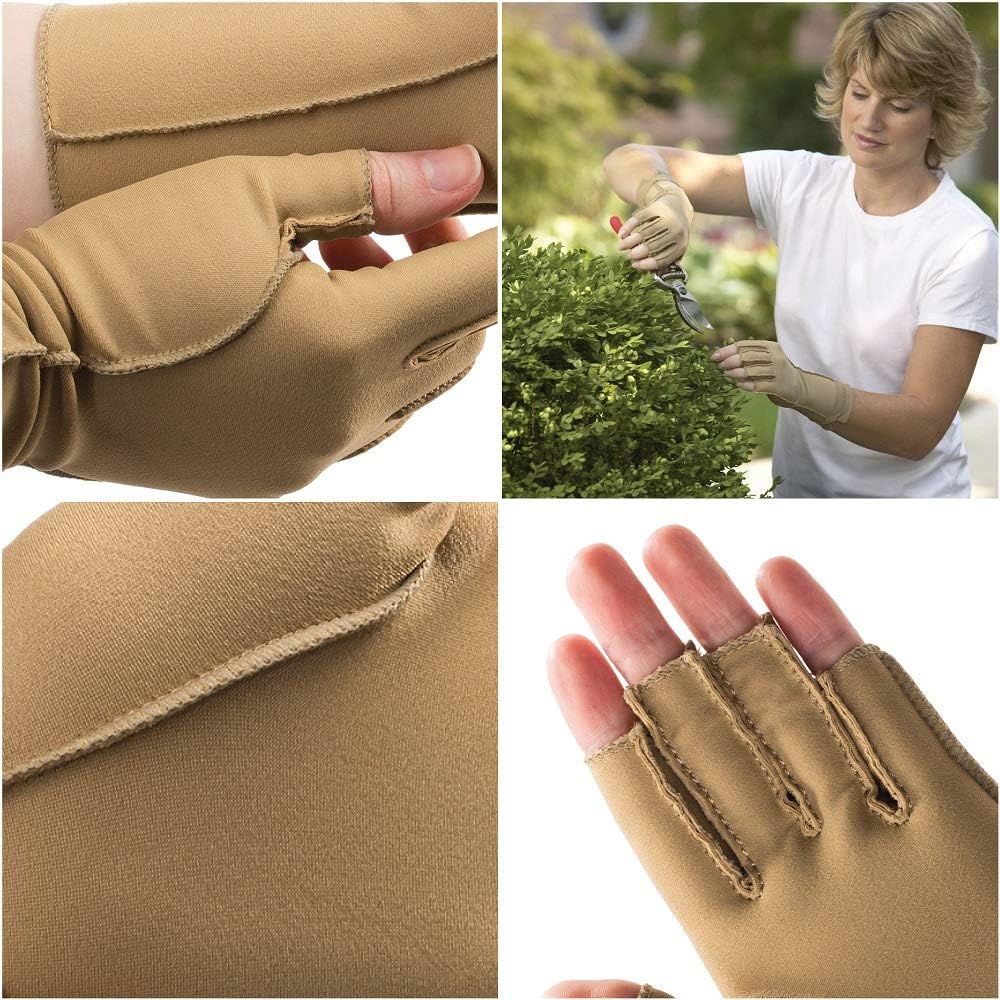
- Fingerless from just below your first knuckle up, preserving full dexterity for typing, phone use, writing, and handling objects without removing the gloves
- Seamless construction throughout eliminates internal seams that can irritate hypersensitive skin during and after attacks
- Breathable, moisture-wicking fabric prevents clammy overheating during all-day wear
- Slim profile—about the thickness of a standard winter sock but more form-fitting—allows thermal gloves to be layered over the top when fingers need covering in cold environments
- Wear consistently throughout the day for preventative support; most people who respond well notice gradual benefit over two to four weeks
- Machine washable on gentle cycle at 30°C or cooler; air dry in three to four hours or tumble dry on low heat for about 30 minutes
- Available in multiple sizes based on palm and wrist circumference—measure around your knuckles at the widest part of your hand, keeping your hand flat and fingers together
- Not suitable if you have severe peripheral vascular disease, active skin infections, open wounds, or other serious circulatory conditions—check with your GP or physiotherapist first
- Does not treat or prevent blood clots; seek clinical advice if you have clot risk or worrying circulatory symptoms
- 30-day money-back guarantee allows you to assess benefit in your daily routine without financial risk
RevitaFit Compression Gloves for Raynaud’s Syndrome
If you’re living with Raynaud’s syndrome, you know the disruption. Your fingers turn white, then blue, then red. They go numb, then throb as blood flow returns. Cold weather triggers it. Stress triggers it. Sometimes it happens for no clear reason at all. You’re constantly vigilant about temperature, always carrying gloves, always aware of your hands.
RevitaFit compression gloves offer a different approach. Instead of just keeping your hands warm, they apply graduated pressure to support circulation at the source—around your palm and wrist where the vessels feeding your fingers are most accessible to external support. The fingerless design preserves full dexterity for typing, phone use, and handling objects, while the slim profile allows thermal gloves to be layered over the top when your fingertips need covering in cold environments.
This page explains how compression gloves work for Raynaud’s, what the evidence suggests, who they’re most likely to help, and how to use them as part of a comprehensive approach to managing the condition. We’ll be direct about what compression can and cannot do, who should avoid it, and when to seek professional medical advice.
What Is Raynaud’s Syndrome?
Raynaud’s syndrome—also called Raynaud’s phenomenon or Raynaud’s disease—is a circulatory condition where small blood vessels in your fingers (and sometimes toes, nose, ears, or lips) overreact to cold or stress. When triggered, these vessels constrict excessively, temporarily cutting off blood flow to the affected areas.
During an attack, your fingers typically go through a characteristic colour sequence. They turn white as blood flow stops, then blue as oxygen levels drop in the tissue, then red as blood flow returns and the area becomes inflamed. The white phase is often accompanied by numbness and loss of sensation. The red phase—called reperfusion—can be painful, with throbbing, tingling, or a burning sensation as blood rushes back into the tissue.
Attacks can last from a few minutes to several hours. Frequency varies widely. Some people have occasional episodes triggered only by extreme cold. Others have multiple attacks daily, triggered by mild temperature changes, air conditioning, handling cold objects, or emotional stress.
Primary and Secondary Raynaud’s
Primary Raynaud’s is the most common form. It occurs on its own, without an underlying disease driving it. The vessel overreaction is the condition itself. Primary Raynaud’s is usually milder, affects both hands symmetrically, rarely causes tissue damage, and often improves or becomes less troublesome over time. Most people with primary Raynaud’s manage well with lifestyle adjustments, thermal protection, and in some cases compression support.
Secondary Raynaud’s occurs as a complication of another condition—most commonly autoimmune or connective tissue diseases such as scleroderma, lupus, rheumatoid arthritis, or Sjögren’s syndrome. Secondary Raynaud’s tends to be more severe, may affect fingers asymmetrically or affect one hand more than the other, can cause tissue damage including ulcers or skin breakdown, and is more likely to require medical treatment including prescription medications. If you have secondary Raynaud’s, compression gloves may still provide some benefit, but they’re less likely to be sufficient on their own.
Who’s Affected and Why It Matters
Raynaud’s is common. Estimates suggest around 10 million people in the UK experience it to some degree. It affects women more than men—roughly three to one—and often starts in the teens, twenties, or thirties, though it can develop at any age. Family history increases your risk, suggesting a genetic component.
If you haven’t been formally diagnosed, see your GP. Similar symptoms can occasionally indicate other circulatory conditions that require different management. Your GP can examine your hands, review your symptom pattern, and determine whether you have primary or secondary Raynaud’s. This distinction matters for treatment and monitoring.
If your symptoms are changing—becoming more frequent, more severe, lasting longer, or affecting new areas—see your GP or ask for a referral to a specialist. These changes can sometimes indicate progression or the development of an associated condition that needs investigation.
How Compression Gloves Work for Raynaud’s
Compression gloves apply graduated external pressure to your hands, wrists, and lower forearms. The pressure is firmer around your palm and at the base of your fingers—where the blood vessels feeding your fingers sit closest to the surface—and gradually eases around your wrist and lower forearm. This graduated pattern is designed to support circulation where it’s most accessible to external influence, without restricting blood flow.
The Mechanism
Your palmar arch—a network of arteries curving across your palm—distributes blood into your fingers through digital arteries. During a Raynaud’s attack, these vessels constrict excessively. The external pressure from compression gloves provides mechanical resistance to this constriction. The vessels can still narrow in response to cold or stress, but the external support helps prevent them from clamping down as tightly or as completely as they would without that support.
Think of it as scaffolding. The compression doesn’t force your vessels open, but it makes it harder for them to collapse entirely. This can reduce how severe attacks become, how long they last, and in some cases how frequently they occur.
The approach is preventative rather than reactive. You wear the gloves throughout the day to maintain steadier vessel tone over time, rather than putting them on during an attack to try to reverse it. When your vessels spend more time in a slightly dilated state and less time swinging between extreme constriction and dilation, they can become less reactive to sudden triggers over time.
Why Compression Makes Sense for Raynaud’s
Raynaud’s is fundamentally a problem of vessel overreaction. Your vessels constrict too much, too quickly, in response to triggers that wouldn’t cause the same reaction in someone without the condition. Compression addresses this by providing continuous mechanical support to the vessels where they’re most accessible—around your palm and at the base of your fingers.
The fingerless design offers the main practical advantage. Full-finger gloves interfere with typing, phone use, writing, fastening buttons, and handling small objects. Most people find them too restrictive for all-day wear, which means they don’t wear them consistently, which means they don’t get the preventative benefit that builds over time. Fingerless gloves solve the compliance problem. You can wear them throughout your working day, during household tasks, while commuting, and during any activity where your hands are at risk of cold exposure or attacks, without constantly removing them to perform tasks.
When your fingers need covering—outdoors in cold weather, in freezing environments, or any time cold exposure would trigger attacks—slip full-finger thermal gloves over the top. The compression continues supporting your palmar arch and wrist circulation underneath, while the thermal layer now covers and insulates your exposed fingertips. You’re getting both mechanisms working together: compression maintaining steadier vessel tone, and thermal protection preventing cold-triggered constriction.
What to Expect
Most people who respond well to compression notice gradual improvement over two to four weeks of daily wear. The improvement is usually incremental rather than dramatic. Attacks may become less frequent, less severe, resolve more quickly, or you may have better tolerance for brief cold exposures that previously would have triggered an episode reliably.
Individual response varies. Not everyone responds equally. Primary Raynaud’s often responds better than secondary Raynaud’s. Consistent daily wear produces better results than sporadic use. But some people find compression doesn’t provide noticeable benefit despite consistent wear. The only way to know whether compression will help your particular pattern of Raynaud’s is to try the gloves consistently for several weeks and assess whether they make a meaningful difference.
What Compression Can and Cannot Do
Compression gloves are one tool in a broader approach to managing Raynaud’s. Here’s what they can and cannot do:
Compression can:
- Reduce how frequently attacks occur for some people
- Reduce how severe attacks become when they do occur
- Help attacks resolve more quickly
- Improve tolerance for brief cold exposures
- Provide continuous support throughout the day without interfering with hand function
Compression cannot:
- Prevent all attacks—even with consistent use, you’re likely to still have occasional episodes
- Reverse vessel damage if secondary Raynaud’s has caused structural changes
- Replace other approaches—lifestyle changes, thermal protection, stress management, and in some cases medication remain important
- Work instantly—benefit builds gradually over weeks of consistent wear
Important Considerations
Compression gloves are not suitable if you have severe peripheral vascular disease, active skin infections, open wounds or ulcers on your hands, or other serious circulatory conditions affecting your hands. If you have diabetes with circulatory complications, or any diagnosed vascular condition, speak with your GP or physiotherapist before using compression gloves.
If you experience increased numbness, tingling, pain, or worsening of your Raynaud’s symptoms while wearing the gloves, remove them immediately and consult your GP or physiotherapist. These signs may indicate incorrect sizing or that compression is not suitable for your particular circulatory situation.
What Makes RevitaFit Different
RevitaFit compression gloves are designed specifically for adults with Raynaud’s syndrome. Every design choice—from the graduated compression pattern to the fingerless cut to the seamless construction—addresses a specific challenge that people with Raynaud’s face when trying to manage the condition in daily life.
Graduated Compression Where It Matters
The compression is graduated, meaning it’s firmer in some areas and lighter in others. Around your palm and at the base of your fingers—where your palmar arch and digital arteries sit closest to the surface—the compression is firmest. This is where external pressure can most effectively support the vessels feeding your fingers. Around your wrist and lower forearm, the compression gradually eases. Your radial and ulnar arteries are larger here and less prone to the excessive constriction that causes Raynaud’s attacks, so they need less external support.
This graduated pattern creates a pressure gradient that supports circulation without restricting it. The firmer pressure around your palm provides mechanical resistance to vessel collapse during cold or stress triggers, while the lighter pressure around your wrist and forearm allows blood to flow freely into your hand.
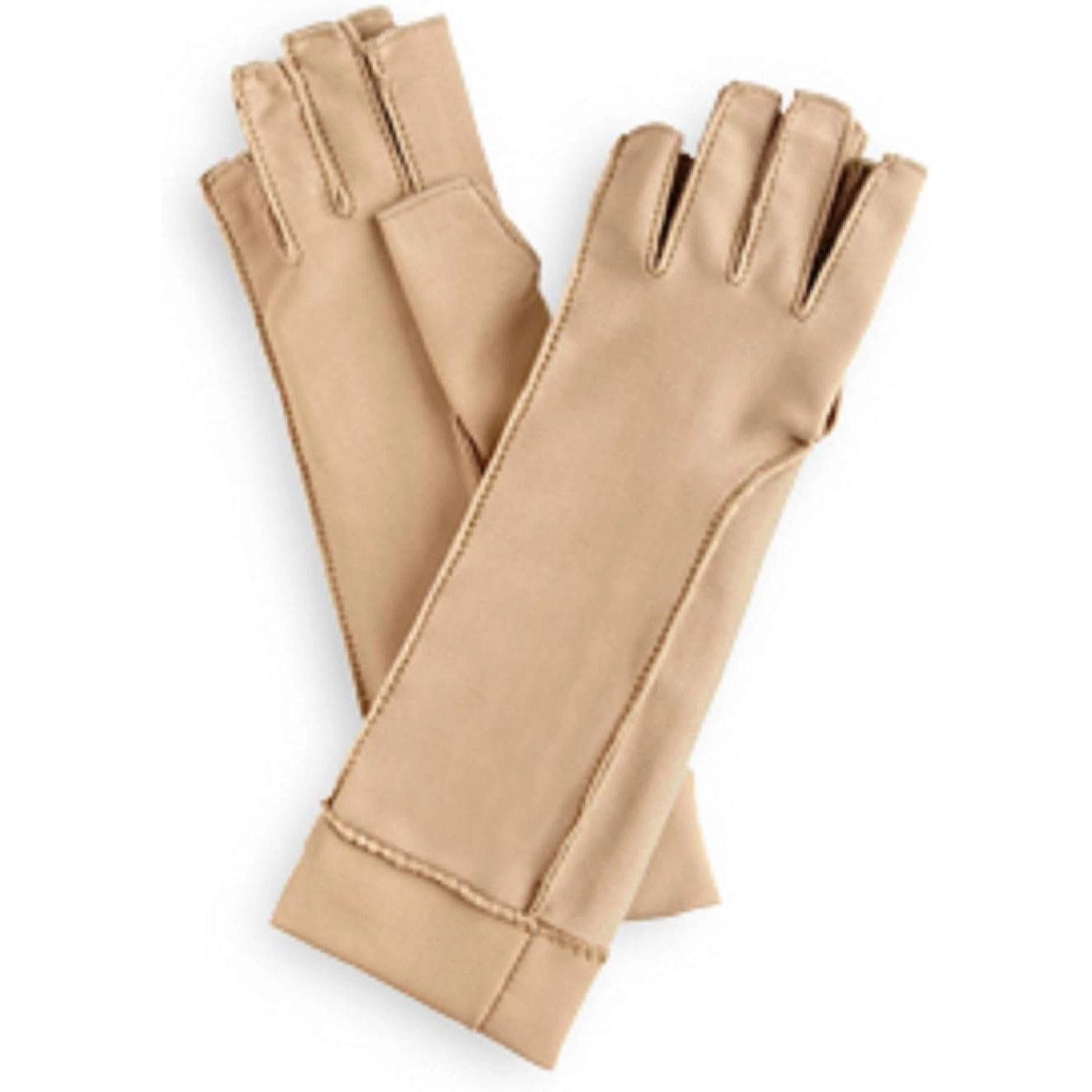
The fingerless design preserves full finger dexterity. The glove ends just below your first knuckle, leaving your entire finger free from that point up. This means you retain full tactile feedback—you can feel keyboard keys, sense the texture and temperature of objects, and perform fine motor tasks without the interference that full-finger gloves create.
Coverage extends approximately two to three inches above your wrist bone—roughly where you’d wear a watch. This provides compression support to your wrist and lower forearm without extending so far up your arm that the gloves become restrictive or uncomfortable under long sleeves.
Seamless Construction for Hypersensitive Skin
Your hands are particularly sensitive during and after Raynaud’s attacks. The tissue has been starved of oxygen, then flooded with blood during reperfusion. Nerve endings are hypersensitive. Even minor irritation from clothing seams, jewellery, or tight-fitting gloves can feel disproportionately uncomfortable.
RevitaFit gloves use seamless construction throughout. There are no raised internal seams around your palm where you grip objects, around your wrist where the fabric sits snugly, or at the finger openings where the glove transitions from covered to exposed skin. The fabric is continuous, with reinforced stitching only at high-stress points—visible as a double line of stitching at the finger openings and wrist band, but smooth against your skin.
This eliminates the friction and pressure points that can irritate hypersensitive skin during and after attacks, making the gloves comfortable enough for all-day wear even when your hands are particularly sensitive.
Breathable Fabric That Doesn’t Trap Heat
The fabric blend is designed to be breathable and moisture-wicking. Compression gloves need to be snug to provide effective pressure, but if they trap heat and moisture, your hands become sweaty and uncomfortable, which reduces compliance. You won’t wear gloves that make your hands feel clammy.
The fabric allows air circulation while maintaining compression. Moisture from your skin—whether from normal perspiration or from increased sweating during stress—is drawn away from your skin and dispersed through the fabric. This keeps your hands feeling dry and comfortable even during extended wear.
The slim profile—approximately the thickness of a standard winter sock but more form-fitting—means the gloves sit close to your skin without bulk. They fit under long sleeves without bunching, and they’re slim enough that you can layer thermal gloves over the top when your fingertips need covering in cold environments.
Built for Daily Use, Not Occasional Wear
Compression works preventatively and needs consistent wear to maintain steady vessel support over time. This means the gloves need to be practical for daily use—comfortable enough to wear for hours, durable enough to withstand regular wear and washing, and easy enough to care for that maintenance doesn’t become a barrier to consistent use.
The gloves are machine washable, which makes them practical for daily wear. Wash them on a gentle cycle at 30°C or cooler with mild detergent. Avoid fabric softeners—these coat the stretchy threads woven into the fabric that provide compression, reducing their elasticity and effectiveness over time. You can either air dry the gloves—lay them flat on a towel or hang them—or tumble dry on low heat. Air drying takes three to four hours in a warm room. Avoid high heat—it damages the stretchy threads and causes them to lose their compression properties more quickly.
With daily wear and proper care, RevitaFit gloves typically maintain effective compression for several months. Over time with regular wear and washing, compression gloves gradually lose their elasticity. This is normal wear and tear. You’ll know it’s time to replace your gloves when they feel noticeably looser than when they were new, no longer provide the snug, supportive feeling they had initially, or show visible signs of wear such as thinning fabric or stretched areas that don’t recover their shape.
Many people find it practical to own two pairs so they can rotate them: one pair being worn while the other is in the wash. This allows continuous daily wear without interruption and extends the lifespan of each pair.
Compression First, Warmth as a Bonus
Compression gloves provide a layer of insulation around your palm and wrist, which generates gentle warmth through trapped body heat. This is different from thermal gloves, which are designed primarily to insulate against external cold. Compression gloves provide baseline warmth as a secondary benefit—the primary function is supporting circulation through graduated pressure.
For many people with Raynaud’s, this baseline warmth combined with improved circulation is enough to prevent attacks during indoor activities and in mild outdoor conditions. The compression is supporting circulation at the source, while the palm warmth and steady blood flow are often enough to prevent attacks triggered by brief cold exposures—reaching into the fridge, handling cold objects, moving between heated and unheated rooms.
When external temperatures drop further—outdoors in winter, working in cold environments, or any time your fingertips need covering—you can layer full-finger thermal gloves over the compression gloves. The slim profile makes this practical. The compression continues supporting your palmar arch and wrist circulation underneath, while the thermal layer now covers and insulates your exposed fingertips. You’re getting both mechanisms working together.
Who Should Use RevitaFit Compression Gloves
Who’s Most Likely to Benefit
RevitaFit compression gloves are designed for adults with Raynaud’s syndrome who want continuous circulatory support throughout the day without losing hand function. They’re particularly well-suited for:
- People with primary Raynaud’s where the vessel overreaction is relatively milder and not driven by an underlying disease. Primary Raynaud’s often responds well to compression because the vessel dysfunction is less severe and more amenable to external mechanical support.
- People whose attacks are triggered by mild to moderate cold exposure or stress rather than only extreme cold. If your attacks happen during everyday activities—working at a desk near air conditioning, commuting, handling cold objects, or during stressful situations—compression can provide the baseline support that helps prevent these triggers from causing full attacks.
- People who need full hand function throughout the day. If your work or daily activities require typing, phone use, writing, handling small objects, or other tasks where full-finger gloves would be too restrictive, the fingerless design allows you to maintain compression support without losing dexterity.
- People who want a preventative approach rather than just reactive thermal protection. If you’re tired of constantly putting gloves on and taking them off in response to attacks, compression offers continuous support that works to reduce attack frequency and severity rather than just protecting against cold once an attack has started.
Who Should Avoid Compression Gloves
Compression gloves are not suitable for everyone. Do not use RevitaFit compression gloves if you have:
- Severe peripheral vascular disease or peripheral arterial disease
- Active skin infections, open wounds, or ulcers on your hands
- Severe diabetes with circulatory complications affecting your hands
- Other serious circulatory conditions where external compression could restrict blood flow
If you have any diagnosed vascular condition, or if you have risk factors for blood clots, speak with your GP or physiotherapist before using compression gloves to ensure they’re safe and appropriate for your situation.
When to Seek Professional Advice Before Ordering
If you haven’t been formally diagnosed with Raynaud’s, but you’re experiencing symptoms that sound like the condition—fingers turning white, blue, or red in response to cold or stress, numbness, pain during recovery—get a proper assessment from your GP before assuming compression gloves are the right approach. Similar symptoms can occasionally indicate other circulatory conditions that require different management.
If you’ve been diagnosed with Raynaud’s but your symptoms are changing or worsening, see your GP or ask for a referral to a rheumatologist or vascular specialist before ordering compression gloves. Changes to watch for include:
- Attacks becoming more frequent or severe
- Episodes lasting longer than they used to
- Attacks affecting new areas such as toes, nose, ears, or lips
- Skin changes such as ulcers, persistent discolouration, or areas of skin breakdown
- Attacks now affecting only one hand or affecting one hand much more severely than the other (asymmetric presentation can suggest secondary Raynaud’s)
These changes can sometimes indicate progression from primary to secondary Raynaud’s, or the development of an associated condition that needs investigation and potentially different treatment. Compression gloves may still be appropriate as part of your management plan, but it’s important to get a proper assessment first.
If you have other circulatory conditions affecting your hands, or if you’re taking medications that affect circulation, check with your GP or physiotherapist about whether compression is suitable for your situation before ordering.
How to Use RevitaFit Compression Gloves
Compression gloves work best when worn consistently throughout the day. The benefit builds gradually over time as the continuous gentle pressure helps maintain steadier vessel tone and reduces how reactive your vessels become to sudden triggers. This section explains how to integrate compression gloves into your daily routine, when to wear them, and how to combine them with other approaches to managing Raynaud’s.
Wearing Them Indoors
Most people with Raynaud’s spend the majority of their time indoors—at home, at work, in shops, in vehicles—where the temperature is generally controlled but where attacks can still happen. Air conditioning, draughts, moving between heated and unheated rooms, handling cold objects, or stress can all trigger episodes even when you’re not outdoors in freezing weather.
Wear the compression gloves throughout your indoor activities. The full dexterity advantage becomes immediately apparent. You can type at your keyboard, use your phone, write with a pen, handle paperwork, fasten buttons, prepare food, and perform any task that requires finger precision without removing the gloves. The compression continues supporting your palmar arch and wrist circulation while your fingers remain free and fully functional.
The baseline warmth around your palm and wrist, combined with the improved circulation from compression support, is often enough to prevent attacks triggered by brief cold exposures indoors—reaching into the fridge or freezer, handling cold drinks, washing your hands in cold water, or sitting near air conditioning vents.
If you do experience an attack while wearing the gloves indoors—your fingertips turn white despite the compression support—the usual recovery strategies still apply. Warm your hands gently under warm (not hot) running water, move to a warmer environment, or use stress-reduction techniques if the trigger was emotional rather than thermal. The compression doesn’t prevent your ability to warm your hands during an attack; it works alongside your usual recovery methods.
Adding Thermal Gloves for Cold Exposure
When your fingertips need covering—outdoors in cold weather, working in cold environments, or any time cold exposure would trigger attacks—slip full-finger thermal gloves over the top of the compression gloves. The slim profile of RevitaFit gloves makes this practical. The compression continues supporting your palmar arch and wrist circulation underneath, while the thermal layer now covers and insulates your exposed fingertips.
You can add and remove the outer thermal gloves as needed without losing the baseline compression support underneath. When you come back indoors, remove the thermal gloves and continue wearing the compression gloves. When you go back outside, add the thermal gloves again. This flexibility allows you to maintain continuous compression support throughout the day while adapting your thermal protection to match your environment.
Choose thermal gloves that fit comfortably over the compression gloves without being so tight that they restrict circulation. If the combined layers feel uncomfortably tight around your wrist or lower forearm, size up in the thermal gloves. The goal is to have both layers working together—compression supporting circulation, thermal insulation preventing cold-triggered constriction—without either layer restricting blood flow.
Overnight Wear
You can wear compression gloves while sleeping if you find it comfortable and if nighttime attacks are a problem for you. Some people find the gloves help prevent attacks during the night, particularly in colder months when bedroom temperatures drop. But if you find the gloves uncomfortable during sleep, or if they interfere with your ability to sleep well, it’s fine to remove them at night. The benefit builds primarily during waking hours when you’re active and exposed to triggers, so nighttime wear is optional rather than essential.
How Long to Wear Them Each Day
As much as you can manage. Compression works preventatively, so consistent wear matters. Wear the gloves during working hours, while doing household tasks, during commuting, or whenever your hands are at risk of cold exposure or attacks. Some people wear them all day and only remove them for washing, sleeping, or when gloves aren’t practical. The more consistently you wear them, the more benefit you’re likely to see.
If your attacks mostly happen in specific situations—certain times of day, stressful meetings, commuting—you could wear the gloves just during those times, but most people find all-day wear works better. The continuous support helps maintain steadier vessel tone throughout the day, which can reduce how reactive your vessels become to sudden triggers even outside the times when you’re actively wearing the gloves.
Supporting Your Hand Health with RevitaFit
Compression gloves are one tool in a broader approach to managing Raynaud’s. They work best alongside lifestyle adjustments, thermal protection, stress management, and in some cases medication prescribed by your GP. Individual response varies. Some people notice significant benefit—fewer attacks, less severe symptoms, better day-to-day comfort. Others see modest improvement. A smaller number find compression doesn’t provide noticeable benefit despite consistent wear.
The only way to know whether compression will help your particular pattern of Raynaud’s is to try the gloves consistently for several weeks and assess whether they make a meaningful difference to your experience. RevitaFit gloves come with a 30-day money-back guarantee, which gives you time to properly evaluate whether they’re working for you without financial risk.
They won’t eliminate Raynaud’s entirely, but they can make it more manageable and less disruptive to your daily life. If you’re ready to try compression gloves as part of your approach to managing Raynaud’s, check the size guide below to find your fit.
Important Safety Information
RevitaFit compression gloves are designed to support circulation in adults with Raynaud’s syndrome. They do not treat or prevent blood clots, deep vein thrombosis, or other serious vascular conditions. They are not a medical device and are not intended to diagnose, treat, cure, or prevent any disease.
Do Not Use If:
- You have severe peripheral vascular disease or peripheral arterial disease
- You have active skin infections, open wounds, or ulcers on your hands
- You have severe diabetes with circulatory complications affecting your hands
- You have been advised by your GP or specialist to avoid compression garments
- You have any serious circulatory condition where external compression could restrict blood flow
Stop Using and Seek Medical Advice If:
- You experience increased numbness, tingling, or pain while wearing the gloves
- Your Raynaud’s symptoms worsen or become more frequent while using the gloves
- You develop skin irritation, redness, or swelling that doesn’t resolve when you remove the gloves
- You notice any signs of reduced circulation such as persistent coldness, discolouration, or loss of sensation that continues after removing the gloves
These signs may indicate incorrect sizing or that compression is not suitable for your particular circulatory situation. Remove the gloves immediately and consult your GP or physiotherapist.
General Safety Guidance
- Ensure correct sizing—gloves that are too tight can restrict circulation rather than support it
- Do not wear damaged gloves—stretched areas, thinning fabric, or loss of elasticity means the compression pattern is no longer working as designed
- Do not modify the gloves by cutting, altering, or repairing them—this changes the compression pattern and may create pressure points
- If you have any concerns about whether compression gloves are appropriate for your situation, speak with your GP or physiotherapist before ordering
Medical Disclaimer
The information on this page is general guidance about Raynaud’s syndrome and the use of compression gloves. It is not a substitute for individual medical advice from your GP, specialist, or other qualified healthcare professional. Always consult your GP if you have concerns about your symptoms, if your condition is changing, or if you’re unsure whether compression gloves are appropriate for your situation.
RevitaFit compression gloves are designed to support circulation in people with Raynaud’s syndrome as part of a comprehensive management approach. No guaranteed outcomes are promised. While many people find compression gloves helpful, response varies from person to person. If you have been prescribed medication for Raynaud’s, do not stop or change your medication without discussing it with your GP first. Compression gloves work alongside lifestyle changes and medications, not instead of them.
If you experience chest pain, severe shortness of breath, sudden severe pain in your hands or arms, or any symptoms that concern you, seek immediate medical attention by calling 999 or attending A&E. Do not delay seeking emergency care.
When to Seek Professional Advice
See Your GP If:
- You haven’t been formally diagnosed with Raynaud’s but you’re experiencing symptoms that sound like the condition—fingers turning white, blue, or red in response to cold or stress, numbness, pain during recovery
- Your Raynaud’s symptoms are changing—becoming more frequent, more severe, lasting longer, or affecting new areas
- You’re developing skin changes such as ulcers, persistent discolouration, or areas of skin breakdown
- Your attacks are now affecting only one hand or affecting one hand much more severely than the other (asymmetric presentation can suggest secondary Raynaud’s)
- You’re experiencing other symptoms alongside Raynaud’s that might suggest an underlying condition—joint pain, muscle weakness, skin changes, unexplained fatigue, or other systemic symptoms
- Your Raynaud’s is affecting your ability to work or perform daily tasks, and current management approaches aren’t providing adequate relief
When Specialist Referral May Be Appropriate:
Most people with primary Raynaud’s manage well with lifestyle adjustments, compression gloves, thermal protection, and in some cases medication prescribed by their GP. However, your GP may refer you to a specialist—typically a rheumatologist or vascular specialist—if:
- Your attacks are becoming significantly more frequent, severe, or prolonged despite management efforts
- You’re developing complications such as digital ulcers or tissue damage
- Your GP suspects secondary Raynaud’s and wants specialist assessment to investigate possible underlying causes
- You need access to specialist treatments not available through primary care
Don’t hesitate to discuss referral options with your GP if your Raynaud’s is significantly affecting your quality of life or if you’re concerned about changes in your symptoms. Specialist assessment can provide additional treatment options, rule out underlying conditions, and ensure you’re getting the most appropriate care for your situation.
Size Guide
Proper fit is essential for compression gloves to work effectively. Measure your hand carefully before ordering to ensure you select the right size.
How to Measure Your Hand
Palm Circumference: Wrap a flexible tape measure around your knuckles at the widest part of your hand, keeping your hand flat and fingers together. Note the measurement in centimetres or inches.
Wrist Circumference: Measure around your wrist where the glove will sit—just above your wrist bone, at the narrowest part of your wrist. Note the measurement in centimetres or inches.
If one measurement suggests one size and the other measurement suggests a different size, go with the larger size for comfort. If your measurements fall on a boundary between two sizes, or if you have questions about fit, contact us at NuovaHealth before ordering. We can provide guidance to help you decide whether to size up or down based on your specific hand and wrist dimensions.
Size Chart
| Size | Palm Circumference | Wrist Circumference | Typical Fit |
|---|---|---|---|
| Small | 17–19 cm (6.7–7.5 inches) | 14–16 cm (5.5–6.3 inches) | Smaller women’s hands, petite adults |
| Medium | 19–21 cm (7.5–8.3 inches) | 15–17 cm (5.9–6.7 inches) | Average women’s hands, smaller men’s hands |
| Large | 21–25 cm (8.3–9.8 inches) | 17–20 cm (6.7–7.9 inches) | Average to larger men’s hands, larger women’s hands |
Note for larger hands: The Large size accommodates a wide range of hand sizes. If your palm circumference is above 23 cm, the gloves will still fit but may feel snugger around the palm. This is normal—the fabric is designed to stretch and provide graduated compression. However, if you have concerns about fit for particularly large hands, contact us before ordering so we can discuss whether the Large size will provide comfortable compression for your hand dimensions.
If you’re unsure which size to choose, or if you have questions about fit, contact us at NuovaHealth. We’re here to help you find the right fit for your hands.
Frequently Asked Questions
How long should I wear the gloves each day?
As much as you can manage. Compression works preventatively, so consistent wear matters. Wear the gloves during working hours, while doing household tasks, during commuting, or whenever your hands are at risk of cold exposure or attacks. Some people wear them all day and only remove them for washing, sleeping, or when gloves aren’t practical. The more consistently you wear them, the more benefit you’re likely to see. If your attacks mostly happen in specific situations—certain times of day, stressful meetings, commuting—you could wear the gloves just during those times, but most people find all-day wear works better.
Can I wear them while sleeping?
You can wear compression gloves while sleeping if you find it comfortable and if nighttime attacks are a problem for you. Some people find the gloves help prevent attacks during the night, particularly in colder months when bedroom temperatures drop. But if you find the gloves uncomfortable during sleep, or if they interfere with your ability to sleep well, it’s fine to remove them at night. The benefit builds primarily during waking hours when you’re active and exposed to triggers, so nighttime wear is optional rather than essential.
Can I wear thermal gloves over the compression gloves?
Yes. The slim profile of RevitaFit gloves makes them practical for layering. When your fingertips need covering—outdoors in cold weather, working in cold environments, or any time cold exposure would trigger attacks—slip full-finger thermal gloves over the top. The compression continues supporting your palmar arch and wrist circulation, while the thermal layer now covers and insulates your exposed fingertips. You can add and remove the outer thermal gloves as needed without losing the baseline compression support underneath.
How long before I notice benefit?
Most people who respond well to compression notice gradual improvement over two to four weeks of daily wear. The improvement is usually incremental rather than dramatic—attacks become less frequent, less severe, resolve more quickly, or you have better tolerance for brief cold exposures that previously would have triggered an episode reliably. In the first few days, you’re unlikely to notice much difference. Over the first couple of weeks, the continuous gentle pressure begins to influence how your vessels behave throughout the day. By three to four weeks, if compression is going to help you, you should notice some difference in your day-to-day experience. If you’ve worn the gloves consistently for four weeks and haven’t noticed any meaningful benefit, it’s unlikely that continuing for longer will produce a different result.
Do compression gloves work for everyone with Raynaud’s?
No. Response varies from person to person. Some people notice significant benefit—fewer attacks, less severe symptoms, better day-to-day comfort. Others see modest improvement. A smaller number find compression doesn’t provide noticeable benefit despite consistent wear. Primary Raynaud’s—where the vessel overreaction is relatively milder and not driven by an underlying disease—often responds better to compression. Secondary Raynaud’s—where attacks are associated with an autoimmune condition, connective tissue disorder, or other underlying disease—is often more severe, and the vessel dysfunction may be too extreme for external pressure to meaningfully counteract. The only way to know whether compression will help your particular pattern of Raynaud’s is to try the gloves consistently for several weeks and assess whether they make a meaningful difference to your experience.
Can compression gloves replace my medication?
No. Do not stop or change any medication your GP has prescribed without discussing it with them first. Compression gloves work alongside lifestyle changes and medications, not instead of them. If your GP has prescribed medication such as calcium channel blockers, continue taking it as directed. The medication works throughout your body to reduce vessel reactivity, while compression provides additional mechanical support specifically to the vessels in your hands. If you’re managing with lifestyle adjustments alone and not currently taking medication, compression adds another layer of support that may help reduce attack frequency and severity without needing medication. But if your symptoms are severe or worsening, speak with your GP about whether medication might be appropriate.
What if the gloves feel too tight?
Compression gloves should feel snug around your palm and wrist—where compression is firmest—and supportive around your lower forearm, but they should not feel painful, restrictive, or cause increased numbness or tingling. If the gloves feel so tight that your hand is tingling, your wrist or lower forearm feels constricted, or you’re experiencing increased discomfort beyond the first few minutes of getting used to the snug feeling, they’re too tight. Remove them and check the sizing—you may need to go up a size. Some people find the snug feeling takes a day or two to get used to, particularly if you’re not accustomed to wearing fitted gloves or compression garments. This adjustment period is normal. But if discomfort persists beyond the first few days, or if you notice any increase in numbness, tingling, pain, or attack frequency, stop wearing the gloves and consult your GP or physiotherapist.
How often should I wash the gloves?
If you’re wearing compression gloves daily, washing them two to three times per week is usually sufficient for hygiene unless you’re working in particularly dirty or sweaty conditions. More frequent washing is fine if you follow the care instructions, but the gloves will wear out slightly faster. Many people find it practical to own two pairs so they can rotate them: one pair being worn while the other is in the wash. This allows continuous daily wear without interruption and extends the lifespan of each pair.
How long do the gloves last?
With daily wear and proper care, RevitaFit gloves typically maintain effective compression for several months. The exact lifespan depends on how frequently you wear and wash them, how vigorously you use your hands while wearing them—heavy gripping and repeated finger flexion put more stress on the fabric than light desk work—and how carefully you follow the care instructions. Over time with regular wear and washing, compression gloves gradually lose their elasticity and compression effectiveness. This is normal wear and tear. You’ll know it’s time to replace your gloves when they feel noticeably looser than when they were new, no longer provide the snug, supportive feeling they had initially, or show visible signs of wear such as thinning fabric, stretched areas that don’t recover their shape, or loss of shape where the gloves become baggy. When the compression reduces, the gloves become less effective at supporting vessel function.
Can I use these gloves for other conditions like arthritis or carpal tunnel?
RevitaFit gloves are designed specifically for Raynaud’s syndrome, with graduated compression supporting the palmar arch and digital arteries. Many people with arthritis or carpal tunnel syndrome also find them helpful—the gentle compression and warmth can ease general hand discomfort. But they’re not marketed as a treatment for those conditions. If you’re looking for compression primarily for arthritis or carpal tunnel, speak with your GP or physiotherapist about what type of support would be most appropriate.
Do I need to wear gloves on both hands even if only one hand is affected?
Raynaud’s typically affects both hands, though not always equally or at the same time. Even if your attacks are currently more frequent or severe in one hand, wearing gloves on both hands provides consistent bilateral support and helps maintain steadier vessel function in both hands. If you only wear a glove on the more affected hand, the other hand isn’t receiving the preventative support that could help reduce future attacks. But if you genuinely only ever experience attacks in one hand and the other hand has never been affected, you could wear a glove on just the affected hand. RevitaFit gloves are sold as pairs, so you’ll receive both left and right gloves regardless.
What if the gloves don’t work for me?
RevitaFit gloves come with a 30-day money-back guarantee. This gives you time to try them in your daily routine, wear them consistently for several weeks to assess whether they provide meaningful benefit for your situation, and return them if they’re not working for you or if the fit isn’t right. Contact us at NuovaHealth within 30 days of purchase to arrange a return. This removes the financial risk and allows you to properly evaluate whether compression is a helpful addition to your approach to managing Raynaud’s.
Who can I contact if I have questions?
If you have questions about sizing, suitability, how to integrate compression gloves into your existing management plan, or any other concerns, contact us at NuovaHealth. We’re here to support safe, appropriate use, not just to make a sale. If we think compression gloves aren’t the right fit for your needs, or if we think you’d benefit from speaking with your GP or physiotherapist first, we’ll tell you honestly.
References and Further Reading
Understanding Raynaud’s Syndrome
For more information about Raynaud’s syndrome, its causes, triggers, and management approaches, the following UK-based resources provide reliable, evidence-informed guidance:
- NHS – Raynaud’s phenomenon: Comprehensive overview of symptoms, causes, diagnosis, and treatment options available through the NHS. www.nhs.uk/conditions/raynauds/
- Raynaud’s Association (UK): Patient-focused charity providing information, support, and resources for people living with Raynaud’s. www.raynauds.org.uk
- Scleroderma & Raynaud’s UK (SRUK): Charity supporting people with scleroderma and Raynaud’s, offering information about secondary Raynaud’s and associated conditions. www.sruk.co.uk
Compression Therapy and Circulatory Support
Compression therapy is used across various circulatory and vascular conditions. Most research focuses on lower-limb compression for venous insufficiency and lymphoedema, but the mechanical principles—external pressure supporting vessel function and reducing excessive constriction—apply to upper-limb compression as well.
The graduated compression approach used in RevitaFit gloves is based on established principles: firmer pressure where vessels are most accessible to external support (around the palm and base of the fingers where the palmar arch and digital arteries sit closest to the surface), gradually easing where vessels are larger and less prone to excessive constriction (around the wrist and lower forearm). This creates mechanical resistance to vessel collapse during cold or stress triggers, helping maintain steadier blood flow into the fingers.
If you’re interested in the broader evidence base for compression therapy in circulatory conditions, your GP or physiotherapist can provide guidance on relevant clinical literature and how compression principles apply to your specific situation.
Lifestyle Management and Trigger Avoidance
Compression gloves work best as part of a comprehensive approach to managing Raynaud’s. The following lifestyle strategies are widely recommended by UK clinicians and can work alongside compression to reduce attack frequency and severity:
- Keep your whole body warm: Raynaud’s attacks are triggered not just by cold hands, but by drops in core body temperature. Dress warmly in layers, particularly in cold weather. Wear a hat, scarf, and warm clothing to maintain core warmth, which helps keep your extremities warmer too.
- Avoid sudden temperature changes: Moving abruptly from warm to cold environments—stepping outside on a winter morning, entering air-conditioned spaces, reaching into the freezer—can trigger attacks. Where practical, allow gradual temperature transitions or prepare your hands before exposure (warm them thoroughly, put gloves on before going outside).
- Manage stress and anxiety: Stress and anxiety activate your sympathetic nervous system, which can trigger vessel constriction even when your hands aren’t cold. Stress management techniques that work for you—whether that’s regular exercise, mindfulness, breathing exercises, talking therapies, or other approaches—can help reduce stress-triggered attacks.
- Avoid smoking and limit caffeine: Nicotine causes blood vessels to constrict, worsening Raynaud’s symptoms significantly. If you smoke, stopping is one of the most effective things you can do to reduce attack frequency and severity. Caffeine can also cause vessel constriction in some people, so if you notice attacks are more frequent when you consume caffeine, consider reducing your intake.
- Stay active: Regular physical activity improves overall circulation and can help reduce the frequency and severity of Raynaud’s attacks. Exercise that gets your heart rate up and increases blood flow throughout your body—brisk walking, cycling, swimming, dancing—can be particularly helpful.
- Protect your hands: Wear gloves before going outside in cold weather, not after your hands are already cold. Keep spare gloves in your car, bag, and workplace so you’re never caught without them. Use oven gloves or tea towels when handling cold items from the fridge or freezer.
Your GP can provide personalised advice on lifestyle modifications that would be most helpful for your particular pattern of Raynaud’s and your daily routine.
Fast & Secure Checkout Through Paypal
Pay with Paypal the secure payment gateway that accepts all credit and debit cards. Paypal is free and secure and no credit or bank information is ever stored or shared with us.
Fast Dispatch
Enjoy your items soon with quick dispatch via Royal Mail. Expect to have your items between 1-3 working days for domestic orders. 7-10 Working days for international orders.
Return Policy – 30 Day Money Back Guarantee
In the unlikely event, you are unhappy with your purchase you can return it within 30 days for a refund. Please contact us via the form on the contact us page to start your return.
To return an item please send it to: Nuova Health UK, 81 Highfield Lane, Waverley, Rotherham, S60 8AL. Please include a note with your order id so we know who to refund. Please retain your postage receipt as proof of postage. All that we ask is that the item is in the original packaging and unused.
Reviews
There are no reviews yet.