


Orthopaedic Insoles for arch pain
£9.99£11.99 (-17%)inc VAT
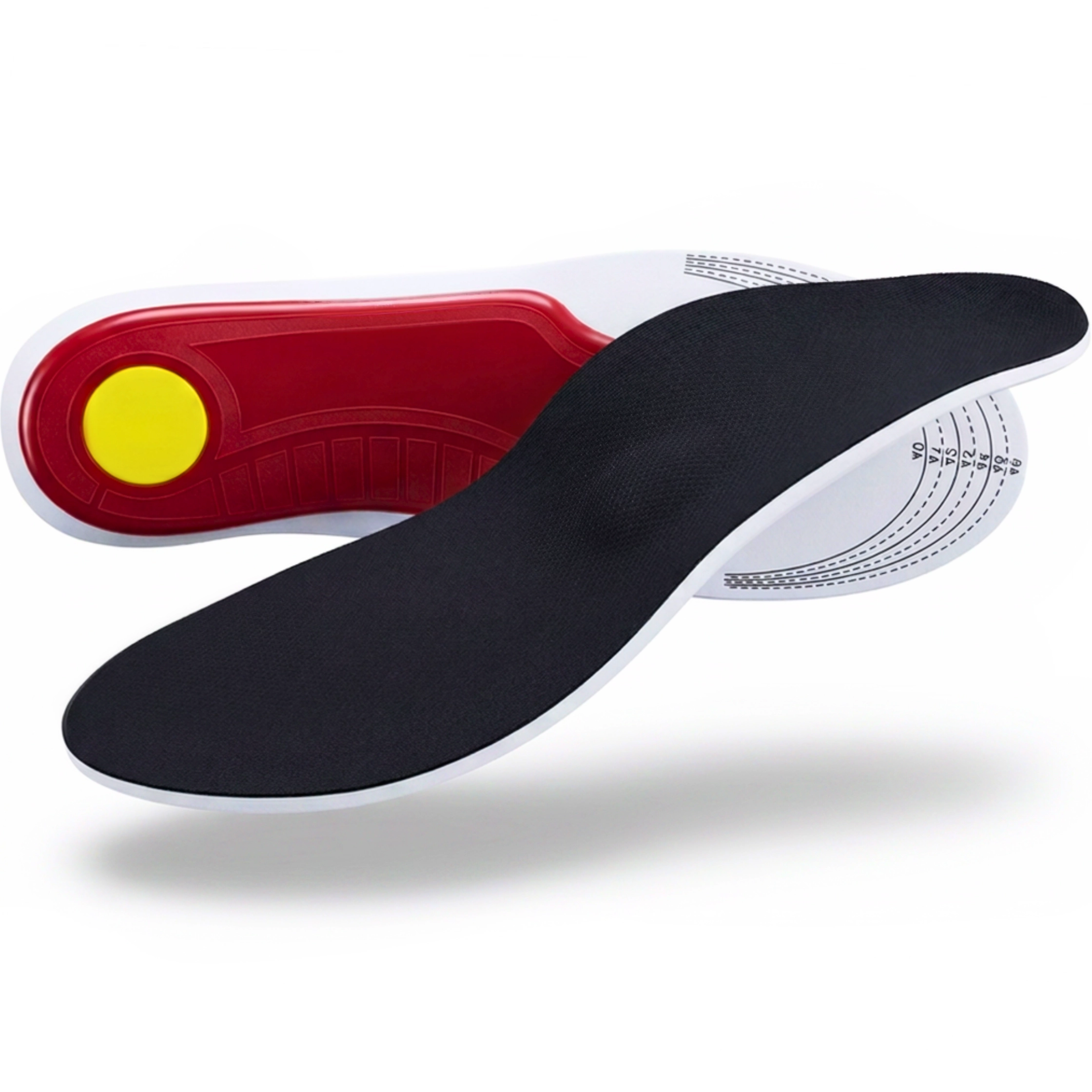
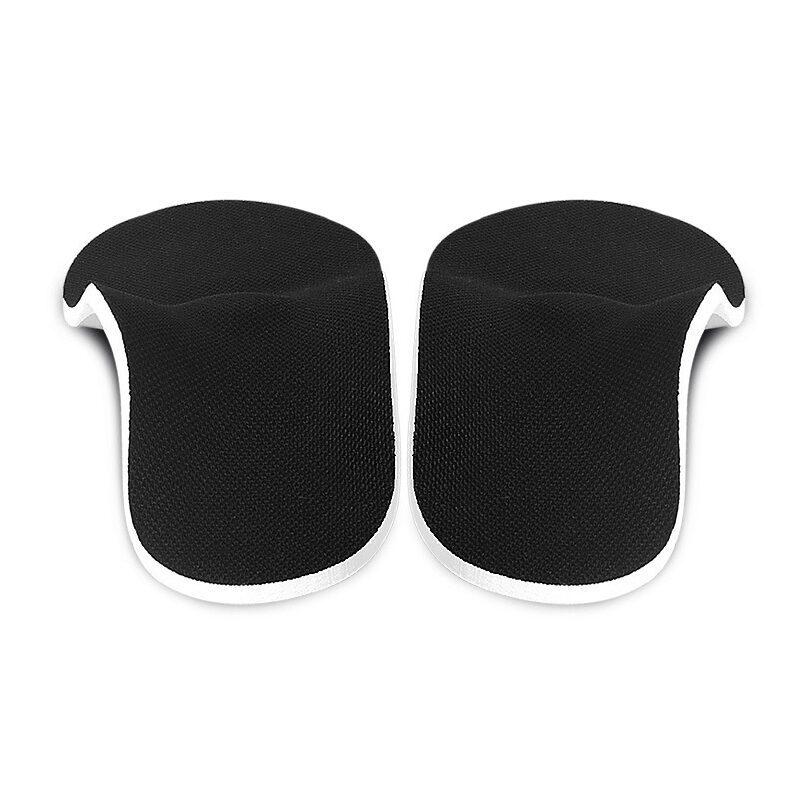
- Full-length orthotic insoles designed to reduce strain on the arch and support recovery from arch-related pain
- Primarily for plantar fasciitis, flat feet, high arches, overpronation, and ball-of-foot pain
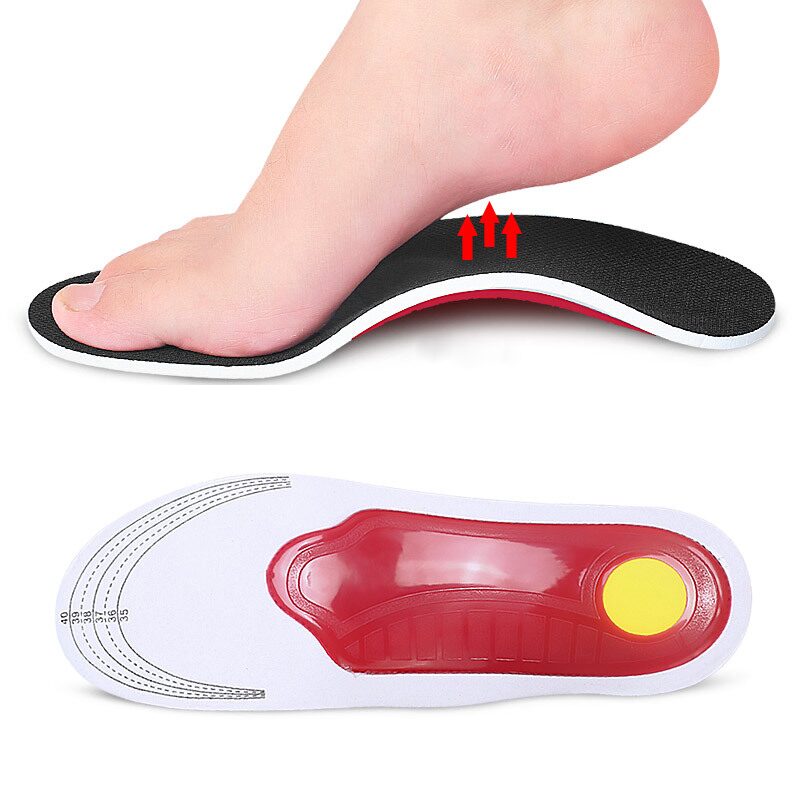
- Firm arch support that lifts a collapsed arch or fills the gap under a high arch, depending on your foot type
- Deep heel cup stabilises the heel bone and limits excessive inward or outward roll during walking
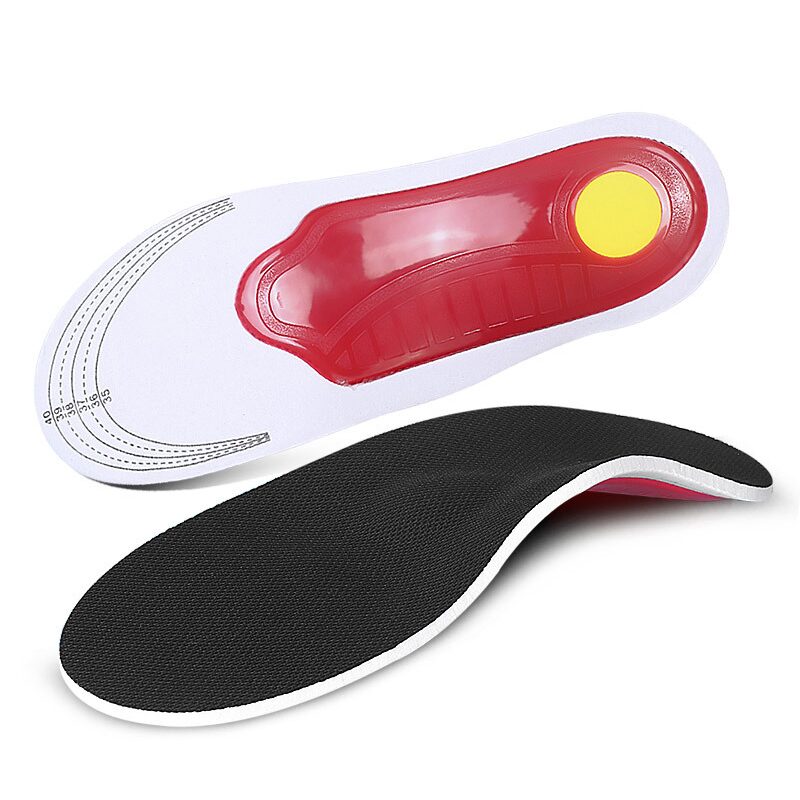
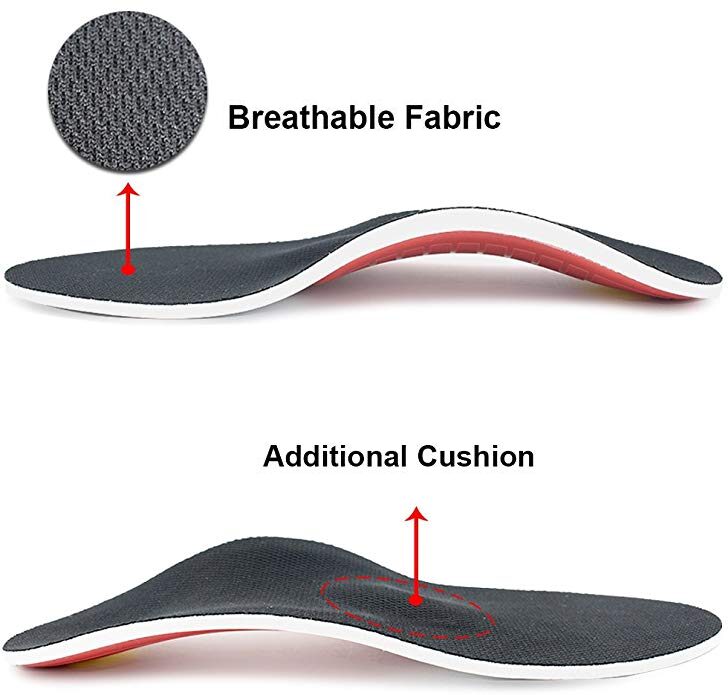
- Rigid support shell (3/4 length) under the heel and arch provides structural support while EVA foam absorbs shock
- Reinforced heel pad offers extra cushioning where impact forces are highest
- Metatarsal dome positioned just behind the ball of the foot redistributes pressure away from the metatarsal heads
- Smooth fabric top cover, slim profile, and lightweight design for all-day comfort in trainers, walking shoes, and work boots
- Available in UK sizes 3–7 and 7–11, trim-to-fit for your exact shoe size
- Start with 1–2 hours per day and gradually increase wear-time over 1–2 weeks to allow your feet to adapt
- Not suitable for very tight shoes; remove the factory insole before fitting
- Backed by a 30-day money-back guarantee
Important: If you have diabetes, neuropathy, circulatory problems, or severe foot deformity, speak to a podiatrist before use. Reduced sensation or poor circulation can make it harder to notice pressure points or rubbing.
Why Arch Pain Happens
Arch pain rarely stays in one place. It starts in your foot, but over time it can ripple up through your ankle, knee, hip, and lower back. Your body works as a kinetic chain—a sequence of joints and muscles from your foot up through your ankle, knee, hip, and spine that work together to keep you balanced and moving efficiently. When one link in that chain is off, the others have to adjust. Your ankle tilts to compensate, your knee rotates inward or outward, your hip shifts—and eventually, those adjustments cause pain. This is why arch pain often comes with knee or back pain. Your body is trying to compensate, and those adjustments eventually break down.
Arch problems disrupt that chain in three main ways.
Collapsed or flat arch: The arch flattens too much during weight-bearing, overstretching the plantar fascia—a thick band of tissue running along your sole from heel to ball of foot. The foot rolls inward excessively (overpronation), which you can often spot by looking at your shoes: if the inner edge of the sole is more worn than the outer edge, you’re likely overpronating. This places extra strain on the inner ankle structures, particularly the posterior tibial tendon—a thick cord of tissue running down the inner side of your ankle and attaching to the midfoot. This tendon is one of the main structures holding the arch up, so when it’s weak or overstretched, the arch collapses further. The excessive inward roll also forces your knee to rotate inward, which can lead to knee pain, shin splints, and hip or lower back discomfort.
Rigid or high arch: The arch stays elevated and doesn’t flatten enough to absorb shock. Without that natural cushioning, load concentrates on your heel and the ball of your foot, with little support through the midfoot—like balancing on two narrow points. The foot may also roll outward (supinate) during walking or running—you’ll often see this as wear on the outer edge of your shoe sole. This reduces stability and increases the risk of ankle sprains, especially on uneven ground. The lack of shock absorption means impact forces travel straight up your leg with little cushioning, which can contribute to shin splints, knee pain, and lower back pain.
Inflamed plantar fascia (plantar fasciitis): The plantar fascia can develop tiny tears in its fibres when it’s stretched too far, too often. The body’s inflammatory response to those tears is what causes the pain and stiffness. This is the most common cause of arch and heel pain. The hallmark symptom is sharp, stabbing pain in the heel or arch with your first steps in the morning—many people describe it as feeling like stepping on a stone or a nail. This happens because the fascia tightens overnight, so those first steps stretch it suddenly—that’s why the pain is worst in the morning. Plantar fasciitis can occur with flat feet, high arches, or normal arches, but it’s often linked to poor arch support, overpronation, or sudden increases in activity.
All three patterns place strain on structures that weren’t designed to handle it, and that strain doesn’t stay local—it travels up the leg, forcing other joints and muscles to compensate.
When and Why You’d Use Arch Support Insoles
If your arch is collapsing, too rigid, or overloading specific areas, external support can restore more even load distribution and reduce strain on the plantar fascia and surrounding structures. Arch support insoles work by supporting the arch to reduce tension on the plantar fascia and improve load distribution across the foot, stabilising the heel to limit excessive inward or outward roll and keeping your foot in a more neutral position, and cushioning impact at heel strike and through the midfoot and forefoot to reduce repetitive stress on the arch, heel, and ball of the foot.
Insoles become particularly useful when rest and stretching alone haven’t been enough, when pain returns as soon as you resume activity, or when you need support during the day to prevent symptoms from flaring. They’re a sensible next step before considering more invasive options like injections or custom orthotics, and they can often prevent the need for those interventions if used early enough. They’re particularly useful for plantar fasciitis, flat feet, high arches, overpronation, and metatarsalgia—ball-of-foot pain.
How These Insoles Are Designed to Help
Arch Support and Alignment
These insoles feature a firm, contoured arch support that addresses both collapsed and high arches—but works differently depending on your foot type.
For flat feet or collapsed arches: Without arch support, the plantar fascia has to work harder to stop the arch collapsing with every step—stretching and straining repeatedly. The firm arch lifts the collapsed arch during weight-bearing, taking over some of that load so the fascia isn’t being pulled as far or as often. By maintaining proper arch position, the insoles allow the plantar fascia to recover rather than being re-injured with each step. The support also reduces stress on the posterior tibial tendon, helping to prevent further weakening or inflammation.
For high arches: Without this support, your heel and forefoot bear almost all your weight. Filling the gap spreads that load across the midfoot as well, so no single area is overloaded. The firm arch fills the gap under the elevated arch, improving contact with the ground and distributing load more evenly across the foot. This reduces the concentrated pressure on the heel and forefoot that typically occurs with rigid, high arches. The arch support works in combination with the cushioning layers and metatarsal dome to absorb impact and reduce forefoot pressure—addressing the two main pain points for people with high arches.
For plantar fasciitis (any arch type): The firm arch support reduces tension on the plantar fascia by preventing excessive arch flattening (in flat feet) or providing a stable base that limits repetitive strain (in high arches or normal arches). This is especially helpful for the classic morning heel pain—the arch stays supported all day, so the fascia doesn’t tighten as much overnight, and those first steps in the morning are less painful.
The same firm arch contour does two jobs: it lifts a collapsed arch and fills the gap under a high one, while the cushioning and heel stabilisation address the different pain patterns associated with each foot type.
Gait Correction and Stability
Overpronation—excessive inward roll—and supination—excessive outward roll—both place extra stress on the arch and alter the kinetic chain. These insoles correct gait by preventing excessive roll and keeping your foot in a more neutral alignment.
The deep heel cup stabilises the heel bone, limiting the inward or outward tilt that drives overpronation or supination. In practice, this means your heel stays centred as you walk, so the arch and inner ankle structures—such as the posterior tibial tendon—aren’t being pulled at an angle with every step. This corrects alignment from the ground up, reducing compensatory stress on the knees, hips, and lower back. If you’ve been experiencing knee pain or hip discomfort alongside arch pain, this gait correction may help reduce those symptoms by restoring proper alignment from the foot upward.
If your shoes wear unevenly—inner edge in overpronation, outer edge in supination—the deep heel cup directly addresses that. It keeps your heel centred, which corrects alignment up the leg and reduces the risk of ankle sprains if you tend to roll outward. By stabilising the heel and distributing weight more evenly, the deep heel cup reduces the repetitive pulling forces that can lead to heel spurs—bony growths that develop where the plantar fascia attaches to the heel bone. If you’ve been told you have a heel spur, this stabilisation addresses one of the main mechanical drivers.
Shock Absorption and Cushioning
The insoles layer shock absorption across the foot. The EVA foam base compresses slightly under load, cushioning impact at heel strike and through the midfoot. This compression spreads the force of each step over a longer time, reducing the peak pressure on your heel and arch—which is particularly important if you have plantar fasciitis or spend long hours on hard floors. A rigid support shell runs from heel to arch (3/4 length), giving you structural support while the foam absorbs shock. The combination of firm arch support and responsive EVA foam supports efficient walking—the arch holds your foot in a stable position while the foam compresses under load and rebounds as you push off, reducing the muscular effort needed to maintain balance and forward motion.
The heel gets extra cushioning from a reinforced pad made from shock-absorbing material, positioned where impact forces are highest during walking and running. Just behind the ball of your foot, a raised metatarsal dome—positioned just behind the bony prominences you can feel under the ball of your foot when you press—lifts the metatarsal bones slightly as you walk. This spreads the pressure across a wider area instead of concentrating it on those bony prominences, which is why it’s particularly helpful for people with high arches—who tend to overload the forefoot—or metatarsalgia.
Together, these features reduce the cumulative load that can lead to plantar fasciitis flare-ups, heel spurs, and forefoot pain. For people with high arches, this cushioning is critical because the rigid arch can’t absorb shock naturally. Without it, every step sends impact forces straight up through your heel and forefoot, with little cushioning in between—which is why people with high arches often develop heel pain, ball-of-foot pain, and even shin splints or knee pain. The insoles compensate by doing the job the foot can’t.
Fit, Compatibility, and Comfort
These insoles are designed for both men and women and come in two UK size ranges: 3–7 and 7–11. They’re trim-to-fit, so you can adjust them to match your exact shoe size by trimming the toe end. The insoles are full-length, lightweight, and slim-profile, making them suitable for running shoes, trainers, walking shoes, work boots, and other lace-up footwear with removable insoles.
They won’t fit in very tight shoes, high heels, or sandals. If your shoes are already snug, the added volume of the insoles may make them uncomfortable—in that case, consider using them in shoes with more room or a removable factory insole. For example, if your work shoes are tight, try the insoles in your trainers or walking shoes first, then assess whether you need a half-size up in your work shoes to accommodate them.
When fitted correctly, the arch support should sit comfortably under your arch without feeling too high or digging in, the heel cup should cradle your heel without rubbing, and your toes should have enough room to move freely. If the insole bunches, slides forward, or causes pressure points, recheck the trim and shoe size.
The insoles feature a smooth fabric top cover that helps keep your feet comfortable throughout the day. The slim profile and lightweight design mean you can wear them for extended periods without the bulk or heaviness of some orthotic insoles.
How to Use These Insoles
Fitting Your Insoles
Remove the existing insole from your shoe. Place the FootReviver insole on top and check the fit. If the insole is too long, trim the toe end using the sizing guide printed on the insole—cut gradually and check fit after each trim. The insole should sit flat in the shoe with no bunching or curling at the edges.
Wear-Time and Break-In
Start with 1–2 hours per day for the first few days, then gradually increase wear-time over 1–2 weeks. This allows your feet to adapt to the new arch position and alignment. For example, you might wear them for a short walk or while doing light tasks around the house on day one, then add an extra hour each day as your feet adjust. By the end of week two, most people can wear them all day without discomfort.
Some people feel comfortable wearing the insoles all day within a few days; others need a slower build-up—particularly if you have high arches or haven’t used arch support insoles before.
What’s Normal
A “different” feeling or mild discomfort during the first few days is normal—your foot is adjusting to a new alignment, and muscles and tendons that have been compensating may feel the change. The firm arch support may feel pronounced at first, especially if you’re used to flat insoles or going barefoot. This usually settles within a few days to a week as your foot adapts.
What’s Not Normal
Sharp pain, rubbing, blisters, or numbness are not normal. If you experience any of these, remove the insoles and check the fit—make sure they’re sitting flat and not bunching. If the arch feels too high or uncomfortable after a week of gradual use, the insoles may not be the right fit for your foot structure. If problems persist, speak to a podiatrist.
Care
Wipe the insoles clean with a damp cloth and air dry. Do not machine wash or tumble dry, as this can damage the materials and reduce support.
Common Questions
What if the arch feels too high?
If the arch feels uncomfortably high after a week of gradual use, the insoles may not be the right fit for your foot structure. Speak to a podiatrist about whether you need a lower-profile insole or custom orthotics.
Can I use these in running shoes?
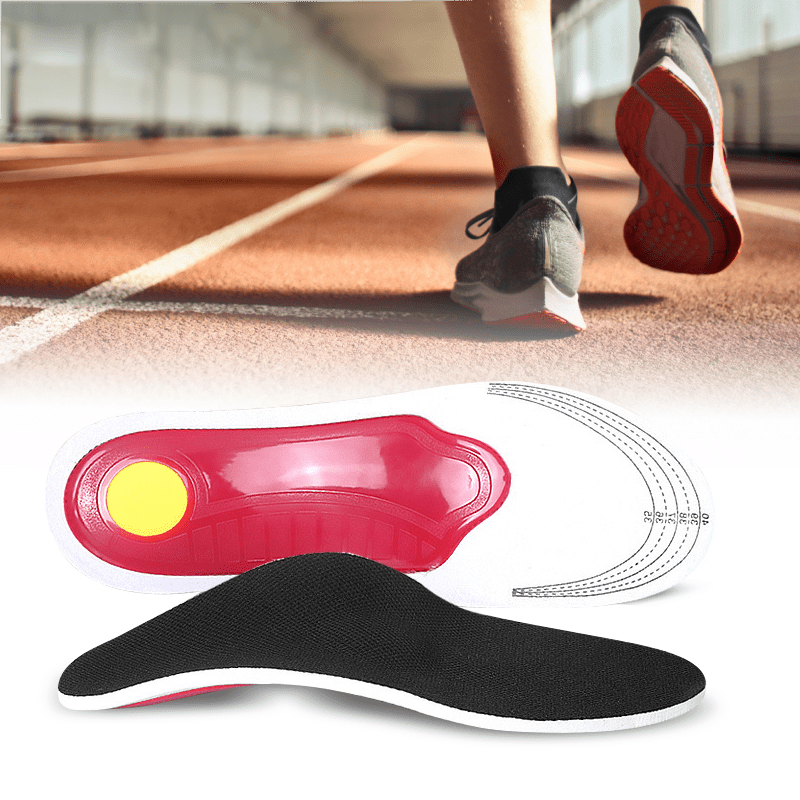
Yes, as long as your running shoes have a removable insole and enough room to accommodate the added volume. Start with short runs and gradually increase distance as your feet adapt.
How long do they last?
With regular use, these insoles typically last 6–12 months, depending on your activity level and body weight. Replace them when you notice the arch support flattening or the cushioning compressing.
What to Expect Over Time
Some people notice relief within a few days, particularly if their pain is driven by acute plantar fascia strain, overpronation, or poor shock absorption. For others, it may take 2–3 weeks as the foot adapts to the new alignment and the plantar fascia or other strained structures begin to recover.
If you’re in the second group, that doesn’t mean the insoles aren’t working—it means your foot is adjusting to a new position, and the tissues that have been compensating for months or years need time to settle. Stick with the gradual break-in process, and if you’re still not seeing improvement after 3–4 weeks, speak to a physiotherapist or podiatrist.
Insoles are part of a broader approach. Stretching—especially calf and plantar fascia stretches—appropriate footwear, and adjusting your activity levels—such as reducing high-impact exercise temporarily, taking breaks during prolonged standing, or choosing lower-impact alternatives—all play a role in managing arch pain. The insoles can significantly reduce discomfort by addressing alignment, load distribution, and shock absorption, but they’re not a standalone cure. Persistent or severe pain may require additional treatment such as physiotherapy, custom orthotics, or medical assessment.
If you don’t notice any improvement after 3–4 weeks of consistent use, or if your pain worsens, speak to a physiotherapist or podiatrist. They can assess your gait, foot structure, and any underlying issues that may need a different approach.
Who This May Help
These insoles primarily address arch-related conditions: plantar fasciitis, flat feet, high arches, overpronation, and metatarsalgia. Because they improve foot alignment and gait, they may also help with knee pain, lower back pain, shin splints, and other issues linked to kinetic chain disruption.
The firm arch support, deep heel cup, and metatarsal dome make them particularly suitable for people who experience heel or arch pain, especially first thing in the morning—plantar fasciitis—have flat feet or notice their feet rolling inward when they walk—overpronation—have high arches and experience heel or forefoot pain, or feel unstable on uneven ground, or spend long hours on their feet—standing, walking, or running—and need support to prevent fatigue and pain.
You might find these insoles particularly helpful if you’ve noticed your symptoms worsen during or after activity, if your pain is worse in the morning or after rest, if you’ve tried rest and stretching but pain returns when you resume normal activity, or if you’ve been told you have flat feet, high arches, or overpronation but haven’t yet tried structured arch support.
If you have reduced foot sensation or circulation problems—for example, from diabetes or neuropathy—check with a podiatrist first. You may not feel rubbing or pressure points as they develop. Similarly, if you have a severe foot deformity or persistent pain that hasn’t responded to rest and adjusting your activity levels, see a podiatrist or physiotherapist for assessment before trying insoles.
These insoles may not be the best fit if you need very lightweight, minimal support—for example, for racing or minimalist running—if your shoes are already very tight and you can’t size up, or if you’ve previously found firm arch support uncomfortable even after a proper break-in period.
For detailed guidance on how these insoles address specific conditions, explore the overviews below.
Who Should NOT Use These Insoles
Do not use these insoles if you have:
- Active foot ulcers, open wounds, or broken skin
- A recent foot or ankle fracture or severe sprain
- Severe foot deformity—such as Charcot foot or advanced bunions—that requires custom orthotics
If any of these apply, speak to a podiatrist or physiotherapist before using insoles.
When to Seek Help
Most arch pain improves with insoles, rest, stretching, and adjusting your activity levels. However, you should see a GP, physiotherapist, or podiatrist if:
- Your pain worsens despite using insoles consistently for 2–3 weeks
- You develop new or unexplained symptoms: numbness, tingling, swelling, redness, warmth, or discharge
- Pain spreads or changes location—for example, from the arch to the heel, or up into the ankle, calf, knee, or hip
- You have difficulty bearing weight or walking
- You notice signs of infection: redness, warmth, swelling, or any open wounds on the foot
- If you have diabetes, neuropathy, or circulatory issues and notice any foot discomfort, see a podiatrist—reduced sensation can mask serious complications
- You have a severe foot deformity or persistent pain that hasn’t responded to conservative treatment—custom orthotics or other interventions may be needed
A GP can rule out underlying conditions and refer you to a specialist if needed. A physiotherapist can assess your gait, strength, and flexibility, and provide exercises or manual therapy. A podiatrist can assess your foot structure, prescribe custom orthotics if needed, and advise on footwear.
Why Choose FootReviver Insoles
These insoles address the core mechanical problems behind arch pain: a firm arch support that works for both flat feet and high arches, a deep heel cup that stabilises alignment and limits excessive roll, and layered cushioning—EVA foam, reinforced heel pad, metatarsal dome—that absorbs impact and redistributes pressure. The design reflects what podiatrists look for in effective arch support: structural support where it’s needed, cushioning where impact is highest, and gait correction to reduce strain up the kinetic chain.
FootReviver backs these insoles with a 30-day money-back guarantee, so you can try them risk-free. Check the sizing guide above to find your fit. If you’re unsure whether insoles are right for you, or if you have diabetes, neuropathy, severe deformity, or other conditions that affect foot sensation or circulation, speak to a podiatrist before purchasing. If your pain is new, unexplained, or worsening, see a GP or physiotherapist for assessment before trying insoles.
Condition-Specific Guidance
If you want to understand how these insoles address your specific condition, explore the overviews below. Each explains what’s happening in your foot and how targeted support can help.
Medical Disclaimer
The information on this page is general guidance and is not a substitute for individual medical advice, diagnosis, or treatment. It is intended to help you understand how arch support insoles may help with common foot problems, but it cannot account for your specific circumstances or medical history.
If you are unsure whether these insoles are right for you, or if you have diabetes, neuropathy, circulatory issues, severe foot deformity, or other underlying conditions, speak to a podiatrist or physiotherapist before use. If your pain is new, unexplained, worsening, or accompanied by other symptoms such as swelling, redness, numbness, or difficulty bearing weight, see a GP or physiotherapist for assessment.
No guaranteed outcomes are promised. Individual results vary depending on the cause and severity of your symptoms, your foot structure, and how consistently you use the insoles alongside other measures such as stretching, appropriate footwear, and adjusting your activity levels.
2 Reviews For This Product
Fast & Secure Checkout Through Paypal
Pay with Paypal the secure payment gateway that accepts all credit and debit cards. Paypal is free and secure and no credit or bank information is ever stored or shared with us.
Fast Dispatch
Enjoy your items soon with quick dispatch via Royal Mail. Expect to have your items between 1-3 working days for domestic orders. 7-10 Working days for international orders.
Return Policy – 30 Day Money Back Guarantee
In the unlikely event, you are unhappy with your purchase you can return it within 30 days for a refund. Please contact us via the form on the contact us page to start your return.
To return an item please send it to: Nuova Health UK, 81 Highfield Lane, Waverley, Rotherham, S60 8AL. Please include a note with your order id so we know who to refund. Please retain your postage receipt as proof of postage. All that we ask is that the item is in the original packaging and unused.
by Alice Morrison
It’s been weeks since I’ve had my first encounter with plantar fasciitis and the discomfort was making my walks unbearable. A friend recommended these insoles, and I thought why not give it a shot. They take a bit of getting used to, let’s not deny that. But once I broke them in, I could instantly feel the difference. My flat feet felt more supported and aligned, alleviating the constant pain to a great extent. They are light and slim, fitting snugly into my running shoes. My runs have become more bearable and it’s been a more comfortable experience for my feet. Standing for prolonged periods used to take a toll on my feet but now the pressure is spread evenly, providing appreciated relief. However, the toe support could be improved. Overall, an impressive find!
by Khalil Haddad
As someone who spends hours on their feet at work, I was looking for something to alleviate my constant foot aches. These arch support insoles did the trick! The cushioning is just right, and I felt the difference almost immediately. However, they took a bit of getting used to initially. Once I adjusted, it was like walking on a cloud. They’ve helped reduce my back pain as well, which was a pleasant surprise. Just wish they were a bit more affordable, but still worth every penny.