
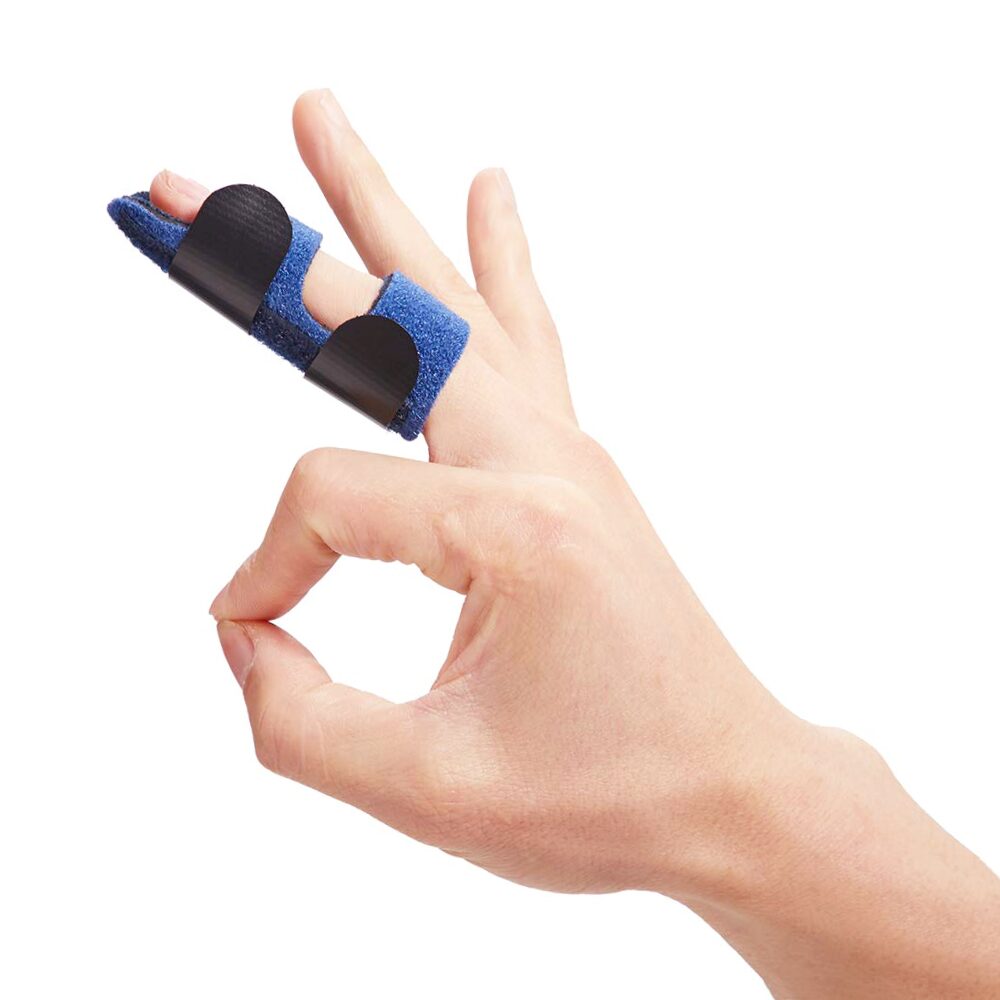
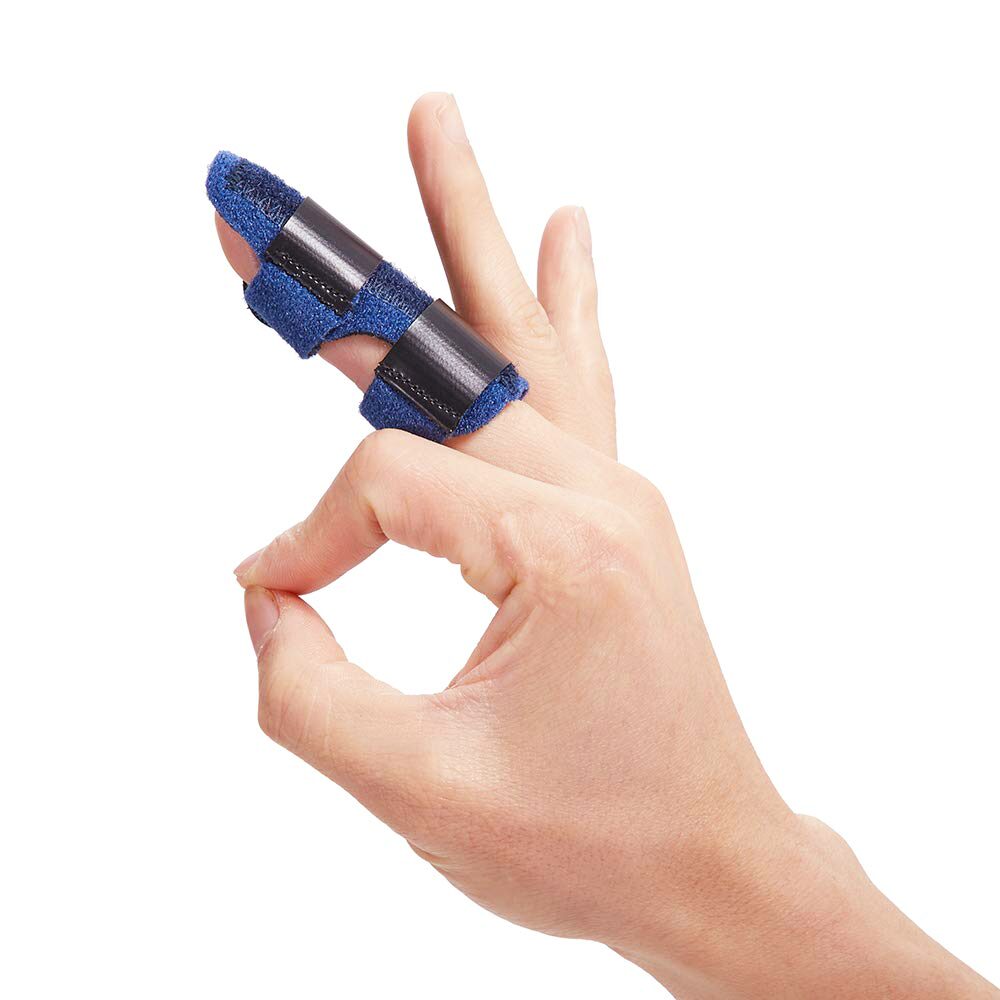
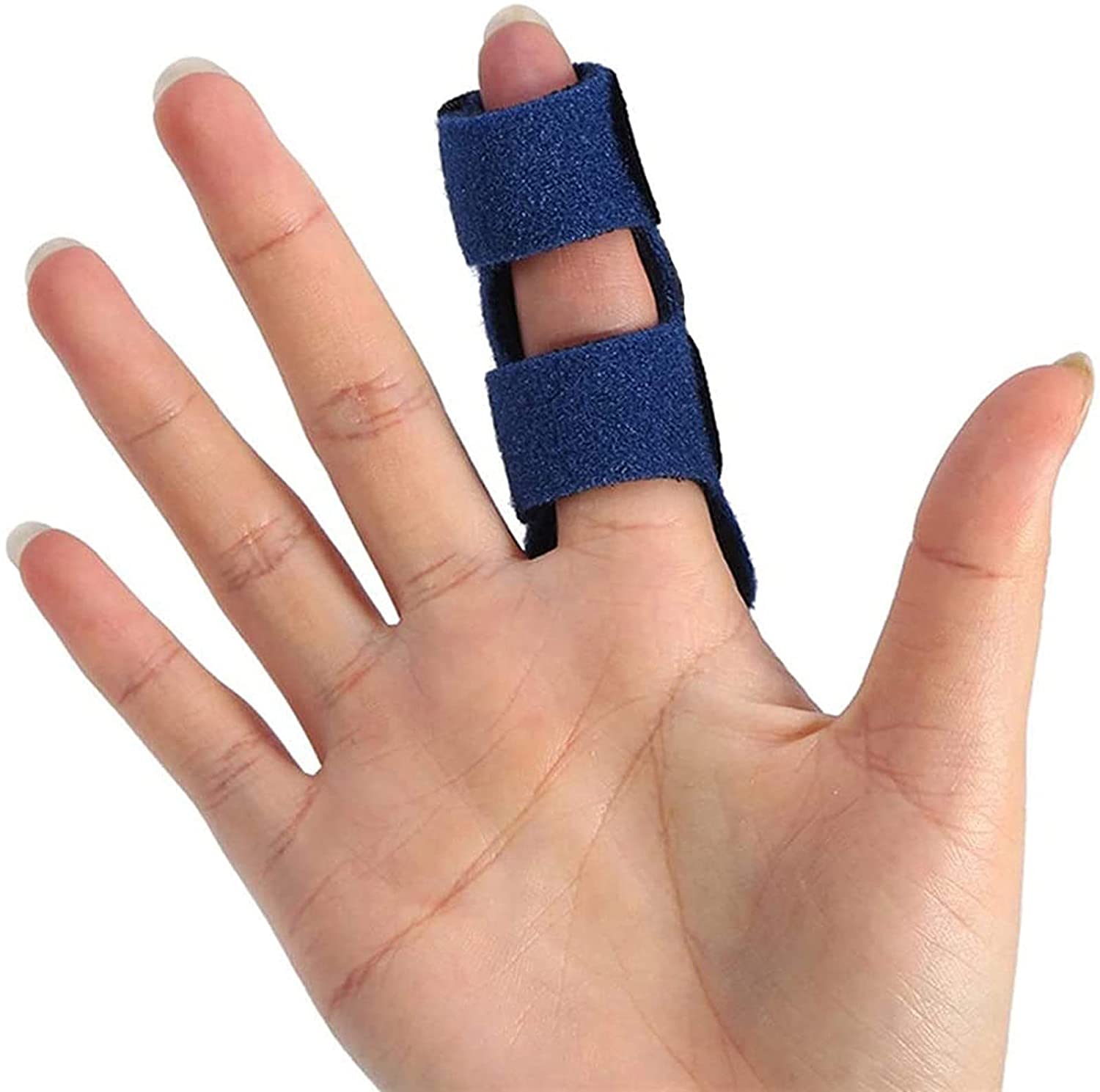
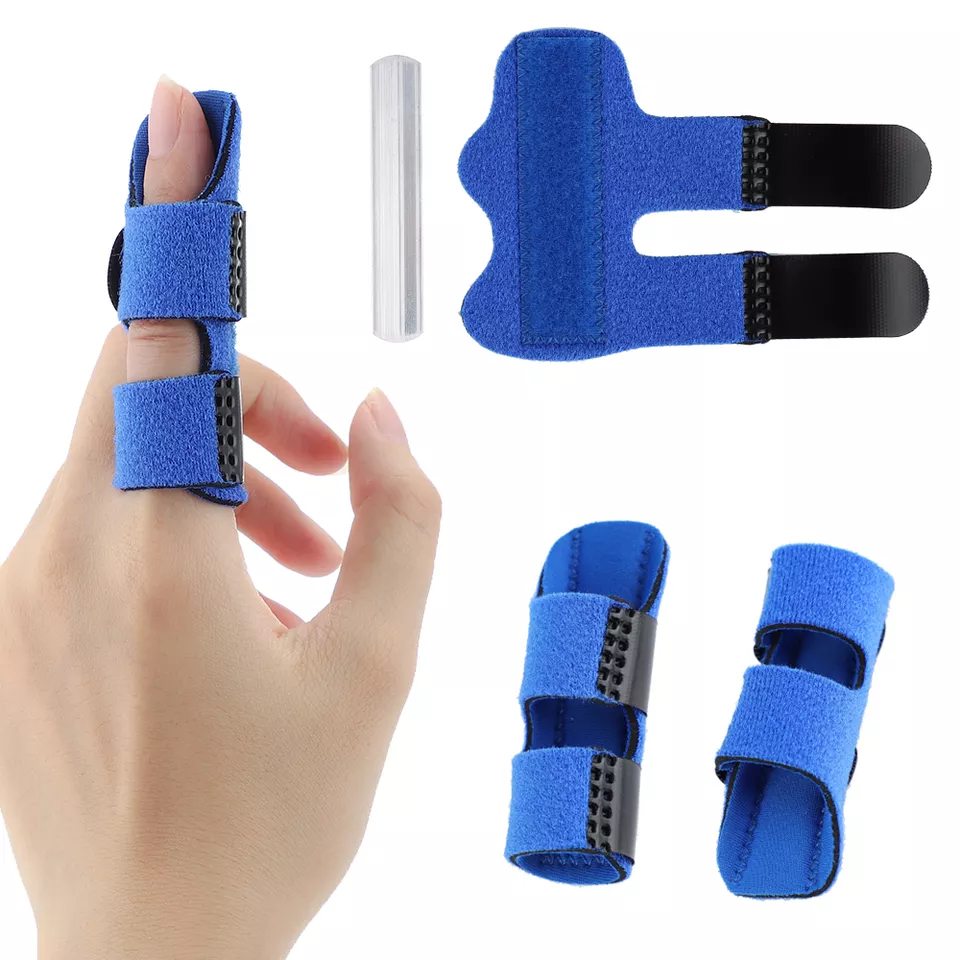
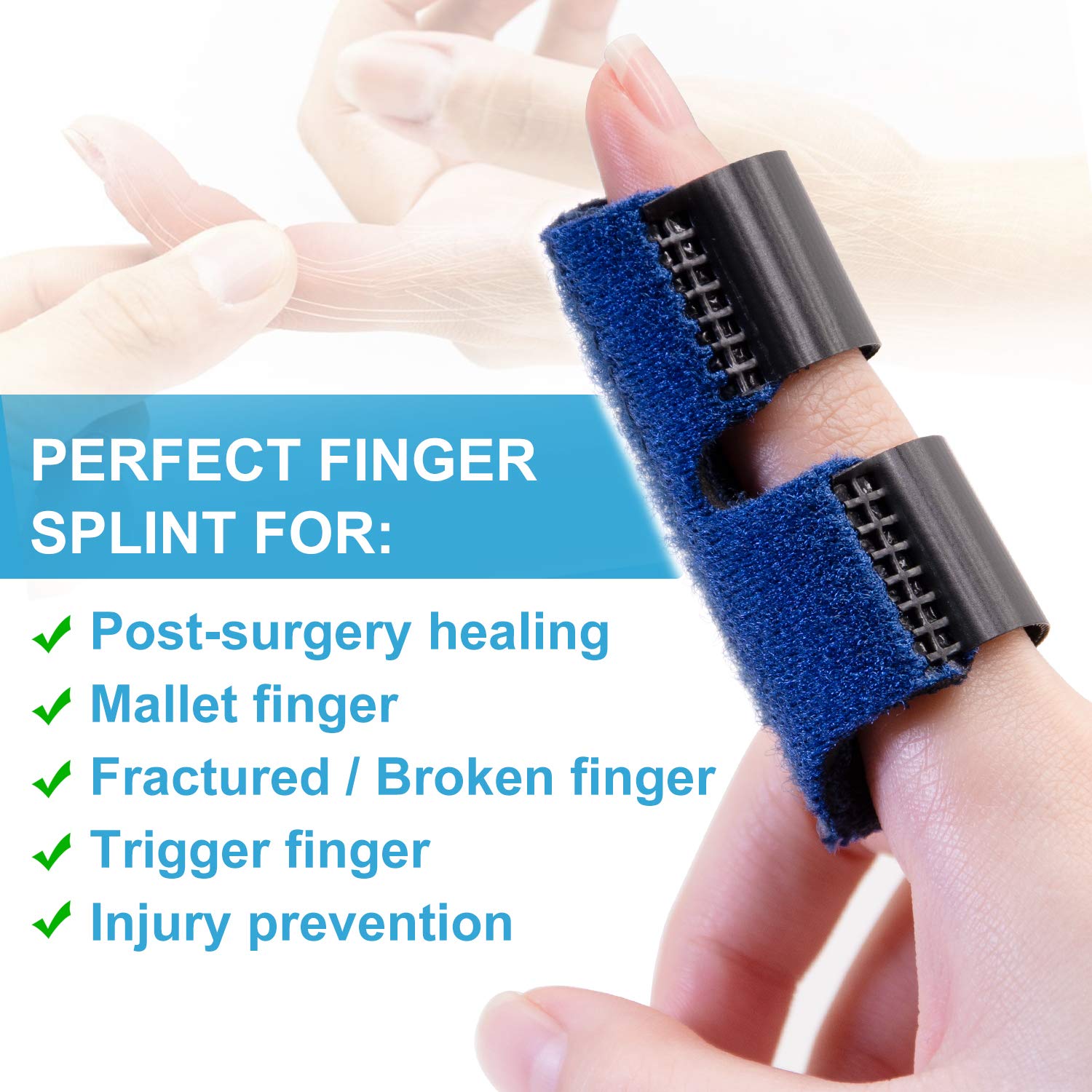
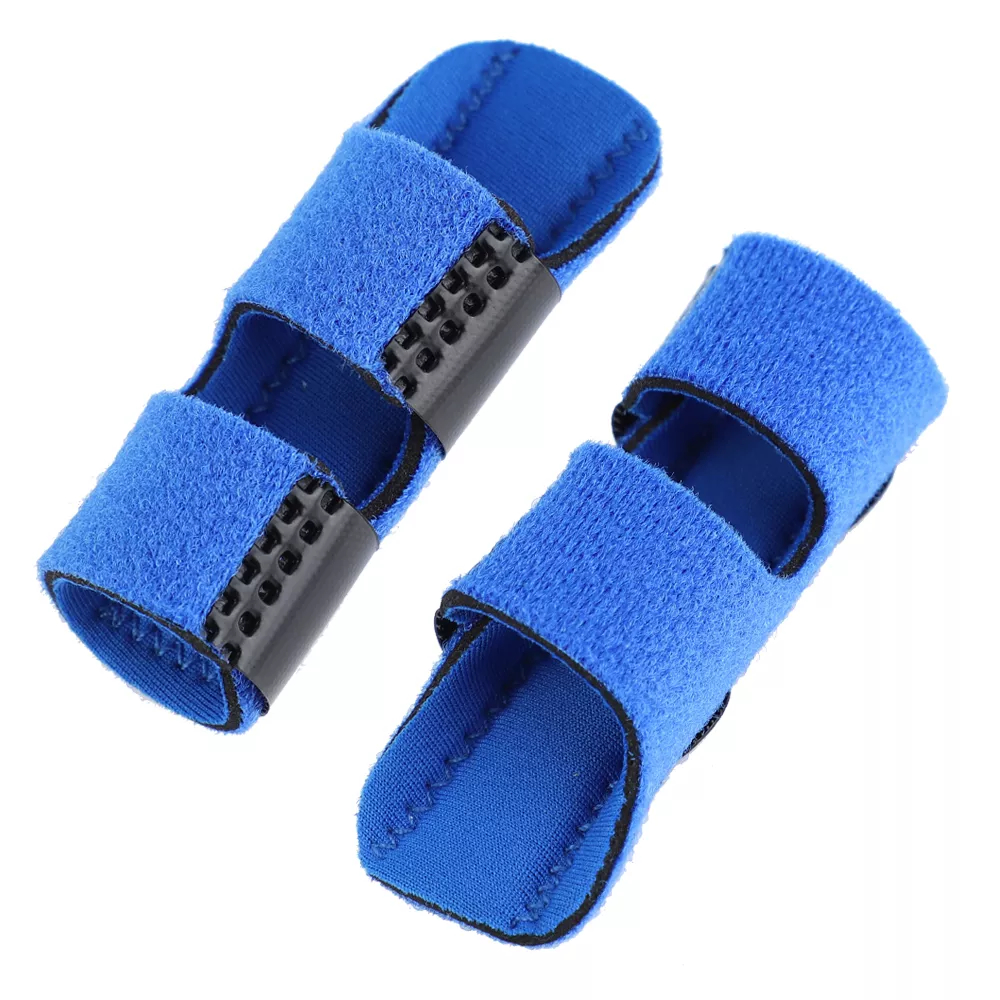
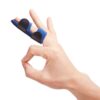
Finger Splint brace for Broken Fingers, Fractures, Trigger Finger, Stenosing Tenosynovitis & Mallet Finger
£6.99inc VAT
- 1x Finger Splint brace for Broken Fingers, Fractures, Trigger Finger, Stenosing Tenosynovitis & Mallet Finger
- For both Men & Women
- One size fits all with 2 adjustable straps for the a secure comfortable fit
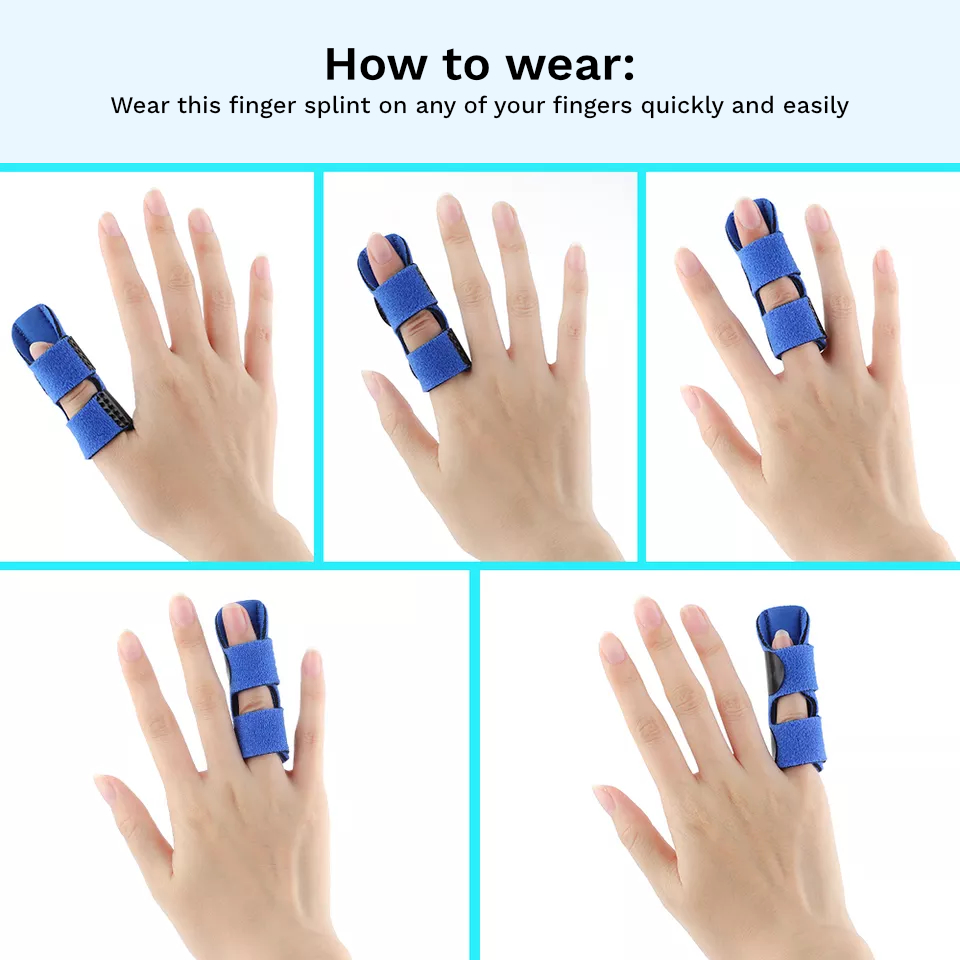
- Can be worn on any finger (excluding the thumb, for thumb injuries we recommend wearing a thumb splint instead available here)
- Recommended for wearing during the P.R.I.C.E injury recovery protocol for treating and easing a range of different injuries and conditions including Broken Fingers, Fractures, Trigger Finger, Stenosing Tenosynovitis, Mallet Finger, Sprained knuckles, Rheumatoid Arthritis, post stroke finger curling and Tendonitis
- The best choice for quick and effective finger pain relief and for post-operative care
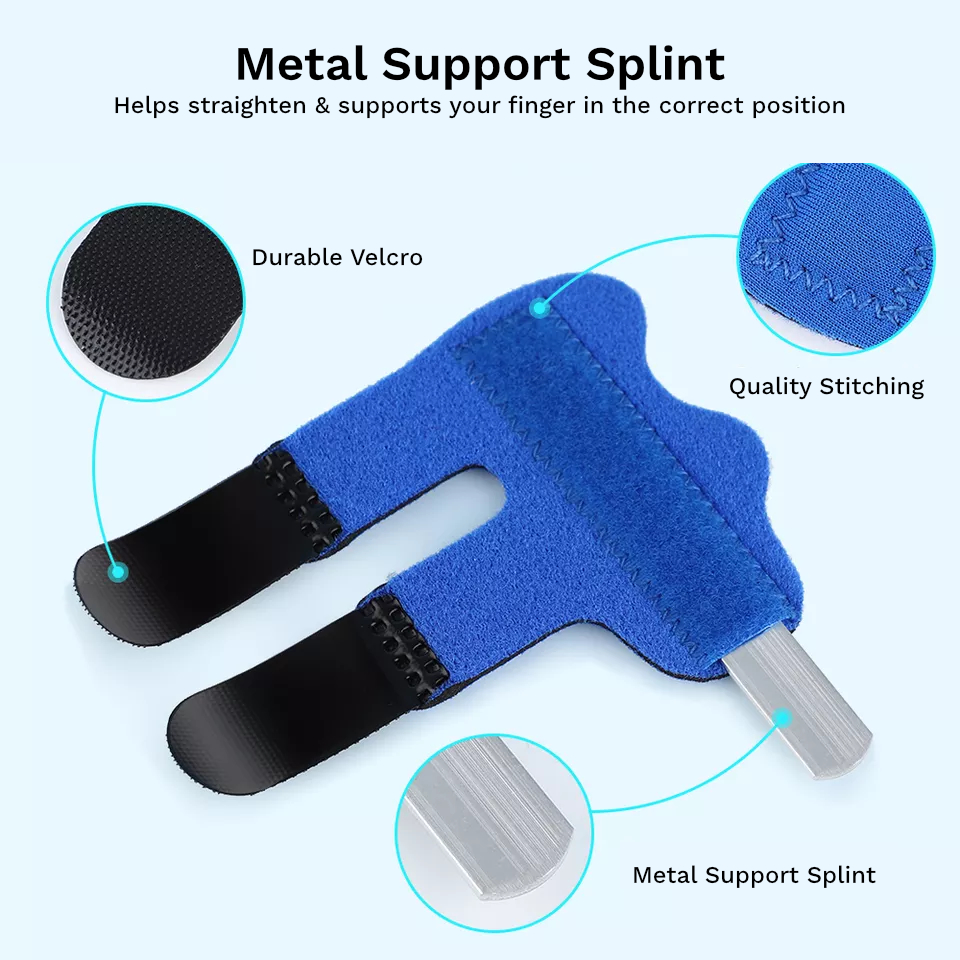
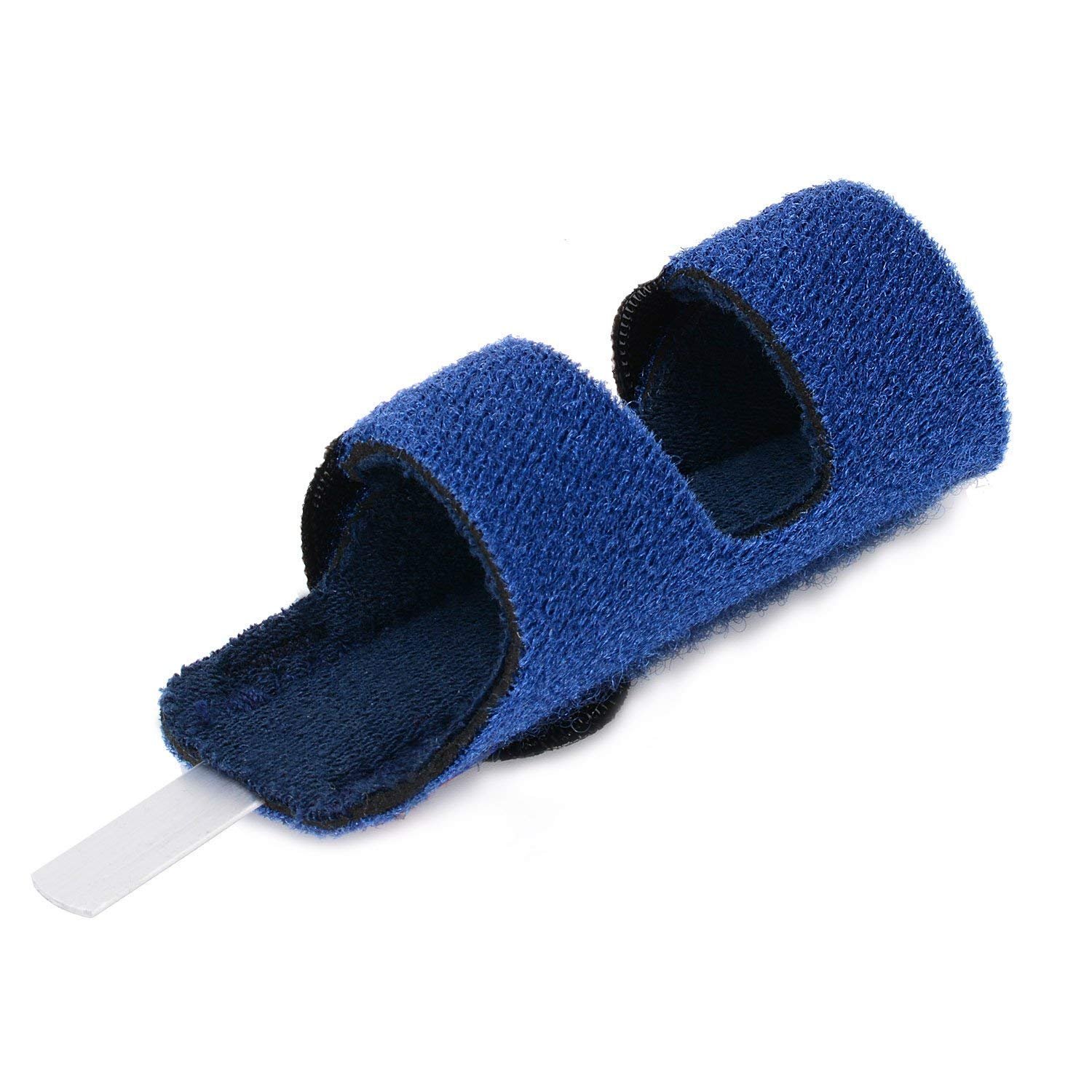
- Features an inbuilt metal aluminium splint that supports and straightens your finger helping to ease strain and pressure off your injured finger for a faster and more effective recovery
- Immobilizes your finger and knuckles preventing movement which could cause further injury and set back your recovery
- Provides soothing compression that helps ease pain, reduce inflammation and swelling and speeds up the natural healing process of damaged tissue by providing fresh oxygenated blood to your finger
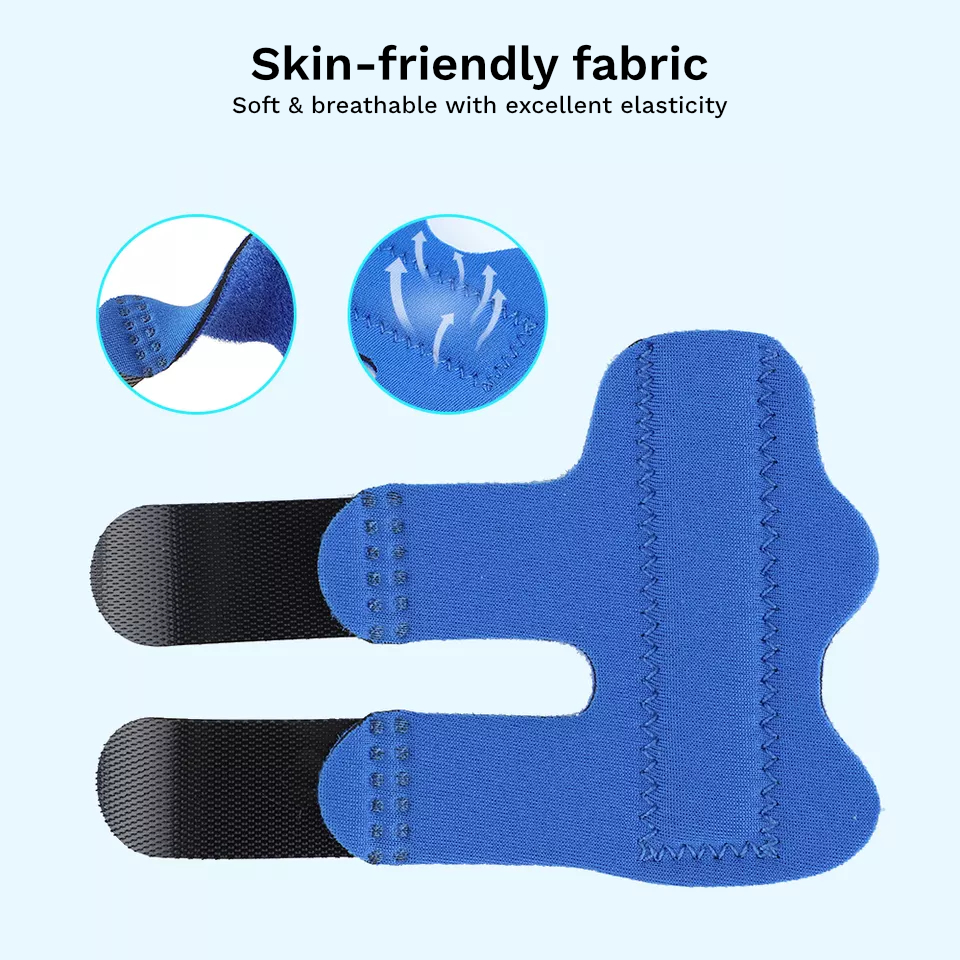
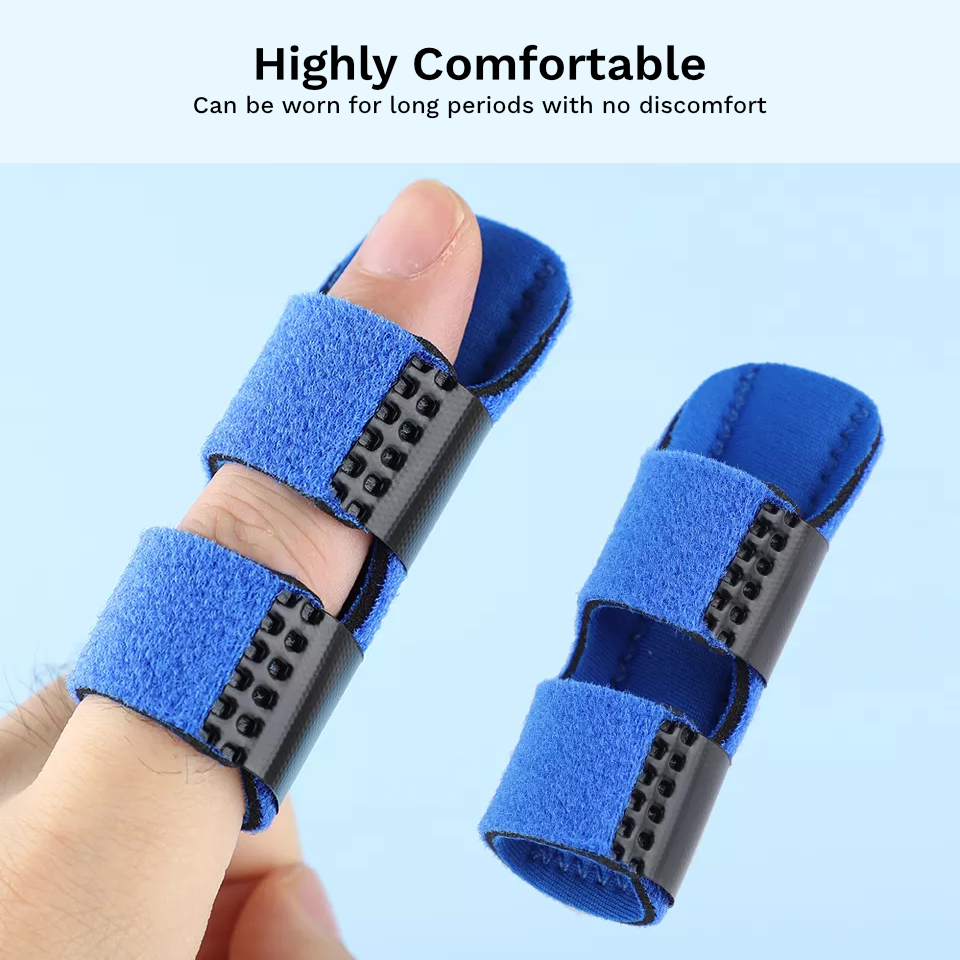
- Made from lightweight padded materials with a breathable design that makes this finger splint comfortable for wearing for long periods of time
- Includes a full 30 day money back guarantee!
Finger pain slows daily life. Gripping a mug, turning a key, getting dressed—each movement can sting, catch, or feel weak when a finger is sore or injured. Progress can stall without the right support. Meet the NuovaHealth Finger Splint Brace. Expertly designed for comfort and reliable stability, it helps you move more safely while you heal, day and night. Before we show how it works and why our design stands out, it helps to understand how the finger functions, what goes wrong when symptoms appear, and why a splint is so important for recovery and for avoiding long‑term problems.
How finger pain develops
Each finger bends and straightens through three small joints. Tendons run along the front and back of the finger to pull these joints, guided through narrow tunnels and kept in line by pulleys and ligaments. When everything is balanced, tendons glide smoothly, joints track straight, and grip feels secure. Trouble starts when tissues are stressed or inflamed. Swelling inside tight spaces raises pressure and friction, so tendons do not glide well. Joints become irritated and stiff. If a ligament is stretched or sore, tiny shifts can pull the joint off track. When the balance between bending and straightening tendons is disturbed, the fingertip may droop or resist straightening. Each small movement can then add irritation, feeding a cycle of pain, swelling, and stiffness that limits use. A well‑fitted finger splint interrupts that cycle by controlling motion, aligning joints, and protecting tender structures while they recover.
Common causes of finger pain and how a splint helps
Acute sprains and strains are among the most common issues. A sideways force can stretch the collateral ligaments at the finger joints, while a sudden hyperextension can sprain the volar plate at the base of the middle joint. These injuries often follow ball sports, falls, or an awkward jar‑opening moment. Expect sudden pain, swelling, and bruising with soreness on one side of the joint. Most sprains are not dangerous but can linger if unprotected. A finger splint that holds the joint straight reduces stress on healing ligaments, limits painful micro‑movements, and protects against bumps during daily tasks and sleep. People who play ball sports, use tools, or type and grip repetitively are at higher risk due to repeated load and occasional missteps.
Tendon injuries can be more specific. Mallet finger happens when the fingertip is forcefully bent, tearing the tendon that straightens the last joint; the tip then droops and cannot fully straighten. This is relatively common in ball sports and household accidents. Jersey finger is less common and occurs when the fingertip is forcefully straightened while actively gripping, avulsing the tendon that bends the tip; you cannot bend the last joint. Boutonniere deformity involves the central slip of the extensor tendon at the middle joint, often from a jammed finger; the middle joint bends while the tip tends to hyperextend. These injuries are more serious because untreated tendon disruptions can lead to permanent deformity. A splint is crucial first aid: it holds the involved joint(s) steady in protective alignment, reduces pain, and buys time while you seek assessment. Continuous splinting is often required for optimal healing, and the NuovaHealth Finger Splint Brace provides straight, stable support across the finger to assist with this protection.
Overuse and tendon‑sheath irritation are also frequent culprits. Trigger finger (stenosing tenosynovitis) occurs when the flexor tendon and its pulley at the base of the finger become irritated, creating catching, clicking, or locking, especially in the morning. It is common among people who perform repetitive gripping, and those with diabetes, thyroid disease, or during/after pregnancy are at higher risk due to changes in tendon and sheath health. Symptoms range from stiffness and a tender nodule in the palm to painful locking that requires the other hand to release. Early use of a finger splint—particularly at night and during provoking tasks—reduces tendon glide through the tight pulley, decreases friction, and calms inflammation, often improving symptoms within weeks.
Joint degeneration and inflammatory conditions can present more gradually. Osteoarthritis frequently affects the end and middle finger joints, especially with age, prior injury, or repetitive hand use. Expect a dull ache, stiffness after inactivity, and sometimes bony nodules. A splint can offload the joint, reduce shearing forces, and provide gentle compression for comfort during flares. Inflammatory arthritis (such as rheumatoid or psoriatic arthritis) often causes swollen, warm, and stiff joints on both hands, worse in the morning. These conditions require clinician guidance, but a splint remains a useful tool to relieve pain, support alignment, and protect joints during daily activities.
Fractures and dislocations must also be considered. A crush injury in a door, a fall, or a high‑energy impact can break a phalanx or dislocate a joint. Symptoms include marked swelling, deformity, severe tenderness, and inability to move the finger normally. These injuries are serious because malalignment can cause long‑term stiffness, arthritis, or deformity. A splint serves as immediate stabilization to prevent further damage and reduce pain, but prompt assessment is essential to confirm the diagnosis and alignment.
Nerve irritation and circulation‑related pain are less common primary causes of finger pain but do occur. Prolonged pressure or repetitive strain can irritate small digital nerves, causing tingling, burning, or sensitivity. A splint helps by minimizing motion and reducing mechanical stress on the irritated area. However, any spreading numbness, color change, or coldness of the finger needs prompt attention to rule out compromised blood flow or other conditions.
Infections of the fingertip or tendon sheath require urgent care. A painful, red swelling near the nail fold (paronychia), a throbbing pulp infection (felon), or a flexor tendon sheath infection characterized by marked swelling, finger held slightly bent, and severe pain with passive extension are red flags. Splinting alone is not appropriate in these situations; priority is same‑day medical evaluation to protect function.
Who is most at risk and why it matters
People involved in ball sports, climbing, manual trades, and hobbies requiring repetitive gripping are most exposed to acute jams and overuse. Age, previous finger injuries, and systemic conditions such as diabetes, inflammatory arthritis, or thyroid disease increase susceptibility to tendon and joint problems. Taking symptoms seriously matters because fingers rely on precise gliding mechanics; once stiffness and scarring take hold, recovery becomes slower and less complete. Early support with a splint helps tissues heal in good alignment, maintains more normal glide, and reduces the chance of chronic pain, recurrent swelling, or lasting deformity.
Symptoms to watch and when to seek help
Mild, localized soreness with small amounts of swelling after a clear minor strain often improves over days to a few weeks with rest and splinting. Seek prompt assessment if you notice any of the following: visible deformity; inability to fully straighten or bend the fingertip after an injury; severe swelling or bruising; numbness, tingling, or a cold, pale finger; signs of infection such as spreading redness, warmth, fever, or intense throbbing; pain that persists or worsens despite several days of protection; or locking that is becoming more frequent or painful. These signs suggest a condition that may need specific treatment alongside splinting.
Why a finger splint is a smart first step
A well‑designed splint holds the finger in a neutral, straight position to reduce uneven forces, limits the micro‑movements that keep re‑irritating sensitive structures, and provides gentle compression to help manage swelling. It also protects against accidental knocks and unwanted bending during sleep—times when reinjury commonly happens. Consistent use in the early phase reduces pain, supports safer movement, and lowers the risk of long‑term stiffness.
How the NuovaHealth Finger Splint Brace Works
The NuovaHealth Finger Splint Brace applies the core principles of tissue recovery—steady immobilization, neutral alignment, gentle compression, and everyday protection—so you can move with fewer setbacks while healing continues.
An inbuilt aluminum stay holds the finger straight to limit bending at the key joints. By reducing flexion and extension, it eases pull on irritated tendons and ligaments and keeps the joints tracking in a safer, neutral position. Less unwanted motion means fewer pain spikes and a calmer environment for repair during daily tasks.
Two adjustable straps let you set firm, even support without hot spots. This creates light, comfortable compression that helps manage swelling and ease aching. You can fine‑tune tension across the day—snug for activity, looser at rest—so support matches your symptoms and schedule.
Stability extends across the finger and into the knuckle area to curb the small, repeated movements that often restart irritation. By shielding against accidental knocks and preventing involuntary bending—especially during sleep—the brace helps you keep the gains you make through the day.
Lightweight, padded, breathable materials make longer wear more comfortable, which is crucial early on when consistent protection matters most. One size fits most and the brace can be worn on any finger except the thumb, giving you flexibility if symptoms shift or if you need to alternate fingers.
Key benefits
By combining alignment, controlled immobilization, gentle compression, and real‑world protection, the brace reduces painful pulls on sensitive tissues, distributes load more evenly across joints and tendons, manages swelling that drives stiffness, and helps you avoid setbacks from bumps or night curling. Comfortable materials and an adaptable fit make consistent use easier—an important factor in steady, reliable progress from the early phase through graded return to activity or post‑operative guidance when advised.
Who Should Use It
Choose the NuovaHealth Finger Splint Brace if you need steady, comfortable support to calm a sore or injured finger while you heal. It suits adults of most hand sizes, for both men and women, thanks to two adjustable straps that let you set a secure fit. Use it on any finger except the thumb.
It’s a strong choice in the early phase after an injury when protection and compression help symptoms settle. It also fits well during day‑to‑day activities that still trigger pain, and at night to prevent involuntary bending that can undo daytime progress. When advised by your clinician, it can support post‑operative care by keeping the finger and knuckles still and aligned.
If your goal is to reduce painful catching, limit strain during tasks, or keep swelling in check while tissues recover, this brace is designed for you. If your thumb is affected, a dedicated thumb splint is the better option. For specific exclusions and when to seek professional advice, please see Safety and Cautions.
How to Use
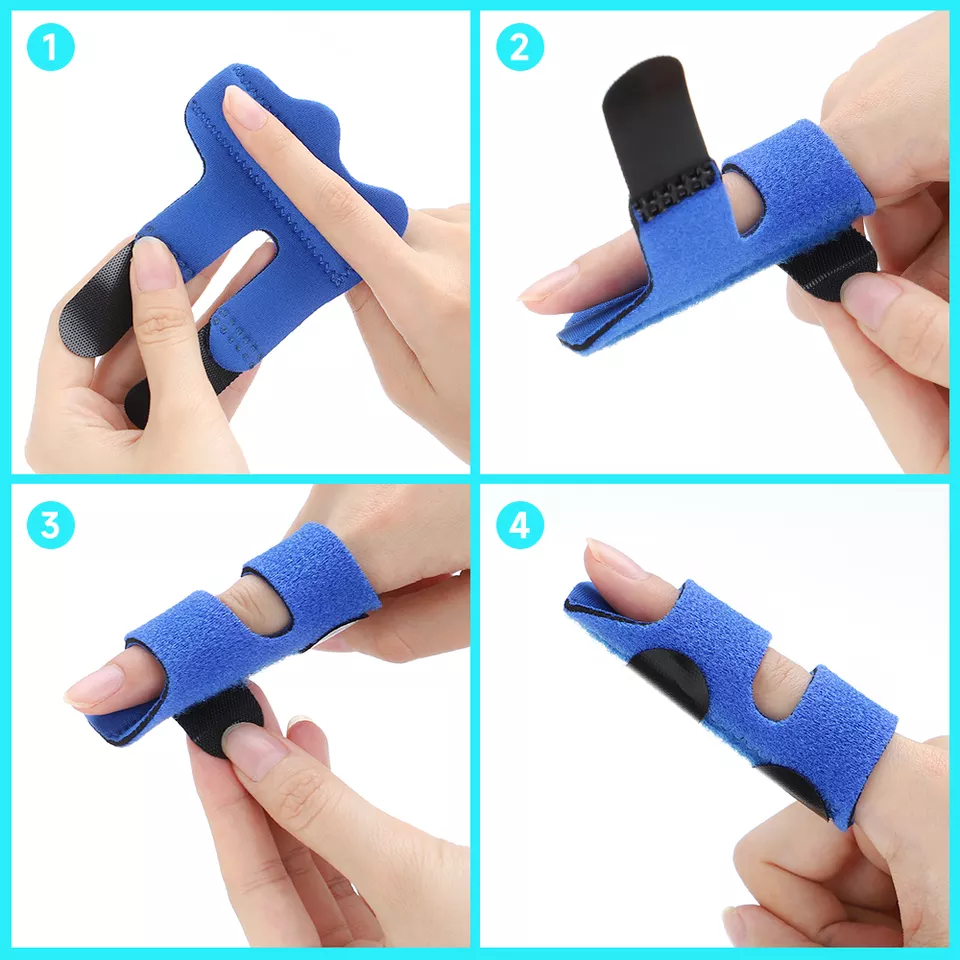
Start by choosing the finger that needs support. This brace is for any finger except the thumb. Open the two straps, slide your finger into the padded cradle, and align the fingertip near the end of the splint. Position the inbuilt aluminum stay along the front or back of the finger so it keeps the joints straight in the most comfortable, protective position. Center the brace so it spans the joints you need to control, then fasten the lower strap first and the upper strap second. Aim for snug, even support that limits bending without pinching. After fastening, check that your nail bed looks its usual color and that you feel no tingling. If it does, loosen slightly.
Ease into wear. Begin with one to two hours to check comfort and skin, then extend to longer periods. In the early phase after an injury or symptom flare, wear the brace as much as is comfortable during the day, and at night to prevent involuntary bending that can trigger morning stiffness. As symptoms settle, keep using the brace for tasks that still provoke pain or strain, and remove it at safe intervals for hygiene and any gentle, pain‑free movement your clinician has advised.
Use it alongside protect, rest, ice, compression, and elevation as appropriate. Apply a cold pack for 10–15 minutes at a time with a cloth barrier, allow the skin to return to normal temperature, then reapply the brace. Elevate the hand when practical to help swelling ease. Avoid heavy gripping or high‑force tasks while healing.
Care is simple. Remove the brace daily to wash and dry your skin. Hand‑wash the brace in cool water with mild soap, rinse well, and air‑dry completely away from direct heat before reapplying. If you notice pressure spots, adjust strap tension or reposition the brace for a better fit. If pain, numbness, or color changes increase, remove the brace and review the Safety and Cautions section for guidance.:
Safety and Cautions
This brace supports recovery, but it is not a substitute for professional care. If you suspect a fracture, dislocation, tendon rupture, or a new mallet finger with a drooping tip you cannot lift, seek prompt medical advice. Do the same for severe pain, sudden numbness or tingling, marked deformity, loss of finger color or temperature, or rapidly increasing swelling.
Use the brace on clean, dry skin. Do not apply over open wounds, broken skin, or infected areas. If you have a wound, dress it first as advised by a clinician, then fit the brace without excessive pressure. Check skin daily for redness, pressure marks, or blisters. If irritation occurs, adjust the fit or remove the brace and allow the skin to recover.
Do not overtighten. After fitting, your fingertip should feel warm with normal color and sensation. If you notice tingling, pins and needles, coldness, or color change, loosen the straps immediately. Recheck circulation after activity and at bedtime.
Certain conditions need extra caution. If you have diabetes, poor circulation, Raynaud’s, neuropathy, fragile skin, or rheumatoid arthritis with unstable joints, consult a clinician before use and follow their guidance on wear time. If you have a known sensitivity to any brace materials, do not use it.
This brace is for adults and for fingers only; it is not designed for the thumb. Follow any post‑operative or rehabilitation plan you’ve been given. If pain, swelling, or stiffness worsen despite consistent use, or if symptoms are not improving after one to two weeks, seek professional advice to review your care plan.
FAQs
Can I wear it on any finger? Yes, it’s designed for any finger except the thumb. It is universal for the left or right hand. Two adjustable straps let you set a snug, comfortable fit on most adult finger sizes.
How long should I wear it each day? In the early phase after an injury or symptom flare, many people do best wearing it most of the day and at night for one to three weeks, then tapering as symptoms settle. Bone or complex injuries may need longer under clinician guidance. If pain or swelling worsens, seek professional advice.
Is it safe to wear while sleeping? Yes, nighttime wear often prevents involuntary bending that can undo progress. Fit it snug, not tight, and check that your fingertip stays warm with normal color and sensation.
How tight should the straps be? Aim for firm, even support that limits bending without numbness or color change. If you feel tingling, coldness, or see pale or blue color, loosen and refit.
Will it fit very small or large fingers? One size fits most adults. If you’re at either extreme, adjust strap placement and position the brace so it spans the joints that need control. A thin, soft fabric layer under the straps can improve comfort if you’re between sizes.
Can I wear it at work, driving, or during light exercise? Yes, if you can grip safely and comfortably. Avoid heavy lifting, forceful gripping, impact, or contact activities until cleared by a clinician. If the brace interferes with safe control, do not drive.
Is the aluminum splint removable? The splint is inbuilt and not intended to be removed. This ensures consistent alignment and stability.
How do I clean it? Hand‑wash in cool water with mild soap, rinse well, and air‑dry completely away from direct heat before reusing. Wash skin daily and recheck fit after drying.
Can I wear it under gloves? Yes, under a roomy glove. Check that circulation and sensation remain normal and that heat build‑up does not cause irritation.
What if it doesn’t help or doesn’t fit? You’re covered by a straightforward 30‑day money‑back guarantee.
Support Your Recovery Today
Ready to protect your finger and move with more confidence? Choose the NuovaHealth Finger Splint Brace today. The inbuilt aluminum splint holds your finger straight, two adjustable straps set a secure fit, and the padded, breathable design supports longer wear—day and night. It’s simple, reliable, and built to help you recover while guarding against setbacks.
Start now. Fit it to the finger that needs support, use it consistently during daily tasks and sleep, and pair it with rest, cold therapy, and elevation as advised. As symptoms settle, keep wearing it for activities that still provoke pain. If your thumb is affected or if you have complex needs, follow professional guidance.
Your purchase is risk‑free with our 30‑day money‑back guarantee. If it isn’t the right fit for you, send it back. If it is, you’ll have steady support you can count on while you heal.
1 Review For This Product
Fast & Secure Checkout Through Paypal
Pay with Paypal the secure payment gateway that accepts all credit and debit cards. Paypal is free and secure and no credit or bank information is ever stored or shared with us.
Fast Dispatch
Enjoy your items soon with quick dispatch via Royal Mail. Expect to have your items between 1-3 working days for domestic orders. 7-10 Working days for international orders.
Return Policy – 30 Day Money Back Guarantee
In the unlikely event, you are unhappy with your purchase you can return it within 30 days for a refund. Please contact us via the form on the contact us page to start your return.
To return an item please send it to: Nuova Health UK, 81 Highfield Lane, Waverley, Rotherham, S60 8AL. Please include a note with your order id so we know who to refund. Please retain your postage receipt as proof of postage. All that we ask is that the item is in the original packaging and unused.
by Davis
Very good design for ladies with very slim fingers!