
Compression sleeves for legs
£9.99inc VAT
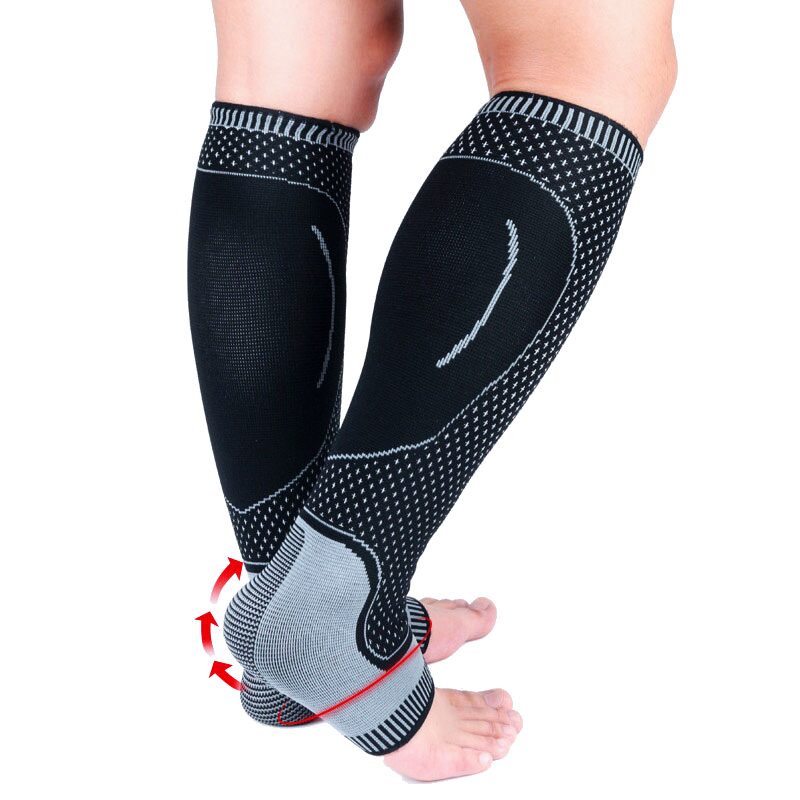
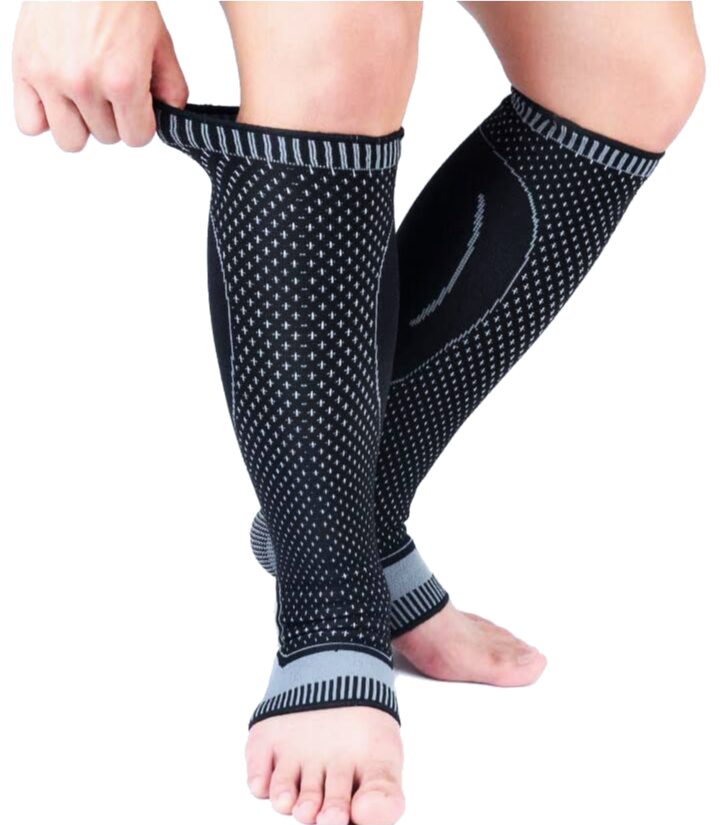
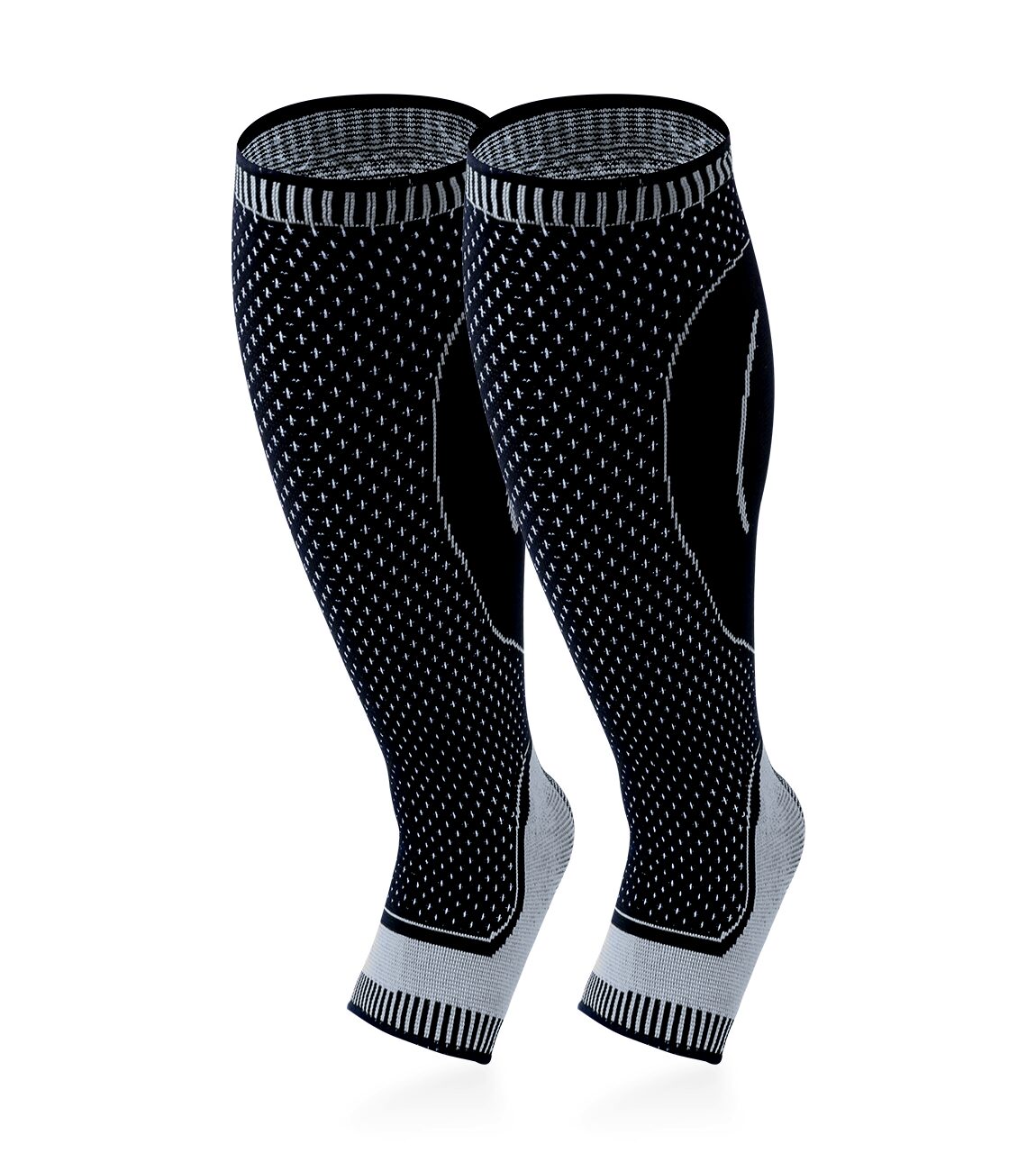
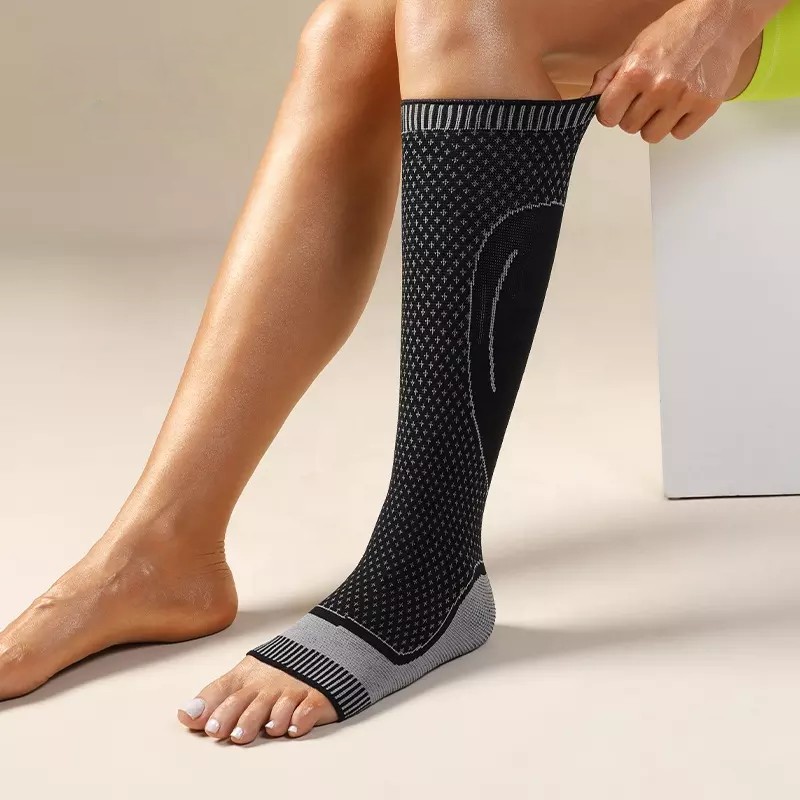
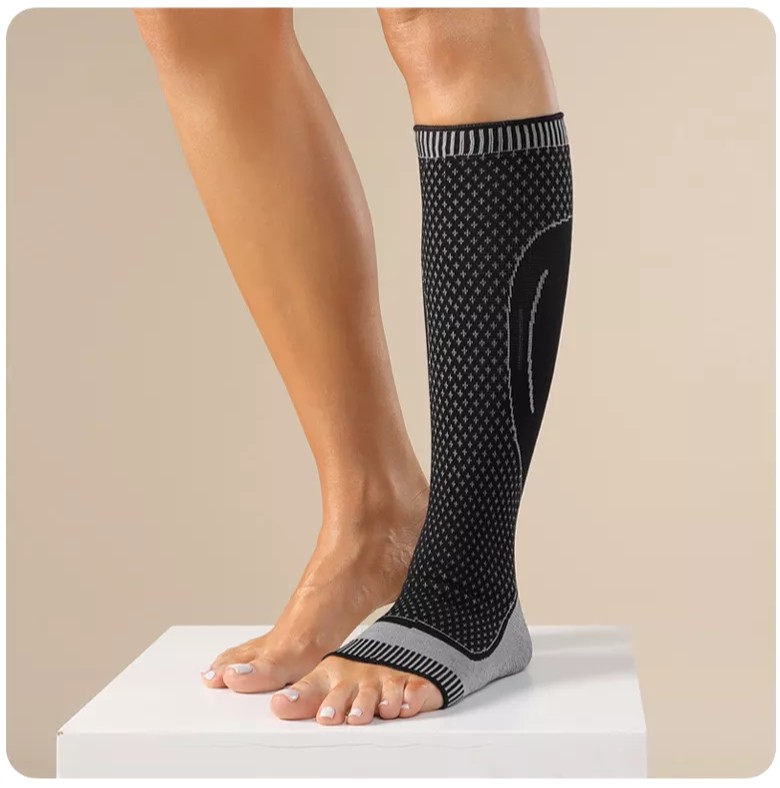
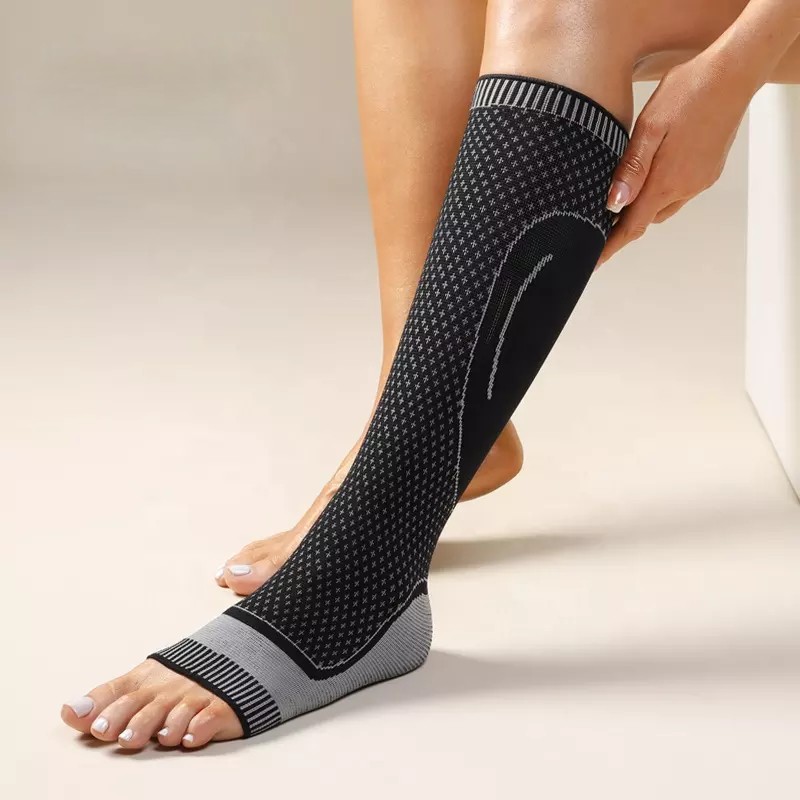
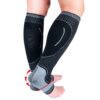
- What you get: 1 x pair of NuovaHealth compression sleeves for legs, shaped for left and right, running from under the arch and heel to just below the knee.
- Who they’re for: adults whose lower legs feel tired, heavy or mildly swollen by evening, who get a long strip of shin pain on firm walks or runs, or whose calves and Achilles feel tight and overworked after long shifts or journeys.
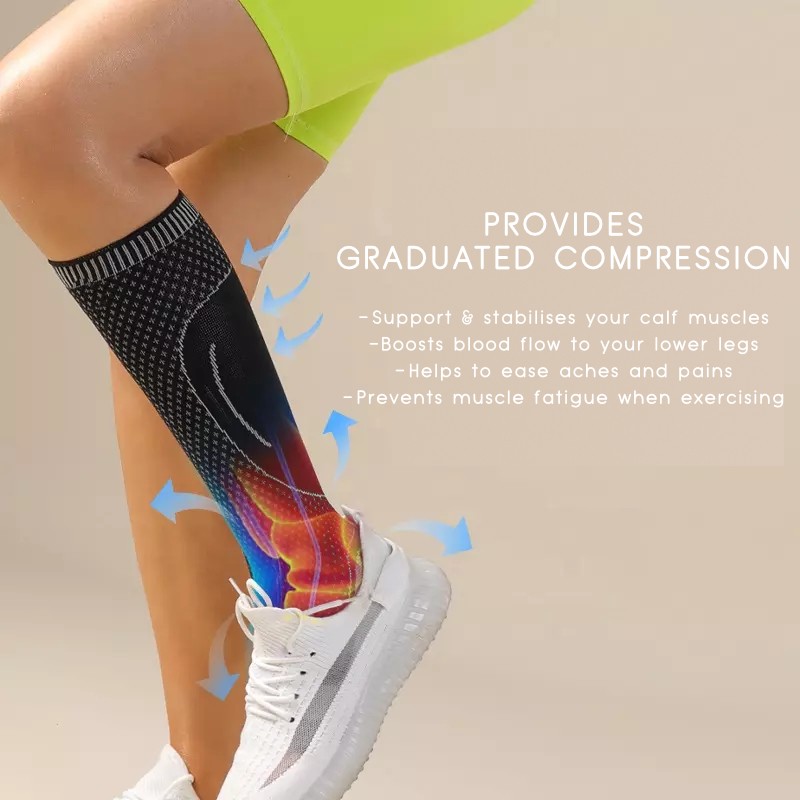
- Graduated compression: moderate‑to‑firm pressure that’s snugger at the ankle and eases towards the knee to support everyday blood and fluid return and limit ankle puffiness.
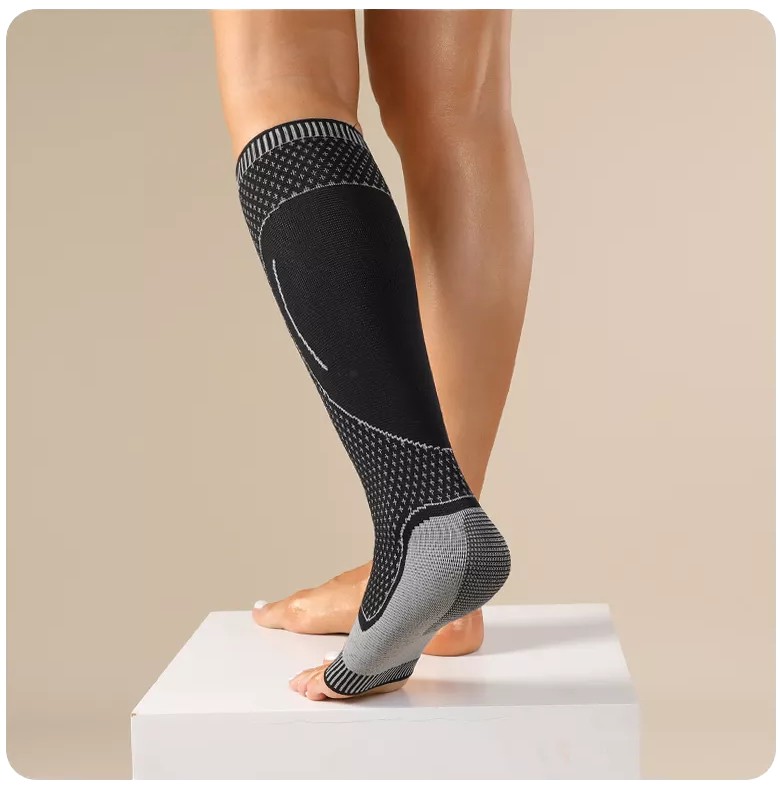
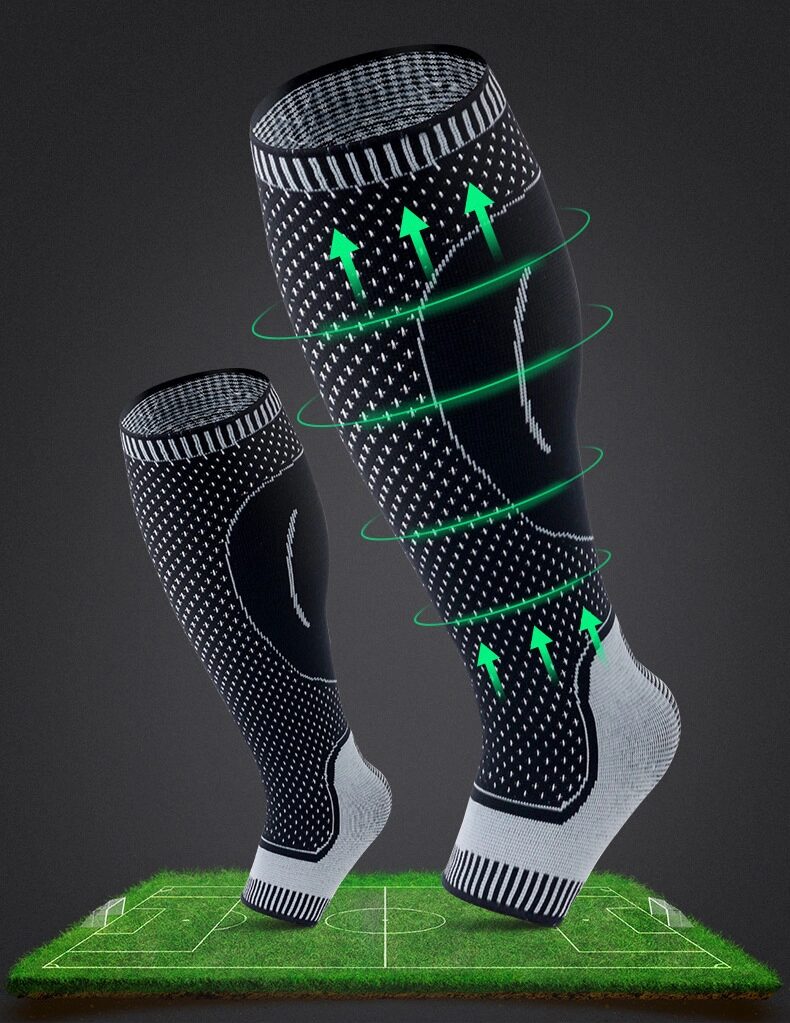
- Targeted support zones: shin support zone along the usual “shin splints” line, reinforced sections around the calf and Achilles, and an under‑arch band to share work between the foot and calf.
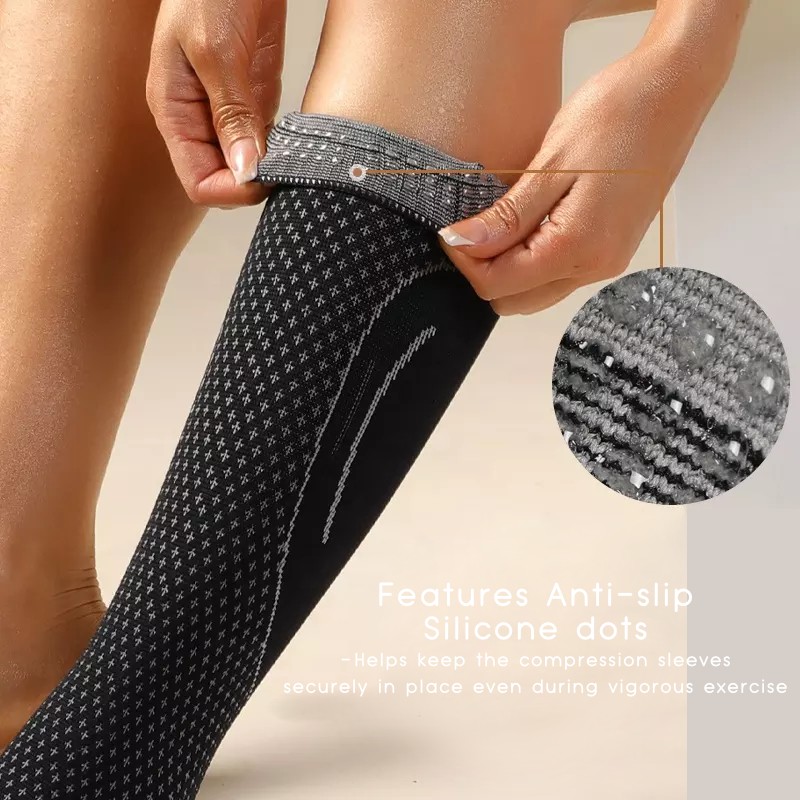
- Comfortable to wear: breathable, quick‑dry knit with flat seams, smooth zones over bony areas and shaped cuffs with silicone grips so the sleeves stay put without harsh digging‑in.
- Everyday use: suitable for running and impact exercise, long shifts on hard floors, and longer journeys where legs are down and still for many hours.
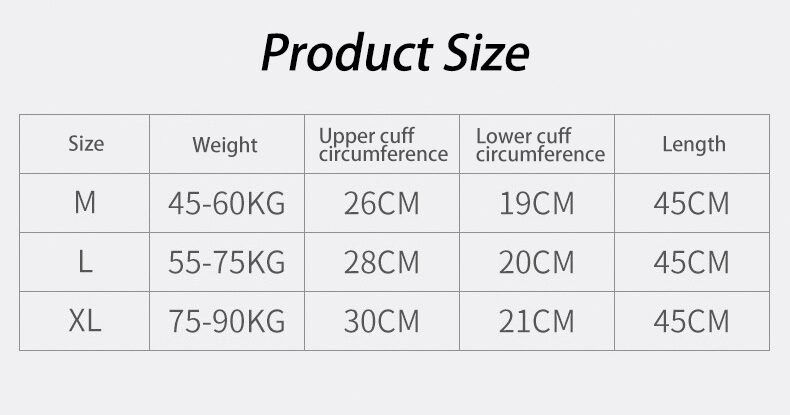
- Sizes available: Medium (top 26 cm, lower 19 cm, length 45 cm), Large (top 28 cm, lower 20 cm, length 45 cm), Extra Large (top 30 cm, lower 21 cm, length 45 cm). Measure standing for best fit.
- Fit and comfort guarantee: 30‑day period to check comfort and sizing in your real day‑to‑day routine, with the option to change size if needed.
Compression sleeves for tired, heavy legs, shin ache and calf strain
Quick summary if you prefer a clear overview: Our compression sleeves for legs are moderate‑to‑firm, graduated sleeves for adults whose lower legs feel heavy, tight or mildly swollen by evening, or who get strip‑like shin pain and tired calves or Achilles from work, running or long journeys. They run from under the arch and heel to just below the knee and feature:
-
- a firm ankle‑to‑knee compression gradient to help limit fluid pooling around the ankles,
-
- a shin support zone along the common “shin splints” line,
-
- targeted support around the calf and Achilles to reduce wobble and repeated tug on sensitive areas,
-
- an under‑arch band to share work between the foot and calf,
-
- breathable, quick‑dry fabric with flat seams and shaped cuffs that stay up without harsh digging‑in, and
-
- left‑ and right‑specific shaping so the support sits along the lines where people most often feel discomfort.
They are for adults only, not for use in pregnancy, and they do not treat or prevent blood clots or serious circulation problems. If your socks leave deep marks by the end of a shift, or your shins and calves become sore on firm runs or long journeys, these sleeves are built to make that kind of day feel more manageable.
Why your lower legs feel like this – and how these sleeves can help
Long days on your feet, regular runs on firm ground, or hours spent sitting with little room to move can all leave your lower legs feeling surprisingly similar: tight, heavy, sore and restless. You might notice a dull, narrow strip of ache along the front or inner edge of the shin during or after a run. By evening your calves can feel full and tired, and your ankles may look puffy around the socks. On long journeys your legs can feel fidgety and uncomfortable, even though you’ve barely moved.
If that sounds familiar, you’re not alone. This is exactly the story clinicians often hear from people who say they’re otherwise well, but their legs feel “twice their size” by the evening. In many such cases, those feelings usually come from two main things:
-
- how blood and fluid move in and out of the lower legs, and
-
- how often and how hard the calf, shin and Achilles are working with each step.
The lower leg is a fairly tight compartment. Bones, muscles, tendons, blood vessels, lymph vessels and nerves sit inside a firm sleeve of connective tissue (fascia) and skin that doesn’t stretch easily. When extra fluid seeps into this space, or when muscles and tendons are repeatedly stressed, internal pressure rises. That’s often felt as fullness, aching, tightness or restlessness.
Once you see that you’re dealing with a build‑up of fluid in a tight space and repeated pulling on sensitive tissues, it becomes clearer why a snug sleeve around the lower leg can sometimes help.
Our compression sleeves are built for that mix of fluid build‑up and repeated strain. They apply moderate‑to‑firm, graduated compression from under the arch and heel to just below the knee, with specific reinforcement around the shin, calf and Achilles. The gradient means pressure is greatest where fluid most readily pools (around the ankle and lower calf) and gradually reduces towards the knee so it doesn’t act like a tight band. A shin support zone and other reinforced knit sections sit along typical lines of shin, calf and Achilles irritation to hold soft tissues a little closer to the bone and reduce excess movement.
Mechanically, the aim is to:
-
- support everyday blood and fluid return from the lower legs by gently narrowing the compressible veins and tissues near the surface, helping the one‑way valves close more effectively,
-
- steady overworked muscles and tendons by reducing the side‑to‑side wobble and vibration that occurs with every step, so there is less repeated tug at sensitive attachment points, and
-
- share work more evenly between the arch, calf and shin muscles during walking, running and long spells on hard floors, so no single area has to cope with quite as much strain.
In practical terms, many people notice less heaviness and puffiness by evening, more controlled comfort through the shin and calf on harder surfaces, and a more “held together” feel through the lower leg in sport, work and travel.
These sleeves are intended for adults only. They don’t treat or prevent blood clots or serious circulation problems and must not be relied upon for that purpose. They’re aimed at people who need more than a soft travel sock but don’t need full prescription‑grade medical stockings.
Who these sleeves tend to help – and when they’re not right
Who may benefit
Many people recognise one or more of these:
-
- Calves that feel heavy, tight or “full” towards the end of a day spent on hard floors, often with a stretched sensation in the skin and deeper sock marks than in the morning.
-
- Ankles that look and feel slightly swollen after standing, walking or travel, with a puffy appearance over the front of the ankle and around the ankle bones.
-
- A long, narrow strip of discomfort along the inner or front of the shin during or after running, brisk walking or sport, where the muscles that help control the arch and foot landing attach to the shin bone.
-
- Lower legs that feel restless or “buzzing” after being still for a long time, such as on a long journey, with an urge to move even though the muscles are tired.
-
- A sense that calf muscles fatigue quickly or feel unsteady on repeated impact, as if they’re working harder than they should for a given distance or pace.
Most of the time this is due to either:
-
- blood and fluid gradually collecting in the tissues around the ankle and lower calf, because the natural calf muscle “pump” has been less active, and/or
-
- repeated loading of muscles, tendons, the sensitive covering of the bone (periosteum) and small joints in the lower leg, especially with impact, hard surfaces or rapid training changes.
Our sleeves are primarily designed for people who recognise those experiences and want structured, clinically informed support rather than a generic tight sock that just squeezes.
-
- Runners and endurance exercisers
People who run or take part in impact‑based exercise and notice shin, calf or Achilles discomfort, or who want a steadier, more supported feel during training and recovery. Each foot strike sends vibration through the muscles and bone. A firm, well‑fitted sleeve with a shin support zone and other reinforced sections can help reduce this movement and spread forces more evenly along the tissues. - People who stand or walk on hard surfaces for much of the day
For example, in roles such as retail, healthcare or hospitality, where long shifts on firm floors mean your calves and feet are taking load almost all day, often with limited chance to sit or move the ankles fully. Here, the leg is weight‑bearing for long stretches with little change in position, so blood and fluid have more chance to settle around the ankles and lower calves. These sleeves are designed to support those predictable last few hours of a shift when legs usually feel at their worst. - Frequent travellers
People who spend long periods sitting in cars, trains or planes with hips and knees bent and ankles barely moving. In these positions the calf muscles contract less, blood flow slows, and fluid can seep into the tissues. It’s common to step off a long journey with ankles that feel stiff, tight in shoes and slightly swollen. Graduated compression from the foot to below the knee can support fluid return during those static hours. - People whose legs regularly feel tired, heavy or mildly swollen after long spells standing or sitting
Where end‑of‑day symptoms clearly build after hours on your feet or sitting still, and ease with rest or elevation, supporting fluid return and limiting pooling can make a noticeable difference.
- Runners and endurance exercisers
These sleeves are intended to provide everyday support for comfort at work, in sport and on journeys in these situations. They’re not a cure‑all or guaranteed solution. Many people find that adding this level of structured lower‑leg compression makes these tasks feel more manageable, especially when combined with appropriate footwear, gradual training changes and, where needed, strengthening and flexibility work.
Who should be cautious or seek advice first
Compression isn’t suitable for everyone, and it’s important to put safety first. External pressure changes how blood and fluid move through the leg. In some conditions this can be unhelpful or unsafe.
You should speak to a GP, physiotherapist or other appropriate clinician before using these sleeves if you:
-
- have a history of blood clots in the legs or lungs,
-
- have been diagnosed with significant circulation problems or disease in the leg arteries,
-
- have major heart disease,
-
- have diabetes with known circulation or nerve complications in the legs or feet,
-
- notice marked, unexplained swelling in one leg, a sudden change in skin colour or temperature, or severe new pain in the calf, or
-
- are unsure whether compression is suitable for you for any reason.
These sleeves do not treat or prevent blood clots or deep vein thrombosis and must not be relied upon for that purpose. Be cautious of any product that claims otherwise.
They are not suitable for use during pregnancy. Pregnancy alters blood volume, vein capacity and clotting tendency in complex ways, so any compression during pregnancy should be chosen on individual advice. If you’re considering compression after pregnancy for tired or swollen legs, discuss this with a suitable clinician first.
These compression sleeves are for adult use only.
Why lower legs ache, feel heavy or swell – what’s going on inside
To understand why these sleeves can help in some situations, it’s useful to look at what’s happening inside the lower legs.
The lower leg is a relatively narrow space filled with:
-
- Bones – mainly the shin bone (tibia) and the thinner bone along the outer side (fibula).
-
- Muscles – large calf muscles at the back, smaller muscles along the front and inner edge of the shin, and muscles that control the foot and toes.
-
- Tendons – strong cords that connect muscles to bones, including the Achilles tendon at the back of the heel.
-
- Blood vessels and lymph vessels – carrying blood and fluid to and from the tissues.
-
- Nerves – carrying signals to and from the brain.
All of these structures are wrapped in layers of connective tissue (fascia) and skin. The fascia forms a firm sleeve around the muscles and doesn’t expand easily. This means:
-
- small increases in volume inside the leg (extra fluid or muscle swelling after heavy use) can noticeably increase internal pressure,
-
- increased pressure presses on pain‑sensitive structures such as the fascia and periosteum (the thin, sensitive layer covering the bone), creating aching or tightness, and
-
- even a small amount of swelling near the ankle can stretch the skin and underlying tissue, leading to a feeling of fullness or heaviness.
Most of the common complaints described here come down to three main things: how blood and fluid return from the legs, how impact forces travel through the shin and calf, and how muscles and tendons cope with repeated loading.
Blood, fluid and the calf muscle pump
Blood is delivered down to the legs through arteries and returns towards the heart through veins. The veins in the legs contain one‑way valves that help prevent blood flowing backwards. Lymph vessels collect excess fluid from tissues and return it to the circulation through a separate network.
When you walk and move your ankles and knees, your calf muscles contract and relax. This action squeezes the veins and lymph vessels running within and between the muscles, pushing blood and lymph upwards towards the heart. This is often called the “calf muscle pump”.
On a day when you’re moving regularly:
-
- the calf pump and foot muscles work repeatedly, helping keep blood and tissue fluid moving, and
-
- the one‑way valves open and close in sequence, encouraged by this intermittent squeezing, so blood tends to move upwards rather than sit still.
If you:
-
- stand still for long periods with knees and ankles hardly moving,
-
- walk just enough to stay in one area but not enough to fully work the calves, or
-
- sit with hips and knees bent and ankles still for hours,
things change. The calf muscles are held at a fairly constant length and contract less. Gravity continues to pull blood and fluid downwards, but there’s less muscular squeezing to move it back up. If the valves in the veins are even slightly leaky – which is common with age, previous pregnancies or long‑standing jobs – fluid can move into the tissues more easily and return more slowly.
Blood and fluid then tend to settle around the ankle and lower calf, particularly in the looser tissues just under the skin. This is often felt as:
-
- heaviness or fullness in the lower legs,
-
- a tight or stretched feeling around the ankles or over the front of the shin, and
-
- visible mild swelling (oedema), especially around the ankles or just above the sock line.
Because fascia and skin are relatively firm, even a small amount of swelling can be enough to make the area feel tense and uncomfortable. If this keeps happening month after month, swelling may start to appear earlier in the day and clear less fully overnight.
Hard floors and certain footwear can add to this indirectly. When the surfaces underfoot are unyielding and the shoes don’t support the arch or cushion impact, muscles must work harder to stabilise each step. Tired muscles may then contract less effectively when you’re standing still, which further reduces the calf pump effect.
Repeated impact and shin pain
When you walk or run, each step sends a load through the foot, up through the shin bone and into the knee and thigh. The muscles running along the front and inner border of the shin help control how the foot lands, rolls and pushes off. These muscles attach to the bone via tendons and through the periosteum.
With repeated impact on firm surfaces, especially if:
-
- your running distance or speed increases quickly,
-
- surfaces are mostly hard,
-
- footwear is worn out or poorly matched to your foot, or
-
- the foot rolls in or out more than usual,
the tissues along the shin can become irritated. Two things tend to happen together:
- Pulling where the muscles attach – each time the foot hits the ground, the muscle tugs on a relatively small area of periosteum and tendon attachment along the tibia.
- Impact forces through the bone – the bone itself bends and vibrates slightly with each step, and the tissues over it are shaken.
If you keep loading the shin in the same way without enough recovery time, the area becomes more sensitive. What starts as a grumbling ache that appears later in a run can progress to pain that starts earlier, lingers longer and appears with less activity.
People often describe:
-
- a strip‑like ache or tenderness along the inner border of the shin,
-
- discomfort that builds during a run or brisk walk and may sharpen on certain steps, such as when running downhill or at faster paces, and
-
- aching that can linger afterwards, especially when pressing along the bone.
These symptoms are often grouped under labels such as “shin splints” or medial tibial stress problems. That essentially reflects stress at the muscle‑bone junction and the bone surface itself. If repeated stress continues unchanged over longer periods, the bone’s ability to repair between sessions can lag, increasing the risk of more entrenched, chronic pain and, in some cases, higher‑grade stress injury.
Calf, Achilles and arch loading
The calf muscles at the back of the lower leg (gastrocnemius and soleus) help to push the body forwards and upwards with each step. They connect into the strong Achilles tendon, which attaches to the back of the heel bone. The arch of the foot is supported by ligaments, small muscles and a band of connective tissue along the sole.
When you stand, walk or run:
-
- the arch flattens and recoils slightly with each step,
-
- the calf and Achilles control how quickly the heel lifts and how firmly the forefoot pushes off, and
-
- the shin muscles help guide the ankle and foot position.
If footwear isn’t supportive, the arch may flatten more than usual (often called excessive pronation), so the calf and shin muscles have to work harder to pull it back up and control the ankle. On harder surfaces, impact forces are higher and the calf–Achilles–arch unit works under greater load.
Over time, this can lead to:
-
- tired, tight calves that feel as though they might cramp, particularly towards the end of a long day or run,
-
- aching or stiffness around the back of the heel or slightly above it, where the Achilles tendon narrows and attaches, and
-
- a sense that the legs are working harder than expected, even at familiar distances or speeds.
As muscle fibres fatigue, they can become more excitable, meaning they may suddenly contract strongly (cramp) with relatively little extra provocation. Repeated loading of the Achilles tendon without enough recovery can make the tendon more sensitive, leading to stiffness on first steps after rest and a thickened or tender area a thumb’s width above the heel.
How this explains typical daily experiences
Putting these elements together helps explain why:
-
- Legs feel heavier and ankles look puffier by the end of a day standing or sitting still – blood and fluid have had more chance to collect, with less calf pump action to move them back up. Fascia and skin are stretched, increasing pressure and discomfort.
-
- Shin discomfort appears during or after running, especially on harder surfaces– repeated impact and traction on the tissues along the shin bone gradually irritate the periosteum and muscle attachments. If training changes outpace tissue adaptation, pain appears earlier and lasts longer.
-
- Calves feel tight, prone to cramp, or Achilles areas feel irritated after long periods of walking, running or standing – muscles and tendon have been dealing with repeated load almost continuously. As fatigue builds, individual fibres become more reactive and the tendon becomes more sensitive to changes in tension.
Often there’s a daily cycle:
-
- Overnight, lying flat reduces the effect of gravity, allowing some pooled fluid to clear and tissues to settle. Legs feel lighter on waking.
-
- Through the day, with more time upright and on firm surfaces, fluid and mechanical stress build again. Heaviness, shin ache and calf tightness return, particularly if breaks involve sitting with the legs still rather than active movement.
Understanding these mechanical reasons makes it easier to see why external, graded pressure around the lower leg – used in the right way and in suitable people – can sometimes make a noticeable difference. It also highlights why compression must be moderate, well‑fitted and used alongside sensible activity management, rather than as a stand‑alone fix.
Why compression makes sense for this kind of leg pain and heaviness
Compression sleeves apply a controlled, external pressure to the soft tissues of the leg. When that pressure is stronger at the ankle and gradually reduces towards the knee (graduated compression), it can support some of the natural mechanisms that keep blood and fluid moving and can change how repeated forces are felt.
Supporting everyday venous return and fluid movement
When a snug, graduated compression sleeve like this is fitted correctly:
-
- the slightly higher pressure around the ankle and lower calf gently narrows the superficial veins and the compressible tissues. This brings the vein walls and their valves a little closer together, which can help the valves close more effectively and reduce the amount of blood that can collect between contractions, and
-
- the gradually easing pressure towards the knee allows blood and fluid to keep moving upwards towards the thigh and back towards the heart, rather than creating a tight band that traps fluid below.
Together with the calf muscle pump, this added external pressure can:
-
- limit how much fluid builds up in the tissues around the ankles and lower calves over the course of the day, and
-
- support everyday blood and lymph return, particularly during periods when the calf muscles aren’t contracting much, such as long spells of standing still or sitting with the legs down.
For people whose heaviness and mild swelling clearly build after hours on their feet or sitting still, this often means:
-
- less sense of fullness in the lower legs by evening,
-
- less visible puffiness around the ankles and sock lines, and
-
- a feeling that the legs don’t drag or tire quite as quickly during predictable high‑load parts of the day.
The main effect is on the more compressible, surface‑level vessels and surrounding tissues – the ones near the skin that can change shape under pressure. These sleeves don’t correct serious valve disease or deep‑vein problems, and they should not be used in place of prescribed medical compression where that’s needed.
Steadying muscles and tendons during impact and load
A firm, even “hug” around the calf and shin also changes how tissues behave under impact:
-
- With each foot strike, soft tissues tend to wobble and vibrate. This movement increases the repeated tug at muscle attachment sites and the motion of tissues relative to the bone and fascia.
-
- By holding muscles and surrounding tissues closer to the bone, the sleeve can reduce the amount of this wobble and vibration. That may mean less traction at the periosteum and less impact‑related irritation.
In practice, that can look like:
-
- Inner shin tissues that are exposed to repeated traction and vibration on hard ground can develop a strip‑like ache along the inner shin during a run. A shin support zone along this line holds these tissues slightly firmer, which for some people can make a sharp, nagging pain feel more like a dull ache over sensible distances.
-
- Calf muscles working repeatedly during push‑off gradually fatigue and become more excitable, so cramps or strong tightness can appear late in a long walk or run. Consistent external support reduces the sense of “bounce” and gives steady feedback against the skin, which can help the muscles contract more evenly and feel easier to control.
-
- Close‑fitting support around the Achilles tendon and upper heel spreads forces over a broader section of tendon and surrounding tissue. Each step then loads a slightly wider area of tissue rather than focusing stress sharply at one point, which may make the tendon feel less sore during and after activity.
These effects don’t fix underlying tissue problems overnight, but they can change how those tissues feel when you’re on your feet.
Where these sleeves sit compared with other compression options
These leg sleeves provide a moderate‑to‑firm level of compression. In simple terms, this means:
-
- the pressure is strong enough that you’re clearly aware of it and feel supported, not just as if you’re wearing a light sock,
-
- it’s designed to be firm but not harsh, assuming the correct size is chosen and there are no underlying contraindications, and
-
- the pressure gradient is smooth from ankle towards knee, avoiding a tight band effect that could impede flow.
They are not a replacement for prescription‑grade compression hosiery that may be recommended for serious vascular conditions. Medical‑grade garments are specified by precise pressure levels and lengths to match individual circulation problems. These sleeves are best understood as:
-
- everyday support for people with tired, heavy or mildly swollen legs linked to activity and posture,
-
- a tool for runners and active people to support comfort and a steadier feel during and after training, and
-
- a practical option if the way your work or travel days are set up leaves your lower legs feeling overworked by the end of the day.
Used sensibly, and alongside any medical advice you already have, they can be one practical part of keeping your lower legs more comfortable.
How this specific sleeve design works on your legs
Graduated moderate‑to‑firm compression from foot to below the knee
These compression sleeves are engineered to deliver the firmest compression around the ankle and lower calf, gradually easing as they approach just below the knee. The fabric wraps from under and around the heel and arch, up over the calf and shin, and stops below the knee joint so it doesn’t interfere with knee movement or create a tight band at the crease.
This gradient is designed to work with the natural direction of blood and fluid return:
-
- the slightly higher pressure at the ankle and lower calf helps discourage blood and fluid from collecting where gravity tends to pull it and tissues are most flexible,
-
- as the pressure gently reduces towards the knee, it allows flow to continue upwards without a sudden step in pressure that might otherwise trap fluid below the upper cuff.
For many people, this can help:
-
- reduce the sense of heaviness and fullness in the lower legs as the day goes on,
-
- limit the level of mild swelling around the ankles linked to long periods of standing or sitting, and
-
- support the calf muscle pump by helping each contraction squeeze blood through veins that are slightly better shaped and supported.
Because the compression is moderate‑to‑firm, the sleeves should feel like a steady, supportive hug rather than a loose covering. When correctly sized and fitted, they shouldn’t feel sharply painful, and they shouldn’t cause numbness or deep cutting‑in at the cuffs. A smooth pressure gradient also helps avoid a “tourniquet” effect at the top, where a very tight band could otherwise slow return flow and worsen pooling below.
Reinforced zones along shin, calf, Achilles and arch
The knit pattern within these sleeves isn’t uniform. Certain areas are slightly denser or more structured to match common problem zones and the underlying anatomy. This is one of the key ways they go beyond a simple tube of tight fabric with the same pressure all the way up.
-
- Inner shin: A shin support zone runs along the inner border of the shin, where many people notice strip‑like tenderness during or after running and brisk walking. This is where muscles that help control the arch and inward/outward rolling of the ankle attach to the shin bone. This section aims to hold these tissues more firmly against the bone, reducing excess movement and vibration at their attachment sites. If you find yourself pressing along the inner shin and saying “it’s sore all the way along here”, that often fits this picture.
- Front of the shin: A supportive pattern over the front of the shin steadies the muscles that lift the foot and control its landing, particularly when walking downhill or during faster running. Smoother control at the front of the shin may help lessen the sharp discomfort some people feel when repeatedly lifting the toes under load.
- Achilles and upper heel: A snug reinforced section curves around the Achilles tendon and upper heel, following the natural bend of the tendon. By gently compressing this area, the sleeve helps spread stress along a broader segment of tendon and adjacent tissues with each push‑off. The steady contact around the tendon can also increase awareness of ankle position, which may encourage smoother, more controlled movement.
- Arch and heel band: A firmer knitted band sits under and around the heel and arch, forming a soft sling. By lifting and wrapping the arch slightly, it helps limit how far the foot flattens with each step. This can reduce the extra work demanded of the calf and shin muscles to pull the arch back up, particularly when footwear offers limited arch or heel support.
Together, these reinforced zones give the calf–shin–Achilles–arch unit a more integrated feel. People often first notice the difference when they increase training volume or speed, return to impact after a break, or spend long periods on hard, unforgiving surfaces where each step sends a clear jolt up the leg.
Sporty, breathable, quick‑dry fabric
The fabric in these sleeves has a smooth, slightly textured, sporty feel rather than a silky stocking‑like finish. The yarn blend and knit are chosen to balance:
-
- Breathability – allowing air to move through the fabric so heat and moisture can escape. This helps prevent the skin under the sleeves from becoming overly hot or clammy.
-
- Moisture management – moving sweat away from the skin towards the outer surface of the fabric. Keeping the skin drier can reduce friction and the chance of chafing or softening in areas of higher pressure.
-
- Quick drying – after washing or a demanding day, the fabric is designed to dry relatively quickly. This is practical if you plan to use the sleeves frequently, such as on consecutive working days or training sessions.
A comfortable skin environment under the sleeve makes it more realistic to wear the garment during the full periods where support is needed, whether that’s a long shift, a journey or a training session and the hours afterwards.
Flat seams, smooth knit and skin comfort
Any seam or edge that presses against the skin under compression can rub or cause discomfort, particularly when muscles are moving beneath the fabric. To reduce this risk, these sleeves use:
-
- Flat seams – where seams are required, they’re kept as flat and low‑profile as possible, so they don’t form raised ridges that dig into the skin during movement.
-
- Smooth knit over bony areas – the knit around the front of the shin and over the ankle bones is kept smooth and even, to limit rubbing on these more prominent structures.
-
- Even pressure distribution – the way the fabric is tensioned aims to spread pressure evenly across the leg, rather than concentrating it at a few narrow bands.
This matters particularly if you’re wearing the sleeves for many hours. Reducing friction and pressure peaks helps prevent minor rubbing turning into more significant irritation, which is especially important if your skin is more sensitive.
Shaped cuffs with silicone grip that stay put without harsh digging‑in
Lower‑quality compression garments often either drift down the leg during use or have bands that dig into the skin and leave deep marks. These sleeves are designed to avoid both problems.
-
- Shaped cuffs at the top and bottom follow the natural contours of the leg and ankle. This spreads pressure over a broader area, reducing the risk of a sharp cut‑in line that can feel like a narrow band.
-
- Discrete silicone grip strips built into the cuffs gently grip the skin to help the sleeves stay in place during movement, without needing to make the cuff excessively tight.
-
- The cuffs are firm enough to hold position but are integrated into the overall pressure gradient, so they don’t create a sudden jump in compression.
For most people, this means the sleeves stay where they’re put through walking, running, sitting and standing, with minimal need for adjustment. At the same time, the cuffs are less likely to leave deep, uncomfortable marks or trap fluid below a constriction band.
Open‑toe design and compatibility with footwear
These sleeves leave the toes exposed. This serves several purposes:
-
- Toes can move naturally, spreading and flexing inside footwear, which many people find more comfortable than fully enclosed socks, especially during sport or longer wear.
-
- Skin colour and temperature in the front of the foot are easier to see. If the toes become unusually pale, blue, very red or much colder or hotter than the other side, that’s a prompt to remove the sleeves and seek advice.
-
- The open‑toe design allows the sleeves to be worn with a broad range of shoes, including running shoes and work shoes, without adding bulk in the toe box. You can wear a normal sock over the foot if you prefer.
For many, the open‑toe style also feels less restrictive and cooler than a full compression sock, particularly when support is mainly needed for the calf and shin rather than the forefoot.
Left‑/right‑specific shaping and clinically informed patterning
Each sleeve is shaped for a specific leg. This allows the curves and reinforced zones to be positioned more precisely along typical lines of stress:
-
- the shin support zone is aligned with the area where strip‑like aching is most often felt along the inner border of the tibia,
-
- the Achilles support sections follow the natural curve of the tendon at the back of the heel, avoiding excessive pressure on the bony prominence while supporting the narrower mid‑portion, and
-
- the arch band sits under the central arch rather than the toes, where it can share work with the calf and shin muscles.
The overall layout is planned using the same principles clinicians use when they’re choosing or recommending lower‑leg support: enough pressure at the ankle and lower calf to make a difference, a smooth gradient upwards, and targeted reinforcement along structures that are frequently irritated by everyday and sporting loads. This makes the design more specific and clinically useful than a generic uniform‑pressure sleeve that just squeezes evenly from ankle to knee.
Where these sleeves tend to help most in everyday life
This section brings together the main problem types, the situations where they typically appear, and how these sleeves respond.
Legs that feel heavy and mildly swollen by the end of the day
A familiar story is waking with comfortable legs, then feeling increasing heaviness, tightness and mild swelling around the ankles and lower calves as the day goes on. By evening, socks may leave deeper marks, the skin can look slightly puffy, and the main feeling is fullness or stretching rather than sharp pain.
This is particularly common when:
-
- work involves long periods of standing in one place or steady walking on firm surfaces,
-
- there are few chances to sit with the legs raised or to move the ankles fully, and
-
- breaks mainly involve sitting with the feet flat on the floor and the calves still.
In that kind of day, the calf muscles move less and gravity has more opportunity to draw fluid into the tissues around the ankle and lower calf. Any mild valve leakiness in the veins has a greater effect. Over time this leads to:
-
- a gradual build‑up of fluid through the day,
-
- rising internal pressure in the lower leg, and
-
- heaviness, tightness and visible puffiness by late afternoon or evening.
If this keeps happening month after month, veins and surrounding tissues may gradually change in ways that make swelling more persistent and skin more vulnerable to irritation.
Worn during the parts of the day when this usually develops, these sleeves can:
-
- apply gentle upward pressure that limits how much fluid can accumulate in the tissues around the ankles and calves,
-
- work with the calf pump to support everyday blood and tissue fluid return towards the heart, and
-
- reduce stretching of fascia and skin, which many people experience as a lighter feel in the legs by evening.
They are not a treatment for major vascular disease. If your symptoms are clearly tied to predictable periods of standing or sitting and you don’t have serious underlying circulation problems, they can, however, make long days feel less draining on your legs.
You shouldn’t ignore:
-
- one leg suddenly becoming much more swollen than the other,
-
- swelling that appears quickly over hours or a few days,
-
- skin over part of the leg becoming very red, hot, pale or bluish, or
-
- swelling associated with new shortness of breath, chest discomfort or feeling acutely unwell.
If any of these occur, remove the sleeves and seek urgent medical help. These signs can point to more serious changes in the blood vessels or other parts of the body and need assessment before any compression is used.
Shin ache linked to walking or running
Shin discomfort often appears when:
-
- you’re returning to running or brisk walking after a break,
-
- you’ve increased training volume or intensity quickly,
-
- you’re running mostly on harder surfaces such as pavements, or
-
- footwear is worn out or doesn’t suit your foot and running style.
The pain is often described as a strip‑like ache along the inner border or front of the shin. It typically:
-
- builds during a run or brisk walk, sometimes starting as a dull grumble and progressing to a sharper, more insistent ache if you keep going,
-
- is tender when you press along the affected strip of bone, and
-
- eases with rest at first, but may linger longer or appear earlier in activity if the same loading continues.
Clinically, this usually means the muscle attachment sites and periosteum along the shin bone are being irritated by repeated traction and impact. How the hip and knee control the leg, and how the foot rolls on landing, also influence where and how these forces are felt.
In that situation, wearing these compression sleeves during runs or brisk walks can:
-
- steady the soft tissues along the shin – the shin support zone holds the muscles and fascia closer to the bone, reducing the amount of oscillation and tug with each step,
-
- provide direct, reassuring contact along the usual line of discomfort – many people describe their shin feeling more “held together”, which can make the ache feel less sharp, and
-
- work with the under‑arch band to limit how far the foot rolls in or out, so the calf and shin muscles don’t have to pull as hard to control position. This may reduce some of the traction on the shin attachments.
These sleeves don’t take away the need to look at training load, surface choice, strength and footwear. If shin pain is ignored and impact loading continues unchanged, the bone’s ability to repair between sessions can lag, increasing the risk of more persistent or severe stress problems.
You should seek assessment from a GP, sports physician or physiotherapist if:
-
- shin pain is sharp and very localised over a small point,
-
- pain persists at rest and doesn’t ease between sessions,
-
- there is visible swelling or a distinct lump along the shin, or
-
- the leg feels unusually tight or painful, especially if there is associated numbness or weakness.
These features may indicate a more serious problem in the bone or the pressure within the leg and need proper medical assessment, not self‑management with compression sleeves alone.
Calf tightness, cramps and Achilles irritation around activity or long days
Calf tightness, cramp and a sense of strain around the Achilles region typically develop:
-
- towards the latter stages of a run or long walk, when muscles are more fatigued,
-
- after long shifts on hard floors, especially if there’s been little opportunity to sit or to work other muscle groups, or
-
- in the evening or at night after a day of higher‑than‑usual activity.
Mechanically:
-
- repeated push‑off and landing mean the calf muscles and Achilles tendon are working almost continuously,
-
- as muscles fatigue, the chemical environment in and around muscle cells changes. Nerves that control muscle contraction can become more sensitive, increasing the chance of sudden, strong contractions (cramps), and
-
- a tendon that’s been repeatedly loaded with limited recovery can become more sensitive and, over time, may thicken and remain stiff or sore.
Ignoring early signs of overload and repeatedly pushing through significant pain or cramp can increase the chance of ongoing tendon problems or chronic calf tightness that appears even with modest activity. Many people describe being woken from sleep by a calf that seems to lock solid for a few seconds, then eases but leaves a bruised, sore feeling.
The sleeves can help in these situations by:
-
- providing consistent, external support around the calf – this can reduce the sense of excessive “bounce” with each step and may lessen irritation of fatigued fibres,
-
- giving a more secure feel around the Achilles region – the snug tendon section spreads load and offers clear feedback about ankle movement, which some people experience as less tugging and more controlled push‑off, and
-
- working with the arch band – by limiting how far the arch collapses, the band can reduce the extra effort required from the calf and Achilles to stabilise each step, particularly on hard or uneven surfaces.
They’re not a cure for long‑standing tendon problems or for recurring cramps unrelated to activity.
You should speak to a clinician if:
-
- cramps become frequent and severe without a clear link to increased activity,
-
- tightness is associated with significant weakness, visible muscle loss or changes in foot shape,
-
- one calf becomes noticeably larger, harder or more painful than the other without explanation, or
-
- calf or Achilles pain persists for several weeks despite reducing load.
For people whose calf tightness and occasional cramps clearly relate to increased activity, hard surfaces or long days, and who have no serious circulation diagnosis, these sleeves can be one of several sensible measures to try, alongside training adjustments, stretching and strength work.
Common real‑life scenarios, safety and ways to use these sleeves
Choosing your size and checking the fit
Correct sizing is essential for compression garments. If a sleeve is too loose, it won’t provide meaningful support. If it’s too tight, it can be uncomfortable and, in some people, unsafe. Taking a few minutes to measure the legs accurately helps ensure that the compression is firm but not harsh.
How to measure
Measurements should be taken when standing, as this reflects the shape of the leg under gravity, when soft tissues and fluid have settled in a way that mirrors real use.
-
- Calf circumference: measure around the widest part of the calf.
-
- Lower leg circumference: measure just above the ankle bones, where the leg starts to narrow.
-
- Length: these sleeves are designed to be 45 cm in length.
The available sizes are:
-
- Medium: top circumference 26 cm, lower circumference 19 cm, length 45 cm.
-
- Large: top circumference 28 cm, lower circumference 20 cm, length 45 cm.
-
- Extra Large: top circumference 30 cm, lower circumference 21 cm, length 45 cm.
If your measurements sit between sizes, it’s usually safer to choose the larger size rather than forcing a smaller sleeve onto a larger leg. A very tight sleeve may cause numbness or excessive pressure at the cuffs. If you have any doubts, seek advice from a clinician.
Because the length is fixed, it’s also important to check that:
-
- the upper edge of the sleeve sits below the crease at the back of the knee and doesn’t fold into it when you bend the knee, and
-
- the lower edge sits comfortably around the heel and lower calf without bunching or rolling.
If your legs are significantly shorter or longer than average for the given circumferences, it’s worth asking a clinician to look at the fit.
Checking the fit and immediate safety
Once you’ve put the sleeves on:
-
- they should feel like a firm, even hug along the lower leg, from under and around the heel and arch to just below the knee,
-
- you should be aware of the compression, but it shouldn’t be sharply painful, and
-
- the cuffs should sit flat without rolling and shouldn’t create deep grooves.
Within the first few minutes of wear, check:
-
- that your toes feel normal in terms of sensation and movement, and
-
- that the skin of the foot and lower leg is its usual colour and temperature, without areas that are unusually pale, blue, very red or significantly cooler than the other side.
Remove the sleeves and seek advice on size and suitability if you notice:
-
- numbness or persistent pins and needles in the feet or lower legs,
-
- marked colour change (for example, pale, bluish or very red skin) that doesn’t settle within a few minutes,
-
- severe discomfort, burning pain or a deep cutting‑in sensation at any point, or
-
- any sudden change in swelling or pain in one leg.
Compression should never be forced over an area that is acutely painful, severely swollen or showing signs of infection or skin breakdown.
Common questions (FAQ)
When to wear your sleeves – and for how long
How long to wear these leg sleeves varies between individuals and situations, and there’s no single rule that suits everyone. Some common approaches are:
-
- During activity: Many people who run or exercise on firm ground wear the sleeves during their session to support the calf–shin–Achilles unit. Some choose to keep them on for a short period afterwards to help with comfort as the muscles cool down; others remove them straight after if they prefer.
- During work: For long shifts on hard floors, some people put the sleeves on at the start of the working day and wear them until they return home, then remove them to allow the skin to breathe. Others initially wear them only during the hours when their legs usually start to tire, then adjust according to how they feel.
- During travel: On longer journeys, the sleeves may be put on shortly before departure and removed after arrival, in combination with regular ankle movements and safe opportunities to walk if possible.
- At home: Some choose to wear the sleeves for a few hours in the evening when legs feel particularly tired or heavy, then remove them before bed.
Extended or overnight wear can be comfortable for some people once they’re used to compression, but it isn’t suitable for everyone. If you’re considering wearing the sleeves overnight:
-
- first check how your legs and skin respond to shorter periods of daytime wear,
-
- be particularly cautious if you have any circulation or nerve concerns, and
-
- discuss overnight use with a clinician if you have underlying health conditions that may affect circulation or skin integrity.
In all cases, if the sleeves cause discomfort, numbness, unusual tingling or obvious changes in skin colour or temperature, remove them and seek advice.
Can these sleeves replace prescription compression stockings?
No. These leg sleeves provide moderate‑to‑firm, graduated compression suitable for general comfort, sports use and everyday support in people without serious underlying vascular disease. They’re not a replacement for prescription‑grade compression hosiery that may be prescribed for specific medical conditions. Prescribed garments are chosen for particular pressure levels and coverage based on your circulation. If you’ve been advised to wear medical stockings, you shouldn’t substitute these sleeves without discussing it with a clinician.
Are they suitable if I have varicose veins?
Many people with uncomplicated surface varicose veins find that compression garments can make their legs feel more comfortable, especially in terms of heaviness and fatigue, because they support surface veins and limit fluid pooling. However, visible varicose veins indicate that some of the superficial veins have already changed shape and function. The overall circulation picture can vary. If you have visible varicose veins, it’s sensible to discuss compression options with a GP or vascular specialist before using non‑prescription products, particularly if you also have swelling, skin changes or a history of clots.
Can I wear them on one leg only?
These sleeves are supplied as a pair and are shaped for left and right legs. In many general situations, wearing both provides the most balanced support. In some cases, a clinician may advise using compression on one leg only, for example after certain injuries or procedures. If you’re considering one‑sided use due to a specific problem, it’s best to seek individual advice to ensure this is appropriate and that the pattern of swelling or pain has been properly assessed.
How soon might I notice a difference?
This varies. Some people notice a change in how supported their legs feel as soon as they stand or walk, because the external pressure changes how the tissues move. Others realise later in the day that their legs feel less heavy or puffy than usual, reflecting reduced fluid build‑up. In sports settings, some notice a steadier feeling during runs and less intense shin or calf fatigue afterwards. It helps to test them on a few typical days, in the situations you bought them for, before deciding how helpful they are for you.
Can I wear them every day?
Many people wear these sleeves most days during work, travel or training periods. Daily use is acceptable for many, provided the sleeves are comfortable, the skin remains healthy, and there are no underlying conditions that make compression unsafe. It’s still wise to:
-
- build up wear time gradually,
-
- check your skin regularly, especially around cuffs and bony areas, for any signs of irritation or deep pressure marks, and
-
- take occasional breaks when practical.
If you notice any concerning changes, such as persistent marks, numbness or worsening swelling, reduce wear and consult a clinician.
Can I wear normal socks over or under them?
Yes, in most cases. Some people prefer to wear the sleeves directly against the skin, with a normal sock over the foot. Others may choose to wear a thin sock under the sleeve if they find it more comfortable. The key points are:
-
- nothing should bunch or wrinkle under the sleeve, as this can create pressure points,
-
- your footwear shouldn’t become uncomfortably tight once the sleeve and any socks are on, and
-
- a thin layer under the sleeve may slightly reduce the felt pressure, so if you’re between sizes, this is worth considering when choosing.
Caring for your sleeves
Looking after these compression sleeves properly helps them maintain their shape, elasticity and compression level over time. Once the fabric loses its stretch, you no longer get the level of support you bought them for.
-
- Washing: wash the sleeves regularly according to use. A gentle machine wash at a low temperature or a hand wash in lukewarm water with mild detergent is usually appropriate. Avoid harsh detergents and bleaching agents, as these can damage the fibres and weaken the compression.
- Drying: after washing, gently squeeze out excess water without wringing or twisting the fabric. Lay the sleeves flat or hang them to air‑dry away from direct heat sources such as radiators or intense sunlight. High‑heat drying can shorten the life of the elastic fibres and reduce effective compression.
- Avoiding fabric softeners: fabric softeners can coat the fibres and reduce their ability to stretch and recover. It’s generally best to avoid using softeners with compression garments.
- Storage: store the sleeves flat or loosely folded when not in use, rather than scrunched up, to help preserve their shape.
The sleeves are supplied in a neutral grey colour. This shade is practical for everyday wear: it’s discreet under many types of clothing and pairs easily with most sports kit and footwear.
30‑day comfort and sizing guarantee
It can take a little time to find the right size and to understand how compression feels during real everyday activities. To allow for this, there is a 30‑day period in which you can assess:
-
- how the sleeves feel when first put on and during the first hour of wear,
-
- how your legs feel during the types of activity you bought them for, such as runs, long shifts or travel, and
-
- whether the chosen size offers firm but comfortable compression without unwanted numbness or deep cutting‑in.
As well as simple comfort, it can be useful to pay attention to:
-
- the timing and intensity of your usual symptoms (for example, when heaviness or ache usually starts) on days with and without the sleeves, and
-
- any change in how long you can stand, walk or run before discomfort appears, while keeping your overall activity sensible.
If the initial size doesn’t feel quite right, a size exchange can be arranged so that you can move to a better fit. This is there so you can check the sleeves are comfortable and practical in your real day‑to‑day routine, not just when you first pull them on.
Safety, red flags and disclaimer
These compression sleeves are designed as general support for lower‑leg comfort in adults. They work by influencing common situations where fluid collects around the ankle and lower calf and where muscles, tendons and the shin bone surface are stressed by repeated loading. They don’t diagnose, treat or cure medical conditions, and no specific outcome can be guaranteed. They don’t treat or prevent blood clots or deep vein thrombosis and must not be relied upon for that purpose.
You should seek advice from a GP, physiotherapist, podiatrist or other suitable clinician before using compression garments if you:
-
- have a history of blood clots in the legs or lungs,
-
- have been diagnosed with significant circulation problems, major vascular disease or serious heart conditions,
-
- have diabetes with known circulation or nerve complications in the legs or feet,
-
- notice marked, unexplained swelling of one leg, or sudden changes in skin colour or temperature, or
-
- have open wounds, skin infections or ulcers in the area where the sleeves would sit.
These sleeves are not suitable for use during pregnancy. After pregnancy, decisions about compression use should be made with guidance from an appropriate clinician.
Seek urgent medical help and remove any compression if you experience:
-
- sudden, unexplained swelling and pain in one calf or thigh,
-
- a new, marked change in colour or temperature in one leg compared with the other, or
-
- sudden shortness of breath, chest pain or coughing up blood.
If leg symptoms persist or gradually worsen over several weeks despite sensible use of sleeves, appropriate footwear and activity management, it’s also a good reason to get things checked. If you keep pushing through without dealing with the reasons, these problems tend to hang around.
The information on this page is general guidance. It isn’t a substitute for personalised medical advice, diagnosis or treatment. Compression garments are one part of managing lower‑leg comfort alongside activity levels, footwear choices and professional care where needed. No outcomes can be guaranteed.
Conclusion: is this a sensible next step for your legs?
If your legs feel fine in the morning but heavy, tight or mildly swollen by evening, if you recognise that strip‑like shin ache on firm runs or brisk walks, or if your calves and Achilles feel overworked after long shifts or journeys, you’re exactly the group these compression sleeves are built for. Those experiences usually arise from fluid collecting around the ankle and lower calf, repeated impact through the shin, and continuous work from the calf–Achilles–arch unit on hard ground.
These sleeves respond directly to that combination. They apply moderate‑to‑firm, graduated pressure from the foot to below the knee to support everyday blood and fluid return. A shin support zone and other reinforced knit sections along the shin, calf, Achilles and arch are planned using clinical principles to steady the structures that most often become sore, while the breathable fabric, flat seams and shaped cuffs are chosen so you can realistically wear them through the hours when your legs usually feel at their worst.
For many people without serious underlying circulation disease, that mix of graded compression and targeted support makes long workdays, regular training and extended travel feel noticeably less hard on the lower legs. If the experiences described on this page sound like your day‑to‑day, and you’re not in a group where extra caution is needed, these compression sleeves are a reasonable, clinically informed option to try alongside appropriate footwear, gradual activity changes and strengthening where needed.
A practical way to start is to use them on the days or sessions that usually bring on your symptoms and pay attention to how your legs feel during and afterwards over a few weeks. If you’re unsure whether they’re suitable for you, or your symptoms are more complex or unexplained, sharing your typical day and leg symptoms with a GP, physiotherapist, podiatrist or other clinician can help you decide whether this style of compression is an appropriate next step.
Fast & Secure Checkout Through Paypal
Pay with Paypal the secure payment gateway that accepts all credit and debit cards. Paypal is free and secure and no credit or bank information is ever stored or shared with us.
Fast Dispatch
Enjoy your items soon with quick dispatch via Royal Mail. Expect to have your items between 1-3 working days for domestic orders. 7-10 Working days for international orders.
Return Policy – 30 Day Money Back Guarantee
In the unlikely event, you are unhappy with your purchase you can return it within 30 days for a refund. Please contact us via the form on the contact us page to start your return.
To return an item please send it to: Nuova Health UK, 81 Highfield Lane, Waverley, Rotherham, S60 8AL. Please include a note with your order id so we know who to refund. Please retain your postage receipt as proof of postage. All that we ask is that the item is in the original packaging and unused.
Reviews
There are no reviews yet.