Wrist pain can bring everyday tasks—typing, lifting, or opening a jar—to a halt. If you’ve struggled with conditions like carpal tunnel syndrome, tendonitis, or sudden sprains, our Wrist Support Splint offers targeted relief. Designed for lasting comfort and stability, it helps reduce strain, allowing you to regain mobility and tackle daily activities with confidence.
Now, let’s explore the standout features that set this wrist support apart and make it the go-to choice for dependable, long-lasting relief.
Effective Wrist Support for Faster Recovery
Our wrist support is tailored to keep your hand and wrist properly aligned, easing tension in injured or weakened areas. This balanced positioning reduces unnecessary strain and helps prevent further aggravation of existing issues. By stabilizing your wrist, the support promotes better healing and minimizes discomfort.
Removable Metal Splint for Targeted Support
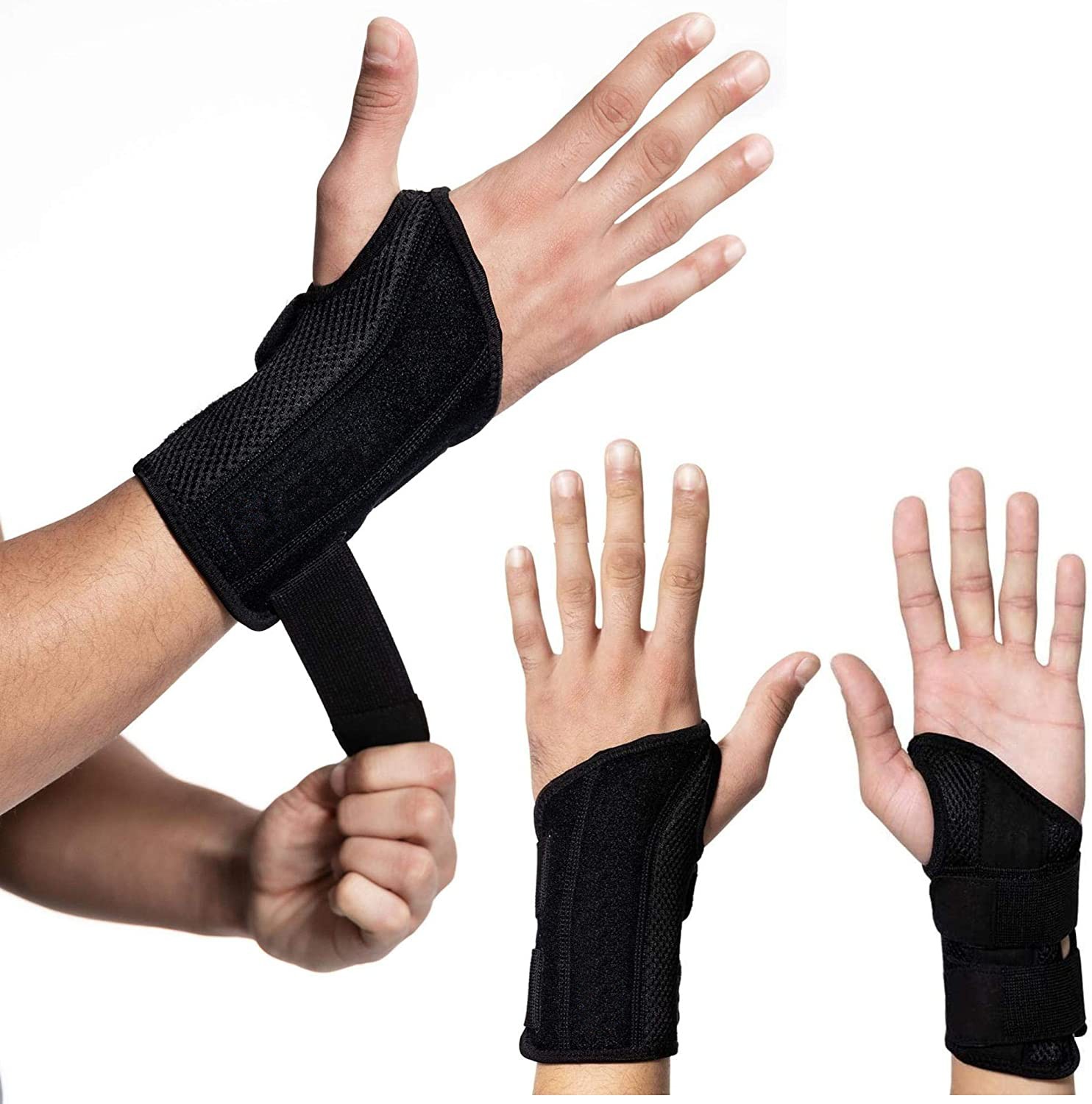
A key feature is the removeable metal splint that provides targeted stability. It helps keep your wrist comfortably straight, curbing excessive movement that can inflame tissues or prolong recovery. You can remove the splint whenever you want a lighter fit, giving you the freedom to adapt the level of support to your needs. This thoughtful design works whether you’re dealing with a recent injury or addressing an ongoing issue, ensuring your wrist stays aligned and your healing process runs smoothly.
Soothing Compression to Ease Aches and Pains
One key component of successful recovery from wrist injuries is compression. Our wrist support is designed to provide soothing compression to the affected area. But why is compression beneficial? It works by applying consistent pressure to your injured wrist, promoting increased blood flow that helps reduce inflammation and swelling, and consequently speeding up recovery.
Fully Adjustable Velcro Straps
No one wants a bulky wrist brace that slips or digs in. That’s why we’ve included adjustable Velcro straps that wrap around your hand securely. You can tighten or loosen them as needed, maintaining a snug fit that stays put without irritating your skin. This tailored approach keeps you focused on your routine without constant readjustments.
Skin-Friendly, Breathable Materials
Our Wrist Support Splint is made from soft, breathable materials designed to wick away moisture and keep your hand dry. Whether you’re wearing it during daily tasks or while resting in bed, the splint remains comfortable against your skin. This helps prevent sweat build-up and irritation, so you stay cool and confident regardless of the situation.
Ideal for Injury Recovery and Prevention
Wearing our supportive wrist splint can help alleviate discomfort and promote healing for a variety of conditions. Here are some common examples:
Carpal Tunnel Syndrome – Helps alleviate discomfort and tingling by stabilizing the wrist and reducing pressure on the median nerve.
Understanding Carpal Tunnel Syndrome: Relief Starts Here
Carpal Tunnel Syndrome occurs when the median nerve—a major nerve running from the forearm into the palm—becomes compressed or irritated as it passes through the carpal tunnel, a narrow passageway in the wrist. This tunnel is formed by bones and ligaments, housing not just the nerve but also the tendons responsible for finger movement. When swelling or inflammation narrows this space, pressure on the nerve leads to pain, numbness, or weakness in the hand and wrist.
In the UK, it’s estimated that roughly 1 in 20 adults experience symptoms of Carpal Tunnel Syndrome at some point, with women and those aged 40–60 being most affected. Data from the National Health Service (NHS) highlights it as one of the most common nerve-related conditions, particularly among individuals with jobs requiring repetitive hand motions or prolonged wrist flexion.
The condition primarily targets the wrist’s anatomy—specifically the transverse carpal ligament, flexor tendons, and median nerve. Over time, repetitive strain or underlying factors like arthritis, pregnancy, or diabetes can thicken tendons or cause fluid retention, squeezing the nerve. This disrupts its ability to transmit signals properly, leading to symptoms like tingling in the thumb, index, and middle fingers, a weakened grip, or a burning sensation that may radiate up the arm.
Symptoms vary widely: some notice occasional numbness when holding a phone or steering wheel, while others endure constant pain disrupting sleep or daily tasks. Left untreated, prolonged nerve compression can lead to permanent muscle thinning at the base of the thumb or irreversible loss of hand coordination. Early diagnosis is critical. Clinicians often use physical exams—checking for tenderness, weakness, or altered sensation—and may recommend nerve conduction studies to confirm the diagnosis.
Daily life with Carpal Tunnel Syndrome can feel frustrating. Simple actions like typing, gripping utensils, or buttoning a shirt become challenging. Pain might interfere with work, hobbies, or even rest, as many experience worsened symptoms at night. The good news? Proactive management, including rest, ergonomic adjustments, and targeted support, can significantly improve outcomes.
Wearing a wrist support splint is a cornerstone of non-invasive care. A well-designed splint stabilizes the wrist in a neutral position—neither bent upward nor downward—which reduces pressure on the median nerve and inflamed tendons. By limiting repetitive movements that aggravate the carpal tunnel, it allows tissues to heal. Our splint is tailored to cradle the transverse carpal ligament and surrounding structures, distributing pressure evenly to prevent further irritation. Many users report reduced nighttime symptoms and improved grip strength within weeks of consistent use.
If you’re experiencing tingling, weakness, or discomfort in your hands or wrists, don’t ignore it. Early intervention with supportive care, like our wrist splint, can prevent long-term damage and restore comfort to your daily routine. Explore how the right support can make a difference—your hands deserve it.
Tendonitis – Provides support to inflamed or injured tendons, promoting faster healing and reducing strain.
Understanding Tendonitis in the Wrist and Hand
Tendonitis is a painful condition caused by inflammation or irritation of a tendon—the thick, cord-like structure that connects muscle to bone. When it affects the wrist or hand, it typically involves tendons responsible for moving your fingers, thumb, or stabilizing the wrist joint. Repetitive motions, overuse, or sudden strain can cause tiny tears in these tendons, leading to swelling, stiffness, and discomfort. In the UK, tendonitis is a common musculoskeletal issue, particularly among adults aged 30–60. According to a 2022 report by the Health and Safety Executive, work-related tendonitis accounts for nearly 15% of musculoskeletal disorders, with occupations like office work, manual labor, and healthcare roles being disproportionately affected.
The wrist and hand rely on a complex network of tendons, including the flexor tendons (which help you grip) and the extensor tendons (which straighten your fingers). When inflamed, these tendons may thicken or develop friction as they glide through their protective sheaths, limiting mobility. Over time, untreated tendonitis can weaken the tendon’s structure, increasing the risk of chronic pain or even rupture. Those most at risk include individuals who perform repetitive tasks (e.g., typing, lifting), athletes (e.g., tennis players, weightlifters), and people with conditions like arthritis or diabetes, which reduce tendon resilience.
Symptoms often start as a dull ache near the wrist or base of the thumb, escalating to sharp pain during movement. Swelling, tenderness to touch, and a “grating” sensation when flexing the wrist or fingers are common. For some, even holding a cup or typing an email becomes challenging. Left unmanaged, tendonitis can disrupt sleep, reduce grip strength, and make routine activities—like cooking or driving—exhausting.
A diagnosis typically involves a physical exam to pinpoint tender areas and assess range of motion. Clinicians may ask you to perform specific movements (e.g., making a fist) to replicate the pain. Imaging tests like ultrasound are occasionally used to rule out tears or other damage.
Wearing a wrist support splint can play a crucial role in recovery. By immobilizing the wrist and hand, a splint reduces strain on the flexor and extensor tendons, allowing inflammation to subside. It also prevents awkward bending or twisting motions that aggravate the injury. Our wrist support splint at NuovaHealth is designed to align the carpal bones and tendons, distributing pressure evenly while maintaining gentle compression. This support not only eases pain but also encourages proper healing by minimizing daily reinjury.
Early intervention improves the prognosis significantly. Most people recover fully with rest, splinting, and targeted exercises. Ignoring symptoms, however, may lead to persistent stiffness or reduced dexterity.
If tendonitis is affecting your daily life, consider how a wrist support splint could help you regain comfort and function. At NuovaHealth, our splints are crafted to provide stability without sacrificing mobility, so you can focus on healing—and get back to doing what you love.
Repetitive Strain Injuries (RSI) – Helps lessen the effects of overuse by supporting and stabilizing the wrist during repetitive motions.
Understanding Repetitive Strain Injuries (RSI)
Repetitive Strain Injuries (RSI) refer to a group of conditions caused by prolonged repetitive movements, overuse, or sustained awkward postures. These injuries typically develop gradually, affecting muscles, tendons, and nerves—particularly in the wrists, hands, forearms, and upper arms. RSI occurs when repetitive tasks create tiny tears or inflammation in soft tissues, leading to pain, stiffness, and reduced mobility. In the UK, it’s a significant health concern, with the Health and Safety Executive reporting over 470,000 work-related musculoskeletal cases in 2020/21, many linked to repetitive tasks.
The wrists and hands are most vulnerable due to their complex anatomy—think tendons like the flexor carpi radialis or nerves such as the median nerve, which passes through the carpal tunnel. Repetitive motions, like typing or gripping, strain these structures, causing inflammation, reduced blood flow, or nerve compression. Office workers, manual laborers, musicians, and athletes are at higher risk, especially those with poor posture or inadequate ergonomic setups.
Symptoms often start subtly: a dull ache in the wrist after work, stiffness in the fingers, or tingling in the thumb and index finger. Over time, this can escalate to sharp pain, weakness, or even numbness that disrupts sleep or daily tasks. Severity varies—some experience intermittent discomfort, while others face constant pain that limits their ability to hold objects or perform simple actions like opening jars.
Left untreated, RSI can lead to chronic pain, reduced grip strength, or permanent nerve damage. Early intervention improves prognosis significantly. Diagnosis typically involves physical exams to assess tenderness and range of motion, alongside discussions about activity patterns. In some cases, imaging tests rule out other issues.
Wrist support splints play a critical role in managing RSI. By stabilizing the wrist joint and limiting repetitive flexion, they reduce strain on the flexor tendons and carpal tunnel. This alleviates pressure on the median nerve, easing tingling and pain. Our wrist support splints at NuovaHealth are designed to maintain a neutral wrist position—key for preventing overuse during tasks like typing or lifting. They also promote rest for inflamed tissues, allowing natural healing.
Living with RSI can feel exhausting. Simple tasks like cooking, writing, or even scrolling on a phone become challenging. Fatigue and frustration often follow, impacting mental well-being. But small adjustments—like ergonomic tools and supportive gear—can make a profound difference.
If you’re struggling with wrist or hand discomfort, don’t ignore it. Early action prevents long-term complications. Our wrist support splints offer targeted relief, helping you regain comfort and confidence in daily activities. Explore how NuovaHealth’s solutions can support your recovery journey—because every movement should feel effortless, not painful.
Sprains and Strains – Offers compression to reduce swelling and helps you keep your wrist in a neutral position for better healing.
Understanding General Sprains and Strains in the Wrist and Hand
A sprain or strain in the wrist or hand occurs when soft tissues—like ligaments, muscles, or tendons—are stretched or torn due to sudden force, overuse, or repetitive motion. Sprains specifically affect ligaments (the bands connecting bones), while strains involve muscles or tendons (tissues attaching muscles to bones). These injuries are common, with the NHS estimating that musculoskeletal issues, including sprains and strains, account for nearly 30% of all workplace absences in the UK. They’re especially prevalent among athletes, manual laborers, and those with active lifestyles.
The wrist and hand rely on a complex network of small bones, joints, and soft tissues to function. When a sprain or strain happens, inflammation and micro-tears disrupt this delicate system. For example, a wrist sprain might damage the scapholunate ligament, which stabilizes the small bones near the thumb, while a strain could overstress the flexor tendons responsible for gripping. Without proper care, this can lead to chronic pain, reduced grip strength, or even arthritis over time.
Symptoms often include localized pain, swelling, bruising, and stiffness. Some struggle to move the wrist or grasp objects, while others feel a persistent ache even at rest. Imagine trying to open a jar or type on a keyboard—these simple tasks become challenging. Left untreated, weakened support in the area can lead to repeated injuries or long-term joint instability.
Diagnosis typically involves a physical exam to assess range of motion and tenderness. In some cases, imaging like an X-ray or MRI may rule out fractures. Early intervention is key. That’s where a well-designed wrist support splint becomes essential. By immobilizing the wrist and hand, it reduces strain on injured ligaments and tendons, allowing them to heal. Our splint, for instance, cradles the carpal bones and supports the transverse carpal ligament, minimizing pressure during daily activities. It also keeps the wrist in a neutral position, preventing awkward bends that aggravate tissues.
If you’re dealing with persistent discomfort, don’t ignore it. The right support can make a tangible difference in recovery—helping you regain strength and return to the activities you love. Explore our wrist support splint at NuovaHealth, crafted to provide stability without sacrificing comfort. Every step toward healing matters, and protecting your wrist today can prevent bigger challenges tomorrow.
Post-Fracture Recovery – Assists in stabilizing the wrist once a cast has been removed, aiding in gradual rehabilitation.
Understanding Post-Fracture Recovery in the Wrist and Hand
Post-fracture recovery in the wrist and hand refers to the healing process following a broken bone in these areas, which often involves restoring mobility, strength, and function. Fractures here typically affect bones like the radius, ulna, or smaller carpal bones, disrupting their alignment and stability. In the UK, wrist and hand fractures account for nearly 25% of all fractures in adults, according to data from the National Health Service (NHS), with older adults and active individuals at higher risk due to falls or sports-related injuries.
The wrist and hand rely on a delicate network of bones, tendons, ligaments, and nerves to perform precise movements. After a fracture, inflammation and stiffness can limit joint flexibility, while weakened muscles may reduce grip strength. Scar tissue formation or improper bone alignment during healing can further complicate recovery, leading to prolonged discomfort or reduced dexterity. Common causes include accidental falls, repetitive strain, or trauma from activities like cycling or manual labor. Those with osteoporosis, athletes, or workers in physically demanding roles are particularly vulnerable.
Symptoms often include persistent pain, swelling, tenderness to touch, and difficulty moving the wrist or fingers. Some may notice a visible deformity or hear a clicking sound during movement. Symptoms vary—while one person might struggle to lift a kettle, another could find typing unbearable. Left untreated, complications like chronic pain, arthritis, or permanent stiffness may develop. Early diagnosis through physical exams and imaging, such as X-rays, ensures proper bone alignment and guides treatment.
Daily life disruptions are significant. Simple tasks—buttoning a shirt, opening jars, or holding a phone—become challenges. Work productivity may decline, and hobbies like cooking or gardening feel out of reach. The frustration of limited independence can also affect mental well-being.
This is where a wrist support splint becomes invaluable. By stabilizing the wrist and hand, it reduces strain on healing bones like the scaphoid or lunate, while supporting ligaments and tendons. Our splint is designed to maintain neutral alignment, preventing harmful movements that could delay recovery. It also alleviates pressure on inflamed tissues, allowing you to engage in gentle rehabilitation exercises safely.
Recovery timelines vary, but consistent use of a splint, paired with physiotherapy, often leads to better outcomes. Factors like age, overall health, and adherence to rest play a role. Ignoring recovery protocols risks long-term issues, but proactive care fosters a smoother return to normal activities.
If you’re navigating post-fracture recovery, consider how our wrist support splint could ease your journey. By offering stability and comfort, it’s a practical step toward regaining control of your daily life—one gentle movement at a time.
Post-Surgical Recovery – Delivers needed support and consistent positioning to protect the surgical site as it heals.
Understanding Post-Surgical Recovery for the Wrist and Hand
Post-surgical recovery involving the wrist and hand refers to the healing process after an operation to repair injuries, correct deformities, or address chronic conditions in these areas. This phase is critical—your body works to restore strength, mobility, and function while managing pain and inflammation. In the UK, over 25,000 wrist and hand surgeries are performed annually, according to a 2022 report by the British Society for Surgery of the Hand. These procedures often follow fractures, ligament tears, or carpal tunnel syndrome, with recovery times varying from weeks to months depending on the surgery’s complexity.
The wrist and hand rely on a delicate network of bones, tendons, ligaments, and nerves. After surgery, swelling and scar tissue can limit joint movement, while weakened muscles may struggle to grip or perform fine motor tasks. The radial and ulnar arteries supply blood to the area, and inflammation can disrupt this flow, slowing healing. Those at higher risk include individuals with physically demanding jobs, older adults with age-related tissue changes, or people with conditions like diabetes that impair recovery.
Common symptoms include stiffness, throbbing pain (especially during activity), numbness, and reduced grip strength. Some notice swelling around the incision site or a “tight” sensation as scar tissue forms. Without proper care, complications like chronic pain, joint stiffness, or even re-injury can develop. Early intervention, guided by a physiotherapist or surgeon, improves outcomes significantly. Diagnosis typically involves physical exams, mobility tests, and imaging to assess bone or soft tissue healing.
Daily life can feel challenging during recovery. Simple tasks—like opening jars, typing, or lifting groceries—may become frustrating or impossible. Sleep disruption from discomfort is common, and reliance on others for help can impact independence. This is where targeted support matters.
A well-designed wrist support splint stabilizes the joint, reduces strain on healing tissues, and promotes proper alignment. For example, our splint cradles the carpal bones and metacarpals, offloading pressure on tendons like the flexor carpi radialis—a common source of post-surgical pain. By limiting excessive movement, it helps prevent re-injury while encouraging safe, gradual mobility. Many users report less swelling and improved confidence during daily activities, as the splint’s adjustable compression adapts to their healing stage.
Ignoring post-surgical care risks long-term issues, but proactive management makes a difference. Alongside exercises recommended by your care team, a wrist support splint can be a cornerstone of recovery. Our design prioritizes comfort and medical-grade support, with breathable materials to avoid skin irritation during extended wear.
If you’re navigating wrist or hand recovery, remember: healing takes time, but the right tools can ease the journey. Explore how a dedicated splint could help you regain control—safely and steadily. Your daily routine doesn’t have to wait.
Arthritis (including Rheumatoid Arthritis and Osteoarthritis) – Eases achy joints and stiffness by maintaining proper alignment and gentle compression.
Understanding Arthritis in the Wrist and Hand
Arthritis is a condition that causes inflammation, pain, and stiffness in the joints. When it affects the wrist and hand, it often disrupts the smooth movement of bones, cartilage, and connective tissues. There are two main types: osteoarthritis (OA), which involves the gradual breakdown of cartilage due to wear and tear, and rheumatoid arthritis (RA), an autoimmune disorder where the body’s immune system mistakenly attacks healthy joint tissue. Both types can lead to swelling, reduced mobility, and difficulty performing everyday tasks like gripping objects or bending the fingers.
In the UK, arthritis is widespread—over 10 million people live with it, according to data from the National Health Service (NHS). Around 350,000 of these cases are rheumatoid arthritis, while osteoarthritis is more common, particularly in adults over 45. Women are disproportionately affected, especially for RA, which is three times more likely to occur in women than men.
The wrist and hand rely on intricate networks of joints, tendons, and ligaments. In OA, cartilage cushioning the ends of bones (like those in the carpal bones of the wrist or finger joints) wears down, causing bone-on-bone friction. RA, meanwhile, targets the synovium—the lining of joints—triggering inflammation that damages cartilage and bone over time. This can lead to visible deformities, such as crooked fingers or a misaligned wrist. Common causes include aging, repetitive hand movements, genetic predisposition, or previous injuries. Those at higher risk include older adults, individuals with family histories of arthritis, and people in occupations requiring repetitive hand use, like manual laborers or artists.
Symptoms often start subtly: a dull ache after activity, morning stiffness (lasting over 30 minutes in RA), or swelling around the knuckles or wrist. As the condition progresses, pain may become constant, grip strength can weaken, and simple actions like opening jars or typing may feel challenging. Symptoms vary—some experience flare-ups followed by relief, while others face steady discomfort.
Left untreated, arthritis can lead to permanent joint damage, chronic pain, or even loss of function. Early diagnosis improves outcomes. Doctors typically use physical exams, blood tests (to detect RA-specific antibodies), and imaging like X-rays or MRI scans to assess joint damage.
Managing arthritis involves reducing strain on affected joints. Our wrist support splint is designed to stabilize the wrist and lower hand, offloading pressure from inflamed areas like the carpal bones and radioulnar joint. By limiting excessive movement, it helps reduce pain during activities and prevents further strain. The splint’s adjustable compression also improves circulation, easing stiffness. For those with RA, consistent support can minimize flare-ups; for OA, it can slow cartilage wear by promoting proper joint alignment.
Living with arthritis doesn’t have to mean surrendering your independence. Small adjustments—like using supportive devices—can make a significant difference in comfort and mobility. If wrist or hand pain is disrupting your daily life, consider trying our splint. It’s a simple step toward protecting your joints and reclaiming ease in your routine.
Gout – Helps reduce stress on the affected joint and may lessen discomfort during flare-ups.
Understanding Gout in the Wrist and Hand
Gout is a type of inflammatory arthritis caused by a buildup of uric acid crystals in the joints. When it affects the wrist or hand, it targets areas like the carpals (small bones in the wrist), metacarpophalangeal joints (knuckles), and even the fingers. These crystals trigger sudden, intense pain, swelling, redness, and stiffness, making even simple movements feel impossible. In the UK, gout affects roughly 1 in 40 adults, with men over 30 and postmenopausal women at higher risk, according to national health data.
The condition disrupts the delicate balance of the wrist and hand’s anatomy. Uric acid deposits irritate the synovium—the lining of the joint—causing inflammation that spreads to surrounding tendons, ligaments, and soft tissues. Over time, repeated flares can damage cartilage and lead to permanent joint changes. Common triggers include diets rich in red meat or seafood, alcohol consumption, obesity, and certain medications like diuretics.
Symptoms often strike suddenly, with severe pain, visible swelling, and skin that feels warm or looks purplish. Some people struggle to bend their fingers or rotate their wrists, while others describe a lingering ache between flare-ups. The unpredictability of gout can make daily tasks—like holding a cup, typing, or buttoning a shirt—frustrating or outright painful. Left untreated, it may progress to chronic arthritis, joint deformity, or tophi (chalky lumps under the skin).
A diagnosis typically involves a physical exam, blood tests to measure uric acid levels, and sometimes joint fluid analysis to confirm crystals. Managing gout combines medication to lower uric acid, anti-inflammatory treatments, and lifestyle adjustments. Resting the affected joint is critical during flares—this is where a well-designed wrist support splint becomes invaluable.
By immobilizing the wrist and hand, a splint reduces stress on inflamed joints, ligaments, and tendons. It limits painful movements while promoting proper alignment of the carpals and metacarpals, which can speed up recovery during acute episodes. Our splint is tailored to provide gentle compression without restricting circulation, making it easier to stay mobile while protecting vulnerable areas.
If gout in your wrist or hand disrupts your routine, consider how targeted support could ease your symptoms. Early intervention helps prevent long-term damage—and with the right tools, you can regain control over your daily life. Explore our wrist support splint, designed to stabilize affected joints and reduce strain during flares. Take the next step toward comfort and mobility today.
De Quervain’s Tenosynovitis – Limits thumb and wrist movement to alleviate pain and promote a faster recovery.
Understanding De Quervain’s Tenosynovitis: A Guide to Relief
De Quervain’s Tenosynovitis is a painful condition affecting the tendons on the thumb side of your wrist. These tendons—the abductor pollicis longus and extensor pollicis brevis—slide through a sheath that keeps them in place. When this sheath becomes inflamed or swollen, movement of the thumb and wrist triggers friction, leading to stiffness, tenderness, and a sharp or aching pain. In the UK, this condition is relatively common, particularly among adults aged 30–50, with studies suggesting it affects women more frequently than men. While exact numbers aren’t always reported, healthcare providers note a strong association with repetitive hand or wrist motions.
The inflammation directly impacts the first dorsal compartment of the wrist, where the two tendons pass. Overuse or strain thickens the sheath, narrowing the space for the tendons to glide. This creates a cycle of irritation, making even simple motions like gripping a cup or turning a doorknob painful. Those most at risk include new parents (from lifting babies), manual laborers, gardeners, or anyone performing repetitive tasks like typing or assembly work. Even hobbies like knitting or gaming can contribute if done excessively.
Symptoms often start as mild discomfort near the base of the thumb, progressing to swelling and a “catching” sensation when moving the thumb. Some people feel pain radiating up the forearm. Severity varies: for some, it’s a dull ache after activity; for others, constant pain disrupts sleep. Without treatment, chronic inflammation may lead to scarring in the tendon sheath, permanently limiting mobility.
Daily life takes a hit. Buttoning a shirt, opening jars, or holding a phone becomes challenging. Work productivity may drop, and hobbies feel frustrating. The persistent discomfort can also affect mood and energy levels. Early intervention is key—most people recover fully with rest and proper care, but ignoring symptoms risks long-term stiffness or weakness.
Diagnosis typically involves a physical exam. A healthcare provider might perform the Finkelstein test, where you tuck your thumb into your palm and bend your wrist downward. Pain during this motion strongly suggests De Quervain’s. Imaging tests like ultrasound are rarely needed but can rule out other issues.
Wearing a wrist support splint can significantly ease symptoms. A well-designed splint stabilizes the thumb and wrist, limiting movement that aggravates the inflamed tendons. By immobilizing the abductor pollicis longus and extensor pollicis brevis, pressure on the sheath is reduced, allowing inflammation to subside. Our wrist support splint is tailored to target these specific areas, offering compression and support without restricting your entire hand. It’s lightweight for all-day wear, whether you’re working, parenting, or resting.
If you’re struggling with thumb or wrist pain, don’t wait for it to worsen. Early use of a splint, combined with activity modification, can speed recovery and prevent complications. Explore how our wrist support splint can help you regain comfort and mobility. Simple adjustments today mean a quicker return to the activities you love—without the ache holding you back.
Wrist Instability – Reinforces the joint to keep it from shifting out of place, reducing the risk of further strain or damage.
Understanding Wrist Instability and How Our Support Splint Can Help
Wrist instability occurs when the ligaments, tendons, or bones in the wrist joint become damaged or weakened, leading to improper alignment and reduced control during movement. Think of your wrist as a complex network of small bones (like the scaphoid and lunate) held together by ligaments. When these structures are compromised, the joint can’t function smoothly, causing pain, weakness, or a sensation of the wrist “giving way.” In the UK, musculoskeletal issues like wrist instability affect roughly 1 in 20 adults annually, according to the National Health Service (NHS), with repetitive strain injuries and sports-related trauma being common contributors.
The condition primarily disrupts the carpal bones and the ligaments connecting them. Over time, instability can lead to uneven wear on cartilage, inflammation, and even arthritis if left unaddressed. Those most at risk include people who perform repetitive hand movements (like manual laborers or athletes), individuals with prior wrist injuries, or those with conditions like rheumatoid arthritis. Symptoms range from a dull ache during activity to sharp pain when gripping objects, swelling around the joint, or a clicking sound when moving the wrist. For some, even simple tasks like turning a doorknob or holding a cup become challenging.
Left untreated, wrist instability can worsen, leading to chronic pain, reduced mobility, or irreversible joint damage. Early diagnosis typically involves physical exams to assess range of motion and stability, often followed by imaging techniques to rule out fractures or ligament tears. The good news? Proactive management, including rest and targeted support, can significantly improve outcomes.
This is where our wrist support splint becomes a practical solution. By gently compressing the carpal bones and stabilizing the ligaments around the scaphoid and lunate, the splint reduces strain during daily activities. Its adjustable design ensures proper alignment, preventing excessive movement that could aggravate the joint. For those recovering from injury or managing long-term instability, wearing the splint during tasks like typing, lifting, or exercising can alleviate pressure, promote healing, and restore confidence in your wrist’s strength.
If wrist instability is affecting your work, hobbies, or everyday life, consider how our support splint could help you regain control. By providing consistent stabilization, it addresses the root of the problem—not just the symptoms—helping you move more comfortably and safely. Take the next step toward a stronger, more stable wrist. You deserve to live without constant discomfort holding you back.
Whether you’re dealing with a recent injury, recovering from surgery, or simply looking to protect a vulnerable wrist, this splint can provide the stability you need for more secure and comfortable daily movements.
Versatile Protection, Day or Night
Sleeping with wrist pain? The splint’s lightweight design stays comfortable through the night, preventing unconscious movements that delay healing. Active during the day? Its low-profile build fits under sleeves, offering discreet support during work, sports, or chores. Recovery doesn’t pause—neither should your life.
Premium Anti-Slip Interior Grip
Nothing is worse than a brace that constantly shifts out of place. That’s why an anti-slip interior grip is key. It helps the splint stay firmly in position, so you can move around with greater confidence. From office tasks to light exercises, you’ll feel stable every step of the way.
Layered Cushioning for Pressure Relief
By incorporating layered padding around sensitive joint areas, this splint focuses on distributing pressure evenly. You won’t experience that “digging” sensation in one spot. Instead, the cushioning helps guard against added strain, allowing for a more comfortable recovery process.
Double-Stitched Seams for Long-Lasting Durability
Wrist supports undergo constant flexing and bending. Ensuring they hold up over time is essential. Reinforced double-stitched seams enhance the splint’s overall durability, so you can rely on it day after day without worrying about premature wear and tear.
Slim, Discrete Profile for Everyday Wear
A bulky brace can be distracting. That’s why this wrist support has a slim, low-profile structure that stays nearly invisible under clothing. You can wear it at the office, during casual outings, or even while running errands without feeling self-conscious. It’s the right blend of subtle design and dependable support.
Odor-Neutralizing Fabric
Extended wear can sometimes lead to unwanted smells. To tackle this issue, our splint is crafted with odor-neutralizing fabric that keeps things fresh. It actively works to reduce unpleasant odors, helping you feel confident whether at home, work, or anywhere in between.
Quick-Dry Inner Lining
Say goodbye to that clammy feeling often caused by trapped moisture. The quick-dry inner lining helps wick away sweat and speeds up evaporation, so your wrist stays pleasantly dry. It’s a welcome feature when you’re active or living in warmer climates, giving you one less worry during recovery.
Backed by a 30-Day Money-Back Guarantee
We’re confident that our Wrist Support Splint can make a difference in your recovery journey. That’s why it’s backed by a full 30-day money-back guarantee. If you don’t feel the soothing relief you expected, you’re free to return it. No fuss, no worries.
Take control of wrist discomfort and reclaim your day-to-day activities. The NuovaHealth Wrist Support Splint provides stability, supports recovery, and delivers the relief you’ve been seeking. It’s time to give your wrist the care it deserves.
Disclaimer:
While we have full confidence in the efficacy of our wrist support splint, your health and safety remain our top priority at NuovaHealth. Always consult a medical professional before using this product, especially if you experience persistent or unexplained wrist or hand pain, as it may be a sign of a more serious underlying condition that require a proper medical diagnosis and prompt treatment.
This product is designed to aid comfort and stability, but it is not a substitute for medical advice or treatment. Never use it to self-diagnose or ignore symptoms that warrant professional evaluation.
Who Should Avoid This Splint:
- Individuals with severe, acute injuries that cause instability in the wrist or hand, as compression could worsen the issue.
- People with open wounds or skin infections in the wrist area, as covering these could delay healing.
- Anyone with certain circulatory disorders or nerve conditions for whom compression can exacerbate symptoms.
- Those already advised by a medical professional to avoid compression devices due to other underlying health issues.
Tips for Safe Use:
- Avoid Over-Tightening: Straps should feel snug but not restrict circulation. Excessive pressure can worsen swelling or nerve irritation.
- Remove Immediately If Uncomfortable: Discomfort, numbness, or discoloration signals improper fit or an underlying issue. Stop use and seek advice.
- Limit Continuous Wear: Remove the splint periodically to check for skin irritation and promote blood flow.
- Position Correctly: Ensure the splint aligns with your wrist’s natural posture—incorrect placement may strain joints.
- Clean Regularly: Follow care instructions to maintain hygiene and prevent skin irritation.
At NuovaHealth, we care deeply about providing solutions that truly support your well-being—not just selling products. Prioritize your health: partner with your doctor to ensure this splint is right for you.
Fast & Secure Checkout Through Paypal
Pay with Paypal the secure payment gateway that accepts all credit and debit cards. Paypal is free and secure and no credit or bank information is ever stored or shared with us.
Fast Dispatch
Enjoy your items soon with quick dispatch via Royal Mail First Class. Expect to have your items between 1-3 days for domestic orders. 7-10 Working days for international orders.
Return Policy – 30 Day Money Back Guarantee
We are so confident that you will just love our product that we offer a full 30 day money back guarantee. In the unlikely event, you are unhappy with your purchase you can simply return it within 30 days for a refund. Please contact us via the form on the contact us page to start your return.
To return an item please send it to: Nuova Health UK, 81 Highfield Lane, Waverley, Rotherham, S60 8AL. Please include a note with your order id so we know who to refund.
Please retain your postage receipt as proof of postage. All that we ask is that the item is in the original packaging and unused.



Reviews
There are no reviews yet.