


Ulnar Nerve Brace
£9.99inc VAT
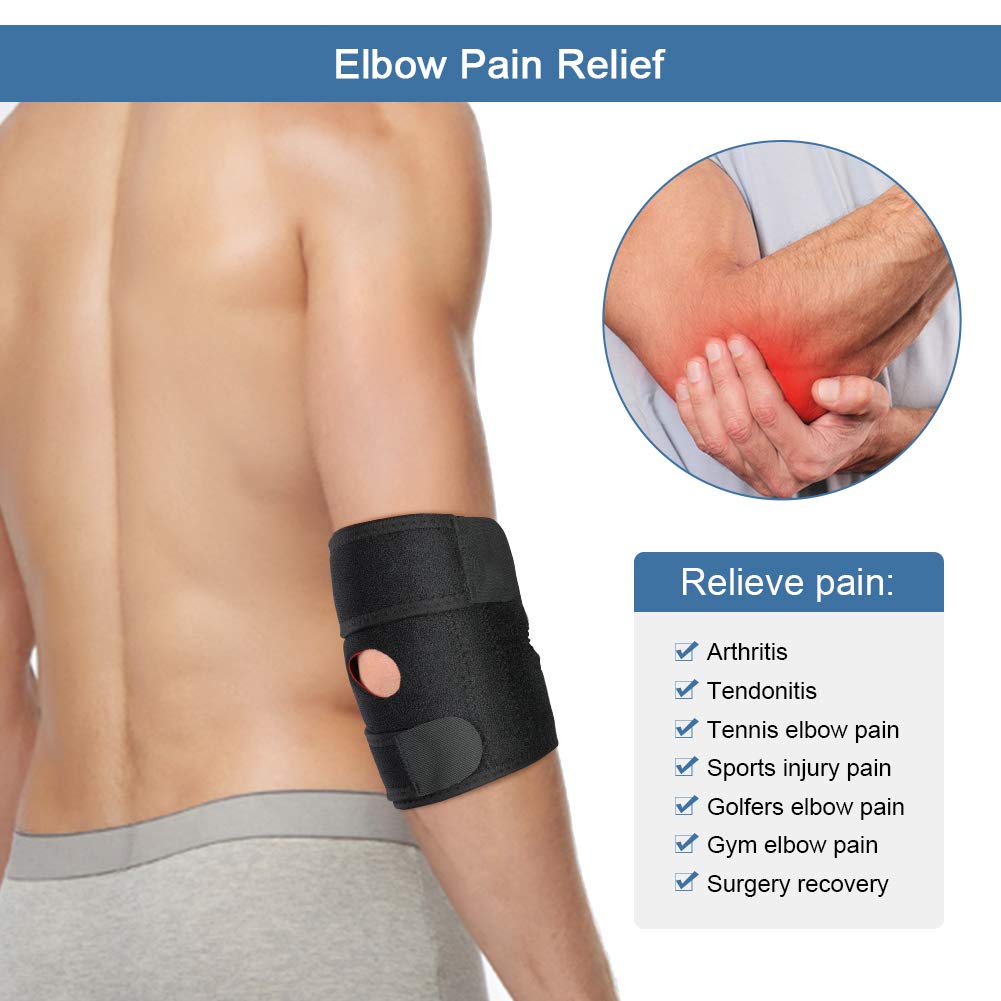
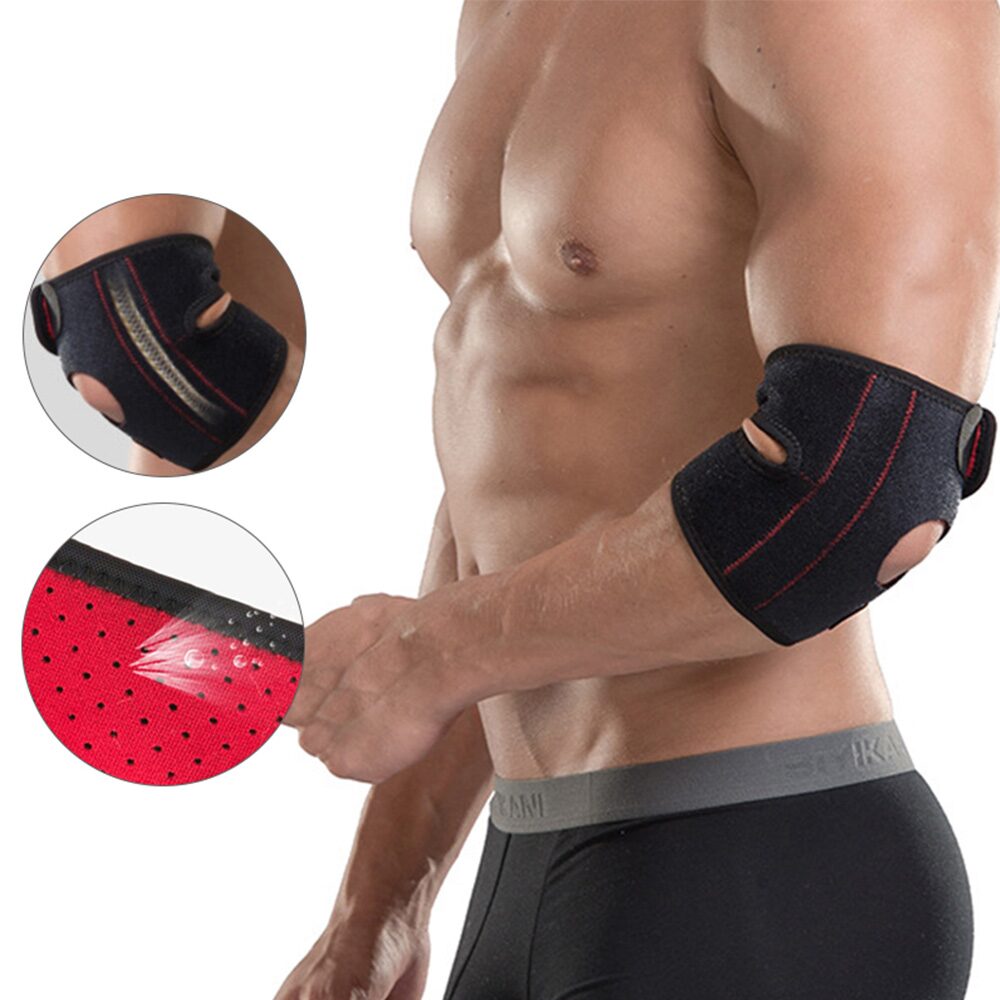
- Ulnar Nerve Elbow Support Brace designed to relieve pressure on the ulnar nerve and ease symptoms of cubital tunnel syndrome
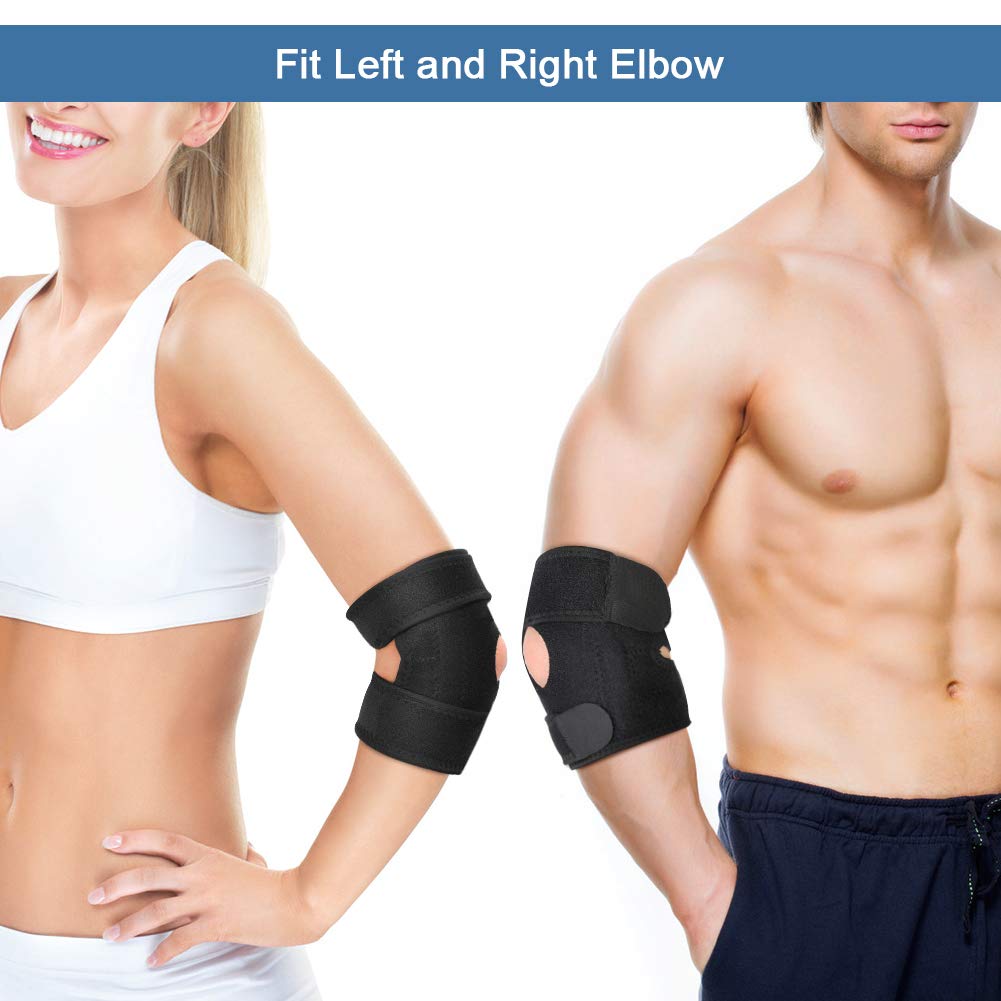
- Suitable for both men and women; adjustable straps fit a wide range of arm sizes and can be worn on either the left or right arm
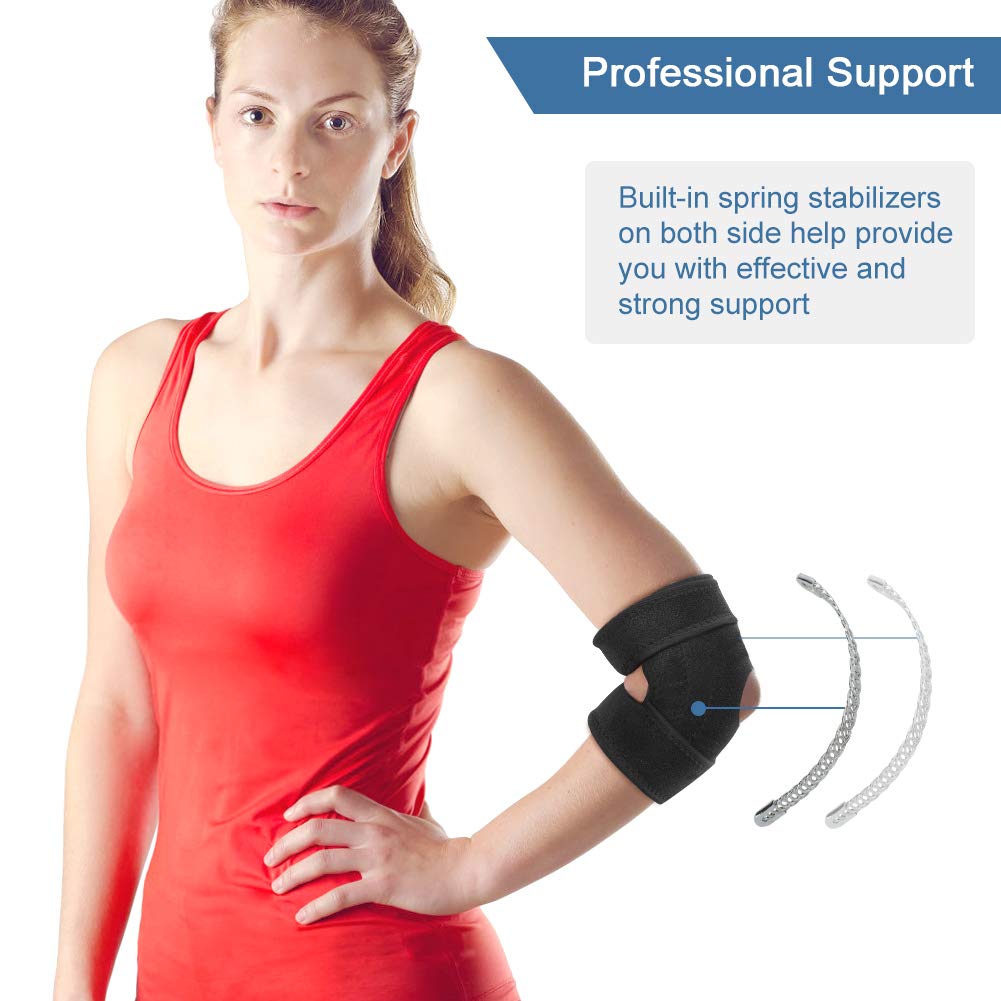
- Two slim metal stabilisers guide the elbow through a safe range of motion, preventing over‑bending and reducing strain on the nerve
- Soft viscoelastic padding cushions the inner elbow and relieves direct pressure on sensitive areas
- Flexible, ventilated neoprene provides gentle, even compression to support circulation and reduce swelling
- Silicone grip strips prevent slipping and help maintain correct elbow alignment during movement or rest
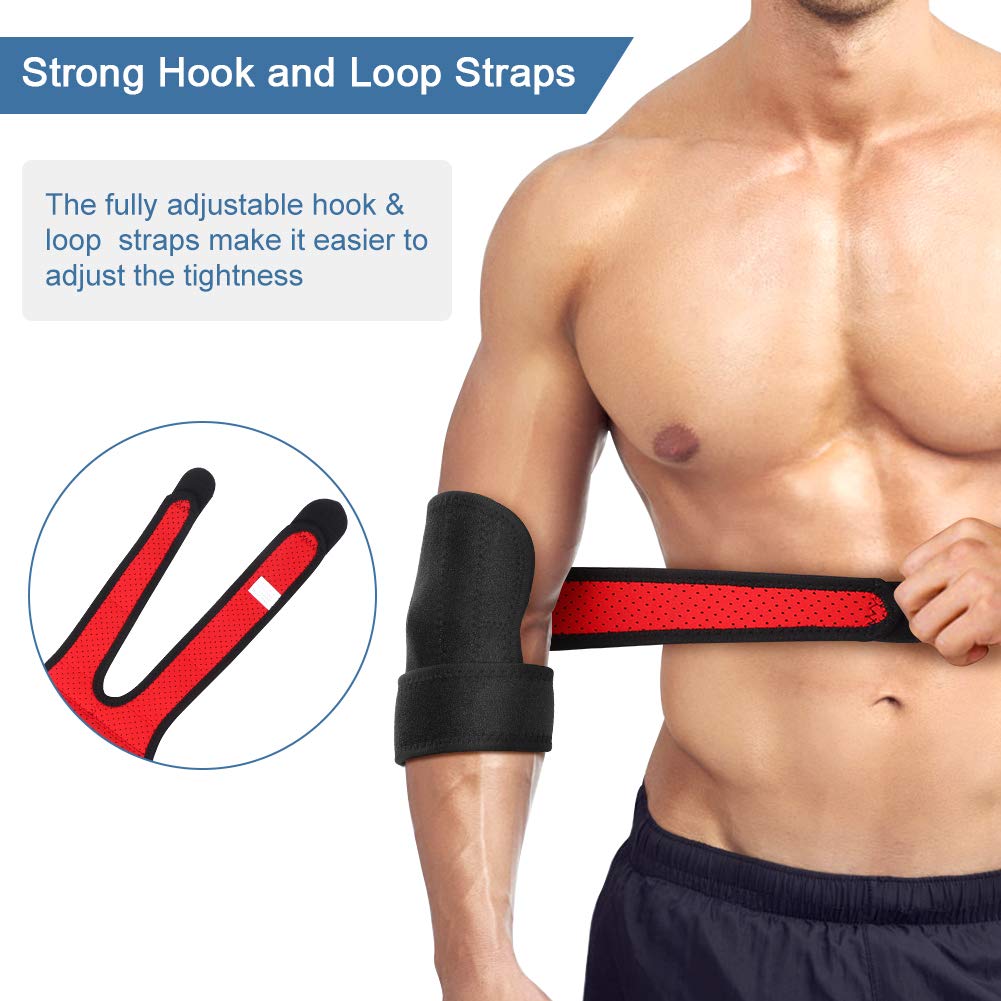
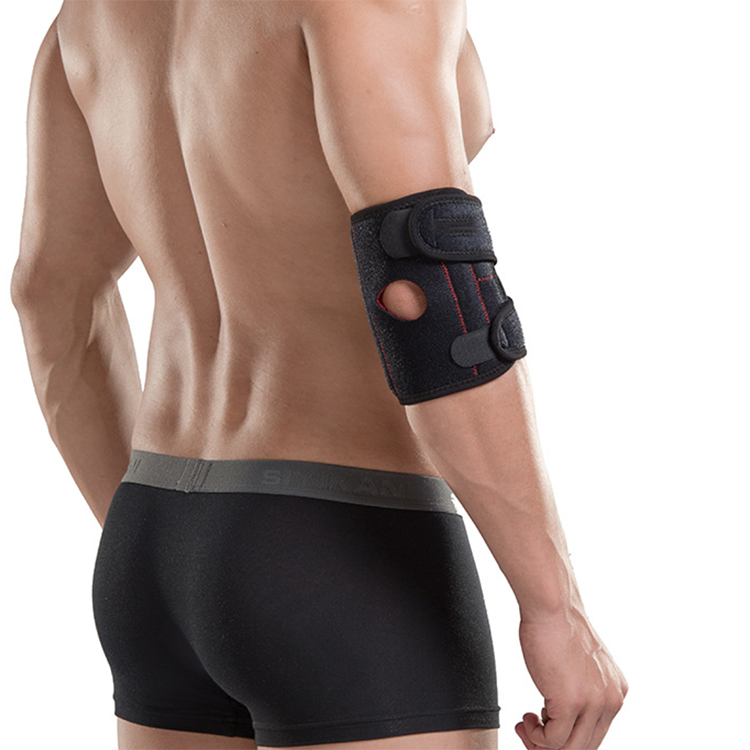
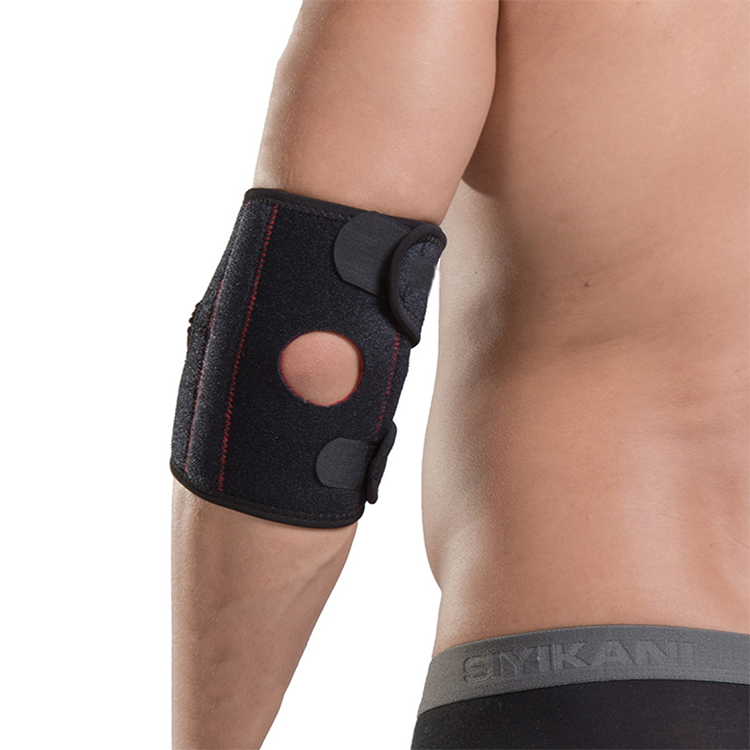
- Adjustable Velcro‑type straps allow precise control of compression and fit for secure, comfortable support
- Helps manage and prevent ulnar nerve entrapment, repetitive strain, tendon irritation, and post‑injury sensitivity
- Comfortable for daily wear or night‑time use; lightweight, breathable design fits easily under clothing
- Durable, hand‑washable materials designed for regular use; developed with input from UK physiotherapists and backed by a 30‑day satisfaction guarantee
Why the Elbow Starts to Tingle
If you’ve started to notice tingling in your ring or little finger, it’s usually a sign of mild nerve irritation — something that can be managed effectively with the right support. The ulnar nerve runs close to the surface of the skin, which is why even light pressure or bending can cause sharp discomfort. Most people bend their elbows more than they realise, especially during rest, and that repeated pressure can gradually irritate the nerve. These early signs are common and respond well to simple, consistent measures.
When this nerve is compressed, it can affect grip strength and coordination because it controls the small muscles that spread and stabilise the fingers. Simple movements can start to feel weak or unsteady. The discomfort may make you cautious about using your arm, which can lead to stiffness and reduced circulation. It can be frustrating when everyday tasks start to feel awkward, but early support often prevents the problem from becoming long‑term.
Common Causes of Ulnar Nerve Entrapment
Cubital Tunnel Syndrome
The cubital tunnel is a narrow passage behind the inner elbow where the ulnar nerve curves around the bone. Each time the elbow bends, this tunnel tightens and the nerve stretches slightly. Repeated bending or resting the elbow on hard surfaces can irritate the nerve’s protective sheath. The first sign is often tingling in the ring and little fingers, especially at night when the arm stays bent for long periods. Over time, gripping or fine hand movements may feel weak or clumsy — a typical sign of ulnar nerve entrapment.
Repetitive Strain and Desk Work
Spending long hours performing repetitive arm movements or resting the elbows on hard surfaces keeps the joint bent and the nerve under tension. This constant stretch reduces blood flow to the nerve and can cause mild inflammation. The result is a dull ache that builds through the day and a sharp twinge when straightening the arm after it has been bent for a while. This gradual irritation is often mistaken for muscle fatigue until tingling or numbness appears. Even a small change in elbow angle can alter how much tension the nerve experiences.
Post‑Injury or Surgical Sensitivity
After a fracture or operation near the elbow, scar tissue can form around the nerve once healing has taken place. This restricts its natural movement, so each bend pulls slightly on the nerve fibres. The sensation is often a mix of tingling and deep tenderness that flares with activity. This type of entrapment can persist long after the original injury has healed if the nerve remains tethered. The ulnar nerve only has a few millimetres of space to move, so even mild scarring can make a noticeable difference.
Arthritic or Tendon‑Related Pressure
In some adults, joint changes or inflamed tendons narrow the space where the nerve runs. Swelling or bony thickening can compress the nerve, producing a persistent ache and occasional numbness that radiates down the forearm. This structural entrapment can worsen over time as joint alignment changes. All these causes put pressure on the same vulnerable point — the cubital tunnel behind the inner elbow — where the nerve is most exposed.
What Happens Inside the Elbow
The ulnar nerve travels from the neck down the arm and passes through a narrow channel behind the inner elbow called the cubital tunnel. This tunnel is formed by bone on one side and a thin ligament on the other. Each time the elbow bends, the tunnel tightens and the nerve stretches slightly. Repeated bending, resting on hard surfaces, or swelling from overuse increases pressure within this confined space. Over time, the nerve sheath becomes inflamed, fluid from swelling builds up, and the nerve’s ability to move smoothly within its tunnel is reduced.
When the nerve is compressed, blood flow decreases and oxygen delivery drops. The body responds with inflammation, which further increases pressure. For this reason, symptoms often worsen at night — the elbow naturally bends during sleep, trapping the nerve for hours. Chronic compression can slow nerve conduction and, if ignored, lead to muscle weakness or wasting in the hand. Relief depends on maintaining adequate space around the nerve and preventing excessive bending or pressure. Keeping the joint slightly open reduces compression without restricting movement.
Understanding Entrapment and Why It Progresses
Ulnar nerve entrapment develops when the nerve becomes compressed or tethered within the cubital tunnel. In a healthy elbow, the nerve glides a few millimetres each time the arm bends and straightens. When the surrounding tissue thickens or tightens, that glide is lost. The nerve begins to stretch instead of slide, creating small areas of irritation that build into chronic entrapment. Prolonged pressure thickens the nerve’s protective sheath, reducing its ability to transmit signals efficiently.
This explains why symptoms often start as occasional tingling and progress to constant numbness or weakness. That’s the point where the nerve starts to lose its ability to move freely — and that’s when symptoms become constant. Early support helps to stop this cycle by maintaining space around the nerve and allowing it to move naturally. The goal isn’t to keep the elbow still, but to keep it aligned so the nerve can recover properly. Early support makes a measurable difference in recovery time.
How Targeted Support Relieves Pressure
Because the ulnar nerve is irritated by bending and direct pressure, the most effective way to relieve it is to limit those stresses while cushioning the joint. Rest on its own rarely resolves the problem because the elbow tends to bend without conscious awareness, especially during sleep. A supportive brace holds the elbow in a neutral, slightly open position, maintaining space around the nerve and reducing tension. This mechanical correction lowers inflammation and allows the nerve to recover. A brace that limits over‑bending by just a few degrees can reduce nerve tension significantly.
Clinicians often recommend controlled‑motion bracing for early‑stage or moderate ulnar nerve entrapment. It’s a conservative approach that reduces strain while maintaining gentle movement to keep tissues healthy. By preventing over‑bending and distributing pressure evenly, a brace targets the mechanical cause of the problem. The Ulnar Nerve Elbow Support Brace from NuovaHealth is clinically developed and tested in the UK for this purpose — to stabilise, protect, and promote nerve recovery without restricting normal activity. The aim is not to immobilise the joint but to keep it in a safe, supported position.
How the Brace Works
Controlled Movement and Alignment
Two slim metal supports are integrated along each side of the elbow, aligned with the joint’s natural hinge. They guide the elbow through a safe range of motion and prevent over‑bending that narrows the cubital tunnel. This stable alignment keeps the nerve relaxed and maintains its ability to move smoothly within its tunnel.
Pressure Relief and Cushioning
A soft, viscoelastic pad surrounds the inner elbow, spreading pressure evenly and protecting the sensitive bony ridge. The open section at the point of the elbow relieves direct pressure on the nerve and allows air to circulate. Smooth seams and a soft lining reduce friction against the skin for comfort during extended wear. A well‑fitted brace should feel supportive, not restrictive.
Gentle Compression and Circulation Support
Flexible, perforated neoprene provides mild, even compression that supports blood flow and limits fluid build‑up around the nerve. This helps reduce swelling that can narrow the cubital tunnel. Two adjustable straps above and below the joint distribute pressure evenly, while silicone grip strips prevent slipping. The material moves naturally with the arm, maintaining steady support day and night. Consistent use matters more than tightness — gentle, steady support is most effective.
Comfort and Fit
The brace follows the natural shape of the forearm and upper arm, ensuring even pressure and a secure fit. Lightweight, ventilated materials allow air to circulate, keeping the skin cool and dry. The slim design fits comfortably under clothing, and the wrap‑around structure makes it simple to apply and remove. Adjustable Velcro‑type straps fit a wide range of arm sizes and can be worn on either arm. Silicone strips prevent slippage, maintaining the correct elbow position to relieve nerve pressure.
Durability and Clinical Quality
High‑grade materials and reinforced stitching ensure the brace retains its shape and stability with regular use. Stable seams prevent uneven tension that could alter fit and support. Designed by NuovaHealth in collaboration with UK physiotherapists, the brace reflects the features clinicians prioritise in effective elbow support — stable alignment, controlled movement, and comfort suitable for regular daily use. It represents current clinical best practice for managing ulnar nerve entrapment.
Using the Brace Effectively
Wear the brace directly against the skin for the best results. Adjust the straps so it feels secure but never tight enough to restrict circulation. Start with short wear periods and gradually increase wear time as comfort allows. Remove the brace every few hours initially to gently bend and straighten the elbow — this keeps the joint flexible and mobile. Check the skin for redness or pressure marks; a mild warming sensation is expected as circulation improves, but persistent discomfort should be reviewed by a clinician. If the brace feels tight enough to leave deep marks, loosen it slightly.
During the day, the brace supports the elbow while you perform everyday activities such as desk work or light lifting, keeping the joint aligned and minimising strain on the ulnar nerve. At night, it limits excessive bending during rest, which is a common cause of morning tingling or stiffness. Most people find night‑time use makes the biggest difference, as the elbow naturally bends during sleep. Wash the brace by hand in cool water using mild detergent and leave it to air‑dry. Avoid direct heat or tumble drying to preserve the neoprene and stitching. Reinforced seams maintain the correct elbow position to relieve nerve pressure, even after repeated washing.
With consistent use, the brace supports nerve recovery and joint stability while reducing the likelihood of symptoms returning. For most people, improvement is noticeable within days as compression on the nerve reduces and circulation improves. Tingling is often the first symptom to improve, followed by reduced pain and better grip strength. Nerves recover slowly — typically only a few millimetres each week — so noticeable improvement can take several weeks or months, depending on how far along the nerve the irritation extends. That means recovery can take time, but steady progress is a positive sign that the nerve is healing.
When to Seek Further Advice
Mild to moderate cases of ulnar nerve entrapment often improve with consistent brace use and small changes to daily habits. However, if symptoms persist beyond two to three weeks, or if numbness, weakness, or pain worsens, seek medical assessment. Progressive numbness or visible muscle wasting may indicate reduced nerve function that needs professional evaluation. Early assessment ensures that any underlying causes, such as joint changes or scar tissue, are properly managed. A physiotherapist or GP can also recommend exercises or ergonomic adjustments to complement brace use and restore normal nerve movement.
People with diabetes, nerve disorders, or recent fractures should seek medical advice before using the brace, as reduced sensation or poor circulation can increase the risk of unnoticed pressure injury. If pain, numbness, or swelling increases, stop using the brace and seek medical advice. Regular breaks help maintain normal blood flow and prevent over‑reliance on the brace.
Moving Forward Comfortably
The Ulnar Nerve Elbow Support Brace from NuovaHealth provides a clinically developed and tested way to relieve pressure on the ulnar nerve and restore comfort. By maintaining a neutral elbow position and reducing strain, it supports the body’s natural nerve recovery process and reduces the risk of symptoms returning. The design keeps pressure off the nerve, reducing strain on the nerve fibres and allowing them to recover. With consistent use, most people regain comfortable, controlled movement and can return to daily activities without pain or numbness. Developed with input from UK physiotherapists and backed by a 30‑day satisfaction guarantee, it provides reliable support for long‑term comfort and normal elbow function. Regular brace use and small posture adjustments usually bring steady improvement. The key is to keep the elbow aligned and avoid prolonged bending.
Disclaimer
This product is intended for mild to moderate ulnar nerve entrapment and general elbow support. It is not a substitute for medical diagnosis, treatment, or professional advice. Do not use if you have open wounds, severe swelling, poor circulation, recent fractures, or known sensitivity to neoprene or synthetic fabrics. People with diabetes, neuropathy, or vascular conditions should seek medical guidance before use. Do not overtighten or wear the brace continuously without breaks, as this may restrict circulation. If pain, numbness, or swelling increases, stop using the brace and seek medical advice.
Fast & Secure Checkout Through Paypal
Pay with Paypal the secure payment gateway that accepts all credit and debit cards. Paypal is free and secure and no credit or bank information is ever stored or shared with us.
Fast Dispatch
Enjoy your items soon with quick dispatch via Royal Mail. Expect to have your items between 1-3 working days for domestic orders. 7-10 Working days for international orders.
Return Policy – 30 Day Money Back Guarantee
In the unlikely event, you are unhappy with your purchase you can return it within 30 days for a refund. Please contact us via the form on the contact us page to start your return.
To return an item please send it to: Nuova Health UK, 81 Highfield Lane, Waverley, Rotherham, S60 8AL. Please include a note with your order id so we know who to refund. Please retain your postage receipt as proof of postage. All that we ask is that the item is in the original packaging and unused.

Reviews
There are no reviews yet.