

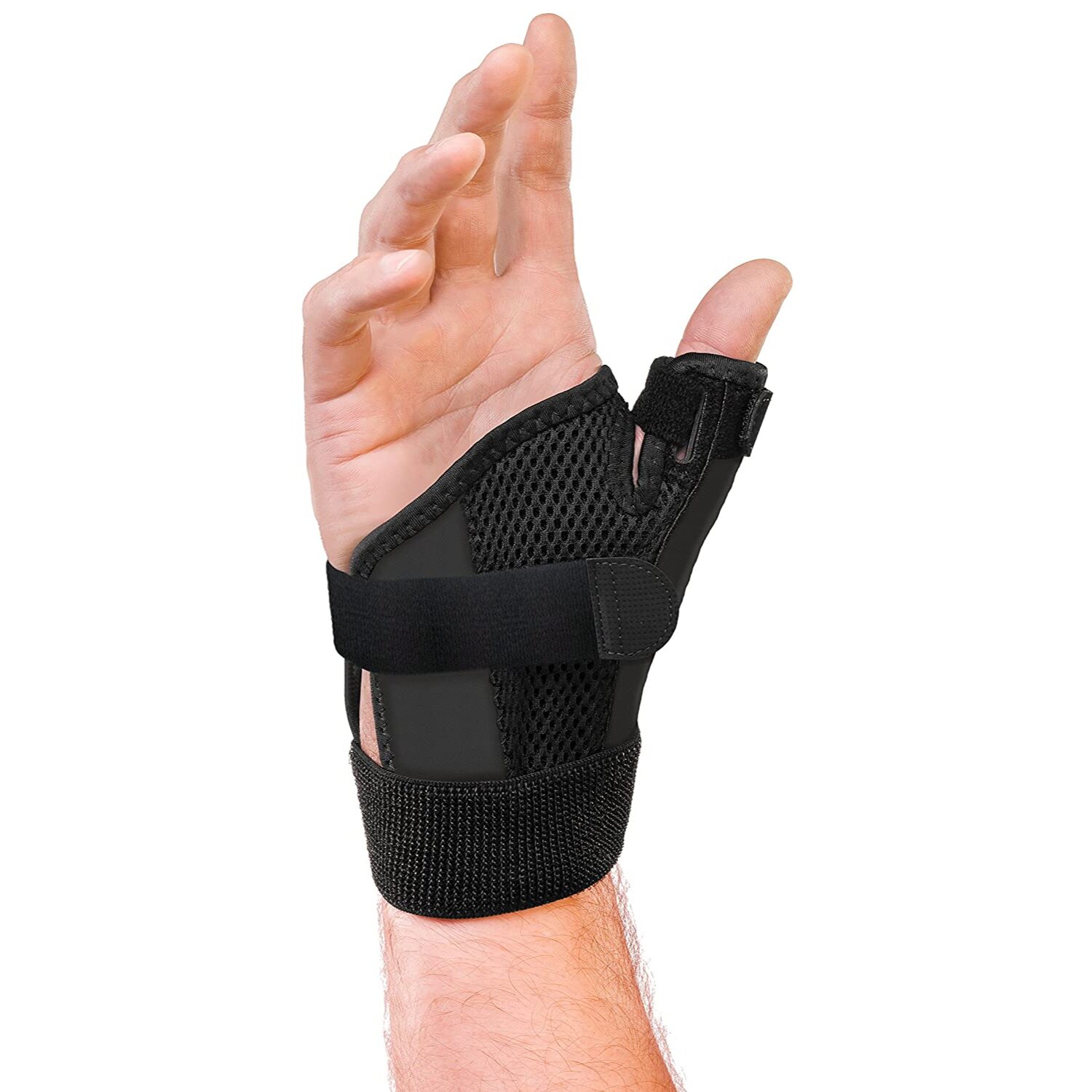
Thumb Fracture Splint
£12.99£16.99 (-24%)inc VAT
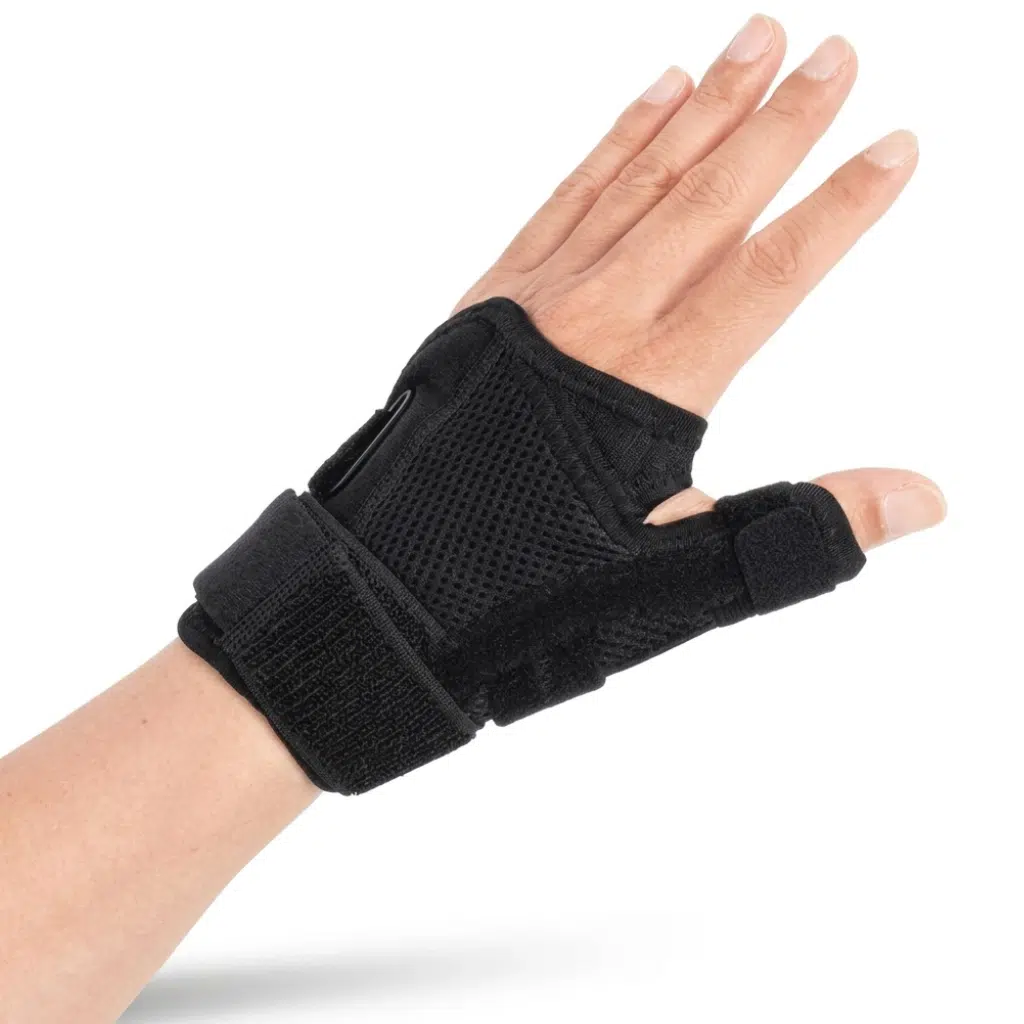
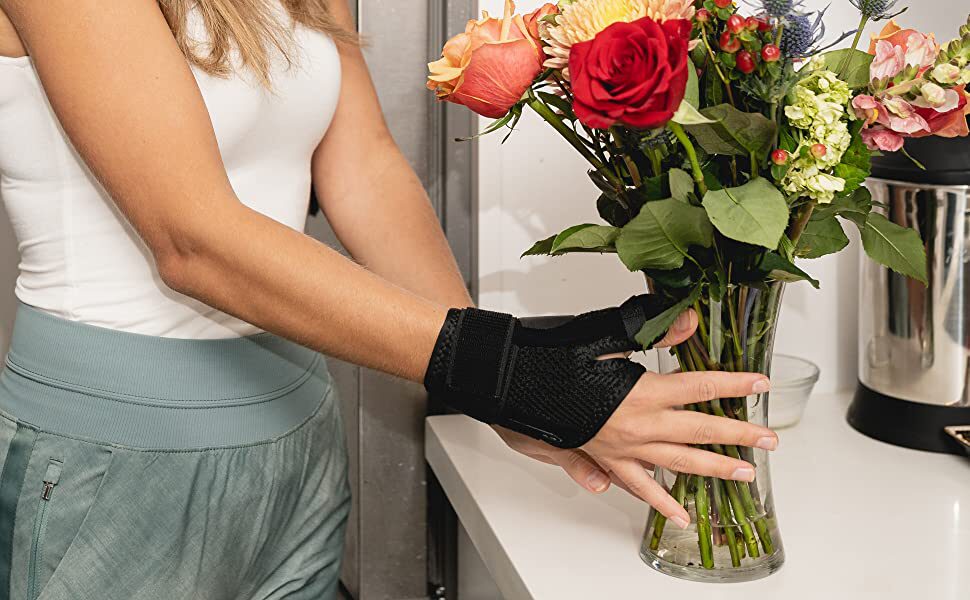
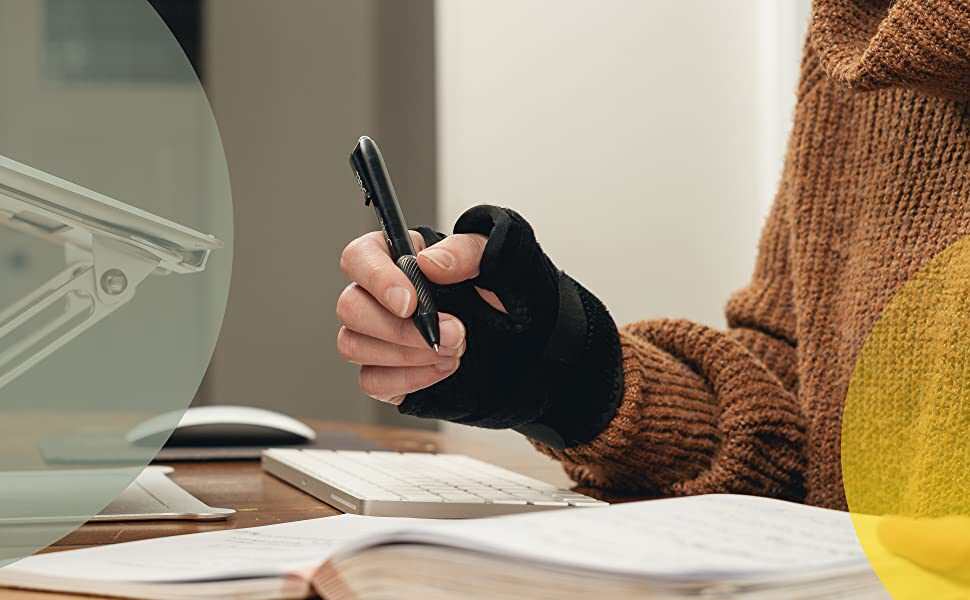
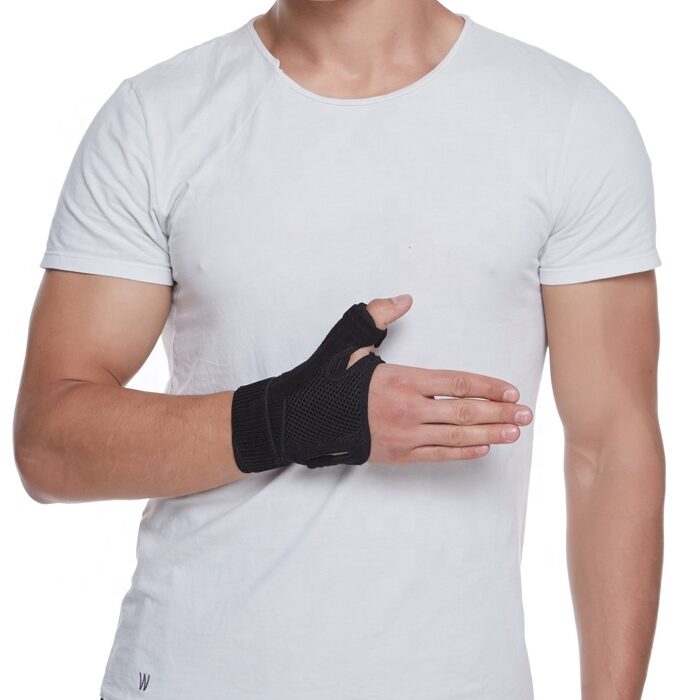
- Designed to help support, stabilise, and protect the thumb and wrist during recovery from fractures, sprains, strains, and other painful thumb injuries.
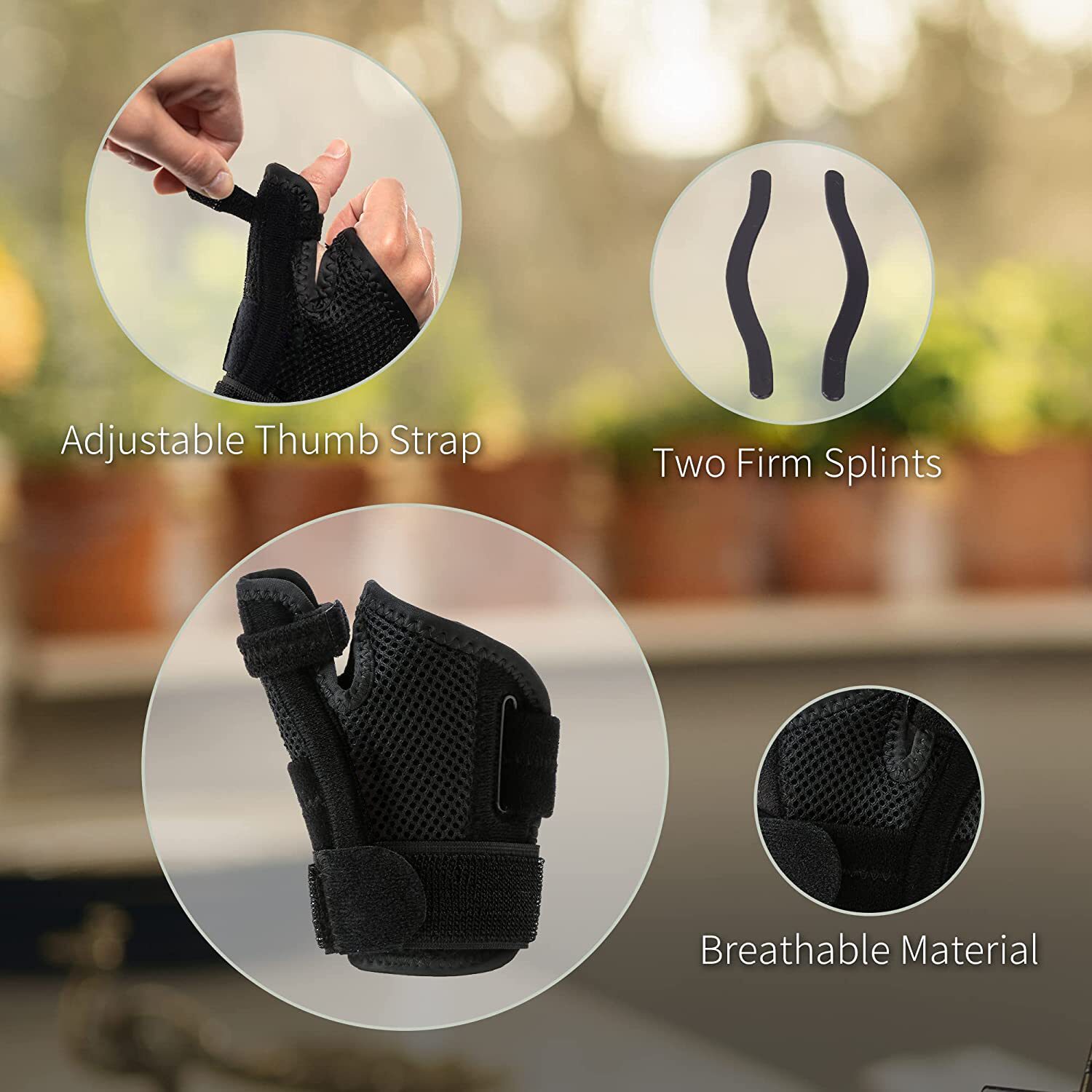
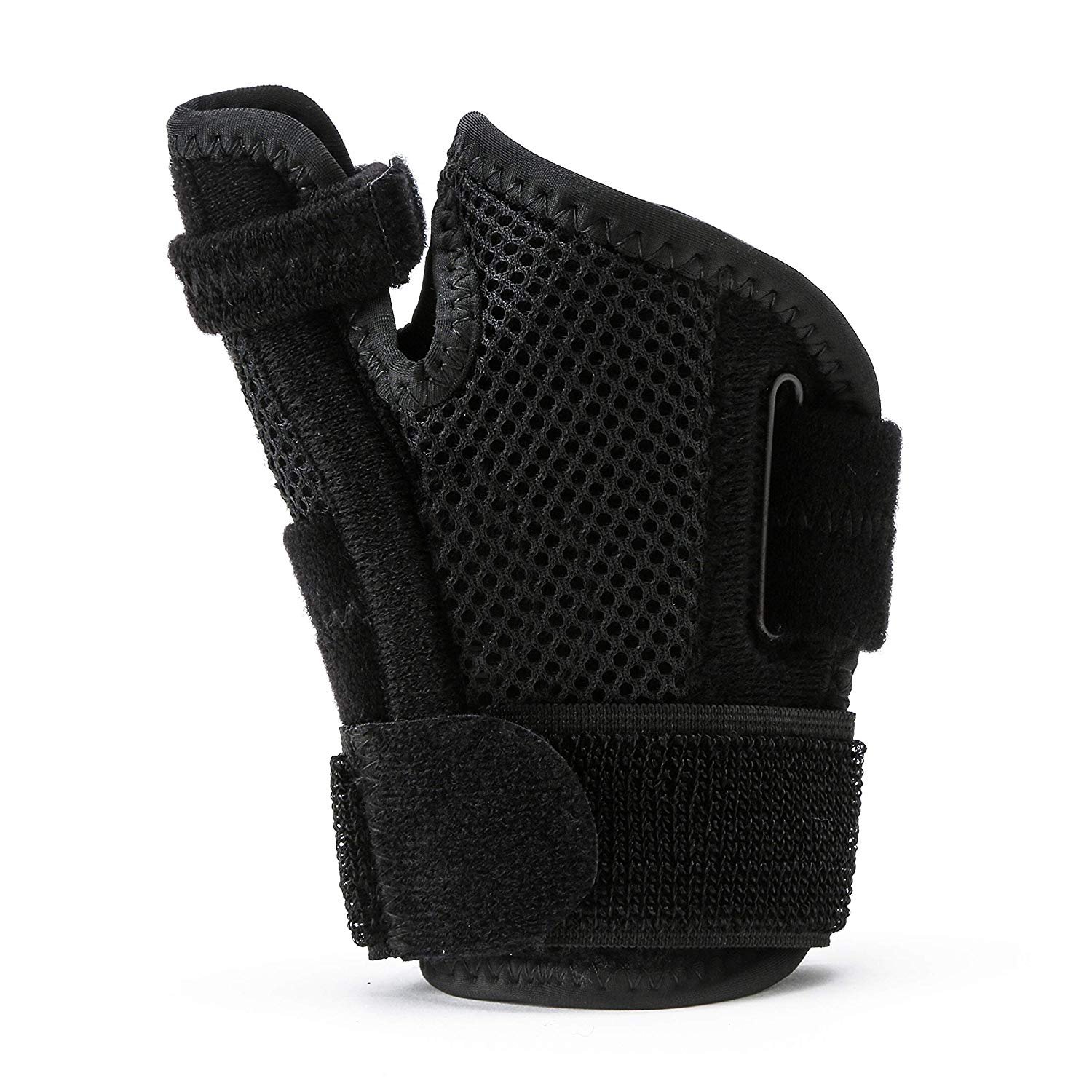
- Built in a thumb spica style with a fixed metal splint to help hold the thumb in a steadier, more neutral position and reduce movement that can aggravate injured or irritated tissues.
- Provides moderate to firm support around the thumb and wrist, with the level of hold adjustable depending on how tightly the straps are secured.
- Elasticated support straps with secure Velcro fastenings wrap around the thumb, palm, and wrist for a more personalised fit and reliable day-to-day stability.
- Helps support painful gripping, pinching, lifting, twisting, and other hand movements where the thumb needs added protection.
- Suitable for use on either the left or right hand, making it a practical choice for everyday wear.
- One-size adjustable design made to fit most adults comfortably, for both men and women.
- Soft padded construction helps improve comfort around sore or sensitive areas during longer periods of wear.
- Breathable ventilation holes help improve airflow around the hand and wrist to reduce heat build-up during daily use.
- Moisture-wicking materials help keep the hand drier and more comfortable throughout the day.
- May also be helpful for supporting some cases of thumb-base arthritis, carpal tunnel syndrome, and wrist strain where steadier thumb and wrist positioning is beneficial.
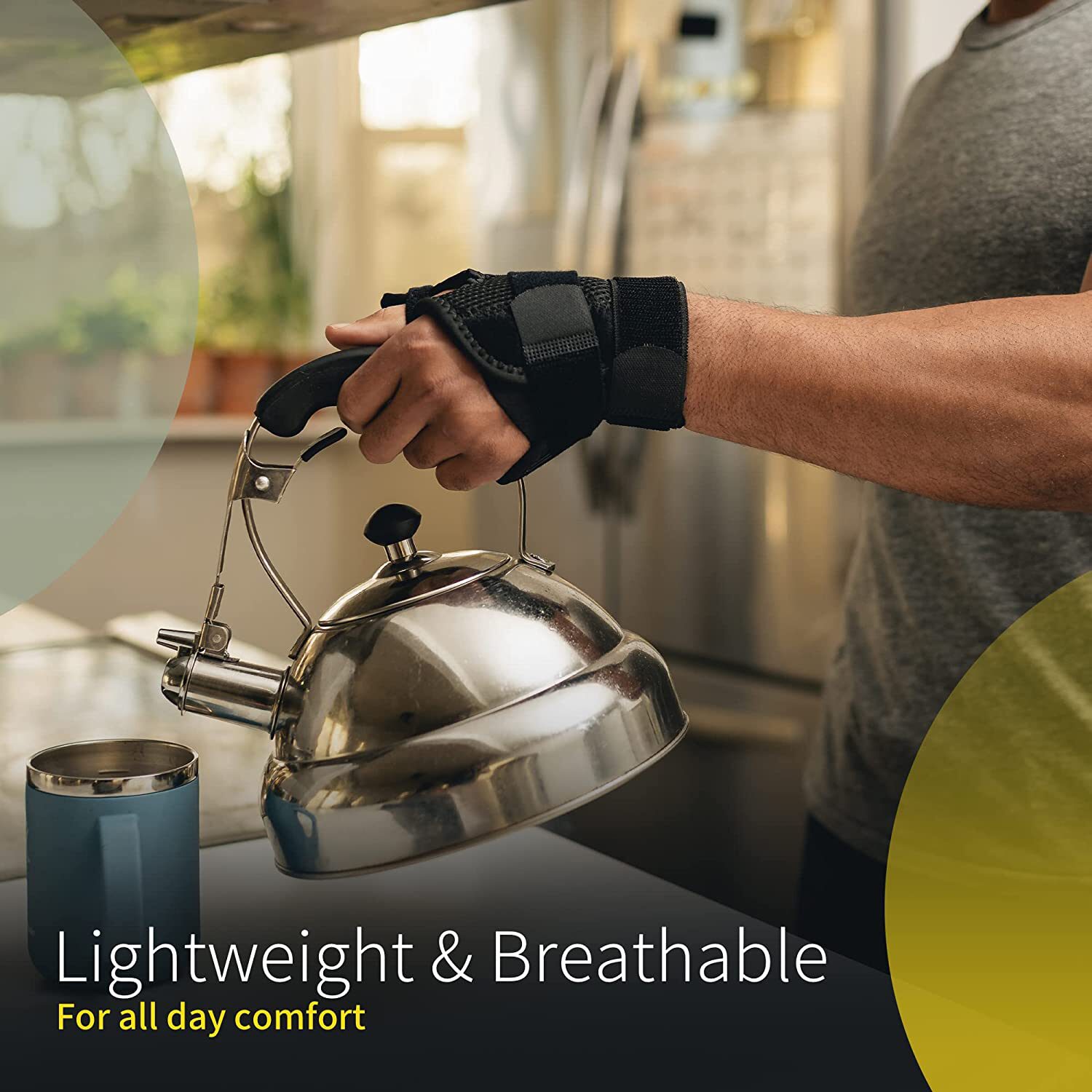
- Suitable for all-day wear, exercise, sport, and hand-wash cleaning for practical everyday use.
- Includes a 30-day money-back guarantee for added peace of mind.
When you injure your thumb, the effect usually becomes obvious much sooner than most people expect. Simple hand use can start to feel awkward surprisingly quickly. Gripping, pinching, lifting, carrying, turning handles, or steadying an object may bring on sharp pain, weakness, strain, or a sense that the thumb cannot be trusted properly. Even light use can start to feel uncomfortable or uncertain when the thumb is not well supported. That is what makes thumb problems so frustrating. You can try to rest the thumb, but it is hard to avoid using it altogether because it is involved in so much of what the hand does.
You may feel pain in the thumb itself, at the base of the thumb where it joins the hand, or into the wrist when you use the hand more firmly. For some adults, the cause is a recent injury such as a fracture, sprain, or strain. A fracture means the bone has been broken. A sprain affects a ligament, which is the strong tissue that helps hold a joint steady. A strain affects muscle or tendon tissue. For others, the problem is a painful flare-up at the thumb-base joint, irritation from repeated use, or symptoms that become more noticeable during gripping, pinching, or twisting. You may also notice weakness, tenderness, swelling, or the feeling that the thumb needs to be held more carefully to stop the pain starting again.
A thumb spica brace can help here. Rather than just wrapping the hand, it is designed to hold the thumb in a steadier position and limit movement that keeps irritating the thumb joint, nearby ligaments, or the soft tissues that help move the thumb. Because the thumb and wrist work together during grip and pinch tasks, support around both areas can make the hand feel more secure during recovery and day-to-day use.
This NuovaHealth Thumb Fracture Brace is designed for adults who need firmer support around the thumb during recovery from injury, repeated strain, or activities that put pressure through the thumb and wrist. It uses a thumb spica design with a fixed metal splint and adjustable support around the thumb, palm, and wrist to help hold the hand in a steadier position. That extra control can be particularly useful when ordinary hand use keeps pulling on healing or irritated structures around the thumb.
Why Thumb Injuries and Flare-Ups Can Be So Disruptive
The thumb does much more than many people realise until it starts to hurt. It is the part of the hand that presses against the fingers during grip and pinch, so it is involved in both fine control and firmer hand use. Once the thumb becomes painful, weak, or unstable, everyday tasks can become difficult for a very simple reason: the hand has fewer ways to work around it than people expect.
That is what makes thumb injuries and painful thumb conditions so disruptive. Even if you are trying to rest the area, the thumb still gets used in small, repeated ways through the day. It helps hold, steady, grip, and guide objects. Those smaller demands are often enough to keep the thumb sore, especially after a recent fracture, sprain, or strain, or when the joint at the base of the thumb is already irritated. In other words, the problem is often not one major movement. It is the repeated use the thumb has to do during ordinary hand activity.
Symptoms vary, but many adults describe a similar problem. You may notice a sharper pain when you first grip or pinch after a period of rest. You may find the thumb becomes more sore the longer the hand is in use. Some adults mainly notice pain at the base of the thumb during stronger grip or twisting. Others notice weakness, reduced confidence in the hand, or tenderness when pressure goes through the thumb. If the wrist is also involved, the discomfort may spread into the wrist or become more obvious when lifting, pushing, or holding the hand in one position for a while.
The joint at the base of the thumb is particularly important here. This joint sits where the thumb meets the hand. It allows the thumb to move across the palm and press against the fingers, which is essential for pinch and grip. That freedom of movement is useful, but it also means the joint and the supporting tissues around it can become irritated when they are injured or overloaded. If that part of the thumb is already sore, repeated grip and pinch can keep pressing and pulling on it before it has settled.
Sometimes there is a clear injury behind it. A fracture needs protection while the bone heals. A sprain means the ligament supporting the thumb joint has been overstretched or damaged, so the joint may feel painful or less steady when force goes through it. A strain affects the muscle or tendon tissue that helps move the thumb, and that tissue can become painful again when the thumb is repeatedly used before it is ready. In each of these situations, small movements still matter. Even if the movement looks minor, it can still keep the thumb painful if the structures around it are not being supported properly.
For other adults, there is no single injury. The pain may come from repeated strain through the thumb base or from arthritis in the thumb-base joint, where grip and pinch put pressure through a joint that is already sensitive. Some adults with wrist symptoms, including some with carpal tunnel syndrome, also find that a steadier wrist position feels more comfortable during use or at night. Even so, the main reason for using this brace is still support around the thumb and wrist. Its role is to hold the hand more steadily and reduce movement that keeps provoking symptoms.
What usually keeps the thumb painful is not just the injury itself, but repeated hand use while the thumb is still sensitive. The thumb works constantly, and the wrist affects how force travels through the hand. If the thumb or wrist is moving too freely, or if force is going through them at an awkward angle, the irritated structures can be stirred up again and again. That is often why symptoms improve with rest, then return once normal hand use starts again.
What Is Usually Happening in the Thumb and Wrist
When the thumb has been fractured, sprained, strained, or irritated by repeated use, the main issue is usually not pain in isolation. The bigger problem is that everyday hand movement can keep loading parts of the thumb and wrist that are not yet coping well. Understanding that helps explain why a brace may feel useful.
The thumb needs both movement and control. It has to move freely enough to grip and pinch, but it also needs support from the joint surfaces, ligaments, tendons, and surrounding soft tissues so that those movements stay controlled. If one of those structures has been injured or irritated, the thumb may still move, but it may no longer tolerate that movement well. The result is often pain during tasks that used to feel automatic.
After a fracture, the thumb may feel vulnerable for longer than people expect. Even when the main injury is to the bone, the nearby soft tissues are often sore as well. Gripping, catching the thumb awkwardly, or using the hand to hold and lift objects can all put force through the healing area. That is why the thumb may not feel trustworthy, even during simple use.
With a sprain, the main problem is usually the ligament that supports the thumb joint. A ligament is a strong band of tissue that helps stop the joint moving too far. If that ligament has been overstretched or partly torn, the thumb may feel painful when it is pushed sideways, bent back, or loaded during pinch and grip. In practice, that means ordinary hand use can still pull on the injured ligament even when you are not doing anything dramatic.
A strain involves muscle or tendon tissue rather than a ligament, but the effect can feel similar. The tendon helps move the thumb and control its position. If that tissue is irritated, repeated thumb movement, grip, lifting, or longer periods of use can bring the pain back. Some adults also find they start protecting the thumb without meaning to. They use the hand differently because the thumb feels weak, sore, or unreliable.
Pain at the base of the thumb often centres on the joint where the thumb meets the hand. This joint has to allow a wide range of thumb movement while still coping with pressure during grip and pinch. If the joint surfaces or the tissues around that joint are already irritated, the end of a pinch, stronger grip, or twisting action may become painful. That is often when the thumb feels sharp, sore, or less steady than it should.
The wrist also matters. The thumb does not work on its own. When the wrist is bent forward, bent back, or held awkwardly, the force passing through the hand changes. That can increase strain through the thumb base and the wrist itself, especially during lifting, gripping, or pushing. This is one reason thumb pain is sometimes felt into the wrist as well.
That link between the thumb and wrist explains why a brace that supports both can be useful. If the thumb is steadied but the wrist still moves into positions that increase strain, the hand may still be irritated during use. When both the thumb and wrist are held in a steadier position, force often passes through the hand more cleanly. The brace does not do the healing for you, but it may reduce the repeated movement and strain that keep setting the thumb off.
This also explains why symptoms can feel inconsistent. The thumb may feel manageable at rest, then hurt as soon as you grip. Or it may cope well early in the day, then become more painful after repeated use. That usually reflects how much force has gone through the thumb and wrist, how often that has happened, and how well the irritated structures have tolerated it.
Why a Thumb Spica Brace Makes Sense
A thumb spica brace is designed to do one main job: hold the thumb more steadily while also supporting the surrounding hand and wrist. That matters because many painful thumb problems are not made worse by one single dramatic movement. They are made worse by repeated smaller movements, awkward thumb positions, and the day-to-day tasks that keep loading the same sore structures.
If the thumb keeps moving into positions that pull on an injured ligament, press on a painful thumb-base joint, or disturb tissue that is trying to recover, limiting that movement can help. This is where a thumb spica brace differs from a simple compression sleeve. A soft sleeve may give light support and a feeling of compression, but it does not usually guide the thumb as firmly. A thumb spica brace is built to support position as well as provide compression. The aim is not to stop all hand use. The aim is to reduce the movement most likely to keep the thumb painful.
This can be especially useful after a fracture or sprain, when accidental bending, twisting, or stronger gripping can set the thumb off again quickly. Holding the thumb in a steadier position may reduce how much force passes through the injured joint, ligament, or nearby soft tissue during ordinary hand use. That is often where support matters most: not just during obvious strain, but during the repeated tasks that happen through the whole day.
The wrist support is part of that as well. Wrist position changes how force moves through the hand. Supporting the wrist at the same time may reduce positions that place extra strain on the thumb base or make the hand feel less secure. That is one reason a thumb spica brace often feels more protective than a local thumb wrap on its own. It supports the painful part, but it also supports the position around it.
For adults with arthritis at the base of the thumb, the benefit may come from reducing movement into sore positions and giving the joint a steadier base during grip and pinch. For some adults with carpal tunnel syndrome, the wrist support may also feel helpful during certain tasks or overnight, although that is not the main reason this style of brace is used. The main purpose remains the same: to support the thumb and wrist and reduce movement that keeps aggravating symptoms.
A brace can also help in a more practical way. When the thumb feels vulnerable, you may start guarding it without realising. That can make hand use feel awkward and uncertain. A more structured brace may make the hand feel safer and more controlled during use. It will not make every movement comfortable, and it is not the right answer for every cause of thumb pain. But where repeated movement and poor control are part of the problem, this type of support is often a sensible option.
The design matters here. A soft wrap may give light compression, but it does not offer the same level of control as a brace with a fixed thumb splint and adjustable support through the thumb, palm, and wrist. If the thumb is healing after injury, or if it keeps becoming painful during grip and pinch tasks, that added structure can make the support feel more secure and more useful in practice.
How This NuovaHealth Thumb Fracture Brace Is Designed to Help
This NuovaHealth Thumb Fracture Brace is built in a thumb spica style, so it offers more structure than a soft wrap or light compression sleeve. Its main job is to steady the thumb, support the wrist, and limit the movements that keep setting pain off. For many adults, that matters most during normal hand use. The thumb is involved in so many small tasks through the day that even slight repeated movement can keep the area sore. A brace that holds the thumb more consistently can therefore be useful both during recovery and during activities that would otherwise place more strain through the thumb and wrist.
The design combines a fixed metal splint with adjustable support around the thumb, palm, and wrist. That matters because thumb pain is rarely influenced by the thumb alone. The way the thumb moves depends in part on what the wrist and hand are doing at the same time. By supporting these areas together, the brace is designed to hold the hand in a steadier overall position rather than simply covering the painful part. The result is that the hand often feels more secure during daily use, while the fingers still remain free enough for practical tasks.
The fastening can also be adjusted to change how firmly the brace supports the thumb and wrist. Some adults want a firmer, more protective fit during activity. Others prefer slightly lighter support when symptoms are calmer or hand use is less demanding. That flexibility is useful because pain, swelling, and confidence in the thumb do not always stay the same from one part of the day to the next. A brace that can be adjusted as those symptoms change is often easier to use well than one that only gives one fixed level of support.
Because this brace may be worn for longer periods during the day, comfort matters as much as structure. Padding, ventilation, and moisture control all affect whether a brace is practical to keep on when the thumb actually needs support. If a brace feels too hot, rubs too quickly, or feels awkward to wear, people often stop using it at the point when it would have been most useful. This design therefore aims to balance firm support with day-to-day wearability.
Each part of the brace contributes in a slightly different way. Together, they are designed to help the thumb and wrist feel steadier and better supported during daily use.
Fixed Metal Splint for Steadier Thumb Positioning
The main structural feature of this brace is the fixed metal splint that runs along the thumb. Its job is to hold the thumb in a steadier position and limit the movements that are most likely to keep the thumb painful. That matters because many thumb problems are aggravated when the thumb bends, twists, or shifts in ways that pull on an injured ligament, press on a painful joint, or disturb tissue that is still recovering.
A fixed splint gives more consistent control than a fully soft support. After a fracture, that added control may help protect the thumb from repeated accidental movement during ordinary hand use. After a sprain, it may reduce how much the injured ligament is pulled when you pinch, grip, or catch an object with the thumb. After a strain, it may reduce how much work the sore tendon has to do during repeated thumb use. In simple terms, if the thumb moves less into the positions that trigger pain, it is less likely to be stirred up again.
When the splint holds the thumb in a more neutral position, it helps keep the thumb in a steadier, more supported posture rather than allowing it to drift into angles that place more stress through the thumb joint. That can make a noticeable difference during repeated hand use. Tasks that involve holding, lifting, gripping, or turning often put small but repeated forces through the thumb. When the thumb is guided more firmly, those tasks may feel more controlled and easier to manage.
A fixed splint can also make the thumb feel more secure during use. Without that support, it is common to protect the thumb by moving the hand more cautiously or awkwardly. A more structured hold can make the hand feel more dependable during activity. That practical effect matters. If the brace helps the thumb feel steadier during use, it may also help you use the hand more normally while the thumb is recovering.
Adjustable Elastic Straps for Variable Support and Secure Fit
The splint provides the main support structure, but the adjustable elastic straps are what let the brace fit the hand properly and hold that structure where it needs to be. They secure the brace around the wrist, palm, and thumb so that the support feels closer, steadier, and more personalised. That matters because support needs vary. They can change with swelling, with activity, and with the stage of recovery.
Because the fastening is adjustable, the brace can be worn with a more moderate hold or with firmer support depending on how it is set. Some adults want a tighter, more protective fit during heavier hand use, sport, exercise, or repetitive tasks. Others prefer slightly less pressure when the hand is resting or when the thumb is less irritable. That flexibility makes the brace easier to use through the day rather than forcing the hand into one fixed setting.
A secure fit also affects how well the brace works. If it shifts too much during movement, the thumb may still move more than intended and pressure may build in places that do not feel comfortable. By fastening around several points of the hand and wrist, the straps help keep the brace stable while you use the hand. That can make the support feel more dependable during grip, writing, carrying, or other repeated tasks.
Adjustability also improves comfort. Symptoms can change through the day, and swelling does not always stay the same. If the fit can be fine-tuned, the brace is easier to keep comfortable without losing the support it is meant to provide. Some adults need a little more support first thing in the morning, after longer hand use, or during a flare-up. Others prefer a slightly lighter fit when the thumb feels calmer. The useful part is not just that the straps adjust, but that they allow the support to be set more appropriately for what the hand is doing.
Support Around the Wrist, Palm, and Thumb for Better Load Control
One of the more useful parts of this design is that it supports more than the thumb alone. It also wraps around the wrist and palm, which matters because the force going through the thumb depends partly on how steady the rest of the hand is. If the wrist moves too freely or the hand feels less stable, the thumb often ends up doing more work during gripping, pinching, lifting, or pushing. That can increase strain through the thumb base and through the tissues around it.
By supporting the wrist, palm, and thumb together, the brace helps the hand work from a steadier base. Instead of leaving the thumb to take force on its own, the design supports the connected parts of the hand that normally work together anyway. That may reduce the repeated strain that builds when the thumb has to keep compensating for a less controlled wrist or palm position.
That broader support can be particularly helpful after a fracture or sprain. In those situations, the problem is rarely one isolated movement. More often, it is the repeated combination of thumb use, wrist position, and force through the hand over the course of the day. Supporting these areas together may therefore help reduce the cumulative strain that keeps symptoms going.
Support through the palm matters as well. The palm forms part of the base the thumb works from during grip and pinch. If that base feels unstable, the thumb may need to work harder to hold and control objects. A brace that wraps around the palm can help the hand feel more secure during those tasks, especially when the thumb has been painful during carrying, holding, or repeated hand use.
Support at the wrist may also help when thumb pain spreads into the wrist or becomes worse when the wrist is bent for longer periods. Holding the wrist in a steadier position can reduce one source of repeated strain during gripping, lifting, or tasks that keep the hand in one position. Some adults with wrist symptoms, including some with carpal tunnel syndrome, may find that steadier wrist support feels more comfortable in certain situations. Even so, the main purpose of the brace remains support for the thumb and wrist together, rather than treatment for nerve compression.
The practical result is that the hand often feels more supported during use. It does not mean the brace removes every painful movement. It means the thumb and wrist are working from a more stable position, which may make day-to-day hand use easier to manage.
Soft Padded Construction with Breathable Ventilation for Longer Wear
A brace only helps if it is comfortable enough to wear when you need it. That is why the softer parts of the construction matter. This brace uses padding to reduce rubbing and pressure against sore areas of the thumb, hand, and wrist. If a brace presses too directly onto a tender joint or irritated soft tissue, people often loosen it too much or stop wearing it altogether. Padding helps the support feel more manageable while still allowing the brace to do its main job.
Ventilation also matters, especially if the brace is worn for several hours during the day. The hand can become warm quickly inside a support, particularly during activity. Ventilation holes help air move through the brace more easily, which can make it feel less enclosed and more comfortable to keep on. That is important because support is only useful when the brace remains practical to wear through normal daily use.
The moisture-wicking lining also helps reduce the damp feeling that can build up when the hand gets warm. If a brace becomes hot and damp too quickly, it can start to feel uncomfortable and distracting. A drier feel usually makes longer wear easier, especially during work, travel, light exercise, or repeated hand use through the day.
These comfort features are not just added extras. They directly affect whether the brace is likely to be worn consistently enough to help. A support that gives good structure but feels unpleasant after a short time is much less useful in practice. A brace that combines firmer thumb and wrist support with reasonable comfort is more likely to be kept on during the periods when the thumb needs protection most.
This matters particularly during recovery, when it is often the repeated smaller tasks through the day that keep the thumb irritated. It also matters during work, exercise, or sport, when warmth, rubbing, and sweat build-up can become more noticeable if the brace is not designed for longer wear.
One-Size Adjustable Design for Either Hand and Everyday Practicality
This brace has a one-size adjustable design and can be worn on either the left or right hand. That makes it simpler to choose and easier to fit, especially for adults who want a support that is straightforward to use rather than something that feels complicated from the start. The fit is adjusted through the fastening points around the wrist, palm, and thumb, so the brace can be set according to the support and comfort needed.
The advantage is not just convenience. A brace that adjusts well around the hand is often easier to use properly across different activities and at different points in recovery. One adult may want firmer support during more demanding hand use, while another may mainly need support during daily tasks and a slightly less firm fit at other times. An adjustable design makes that easier without changing the brace itself.
Being suitable for either hand also adds flexibility. If support is needed quickly after an injury or a painful flare-up, it helps when the brace is simple to understand and easy to position. Using the same design on either side makes that process more straightforward. It also means the main features of the brace remain the same whichever hand needs support.
The black finish keeps the design simple and unobtrusive, which many adults prefer for regular wear. More importantly, the shape of the brace is built around practical hand use rather than appearance alone. It is designed to support the thumb and wrist during daily activity, recovery, exercise, and sport without becoming unnecessarily awkward or difficult to manage.
That kind of practical design makes a difference. If a brace is simple to fit, easy to adjust, and suitable for either hand, it is more likely to be used consistently and properly. In the end, that is what turns a support from something that sounds useful into something that is genuinely useful day to day.
Who This Brace May Help and When
This thumb spica brace is most likely to be useful when the thumb needs a steadier position and protection from repeated movement. That is often the case after injury, especially when normal hand use keeps setting the thumb off again. For many adults, the problem is not one major movement. It is the steady build-up of smaller demands through the day. Gripping, lifting, pinching, carrying, and twisting all ask the thumb to work again and again, even when the tissues around it are still sore or easily irritated. A brace that helps limit that repeated strain can therefore be useful while the thumb is still recovering, or when it remains easily irritated during normal use.
One of the clearest reasons to consider this type of brace is after a thumb fracture, when firmer support may be needed while the bone and surrounding tissues recover. A brace cannot diagnose a fracture and should not replace proper assessment after a significant injury, but it can be a useful support option when thumb movement needs to be limited and the area protected. The same principle often applies after a thumb sprain, where the injured ligament still reacts to grip and pinch, or after a strain, where repeated thumb use can quickly bring pain back because the tissues are not yet coping well with load.
This kind of support may also suit adults whose pain is mainly felt at the base of the thumb, particularly during pinch, stronger grip, twisting, or holding objects for longer than usual. In that situation, holding the thumb more steadily while also supporting the wrist may reduce the movements and forces that keep provoking the painful joint and the tissues around it. For some adults, that means daily hand use feels less sharp and easier to manage while symptoms settle.
Arthritis at the base of the thumb is another situation where this style of support may help. When that joint is already sensitive, repeated grip and pinch can become uncomfortable quickly. The brace does not change the joint itself, but it may reduce how much the thumb moves into painful positions and give the hand a steadier base during use. That can make some activities more manageable when the thumb would otherwise become sore quite quickly.
Carpal tunnel syndrome needs a little more care in how it is described. It is caused by pressure on the median nerve at the wrist, so it is not mainly a thumb-joint problem. Even so, some adults find that a brace holding the wrist more steadily feels helpful during certain tasks or at night, particularly if wrist position seems to make symptoms worse. Where both the thumb and wrist need support, this brace may give the hand a more secure overall feel. Even then, its main purpose remains support and stabilisation around the thumb and wrist rather than treatment for nerve compression.
Some adults also choose this sort of brace when returning to activity after injury. That may include exercise, sport, or more physically demanding hand use when the thumb is improving but still does not feel fully reliable. In that setting, the brace may help add structure and support while the thumb is still being protected from too much strain. It tends to make the most sense when limiting movement is the main aim, rather than when pain is coming from a cause that needs a different kind of assessment or treatment.
Overall, this brace is best thought of as a stabilising support for adults whose thumb and wrist become painful, weak, tender, or less reliable during thumb-heavy tasks. If the main problem is that ordinary hand use keeps setting symptoms off again, and if steadier support feels likely to help, this style of brace is often a sensible option to consider.
Everyday Activities, Exercise, and Sport
The value of a thumb spica brace is often most obvious during ordinary daily use. That is usually when people realise how often the thumb has to work. Tasks that involve gripping, pinching, lifting, holding, or turning objects can all keep loading the thumb through the day. Because those demands are repeated so often, the thumb may get very little chance to settle unless something helps reduce the strain going through it.
That is where this kind of brace can be practical. By holding the thumb and wrist in a steadier position, it may make repeated hand use feel less provoking. The goal is not to stop you using the hand. It is to reduce the repeated movement and awkward positioning that keep setting the thumb off. For some adults, that means more confidence during lifting or carrying. For others, it means less pain during grip and pinch, or more confidence using the hand during normal tasks.
Exercise and sport can be another time when extra support is useful, especially when returning after a recent injury or when the thumb still feels vulnerable under load. Activities that involve gripping, pushing, catching, or repeated thumb and wrist movement can place more demand on tissues that are still recovering. In that setting, a brace may help by adding structure and by reducing movement that would otherwise stir the thumb up again.
It is still important to keep expectations realistic. A brace is not there to make an unstable or painful thumb ignore the strain being put through it. It does not remove the need to judge activity sensibly. What it may do is make the hand feel firmer and more controlled, so repeated movement is less likely to aggravate the thumb. For adults easing back into activity, that can be a useful step.
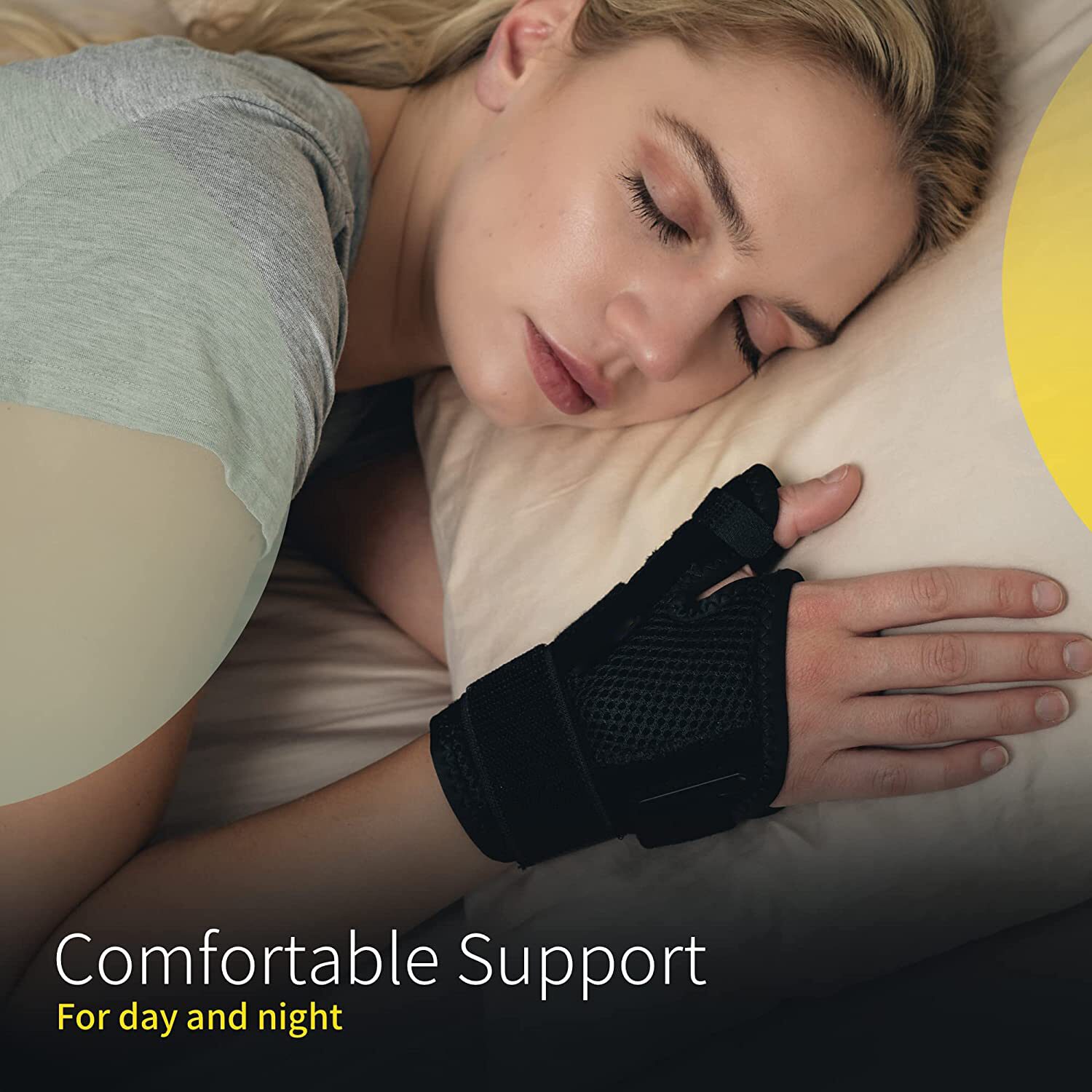
Night-time use can also be relevant for some adults, particularly when the thumb or wrist becomes sore because of how it is positioned during sleep or when symptoms are worse on waking. Because the brace supports both the thumb and wrist, some adults find it useful overnight as well. Even so, it should not feel tight, should not leave the hand numb or uncomfortable, and should only be worn at night if it remains comfortable for that purpose. If wearing it overnight leads to more pain, tingling, or pressure marks that do not settle quickly, it should be loosened or removed.
Across all of these situations, the main aim is the same. The brace is most useful when the goal is to support the thumb, steady the wrist, and reduce the repeated movement that keeps symptoms going. Whether the demand comes from daily hand use, exercise, sport, or overnight positioning, the benefit comes from helping the hand work from a more stable base.
How to Wear It and What to Expect
Getting the fit right makes a real difference to how useful the brace feels. The aim is to support the thumb and wrist firmly enough to limit movement that triggers pain, but not so tightly that the hand feels compressed, numb, or uncomfortable. Because this brace fastens around the thumb, palm, and wrist, the level of support can be adjusted to suit the activity, your comfort, and how irritable the thumb feels that day.
Start by placing the thumb comfortably into the splinted part of the brace so that it sits in a supported position rather than being pushed awkwardly in or out. Then secure the fastening around the hand and wrist so that the brace feels stable and close-fitting. The thumb should feel clearly supported, while the fingers remain free enough for normal practical use. If the brace digs in, slips, or feels uneven, the straps usually need adjusting.
The support can be made firmer for more demanding hand use or a little lighter when less support is needed. That flexibility is one of the strengths of the design, but it also means the best fit is not simply the tightest one. A brace works best when it gives controlled support without creating pressure or making the hand uncomfortable.
Many adults will find it suitable for daytime wear when the thumb needs ongoing support through repeated tasks. Comfort should still be checked, especially during the first few uses or during longer periods of wear. If swelling changes through the day, the fit may need a small adjustment. If the brace is being worn overnight, extra care is sensible because pressure is easier to miss while asleep. The hand should not feel numb, unusually cold, or more painful because of the fit.
In practice, the main benefit is usually that the thumb feels steadier and better supported during use. It is not usually a case of pain disappearing immediately. More often, the brace makes grip, pinch, lifting, or longer periods of hand use feel more manageable because the thumb is not moving as freely into positions that trigger pain. During recovery from a fracture, sprain, or strain, that may help reduce repeated irritation while the injured tissues settle. If the pain is linked to arthritis at the base of the thumb, the benefit is more likely to be better control during use rather than any change to the joint itself. For some adults with wrist symptoms, including some with carpal tunnel syndrome, the added wrist support may also feel useful during certain activities or overnight.
What the brace cannot do is replace proper assessment when that is needed. If the cause of the pain is unclear, if symptoms are severe, or if the hand is becoming more weak, numb, or swollen, the brace should be seen as one part of a sensible support plan rather than the whole answer. Used appropriately, it can help reduce strain through the thumb and wrist and make daily hand use feel more controlled.
Because the brace contains a fixed metal splint, it should be hand washed rather than machine washed. That helps maintain the structure of the brace. If you are considering it, it is also useful to know that routine care is straightforward once it is in use.
Frequently Asked Questions
Can this brace be worn on either hand?
Yes. It is designed to fit either the left or right hand. The fastening can be adjusted around the wrist, palm, and thumb so that the brace can be set up to suit either side.
Is this mainly for fractures, or can it help with other thumb problems too?
Although the product name refers to fracture support, the brace may also be useful when the thumb needs firmer support for other reasons. That can include sprains, strains, pain at the base of the thumb, some arthritis-related thumb pain, and some situations where thumb and wrist stabilisation feel helpful together. The main question is whether firmer support and less thumb movement are likely to help.
How supportive is it?
Most adults would describe the support as moderate to firm. The fixed splint gives the thumb structure, and the fastening can be adjusted to make the overall fit firmer or a little lighter depending on what you need.
Can it be worn all day?
For many adults, yes. It is designed to be practical for longer daytime wear, with padding, ventilation, and moisture control to make that easier. Even so, the fit should remain comfortable and may need adjusting if swelling or pressure changes during the day.
Can it be worn while sleeping?
Some adults do wear this type of brace overnight, especially if the thumb or wrist becomes sore because of sleeping position. It should not be worn tightly, and it should not cause tingling, numbness, extra pain, or lasting pressure marks. If overnight use feels uncomfortable or seems to make symptoms worse, it is better to loosen it or remove it.
Can this brace be used for sport or exercise?
Yes, it can be useful during exercise or sport when extra thumb support is needed, particularly when returning after injury or when the thumb still feels vulnerable during load-bearing or repeated movement. It may help the hand feel steadier during activity, but it is still important to match the activity to how well the thumb is coping.
Is the splint removable?
No. The splint is fixed in place. That fixed structure helps the brace hold the thumb more steadily and is part of what gives it a firmer thumb spica design.
How should it be cleaned?
Because the brace contains a fixed metal splint, it should be hand washed rather than machine washed. That helps maintain the structure of the brace.
Is it bulky?
It is more structured than a light sleeve because it is designed to give real support to the thumb and wrist. Even so, it is shaped for practical daily wear and includes padding and ventilation to make longer use more manageable.
Can it help with arthritis or carpal tunnel syndrome?
It may help some adults with arthritis at the base of the thumb by reducing movement that makes grip and pinch painful. Some adults with carpal tunnel syndrome may also find the wrist support useful in certain situations or overnight. The brace is mainly designed, however, to support and steady the thumb and wrist rather than to treat nerve compression.
When to Seek Further Advice
A brace can be a useful support, but there are times when further advice is important. If pain is severe after an injury, if the thumb looks deformed, if swelling is increasing quickly, or if the hand is becoming more numb, weak, or difficult to use, it is sensible to speak to a GP, physiotherapist, or another appropriate clinician. The same applies if symptoms are not improving, are changing quickly, or do not fit a straightforward picture of strain or recovery.
It is also sensible to seek advice if the brace itself seems to make symptoms worse, causes ongoing pressure, or leads to tingling or colour change in the hand or fingers. A support should make the hand feel steadier and more comfortable to use. It should not make circulation or nerve-related symptoms worse.
If thumb or wrist pain is ongoing without a clear explanation, a brace may still be useful as short-term support, but it should not delay proper assessment if the problem is persisting or becoming harder to manage.
Why This Brace Is a Sensible Support Option
Thumb injuries and painful flare-ups can be difficult to manage because the thumb is involved in so many ordinary hand movements. Grip, pinch, lifting, and carrying can all keep putting strain through tissues that are already injured, irritated, or not yet ready for normal load. That is why a thumb spica brace often makes sense when the aim is to reduce painful movement and give the thumb a steadier, more protected position during use.
This NuovaHealth Thumb Fracture Brace is designed around that need. With its fixed thumb splint, adjustable support around the thumb, palm, and wrist, and construction designed for practical longer wear, it is built to help adults manage recovery and daily hand use with more support and control. If your thumb needs firmer stabilisation during recovery, repeated strain, or hand use that keeps setting symptoms off, this brace is a sensible option to consider.
Disclaimer
This information is provided as general guidance for adults in the UK and is not a personalised assessment. Thumb and wrist symptoms can have different causes, and the most suitable support will depend on the injury, the part involved, and the stage of recovery. If symptoms are severe, worsening, unexplained, or not improving, advice from a GP, physiotherapist, or another appropriate clinician is recommended.
Fast & Secure Checkout Through Paypal
Pay with Paypal the secure payment gateway that accepts all credit and debit cards. Paypal is free and secure and no credit or bank information is ever stored or shared with us.
Fast Dispatch
Enjoy your items soon with quick dispatch via Royal Mail. Expect to have your items between 1-3 working days for domestic orders. 7-10 Working days for international orders.
Return Policy – 30 Day Money Back Guarantee
In the unlikely event, you are unhappy with your purchase you can return it within 30 days for a refund. Please contact us via the form on the contact us page to start your return.
To return an item please send it to: Nuova Health UK, 81 Highfield Lane, Waverley, Rotherham, S60 8AL. Please include a note with your order id so we know who to refund. Please retain your postage receipt as proof of postage. All that we ask is that the item is in the original packaging and unused.
Reviews
There are no reviews yet.