

Roll over image to zoom in
Thumb Brace Splint
£9.99£12.99 (-23%)inc VAT
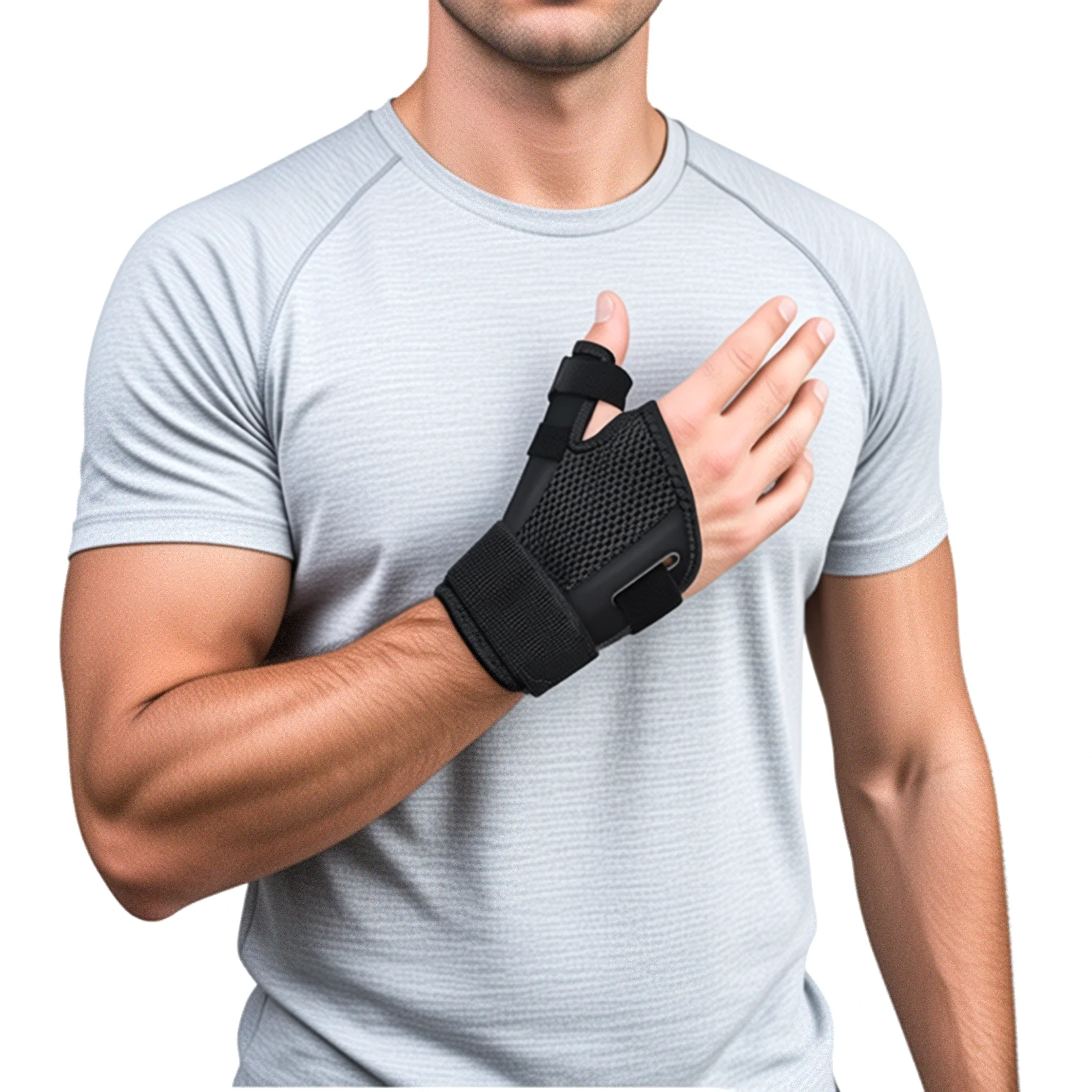
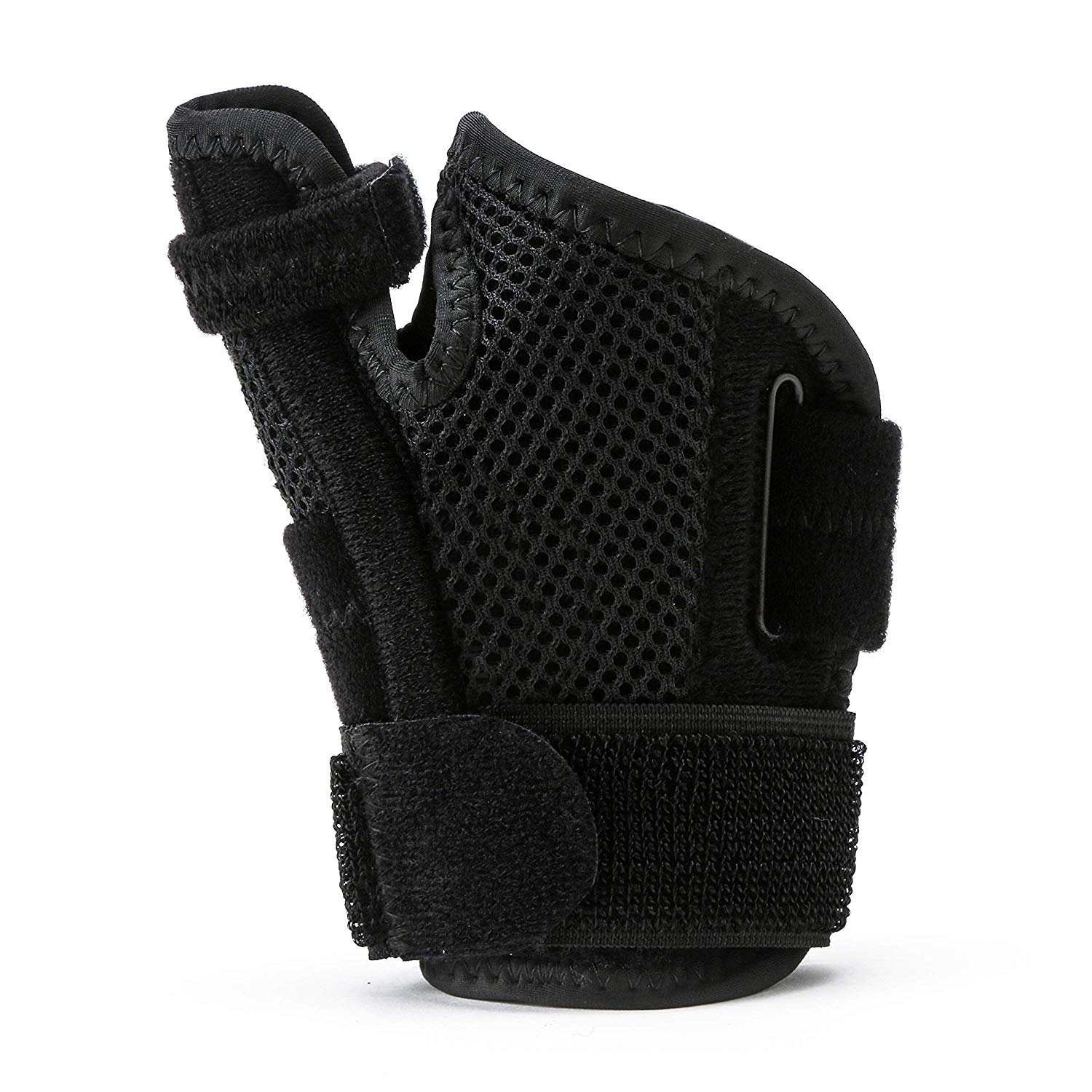
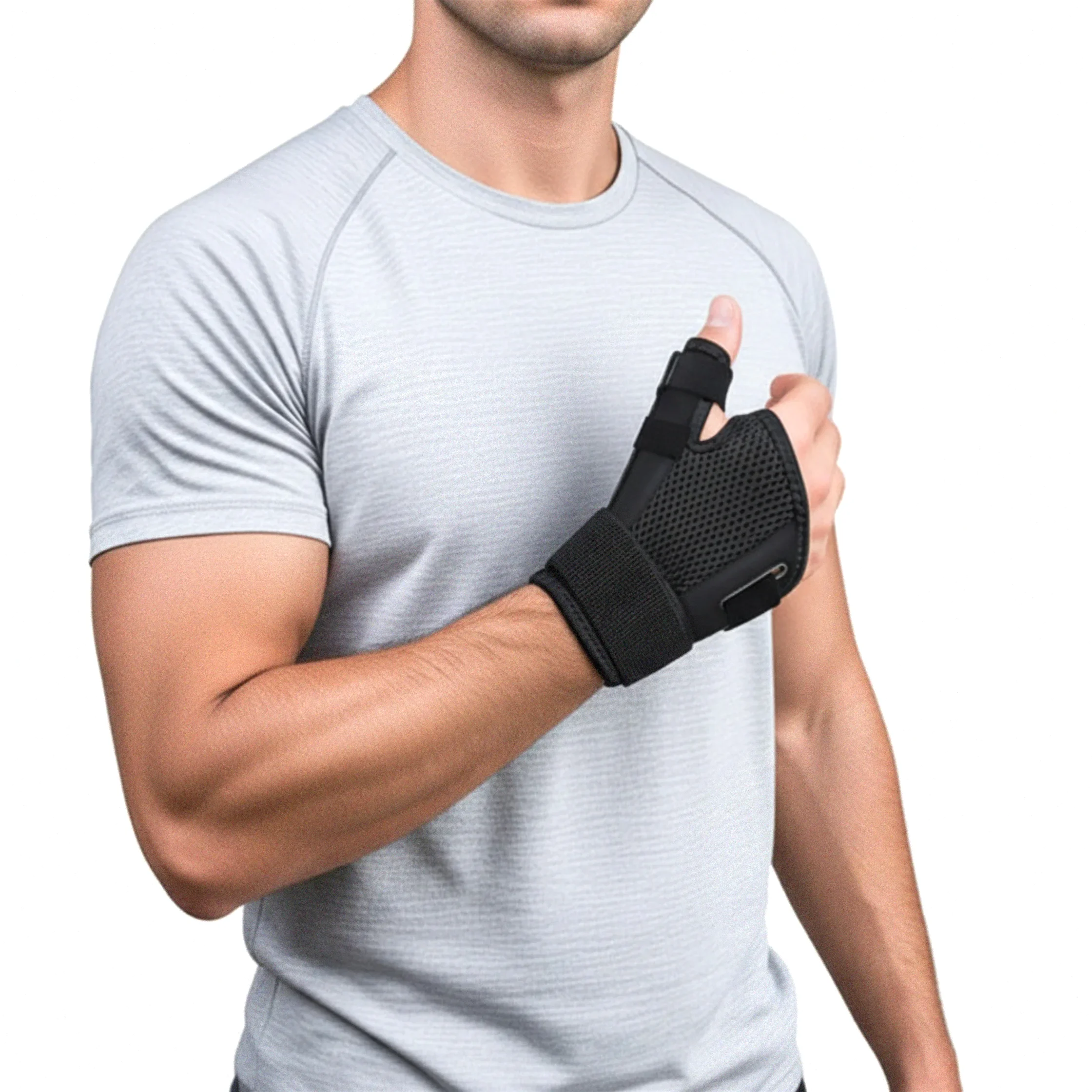
- Fixed aluminium splint – holds your thumb in a neutral position, stopping the movements that delay healing or cause further damage
- Three adjustable straps – independent control over wrist, palm, and thumb compression; adjust throughout the day as swelling changes
- Supports after fractures, sprains, and strains – protects healing tissues during everyday activities; also provides relief during arthritis, De Quervain’s, and carpal tunnel flare-ups
- Wrist support included – wrist strap stabilises and compresses the wrist, reducing strain on the thumb and supporting carpal tunnel symptoms
- Fingers stay free – splint immobilises your thumb without restricting finger movement; suitable for light daily tasks and activities during recovery
- Wear during activities, remove during rest – most effective when used as part of a treatment plan; follow your clinician’s guidance on duration and weaning
- Padded, breathable construction – comfortable for extended wear; keeps skin dry and reduces irritation
- One-size adjustable design – fits most adults; can be worn on left or right hand
- Suitable for adults aged 18 and over – not suitable for children or adolescents
Understanding Thumb Pain and Instability
Your thumb does more work than you realise. Gripping, lifting, twisting, holding—it’s involved in almost everything. So when something goes wrong—a fracture, a sprain, inflamed tendons, worn joints—the pain isn’t something you can ignore. It’s there every time you try to use your hand.
The thumb is held together by a network of small joints, ligaments, and tendons. When any of these structures are injured, inflamed, or worn, movement becomes the problem. Every bend, twist, or grip pulls on tissues that need rest. A fracture needs stillness so the broken edges can knit back together without shifting. A sprain—including injuries like skier’s thumb, where the ligament at the base of your thumb is torn—needs time for damaged ligaments to repair without being stretched again. Inflamed tendons—like those affected by De Quervain’s tenosynovitis or trigger thumb—need relief from the constant friction of gripping and twisting. Arthritic joints need a break from the grinding pressure of bone on bone. Carpal tunnel syndrome, caused by nerve compression at the wrist, often leads to numbness, tingling, or a dull ache in the thumb, making it harder to grip and control fine movements.
The pattern is the same across all of these conditions: movement makes them worse. That’s where immobilisation—holding your thumb completely still—comes in. By keeping your thumb still, you give damaged tissues the chance to heal without being constantly re-injured by everyday tasks.
Why Immobilisation Helps
When you fracture a bone or tear a ligament, your body begins repairing the damage. But if the injured area keeps moving, movement pulls those repairs apart before they’ve had time to strengthen. Healing stalls, pain persists, and you’re stuck in a cycle where the injury can’t fully repair.
Holding your thumb still stops that cycle. By keeping it in a stable, slightly extended position, you reduce the strain on injured structures. Fractures stay aligned. Ligaments aren’t stretched. Tendons aren’t dragged through inflamed tunnels. Arthritic joints aren’t forced through painful ranges of motion. The tissues get the stillness they need to repair.
This doesn’t mean your thumb should be locked in place forever. Prolonged immobilisation can lead to stiffness and weakness. But in the early stages of healing—or during flare-ups of chronic conditions—controlled rest is one of the most effective tools you have.
How This Brace Works
This brace holds your thumb completely still using a fixed aluminium splint that runs from the tip of your thumb down to the base. The splint keeps your thumb in a stable position—not bent, not twisted—taking pressure off injured or inflamed tissue. The aluminium is rigid but lightweight—you can wear it throughout the day without it feeling cumbersome.
Three adjustable straps wrap around your wrist, palm, and thumb. Each strap fastens separately, so you can control how much pressure you’re applying to each area. The wrist strap anchors the brace and provides wrist support, which is particularly helpful for conditions like De Quervain’s tenosynovitis and carpal tunnel syndrome, where wrist position affects thumb symptoms. The palm strap secures the brace across the base of your thumb and hand, holding the splint in place. The thumb strap wraps around the thumb itself, holding it gently against the splint.
The straps fasten with hook-and-loop fastening (like Velcro), so you can adjust them as swelling changes. In the morning, you might need a looser fit. By evening, as swelling reduces, you can tighten the straps slightly to maintain support. This adjustability matters because swelling fluctuates. A brace that’s too tight can restrict circulation, while one that’s too loose won’t hold your thumb still enough to protect it.
The interior is padded with soft, breathable fabric. This padding sits between your skin and the splint, reducing pressure points and drawing moisture away from your skin. If you’re wearing the brace for several hours—or all day during the early stages of recovery—that breathability makes a real difference. Your hand stays dry, and you’re less likely to develop skin irritation or pressure sores.
The brace fits either hand. You position the splint along the thumb side of your hand, with the padded interior against your skin, then wrap the straps in sequence: wrist first, then palm, then thumb. The one-size adjustable design fits most adult hands, though if you have unusually small or large hands, you may need to check fit carefully or contact us for advice.
Who This Brace May Help
If you’re dealing with thumb, wrist, or palm pain or instability, this brace may help. It’s designed for adults with:
- Thumb fractures, sprains, or strains
- Skier’s thumb (gamekeeper’s thumb)
- Trigger thumb
- Arthritis (osteoarthritis or rheumatoid arthritis)
- De Quervain’s tenosynovitis
- Carpal tunnel syndrome
- Post-surgical recovery (where immobilisation is recommended)
The brace works best when it’s part of a broader treatment plan. That might include rest, ice, physiotherapy exercises, or medical advice from a clinician. It’s not a substitute for diagnosis or treatment, but it’s a practical tool that supports healing and symptom control while you work through recovery.
For more detailed information about each of these conditions and how the brace may help, see the condition overviews below.
What to Expect
First Few Days
When you first put the brace on, you’ll notice a feeling of restriction. Your thumb is held still, and that can feel unusual if you’re used to moving it freely. This is normal. The splint is doing its job—preventing the movements that aggravate your injury or condition.
Pain and swelling may not improve immediately. Healing takes time, and the brace works by protecting your thumb from movements that delay recovery, not by providing instant relief. What you might notice is that the pain feels different. Gripping a door handle or lifting a bag may no longer cause that sharp, stabbing sensation. The ache may still be there, but it’s less sharp and easier to tolerate. Tasks that previously felt impossible—opening a jar, holding a pen, carrying shopping—may start to feel manageable, even if they’re not completely pain-free yet.
If pain worsens, or if you develop new symptoms like increased swelling, numbness, or colour changes in your fingers, loosen the straps or remove the brace and speak to a clinician.
First Few Weeks
Over the first few weeks, you should notice gradual improvements. Swelling may reduce—your thumb and hand may look less swollen by the end of the day. You may find it easier to perform light tasks without that sharp catch of pain. Picking up a mug, typing for short periods, or holding a phone may start to feel more comfortable. The brace should feel more natural as you adjust to wearing it, and you may need to tighten the straps slightly as swelling decreases.
Wear the brace during activities that stress your thumb—gripping, lifting, typing, using tools. Remove it during rest periods unless your clinician has advised otherwise. Most people wear the brace for several hours a day initially, gradually reducing wear time as symptoms improve and strength returns. Your GP or physiotherapist can advise on the best wearing schedule for your situation.
Longer-Term Use
For chronic conditions like arthritis or De Quervain’s tenosynovitis, you may need to wear the brace intermittently during flare-ups or high-demand activities. Some people find it helpful to wear the brace during tasks that previously caused pain—gardening, DIY work, extended typing sessions—then remove it once the task is complete. Others wear it overnight to prevent painful movements during sleep, particularly if they wake with stiffness or aching.
As your symptoms improve, work with your physiotherapist to gradually reduce reliance on the brace. This may involve wearing it for shorter periods, only during high-stress activities, or weaning off it entirely as strength and function return. Don’t stop wearing the brace abruptly if you’ve been using it for several weeks—reducing wear time gradually helps prevent symptoms from flaring up again.
How to Wear This Brace
Position the brace so the aluminium splint runs along the thumb side of your hand, from the tip of your thumb down to your wrist. The padded interior should sit against your skin. Wrap the wrist strap first, pulling it comfortably snug. You should be able to slide one finger under the strap comfortably. Next, wrap the palm strap across the base of your thumb and hand, securing the splint in place. Finally, wrap the thumb strap around your thumb, holding it gently against the splint.
Adjust the straps so the brace feels secure without restricting circulation. You can adjust them throughout the day as swelling changes—looser in the morning when swelling may be higher, tighter by evening as it reduces.
Sizing & Fit
This brace is designed as a one-size adjustable model that fits most adults. The three adjustable straps allow you to customise the fit around your wrist, palm, and thumb. To check fit:
- The wrist strap should fit comfortably around your wrist without cutting into your skin or causing numbness or tingling in your fingers
- The palm strap should secure the brace across the base of your thumb and hand, holding the splint in place without excessive pressure
- The thumb strap should wrap around your thumb, holding it against the splint in a stable position
If the brace feels too tight, loosen the straps. If it feels too loose or shifts during movement, tighten the straps or reposition the brace. The splint should run along the length of your thumb, from the tip to the base, without digging into your skin or causing pressure sores.
The brace can be worn on either the left or right hand. If the brace doesn’t fit comfortably after adjustment, or if you have unusually small or large hands, contact us for advice. The brace is not suitable for children or adolescents.
Care & Maintenance
Hand wash the brace in cool water with mild soap. Don’t use bleach or harsh detergents. Rinse thoroughly and allow to air dry away from direct heat or sunlight. Don’t tumble dry or iron. Be careful not to bend or damage the aluminium splint during cleaning.
Inspect the brace regularly for signs of wear, including frayed straps, damaged fastening, or bent or cracked splints. Replace the brace if it no longer provides secure support or if the splint is damaged. Clean the brace regularly to prevent odour and skin irritation, particularly if you wear it for extended periods or during physical activity.
When to Seek Advice
Speak to your GP or physiotherapist if:
- Pain is severe, sudden, or worsening despite wearing the brace
- You notice new or spreading numbness, tingling, or weakness in your thumb, fingers, or hand
- Swelling is increasing or not improving after a few weeks of consistent use
- Your thumb, hand, or fingers change colour (pale, blue, or very red) or feel unusually cold or hot
- You develop new unexplained symptoms that don’t settle
- Your symptoms aren’t improving after several weeks of wearing the brace as advised
These signs may mean your injury or condition needs further assessment or a different treatment approach. Don’t ignore worsening symptoms or assume the brace alone will resolve the problem.
Safety Notes
Blood clot risk: If you have a history of blood clots (deep vein thrombosis or pulmonary embolism), active clotting disorders, or conditions that increase clot risk, speak to your GP before using this brace. Compression around the wrist and hand may affect circulation in some people. This brace does not treat or prevent blood clots and must not be relied upon for that purpose. If you notice new swelling, warmth, redness, or pain in your calf, thigh, or chest, or sudden breathlessness, remove the brace and seek urgent medical advice.
Circulation: If your fingers become numb, tingle, turn pale or blue, or feel unusually cold, the brace may be too tight. Loosen the straps immediately. Should symptoms persist after a few minutes, remove the brace and speak to your GP or physiotherapist.
Skin care: Check your skin regularly for signs of irritation, pressure sores, or breakdown, particularly if you wear the brace for extended periods. If you notice redness, blistering, or broken skin, remove the brace and allow your skin to recover before wearing it again. Adjust the straps to reduce pressure, or contact your GP or physiotherapist for advice.
Not suitable for: This brace is not suitable for children or adolescents. It’s not recommended for use during pregnancy. If you have diabetes, peripheral neuropathy, or other conditions that affect sensation or circulation in your hands, speak to your GP or physiotherapist before use.
Not a substitute for medical advice: This brace supports healing and symptom control. It doesn’t diagnose or treat underlying conditions. If you’re unsure whether this brace is suitable for your situation, or if your symptoms are severe or worsening, speak to your GP or physiotherapist for personalised advice.
Common Conditions This Brace Supports
The sections below explain how the brace may help with specific injuries and conditions. Select any condition to read more.
2 Reviews For This Product
Fast & Secure Checkout Through Paypal
Pay with Paypal the secure payment gateway that accepts all credit and debit cards. Paypal is free and secure and no credit or bank information is ever stored or shared with us.
Fast Dispatch
Enjoy your items soon with quick dispatch via Royal Mail. Expect to have your items between 1-3 working days for domestic orders. 7-10 Working days for international orders.
Return Policy – 30 Day Money Back Guarantee
In the unlikely event, you are unhappy with your purchase you can return it within 30 days for a refund. Please contact us via the form on the contact us page to start your return.
To return an item please send it to: Nuova Health UK, 81 Highfield Lane, Waverley, Rotherham, S60 8AL. Please include a note with your order id so we know who to refund. Please retain your postage receipt as proof of postage. All that we ask is that the item is in the original packaging and unused.
by Tom
Very comfortable to wear and supported my thumb really well.
by Mo Khan
Delivery was fast and thumb brace was spot on and exactly what my thumb needed!