
Open Patella Dual Strap Knee Support for Patellar Tendonitis (Jumper’s Knee), PFPS (Runner’s Knee), Chondromalacia & Patellar Tracking
£9.99inc VAT
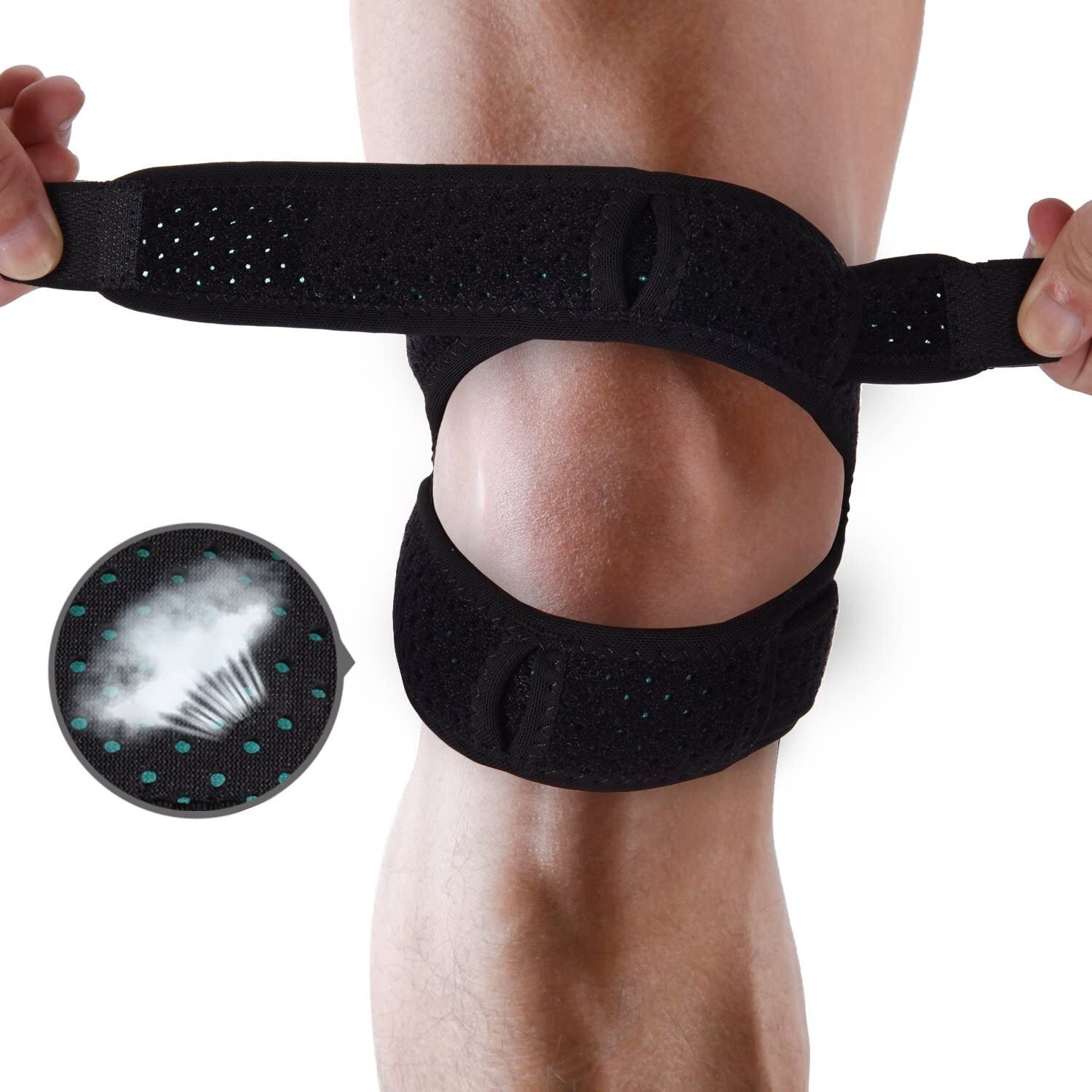
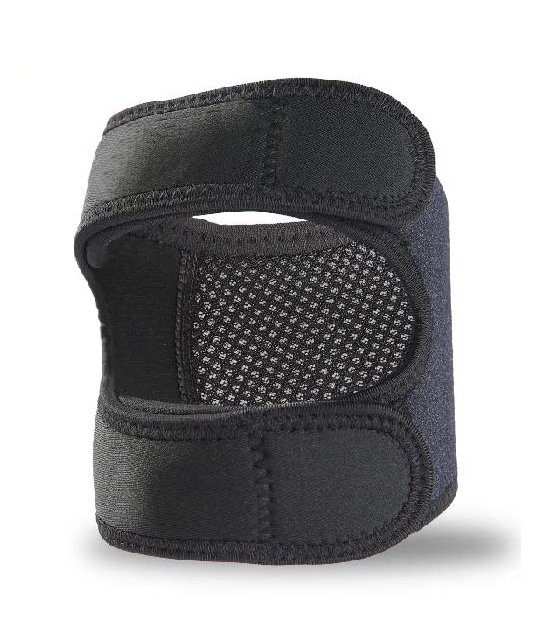
- 1 x open patella dual strap knee support designed to give targeted support above and below the kneecap
- Suitable for adults wanting front-of-knee support during sport, exercise, walking and day-to-day activity
- Commonly chosen for symptoms often linked to Patellar Tendonitis, Jumper’s Knee, Patellofemoral Pain Syndrome, Runner’s Knee, Chondromalacia and patellar tracking problems
- Dual adjustable straps allow you to alter the fit above and below the kneecap for a more personal level of support
- Open kneecap design helps focus support around the patella without covering the kneecap itself
- Supports the area across the lower thigh, around the kneecap and across the upper shin
- Lightweight, breathable and lower-bulk design for easier wear during running, gym work, walking and longer periods on your feet
- May help the knee feel more settled during stairs, squats, lunges, pushing off and repeated bending
- Useful if a full knee sleeve feels too bulky, too warm or too general for your symptoms
- One size fits most, with hook and loop fastenings to help you adjust the support to suit your comfort
- The support should feel snug and secure, but not tight enough to cause pinching, numbness or obvious discomfort
- If symptoms are severe, worsening, or not settling, it is sensible to speak to a GP or physiotherapist
- Supplied as a single knee support
- Includes a 30-day money-back guarantee
Open Patella Dual Strap Knee Support for Patellar Tendonitis (Jumper’s Knee), PFPS (Runner’s Knee), Chondromalacia & Patellar Tracking
This open patella dual strap knee support is designed for adults who want more focused front-of-knee support without the bulk of a full sleeve or heavier brace. If pain around the kneecap is making running, training, walking or stairs harder than they should be, this style of support can be a sensible option.
It uses two adjustable straps rather than one narrow band. One sits above the kneecap across the lower thigh, and the other sits below it across the upper shin. The centre stays open over the kneecap itself. Both straps fasten around the back of the knee and can be adjusted with hook and loop closures, so you can alter the fit above and below the patella instead of relying on one fixed level of tension.
That gives a more balanced and secure feel across the front of the knee. The upper strap supports the lower part of the thigh where the kneecap is guided during movement, while the lower strap supports the patellar tendon, the strong band that runs from the kneecap to the shin. When those areas feel overloaded on stairs, in squats, or through repeated running steps, targeted compression around them may help the knee feel steadier and less irritated.
The open centre matters too. It leaves the kneecap free instead of pressing straight across it, so the support is directed to the tissues around the patella rather than flattening the whole front of the joint. For many people, that feels supportive without feeling bulky or restrictive.
When this kind of knee pain tends to show up
Front-of-knee pain often follows a pattern that becomes familiar quite quickly. You may notice it on stairs, after sitting with the knee bent for a while, during squats or lunges, when running, or when landing from a jump. Sometimes it feels like a broad ache around the kneecap. Sometimes it is more specific, sitting just below the kneecap, especially when you push off, sprint or repeat the same impact again and again.
It does not always arrive all at once. Quite often, the knee feels manageable at the start of a walk or workout, then becomes more noticeable as you keep going. You might feel stiff getting up from a chair or out of the car, then a little easier once you have moved about. For other people, it builds later in the day after repeated stairs, longer spells on their feet, or a run on hard ground.
That sort of pattern usually points to a knee that is struggling with repeated load rather than one single movement in isolation. It is often the build-up of force through the front of the joint, the tendon below the kneecap, or the repeated path the kneecap has to follow as the knee bends and straightens. That is why the pain can seem manageable at first, then gradually become harder to ignore as the task goes on.
For some people, it starts as a mild irritation that comes and goes. For others, it slowly becomes the thing they start planning around. They adjust how they train, trust the knee a bit less, or avoid certain movements without really meaning to. That is often the point where a well-fitted support becomes useful. Not because it fixes the whole problem on its own, but because it can make movement feel more manageable and less wearing.
This support is commonly chosen by people looking for help with symptoms linked to Patellar Tendonitis, often called Jumper’s Knee, Patellofemoral Pain Syndrome, also known as PFPS or Runner’s Knee, Chondromalacia, and patellar tracking issues. They are different problems, but they all involve the front of the knee and can all make repeated movement more uncomfortable than it should be.
Why the front of the knee gets irritated
The kneecap sits within the tendon system at the front of the knee and needs to move smoothly every time the knee bends and straightens. That system works hard during walking, climbing stairs, running, kneeling, squatting and jumping. If the load through the front of the knee becomes more than the tissues can comfortably handle, pain often starts to build around the kneecap or in the tendon just below it.
In a comfortable knee, the kneecap glides in a fairly controlled way as the thigh and shin move. The tendon below it helps transfer force when you straighten the knee, push away from the floor, or control yourself as you go down stairs. If that tendon is taking repeated strain, or if the tissues around the kneecap are being compressed again and again in bent positions, the front of the knee can become sore and sensitive. That is why running, jumping, deep bending, lunging or repeated stair use so often bring symptoms on.
Put simply, this part of the body is good at handling regular force, but less happy when the strain becomes repetitive, suddenly increases, or never really gets a chance to settle. That can happen with sport, a change in training, long spells on your feet, repeated kneeling, or just a pattern of movement that keeps irritating the same area. Once that irritation is there, the knee can start reacting more quickly to the same tasks.
If that cycle keeps going, the knee often becomes easier to stir up and slower to calm down again. In everyday terms, pain starts earlier, takes less to trigger it, and hangs around for longer afterwards. People then start changing the way they move without always realising it, which can leave the knee feeling less reliable and less tolerant of normal daily jobs.
Why an open patella dual strap design makes sense
A standard patellar tendon strap usually sits below the kneecap only. That can work well if your symptoms are clearly centred on the tendon. But if you need a bit more support around the kneecap itself as well, a dual strap design gives broader front-of-knee support without moving into the feel of a bulkier full-knee brace.
With this design, the lower strap supports the patellar tendon area below the kneecap, while the upper strap adds support above it across the lower thigh. Together, they frame the patella rather than covering it. The open centre means the kneecap is not buried under extra material, while the two adjustable straps help create a more supported feel around it.
That matters because front-of-knee pain does not always come from exactly the same spot. If your pain is strongest just below the kneecap, the lower strap may help reduce how exposed that tendon feels when you push off, climb stairs or land from impact. If the knee feels uncomfortable around or behind the kneecap, the two straps work together to give the front of the joint a more contained feeling as the knee bends and straightens. Because the support sits above and below the kneecap rather than straight over it, many people find it feels supportive without making the front of the knee feel squashed.
In practical terms, it is a good option if you want support that feels focused and secure during movement, while still being light enough for running, gym work, walking or everyday wear. It sits neatly between a basic single strap and a full sleeve.
How this support is designed to help
This knee support is built to do a straightforward job well. The open patella shape keeps pressure away from the kneecap itself. The upper and lower straps let you adjust compression where it is most useful. The lower-bulk build means you are not wrapping the whole knee in extra material if that is not what you need.
The upper strap sits above the kneecap on the lower thigh. The lower strap sits below the kneecap on the upper part of the shin. Both join around the back of the knee, which helps the support stay in place while still allowing the knee to bend and straighten naturally. Because each strap has its own fastening, you can adjust the tension separately. That is helpful in real life. Some people want firmer support below the kneecap. Others prefer a more even feel above and below. This design gives you that choice.
The lower strap is particularly relevant when the tendon below the kneecap is the sore spot. During running, step-ups or getting out of a chair, that tendon takes repeated pulling force as you straighten the knee and drive through the leg. A well-positioned lower strap may help make that loading feel less sharp by supporting the tendon area more directly. The upper strap comes into its own when the knee feels less comfortable around the patella itself, especially during bending tasks such as stairs, squats or crouching, where the front of the joint can feel more pressured.
The support is also lightweight and breathable, which makes a difference if you are wearing it during exercise or for longer periods through the day. Many people find full sleeves too warm or too bulky, especially when running or training. This design keeps coverage focused, so it can feel less intrusive while still giving meaningful support around the front of the knee.
That lighter build helps in another way too. If a support feels awkward or cumbersome, people often stop wearing it for the very tasks that usually aggravate the knee. A lower-bulk design is easier to wear under sportswear or everyday clothing, which means you are more likely to keep it on during the walking, stair use, gym work or day-to-day movement that tends to bring symptoms on.
Commonly used for these front-of-knee problems
Patellar Tendonitis / Jumper’s Knee
This usually causes pain just below the kneecap, especially during jumping, sprinting, squatting or pushing off. The patellar tendon is the strong band that connects the kneecap to the shin, and it takes a lot of force every time you drive up from a squat, go up stairs, or control a landing. When that area becomes irritated, the pain is often quite local and may feel sharp during effort, then achy afterwards. The lower strap is designed to support this tendon area more directly, while the upper strap adds a more balanced overall feel around the front of the knee. Together, that may make repeated loaded movements feel easier to manage.
Patellofemoral Pain Syndrome / Runner’s Knee
This is often felt around or behind the kneecap and may be more noticeable with running, stairs, squats or sitting with the knee bent. In plain terms, the front of the knee becomes sensitive when the kneecap is repeatedly pressed and guided through loaded bending positions. It often feels more spread out than pinpoint, and many people notice it on longer walks, on slopes, when getting up from chairs, or after sitting for a while. A dual strap open patella design can be a sensible choice if you want support around the kneecap without the bulk of a full sleeve. By framing the kneecap from above and below, it may help the area feel more supported during repeated bending tasks.
Chondromalacia
If the kneecap area feels irritated during bending and straightening, especially under load, support that helps the front of the knee feel more comfortable can be useful alongside the rest of your routine. This problem often flares with repeated stairs, crouching, kneeling, or longer spells with the knee bent. The open patella design avoids placing extra coverage directly over the kneecap while still supporting the area around it, which can be helpful if too much pressure across the front of the knee feels uncomfortable.
Patellar tracking issues
If the kneecap does not feel as comfortable or as settled during movement, some people prefer a support that frames the area above and below the patella rather than pressing directly across it. Tracking simply refers to how the kneecap moves as the knee bends and straightens. When that movement feels less smooth or less comfortable, stairs, squats, or repeated rising and lowering can become irritating. The separate upper and lower adjustments let you fine-tune the support around the kneecap more precisely, which may help the knee feel steadier during those tasks.
These are not all the same condition, and this support is not a cure for any of them. What it can do is give targeted support to the front of the knee in a design that is practical to wear during the activities that usually bring symptoms on. For many adults, it works best alongside sensible activity planning, which simply means spreading demanding tasks more evenly through the day rather than doing too much at once and being sore afterwards.
Useful for sport, exercise and busy days on your feet
This support suits people who want help during movement rather than only at rest. It can be worn for running, gym sessions, general exercise, walking, hiking and sports that involve repeated bending, pushing off or landing. It is also a practical option if your work keeps you on your feet, using stairs, kneeling, lifting or walking for long periods.
That does not mean you need to be highly sporty to find it useful. Front-of-knee pain affects plenty of adults outside formal exercise. Sometimes it is the repeated everyday loading that becomes the main issue. Standing for longer spells, walking on hard ground, carrying shopping, getting in and out of the car, or using stairs several times through the day can all add up if the front of the knee is already irritated. A lighter, more focused support often works well here because it is easy to put on, easy to adjust and less cumbersome to wear through an ordinary day.
When you go down stairs or lower yourself into a chair, the knee has to control your body weight in a bent position, which increases demand through the front of the joint. The upper and lower straps support that area without wrapping the whole knee, which may make those repeated daily movements feel less aggravating. During running or brisk walking, the lower strap sits where repeated push-off force travels through the tendon below the kneecap, so the support is placed where many people actually feel the strain.
If you have been putting up with an ache around the kneecap, or tenderness below it that keeps returning with activity, a support like this can help movement feel more settled and less wearing.
Why many people prefer this to a full knee sleeve
Full knee sleeves certainly have their place, but they are not always the best match for front-of-knee symptoms. Some people find them too warm. Others feel they provide a lot of general compression without enough focus where the problem actually is. If your symptoms are mainly around the kneecap or patellar tendon, a dual strap support often feels more precise.
That is one of the main strengths of this design. It supports the front of the knee without enclosing the entire joint. The open kneecap area helps reduce bulk. The dual straps allow a more tailored fit. And because the support is compact, it is easier to wear under everyday or sports clothing than many larger braces.
There is also a practical difference in how the support is directed. A full sleeve spreads compression more evenly across the whole knee. That can feel good for some people, but it does not always put enough focus on the areas above and below the kneecap where front-of-knee symptoms are often most noticeable. This design lets you place support more deliberately. If stairs aggravate the front of the knee, or if running brings on pain below the kneecap, targeted tension in those areas often makes more sense than simply compressing everything equally.
In short, it is a practical choice if you want support that is lighter and more targeted, while still giving more structure than a simple single band.
Fit, feel and day-to-day comfort
This support is suitable for men and women and is designed as one size fits most. The hook and loop fastenings allow you to adjust the fit until it feels secure and supportive. Because the support works by applying compression above and below the kneecap, it is meant to fit snugly rather than loosely.
That said, snug should not mean uncomfortable. You want it firm enough to stay in place and provide useful pressure, but not so tight that it pinches, digs in or leaves the knee feeling restricted. If you are on the larger side, you may find that a larger open patella style support is more suitable.
The benefit of a two-strap design is that you can make smaller, more useful adjustments. If the lower strap needs to feel a little firmer for tendon support, you can do that. If the upper strap feels better slightly looser, you can adjust it separately. Those small changes often make a noticeable difference to comfort in day-to-day use.
That matters if you are wearing it for longer periods. A support that feels fine for five minutes can become irritating if the pressure is uneven once you start walking, climbing stairs or sitting with the knee bent. Separate adjustment above and below the kneecap gives you more control over how it feels at different points in the day. You may want it a little firmer for training and a little easier for general movement, and this design allows for that.
How to wear it
Position the open part over the kneecap, with one strap sitting above the patella across the lower thigh and the other below it across the upper shin. Fasten the straps around the back of the knee and adjust each one until the support feels secure.
Start with a comfortable, moderate level of tension rather than pulling both straps as tight as possible. Walk around in it, bend the knee and see how it feels. You can then fine-tune the fit depending on what you are doing. Some people prefer a slightly firmer fit for running or training and a gentler fit for walking or everyday wear.
If you are using it for pain below the kneecap, you may find the lower strap is the one that needs the most careful adjustment, especially for activities that involve pushing off or repeated knee loading. If your symptoms are more around the kneecap itself, a balanced fit across both straps often feels better than tightening one far more than the other. The aim is to support the front of the knee, not clamp it down.
If the support causes numbness, tingling, excessive pressure or obvious discomfort, loosen it and check the position again. The aim is support, not restriction. You should still be able to move naturally while feeling more comfortable and more secure around the front of the knee.
What to expect
A support like this is best thought of as a practical aid rather than a quick fix. You may notice an immediate difference in how supported the knee feels during movement, particularly in activities that usually provoke symptoms. For some people, that means more confidence on stairs, more comfort during walking, or less irritation during training. For others, the main benefit is simply that the knee feels better managed and less exposed during the day.
What you notice may depend on the pattern of your symptoms. If the knee is mainly sensitive during certain tasks, such as stairs, squats or running, the benefit is often most obvious while doing those things. If the problem tends to build gradually through the day, the support may help by making longer spells on your feet feel more manageable before discomfort ramps up.
It helps to keep expectations realistic. The support can reduce strain and improve comfort, but it does not replace sensible choices if the knee is already irritated. If you are using it during exercise, it often works best alongside a gradual return to activity rather than trying to push through sharp or worsening pain. A steady build-up usually gives irritated tissues a better chance to settle than sudden bursts of heavy loading followed by complete rest.
When to get further advice
If your pain is severe, if the knee is giving way, if there is marked swelling, or if symptoms are not settling, it is worth speaking to a GP, physiotherapist or another appropriate clinician. The same applies if the problem is new and unexplained, or if the knee is stopping you getting through normal daily activity.
It is also sensible to get further advice if you keep falling into the same flare-up pattern despite cutting back on the activities that trigger it, or if the knee is gradually tolerating less rather than more. That often means the area needs a more individual plan around loading, movement and recovery.
A support can be a useful part of the picture, but ongoing or worsening symptoms deserve proper assessment rather than guesswork. Getting clearer advice early often saves a longer spell of frustration later on.
A straightforward option for front-of-knee support
If you want something more supportive than a basic tendon strap, but lighter and less bulky than a full knee sleeve, this design is a sensible option. The open patella shape, dual adjustable straps and focused front-of-knee support give it a useful place in the middle ground.
It is commonly chosen for Patellar Tendonitis, Jumper’s Knee, Patellofemoral Pain Syndrome, Runner’s Knee, Chondromalacia and patellar tracking issues because it focuses on the part of the knee that usually needs support most. The lower strap supports the tendon below the kneecap during pushing and loading tasks, while the upper strap helps frame the area above the kneecap during bending and control work such as stairs or squats. That is the real strength of the design. It does not just compress the knee generally; it gives adjustable support to the parts of the front of the knee that often become irritated in everyday adult life.
If that pattern sounds familiar, it is worth checking whether this style of support fits the way your symptoms behave and the type of activities you want help with. Pay close attention to fit and comfort, and if you are unsure whether it is the right option for you, speak to a GP or physiotherapist for individual advice.
Supplied as 1 x single open patella dual strap knee support, with a 30-day money-back guarantee.
Disclaimer
This information is general guidance only and is not a substitute for individual medical advice, diagnosis or treatment. If you are unsure whether this support is suitable for you, or if you have new, unexplained or more complex symptoms, speak to a GP, physiotherapist or another appropriate clinician. No support can guarantee a particular outcome, and results will vary from person to person.
Fast & Secure Checkout Through Paypal
Pay with Paypal the secure payment gateway that accepts all credit and debit cards. Paypal is free and secure and no credit or bank information is ever stored or shared with us.
Fast Dispatch
Enjoy your items soon with quick dispatch via Royal Mail. Expect to have your items between 1-3 working days for domestic orders. 7-10 Working days for international orders.
Return Policy – 30 Day Money Back Guarantee
In the unlikely event, you are unhappy with your purchase you can return it within 30 days for a refund. Please contact us via the form on the contact us page to start your return.
To return an item please send it to: Nuova Health UK, 81 Highfield Lane, Waverley, Rotherham, S60 8AL. Please include a note with your order id so we know who to refund. Please retain your postage receipt as proof of postage. All that we ask is that the item is in the original packaging and unused.
Reviews
There are no reviews yet.