
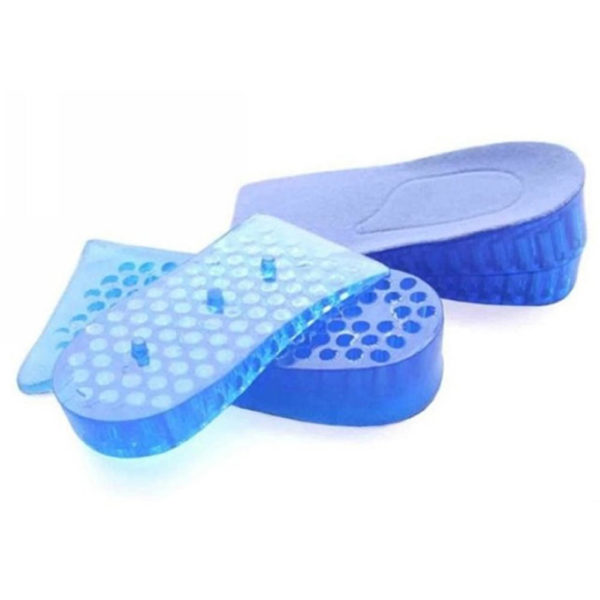
Heightboosters™ Shoe lift inserts for height
£11.99inc VAT
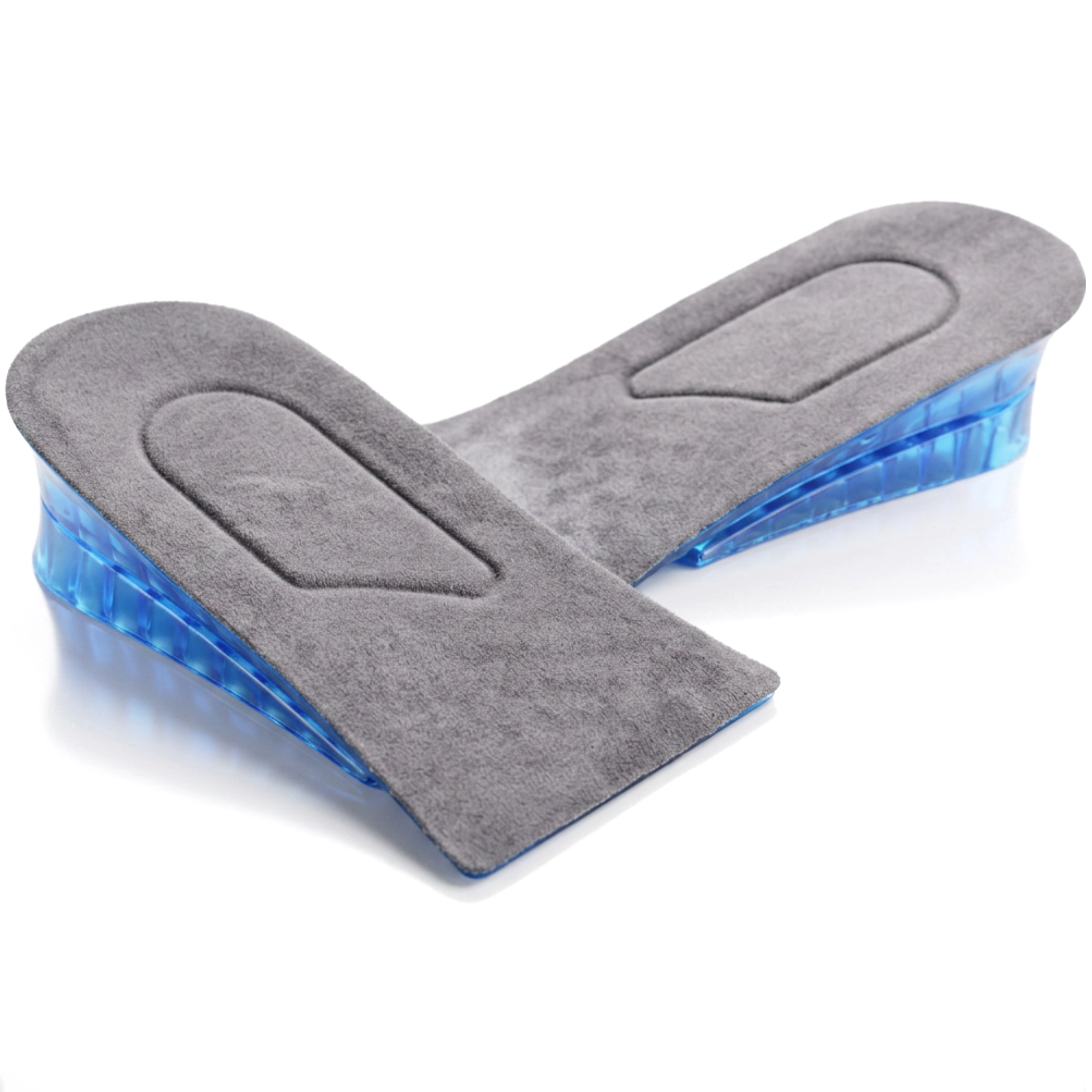
- Discreet height boost: Stand up to 38–40 mm (about 1.5 in) taller—hidden inside your shoes, so they look the same from the outside
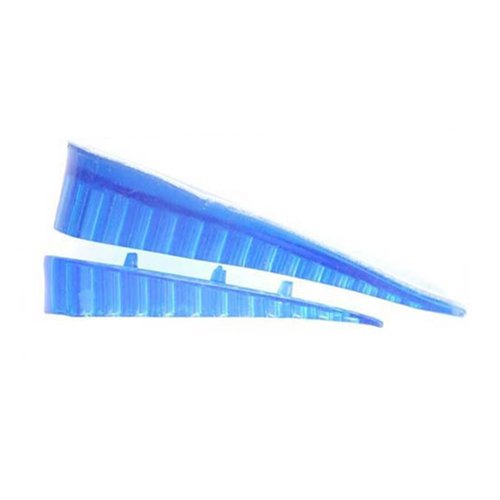
- Adjustable layers: Start low, add height as you adapt—you control the progression
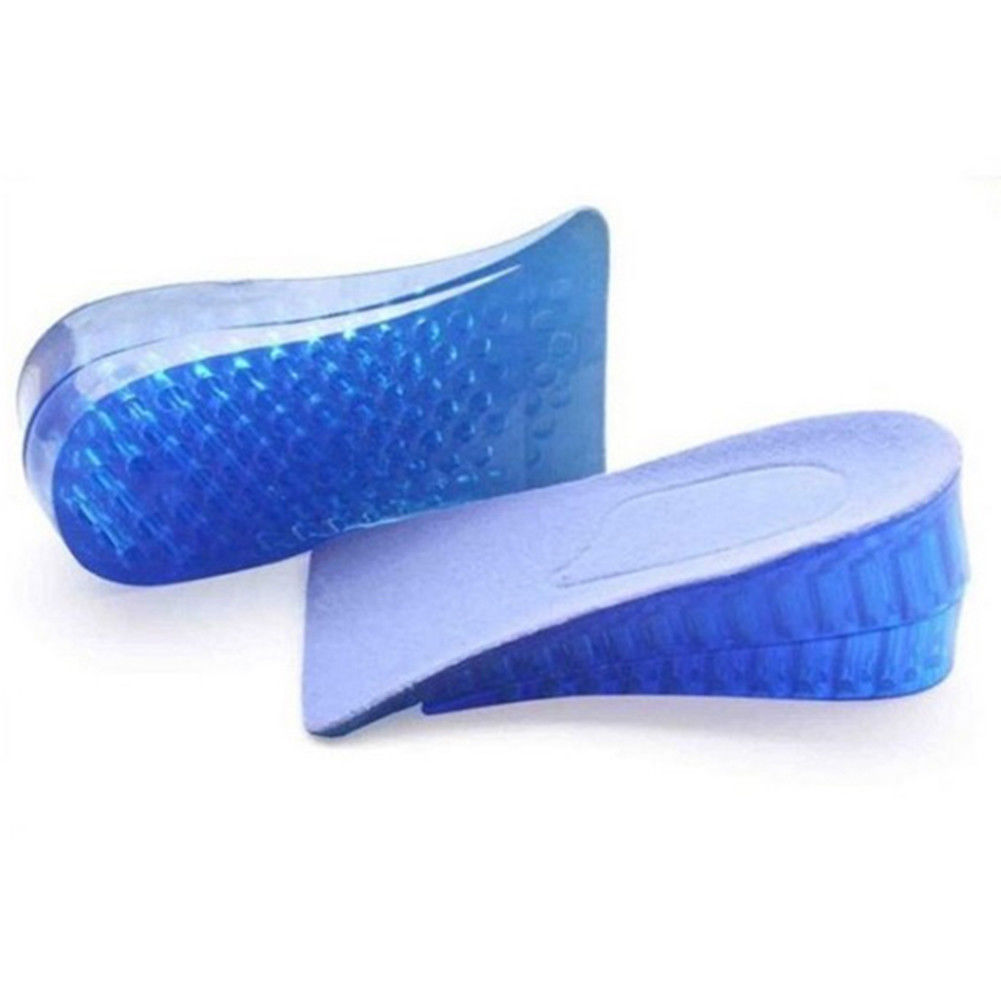
- Honeycomb gel cushioning: Softens hard floors, spreads pressure, eases harsh heel landings
- Stable, cupped base: Wider heel platform guides balanced motion and steadies each step
- May ease everyday discomfort: Plantar heel pain, Achilles irritation, calf tightness, small leg-length differences
- One size fits most: 3/4-length design fits UK 5–12 (EU 38–46) without trimming—slips into trainers, dress shoes, boots
- Breathable, lightweight, easy care: Wipe clean, air dry, swap between shoes in seconds
- 30-day money-back guarantee: Try them risk-free—if they don’t work, return for a full refund
HeightBoosters™ Discreet Shoe Lift Inserts
⚠️ If you have diabetes, reduced foot sensation, poor circulation, or balance problems, speak to a clinician before using heel lifts.
At a glance
- Discreet 3/4‑length heel lifts to help you stand taller with more confidence (unisex, one size fits most)
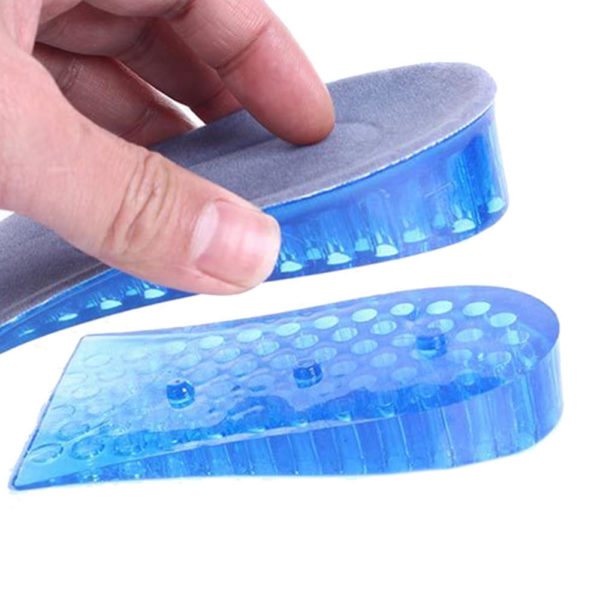
- Adjustable layers: start with the base alone for a modest boost, add the extra layer for up to around 38–40 mm (about 1.5 in) of heel lift
- Honeycomb gel cushioning spreads pressure and softens harsh heel landings on hard floors
- Wider, cupped heel platform helps steady your rearfoot and guide more balanced motion
- May ease plantar heel pain (plantar fasciitis), Achilles irritation, calf tightness, and small leg‑length differences
- Low‑profile fit: toes stay free, lifts stay out of sight—your shoes look the same from the outside
- Lightweight design slips into trainers, dress shoes, and boots without weighing your feet down
- Breathable holes and channels help airflow under the heel and reduce local heat build‑up
- Soft fabric top layer reduces rubbing and hotspots against socks
- Non‑slip grip keeps lifts in place; add non‑permanent insole tape if needed in steeper heel angles
- Easy care: wipe clean with mild soap and water, air dry, store flat
- 30‑day money‑back guarantee from NuovaHealth
Quick reference
| Height range | Up to around 38–40 mm (about 1.5 in) with both included layers; add compatible layers from a second pair for more height |
| Size range | One size fits most: UK 5–12 (EU 38–46, US Men’s 6–13, US Women’s 7–14) |
| Profile | 3/4-length (heel and midfoot only, toes free) |
| Material | Silicone-gel honeycomb with breathable fabric top layer |
| Best for | Closed shoes with firm heel counter and moderate depth (trainers, dress shoes, boots) |
| Avoid | Backless shoes, very high heels, shoes that are already tight |
| Care | Wipe clean with damp cloth and mild soap, air dry, store flat |
| Lifespan | 6–12 months with daily use (replace when gel stays flattened or fabric wears) |
| Guarantee | 30-day money-back guarantee from NuovaHealth |
Height and confidence
Height shapes how others see you and how you see yourself. Taller people are perceived as more confident, more capable, more authoritative—even when nothing else has changed. It’s not fair, but it’s real.
You feel it when you’re shoulder‑to‑shoulder with taller friends, lining up for a photo, or stepping into a date or an interview where first impressions stick. Most shoes add only a slight amount of height, and the higher the external heel, the more obvious it looks. One option for men is Cuban heels, but they’re not commonly worn and can draw attention; they can also feel awkward over time. For many women, high heels may be more socially accepted, but they’re often uncomfortable and can contribute to foot problems if worn for long periods. You want extra height that feels natural, stays out of sight, and keeps your style exactly as it is.
Why height shapes first impressions
Height isn’t everything, but it can shape those first few seconds when people are forming an opinion. Taller individuals are often seen as more confident and capable at first glance. That doesn’t mean height defines your worth as a person, but it explains why standing a little taller can change how you feel and how you’re received. In those early moments, a subtle, natural‑looking lift can help you feel in control—calmer, more assured, and more like the version of yourself you want people to meet.
Where it matters most
Nobody wants to be known as the “short one” of the group—you want to look taller than your friends on a night out. On a first date, a little extra height can lift your confidence, help you feel less self‑conscious, and then let you relax so your personality leads. In job interviews, you want to make a strong first impression the second you shake hands. At busy social or work events, you’re tired of being literally looked down on. A discreet boost can help your posture feel more open and your stance more assured—without changing how your shoes look on the outside.
The solution: a hidden lift inside your shoes
Shoe lifts give you discreet height without changing the outside of your footwear. Each pair has a base plus one removable extra layer. Choose fewer layers for a low‑key boost or stack both included layers to reach around 38–40 mm (about 1.5 in). Because the lift sits out of sight inside your shoe, the outside look stays the same and your style stays yours. The 3/4‑length shape supports your heel and mid‑foot without crowding your toes, so your stride stays easy and relaxed.
How layers work—and why it feels natural
Set the height of your lift for what you’re doing by adding or removing layers. Use fewer layers when shoe space is tighter; use more layers in roomier footwear when you want maximum lift. A resilient silicone‑gel base softens impact so steps feel calmer, while a soft cotton top layer feels smooth against your socks. The shoe lifts slip in quickly, switch between shoes in seconds, and stay out of sight as you go about your day. If you want more height than the included layers provide, you can add compatible layers from a second pair—so long as your shoes continue to hold your heel down securely and feel stable as you walk.
What you’ll notice from day one
Expect a subtle but noticeable change in how you stand and carry yourself. You’ll stand a little taller, keep your stride relaxed, and feel more at ease. A wider, gently cupped heel base helps steady each step, and cushioning takes the edge off hard floors. Your shoes look unchanged from the outside, and the lifts are out of sight and out of mind—just a straightforward way to look taller and feel bolder without changing the footwear you enjoy wearing.
The shift you’ll feel
Here’s what changes: You walk into that room differently. Your shoulders sit back. Your chin lifts. You’re not thinking about your height anymore—you’re thinking about the conversation, the opportunity, the moment. That’s the shift. Not just standing taller—feeling taller. And when you feel it, everyone else sees it. Confidence isn’t loud. It’s quiet, steady, and unmistakable. That’s what these lifts give you: not just height, but the headspace to stop worrying about it and start owning it.
What this can help with
Most people choose shoe lifts for height and confidence. Many also find the same gentle rise and cushioning make standing and walking easier on their heels and tendons. If comfort and balance matter to you as well, here’s how a small heel lift can help with common foot concerns.
Why a small lift helps (in plain English)
Every step starts with your heel meeting the ground. On firm floors, that first contact can spike pressure and strain. A slight lift changes the ankle angle and can reduce load on the plantar fascia and Achilles, while cushioning spreads pressure so one spot doesn’t take the full hit. A wider, steady base under the heel also helps guide motion so it rolls less inward or outward. Together, that can mean fewer sharp jolts, smoother steps, and less end‑of‑day soreness.
Small functional leg‑length difference (disparity)
A small difference between sides can tilt the pelvis and leave you feeling uneven with each step. Adding a modest lift on the shorter side can help level things out so standing and walking feel more balanced. Start with fewer layers, add gradually, and make sure your shoes continue to hold your heel down without lifting or slipping. Minor discrepancies are common and may respond to simple, incremental lifts when used sensibly. If you’re considering single-side use, get professional guidance first—a physiotherapist or podiatrist can measure, assess, and guide you on whether it’s appropriate and how much height to use.
Plantar fasciitis
You know that stabbing pain when your heel hits the floor first thing in the morning—the one that makes you wince and hobble to the bathroom? That’s your plantar fascia, the strong band under your foot, irritated and tight, screaming at you with every step. A slight rise can reduce the stretch on that band during walking, while cushioning spreads heel pressure so one spot doesn’t take the full hit. Supportive foot devices—including heel support—are commonly used as part of everyday self‑care for plantar heel pain when combined with sensible activity.
Heel spurs
Small bony growths near where the fascia or Achilles attaches can make the area sensitive under repeated impact. A modest lift with cushioning softens landings and reduces local pressure over tender spots, making firm floors more tolerable. Cushioning and support help lower peak heel pressures and ease symptoms in plantar heel pain.
Achilles tendinopathy (mid‑portion)
That nagging ache a few centimetres above your heel—the one that flares when you push off or climb stairs? That’s mid‑portion Achilles tendinopathy. Repeated loading irritates the tendon’s mid‑section; greater ankle bend raises day‑to‑day strain. A small heel rise reduces this bend during stance, which may lower peak tendon load so walking feels easier. Temporary lifts can help reduce strain in the short term while normal activity continues.
Insertional Achilles irritation
Where the tendon meets the heel bone, tension plus compression can aggravate symptoms. A modest rise reduces ankle dorsiflexion at contact, easing compression at the insertion during daily movement. This angle change can reduce irritation while you stay active within comfort.
Calf tightness (functional equinus)
Limited ankle bend from tight calves makes walking feel stiff and shifts load into the heel and arch. A controlled lift compensates for restricted bend so your stride feels smoother and less forced. Short‑term heel lifts are commonly used to improve comfort while flexibility is addressed separately.
Retrocalcaneal bursitis/Haglund’s discomfort
Rubbing and compression at the back of the heel can flare with certain shoes. Raising the heel a little changes the angle at the back of the shoe and can ease rubbing during daily wear. Conservative care often includes measures that reduce direct pressure and friction while you remain active within comfort.
Heel fat‑pad soreness
Every step on concrete feels like you’re walking on bone—that deep, bruised ache that builds through the day. That’s your heel fat pad, your built‑in cushioning, worn thin or irritated. Cushioning that compresses and rebounds spreads impact across a wider area and can soften that sensation. Cushioned heel devices can lower peak heel pressures and improve reported comfort.
General heel fatigue on hard floors
Long hours on concrete or wood deliver repeated, unforgiving impacts that add up. Gel cushioning reduces peak pressures, and a small rise can make firm floors feel more tolerable across long days. Cushioning and supportive devices are sensible options to ease symptoms during daily activity.
Mild rearfoot overpronation or supination
If your heel rolls inward (overpronation) or outward (supination) more than feels comfortable, unsteady motion can strain tissues around the heel and ankle. A wider, steady heel base can guide a more neutral motion and support calmer steps. Stability and support features can help moderate excessive rearfoot motion for everyday comfort.
Worth noting
These lifts support everyday comfort. They don’t diagnose, treat, or cure medical conditions. If pain persists, worsens, or limits your activity, speak to a GP, physiotherapist, or podiatrist. A lift may help in some cases, but it can also mask underlying problems or shift strain to other areas if the root cause isn’t addressed.
How a heel lift works
Here’s the thing: a heel lift doesn’t just make you taller. It changes the geometry of your foot, ankle, and leg—and that shift has knock-on effects throughout your body.
What happens when you add heel rise
Your ankle angle changes. Normally, your shin moves forward over your foot as you walk—that’s dorsiflexion, your ankle bending forward. A lift reduces that bend slightly. Less bend means less stretch on the plantar fascia (the thick band of tissue along the bottom of your foot) and the Achilles tendon (which links your calf muscles to your heel bone). Your ankle stays more balanced—not tilted too far in or out—as you step.
Your weight distribution shifts. Without a lift, your heel takes the hardest hit when your foot lands. A cushioned lift spreads that impact across a wider, softer surface—pressure doesn’t spike in one spot. The gel compresses to absorb shock, then springs back as you push off.
Your base of support widens. A wider, gently cupped heel platform—a shallow bowl shape that cradles your heel bone—guides your rearfoot into a more stable position as you land and roll through the step. Instead of your heel tilting too far inward (overpronation) or outward (supination), the broader base keeps motion more balanced, so the muscles, tendons, and ligaments around your ankle and arch don’t have to work as hard to correct excessive roll.
Why that makes you stand taller
The lift adds height directly under your heel—up to around 38–40 mm (about 1.5 in) with both layers. But it also shifts your centre of mass slightly forward and upward, which encourages a more upright posture. Your pelvis tilts forward a touch, your spine lengthens, your shoulders sit back. You don’t have to think about it—it happens naturally as your body adjusts to the new geometry.
That’s why a heel lift doesn’t just add height—it changes how you carry yourself. More upright. More present. More confident.
How these lifts are built
Not all heel lifts are the same. Here’s what makes these ones work.
Adjustable height you control
Each pair includes a base layer plus one removable extra layer. Together, they give you up to around 38–40 mm (about 1.5 in) of heel lift, though the gel compresses somewhat under body weight, so the real-world height gain is slightly less.
Start with the base alone if you want a modest boost or if you’re new to wearing lifts. Add the extra layer when you want more height and your body has adapted to the base. You control the progression. If you want additional height beyond the included layers, you can add compatible layers from a second pair—always ensuring your shoes still hold your heel down securely and feel comfortable when you walk.
Honeycomb silicone‑gel cushioning to soften impact
A resilient silicone‑gel honeycomb runs through the heel and mid‑foot. When your heel lands, the structure compresses to absorb impact and spread pressure across a wider area. As you push off, it springs back, maintaining height and support. On hard floors—concrete, tile, wood—this dampens shock and reduces sharp pressure where your heel lands, so each step feels softer. Over a long day, the difference adds up.
Discreet 3/4‑length, low‑profile fit
The lift stops before your toes, so there’s no crowding in the front of your shoe. Your toes stay free to spread and grip. The compact 3/4‑length profile lifts and cushions your heel and mid‑foot while leaving your toes free. That means no crowding in the toe box, normal lacing, and a shape that sits neatly at the back of the shoe. Because the lift is hidden inside, your footwear looks unchanged from the outside—only you know you’re wearing it. The low‑profile design also makes it easy to move the shoe lifts between pairs without trimming.
Breathable holes and channels for fresher under‑heel comfort
Small holes and grooves in the gel, combined with the open honeycomb structure, allow modest air movement under the heel. Airflow inside closed shoes is naturally limited, but these pathways give warm air a way to disperse so the area feels less stuffy over time. On long days or in warmer conditions, that can translate into a touch of freshness under the heel without sacrificing the cushioning and lift you prefer.
Stable heel platform for balanced steps
When you increase heel height, stability matters. These shoe lifts use a wider, gently cupped base that helps steady the heel bone as you land and push off. By limiting excessive inward rolling (overpronation) or outward rolling (supination), the platform supports a more neutral position through the heel and ankle. This steadier base can reduce strain on tissues around the heel and Achilles during everyday standing and walking.
Plush cotton top layer for a smooth feel
A soft, breathable cotton surface sits above the gel to create a smooth interface with your socks. It reduces rubbing and hotspots, manages a little moisture, and adds a cushioned feel without extra thickness. From the first wear, you get a gentle, pleasant surface underfoot—no harsh plastic feel and no scratchiness during break‑in.
Non‑slip grip to keep lifts in place
Silicone naturally grips, helping each lift stay in place against your shoe’s insole. This grip, together with the cupped heel shape, helps the lifts stay where you put them step after step. If your shoes have a steeper angle from heel to toe—dress shoes, boots with a slight heel—you can add a strip of non‑permanent insole tape to the bottom of the lift for extra grip.
Lightweight, ergonomic design for easy swaps
These shoe lifts are light and shaped to follow the natural curve of the heel and mid‑foot, so they slip into most adult trainers, dress shoes, and boots without weighing your feet down. Smooth edges and a simple outline make them easy to remove and place in another pair within seconds. The low mass helps you avoid the clumsy, bulky feel some inserts cause, so your stride stays natural while you enjoy the extra height from your chosen layers.
One size fits most, trim‑free convenience
The unisex, trim‑free design fits most adult footwear without the need to cut or shape. Because the lift supports only the rear two‑thirds of the foot, it avoids pressure on the toes and works with many shoe shapes. That makes setup straightforward and transfers between pairs fast. Use them across your wardrobe for consistent comfort and height wherever you go, all from a single pair you can move in seconds.
Who should use these lifts—and who should get advice first
These lifts are designed for everyday comfort and confidence. They work best when you’re starting from a stable, healthy baseline and looking for a modest boost or symptom relief.
A good fit for
- Anyone looking for a discreet height boost in everyday shoes—trainers, dress shoes, boots.
- People dealing with mild plantar heel pain, Achilles irritation, or calf tightness who want to ease strain during daily activity.
- Those with small leg-length differences (whether structural or functional) who want to level their gait and reduce uneven strain. If you’re considering single-side use, get professional guidance first—a physiotherapist or podiatrist can measure, assess, and guide you on whether it’s appropriate and how much height to use.
- People who spend long hours on hard floors—concrete, tile, wood—and want extra cushioning under the heel.
Get advice first if
- You have diabetes, reduced foot sensation, poor circulation, or balance problems. A lift changes how forces move through your foot and leg. If you can’t feel your feet properly or your balance is already compromised, that change can increase your risk of falls, pressure sores, or unnoticed injury. Speak to a GP, physiotherapist, or podiatrist before using any heel lift.
- You have severe or worsening pain. If your heel pain, Achilles pain, or calf tightness is getting worse, limiting your activity, or not responding to rest and basic care, you need a proper assessment. A lift may help in some cases, but it can also mask underlying problems or shift strain to other areas if the root cause isn’t addressed.
- You’ve had recent foot, ankle, or leg surgery or injury. Your tissues are still healing. Adding a lift changes load distribution and may interfere with recovery. Get clearance from your surgeon or physiotherapist first.
- You have significant structural foot problems—severe flat feet, high arches, bunions, hammertoes, or other deformities. A generic lift may not fit well or may create new pressure points. A podiatrist can assess whether a lift is appropriate or whether you need custom orthotics instead.
- You’re considering single-side use for a leg-length difference. Even a small difference can throw off your gait, but adding height on one side without proper assessment can create new problems—hip strain, knee pain, lower back discomfort. A physiotherapist or podiatrist can measure, assess, and guide you on whether it’s appropriate and how much height to use.
- You have ongoing heel, Achilles, ankle, knee, hip, or back pain. A lift changes load distribution. If you already have pain in these areas, adding a lift without guidance can shift strain and make things worse.
This is important
These lifts support everyday comfort. They don’t diagnose, treat, or cure medical conditions. If you’re unsure whether they’re right for you, ask. A quick conversation with a GP, physiotherapist, or podiatrist can save you time, money, and discomfort.
Ready to try them?
Adjustable height. Honeycomb cushioning. Discreet fit. Stand taller, feel steadier, and keep your style exactly as it is.
30-day money-back guarantee. If they don’t work for you, return them for a full refund.
[Add to Basket button would appear here in your theme/layout]
Or keep reading for full details on what’s included, how to get started, sizing, care, and FAQs.
What’s included
- 1 pair of discreet 3/4‑length HeightBoosters™ heel lift inserts (unisex)
- Base layer plus 1 removable extra layer per foot (adjustable height up to around 38–40 mm / about 1.5 in)
- Honeycomb gel cushioning with breathable holes and channels
- Soft fabric top layer to reduce rubbing
- Wider, cupped heel platform for stability
- Non‑slip grip (add optional insole tape for steeper heel angles if needed—not included)
- One size fits most adult footwear—no trimming required
Getting started
A heel lift changes how forces move through your foot, ankle, and leg. Your body needs time to adapt. Start low, build gradually, and listen to your body.
First wears: start low, build gradually
Day one: Start with the base layer only—no extra layer. Wear for 1–2 hours in a controlled environment—at home, on flat ground, doing light activity. Your body is adjusting to a new geometry. Give it time.
Days 2–5: Add an hour each day if you feel steady and comfortable. By day five, you should be able to wear the base layer for a full day without discomfort.
Adding the extra layer: Once you’re steady and comfortable with the base layer for several hours, you can add the extra layer. Start again with 1–2 hours, then build up gradually over several days. Don’t rush this. Your muscles, tendons, and ligaments need time to adapt to the increased height.
If you feel unstable, your heel lifts out of your shoe, or you notice new pain: Drop back a layer or reduce wear time. Stability and comfort matter more than height.
Your shoes will feel snugger: That’s normal—the lift takes up space. If your shoes feel too tight, try a half-size larger or choose shoes with more volume in the heel and midfoot.
Footwear choice
These lifts work best in closed shoes with a firm heel counter—the stiff cup at the back that holds your heel in place—and moderate depth. Trainers, dress shoes, and boots are ideal.
Avoid:
- Backless shoes (mules, slides, slip-ons with no heel support)—the lift won’t stay in place and your heel may slide out
- Very high heels—adding more height on top of an already steep angle increases instability
- Shoes that are already tight—the lift will make them tighter, increasing pressure and reducing comfort
Compared with tall, showy heels that push weight forward and can feel wobbly, this hidden, balanced lift sits inside supportive shoes to help you stay steady and comfortable.
Check stability when adding layers
Every time you add a layer, check your stability. Stand on one foot. Walk on uneven ground. Go up and down stairs. If you feel wobbly or your heel lifts out of your shoe, drop back a layer.
Height is only useful if you’re stable. Don’t sacrifice balance for an extra few millimetres.
Watch for warning signs
Your body will tell you if something’s wrong. Listen to it.
- New pain in your knees, hips, or lower back: The lift may be shifting strain to other areas. Drop back a layer or stop using them and seek advice.
- Increased heel or Achilles pain: You may have added height too quickly. Drop back and build more gradually.
- Numbness, tingling, or pressure sores: The lift may be creating a pressure point. Stop using them and seek advice.
- Feeling unstable or off-balance: Drop back a layer or stop using them. Stability comes first.
Sizing & Fit
One size fits most
These lifts are designed to fit most adult footwear without trimming. The 3/4-length profile stops before your toes, so there’s no crowding in the front of your shoe.
They work in UK sizes roughly 5–12 (EU 38–46, US Men’s 6–13, US Women’s 7–14). If your feet are smaller or larger than this range, the lifts may not sit properly or may take up too much space.
Shoe depth matters
The lifts add height under your heel, which means your foot sits higher in the shoe. If your shoes are already shallow or low-cut, your heel may lift out or feel unstable.
Check that your shoes have enough depth to accommodate the lift without your heel popping out. Trainers, boots, and dress shoes with a firm heel counter work best.
If your shoes feel too tight
The lifts take up space. If your shoes feel uncomfortably tight with the lifts in place, try:
- Using only the base layer (less height, less volume)
- Choosing shoes with more room in the heel and midfoot
- Going up a half-size in your footwear
Don’t force your feet into shoes that are too tight. Pressure and rubbing lead to blisters, hotspots, and discomfort.
Care & Maintenance
Simple care
Wipe clean with a damp cloth and mild soap. Rinse with clean water. Air dry completely before storing or wearing again. Don’t machine wash, tumble dry, or expose to direct heat—it can damage the gel and fabric.
Store flat in a cool, dry place. Don’t fold, crush, or leave them in hot places or direct sunlight. Do not cut or puncture the gel.
When to replace
The gel will compress and wear over time. Like any cushioning that carries your body weight, the gel will slowly compress the more you use the lifts. Replace your lifts when:
- The gel no longer springs back after compression (stays flattened)
- The fabric covering is torn, worn through, or separating from the gel
- The lifts no longer grip the inside of your shoe
- You notice uneven wear or loss of cushioning
- You notice visible flattening, reduced spring, or loss of height
How long they last depends on your body weight, activity level, and how often you wear them. For daily use, expect 6–12 months.
Common questions
How much height will I gain?
Up to around 38–40 mm (about 1.5 in) with both layers, though the gel compresses somewhat under body weight, so the real-world height gain is slightly less.
Will they help with my heel pain?
They may ease symptoms by reducing ankle bend and softening landings. If pain persists or worsens, speak to a GP or physiotherapist.
Can I wear them all day?
Yes, once your body has adapted. Start with 1–2 hours and build gradually over several days. Listen to your body—if you feel unstable or notice new pain, drop back.
Will people notice I’m wearing them?
The 3/4-length profile keeps them hidden. Your shoes look the same from the outside. You’ll notice the height difference; others will notice you standing taller.
Can I use just one lift for a leg-length difference?
Yes, but get professional guidance first. A physiotherapist or podiatrist can measure, assess, and guide you on whether it’s appropriate and how much height to use.
Do they work in all shoes?
They work best in closed shoes with a firm heel counter and moderate depth—trainers, dress shoes, boots. Avoid backless shoes, very high heels, or shoes that are already tight.
Will they make my shoes tighter?
Yes. The lifts take up space, so your shoes will feel snugger. If they feel too tight, try using only the base layer or go up a half-size in your footwear.
Can I wear them with other insoles or orthotics?
It depends on the depth of your shoe. Adding both a lift and an insole may make your shoes too tight or cause your heel to lift out. If you need both, speak to a podiatrist—they can assess fit and may recommend custom solutions.
How do I keep them in place?
The silicone grips naturally, and the cupped shape helps lock them in. For steeper heel angles (dress shoes, boots), add a strip of non-permanent insole tape to the bottom for extra grip.
Can I run or do high-impact activity in them?
Not recommended. These are designed for walking and standing. High-impact activity increases the risk of instability and injury. If you need heel support for running, speak to a podiatrist about sport-specific solutions.
Can I add more layers for extra height?
If you want additional height beyond the included layers, you can add compatible layers from a second pair—always ensuring your shoes still hold your heel down securely and feel comfortable and stable when you walk.
How long do they last?
For daily use, expect 6–12 months. Replace them when the gel no longer springs back, the fabric is worn, or cushioning is lost.
Can I wash them?
Wipe clean with a damp cloth and mild soap. Air dry completely. Don’t machine wash or expose to direct heat.
Ready to buy?
If you’re looking for a discreet height boost, relief from everyday heel or Achilles discomfort, or a way to level a small leg-length difference, these lifts are designed to help.
Adjustable layers let you control the height. Honeycomb gel cushioning softens hard floors. A stable, cupped base guides balanced motion. And the low-profile design keeps them hidden—your shoes look the same, but you stand taller.
Choose your layers, slip the lifts into your shoes, and step out taller—without the giveaway of obvious heels. You’ll set your height a layer at a time, keep your shoes looking the same, soften every landing, and feel steady in the moments that matter: dates, interviews, events, and long days on your feet. It’s confidence you can set in seconds, comfort you feel all day, and a simple habit you’ll use again and again.
Height matters. Not because it defines you, but because it shapes how others see you in those first few seconds—and how you see yourself. A discreet lift won’t change who you are, but it can change how you show up. More upright. More present. More confident.
Beyond height, the same gentle rise and cushioning can ease everyday strain on your heels, Achilles, and calves. Softer landings on hard floors. Steadier steps. Less end-of-day soreness. It’s comfort you feel straight away, in the moments that matter.
Start with the base layer. Build gradually. Listen to your body. Check your stability. And if you’re unsure—if you have diabetes, reduced sensation, balance problems, persistent pain, or you’re thinking about single-side use—ask a clinician first. A few minutes of advice can save you time, money, and discomfort.
These lifts are simple, practical, and designed to work. Adjustable height you control. Cushioning that softens impact. Stability that guides balanced motion. And a hidden profile that keeps your style exactly as it is.
Slip them in. Stand taller. Feel steadier. And get on with your day.
Every pair comes with a 30-day money-back guarantee from NuovaHealth. If they don’t work for you, you’ve lost nothing.
Your safety and satisfaction
Every pair comes with a 30-day money-back guarantee from NuovaHealth. If they don’t work for you, return them for a full refund.
Medical disclaimer
These heel lifts are designed to support everyday comfort and confidence. They are not medical devices. They do not diagnose, treat, cure, or prevent any medical condition.
If you have diabetes, reduced foot sensation, poor circulation, balance problems, severe or worsening pain, recent surgery or injury, or significant structural foot problems, speak to a GP, physiotherapist, or podiatrist before using any heel lift.
If you experience new pain, numbness, tingling, pressure sores, or instability while using these lifts, stop using them and seek professional advice.
Use at your own risk
A heel lift changes how forces move through your foot, ankle, and leg. It can shift strain to other areas. It can affect your balance and stability, especially when you first start using it or when you add height.
You are responsible for assessing whether these lifts are appropriate for your individual circumstances. If you are unsure, seek professional advice before use.
Not a substitute for professional advice
The information on this page is for general guidance only. It is not a substitute for professional medical, physiotherapy, or podiatry advice. If you have a medical condition, persistent pain, or concerns about your foot health, speak to a qualified clinician.
No guaranteed outcomes
Individual results vary. We cannot guarantee that these lifts will ease your symptoms, increase your height by a specific amount, or be suitable for your needs. What works for one person may not work for another.
Not a treatment for sprains
These lifts are not designed to treat or rehabilitate acute sprains or injuries. If you have a recent sprain or injury, seek professional assessment and follow clinical guidance.
Returns and guarantee
Every pair comes with a 30-day money-back guarantee from NuovaHealth. If you’re not satisfied, contact us within 30 days of purchase for a refund. Returns must be in original condition. See our returns policy for full terms.
Fast & Secure Checkout Through Paypal
Pay with Paypal the secure payment gateway that accepts all credit and debit cards. Paypal is free and secure and no credit or bank information is ever stored or shared with us.
Fast Dispatch
Enjoy your items soon with quick dispatch via Royal Mail. Expect to have your items between 1-3 working days for domestic orders. 7-10 Working days for international orders.
Return Policy – 30 Day Money Back Guarantee
In the unlikely event, you are unhappy with your purchase you can return it within 30 days for a refund. Please contact us via the form on the contact us page to start your return.
To return an item please send it to: Nuova Health UK, 81 Highfield Lane, Waverley, Rotherham, S60 8AL. Please include a note with your order id so we know who to refund. Please retain your postage receipt as proof of postage. All that we ask is that the item is in the original packaging and unused.
Reviews
There are no reviews yet.