Understanding and Managing Lower‑Back Pain
When your lower back hurts, it can affect almost every part of daily life. You may feel it as morning stiffness, a sharp twinge when you bend, or a deep ache after prolonged sitting or standing. It can disrupt your routine, drain your energy, and make it harder to rest comfortably.
If you recognise this, you’re not imagining it — and you’re not the only one. Many people with lower‑back pain notice, for example:
- Stiffness that’s most pronounced when you first stand up, then eases as you move.
- A brief, sharp pain in the lower back when you twist or lean back.
- A one‑sided ache that runs into the buttock or thigh and flares when you walk or use stairs.
- Leg pain, tingling, or numbness that comes and goes, depending on your posture.
Living with this can be frustrating, especially when the cause feels unclear and explanations vary. A key step towards relief is understanding which structures are under strain and why certain movements or times of day make symptoms flare.
The sections below explain the common structures involved in lower‑back pain and the everyday factors that affect them. They also describe how applying targeted heat, such as with the BackReviver Heating Pad from NuovaHealth, can help relax muscle tension, ease stiffness, and support comfort as part of your overall self‑care.
What’s Happening in Your Lower Back
When your lower back hurts or feels stiff, it usually comes from a small group of tissues being stressed. Understanding what these are and how they cause trouble can make the pain feel more understandable and less mysterious.
Key Structures That Often Become Sore
These commonly include:
Muscles and Ligaments
The bands of muscle that run up and down either side of the spine, and the ligaments that tie the bones together, hold you upright and help you bend and turn. Nerve endings inside them tell your nervous system how much tension they are under and when they may need protecting.
If they are overstretched or asked to hold a position for too long — for example by awkward lifting or prolonged sitting or standing — they can tighten and become sore, especially where they attach into bone. Bending and turning then become restricted because those tissues resist further stretch, and pressing beside the spine often feels tender.
Facet Joints
These are the small joints at the back of each vertebra that help guide and limit how the spine bends and twists. When their lining (capsule) and joint surfaces are irritated, repeated backward bending or twisting can feel sharp or compressed, particularly when you stand, lean back, or reach overhead. Many people describe a local sharp catch across the belt line with these movements.
Discs
Each disc sits between two vertebrae and acts as a flexible cushion. Prolonged sitting with a rounded posture, or repeated bending while carrying or lifting, puts extra stress on the tough outer ring of the disc, especially at the back. Over time, that outer ring can become sensitive.
When you then stand and bend forwards — for example to put on socks, tie laces, or pick something up — those sensitised fibres are suddenly stretched after being held in one position. That is why the first few bends of the day are often the sharpest and then feel easier once you have moved a little. If that early‑morning bend to reach your shoes is often the worst one, this is usually why.
Sacroiliac Joints
These joints sit where the spine meets the pelvis, at the small dimples either side of the low back. They move only a small amount, but they are important for passing load between your trunk and legs. When their ligaments or joint surfaces are irritated, you may feel a one‑sided ache low in the back or buttock, often worse with standing, walking, stairs, slopes, or tasks that rely mainly on one leg.
Nerves
Sometimes a nearby nerve is also involved. When a lower spinal nerve root is irritated or squeezed, pain can feel sharp or shooting and travel down the leg. Tingling, mild numbness, or a sense of weakness may appear. This often worsens after long sitting or deep bending, when the spaces where the nerves exit the spine are under more pressure, and eases when you change position to stand and walk more upright.
In many people with lower‑back pain, nothing has actually slipped out of place or needs to be put back in. The problem is usually how sensitive these tissues have become to particular loads and positions, rather than bones being structurally out of place.
How Everyday Positions and Movements Strain the Lower Back
The lower back is built to move and support you through different positions. There isn’t a single “perfect posture” that suits everyone. What matters more is not holding one position for too long and avoiding slumped or over‑arched positions for long periods. Let’s look at how this plays out in everyday movements.
Sitting
Try to sit with your pelvis tilted slightly forward, as if you’re resting on your sit‑bones rather than sitting with your pelvis tucked under. Having your hips a little higher than your knees and your feet flat on the floor helps maintain a small inward curve in the lower back. That small curve matters — it helps the discs, joints, and muscles support your weight more evenly, so no single structure takes all the strain.
Prolonged sitting with the pelvis tucked under flattens that curve and keeps the back of the discs and ligaments slightly stretched. Over time, those tissues are held beyond what they can comfortably manage. When you stand up, they need to shorten again, which can cause a brief sharpness or stiffness during the first few movements. That’s a common sign your back prefers more movement and variety.
Standing
Standing with your weight balanced evenly between both feet, knees slightly bent, and your chest comfortably above your pelvis helps maintain the natural curve in the lower back and reduces pressure on the small facet joints.
Pushing the hips forwards and leaning back increases compression at those joints. If the joint capsules are already sensitive, this can cause brief sharp pains when you lean back or stand with your hips pushed forwards and your lower back arched. Standing still on hard surfaces for long periods also increases joint and disc load and can cause the stabilising muscles to tire. You might notice this as a dull ache that builds the longer you stay still.
Lifting and Twisting
When lifting, keep the object close to your body, bend at the hips and knees, and turn using your feet. This lets the stronger hip and leg muscles do more of the work, reducing strain on the outer edge of the discs and the small joint capsules in the lower back.
Lifting with your arms outstretched or twisting while bent forwards adds extra pull at the muscle and ligament attachments and at the disc rim. That’s why you might notice a sudden twinge or sharp pull during an awkward lift or quick twist. Keeping movements smooth and controlled helps protect these structures.
How Day‑to‑Day Habits Gradually Strain the Lower Back
The way you sit, stand, and move throughout the day can gradually place strain on the tissues in your lower back:
- Long periods of sitting keep the postural muscles working in a fixed position and hold the discs slightly stretched. When you first move, those tired muscles and stretched fibres can cause a brief sharpness or stiffness until they warm up.
- Repeated bending and twisting can irritate the small joint linings and the outer ring of the discs. Quick or repeated bending and straightening movements can then trigger brief sharp pains.
- Higher body weight increases the load on joints and discs when standing and walking. The longer you’re on your feet, the more pressure builds on those structures, which can lead to a dull ache later in the day, especially if the stabilising muscles are weak.
- Job demands that keep you in positions that tend to aggravate symptoms — such as long driving, prolonged standing on hard floors, or frequent lifting and reaching — give the tissues little chance to recover between periods of strain.
- Age‑related changes in the discs and joints, such as reduced water content in the discs and mild thickening around the joint edges, are very common as people get older, even in those without back pain. These changes alone don’t mean something is wrong, but they can slow recovery after similar activity. Many people notice stiffness after sitting or first thing in the morning, which usually eases with gentle movement.
People sometimes worry that back pain means something serious will show up on a scan. In reality, many of these normal age‑related changes can appear on spinal scans, even in people who don’t have back pain. That’s why scan results don’t always reflect how your back actually feels. It’s usually a combination of the factors above, rather than one single event, that keeps pain going. The key point is that the tissues are often irritated and sensitive rather than seriously damaged — and with the right kind of movement and support, they usually recover gradually. Understanding this helps explain why gentle movement and warmth can make such a difference.
More Detail on the Joints and Muscles in Your Lower Back
If you’d like to understand what’s happening beneath the surface, this section looks a little deeper at how the main structures in your lower back behave and why certain movements feel the way they do. Many people find that once they understand what’s going on, the pain feels less mysterious and less alarming. You don’t need to read this for the pad to help — it’s simply here if more detail helps things make sense.
Muscles and Ligaments – Why First Movements Can Sting
The muscles and ligaments in your lower back both move and stabilise the spine. They also send signals to your nervous system about how the back is positioned and when it might need protection. When these tissues are held at one length for a long time — for example, during an hour of sitting or standing still — the nerve endings within them start sending stronger signals to the nervous system.
In response, the body may tighten these muscles to protect the area. This protective tightening is often called “guarding”. That’s why you may feel a strong urge to stretch or move after staying in one position, and why the first change of position can feel sharp until those tissues readjust. Once you’ve moved gently for a short while and blood flow improves, the same movements usually feel easier. That “worst pain on first movement” is often a sign of irritated but still adaptable tissue, not fresh damage.
If your pain is most noticeable when you first stand after sitting, then eases with a short walk, these muscle and ligament effects are likely to be a major part of what you’re feeling.
Facet Joints – What Makes Back‑Bends Pinch
Facet joints sit at the back of the spine and guide movement between the vertebrae. They take more load when the spine is extended. When you stand with your hips pushed forwards or often lean backwards, more of your body weight passes through these small joints. If their cartilage has thinned or their capsules are inflamed, this extra compression can quickly become uncomfortable. Movements that combine backward lean and rotation are particularly provocative because they close one facet joint more than the other.
This is why you may feel a brief jab across the belt line when you lean back, look up, or turn quickly — especially after standing for a while. A small change in posture, such as softening the knees or leaning slightly forwards, often eases this type of pain.
Discs – How Slumped Sitting Feeds Sharp Early Bends
The discs between the vertebrae act like flexible cushions with a tough outer ring and a softer centre. In a slumped sitting position, the front of each disc is compressed while the back is stretched. Pressure inside the disc shifts backwards. Over time, this repeated stress can irritate the outer ring, especially at the back where it’s naturally thinner.
When you then stand and bend forwards early in the day, those sensitised fibres experience a rapid change in load and may react with a sharp, catching sensation before they settle. That’s why the first few bends — to put on socks, pick up a shoe, or reach into a low cupboard — are often the worst, then feel easier as you keep moving. If that early‑morning bend to reach your shoes is often the most painful, this is usually the reason.
Sacroiliac Joints – Why One‑Leg Loading Can Jab Low in the Back
The sacroiliac joints link the spine to the pelvis. They move only a few millimetres but are important for transferring load between the trunk and the legs. They’re most stressed when you put more weight on one leg — for example, stepping onto a kerb, climbing stairs, or standing with weight on one hip.
If the ligaments or joint surfaces around these joints are irritated, even that small movement can feel like a jab deep in the lower back or buttock. Tight muscles and connective tissue across the back of the pelvis can increase the pull on these joints and make them more sensitive, so the first steps after sitting or getting out of a car can feel cautious until the area warms into movement.
In this context, “shear” simply means a small sliding movement between two surfaces — for instance, how the sacrum and pelvis move slightly against each other when you shift weight from one leg to the other. If those first few steps after getting out of the car feel difficult, this is often the reason.
Nerves – Why Position Matters for Leg Pain
Nerves need enough space and a steady blood supply to work properly. Narrowing of the canals they pass through, or pressure from nearby swollen tissues, can reduce that space and irritate or compress the nerve. Positions that narrow these openings — such as deep bending for some nerves or long spells in a strong arch for others — can increase pain, tingling, or numbness. Positions that open the space and improve blood flow, such as gentle walking or a slight forward lean, often ease symptoms.
This is why leg pain may feel worse with sitting and bending but ease when you stand up or lean forwards a little. Some problems, such as certain disc‑related causes of sciatica, behave this way, while others, like spinal stenosis, tend to feel worse with prolonged standing and better with a slight forward lean. The same nerve can behave differently depending on your position.
If changing position — such as standing up from sitting or leaning a little forwards — gives you quick relief from leg symptoms, that’s a clue that space and blood flow around the nerve are part of the picture.
Pain That’s Worst at the Start vs Pain That Builds
Not all back pain behaves the same way. Some problems — such as stiff discs, arthritic facet joints, or irritable muscles — are often worst at the start of movement and then ease as you keep going and the tissues warm up. Other problems — such as spinal stenosis — may feel comfortable at first but gradually worsen the longer you stand or walk.
Noticing whether your pain eases or worsens with gentle movement can be helpful. Pain that settles as you move within a comfortable range usually means the tissues are irritated but responsive to load. Pain that builds steadily, spreads, or is joined by new leg weakness, numbness, or changes in bladder or bowel control is a reason to seek advice promptly.
How Moving Less Can Keep Pain Going
When pain leads you to move less, the supporting muscles around the spine, hips, and pelvis can weaken and stiffen. The joints then have to cope with the same loads but with less muscular support, which can make everyday tasks feel harder and more uncomfortable. This is one reason why long spells of complete rest often don’t help ongoing back pain.
Gentle, regular movement and gradually increasing activity usually help these tissues become less sensitive, not more. This doesn’t mean you’ve caused your pain by moving less; it simply means that rebuilding manageable movement is usually an important part of recovery.
If you’ve had enough detail for now, you can skip ahead to how heat and gentle support fit into this.
How This Links to What You Feel Day to Day
When you put this together, it helps explain things like:
- Sharpness in the first few movements after sitting, then easing as you walk
- Brief pinches when you lean back or twist, especially on hard floors
- Deep jabs low beside the spine when you first put weight onto one leg
- Leg pain or tingling that changes quickly with certain positions
If this sounds familiar — stiff to start, pinched with back‑bends, or sore with one‑leg loading — it makes sense to look at what simple things can ease those loads and help you move more comfortably.
Since many of these problems involve stiff, tightened tissues and joints that react badly to sudden changes in load, it helps to use gentle heat and a soft, supporting belt at the moments when those changes are greatest — especially when you first stand, first bend, or expect to be on your feet for a while.
The condition sections below take these same mechanical ideas — stiffness after rest, pinching at the back of the joints, small sliding movements near the sacroiliac joints, and nerve irritation in certain positions — and apply them to specific lower‑back problems such as muscle spasm, disc changes, sacroiliac pain, spinal narrowing, and others.
Why Heat and Light Support Make Sense for Lower Back Pain
Once you have a sense of which parts of your back are under strain and when they tend to react, the next step is to think about what simple measures can make everyday movement easier while things recover. The BackReviver heat pad, available from NuovaHealth, is built around the same ideas of local warmth and gentle support.
How Heat Can Ease Stiffness and Pain
Gentle warmth across the lower back can help in several ways:
- It increases local blood flow. Warmer tissues receive more oxygen and nutrients and clear waste products more effectively, which helps sore muscles and joint linings settle.
- It helps muscles and connective tissues move more freely. Warm tissues stretch and glide more easily, so the first movements after rest place less sudden tension on tight or recovering areas.
- It can change how strongly you feel pain. Warmth activates temperature and touch receptors in the skin and deeper tissues. These signals can dampen pain messages from the same area, so the same movement often feels less sharp and easier to manage.
Many people notice a similar effect after warmth, such as from a shower — movements that felt stiff beforehand often feel freer for a short time. Using a targeted pad lets you bring that easing effect to your lower back whenever it’s most needed.
Short, regular periods of heat usually work better than wearing a pad for hours without breaks. Brief sessions reduce the risk of overheating the skin and fit more easily into your usual routine. They also encourage you to move between uses, which is generally better for back pain linked to movement or posture than long periods of lying still.
How a Wearable Pad with Gentle Compression Changes Movement
A belt‑style pad also changes how your back moves and which parts take the load:
- Helping you maintain a comfortable lower‑back curve
Gentle, even support across the lower back helps you keep a natural inward curve rather than slumping or arching too much. This reduces prolonged stretch on the disc rim in a deep slump and avoids pinching the facet joints together in a strong arch, so both bending and leaning‑back discomforts are eased. - Reducing small, painful jolts
Light compression across the lower back and sacrum limits small, abrupt shifts between the vertebrae and at the sacroiliac joints as you change position. These small shifts can tug on a sensitive disc rim or joint capsule and cause sharp pains. A steady, snug belt helps those movements feel smoother and less jarring. - Helping you sense your back’s position
The feel of the belt against the skin acts as a cue to your lower back’s position. Many people naturally drift into a deep arch or prolonged slump without realising it. Even contact from the belt makes it easier to notice and correct these extremes, keeping movement within a range that tends to feel more comfortable.
This BackReviver design was developed with input from clinicians experienced in treating lower‑back pain. It’s shaped to rest comfortably across the lower back, where many people feel their symptoms, and allows you to set firmer support for standing and a softer hold for sitting — matching how posture and activity change through the day. The belt is made from soft, breathable fabric with reinforced stitching at key points, so it stands up well to regular on‑and‑off use.
If your pad contains magnets, these are included as a comfort feature rather than a medical treatment. Some people find them pleasant; others notice little change.
Because the pad is worn close to the body, you can:
- position it directly over your lower back,
- wear it under clothing,
- and adjust the level of support to suit your activity,
so warmth and support stay where they’re needed while you move through your usual activities. Used for short periods when your pain tends to appear — after long sitting, when bending or lifting, or later in the day when your back starts to tire — this combination of heat and light support can make movement feel steadier and less jarring while discomfort eases, without keeping you stiff or limiting normal movement.
These small adjustments can make a noticeable difference to how your back feels through the day.
Recognising How Your Back Behaves
Back pain isn’t a single condition — it can arise from several different structures in and around the spine, each producing its own kind of discomfort or stiffness. You don’t need a precise diagnosis to start easing your symptoms; the aim is to notice which description fits best with your experience — for example, “mine feels stiff in the morning” or “mine pinches when I lean back”.
Applying gentle heat from a pad is a simple way to ease many forms of back discomfort. It can relax tense muscles, reduce stiffness, and make movement feel easier, helping you keep moving comfortably as your back recovers. This approach often helps across a wide range of common back problems.
The guide below is organised by some of the most typical ways lower‑back pain tends to present. To find a good starting point, look for the description that seems most familiar:
- If stiffness and a dull ache across the lower back after sitting or on waking are your main experiences, you may find relevant sections under muscle tension, degenerative disc changes, arthritis, or postural patterns.
- If a sharp pinch or catch with certain movements like leaning back or twisting is most noticeable, you might recognise your experience in sections on facet joint irritation, spondylolisthesis, or extension‑related tightness.
- If your pain is more one‑sided or includes sensations that travel into the buttock or leg, sections discussing sacroiliac joint function, piriformis or quadratus lumborum (QL) muscle pain, scoliosis, spinal stenosis, or disc‑related issues may be more applicable.
- If discomfort is widespread, involving several sore areas beyond the lower back, the sections on fibromyalgia or inflammatory back pain may be a closer fit.
Many people find their experience includes more than one of these patterns of pain. That’s very common. You don’t need to read every section; start with the one or two that best match what you notice most. Each one explains that specific issue in plain language and shows how gentle, targeted heat can help ease it.
If your pain is severe, rapidly worsening, spreading down both legs, or accompanied by warning signs such as fever, unexplained weight loss, loss of bladder or bowel control, or significant leg weakness, please consult a healthcare professional for a full assessment rather than relying on a pad by itself.
For Lower Back Muscle Spasms – sudden clamp and first‑move fear
You bend or twist, feel a sudden catch, and your back seems to lock. Even small movements can feel difficult. After resting, standing or straightening up can feel daunting, as if the pain might seize again. That’s a familiar pattern for many people.
In a lower‑back muscle spasm, the deep paraspinal muscles — mainly the erector spinae and multifidus — tighten involuntarily after a minor overstretch or strain where the muscle fibres join the tendon near the spine. These muscles shorten and stay activated, local blood flow decreases, and irritant chemicals build up. This intensifies pain signals and maintains the tight grip, creating a cycle where pain triggers more tightening. The reflex systems that normally fine‑tune muscle tension become hypersensitive, switching into protective tightening from even slight triggers.
How this often feels
Clues that point toward spasm include:
- A sharp pull during a lift or twist, followed by a strong sense that the back has “gone out”, as people often describe it.
- Stiffness after resting, where the first steps or gentle bends feel acutely tight before easing with movement.
- A brief twinge when straightening from a bend or turning quickly to the side.
- Tender, tight bands beside the spine that soften slightly after a brief walk.
Spasms are more likely after prolonged sitting, a day of unaccustomed activity, repeated bending or reaching with a load away from the body, or when core and hip endurance is low, leaving the back muscles to compensate.
When to speak to a clinician
Most episodes like this settle within days or weeks. However, arrange an assessment if pain is severe, doesn’t improve over a few weeks, or significantly limits normal movement. Seek urgent care following a fall or direct blow, or if you develop fever with back pain, unexplained weight loss, changes in bladder or bowel control, progressive leg weakness, or new numbness or tingling.
How the heat pad can help
Here, the focus is on easing that protective tightening and making early movements feel less risky. A short period of warmth over your lower back improves local blood flow, delivering oxygen and helping clear irritants. Warmed muscle fibres also stretch more easily, so the pull on tight tissues during your first stand or gentle bend is less abrupt. Many people notice that getting up from a chair or turning feels smoother and is less likely to trigger a fresh spasm.
The belt provides gentle, even support around the lower back. This serves two purposes: it slightly limits sudden length changes when you move, and it offers sensory feedback, helping you avoid the sharp, jerky motions that can set off the tightening again.
For most, the pad works best when used just before and during activities that usually provoke discomfort — after a long sit, at the start of light tasks, or before a short walk. It’s about making those first few movements easier while the spasm calms and you gradually rebuild your activity level.
For Lower Back Strains – the pull that lingers
You lift, twist, or reach and feel a sharp pull in your lower back. The next day, the sharpness has eased but there’s a dull ache across the lower back and a sense that certain movements might “catch” or tug.
A lower‑back strain is a small overstretch or small tear in the muscles and their tendons beside the spine — most often the erector spinae and multifidus where they attach near the lower vertebrae and pelvis. The affected muscle fibres shorten and tighten to guard the area. The tendon where the muscle attaches to bone can become sore if pulled suddenly, and nearby muscles may tighten to compensate.
What you might notice
You may recognise some of these signs:
- A clear sharp pull during a lift, twist, or sudden bend, followed by a guarded ache across the lower back.
- Stiffness when you stand after 30–60 minutes sitting, which eases as you walk.
- A tug when you stand from a chair or straighten after a bend.
- A narrow strip of tenderness beside the spine over the sore area.
- Late‑day ache after light activity or desk work as the area tires again.
You’re more at risk if you spend long periods at a desk or driving and then suddenly take on heavier tasks, lift or carry with arms outstretched, or have weaker core and hip support so your back takes more of the strain.
When to speak to a clinician
Speak to a clinician if pain is severe, not improving over a few weeks, or clearly limiting normal movement. Seek urgent help after a fall or direct blow, or if you develop fever, unexplained weight loss, changes in bladder or bowel control, progressive leg weakness, or new numbness or tingling.
How warmth and support may help here
With strains, the focus is on protecting the healing muscle and tendon fibres and making early movement more comfortable. A short session of gentle heat over the lower back can relax tightened muscle fibres and improve blood flow to the irritated muscle‑tendon junctions. Warmer tissues tolerate stretch better, so when you first stand and take early steps, the pull across healing fibres is less abrupt. This can reduce the sharp tug that often appears after sitting for a while.
The belt’s firm, even support helps by limiting sudden length changes at the healing area when you straighten, turn, or take the first stride. Instead of one small section being strained, the pull is shared more evenly across both sides of the back. Worn for a few minutes before the times that usually bring on discomfort — such as standing after a longer sit, starting light activity, or setting off for a short walk — the pad can make these movements feel steadier and less likely to provoke a flare‑up while the strain heals.
For Piriformis Syndrome – deep seat ache that likes walking
After sitting for a while, you may notice a deep ache in one buttock, sometimes spreading down the back of the thigh. When you stand and walk for a minute or two, it often eases. That’s often the first sign that the piriformis muscle may be involved.
Piriformis syndrome occurs when the piriformis — a small, deep muscle in the buttock that turns the hip outward and helps steady the pelvis — irritates or presses on the nearby sciatic nerve. Increased tension or local inflammation around this muscle can cause sciatica‑type symptoms even when the lower‑back discs are normal.
How this often feels
Common signs include:
- A deep ache in one buttock after sitting that eases with a short walk.
- Pain or tingling down the back of the thigh or calf.
- Discomfort when crossing the legs or turning the hip outward.
- The first few steps after sitting feeling tight, then easing as you stride.
Flare‑ups often follow long periods of sitting, especially with the leg crossed or the hip turned out, or a sudden increase in hill walking, running, or cycling that loads the hip rotators. Sitting with something bulky in a back pocket can also irritate the area. People who sit for long periods, recently increased hill or speed work, or habitually sit with legs crossed are more at risk.
When to speak to a clinician
Speak to a clinician if pain is severe, keeps returning over weeks, or limits daily tasks. Seek prompt help after a fall, or if symptoms include progressive leg weakness, numbness that does not settle, changes in bladder or bowel control, fever, or unexplained weight loss.
How the pad can make these moments easier
The piriformis lies deep within the buttock, so the pad is not placed directly over it. Instead, it is used on the lower back and upper sacrum. Gentle warmth here relaxes the paraspinal muscles and the broad connective tissues that span the back of the pelvis. When these tissues relax, they pull less on the sacrum and upper pelvis, so the piriformis does not have to work as hard to steady the area. This helps reduce background tension in the muscle.
If you place the lower edge of the pad so it just touches the top of the sacrum and let the warmth build for a short time before you stand, the first minute or so after sitting can feel less sharp in the buttock. The belt’s gentle support across the back of the pelvis also helps the region move as one unit, rather than allowing small shifts that make you brace harder with the deep buttock muscles. Together with simple changes, such as avoiding long periods with legs crossed, this can make piriformis‑type pain easier to manage while you strengthen the surrounding muscles.
For Degenerative Disc Changes – stiff after sitting, easier once moving
If you have age‑related changes in the lower back, a common pattern is this: you sit for half an hour or more, then the first few minutes on your feet are stiff and awkward. After a short walk, things ease and you move more freely again. By the end of the day, the dull ache across the lower back often returns. That pattern is typical of disc‑related stiffness.
Degenerative disc changes describe age‑related wear in the cushions between the vertebrae. Over time, discs can lose some water content and height. The outer ring may develop tiny splits, and the joints and ligaments around the affected level can become more sensitive. When a disc loses height:
- More load is shared by the small facet joints and surrounding ligaments.
- The openings for nerve roots may narrow slightly.
- The annulus (outer ring) can be more prone to irritation if repeatedly stretched.
These changes are very common on scans, even in people who have no back pain. On their own, they are not a diagnosis, but they help explain stiffness and ache in some people.
How this often feels
You may notice:
- Ache across the lower back after 30–60 minutes sitting, with the first stands feeling stiff then easing as you walk.
- A brief catch when turning to reach or straightening after a bend.
- Early steps after a drive feeling cautious, then settling after a short walk.
- End‑of‑day ache after desk work or light activity as the muscles and joints around the area tire.
You are more at risk if you spend long periods in slumped sitting, often bend and reach or lift from the floor, have lower activity levels or reduced trunk and hip strength, or have a family history of back issues.
When to speak to a clinician
Speak to a clinician if pain is severe, persists beyond a few weeks, or limits everyday tasks. Seek prompt help after a fall, or if you develop fever, unexplained weight loss, changes in bladder or bowel control, progressive leg weakness, or new widespread numbness or tingling.
How the pad can help
With degenerative changes, most of the trouble comes when you move from one position to another, especially from sitting to standing. The disc rim and nearby joints are sensitive to sudden changes in load. The pad is used mainly to make those transitions smoother.
Using the pad over the lower back for a short time before standing helps the muscles on either side of the sore area relax and increases blood flow to the disc rim and nearby joints. When you then stand and take your first few steps, the tissues have already loosened a little, so the pull on the sore structures is less abrupt. Many people notice this most clearly when standing after sitting for a while, such as after desk work or driving.
Once you’re upright, the belt provides gentle, even support around the sore area. This reduces small, sudden shifts between the vertebrae as you move from sitting to standing, turn, or take the first stride. Instead of one segment taking most of the strain as you straighten, the pull is shared more evenly. Used during the movements that usually set your pain off — getting out of a chair, starting light activity, or setting off for a short walk — the pad can make those first few minutes feel less stiff and more comfortable, while longer‑term work on strength and steady activity helps reduce the underlying sensitivity.
For Spinal Stenosis – leg heaviness that eases when you lean forward
You might notice that standing or walking brings on a mix of lower‑back ache and leg heaviness, pain, or tingling. Leaning forwards over a trolley or sitting down often eases it. Walking uphill or leaning slightly on a rail usually feels easier than standing upright on the flat.
Spinal stenosis is a narrowing in the lower back that reduces space around the lumbar nerves. The narrowing can occur in the central canal, the side recesses, or the nerve‑root exits, often from a combination of thickened ligaments, enlarged facet joints, and disc bulges. When these spaces tighten, the nerve roots can be compressed or their blood supply reduced during standing and walking. Bending forwards opens the canal slightly; leaning back or standing upright for long periods tends to narrow it again.
How this often feels
Common signs include:
- Lower‑back and leg pain, tingling, or heaviness that builds the longer you stand and settles when you sit.
- Symptoms appearing sooner when walking upright, improving if you lean slightly forwards, such as when pushing a trolley.
- Stiffness across the lower back after resting or first thing in the morning, easing as you move.
Older adults and people who spend long periods upright on firm floors are more at risk, especially if symptoms build during standing or walking and settle with sitting or a small forward lean. It’s common to notice that leaning forwards on a trolley or rail feels easier — this position slightly increases the space around the nerves.
When to speak to a clinician
Arrange an assessment if back or leg symptoms are severe, limit your usual walking, or are not improving. Seek prompt help after a fall, or if you develop fever, unexplained weight loss, changes in bladder or bowel control, progressive leg weakness, or new widespread numbness or tingling.
How warmth and support may help here
In lumbar spinal stenosis, standing upright and leaning backwards tend to narrow the spaces around the nerves, while a slight forward lean often opens them enough to ease leg symptoms. It can be difficult to hold that more comfortable position without your back muscles tiring quickly.
Worn a little higher across the mid‑lumbar area, this pad can make a difference in two ways. Brief warmth before you stand helps relax the muscles that straighten the back, which would otherwise keep your lower spine in a more arched position. As they relax, it becomes easier to maintain the slight forward‑leaning posture that many people with stenosis find more comfortable for walking or standing.
When you’re upright, the belt provides a gentle, supportive band around the lower back. This makes it easier to keep that forward lean without working as hard with your back muscles. Instead of slipping back into an upright or arched‑back posture that narrows the canal further, you feel steady contact that guides you towards the position your nerves usually tolerate better.
The pad doesn’t change the narrowing itself, but if you tend to get leg heaviness or pain after a few minutes on your feet, it can help to warm the area and fasten the belt before standing for a while, rising from a chair, or walking short distances. Used this way, it can make standing and walking feel steadier and less strained while you follow the exercise and treatment plan agreed with your clinician.
For Arthritis in the Lower Back & Hips – stiff starts and sore joints
You might wake feeling stiff across the lower back or deep in the groin or buttock and take a while to get moving. Standing from a low chair or leaning backwards can bring on a dull ache across the lower back, and stairs or longer walks can cause a deep hip ache.
Arthritis here usually means osteoarthritis in the small joints at the back of the spine (facet joints) and/or in the hip. Over time, cartilage on the joint surfaces can thin and roughen. The joint capsule and nearby tissues become more sensitive, and small extra bits of bone may form around the edges. These changes don’t always cause pain, but when the joints are irritated, movements that load them can feel stiff or sore.
In the lower back, leaning backwards compresses the facet joint surfaces and pinches a sensitive capsule. In the hip, standing, walking, and going up or down stairs load the joint surfaces, especially if movement is stiff or muscle support is reduced.
What you might notice
You might notice:
- Morning or after‑rest stiffness in the lower back or groin/buttock that eases once you start moving.
- Ache across the lower back when you stand from a low chair or lean backwards.
- Deep hip pain during weight‑bearing activities such as climbing stairs or longer walks.
- Reduced movement, such as difficulty turning, straightening fully, or putting on shoes.
People who spend long periods sitting, regularly lift or carry, have a previous back or hip injury, or have higher body weight are more at risk. Inflammatory arthritis can also affect these joints and has its own pattern (see inflammatory back pain).
When to speak to a clinician
Speak to a clinician if pain is severe, persistent beyond a few weeks, or limits everyday tasks like walking or using stairs. Seek prompt help after a fall, or if you develop fever, unexplained weight loss, changes in bladder or bowel control, progressive leg weakness, or new widespread numbness or tingling.
How this pad can help when arthritis makes starts harder
With facet and hip arthritis, joints often feel at their worst when they’ve been still for a while and then asked to work — standing from a low chair, setting off on a walk, or starting up and down stairs. Using this pad is about making those first few moves easier on the joint linings and the muscles around them.
Brief warmth over the lower back before you stand or start walking can make a noticeable difference. As the heat builds, blood flow to the joint linings and nearby muscles increases, and tissues move more easily. Standing up from a chair or taking early steps then places less sudden strain on stiff joints, so the first minute or two can feel less jolting.
If one hip is particularly sore, positioning the pad slightly toward that side helps relax the soft tissues that connect the lower back and pelvis to that hip. This can reduce some of the muscular pull across the joint as you begin to put weight on it.
For arthritis‑type pain, this pad is most useful before known trigger moments: standing from a low chair, starting a short walk, or climbing a short flight of stairs. It doesn’t change the underlying wear of the joint surfaces, but it can make those starts feel more manageable while you follow an activity and strengthening plan agreed with your clinician.
For Sacroiliac Joint Dysfunction – low dimple ache with first steps
You might feel a low ache or sharp pull just to one side of the base of the spine, near the small dimples at the back of the pelvis. Standing up from sitting, rising from a car seat, or taking the first few steps can feel cautious, then things ease a little once you get going.
Sacroiliac joint dysfunction affects the joints where the spine meets the pelvis — between the sacrum and the ilium on each side. These joints allow small gliding movements while transferring load between the upper body and the legs. When their ligaments or joint surfaces become irritated, they can become sensitive to small shifts in position as weight moves from one leg to the other.
How this often feels
Common signs include:
- Low back or buttock pain just beside the sacrum on one or both sides, sometimes tracking into the back of the thigh.
- First steps after sitting or rising from a car seat feeling stiff and cautious, then easing with a steady pace.
- A brief snag when rolling in bed, turning to one side, or stepping up onto a stair or kerb.
- Local tenderness over the back of the pelvis next to the sacrum.
People who frequently climb stairs or slopes, have recently increased walking distance or pace, regularly twist and lift during everyday activities, or have had a past fall onto the hip or buttock are more at risk, as these movements place repeated small shifts across the sacroiliac joints.
When to speak to a clinician
Speak to a clinician if pain is severe, not improving over a few weeks, or clearly limiting normal walking. Seek prompt help after a fall, or if you develop fever, unexplained weight loss, changes in bladder or bowel control, progressive leg weakness, or new widespread numbness or tingling.
Where this pad can help
With sacroiliac joint pain, the main issue is often the small movements that occur at the joint when you shift weight from both legs to one leg — for example, when standing up or taking the first step. This pad is used low enough that its lower edge sits on the upper sacrum. When you fasten it here, the belt provides gentle, even pressure across the back of the pelvis. That steady pressure helps reduce small movements between the sacrum and ilium as you stand up, take the first few steps, or step onto a stair. Many people find that with this support, the first minute on their feet feels less sharp and cautious.
Using the pad briefly before you start moving also helps. Heat relaxes the paraspinal muscles and the fascia and muscle attachments that run into the back of the pelvis, so they pull less firmly on the sacroiliac joint line. When those soft tissues are more relaxed, each step places less sudden movement across the sore joint.
For this type of pain, the pad is most useful when you know you’ll be doing activities that put more weight on one leg than the other — rising from a car seat, climbing stairs, or walking on uneven surfaces. Used at those times, it can make early movements and short walks feel steadier while you work on hip and trunk strength and pace how long you stay on your feet.
For Herniated Discs (Slipped Discs) – back and leg pain with pressure sensitivity
You may feel sharp lower‑back pain that sometimes spreads down one leg, with tingling or numbness along its path. Sitting, bending, or coughing can make it worse, while lying flatter or taking a short walk often eases it.
A herniated disc happens when part of the disc’s soft centre pushes through a small split in its tougher outer ring. In the lower back, this usually occurs at the lower levels, where the load is greatest. The disc material can press on or irritate a nearby nerve root, leading to sharp lower‑back pain and sciatica‑type symptoms.
When you bend forwards or sit, pressure inside the disc increases and can push more of the disc material towards the nerve. Coughing, sneezing, or straining briefly raise this pressure further, which is why pain can shoot sharply down the leg. Standing upright and gentle walking tend to reduce disc pressure compared with sitting for long periods.
How this often feels
You may notice:
- Back pain with leg pain following a clear path down the back or side of the thigh or calf, usually on one side.
- Pain that worsens with sitting, bending, lifting, coughing, or sneezing, and eases when lying flat or walking briefly.
- Tingling, numbness, or pins and needles along the leg or into the foot; sometimes weakness in parts of the leg or foot.
Adults who lift or carry frequently, sit for long periods and then bend suddenly, or have had a recent sharp strain to the lower back are more at risk.
When to speak to a clinician
Speak to a clinician if pain is severe, not improving over a few weeks, or clearly limiting daily life. Get urgent help if you notice progressive leg weakness, numbness in the saddle area (around the buttocks and inner thighs), or changes in bladder or bowel control, as these can indicate serious nerve compression and need immediate review.
How warmth and support may help
In a herniated disc, the main problem comes from disc material pressing on or inflaming a nearby nerve root. Heat and support cannot move the slipped part back into place, but they can help the surrounding muscles and joints work in a calmer, more controlled way, making movement more comfortable while the disc and nerve settle. Certain positions reduce pressure on the nerve, while others increase it.
The belt gently warms from your body heat. After a few minutes, this steady warmth and light support help your muscles relax, so movement feels smoother and less strained. As the belt warms, it provides even support around the affected area. This helps limit small, sudden shifts between the vertebrae, especially when you stand up, turn, or reach. Instead of the sore disc rim and ligaments being tugged sharply with each change of position, movement is spread more evenly across the joints, making it feel smoother and less abrupt.
For disc‑related pain with leg symptoms, the pad is best used to support positions and movements your clinician has advised are safe — for example, standing tall, walking short distances, or moving between sitting and standing. Avoid wearing it during painful deep bends. When used this way, it supports gentle, safe movement and helps you gradually increase activity within a comfortable range while other treatments for the disc and nerve are working.
For Inflammatory Back Pain – morning stiffness that improves with movement
Back pain that wakes you in the early hours, eases once you get up and move, and has lasted for several months rather than just a few days often behaves differently from a simple strain.
Inflammatory back pain happens when the immune system mistakenly targets the joints of the spine and sacroiliac area, causing inflammation. This is different from pain caused by wear and tear or a one‑off strain.
How this often feels
You may notice:
- Back pain starting before age 45 that lasts for several months.
- Morning stiffness lasting 30 minutes or more that eases as the day goes on.
- Night pain that wakes you in the early hours and improves once you get up and move.
- A deep ache across the lower back or around the sacrum, sometimes shifting from one buttock to the other.
- Flares that appear without a clear trigger such as lifting or bending.
You are more at risk if you also have psoriasis, inflammatory bowel disease, or past episodes of eye inflammation, or if there is a family history of similar spinal problems.
When to speak to a clinician
Arrange prompt medical assessment if this description fits you, especially with onset before age 45 or a family or personal history of related conditions. Seek urgent help for red flags such as fever, unexplained weight loss, new neurological changes (weakness, numbness), or changes in bladder or bowel control. Heat can ease stiffness but will not treat the inflammation itself; care is best planned with a specialist team who can advise on medicines and long‑term management.
How warmth and support may help
When inflammation in the spine or sacroiliac joints is driven by an immune condition, medicines and supervised exercise are central to treatment. A heat pad does not change the underlying inflammation, but it can make it easier to manage the stiffness and night pain that often come with these conditions.
The belt gently warms from your body heat. After a few minutes, this steady warmth helps the muscles around the inflamed joints relax, so your first few steps or gentle stretches feel less stiff and more comfortable. The warmth increases blood flow and helps these muscles move more freely.
At night, wearing the belt for a few minutes in the early hours — when inflammatory pain often wakes you — can make it easier to get up, move around, and settle again. During the day, the belt’s light, comfortable support can give a reassuring sense of stability as you move within the range your clinician recommends, without holding you in one position.
For inflammatory back pain, this pad works best as a comfort aid used alongside your prescribed exercises and daily activity, not as a treatment on its own. If morning stiffness, night pain, or flares remain strong despite your medicines and exercise plan, speak to your rheumatology or musculoskeletal team promptly.
For Back Tightness from Prolonged Sitting or Standing – common with desk‑based work
If you spend much of the day sitting at a desk, standing still, or leaning slightly forwards over tasks, you may notice a band of tightness building across the lower back. When you first stand or reach overhead, the back can feel slightly arched and take a few moments to ease.
This often happens when the long back‑extensor muscles (erector spinae and multifidus) stay switched on for long periods to keep that arch, instead of sharing the work evenly with your hips and abdominal muscles. Over time, these muscles tire and tighten, and the small facet joints at the back of the spine can become slightly compressed. This leads to a tight or pulling feeling across the lower back, particularly when you bend backwards or stretch upwards.
How this often feels
You may notice:
- Tightness across the lower back after long periods of sitting or standing, with the first stands feeling as if the back is held in an arch.
- A brief tug when leaning back, reaching overhead, or standing still for a while.
- Local tenderness along the long muscles beside the spine.
- Symptoms that ease once you walk for a minute or two and vary your posture.
Those who spend long periods in one position, whether sitting, standing, or working with arms raised, are more likely to notice this kind of tightness, especially if posture habits change suddenly without breaks.
When to speak to a clinician
Speak to a clinician if pain is severe, lasts beyond a few weeks, or limits daily tasks. Get prompt help after a fall, or if you develop fever, unexplained weight loss, changes in bladder or bowel control, progressive leg weakness, or new widespread numbness or tingling.
How warmth and support may help
In this situation, the back‑extensor muscles have been doing too much of the holding work, and the small joints at the back of the spine are often slightly compressed. The goal is to help those muscles relax and make it easier to find and stay in a more comfortable middle position.
The belt gently warms from your body heat. After a few minutes, this steady warmth helps release the constant tension in the long back muscles so they relax more easily when you first stand. Once you’re standing, the belt offers gentle guidance rather than rigid support. The even pressure around your lower back helps you notice if you’re pushing your hips forwards and leaning back. Most people find they naturally ease into a more neutral, comfortable posture when they sense the belt’s contact change as they move. Over time, it helps you move more freely and avoid that fixed, over‑arched posture.
For back tightness from prolonged sitting or standing — common with desk‑based work — the pad works best in short periods: wearing it briefly before standing, keeping it on while standing or doing overhead work, then removing it so your muscles keep working naturally. It’s not designed to hold you in one position all day, but to help you notice and reduce the prolonged arch that strains these joints and muscles.
For Spondylolisthesis – slip sensitive to back‑bends
You may feel a steady ache across your lower back that builds while you are on your feet and eases when you sit or lean slightly forwards. Leaning backwards or reaching up can cause a brief pinch in the lower back.
Spondylolisthesis occurs when one of the lower back bones slips forwards over the one below. In adults, this is usually due to gradual wear — loss of disc height and changes around the facet joints. Less often, it relates to an old stress fracture in the bony bridge (pars interarticularis) that never fully healed. Because one bone sits slightly forward, movements that make it slide a little more can irritate the joints, ligaments, and sometimes nearby nerves.
Common signs you may notice
- A lower‑back ache that builds with standing or walking and eases with sitting or a slight forward lean.
- A brief pinch when you lean backwards, reach up, or stand in a pronounced arch.
- The first few minutes on your feet may feel unsteady, then ease into a steadier pace.
- Occasional leg pain, tingling, or heaviness if a nerve root is irritated at the slipped level.
This tends to affect older adults and those who spend long periods standing, work with frequent overhead reaching, or often stand in a slight back‑bend. Carrying extra body weight can also increase the day‑to‑day load at the slipped level.
When to speak to a clinician
Speak to a clinician if pain lasts beyond a few weeks, limits walking or daily tasks, or if new leg pain, numbness, or weakness appears. Get urgent help if you’ve had a fall, or if you develop fever, unexplained weight loss, changes in bladder or bowel control, or progressive neurological symptoms.
How warmth and support may help
With a slip at one level, irritation often comes from repeated small movements at that segment, especially when you lean back or stand with your hips pushed forwards. The aim of using this pad is to help you keep a comfortable, neutral posture and reduce strain at the slipped level.
Warming the mid‑to‑low back briefly before standing or starting a task helps the back‑extensor muscles relax. These muscles often pull you into a sway‑backed posture; once they ease, it becomes easier to stand without leaning backwards as much.
When you fasten the belt, it provides gentle, steady support around the slipped area. This support limits how far and how quickly that bone can move forwards relative to the one below when you change position, without making your back feel stiff or restricted. Many people describe standing or doing light tasks on their feet as feeling less pinching once the area is warmed and supported.
For spondylolisthesis, the pad is usually most helpful before and during tasks that involve prolonged standing or mild backward lean — such as light standing work. It won’t move the slipped bone back, but it can reduce the repeated small movements that keep the area sore while you work on strengthening and movement strategies with your clinician.
For Muscle Tension – day‑long tightness that eases when you move
You may start the day feeling comfortable, then notice a dull ache and tightness building across your lower back as you sit, stand, or do tasks with few breaks. A short walk or gentle stretch often eases it, but the tightness can return when you stay in the same position again.
Muscle tension in the lower back develops when the paraspinal muscles (erector spinae and multifidus) and nearby soft tissues tighten and stay active. This is common when you spend long periods in one position — often 30–60 minutes or more of sitting or standing still — or have a period of frequent bending and reaching without enough breaks. Stress or poor sleep can also raise overall muscle tone.
Over time, muscles held at a fixed length with low‑level contraction become tired and irritable. They tighten further and send stronger pain signals, so the back feels stiff and less willing to move. It can feel as though something is “out of place”, but in most cases it is these tired, tightened muscles rather than anything having slipped.
Common signs you may notice
- A dull ache across the lower back that builds through the day and eases with short walks.
- Stiffness after 30–60 minutes of sitting or standing, where first movements feel slow then ease as you move.
- A tug when you stand from a chair or straighten after a bend.
- Tight areas along the muscles beside your spine that feel easier once you have moved a little.
- Evening tightness after desk work or standing tasks that improves with gentle movement.
If moving eases your pain but it returns when you sit again, this fits well with muscle‑driven pain. It is more likely if you have long periods of desk work, drive for extended periods, lift or carry with awkward reaches, or experience times of higher stress or poor sleep.
When to speak to a clinician
Speak to a clinician if pain is severe, lasts beyond a few weeks, or limits daily tasks. Get prompt help after a fall, or if you develop fever, unexplained weight loss, changes in bladder or bowel control, progressive leg weakness, or new widespread numbness or tingling.
How warmth and support may help
When muscle tension is the main cause, the goal is to help those muscles relax after long static spells and make the first few movements feel easier, so you can stay gently active.
Using the pad over the lower back after you have been in one position for a while — for example, after 30–60 minutes of sitting or standing — allows warmth to reach the tight muscles beside the spine. Blood flow increases, and the muscle fibres become more willing to lengthen. Standing up or taking your first few steps then feels less like stretching a rigid band and more like moving a muscle that has already begun to loosen.
The belt’s light hold can also smooth the change from stillness to movement. With a comfortable, even pressure across the lower back, small movements as you straighten or turn feel smoother, so the muscles are less likely to tighten again.
For this pattern, short, planned sessions tend to work best: warming and wearing the pad briefly after periods of sitting or standing, or just before you start light tasks, then removing it so your muscles continue to work naturally. When used with regular short walks and simple exercises, this can help your back feel less tense through the day.
For Fibromyalgia – widespread sensitivity with a sore lower back as one area
If your lower back is just one of several sore areas — along with your neck, shoulders, hips, or thighs — and pain often worsens after poor sleep or stress, a whole‑body pain condition may be involved rather than a purely local back problem.
Fibromyalgia is a long‑term pain condition where the nervous system becomes more sensitive to pain and other sensations. The main problem is how the brain and spinal cord handle pain signals, rather than major damage to local tissues. The lower back often feels tight and sore alongside other regions. If you feel more sensitive to pain or discomfort, that reflects what is thought to happen in fibromyalgia.
Common signs you may notice
- Widespread muscle pain with tender spots, often worse after poor sleep or high stress.
- Morning stiffness in several areas, including the lower back, that loosens as you move.
- Tiredness and difficulty concentrating that improve slightly with a predictable day and gentle activity.
- Aches that build after sitting or standing for a while but ease with brief walks and gentle stretches.
Adults with a family history of long‑term pain, those living with inflammatory or autoimmune conditions, and anyone experiencing times of high stress or poor sleep are more at risk.
When to speak to a clinician
Speak to a clinician if pain is severe, stops you doing daily tasks for several weeks, or if low mood or poor sleep remain significant despite self‑care. Get prompt help for red flags such as fever, unexplained weight loss, progressive weakness, numbness that doesn’t go away, or changes in bladder or bowel control.
How warmth and support may help
In fibromyalgia, the lower back may not have a single injured spot. Instead, the nervous system is more tuned in to signals from muscles and soft tissues, so normal levels of tension or minor aches can feel stronger. The aim here is not to change the structure of the spine, but to give the area steady, gentle input that helps make pain feel easier to manage.
Wearing the pad over the lower back and upper sacrum combines gentle warmth and light pressure in a simple, supportive way. The warmth increases blood flow and helps the muscles and soft tissues in that area relax, so they do not feel as tight. At the same time, the soft, steady contact of the belt provides a clear, consistent sensation through the skin and tissues beneath.
For many people with fibromyalgia, that steady, comfortable input can make the area feel calmer, which in turn can make it easier to start moving — for example, starting your day, standing up after sitting, or beginning a short walk. It won’t change the underlying condition, but it can help a sore area feel more settled while you continue your main treatment with your clinician.
For Adult Scoliosis (muscular ache around a spinal curve) – one side works harder
You may notice that one side of your lower back or one buttock aches more when you stand or walk for a while. You might also notice one hip or shoulder sitting a little higher when you stand, or your trunk leaning slightly to one side as you tire. That’s often when people first realise one side is working harder than the other.
Adult scoliosis is a sideways spinal curve with some rotation that either continues from adolescence or develops later in life. In the lower back:
- Muscles on the outer (convex) side of the curve often work harder to keep you upright and balanced.
- Joints and soft tissues on the inner (concave) side may feel tight and restricted.
Over time, this imbalance can lead to fatigue and aching on the overworked side, and stiffness on the tighter side.
Common signs you may notice
- One‑sided ache across the lower back or into a buttock that builds with standing or walking and eases when you sit.
- A firm, tight band on the curve’s outer side, with the inner side feeling stiffer when you turn.
- Turning towards the tighter side may catch briefly before easing.
- You may notice your posture gradually shifting to one side as you tire, with clothing or belts sitting unevenly.
Adults with a known curve from earlier life, older adults with age‑related disc and joint changes (degenerative scoliosis), people with osteoporosis, and anyone who regularly uses one side more than the other — such as lifting or carrying mostly to the same side — are more at risk.
When to speak to a clinician
See a clinician if pain becomes severe, limits normal standing or walking, or if there is a sudden change in posture. Seek urgent help if you’ve had a fall, or if new leg weakness, numbness, bowel or bladder changes, fever, or unexplained weight loss occur.
How this pad can help when one side works harder
With a curve in the lower back, the muscles and joints on one side often take on more of the holding work, especially as you tire, while the other side feels tighter and less willing to move. Using this pad helps share the effort more evenly and makes it easier to notice when you start to drift off‑centre.
Gentle warmth across the lower back helps the overworked side relax while the tight side loosens. When both sides are warmed, standing up and taking your first few steps may feel more balanced and less tense.
Once the belt is in place, its even contact across the curve gives the busier side some extra support. Instead of that side of your lower back doing all the work to keep you upright, part of the load is taken by the belt. The steady band around your waist also makes it easier to sense when you begin to lean or twist more to one side. Many people find that wearing the pad helps them notice posture changes sooner and adjust naturally.
For scoliosis‑related ache, the pad is usually most useful for standing tasks and moderate walks — such as when you are on your feet for a while or walking short distances. It won’t change the curve itself, but it can make these periods more comfortable and reduce one‑sided fatigue while you work on balanced strengthening and posture strategies with your clinician.
For Facet Joint Irritation (extension‑sensitive lower back pain) – small joints that dislike back‑bends
You may feel a sharp jab or pinch across the lower back when you lean backwards or turn to one side. Standing for long periods on firm floors or frequent overhead reaching can bring on a dull ache that eases when you sit or lean slightly forwards. That’s why leaning back or standing still for too long can bring the ache on.
Facet joint irritation involves the small joints at the back of the spine that guide movement. Each joint has a smooth cartilage surface and a capsule with a nerve supply. When the joint surfaces or capsule become irritated — for example, through repeated back‑bending, standing on hard surfaces, or age‑related changes — movements that press the joints together can feel painful.
Common signs you may notice
- A dull ache across the lower back that builds with standing or walking and eases with sitting or leaning slightly forwards.
- A brief pinch when you lean backwards, straighten after a bend, or turn to the side.
- The first few stands may feel tight but ease after a short walk.
- Local tenderness beside the spine over one or two levels, sometimes with mild buttock ache.
You are more at risk if you spend long periods standing, especially if you tend to stand with your hips pushed forwards, walk on firm floors for extended periods, often work in a slight back‑bend (such as reaching overhead or bench work), or have past back strains or age‑related spinal changes.
When to speak to a clinician
Speak to a clinician if pain is severe, lasts beyond a few weeks, or clearly limits everyday tasks. Get prompt help after a fall, or if you develop fever, unexplained weight loss, changes in bladder or bowel control, progressive leg weakness, or new widespread numbness or tingling.
How this pad can help when back‑bends pinch
With facet irritation, the small joints at the back of the spine are sensitive when they are compressed, especially with backward leans and quick twists. The goal is to relax the tightening muscles and guide you away from the positions that tend to pinch.
Wearing the pad over the lower back for a short time before standing or starting tasks that involve leaning back or reaching overhead helps the muscles beside the spine relax and increases blood flow around the joint capsules. When those muscles relax, standing up and early movements put less strain on the sore joints, so the first minute on your feet often feels easier.
Once warmed, the belt’s gentle band around the lower back acts as a soft reminder not to lean too far back. As you begin to lean backwards or twist, you will feel the belt’s contact change and a mild resistance as you near the range that usually pinches. That gentle feedback helps you keep movements controlled and comfortable rather than dropping into a full arch or snapping into a twist.
For facet‑related pain, the pad is often most helpful before and during times when you know you will be standing on hard floors, doing light work at a surface, or reaching overhead more than usual. It is not there to hold you rigidly, but to ease the first few movements and help you avoid the ranges that usually cause pain.
For Quadratus Lumborum (QL) Pain – one deep side muscle doing too much
You may have a one‑sided ache just above the back of the pelvis, just to the side of the spine, sometimes tracking up toward the lower rib. It often worsens if you stand with more weight on one leg or carry loads to one side, and eases when you walk evenly or sit down. That’s why it often feels worse after standing unevenly or carrying on one side.
The quadratus lumborum (QL) is a deep lower‑back muscle that runs from the top of the pelvis to the lower rib and the side of the lumbar spine. It helps you bend to the side, steady your pelvis when you stand on one leg, and control trunk movements during walking. When it tightens or develops tender spots (sometimes called trigger points), it can cause a one‑sided lower‑back ache and a pulling feeling when you bend to the side or step up.
Common signs you may notice
- One‑sided ache just above the back of the pelvis that can track up toward the lower rib.
- Pain that worsens after longer sitting, standing with weight on one leg, or carrying to one side.
- A brief tug when you straighten from a lean, reach to the side, or step up.
- Tenderness along the outer lower back a little away from the spine.
- It often eases after a short walk or when you spread your weight more evenly between both legs.
You are more at risk if you spend long periods sitting or driving, carry bags mostly on one side, work with repeated leaning or reaching to one side, or have recently increased walking or hill work.
When to speak to a clinician
Speak to a clinician if pain is severe, lasts beyond a few weeks, or limits everyday tasks like walking or standing. Get prompt help after a fall, or if you develop fever, unexplained weight loss, changes in bladder or bowel control, progressive leg weakness, or new widespread numbness or tingling.
How this pad can help when one side of your lower back is doing too much
With QL‑type pain, one deep side muscle is often doing more than its share — holding you upright when you stand on that leg or stopping you from leaning too far. This pad helps ease that overworked muscle and encourages you to share weight more evenly between both sides.
Placing the pad over the lower back and, if one side is clearly sorer, angled slightly towards that side, lets warmth reach the tight QL muscle and nearby tissues. As blood flow increases and tissues warm, the muscle relaxes and moves more freely, so standing after sitting and the first few steps put less sudden pull on that band above the pelvis.
When the belt is fastened, its even hold across both sides of the lower back gently reminds you to spread your weight evenly. Instead of sinking onto one hip or standing on one leg, you will feel the belt’s pressure change if you lean more to one side, and most people find they adjust their posture without thinking. This takes some of the extra strain off the sore side.
For QL‑type pain, the pad tends to help most when used before and during activities that load one side more than the other — such as standing for a while, carrying a light bag, or walking on slopes. It won’t replace strengthening both sides, but it can reduce one‑sided fatigue while you are on your feet.
For Thoracolumbar Fascia Strain – band‑like ache that feels snagged
You may feel a wide, band‑like ache or pull across the lower back or the back of the pelvis. Straightening up, rolling in bed, or turning to reach can cause a brief “caught” or “snagged” feeling before easing off again. That’s often when people describe a sudden pull or catch that quickly eases.
The thoracolumbar fascia is a broad band of tough tissue in the lower back that links the spine to the pelvis and hips. Muscles such as the latissimus dorsi, gluteals, and paraspinals attach into this band. It helps transfer force between the upper body and legs and provides a stable but flexible base for spinal movement. A sudden twisting reach, an awkward lift away from the body, or a spell of frequent reaching and turning can strain this band or its attachments.
Common signs you may notice
- A band‑like ache across the lower back or back of the pelvis.
- A brief snag when straightening after a bend, rolling in bed, or turning to reach.
- Stiffness on standing after 30–60 minutes sitting, with first movements feeling tight then easing.
- Local tenderness along the back of the pelvis near the dimples beside the sacrum.
You are more at risk if you reach and twist repeatedly, lift or place items with your arms outstretched, or have recently done more turning and reaching than usual without breaks. Long periods of sitting can also make the fascia feel stiff on first movement, as the band has been kept in one position under tension for too long.
When to speak to a clinician
Speak to a clinician if pain is severe, lasts beyond a few weeks, or limits everyday tasks. Get prompt help after a fall, or if you develop fever, unexplained weight loss, changes in bladder or bowel control, progressive leg weakness, or new widespread numbness or tingling.
How this pad can help when a band across the back feels “snagged”
A strained thoracolumbar fascia often feels like a band across the lower back that catches when you straighten or turn. The problem usually isn’t in the joints themselves, but in how this band of tissue glides over the muscles and bones underneath. Using this pad helps that band of tissue move more freely and reduces the small pulls that cause the “snagged” feeling.
Gentle warmth over the small of the back and upper pelvis increases blood flow within the fascia and the tissues just beneath it. As the area warms, the band becomes more flexible, and the layers of tissue glide over each other more easily. When you then stand, straighten from a bend, or turn in bed, the pull across that band is less abrupt, so those brief catches are often reduced.
Fastening the belt adds a soft, even pressure over the back of the pelvis and lower spine. This helps the fascia and underlying muscles move together more smoothly rather than slipping over bony points when you twist or side‑bend. With this steadier contact, movements like reaching into a low cupboard, turning to the side, or rolling in bed can feel more controlled, with less of that sudden “tug”.
For fascia‑related pain, this pad is most useful around tasks that combine reaching and turning or repeated bending and straightening. Wearing it for a few minutes before and during these activities can support smoother movement while the strained tissue settles and you work on gently strengthening your trunk and hips.
How and when to use this pad, and what to expect
Fitting it comfortably over your lower back
Begin by finding the small of your back — the area just above your pelvis, around belt level. Place the centre of the pad here so the warm section sits over your lower back, not as high as your shoulder blades and not as low as your buttocks.
Wrap the belt around your waist and fasten it at the front so it feels snug and lies flat. Then pull each side strap forward and fasten it at the front to fine‑tune the fit — comfortably secure for sitting, and a little firmer when you’re standing or walking.
Check the fit again after a few minutes or if you change position, to make sure the pad stays level and doesn’t create pressure points. It should feel evenly supportive, not tight or pinching, and you should still be able to slip a hand under the edge. If the pad leaves marks that don’t fade, feels too hot, or causes numbness or tingling, loosen it a little and check again.
Using it day to day
To begin with, use short sessions instead of wearing it for long periods. Around 15–20 minutes at a time is usually enough, unless your clinician advises otherwise. That’s generally long enough for the area to warm and the muscles to relax without overheating your skin.
Use the pad only on your lower back. Take it off before sleeping or any time you wouldn’t be able to remove it quickly. Avoid lying on the pad or using it in positions where you might not notice if your skin becomes too hot.
Don’t combine the pad with other heat sources or topical heat creams over the same area. Layering heat can raise skin temperature more than you might expect and increase the risk of irritation or burns.
Check your skin during and after use, especially if you have reduced sensation. If you notice irritation, blistering, or unusual warmth or tingling, remove the pad and let the area settle. Check the pad before each use and don’t use it if the belt, straps, or fabric are damaged.
Follow the care label for cleaning: hand‑wash or use a gentle machine cycle if permitted, then air‑dry completely before the next wear. Store it flat or lightly rolled in a dry place, away from direct heat, so the materials and magnets are not damaged.
What to expect over the first days and weeks
The pad isn’t a quick fix, but for many people it becomes a useful part of day‑to‑day management.
Many people notice their lower back feels calmer within minutes of steady warmth, especially after sitting for a while or towards the end of the day. Short sessions of about 15–20 minutes — after sitting, before a short walk, or during light activity — often make movement feel easier the same day.
Over a week or two, as you stay gently active and use the pad around the times your back tends to tighten, you may find that:
- getting up after sitting feels a little easier,
- first bends are less guarded,
- and brief top‑up sessions help ease late‑day aches.
Even small changes — like standing up with less hesitation or walking a little further before pain builds — are worth noticing.
Everyone responds differently, and improvements are usually gradual rather than dramatic. Keep sessions short, adjust the fit for comfort, and use the pad as one part of a plan that also includes varied posture, regular manageable activity, and, where appropriate, exercises. You don’t need to push into painful movements to benefit. Use the pad around movements that feel a bit stiff or sore, not extreme or forced ones.
It usually helps to take breaks rather than wearing the belt all day. Your muscles also need time to work without support, especially when you’re doing strengthening exercises recommended by a clinician. The pad works best around the movements that tend to trigger discomfort — for example, just before and after more demanding tasks — rather than as a constant brace.
If pain is severe, persistent, getting worse, or accompanied by warning signs such as those listed in the safety section, seek medical advice rather than relying solely on the pad.
Safety, suitability, and when not to use it
Who this pad is suitable for
This pad is for adults with lower‑back discomfort where gentle warmth, light support, and adjustable compression are appropriate. It’s designed to support comfort and confidence in movement alongside wider self‑care and, where needed, clinician‑guided management.
It’s not designed for people who cannot remove it themselves. You should always be able to take it off quickly if you feel too hot or uncomfortable. If you have diabetes, poor circulation, a skin condition, or reduced sensation in your lower back, check with a clinician before use, as your skin may be more sensitive to heat or pressure.
This pad doesn’t replace medical assessment or treatment where that’s needed. If you have significant or changing symptoms, use it as part of a wider plan agreed with your clinician.
Who should not use it (including pregnancy and implants)
Do not use this heat pad if you have:
- a pacemaker,
- a defibrillator,
- a neurostimulator,
- an insulin pump,
- or any other implanted medical device,
or if you’ve been advised to avoid magnets for any reason. The built‑in magnets may interfere with how these devices work.
Do not use this heat pad during pregnancy. If you are pregnant or think you might be, don’t wear the pad. Speak to a clinician about other safe ways to manage back discomfort.
Do not use the pad over:
- open wounds,
- broken or fragile skin,
- marked swelling,
- areas of suspected infection,
- or regions with recent surgery,
unless your clinician has confirmed it’s safe. If you have a condition that affects circulation or skin sensation, or you’re unsure about safety in your situation, check with a clinician before using the pad.
Stop use and seek advice if you notice:
- increasing pain that doesn’t settle after removing the pad,
- persistent redness or colour change that lasts more than a short time after use,
- significant swelling,
- skin irritation such as blistering, or areas that feel unusually hot or cold.
Don’t reapply the pad until a clinician has checked the area and advised it’s safe.
When to seek medical advice
In many people, lower‑back pain is linked to how the joints, discs, and muscles are being stressed and improves with time and sensible management. Even so, some situations do need assessment by a clinician. See a GP, physiotherapist, or other appropriate professional if:
- back pain is severe or persistent over several weeks,
- symptoms are gradually worsening,
- pain is making everyday tasks like walking, dressing, or working difficult,
- or low mood, poor sleep, or worry about the pain are becoming difficult to manage.
Get urgent help after a fall or direct blow to the back, or if any of these occur:
- unexplained weight loss,
- fever or feeling generally unwell,
- night pain that regularly wakes you and doesn’t ease when you move around,
- new or worsening weakness or numbness in a leg,
- numbness in the saddle area (around the buttocks and inner thighs),
- changes in bladder or bowel control, such as difficulty passing urine or loss of control.
These signs are rare, but it’s important to get them checked quickly. A clinician can examine your back and nerves, look for warning signs, advise on safe activity, and, if needed, refer you for further tests or specialist care.
Serious causes to rule out
A small number of back‑pain cases are linked to more serious conditions affecting the spine or nearby structures, such as certain cancers, blood disorders that weaken the bones, primary spinal tumours, or significant growths near the kidneys. You don’t need to assume a serious cause simply because you have back pain. However, don’t ignore persistent or unexplained back pain, especially if it’s joined by:
- unexplained weight loss or fatigue,
- night pain that regularly wakes you and doesn’t settle when you move,
- fever or feeling acutely unwell,
- new neurological changes such as weakness, spreading numbness, or altered bladder or bowel control.
These are uncommon, but they’re the reason doctors and other clinicians ask about the warning signs listed here. In these situations, seek medical advice to rule out serious causes. Getting checked early usually provides reassurance, and if something more significant is found, it helps guide timely treatment. Scans are usually only needed if certain warning signs are present or if the result would change your treatment.
Deciding whether to try it – and guarantee
Lower‑back pain often behaves in fairly predictable ways. You may be stiff and sore when you first stand after sitting, get a brief pinch when you lean back or twist, or feel a dull ache building across the lower back as you stand or walk for longer. The sections above have linked those sensations to specific tissues and explained why certain positions are harder on them.
This BackReviver pad has been designed with those everyday moments in mind. By combining:
- steady, local warmth to relax tight muscles and ease stiff joint capsules,
- adjustable compression to reduce sudden small shifts around sensitive areas,
- and light support to guide you towards a comfortable mid‑range posture,
it’s designed to make everyday movements — like standing up, bending to reach, or taking a short walk — feel easier while soreness settles.
If the descriptions above sound familiar and you don’t have any of the warning signs listed in the safety section, this pad may be a useful addition to your self‑care. It should sit alongside, not replace, measures such as varied posture, regular manageable activity, and, where appropriate, exercises or treatment agreed with a clinician. If you’re unsure whether it’s suitable for you, show this information to a GP, physiotherapist, or other appropriate professional and ask whether it may suit your situation.
30‑day money‑back guarantee
You can try the BackReviver heat pad at home for up to 30 days from the day it arrives. If it’s not right for you, you can return it in its original condition for a full refund.
During that time, it’s worth testing the pad in the situations described earlier — for example:
- after sitting for a while, before you stand and walk,
- before and during short walks,
- or during light activity that usually brings aches on.
Some people notice benefits quickly; for others, changes are more gradual. Around a month of use usually gives a good sense of how comfortable and helpful the pad is for the way your back tends to feel day to day. If it doesn’t suit you, the guarantee means you’re not tied to it.
Important information and disclaimer
The information on this page is general guidance about lower‑back pain and the use of this BackReviver heat pad. It isn’t a personal medical assessment, diagnosis, or prescription. It doesn’t replace advice from a GP, physiotherapist, or other qualified professional who knows your full history.
This pad is intended for adult use on the lower back. It shouldn’t be used in pregnancy, by people with implanted electronic devices, or over areas of broken or infected skin unless a clinician has advised that it’s safe. No specific outcome can be guaranteed, and results vary from person to person.
If you have any doubt about whether this product is suitable for you, or if your symptoms are severe, changing, or associated with any of the warning signs described above, seek individual medical advice before or alongside using this pad. If you already see a GP, physiotherapist, or other clinician, you can show them this information and ask whether this type of pad may be suitable for you.



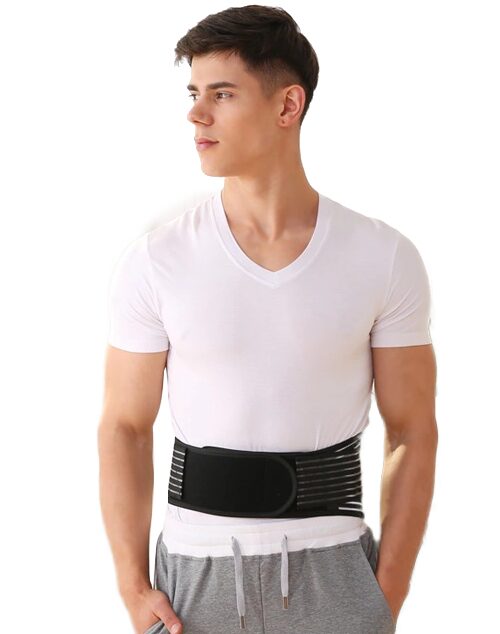
by Greggory
Very good quality and works just great!!! Its very soothing and much needed for my bad back during these colder winter months ahead 🙂
by Linda poyner
Really going to enjoy this item as had an accident 6 weeks ago and my back is healing lovely but just needs a little heat help
by Roy Sciberras
Nice
by Susan
Provides a good level of heat therapy, its a good fit and very convenient to wear when out and about. It is much better than the other more expensive electronic heat pads that I have used in the past that would just break after a couple uses. 👍
by Mat
Works really well, much better than I expected. The soothing warmth is helping my sciatica.