
Orthotic Gel Insoles for Shin Splints By FootReviver™
£10.99inc VAT
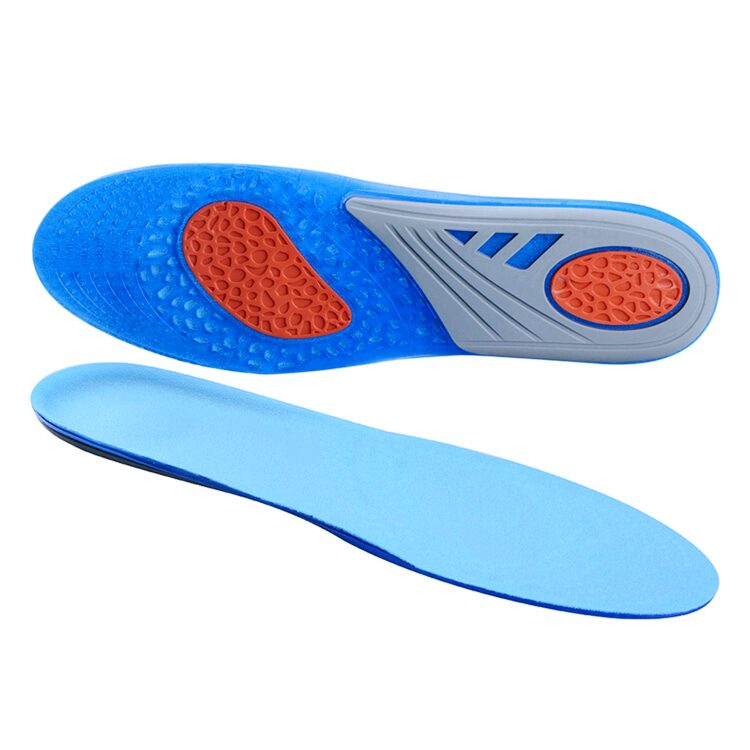
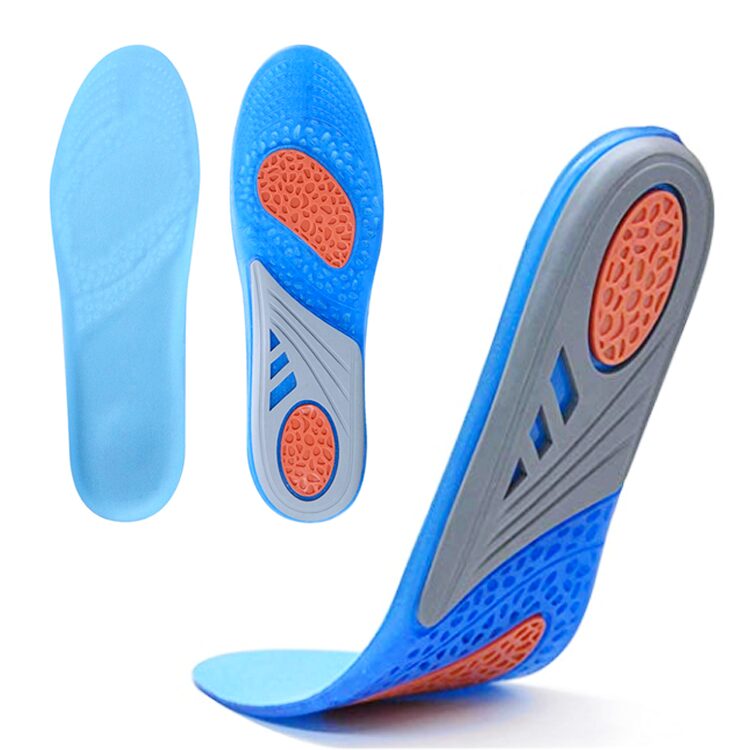
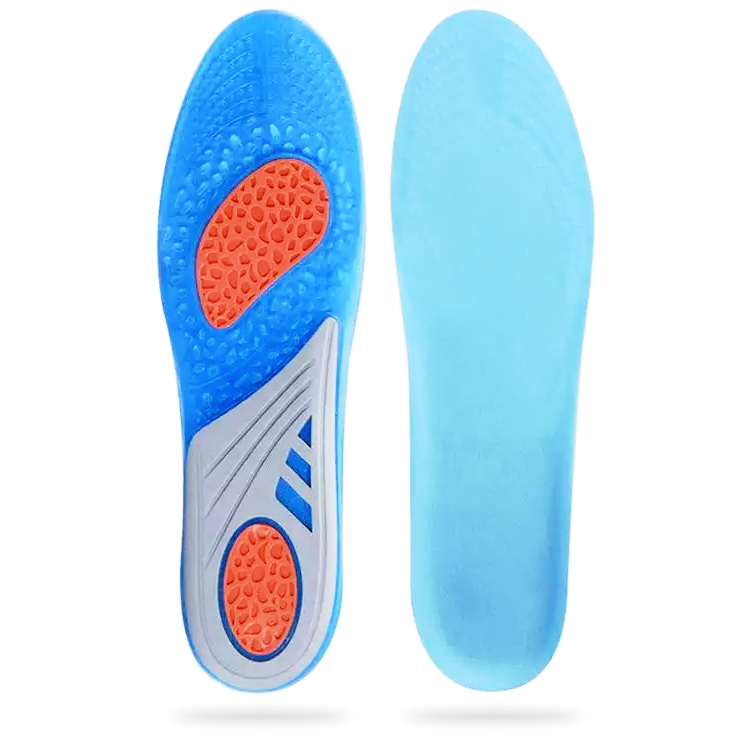
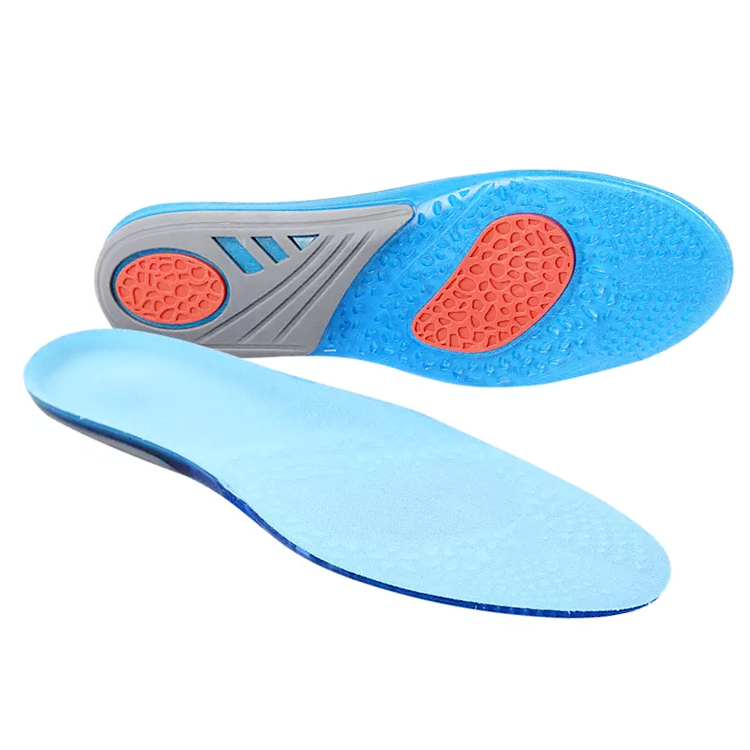
- Full-length orthotic gel insoles that cushion the foot from heel to toe and add steadier support under the heel and arch.
- Made for adults dealing with recurring shin pain, tired arches, bruised-feeling heels, burning under the ball of the foot, or feet that feel worn out on hard surfaces.
- Available in 3-9 & 7-13 USA shoe sizes (Can be trimmed to match the shape of your existing insole if needed.)
- Designed for repeated walking, running, standing, and impact activity when thin factory insoles are not doing enough to soften each step.
- Useful when discomfort builds with longer walks, time on hard floors, repeated push-off through the foot, or higher-impact exercise.
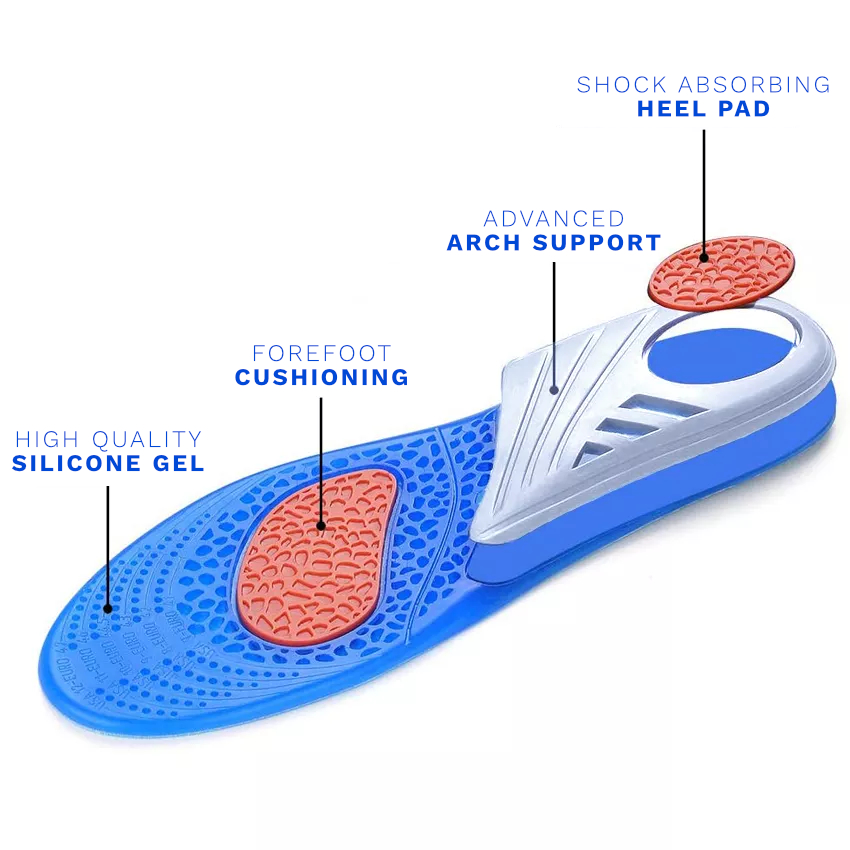
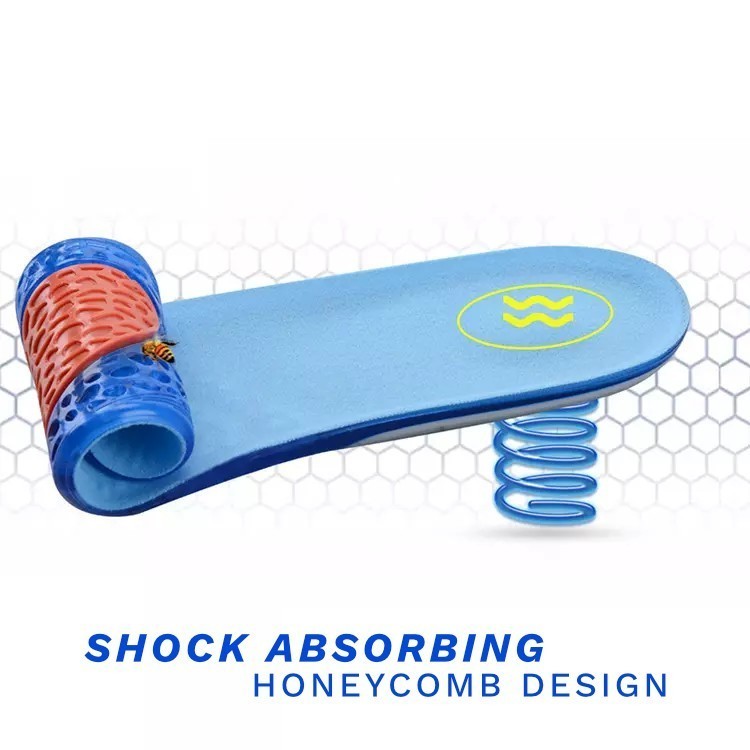
- Full-length gel cushioning helps reduce how harsh foot strike feels through the whole sole, not just under one small area.
- Extra heel and forefoot padding helps protect the parts of the foot that often become sore first.
- A supportive three-quarter base helps steady the back and middle of the foot while still allowing the front of the shoe to bend naturally as you walk.
- Moderate arch support helps reduce underfoot fatigue without forcing the foot into a very rigid or strongly corrective position.
- A shaped heel cup helps keep the heel more settled inside the shoe during walking, running, and quick changes of direction.
- Best suited to trainers and roomier work shoes with enough depth to fit the insole comfortably.
- Build up wear time gradually rather than starting with a full day, long walk, or hard training session straight away.
- If you have been advised that you need very strong correction for your foot shape, a firmer orthotic may be more suitable than this moderate-support gel design.
- If you have diabetes with a history of foot ulcers, marked numbness, recent fractures or surgery, or a significant foot deformity, get individual advice before use.
Shin Splints: Causes, Symptoms and How Orthotic Gel Insoles May Help
If your shins keep aching after a run, a long walk, or a day on hard floors, it can start to take the edge off being active. What begins as a niggle can gradually turn into something you notice sooner, feel for longer, and start adjusting for without really meaning to.
Often, it does not stop at the shin. You may also notice that your heel feels bruised when it hits the ground, the ball of your foot starts to burn after you have been on it for a while, or the arch feels tired by the end of the day. Some people also notice more jarring through the legs after a long time walking or standing on firm ground.
These symptoms often come together for a simple reason. The same repeated force travels through the foot and lower leg with every step. If the foot is not cushioned or supported well enough inside the shoe, more of that force has to be absorbed by the tissues under the foot and the muscles that control the ankle and shin.
Shin splints do not usually come from one obvious injury. More often, they build gradually because the lower legs are having to absorb and control more force than they are recovering from comfortably. That is why it helps to look not only at the shin itself, but also at what happens under the foot every time you land, roll through the step, and push off again.
That is where supportive orthotic gel insoles may help. They are not a cure on their own, and they are not a replacement for sensible training choices or proper assessment if pain is severe or unusual. What they can do is soften impact, spread pressure more evenly under the foot, and give the heel and arch more support so each step feels less harsh and more stable.
What Shin Splints Usually Are
Shin splints is the common name for medial tibial stress syndrome. In plain English, that means soreness and irritation along the shin bone and the muscles and connective tissue attached to it, usually on the inner side of the lower leg. The shin bone, or tibia, is the main weight-bearing bone in the lower leg. The muscles around it help control the foot and ankle every time your foot meets the ground and then pushes away again. If those tissues are being pulled on and loaded repeatedly without enough recovery, they can become sore and irritated.
The discomfort is often felt as an ache or tenderness running along a broader stretch of the lower shin rather than at one exact point. For some people, it begins as a mild soreness during a run or towards the end of a long day on their feet. For others, it becomes more obvious after activity, once the lower legs start to stiffen again. A common experience is that it eases with rest, then returns when the same demands build again.
Shin splints are usually a repeated-strain problem rather than a single-event injury. Once that is clear, it becomes easier to understand why the way your foot is cushioned and supported can make a real difference.
Why Shin Splints Build Up
Small impacts add up over time
Every step sends force through the foot and into the lower leg. One step is not the problem. Trouble starts when that force is repeated over hundreds or thousands of steps and the tissues are not getting enough time, support, or recovery to settle. That is why shin pain often creeps up rather than appearing all at once.
The lower leg has to control foot movement
The foot does not simply hit the ground and lift off again. It has to take weight, adjust to the surface, and then help move you forward. The muscles around the shin help control that sequence, especially when the foot rolls inward slightly to accept load and then steadies again for push-off through the front of the foot. If that movement becomes harder to control because the foot is tiring, wobbling, or landing heavily, the tissues along the shin can end up doing more work with every step.
Certain things make that demand rise
A sudden increase in distance, time on your feet, impact exercise, or repeated walking on hard ground can all raise the demand quickly. Hard surfaces matter because they give very little underfoot, so more of the impact has to be absorbed by your shoes, your feet, and your lower legs. Thin factory insoles can add to the problem because they often provide very little cushioning under the heel and forefoot and very little support through the arch.
Fatigue makes the problem more obvious
When your lower legs are not already tired or tight, they usually manage repeated impact better. When your calves, feet, and shins are already tired before you start, they do less well at absorbing force and keeping the foot steady as you move. That is one reason symptoms can seem inconsistent. A session or workday that feels manageable one week may feel much harder on another day when your lower legs were already tired before you started.
This also helps explain why shin splints often show up alongside other aches under the foot.
What Else You May Notice
The shin is often where people notice the problem first, but it is not always the only area that feels the effects. If the foot is taking repeated impact without enough cushioning or support, the heel can start to feel bruised when it lands. If pressure keeps building under the front of the foot as you stand, walk, or push off, the ball of the foot can start to burn or feel as though there is something under it. If the arch is doing more work than it can comfortably sustain, it may start to ache or feel tired later in the day.
Once that happens, the whole lower leg can start to feel less comfortable. Some people notice that they begin to change the way they step without really meaning to. Others feel more jarring through the legs after longer walks, repeated stair use, or time on hard floors. That does not mean all of those symptoms come from exactly the same cause. It means repeated force can show up in more than one place when the foot is no longer spreading that force as well as it should.
This is also why it is worth managing shin splints rather than hoping they will settle while everything else stays the same. If the same repeated strain keeps feeding into the problem, the shins may calm down briefly with rest and then flare again as soon as the same demands return.
Why Underfoot Support Can Matter
Every step starts at the foot. Before the shin has to deal with anything, the foot meets the ground first. If that contact is harsh, unstable, or poorly supported, the effects can travel upward with each landing.
A good insole does more than make the shoe feel softer. It can help cushion the parts of the foot that take the clearest impact, spread pressure more evenly across the sole, and support the heel and arch so the foot feels steadier inside the shoe. That matters because it changes some of the forces the lower leg has to deal with every time you walk or run.
If the heel is better cushioned, landing can feel less bruising. If pressure is spread better under the forefoot, soreness under the ball of the foot may build more slowly. If the arch is better supported, the foot may feel less tired and the muscles along the shin may not have to work as hard to control each step. If the heel sits more steadily inside the shoe, there may be less of the sudden inward or outward roll that can make the whole foot feel less secure.
The aim is not to hold the foot rigidly or suggest that an insole can fix every cause of lower-leg pain. The more realistic aim is to make walking, standing, running, and impact activity feel less harsh and less tiring under the foot.
How FootReviver Orthotic Gel Insoles Respond to That Problem
FootReviver Orthotic Gel Insoles are built to respond directly to the loading problems described above: repeated impact under the heel, pressure building under the forefoot, arches that tire too quickly, and a heel that does not always feel settled inside the shoe. The design combines cushioning with structure so the foot feels protected without becoming stiff or awkward.
Full-length cushioning across the whole foot
Load does not stop at the heel. It moves through the whole sole during each step. A full-length gel layer helps cushion the foot from first contact through to push-off, which can make walking and running feel less harsh overall rather than simply adding softness in one small spot.
Extra protection where pressure builds fastest
The heel and ball of the foot often become sore first because they deal with the strongest forces during landing and push-off. Extra cushioning in these areas helps reduce how concentrated that pressure feels. In practice, that may make heel strike feel less bruising and the front of the foot less irritated during longer periods on your feet.
Support through the back and middle of the foot
A supportive three-quarter base helps steady the heel and arch without making the front of the shoe feel rigid. That matters because the back and middle of the foot often need more help with control, while the front of the foot still needs to bend naturally as you walk. It is one of the main reasons the design can feel supportive without feeling awkward in everyday use.
Moderate arch support to reduce underfoot fatigue
If your arches feel as though they flatten and tire too quickly, moderate arch support can reduce how much strain builds underneath them over the course of the day. That may also mean the muscles around the shin are not doing quite as much extra stabilising work with every step.
A shaped heel cup for a more settled foot
A shaped heel cup helps keep the heel more centred inside the shoe when you land on that foot. In practical terms, that can make the shoe feel less loose and the foot feel less wobbly, especially during faster walking, repeated stair use, running, or quick changes of direction.
A slim design that still fits real shoes
Although more supportive than a basic shoe liner, this design is slim enough to fit into most trainers and many roomier work shoes without becoming bulky. That matters because even a well-designed insole is no use if it makes the shoe uncomfortable or too tight to wear properly.
Who These Insoles Are Most Likely to Suit
FootReviver Orthotic Gel Insoles are most likely to suit people who need more than a thin, flat insole but do not need a very rigid corrective orthotic. They are a practical option if your symptoms tend to build with repeated walking, running, standing, or impact activity, especially when your shoes feel hard underfoot or your current insoles feel flimsy and unsupportive.
They can be especially useful if you recognise more than one part of the problem: recurring shin pain, sore heels, burning under the ball of the foot, aching arches, or legs that feel more jarred after time on firm ground. When those symptoms come together, they often point to the same way force is building under the foot rather than several completely separate problems.
If you have already been told that you need very strong correction for a more pronounced foot shape issue, a firmer orthotic may be a better fit than this moderate-support gel design.
What You May Notice When You Start Wearing Them
Once the insoles are fitted properly and you have built up wear time gradually, the changes you notice are usually practical rather than dramatic. The heel may feel softer on landing. The ball of the foot may feel less hot by the end of the day. The arch may feel better supported during longer walks, work shifts, or exercise.
You may also notice that the foot feels more settled inside the shoe. For some people, that means less of the sudden rolling feeling when walking quickly or going up and down stairs. For others, it simply means they stay comfortable for longer before the familiar ache starts to build.
If repeated impact and underfoot fatigue are part of what is driving your symptoms, better cushioning and steadier support may make the whole lower leg feel less overworked after familiar activity. Results still vary from person to person, and no insole can guarantee the same outcome for everyone.
How to Fit Them and Build Up Wear Time
FootReviver Orthotic Gel Insoles come in size ranges that can be trimmed to match the shape of your existing insole. For most people, the simplest way to fit them is to remove the current insole from the shoe, compare the shape, and trim carefully if needed.
It is best to build up wear time gradually rather than wearing them all day straight away. A short period of use at first, followed by a steady increase, usually works better than starting with a full day, a long walk, or a hard training session. If your feet are used to very flat insoles, the extra arch and heel support may feel quite noticeable at first.
They tend to work best in trainers and roomier work or casual shoes that have enough depth to fit them comfortably. If the shoe itself is badly worn, very unstable, or too tight, even a good insole may not feel right. A worn-out trainer with very little structure left will still behave like a worn-out trainer, even with a better insole inside it.
When It Makes Sense to Get Symptoms Checked
Most people looking at insoles are trying to manage a problem that builds with repeated strain rather than a sudden injury. Even so, it is sensible to get advice if your symptoms do not fit that more familiar pattern.
If you have been told you need strong correction for very flat or very high arches, a firmer orthotic may suit you better than this moderate-support gel model. If you have diabetes with a history of foot ulcers, marked numbness in the feet, recent major surgery or fractures, or a significant foot deformity, speak to a GP, physiotherapist, podiatrist, or another appropriate clinician before relying on any new insole.
It is also wise to get prompt assessment if you notice sudden severe pain after an injury, obvious deformity, large or quickly increasing swelling, spreading numbness or weakness, or other new unexplained symptoms that do not settle. The aim is simply to make sure you are not trying to push through something that needs proper assessment.
30-Day FootReviver Guarantee
These insoles come with a 30-day money-back guarantee from the time you receive them. That gives you time to fit them properly in the shoes you wear most, build up wear time gradually, and decide whether this level of cushioning and support suits your routine.
In practice, that means you can judge them during the kinds of activity that usually expose the problem: longer walks, time on hard floors, exercise sessions, or full workdays on your feet. The guarantee gives you time to assess the fit and feel properly rather than making a snap decision after one short wear.
Frequently Asked Questions
How long should I wear them for at first?
It is usually best to start with a short period rather than wearing them all day straight away. That gives your feet and lower legs time to get used to the extra cushioning and support. Once they feel comfortable, you can build up wear time steadily.
Can I trim these insoles to fit my shoes?
Yes. These insoles can be trimmed if needed. The simplest way to do that is to remove your current insole, place it against the FootReviver insole, and carefully trim to match the shape.
Which shoes do they work best in?
They tend to work best in trainers and roomier work shoes with enough depth to fit them comfortably. If a shoe is very tight, badly worn, or lacks basic structure, even a good insole may not feel right inside it.
Can I use them for running as well as walking?
They may suit both running and walking if the issue is repeated impact, tired arches, or a foot that feels poorly cushioned inside the shoe. The main thing is that the shoe itself still needs to fit properly and hold the foot securely once the insole is in place.
Will they help if I have arch pain as well as shin pain?
They may do. Shin pain, tired arches, bruised-feeling heels, and burning under the front of the foot often come from the same repeated loading through the foot and lower leg. When that is the case, better cushioning and moderate arch support may help ease more than one symptom at the same time.
How do I know if I need a firmer orthotic instead?
If you have already been advised that you need strong correction for a more pronounced foot shape issue, a firmer orthotic may suit you better than this moderate-support gel design. If you are unsure, it is sensible to ask a podiatrist, physiotherapist, GP, or another appropriate clinician.
Final Thoughts
Shin splints often build because the lower legs are dealing with more repeated force than they are recovering from comfortably. When the foot is landing heavily, tiring too quickly, or moving less steadily inside the shoe, the tissues around the shin may end up doing more work than they can tolerate well.
That is the problem FootReviver Orthotic Gel Insoles are designed to address. The combination of full-length cushioning, targeted heel and forefoot padding, moderate arch support, a supportive three-quarter base, and a shaped heel cup is there to make each step feel less harsh and more controlled.
If your symptoms fit that familiar picture of recurring shin pain, tired arches, sore heels, or feet that feel pounded on hard surfaces, this is a sensible place to start. Check the fit carefully, introduce them gradually, and use them in shoes with enough room and structure to support the change. If you are unsure whether this level of support is right for you, or your symptoms are more complex than a straightforward repeated-strain problem, get individual advice before choosing.
Disclaimer
This information is general guidance only and is not a substitute for individual medical advice, diagnosis, or treatment. If you are unsure, have more complex symptoms, or notice new or unexplained symptoms that do not settle, speak to a GP, physiotherapist, podiatrist, or another appropriate clinician. No insole can guarantee a specific outcome for every person.
Fast & Secure Checkout Through Paypal
Pay with Paypal the secure payment gateway that accepts all credit and debit cards. Paypal is free and secure and no credit or bank information is ever stored or shared with us.
Fast Dispatch
Enjoy your items soon with quick dispatch via Royal Mail. Expect to have your items between 1-3 working days for domestic orders. 7-10 Working days for international orders.
Return Policy – 30 Day Money Back Guarantee
In the unlikely event, you are unhappy with your purchase you can return it within 30 days for a refund. Please contact us via the form on the contact us page to start your return.
To return an item please send it to: Nuova Health UK, 81 Highfield Lane, Waverley, Rotherham, S60 8AL. Please include a note with your order id so we know who to refund. Please retain your postage receipt as proof of postage. All that we ask is that the item is in the original packaging and unused.
Reviews
There are no reviews yet.