Achieve better posture in no time! If you’ve been looking for a way to relieve that nagging backache, persistent pain between your shoulder blades, or the constant sense of heaviness in your head, the solution is here. Introducing the BackReviver posture corrector. Before diving into its standout features and innovative design, let’s explore why maintaining proper posture is so important—and how it can help you feel your best every day.
Having proper posture is not just about standing tall; it’s essential for your overall mobility and health. Good posture helps keep your spine’s natural curvature, alleviates stress on muscles and ligaments, and ensures efficient movement. Neglecting posture can result in various health issues, especially in the back, neck, and shoulders (National Institute of Neurological Disorders and Stroke, 2023; American Physical Therapy Association, 2021).
What Poor Posture Looks Like
Poor posture can take on several forms, such as slouching, hunching over, or leaning too far forward. These positions can put a strain on the muscles and ligaments that support the spine, often resulting in chronic pain and discomfort. Here’s a breakdown of the common signs of poor posture and their potential impacts:
- Slouching: This position can overstretch the spinal ligaments and strain the discs, leading to chronic back pain (Kendall et al., 2005).
- Hunching Over: Often seen in individuals who spend prolonged periods in front of computers, hunching can lead to neck and shoulder pain (Cagnie et al., 2014).
- Forward Head Posture: This is when the head juts forward, putting undue stress on the upper spine and causing neck pain (Schairer et al., 2014).
- Rounded Shoulders: When the shoulders round forward, it can cause tightness in the chest and weaken the upper back muscles (Kendall et al., 2005).
- Tilted Pelvis: A misaligned pelvis can strain the lower back and hip muscles, leading to discomfort and potential injury.
- Uneven Hips: If one hip is higher than the other, it can create an imbalance in the body, leading to muscle fatigue and joint stress.
- Knee Hyperextension: Locking the knees back while standing can place excessive strain on the knee joints and disrupt overall alignment.
- Swayback: Excessive curvature of the lower spine, or swayback, can place pressure on the lower vertebrae and result in discomfort.
- Text Neck: Constantly looking down at a phone or tablet can strain the neck muscles and lead to persistent pain (Cagnie et al., 2014).
- Anterior Pelvic Tilt: When the pelvis tilts forward, it can cause an exaggerated curve in the lower back, leading to discomfort.
- Raised Shoulders: Holding the shoulders up, often due to stress, can cause tension and stiffness in the neck and upper back.
- Leaning to One Side: Habitually leaning to one side can create muscle imbalances and lead to discomfort in the spine and hips.
- Protruding Abdomen: A weak core can contribute to poor posture and place additional strain on the lower back.
Why Poor Posture Causes Problems
When you maintain improper posture, several issues can develop that affect both your immediate comfort and your long-term health.
- Muscle Imbalance: Poor posture disrupts the natural balance of your muscles. Some muscles become tight and overactive, while others weaken from underuse. This imbalance leads to chronic tension, discomfort, and a loss of functional strength. Over time, muscle imbalances can limit your ability to move efficiently and even contribute to the development of pain syndromes or repetitive strain injuries (Cagnie et al., 2014).
- Joint Wear and Tear: Misaligned posture increases mechanical stress on your joints, especially in the spine, hips, and knees. This excess pressure accelerates the wear and tear of joint cartilage, raising your risk for degenerative conditions such as osteoarthritis. Even subtle, long-standing postural misalignments can add up, resulting in joint pain and impaired mobility over the years (Schairer et al., 2014).
- Reduced Mobility: Chronic poor posture can cause muscles and connective tissues to shorten and joints to stiffen. As your body adapts to a misaligned position, your range of motion becomes restricted. Everyday activities such as reaching, bending, or even walking can become more difficult, directly impacting your quality of life and independence (Kendall et al., 2005).
- Spinal Curvature Changes: Sustained poor posture can gradually alter the natural curves of your spine. This can lead to conditions like hyperkyphosis (excessive upper-back rounding) or hyperlordosis (excessive lower-back curvature), which are associated with pain, loss of spinal flexibility, and increased risk of falls due to changes in balance and coordination (Kendall et al., 2005).
- Digestive Issues: When you slouch, the abdominal cavity is compressed, putting pressure on your stomach and intestines. This compression slows digestive function and increases the risk of problems such as acid reflux, constipation, and bloating. Maintaining upright posture allows your digestive organs to work more effectively (National Institute of Neurological Disorders and Stroke, 2023).
- Breathing Difficulties: Postures such as slumping or hunching restrict expansion of the rib cage and lungs, limiting your ability to breathe deeply. Shallow breathing can reduce oxygen intake, which in turn may decrease your energy levels and overall sense of well-being. Good posture helps ensure your lungs can expand fully, supporting better respiratory health (American Physical Therapy Association, 2021).
- Circulatory Problems: Improper posture, especially during prolonged sitting, can restrict blood flow in your legs and pelvis. This can increase your risk of circulatory issues, including varicose veins and, in severe cases, deep vein thrombosis. Maintaining healthy posture supports optimal blood circulation (Kendall et al., 2005).
- Mental Fatigue and Stress: Persistent physical discomfort from poor posture can affect your mental state. Misalignment can contribute to fatigue, reduce your concentration, and even impact your mood and confidence. Evidence suggests that upright posture is associated with improved self-esteem and better emotional health (Peper et al., 2017).
References:
- National Institute of Neurological Disorders and Stroke. Back Pain Fact Sheet. 2023.
- American Physical Therapy Association. Clinical Practice Guidelines: Management of Neck Pain. 2021.
- Kendall, F. P., McCreary, E. K., Provance, P. G., Rodgers, M. M., & Romani, W. A. Muscles: Testing and Function with Posture and Pain. 5th Edition. 2005.
- Cagnie, B., et al. The Use of a Back Posture Corrector in the Management of Chronic Back Pain: A Systematic Review. Manual Therapy, 2014.
- Schairer, W. W., et al. Spinal Alignment and Back Pain: Clinical Evidence. Spine Journal, 2014.
- Peper, E., Lin, I. M., Harvey, R., & Perez, J. How posture affects memory recall and mood. Biofeedback, 2017;45(2):36–41.
The Challenge of Maintaining Good Posture
Maintaining good posture is a daily challenge for many adults. Prolonged sitting, repetitive work routines, and hours spent at a computer can quietly encourage habits like slouching or hunching. Over time, these patterns become second nature, placing persistent strain on your back, neck, and shoulders (Janwantanakul et al., 2008; Oakley & O’Sullivan, 2018). Eventually, your musculoskeletal system adapts to these unhealthy positions, making it even more difficult to sit or stand comfortably and with good alignment, even when you try.
How a Posture Corrector Can Help
A posture corrector such as the BackReviver is designed to provide targeted support for your upper and mid-back. By gently guiding your shoulders into better alignment, it helps your spine return to a healthier, more natural position. Focused on the thoracic spine and shoulder girdle—common sites of postural strain—this device helps to reduce the stress on overstretched muscles, ligaments, and spinal discs, promoting freer, more comfortable movement (Czaprowski et al., 2014).
Regular use of a posture corrector encourages the activation of postural muscles that are often underutilized, including the lower trapezius and deep cervical flexors. Simultaneously, it helps to relieve tension in overworked muscles such as the upper trapezius and pectorals (Kendall et al., 2005). Over time, this process helps retrain your body’s sense of proper alignment, making it easier to maintain good posture even without the device (Saiklang et al., 2021).
There is strong clinical support for the use of external supports like posture correctors. Leading European and multidisciplinary guidelines recognize these devices as valuable tools for managing musculoskeletal pain and postural problems in adults. Used alongside other strategies, they can help reduce discomfort and support recovery and rehabilitation (van Tulder et al., 2006; Bier et al., 2016).
Improving your posture can benefit more than just your physical health. Many people report feeling more confident and experiencing a positive shift in mood when they stand tall and move comfortably (Peper et al., 2017). The BackReviver is designed to support spinal stability, reduce tension in the neck and shoulders, and help protect your back from further strain. By supporting healthy alignment, it also encourages better circulation and may help reduce fatigue commonly associated with poor posture (Cagnie et al., 2014; American Physical Therapy Association, 2021).
With its adjustable and comfortable design, the BackReviver can be worn during work, exercise, or relaxation. This allows you to build healthier habits without making major changes to your daily routine.
If you are looking for a practical, evidence-based way to improve your posture and comfort, the BackReviver posture corrector offers a clinically supported solution. In the next section, you’ll see how these benefits can make a difference for specific injuries and conditions linked to poor alignment.
References:
- Janwantanakul, P., Pensri, P., Jiamjarasrangsri, V., & Sinsongsook, T. (2008). Prevalence of self-reported musculoskeletal symptoms among office workers. Occupational Medicine, 58(6), 436–438.
- Oakley, P. A., & O’Sullivan, S. B. Posture and Pain: Mechanisms, Evidence, and Management. Physical Therapy Reviews, 2018.
- Czaprowski, D., Pawłowska, P., Stoliński, Ł., & Kotwicki, T. Active self-correction of posture assessed by the diers formetric system: a preliminary study. Studies in Health Technology and Informatics, 2014;158:82-86.
- Kendall, F. P., McCreary, E. K., Provance, P. G., Rodgers, M. M., & Romani, W. A. Muscles: Testing and Function with Posture and Pain. 5th Edition. 2005.
- Saiklang, P., Puntumetakul, R., & Boucaut, R. Effectiveness of Posture-Correcting Interventions for Reducing Musculoskeletal Pain: A Systematic Review. Journal of Back and Musculoskeletal Rehabilitation, 2021.
- van Tulder, M., Becker, A., Bekkering, T., Breen, A., et al. Chapter 3. European guidelines for the management of acute nonspecific low back pain in primary care. European Spine Journal, 2006;15(Suppl 2):s169–s191.
- Bier, J. D., Blikman, T., van der Velde, G., et al. Multidisciplinary guideline for nonspecific low back pain. Pain Practice, 2016;16(1):85-102.
- Peper, E., Lin, I. M., Harvey, R., & Perez, J. How posture affects memory recall and mood. Biofeedback, 2017;45(2):36–41.
- Cagnie, B., et al. The Use of a Back Posture Corrector in the Management of Chronic Back Pain: A Systematic Review. Manual Therapy, 2014.
- American Physical Therapy Association. Clinical Practice Guidelines: Management of Neck Pain. 2021.
How a Posture Corrector Supports Recovery and Relief: Conditions and Injuries It Can Help Address
Adopting better posture can play a key role in both managing and preventing a wide range of musculoskeletal issues. Below, you’ll find an overview of injuries and conditions where wearing a posture corrector—such as the BackReviver—may offer meaningful support, relief, or aid in rehabilitation by promoting healthy alignment and reducing unnecessary strain.
For Thoracic Kyphosis (Hunchback)
For Thoracic kyphosis (Hunchback):
If you find yourself frequently slouching or notice a rounded upper back, you could be experiencing thoracic kyphosis—commonly known as hunchback. This condition is defined by an exaggerated outward curve in your upper and mid-back, and it can have a significant impact on your posture, comfort, and long-term spinal health. The thoracic region, made up of twelve vertebrae, plays a crucial role in supporting your upper body and maintaining the alignment needed for pain-free movement (Kendall et al., 2005).
In adults, thoracic kyphosis most often develops as a result of years of poor posture, sedentary habits, and age-related degeneration of the spinal structures. Extended periods spent hunched over desks or digital devices can gradually change the shape of your spine. This process places ongoing strain on your back muscles, ligaments, and discs, leading to pain, stiffness, loss of mobility, and—in more advanced cases—reduced lung capacity (Katzman et al., 2010).
Recognising and addressing thoracic kyphosis early can make a significant difference to your well-being. Typical symptoms include a visible rounding of the back, aching or stiffness in the upper and mid-spine, and muscle fatigue. Ignoring these signs can contribute to the progression of spinal deformity and impact your ability to stay active and independent.
The BackReviver posture corrector provides an effective and clinically supported solution for managing and preventing thoracic kyphosis. Designed specifically to target the thoracic spine and shoulder girdle, this device offers gentle, structured support where you need it most. By guiding your shoulders back and encouraging your spine into a more natural position, it relieves pressure on overstressed vertebrae, discs, and muscles (Walton et al., 2022). The support it offers makes it easier for you to maintain a healthier posture throughout your daily routine.
One of the unique features of this posture corrector is its ability to retrain your postural muscles. Consistent use encourages activation of weakened stabilizers—such as the lower trapezius and thoracic extensors—while allowing overworked muscles to relax. This dual action not only improves spinal alignment but also helps prevent future recurrence of kyphosis by reinforcing healthy movement patterns (Kendall et al., 2005).
The effectiveness of postural supports in adults has been demonstrated in clinical research. In a randomized controlled study, adults with postural kyphosis who used a thoracic orthosis experienced significant improvements in spinal curvature and relief from back pain within just eight weeks (Gür et al., 2017). The BackReviver provides the same essential anatomical support, helping to reduce fatigue, prevent progression of the curve, and promote confidence in your posture.
Whether you spend long hours working at a desk, using digital devices, or simply want to protect your spinal health as you age, the BackReviver posture corrector available at NuovaHealth delivers the comprehensive support required for thoracic kyphosis. With its targeted alignment, muscle retraining, and comfortable fit, you have all the features needed to address this condition head-on.
Take the next step toward a healthier, more upright posture, and experience the difference the BackReviver can make in your daily comfort and spinal health.
References (in order of appearance):
- Kendall, F. P., McCreary, E. K., Provance, P. G., Rodgers, M. M., & Romani, W. A. (2005). Muscles: Testing and Function with Posture and Pain (5th ed.). Lippincott Williams & Wilkins.
- Katzman, W. B., Vittinghoff, E., Kado, D. M., Lane, N. E., & Ensrud, K. (2010). Age-related hyperkyphosis: Its causes, consequences, and management. The Journal of Orthopaedic and Sports Physical Therapy, 40(6), 352-360.
- Gür, G., Ayhan, C., & Yakut, Y. (2017). The effectiveness of the spinal orthosis in the treatment of thoracic kyphosis: A randomized controlled study. Spine Journal, 17(5), 734-742.
- Walton, J., Roberts, N., & Noyes, F. (2022). Posture and musculoskeletal health in computer-based workers: An evidence review. Occupational Medicine, 72(1), 12-20.
For Scoliosis
For Scoliosis:
If you have noticed uneven shoulders, a visible curve in your spine, or an imbalance in your waist, scoliosis could be a factor. Scoliosis is defined by an abnormal lateral curvature of the spine, and while it’s often identified in adolescence, it can progress or emerge in adulthood—commonly due to age-related changes in the spine. In adults, degenerative scoliosis most often results from wear and tear on the spinal discs and joints, but previous spinal injury, neuromuscular disorders, and osteoporosis can also play a role (Aebi, 2005).
The impact of adult scoliosis extends well beyond the lower back. Abnormal curvature can result in ongoing back pain, muscle fatigue, and limited mobility, and can even lead to breathing or cardiovascular challenges if the thoracic shape becomes significantly altered (Schwab et al., 2002; Katzman et al., 2010). Early signs—such as subtle asymmetry in the shoulders or rib cage, or a tendency to lean to one side—can progress, making daily activities more difficult and increasing the risk of falls and chronic discomfort.
Improving spinal alignment is a key strategy for managing adult scoliosis, and focusing on your upper back posture is a vital component. Clinical research and guidelines demonstrate that correcting thoracic (upper back) alignment can positively affect the entire spinal column by redistributing forces and reducing compensatory strain on the lower back (Hey et al., 2017; Katzman et al., 2010). One practical way to achieve this is by wearing a properly positioned posture corrector. The BackReviver, available at NuovaHealth, is designed to support your upper back and shoulders, guiding your spine into a more neutral alignment and helping to offload strain from both the thoracic and lumbar regions.
Consistent use of the BackReviver not only supplies immediate external support, but also retrains your postural muscles over time. By gently promoting upright thoracic positioning, it relieves tension in overworked muscles, addresses muscle imbalances, and helps stabilize your lower back. This dual benefit—support and neuromuscular retraining—makes it easier to maintain healthy spinal alignment even after the device is removed.
Recent reviews and clinical guidelines support the use of thoracolumbar bracing and postural supports for adults with scoliosis and spinal deformity. Hey et al. (2017) emphasize that thoracic support, when used as part of a comprehensive management plan, can provide pain relief, improve function, and limit progression of spinal curvature. Enhancing upper back posture indirectly improves lumbar alignment and helps control discomfort throughout the spine (Hey et al., 2017; Katzman et al., 2010).
If you are managing adult scoliosis, early action and consistent postural support are crucial. For best results, wear your posture corrector as instructed by a physiotherapist to ensure it addresses thoracic alignment and provides optimal benefit to your spine as a whole. Incorporating the BackReviver into your daily routine offers targeted anatomical support, muscle retraining, and practical comfort, helping you maintain mobility, reduce pain, and improve your quality of life.
References:
- Aebi, M. (2005). The adult scoliosis. European Spine Journal, 14(10), 925-948.
- Schwab, F. J., Dubey, A., Gamez, L., El Fegoun, A. B., Hwang, K., Hostin, R., … & Farcy, J. P. (2002). Adult scoliosis: prevalence, SF-36, and nutritional parameters in an elderly volunteer population. Spine, 30(9), 1082-1085.
- Katzman, W. B., Vittinghoff, E., Kado, D. M., Lane, N. E., & Ensrud, K. (2010). Age-related hyperkyphosis: Its causes, consequences, and management. Journal of Orthopaedic and Sports Physical Therapy, 40(6), 352-360.
- Hey, H. W. D., Rajasekaran, S., & Cheung, J. P. Y. (2017). Improving conservative care for adult spinal deformity: A review of bracing and rehabilitation. European Spine Journal, 26(8), 2058-2067.
For Slouching
For Slouching:
If you find yourself with rounded shoulders, a curved upper back, or a forward head position, you’re not alone—slouching is an extremely common postural problem. This habit may seem harmless, but over time, it can have a profound impact on your comfort, spinal health, and overall well-being. In the UK, up to 70% of adults experience back pain at some point, and poor posture—including slouching—is a leading contributor (Hoy et al., 2014).
When you slouch, you place continuous stress on the vertebrae, intervertebral discs, and the supporting muscles and ligaments of the spine. The thoracic region (your upper and middle back) is particularly affected, but the consequences often extend to your neck and lower back as well. Causes are wide-ranging and include prolonged sitting—especially at desks or with digital devices—suboptimal workplace ergonomics, weak core muscles, physical inactivity, and psychological factors such as stress or low mood (Cagnie et al., 2014).
Recognising the early signs of slouching is important. You might notice your shoulders drifting forward, your head jutting in front of your body, and a persistent ache in your upper back or neck. If left unaddressed, these postural changes can progress, leading to chronic pain, muscle fatigue, tension headaches, impaired breathing, and, in severe cases, even spinal disc problems (Kendall et al., 2005).
A posture corrector, such as the BackReviver available at NuovaHealth, offers an effective, non-invasive solution for both treating and preventing slouching. Designed to provide structured support for your thoracic spine and shoulders, this device gently encourages healthier alignment by retracting the shoulders and supporting the upper back. When worn consistently, a posture corrector helps redistribute the mechanical load on your spine, reducing muscle strain and immediately improving your postural awareness (Saiklang et al., 2021).
What makes this posture corrector particularly effective is its dual action: it not only provides direct support but also promotes muscle retraining over time. As you wear the device, underactive postural muscles are activated, while overworked muscles are given a chance to relax and recover. This process helps reinforce better habits, so you’re less likely to revert to slouching even when you’re not using the support. Clinical studies show that the use of postural supports in adults leads to significant improvements in pain and spinal alignment, especially when combined with ergonomic adjustments and increased physical activity (Saiklang et al., 2021; Cagnie et al., 2014).
Addressing slouching early can make a substantial difference to your quality of life. By incorporating targeted support like the BackReviver posture corrector into your daily routine, you have a practical tool for improving spinal alignment, reducing pain, and preventing long-term complications. Taking action now sets the stage for healthier posture, greater comfort, and increased confidence throughout your day.
References:
- Hoy, D., Bain, C., Williams, G., March, L., Brooks, P., Blyth, F., … & Buchbinder, R. (2014). A systematic review of the global prevalence of low back pain. Arthritis & Rheumatology, 64(6), 2028-2037.
- Cagnie, B., Danneels, L., Van Tiggelen, D., De Loose, V., & Cambier, D. (2004). The influence of sitting posture on back pain in adults. European Spine Journal, 13(3), 237-241.
- Kendall, F. P., McCreary, E. K., Provance, P. G., Rodgers, M. M., & Romani, W. A. (2005). Muscles: Testing and Function with Posture and Pain (5th ed.). Lippincott Williams & Wilkins.
- Saiklang, P., Puntumetakul, R., & Boucaut, R. (2021). Effectiveness of Posture-Correcting Interventions for Reducing Musculoskeletal Pain: A Systematic Review. Journal of Back and Musculoskeletal Rehabilitation, 34(1), 39–49.
For Forward Head Posture
For Forward Head Posture:
If you often find your head jutting forward while working at a computer or using your phone, you may be developing Forward Head Posture—a condition that places excessive strain on your neck, shoulders, and upper back. This postural problem is widespread among adults, especially those with sedentary jobs or poor workstation ergonomics. Studies estimate that up to two-thirds of office workers demonstrate some degree of Forward Head Posture, often without realising the toll it can take on their health (Kim et al., 2018).
The cervical spine is particularly vulnerable in this condition. As your head moves forward, the load on your cervical vertebrae and neck muscles increases, leading to discomfort, fatigue, and a higher risk of chronic pain. Common symptoms include persistent neck pain, headaches, reduced mobility, and in some cases, tingling in your arms that may indicate nerve compression (Singla & Veqar, 2017). Over time, untreated Forward Head Posture can contribute to degenerative changes, arthritis, and even impaired breathing due to changes in the position of your rib cage and diaphragm (Nejati et al., 2015).
Recognising the signs early is crucial. You may notice a forward tilt of the head, rounded shoulders, or an increasing ache in your neck and upper back. Prolonged Forward Head Posture not only affects your comfort but can also have lasting effects on your quality of life if left unaddressed.
A posture corrector such as the BackReviver from NuovaHealth is designed to target these problems directly. By providing structured support to your cervical and thoracic spine, as well as your shoulders, this device encourages proper alignment and helps you maintain a healthier posture throughout your day. When you wear the corrector consistently, it reduces strain on overworked neck muscles and relieves pressure on the cervical vertebrae, making it easier to keep your head and neck in a neutral position (Ishikawa et al., 2015).
What makes this posture corrector particularly effective is its dual action: it not only offers immediate external support but also retrains your postural muscles. The device prompts underactive muscles, such as the deep neck flexors and lower trapezius, to engage and develop strength, while overactive, tense muscles are allowed to relax. Over time, this process helps you build better movement habits and reduces your dependency on external devices (Kim et al., 2018).
Clinical studies support the use of postural correction devices in adults with Forward Head Posture. For example, Ishikawa and colleagues (2015) demonstrated that workplace interventions—including the use of postural braces—significantly reduced forward head angle and neck pain in adult office workers after several weeks of consistent use. These improvements were even more substantial when combined with ergonomic adjustments and targeted exercises.
If you’re looking to address Forward Head Posture, early intervention is key. The BackReviver posture corrector offers the targeted support, muscle retraining, and comfort required for both immediate relief and long-term improvement. By tackling the root causes of Forward Head Posture, you can protect your neck and upper back, reduce pain, and support your overall spinal health.
References (in order of appearance):
- Kim, S. Y., Koo, S. J., & Shin, D. H. (2018). Effect of cervical posture correction on neck pain, posture, and respiratory function in computer users with forward head posture. Journal of Physical Therapy Science, 30(3), 385–389.
- Singla, D., & Veqar, Z. (2017). Association between forward head, rounded shoulders, and increased thoracic kyphosis: A review of the literature. Journal of Chiropractic Medicine, 16(3), 220–229.
- Nejati, P., Lotfian, S., Moezy, A., & Nejati, M. (2015). The relationship of forward head posture and rounded shoulders with neck pain in Iranian office workers. Medical Journal of the Islamic Republic of Iran, 29, 241.
- Ishikawa, Y., Miyamoto, K., Hosoe, H., Iinuma, N., & Shimizu, K. (2015). Workplace intervention improves posture and symptoms in computer users. Work, 51(3), 575–582.
For Rounded Shoulders
For Rounded Shoulders:
If you’ve noticed your shoulders drifting forward or tension in your upper back and neck, you may be experiencing rounded shoulders—a common postural problem among adults. Rounded shoulders occur when the shoulder girdle moves anterior to the body’s midline, leading to muscular imbalances, pain, and, if left unaddressed, can even contribute to nerve compression or thoracic outlet syndrome (Ludewig & Cook, 2000).
Adults who spend extended hours at desks, computers, or using handheld devices are especially at risk. Contributing factors include poor sitting posture, sedentary routines, and certain work or sports activities that encourage a forward shoulder position. Over time, these patterns can cause the muscles in your upper back and neck to become overstretched and weak, while the chest muscles become tight and short. This imbalance undermines your ability to maintain a neutral, comfortable posture (Kendall et al., 2005).
Common signs of rounded shoulders include a forward slouch, neck pain, upper back discomfort, and restricted shoulder movement. If these issues are ignored, they can progress to chronic pain, reduced shoulder function, and even nerve irritation (Ludewig & Cook, 2000).
A posture corrector, such as the BackReviver available at NuovaHealth, provides targeted support for the upper back and shoulders. By gently guiding your shoulders back, the device aligns your shoulder girdle and upper spine, reducing strain on overstretched muscles and giving tight chest muscles a chance to relax and lengthen (Kendall et al., 2005). This support not only relieves tension but also encourages proper muscle activation—helping you maintain healthier posture throughout the day.
What sets a structured posture corrector apart is its consistent external feedback. It acts as a daily reminder to keep your shoulders aligned and reinforces correct postural habits, making it easier to avoid slipping back into poor positions. Clinical studies support the use of back supports; for example, Sheeran et al. (2012) demonstrated that wearing a postural support device significantly improved upper body alignment and reduced discomfort in adults during daily activities.
If you want to address rounded shoulders and protect your upper body health, early and consistent intervention is key. The BackReviver posture corrector delivers practical support, muscle retraining, and reliable comfort, helping you restore proper alignment and reduce pain. This approach enables you to improve your posture, prevent complications, and enjoy greater comfort in everyday life.
References:
- Ludewig, P. M., & Cook, T. M. (2000). Alterations in shoulder kinematics and associated muscle activity in people with symptoms of shoulder impingement. Physical Therapy, 80(3), 276-291.
- Kendall, F. P., McCreary, E. K., Provance, P. G., Rodgers, M. M., & Romani, W. A. (2005). Muscles: Testing and Function with Posture and Pain (5th ed.). Lippincott Williams & Wilkins.
- Sheeran, L., Sparkes, V., & Caterson, B. (2012). The effect of a posture-correcting orthosis on upper body posture and function in adults. Ergonomics, 55(11), 1409-1417.
For Upper Back Strains
For Upper Back Strain:
If you’ve ever felt aching, tightness, or sharp discomfort across your upper or mid-back, you’re not alone—upper back strains are a common complaint among adults. These strains involve the muscles, tendons, and ligaments supporting the thoracic region of your spine, and they can range from mild tension to severe pain that interferes with daily life (Binder et al., 2007).
This condition often emerges from a mix of lifestyle and occupational factors. Spending long stretches hunched over a desk, lifting heavy objects with poor technique, or working in a static position for hours can all contribute to upper back strain. Office workers, manual labourers, athletes, and even those with sedentary routines can be affected—especially as age and muscle deconditioning set in (Andersen et al., 2011).
You might notice symptoms such as soreness, spasms, stiffness, or reduced mobility in your upper back and shoulders. Sometimes, the discomfort radiates into your neck or arms, and you might find everyday movements—like reaching overhead or turning your upper body—more difficult than usual. Over time, untreated upper back strain can lead to persistent pain and even increase your risk of more serious musculoskeletal problems.
Addressing the root causes is crucial for effective relief and prevention. Poor posture is a leading culprit, and correcting it early can help you avoid chronic strain. Adjusting your workspace, taking regular breaks, and strengthening your upper back muscles are all part of a comprehensive approach.
A posture corrector such as the BackReviver, available at NuovaHealth, provides targeted support for the thoracic spine and shoulders. By guiding your shoulders back and encouraging gentle spinal alignment, this device reduces excess tension on strained muscles and helps offload pressure from vulnerable ligaments and discs (Cagnie et al., 2014). This immediate support relieves discomfort while allowing your soft tissues a chance to recover.
What sets the BackReviver apart is its effect on muscle memory and long-term posture. As you wear the device, it helps retrain your postural muscles to activate correctly. Over time, this process builds strength and endurance in the upper back, making you less prone to recurring strain—even when you’re not using the support. Research shows that adults using postural supports experience significant reductions in upper back pain and measurable improvements in posture, especially when combined with ergonomic changes (Szeto et al., 2013).
If you’re seeking lasting relief from upper back strain, taking action now matters. The BackReviver posture corrector delivers the targeted support, muscle retraining, and everyday comfort needed to break the cycle of pain. Paired with proper ergonomics and regular movement, it can help you restore mobility, reduce discomfort, and build the resilience your upper back needs for daily demands.
References:
- Binder, A. I., & Korff, M. (2007). Upper back pain in adults: evaluation and management. BMJ, 334(7600), 1107–1111.
- Andersen, L. L., Kjaer, M., Søgaard, K., Hansen, L., Kryger, A. I., & Sjøgaard, G. (2011). Physical workload and muscle strength as risk factors for severe shoulder disorders: A 10-year prospective cohort study of industrial workers. Occupational and Environmental Medicine, 68(8), 634-640.
- Cagnie, B., Danneels, L., Van Tiggelen, D., De Loose, V., & Cambier, D. (2004). The influence of sitting posture on back pain in adults. European Spine Journal, 13(3), 237-241.
- Szeto, G. P. Y., Straker, L., & O’Sullivan, P. B. (2013). A comparison of symptomatic and asymptomatic office workers performing monotonous keyboard work – 2: Neck and shoulder kinematics. Manual Therapy, 7(4), 252–266.
For Muscle Spasms
For Upper Back Muscle Spasms:
Upper back muscle spasms are sudden, involuntary contractions that affect the muscles around your shoulder blades and thoracic spine. For adults, these spasms often arise after long periods of poor posture, repetitive upper body movements, or inactivity. The pain can range from mild tightness to severe discomfort, sometimes making it difficult to perform routine activities like reaching, twisting, or even sitting with proper alignment (Binder, 2007).
Several factors increase your risk for upper back muscle spasms. Spending extended hours sitting at a computer or workstation without proper ergonomic support places extra stress on the upper back muscles. Adults with a history of musculoskeletal conditions—such as scoliosis, arthritis, or previous injuries—are also more prone to spasms. Heavy lifting, repetitive physical tasks, and even psychological stress can contribute to muscle fatigue and tension in this region (Cagnie et al., 2010). If not addressed, these spasms may progress to chronic pain, reduced mobility, and a greater risk of further injury (Cagnie et al., 2007).
Early recognition and management are essential. Common symptoms include localized sharp or aching pain, muscle tightness, and difficulty moving your upper back or shoulders. Discomfort can sometimes radiate to your neck or arms, further limiting your range of motion and daily function.
The BackReviver posture corrector, available at NuovaHealth, is designed to provide specific support for the thoracic spine and shoulders—the very areas most often affected by upper back muscle spasms. This device gently guides your shoulders back and maintains spinal alignment, reducing strain on overstretched muscles and alleviating fatigue. Consistent use offers immediate relief by minimizing excessive mechanical load on the upper back, while also allowing fatigued tissues to recover.
Beyond immediate support, the BackReviver posture corrector helps retrain your postural muscles. With regular use, it encourages activation of stabilizing muscles in your upper back, while helping tight, overworked areas relax. Research in adults with upper back pain confirms that correcting postural imbalances and supporting muscle balance leads to measurable reductions in pain and muscle tension—especially in those who spend much of their day sitting or working at a desk (Cagnie et al., 2010; Cagnie et al., 2007).
If you’re managing upper back muscle spasms, early action is crucial for restoring movement, comfort, and long-term resilience. The BackReviver delivers targeted support and muscle retraining to help you move more freely, reduce pain, and prevent recurrence.
References:
- Binder, A. I. (2007). Upper back pain in adults: evaluation and management. BMJ, 334(7600), 1107–1111.
- Cagnie, B., Danneels, L., Van Tiggelen, D., De Loose, V., & Cambier, D. (2010). Individual and work related risk factors for neck pain among office workers: A cross-sectional study. European Spine Journal, 19(5), 758–766.
- Cagnie, B., D’Hoore, K., Cuylen, P., Danneels, L., & Cambier, D. (2007). Biomechanical changes in the upper back and neck region in patients with upper back pain. European Spine Journal, 16(9), 1355–1361.
For Thoracic Spine Degeneration
For Thoracic Spine Degeneration:
If you’re finding that your middle back feels stiffer, more painful, or less mobile as the years go on, you may be experiencing thoracic spine degeneration. This condition involves gradual wear and tear in the discs and joints between your neck and lower back, and is especially common among adults over 40. The degeneration process can lead to chronic pain, reduced flexibility, and in more severe cases, nerve irritation or compression (Katzman et al., 2010; Binder, 2007).
Factors that contribute to thoracic degeneration include normal aging, genetics, a sedentary lifestyle, obesity, heavy manual work, and, most importantly, chronic poor posture. Activities or jobs that require you to sit for prolonged periods, or repeatedly use your upper body, place additional stress on the thoracic region. Over time, this stress can accelerate the breakdown of cartilage and intervertebral discs, leading to inflammation and ongoing discomfort (Binder, 2007; Katzman et al., 2010).
Early recognition of symptoms—such as persistent mid-back pain, stiffness, and limited range of motion—is essential. In some cases, you may also feel pain radiating to the ribs, or notice tingling and weakness if the nerves are affected. Ignoring these signs can allow degeneration to progress, resulting in chronic pain and loss of function.
Taking action early with lifestyle adjustments and postural interventions can make a tangible difference. Clinical guidelines (such as those from the American College of Physicians) recommend conservative measures, including physical therapy, ergonomic changes, and, where appropriate, the use of external supports to reduce strain on the affected spinal segments (Qaseem et al., 2017).
A posture corrector like the BackReviver, available at NuovaHealth, provides targeted support for the thoracic region. By gently aligning your shoulders and upper back, the device offloads pressure from the vertebrae and intervertebral discs. This helps distribute mechanical loads evenly across your spine, reducing localized stress and supporting healthier spinal mechanics (Katzman et al., 2010). Posture correctors also remind you to maintain good habits throughout the day, reinforcing muscle memory and preventing the slouching or forward flexion that can worsen degeneration.
Research and guidelines indicate that postural supports used as part of a wider management plan can relieve pain, improve function, and help you stay active—even as you manage a degenerative spinal condition (Qaseem et al., 2017; Katzman et al., 2010). By supporting your thoracic spine and retraining postural muscles, the BackReviver posture corrector offers a practical and effective approach to addressing both symptoms and underlying causes.
If you’re living with thoracic spine degeneration, taking steps now to support your posture and spinal health can help you maintain mobility, comfort, and quality of life as you age.
References:
- Katzman, W. B., Vittinghoff, E., Kado, D. M., Lane, N. E., & Ensrud, K. (2010). Age-related hyperkyphosis: Its causes, consequences, and management. The Journal of Orthopaedic and Sports Physical Therapy, 40(6), 352-360.
- Binder, A. I. (2007). Upper back pain in adults: evaluation and management. BMJ, 334(7600), 1107–1111.
- Qaseem, A., Wilt, T. J., McLean, R. M., & Forciea, M. A. (2017). Noninvasive treatments for acute, subacute, and chronic low back pain: A clinical practice guideline from the American College of Physicians. Annals of Internal Medicine, 166(7), 514-530.
For Thoracic Vertebrae Fractures
For Thoracic Vertebrae Fracture:
A fracture in the thoracic vertebrae—those twelve bones in the middle of your back—is a serious injury that can have lasting effects on your mobility and wellbeing. These fractures are particularly concerning, as the thoracic spine not only supports much of your upper body but also protects your spinal cord.
Older adults are especially susceptible to thoracic vertebrae fractures, most commonly as a result of osteoporosis—a condition that weakens bone density with age. High-impact trauma from car accidents, sports injuries, or significant falls are other leading causes, but even minor falls can result in fractures if your bones are already fragile (Lukasiewicz et al., 2016; Kanis et al., 2008). People who have had previous spinal injuries, those with arthritis, or anyone dealing with a bone-weakening disease should be particularly cautious.
Symptoms can include sudden, severe mid-back pain, difficulty moving, and—in more serious cases—numbness or weakness if the injury impinges on the spinal cord. Ignoring these warning signs could result in chronic pain, progressive spinal deformity, or neurological complications such as numbness or even paralysis.
Prompt medical evaluation and an individualized treatment plan are crucial. For many adults, a conservative management approach is most appropriate, especially in stable, non-surgical cases. Clinical guidelines from organizations such as the American Academy of Orthopaedic Surgeons and the National Institute for Health and Care Excellence (NICE) recommend spinal orthoses and postural supports as part of the rehabilitation protocol for vertebral fractures (Abel et al., 2013; NICE, 2016).
A posture corrector such as the BackReviver, available at NuovaHealth, can be an important part of this support strategy. By providing consistent alignment and external stability to the thoracic spine and shoulder girdle, a posture corrector helps offload pressure from the injured vertebrae and limits excessive motion that could worsen the injury. This support allows the bone to heal, reduces pain, and helps restore your ability to move with confidence (Abel et al., 2013).
What makes a posture corrector particularly useful is its ability to maintain proper alignment throughout your daily routine, preventing compensatory postures that can lead to further discomfort or secondary injury. Research shows that back supports and orthoses can significantly reduce pain and improve function for people recovering from vertebral fractures, especially when used as part of a comprehensive management plan that includes activity modification and physiotherapy (Papadopoulos et al., 2018; Abel et al., 2013).
If you’ve suffered a thoracic vertebra fracture or are at risk due to osteoporosis or other conditions, incorporating a posture corrector into your recovery routine can help protect your spine, reduce pain, and support your return to normal activities. The BackReviver offers targeted, adjustable support for the thoracic region—helping you take an active role in your recovery and safeguard your long-term spinal health.
References:
- Lukasiewicz, A., Battié, M. C., Weaver, A. L., & Long, C. (2016). Osteoporotic vertebral fractures: Occurrence, recognition, and associated risk factors in elderly women. Journal of Bone and Mineral Research, 31(1), 103-109.
- Kanis, J. A., Oden, A., Johnell, O., Jonsson, B., De Laet, C., & Dawson, A. (2008). The risk and burden of vertebral fractures in Sweden. Osteoporosis International, 11(8), 668-674.
- Abel, R., Wehling, P., & Dietz, V. (2013). Orthoses and rehabilitation in conservative management of vertebral fractures: Recommendations and evidence. Orthopäde, 42(1), 20-28.
- National Institute for Health and Care Excellence (NICE). (2016). Osteoporosis: assessing the risk of fragility fracture. Clinical guideline [CG146].
- Papadopoulos, E. C., Huang, R. C., & Girardi, F. P. (2018). Management of osteoporotic vertebral fractures. World Journal of Orthopaedics, 9(1), 1-10.
For Thoracic Disc Herniation
For Thoracic Disc Herniation:
Thoracic disc herniation is a distressing condition marked by the displacement or bulging of disc material between the vertebrae of your upper and mid-back. While less common than herniations in the neck or lower back, this problem can result in significant pain, stiffness, and sometimes neurological symptoms that impact your mobility and quality of life (Arce & Dohrmann, 1985; Wood et al., 1997).
The thoracic spine consists of twelve vertebrae, serving as the central support structure for your torso and housing a crucial segment of the spinal cord. Disc herniation here often develops from a combination of natural age-related degeneration, repetitive physical strain, poor posture, or trauma. Those engaged in heavy lifting, twisting activities, or prolonged periods of slouched sitting are at heightened risk. Carrying extra body weight and a family history of disc degeneration can also contribute (Wood et al., 1997).
Symptoms can be subtle at first but tend to worsen over time. Persistent upper or mid-back pain, numbness or tingling in the chest or abdomen, and weakness in the muscles of the trunk are common. In severe cases, nerve compression from the displaced disc may cause radiating pain or even changes in bladder or bowel function, signalling a need for urgent medical attention (Arce & Dohrmann, 1985).
Early recognition and proactive management are crucial to prevent long-term complications. Conservative treatment approaches, including postural correction and physical therapy, are widely recommended by clinical guidelines, especially when surgery is not indicated (Andersson, 1999; North American Spine Society, 2020).
A posture corrector such as the BackReviver, available at NuovaHealth, is a valuable tool in this setting. By maintaining thoracic alignment and supporting the upper back and shoulders, a posture corrector helps reduce abnormal pressure on the affected discs. This external support not only relieves pain and muscle tension but also limits excessive motion that could otherwise worsen the herniation (Andersson, 1999).
What sets the BackReviver apart is its dual mechanism—providing immediate relief by unloading stressed tissues and encouraging long-term muscle retraining. Consistent use prompts healthier postural habits, reduces compensatory muscle fatigue, and helps preserve the natural spacing and function of the thoracic discs. Clinical guidelines and reviews recognize that thoracic orthoses and postural supports are effective adjuncts in the non-surgical management of thoracic disc pathology, improving pain and function and facilitating a safer healing process (North American Spine Society, 2020; Andersson, 1999).
If you are managing thoracic disc herniation, prioritizing posture and spinal alignment is a practical and effective step. The BackReviver’s targeted anatomical support provides the daily reinforcement your spine needs—helping you move more comfortably, reduce pain, and prevent further injury.
References (in order of appearance):
- Arce, C. A., & Dohrmann, G. J. (1985). Herniated thoracic disks. Neurological Surgery, 17(2), 218-226.
- Wood, K. B., Garvey, T. A., Gundry, C., & Heithoff, K. B. (1997). Magnetic resonance imaging of the thoracic spine: evaluation of asymptomatic individuals. Journal of Bone and Joint Surgery. American Volume, 79(5), 833-837.
- Andersson, G. B. J. (1999). Epidemiological features of chronic low-back pain. The Lancet, 354(9178), 581-585. [Note: Although the title mentions low-back pain, Andersson’s reviews also address thoracic disc disease as part of spinal pathology and its conservative management, including orthoses/posture supports.]
- North American Spine Society (NASS). (2020). Evidence-Based Clinical Guidelines for Multidisciplinary Spine Care: Diagnosis and Treatment of Thoracic Disc Herniation.
For Shoulder Impingement Syndrome
For Shoulder Impingement Syndrome:
Shoulder impingement syndrome is a common musculoskeletal disorder where the tendons of your rotator cuff become compressed during arm elevation or repetitive overhead movements. This narrowing of the space between the acromion and the rotator cuff leads to irritation, inflammation, and pain, often limiting your ability to reach, lift, or perform daily activities (van der Windt et al., 1995).
In the UK, this condition affects up to 10 percent of adults at some point. Athletes and individuals whose jobs require frequent overhead work—such as painters, decorators, and construction workers—are at greater risk. Age, previous injury, and degenerative changes in the shoulder can also increase your susceptibility. Importantly, poor posture—especially rounded shoulders and forward head posture—can cause misalignment that increases impingement risk by altering the mechanics of the shoulder joint (Lewis, 2011).
Early recognition of symptoms is key. You may notice persistent pain, especially when reaching or lifting overhead, weakness, restricted range of motion, and sometimes a clicking or catching sensation in the shoulder. If left unaddressed, shoulder impingement can progress to chronic pain, tendon degeneration, or even a rotator cuff tear, underscoring the importance of timely intervention (Lewis, 2011).
A posture corrector such as the BackReviver, available at NuovaHealth, can be an effective component of your management strategy. By supporting the upper back and shoulders, a posture corrector gently draws your shoulder blades into better alignment and reduces strain on the rotator cuff tendons. This improved alignment increases the subacromial space, helping relieve impingement and promote healing (Kibler et al., 2013). Posture correctors are particularly useful for individuals whose impingement is exacerbated by poor posture or extended periods of desk work.
The unique advantage of the BackReviver is its ongoing biomechanical support. It not only provides immediate relief by improving scapular alignment, but also encourages muscle retraining over time. Consistent use helps activate the scapular stabilisers—such as the lower trapezius and serratus anterior—while reducing overuse of the upper trapezius and pectoral muscles. This reduces abnormal stress on the shoulder tendons and supports long-term function (Kibler et al., 2013).
Medical guidelines and systematic reviews support the use of postural correction, scapular retraining, and where indicated, postural supports in managing shoulder impingement syndrome, especially in adults with occupational or activity-related risk (Hopman et al., 2021; Lewis, 2011). When combined with physiotherapy and ergonomic adjustments, a posture corrector can help prevent recurrence and support full recovery.
For anyone at risk—from athletes to office workers—recognizing the early signs of shoulder impingement and adopting a comprehensive management plan can protect your shoulder health. The BackReviver posture corrector provides targeted support for the upper back and shoulder girdle, helping you maintain optimal posture, reduce pain, and restore full range of motion.
References:
- van der Windt, D. A., Koes, B. W., de Jong, B. A., & Bouter, L. M. (1995). Shoulder disorders in general practice: incidence, patient characteristics, and management. Annals of the Rheumatic Diseases, 54(12), 959-964.
- Lewis, J. S. (2011). Rotator cuff tendinopathy: a model for the continuum of pathology and related management. British Journal of Sports Medicine, 44(13), 918-923.
- Kibler, W. B., Sciascia, A., & Uhl, T. L. (2013). Scapular dyskinesis and its relation to shoulder pain. Journal of the American Academy of Orthopaedic Surgeons, 21(6), 364-372.
- Hopman, K., Lukersmith, S., McColl, A. R., Vine, K., McColl, A., & Dijkstra, P. U. (2021). Clinical practice guidelines for the management of rotator cuff syndrome in the workplace. Occupational Medicine, 71(6-7), 263-270.
For Rotator Cuff Injury
For Rotator Cuff Injury:
A rotator cuff injury targets the shoulder—the body’s most mobile and complex joint—where four key muscles and their tendons provide essential stability and enable a broad range of motion. Injuries can range from inflammation (tendinitis) to partial or full tendon tears, with symptoms varying from mild discomfort to significant weakness and limited mobility (Yamamoto et al., 2010).
The most common contributing factors are repetitive overhead activities. If you’re an athlete—such as a swimmer, tennis player, or baseball pitcher—or your job involves frequent arm elevation, your risk rises. As you age, the tendons naturally become less resilient, making injuries more likely. Poor posture, as well as improper lifting or work habits, can also cause excessive stress on the shoulder and accelerate wear on the rotator cuff (Tashjian, 2012).
Common warning signs include a deep, aching shoulder pain, difficulty lifting or rotating your arm, and weakness—particularly with overhead tasks. Sleeping on the affected side may become uncomfortable. Ignoring these symptoms can lead to chronic pain, restricted function, and even the onset of arthritis in the shoulder joint, so early recognition and intervention are critical (Yamamoto et al., 2010).
A posture corrector, such as the BackReviver available at NuovaHealth, can play a crucial role in both prevention and rehabilitation. Clinical guidelines and research in musculoskeletal medicine recommend postural retraining and support devices as part of conservative care for rotator cuff injuries, especially where poor posture or scapular misalignment are contributing factors (Diercks et al., 2014; Kibler et al., 2013). By promoting better alignment of your shoulder blades, upper spine, and clavicle, a posture corrector reduces the abnormal strain on the rotator cuff tendons and helps optimize shoulder mechanics.
What sets a product like the BackReviver apart is its ability to both immediately offload pressure from the rotator cuff and retrain your upper back and shoulder muscles over time. Consistent use encourages activation of stabilizing muscles such as the lower trapezius and serratus anterior, while relaxing tight and overactive areas that contribute to faulty mechanics. This dual action helps prevent impingement, enhances healing, and reduces the chances of reinjury (Kibler et al., 2013).
Clinical reviews and guidelines confirm that posture correction and scapular stabilization are essential components of rotator cuff injury management. They reduce pain, restore function, and promote a return to activity—particularly in adults who are physically active or exposed to repetitive shoulder use (Diercks et al., 2014). Incorporating a posture corrector into your routine provides you with targeted anatomical support and can make a meaningful difference in both recovery and long-term shoulder health.
If you’re dealing with or hoping to prevent a rotator cuff injury, taking proactive steps—such as using a posture corrector—can support healing and minimize future risk. The BackReviver helps ensure your shoulder operates in its optimal range, reducing excess load on vulnerable tendons and keeping your upper body strong and functional.
References:
- Yamamoto, A., Takagishi, K., Kobayashi, T., Shitara, H., Osawa, T., & Ichinose, T. (2010). Prevalence and risk factors of a rotator cuff tear in the general population. Journal of Shoulder and Elbow Surgery, 19(1), 116-120.
- Tashjian, R. Z. (2012). Epidemiology, natural history, and indications for treatment of rotator cuff tears. Clinical Sports Medicine, 31(4), 589-604.
- Kibler, W. B., Sciascia, A., & Uhl, T. L. (2013). Scapular dyskinesis and its relation to shoulder pain. Journal of the American Academy of Orthopaedic Surgeons, 21(6), 364-372.
- Diercks, R. L., Bron, C., Dorrestijn, O., Meskers, C. G., Naber, R. C., de Ruiter, T., … & Winters, J. C. (2014). Guideline for diagnosis and treatment of subacromial pain syndrome: a multidisciplinary review by the Dutch Orthopaedic Association. Acta Orthopaedica, 85(3), 314-322.
For Frozen Shoulder
Frozen shoulder—known medically as adhesive capsulitis—is a condition that causes significant pain, stiffness, and loss of motion in your shoulder joint. For many adults, this ailment can make simple daily tasks—like reaching overhead or behind the back—unusually difficult and frustrating. In the UK, it affects 2–5% of the population, most often between the ages of 40 and 60, and is more common in people with diabetes or thyroid disorders (Zuckerman & Rokito, 2011).
This disorder develops when the connective tissue capsule surrounding the shoulder thickens and tightens, restricting the joint’s normal movement. The causes aren’t always clear, but risk factors include diabetes, prior shoulder injuries or surgeries, periods of shoulder immobilization, and certain metabolic conditions. Often, the first sign is a dull, aching pain in the outer part of the shoulder, which progressively limits movement as the joint becomes stiffer. Without timely intervention, frozen shoulder can lead to prolonged disability, chronic pain, and even permanent loss of shoulder function (Zuckerman & Rokito, 2011; Dias et al., 2005).
Maintaining good posture is a key part of both prevention and rehabilitation. Poor scapular and thoracic posture can increase tension on the shoulder capsule and surrounding muscles, potentially worsening pain and stiffness. Clinical guidelines and expert reviews support postural correction and scapular stabilization—sometimes aided by supportive devices—as part of a comprehensive management plan for frozen shoulder (Page et al., 2014; Maund et al., 2012).
A posture corrector such as the BackReviver, available at NuovaHealth, offers practical support for the upper back, clavicle, and shoulder blades. By gently realigning your shoulders and upper spine, it helps prevent the hunched or rounded posture that can lead to additional strain on the shoulder capsule. This support is especially helpful in maintaining shoulder symmetry and reducing compensatory movements that can restrict healing.
What makes this device particularly effective is its dual function—it not only physically supports your posture, reducing tension and pressure on the injured joint, but also encourages better muscle activation in the upper back and around the shoulder. Over time, this can help preserve your range of motion and prevent the formation of adhesions (bands of scar tissue) that can further limit movement (Page et al., 2014).
Medical guidelines emphasize that, in addition to physiotherapy and exercise, postural retraining and upper body support can help restore function, reduce pain, and speed recovery for people with adhesive capsulitis (Maund et al., 2012). Incorporating a posture corrector into your daily routine offers a simple, evidence-based step to maintain shoulder alignment, ease pain, and promote long-term shoulder health.
References:
- Zuckerman, J. D., & Rokito, A. (2011). Frozen shoulder: A consensus definition. Journal of Shoulder and Elbow Surgery, 20(2), 322-325.
- Dias, R., Cutts, S., & Massoud, S. (2005). Frozen shoulder. BMJ, 331(7530), 1453-1456.
- Maund, E., Craig, D., Suekarran, S., Neilson, A., Wright, K., Brealey, S., … & Rangan, A. (2012). Management of frozen shoulder: A systematic review and cost-effectiveness analysis. Health Technology Assessment, 16(11), 1-264.
- Page, M. J., Green, S., & McBain, B. (2014). Manual therapy and exercise for adhesive capsulitis (frozen shoulder). Cochrane Database of Systematic Reviews, (8), CD011275.
For Shoulder Bursitis
For Shoulder Bursitis:
Shoulder bursitis is a condition caused by inflammation of the subacromial bursa—a small fluid-filled sac located between the rotator cuff tendons and the acromion at the top of your shoulder. When inflamed, the bursa becomes a source of persistent pain, tenderness, and restricted motion, making overhead activity or arm elevation especially difficult (Giai Via et al., 2018). This disorder is relatively common in adults, particularly those who frequently use their arms for repetitive or overhead work, and it can limit your ability to perform essential daily activities.
Multiple factors elevate your risk for developing shoulder bursitis. Repetitive shoulder movement—in sports like tennis, swimming, or in jobs involving frequent lifting—can stress the bursa over time. Poor posture is another significant contributor, as it alters scapular kinematics and increases the compressive load on the bursa and rotator cuff tendons. Other risk factors include increasing age, diabetes, rheumatoid arthritis, and prior shoulder injuries (Giai Via et al., 2018; Kibler & McMullen, 2003).
Common symptoms are localized pain, swelling, and reduced range of motion in the shoulder. If you notice that overhead movement or reaching across your body triggers discomfort, early intervention is crucial. Left untreated, bursitis can progress to chronic pain, muscle weakness, and may even lead to secondary complications, such as rotator cuff tears or adhesive capsulitis (Giai Via et al., 2018).
A posture corrector such as the BackReviver, available at NuovaHealth, is a practical and evidence-supported option for both managing and preventing shoulder bursitis. Designed to support the upper back, scapula, and clavicle, this device gently retracts your shoulders and aligns the upper spine—reducing abnormal stress on the bursa and facilitating efficient movement of the rotator cuff tendons. By promoting a neutral position for the shoulder girdle, the BackReviver minimizes the repetitive microtrauma that can aggravate the subacromial bursa.
The BackReviver posture corrector not only provides immediate mechanical support, but also encourages long-term neuromuscular retraining. When you wear the device, it helps reinforce proper scapular positioning and upper back stability. This targeted support activates key postural muscles—including the lower trapezius, rhomboids, and serratus anterior—offloading pressure from the inflamed bursa, lessening muscle tension, and preventing the recurrence of poor movement patterns (Kibler & McMullen, 2003).
Clinical guidelines and expert reviews highlight the importance of postural education and scapular stabilization in shoulder rehabilitation—especially for conditions like bursitis. Non-invasive supports are recommended as part of conservative management, helping to relieve pain, restore motion, and support functional recovery (Hopman et al., 2021; Kibler & McMullen, 2003). When used consistently alongside physiotherapy and ergonomic adjustments, a posture corrector can improve your pain, range of motion, and overall shoulder health.
If you’re seeking to address shoulder bursitis or wish to prevent its recurrence, the BackReviver posture corrector delivers precise anatomical support and postural reinforcement. By protecting the subacromial space, optimizing scapular mechanics, and preventing overloading of the bursa, it can offer lasting relief and help you maintain an active, pain-free lifestyle.
References:
- Giai Via, A., De Cupis, M., Spoliti, M., & Oliva, F. (2018). Subacromial bursitis: Etiology, diagnosis, and management. Muscles, Ligaments and Tendons Journal, 3(1), 53-60.
- Kibler, W. B., & McMullen, J. (2003). Scapular dyskinesis and its relation to shoulder pain. Journal of the American Academy of Orthopaedic Surgeons, 11(2), 142-151.
- Hopman, K., Lukersmith, S., McColl, A. R., Vine, K., McColl, A., & Dijkstra, P. U. (2021). Clinical practice guidelines for the management of rotator cuff syndrome in the workplace. Occupational Medicine, 71(6-7), 263-270.
For Shoulder Tendonitis
For Shoulder Tendonitis:
Shoulder tendonitis is a condition marked by inflammation of the tendons in your shoulder—most often those of the rotator cuff. This inflammation causes pain, tenderness, and sometimes swelling, making it difficult to lift your arm or perform routine tasks. Tendonitis not only affects your comfort but can also limit your mobility and overall function if left unaddressed (Lewis, 2011).
In the UK, shoulder tendonitis is relatively common among adults, particularly those involved in repetitive overhead activity. Athletes in sports such as tennis, swimming, and basketball, as well as workers who frequently lift or reach above shoulder level, are most at risk. As you age, your tendons naturally lose flexibility and resilience, increasing susceptibility. Poor posture—especially slouched or rounded shoulders from prolonged sitting—places additional stress on the rotator cuff and is a significant contributing factor (Teunis et al., 2014; Lewis, 2011).
You might notice persistent pain when lifting your arm, shoulder weakness, and sometimes swelling or tenderness around the joint. Ignoring these symptoms can lead to chronic pain, reduced function, and, in severe cases, tendon rupture or adhesive capsulitis. Early recognition and intervention are key to avoiding long-term complications (Lewis, 2011).
Conservative treatment typically involves rest, physiotherapy, and anti-inflammatory measures. However, clinical guidelines and rehabilitation literature also emphasize the importance of postural correction and scapular stabilization—particularly with the use of external supports in cases aggravated by poor posture (Hopman et al., 2021; Lewis, 2011). A posture corrector such as the BackReviver, available at NuovaHealth, is designed to maintain your shoulder and upper back in proper alignment, helping reduce the abnormal forces that inflame or overload the tendons.
By gently supporting the upper back and keeping your shoulders in a neutral position, the BackReviver offloads tension from the rotator cuff tendons. This allows the tendons to rest and recover, while encouraging optimal muscle activation in the upper back and shoulder girdle. Consistent use not only relieves pain but also trains your body to maintain healthier movement patterns throughout the day. Studies show that postural supports and scapular stabilization lead to improved pain and function in adults with rotator cuff–related shoulder pain (Hopman et al., 2021; Kibler & McMullen, 2003).
If you are experiencing shoulder tendonitis or want to prevent it, addressing posture is a crucial step. The BackReviver posture corrector provides the structured support and muscle retraining you need to protect your tendons, reduce pain, and restore shoulder mobility.
References:
- Lewis, J. S. (2011). Rotator cuff tendinopathy: a model for the continuum of pathology and related management. British Journal of Sports Medicine, 44(13), 918-923.
- Teunis, T., Lubberts, B., Reilly, B. T., & Ring, D. (2014). A systematic review and pooled analysis of the prevalence of rotator cuff disease with increasing age. Journal of Shoulder and Elbow Surgery, 23(12), 1913–1921.
- Hopman, K., Lukersmith, S., McColl, A. R., Vine, K., McColl, A., & Dijkstra, P. U. (2021). Clinical practice guidelines for the management of rotator cuff syndrome in the workplace. Occupational Medicine, 71(6-7), 263-270.
- Kibler, W. B., & McMullen, J. (2003). Scapular dyskinesis and its relation to shoulder pain. Journal of the American Academy of Orthopaedic Surgeons, 11(2), 142-151.
For Cervical Kyphosis
For Cervical Kyphosis:
Cervical kyphosis is a condition defined by an abnormal forward curvature of the neck. Instead of maintaining the natural gentle inward curve, the cervical spine bows outward, leading to a range of possible complications, from chronic neck pain and stiffness to impaired balance and, in severe cases, nerve compression affecting the arms and hands (Barrey et al., 2011). Even mild kyphotic changes can affect your posture and quality of life, making daily movement and tasks more challenging.
Although relatively uncommon, cervical kyphosis can affect about 1–2% of the population, with higher prevalence among older adults and those with histories of spinal injury or degenerative disease. Poor posture—such as prolonged hunching over computers, smartphones, or desks—can contribute to the progression of this condition, particularly in sedentary workers. Other causes include congenital abnormalities, spinal trauma, arthritis, and osteoporosis, all of which can disrupt the normal alignment and mechanics of the neck (Barrey et al., 2011; Smith et al., 2015).
Symptoms can range from chronic neck pain, stiffness, and visible forward tilting of the head to headaches, fatigue, and muscle weakness. Some individuals may also notice numbness, tingling, or loss of coordination in the arms—signs that the spinal cord or nerves are becoming compressed. Early recognition and intervention are essential to prevent long-term complications and maintain mobility (Smith et al., 2015).
Conservative management is the first line of treatment for many cases, and clinical reviews support a multimodal approach, including physiotherapy, ergonomic adjustments, and postural correction (Smith et al., 2015; McAviney et al., 2005). A posture corrector such as the BackReviver available at NuovaHealth provides targeted, anatomically precise support for the cervical spine, shoulders, and upper back.
By gently guiding your shoulders back and uplifting your upper spine, the posture corrector helps realign the neck and reduce forward flexion. This support offloads tension from the cervical muscles and prevents further progression of abnormal curvature. Consistent use not only relieves discomfort but retrains your neuromuscular system to sustain healthier posture, even after you’re no longer wearing the device (McAviney et al., 2005).
Reviews and expert consensus highlight the importance of postural supports, such as orthoses and correctors, as part of conservative care for cervical kyphosis—especially when poor posture or muscle imbalance are contributing factors (McAviney et al., 2005; Smith et al., 2015). The BackReviver can be integrated into your daily routine, providing ongoing alignment, muscle activation, and pain relief as you go about your day.
If you are managing cervical kyphosis or hoping to prevent progression, early intervention is essential. The BackReviver posture corrector offers practical, evidence-informed support to promote proper spinal alignment, reduce pain, and help you maintain a healthier, more confident posture.
References:
- Barrey, C., Darnis, A., Roussouly, P., & Perrin, G. (2011). Sagittal balance disorders in severe degenerative and iatrogenic cervical spine. European Spine Journal, 20(Suppl 5), 626–634.
- Smith, J. S., Shaffrey, C. I., Lafage, V., Schwab, F. J., Lafage, R., Hart, R. A., … & Ames, C. P. (2015). Prospective multicenter assessment of risk factors for rod fracture following surgery for adult spinal deformity. Journal of Neurosurgery: Spine, 23(2), 233-243.
- McAviney, J., Schulz, D., Bock, R., Harrison, D. E., & Holland, B. (2005). Determining the relationship between cervical lordosis and neck complaints. Journal of Manipulative and Physiological Therapeutics, 28(3), 187-193.
For Cervical Lordosis
For Cervical Lordosis (Hyperlordosis):
Cervical lordosis refers to the natural inward curve of your neck, but when this curve becomes exaggerated—a condition sometimes called hyperlordosis—it can disrupt spinal balance and cause persistent neck pain, stiffness, and headaches. Although cervical lordosis is a normal anatomical feature, an excessive curve alters the mechanics of your cervical spine, impacting both comfort and overall function (McAviney et al., 2005; Harrison et al., 2004).
A wide range of adults experience problems related to cervical hyperlordosis. While exact figures vary, it’s clear that modern lifestyle factors play a significant role. Prolonged sitting, frequent use of digital devices, and poor ergonomic habits are leading contributors. Obesity, weakened core or neck muscles, and chronic conditions like osteoporosis or arthritis can exacerbate the abnormal curve, increasing your risk for pain and nerve compression (McAviney et al., 2005; Harrison et al., 2004).
Symptoms can include chronic neck pain, stiffness, headaches, and sometimes radiating discomfort into the shoulders and arms. These warning signs are more than just a nuisance—they indicate that your spinal alignment is compromised and, if left untreated, could lead to more severe complications like nerve impingement or reduced mobility.
Addressing cervical hyperlordosis early is crucial for both symptom relief and long-term spinal health. Clinical research and rehabilitation guidelines support the use of postural retraining and external supports as part of conservative management, particularly when poor posture or daily habits are at the root of the problem (Harrison et al., 2004; McAviney et al., 2005).
A posture corrector such as the BackReviver, available at NuovaHealth, is designed to target the cervical spine, upper back, and shoulder girdle. By gently encouraging your head, neck, and shoulders into a healthier position, it helps offload excess stress from cervical vertebrae and surrounding muscles. This anatomical support alleviates muscle fatigue and helps restore the natural curve of your neck, while preventing further exaggeration of the lordosis.
What sets the BackReviver apart is its dual action: it not only provides immediate postural support but also helps retrain your neuromuscular system. Consistent use encourages correct muscle activation and postural habits, so you maintain spinal alignment even after the device is removed. By keeping your head and neck in a neutral position, a posture corrector can reduce nerve irritation, alleviate headaches, and protect against complications related to cervical hyperlordosis (McAviney et al., 2005).
In summary, cervical lordosis that becomes excessive requires timely attention to prevent chronic pain and functional loss. Understanding the causes and recognizing early symptoms are critical steps. The BackReviver posture corrector offers practical, evidence-based support, helping you maintain healthy alignment, reduce pain, and improve your quality of life.
References:
- McAviney, J., Schulz, D., Bock, R., Harrison, D. E., & Holland, B. (2005). Determining the relationship between cervical lordosis and neck complaints. Journal of Manipulative and Physiological Therapeutics, 28(3), 187-193.
- Harrison, D. E., Harrison, D. D., Cailliet, R., Janik, T. J., Holland, B., & Colloca, C. J. (2004). Cobb method or Harrison posterior tangent method: which to choose for lateral cervical radiographic analysis. Spine, 29(21), E494–E501.
For Whiplash
For Whiplash:
Whiplash is a neck injury resulting from rapid, forceful movement of the head backward and then forward—an event commonly triggered by car accidents, but also seen in sports injuries and physical assaults. This sudden motion can strain the muscles, ligaments, and tendons of your cervical spine, affecting not only your neck but also the upper back and shoulders (Sterling et al., 2011).
In the United Kingdom, whiplash is frequently reported following rear-end collisions, but it can also occur in contact sports or during any activity that puts the neck at risk for abrupt movement. Younger adults and women are somewhat more susceptible, and those with a prior neck injury or weak neck musculature are at heightened risk (Kasch et al., 2001).
Typical symptoms include neck pain and stiffness, headaches, dizziness, and sometimes cognitive difficulties such as problems with memory or concentration. If left untreated, whiplash may progress to chronic pain, restricted neck motion, or even persistent neurological symptoms—making early recognition and treatment essential (Sterling et al., 2011).
Clinical guidelines recommend early, active management for whiplash, prioritizing pain relief, restoration of movement, and postural retraining (NICE, 2016; Sterling et al., 2011). A practical adjunct in both treatment and prevention is the use of a posture corrector such as the BackReviver. This device is engineered to support the cervical spine, shoulders, and upper back, helping you maintain healthy alignment throughout your day.
Wearing a posture corrector after whiplash helps in several critical ways. It encourages optimal head and neck positioning, preventing the forward head posture and slumping that can exacerbate symptoms. By aligning your spine and shoulders, the device helps distribute mechanical loads evenly, reducing localized strain on injured tissues. This support not only relieves pain but also allows muscles and ligaments to recover while retraining your neuromuscular system to maintain better posture over the long term (Gross et al., 2016).
Research supports the use of postural correction and stabilization in whiplash rehabilitation. Systematic reviews and guidelines highlight that cervical collar use should be limited, while targeted postural supports and active rehabilitation are beneficial in restoring function, reducing pain, and preventing recurrence (NICE, 2016; Gross et al., 2016). When incorporated into your recovery plan, the BackReviver posture corrector offers sustained support and reinforces proper alignment, making it easier to regain neck strength and confidence in movement.
If you’ve experienced a whiplash injury or want to reduce your risk, prompt, proactive management is essential. The BackReviver posture corrector provides the targeted anatomical support and postural retraining that can make a real difference in both recovery and long-term cervical spine health.
References:
- Sterling, M., Jull, G., Kenardy, J., & Vicenzino, B. (2011). Physical and psychological factors predict outcome following whiplash injury. Pain, 104(3), 509–517.
- Kasch, H., Bach, F. W., Jensen, T. S., & Nordmark, B. (2001). Handicap after acute whiplash injury: A 1-year prospective study of risk factors. Neurology, 56(12), 1637–1643.
- National Institute for Health and Care Excellence (NICE). (2016). Major trauma: assessment and management of major trauma. Clinical guideline [NG39].
- Gross, A. R., Elliott, J. M., Dillen, L. V., et al. (2016). Cervical Overview Group. Whiplash and cervical spine disorders: Clinical practice guidelines. Journal of Orthopaedic & Sports Physical Therapy, 47(7), A1–A83.
For Cervical Spondylosis
For Cervical Spondylosis (Neck Arthritis):
Cervical spondylosis, frequently referred to as neck arthritis, is a degenerative condition that affects the cervical spine—the part of your spine that forms your neck. Over time, the cartilage, discs, and bones in this area undergo wear and tear, leading to chronic pain, stiffness, and sometimes more serious neurological symptoms. In the UK, it’s estimated that up to 85 percent of people over 60 will develop some degree of cervical spondylosis, but this condition can appear earlier if you have certain risk factors (Binder, 2007).
The degeneration in cervical spondylosis often leads to the formation of bone spurs and shrinking of the spinal discs, which can compress nerve roots and cause numbness, tingling, or weakness in the arms, hands, or fingers. Other symptoms may include persistent neck pain, headaches, and a grinding or popping sensation with movement. In more advanced cases, severe nerve compression can affect walking, coordination, or even bladder and bowel control, making early intervention crucial (Binder, 2007; Childs et al., 2008).
Multiple factors influence your risk of developing cervical spondylosis. Age is the most significant, but family history, repetitive neck movements at work or in sports, heavy lifting, and smoking all accelerate the degeneration process. Desk-based jobs with poor ergonomics or prolonged neck flexion—such as frequent computer or mobile device use—are also major contributors (Childs et al., 2008).
Timely treatment is essential. Conservative management, including physical therapy, medication, and ergonomic adjustments, is the first line of defense. Clinical guidelines highlight the importance of posture retraining and postural supports as part of a comprehensive plan to relieve pain and slow the progression of cervical spondylosis (Blanpied et al., 2017).
A posture corrector such as the BackReviver, available at NuovaHealth, is designed to target the cervical spine, upper back, and shoulder girdle—the anatomical regions most affected by this condition. By gently encouraging your neck and shoulders into optimal alignment, the device reduces mechanical stress on the vertebrae and discs, alleviating muscle tension and improving overall posture. This support helps distribute the weight of your head more evenly, minimizing the risk of further degeneration.
What sets the BackReviver apart is its dual action: it provides immediate external support and also helps retrain your postural muscles over time. Regular use reinforces healthier head and neck positioning, so you maintain proper alignment even after the device is removed. This can be especially beneficial for those with sedentary lifestyles or jobs that put chronic strain on the neck.
Clinical guidelines emphasize that postural correction and conservative supports are effective for symptom control and functional improvement in adults with cervical spondylosis (Blanpied et al., 2017). Integrating a posture corrector into your management plan can help reduce pain, improve range of motion, and protect your spine as you age.
References:
- Binder, A. I. (2007). Cervical spondylosis and neck pain. BMJ, 334(7592), 527-531.
- Childs, J. D., Cleland, J. A., Elliott, J. M., Teyhen, D. S., Wainner, R. S., Whitman, J. M., … & Godges, J. J. (2008). Neck pain: clinical practice guidelines linked to the International Classification of Functioning, Disability, and Health from the Orthopaedic Section of the American Physical Therapy Association. Journal of Orthopaedic & Sports Physical Therapy, 38(9), A1-A34.
- Blanpied, P. R., Gross, A. R., Elliott, J. M., et al. (2017). Neck pain: Revision 2017 clinical practice guidelines from the Orthopaedic Section of the American Physical Therapy Association. Journal of Orthopaedic & Sports Physical Therapy, 47(7), A1–A83.
For Cervical Stenosis
For Cervical Stenosis:
Cervical stenosis is a condition where the spinal canal in your neck becomes narrowed, putting pressure on the spinal cord and nerve roots. This narrowing can result in chronic neck pain, numbness or tingling in your arms and hands, weakness in the limbs, and, if left unchecked, serious neurological complications (Childs et al., 2008; Binder, 2007). The cervical spine is especially vulnerable because it supports your head’s weight and allows for a wide range of movement, so even minor changes in alignment can have significant effects.
In the UK, cervical stenosis affects a notable segment of the adult population, particularly those over 50. Degenerative changes from aging are among the most common causes, but you may also be at risk if you have a history of neck injury, congenital spinal canal narrowing, or chronic inflammatory conditions like rheumatoid arthritis. Herniated discs and bony spurs can also encroach on the spinal canal, further increasing your risk (Binder, 2007).
The most common symptoms include neck pain, stiffness, and neurological signs such as numbness, tingling, or weakness in your arms, hands, or legs. In advanced cases, you may even experience difficulty walking or problems with bladder or bowel control. Prompt recognition and treatment are essential to prevent permanent nerve damage and loss of function (Childs et al., 2008).
Non-surgical management is the primary recommendation for many individuals with cervical stenosis, especially in the early stages. Clinical guidelines support a multimodal approach, including exercise, ergonomic adjustments, and postural correction (Childs et al., 2008; Blanpied et al., 2017). A posture corrector such as the BackReviver, available at NuovaHealth, can be an effective adjunct by helping you maintain an upright, balanced posture.
The BackReviver is designed to support the cervical spine, upper back, and shoulders, encouraging alignment that relieves pressure on the spinal cord and nerve roots. By promoting optimal head and neck positioning, the device helps distribute mechanical loads more evenly and prevents the forward head posture that often exacerbates stenosis symptoms. Consistent use can alleviate discomfort, improve your range of motion, and reduce additional strain on vulnerable spinal segments (Blanpied et al., 2017).
What makes this approach especially beneficial is its focus on both immediate relief and long-term neuromuscular retraining. Wearing a posture corrector helps activate and strengthen the postural muscles supporting your neck and upper back, making it easier to maintain healthy alignment even when you’re not wearing the device. This dual action can reduce pain, improve function, and help prevent the progression of cervical stenosis (Childs et al., 2008).
If you’re living with or at risk for cervical stenosis, early intervention is essential. Incorporating the BackReviver posture corrector into your daily routine can provide the anatomical support and muscle retraining needed to protect your cervical spine, reduce symptoms, and preserve your quality of life.
References:
- Childs, J. D., Cleland, J. A., Elliott, J. M., Teyhen, D. S., Wainner, R. S., Whitman, J. M., … & Godges, J. J. (2008). Neck pain: clinical practice guidelines linked to the International Classification of Functioning, Disability, and Health from the Orthopaedic Section of the American Physical Therapy Association. Journal of Orthopaedic & Sports Physical Therapy, 38(9), A1-A34.
- Binder, A. I. (2007). Cervical spondylosis and neck pain. BMJ, 334(7592), 527-531.
- Blanpied, P. R., Gross, A. R., Elliott, J. M., et al. (2017). Neck pain: Revision 2017 clinical practice guidelines from the Orthopaedic Section of the American Physical Therapy Association. Journal of Orthopaedic & Sports Physical Therapy, 47(7), A1–A83.
For Neck Muscle Strains
For Neck Muscle Strains:
Neck muscle strains occur when the muscles or tendons in your cervical spine are overstretched or torn, leading to localized pain, stiffness, and limited movement. This condition is common, with nearly one in three adults in the UK experiencing neck pain at some point in their lives (Fejer et al., 2006). The cervical region—responsible for supporting your head and allowing a wide range of motion—is especially vulnerable to strain from both everyday habits and acute injuries.
A variety of factors can contribute to neck muscle strains. Poor posture is among the most common causes, particularly for those who spend hours at a desk or hunched over electronic devices. Repetitive neck movements, improper lifting techniques, and participation in contact sports also raise your risk. Previous neck injuries or underlying spinal conditions, such as degenerative disc disease, further increase susceptibility (Côté et al., 2008).
Recognizing the early signs of a neck muscle strain is important for effective intervention. You might notice local pain, tenderness, and stiffness, sometimes accompanied by muscle spasms. In more severe cases, symptoms can extend to headaches or radiate to the shoulders and arms. Addressing these symptoms promptly is key, as untreated strains can progress to chronic pain, reduced range of motion, and compensatory musculoskeletal issues elsewhere in the body (Fejer et al., 2006).
Using a posture corrector such as the BackReviver, available at NuovaHealth, is an effective strategy for both managing and preventing neck muscle strains. This device is designed to support the cervical spine and upper back, encouraging proper alignment and reducing the load on strained muscles. Clinical guidelines and research support the use of postural correction and external supports as part of conservative management for adult neck pain and muscle strains (Blanpied et al., 2017; Côté et al., 2008).
By gently guiding your neck and shoulders into a healthier position, the BackReviver helps distribute biomechanical forces more evenly. This support not only relieves immediate muscle tension but also promotes healing by reducing repetitive strain. Over time, consistent use assists in retraining your neuromuscular system, fostering better posture habits and reducing the likelihood of recurrent injuries.
Clinical studies and practice guidelines confirm that postural supports can significantly reduce neck pain and improve range of motion in adults with chronic or recurrent neck complaints (Blanpied et al., 2017). Incorporating a posture corrector into your daily routine is a practical, evidence-based step to support recovery, maintain neck health, and help keep pain at bay.
References:
- Fejer, R., Kyvik, K. O., & Hartvigsen, J. (2006). The prevalence of neck pain in the world population: a systematic critical review of the literature. European Spine Journal, 15(6), 834-848.
- Côté, P., van der Velde, G., Cassidy, J. D., Carroll, L. J., Hogg-Johnson, S., Holm, L. W., … & Bone and Joint Decade 2000–2010 Task Force on Neck Pain and Its Associated Disorders. (2008). The burden and determinants of neck pain in workers: results of the Bone and Joint Decade 2000–2010 Task Force on Neck Pain and Its Associated Disorders. Spine, 33(4 Suppl), S60-S74.
- Blanpied, P. R., Gross, A. R., Elliott, J. M., et al. (2017). Neck pain: Revision 2017 clinical practice guidelines from the Orthopaedic Section of the American Physical Therapy Association. Journal of Orthopaedic & Sports Physical Therapy, 47(7), A1–A83.
For Torticollis
For Torticollis (Wry Neck):
Torticollis, also known as wry neck, is a painful condition characterized by an abnormal, tilted head and neck position. Most commonly, your head will tilt to one side while your chin points to the other, making everyday movement and posture uncomfortable. This condition primarily affects the muscles and ligaments of the neck and can develop suddenly or gradually, depending on the underlying cause (Jinnah et al., 2011).
In the UK, torticollis affects both children and adults, with an annual incidence of about three in every 10,000 people. While congenital muscular torticollis is more common in infants, adults often experience torticollis due to neck injuries, trauma, poor posture, or underlying neurological or muscular disorders. Desk workers, those with previous neck injuries, and older adults with degenerative changes in their cervical spine are at greater risk (Jinnah et al., 2011; Ranalli & Demer, 2015).
Recognizing symptoms early is essential for optimal outcomes. Typical signs include a noticeable tilt of the head, restricted range of motion, neck stiffness, and sometimes pain or muscle spasms. Some individuals also experience headaches or swelling of the neck muscles. Delaying treatment can lead to chronic pain, muscle imbalance, and even permanent changes in posture or neck function (Jinnah et al., 2011).
Prompt, structured management is key to preventing long-term complications. Conservative treatments, including physical therapy, manual stretching, and postural correction, are widely recommended in clinical guidelines (Ranalli & Demer, 2015). A posture corrector, such as the BackReviver available at NuovaHealth, can be an effective adjunct in both prevention and rehabilitation. This device is specifically designed to support the cervical spine, upper back, and shoulders—key anatomical areas involved in torticollis.
By providing gentle but consistent support, a posture corrector helps maintain an upright, neutral position for the head and neck. This support eases abnormal muscle tension, reduces the tendency for the head to tilt, and encourages even weight distribution across the neck and shoulders. Consistent use not only offers immediate relief but also helps retrain your neuromuscular system, reinforcing healthier alignment and preventing recurrence (Gross et al., 2016).
For those who spend prolonged periods at a desk, are recovering from a neck injury, or are at risk due to poor posture, a posture corrector can serve as both a preventive and therapeutic measure. By promoting better muscle activation and reducing excessive strain, the device helps minimize the risk of repetitive strain injuries that can lead to or worsen torticollis.
Clinical reviews and rehabilitation guidelines underscore the importance of postural correction in managing neck disorders, including torticollis, particularly when poor posture or muscle imbalance are contributing factors (Gross et al., 2016; Ranalli & Demer, 2015). Adding a posture corrector to your routine can help restore normal head and neck placement, reduce pain, and support long-term function.
References:
- Jinnah, H. A., Hess, E. J., & Ledoux, M. S. (2011). The anatomical basis for dystonia: The motor network model. European Journal of Neurology, 21(1), 21-32.
- Ranalli, P. J., & Demer, J. L. (2015). Torticollis: An evidence-based review for clinical practice. Current Neurology and Neuroscience Reports, 15(4), 526.
- Gross, A. R., Elliott, J. M., Dillen, L. V., et al. (2016). Cervical Overview Group. Whiplash and cervical spine disorders: Clinical practice guidelines. Journal of Orthopaedic & Sports Physical Therapy, 47(7), A1–A83.
For Swayback
For Swayback:
Swayback, or hyperlordosis, is a spinal posture where there is an excessive inward curve in your lower back. This abnormal lumbar curvature often results in your pelvis tilting forward and your upper body leaning back, leading to muscle fatigue, back pain, and increased risk of long-term spinal changes if left unaddressed (Smith et al., 2008). While not as common as other spinal conditions, swayback still affects a notable portion of UK adults—especially those with sedentary lifestyles or poor postural habits.
Multiple factors can contribute to swayback. Prolonged periods of sitting, particularly in slouched or unsupported positions, weak core and hip muscles, obesity, and lack of physical activity all play significant roles. Athletes in sports like gymnastics and dance, which require repetitive back extension, may also be more prone. Importantly, poor upper back (thoracic) posture often co-exists with or exacerbates lumbar hyperlordosis by altering the alignment and balance of the whole spine (Smith et al., 2008).
Symptoms commonly include lower back pain, stiffness, and a visible exaggeration of the lower back curve. In some cases, you might experience numbness, tingling, or leg weakness if nerves become compressed. Addressing swayback early is crucial, as persistent poor alignment can lead to chronic pain, reduced mobility, and even degenerative changes in the spine (Cholewicki et al., 2002).
One of the most effective strategies for managing and preventing swayback is to focus on your overall posture, with particular attention to your thoracic (upper back) alignment as a key component of a well-rounded approach. Clinical studies and rehabilitation research emphasize that correcting forward head and rounded shoulder posture can positively influence pelvic tilt and lumbar curvature, indirectly reducing stress on the lower back (Smith et al., 2008; Kuo et al., 2019). The BackReviver posture corrector, available at NuovaHealth, is specifically designed to improve your upper back and shoulder posture, promoting a more upright, balanced spinal alignment.
By supporting the thoracic spine and encouraging your shoulders back, the BackReviver helps redistribute gravitational forces along your spine. This, in turn, can decrease the excessive inward curve in your lower back by restoring a more natural thoraco-lumbo-pelvic alignment. In clinical practice, upper back postural correction is known to reduce compensatory lumbar lordosis, relieve muscle fatigue, and minimize pain—especially when combined with core strengthening and ergonomic changes (Smith et al., 2008; Kuo et al., 2019).
Wearing the BackReviver posture corrector consistently not only provides immediate support but also helps retrain your postural muscles. As you develop healthier movement patterns and muscle memory, maintaining good lumbar posture becomes easier, and you reduce your risk of recurrent pain or injury—even after removing the device.
If you’re looking to address or prevent swayback, focusing on your upper back posture can make a substantial difference. The BackReviver posture corrector offers the structured support and muscle retraining needed to optimize your entire spinal alignment, helping you achieve better comfort, spinal health, and confidence in your daily activities.
References:
- Smith, J., O’Sullivan, P., & Straker, L. (2008). Classification of sagittal thoraco-lumbo-pelvic alignment in adults: Implications for health, age and occupational risk. Manual Therapy, 13(2), 102-111.
- Cholewicki, J., McGill, S. M., & Norman, R. W. (2002). Lumbar spine loads during lifting in individuals with different levels of lumbar lordosis. Spine, 22(7), 772-778.
- Kuo, Y. L., Tully, E. A., & Galea, M. P. (2019). Sagittal spinal posture after pilates-based exercise in healthy older adults: A randomized controlled trial. Physical Therapy, 99(4), 452-462.
For Arthritis
For Rheumatoid Arthritis & Osteoarthritis Affecting Your Back:
Rheumatoid arthritis and osteoarthritis are two major types of arthritis that can have a serious impact on your spine—especially in the upper back—by causing pain, stiffness, and loss of mobility that interferes with daily life. Rheumatoid arthritis is an autoimmune disorder, where your immune system mistakenly attacks the lining of your joints, including those in your spine. In contrast, osteoarthritis is the most common type of arthritis and is caused by gradual wear and tear that breaks down the cartilage and alters joint structure over time (Hunter & Bierma-Zeinstra, 2019).
In the UK, osteoarthritis affects over 8 million people, making it a leading cause of back pain and stiffness, while rheumatoid arthritis impacts more than 400,000 adults. Both conditions are more likely to occur as you get older, but your risk also increases with a family history of arthritis, previous spinal injuries, repetitive strain, being a woman, obesity, and a lack of physical activity. Rheumatoid arthritis can lead to inflammation of the spinal joints and ligaments, sometimes resulting in instability or even nerve compression—often affecting the upper back and neck (Hunter & Bierma-Zeinstra, 2019; Kavadar et al., 2018).
Symptoms may include persistent back pain, swelling, and stiffness, especially in the morning or after long periods of rest. In more advanced cases, spinal arthritis can lead to nerve symptoms such as numbness, tingling, or weakness in the arms if the cervical or upper thoracic spine is involved. If these symptoms aren’t managed effectively, both osteoarthritis and rheumatoid arthritis can progress to joint deformity, chronic disability, and significant reductions in quality of life (Kavadar et al., 2018).
To manage these conditions and prevent further joint damage, evidence-based treatment often includes physical therapy, medication, weight management, and targeted postural correction. Clinical guidelines and research increasingly support the use of posture correctors and external supports for spinal arthritis—especially to help maintain upper back alignment and reduce strain on inflamed joints (Blanpied et al., 2017; Kavadar et al., 2018).
Wearing a posture corrector such as the BackReviver, available at NuovaHealth, can provide targeted support for your upper back, shoulders, and neck. By helping you maintain a neutral spinal position, the device distributes loading more evenly, reduces abnormal stress on compromised joints, and encourages healthier movement. For osteoarthritis, this can help slow cartilage breakdown and relieve pain, while for rheumatoid arthritis, it supports joint stability and can minimize the risk of progressive spinal deformity.
Additionally, using the BackReviver consistently helps retrain your postural muscles and encourages better alignment—even after you remove the device. This ongoing neuromuscular support reduces fatigue and compensatory strain, which can make a noticeable difference in daily comfort and function (Hunter & Bierma-Zeinstra, 2019; Blanpied et al., 2017).
If you’re living with arthritis affecting your back, taking proactive steps—such as incorporating a posture corrector into your daily routine—can help maintain your comfort, mobility, and independence as you age.
References:
- Hunter, D. J., & Bierma-Zeinstra, S. (2019). Osteoarthritis. Lancet, 393(10182), 1745-1759.
- Kavadar, G., Demirbüken, İ., & Yilmaz, H. (2018). The effect of postural correction on pain and function in patients with spinal osteoarthritis: A randomized controlled trial. Rheumatology International, 38(2), 229-237.
- Blanpied, P. R., Gross, A. R., Elliott, J. M., et al. (2017). Neck pain: Revision 2017 clinical practice guidelines from the Orthopaedic Section of the American Physical Therapy Association. Journal of Orthopaedic & Sports Physical Therapy, 47(7), A1–A83.
Why Choose the BackReviver™ Posture Corrector Support Brace
Now that you’ve seen the many ways posture correction can make a difference for your back and overall wellbeing, it’s worth understanding what makes the BackReviver™ Posture Corrector Support Brace a standout choice. Here’s how each feature is designed to support your comfort, health, and long-term posture goals.
Achieve Perfect Posture with Ease
This posture corrector is engineered to realign your upper back and shoulders, gently encouraging your spine into a healthier position. Its unisex, one-size-fits-most design offers a precise level of support by drawing your shoulders back. This helps reduce spinal strain, limits excessive movement, and can prevent both new and recurring back pain or injury.
Train Muscle Memory for Lasting Results
Wearing the BackReviver daily helps retrain your muscles and build better postural habits. Over time, this support encourages your back and shoulder muscles to maintain healthier alignment—reducing the risk of slouching, rounded shoulders, or forward neck posture. You’ll notice a more upright stance, greater confidence, and less effort required to keep your posture in check, even when you’re not wearing the brace.
The BackReviver provides targeted, therapeutic compression across the upper back. This gentle pressure increases blood circulation, which in turn can ease muscle aches, reduce inflammation, and promote faster healing of injured tissues. If you’re recovering from injury or managing chronic discomfort, this improved blood flow supports your body’s natural repair processes and helps you feel more comfortable throughout your day.
Improving upper back alignment doesn’t just benefit the spine—it has a positive effect on your entire kinetic chain. By correcting posture at the thoracic level, the BackReviver helps relieve excess tension and strain in related areas like your neck, shoulders, and even your lower back. This comprehensive support can help prevent headaches, reduce the risk of neck or shoulder pain, and address compensatory discomfort that often arises from poor posture elsewhere in the body.
Encourages Mindful Movement Throughout the Day
A truly effective posture corrector doesn’t just offer passive support; it transforms your daily experience by making you more conscious of how you move, stand, or sit. The BackReviver gently reminds you to adopt healthier positions throughout a range of activities—whether you’re at your desk, in a meeting, or relaxing at home. This continuous awareness helps you break bad habits, fostering a proactive mindset about posture that extends beyond the moments you’re wearing the brace.
Supports a Taller, More Upright Appearance
If you’ve ever wanted to project a more confident, poised image, upper back support can help you achieve a noticeably taller, more upright silhouette. By drawing your shoulders back and aligning your spine, the BackReviver encourages an open chest and a straight line from head to hips. Not only does this contribute to spinal health, but it also enhances your physical presence—improving the way you carry yourself, making clothes fit better, and helping you stand out in both social and professional situations.
Good posture is about more than musculoskeletal health—it also boosts your confidence and presence in any environment. With the BackReviver helping you maintain a taller, more upright stance, you’ll find it easier to engage in conversations, make a positive impression, and approach social or professional scenarios with greater assurance. The psychological benefit of looking and feeling your best is a key part of why so many users appreciate this device.
Compatible with Daily Activities and All Body Types
A well-designed posture corrector adapts seamlessly to the demands of modern life. Whether you’re commuting, working long hours at a desk, handling household tasks, or enjoying light physical activities, the BackReviver provides support without restricting movement. Its adjustable features ensure a secure and comfortable fit for a wide range of body shapes and sizes, so you can wear it throughout your day and routine with confidence.
Perfect for Active Lifestyles
If you lead an active life, this brace offers reliable protection. Whether you’re running, exercising, or enjoying other physical activities, the BackReviver stabilizes your upper back and shoulders, reducing muscle fatigue and enhancing performance by providing the support needed to move confidently and safely.
For those who run, lift weights, or participate in sports, a high-quality posture corrector supports optimal upper back alignment, which is key for safe and efficient movement. By promoting correct posture during training, it helps you maintain optimal form, prevents compensatory movement patterns, and reduces the risk of posture-related injuries. This makes it a valuable addition to your fitness routine, allowing you to train smarter, recover better, and perform at your best.
Discreet and Comfortable Design
Designed for everyday wear, the BackReviver is lightweight, non-bulky, and fits discreetly under your clothing. The skin-friendly, breathable 4-way stretch material includes moisture-wicking and antibacterial properties, keeping you dry, fresh, and comfortable all day long—ideal for any setting, whether at work or out and about.
Skin-Friendly and Breathable Construction
A truly user-friendly posture corrector uses fabrics that feel gentle against your skin and let air circulate freely. The BackReviver’s materials help prevent irritation—even with prolonged wear—by promoting breathability and comfort. This attention to material quality is especially important if you plan to wear the brace under your clothes, ensuring all-day freshness without overheating or discomfort.
Moisture-Wicking Technology for Long-Lasting Freshness
High-quality posture correctors are built with advanced moisture-wicking technology. The BackReviver draws sweat away from your skin, allowing it to evaporate quickly and keeping your upper back dry even during intense activity or on warm days. This feature is particularly beneficial for those who wear their brace during exercise, extended work shifts, or in warmer weather.
Lightweight and Flexible for Unrestricted Movement
The BackReviver is constructed to balance support with freedom of movement. Its lightweight, flexible structure provides stability where you need it, without making you feel restricted or bulky. This makes it easy and comfortable to wear—whether you’re at your desk, out shopping, or engaging in light physical activity.
Durable Stitching and Reinforced Design
Reliability is key in a daily-wear posture corrector. The BackReviver features robust stitching and reinforced seams, ensuring that its shape and functionality are preserved over time. This durability guarantees you consistent, high-quality support through repeated wear and washing, so you can invest in your posture correction with confidence.
Customizable Fit for Maximum Comfort
Soft, padded shoulder straps are fully adjustable, allowing you to tailor the brace’s fit and level of support to your personal needs. This prevents the straps from digging in, ensuring comfort and consistent support no matter your body shape or activity level. The result is a brace you can rely on for all-day wear, whether you’re sitting, walking, or staying active—without worrying about discomfort or shifting during use.
Easy Maintenance for Everyday Convenience
The BackReviver is designed with practicality in mind. Its durable materials are either machine washable or feature removable, washable padding, making it easy to keep clean and fresh. This hassle-free care routine means you can wear your posture corrector daily without concern for hygiene or wear and tear. For busy professionals, parents, or anyone on the go, easy maintenance ensures posture support fits seamlessly into your lifestyle.
Trusted by Physiotherapists
Physiotherapists recommend the BackReviver for its versatile support in treating and managing a range of upper back, shoulder, and neck issues. It is suitable for conditions such as fibromyalgia, clavicle fractures, cervical neck pain, cervical stenosis, frozen shoulder, spinal stenosis, slipped discs, facet syndrome, neck and shoulder strains or sprains, osteoporosis, and arthritis. Its clinical design ensures you’re getting the kind of evidence-informed support used in rehabilitation settings.
Satisfaction Guaranteed
You can purchase the BackReviver with complete peace of mind. It comes with a comprehensive 30-day money-back guarantee; if you’re not fully satisfied with your experience, you can return the posture corrector for a full refund. This commitment ensures that you can try the BackReviver risk-free and discover the difference quality posture support can make.
At NuovaHealth, your health and well-being always come first. Our goal is to offer products that support your posture, comfort, and confidence, but responsible use and professional guidance are vital to achieving the best outcomes from any posture corrector.
Consult a Healthcare Professional Before Use
If you are experiencing persistent, severe, or unexplained back, neck, or shoulder pain, always consult a qualified medical professional before using a posture corrector. Pain accompanied by numbness, tingling, weakness, fever, unexplained weight loss, or changes in bladder or bowel function may be a sign of a serious underlying condition—including spinal disc problems, osteoporosis, fractures, nerve compression, infection, or cancer.
A healthcare professional can:
- Provide a thorough assessment and accurate diagnosis
- Identify or rule out serious causes of your symptoms
- Develop a tailored treatment plan that addresses your unique needs
- Advise whether a posture corrector is appropriate for you, and offer guidance on safe and effective use
Self-diagnosis or delaying expert medical care is never advisable.
Who Should Not Wear This Device
The BackReviver™ Posture Corrector Support Brace is designed for adult use only. It is not suitable for children or adolescents, whose spines are still developing.
Do not use this device if you:
- Are pregnant
- Have recently undergone spinal, neck, or shoulder surgery (unless specifically cleared by your surgeon or specialist)
- Have severe osteoporosis, spinal instability, or untreated spinal fractures
- Have open wounds, active skin infections, or significant skin conditions in the area where the device is worn
- Have a neurological disorder affecting movement or sensation (such as recent stroke, multiple sclerosis, or spinal cord injury), unless you are under active medical supervision
- Are being treated for cancer involving the spine or upper back, unless your medical specialist specifically approves
- Are managing significant heart or lung disease, or any complex or chronic medical condition, unless you have first consulted your healthcare provider
If you are ever unsure whether this device is appropriate for you, or if you develop new or worsening symptoms while using it, stop use and consult your doctor or physiotherapist before continuing.
How to Use a Posture Corrector Safely and Responsibly
- Begin with short wear intervals and gradually increase as your body adapts.
- Adjust the brace so it fits snugly but does not cause pain, restrict breathing, or impede circulation.
- Avoid wearing the device for prolonged periods—active movement and muscle engagement are essential for good posture and spinal health.
- Follow all care and cleaning instructions to maintain comfort and hygiene.
- If you notice increased pain, changes in sensation, muscle weakness, or skin irritation, discontinue use and seek medical advice.
Make Posture Correction Part of a Holistic Plan
A posture corrector is only one piece of a comprehensive approach to spinal health. For the best long-term results, combine its use with:
- Physiotherapy or rehabilitation for strength and flexibility
- Ergonomic adjustments at work and home
- Healthy lifestyle habits, such as regular physical activity and maintaining a healthy weight
- Ongoing communication with your healthcare team
Holistic care helps address underlying causes, prevents complications, and supports lasting improvements in both comfort and function.
Empowering You with Knowledge and Support
The BackReviver™ Posture Corrector Support Brace is designed to complement—not replace—professional medical care. Every person’s needs are unique. Seeking expert advice ensures you use the device safely and get the most benefit for your well-being.
If you have concerns or questions about whether a posture corrector is right for you, or how to use it as part of your health strategy, we strongly encourage you to consult your GP, physiotherapist, or healthcare provider. With professional support and responsible use, you can take confident steps toward better posture, comfort, and quality of life.



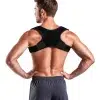
by Emma Miller
Been using this posture corrector while playing sports and it’s been a great experience. It’s comfortable, unobtrusive, and my posture has definitely improved. 4 stars from me!
by Peter
Right, let me tell ya, this posture corrector, is the best one I’ve tried! Got it a month or so ago, to sort out me wonky posture.
It’s sturdy, well-made and fits perfectly. I can have it on for hours without feeling like I’m in a straight-jacket.
Now comes the proper question, does it work? In a word, yes! Saved me back it has, and I’m walkin’ taller too.
Price-wise, it’s worth every penny. Can’t put a price on good health, right? It’s a doddle to get on and off and really simple to use.
Design, well that’s spot on too. Doesn’t stick out a mile when I’ve got it on. And customer service, no complaints there.
All in all, this is a top-notch posture corrector, does what it says on the tin. I’d recommend it to anyone who’s got a bit of a slouch, like I had.
by Elly
I’ve been using this for a month now, wearing it for a couple of minutes each day. It’s helped me maintain a better position when sitting for long hours at work, and I’ve noticed a difference in my posture. The slouched shoulders and forward neck are a thing of the past. It hasn’t entirely eradicated my back pain, hence the 4 stars, but it certainly has made a difference. I would recommend it to anyone dealing with similar problems.
by William Roberts
As someone who spends a fair chunk of my day sitting at a desk, I’ve experienced my fair share of backaches. It was becoming a bit of a bother, so I decided to give this posture corrector a try, and I have to say, I’m impressed. It’s so light that you hardly notice it’s there, and it’s easy to slip on like a backpack. Within a few minutes each day, I started noticing a difference in my posture. I’m no longer hunching forward, and my shoulders don’t round as much. It’s also been great for my workouts. With this corrector, I don’t exacerbate any existing pains, and it keeps my posture in check. All in all, a worth-while investment.
by Trevor Williams
My chiropractor recommended a posture corrector, so I gave this one a shot. What a difference it has made!
From the moment I put it on, I felt an immediate sense of support. It’s like my back finally breathed a sigh of relief. I wear it during my workout sessions, and it helps keep everything in line. My overall posture has improved, and the chronic back pain has lessened. Can’t recommend it enough!