Are you finding it tough to cope with the pain and instability of an ACL knee injury? Whether you’re frustrated by the limits it puts on your daily activities or you’ve been sidelined from your favourite sport, the loss of confidence and mobility can really disrupt your life. Even simple movements can feel like a struggle when your knee isn’t supporting you the way it should.
The good news? You don’t have to let an ACL injury define what you can do. We believe everyone deserves the chance to stay active, comfortable, and in control—no matter what life throws at your knees. That’s why we’re proud to offer the innovative ACL knee brace from KneeReviver, crafted to relieve pain, restore stability, and help you get back to your best—while also reducing the risk of future problems.
To truly appreciate how the KneeReviver brace can help, it’s important to first understand what an ACL injury involves and why it causes such persistent instability. The following guide will walk you through the essentials, from the anatomy of your knee to the proven steps for recovery, so you can make a fully informed decision for your health.
Understanding ACL Injuries: Taking Control of Your Knee Health
That unsettling feeling of your knee giving way during a simple movement is more than just discomfort—it is a clear sign that a key stabiliser inside your joint has been compromised. This sensation of instability, often accompanied by pain and swelling, typically points to a problem with your Anterior Cruciate Ligament, or ACL.
This guide is designed to walk you through every stage: from understanding the fundamental anatomy of your knee, recognising how and why these injuries occur, to grasping the immediate and long-term consequences. Most importantly, it will outline the proven, sequential steps you can take to regain stability, confidently navigate your rehabilitation, and make informed decisions to protect your knee’s future health.
The ACL: Your Knee’s Key Stabiliser
The Anterior Cruciate Ligament (ACL) is a strong, fibrous band of tissue that connects your thigh bone (femur) to your shin bone (tibia) deep within your knee. It is one of the most critical structures for maintaining the knee’s complex stability. Unlike muscles, ligaments have a relatively poor blood supply, which is why they heal slowly and often require structured intervention to recover fully.
It has two primary, vital roles:
- It is the primary restraint against the forward sliding of your shin bone—the very motion that creates that sickening feeling of your knee giving way when you walk down a steep slope or a flight of stairs.
- It provides essential rotational stability, controlling twists and pivots during movement to keep your knee from twisting unexpectedly.
When this ligament is injured, this fundamental control system is disrupted. This leads to a direct mechanical problem within the joint, which is what you experience as that troubling instability.
Who Gets ACL Injuries and Why: Understanding Your Risk
ACL injuries are remarkably common, particularly in the United Kingdom where they account for a significant proportion of knee-related complaints. According to data from the National Joint Registry (NJR, 2023), ACL reconstructions are among the most frequently performed sports surgery procedures, with thousands of cases annually. Understanding who is most at risk and why is the first step in both prevention and early recognition.
Several key factors increase the likelihood of an ACL injury:
- Gender and Biological Factors: Women are two to eight times more likely to sustain an ACL injury than men, often due to a combination of anatomical differences and variations in movement patterns. This includes a tendency for the large muscles at the front of the thigh (quadriceps) to become dominant over the hamstrings at the back, which can place more strain on the ACL during dynamic movements.
- Age and Activity Level: While ACL injuries can occur at any age, they peak in active young adults (18-25 years old) who participate in high-impact sports. It is also important to note that as we get older, a simple misstep can have more serious consequences for a 40 or 50-year-old than it might have had in their youth, as age-related changes in tissue elasticity and muscle mass can reduce the knee’s inherent shock absorption.
- Sport-Specific Risks: Sports involving sudden stops, jumps, or changes in direction—such as football, rugby, netball, and skiing—carry a higher risk. Crucially, the majority of these injuries happen without a collision with another player (Myer et al., 2015), often due to the knee buckling under the body’s own momentum during a awkward landing or sharp turn.
- Previous Injury and Genetics: A history of knee problems or a family predisposition to ligamentous laxity can increase susceptibility. For instance, individuals with generalised joint hypermobility may have less inherent stability, making the ACL more vulnerable.
These risk factors help explain who is more vulnerable, but it’s usually a specific movement that triggers the injury itself.
How ACL Injuries Happen: The Mechanics Behind the Pain
Most ACL injuries occur when the knee is subjected to extreme stress beyond its structural limits. The primary mechanisms involve a combination of forces that the ligament cannot withstand:
- Sudden Deceleration and Awkward Landings: For example, when landing from a jump with the knee extended or collapsing inwards. This is the ‘knock-kneed’ position you might see on the pitch, which places excessive and dangerous strain on the ligament.
- Pivoting or Cutting Movements: Rapid changes in direction while the foot is firmly planted can force the knee into a rotation that the ACL cannot withstand, often seen in football or tennis.
- Direct Trauma: Although less common, a direct blow to the knee—such as in a tackle during rugby—can cause a rupture by forcing the joint into an abnormal position.
Underlying these mechanisms are contributing factors like muscle weakness, poor coordination, and fatigue, which all reduce the knee’s dynamic ability to absorb and distribute forces.
Recognising an ACL Injury: Key Symptoms to Watch For
A significant ACL injury typically presents with several distinct symptoms that often occur together and that you should not ignore. Key telltale signs to watch out for include:
- A Sudden “Pop” or Snap: At the moment of injury, it’s very common to experience a loud pop or a snapping sensation—a key indicator of a serious sprain or complete rupture.
- Immediate and Significant Swelling: Within hours, the knee may swell significantly due to bleeding into the joint from the damaged ligament. This is known as a haemarthrosis and typically develops within the first two to four hours.
- Severe Pain and Instability: Pain is often intense initially, but may subside, only to be replaced by a persistent feeling of the knee “giving way” or buckling.
- Loss of Function: You might experience difficulty walking, bearing full weight, or performing simple movements.
These symptoms often emerge rapidly and can be mistaken for other injuries, which is why a professional evaluation is crucial.
When Your Knee Can’t Keep Up: How Instability Affects Daily Life
With a compromised ACL, your knee loses its ability to handle the everyday forces of movement. The daily impact extends beyond physical discomfort to affect mental well-being, as you might feel anxiety about falling or re-injury.
- Walking Down Stairs or Slopes: As you descend, the forward shift of your body can cause the knee to buckle unexpectedly, leading to a loss of confidence.
- Pivoting or Turning Quickly: Activities like changing direction sharply during a football match or making a quick turn while running become hazardous.
- Standing for Prolonged Periods: The knee may feel weak or unstable, requiring constant conscious effort to maintain balance.
This instability doesn’t just affect the knee in isolation. It disrupts your entire kinetic chain. To compensate for the knee’s weakness, you may unconsciously change your walking pattern. This altered gait can place abnormal stress on other structures, potentially leading to secondary problems like hip pain or low back pain over time. This creates a self-perpetuating cycle where the original injury creates movement faults that further increase the strain on the vulnerable knee.
Why a Professional Diagnosis is Non-Negotiable
Attempting to self-diagnose or ignore a knee injury carries significant and potentially permanent risks. Each episode of your knee giving way isn’t just a momentary setback—it risks causing further damage to the meniscus and the articular cartilage. This cumulative damage dramatically increases the likelihood of developing post-traumatic osteoarthritis in the affected knee down the line. Research has consistently shown that individuals who sustain an ACL injury have a vastly increased risk of developing knee osteoarthritis within 10-15 years (Øiestad et al., 2009). Furthermore, if you’ve already injured one ACL, you are at a significantly higher risk of injuring the other (Wiggins et al., 2016).
According to NICE guidelines (NICE, 2025), a thorough clinical assessment is essential because it helps identify the exact nature and severity of your injury. This typically involves specific physical tests and often advanced imaging such as an MRI to visualise the soft tissues and confirm the extent of the ligament damage. Without an accurate diagnosis, any treatment you pursue is essentially a shot in the dark, which can lead to prolonged instability and a higher risk of long-term joint degeneration.
Your Path to Recovery: A Structured Approach
The journey to recovery is a step-by-step process, from immediate symptom management to a long-term strategic plan. It is crucial to understand that these steps are often interconnected and should be guided by your orthopaedic specialist. This path requires patience, but each step is a move toward reclaiming the stability and confidence in your knee.
Immediate Pain and Inflammation Management
The initial focus after an injury is naturally on controlling pain and swelling. Medication, such as over-the-counter anti-inflammatories, can be useful in the short term. Similarly, following the principles of Rest, Ice, Compression, and Elevation (RICE) is widely recommended.
However, it is absolutely crucial to understand that these interventions only mask the symptoms; they do nothing to heal the torn ligament or address the underlying mechanical instability.
Exploring Your Treatment Options: Surgical and Non-Surgical Plans
Once you have a clear diagnosis, you and your specialist can determine the best course of action. This decision is tailored to your specific injury, activity level, and goals.
- Non-Surgical Rehabilitation: Strengthening Muscles for Support: For partial tears or individuals with less demanding lifestyles, a structured physiotherapy programme is often the primary approach. The goal is to create resilience from the inside out by strengthening the muscles surrounding the knee. This often involves a phased approach, starting with reducing inflammation, then restoring range of motion, and finally building dynamic strength and control. A key example is hamstring-strengthening exercises; by making these muscles stronger, they can act more effectively to prevent the shin bone from sliding forward, directly compensating for the weakened ACL.*
- Surgical Reconstruction: Rebuilding the Ligament: For a complete rupture, especially in active individuals, surgery is typically recommended. This procedure, known as ACL reconstruction, involves creating a new ligament, called a graft, from a tendon elsewhere in your body (or from a donor). This graft is positioned in the same place as your original ACL to restore the knee’s anatomical stability. This is followed by a rigorous and essential rehabilitation journey to ensure this new ligament heals strongly and integrates into the bone.
Whether your recovery plan with your specialist involves surgery or dedicated physiotherapy, creating protected and stable conditions for your knee is the top priority. This is where a hinged functional brace becomes a crucial component of your recovery plan.
The Essential Role of a Hinged Brace in Your Recovery
A hinged functional knee brace is not a passive sleeve; it is an active rehabilitation tool engineered to externally compensate for the stability lost due to an ACL injury. Its use is a recognised part of modern care, with clinical guidelines from leading bodies like the American Academy of Orthopaedic Surgeons (AAOS, 2022) supporting its role in protecting the knee during the healing and strengthening process.
Critically, a functional brace provides targeted benefits for the two main recovery paths:
- For Non-Surgical Rehabilitation: If your specialist recommends a strengthening programme, the brace acts as a crucial safeguard. It provides the external stability your knee lacks internally, allowing you to engage in physiotherapy exercises and daily activities with significantly reduced fear of the knee giving way. This protection is vital. It breaks the cycle of instability, allowing muscles to strengthen safely without the risk of re-injury.
- For Post-Surgical Recovery: Following ACL reconstruction surgery, the new graft is at its most vulnerable. The brace serves a dual purpose: it protects the delicate new ligament from unexpected twists or shifts, while also providing the confidence needed to begin post-operative rehab. This is crucial. A sudden misstep that stretches or damages the graft can compromise your entire recovery. The brace provides the controlled, stable environment that guards against this during the critical early healing phase.
The brace achieves this through a combination of mechanical and neurological support:
- Mechanical Stabilisation: The rigid hinges on either side of the knee are not just guides; they act as physical blocks to the specific motions that stress the ACL. They are designed to prevent the shin bone from shifting too far forward and to limit extreme rotation, directly addressing the two primary causes of instability.
- Proprioceptive Enhancement: The brace’s compressive fit does more than manage swelling; it enhances proprioception—your brain’s unconscious sense of your knee’s position and movement (Birmingham et al., 2008). This constant sensory feedback acts as an early-warning system, helping your brain and muscles react faster to prevent a buckling episode, effectively retraining your neuromuscular control.
By combining this mechanical blocking of harmful motions with improved neurological feedback, the brace provides comprehensive external support. It plays a key role in ensuring your rehabilitation is both safer and more effective, creating the protected environment your knee needs to heal, whether you are building strength post-surgery or managing the injury conservatively.
*References:
- National Joint Registry (NJR). Annual Report 2023. Published: 2023.
- Myer, G. D., et al. “The incidence and potential pathomechanics of patellofemoral pain in female athletes.” British Journal of Sports Medicine. 2015;49: 1378-1385.
- Øiestad, B. E., et al. “Knee osteoarthritis after anterior cruciate ligament injury: a systematic review.” The American Journal of Sports Medicine. 2009;37(7):1434-1443.
- Wiggins, A. J., et al. “Risk of Secondary Injury in Younger Athletes After Anterior Cruciate Ligament Reconstruction: A Systematic Review and Meta-analysis.” The American Journal of Sports Medicine. 2016;44(7):1861-1876.
- National Institute for Health and Care Excellence (NICE). Knee injury: assessment and management [NG277]. Published: 2025.
- American Academy of Orthopaedic Surgeons (AAOS). Management of Anterior Cruciate Ligament Injuries Evidence-Based Clinical Practice Guideline. Published: 2022.
- Birmingham, T. B., et al. “The Effect of Bracing on Proprioception of the Knee in Athletes with ACL Injury.” Journal of Athletic Training. 2008;43(2):172-184.
The KneeReviver Hinged Knee Brace: Engineered Support for Confident Recovery
That feeling of your knee buckling on the stairs or giving way during a walk isn’t just uncomfortable—it’s a constant source of anxiety that holds you back. You now understand the mechanical reason why: your ACL can no longer provide the essential stability your joint demands. The KneeReviver Hinged Knee Brace is precisely engineered to change that. It is the external stabiliser your knee lacks, designed to provide the specific, physical support needed to restore confidence, protect your joint, and let you move forward in your recovery.
Rigid Hinges for Enhanced Stability
When your knee is unstable, the core issue is its tendency to buckle, twist, or give way unexpectedly. This isn’t just about pain—it’s a mechanical problem where the bones are no longer moving as they should. The KneeReviver brace tackles this directly with its pair of solid, medical-grade aluminium hinges. These are precisely engineered to replicate the restraining function of healthy ligaments. They physically block your knee from moving into the dangerous ranges of motion—specifically, the forward shift and excessive rotation—that cause instability and re-injury. When you step, twist, or change direction, the hinges engage to intercept and manage those forces, preventing the sudden shifts that make you lose confidence. This reliable reinforcement provides a stable foundation for your joint, allowing you to bear weight and move through your day with a renewed sense of security.
Secure and Adjustable Fit
The most advanced hinges are useless if the brace itself moves out of position. For support to be reliable, the brace must stay perfectly aligned. The KneeReviver brace ensures this with its intuitive dual-strap system, which is the key to achieving both a custom fit and the right level of compression.
You first fasten the two main Velcro stabiliser straps above and below the knee to create a firm, supportive foundation. This is what allows you to control the overall compression and feel of the brace. Then, the two secondary hook-and-loop buckle straps allow for easy, one-handed fine-tuning. This is particularly helpful for users with limited mobility, enabling a secure and custom fit without struggle. The entire system is designed to be tightened firmly for support without restricting circulation; a proper fit should feel snug and supportive, not constricting.
Adding to this secure fit, the inside of the brace sleeve features medical-grade silicone grip strips at the top and bottom cuffs. This creates a gentle, high-friction hold on your skin that actively fights the downward slide common with basic sleeve-style supports. The result is a brace that stays exactly where you put it, delivering consistent support you can trust.
Compression for Swelling and Proprioception
After a knee injury, swelling is your body’s natural response, but it creates a secondary problem: it dulls your proprioception—your brain’s unconscious sense of where your joint is in space. This makes your movements feel uncoordinated and less secure. The KneeReviver brace’s compression sleeve applies graduated, therapeutic pressure to help manage this swelling, but its benefits go much deeper. The ability to fine-tune this compression with the adjustable straps means you can adapt the support to your body’s needs. This consistent pressure does two critical things: it helps reduce fluid buildup for comfort, and it provides constant sensory feedback to your nervous system. This enhanced feedback sharpens your body’s innate coordination, leading to more stable and controlled movements without you having to consciously think about it.
Easy-to-Use Secure Buckle System
Achieving the correct fit is straightforward with the KneeReviver brace’s intuitive strapping system. The secondary buckles allow for precise, one-handed adjustment to dial in the perfect level of support after the main straps are set. They lock firmly in place to ensure your support remains consistent throughout the day, yet can be quickly released for comfort when needed.
Lightweight and Low-Profile Design
Despite its robust support, the KneeReviver brace is designed with a low-profile, lightweight construction. This ensures it adds minimal bulk, allowing for discrete wear under your everyday clothing while you’re out and about, so you can maintain your stability without feeling self-conscious.
Versatile Support for Various Conditions
This targeted approach to stability—preventing harmful movement, ensuring a secure fit, and improving joint awareness—makes the KneeReviver brace a versatile tool for various knee conditions beyond ACL recovery. By controlling the forces that cause pain and instability, it can be a key part of a managed recovery plan, always under the guidance of your doctor or physiotherapist.
It can be part of your management plan for conditions such as:
For Other Ligament Injuries
What Other Ligament Injuries Feel Like
When you injure one of the key ligaments in your knee—like the MCL on the inner side, the LCL on the outer side, or the PCL deep inside—it can make your knee feel deeply unreliable. You might experience it as a nagging worry that your knee could suddenly buckle or give way during simple everyday movements. These ligaments are your knee’s primary stabilisers, so when one is sprained or torn, that fundamental sense of support is lost. This feeling often comes from the damaged ligament being less able to send clear signals to your brain about your knee’s position, which adds to that sense of vulnerability.
Why the Pain and Instability Start
These injuries typically happen when a force is simply too much for your knee to handle. How you were hurt often gives us a clear clue about which ligament is affected. For instance, a direct impact to the outside of your knee can overstretch or tear the MCL on the inner side, forcing the joint to buckle inwards. Conversely, a force to the inside of your knee can damage the outer LCL. The deep PCL is often injured by a blow to the front of your shin while your knee is bent. The pain and instability flare up during tasks that stress the damaged ligament, like walking downhill or changing direction quickly, because these movements exploit the lack of support.
Recognising Your Symptoms
The discomfort from a ligament injury is usually quite focused on one side of the knee, which helps pinpoint the problem.
- With an MCL injury, you’ll likely feel pain and tenderness on your inner knee, and it may feel unstable when stepping sideways.
- An LCL injury brings pain to the outer side, often with a sensation of the knee giving way outward.
- A PCL injury causes a deep ache at the back of the knee and a feeling that your shin bone is slipping backwards.
You might also notice swelling, difficulty putting full weight on your leg, and a constant worry that your knee might buckle.
Practical Ways to Feel Better
Your recovery will focus on protecting the knee while gently rebuilding its strength. A great first step is to avoid activities that cause sharp pain or that feeling of instability, but it’s also important to keep moving gently to prevent stiffness. Applying an ice pack for 15-20 minutes several times a day can be very effective for easing the initial swelling and pain. I strongly recommend working with a physiotherapist. They can give you a tailored programme of exercises to strengthen the muscles around your knee, which act as brilliant secondary stabilisers. Using a functional brace during this time can also provide that external support, helping you move with more confidence as you heal.
How a Brace Can Help
A functional knee brace with robust hinges is designed to directly support the specific ligament you’ve injured. It provides targeted stability that prevents your knee from buckling inwards (for an MCL injury) or outwards (for an LCL injury), which are the precise motions that stress the healing tissue. This external support shares the load that would otherwise strain the damaged ligament. The comfortable compression also improves your awareness of your knee’s position, helping your muscles contribute more effectively to joint stability.
Why This Brace Makes Sense
Because your injury causes a very specific directional instability, this brace’s design—featuring strong side hinges that block harmful sideways movement—directly counteracts the primary weakness. This targeted support works alongside your rehabilitation, allowing you to engage in strengthening exercises more safely and consistently, which is fundamental for a complete recovery.
How to Use It for Your Recovery
We suggest wearing the brace during activities that usually cause you that feeling of instability, like walking on uneven ground or during your physio exercises. Make sure it fits snugly but remains comfortable, with the hinges lined up neatly with your knee joint. It’s often best to start by wearing it for shorter periods and gradually increase the time as you get used to the support. Always follow your healthcare professional’s specific advice on wear time and how to safely progress your activities.
What You May Notice
With regular use, you’ll likely experience a solid and reliable feeling in your knee during movements that used to cause apprehension, like stepping off a curb or turning quickly. This increased confidence is key, as it allows you to fully commit to your physiotherapy exercises, breaking the cycle of fear and instability that often slows recovery.
Important Information and When to Act
Please use your brace with care. Do not use it over open wounds, significant swelling, or any signs of infection. It’s important to stop and seek medical advice if you experience increased pain, new numbness or tingling, colour changes in your leg, or if the knee feels more unstable. If your symptoms don’t start to improve after a few weeks of careful self-care, or if you have severe pain and cannot bear weight, please see a physiotherapist or doctor for a proper assessment to rule out a more severe injury.
For Patellar Tendinitis (Jumper's Knee)
What Patellar Tendinitis Feels Like
Patellar tendinitis, often called jumper’s knee, causes pain and tenderness in the patellar tendon, which connects your kneecap to your shin bone. This pain is typically localised just below the kneecap and can range from a dull ache to a sharp discomfort, especially during activities like jumping, running, or climbing stairs. You might notice stiffness in the knee after periods of rest, and the tendon may feel tender to the touch. Over time, if not managed, the pain can become more persistent and interfere with daily activities or sports performance.
Why the Pain Develops
This condition is an overuse injury resulting from repetitive stress on the patellar tendon, common in sports that involve frequent jumping or sudden changes in direction. The tendon becomes inflamed and may develop micro-tears due to excessive strain, often from increased training intensity, poor biomechanics, or muscle imbalances. Pain flares up during activities that load the tendon, such as landing from a jump or decelerating, and it can worsen if the underlying causes aren’t addressed with rest and proper rehabilitation.
Recognising Your Symptoms
The symptoms of patellar tendinitis are focused on the front of the knee and include:
- Pain and tenderness directly below the kneecap, often worsening with activity.
- Stiffness, particularly after sitting or in the morning.
- Swelling or warmth around the patellar tendon.
- Discomfort that increases with jumping, squatting, or going downstairs.
- A feeling of weakness or tightness in the knee during movement.
- Pain that may start as mild but can progress to constant ache if ignored.
Practical Ways to Feel Better
Managing patellar tendinitis involves reducing strain on the tendon while gradually strengthening it. Start by modifying activities that cause pain, such as switching to low-impact exercises like swimming or cycling. Applying ice to the tender area for 15–20 minutes after activity can help control inflammation. I highly recommend working with a physiotherapist to develop a personalised exercise programme focusing on eccentric strengthening, flexibility, and correcting muscle imbalances. Rest is crucial initially, but gradual return to activity with proper warm-ups and technique is key for long-term recovery.
How a Brace Can Help
A knee brace for patellar tendinitis is designed to provide targeted support and compression to the patellar tendon, helping to distribute forces away from the inflamed area. It works by using a strap or pad that applies gentle pressure just below the kneecap, which can reduce tendon strain during movement. The brace also improves proprioception, enhancing your awareness of knee position and promoting better biomechanics. This support can make activities like walking or light exercise more comfortable while you work on strengthening the surrounding muscles.
Why This Brace Makes Sense
Because patellar tendinitis involves excessive stress on the tendon during load-bearing activities, the brace’s ability to offload and stabilize the tendon directly addresses the mechanical source of pain. It serves as a helpful tool alongside rehabilitation, allowing you to stay active with less discomfort while building the strength needed for recovery.
How to Use It for Best Support
Wear the brace during activities that typically provoke pain, such as sports, running, or stair climbing. Position the strap or pad snugly just below the kneecap, ensuring it’s comfortable and doesn’t restrict circulation. Start with shorter periods of use to assess your response, and gradually increase as you adapt. For optimal results, combine brace use with your prescribed stretching and strengthening exercises.
What You May Notice
With consistent use, you’ll likely experience reduced pain during activities like jumping or squatting, and your knee may feel more supported. This can lead to increased confidence in movement, allowing you to participate in rehabilitation and daily tasks with less hesitation.
Important Information and When to Act
Please use your brace with care. Discontinue use if you experience increased pain, skin irritation, or numbness. If your symptoms persist despite rest, exercises, and bracing, or if you develop significant swelling or sharp pain, consult a healthcare professional for a thorough evaluation to rule out other conditions and refine your treatment plan.
For Iliotibial Band Syndrome
What Iliotibial Band Syndrome Feels Like
Iliotibial band syndrome (ITBS) causes a sharp or burning pain on the outer side of your knee, often during activities like running, cycling, or walking downhill. This pain typically starts gradually and may feel like a stabbing sensation that comes and goes with movement. You might notice tenderness along the outer knee, and the discomfort can make it difficult to fully bend or straighten your leg. ITBS is common in athletes and can lead to stiffness or swelling if not managed, often forcing a reduction in activity levels.
Why the Pain Develops
ITBS occurs when the iliotibial band—a thick band of tissue running from your hip to your shin—becomes tight or inflamed and rubs against the bony prominence on the outer knee. This friction is often triggered by overuse, such as sudden increases in training intensity, poor biomechanics, muscle imbalances, or inadequate warm-ups. Pain flares up during repetitive knee bending and straightening, especially when the leg is in a position that increases tension on the band, and it can worsen with continued activity without proper rest.
Recognising Your Symptoms
The symptoms of ITBS are typically localised to the outer knee and include:
- Pain on the outer side of the knee, often worsening with activity like running or cycling.
- Tenderness when pressing on the bony part of the outer knee.
- A clicking or snapping sensation when bending the knee.
- Stiffness or tightness in the hip or thigh area.
- Discomfort that may subside with rest but returns upon resuming activity.
- Possible mild swelling or warmth over the outer knee.
Practical Ways to Feel Better
Managing ITBS involves reducing inflammation and addressing the underlying causes of tightness or imbalance. Start by resting from activities that provoke pain, and incorporate cross-training like swimming to maintain fitness. Applying ice to the outer knee for 15–20 minutes after activity can help ease discomfort. I strongly recommend working with a physiotherapist to focus on stretching the IT band, hips, and glutes, as well as strengthening weak muscles like the hip abductors. Improving your movement patterns and using foam rolling can also be beneficial for long-term relief.
How a Brace Can Help
A knee brace for ITBS is designed to reduce friction on the iliotibial band by providing compression and support to the outer knee. It works by using a strap or sleeve that applies gentle pressure above the knee joint, which can help stabilize the band and decrease irritation during movement. The brace may also improve alignment and proprioception, supporting better biomechanics while you engage in rehabilitation exercises. This can make activities like running or walking more comfortable and help you stay active during recovery.
Why This Brace Makes Sense
Because ITBS involves friction and inflammation on the outer knee, the brace’s ability to compress and offload the iliotibial band directly targets the source of pain. It complements stretching and strengthening efforts by providing external support, allowing you to gradually return to activity with reduced risk of flare-ups.
How to Use It for Best Support
Wear the brace during activities that typically cause pain, such as running, cycling, or prolonged walking. Position the strap or sleeve snugly just above the knee on the outer side, ensuring it’s comfortable and doesn’t slip. Start with shorter wear times to assess comfort, and adjust as needed. Always combine brace use with your prescribed stretching and strengthening routine for the best outcomes.
What You May Notice
With regular use, you’ll likely experience less pain on the outer knee during movement, and your knee may feel more stable. This can help you maintain consistency with your rehabilitation, leading to improved flexibility and a gradual return to your preferred activities with greater confidence.
Important Information and When to Act
Please use your brace with care. Discontinue use if you experience increased pain, numbness, or skin irritation. If your symptoms do not improve with rest, exercises, and bracing, or if you develop significant swelling or instability, consult a healthcare professional for a proper assessment and tailored treatment plan.
For Chondromalacia Patella (Runner's Knee)
What Runner’s Knee Feels Like
Runner’s Knee involves a nagging pain around or behind your kneecap, often accompanied by a subtle grating or grinding sensation when you bend and straighten your leg. This happens when the smooth cartilage on the underside of your kneecap softens and becomes irritated. Unlike a sharp, sudden injury, this discomfort typically builds over time, becoming most noticeable during activities like running, squatting, or climbing stairs. A very common sign is pain after sitting for long periods with your knees bent—sometimes called “theatre sign”—where your knee feels stiff and sore when you first stand up and start moving again.
Why the Pain Develops
This condition often stems from your kneecap not tracking smoothly in its natural groove at the end of your thigh bone. This misalignment creates uneven pressure on the cartilage, leading to irritation and softening. Several factors can contribute, including weak inner thigh muscles that fail to guide the kneecap properly, or tight muscles in your thigh or calf that pull it out of position. It frequently flares up with a sudden increase in your activity level, changes in your running surface, or wearing footwear that doesn’t provide the right support for your unique biomechanics.
Recognising Your Symptoms
The symptoms of Runner’s Knee are usually quite distinctive and focused on the front of your knee:
- A dull, aching pain behind or around your kneecap.
- A grinding or crunching sensation when moving your knee.
- Pain that worsens noticeably when walking downstairs or downhill.
- Stiffness and discomfort after sitting for prolonged periods.
- Occasional mild swelling around the kneecap.
- Sometimes a feeling of weakness or the knee giving way, though not fully buckling.
Practical Ways to Feel Better
Managing Runner’s Knee focuses on reducing irritation while helping your kneecap track more smoothly. A great first step is to modify activities that cause pain—you might need to reduce your running distance or temporarily avoid exercises that involve deep bending. Applying ice after activity can help calm any inflammation. I highly recommend working with a physiotherapist. They can design a programme to strengthen your inner thigh and hip muscles, which are crucial for knee stability, while stretching any tight structures. They may also suggest taping techniques for temporary support. Cross-training with activities like swimming or cycling can help you maintain fitness while being kinder to your knees.
How a Brace Can Help
A knee brace for Runner’s Knee is specifically designed to support better kneecap alignment. It uses strategic padding and strapping to gently encourage the kneecap to stay in its proper track as you bend and straighten your leg. This helps distribute pressure more evenly across the joint surface, reducing the friction that causes your pain. The brace’s support can make daily activities like stair climbing and squatting feel more comfortable while you work on building the underlying muscle strength needed for long-term improvement.
Why This Brace Makes Sense
Because Runner’s Knee fundamentally involves improper kneecap tracking, the brace’s ability to guide that movement directly addresses the source of the irritation. By improving alignment during your daily activities and exercises, it helps create a better environment for the cartilage to recover, making your rehabilitation efforts more effective and comfortable.
How to Use It for Best Support
We suggest wearing the brace during activities that typically cause your knee pain, such as running, walking on uneven ground, or prolonged standing. Make sure it’s positioned correctly with the padding surrounding your kneecap, and adjust the straps for firm but comfortable support. You might find it helpful to start by wearing it during shorter activities to see how your knee responds, gradually increasing use as you become accustomed to the support it provides.
What You May Notice
With consistent use, you’ll likely experience less pain during activities that previously bothered your knees, particularly when going downstairs or after sitting for long periods. This comfort allows you to stay active and consistent with the strengthening exercises that are essential for long-term relief, helping you return to the activities you enjoy with greater confidence.
Important Information and When to Act
Please use your brace with care and discontinue use if you experience increased pain or skin irritation. It’s important to consult a healthcare professional if your symptoms persist despite rest and modified activity, or if you experience significant swelling, locking, or giving way of the knee. A proper diagnosis is essential, as other conditions can sometimes mimic the symptoms of Runner’s Knee.
For Knee Bursitis
What Knee Bursitis Feels Like
Knee bursitis involves pain and swelling in one of the small, fluid-filled sacs called bursae that cushion your knee joint. These sacs reduce friction between your tendons, bones, and skin. When one becomes inflamed, it can cause a noticeable, often tender swelling on the front, side, or back of your knee that might feel warm to the touch. The discomfort typically increases with direct pressure, such as kneeling, or during activities like climbing stairs. Unlike some deep joint pains, this discomfort is usually very localised to a specific spot, and it might make your knee feel stiff or difficult to move fully.
Why the Pain Develops
This condition typically arises from repetitive pressure or a sudden, direct impact to the knee. Common causes include frequent kneeling on hard surfaces, a direct blow, or overuse from activities like running or cycling. Sometimes, underlying conditions like arthritis can contribute. The inflammation flares up when the bursa is irritated, leading to fluid buildup that creates that characteristic swelling and localized pain. It often feels worse with continued activity that puts stress on the affected area, while rest usually provides welcome relief.
Recognising Your Symptoms
The signs of knee bursitis are often distinct and focused on one area:
- Localised swelling and tenderness over a bony part of your knee.
- Pain that increases with pressure or movement, such as kneeling or bending.
- Warmth and redness in the affected area.
- Stiffness or a feeling of tightness when trying to move your knee.
- Discomfort that may be more noticeable at night or after activity.
- In some cases, a feeling of fluid movement under the skin when you press on it.
Practical Ways to Feel Better
Managing knee bursitis starts with giving that irritated bursa a break. Rest your knee by limiting movements that cause pain, and applying ice packs for 15-20 minutes several times a day can be very effective for easing the swelling. Using a comfortable compression sleeve or bandage can provide gentle support, and elevating your leg when you’re resting helps reduce fluid buildup. Over-the-counter anti-inflammatory medication may help, but it’s always wise to consult a healthcare professional first. Once the sharp pain subsides, gentle stretching and strengthening exercises, ideally guided by a physiotherapist, can improve flexibility and support around the joint.
How a Brace Can Help
A knee brace for bursitis is designed to cushion and protect the inflamed bursa, reducing direct pressure and friction during movement. It works by using strategically placed padded areas that sit over the sensitive spot, effectively distributing forces away from the bursa. The brace’s gentle compression can also help control swelling and provide a reassuring sense of stability, making activities like walking or light kneeling more comfortable. By limiting irritation to the bursa, it supports your body’s natural healing process and allows you to stay active with less pain.
Why This Brace Makes Sense
Because knee bursitis is so often triggered by direct pressure and friction on a specific point, the brace’s ability to shield and offload that exact area tackles the main source of your discomfort. This protective role is incredibly practical, helping to prevent further inflammation while you work on recovering.
How to Use It for Best Support
We suggest wearing the brace during activities that typically cause discomfort, such as when you’re kneeling, walking on uneven surfaces, or during work tasks. Ensure it fits snugly but doesn’t feel too tight, with the padding positioned directly over the swollen or tender area. Adjust the straps for comfort, and it’s often a good idea to start with shorter wear times to see how your knee responds. If you experience any numbness or increased pain, just loosen the brace or remove it.
What You May Notice
With consistent use, you’ll likely experience less pain and swelling during your daily activities, and your knee may feel more supported and protected. This can help you return to your normal movements with greater confidence, allowing you to stay active while the underlying inflammation settles down.
Important Information and When to Act
Please use your brace with care. Avoid using it over open wounds or if you see signs of infection, like increased redness, warmth, or if you develop a fever. It’s important to stop and seek medical advice if you notice new numbness, tingling, or color changes in your leg, or if the swelling suddenly worsens. If you suspect an infection or have severe symptoms, please consult a healthcare professional promptly for a proper evaluation.
For Quadriceps Tendinitis
What Quadriceps Tendinitis Feels Like
Quadriceps tendinitis causes pain and tenderness in the thick tendon that connects your powerful thigh muscles to the top of your kneecap. This tendon is a vital link for straightening your leg and absorbing force. When it’s overused, it can become inflamed, leading to a dull ache or sharp pain just above the kneecap. You’ll probably notice it most when jumping, running, or squatting, and it can leave your knee feeling stiff, especially after periods of rest. Unlike a sudden tear, this discomfort often develops gradually over time and may steadily worsen if the activities that stress it continue.
Why the Pain Develops
This is a classic overuse injury, resulting from repetitive strain that slowly overwhelms the tendon’s capacity to repair itself. It commonly flares up with activities that involve frequent, powerful leg extension, such as basketball, soccer, or weightlifting. Contributing factors often include a sudden increase in training intensity, poor technique during exercises, or muscle imbalances that change how force travels through your leg. The pain occurs because the tendon is subjected to more tension than it can handle, leading to micro-tears and inflammation that irritate the tissue precisely when you need it to work hardest.
Recognising Your Symptoms
The symptoms of quadriceps tendinitis are typically focused right at the top of the kneecap:
- Pain and tenderness at the upper border of your kneecap, which may spread slightly upward.
- Discomfort that increases with activities like jumping, running, or going downstairs.
- Stiffness in the knee, particularly when you first get up in the morning or after sitting.
- A feeling of weakness or vague difficulty when trying to fully straighten your leg.
- Possible mild swelling or warmth around the tendon itself.
- Pain that may settle with rest but reliably returns when you resume the aggravating activity.
Practical Ways to Ease Discomfort
Managing quadriceps tendinitis involves a careful balance: reducing strain on the irritated tendon while gradually building its strength and resilience. A great start is to modify activities that cause sharp pain, perhaps switching to low-impact exercises like swimming or cycling to maintain your fitness. Applying ice to the tender area for 15-20 minutes after activity can help control inflammation and pain effectively. I highly recommend seeing a physiotherapist. They can design a personalised programme including specific exercises to strengthen the quadriceps and surrounding muscles, stretches to improve flexibility, and techniques to correct your movement patterns for the long term.
How a Brace Can Help
A knee brace for quadriceps tendinitis is designed to gently offload stress from the inflamed tendon during movement. It works by providing targeted compression and support above the kneecap, which helps distribute the forces of activities like squatting or running more evenly across the knee. This can significantly reduce the strain directly on the tendon, making movement less painful. The brace may also improve your awareness of your knee’s position, aiding in better movement control and supporting the healing process as you engage in your key rehabilitation exercises.
Why This Brace Makes Sense
Because quadriceps tendinitis involves excessive tension pulling on the tendon, the brace’s ability to share that load and provide external support directly addresses the mechanical stress that’s causing your pain. This can help you stay active with greater comfort while you diligently work on the strengthening and flexibility exercises that are essential for a full recovery.
How to Use It for Best Support
Wear the brace during activities that typically provoke your pain, such as sports, gym workouts, or daily tasks like stair climbing. Position it so that the support focuses on the area just above your kneecap, and adjust the straps for a secure but comfortable fit—you want support, not constriction. Start with shorter periods of use and gradually increase as you adapt. For the best outcome, always combine brace wear with the specific exercises from your physiotherapy plan.
What You May Notice
With regular use, you’ll probably find that activities like jumping or running become less painful, and your knee may feel more stable and supported during demanding movements. This improved comfort can be instrumental in helping you maintain consistency with your strengthening programme, which is crucial for building the tendon’s long-term resilience and function.
Important Information and When to Act
Please use your brace with care. Avoid using it over open wounds, significant swelling, or any signs of infection. It’s important to stop and seek medical advice if you experience increased pain, new numbness or tingling, skin irritation, or if your symptoms worsen during use. If your condition does not improve after several weeks of careful self-care and bracing, or if you have severe pain that limits your daily function, consulting a physiotherapist or doctor for a thorough assessment is the best next step.
For Baker's Cyst
What a Baker’s Cyst Feels Like
A Baker’s cyst is a soft, fluid-filled swelling that develops at the back of your knee, often causing a noticeable bulge and a persistent feeling of tightness or fullness. You might experience a dull ache or pressure that worsens when you try to fully straighten your leg or during activities like walking or standing for long periods. While the cyst itself is not usually harmful, it can make your knee feel stiff and limit your comfortable range of motion. On occasion, if the cyst ruptures, the fluid can leak into your calf muscle, causing sudden pain, swelling, and redness that can understandably be alarming, as it might resemble a blood clot.
Why the Cyst Develops
A Baker’s cyst doesn’t typically appear out of the blue; it usually forms as a result of an underlying knee issue that causes your joint to produce too much fluid. Common triggers include conditions like osteoarthritis, rheumatoid arthritis, or a meniscus tear. The increased fluid pressure from inside the knee joint pushes out into the tissues at the back, creating this soft, balloon-like swelling. It often becomes more prominent with activity that stresses the knee, and it may grow larger or feel more uncomfortable if the primary underlying condition isn’t managed effectively.
Recognising Your Symptoms
The signs of a Baker’s cyst are often quite distinct and focused on the back of your knee:
- A visible swelling or lump behind the knee that may feel firm or spongy to the touch.
- A sensation of tightness or pressure, especially when bending or straightening your knee fully.
- A dull ache that increases with activity or after you’ve been on your feet for a while.
- Stiffness and a feeling that you can’t quite bend your knee as freely as usual.
- If the cyst ruptures, sudden pain, significant swelling, and bruising in the calf area.
Practical Ways to Feel Better
Managing a Baker’s cyst involves a dual approach: addressing the symptoms of the cyst itself while also managing the underlying knee condition. A good first step is to rest your knee and avoid activities that seem to make the swelling worse, such as prolonged standing or high-impact sports. Applying ice packs to the back of the knee for 15-20 minutes several times a day can help reduce the inflammation and discomfort. I’d also encourage you to work with a physiotherapist or doctor. They can help identify the root cause and guide you with gentle exercises to improve knee function and support. In some cases, if the cyst is particularly large or painful, a doctor might recommend draining the fluid or a corticosteroid injection to reduce inflammation.
How a Brace Can Help
A supportive knee brace can be a helpful part of your management plan. It provides gentle compression and stability, which can help reduce the sensation of swelling and discomfort. The brace works by applying even pressure around the knee, which may help limit fluid buildup and make activities like walking or climbing stairs feel more comfortable by easing that feeling of tightness. While it doesn’t make the cyst disappear, it can offer reassuring support and protection from further irritation, especially when you’re active.
Why This Brace Makes Sense
Because a Baker’s cyst involves fluid accumulation and a feeling of pressure, the brace’s gentle compression can help manage these symptoms and provide a greater sense of joint stability. This supportive role is practical for daily comfort, but it’s important to remember that it works best alongside treatments aimed at the underlying cause of the excess fluid.
How to Use It for Best Support
I’d suggest wearing the brace during activities that typically cause you discomfort, such as walking, standing, or light exercise. Ensure it fits snugly but doesn’t feel constrictive, with the compression focused on the knee without cutting off circulation. Start with shorter wear times to see how your knee responds, and always follow any specific advice from your healthcare provider regarding its use alongside your other treatments.
What You May Notice
With consistent use, you might find the tightness and swelling in the back of your knee feel more manageable, making movement generally more comfortable. This supportive effect can help you stay active with less pain while you and your healthcare team work on addressing the primary knee condition causing the cyst.
Important Information and When to Act
Please use your brace with care. Avoid using it if you have signs of infection, such as increased redness, warmth, or fever, or if the cyst suddenly becomes much larger or more painful. It’s very important to stop and seek prompt medical advice if you notice new numbness, tingling, or color changes in your leg, or if you suspect a ruptured cyst—especially if you experience sudden calf pain, significant swelling, or redness. These symptoms need to be evaluated to rule out other serious conditions like a blood clot.
For Knee Dislocations
What a Knee Dislocation Feels Like
A knee dislocation is a severe and serious injury where the bones of your knee joint are forced completely out of their normal alignment, usually due to high-impact trauma like a car accident, a serious fall, or a sports collision. This causes immediate, intense pain, an obvious deformity where the knee looks “wrong,” and an inability to move the leg or put any weight on it whatsoever. It’s also common to experience numbness, tingling, or a cool sensation in your foot, which can indicate potential nerve or blood vessel damage. This is a medical emergency that requires immediate attention to prevent long-term complications.
Why the Dislocation Occurs
This injury happens when a massive force overwhelms all the strong ligaments and other structures that normally hold your knee joint securely together. The powerful impact disrupts the crucial alignment between your thigh bone, shin bone, and kneecap, often damaging multiple ligaments and sometimes the critical arteries or nerves around the knee. The injury is instantaneous with the traumatic event, and any attempt to move or put weight on the leg can dramatically worsen the pain and risk causing further, irreversible damage to the soft tissues and blood supply.
Recognising Your Symptoms
The symptoms of a knee dislocation are severe and unmistakable:
- Intense, overwhelming pain and rapid swelling in the knee.
- A visible deformity or abnormal positioning of the knee joint.
- Complete inability to move the knee or bear any weight on the leg.
- Numbness, tingling, or a complete loss of sensation below the knee.
- Cool, pale, or bluish skin in the foot or ankle, suggesting a possible disruption of blood flow.
- A profound feeling that the knee is grossly “out of place.”
Practical Ways to Feel Better
If you even suspect a knee dislocation, it is crucial to seek emergency medical care immediately. Please do not try to move or realign the knee yourself, as this can cause significant additional harm. At the hospital, the medical team will carefully put the joint back in place (a process called reduction), and you will need imaging tests to assess the full extent of the damage. Recovery involves a period of strict immobilization, often with a rigid brace or cast, followed by a long and carefully guided rehabilitation process with a physiotherapist. Treatment frequently includes surgery to repair the torn ligaments, and rehab will focus on very gradually restoring strength, flexibility, and stability.
How a Brace Can Help
After a knee dislocation, a brace becomes an essential part of your recovery, providing crucial external support for your healing joint. In the early stages, a rigid brace completely immobilizes the knee to prevent any movement that could re-injure the delicate, healing tissues. As you progress, a functional brace with adjustable hinges will allow for very controlled and safe bending and straightening, while firmly blocking any harmful side-to-side or twisting motions. This external stability is vital—it shares loads that would otherwise stress the damaged ligaments, reducing pain and supporting your confidence as you begin the slow process of rehabilitation.
Why This Brace Makes Sense
Because a knee dislocation causes widespread damage to the structures that create stability, the brace’s comprehensive ability to control movement in all directions addresses the core need for protection. It creates the safe, stable environment necessary for healing, enabling you to engage in essential rehabilitation without the constant fear of re-injury, which is absolutely vital for restoring function.
How to Use It for Best Support
You will need to wear the brace exactly as directed by your surgeon or physiotherapist—this typically means during all waking hours initially. Ensure it fits securely with the hinges perfectly aligned with your knee joint, and adjust the straps for comfort without impeding circulation. It is essential to follow your physiotherapist’s guidance meticulously on when to wear it and how to gradually progress your activity. Never skip your prescribed exercises, and report any concerns like increased pain, swelling, or changes in sensation to your doctor immediately.
What You May Notice
With proper use, you will likely experience improved stability and reduced pain during your rehabilitation exercises, helping you make gradual strides toward returning to daily activities. This protected environment allows you to rebuild strength and mobility with significantly less risk, which is fundamental for recovery from such a serious injury.
Important Information and When to Act
This brace must only be used under direct medical supervision. Seek immediate emergency help if you have any signs of compromised blood flow, such as severe pain, numbness, coolness, or color changes in your leg, or if the knee dislocates again. Follow up regularly with your entire healthcare team to monitor your progress, and report any persistent instability or pain that interferes with your recovery.
For Patellar Dislocation
What a Patellar Dislocation Feels Like
A patellar dislocation is a startling injury where your kneecap slips completely out of its normal track, usually jutting out to the outside of your knee. This causes immediate, severe pain and a very visible deformity where your kneecap is clearly out of place. You’ll likely find it impossible to straighten or bend your knee, and the area can swell up very quickly. Sometimes the kneecap will pop back into place on its own, but the intense pain and a lingering feeling of instability always remain. It’s important to know this is different from a full knee dislocation, as it specifically involves the kneecap rather than the entire main joint.
Why the Dislocation Occurs
This injury typically happens when your knee is relatively straight and you suddenly twist or change direction, which is common in sports or other physical activities. Some people are naturally more prone to this due to factors like looser ligaments, a shallower groove in the thigh bone where the kneecap sits, or muscle imbalances around the knee. The dislocation occurs when external forces overwhelm the structures that normally guide your kneecap, causing it to slip sideways out of position. This often stretches or tears the supporting ligaments on the inner side of the knee and can sometimes cause a cartilage injury as the kneecap moves out and back in.
Recognising Your Symptoms
The signs of a patellar dislocation are usually very clear:
- Sudden, severe pain the moment the kneecap moves out of place.
- A visible deformity with the kneecap positioned off to the side of the knee.
- Immediate swelling and significant tenderness around the kneecap.
- Inability to move the knee properly or put weight on the leg.
- A persistent feeling of the knee “giving way” or being profoundly unstable.
- A strong, lingering apprehension or fear that the kneecap might slip out again.
Practical Ways to Feel Better
If your kneecap dislocates, it’s important to get medical attention promptly. A healthcare professional can gently guide it back into position if it hasn’t gone back on its own. Initial treatment focuses on rest, ice, compression, and elevation to get the pain and swelling under control. You’ll likely need crutches for a short while to avoid putting weight on it. Physical therapy is the cornerstone of recovery, focusing intensely on strengthening the muscles that support kneecap stability, particularly the muscles on the inner part of your thigh. Your therapist will also work with you on improving your balance, coordination, and movement patterns to build a strong foundation and prevent this from happening again.
How a Brace Can Help
A specialized patellar stabilization brace is designed specifically to prevent your kneecap from slipping sideways while still allowing you to bend and straighten your knee normally. It works by using contoured padding and a unique strapping system that gently encourages your kneecap to stay in its proper track. The brace provides crucial external support to the structures that guide your kneecap, significantly reducing the risk of another dislocation during your daily activities and rehabilitation exercises. This support can be a huge confidence-builder as you work on developing the muscle strength needed for long-term, natural stability.
Why This Brace Makes Sense
Because a patellar dislocation involves the kneecap slipping laterally out of its track, the brace’s ability to guide and physically limit that sideways movement directly targets the root of the problem. It serves as an important protective measure during your recovery, helping to create a stable and safe environment while you strengthen the muscles that will eventually provide your knee with its own durable, internal support.
How to Use It for Best Support
Wear the brace during activities as recommended by your healthcare provider. This often means during your waking hours initially, and later specifically during physical activity. Position it carefully so the padding sits snugly around your kneecap, with the support straps providing gentle pressure toward the inner side of your knee. Ensure it’s secure but comfortable, and don’t hesitate to adjust it as needed during activity. For the best long-term outcome, always combine brace use with your prescribed strengthening exercises.
What You May Notice
With consistent use, you’ll likely experience a greater sense of confidence in your knee’s stability during movement. Many people find they can participate in rehabilitation and daily activities with significantly less fear of re-injury, allowing them to focus on building the muscle strength that provides lasting stability and function.
Important Information and When to Act
Please only use this brace under medical guidance. Seek immediate care if your kneecap dislocates and doesn’t go back on its own, or if you experience severe pain, numbness, or color changes in your leg. Follow up regularly with your healthcare team, and be sure to report any persistent instability or pain that interferes with your recovery progress.
For Osteoarthritis
What Knee Osteoarthritis Feels Like
Knee osteoarthritis involves the gradual wearing down of the smooth, protective cartilage that cushions your knee joint. This leads to a deep, aching pain within the joint that typically develops slowly over months or even years. You might notice stiffness, particularly when you first get up in the morning or after sitting for a while, which usually eases up after you’ve moved around for a few minutes. The pain often worsens with activity and improves with rest, though in more advanced stages, a constant, nagging ache may persist even when you’re not moving. Many people also describe a grating or grinding sensation and experience occasional swelling in the knee.
Why the Pain Develops
Osteoarthritis occurs when the resilient cartilage that covers the ends of your bones slowly breaks down over time. This can be a natural part of aging for some, or it can be accelerated by previous injuries, genetic factors, or years of repetitive stress on the joint. As the protective cartilage layer thins and wears away, the bones may begin to rub against each other during movement, causing pain, inflammation, and bony changes. Unlike inflammatory types of arthritis, the pain from osteoarthritis typically relates directly to joint use and mechanical stress.
Recognising Your Symptoms
The symptoms of knee osteoarthritis tend to follow a predictable pattern that many people find familiar:
- A deep, aching pain within the knee joint that reliably worsens with activity.
- Morning stiffness that usually lasts less than 30 minutes.
- Reduced flexibility and a feeling of tightness, making it difficult to fully bend or straighten the knee.
- A grating or crunching sensation (crepitus) when moving the knee.
- Occasional swelling or tenderness around the joint.
- Pain that can vary from day to day and often feels different with weather changes.
- Increasing difficulty with activities like climbing stairs or walking longer distances.
Practical Ways to Feel Better
Managing osteoarthritis is about staying active in a way that protects your joints. Low-impact exercises like swimming, cycling, or walking on soft surfaces can help you maintain mobility without causing excessive stress. If it’s relevant for you, managing your weight is one of the most powerful things you can do, as each extra pound significantly multiplies the pressure on your knees. Applying a warm pack before activity can ease stiffness, while using an ice pack after activity may help reduce any inflammation. I highly recommend seeing a physiotherapist. They can provide you with exercises to strengthen the muscles around your knee, which acts like a natural brace, providing support and stability.
How a Brace Can Help
A knee brace for osteoarthritis is designed to help redistribute your body’s weight more evenly across the joint, shifting pressure away from the most worn-down areas. It works by providing gentle compression and support that can make a noticeable difference in pain levels during daily activities. Some braces are specifically engineered as “unloaders” to gently shift pressure from the damaged side of your knee to the healthier side, which can make walking and standing feel more comfortable. The support and reassurance a brace provides can also improve your confidence in moving, helping you stay active and engaged in your management plan.
Why This Brace Makes Sense
Because osteoarthritis involves uneven wear and pressure within the joint, the brace’s ability to mechanically redistribute that load away from the damaged cartilage directly addresses one of the main sources of your pain. This external support beautifully complements other key strategies like exercise and healthy weight management, helping you maintain your mobility and function despite the arthritic changes.
How to Use It for Best Support
We suggest wearing the brace during activities that typically cause you discomfort, such as walking, shopping, or doing light exercise. Ensure it fits comfortably without pinching or restricting your circulation. You might find it helpful to start with shorter periods of use and gradually increase the time as you get used to it. The brace will give you the best results when you combine it with the regular exercise and other healthy habits your healthcare provider has recommended for managing your arthritis.
What You May Notice
With consistent use, you’ll likely find that weight-bearing activities become less painful, and you may feel more capable of staying active throughout your day. This can lead to a noticeable improvement in your overall quality of life, allowing you to participate in daily tasks and hobbies with greater comfort and less reliance on pain medication.
Important Information and When to Act
Please use the brace as one part of a comprehensive approach to managing your arthritis. It’s important to consult your healthcare provider if you experience a sudden, significant increase in pain, noticeable swelling, joint locking, or if your symptoms begin to seriously limit your daily activities despite your self-care efforts. Regular follow-ups can help ensure your overall management plan continues to meet your needs as they change over time.
For Meniscus Tears
What a Meniscus Tear Feels Like
A meniscus tear involves damage to the tough, rubbery cartilage that acts as a shock absorber between your thigh and shin bones. This can cause a sharp, sudden pain at the moment of injury, often during a twisting motion while your foot is planted. You might feel a distinct “pop” or catching sensation, followed by swelling that develops over the next day or so. The knee can feel stiff, unstable, or as if it’s going to give way, and you may notice difficulty fully straightening or bending it. In some cases, a piece of the torn cartilage can float into the joint, causing it to lock in one position, which can be quite alarming.
Why the Pain Develops
Meniscus tears typically occur from a forceful twist or rotation of the knee, especially when your foot is firmly on the ground and your knee is bent. This is common in sports like football or basketball, but it can also happen from everyday activities like squatting down awkwardly. As we age, the meniscus can become more brittle and prone to degenerative tears from simpler movements, like getting up from a chair. The pain flares up because the torn fragment irritates the joint lining, and the loss of the cushioning effect means bones may rub more directly, leading to inflammation and discomfort.
Recognising Your Symptoms
The signs of a meniscus tear can vary but often include:
- Pain, often localised to the inner or outer side of the knee, depending on which meniscus is affected.
- Swelling that usually appears within 24 hours of the injury.
- A catching, locking, or clicking sensation when you move your knee.
- Difficulty fully straightening or bending the leg.
- A feeling of instability or the knee “giving way” during weight-bearing activities.
- Tenderness when pressing along the joint line of the knee.
Practical Ways to Feel Better
Managing a meniscus tear starts with protecting the knee to allow the initial inflammation to settle. A great approach is to follow the RICE principle in the first few days: Rest your knee by avoiding painful movements, Ice the area for 15-20 minutes several times a day to reduce swelling, use a comfortable Compression wrap for support, and Elevate your leg when possible. Using crutches for a short time can help if bearing weight is painful. I strongly recommend consulting a physiotherapist or doctor. They can guide you on whether conservative care with specific exercises to strengthen the surrounding muscles is appropriate, or if further evaluation is needed. In some cases, surgery might be recommended to repair or trim the torn fragment.
How a Brace Can Help
A knee brace for a meniscus tear can provide valuable external support by helping to stabilise the knee and limit movements that might aggravate the tear, such as twisting or deep bending. It works by using robust hinges that control side-to-side motion and rotation, reducing stress on the damaged cartilage. The brace also offers gentle compression that can ease swelling and improve your awareness of the joint’s position. This support helps share some of the loads that would otherwise stress the meniscus, making daily activities like walking or climbing stairs feel more secure and less painful while your knee heals or while you await further treatment.
Why This Brace Makes Sense
Because a meniscus tear often leads to instability and pain during specific movements, the brace’s ability to restrict harmful twisting and provide compression directly addresses these issues. It serves as a supportive tool that can help you stay active with greater confidence during your recovery, whether you’re pursuing conservative management or preparing for surgery.
How to Use It for Best Support
I’d suggest wearing the brace during activities that typically cause discomfort, such as walking on uneven surfaces, during light exercise, or while doing your physiotherapy exercises. Ensure it fits snugly but doesn’t cut off circulation, with the hinges aligned properly with your knee joint. Start with shorter periods of use to see how your knee responds, and always follow any specific advice from your healthcare provider regarding wear time and activity modification.
What You May Notice
With consistent use, you’ll likely experience reduced pain and a greater sense of stability during movement, which can help you engage more effectively in your rehabilitation. Many people find that the catching or locking sensations decrease, allowing them to perform daily tasks with less apprehension and a smoother range of motion.
Important Information and When to Act
Please use your brace with care. Avoid using it over open wounds or if you have signs of infection. It’s important to seek medical advice if you experience increased pain, significant swelling, persistent locking of the knee, or if you’re unable to bear weight. If your symptoms don’t improve with rest and conservative care, or if they worsen, consulting a healthcare professional for a proper evaluation is essential to determine the best course of treatment.
For Rheumatoid Arthritis
What Rheumatoid Arthritis Feels Like
Rheumatoid arthritis (RA) is an autoimmune condition where your body’s immune system mistakenly attacks the lining of your joints, including those in your knees. This leads to inflammation that causes pain, swelling, and stiffness, often in a symmetrical pattern—meaning both knees are typically affected. Unlike the wear-and-tear pain of osteoarthritis, RA discomfort is often more persistent and may include systemic symptoms like fatigue and a general feeling of being unwell. The stiffness is usually worst in the mornings or after periods of inactivity and can last for more than an hour, making it challenging to start your day. Over time, this inflammation can lead to joint damage and changes in shape, which can understandably be distressing.
Why the Pain Develops
RA occurs when your immune system targets the synovium—the soft tissue lining your joints—causing it to become inflamed and thickened. This process releases chemicals that can damage cartilage, bone, and other structures within the joint. The pain and stiffness flare up because of this ongoing inflammation, which can be influenced by factors like stress, infection, or changes in activity. It’s a chronic condition that tends to involve periods of flare-ups followed by remission, and managing it requires a comprehensive approach to control inflammation and protect joint function.
Recognising Your Symptoms
The symptoms of knee involvement in RA are often distinct and can include:
- Pain, swelling, and warmth in one or both knees, often symmetrically.
- Morning stiffness that typically lasts longer than 30 minutes and improves with movement.
- A feeling of weakness or instability in the knees during activity.
- Reduced range of motion, making it hard to fully bend or straighten the knee.
- General symptoms like fatigue, fever, or weight loss may accompany joint issues.
- Over time, you might notice deformities or changes in the knee’s appearance.
Practical Ways to Feel Better
Managing RA involves a team approach, often including a rheumatologist to guide medication that targets the underlying inflammation. In addition to prescribed treatments, staying active with low-impact exercises like swimming, cycling, or gentle stretching can help maintain joint mobility and muscle strength without overstressing the knees. Applying heat before activity can ease stiffness, while ice may help reduce swelling after exertion. Working with a physiotherapist is invaluable—they can design a personalised exercise programme to improve function and recommend assistive devices if needed. Rest is equally important during flare-ups to allow your body to recover.
How a Brace Can Help
A knee brace for RA can provide supportive comfort by helping to stabilise the joint during periods of inflammation or weakness. It works by offering gentle compression that may reduce swelling and improve proprioception—your sense of where your knee is in space. The brace’s supportive design can also help offload some of the stress on the joint during daily activities, making walking or standing more comfortable. While it doesn’t treat the underlying autoimmune process, it can be a helpful tool for managing symptoms and maintaining mobility during flares.
Why This Brace Makes Sense
Because RA can cause joint instability and pain from inflammation, the brace’s ability to provide external support and compression aligns well with the need for symptom relief. It complements medical treatments by helping you stay active and engaged in your daily life, which is crucial for overall well-being when living with a chronic condition.
How to Use It for Best Support
We would recommend wearing the brace during activities that typically cause discomfort, such as walking, standing for long periods, or during light exercise. Ensure it fits comfortably without being too tight, as you want to avoid restricting blood flow, especially during flares when swelling may be present. Use it as part of a broader management plan, and always follow any specific advice from your healthcare team regarding its use in conjunction with your other treatments.
What You May Notice
With careful use, you may find that your knee feels more supported and less painful during movement, which can help you participate in daily activities with greater confidence. Many people experience a reduction in the feeling of instability and an improvement in their ability to stay active, leading to better overall management of their RA symptoms.
Important Information and When to Act
Please use your brace as part of your comprehensive RA care plan. It’s essential to communicate with your rheumatologist or healthcare provider if you experience a significant increase in pain, new or worsening swelling, signs of infection, or if your symptoms don’t respond to your usual management strategies. Regular follow-ups are important to monitor your condition and adjust treatments as needed to protect your long-term joint health.
For Knee Fractures
What a Knee Fracture Feels Like
A knee fracture involves a break in one of the bones that form your knee joint, such as the kneecap, thigh bone, or shin bone. This causes immediate, intense pain that is often severe and debilitating, making it impossible to bear weight or move the knee. You might notice rapid swelling, bruising, and sometimes a visible deformity if the bone fragments are displaced. The area can feel tender to the touch, and any attempt to move the leg can exacerbate the pain significantly. This is a serious injury that requires prompt medical attention to ensure proper healing and prevent complications.
Why the Fracture Occurs
Knee fractures typically result from high-impact trauma, such as a fall from height, a direct blow during sports, or a vehicle accident. The force overwhelms the bone’s strength, causing it to crack or break. In some cases, fractures can also occur from overuse or stress in athletes, but these are less common. The pain and instability arise because the broken bone fragments lose their normal alignment, disrupting the joint’s integrity and often damaging surrounding soft tissues like ligaments or cartilage. Immediate medical care is crucial to realign the bones and stabilize the joint for healing.
Recognising Your Symptoms
The signs of a knee fracture are usually unmistakable and require urgent evaluation:
- Severe, localised pain that worsens with any movement or pressure.
- Significant swelling and bruising around the knee within hours of injury.
- Inability to straighten, bend, or put weight on the affected leg.
- A visible deformity or abnormal shape to the knee.
- Numbness, tingling, or coolness in the foot or ankle, which may indicate nerve or blood vessel involvement.
- Crepitus—a grating sensation when moving the knee—though movement should be avoided.
Practical Ways to Feel Better
If you suspect a knee fracture, seek emergency medical care immediately. Do not attempt to move or realign the knee yourself, as this could cause further damage. At the hospital, treatment may involve immobilization with a splint or cast, and in many cases, surgery is needed to realign the bones with pins, plates, or screws. After initial treatment, rest and elevation are key to reducing swelling. I strongly recommend working with a physiotherapist once your doctor approves. They will guide you through a gradual rehabilitation programme to restore strength, flexibility, and function, starting with gentle range-of-motion exercises and progressing to weight-bearing activities as healing allows.
How a Brace Can Help
After a knee fracture, a brace plays a critical role in your recovery by providing rigid external support that immobilizes the joint, protecting the healing bones from movement that could disrupt alignment. In the early stages, a rigid brace or cast ensures complete rest, while later, a functional brace with adjustable hinges may allow controlled motion as you progress. This external framework shares loads that would otherwise stress the fracture site, reducing pain and supporting confidence as you begin to move again. The brace also helps manage swelling through gentle compression and improves your awareness of the joint’s position during rehabilitation.
Why This Brace Makes Sense
Because a knee fracture compromises the structural integrity of the joint, the brace’s ability to provide stable immobilization and controlled motion directly addresses the need for protection during healing. It creates a safe environment that allows you to engage in essential rehab exercises with reduced risk, which is fundamental for regaining function and preventing long-term issues.
How to Use It for Best Support
You will need to wear the brace exactly as directed by your healthcare provider—typically at all times initially, with adjustments as healing progresses. Ensure it fits securely with the hinges aligned with your knee joint, and adjust straps for comfort without impeding circulation. Follow your physiotherapist’s guidance on when to wear it and how to gradually increase activity. Never skip prescribed exercises, and report any concerns like increased pain, numbness, or swelling to your doctor promptly.
What You May Notice
With proper use, you’ll likely experience improved stability and reduced pain during rehabilitation, helping you make steady progress toward regaining mobility and strength. This protected support allows you to rebuild function with greater confidence, which is essential for a successful recovery from such a significant injury.
Important Information and When to Act
This brace must be used under medical supervision. Seek immediate help if you experience signs of compromised blood flow, such as severe pain, numbness, coolness, or color changes in your leg, or if the fracture seems to worsen. Follow up regularly with your healthcare team to monitor healing, and report any persistent instability or pain that interferes with your recovery.
For General Knee Instability
What General Knee Instability Feels Like
General knee instability involves a persistent feeling that your knee might buckle, give way, or feel “loose” during everyday activities, even without a specific injury. This can lead to a constant sense of apprehension, making you hesitant to trust your knee when walking, turning, or climbing stairs. Unlike instability from a acute tear, this often develops gradually and may not be linked to significant pain, but rather a lack of confidence in your knee’s support. It can affect your mobility and quality of life, as you might avoid activities you once enjoyed due to fear of falling or further injury.
Why the Instability Develops
This condition often stems from underlying issues such as muscle weakness, particularly in the quadriceps and hip muscles, which are crucial for knee stability. Other causes can include ligament laxity from previous sprains, poor proprioception (your body’s sense of joint position), or degenerative changes like arthritis. The instability flares up during movements that require quick changes in direction or weight-bearing, as the supporting structures aren’t able to provide adequate control. It’s commonly seen in people with sedentary lifestyles, those recovering from minor injuries, or athletes with imbalances, and it can worsen if not addressed.
Recognising Your Symptoms
The symptoms of general knee instability are often subtle but consistent:
- A feeling of the knee “giving way” or buckling during routine activities like walking or standing up.
- Lack of confidence in the knee, leading to cautious movement.
- Occasional mild swelling or discomfort after activity.
- Difficulty with balance or coordination on uneven surfaces.
- Muscle fatigue around the knee during prolonged use.
- No specific, localised pain, but a general sense of weakness or unsteadiness.
Practical Ways to Feel Better
Managing general knee instability focuses on strengthening the muscles that support your knee and improving your balance and proprioception. I highly recommend starting with low-impact exercises like swimming, cycling, or using an elliptical machine to build endurance without stressing the joint. Working with a physiotherapist is invaluable—they can design a personalised programme targeting your quadriceps, hamstrings, and hip muscles, which act as natural stabilizers. Balance exercises, such as standing on one leg or using a wobble board, can significantly enhance your joint awareness and control. Additionally, maintaining a healthy weight reduces unnecessary strain on your knees.
How a Brace Can Help
A knee brace for general instability provides external support that enhances your sense of joint security and improves proprioceptive feedback, helping your muscles respond more effectively to changes in movement. It works by offering gentle compression and stability without restricting motion, which can reduce the feeling of buckling during daily tasks. The brace serves as a biofeedback tool, encouraging better alignment and muscle engagement, which supports your rehabilitation efforts. While it doesn’t replace strengthening, it can boost your confidence as you work on building underlying stability.
Why This Brace Makes Sense
Because general knee instability often involves poor muscle control and proprioception, the brace’s ability to provide reassurance and improve joint awareness directly addresses the root causes. It complements your exercise programme by allowing you to stay active with greater confidence, which is key to breaking the cycle of fear and promoting long-term improvement.
How to Use It for Best Support
We suggest wearing the brace during activities that typically cause apprehension, such as walking on uneven ground, during exercise, or when you’re feeling fatigued. Ensure it fits snugly but comfortably, with no restrictions on circulation or movement. Start with shorter periods to assess your response, and gradually increase use as you become more accustomed to the support. Remember, the brace is most effective when combined with consistent strengthening and balance exercises.
What You May Notice
With regular use, you’ll likely experience a growing sense of trust in your knee during dynamic movements, allowing you to participate in activities with less hesitation. Many people find that their balance improves, and the frequency of buckling episodes decreases, leading to increased independence and a more active lifestyle.
Important Information and When to Act
Please use your brace with care. Discontinue use if you experience increased pain, skin irritation, or numbness. If your instability persists despite exercises and bracing, or if you develop new symptoms like swelling or sharp pain, consult a healthcare professional for a thorough evaluation to rule out other conditions.
For Post-Surgical Recovery
What Post-Surgical Recovery Feels Like
After knee surgery, such as ligament reconstruction or meniscus repair, you’ll experience pain, swelling, and stiffness as your body begins to heal. The knee often feels weak and unstable, with a limited range of motion that can make simple movements challenging. Initially, you might rely on assistive devices like crutches and find daily tasks difficult. As recovery progresses, you’ll gradually regain strength and mobility, but it’s a slow process that requires patience and strict adherence to your rehabilitation plan to avoid setbacks.
Why the Pain Develops
Post-surgical pain and discomfort are normal responses to the trauma of surgery. The inflammation is part of the healing process, but it can lead to stiffness and pain as tissues repair. Instability often arises from weakened muscles, altered joint mechanics, and the body’s natural protective mechanisms. Following your surgeon’s and physiotherapist’s guidelines is crucial to manage pain effectively and promote optimal healing while minimizing the risk of complications.
Recognising Your Symptoms
The symptoms during post-surgical recovery are typically clear and should be monitored closely:
- Pain and tenderness around the surgical site, which may vary in intensity.
- Swelling and bruising that can persist for several weeks.
- Stiffness, particularly after periods of rest or in the morning.
- Weakness in the knee and surrounding muscles, making weight-bearing difficult.
- A feeling of instability or giving way during early movement.
- Reduced flexibility and difficulty achieving full knee extension or flexion.
Practical Ways to Feel Better
Managing post-surgical recovery involves a careful balance of rest and gradual activity. Follow your post-operative care instructions meticulously, including resting and elevating your leg to reduce swelling. Using ice packs as recommended can help manage pain and inflammation. Engage in prescribed physiotherapy exercises to rebuild strength, flexibility, and proprioception. Gradually increase activity levels under professional guidance, and avoid overexertion to prevent re-injury. Maintaining a healthy diet and staying hydrated also support the healing process.
How a Brace Can Help
A knee brace post-surgery provides essential stability and protection during the healing phases. It helps immobilize the knee initially to prevent harmful movements, and as you progress, it allows controlled motion through adjustable hinges. The brace reduces stress on the surgical site, shares loads that would otherwise strain healing tissues, and supports confidence during rehabilitation activities. The compression can also aid in managing swelling and improving your awareness of joint position, which is vital for safe movement.
Why This Brace Makes Sense
After surgery, the knee is particularly vulnerable to re-injury due to weakened structures and altered biomechanics. The brace’s ability to provide external support complements internal healing, enabling you to safely participate in rehab exercises and daily tasks while minimizing risk. This supportive role is practical for maintaining progress and building towards long-term recovery.
How to Use It for Best Support
Wear the brace as directed by your healthcare provider, typically during all waking hours in the early stages and later during specific activities. Ensure a proper fit with the hinges aligned precisely with your knee joint, and adjust the straps for a snug but comfortable feel—avoiding any restriction of circulation. Use it during physiotherapy sessions, walking, and as you gradually return to more demanding tasks. Always follow your rehabilitation plan and consult your therapist if you have any concerns about fit or function.
What You May Notice
With consistent use, you’ll likely experience increased stability and reduced pain during movement, which can accelerate your rehabilitation progress. Many people find they can engage more confidently in exercises, leading to improved strength and mobility. This can help you return to normal activities with greater assurance and fewer limitations.
Important Information and When to Act
Please use the brace under medical supervision only. Seek immediate advice if you experience increased pain, signs of infection (such as redness, warmth, or discharge), new numbness or tingling, color changes in your leg, or if the brace causes skin irritation. Regular follow-ups with your healthcare team are essential to monitor healing and adjust your treatment plan as needed.
For Patellofemoral Pain Syndrome
What Patellofemoral Pain Syndrome Feels Like
Patellofemoral Pain Syndrome (PFPS) causes a dull, aching pain around or behind the kneecap, often worsening with activities like running, squatting, climbing stairs, or after sitting for long periods. You might feel a grinding or popping sensation when moving the knee, and it can lead to stiffness and a sense of weakness or instability. This condition is common in active individuals but can affect anyone, and it often interferes with daily routines and exercise enjoyment.
Why the Pain Develops
PFPS typically arises from improper tracking of the kneecap in its femoral groove, leading to increased stress on the underlying cartilage. Contributing factors include muscle imbalances (such as weak quadriceps or hip muscles), tight soft tissues, overuse, poor biomechanics during movement, or sudden changes in activity level. The pain flares up during weight-bearing activities that load the patellofemoral joint, as the misalignment causes friction and inflammation.
Recognising Your Symptoms
The symptoms of PFPS are usually focused on the front of the knee and follow a predictable pattern:
- Pain behind or around the kneecap, especially when bending the knee under load.
- Discomfort that increases with activity like running or descending stairs and eases with rest.
- Stiffness after periods of inactivity, such as in the morning or after prolonged sitting.
- A grinding or creaking sensation (crepitus) when flexing or extending the knee.
- Mild swelling or tenderness around the kneecap area.
- A feeling of the knee giving way or lacking support, though not true ligamentous instability.
Practical Ways to Feel Better
Managing PFPS involves reducing irritation while addressing underlying causes. Modify activities that provoke pain, such as switching to low-impact exercises like swimming or cycling. Incorporate strengthening exercises for the quadriceps, hips, and core to improve knee alignment, and stretch tight muscles like the hamstrings, calves, and IT band. Applying ice after activity can help control inflammation. I highly recommend working with a physiotherapist to develop a personalised exercise programme that focuses on proper form and gradual progression.
How a Brace Can Help
A knee brace for PFPS is designed to improve kneecap tracking and reduce pain by providing targeted support and compression. It works by using strategic padding and strapping to gently guide the kneecap into better alignment during movement, offloading stress from the patellofemoral joint. The brace also enhances proprioception, helping your muscles respond more effectively to changes in position and supporting healthier movement patterns during daily activities and exercise.
Why This Brace Makes Sense
Because PFPS is fundamentally related to kneecap malalignment, the brace’s ability to encourage proper tracking directly addresses the mechanical source of pain. It serves as a valuable tool alongside rehabilitation, allowing you to stay active with greater comfort while you build the muscle strength and control needed for long-term relief.
How to Use It for Best Support
Wear the brace during activities that typically cause discomfort, such as sports, running, or prolonged walking. Position it so that the patellar pad is centered on your kneecap, and adjust the straps for a secure but comfortable fit—ensuring it doesn’t restrict movement or circulation. Start with shorter periods of use to assess your response, and gradually increase as you adapt. For optimal results, combine brace use with your prescribed strengthening and stretching exercises.
What You May Notice
With regular use, you’ll likely experience reduced pain during activities like stair climbing or squatting, and your knee may feel more stable and supported. This can lead to increased confidence in movement, allowing you to participate more consistently in your rehabilitation and enjoy a gradual return to the activities you love without hesitation.
Important Information and When to Act
Please use your brace with care. Discontinue use if you experience increased pain, skin irritation, or numbness. If your symptoms persist despite conservative measures like rest, exercises, and bracing, or if you develop significant swelling or sharp pain, consult a healthcare professional for a thorough evaluation to rule out other conditions and refine your treatment plan.
Adaptable Design for Different Recovery Stages
Your recovery has different phases, and the support your knee needs will change. The KneeReviver brace is designed to adapt with you. Immediately after an injury or surgery, the full hinged configuration provides maximum protection. As you progress in physiotherapy and regain strength, you can remove the hinges, transforming the brace into a supportive compression sleeve ideal for later-stage rehab or managing daily demands. This versatility offers long-term value, providing the right support at every stage.
Patellar Support for Knee Cap Pain
Knee instability is often accompanied by pain at the front of the knee, as a compromised joint can disrupt how your kneecap moves. The KneeReviver brace addresses this with an integrated silicone gel patellar support ring. This ring cradles the kneecap, applying gentle pressure to help guide it and keep it properly aligned as you bend and straighten your leg. This targeted support reduces stress on the patellar tendon and cartilage, effectively easing front-of-knee pain.
Comfortable and Breathable for All-Day Wear
A brace that isn’t worn is a brace that can’t help. The KneeReviver brace is constructed from advanced, lightweight, and breathable materials engineered specifically for long-term wear. The fabrics promote excellent air circulation, effectively wicking moisture away from your skin to keep you cool and dry. The commitment to all-day comfort is what transforms this brace from a device you tolerate into a supportive partner you can rely on from morning to night, ensuring you wear it consistently for the protection you deserve.
Durable Construction for Long-Term Use
Recovery takes time, and your brace must withstand daily use without failing. The KneeReviver brace is constructed with high-strength, resilient materials. The metal hinges are robust and corrosion-resistant, and high-stress areas like the strap buckles are thoroughly reinforced. This robust construction means the brace remains dependable from your first steps until you’re fully recovered.
Long-Term Joint Health Protection
Every time your knee gives way, it can cause more damage to the meniscus and joint cartilage. By reliably preventing your knee from buckling, the KneeReviver brace does more than provide stability now—it helps protect your joint health for the long term. Using it is a proactive step to help preserve your mobility and reduce the risk of future pain.
Getting the Perfect Fit: A Quick Guide
For optimal support and comfort, please follow these steps to fit your KneeReviver brace correctly. For those with limited mobility, we recommend the floor method.
Recommended Positioning:
- Method 1 (Chair): Sit in a chair with your leg extended forward and your foot resting flat on the ground.
- Method 2 (Floor / Limited Mobility): Sit on the floor with your leg laid out straight and the knee brace positioned flat underneath your knee.
Step-by-Step Fitting:
- Position the Brace: Slide the brace onto your leg. Ensure the rigid hinges are aligned vertically on either side of your knee joint and the patellar support ring is centered over your kneecap.
- Secure the Base Straps: Fasten the top and bottom Velcro stabiliser straps first. Wrap them snugly around your leg to create a secure foundation.
- Fasten the Buckle Straps: Now, pull the secondary hook-and-loop buckle straps over the base straps. Click the buckles shut and adjust the tightness. The final fit should feel secure and supportive, but must not be constricting. You should be able to slide one finger comfortably under the straps.
- Final Check: Stand up and walk a few steps. The brace should feel supportive and stay in place without pinching, sliding, or restricting blood flow. Ensure there is no numbness, tingling, or coldness in your foot or leg.
This hinged knee brace is a supportive aid for recovery and stability and is NOT a replacement for professional medical advice, diagnosis, or treatment. It is essential to consult with a doctor, orthopaedic specialist, or physiotherapist for a proper diagnosis before using this or any support device. Symptoms like knee pain and instability can signal serious conditions that need prompt medical attention.
Who Should Not Use This Brace
Do not use this brace if you have severe peripheral vascular disease, significant circulatory issues, diabetic neuropathy, or an active skin infection, open wound, or rash in the area.
When to Stop Using It
Stop use immediately and see your doctor if you have increased pain, persistent numbness, tingling, a cold feeling, or discoloration in your foot or leg; signs of an allergic reaction; or any new, unexplained symptoms. Always follow your healthcare provider’s guidance.
Take the First Step Toward Confident Movement—Risk-Free
You’ve seen how the KneeReviver Hinged Knee Brace addresses the root causes of knee instability. It’s more than just a brace—it’s a tool designed to adapt with you through every phase of recovery, helping you move with assurance and protect your long-term joint health.
Now, it’s time to stop letting knee instability hold you back. Order your KneeReviver today and experience the difference for yourself.
And because we stand behind the quality and effectiveness of this brace, your purchase is backed by our 30-Day Money-Back Guarantee. If you’re not completely satisfied with how it supports your recovery, simply contact us for a full, no-questions-asked refund. You have nothing to lose—except the uncertainty and fear that come with an unstable knee.
Fast & Secure Checkout Through Paypal
Pay with Paypal the secure payment gateway that accepts all credit and debit cards. Paypal is free and secure and no credit or bank information is ever stored or shared with us.
Fast Dispatch
Enjoy your items soon with quick dispatch via Royal Mail First Class. Expect to have your items between 1-3 days for domestic orders. 7-10 Working days for international orders.
Return Policy – 30 Day Money Back Guarantee
We are so confident that you will just love our product that we offer a full 30 day money back guarantee. In the unlikely event, you are unhappy with your purchase you can simply return it within 30 days for a refund. Please contact us via the form on the contact us page to start your return.
To return an item please send it to: Nuova Health UK, 81 Highfield Lane, Waverley, Rotherham, S60 8AL. Please include a note with your order id so we know who to refund.
Please retain your postage receipt as proof of postage. All that we ask is that the item is in the original packaging and unused.

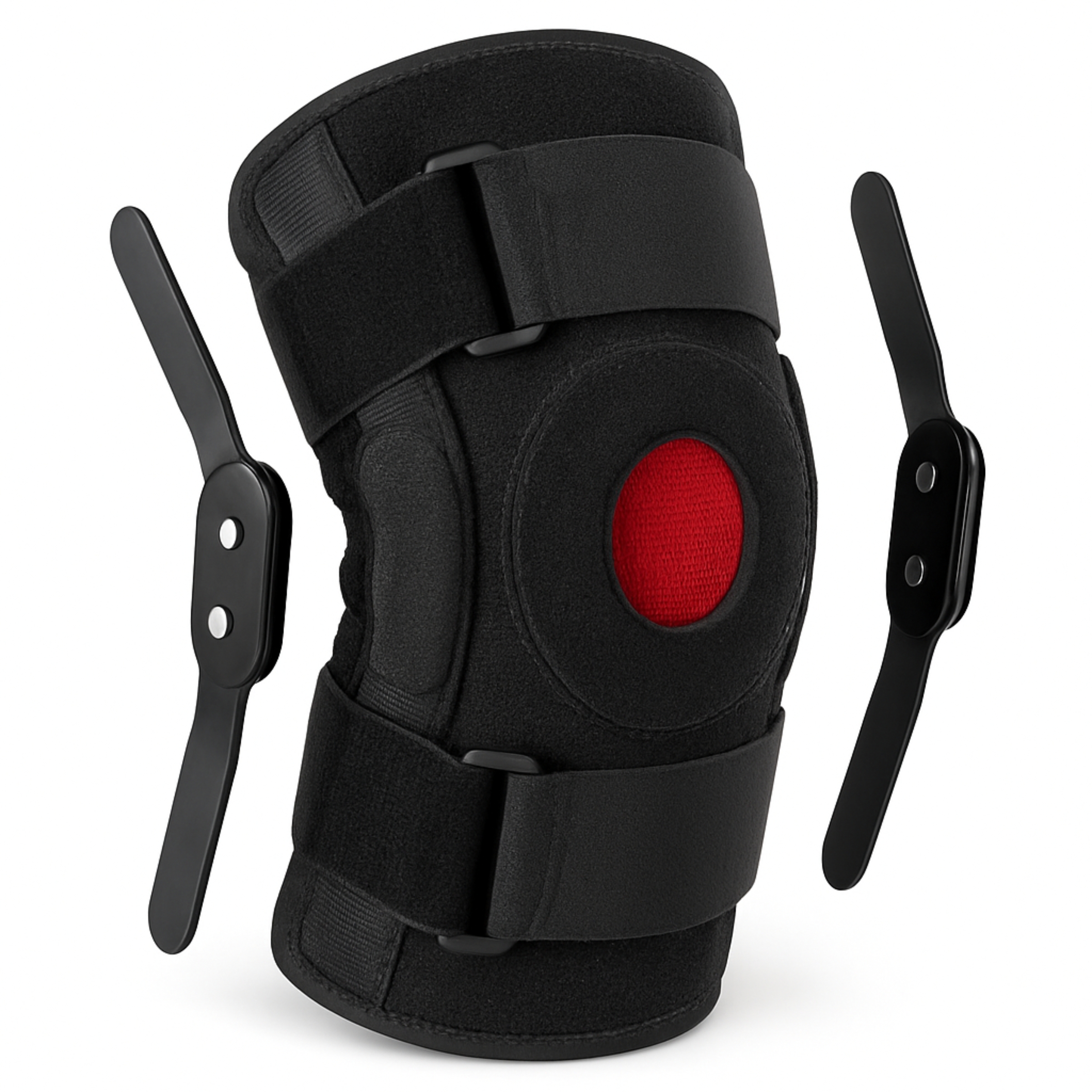
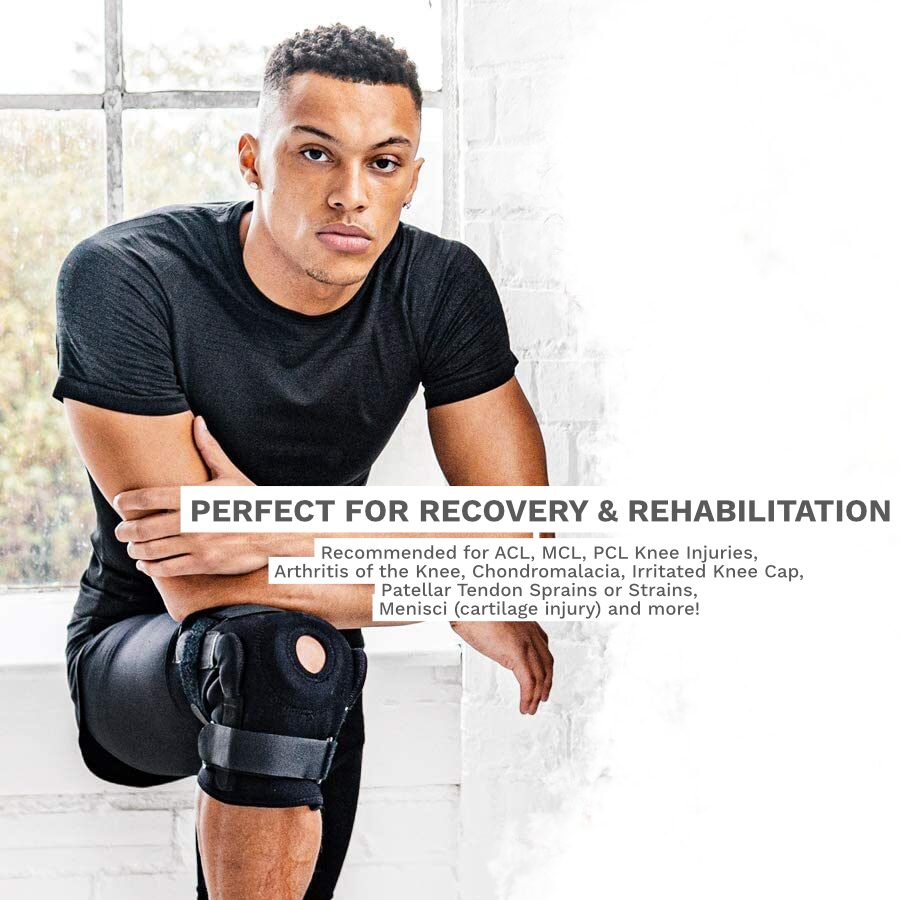


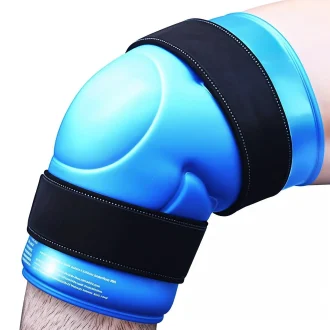
by Gary
A very good knee brace that has really helped with my road to recovery!
by Ollie
Bought one of these for my injury, great product does a brilliant job to support my knee I read the postage and it said it would be dispatched within 24 hours but I was very shocked that it arrived within 24 hours of me ordering it! Would buy again.
by Andy
Brilliant piece of kit and really helpful with knee injury. Feels abit weird to wear but hopefully will get use to it
by Mick forte
I highly rate this brace for the money, helping me out with my grade 3 mcl tear.
There is a top and bottom to this brace , the top is a few cm longer.
At first I found the brace uncomfortable due to rubbing my skin when walking etc, I now wear a knee sleeve under the brace which has stopped the rubbing issue, the brace is extremely comfortable. I think you would get the same level of comfort if you put the brace over jogging bottoms or pants.
Brilliant brace for the money
by Michael forte
Just to follow up on my previous review , I’ve been using the acl knee brace since April. I currently have a torn acl and mcl , if it wasn’t for this brace I wouldn’t be able to walk around.
I’ve been using the brace every day with a knee sleeve underneath which makes the acl brace very comfortable.
Unfortunately my knee brace has seen better days as stiching starting to come out etc. So my advice, buy two! when you are wearing a knee brace all day every day it gets alot of wear and tear.
Unfortunately due to the current situation in the world waiting times for surgery are ridiculous. I should of bought two acl knee braces and two knee sleeves when I placed my order. I didn’t expect to be waiting so long for surgery and Unfortunately my financial situation as changed.
So once again if you have a torn acl and mcl you’re going to be waiting along time for surgery. Buy two acl knee brace and two knee sleeves that way you should be good for 6 months plus with those products ( hopefully within that time frame you’ll get the surgery you need )
by AJMAL KHAN
Excellent brace does the job been steady on my 🎶 feet.
by Dan
Great product, has really helped me work on building the muscle mass around my knee after a spell of being on crutches.
I would recommend getting a bandage of some sort to underneath as the velcro sticks out a bit and digs into your leg. I use a cheap knee sleeve to go under mine.
by Joyce hill
Can’t wait to try out this knee brace
by Jim price
Just riecived my brace very comfortable thank you
by wwarburton86
Good knee brace holds my knees as it should lessened the pain I have in my knee
by Miguel Hernandez
Football took a toll on my knees. Constant pain. The KneeReviver brace? Wow, what a difference! My knee feels stable. No more wobbles. It’s comfortable for hours. Easy to put on. Fits perfectly. I’m back on the field. LOVE IT!