Finger Splints

When finger pain or injury makes everyday tasks hard

Painful, stiff or injured fingers can make simple things surprisingly difficult. You might feel a sharp pain when you grip or lift something, an ache that builds while you type, or notice that one finger will not fully bend or straighten. Some people feel as though a finger is about to “give way” when they put weight through it. Others find that small, precise movements such as fastening buttons or turning keys become awkward. That can be very wearing over time.

For some, this starts suddenly after a clear accident, such as a fall, a ball hitting the fingertip, or jamming a finger against a hard surface. For others, it creeps in over months or years as joints wear, tendons become irritated, or tissue in the palm gradually tightens. If this keeps going, it can start to get in the way of work, hobbies and everyday tasks.

This page is for adults whose finger pain, stiffness or a sense that a finger is not working properly is getting in the way of daily life. It explains common types of finger problems, what is happening inside the joints and soft tissues, and how finger splints are often used to protect healing areas, support painful joints and guide movement after injury or with longer‑term conditions.

Why sore, stiff or unstable fingers behave this way

Each finger relies on small bones, the joints between them, ligaments that keep those joints steady, and tendons that bend and straighten the finger. When one part is injured or irritated, the others can quickly be affected.

There are a few main types of finger problem:

Bone injuries such as fractures occur when one of the finger bones cracks or breaks. This might be at the tip, along the shaft of the bone, or close to a joint. Pain is usually sharp at the time of injury, with swelling and bruising that follow. Bending or straightening the finger, or pressing on a key or object, can be very painful. If the broken ends shift out of line, the finger can look crooked or shorter and movement may feel blocked.

Joint injuries include sprains and dislocations. A sprain stretches or tears the ligaments that hold a joint together, often around the middle or base joints of a finger. The joint becomes painful, swollen and sometimes feels loose. A dislocation is more severe. The joint surfaces are forced out of position by a strong blow or twist. Pain is sudden and intense, the finger often looks deformed, and you usually cannot move the joint until a clinician has put it back into place.

Tendon problems affect the cords that move the fingers. In mallet finger, the tendon that straightens the fingertip is damaged, so the tip droops and cannot be lifted by itself. In trigger finger, the tendon that bends the finger becomes irritated where it passes through a tight tunnel at the base of the finger or thumb, leading to painful catching or locking. In boutonniere deformity, part of the tendon that straightens the middle joint is disrupted, so the middle joint bends while the tip over‑extends. Because tendons move every time you use your hand, even small injuries can be stressed many times a day. That is one reason they can take time to settle.

Soft‑tissue strains, including a “jammed” finger, involve the ligaments and the thicker band of tissue at the front of a joint when the fingertip is driven back towards the hand or the joint is overloaded. The middle joints of the index and middle fingers are particularly prone to this. Swelling and pain often come on quickly. Bending or straightening the joint, gripping, or pressing through the finger can be uncomfortable for a while afterwards.

Joint wear and inflammation are common causes of longer‑term finger pain and stiffness. In osteoarthritis, the cartilage that covers the ends of the bones becomes thinner and rougher. The body may lay down extra bone at the edges, forming small bony bumps. Joints can then feel stiff and achy, especially in the morning or after rest. Inflammatory types of arthritis, such as rheumatoid arthritis, cause swelling and warmth in the joints, and can gradually damage cartilage and supporting tissues. In Dupuytren’s contracture, the problem lies mainly in the connective tissue in the palm. This tissue thickens and forms cords that slowly pull the fingers into a bent position. The joints themselves may be healthy, but are held in a flexed posture by this constant pull.

If one of these descriptions sounds like what you are noticing, it can help you pick which of the condition explanations below is worth reading first.

How finger splints change stress on your fingers

Although the conditions differ, finger pain and loss of function often come down to the same basic issue: certain movements or positions put more strain on irritated or healing tissues than they can comfortably tolerate. Finger splints are designed to change how those movements affect the joints, ligaments and tendons.

Put simply, splints usually help by one or more of the following:

  • Limiting how far a joint can bend or straighten, so it does not reach angles that are particularly uncomfortable or harmful.
  • Holding a joint or part of the finger in a position that is more comfortable or safer for healing. For example, keeping a drooping fingertip straight after a mallet‑type injury, or supporting a painful arthritic joint in the middle of its range.
  • Spreading pressure around a joint, rather than allowing all the force from gripping or pressing to go through one sore spot.
  • Cutting down repeated pulling on an injured tendon or ligament. If that tissue is allowed to move freely when it is damaged, even small movements can keep disturbing the repair.

In day‑to‑day terms, this can mean that gripping a handle, pinching, typing or using tools hurts less or feels more controlled. Joints that felt wobbly can feel steadier. Movements that previously caught or locked may become smoother. That is what splints are doing in the background when you are wearing them.

A splint will not reverse arthritis, remove Dupuytren’s cords, or replace the need for proper assessment of significant injuries. It is usually one part of wider care that can also include rest, exercises, medicines or procedures. Used in the right way, it can reduce strain on painful or healing areas and make it easier to get on with daily tasks while other aspects of treatment are in place.

Conditions where finger splints are often used

Different finger problems benefit from different types of support. Some conditions, such as mallet finger, often need a firm splint that holds one joint straight all the time for several weeks. Others, such as sprains or arthritis, are better helped by softer or adjustable supports that you wear during heavier activities or when pain flares.

If you click on a condition that sounds like yours, you will see:

  • how the problem tends to feel and behave,
  • what is happening in the bones, joints, tendons or soft tissues,
  • where a finger splint might fit into treatment,
  • and when it is sensible to ask for further assessment.

Broken Fingers

Broken Fingers

A broken finger means that one or more of the small bones in the finger (phalanges) have cracked or broken. This can be at the fingertip, along the shaft of the bone, or close to a joint. Sometimes the injury is very obvious: the finger is crooked, badly swollen and you cannot use it. In other cases, especially with smaller cracks, it can be less clear and feel like a very bad sprain at first.

Breaks usually follow a clear accident. A finger may be hit directly by a fast‑moving ball, trapped in a door, twisted in a fall, or struck by a heavy object. If the bone is already weakened, for example by osteoporosis, a smaller force can be enough. Less often, repeated heavy use over time can cause fine stress fractures, where tiny cracks develop gradually.

After the accident – how it feels

Most people feel sharp pain at the time of injury, followed by a deeper, throbbing ache. Swelling often develops quickly, and bruising may appear within a few hours. You may notice:

  • strong pain when you try to grip, pinch or press through the finger,
  • difficulty bending or straightening the finger,
  • a feeling of weakness when you try to use the hand,
  • the finger looking crooked, shortened or otherwise out of line in more severe injuries.

If the break is near or within a joint, movements that take the joint fully bent or fully straight can be particularly painful. You might also feel or hear a faint grating sensation if the broken ends move against each other, although this is not always present. It is understandable to worry at this stage about how well the finger will recover.

If a fracture is ignored or treated as “just a bad sprain”, the bone can heal in a poor position. That can lead to long‑term stiffness, pain with everyday tasks, difficulty fitting rings, and a higher chance of arthritis in the affected joint.

What a fracture means inside the finger

Each finger bone is joined to the next by a joint covered in smooth cartilage. When a bone breaks, the fracture line may run across the bone, along it, or into the joint surface. Nearby soft tissues, including ligaments, the joint capsule and the tendons that bend and straighten the finger, can also be bruised or torn.

If the broken ends stay roughly in line, the bone can usually heal with support and protection. If they are angled, rotated or shifted, the pull of surrounding muscles and tendons can make that misalignment worse each time you try to move or use the finger. When a fracture crosses the joint surface, the normally smooth cartilage can be damaged. Because the surface is then less even, the joint can be more likely to ache or feel stiff later on, especially with repeated gripping or pinching.

Swelling around the break also makes it harder for tendons to slide. This is why some people feel stiffness and a reduced ability to make a full fist, even once the immediate pain has started to ease.

Why proper assessment comes first

Any suspected broken finger, particularly one that looks deformed, very swollen or is extremely painful, should be assessed by a healthcare professional. They can examine the hand and arrange an X‑ray or other imaging if needed. This helps to:

  • confirm whether there is a fracture,
  • see exactly where the break is and whether the joint surface is involved,
  • check if the bone ends are out of line and need to be moved back,
  • rule out other injuries such as dislocations.

If the joint surface is cracked or the bone ends are significantly out of position, leaving them as they are can make later pain, stiffness and arthritis more likely. A clear picture at the start shapes the whole recovery plan.

Splints as part of fracture care

Once a fracture has been assessed and any necessary realignment carried out, a splint is often used to protect the bone while it heals. A well‑fitted splint can:

  • hold the broken parts of the bone steady, so they are not shifted each time you move the hand,
  • restrict bending and straightening at the injured segment or joint, so the fracture line is not repeatedly stressed,
  • shield the area from knocks during day‑to‑day activities,
  • reduce pain by preventing sudden or unexpected movements through the sore area.

Because this is one of the bone‑type injuries described in the main guide, the job of the splint here is mainly to keep the bone ends in a good position and to stop everyday hand movements from disturbing them while new bone forms. By doing that, a splint reduces the risk of the finger healing at an angle and can support a smoother return of movement afterwards.

Many people also feel more confident using the hand for light tasks such as holding cutlery, using a phone or dressing when the injured finger feels well supported. The splints in this range include options that can be set to hold either the tip, middle or base joints in line, which is the sort of joint‑level support often recommended after a fracture.

What to expect as it heals

Most uncomplicated finger fractures take several weeks to knit, and it is common for the finger to stay stiff or slightly swollen for some time afterwards. Hand therapy exercises are often used once the bone is stable enough to:

  • ease stiffness,
  • restore grip and pinch strength,
  • improve coordination for finer tasks.

If, after the initial healing period, you still find the finger very painful, unable to straighten or bend, or much weaker than your other fingers, it is worth going back for another check‑up.

When to seek urgent and follow‑up help

Seek urgent medical help if:

  • the finger looks obviously crooked or out of place,
  • you cannot move the finger at all,
  • there is a deep cut or bone visible,
  • the fingertip is very pale, blue, cold or numb.

Even if the injury seems minor, you should see a healthcare professional if pain and swelling have not started to settle after a few days, or if you are finding it increasingly difficult to use the finger. A splint can be an important part of managing a broken finger, but it needs to be used within a plan that has worked out exactly what has been damaged and how best to let the bone heal.

Trigger Finger

Trigger Finger

Trigger finger, sometimes called “locking finger”, affects the tendon that bends a finger or thumb. The typical features are pain, stiffness and a feeling that the finger catches or locks when you try to bend or straighten it. In some cases, the finger can become stuck in a bent position and then suddenly release.

The trouble usually sits near the base of the finger or thumb, in the palm. At this point, the flexor tendon runs through a tight tunnel of tissue that keeps it close to the bone. If either the tendon or this tunnel thickens, the tendon does not slide smoothly and can snag as it moves.

Locking, catching and morning stiffness

Symptoms often creep in over weeks or months. Many people notice:

  • a tender spot or small lump at the base of the finger or thumb,
  • stiffness, especially first thing in the morning or after resting the hand,
  • a catching or popping sensation as the finger bends and straightens,
  • pain when gripping objects such as handles, tools or bags,
  • the finger occasionally locking down and needing help from the other hand to straighten.

At first, this may only happen after heavier use or at the start of the day and then ease off. If irritation continues, locking can become more frequent and more difficult to overcome, and some people begin to avoid using that finger fully. That can make everyday tasks feel clumsy and frustrating.

Does this sound familiar? If so, it is worth understanding what is happening inside the hand.

The tight tunnel at the base of the finger

The flexor tendons run from muscles in the forearm and hand, through the palm, and out to the bones of the fingers. They pass under a series of bands that act like pulleys, holding them close to the bones. The first of these bands, near the base of the finger, is where trigger finger usually develops.

In trigger finger, one or more of the following changes may be present:

  • a small swelling or nodule on the tendon,
  • thickening or stiffening of the tunnel it passes through,
  • inflammation in the lining around the tendon.

Each time you bend and straighten the finger, the swollen part of the tendon has to pass through this tight space. Initially, it may rub but still move. As the swelling and tightness increase, the tendon can catch at the entrance to the tunnel. You may feel resistance followed by a sudden release as you apply more force. That catching and release are what give the “triggering” sensation.

Put simply, the tendon is catching because it is trying to pass through a tunnel that has become too narrow for it.

Ways to calm the irritation

Treatment aims to settle the irritation around the tendon and allow it to move more freely. Common approaches include:

  • cutting back, for a time, on activities that involve strong or repeated gripping,
  • using simple pain‑relieving or anti‑inflammatory medicines if suitable,
  • wearing a splint to limit bending through the painful range and rest the tendon,
  • injections around the tendon sheath in selected cases to reduce inflammation,
  • surgical release of the tight tunnel if other measures do not help and symptoms remain significant.

What is best for you will depend on how long the problem has been present, how severe the locking is, and what other health conditions you have. A GP or hand specialist can help decide on the most appropriate plan.

Splints to give the tendon a rest

A splint for trigger finger is usually designed to limit how far the affected joint or joints can bend, particularly at the base of the finger or thumb. By doing this, splints can:

  • reduce how far the swollen part of the tendon has to move through the narrowed section, giving irritation there a chance to settle,
  • cut down how often the tendon is forced through the position that usually causes it to catch,
  • ease pain during tasks that normally involve strong gripping.

Some splints are used mainly at night to stop the finger curling fully for long periods while you are asleep. Others may be worn during particular activities that usually bring on symptoms, such as long stretches of tool use or heavy gripping. The aim is to reduce strain on the irritated area without completely stopping all movement, unless you have been advised otherwise.

Because trigger finger is one of the tendon‑type problems described in the main guide, the job of a splint here is to keep the base joint a little straighter so that the swollen part of the tendon slides less through the tight spot. The splints in this range include slim, joint‑focused designs that support the base joint without covering the whole hand, and have low‑profile straps that can sit comfortably under work gloves or during sleep.

By changing how much and how often the tendon has to slide through the tight tunnel, a splint can make day‑to‑day tasks more manageable and may help reduce spells of locking. It is still important to address any underlying factors, such as very repetitive gripping or associated conditions like diabetes, as your clinician advises.

When to seek further help

You should speak to a healthcare professional if:

  • the finger locks frequently and you need your other hand to straighten it,
  • pain is affecting sleep, work or everyday activities,
  • there is persistent swelling, heat or redness around the base of the finger,
  • you have other conditions such as diabetes or rheumatoid arthritis and are noticing new finger problems.

A splint can be a helpful part of dealing with trigger finger, but it is best chosen and used as part of a plan agreed with a clinician who has confirmed the diagnosis and considered all suitable treatments.

Mallet Finger

Mallet Finger

Mallet finger is an injury to the tendon that straightens the fingertip, sometimes with a small piece of bone pulled off where the tendon attaches. The fingertip then droops and cannot be lifted actively. This changes both how the finger looks and how it works for tasks such as pinching, typing or handling small objects.

The injury often happens when the fingertip is bent sharply while the tendon is trying to straighten it. A ball striking the end of the finger, a finger catching on clothing, or trapping the tip in a door are all typical situations. The end joint (distal interphalangeal joint) takes the force and the tendon at the back of this joint is overstretched or torn.

The drooping fingertip you cannot lift

At the time of injury, there is usually a sudden pain at the fingertip. Swelling and sometimes bruising follow over the back of the end joint. The key feature is that the fingertip hangs down and you cannot straighten it on your own, even though you may be able to push it straight with your other hand.

You may notice:

  • a drooping fingertip that you cannot fully lift,
  • soreness and swelling over the back of the end joint,
  • difficulty with tasks that rely on fingertip control, such as typing, playing certain instruments or fastening small buttons,
  • pain when you try to grip or pinch between the thumb and the affected fingertip.

Some people can still manage most activities but find the finger feels weaker or “in the way”, and certain movements become clumsy or awkward. It can be unsettling to see a finger that simply will not straighten properly.

What has happened to the tendon or bone?

The tendon that straightens the fingertip attaches to the bone on the back of the last phalanx. In a mallet injury, either:

  • the tendon is torn or stretched so it no longer pulls effectively, or
  • a small piece of bone is pulled off at the point where the tendon attaches.

Once that attachment is disrupted, the tendon cannot lift the fingertip. The joint is then pulled into a bent position by the weight of the fingertip and by the flexor tendons on the palm side. Each time the fingertip bends further, the gap between the torn tendon ends or between the bone fragment and the rest of the bone can widen slightly. If this keeps happening, it can interfere with healing and make it more likely that the droop becomes permanent.

In short, the tendon or small bone piece has lost its firm anchor, and repeated bending keeps pulling the ends apart. That is why the fingertip stays down and will not lift on its own.

Why the fingertip must stay straight for weeks

Most mallet finger injuries are managed without surgery, especially if the joint is still well aligned and any bone fragment is small and not displaced. Treatment often includes:

  • assessment, often including an X‑ray, to confirm the diagnosis and check joint position,
  • using a splint to hold the fingertip straight for a continuous period,
  • pain‑relieving medicines if needed,
  • carefully timed exercises later on to restore movement without re‑injuring the tendon.

Surgery may be considered if there is a large bone fragment, if the joint is out of place, if there is a cut through the tendon, or if splinting has not given a satisfactory result. These decisions are usually made with a hand specialist.

For non‑surgical treatment to work well, the fingertip needs to be kept straight all the time for the recommended period, often several weeks. Even brief bending in the early healing phase can pull the repairing tissue apart again. Understanding this can make it easier to stick with the splint, even when it is inconvenient.

How mallet splints are used day and night

Splinting is usually the main treatment for mallet injuries without major fractures or cuts. The splint is designed to hold the end joint fully straight, or just slightly back, so that the torn tendon fibres or bone fragment are kept close together while new tissue forms.

A suitable mallet splint should:

  • keep the tip joint straight at all times, day and night, for the period advised,
  • fit closely enough not to slip, but without causing pressure problems on the skin,
  • allow the joints nearer the hand to move, so the rest of the finger and hand do not become stiff.

Because this is one of the tendon‑type problems described in the main guide, the job of the splint here is to stop the fingertip bending so the tendon can knit at the correct length. The splints in this range include slim designs that cradle the tip joint while leaving the rest of the finger as free as possible, with edges softened where they sit near the nail to reduce rubbing during long wear.

When splinting goes well, many people regain a useful level of straightening and function, although the exact result varies from person to person. During this time, the splint also protects the fingertip from knocks in daily life. Simple tasks such as dressing, using a phone or holding cutlery are often easier when you know the joint is supported and less likely to bend accidentally.

When to seek further help

You should see a healthcare professional promptly if:

  • the fingertip droops and you cannot straighten it actively,
  • there is noticeable swelling or bruising around the end joint,
  • the finger looks shortened or the joint appears out of place,
  • there is a cut over the back of the joint.

A clinician can confirm whether the problem is a mallet injury, check for any associated fracture and advise on the most suitable splint and how long to wear it. If you are already using a splint and notice increasing pain, skin problems under the splint, or a return of drooping when the splint is removed at the end of treatment, it is worth going back for another check‑up.

Dislocated Fingers

Dislocated Fingers

A dislocated finger occurs when the bones that form a joint are forced out of their normal position. This usually follows a strong, sudden force, such as a direct blow, a fall onto the hand, or a twist during sport. It can be a very painful and alarming injury, and the finger often looks obviously wrong.

Dislocations most often affect the middle or base joints of the fingers. You use these joints for nearly every grip and reach, so when one is out of place it can be hard to use the hand at all until it has been treated.

When a finger is clearly out of place

At the moment of injury, pain is usually severe. Many people notice:

  • the finger looking crooked, shortened or pushed to one side,
  • swelling developing quickly around the joint,
  • difficulty or inability to bend or straighten the joint,
  • very marked soreness over the joint line,
  • tingling or numbness if nearby nerves are stretched or compressed.

Until the joint is put back into place, trying to move it is usually extremely painful and unhelpful. It is understandable to feel shocked or anxious if a finger suddenly looks twisted or out of line like this. This is not an injury to watch at home and hope it settles.

Ignoring a dislocation, or trying to force the joint back yourself, can risk extra damage to the cartilage, ligaments, and nearby nerves or blood vessels. Poorly managed dislocations can lead to long‑lasting stiffness, pain, recurrent giving way and an increased chance of arthritis in that joint.

What happens at the first appointment

A suspected dislocation should be assessed urgently by a clinician. Initial care usually involves:

  • examining the finger and often arranging an X‑ray to confirm the dislocation and check for associated fractures,
  • carefully reducing the joint, often under local anaesthetic, to guide the bones back into place,
  • checking blood flow and nerve function after the joint has been reduced.

The reduction step is done by trained staff and should not be attempted at home.

How the joint behaves after reduction

Once the joint has been carefully reduced and the bones are back where they should be, the capsule and ligaments around the joint are still damaged and can be weaker than before. The smooth cartilage surfaces that line the joint may have been bruised or chipped, and small bone fragments can sometimes be present.

Until these tissues have had a chance to heal, the joint is more vulnerable to moving too far in certain directions or to slipping again. At the same time, leaving the joint completely still for too long can lead to stiffness and long‑term loss of movement. Treatment after reduction is trying to strike a balance between protection and gradually regaining movement.

Splints to protect while ligaments heal

After the joint has been put back into place, a splint can be very helpful in the early stages of recovery. A suitable splint can:

  • hold the joint in a safe position so the damaged ligaments and capsule are not repeatedly strained,
  • limit movements that would put the most stress on the healing tissues and increase the risk of the joint slipping again,
  • give a sense of support, which can make it easier to start using the hand gently for lighter activities.

Depending on the type of dislocation, a splint may hold the joint straight, slightly bent, or allow a controlled amount of movement while still blocking the extremes where the joint is more vulnerable. As healing progresses, you are often advised to move more and gradually reduce the amount of support. The splints in this range include options that can be adjusted to hold the joint at these safer angles, with straps positioned away from the most tender areas, which fits the way dislocated joints are commonly protected after reduction.

Alongside splinting, you may be given exercises to restore movement and strength. In the first weeks this might be simple bending and straightening within a comfortable range, progressing later to grip and pinch tasks. That way, the joint is protected while the ligaments knit, but does not become unnecessarily stiff.

When to seek further help

You should seek urgent medical attention if:

  • your finger looks obviously out of place or at an odd angle,
  • you cannot move the joint,
  • pain is severe and immediate,
  • the finger is very pale, blue, cold or numb,
  • there is a deep cut near the joint.

After the initial treatment, ask for further review if pain and swelling are not starting to settle, if the joint feels as though it might slip again, or if you are struggling to regain movement. A splint can support recovery, but should always be used as part of a plan based on a clear understanding of the injury and the advice of the clinician looking after you.

Finger Sprains and Strains

Finger Sprains and Strains

Finger sprains and strains are very common and can make everyday tasks surprisingly awkward. A slightly mistimed catch, a slip while carrying something, or a sudden tug on a finger can leave the joint sore and swollen. The bones remain intact, but the soft tissues that support and move the joint are injured.

A sprain affects the ligaments – the strong bands that connect bone to bone and keep a joint steady. A strain affects muscles and tendons – the tissues that generate and transmit force to move the finger. In the fingers, most of the muscle is in the forearm, and the tendons run across the joints to bend and straighten them, so tendon strain is often felt around a joint rather than in the muscle itself.

When a ‘sprain’ doesn’t just fade away

These injuries often cause pain around a joint or along the line of a tendon, usually coming on immediately or shortly after the incident. You may notice:

  • a sharp pain at the time of injury, followed by a more constant ache,
  • swelling and sometimes bruising around the joint,
  • stiffness and difficulty bending or straightening the finger fully,
  • pain when gripping, pinching or pressing through the affected finger,
  • a sense that the joint is weak, not quite stable, or “not right”.

Milder sprains and strains may just feel uncomfortable and stiff but still allow some use, and often improve over a couple of weeks. More serious injuries can make it difficult to use the finger at all, especially for tasks that demand strength or a firm grip, and may linger if not given enough support early on. It can be frustrating if you have been told it is “just a sprain” but it still affects what you can do some weeks later.

What is happening inside the finger?

When a finger is forced beyond its usual range – for example, when the tip is pushed back suddenly – some fibres in the ligaments or tendons can stretch more than they are designed to, or tear. In a mild sprain or strain, only a small portion of the fibres is affected. The joint remains stable, but movement is painful and swollen.

In more serious injuries, a larger number of fibres are damaged. The joint can then be looser or more painful, and the tendon may not transmit force as effectively. The body responds with inflammation, bringing extra blood and healing cells to the area. This is helpful for repair, but also causes swelling and stiffness.

Each time the finger moves into the positions that hurt most, the healing fibres can be pulled. If this happens too often or too forcefully in the early stages, it can slow recovery and, in more severe cases, leave the tissue weaker in the long term. In plain terms, if you push too hard too soon, the ligament may never quite regain its old firmness.

Early support and later movement

At first, the priority is to ease pain and swelling and protect the injured area. Common early steps include:

  • resting the finger from activities that clearly make pain worse,
  • applying cold packs in the first day or two to help reduce swelling,
  • gentle compression and elevation if these have been advised,
  • simple pain‑relieving medicines where suitable.

As the worst of the pain eases, movement is usually encouraged to avoid the finger becoming too stiff. For milder injuries, this may involve gently bending and straightening the finger within comfort. For more significant sprains or strains, a physiotherapist or hand therapist can guide a set of exercises to restore movement, coordination and strength.

Roughly, a mild sprain may settle over a couple of weeks, whereas a more serious sprain can take several weeks to months to fully improve. If pain is severe, the joint looks deformed, you cannot move the finger properly, or symptoms are not improving over a week or two, an assessment is important to rule out a fracture or more complex injury.

How finger splints help in sprains and strains

Splints can be very helpful in the early and middle stages of recovery from sprains and strains. A suitable splint can:

  • support the joint so that the injured ligament or tendon is not repeatedly pulled each time you move the finger,
  • limit movement into the most painful angles, while still allowing some safe motion,
  • give the joint a feeling of stability, which can make it easier to use the hand for light activities without worrying about making things worse.

For example, after a sprain of the middle joint, a splint might hold the joint slightly bent or straight to protect the front and side ligaments that were overstretched. In a tendon strain, a splint can reduce how much force that tendon carries while it heals, so everyday use does not constantly tug on the injured area.

Because sprains and strains sit in the joint and soft‑tissue group described in the main guide, the job of a splint here is to steady the area while damaged fibres knit. The splints in this range include designs that wrap around one or more finger joints while leaving the rest of the hand free, which matches the sort of support often suggested for these injuries. Some are cut shorter so you can still type or handle small objects while the joint itself is supported.

By reducing unnecessary movement in the painful range and allowing the tissues to heal in a protected position, splints can help pain settle more quickly. At the same time, keeping some movement in the surrounding joints, as advised, can reduce longer‑term stiffness.

When to seek further help

Many mild sprains and strains improve steadily over a couple of weeks. You should seek further assessment if:

  • pain and swelling are severe from the outset,
  • the joint feels very loose or as though it might give way,
  • you cannot move the finger through a reasonable range,
  • symptoms are not improving after a week or two, or are getting worse,
  • you are unsure whether there might be a fracture or dislocation.

A splint can be an important part of managing a sprain or strain, but it is safest and most effective when used alongside a clear diagnosis and advice on how and when to start moving again.

Boutonniere Deformity

Boutonniere Deformity

Boutonniere deformity is a specific pattern where the middle joint of the finger bends downwards and the fingertip bends upwards. This can make it hard to straighten the finger and can interfere with gripping, typing, writing and other precise tasks.

The deformity usually develops after an injury to part of the tendon that straightens the middle joint, or as a result of longer‑term inflammatory conditions that weaken this structure over time. If left unaddressed, the altered posture can become fixed and more difficult to correct.

Early changes and later deformity

In the early stages you may notice:

  • pain and tenderness on the back of the middle joint,
  • swelling around that joint,
  • difficulty fully straightening the middle joint, especially against resistance,
  • a feeling of weakness when trying to grip or push with that finger.

As things progress, the finger can start to take on a more obvious shape. The middle joint stays bent even at rest, while the fingertip appears more extended than usual. The finger can catch on clothing or objects, and tasks that need you to straighten the finger, such as pushing through the finger when you rise from a chair or reach for something, may feel weaker or less controlled.

The sooner this picture is recognised, the more can usually be done with splints and exercises to improve it.

What is happening inside the finger?

The tendon that straightens the finger is split into several strands around the middle joint. The central slip attaches to the bone near the top of the middle phalanx and is mainly responsible for straightening that joint. On either side, thinner bands pass beyond the joint and help straighten the fingertip.

In boutonniere deformity, the central slip is damaged or torn. This may be from a direct blow to the bent joint, a cut, or the gradual effect of inflammatory arthritis. Once this part of the tendon is weakened, it cannot straighten the middle joint properly. Meanwhile, forces from the flexor tendons on the palm side and the side bands of the extensor mechanism pull the middle joint further into bend and shift position. Over time, this also affects the position of the fingertip joint, which is pulled into increased extension.

If the finger stays in this posture for a long time, the soft tissues at the front and back of the joint can shorten and adapt to that position, making the deformity more fixed and harder to change. That is why catching it early matters.

What can be done early and later on

Treatment depends on how early the problem is picked up and how flexible the joint still is. Options can include:

  • splinting the middle joint in a straight or very slightly extended position for a period, especially in recent injuries,
  • exercises to maintain or restore movement in the fingertip joint and nearby joints, guided by a therapist,
  • managing underlying inflammatory conditions, such as rheumatoid arthritis, with appropriate medical treatment,
  • surgical procedures to repair or rebalance the extensor mechanism and correct joint position in more established or complex cases.

In early, flexible deformities, splinting and exercises often have more influence. Once the finger has been in the bent posture for a long time and the tissues have adapted, change is often still possible but tends to be more limited and may need surgery as well as splinting.

Splinting to give the tendon a second chance

Splints are a key conservative treatment, especially when the deformity is still flexible. A typical boutonniere splint holds the middle joint straight while allowing the fingertip joint to move. Keeping the middle joint straight:

  • brings the damaged central slip closer to its normal length, so it can tighten and heal,
  • reduces the downward bend at the middle joint, easing the pull that was driving the deformity,
  • gives the soft tissues at the front and back of the joint time to adapt towards a straighter posture.

During splinting, exercises are often used to keep the fingertip joint moving so that it does not stiffen, and to maintain movement in the other fingers and the wrist. This combination aims to improve the balance of forces across the joint and to restore as much straightening strength as possible.

The splints in this range include slim, joint‑focused designs that hold the middle joint in extension while leaving the fingertip free, which is the pattern commonly used for boutonniere‑type problems. Straps are placed to avoid the most prominent areas over the joint, helping to reduce rubbing when splints are worn for longer periods. They can also help protect the joint from being pushed back into a more bent position during daily activities, which might otherwise undo the progress being made.

When to seek further help

You should see a clinician if:

  • you notice a persistent bend at the middle joint with increased extension at the fingertip,
  • you cannot fully straighten the middle joint, especially after an injury,
  • there is ongoing pain or swelling at the back of the middle joint,
  • you have a known inflammatory condition and notice changes in finger posture.

An assessment can clarify whether the deformity is flexible or fixed, and whether splinting, exercises, other treatments, or a combination is most appropriate. Using a splint without this information may not give the best result.

Dupuytren's Contracture

Dupuytren’s Contracture

Dupuytren’s contracture affects the layer of connective tissue (fascia) just under the skin of the palm. Over time, parts of this tissue thicken and form cords that shorten and pull one or more fingers into a bent position. This can make it hard to lay the hand flat or to open the hand fully around objects.

The condition usually develops slowly over months or years. It does not always cause pain, but the changes in finger position and grip can make daily activities more difficult.

From nodules to bent fingers

Early signs may include:

  • small, firm lumps or nodules in the palm, often near the base of the ring or little finger,
  • a sense of tightness in the palm when trying to spread the fingers,
  • increasing difficulty placing the hand flat on a table.

As cords form and shorten, they pull on the fingers. You may then notice:

  • one or more fingers held partly bent, even when you try to straighten them,
  • problems getting your hand into tight spaces, such as pockets or gloves,
  • difficulty with tasks that need the fingers to open fully, such as catching a ball or holding wider objects.

Pain is not a major feature for many people, although some may find the nodules or cords tender at times. The main issue tends to be the gradual loss of extension and the change in function. The rate of progression varies from person to person. Many people are unsure how quickly it will change or how far it will go, which is understandable.

What is happening inside the hand?

Under the skin of the palm lies the palmar fascia. It helps support the skin and protects deeper structures. In Dupuytren’s contracture, parts of this fascia become thicker and less flexible. Nodules may appear at first, which then link up into bands or cords that run from the palm towards the fingers.

As these cords shorten, they pull the fingers into flexion. The joints themselves are often structurally normal at first but are held in a bent position by this constant pull. If the contracture becomes severe or has been present for a long time, the joints can eventually stiffen in that posture, and the skin and other soft tissues can adapt to the bent position.

Watching and choosing when to treat

Not everyone with early Dupuytren’s needs active treatment straight away. Options depend on how much the contracture affects function and how quickly it is progressing. They can include:

  • monitoring in mild cases where hand function is not significantly affected,
  • procedures to weaken or divide the cords in selected cases, such as needle techniques or specific injections,
  • surgery to remove or release the thickened fascia when the contracture is more advanced or function is markedly limited.

When you see a specialist, they will look at which joints are involved, how bent the fingers are, what daily tasks are affected, and your general health and preferences when discussing whether and when to go ahead with treatment.

How finger splints may help in Dupuytren’s contracture

Splints do not remove the cords or alter the underlying tendency of the fascia to thicken, but they can help in a few ways:

  • supporting the fingers in a more extended position for set periods, particularly after procedures or surgery,
  • helping to maintain gains in straightening achieved through treatment,
  • reducing the feeling of tightness by gently encouraging a more open hand posture.

By holding the affected fingers straighter for parts of the day or night, a splint can provide a gentle opposing force to the pull of the cords. In some people, this may help slow further tightening and make it easier to perform tasks that need a more open hand. After procedures, splints are often used as part of the rehabilitation plan to help maintain the improved position while the tissues settle.

The type of splint and how long it is worn each day are usually tailored to the individual, often under the guidance of a surgeon or hand therapist. As well as the position of the finger, comfort, skin tolerance and how easy it is to use the hand while wearing the splint are all taken into account. The splints in this range include adjustable designs that can be set to the level of extension recommended by your clinical team, with different lengths available so the support can be focused where it is most useful.

When to seek further help

You should speak to a healthcare professional if:

  • you notice persistent nodules or cords in your palm,
  • you find that one or more fingers are starting to bend and cannot be straightened fully,
  • you are struggling to place your hand flat or to carry out everyday tasks that need an open hand.

An assessment can confirm whether Dupuytren’s contracture is present, how advanced it is, and whether observation, procedures, surgery, splinting, or a combination is likely to be the best approach at this point. If splints are used, they are usually one part of the overall management, rather than the only treatment.

Jammed Finger

Jammed Finger

A “jammed” finger typically happens when the fingertip is driven back towards the hand, for example by a ball, a fall or catching the finger against something solid. The sudden force can overstretch or partly tear the ligaments and soft tissues around the joint, most often the middle joint.

The bones usually stay intact, but the resulting pain, swelling and stiffness can make the finger hard to use for a while.

More than just a stubbed finger

Symptoms often appear quickly after the incident. Many people notice:

  • sharp pain at the time of impact, followed by a lingering ache,
  • swelling around the affected joint, sometimes within minutes,
  • bruising that may appear over the following day,
  • stiffness and pain when trying to bend or straighten the finger fully,
  • discomfort or weakness when gripping, pinching or pressing through that finger.

In milder cases, it may simply feel like a bad “stub” that settles over several days. In more significant injuries, the joint can feel unstable, very stiff, or more painful than you would expect from a simple knock. That is often a sign that more of the ligament or supporting tissue has been damaged.

What gets hurt in a jammed finger?

The middle joint of the finger (proximal interphalangeal joint) is supported by ligaments on each side and a strong structure at the front called the volar plate. When the fingertip is forced back, these tissues can be overstretched or partly torn.

If only a few fibres are affected, the injury is usually minor and recovers with time. If more of the ligament or volar plate is involved, the joint can be looser and more painful. Swelling within the joint space and its capsule adds to the feeling of tightness and restricted movement. In some cases, a small piece of bone can be pulled off where a ligament attaches, which behaves more like a small fracture and may need different management.

Simple jam or something more?

Early on, the focus is on easing pain and swelling and protecting the joint. This often includes:

  • resting the finger and avoiding movements that cause sharp pain,
  • using cold packs in the first couple of days to help limit swelling,
  • gentle compression and elevation if recommended,
  • simple pain‑relieving medicines where appropriate.

If the finger looks clearly deformed, you cannot move the joint properly, there is significant bruising under the nail, or there is any doubt about a possible fracture or dislocation, medical assessment is important. Imaging may be needed to clarify the extent of the injury.

As pain and swelling start to settle, gentle movement is usually encouraged to prevent the joint from becoming too stiff. In more marked sprains, a period of exercises and, if needed, hand therapy can help restore movement and strength.

Short‑term support from finger splints

A splint can support a jammed finger during the early healing phase. A suitable splint can:

  • stop the joint being pushed back into the painful position that caused the injury,
  • limit movements that stretch the healing ligaments and volar plate,
  • give the joint a sense of support during light use, reducing the chance of accidentally over‑stressing it.

In these injuries, the splint’s job is to protect the damaged structures while they knit, without holding the finger so still that it becomes unnecessarily stiff. The splints in this range include options that can be set to keep the joint in a safer, more comfortable angle while you heal. How long you keep using a splint will depend on how severe the sprain is and whether there are any associated injuries. For example, if pain and swelling are not starting to improve within a few days, or if you are unsure about how long to keep using support, it is sensible to discuss this with a clinician.

When to seek further help

You should seek assessment if:

  • the finger looks crooked or out of alignment,
  • you cannot move the joint through a comfortable range,
  • pain and swelling are severe or not starting to improve after a few days,
  • there is numbness, significant bruising under the nail, or an open wound,
  • you are unsure whether the injury is simple or something more.

A splint can be a useful way to support a jammed finger, but it is safest to use one within a plan that has clarified the nature of the injury and how best to move forwards.

Arthritis in the Fingers

Arthritis in the Fingers

Arthritis in the fingers is a common cause of ongoing pain, stiffness and reduced dexterity. It can affect one or several joints and may develop slowly over many years or more quickly in certain inflammatory conditions. Everyday activities such as opening jars, turning keys, typing, or using tools can become difficult when finger joints are sore or stiff.

Two broad types often affect the fingers:

  • osteoarthritis, where the joint cartilage gradually wears and the joint changes shape,
  • inflammatory arthritis, such as rheumatoid arthritis, where the body’s immune system drives inflammation in the joints.

Daily pattern of stiffness and pain

Symptoms vary, but people frequently report:

  • a deep or aching pain in the affected joints,
  • stiffness, especially in the morning or after sitting still,
  • difficulty making a full fist or straightening the fingers completely,
  • swelling or a feeling of fullness around the joint,
  • bony bumps near some joints in osteoarthritis,
  • warmth or redness during spells when pain and swelling are worse than usual.

Pain may be worse after heavier use, such as prolonged gripping or pinching, and may ease a little with gentle movement. Inflammatory types of arthritis can cause more obvious swelling, warmth and fatigue at times. Over months or years, the shape of the joint can change, which may affect how the fingers line up and how easily you can grip. It is common to feel less confident using the hand in case it hurts.

What changes inside the joints?

In osteoarthritis, the smooth cartilage that covers the ends of the bones slowly wears down. The joint space narrows and the underlying bone can thicken or become more irregular. The body may form extra bone around the edges of the joint, which can be felt as bony nodules. These changes can limit movement and make the joint less able to spread forces, so certain movements or positions cause more discomfort.

In inflammatory arthritis, such as rheumatoid arthritis, the lining of the joint (synovium) becomes inflamed. This leads to swelling, warmth and pain, and over time can damage the cartilage and supporting ligaments. Joints can then become unstable or drift out of position if the inflammation is not well controlled.

In both types, movements that put a lot of pressure through the joint – for example strong pinching, twisting, or pushing at the end of range – are more likely to cause pain.

Supporting arthritic joints through the day

Managing arthritis usually involves a mix of approaches, which may include:

  • medicines to manage pain and, in inflammatory arthritis, to control the disease process,
  • exercises to maintain or improve joint movement and hand strength,
  • changing how certain tasks are done, or using aids, to reduce strain on affected joints,
  • local treatments such as heat, cold or creams to ease symptoms,
  • in some cases, injections around the joint,
  • surgery, such as joint fusion or replacement, for severe problems that do not respond to other treatments.

Most people with arthritis need this mix to be adjusted over time, depending on how active the condition is and what demands they place on their hands. The aim is to find a level of support and activity that keeps the joints as comfortable and useful as possible.

How finger splints can help in arthritis

Splints can be a useful part of managing painful or unstable arthritic finger joints. They can:

  • support the joint in a position that is more comfortable and reduces strain on worn or inflamed areas,
  • limit movement into the ranges that are most painful or tend to cause swelling afterwards,
  • provide gentle compression and warmth in some designs, which some people find soothing,
  • improve the sense of stability, making gripping and pinching feel more controlled.

For example, if the middle joint of a finger is affected by osteoarthritis and is painful when bent fully, a splint that supports that joint can reduce how far it bends and spread forces more evenly. This may make tasks such as holding cutlery, brushing hair or gardening feel more manageable.

People with inflammatory arthritis may use splints during spells when joints are particularly painful or unstable. Others use them more regularly for certain activities that put more load through the fingers, such as longer spells of keyboard work, DIY tasks or lifting.

Because arthritis affects the joint surfaces described in the main guide, the role of a splint here is to share load across the joint and avoid the end‑range positions that tend to aggravate symptoms. The splints in this range include smaller supports designed specifically for the finger joints most often affected by arthritis. They are cut short enough to sit over a single joint so you can still type, use a phone or carry out other fine tasks while the painful joint is supported.

When to seek further help

You should seek medical advice if:

  • finger joint pain and stiffness are lasting more than a few weeks,
  • joints are frequently swollen, warm or red,
  • you are finding it increasingly difficult to manage everyday tasks,
  • your fingers are drifting out of position or deformity is worsening,
  • you have other symptoms that might suggest a more widespread inflammatory condition.

A splint can help reduce pain and support function in arthritis, but it is one part of a wider approach. A clinician can help confirm the type of arthritis and advise on the best combination of medicines, exercises, splints and other treatments for your situation.

Choosing the right type of finger splint

The right splint depends on what is causing your symptoms and exactly where in the finger the problem is. A helpful way to start is to ask yourself:

  • Where is the main problem? At the fingertip, the middle joint, the base of the finger, or in the palm?
  • What is bothering you most? Pain, a feeling that the joint moves too far, a drooping or bent posture, locking or catching, or loss of movement?
  • When does it trouble you? Only with certain tasks, after long periods of use, first thing in the morning, or most of the time?

Very broadly, you might find that:

  • A splint that holds the tip joint straight is commonly used for mallet‑type injuries, where the tendon that lifts the fingertip has been damaged.
  • A splint that keeps the middle joint straighter can be useful for problems such as boutonniere‑type deformities or sprains where bending that joint fully is painful or unhelpful.
  • Wrap‑around or softer supports that cover one or more joints are often used for sprains, strains and arthritis. They allow some movement but limit the ranges that tend to trigger pain.
  • For problems at the base of the finger or in the palm, such as trigger finger or Dupuytren’s contracture, splints may focus more on the base joint or on keeping the finger more extended for parts of the day or night, depending on advice.

These questions are a guide and do not replace personal advice. The best choice for you depends on the specific diagnosis, how severe it is, and what you need your hands to do. A GP, physiotherapist, hand therapist or other clinician can help confirm what is going on and suggest a type and level of support that fits your situation, particularly after significant injuries or if you have other conditions affecting your hands.

How to use a finger splint safely and comfortably

How long and how often you wear a finger splint will depend on the underlying problem and any guidance you have been given.

For some tendon and fracture‑related injuries, a splint may need to be worn all the time for a set number of weeks so that the damaged structure can heal in a stable position. Taking it off for long periods or allowing the joint to bend too early can slow or undo that healing. In other situations, such as sprains that are settling or arthritis, a splint may be used mainly:

  • during the day for heavier tasks,
  • during particular sports or hobbies,
  • at times of day when pain is usually worse,
  • or during flare‑ups rather than continuously.

Some people with trigger‑type symptoms are advised to use splints at night to stop the finger curling fully for long periods, or during specific gripping tasks that usually bring on catching.

However you have been advised to use a splint, it helps to:

  • Check the fit regularly. The splint should feel secure but not uncomfortably tight.
  • Look at your skin every so often. Watch for rubbing, blisters, pressure marks or any breaks in the skin, especially under straps or firm edges.
  • Avoid over‑tightening straps or fastenings. If the finger becomes very pale, blue, cold, or you notice persistent tingling or numbness, the splint may be too tight or pressing on nerves or blood vessels.
  • Follow any movement advice you have been given. Often, you will be encouraged to keep nearby joints moving to limit stiffness while the injured area is protected.

Stop using the splint and seek advice if you notice increasing pain, swelling that spreads beyond the splinted area, colour changes, or tingling and numbness that do not quickly settle. If your movement continues to decline, the deformity is getting worse, or the finger is simply not improving as expected, it is sensible to be reviewed by a healthcare professional.

Why consider this finger splint range

The finger splints in this range are chosen to help with the kinds of problems outlined above, from sudden injuries to longer‑term joint and tendon issues. They are made from materials that are firm enough to support a joint, while still being comfortable enough to wear during normal daily activities when this is recommended.

Each splint is shaped to sit securely around the parts of the finger that most often need support, and can be adjusted to follow the shape of the joints. Fastening points are set slightly away from bony areas and fingertip folds to reduce rubbing when the rest of the finger bends, and edges are softened where they sit near nails or the sides of joints. In practice, that means less rubbing on the knuckles and around the nails when you wear a splint for several hours.

There are slimmer supports for milder issues and more rigid designs for situations where stronger immobilisation is needed. Some focus on the tip joint, others on the middle or base joints, reflecting the different types of pain and injury described earlier. Within those, there are different lengths: shorter splints to isolate a single joint and still allow you to type or handle small items, and longer versions to control more of the finger where that is needed. You can look for a splint that suits both the area that is affected and the level of support you are likely to need.

These products have been developed with input from clinicians who regularly treat hand and finger problems, such as hand therapists and physiotherapists, with an emphasis on practical fit, comfort and the kind of joint positioning that is commonly recommended in rehabilitation. Several designs are low‑profile enough to be worn under gloves or during longer work shifts, and straps can be loosened or tightened slightly to take account of changes in swelling, which can make it more realistic to keep using them through a full day.

When to seek help and what else can support recovery

Finger splints are usually just one part of dealing with finger problems. Rest, gradual return to activity, specific exercises, changes in how you use your hands and, in some cases, medicines or procedures are often important as well.

You should see a GP, physiotherapist or other clinician promptly if:

  • you have a severe injury and the finger looks obviously out of place,
  • you cannot move the finger at all after an injury,
  • there is a deep cut, heavy bruising or a suspected fracture,
  • the finger is very pale, blue, cold or numb,
  • you notice increasing redness, warmth or swelling that might suggest infection,
  • symptoms are getting worse rather than gradually improving.

Go straight to urgent care or an emergency department if the finger is clearly out of position or you cannot move it, as these injuries need prompt reduction and assessment.

Long‑term conditions such as arthritis, trigger finger, boutonniere‑type deformities and Dupuytren’s contracture often need an ongoing plan agreed with a healthcare professional. This might include hand therapy exercises, adjustments to how you do certain tasks, medicines to manage pain or inflammation, and sometimes injections or surgery. A splint usually sits alongside these measures to support joints or tendons during everyday life, rather than acting as a stand‑alone solution.

Summary – matching your finger problem to the right support

Finger pain, stiffness and a feeling that a joint moves too far or not far enough often come from injured or irritated tissues. These might be cracked bones, joints that have been forced out of place, tendons that are torn or inflamed, ligaments that have been overstretched, or tight cords in the palm that are pulling on the fingers. Each time you move or grip, those areas can be stressed again, which is why certain positions or tasks hurt more.

Finger splints can help by guiding or limiting movement at the affected joint, spreading pressure more evenly and giving healing or sensitive tissues some protection. The condition explanations above can help you recognise which problem sounds closest to your own and show how splints might fit into treatment.

If you and your clinician feel that a splint may help, you can use the information on this page to compare the different types of finger splint available and choose one that matches the joint and level of support you need. If you are unsure which type of splint to choose, or your symptoms are severe or worsening, it is worth talking this through with a GP, physiotherapist, hand therapist or other suitable clinician before making a decision.

Disclaimer

The information on this page is for general guidance only. It is not a substitute for personal medical advice, diagnosis or treatment. If you have injured your finger, or you are noticing ongoing pain, stiffness, deformity or changes in how your hand works, you should speak to a healthcare professional. They can examine your hand, arrange tests if needed, and advise on the most appropriate treatment for you, including whether a finger splint from this range is suitable.

A splint is not right for every situation. Some fractures, dislocations or severe soft‑tissue injuries need surgery or other specialist procedures. Conditions such as arthritis, trigger finger, boutonniere deformity and Dupuytren’s contracture often require a wider plan that may include medicines, exercises, changes to how you use your hands and, in some cases, injections or surgery.

Finger splints are usually one part of your overall care. Other treatments that might be used include:

  • allowing time for rest and avoiding activities that clearly worsen symptoms,
  • structured exercises to improve strength, flexibility and movement,
  • anti‑inflammatory or pain‑relieving medicines prescribed or recommended by a clinician,
  • cold or heat to help manage swelling or stiffness,
  • surgical procedures in more complex or severe cases to realign bones or repair or release soft tissues.

People respond differently to treatment and no particular outcome can be guaranteed. Using a splint does not replace the need for appropriate assessment and follow‑up.

Please note there is no guarantee of specific results and that the results can vary for this product.

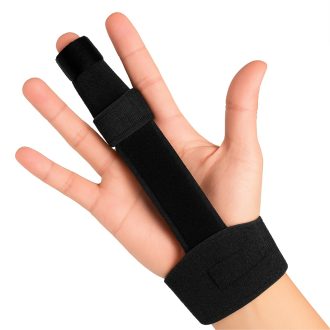
  • Finger Splint Straightener Brace for correcting bent & crooked fingers

    • 1x Finger Splint Straightener Brace for correcting bent & crooked fingers
    • For both Men & Women
    • One size fits most with two adjustable straps located on the wrist and the finger to allow you to adjust the tightness and support of the finger brace quickly and easily
    • You can wear this finger splint around any finger except for your thumbs (for thumb injuries we recommend wearing a thumb support brace instead)
    • Designed to not limit the movement of any of your other fingers giving you better hand mobility than other conventional finger splints
    • Recommended for helping to straighten bent and crooked finger and can also be worn to help treat and ease a wide range of finger injuries and conditions such as Broken Fingers, Fractures, Mallet Finger, Trigger Finger, Tendonitis Tenosynovitis, Sprained knuckles, Stenosing, Osteoarthritis, Rheumatoid Arthritis as well as post stroke finger curling
    • Features an ergonomically designed metal aluminium splint that holds and immobilizes your injured finger in a straight position keeping your finger protecting from strain and pressure to allow it to heal properly and quickly
    • Supports and straightens the tendons, muscles and joints in your finger to help overtime correct curvature and crookedness
    • Gives soothing and graduated compression to stimulate blood flow to your injured finger to help ease pain, reduce swelling and boost the circulation to your finger to help heal damaged tissue quicker
    • Made from high quality materials that are lightweight breathable, and non bulky with moisture wicking properties and excellent durability
    • Includes a full 30 day money back guarantee!

    Please note there is no guarantee of specific results and that the results can vary for this product.

    £8.99inc VAT
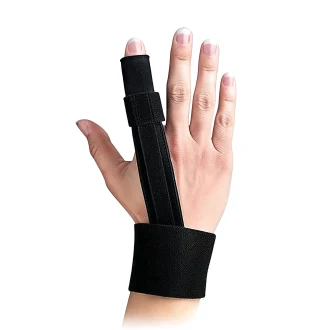
  • RevitaFit™ Finger Corrector Straightener Splint

    • 1x Finger Corrector Straightener Splint ergonomically designed to help support and treat crooked, bent, broken and fractured fingers
    • For both Men & Women
    • One size fits featuring adjustable Velcro strap that allow you to conveniently adjust to the appropriate level of support, compression and to the right fitting of the finger splint
    • Can be worn on both your Left and right hand around ANY finger easily
    • Does NOT restrict the movement of your other fingers giving you maximum support to your injured finger without compromising the mobility of your other fingers
    • Provides support and compression to your finger to help improve injury recovery and rehabilitation of Broken fingers, Fractures, Trigger Finger, Mallet finger, Finger Stenosing, Tenosynovitis, Sprained Knuckles, Tendonitis as well as for easing conditions such as Arthritis, Gout, and post stroke finger curling
    • Gives soothing compression to your finger that stimulates the blood vessels and improves circulation to provide damaged tissue with fresh oxygen and nutrient rich blood to promote the natural healing process and helps ease aches and pains and reduces inflammation and swelling caused by injury
    • Features an inbuilt metal support splint that holds your injured finger in a straight but comfortable position to protecting it from excessive movement, strain and further injury whilst allowing your finger to heal properly in a straight position without deformation
    • Made from strong, durable yet lightweight and non bulky materials with excellent breathability and moisture wicking properties to keep your hands fresh and comfortable even when wearing the splint for long periods of time
    • Can be worn overtime to help strengthen and straighten the muscles, ligaments and tendons in your finger to help train your finger and lessen crookedness and curving
    • Includes a full 30 day money back guarantee!

    Please note there is no guarantee of specific results and that the results can vary for this product.

    £8.99inc VAT
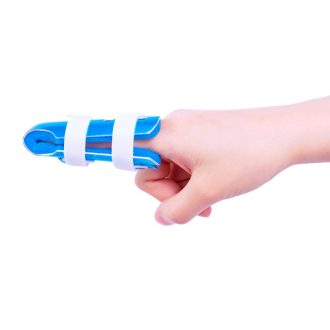
  • Mallet Finger SplintSave £2.00

    Mallet Finger Splint

    • 1x Mallet Finger Splint Brace designed to support, protect against and correct mallet finger
    • For both Men & Women
    • Available in sizes Small (1 strap) & Large (2 straps)
    • Can be worn on any finger
    • Recommended for treating and easing a range of different injuries and conditions including Mallet Finger, Trigger finger, Fractures, Broken fingers, Joint Strains & Sprains, Tendonitis, Stiffness, Gout & Arthritis
    • Features easy to use adjustable hook and loop straps that keep the finger brace securely in place and allow you quickly and easily adjust the fit and level of support and compression
    • Aluminium splint supports, realigns and straightens your finger bones and joints in a neutral position
    • Ideal for wearing during the P.R.I.C.E injury recovery protocol to help protect, rest and compress your finger after sustaining a finger injury for faster and a better injury recovery
    • Provides soothing compression that boost circulation to your finger reducing inflammation and swelling, eases aches and pains and promotes healing of damaged tissue
    • Made from breathable lightweight materials with a soft memory foam interior that cushions your finger and makes the brace perfect for wearing for long periods of time without any discomfort
    • Includes a full 30 day money back guarantee!

    Please note there is no guarantee of specific results and that the results can vary for this product.

    £7.99£9.99inc VAT
  • Finger Splint Brace

    01
    • 1x Finger Splint Brace designed to straighten and protect your finger
    • One size fits all
    • Size: Approx. 11.7 x 7.7cm
    • Great for speeding up recovery of fractured or broken fingers as well as treating trigger finger & mallet finger
    • Soft and comfortable to wear
    • Lightweight and breathable design
    • Features a removable aluminium metal bar to help keep your finger straight
    • Includes a full 30 day money back guarantee if you are not 100% satisfied with your purchase!

    Please note there is no guarantee of specific results and that the results can vary for this product.

    £6.99inc VAT

Main Menu