
Thermal Running Gloves for Men & Women
£11.99inc VAT
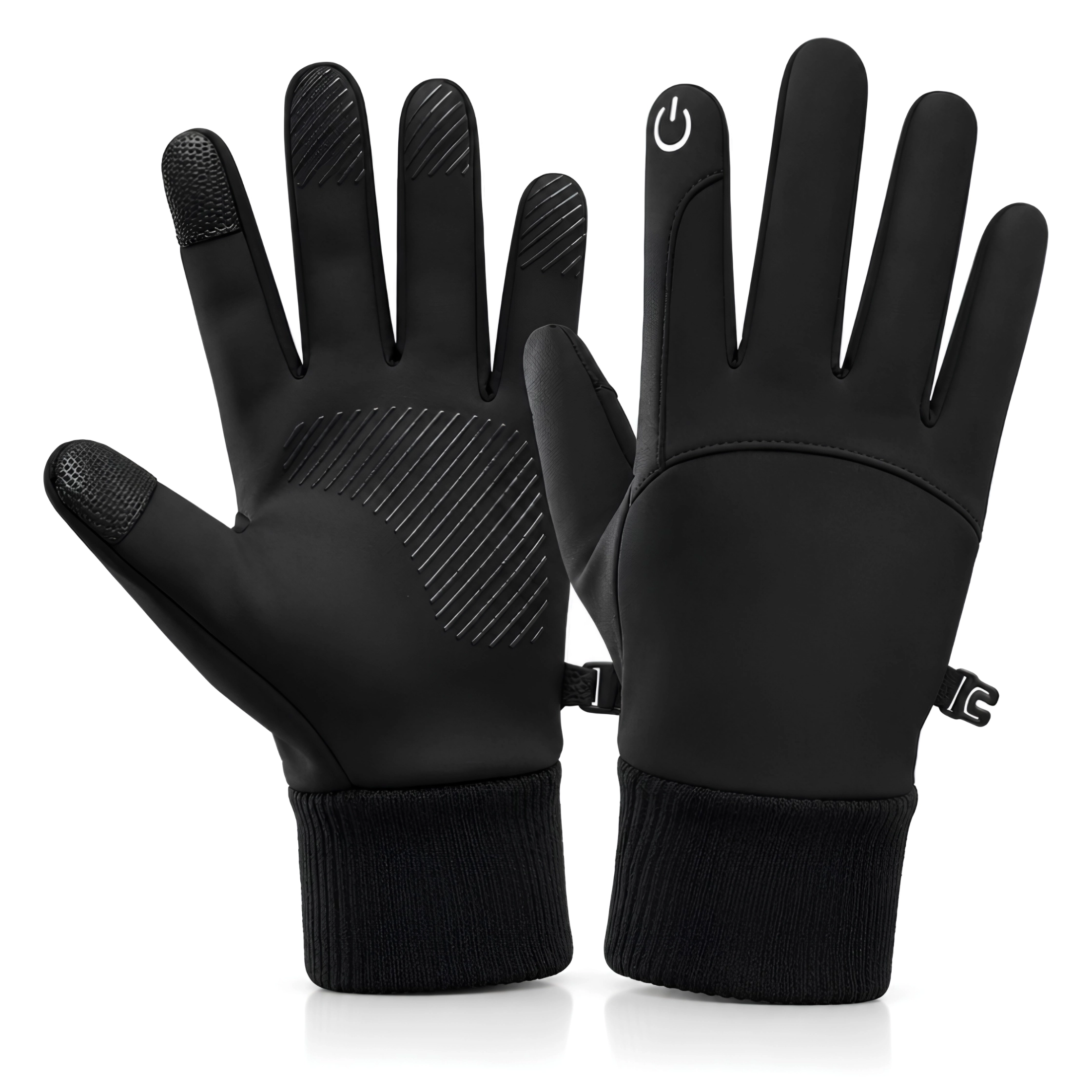
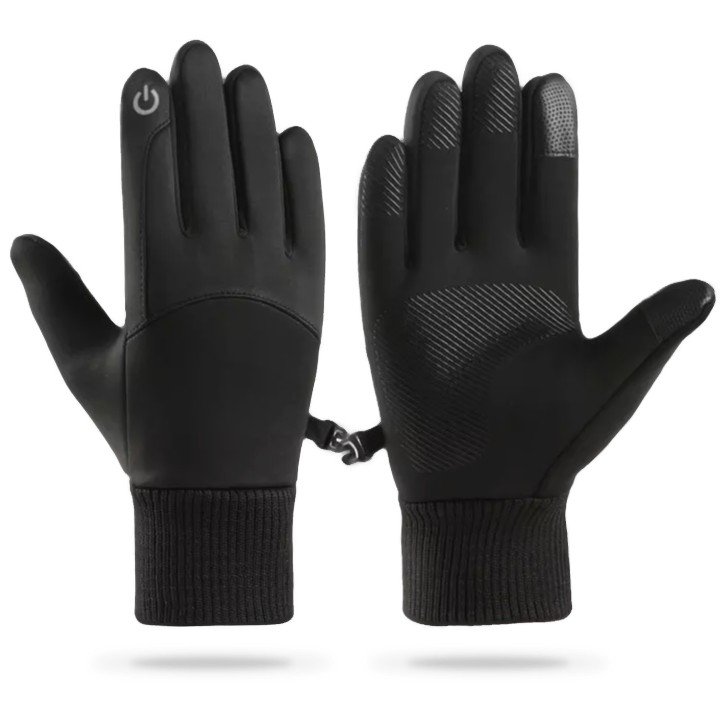
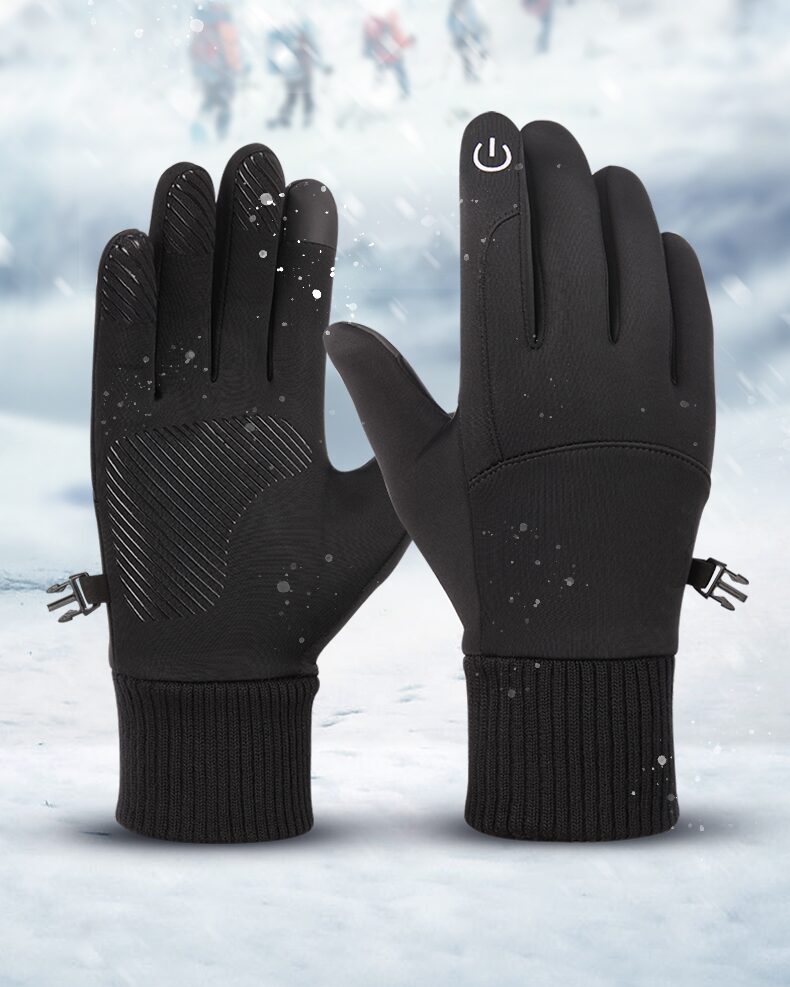
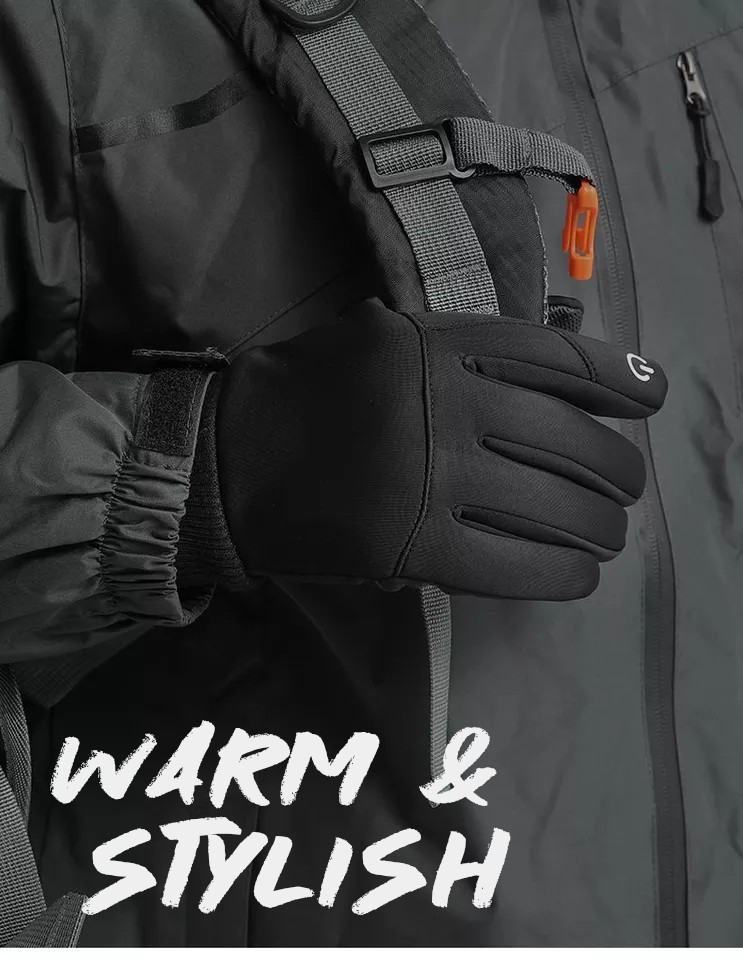
- A pair of lightweight thermal running gloves for winter running and other cold-weather exercise.
- Made for men and women in sizes Medium, Large and XL. Medium is recommended for women or anyone with smaller hands.
- Thermal fabric traps air between its fibres so the warmth your hands produce stays near the skin.
- A windproof outer layer stops moving air reaching your skin, so the warmed layer next to it stays in place.
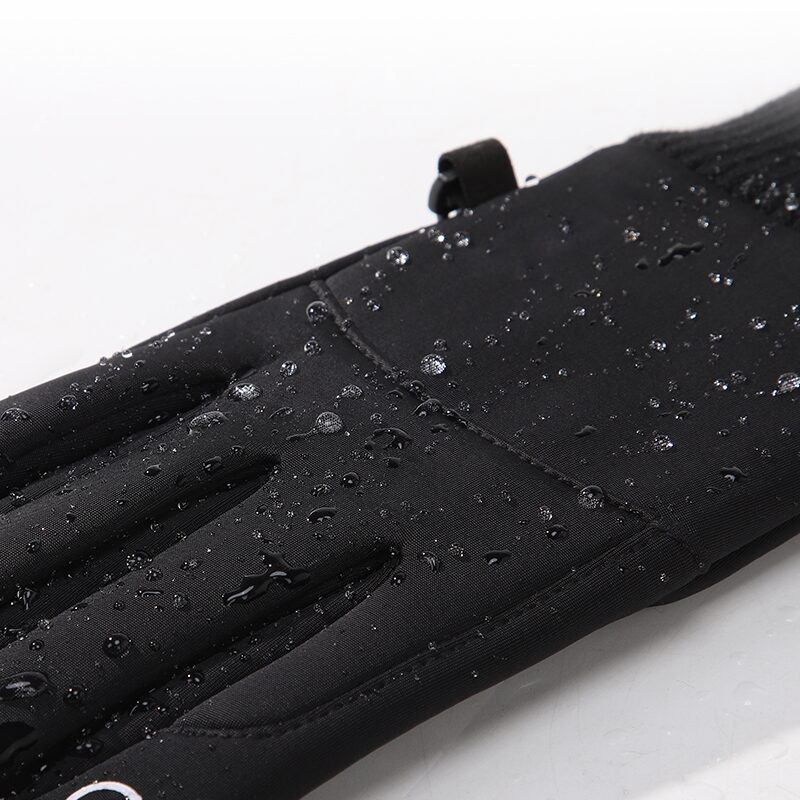
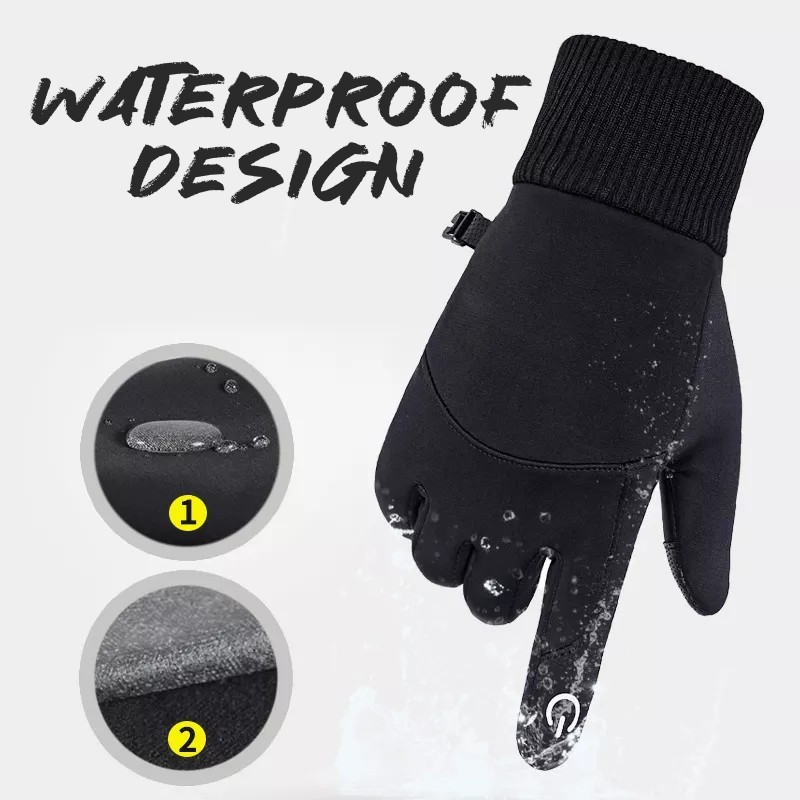
- Waterproof outer sends rain, sleet and road spray running off rather than soaking in.
- Breathable and moisture-wicking, so sweat moves away from your skin instead of sitting against it.
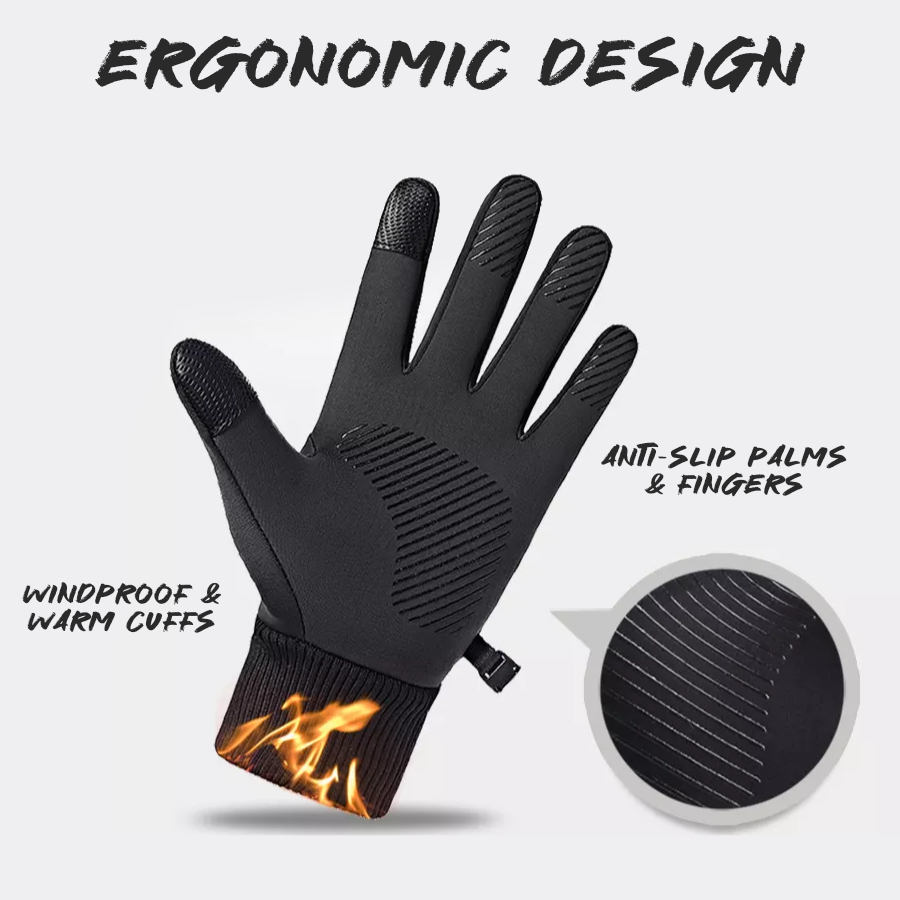
- Grip zones on the palms and fingers reduce how hard you have to clench to hold a bottle, gel or phone.
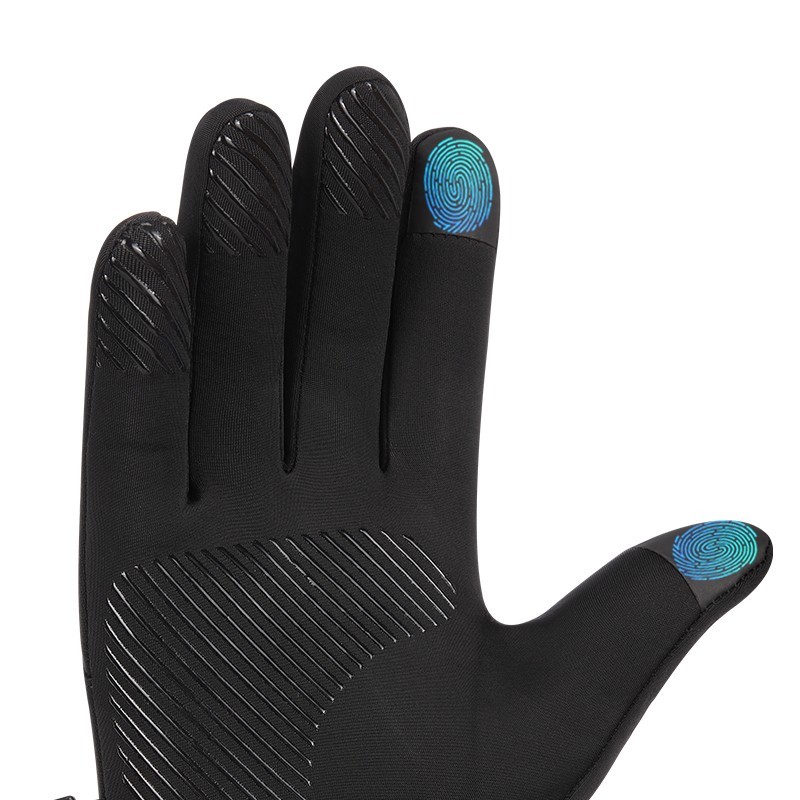
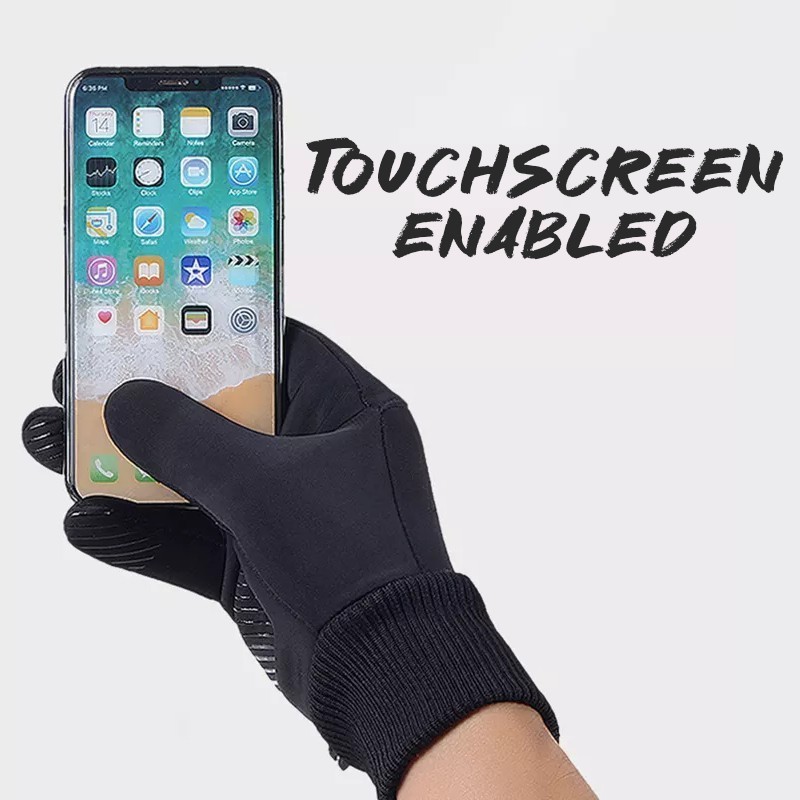
- Touch-screen enabled thumb and index finger, so you can use a phone or watch without taking a glove off.
- Ergonomic, streamlined cut follows the shape of your hand, with less fabric bunching across the palm and less drag.
- Light enough to fold into a jacket pocket or a running belt when you get too warm.
- Fit does more for warmth than most people expect: too tight presses on the blood vessels in your hand; too loose lets cold air circulate inside.
- Best suited to running and other active cold-weather exercise, rather than long spells standing still in the cold.
- Comes with a full 30-day money back guarantee.
- If you have ongoing problems with your hands, or new or unexplained symptoms, it is sensible to speak to your GP.
On a winter run, the cold gets into anything that is not covered. The hands are usually where it registers first. This pair of thermal running gloves is made for exactly those mornings — cold, wet and windy, when fingers go cold first and take longest to warm back up. They are made for men and women, and they sit close to the hand rather than adding bulk.
Why your hands go cold first
Cold hands usually show up within the first ten minutes of a run. Not a dull, manageable cold, but a stinging one. Fingers stiffen, then go numb, and simple tasks become awkward. It is rarely a matter of wearing more.
When the air turns cold, blood is directed towards the core — the heart, lungs and other vital organs — and away from the hands, feet, ears and nose. Blood carries heat, so where it flows, warmth follows. That is why the hands cool first and recover last.
The reflex is protective, and it happens without any input from you. In cold conditions, blood flow to the hands and feet is reduced first and restored last, while blood flow to the core is protected throughout. The fingers can work at a lower temperature for a while. The heart, lungs and brain cannot. So the signal to narrow the vessels and redirect the flow takes priority over warmth in the hands, and it stays in place for as long as the cold does. The result is a reduced supply to the fingers at the moment they need it most.
The blood vessels near the surface of the fingers narrow as well. The medical term is vasoconstriction, which simply means the vessels become narrower, so less blood can pass through them. Narrower vessels, combined with less blood being sent their way, mean the hands lose heat faster than the body replaces it. Those same vessels sit close to the skin, which is why the change is felt so quickly and so sharply.
Fingers have a further problem. A finger has a lot of surface for its size — more skin relative to its volume than a thigh or a torso — and almost nothing beneath it to hold heat in. A finger is mostly bone, tendon and ligament, and none of those produce heat the way a working muscle does. Fingers are also the furthest point from the heart, so they lose heat quickly and generate very little of their own. Legs, thick and working hard, feel fine while the hands go numb.
Why running makes it worse
Wind makes it worse. Skin holds a thin layer of warmed air against itself. Moving air strips that layer away, so the skin is exposed to the air temperature directly instead of to a layer of warm air. The faster you move, the more air passes across your skin, and the more heat that air carries away with it. Wind chill is the term for how much colder moving air feels than still air at the same temperature. A breezy, damp morning at four degrees Celsius can feel far harsher than a still, dry morning below freezing, and the temperature alone will not tell you which conditions you are facing.
Wet adds to it. Water draws heat out of skin much faster than air does, which is why damp hands go cold quicker than dry ones. Rain, sleet and road spray do this from the outside. Sweat has the same effect from the inside, which is easy to overlook. Running produces a lot of sweat, and as it sits on the skin it evaporates, and evaporation carries heat away with it. Sweat that cannot escape cools you just as effectively as rain does.
Running makes each of those worse. You move faster, so the wind hits harder. You work harder, so you sweat more. And the hands swing clear of the body, so they pick up no warmth from the torso the way they do when you walk. Those three together explain why runners feel the cold in their hands so much more than walkers do.
Cold hands also make the small jobs harder. Zips, laces, bottle caps, gel packets, house keys, watch buttons — a run asks more of the fingers than most people expect. Once they have gone stiff, every one of those turns fiddly. Grip weakens and the fingers stop responding the way they need to. Shoulders start to hunch, and the tension that builds there travels down into the hands. Plenty of winter runs get cut short over something as straightforward as cold hands.
Cold hands early in a run are normal, and most runners notice the same thing: the hands stay cold long after the rest of the body has warmed up. That is why a thicker glove is not automatically a warmer one on a run.
Why the gloves you already own don’t fix it
Many winter runners already own a pair of gloves, and most of those gloves are genuinely made for cold weather. Cold-weather design is not where they fall down. They fall down on running — on the sweat, the movement and the weather arriving at the same time. They tend to fail in one of four ways, and none of them is down to poor quality.
The thin knitted pair that works fine on a still autumn morning stops working as soon as the weather turns. The weave is open, so air passes straight through it. Knitted fabric also holds moisture. Sweat is drawn into the fibres and stays there, so the hands stay damp for the whole run. Because the fabric is thin and smooth, there is nothing on it to grip once the surface is wet.
Thick padded winter gloves fail in the opposite way. They trap a lot of heat, which sounds ideal until the hands start producing their own. Then the hands overheat and sweat, and once that sweat cools they end up colder than they would have been without the gloves. Padding also reduces what the hands can feel. A bottle cap, a gel packet or a zip is harder to work by touch, and unless the outer fabric is treated, the padding soaks up water and holds it against the hand.
Waterproof outer shells and over-gloves are built for rain rather than running. They keep water out, and they keep it out well. What they also do is hold sweat in, so the inside goes clammy within a mile or two. The fabric sits stiff across the palm, and they do not fold small enough to put in a pocket when they get too warm. The hands stay dry, and the glove is still uncomfortable.
The fourth failure is at the wrist, and it is the easiest one to miss. Nothing about it is to do with the fabric. The skin there is thin, the blood vessels run close to the surface, and there is very little fat to insulate anything. The wrist also sits exactly where a glove ends and a sleeve begins. Any gap between the two lets cold air in and warmth out at the point where the body has least padding of its own. A glove cuff that overlaps the sleeve, or a sleeve that overlaps the glove cuff, closes that gap. It is a small detail, and on a windy morning it makes a noticeable difference.
The word “thermal” on a glove says very little by itself. On a shelf you will find pairs that are thin and pairs that are thick, some with a wind-blocking layer and some without, all described the same way. What counts is whether the glove suits how it will actually be used — outdoors, moving, in real weather, for a long enough stretch.
The first three failures come down to the same tension: keeping weather out while letting sweat leave. Most gloves manage one and not the other. The wrist is a different problem, and fabric alone cannot solve it — only whether the glove meets the sleeve.
How these gloves are put together
A running glove has to do several things at once, and some of them work against each other. Insulation adds bulk, and bulk takes away feel. Grips add material exactly where sensitivity is useful. Every pair has to find a balance between them, and that balance is what decides how it performs on a run.
Warmth without weight
The fabric holds the warmth the hands produce close to the skin instead of letting it pass into the cold air around them. You feel that as a close, soft fit rather than a padded one.
Thermal fabrics do not generate heat. They work by trapping air in the small spaces between their fibres. Still air conducts heat very slowly, so the warmth given off by the hands stays close to the skin instead of passing outwards into the cold. It is the same principle that holds a layer of warm air against the skin, moved one layer out.
This fabric has a tighter, denser structure than a plain knit, so the pockets of air inside it are smaller and stay in place. That is why the glove feels noticeably warmer than a knit of similar thickness.
Keeping the insulation light matters more on a run than it might seem. A heavy glove changes how the arms swing, and over several miles that small change builds into a tired, uneven stride. Light gloves let the arms swing the way they normally would, so the hands are simply not cold and nothing else changes. They are also light enough to fold into a jacket pocket or a running belt with barely any bulk, so if they get too warm halfway round, they can come off and go in a pocket without adding weight for the rest of the run.
Weather out, sweat through
The gloves are windproof and waterproof. Windproof fabric stops moving air passing through it, so the warmth stays where it is, next to the skin. Waterproofing sends rain, sleet and road spray running off the outer surface instead of soaking in.
The problem is what that construction does to sweat. A glove that holds sweat in leaves the hands damp from the inside, which undoes most of what the insulation is doing. The fabric is therefore also lightweight, breathable and moisture-wicking.
Breathable means water vapour can still pass through the fabric, so the sweat building up inside has somewhere to go instead of being trapped. Moisture-wicking draws sweat off the skin and spreads it through the outer layers of the material, so it can escape through the fabric instead of staying against the skin.
The difference shows up at the end of a run. When sweat can move away, the inside of the glove stays dry, and the hands keep their warmth far longer. Whether sweat can leave the glove, more than anything else, decides how warm the hands stay.
A hand that still works
Each glove has grips on the palms and fingers. They come into play whenever something is held while moving — a water bottle, a gel, a phone, a set of keys, a handlebar. Traction under the fingers means the hand does not have to grip as hard to keep hold of anything, and gripping less means less tension travelling up through the hand and forearm. The difference is most noticeable on a cold, wet morning with something wet in the hand.
The thumb and index finger of each glove are touch-screen enabled, so a phone or any other touch screen can be used without taking a glove off. Pulling a glove off mid-run leaves that hand cold within a minute or two, so the fingertips avoid both the stop and the cold hand that follows.
The shape is ergonomic, which simply means it has been cut to follow the natural lines and curves of the hand rather than being a flat tube. Less material bunches across the palm, and less fabric sits between the hand and whatever is being held, so more of the sense of touch is kept. The gloves are also streamlined, which means there is no loose fabric to catch the air as the arms swing. Anything loose flapping about adds drag, which pulls against you, and noise, which you hear. Keeping the material close to the hand cuts down both, and leaves the fingers free to work.
Getting the fit right
Fit affects how warm these feel more than most people expect, and getting it wrong undoes a lot of the good work. A glove that is too tight presses on the blood vessels in the hand and flattens the pockets of air in the fabric that do the insulating. Blood flow to the fingers is already reduced in the cold, so adding pressure on top of that makes an existing problem worse. An over-tight glove can leave you colder than a loose one. A glove that is too loose lets cold air circulate inside it, and the fingers have nothing to push against when you try to grip. What you want is a close fit that does not press into the hand.
This pair is available in Medium, Large and Extra Large. Medium is the usual fit for women or anyone with smaller hands, with Large and Extra Large for larger hands.
One thing worth knowing before you order: glove sizing is not standardised between makers, so a Medium from one pair is not the same as a Medium from another. That is why the checks below matter more than the number. If you are between two sizes, the smaller one will feel snugger indoors but presses on the hand once the fingers swell on a run. The larger of the two is usually the better pick for running, as long as there is no slack fabric beyond the fingertips. If you plan to wear a thin liner glove underneath in the coldest weather — a very light, close-fitting glove worn for extra warmth — allow a little room for it, but not so much that the fingertips no longer reach the ends.
Here is a quick way to check a pair before you commit to them for a run. Make a fist — the fabric should pull gently across the knuckles without pressing into them. Spread the fingers wide — nothing should pinch between them, and no seam should dig in. Look at the fingertips — the ends should sit softly at the tip of each finger, without extra fabric past the tip. Finally, roll the wrist through a full circle — the cuff should stay in place rather than slipping down or opening up as you turn.
One more thing about fit. Once you are moving, blood flow to the hands picks up as the body warms, and the hands can swell a little. A glove that feels just slightly snug when pulled on indoors often feels exactly right ten or fifteen minutes into a run. A glove that feels tight from the first second tends to stay tight.
What to expect on a run
The early part of a run is not a fair test. Hands are usually coldest at the start, before the body has warmed up and started sending blood back out to them. Judge how well they are working after the first mile, once the pace has settled, rather than indoors while you are still doing up your laces.
A watch can be adjusted, a gel opened, a pocket unzipped without having to stop. And because the lining moves sweat away from the skin, the inside of the glove stays dry rather than turning cold and damp.
The weather you are out in changes which part of the glove you notice most. On a dry, still, cold morning, it is the insulation you feel: hands comfortable from the first mile on, and by halfway you have stopped noticing you are wearing them at all. On a wet and windy morning, it is the outer layer that shows: rain running off the fabric, the wind failing to get through to the skin. The glove is doing the same job on both mornings, but the conditions decide which part of it you notice.
There is a point where they become too warm. Because they are built for cold conditions, in calm, dry, mild weather they are likely to feel too warm after twenty minutes or so. That is not a fault. Insulated gloves do that in mild air, and it is part of why they fold down small enough to stash easily.
Colder weather is where they are most useful. Heading out in proper cold, they work well over a thin liner, or on their own when the weather is milder. They sit neatly under a jacket cuff without bunching or riding up as you move, which also keeps the wrist sealed.
On a wet run, rain runs off the outside for a good while. Stay out long enough in heavy weather and water will eventually get in through the seams, as it would with almost any glove. The difference is that even when the outer fabric is wet to the touch, sweat is still moving outwards from the inside, so moisture does not collect against the hands.
Looking after them
After a wet or sweaty run, the routine is simple. Turn them inside out if the care guidance allows, and let them air dry somewhere with good airflow, away from direct heat. Radiators and tumble dryers can damage the thermal fabric and the water-resistant finish, so keep them clear of both. Wash them gently when they need it, and make sure they are completely dry before you put them away, since storing them damp is what shortens their life.
With normal care, gloves built like these hold up well across a season or two of regular running. With use, the water-resistant finish on the outer fabric softens first, which is normal for this type of glove, and it does not stop the fabric keeping wind and rain out.
When these aren’t the right choice
These gloves hold the heat you produce, so they work best when you are producing it. They are designed for winter running and similar cold-weather exercise. They are not built for long spells standing still in serious cold — a long wait outdoors, or a slow winter walk — where not much warmth is being generated. In those conditions a heavier insulated glove, or a pair of mitts, which keep the fingers together so they warm one another, will serve you better. If your time outdoors is mostly slow and still rather than active, a bulkier option makes more sense.
If you have ongoing problems with your hands, or any new or unexplained symptoms, it is sensible to speak to your GP rather than trying to manage it with clothing.
Your next step
If cold hands have been a regular part of winter runs, this pair is a straightforward answer. Warmth kept in, weather kept out, sweat let through, and a hand that can still grip, tap and move the way you want it to. Take a minute to work out your size using the fit checks, so the close fit works in your favour rather than against it. They come with a full 30-day money back guarantee, so if the fit or the feel is not right, you have that window to be sure.
Disclaimer
This page offers general guidance only and is not a substitute for individual medical advice, diagnosis or treatment. No outcome is guaranteed. If you are unsure whether these gloves suit your situation, or if you have new, unexplained or worsening symptoms, speak to a GP, physiotherapist or another appropriate clinician for advice tailored to you.
Fast & Secure Checkout Through Paypal
Pay with Paypal the secure payment gateway that accepts all credit and debit cards. Paypal is free and secure and no credit or bank information is ever stored or shared with us.
Fast Dispatch
Enjoy your items soon with quick dispatch via Royal Mail. Expect to have your items between 1-3 working days for domestic orders. 7-10 Working days for international orders.
Return Policy – 30 Day Money Back Guarantee
In the unlikely event, you are unhappy with your purchase you can return it within 30 days for a refund. Please contact us via the form on the contact us page to start your return.
To return an item please send it to: Nuova Health UK, 81 Highfield Lane, Waverley, Rotherham, S60 8AL. Please include a note with your order id so we know who to refund. Please retain your postage receipt as proof of postage. All that we ask is that the item is in the original packaging and unused.
Reviews
There are no reviews yet.